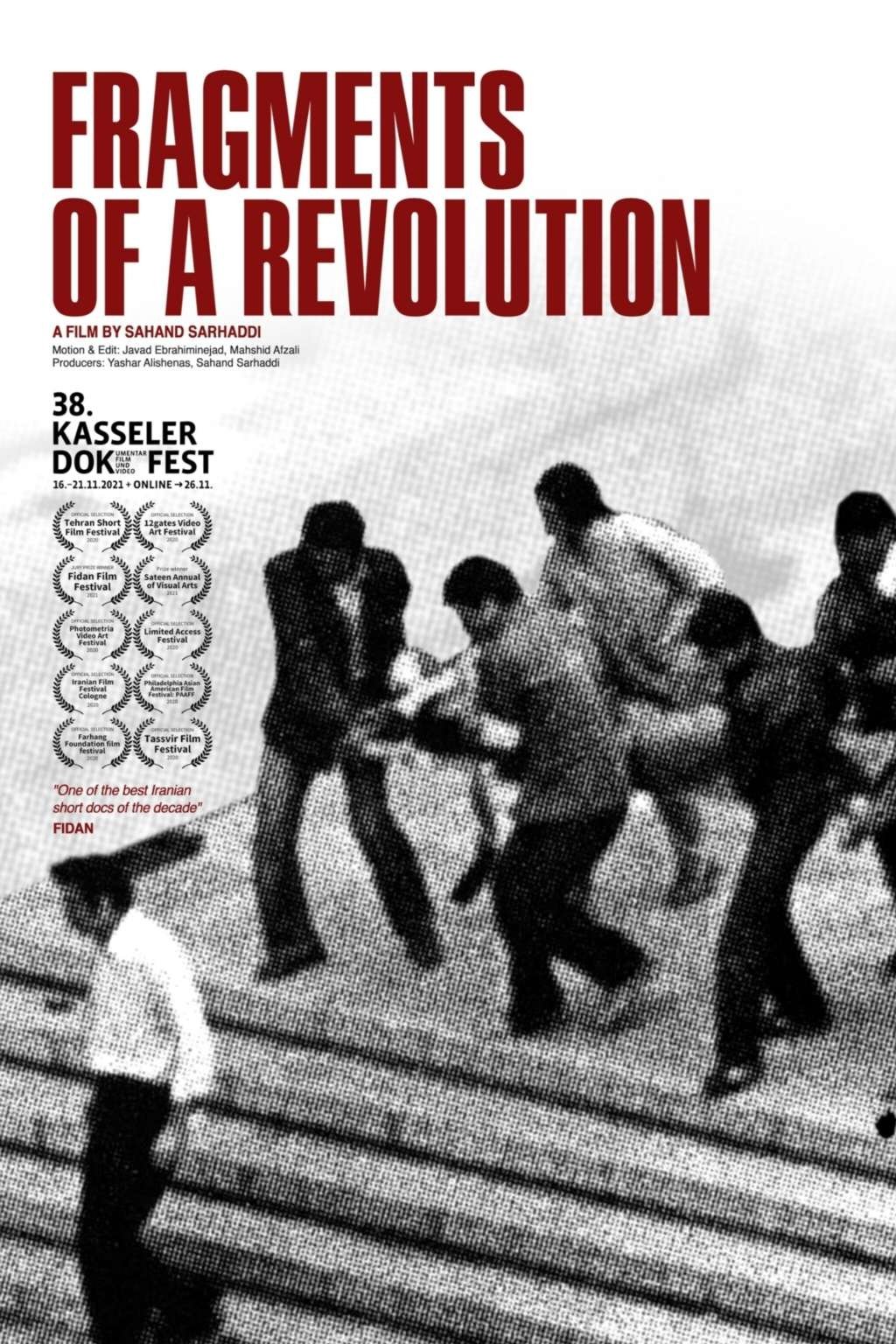
An experimental film about narrations of two journal photos from Iran's revolution in 1979.
Social & External
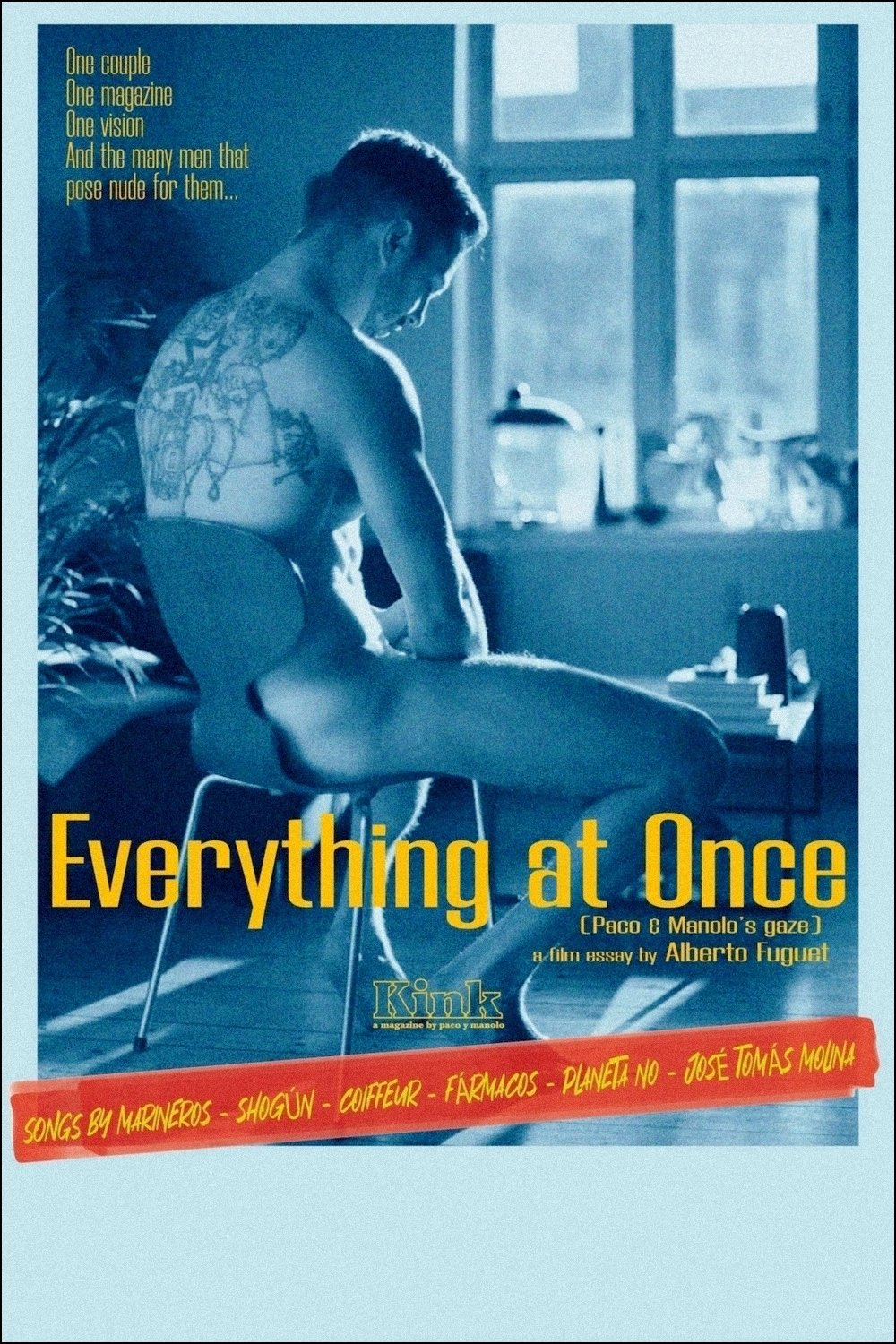
Paco and Manolo are two Catalan photographers from the outskirts of Barcelona who have been working together for thirty years as if they were a single person, capturing their images in Kink magazine, a very personal photography fanzine with a homoerotic aesthetic of Mediterranean essence.
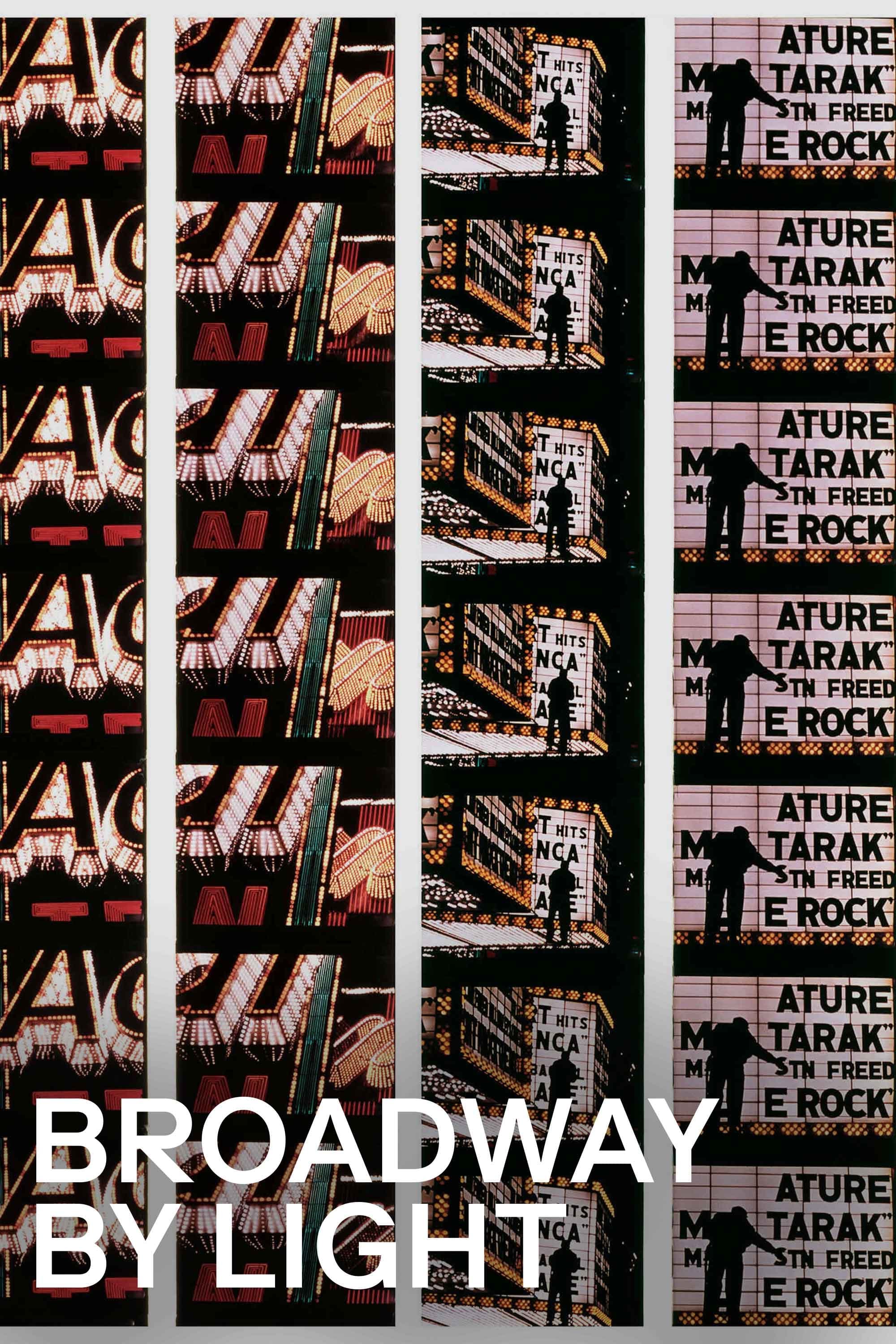
An experimental meditation on Times Square's marquees and iconic advertising that captures the concurrently seedy and dazzling aspects of New York's Great White Way.
An experimental coming-of-age odyssey through someone's troubled mind, going from country to country, landscape to landscape, growing up in the process. A documentary, travelogue, vlog, dream and self-portrait. A reflection on life, death and history.
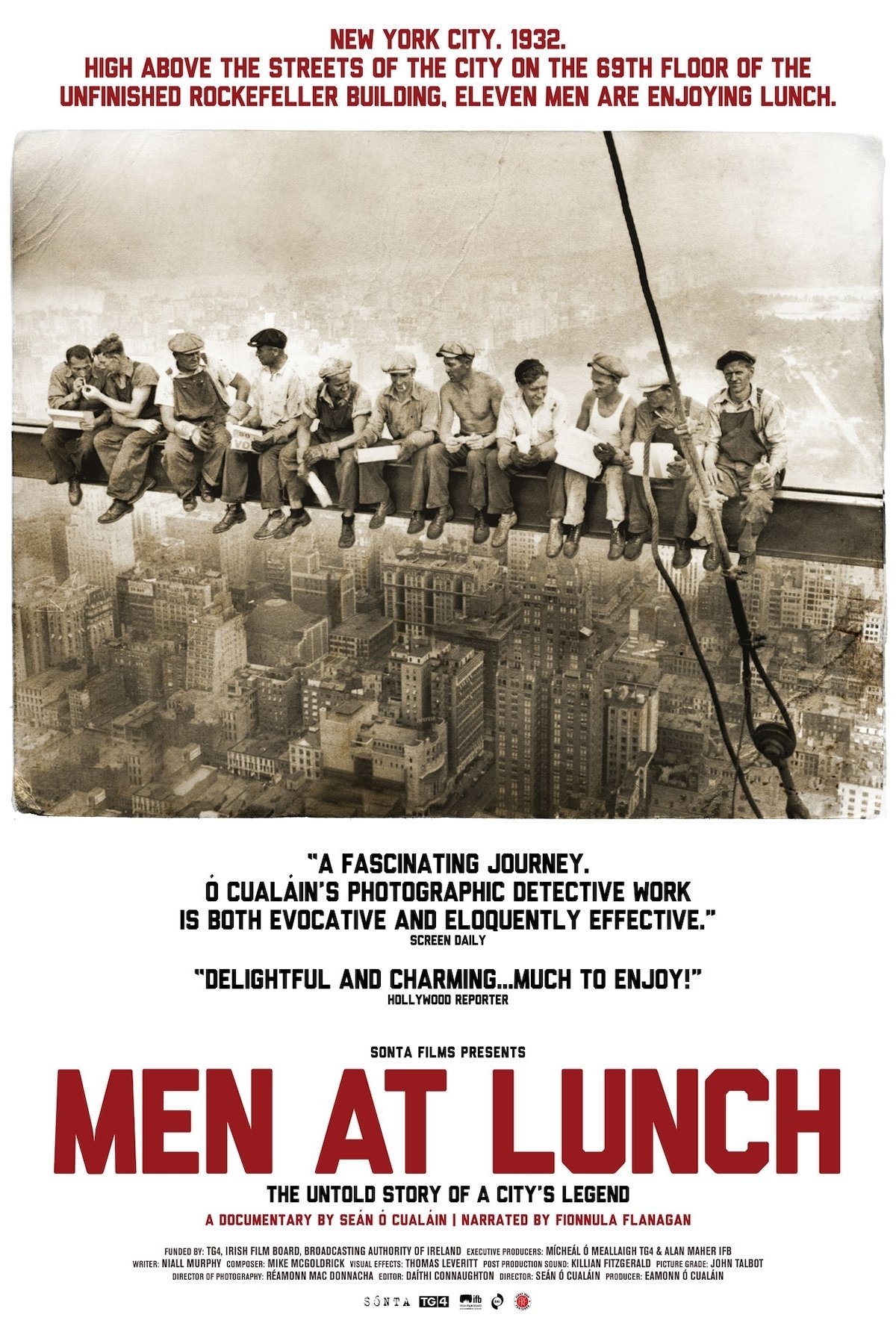
This remarkable new documentary explores the story behind one of the most iconic images of the twentieth century: the 1932 photograph of workmen taking their lunch while perched on a girder high above New York City.
Martin Štrba’s inventive documentary tells the remarkable story of a group of Slovak photographers whose groundbreaking work challenged Communist orthodoxy in the 1980ss.
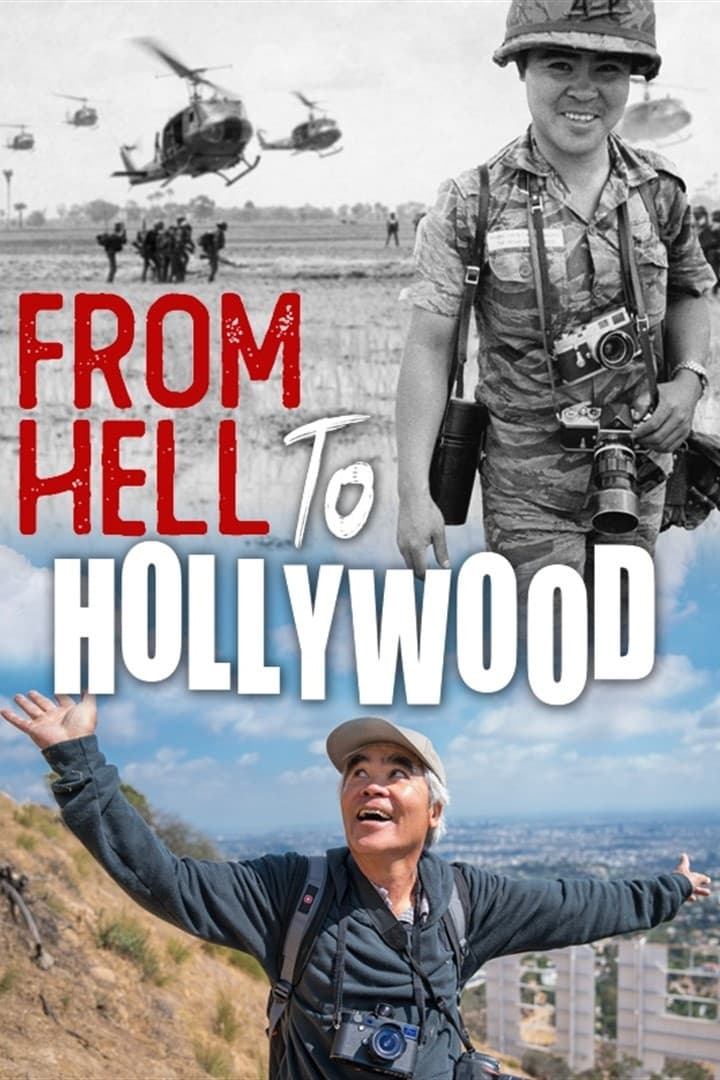
In this biographical portrait, Nick Ut, the Associated Press photographer finally tells his own story.
The life and career of legendary Hollywood glamour portrait photographer George Hurrell is profiled by his contemporaries including other photographers and actors he has shot.
Art Kane, now deceased, coordinated a group photograph of all the top jazz musicians in NYC in the year 1958, for a piece in Esquire magazine. Just about every jazz musician at the time showed up for the photo shoot which took place in front of a brownstone near the 125th street station. The documentary compiles interviews of many of the musicians in the photograph to talk about the day of the photograph, and it shows film footage taken that day by Milt Hinton and his wife.
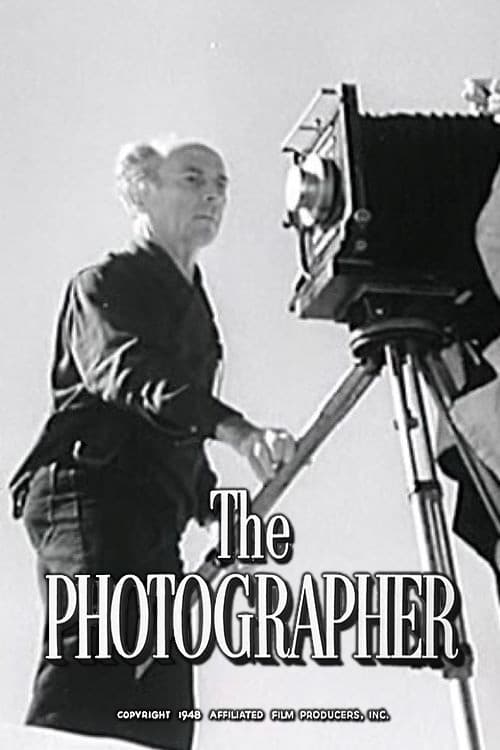
1948 ARC Identifier 46998 / Local Identifier 306.131. FEATURES THE PERSONALITY, PHILOSOPHY, TECHNIQUES AND ARTISTRY OF EDWARD WESTON, AS SHOWN THROUGH SCENES OF THE ARTIST AT HOME, ON LOCATION AND AT WORK WITH HIS STUDENTS. U.S. Information Agency. (1982 - 10/01/1999) Made possible by a donation from Simon Phipps
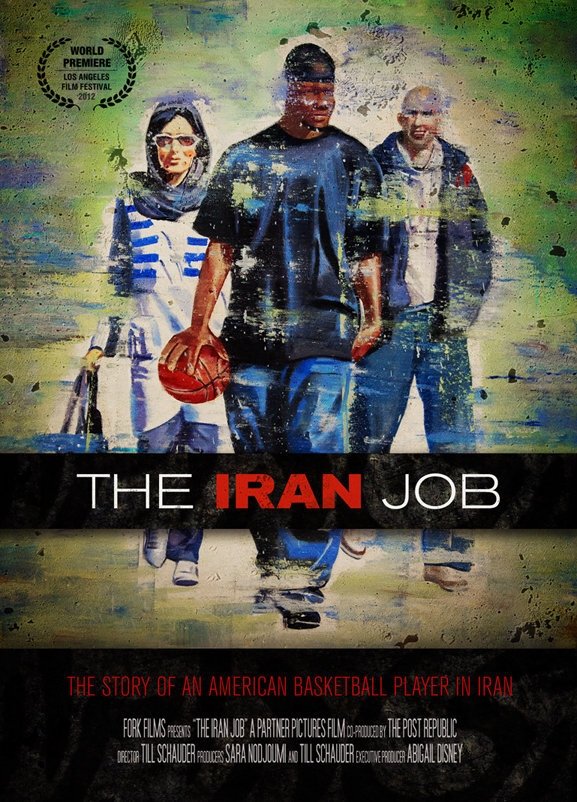
This eye-opening documentary follows American basketball player Kevin Sheppard during his 2008-09 season playing for a professional team in Iran. Although Kevin is nervous, he makes many friends, including several politically active Iranian women.
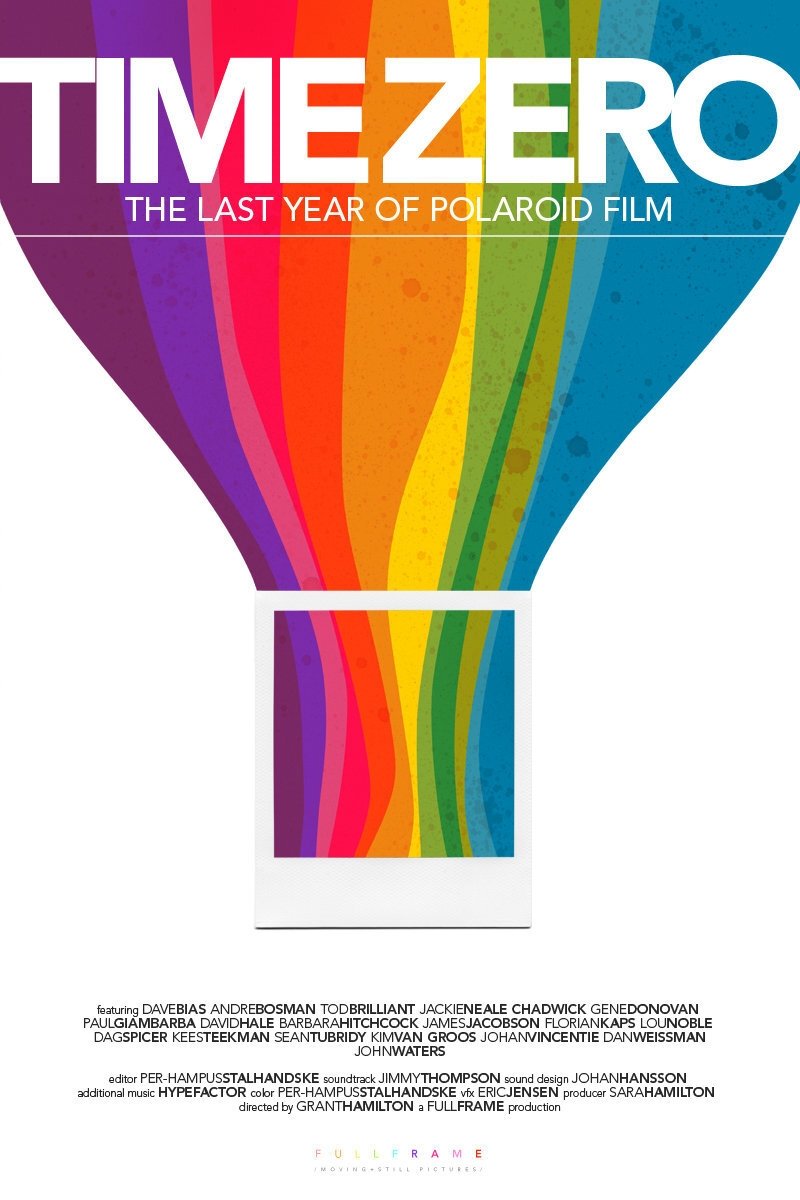
Documentary covering the end of an era as Polaroid stops producing its signature cameras and film as well as The Impossible Project to keep instant photography alive.
Stunning slow-motion and timelapse cinematography of the landscapes, people and wildlife of the American South West.
During an audio message sent to his daughter, a father reflects on how the recent discovery of dusty reels and scratchy VHS tapes capturing childhood moments has propelled him on a journey of ancient memories and forgotten dreams . Using a blend of personal, public domain, and freely available footage, the film deconstructs reality and reimagines the past, questioning where memory ends and imagination begins.
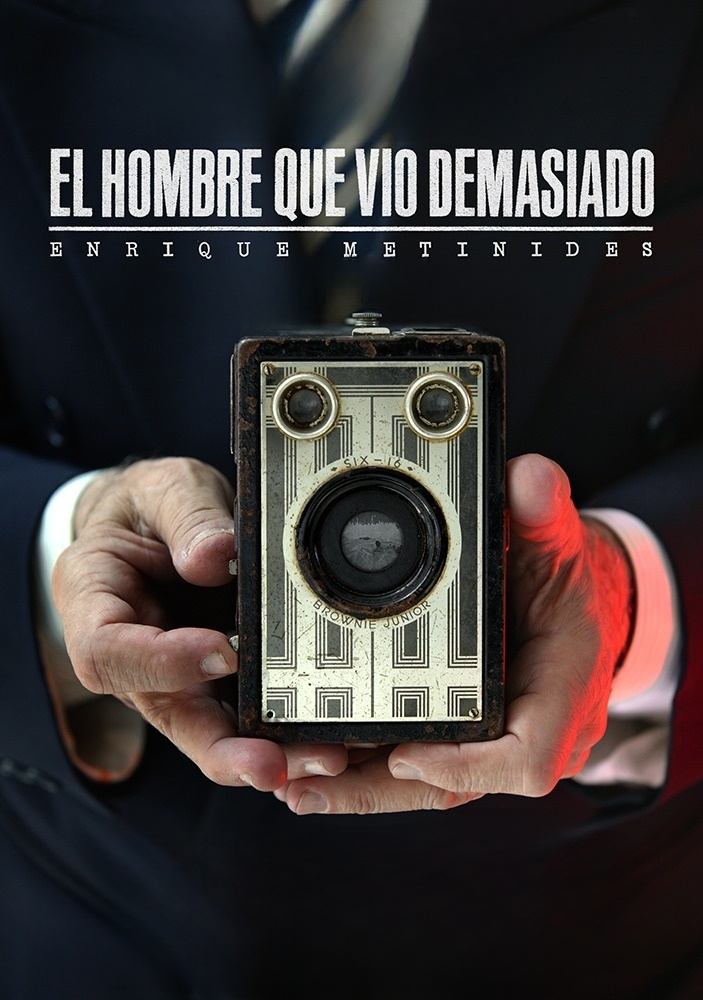
A film about fragility; about a man obsessed with photographing the accident who discovered that the fate of others was his way of connecting to life. When does the image of the accident become the object of desire? Following the footsteps of Metinides and the work of contemporary tabloid photographers, we discover Mexico City through a narrative of crime scenes and accidents; rubbernecking though Metinides’ Gaze.
James Roddie is a caver, climber and a professional photographer. He’s also a 30-year-old man with an eating disorder. After the death of his father, James deals with it the best way he knows how – heading underground with his camera. Delving into his story, James candidly explores why caving, adventure, and mental health are so intricately tied together.
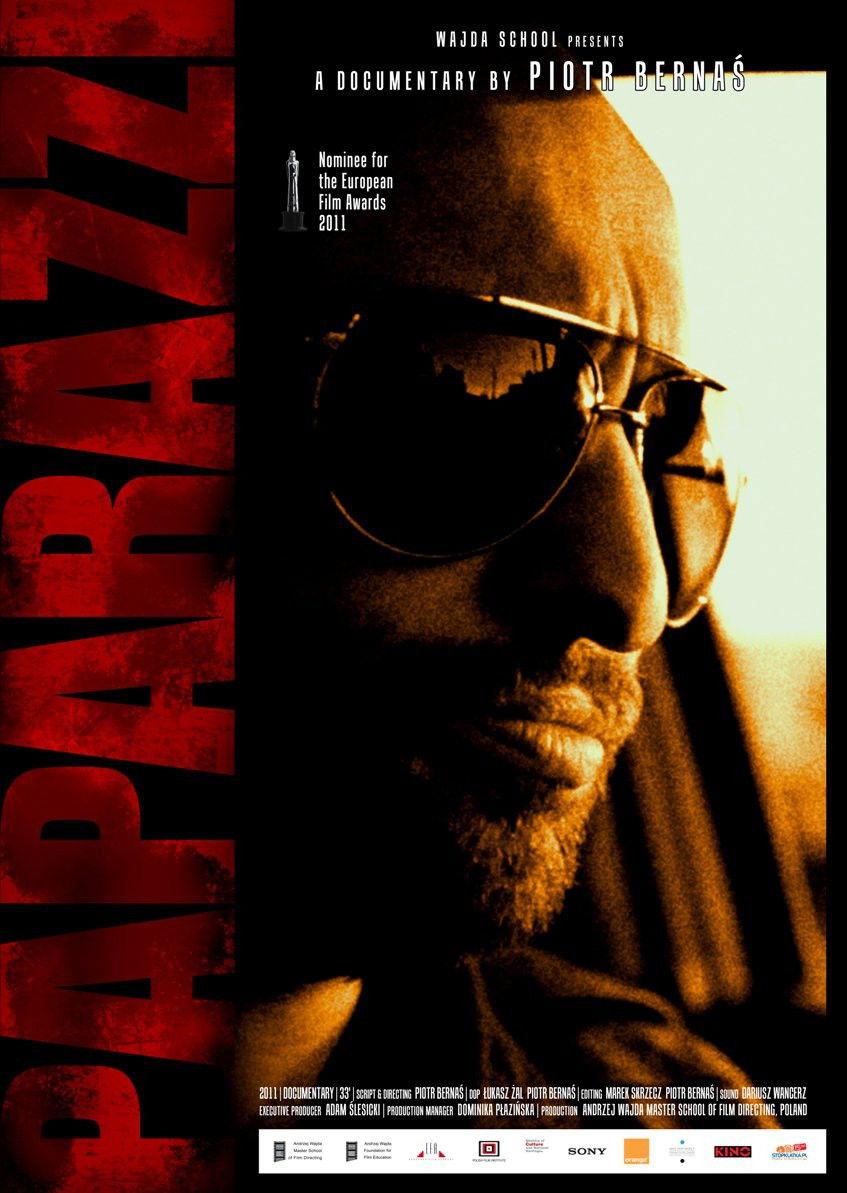
The film shows the Polish media life in 2010 from the perspective of the daily work of paparazzi - from hunting Roman Polanski to the events of the Smolensk catastrophe. However, in the foreground there is a dramatic story of a man who makes controversial choices on a daily basis and bears emotional, personal and ethical consequences. The title character turns out to be as ruthless as himself as to the people on whose lives he preys. Paparazzi is a movie about lost world values and bold rules - but shows that we always have a chance to decide what kind of man we will be tomorrow.
DIVORCE IRANIAN STYLE unfolds inside an Iranian divorce court, providing a subtle and intimate look at the lives of women in a country stereotypically associated with fanaticism and oppression. Astute and beautifully observed, the film reveals the ingenuity and humour with which Iranian women negotiate the restrictions of their society.
Niño de Elche leaves the curtain ajar in the moments before the premiere of his show Coplas Mecánicas, with Israel Galván at Sónar Festival 2018.
An atmospheric essay, which is an alternative version of Count Dracula, a film directed by Jess Franco in 1970; a ghostly narration between fiction and reality.
A love letter from a young mother to her daughter, the film tells the story of Waad al-Kateab’s life through five years of the uprising in Aleppo, Syria as she falls in love, gets married and gives birth to Sama, all while cataclysmic conflict rises around her. Her camera captures incredible stories of loss, laughter and survival as Waad wrestles with an impossible choice– whether or not to flee the city to protect her daughter’s life, when leaving means abandoning the struggle for freedom for which she has already sacrificed so much.
A look behind the lens of Christopher Nolan's space epic.
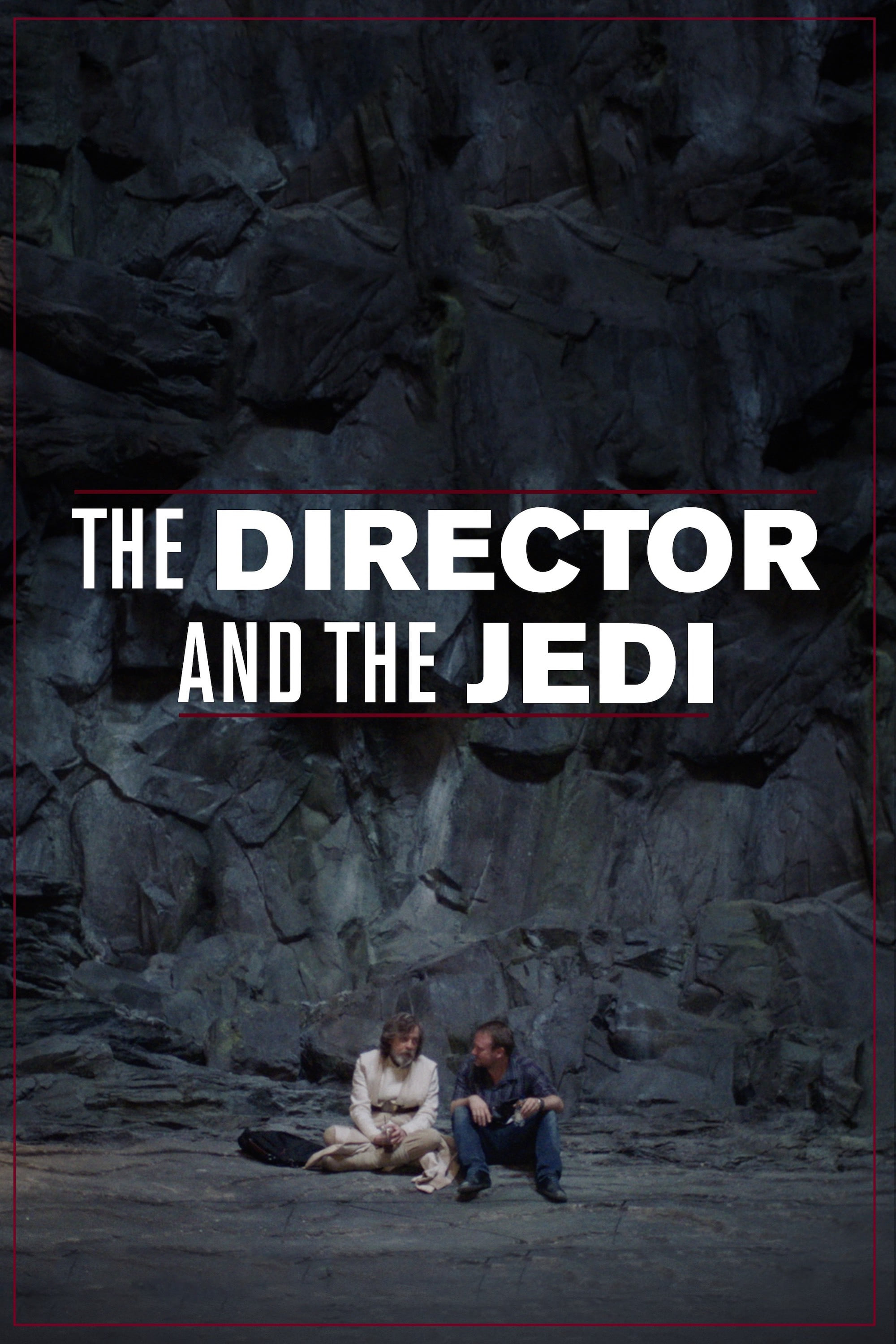
An intimate documentary delving into Rian Johnson's process as he comes in as a director new to the Star Wars universe.
A subjective documentary that explores various theories about hidden meanings in Stanley Kubrick's classic film The Shining. Five very different points of view are illuminated through voice over, film clips, animation and dramatic reenactments.
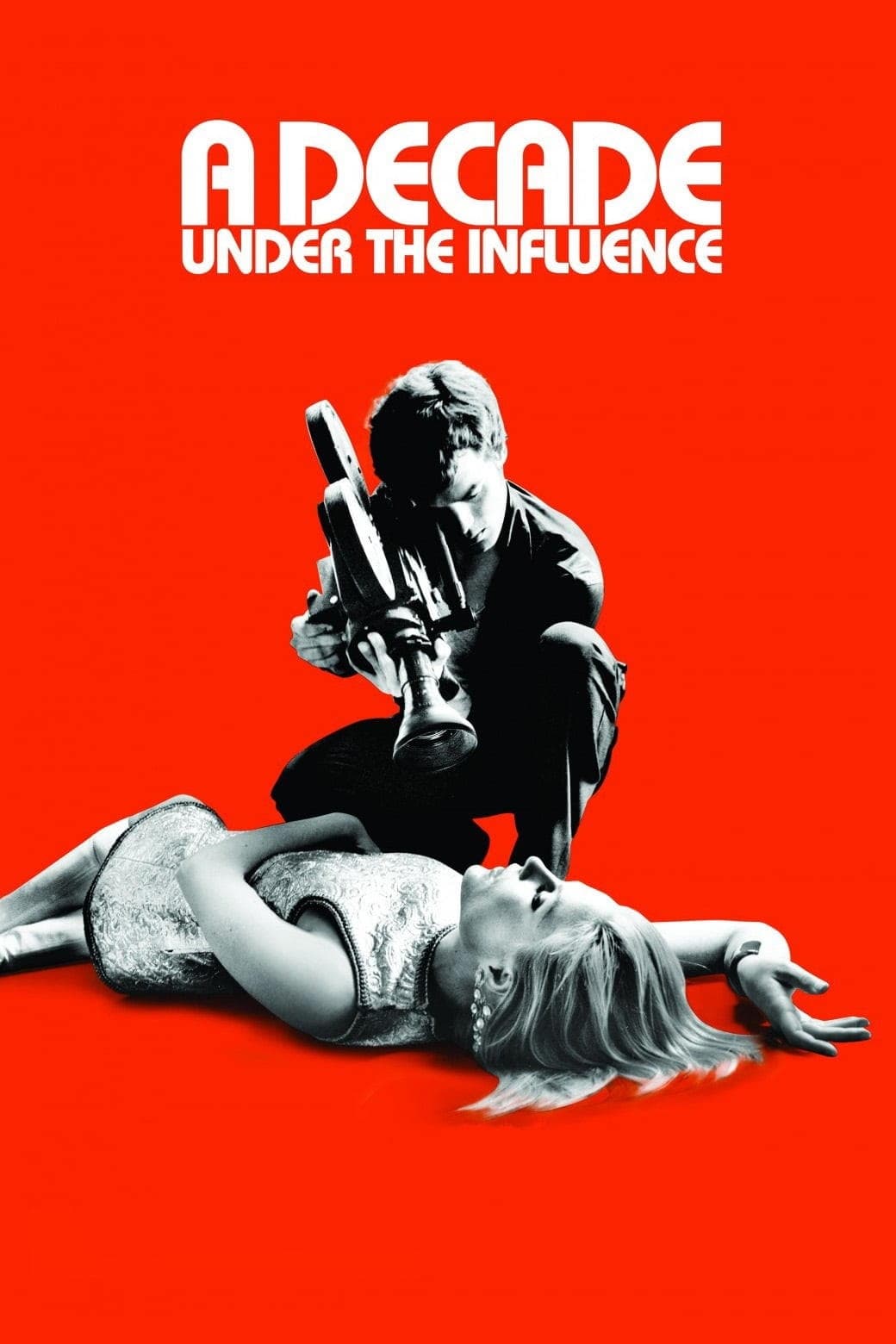
A documentary examining the decade of the 1970s as a turning point in American cinema. Some of today's best filmmakers interview the influential directors of that time.
A documentary on the expletive's origin, why it offends some people so deeply, and what can be gained from its use.
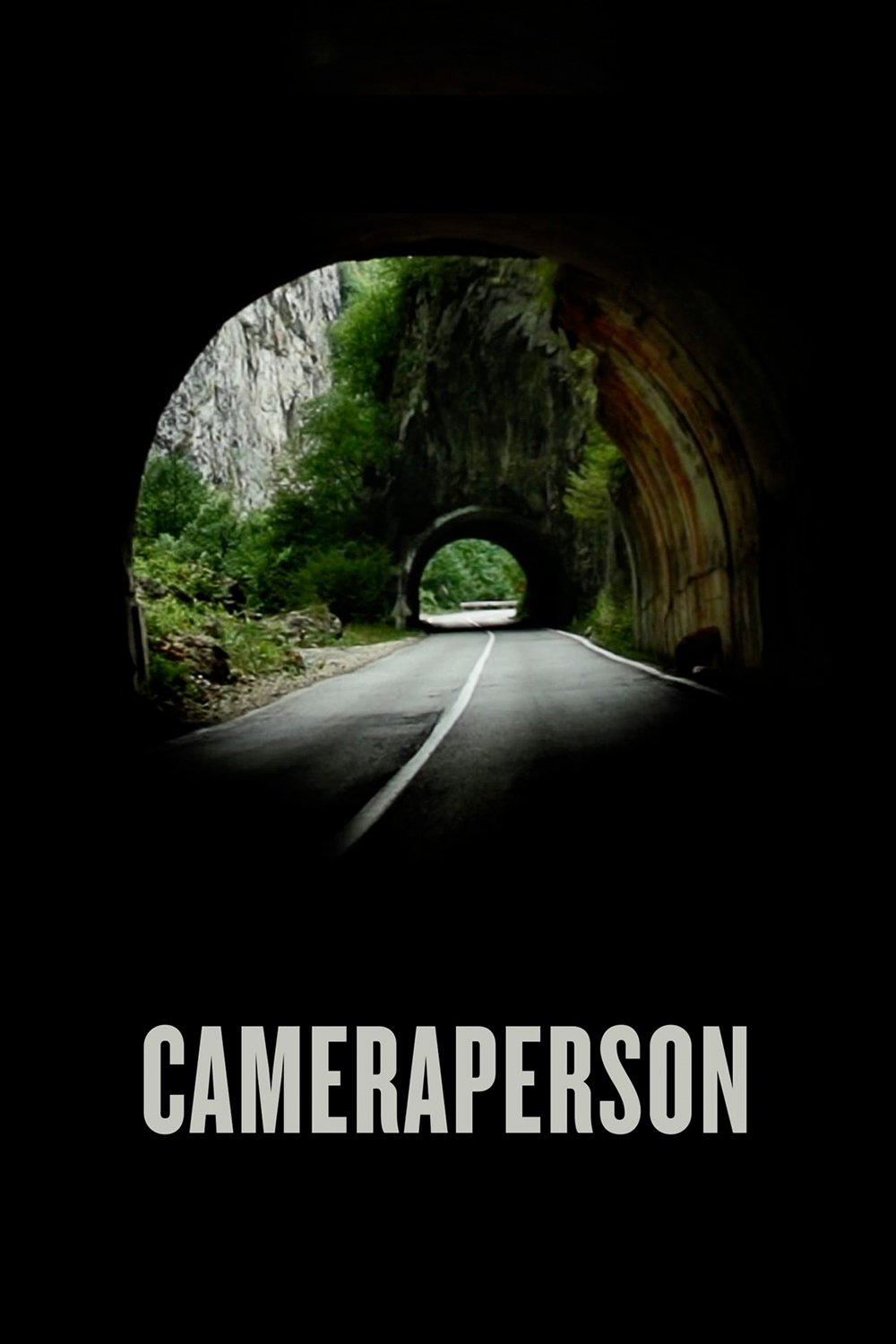
As a visually radical memoir, CAMERAPERSON draws on the remarkable footage that filmmaker Kirsten Johnson has shot and reframes it in ways that illuminate moments and situations that have personally affected her. What emerges is an elegant meditation on the relationship between truth and the camera frame, as Johnson transforms scenes that have been presented on Festival screens as one kind of truth into another kind of story—one about personal journey, craft, and direct human connection.
In the Realms of the Unreal is a documentary about the reclusive Chicago-based artist Henry Darger. Henry Darger was so reclusive that when he died his neighbors were surprised to find a 15,145-page manuscript along with hundreds of paintings depicting The Story of the Vivian Girls, in What is Known as the Realms of the Unreal, of the Glodeco-Angelinnian War Storm, Cased by the Child Slave Rebellion.
The history of cinematic sound, told by legendary sound designers and visionary filmmakers.
The film follows adventurer Jeff Johnson as he retraces the epic 1968 journey of his heroes Yvon Chouinard and Doug Tompkins to Patagonia.
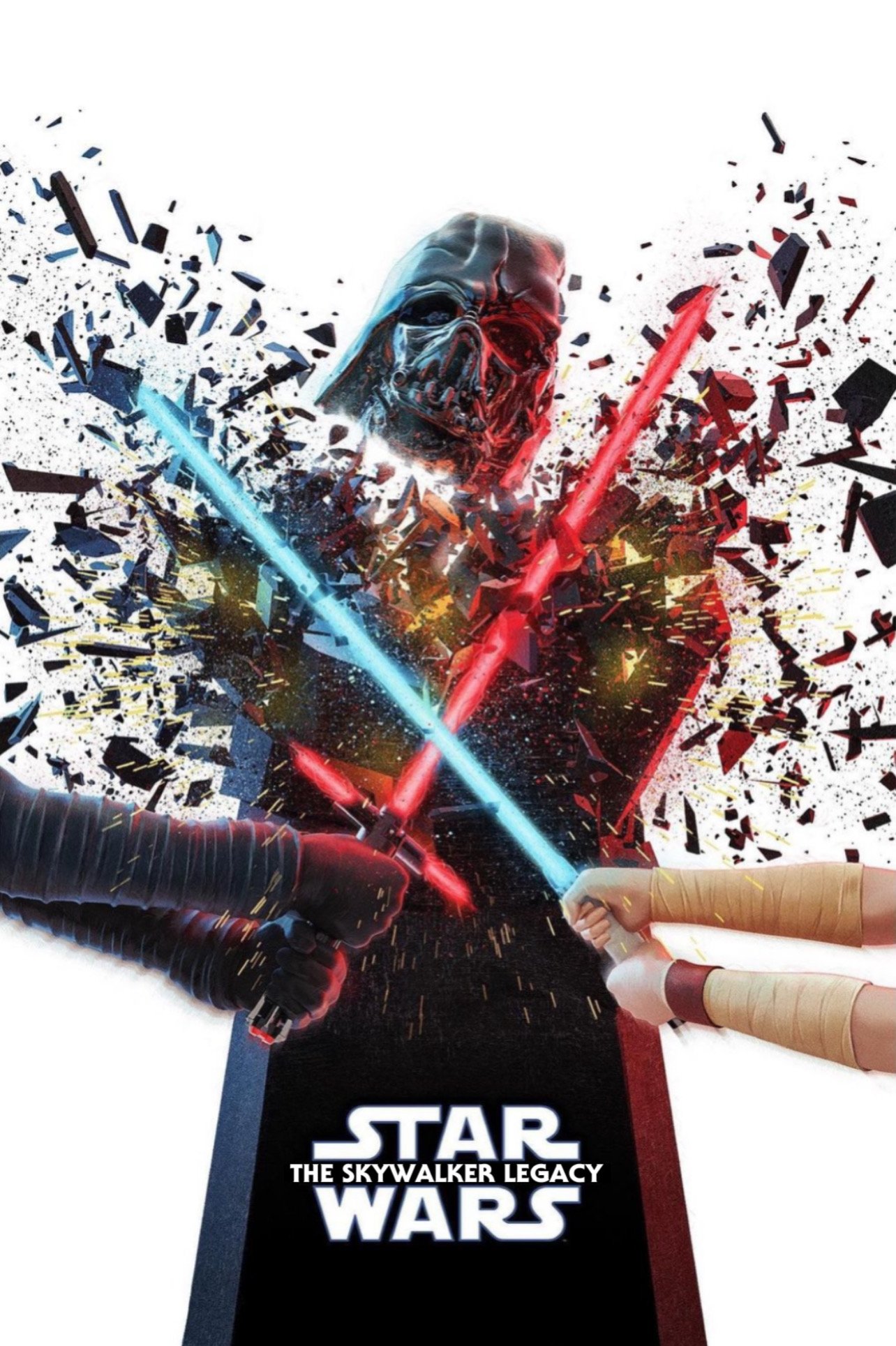
The story lives forever in this feature-length documentary that charts the making of Star Wars: The Rise of Skywalker.
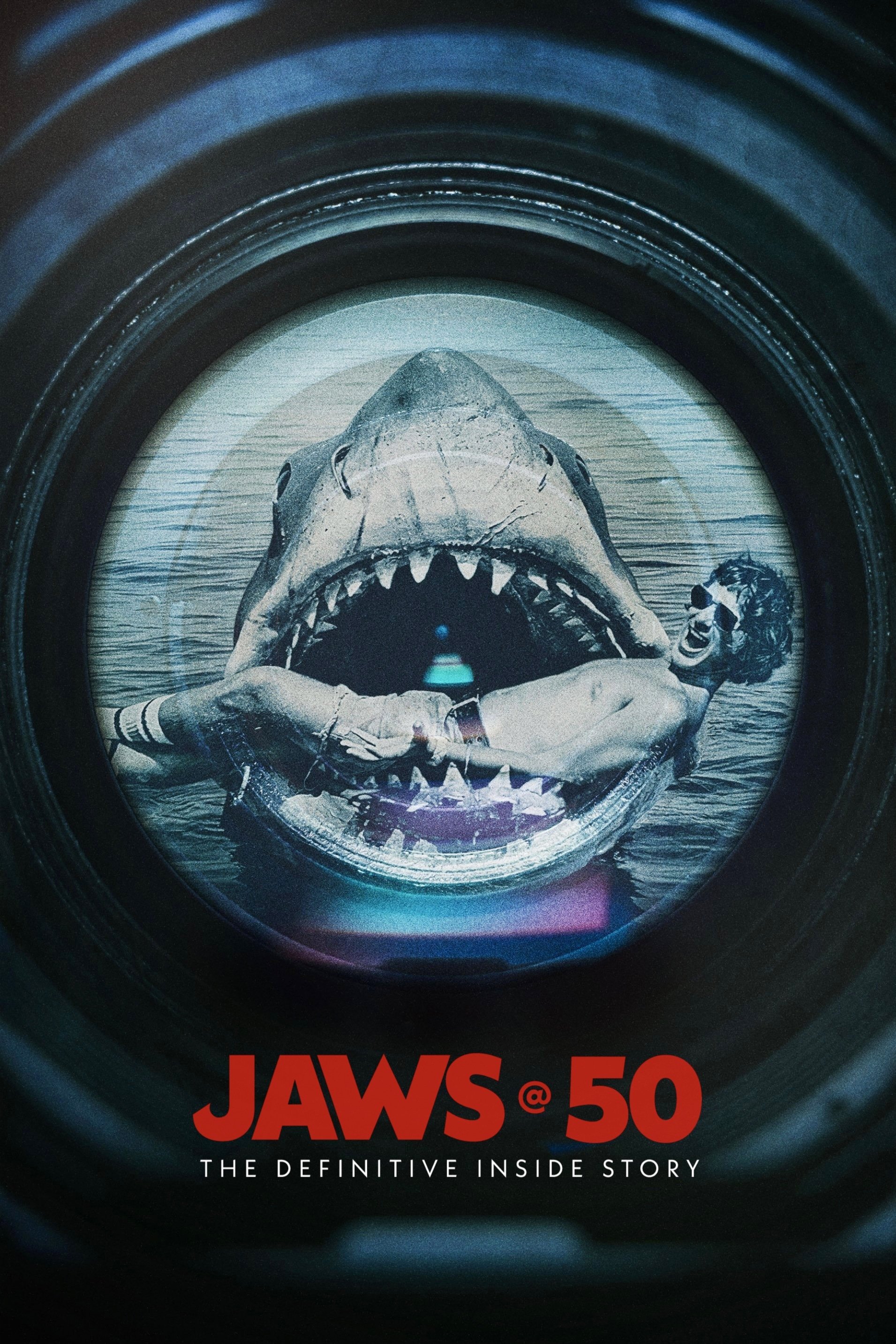
The authorized documentary celebrating the film that redefined Hollywood, 50 years after its premiere. Featuring rare archival footage and interviews with acclaimed Hollywood directors alongside Steven Spielberg, top shark scientists, and conservationists, the film uncovers the behind-the-scenes chaos and how the film launched the summer blockbuster, inspired a new wave of filmmakers, and paved the way for shark conservation that continues today.
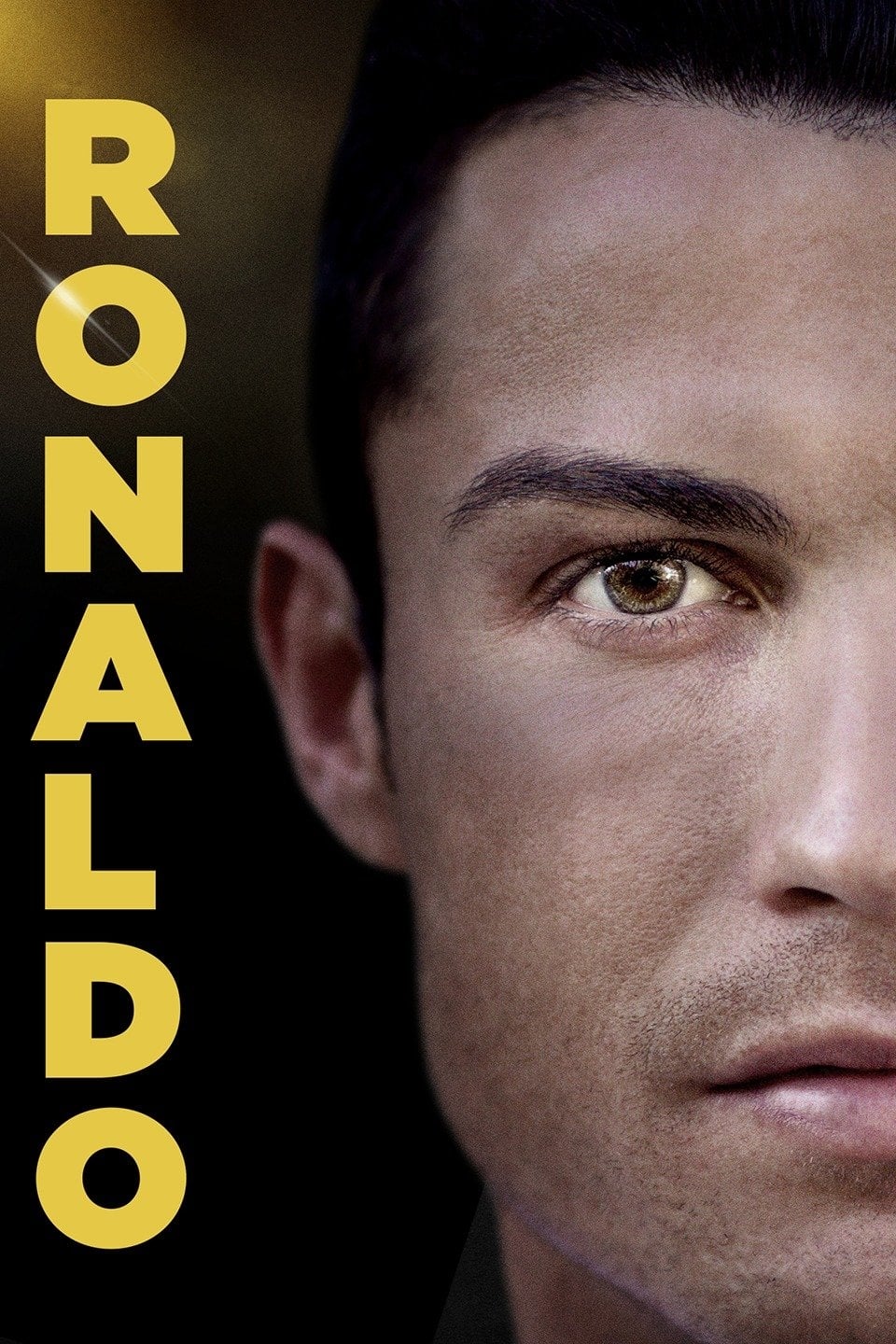
Filmed over 14 months with unprecedented access into the inner circle of the man and the sport, this is the first official and fully authorised film of one of the most celebrated figures in football. For the first time ever, the world gets vividly candid and un-paralleled, behind-closed-doors access to the footballer, father, family-man and friend in this moving & fascinating documentary. Through in-depth conversations, state of the art football footage and never before seen archival footage, the film gives an astonishing insight into the sporting and personal life of triple Ballon D'Or winner Cristiano Ronaldo at the peak of his career. From the makers of ‘Senna’ and ‘Amy’, Ronaldo takes audiences on an intimate and revealing journey of what it’s like to live as an iconic athlete in the eye of the storm.
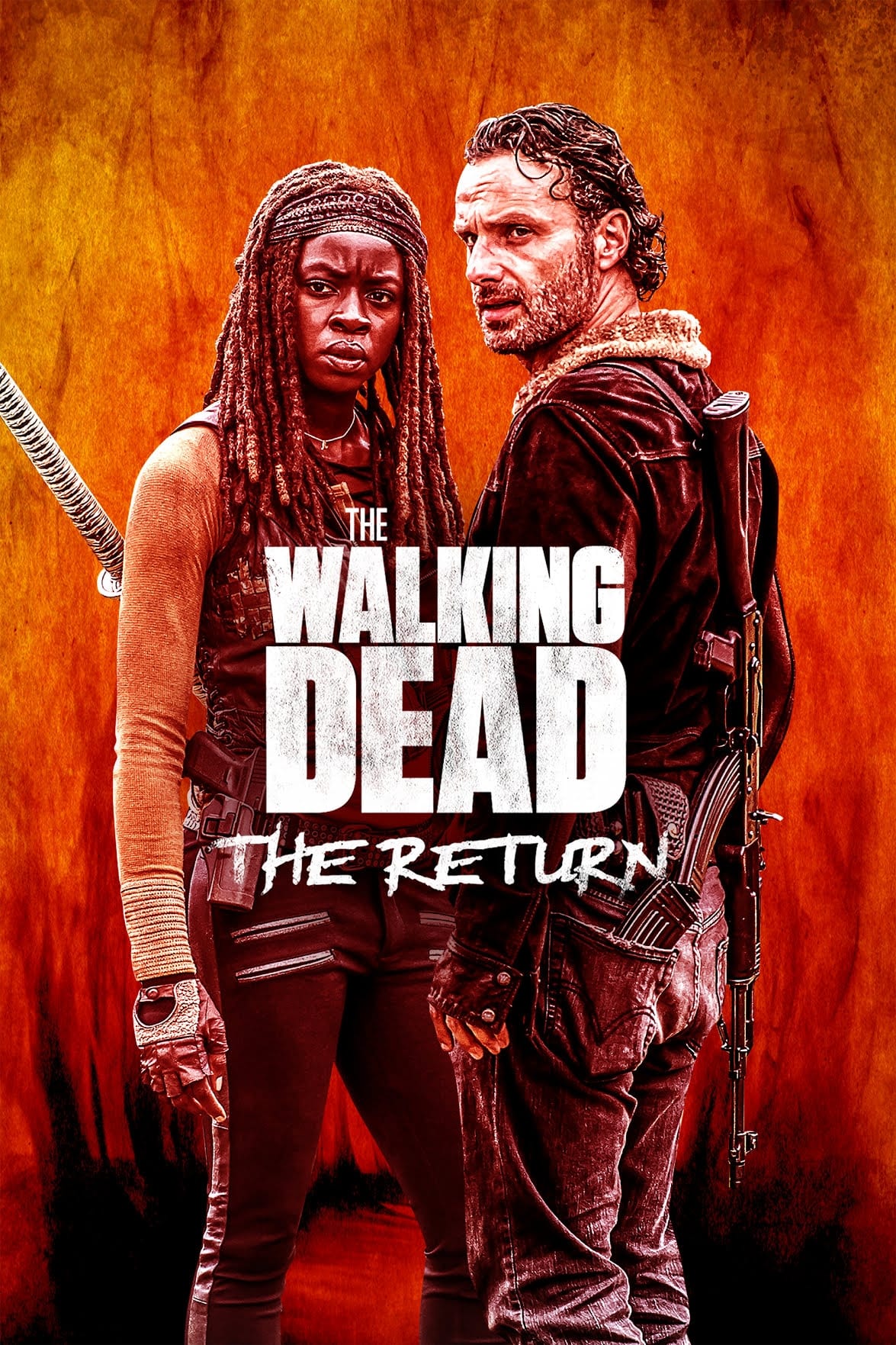
Stars of "The Walking Dead," Andrew Lincoln and Danai Gurira, walk down memory lane and visit iconic locations where pivotal moments between their characters, Rick and Michonne, were filmed.
The making of Matrix Revolutions, The (2003) is briefly touched on here in this documentary. Interviews with various cast and crew members inform us how they were affected by the deaths of Gloria Foster and Aaliyah, and also delve into the making of the visual effects that takes up a lot of screen time. Written by Rhyl Donnelly
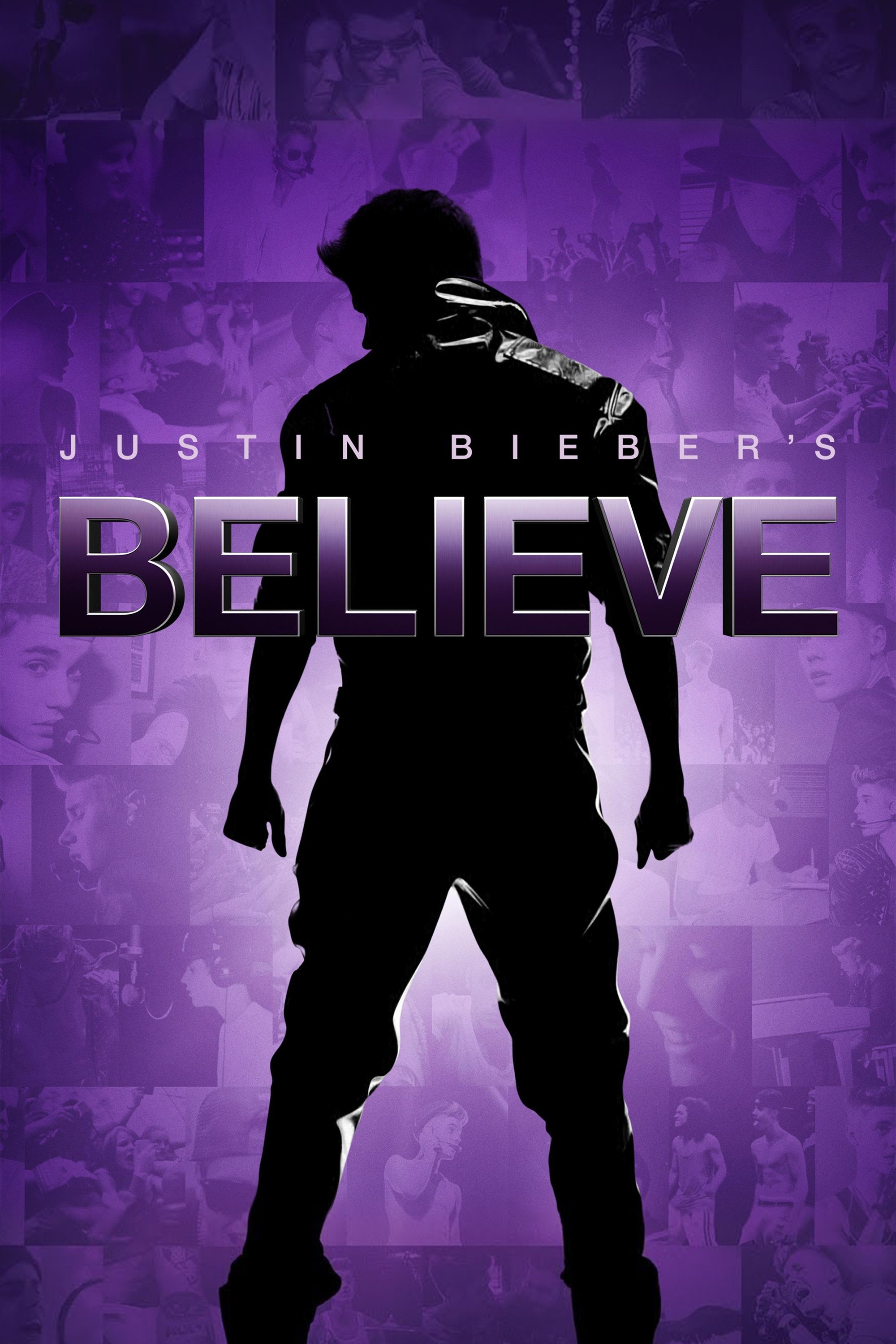
A backstage and on-stage look at Justin Bieber during his rise to super stardom.
Since the invention of cinema, the standard format for recording moving images has been film. Over the past two decades, a new form of digital filmmaking has emerged, creating a groundbreaking evolution in the medium. Keanu Reeves explores the development of cinema and the impact of digital filmmaking via in-depth interviews with Hollywood masters, such as James Cameron, David Fincher, David Lynch, Christopher Nolan, Martin Scorsese, George Lucas, Steven Soderbergh, and many more.
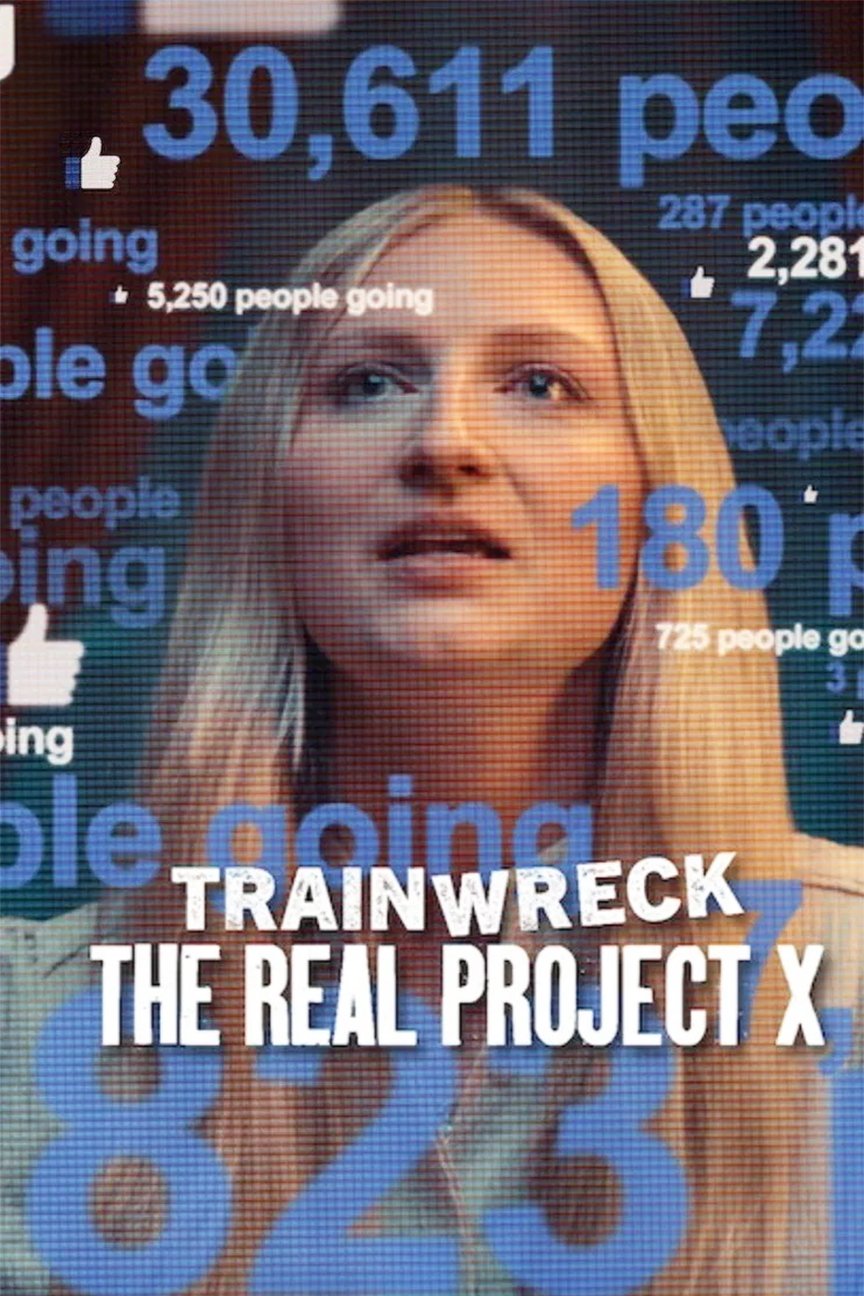
A night of drunken chaos rocks a quiet Dutch town in this shocking documentary about a teen's birthday invite that accidentally went viral on Facebook.
Takes us to locations all around the US and shows us the heavy toll that modern technology is having on humans and the earth. The visual tone poem contains neither dialogue nor a vocalized narration: its tone is set by the juxtaposition of images and the exceptional music by Philip Glass.