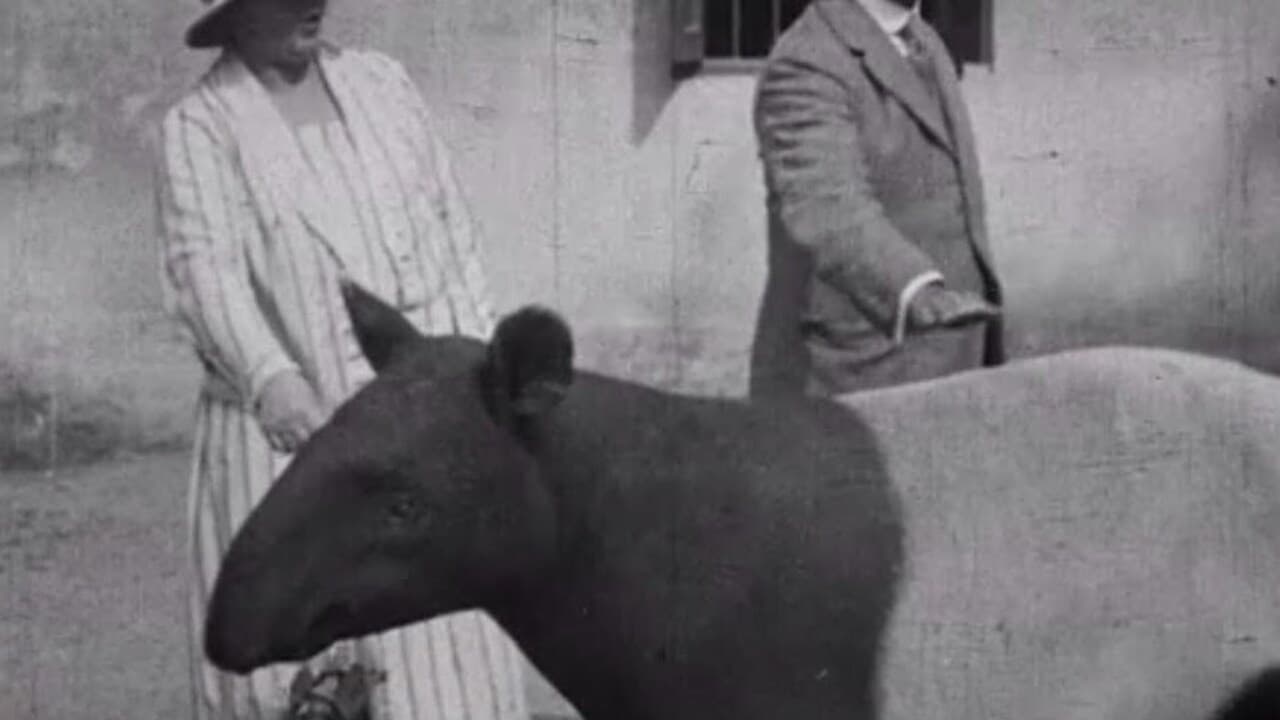
Accompany a couple on their visit to a local wildlife park.
Social & External
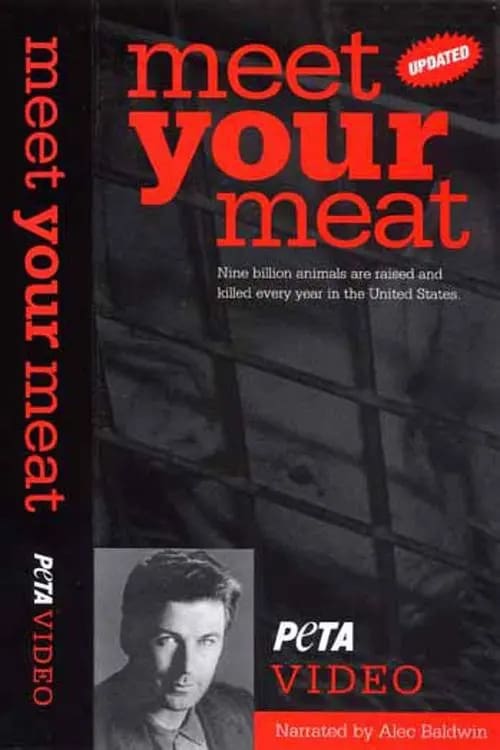
In a moving narration, actor and activist Alec Baldwin exposes the truth behind humanity's cruelest invention: the factory farm. This documentary explores the treatment of animals in modern animal agriculture (also known as industrial agriculture or factory farming).
A documentary following Zhou Yuanquiang, a cultural worker in Jingdezhen, China who makes movies with untrained local actors.
For nine months in 1930, seven Bretons, lobster fishermen, were "forgotten" on a volcanic island by their employers, Normans from Le Havre, heirs of the last French whalers. Four employees would die on the spot. Their descendants today revive the memory of this human tragedy which also struck 42 Madagascans. Starting from a sordid social conflict, the documentary shows that the “Forgotten Saint Paul” mark the end of an era of “colonization”, a term rarely used for the French Southern Territories, but nevertheless close to reality. This is the story of the Third World, as its discoverer, Yves de Kerguelen, named it.
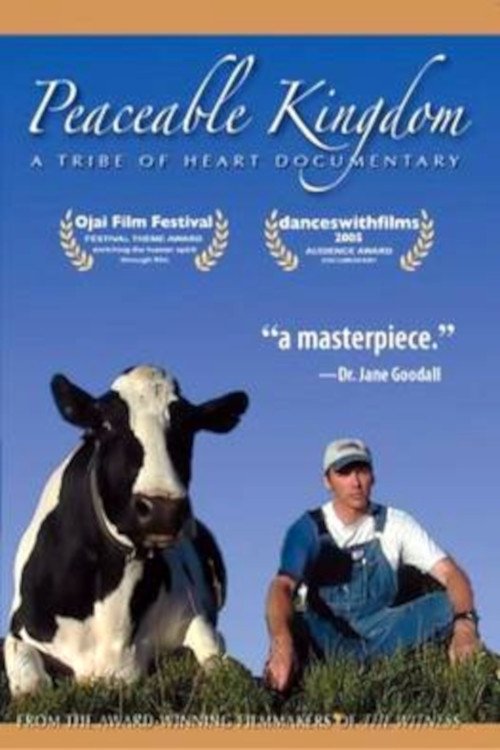
At a time when the public is more concerned than ever about the health and environmental problems associated with large-scale factory farming, Peaceable Kingdom explores another angle of this unfolding story: the interconnected life journeys of farm animals, former farmers, and animal rescuers struggling against an out of control industrial system. Breaking generations of silence in the farm community, Peaceable Kingdom weaves together themes of respect, forgiveness, commitment, and healing, offering a vision of a more peaceful world that is well within our reach.
Using 4-D technology, the early stages of a Golden Retriever puppy, a dolphin, and an elephant are examined.
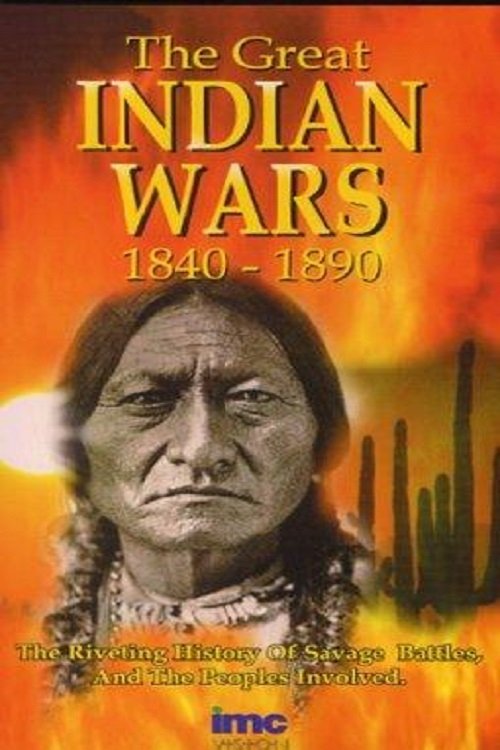
Documentation of the encroachment of European settlers upon Native American lands and the violent reaction of the Indians in their struggle to survive.
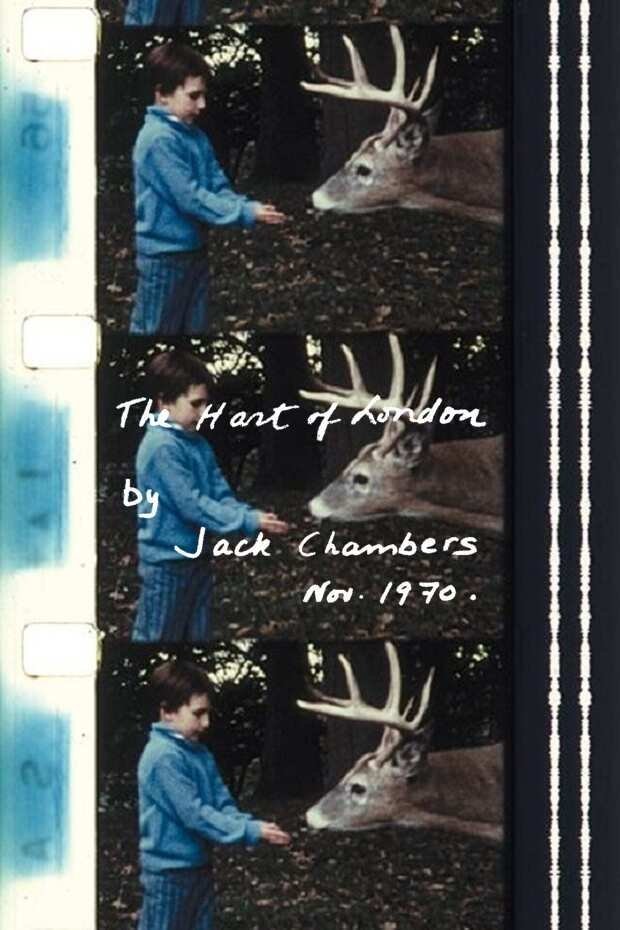
"The Hart of London" is an endlessly layered tour de force. It explores life and death, the sense of place and personal displacement, and the intricate aesthetics of representation. It is a personal and spiritual film, marked inevitably by Chambers’s knowledge that he had leukemia. The late American avant-garde filmmaker Stan Brakhage said of Hart, "If I named the five greatest films [ever made], this has got to be one of them." Even this high praise falls short of hyperbole. The Hart of London is at the centre of Chambers’s extraordinary achievement.
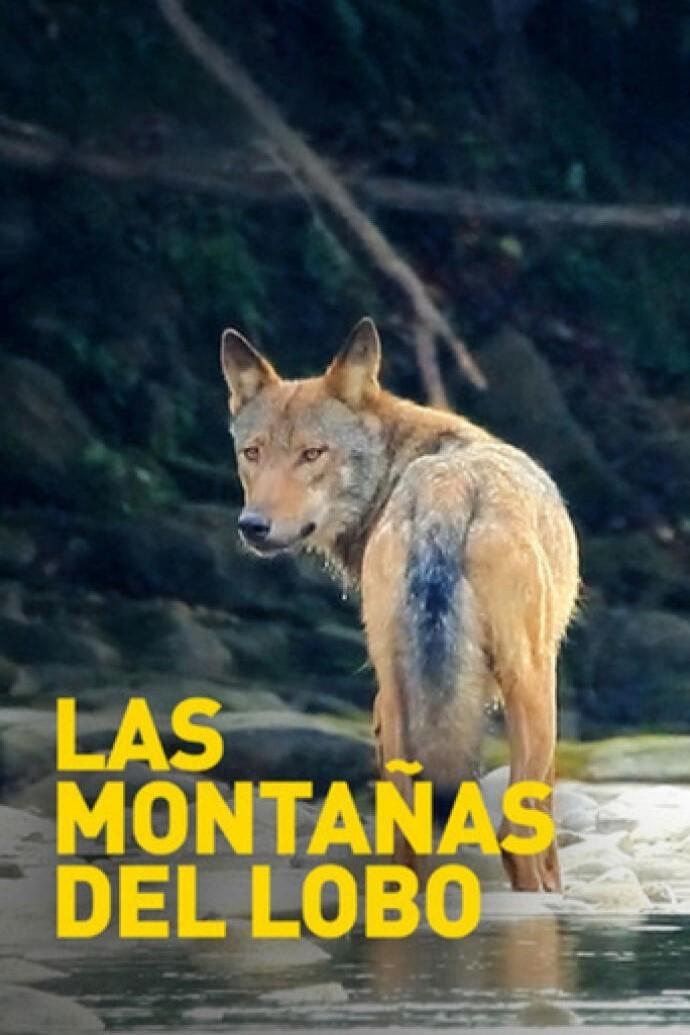
Documentary that shows the life of some individual wolves in the mountains of Spain.
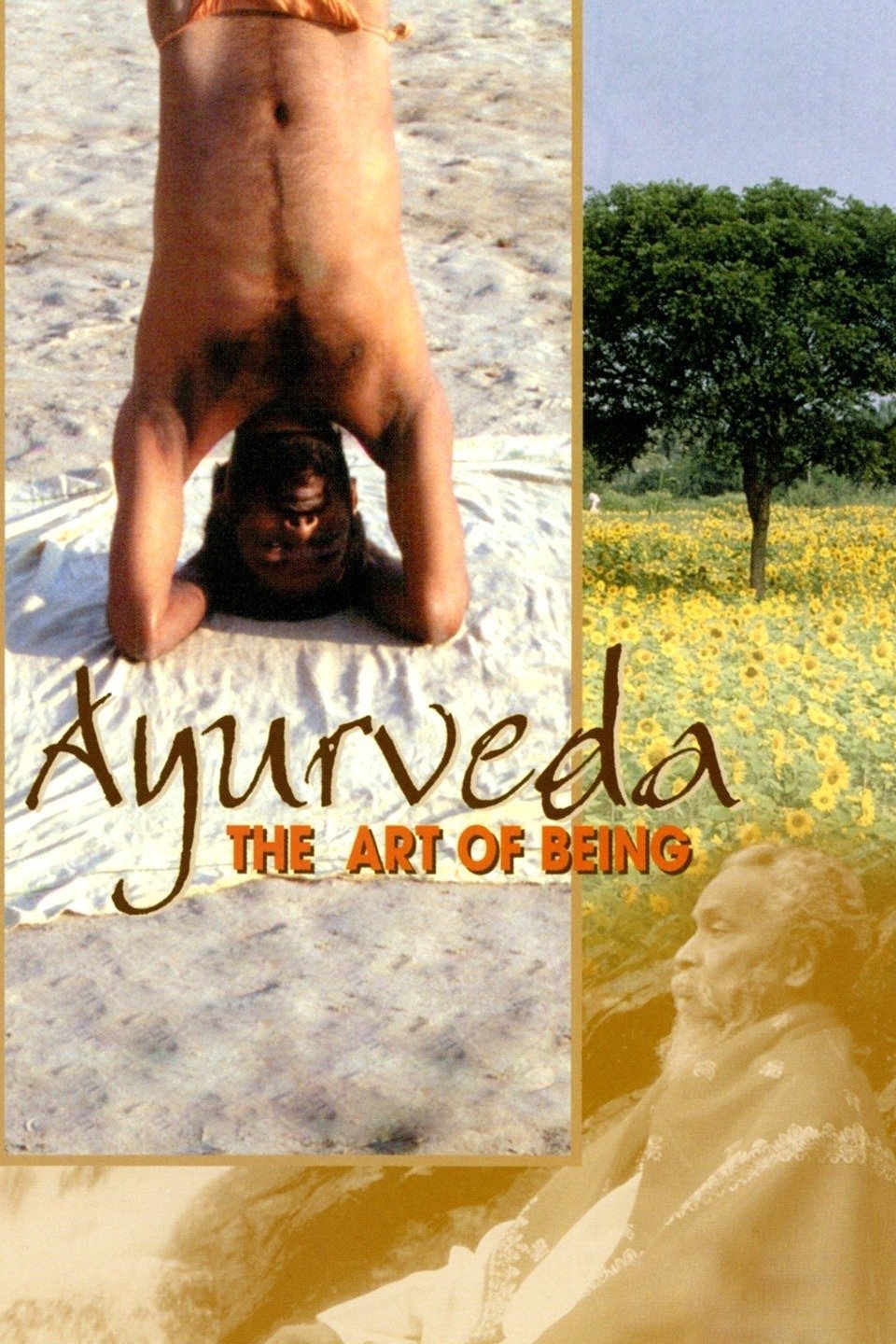
Ayurveda is a science of life and a healing art, where body, mind and spirit are given equal importance. This voyage of thousands of miles across India and abroad takes you on a unique poetic journey, where we encounter remarkable men of medicine or simply a villager who lives in harmony with nature. "Hope is nature's way of enabling us to survive so that we can discover nature itself."
Mike Fay and Enric Sala are on a quest to protect the rich coastal waters of Gabon, home to surfing hippos, sharks and humpback whales.
Indian freedom fighter Mahatma Gandhi was assassinated on 30 January 1948. Why was he killed and what events occurred before and after his murder? This documentary shows how India was dogged by nationalism and religious conflict on its path to independence - and how these factors mark the country to this day.
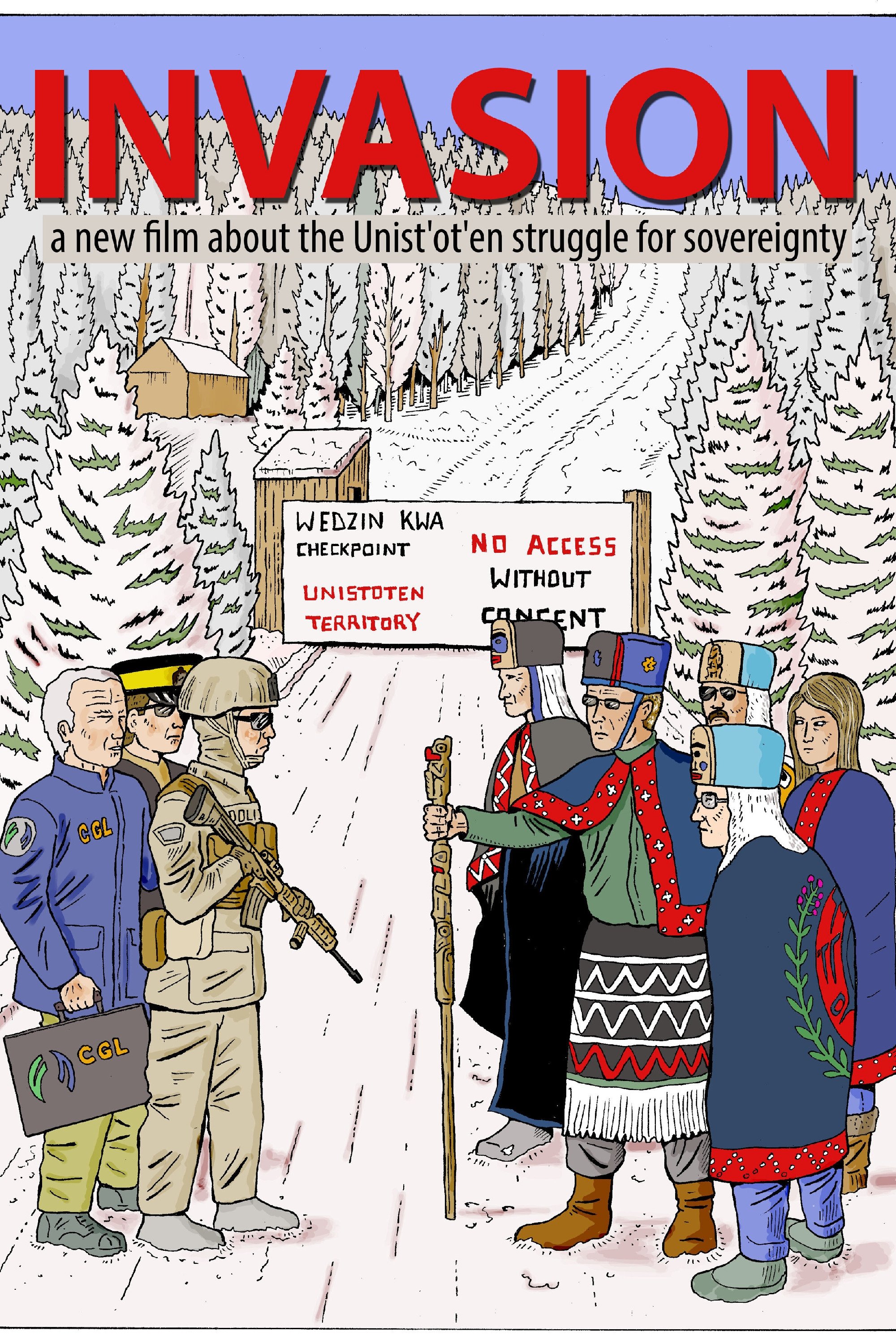
In this era of “reconciliation”, Indigenous land is still being taken at gunpoint. Unist’ot’en Camp, Gidimt’en checkpoint and the larger Wet’suwet’en Nation are standing up to the Canadian government and corporations who continue colonial violence against Indigenous people. The Unist’ot’en Camp has been a beacon of resistance for nearly 10 years. It is a healing space for Indigenous people and settlers alike, and an active example of decolonization. The violence, environmental destruction, and disregard for human rights following TC Energy (formerly TransCanada) / Coastal GasLink’s interim injunction has been devastating to bear, but this fight is far from over.
Richard Beymer first met David Lynch when Lynch cast him as Ben Horne in the series Twin Peaks. Years later, Lynch saw one of Richard's documentaries on the founder of Transcendental Meditation, Maharishi Mahesh Yogi, and asked him to come to India to document a journey he was making tracing Maharishi's footsteps from one end of India to the other. This film is not just a record of their 10-day journey, it's also a rare and personal look at David Lynch "unplugged."
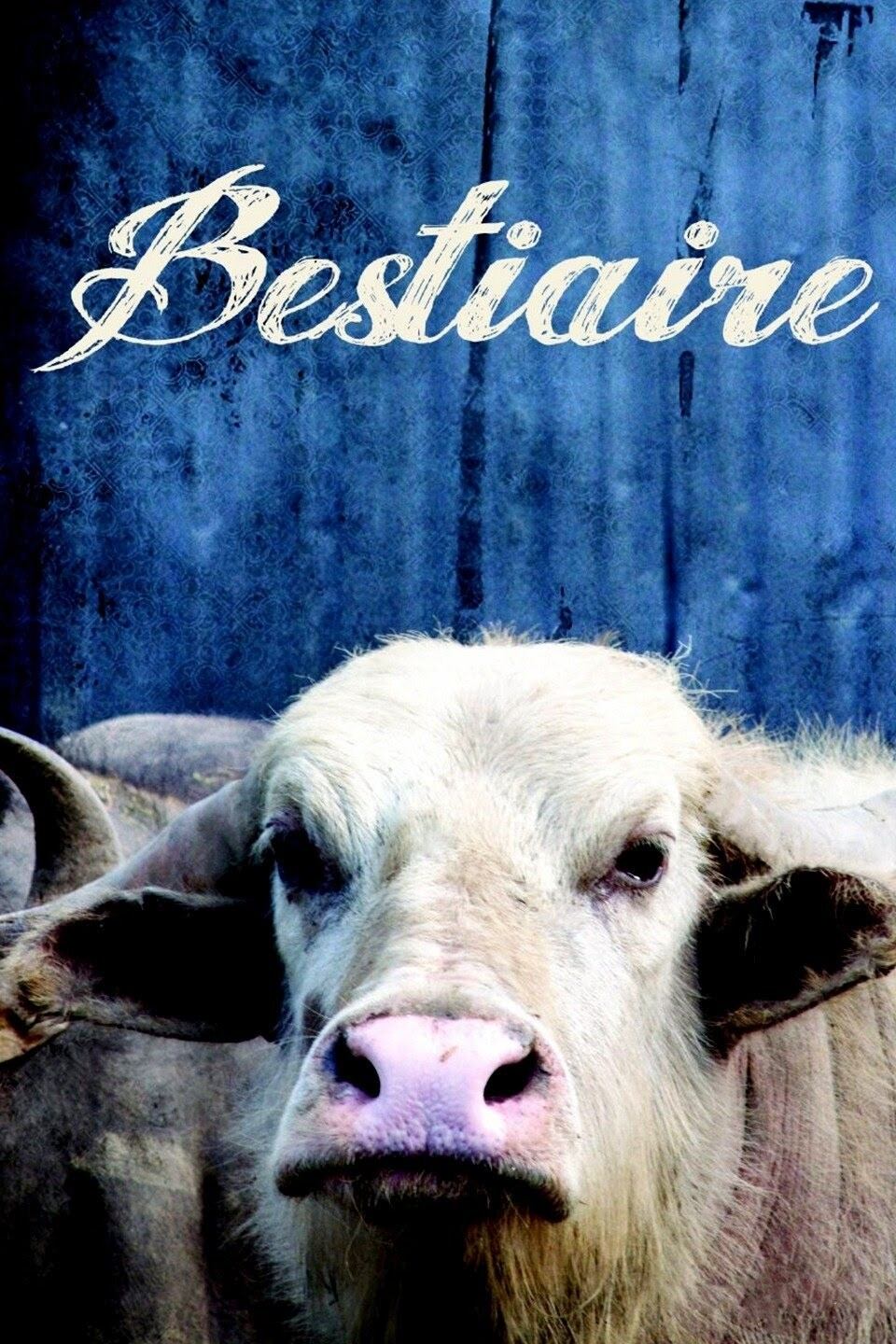
A popular sensation in medieval Europe, bestiaries were catalogs of beasts featuring exotic animal illustrations, zoological wisdom, and ancient legends. The documentary unfolds like a filmic picture book where both humans and animals are on display. As we observe them, they also observe us and one another, invoking the Hindu idea of “darshan”: a mutual beholding that initiates a shift in consciousness.
Short dramatised documentary showing the ups and downs of daily life on a circus farm. “The only light comes from the flames of the funeral pyre that consumes a dead circus elephant shortly after its corpse has been unceremoniously dragged across a field by 50 carthorses.” (BFI)
Near us, nature takes back what man has stolen. Within the environment of open cast brown coalmines and spoil tips which are the reminder of a lunar landscape, one finds paradoxically a true tale of an impregnable wild countryside.
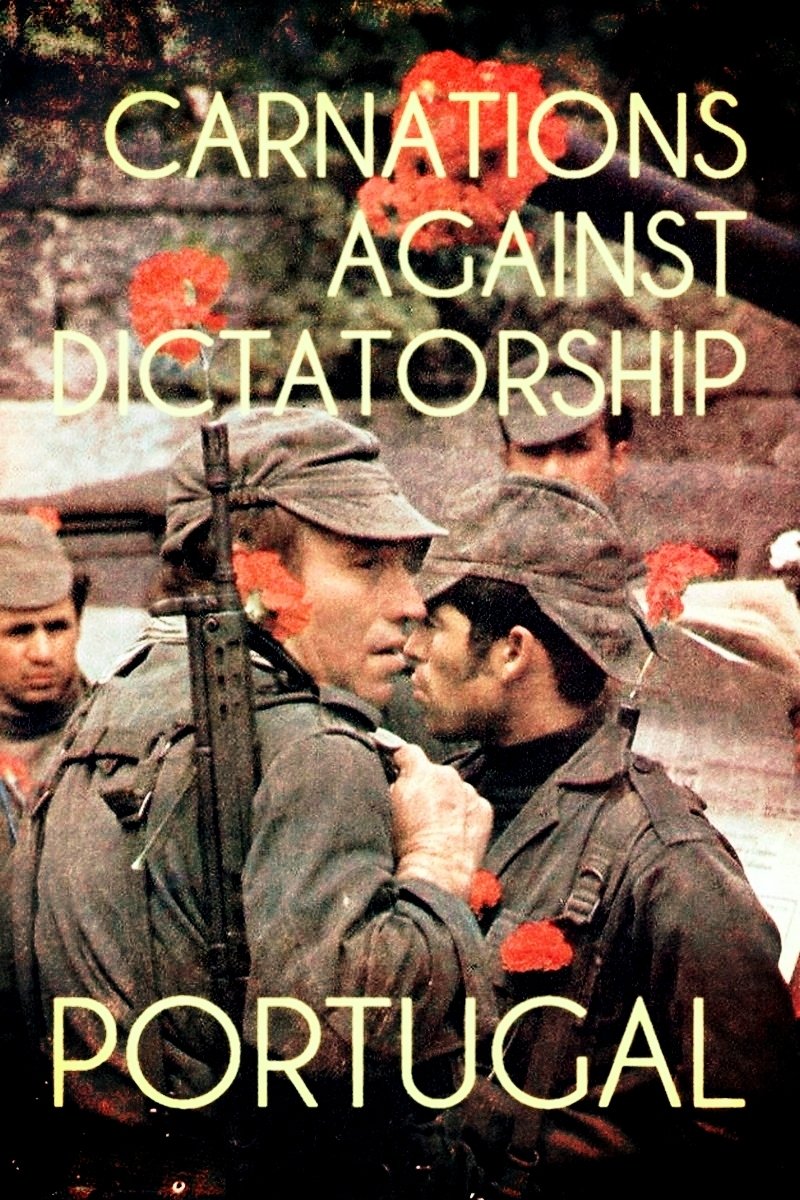
In Portugal, during the night of April 24-25, 1974, a peaceful uprising put an end to the last government of the Estado Novo, the authoritarian regime established in 1933 by dictator António de Oliveira Salazar (1889-1970), paving the way for full democracy: a chronicle of the Carnation Revolution.
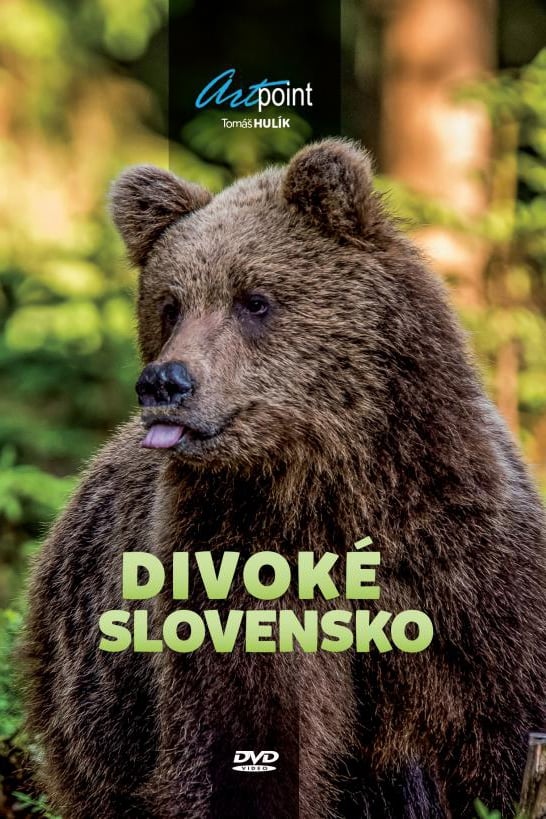
Slovakia lies in the heart of Europe. What natural treasures the small country holds, what spectacular nature and what peculiarities of flora and fauna, it is told in "Wild Slovakia".
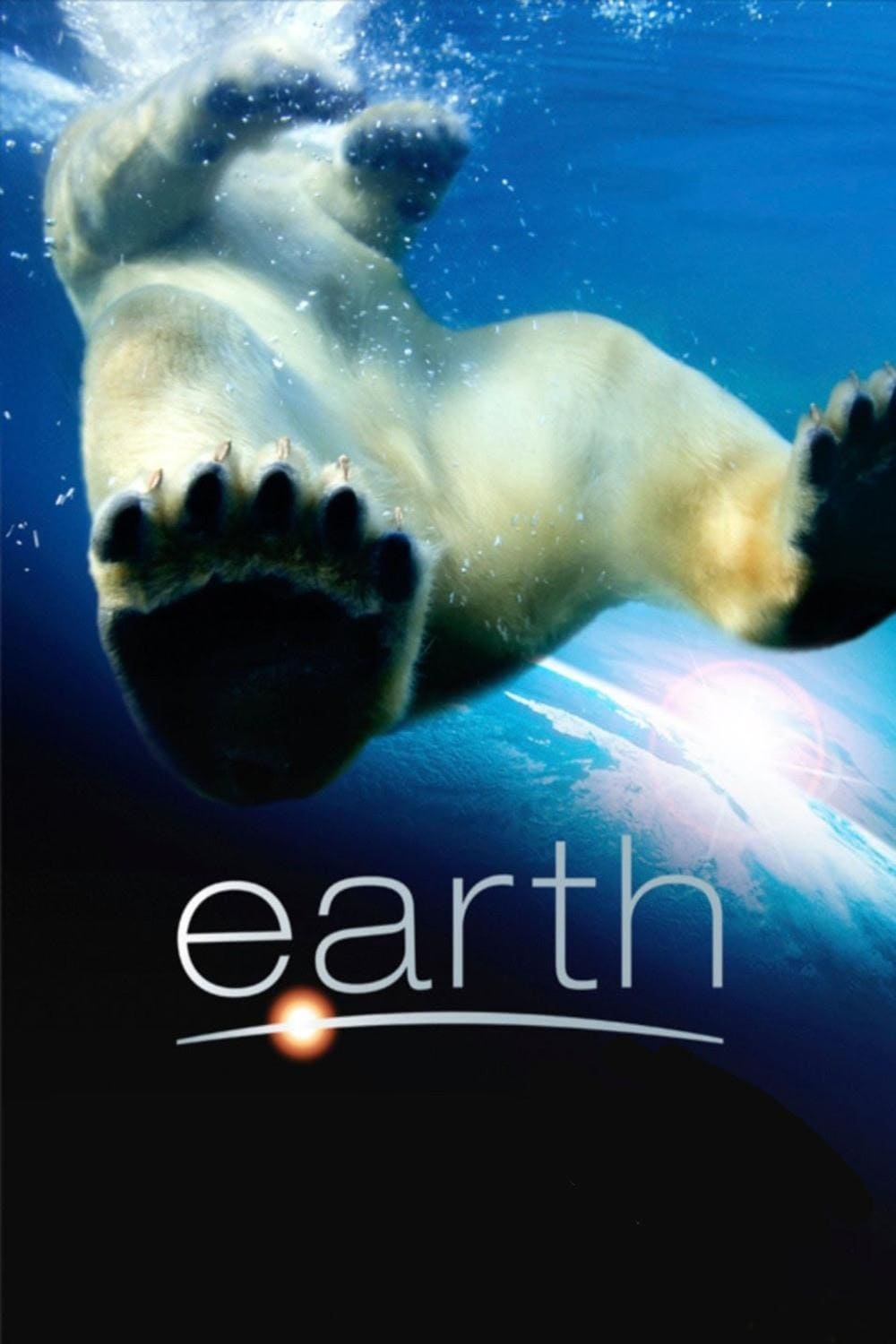
An epic story of adventure, starring some of the most magnificent and courageous creatures alive, awaits you in EARTH. Disneynature brings you a remarkable story of three animal families on a journey across our planet – polar bears, elephants and humpback whales.
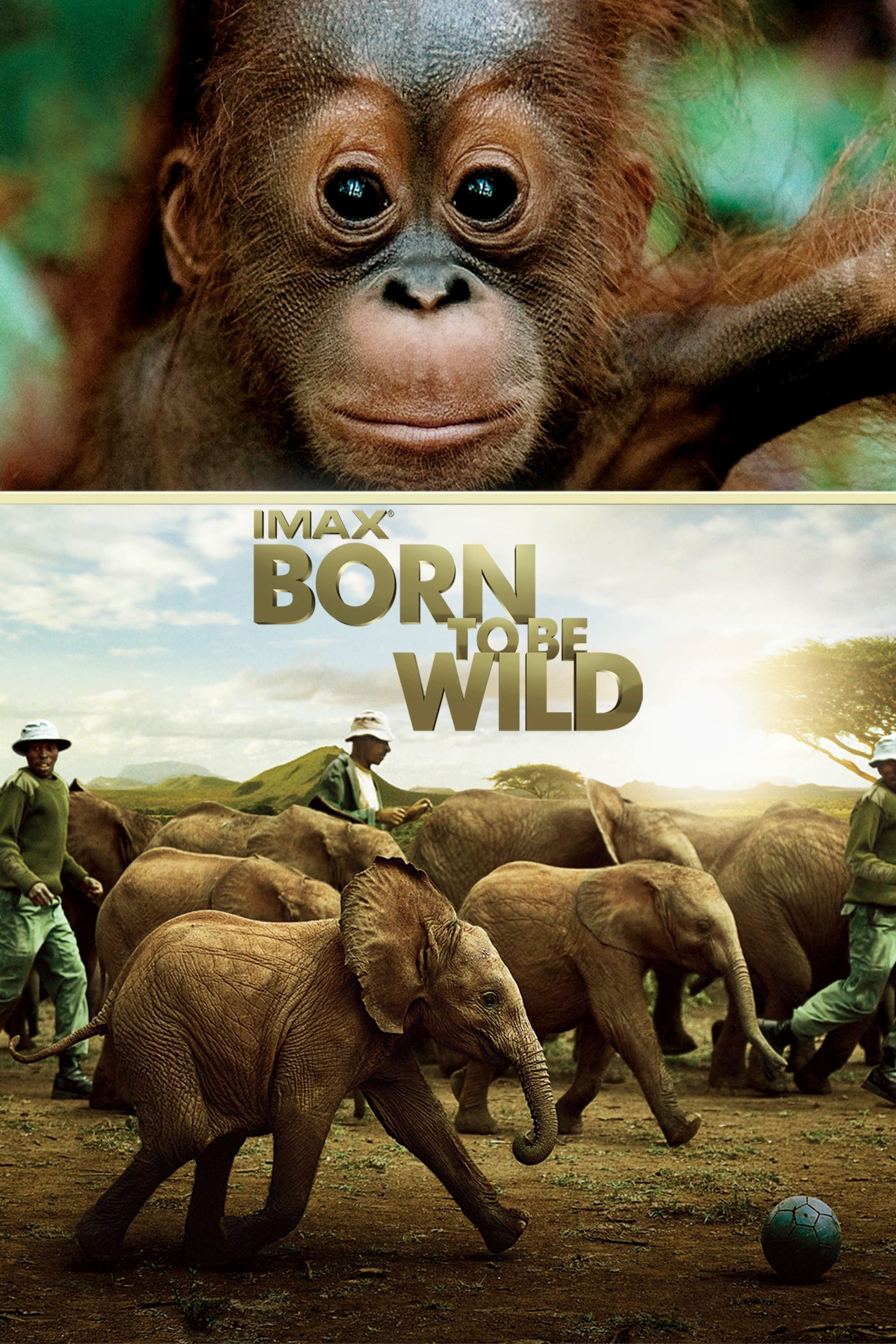
Born to Be Wild observes various orphaned jungle animals and their day-to-day behavioural interactions with the individuals who rescue them and raise them to adulthood. The film unfurls in two separate geographic spheres. Half of it takes place in the rain forests of Borneo, where celebrated primatologist Dr. Birute Galdikas assists baby orangutans; the other half takes place on the arid savannahs of Kenya, where zoologist Dame Daphne Sheldrick works with baby elephant calves.
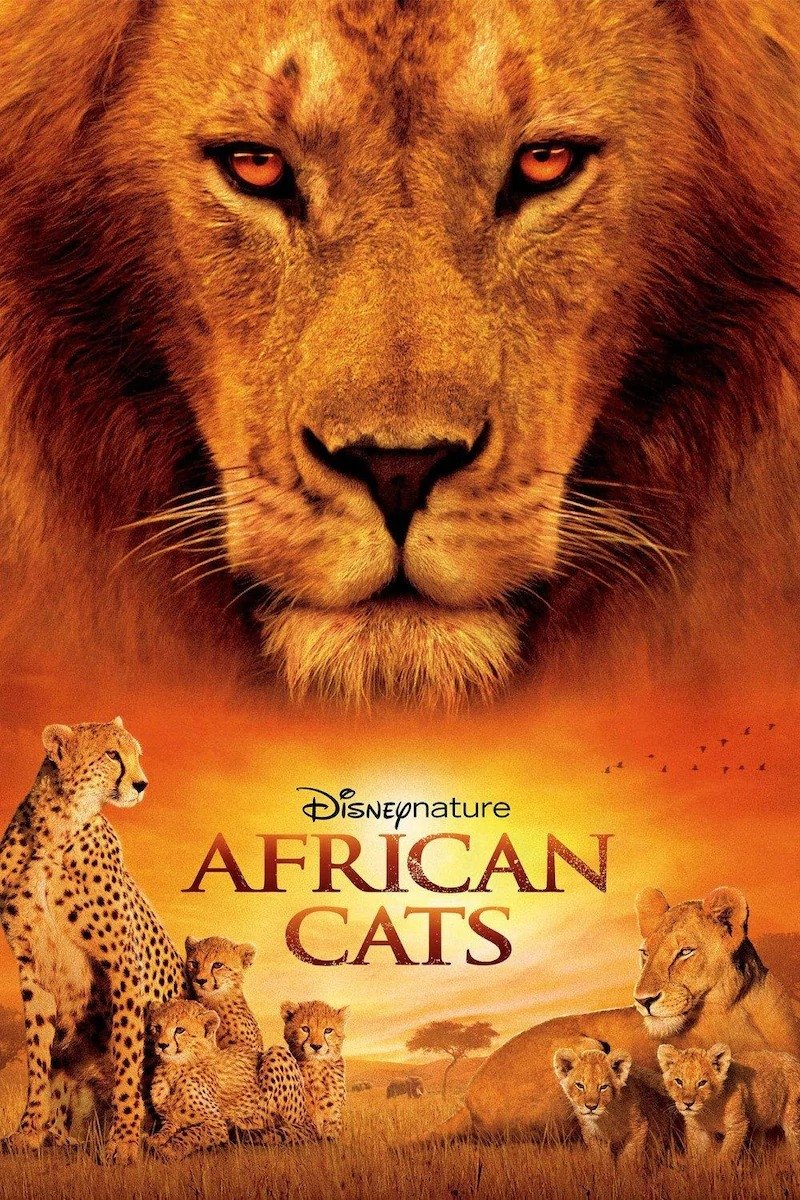
African Cats captures the real-life love, humor and determination of the majestic kings of the savanna. The story features Mara, an endearing lion cub who strives to grow up with her mother’s strength, spirit and wisdom; Sita, a fearless cheetah and single mother of five mischievous newborns; and Fang, a proud leader of the pride who must defend his family from a once banished lion.
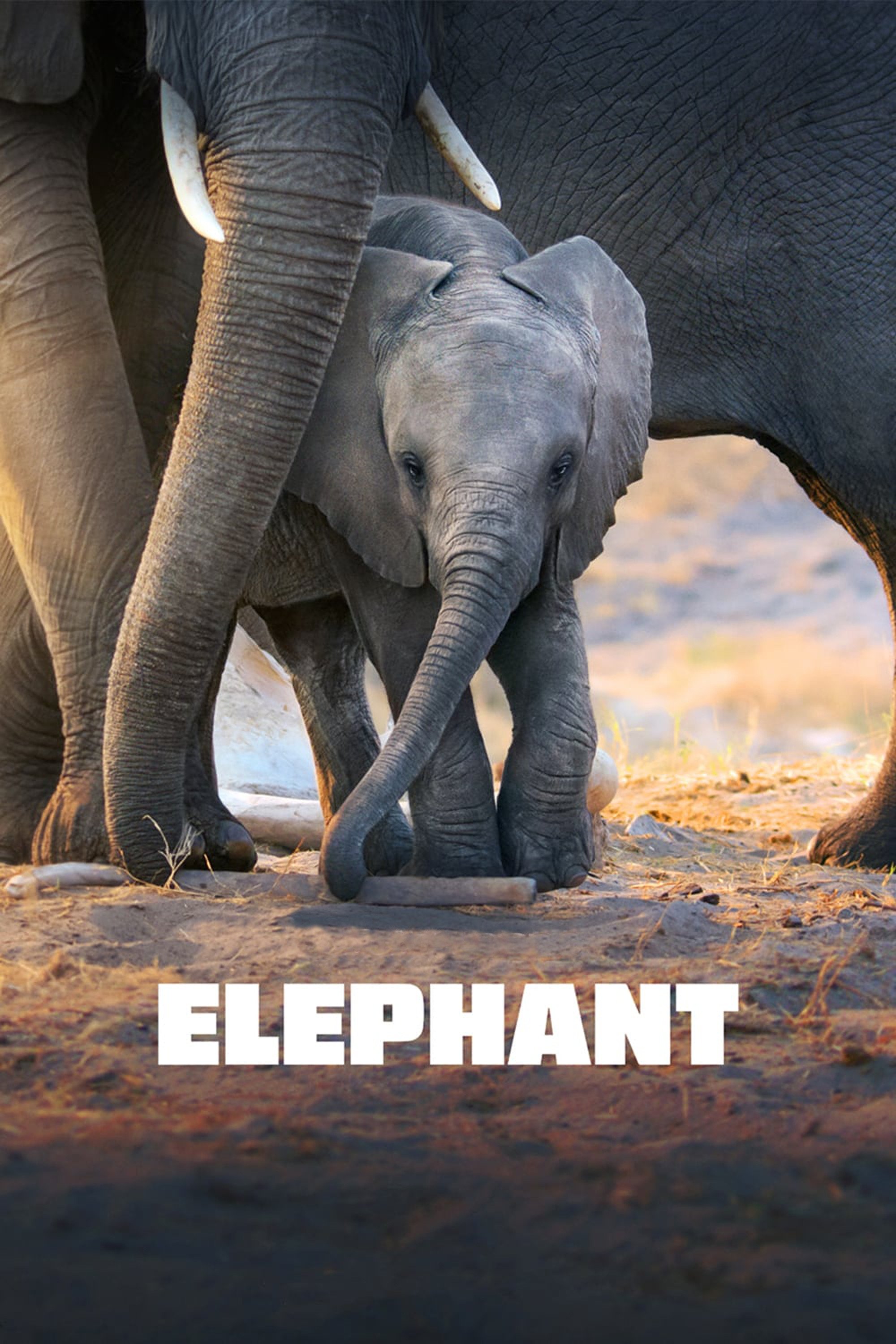
Disneynature’s Elephant follows African elephant Shani and her spirited son Jomo as their herd make an epic journey hundreds of miles across the vast Kalahari Desert. Led by their great matriarch, Gaia, the family faces brutal heat, dwindling resources and persistent predators, as they follow in their ancestors’ footsteps on a quest to reach a lush, green paradise.
In 2019, Nepalese mountain climber Nirmal “Nims” Purja set out to do the unthinkable by climbing the world’s fourteen highest summits in less than seven months. (The previous record was eight years). He called the effort “Project Possible 14/7” and saw it as a way to inspire others to strive for greater heights in any pursuit. The film follows his team as they seek to defy naysayers and push the limits of human endurance.
A nature documentary centered on a family of chimps living in the Ivory Coast and Ugandan rain forests. Through Oscar, a little chimpanzee, we discover learning about life in the heart of the African tropical forest and follow his first steps in this world with humor, emotion and anguish. Following a tragedy, he finds himself separated from his mother and left alone to face the hostility of the jungle. Until he is picked up by an older chimpanzee, who will take him under her protection.
Using hidden cameras and never-before-seen footage, Earthlings chronicles the day-to-day practices of the largest industries in the world, all of which rely entirely on animals for profit.
In Angola's mist-shrouded highlands, three KhoiSan master trackers embark on a spiritual quest to rediscover the legendary "ghost elephants" of Lisima, creatures presumed lost but remembered in ancestral trance, ritual, and memory.
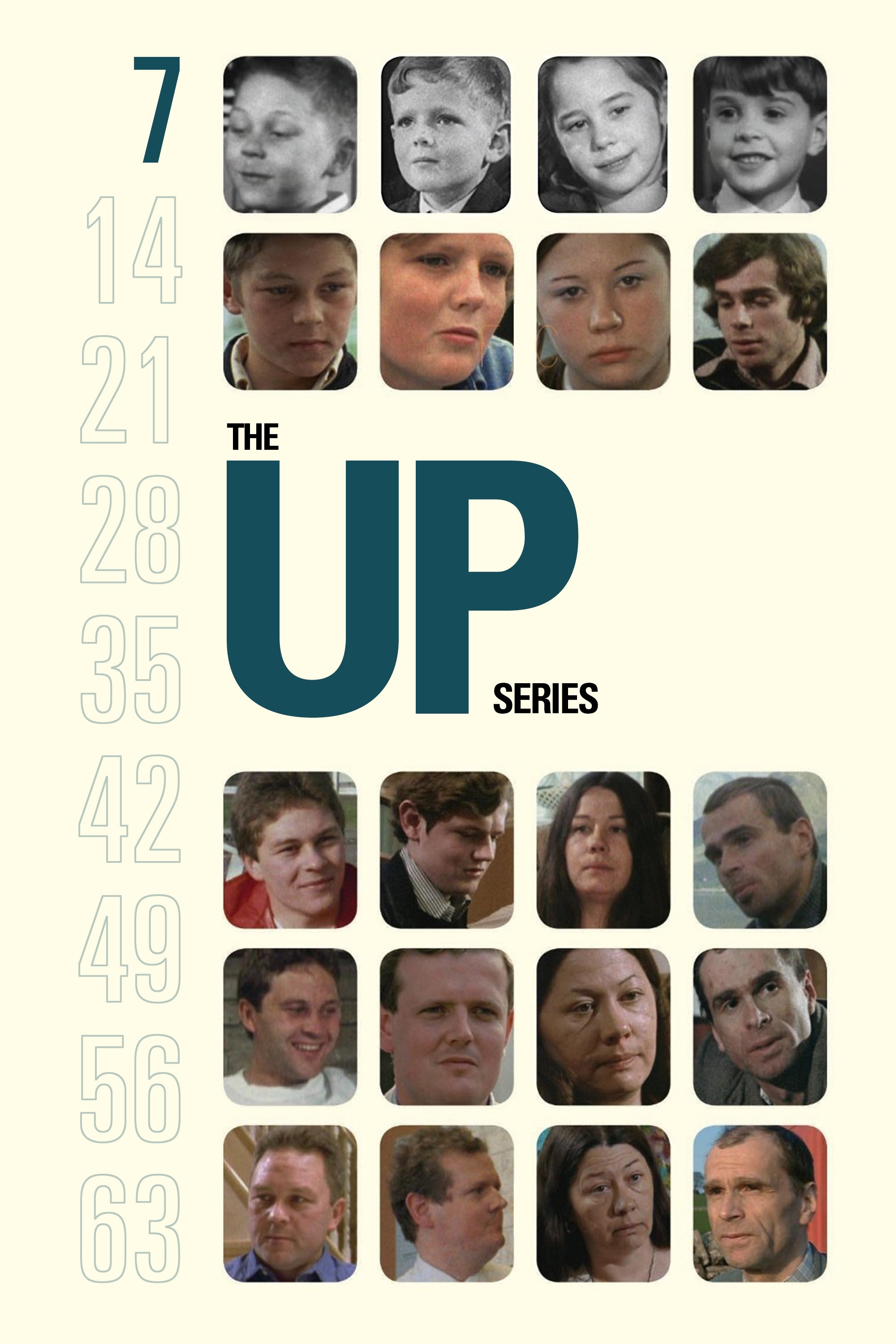
Director Michael Apted revisits the same group of British-born adults after a 7 year wait. The subjects are interviewed as to the changes that have occurred in their lives during the last seven years.
A group of British children aged 7 from widely ranging backgrounds are interviewed about a range of subjects. The filmmakers plan to re-interview them at 7 year intervals to track how their lives and attitudes change as they age.
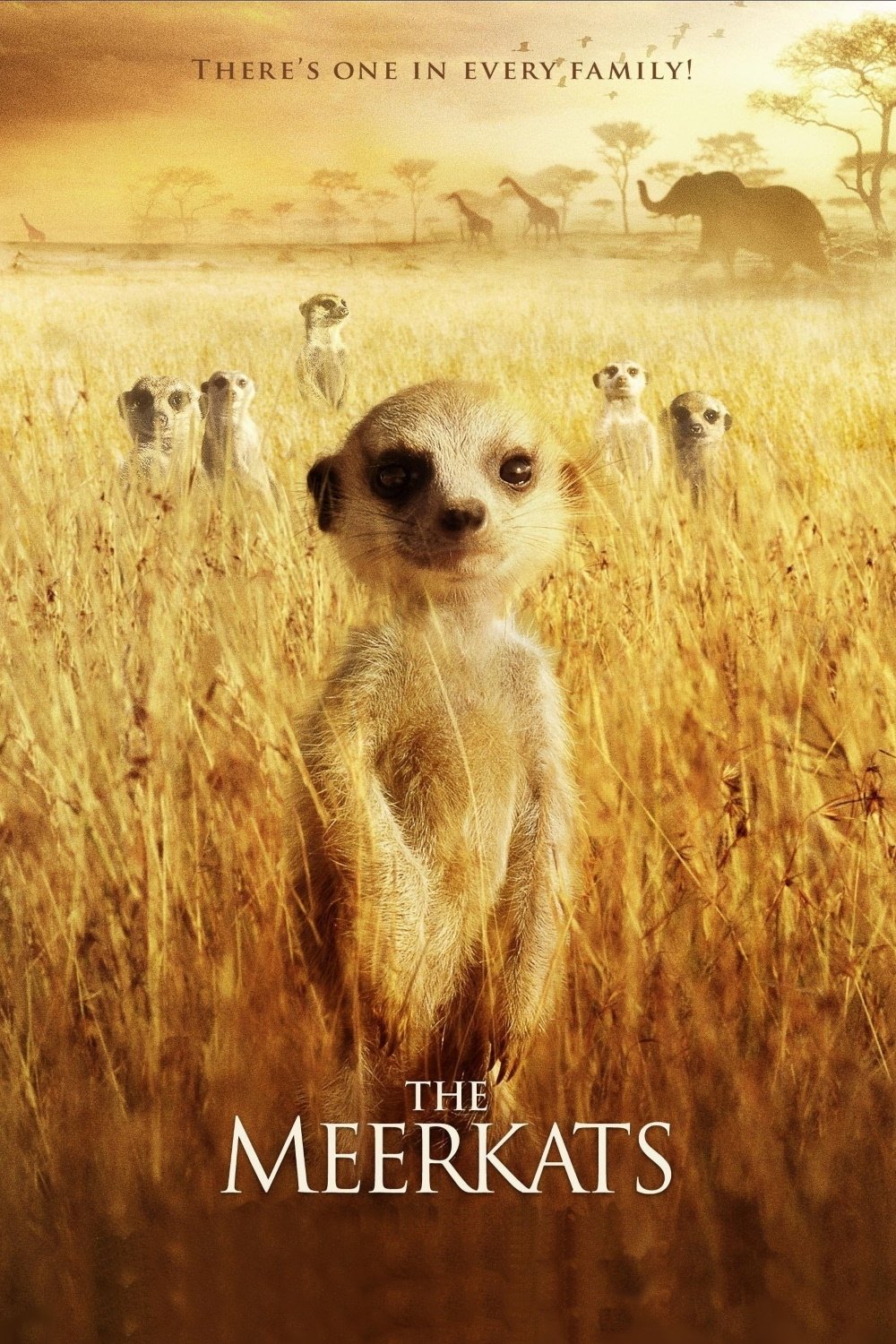
A coming of age story following a young meerkat pup, Kolo, growing up in the Kalahari desert; and an inspiring look at how one family's connection to each other and their surroundings is a model of resilience and fortitude for us all. Shot using ground-breaking techniques, this dramatised documentary is a one-of-a-kind presentation from The Weinstein Company and the BBC, featuring narration by Paul Newman.
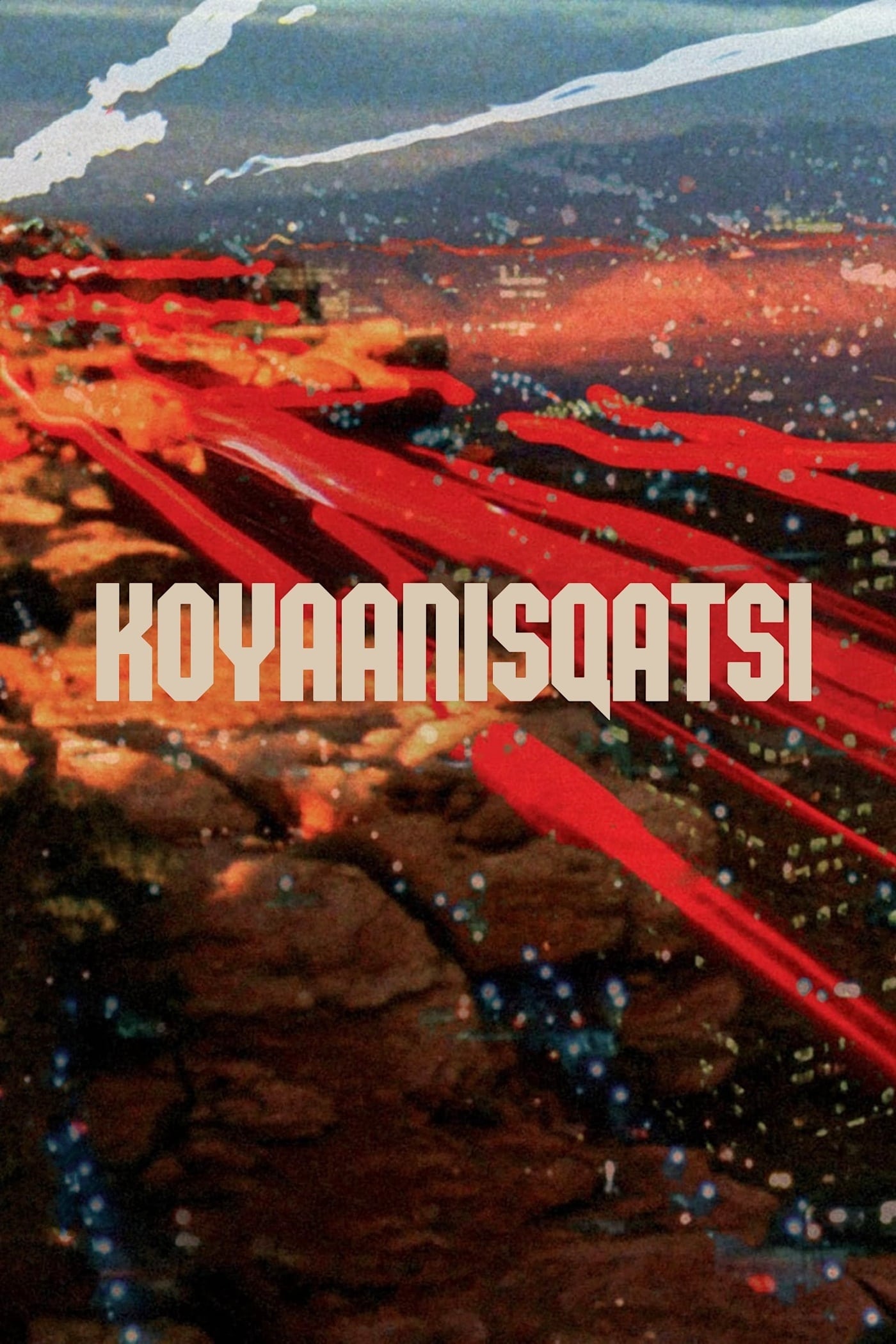
Takes us to locations all around the US and shows us the heavy toll that modern technology is having on humans and the earth. The visual tone poem contains neither dialogue nor a vocalized narration: its tone is set by the juxtaposition of images and the exceptional music by Philip Glass.
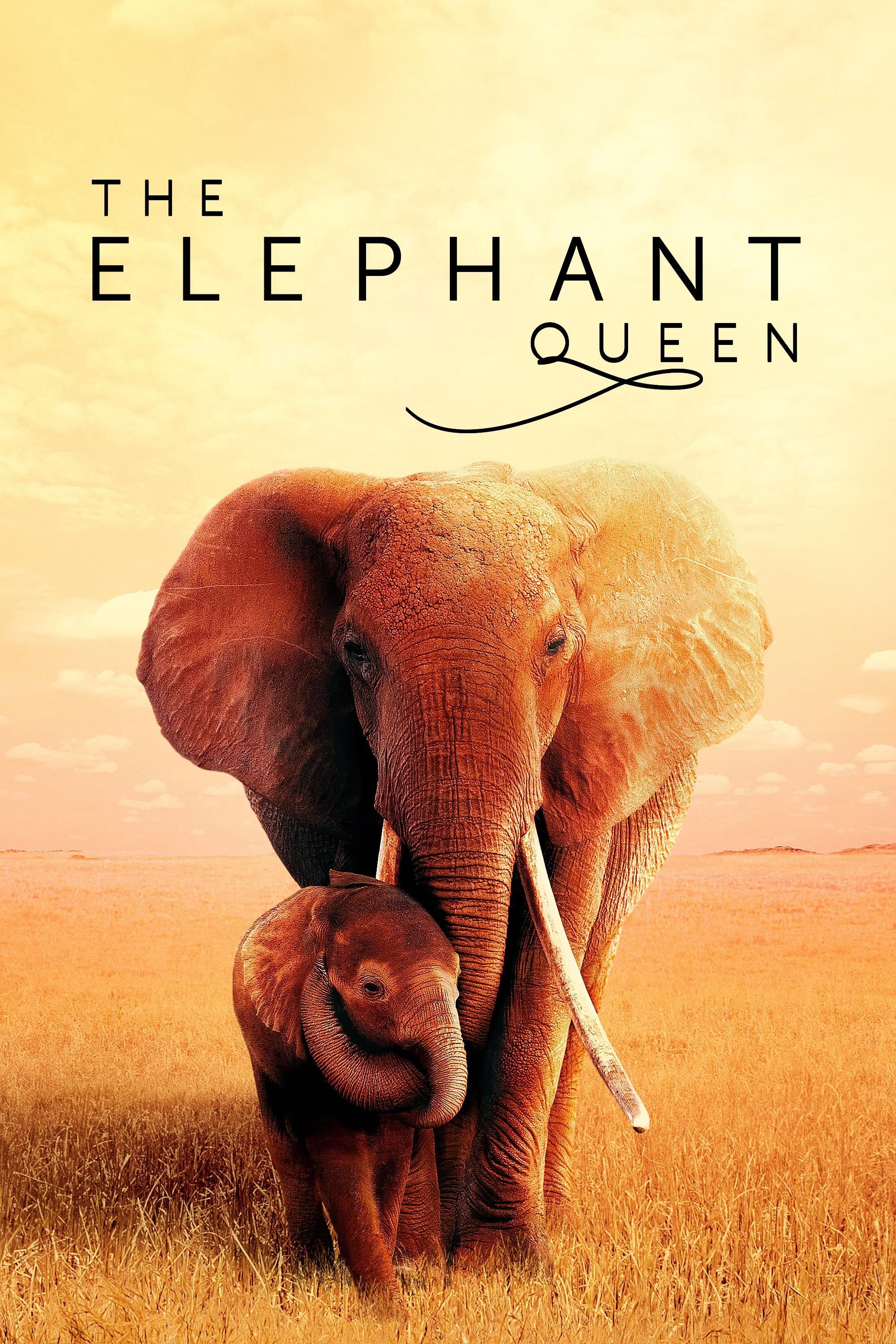
Embark on an epic journey of family, courage, and coming home in this feature-length documentary. Join Athena, the majestic matriarch, as she leads her elephant herd across an unforgiving African landscape filled with vibrant wildlife.
Captured during Billie Eilish's sold-out world tour, a concert experience from one of the most celebrated and successful artists of her generation, presented in immersive 3D.
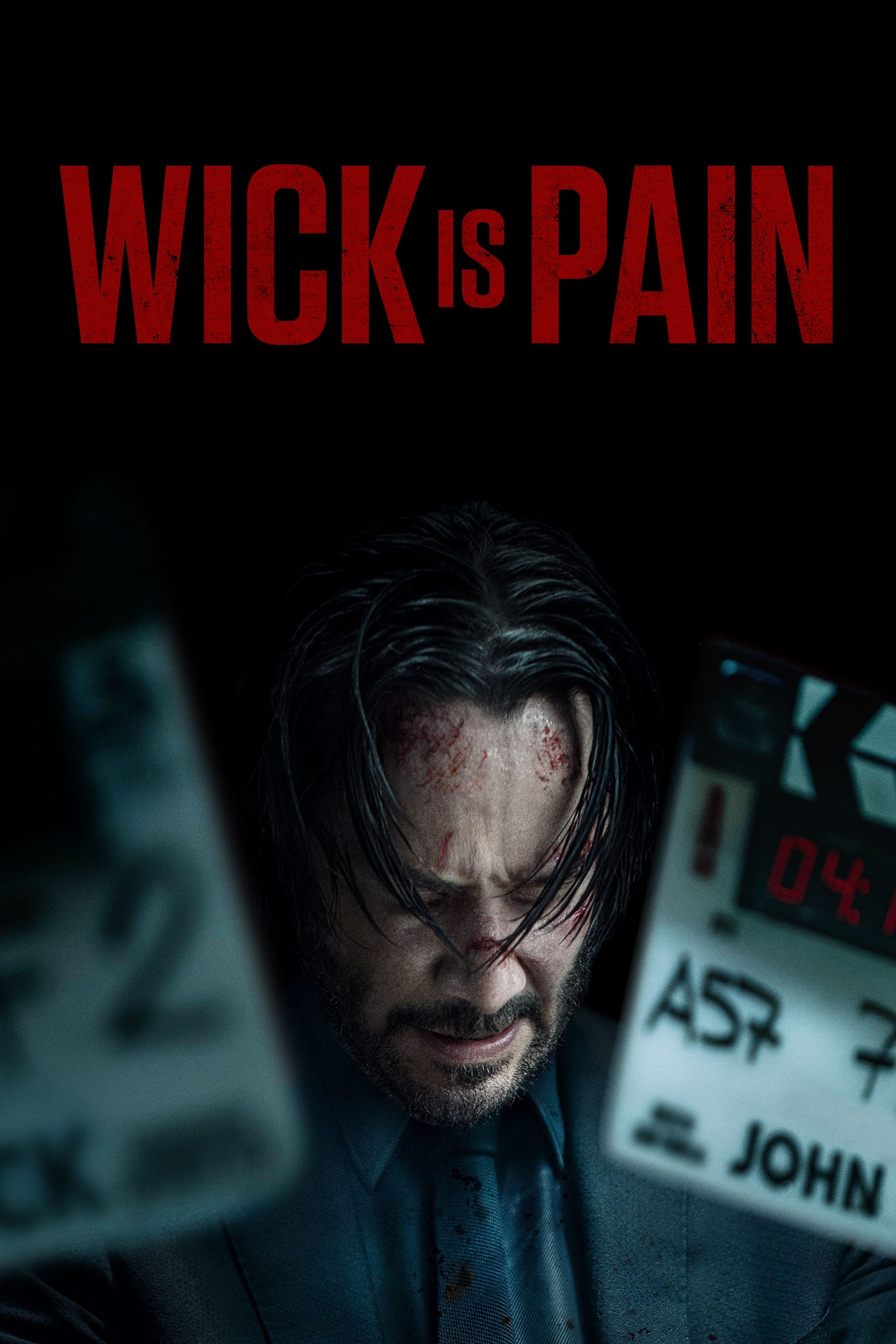
Witness the never-before-seen footage and true story behind the John Wick phenomenon – from independent film to billion-dollar franchise.
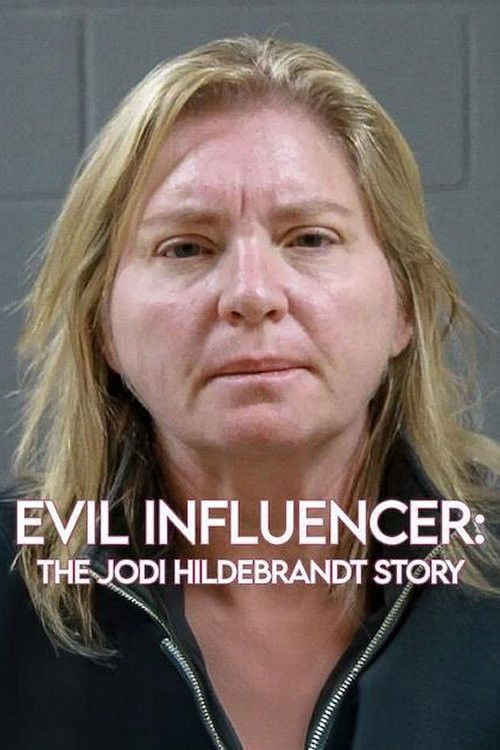
Unravel the case of Utah therapist Jodi Hildebrandt, whose child abuse arrest with parenting YouTuber Ruby Franke exposed a twisted tale of manipulation.
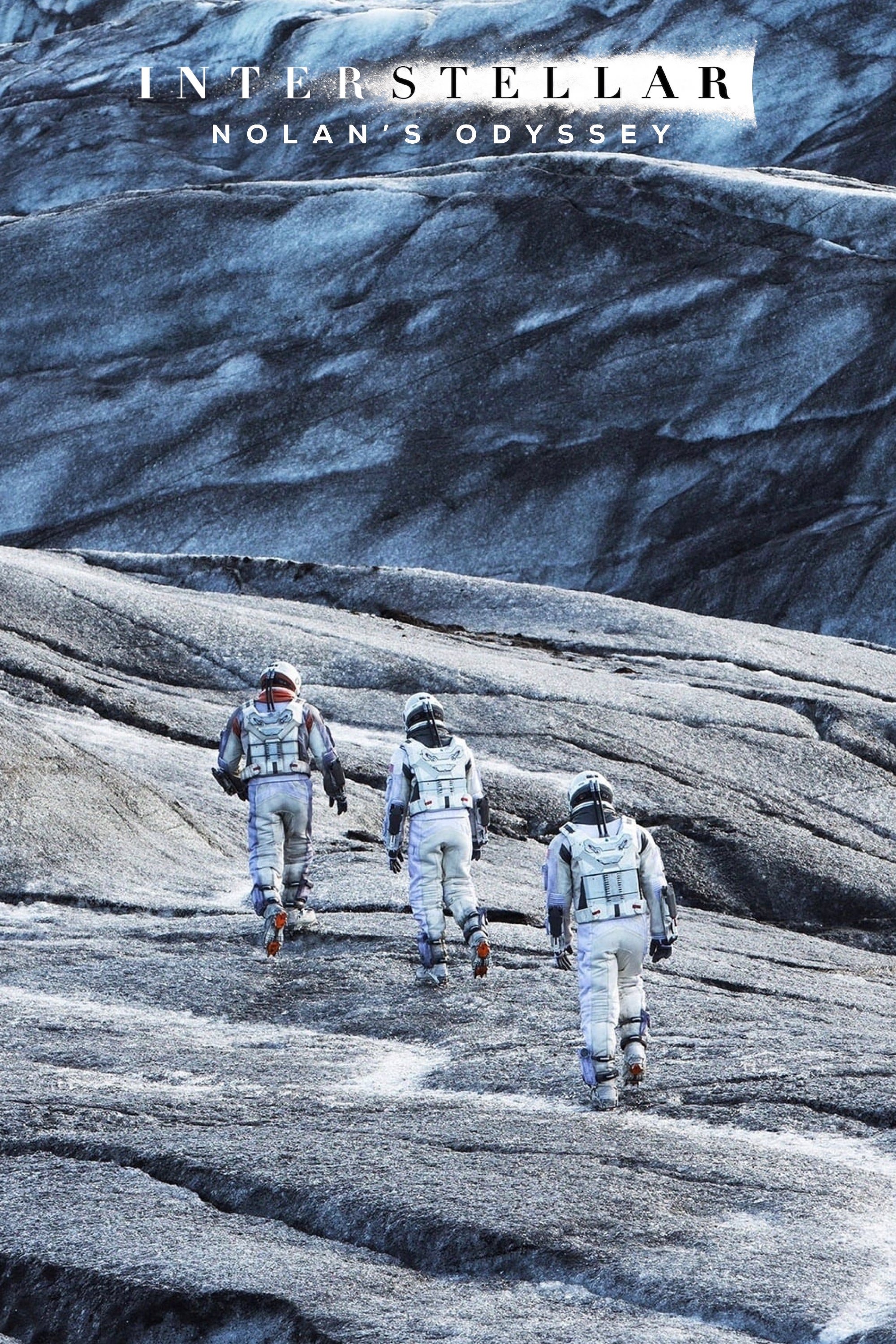
A look behind the lens of Christopher Nolan's space epic.
From a prolific career in film and television, Anton Yelchin left an indelible legacy as an actor. Through his journals and other writings, his photography, the original music he wrote, and interviews with his family, friends, and colleagues, this film looks not just at Anton's impressive career, but at a broader portrait of the man.
In an intimate and joyful story of love in the face of loss, celebrated poets Andrea Gibson and Megan Falley find strength—and unexpected hilarity—in what might be their final year together.
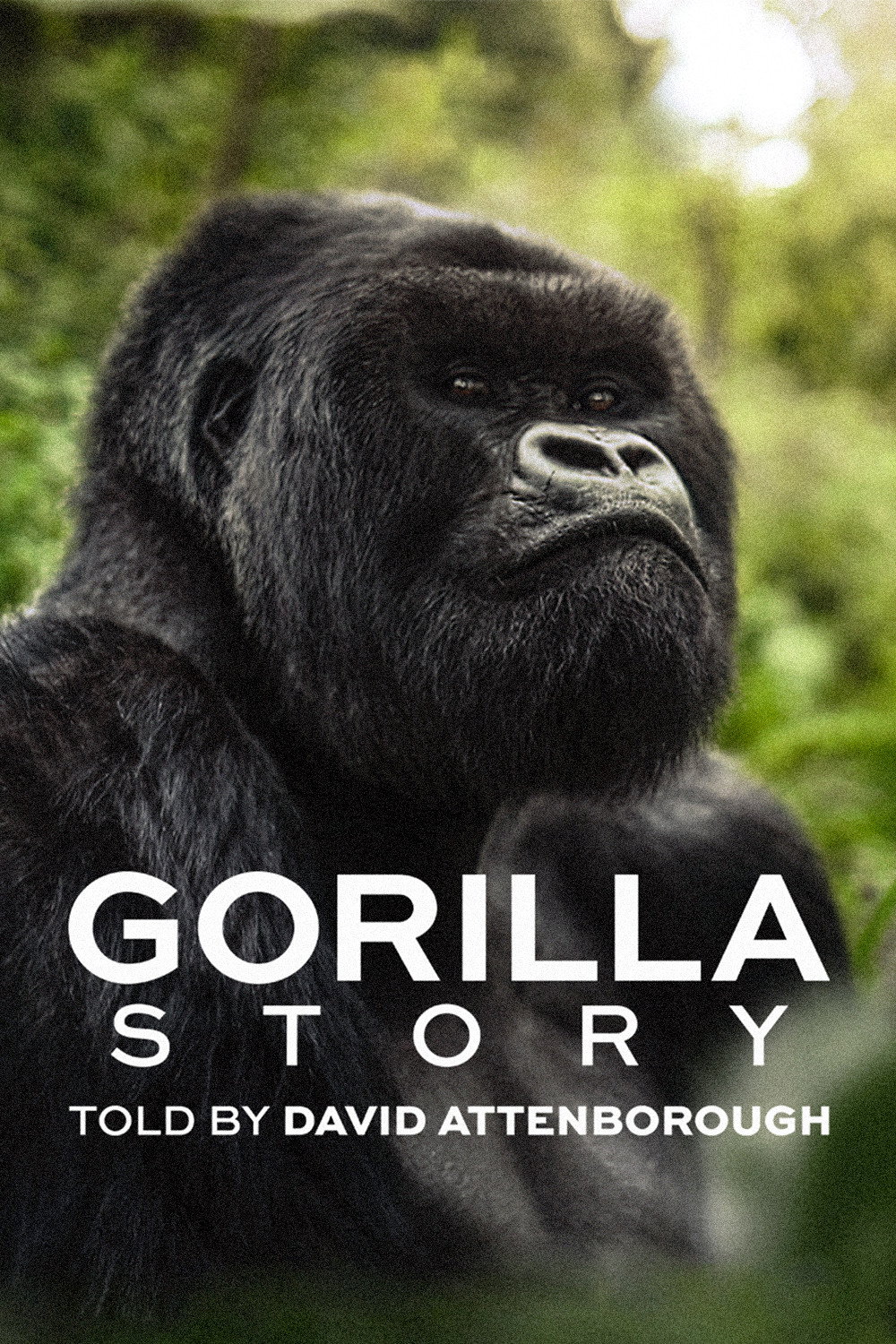
Veteran naturalist Sir David Attenborough tells the story of a remarkable group of gorillas, from his first encounter in the '70s to the present day.