"Papua New Guinea: Anthropology on Trial" was a 1983 episode of the PBS science documentary series NOVA. It explored the field of anthropology, particularly in the context of Papua New Guinea, from the perspective of the people being studied.
Social & External
An experimental ethnographic documentary that criticizes the colonizer view of anthropology.
John Waiko is the first Papua New Guinea man to graduate with a PhD and be appointed a professor. He returns to the Binandere clan and his small village of Tabara in the Northern Province of PNG. Once there, he has to organise a celebration for his achievements with his family’s help. Since he has been away for most of his life, he has no recognised wealth in the village (the pigs used for gift giving), nor a network of supporters or knowledge of the preparation and rituals for having such a celebration. He wants the event to happen quickly but that’s not the way it works in Tabara. Man without pigs focuses on the antagonism aroused by the clash between traditional customs and Western values in this remote PNG community.
Inspired by Steven Blush's book "American Hardcore: A tribal history" Paul Rachman's feature documentary debut is a chronicle of the underground hardcore punk years from 1979 to 1986. Interviews and rare live footage from artists such as Black Flag, Bad Brains, Minor Threat, SS Decontrol and the Dead Kennedys.
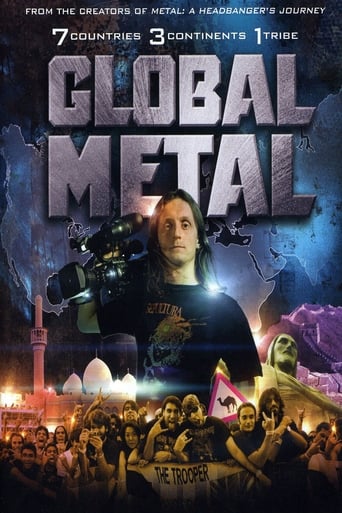
In GLOBAL METAL, directors Scot McFadyen and Sam Dunn set out to discover how the West's most maligned musical genre - heavy metal - has impacted the world's cultures beyond Europe and North America. The film follows metal fan and anthropologist Sam Dunn on a whirlwind journey through Asia, South America and the Middle East as he explores the underbelly of the world's emerging extreme music scenes; from Indonesian death metal to Chinese black metal to Iranian thrash metal. GLOBAL METAL reveals a worldwide community of metalheads who aren't just absorbing metal from the West - they're transforming it - creating a new form of cultural expression in societies dominated by conflict, corruption and mass-consumerism.
A documentary on the influential anthropologist Margaret Mead. Using never-before-seen archival footage, stills, interviews and dramatic re-creations, it shows the journey of how Mead became a scientist, adventurer, and international celebrity. As a true pioneer of cultural anthropology, her findings and ideas shaped how we think about ourselves.
Conservationists Jim and Jean Thomas braved the steamy jungles of Papua New Guinea to save a tree kangaroo from extinction and ended up providing water and sanitation to ten thousand people in one of the most remote places on earth.
The film discusses the traits and originators of some of metal's many subgenres, including the New Wave of British Heavy Metal, power metal, Nu metal, glam metal, thrash metal, black metal, and death metal. Dunn uses a family-tree-type flowchart to document some of the most popular metal subgenres. The film also explores various aspects of heavy metal culture.
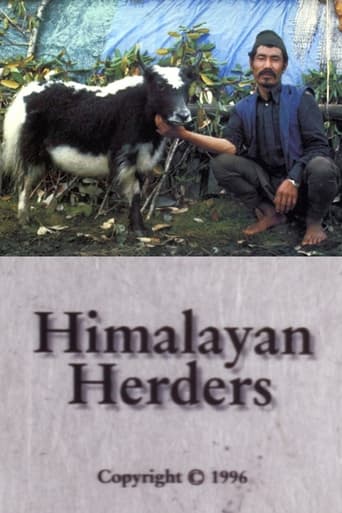
John Bishop and Naomi Bishop present a portrait a peculiar life style of the Himalayan indigenous Sherpa people in their documentary , the Himalayan Herders. The 76 minutes long film is about the diverse culture and life style of herders community near Mt. Everest region of Nepal.The film was made in 1997 as a part of Case Studies in Cultural Anthropology Series.
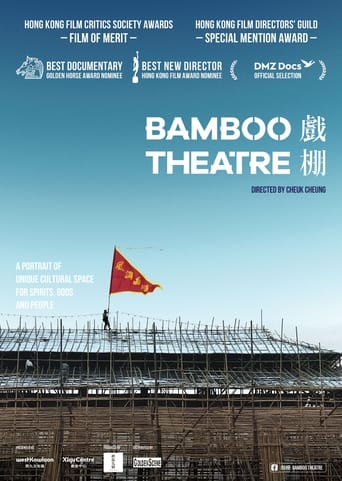
This film is a portrait of unique cultural space for Spirits, Gods and People. While permanent theatres are commonly built in most cosmopolitan modern cities, Hong Kong preserves a unique theatrical architecture, a Chinese tradition that has lasted more than a century - Bamboo Theatre.
"Sweet Osmanthus Flowering Late" is a feature-length ethnographic film that envisions social rejuvenation and collective convalescence in the aftermath of the pandemic. Filmed in Wuhan, the film follows the everyday lives of three middle-class households. It postulates the existence of a mass dreaming phenomenon that facilitated fatigued Chinese inhabitants to rejuvenate themselves following the secluded episode of lived experience and to coexist with the enduring imprints of "the event" on their social lives.
An ethnographic documentary documenting the ritual warfare cycle, social life, and belief systems of the Dani people of the Baliem Valley in western New Guinea.
Joe Leahy is the half-caste son of one of the first explorers of the Papua New Guinean interior. The documentary explores his relationship with the tribes that work his coffee plantation and explores what happens when the coffee market situation becomes more difficult.
Light Upon Light: A Documentary on Hijab is an intimate and deeply personal exploration of the diverse, raw, and untold stories of hijabi women. Through open and vulnerable conversations with 7 women, the film dismantles stereotypes, highlights the challenges imposed by society, and celebrates the profound beauty of the hijab beyond a mere clothing choice. It captures the individuality of each woman’s story—how they came to wear the hijab, the struggles they’ve faced, and the strength they’ve found in it. More than just fabric, the hijab is a journey, often misunderstood, and influenced by the way the world perceives it. By amplifying voices that are often unheard, the documentary creates a space for empathy, challenges misconceptions, and invites a deeper understanding of what it truly means to wear the hijab; inspiring everyone to see hijab in a new light.
Séfar (in Arabic: سيفار) is an ancient city in the heart of the Tassili n'Ajjer mountain range in Algeria, more than 2,400 km south of Algiers and very close to the Libyan border. Séfar is the largest troglodyte city in the world, with several thousand fossilized houses. Very few travelers go there given its geographical remoteness and especially because of the difficulties of access to the site. The site is full of several paintings, some of which date back more than 12,000 years, mostly depicting animals and scenes of hunting or daily life which testify that this hostile place has not always been an inhabited desert. Local superstition suggests that the site is inhabited by djins, no doubt in connection with the strange paintings found on the site.
What happens when western anthropologists descend on the Amazon and make one of the last unacculturated tribes in existence, the Yanomami, the most exhaustively filmed and studied tribe on the planet? Despite their "do no harm" creed and scientific aims, the small army of anthropologists that has studied the Yanomami since the 1960s has wreaked havoc among the tribe – and sparked a war within the anthropology community itself.
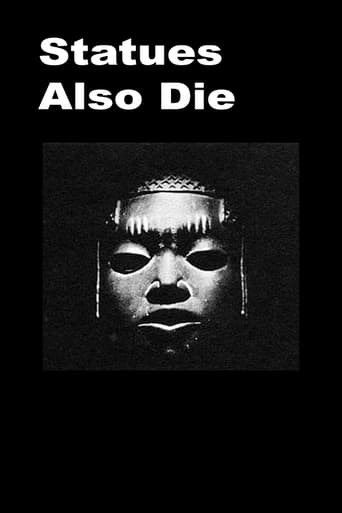
Commissioned by the journal Présence Africaine, this short documentary examines how African art is devalued and alienated through colonial and museum contexts. Beginning with the question of why African works are confined to ethnographic displays while Greek or Egyptian art is celebrated, the film became a landmark of anti-colonial cinema and was banned in France for eight years.
A documentary that reveals the underbelly of the global aid and investment industry. It's a complex web of interests that span the earth from powerful nations and multinational corporations to tribal and village leaders. This documentary offers unique insights into a multi-billion dollar world by investigating how aid dollars are spent.
David Attenborough tells the remarkable story of how these " birds of paradise " have captivated explorers , naturalists, artists, filmmakers and even royalty.
In 1945, a group of Australian soldiers inadvertently stumbled across Amelia Earhart's downed airplane in the jungles of Papua New Guinea. Now, a team of specialists will use the soldiers' exclusive testimony and an old patrol map to find the plane again.
Terence McKenna gives us a detailed description of his TimeWave concept and a demonstration of the software Terence originated in his early exploratory period of deep study with the I Ching, the ancient oracular Chinese Book of Changes. He proudly takes us on a biographical tour of our culture from his personal library in the early 80's to what he saw the TimeWave project to 2012. Terence describes the Time Wave as his "only original work". The first part of this piece is the first visual description of Terence's unique theory. The second chapter of the tape astounds the viewer with the display of the the historical resonances that demonstrates how the last 4000 years are compressed into the increasingly speeded up, drawn and squeezed collective thoughts of the "Gaian matrix". Terence McKenna partnered with Sound Photosynthesis' media magicians Faustin Bray and Brian Wallace at the helm to create the visuals that dance and spiral with Terence's every suggestion.