Social & External
The people behind it
Jaroslav Horáček
Dalibor Jedlička
Ivan Kusnjer
Miroslav Frydlewicz
Anna Bortlová
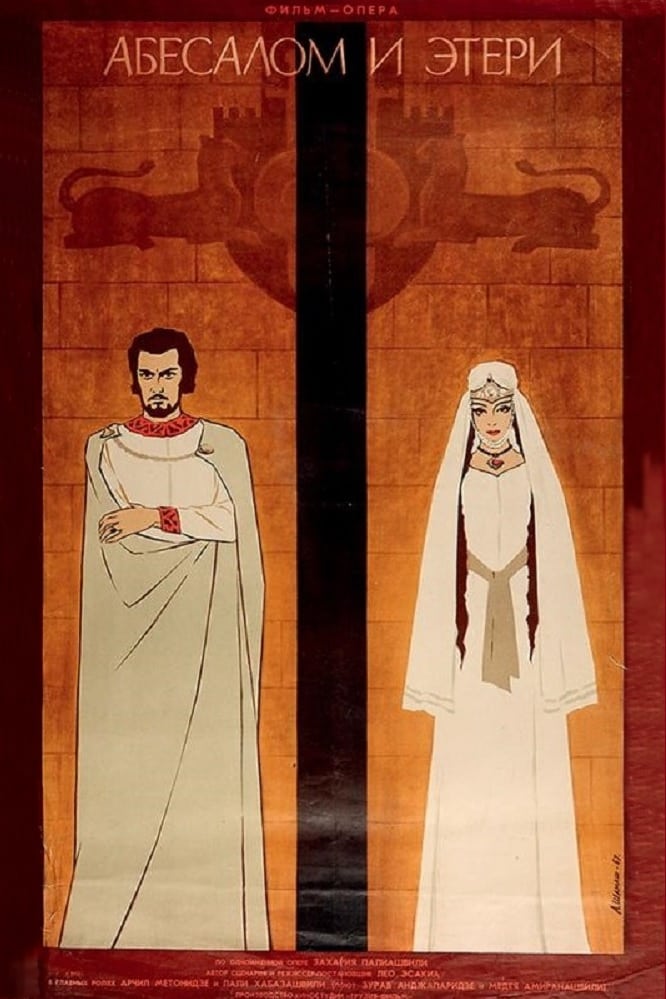
Prince Abesalom runs into an orphaned Eteri while hunting, falls for her and brings the woman to his palace as his fiancé. The Prince’s aid Murman loses his self-control at Eteri’s beauty and gives her a spelled necklace as a wedding gift. Eteri contracts a mysterious disease that only Murman is capable to heal.
Wolfgang Amadeus Mozart's Magic Flute is undoubtedly one of the most multi-layered, profound, complicated, and therefore also most difficult to stage works in the entire opera repertoire. In terms of genre, it can only be understood if it is seen as a mixture of four things: a philosophically profound drama of ideas with countless encryptions, a naïve fairy tale, a bawdy comedy, and a crude Punch and Judy show. It is based on the intersection of the traditions of Baroque magic opera, Italian buffa, and Viennese Singspiel, where all manner of wonders are conceivable and permissible. Peter Ustinov's production appeals to all those who love a primarily fairy-tale-like interpretation; the atmosphere is traditional and conventional. An outstanding ensemble of singers has been assembled.
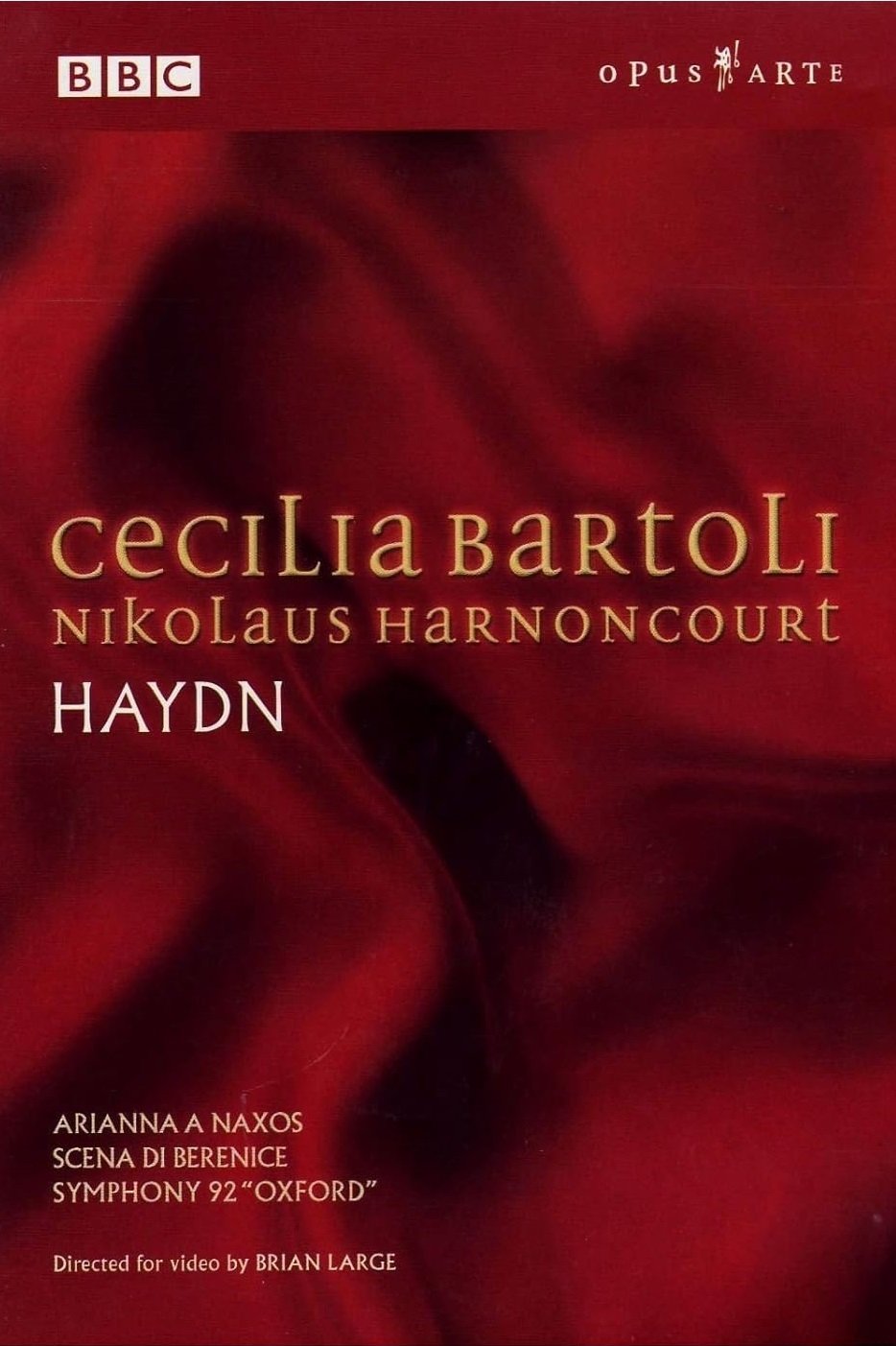
From the Styriarte Festival in Graz Austria, the acclaimed mezzo-soprano Cecilia Bartoli and Maestro Nikolaus Harnoncourt with his orchestra Concentus Musicu Wien, present a concert on Haydn arias and Symphony No.92, the "Oxford". The singing virtuosity of "Scena di Berenice" is sublime as is the performance of The "Oxford" Symphony from the ensemble renown for its specialty in early music and playing on period instruments. A unique concert.
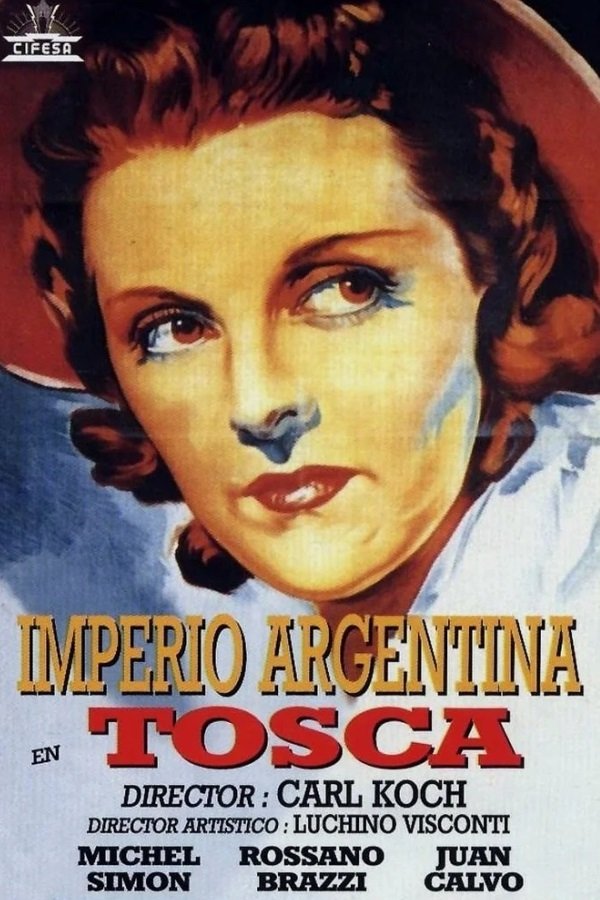
Non-musical account of Puccini's opera: Tosca and Cavaradossi are in love, but the tyrant Scarpia desires Tosca and oppresses Cavaradossi who is fighting for freedom.
Ernst Krenek's theatrical piece Karl V. consisting completely of twelve-tone series should have premiered at the Vienna State Opera. The political situation in the Vienna of 1933 and the fact that Krenek was despised by the Nazis because of this Jazz opera Jonny spielt auf, prevented the première. It only took place five years later in Prague, however Krenek had already emigrated to the USA. Karl V was the last emperor to hold to the idea of a Christian empire in which the sun never set, although its downfall was always inevitable, for numerous reasons. For the second production of Karl V. in the Nationaltheater, Carlus Padrissa in particular seeks out political power systems that are highly topical, and so very precisely analyses the treatment in the theatrical piece. At the core of the intellectually and linguistically highly qualified libretto, written by the composer himself, Karl V. reflects on his life and makes his confession to a young monk below Titian's La Gloria.
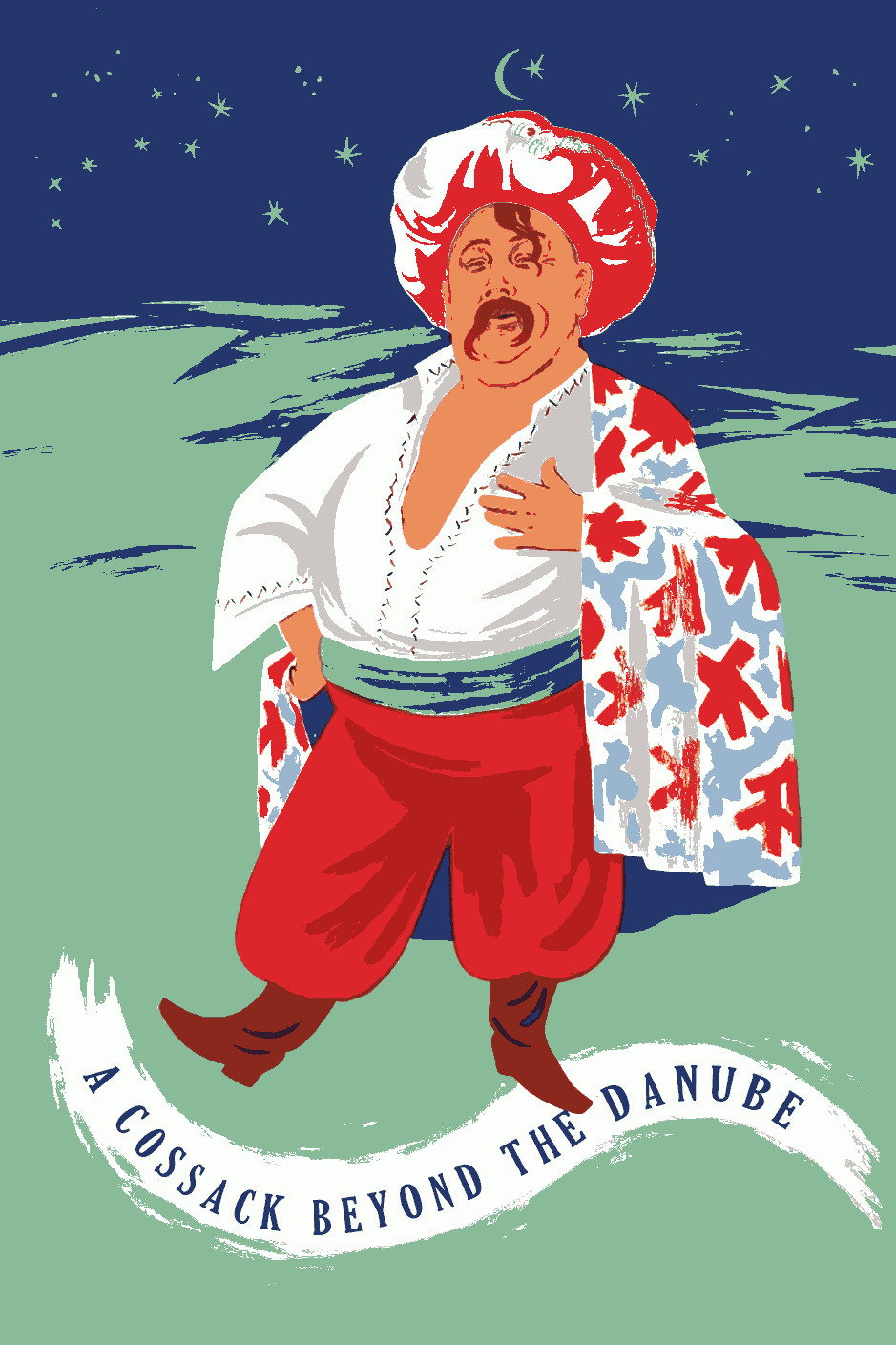
A Ukrainian comic opera with spoken dialogue in three acts with music and libretto by the composer Semen Hulak-Artemovsky (1813–1873). The orchestration has subsequently been rewritten by composers such as Reinhold Glière and Heorhiy Maiboroda. This is one of the best-known Ukrainian comic operas depicting national themes.
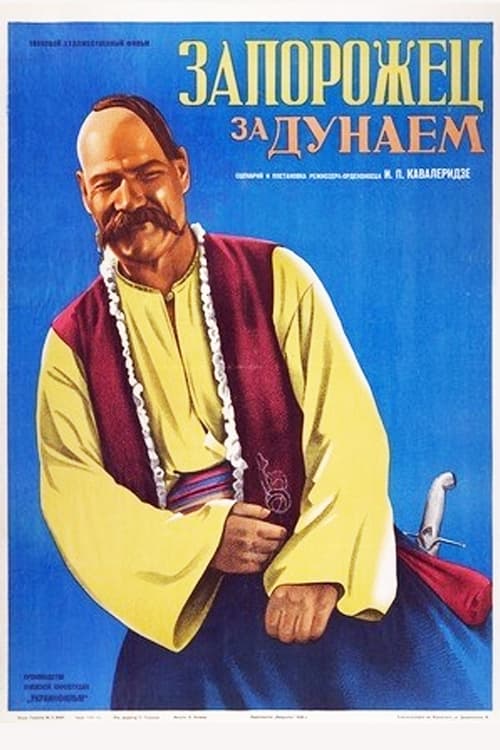
Adapted from the opera written by the composer Semen Hulak-Artemovsky.
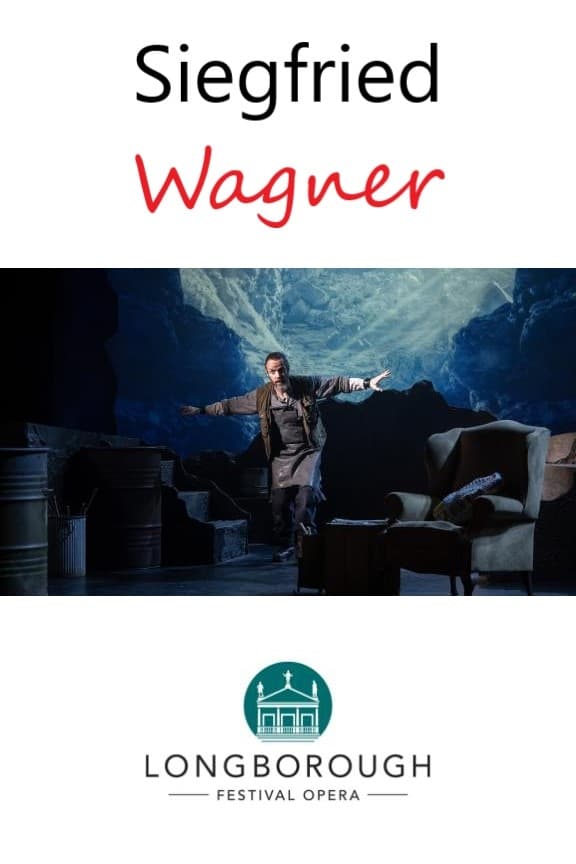
The hero Siegfried reforges his father’s shattered sword, embarking on a quest for the greatest prize of all – the love of the valkyrie Brünnhilde, who lies trapped in a ring of fire. Siegfried is the third opera in Richard Wagner’s four-opera cycle Der Ring des Nibelungen. Wagner broke off composition at the end of Act II of Siegfried to write Tristan und Isolde and Die Meistersinger von Nürnberg, returning to Siegfried seven years later. Longborough Festival Opera, known as the British Bayreuth, calls on renowned Wagnerian Anthony Negus to conduct and Amy Lane to stage this new production of Siegfried in the bucolic English Cotswolds.
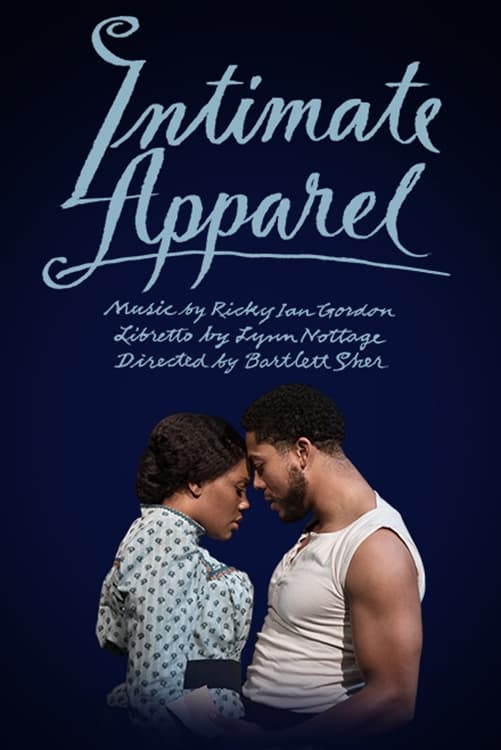
Experience the story of seamstress Esther who begins writing to a mysterious suitor laboring on the Panama Canal. Featuring a libretto by Pulitzer Prize winner Lynn Nottage, this powerful opera is directed by Tony winner Bartlett Sher.
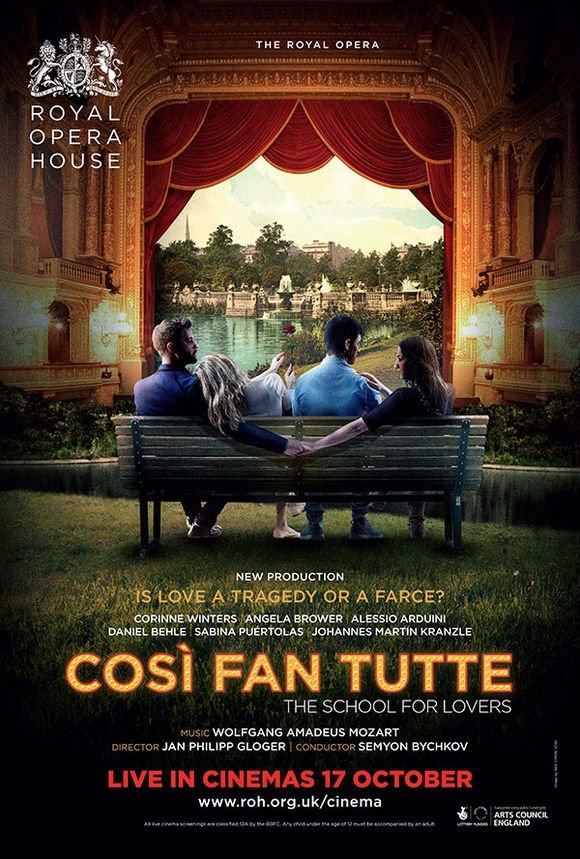
Semyon Bychkov conducts a cast of young, up-and-coming talent including American soprano Corinne Winters in a new production of Mozart’s opera on the nature of love.
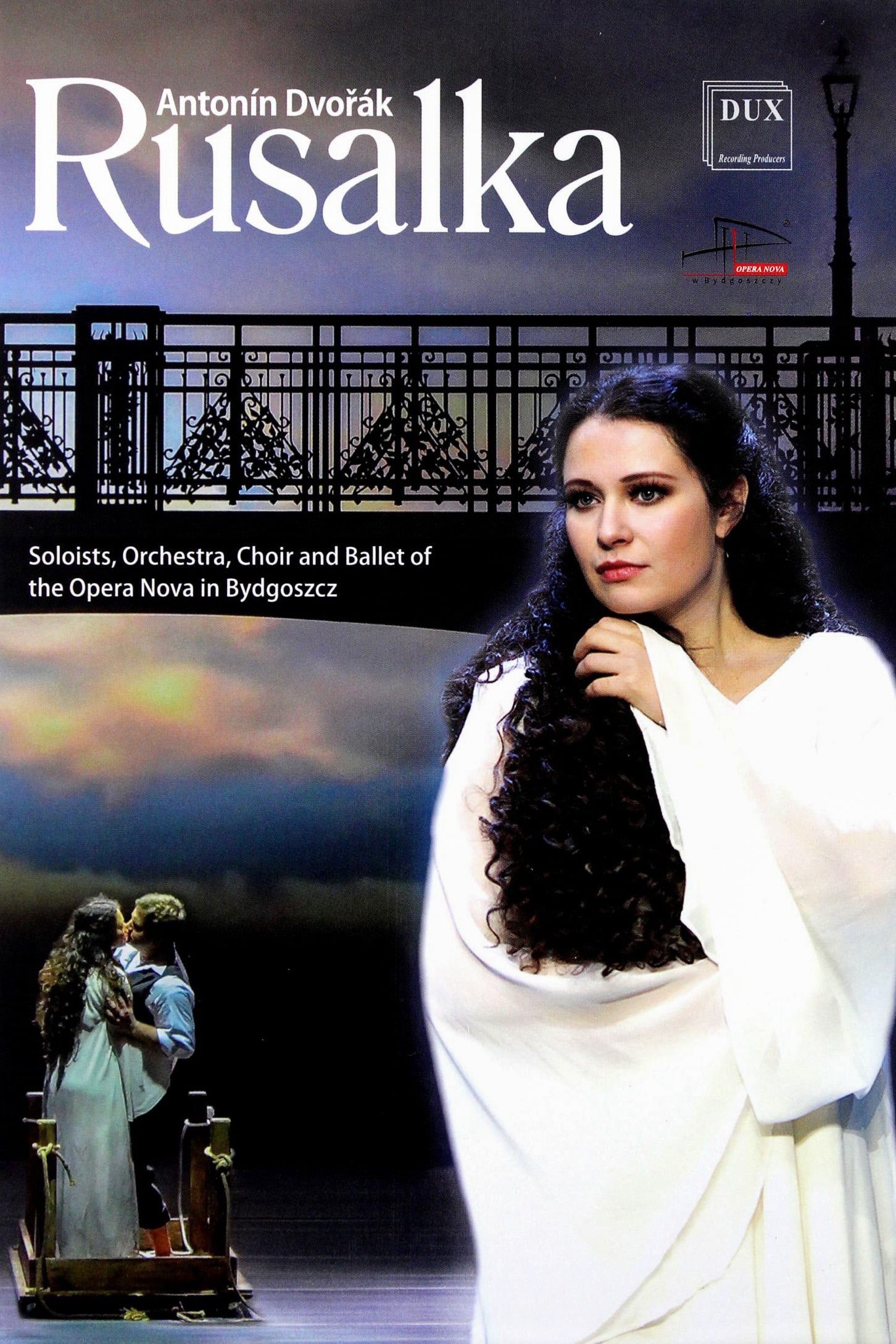
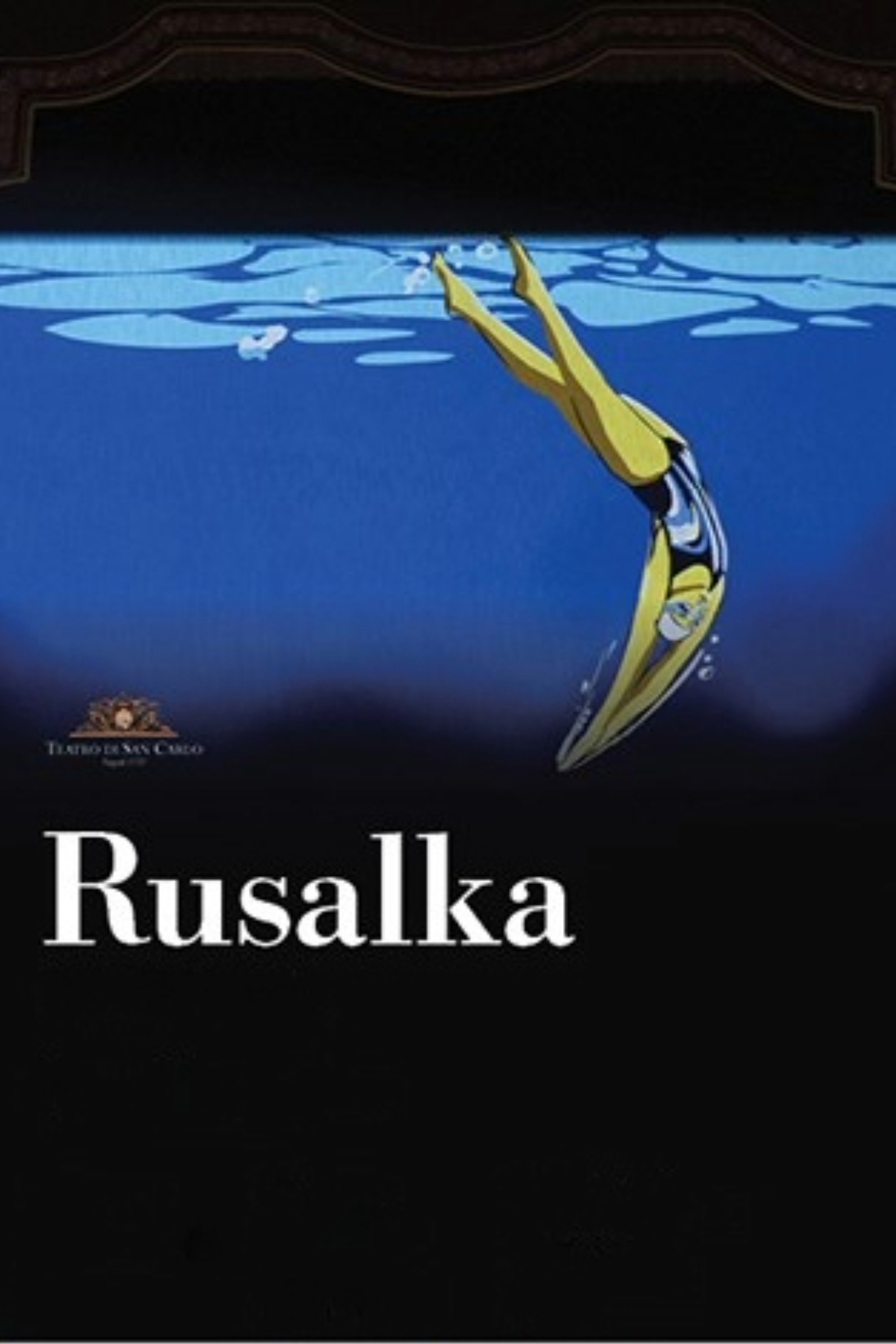
Captured live from Naples’ splendid San Carlo Theatre – the world’s oldest continuously running public opera venue – where it opened the company’s theatrical season, acclaimed director Dmitri Tcherniakov stages a new production of Dvořák’s beautiful, supremely romantic opera about a water sprite Rusalka who longs to find love.
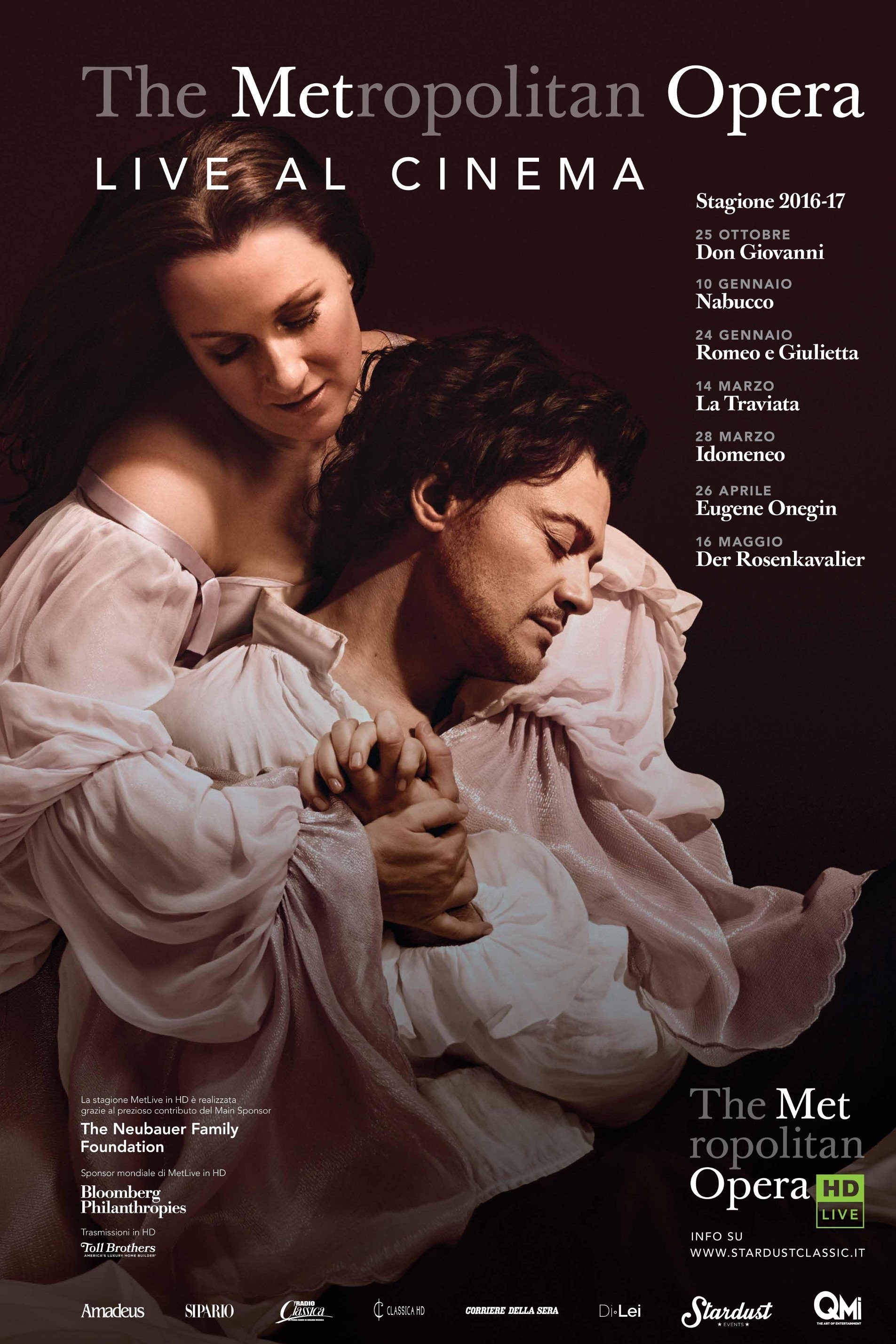
Diana Damrau and Vittorio Grigolo are opera’s classic lovers in Gounod’s lush Shakespeare adaptation. Director Bartlett Sher’s “brilliant and inspired new production … is a revelation” (Huffington Post), and has already won acclaim for its vivid 18th-century milieu and stunning costumes during runs at Salzburg and La Scala. Emmanuel Villaume conducts the sumptuous score.
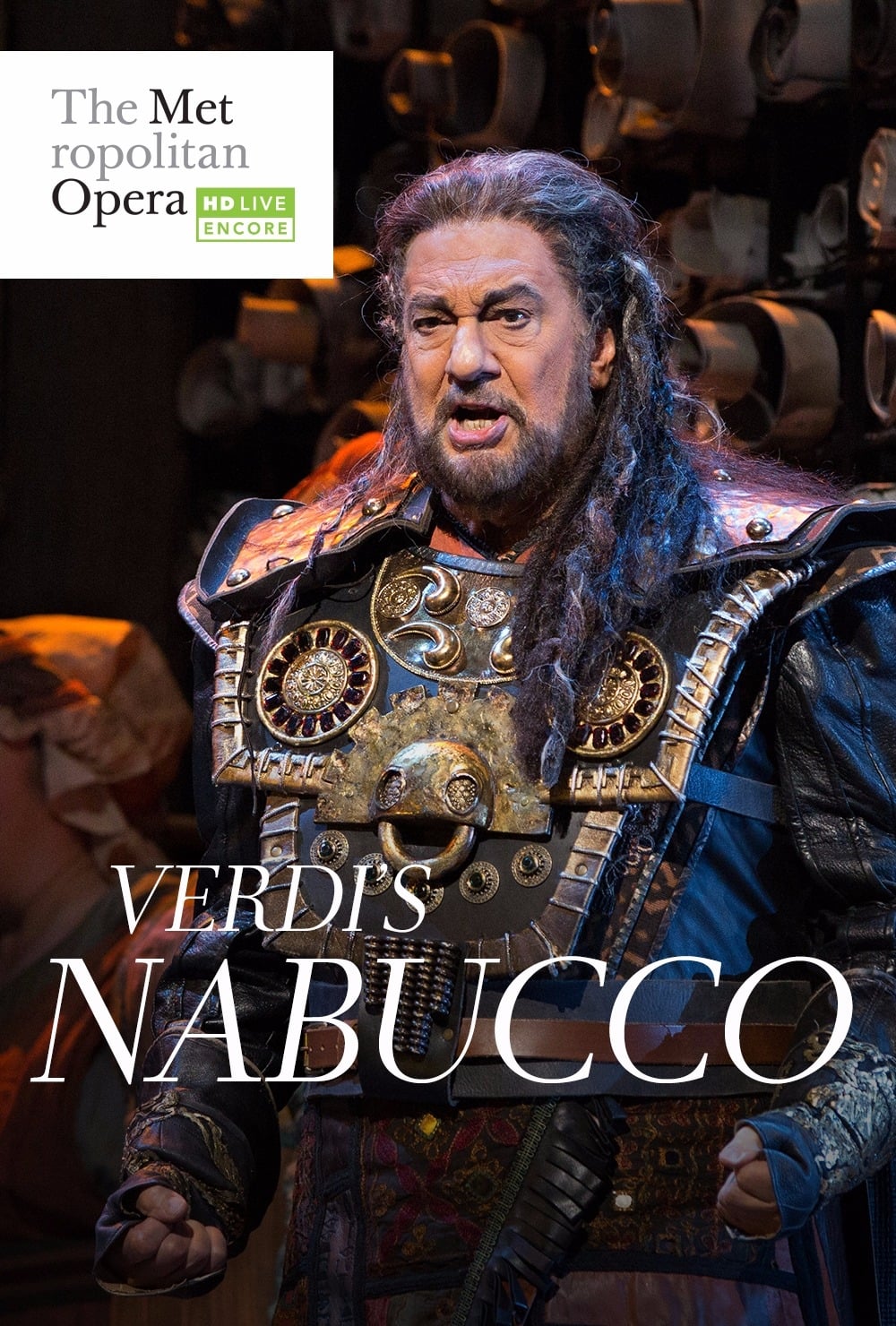
The legendary Plácido Domingo brings another new baritone role to the Met under the baton of his longtime collaborator James Levine. Liudmyla Monastyrska is Abigaille, the warrior woman determined to rule empires, and Jamie Barton is the heroic Fenena. Dmitri Belosselskiy is the stentorian voice of the oppressed Hebrew people.
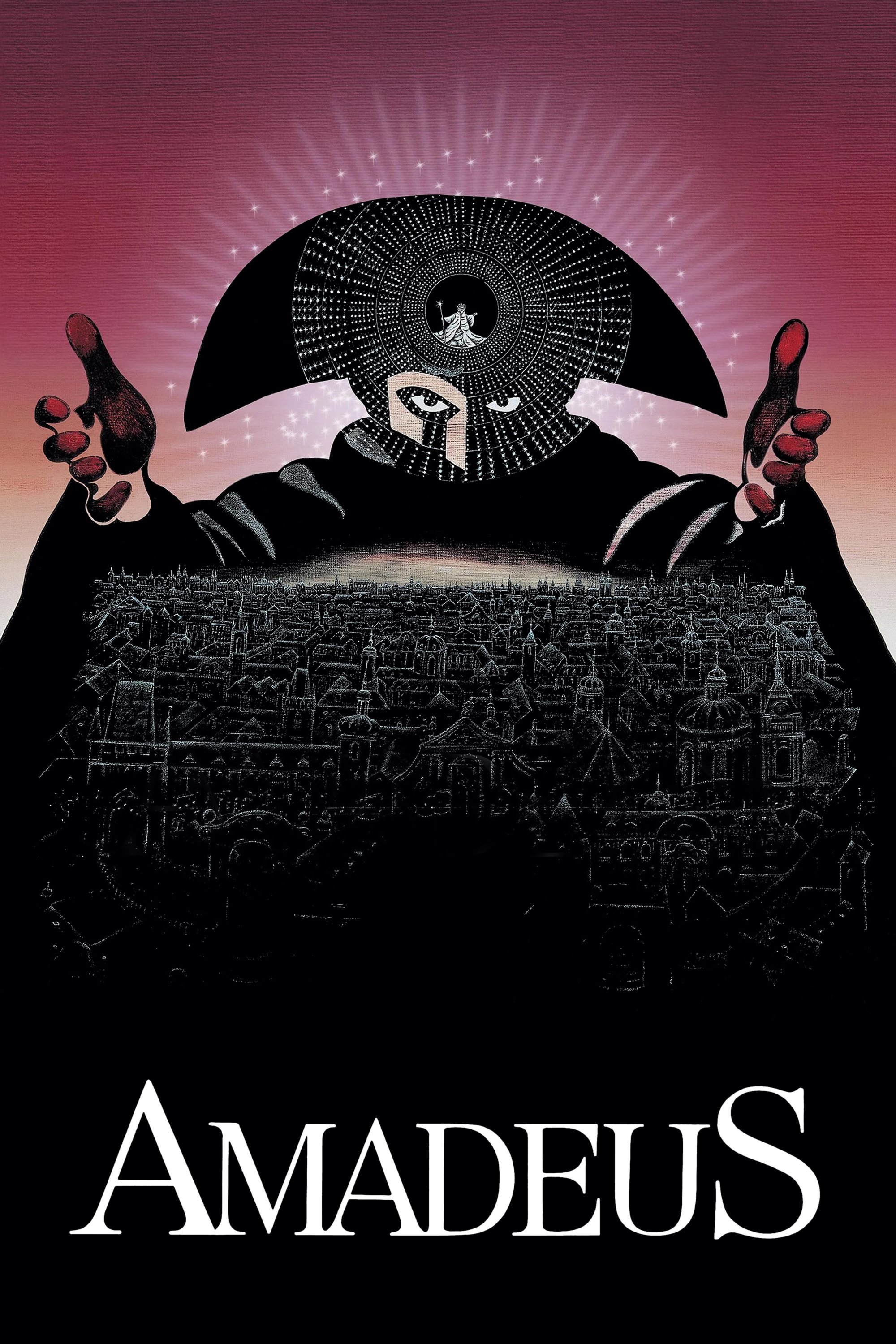
Disciplined Italian composer Antonio Salieri becomes consumed by jealousy and resentment towards the hedonistic and remarkably talented young Salzburger composer Wolfgang Amadeus Mozart.
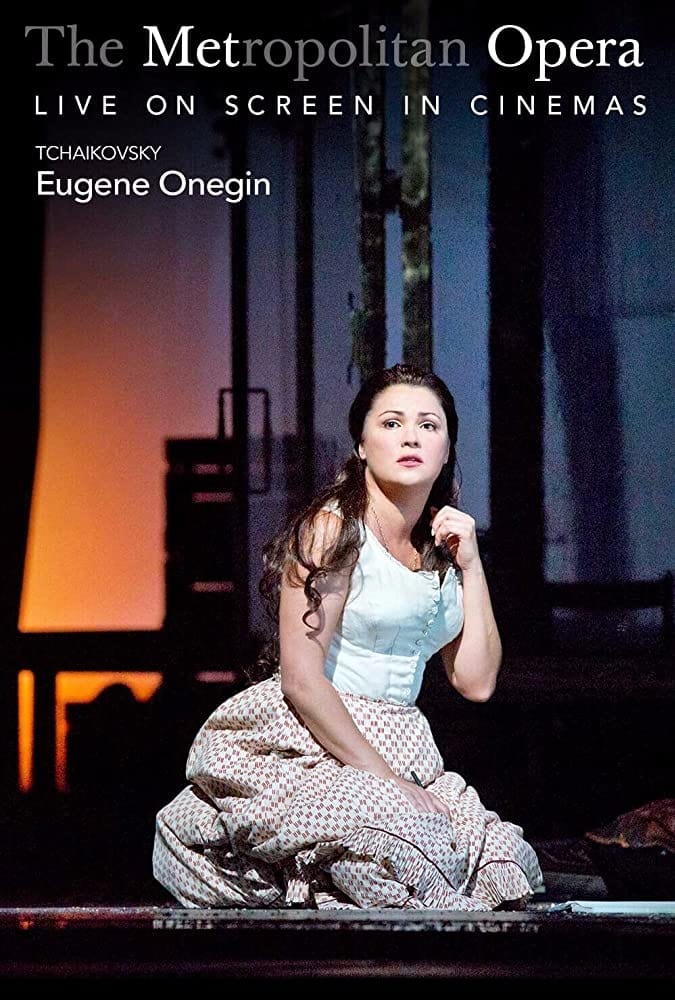
Tchaikovsky’s setting of Pushkin’s timeless verse novel is presented on the Met stage in Deborah Warner’s moving production, starring Anna Netrebko as Tatiana and Mariusz Kwiecien and Peter Mattei sharing the title role. Alexey Dolgov sings the role of Lenski, and Robin Ticciati conducts.
Mozart’s early masterpiece returned to the Met for the first time in more than a decade with Music Director Emeritus James Levine, who led the work’s company premiere in 1982, again on the podium. Tenor Matthew Polenzani brings both steely resolve and compassionate warmth to the title king of Crete, who is faced with an impossible decision. With her rich mezzo-soprano, Alice Coote sings the trouser role of Idomeneo’s son Idamante, who loves the Trojan princess Ilia, sung with delicate lyricism by Nadine Sierra. Elza van den Heever gives a thrillingly unhinged portrayal of the jealous Elettra. Jean Pierre-Ponnelle’s timeless production blends the grandeur of ancient myth with the elegance of Enlightenment ideals.
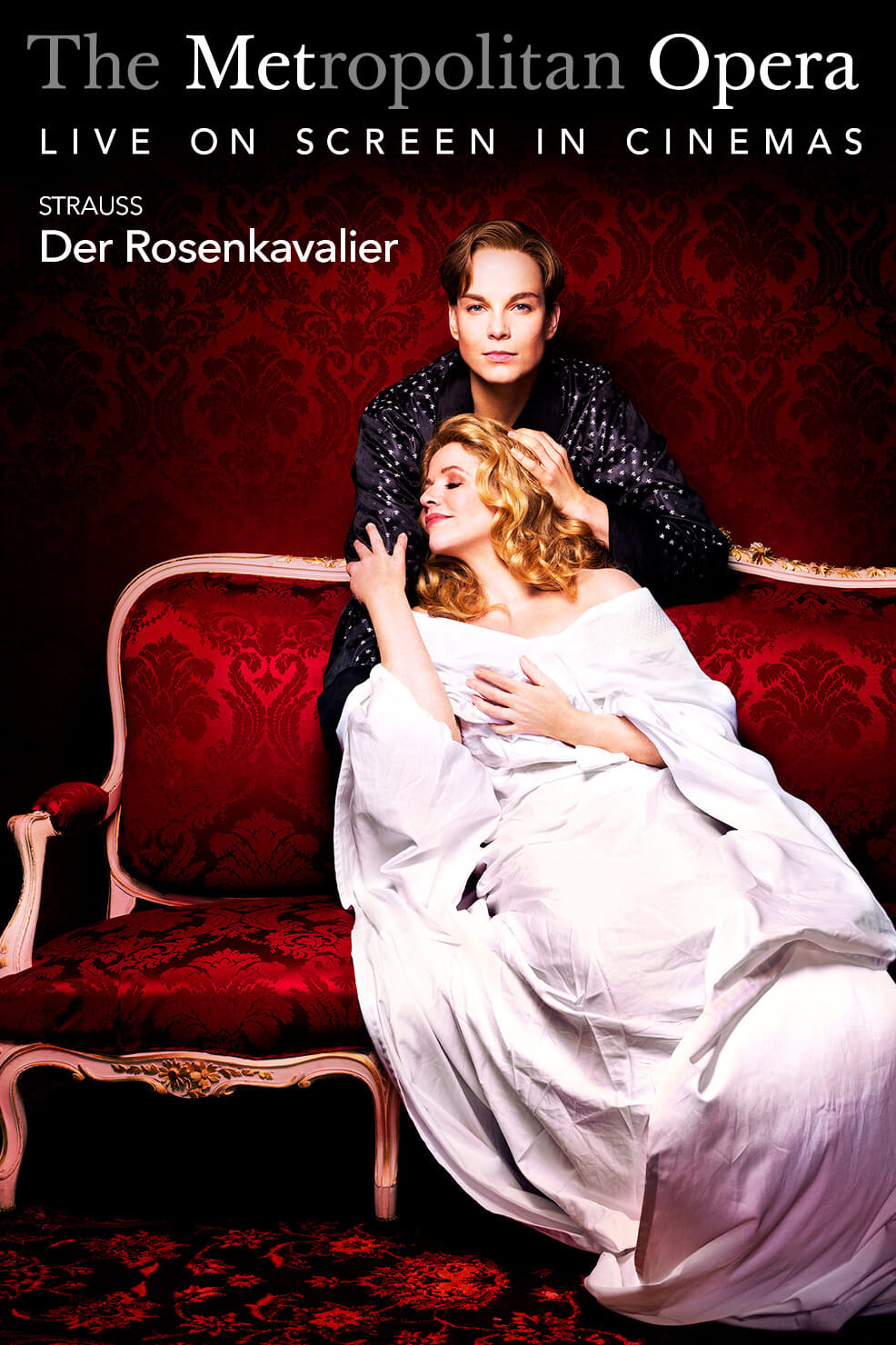
In his new production, Robert Carsen places the action at the end of the Habsburg Empire, underscoring the opera’s subtext of class and conflict against a rich backdrop of gilt and red damask
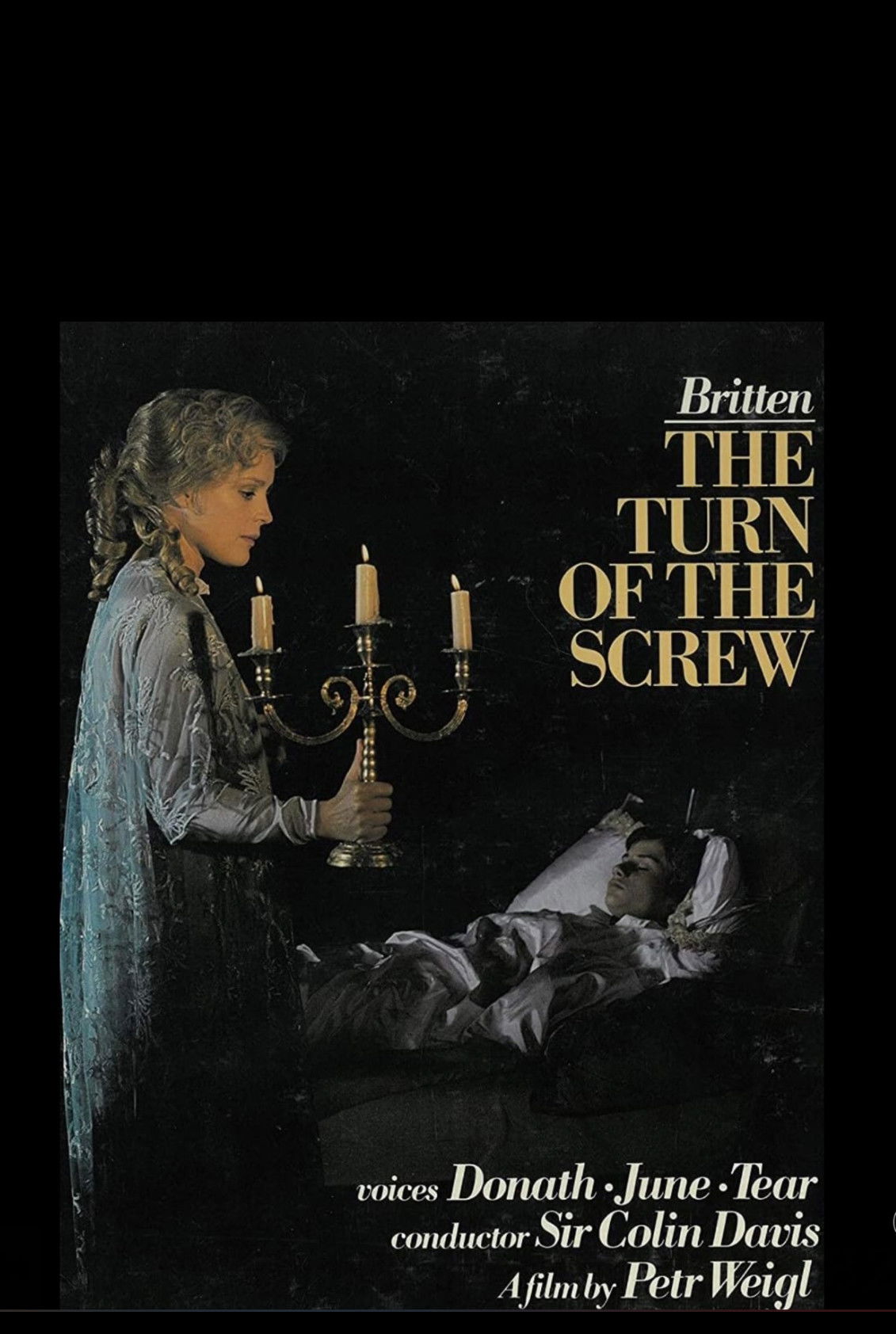
Benjamin Britten’s opera of the Henry James novel. An inexperienced governess is sent to a country house to care for two children, whom she is gradually convinced have been corrupted by the ghosts of a previous manservant and governess…
Rigoletto is an opera in three acts by Giuseppe Verdi. The Italian libretto was written by Francesco Maria Piave based on the play Le roi s'amuse by Victor Hugo. Despite serious initial problems with the Austrian censors who had control over northern Italian theatres at the time, the opera had a triumphant premiere at La Fenice in Venice on 11 March 1851. This 1994 recording, directed by Riccardo Muti, stars Roberto Alagna, Renato Bruson and Andrea Rost.
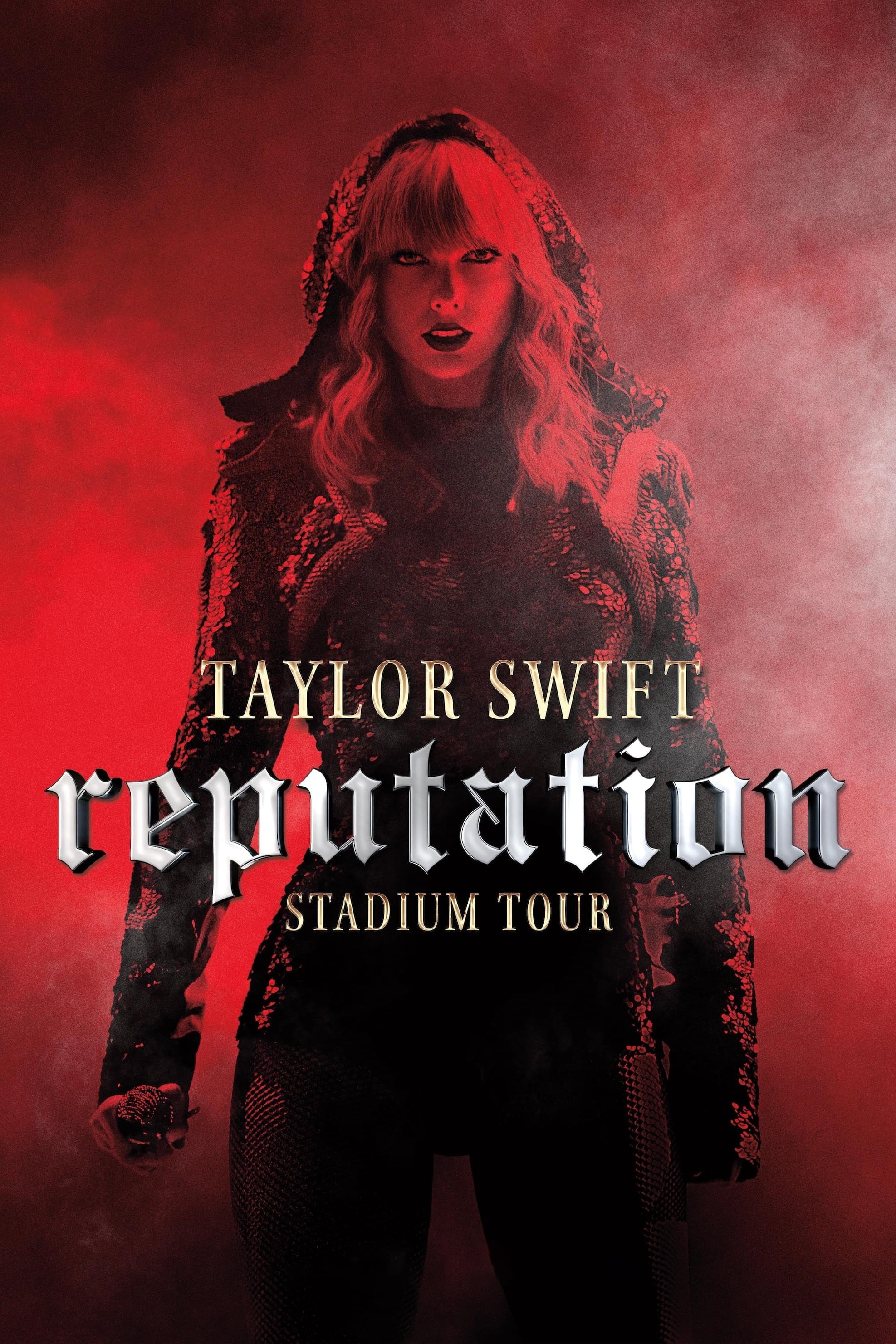
Taylor Swift takes the stage in Dallas for the Reputation Stadium Tour and celebrates a monumental night of music, memories and visual magic.
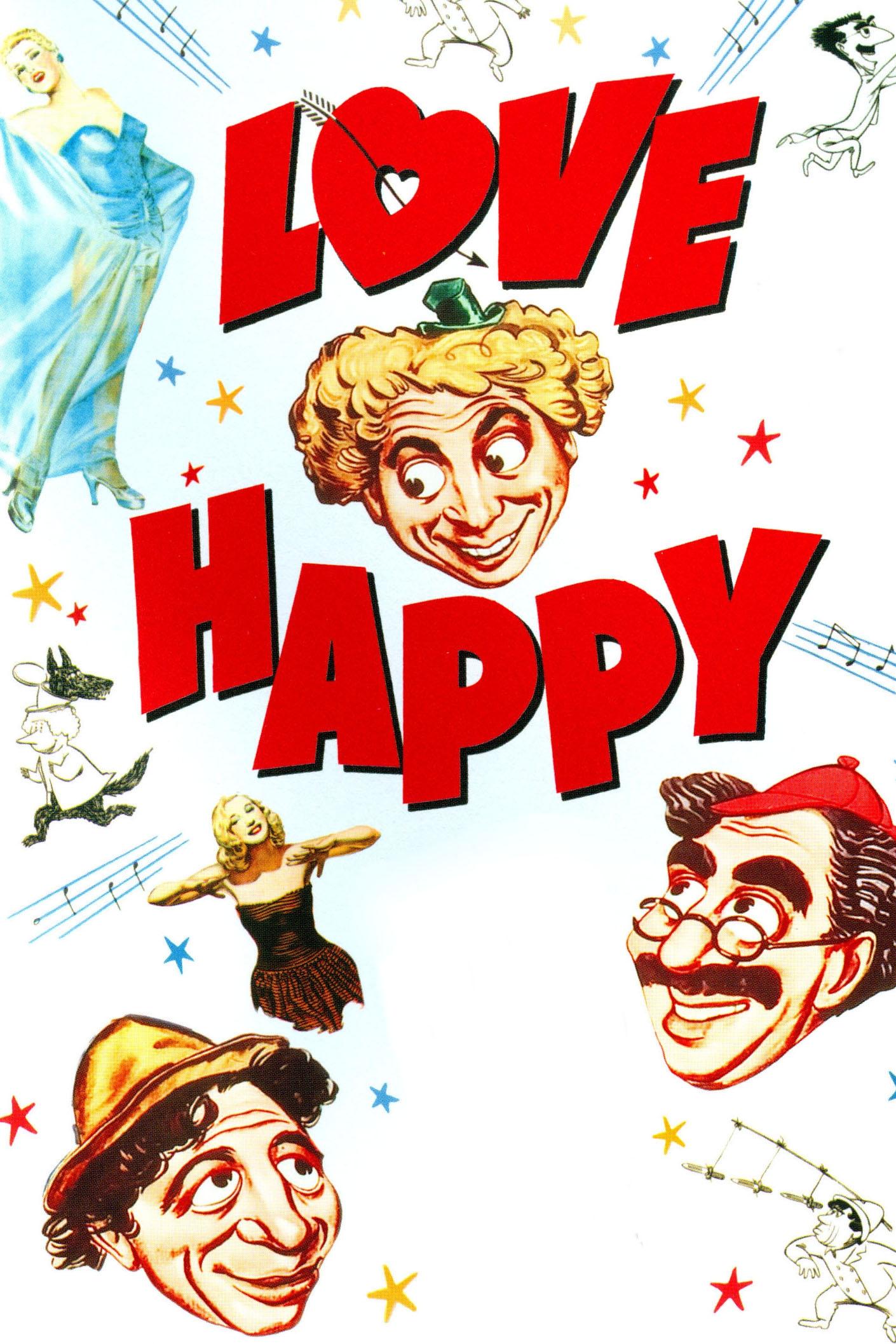
The Marx Brothers help young Broadway hopefuls when they get mixed up with gangsters due to a tin of sardines containing Romanoff diamonds.
A pair of star-crossed dancers in New York find themselves at the center of a bitter rivalry between their brothers' underground dance clubs.
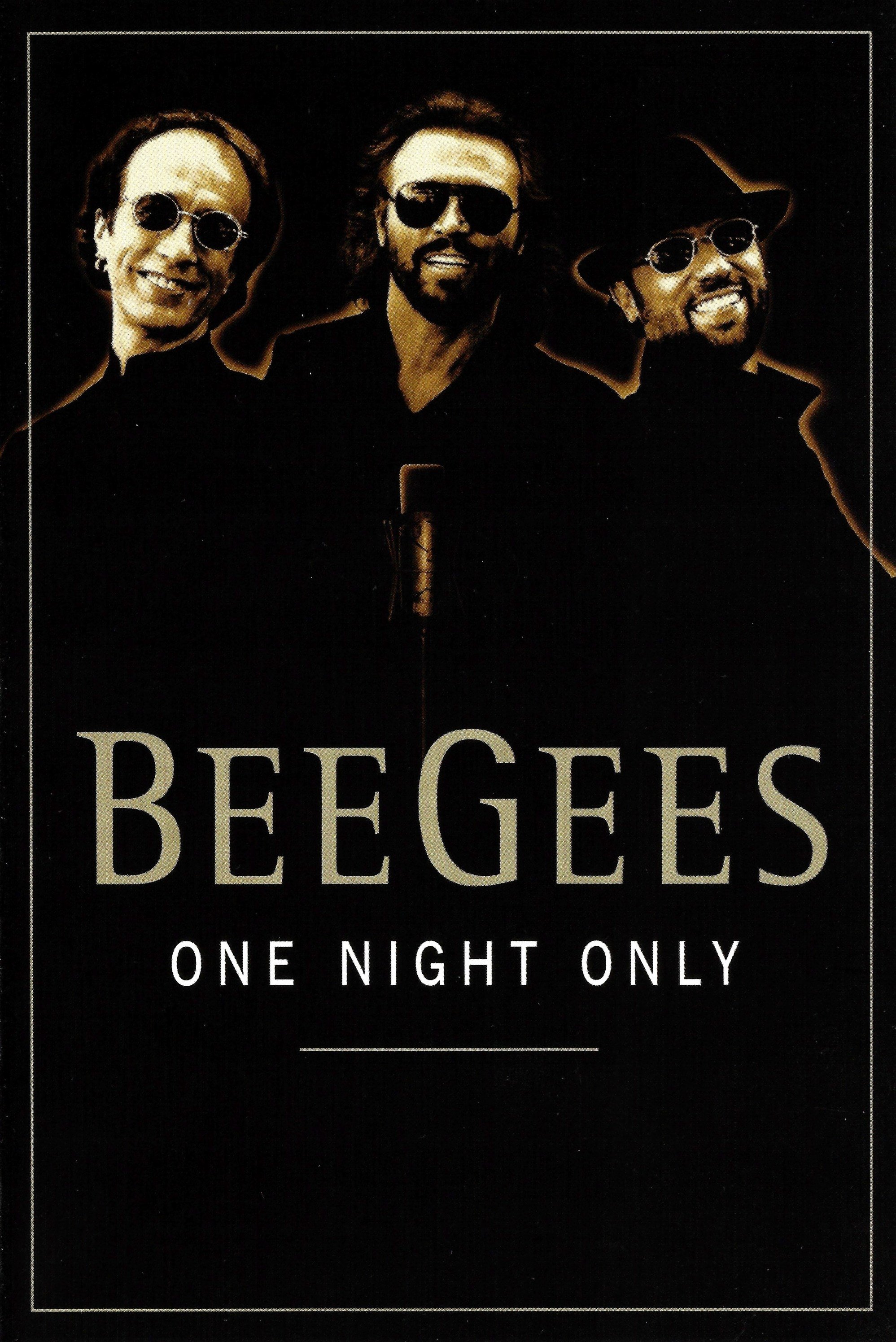
The brothers Gibb perform their greatest hits from the 60's, 70's, 80's and 90's including many songs written for and made hits by other artists but never recorded by the Bee Gees themselves.
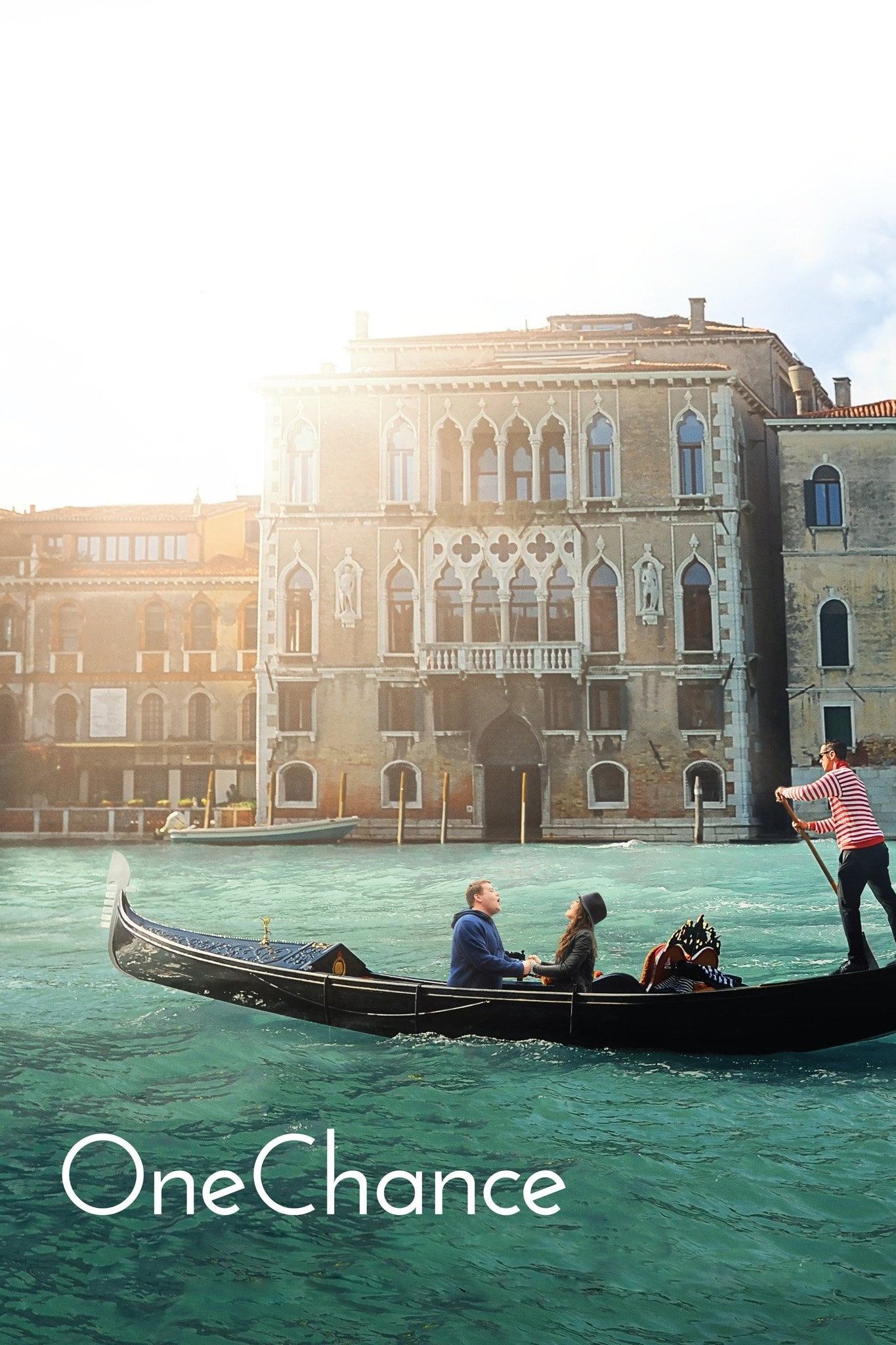
This film follows the remarkable and inspirational true story of Paul Potts, a shy, bullied shop assistant by day and an amateur opera singer by night.
The Marx Brothers take on high society and the opera world to bring two lovers together. A sly business manager and two wacky friends of two opera singers help them achieve success while humiliating their stuffy and snobbish enemies.
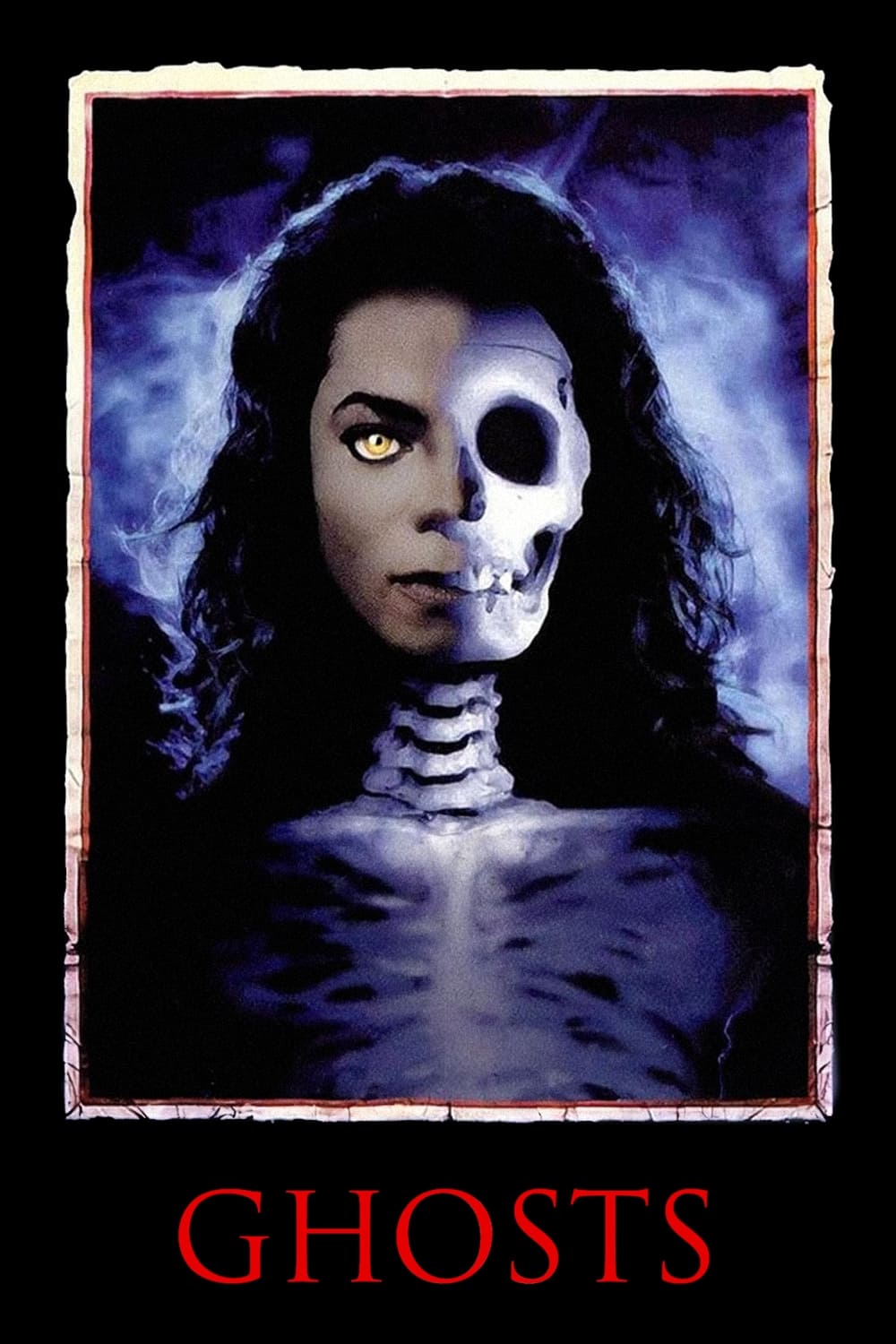
In the town of Normal Valley, an eccentric magician named Maestro entertains the local children every day in his spooky mansion. One stormy night, the town's mayor leads a group of angry citizens to the mansion in an attempt to run Maestro out of town.
A shy teenager living on the Isle of Wight dreams of pop stardom. With the help of an unlikely mentor, she enters a singing competition that will test her integrity, talent, and ambition.
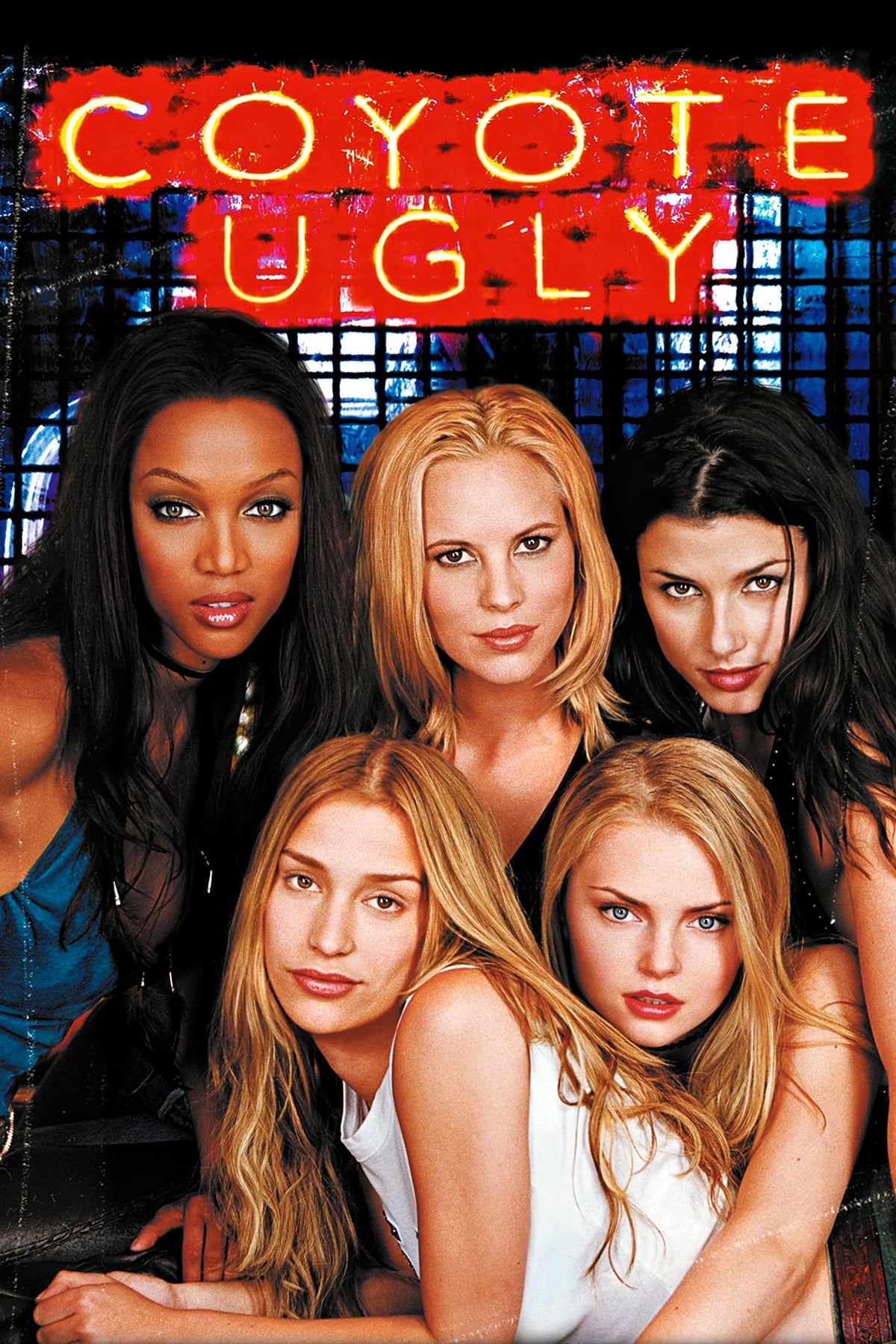
Graced with a velvet voice, 21-year-old Violet Sanford heads to New York to pursue her dream of becoming a songwriter only to find her aspirations sidelined by the accolades and notoriety she receives at her "day" job as a barmaid at Coyote Ugly. The "Coyotes" as they are affectionately called tantalize customers and the media alike with their outrageous antics, making Coyote Ugly the watering hole for guys on the prowl.
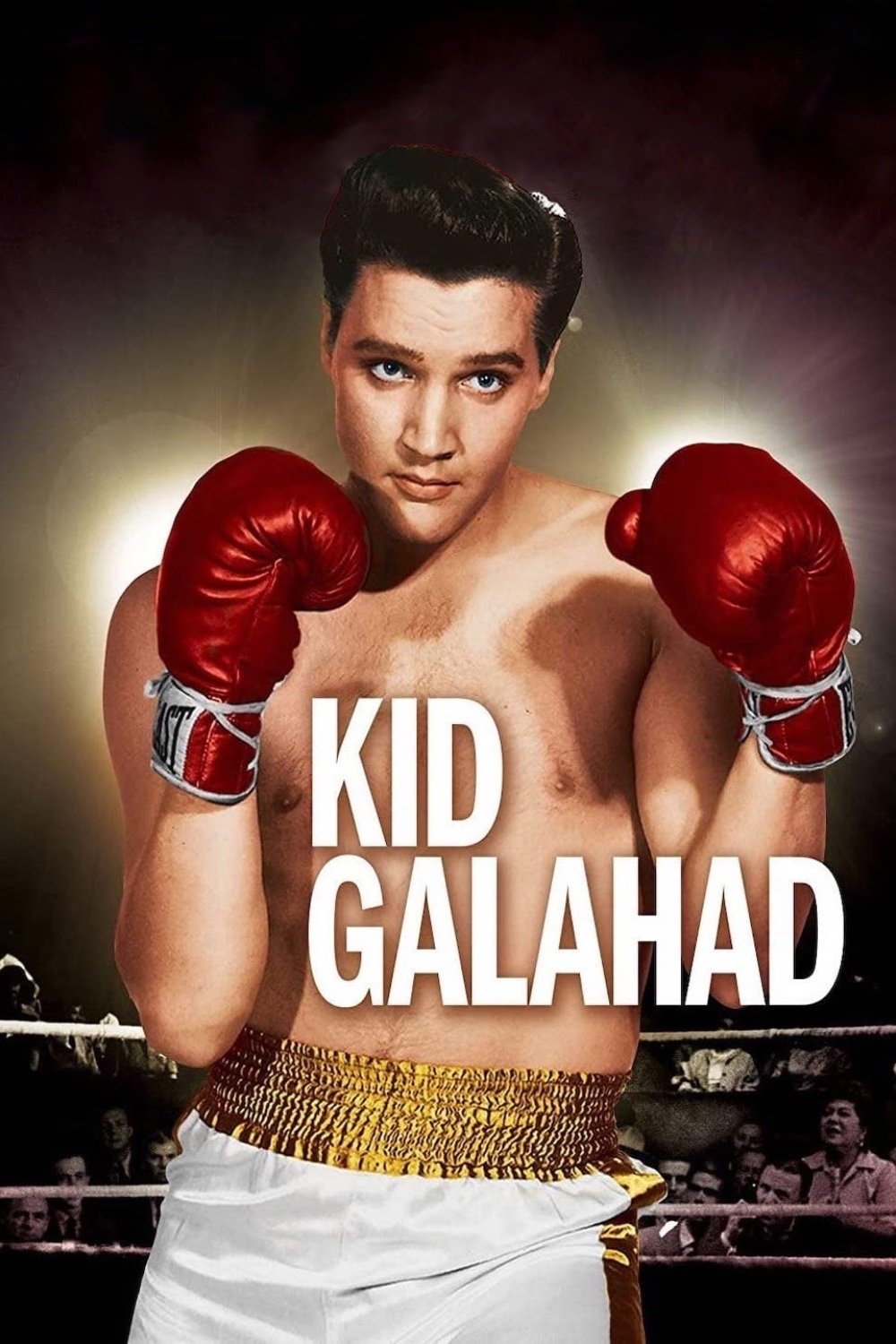
After completing military service, Walter Gulick takes a job as a sparring partner at a gym, the owner of which sees potential in Walter as a professional fighter—and takes him under his wing.
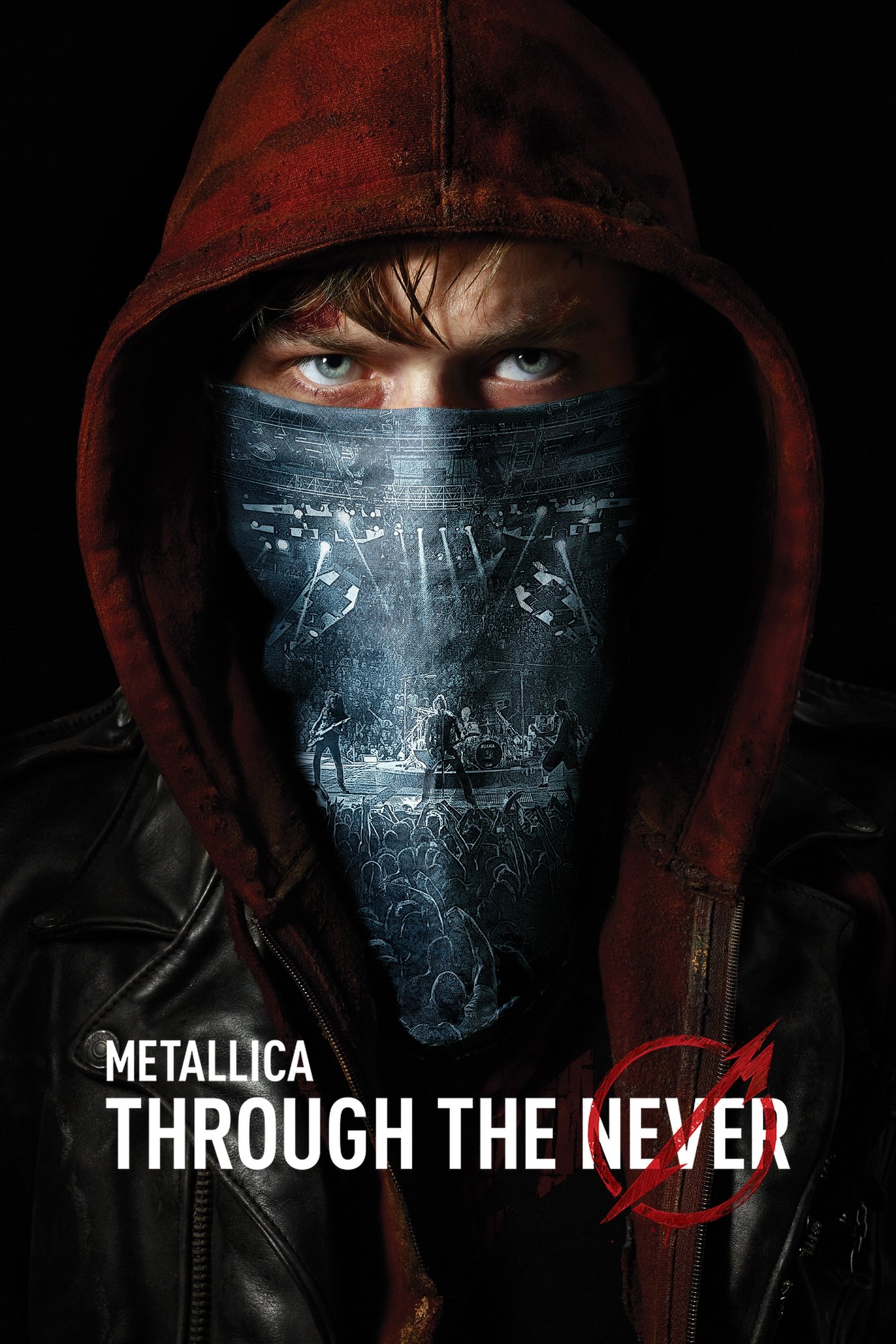
Trip, a young roadie for Metallica, is sent on an urgent mission during the band's show. But what seems like a simple assignment turns into a surreal adventure.
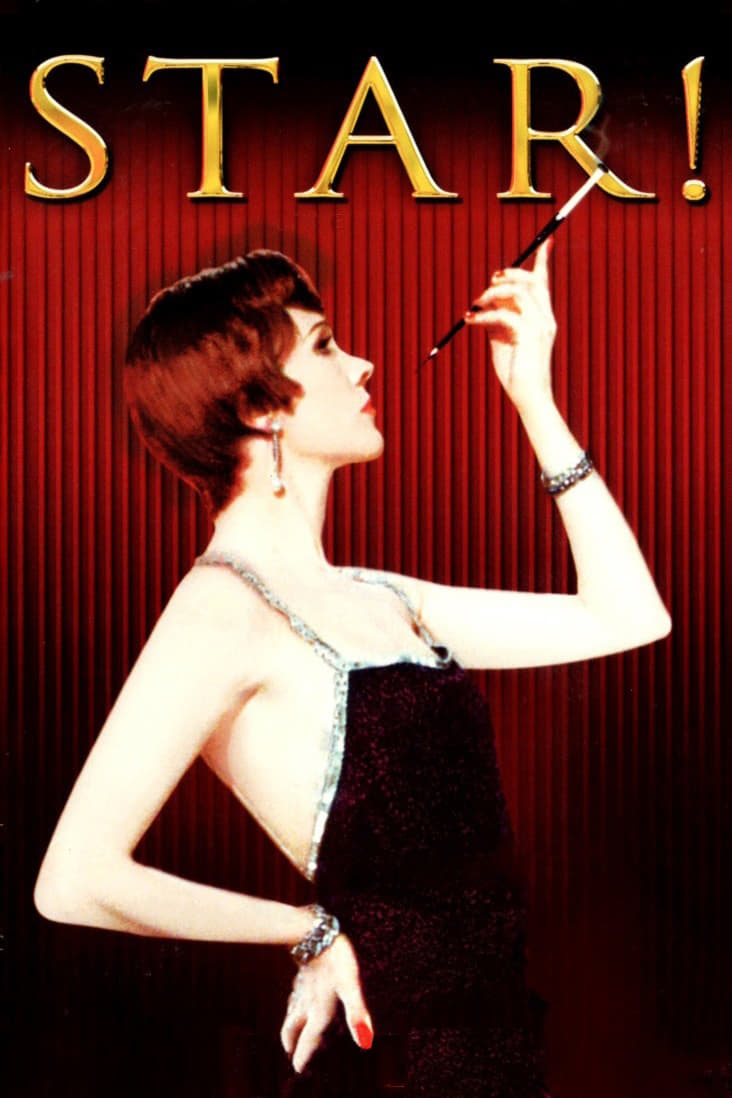
Gertrude Lawrence rises to stage stardom at the cost of happiness.
A down-on-his-luck coach is hired to prepare a team of the best American dancers for an international tournament that attracts all the best crews from around the world, but the Americans haven't won in fifteen years.
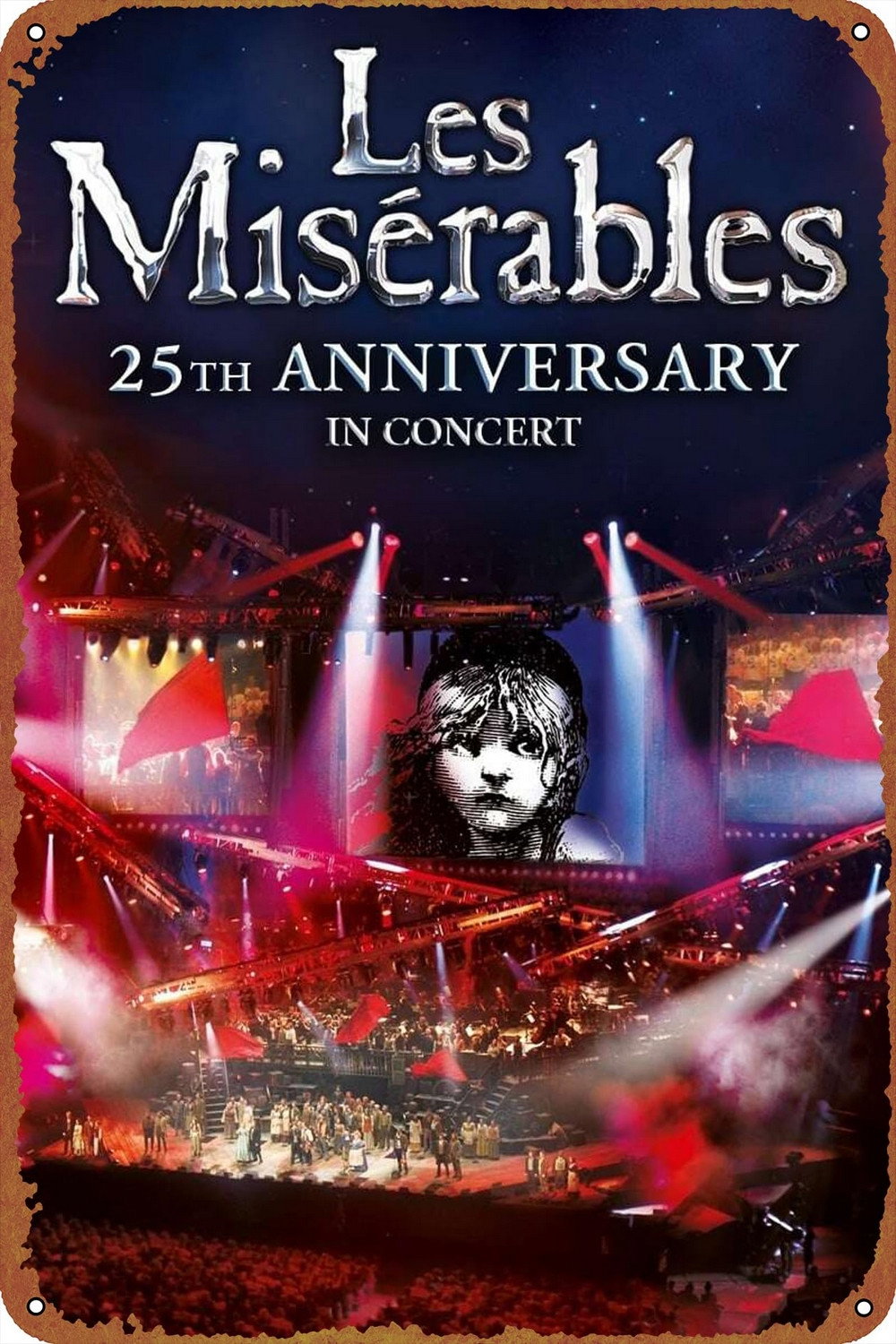
This concert, recorded to celebrate the 25th anniversary of the landmark musical Les Miserables, gathers the casts of the show's 2010 original production at the Queen's Theatre, the 1985 original production by the London company, and the 2010 production at the Barbican together for one performance. Together with talents like Michael Ball, Hadley Fraser, and John Owen-Jones, the performers present the play's musical numbers in a semi-theatrical style, fully costumed and with all the emotion of the musical's heyday.
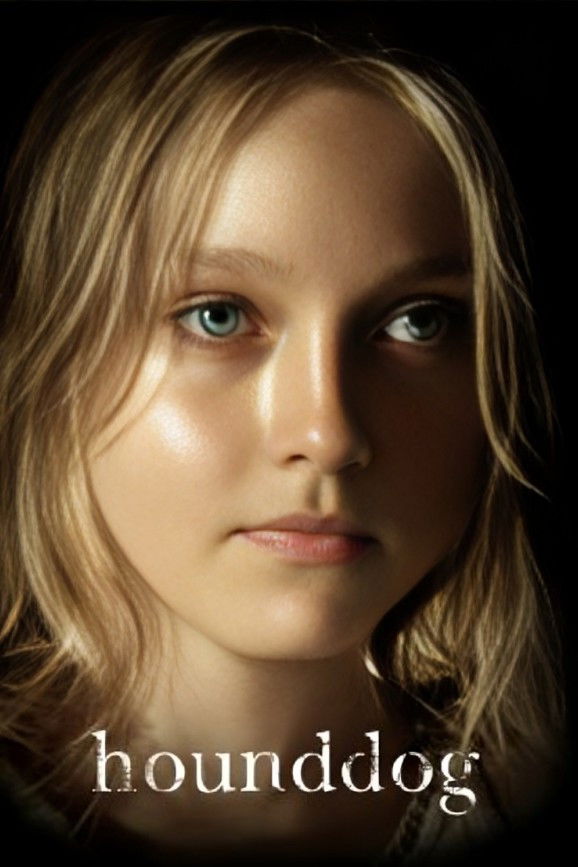
A drama set in the American South, where a precocious, troubled girl finds a safe haven in the music and movement of Elvis Presley.
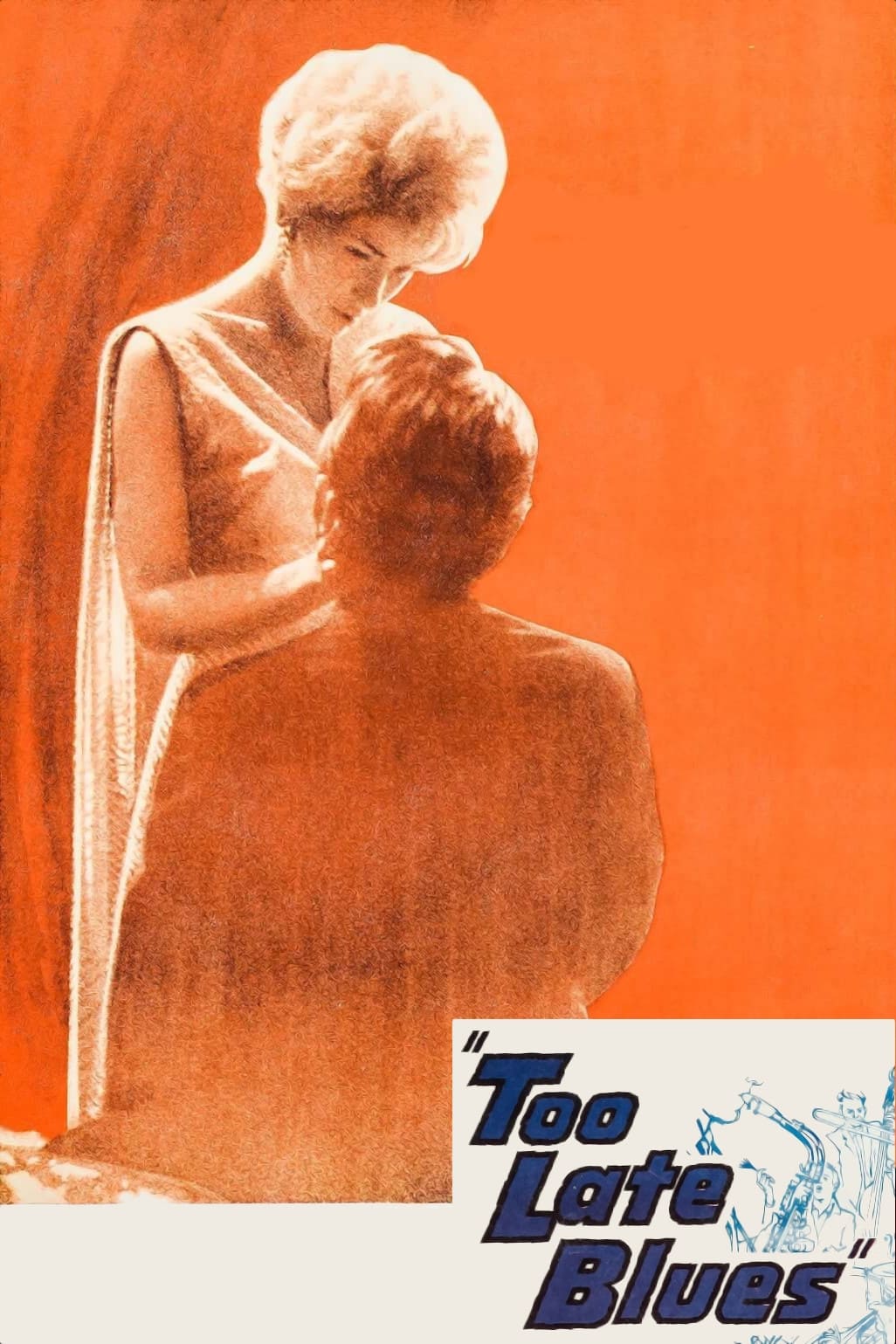
Ghost is an ideological musician and leader of a jazz band who would rather play his blues in the park to the birds than compromise himself. His peripatetic performances lead him to cross paths with a singer, while his masculinity is thrown into question following a violent brawl.
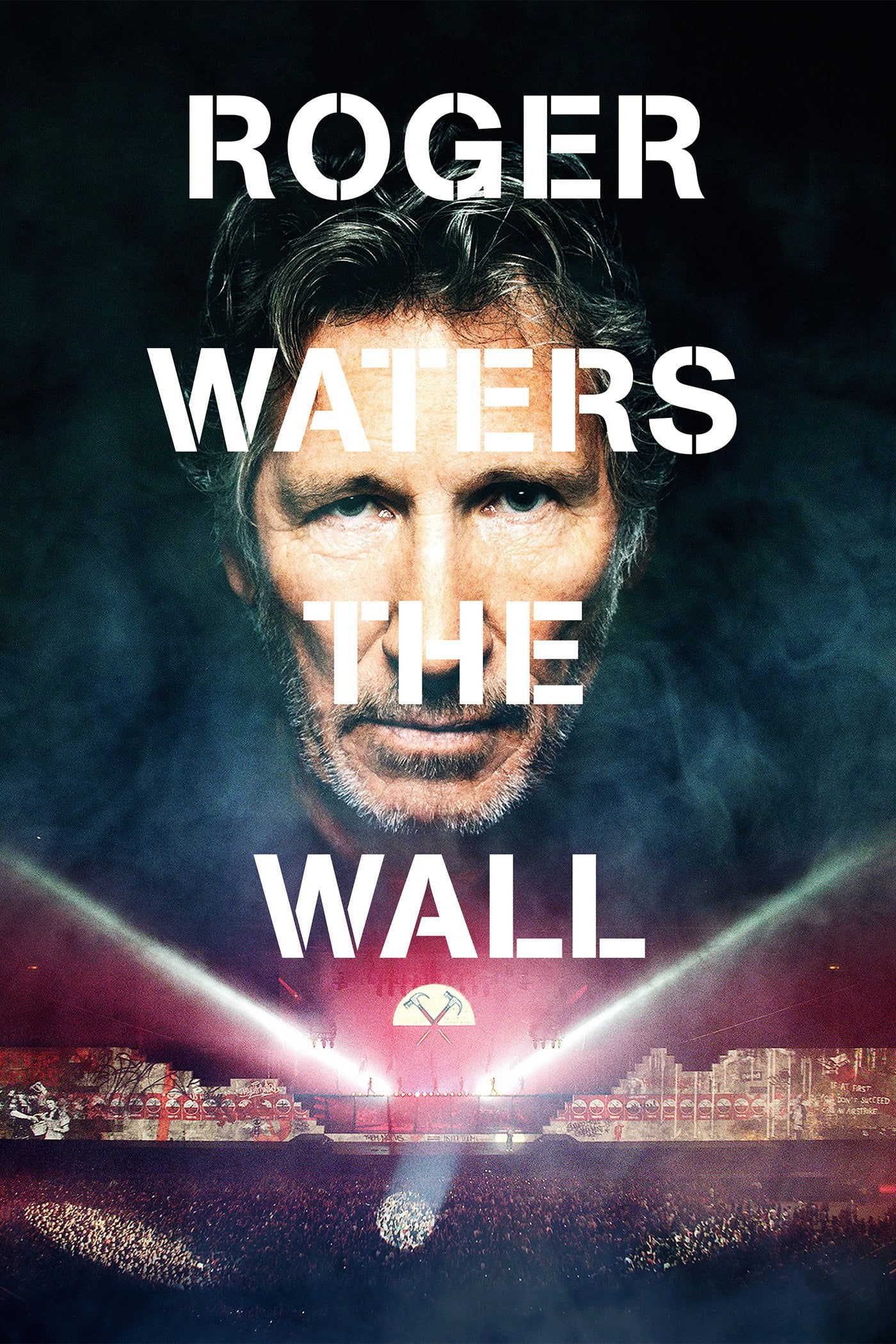
A concert film that the former Pink Floyd singer-songwriter made on various tour dates between 2010 and 2013, when he was playing his former group's 1980 double-album in its entirety.
After the death of her mother, Sara moves to the South Side of Chicago to live with her father and gets transferred to a majority-black school. Her life takes a turn for the better when befriends Chenille and her brother Derek, who helps her with her dancing skills.
Kevin, Nick, and Joe Jonas face a series of escalating obstacles as they struggle to make it from London to New York in time to spend Christmas with their families.
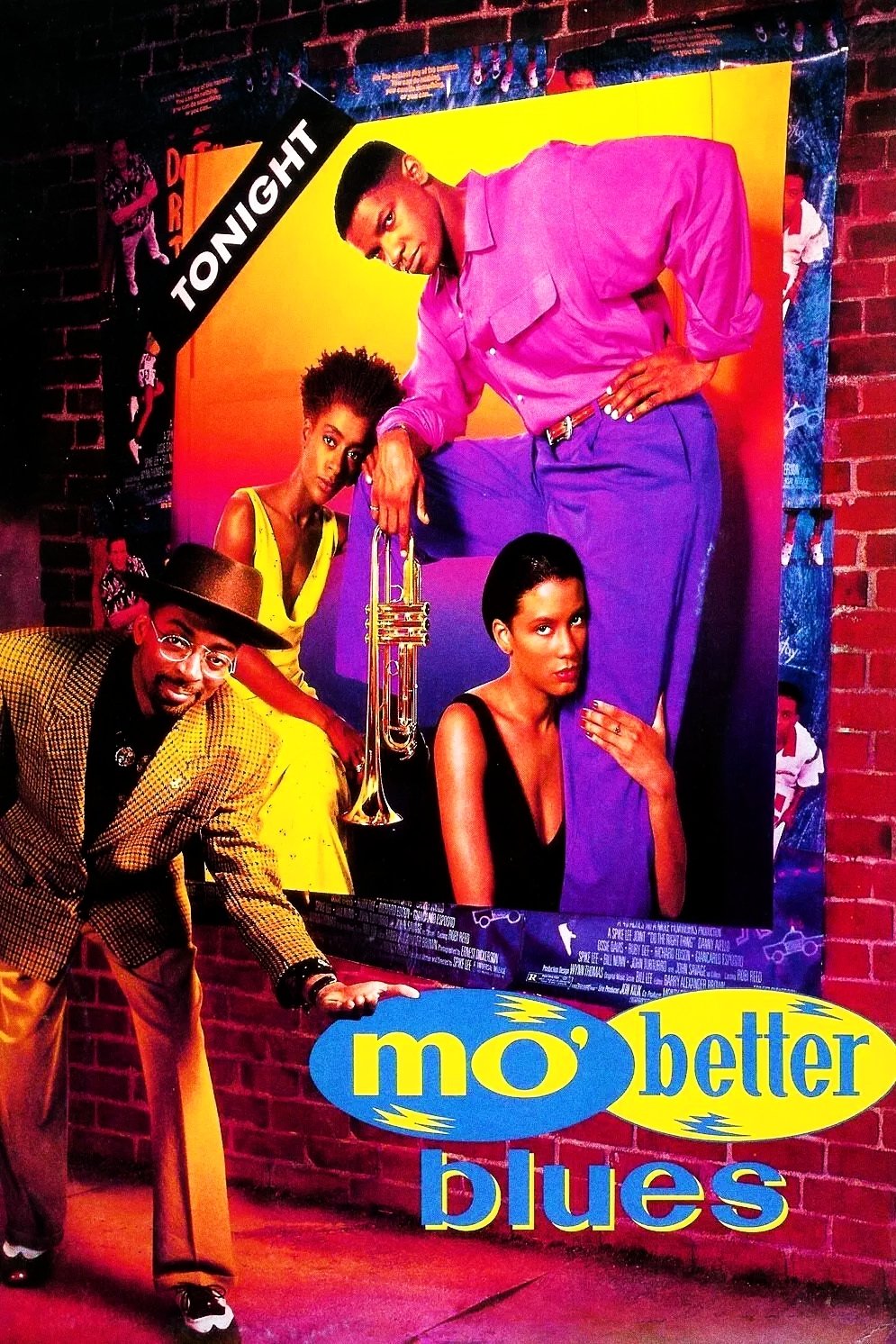
Talented but self-centered trumpeter Bleek Gilliam is obsessed with his music and indecisiveness about his girlfriends Indigo and Clarke. But when he is forced to come to the aid of his manager and childhood friend, Bleek finds his world more fragile than he ever imagined.