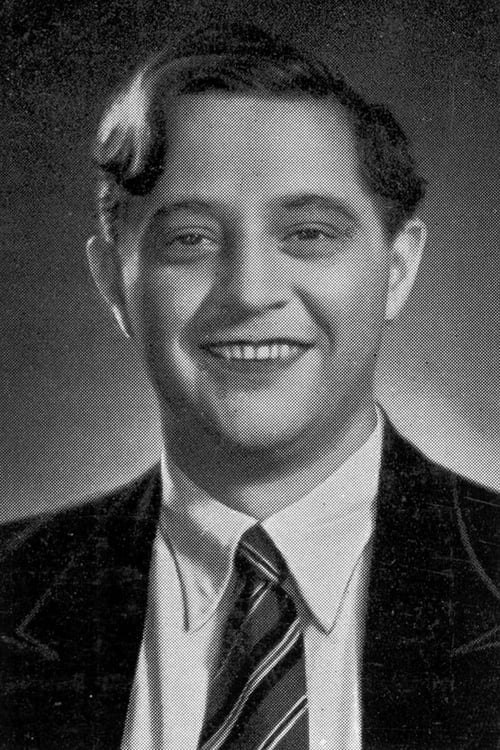
Atmospheric image from the Wars of Liberation. The poet Theodor Körner, who was later killed in battle, is shown reciting a poem while the soldiers listen with emotion.
Social & External
Theodor Körner
Unknown Role
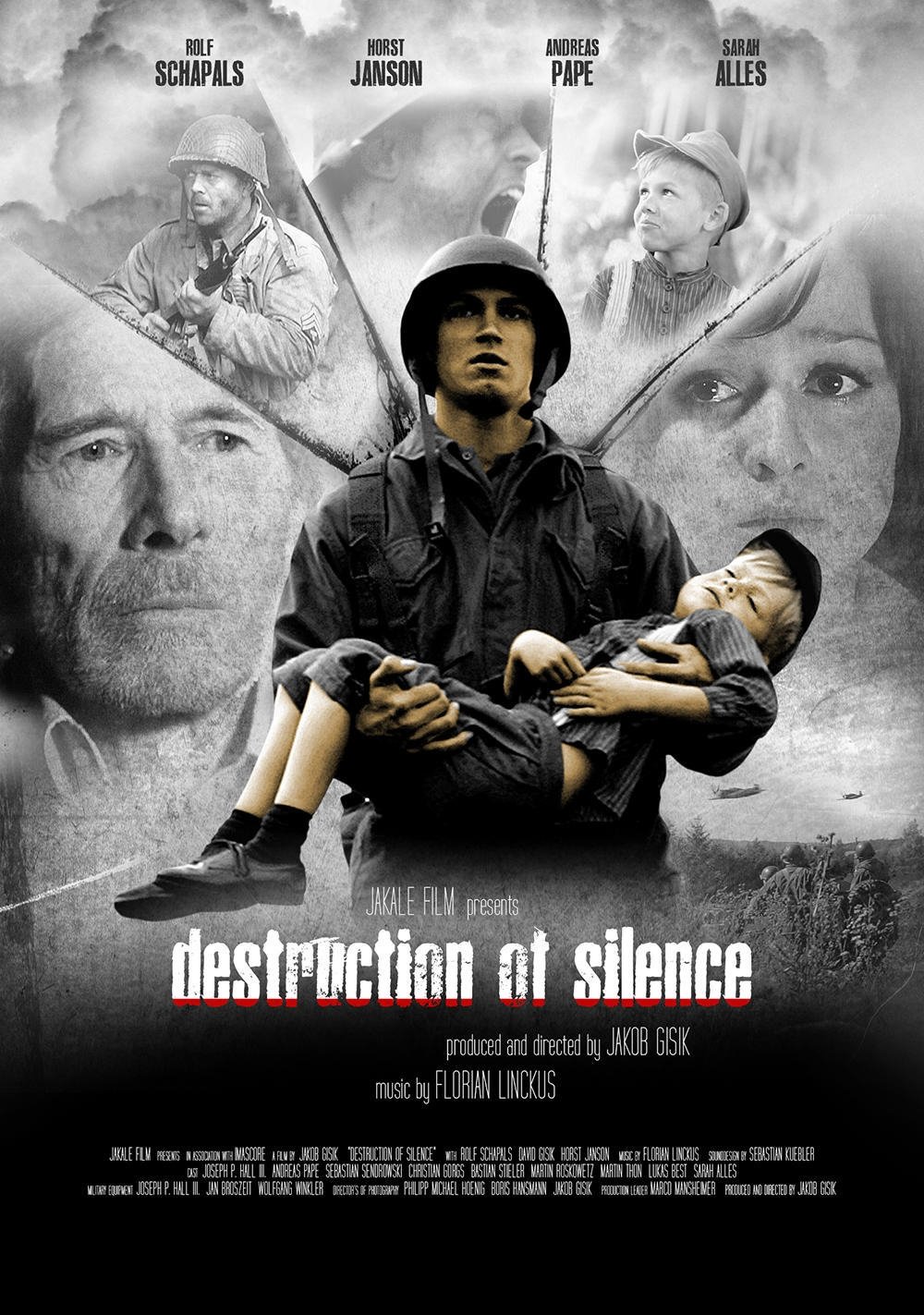
Before embarking on his first tour of duty, a young soldier and his father must face up to the painful realities that have long gone unspoken between them.
A comedy short Directed by Castleton Knight,
A beat-up camper approaches a snow-covered mountain military check point. A pale sun is rising as a prelude to a chilly morning. The passengers are two old people who are trying to avoid the national draft of their grandson. They hide the kid in a coffin, pretending he's dead. But the commander discovers the young deserter.
The story revolves around 3 soldiers who are on the outskirts of a war torn city. They are patrolling an area when a bomb is accidentally set off and they have to wait for help.
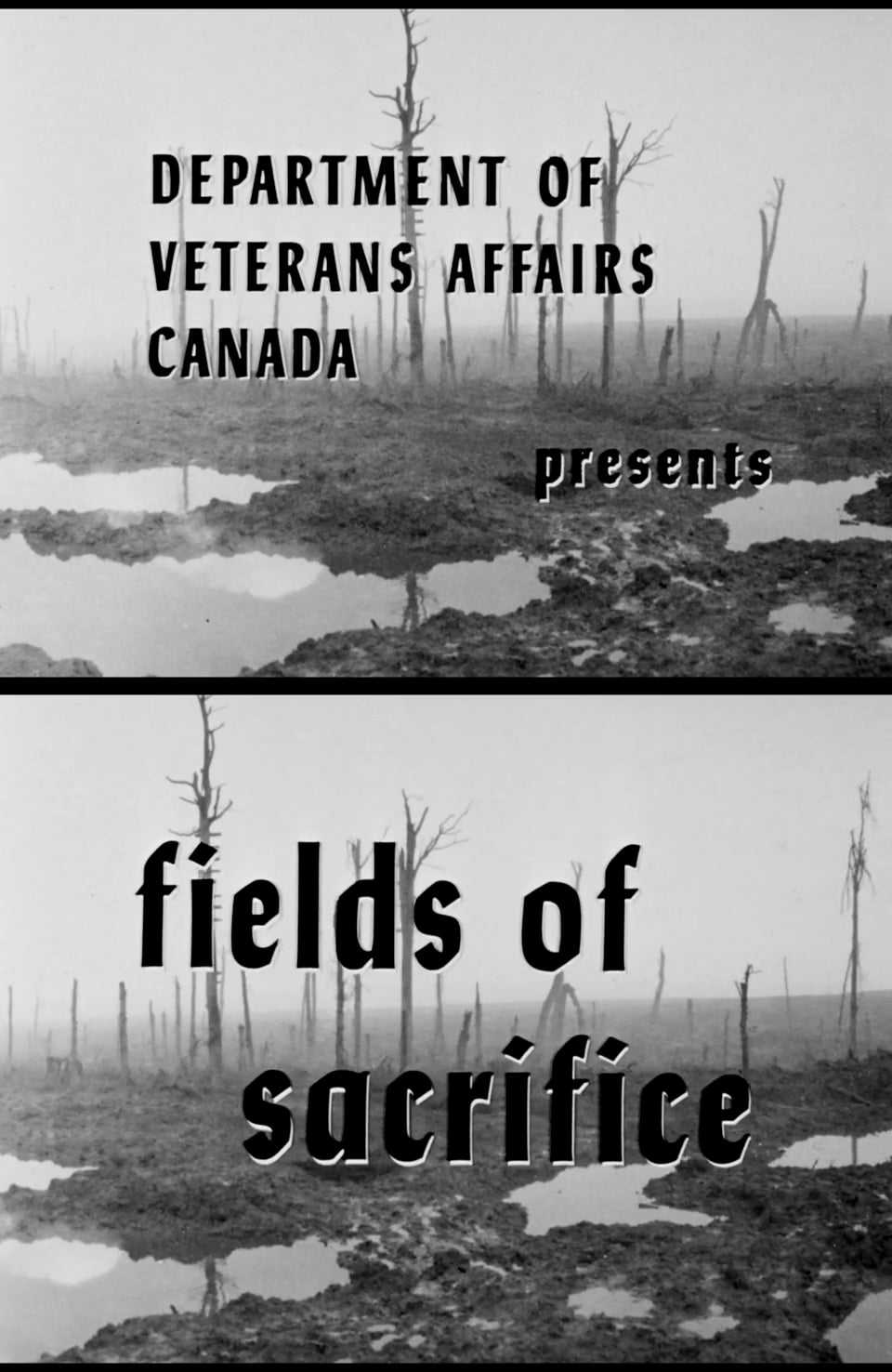
This 1964 documentary returns to the battlefields where over 100,000 Canadian soldiers lost their lives in the First and Second World Wars. The film also visits cemeteries where servicemen are buried. Filmed from Hong Kong to Sicily, this documentary is designed to show Canadians places they have reason to know but may not be able to visit. Produced for the Canadian Department of Veteran Affairs by the renowned documentary filmmaker Donald Brittain. (NFB)
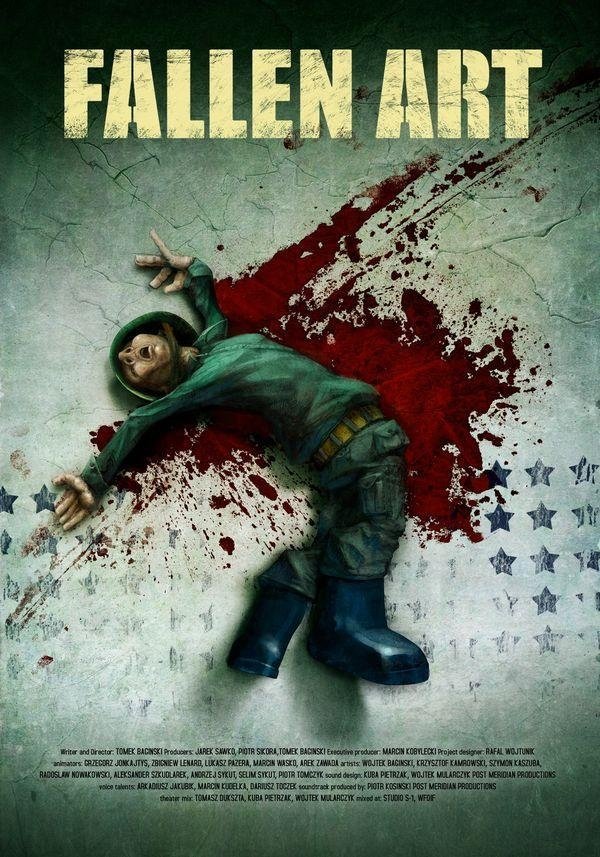
Fallen Art presents the story of General A, a self-proclaimed artist. His art, however, consists of a deranged method of stop motion photography, where the individual frames of the movie are created by photographs made by Dr. Johann Friedrich, depicting the bodies of dead soldiers, pushed down by Sergeant Al from a giant springboard onto a slab of concrete.
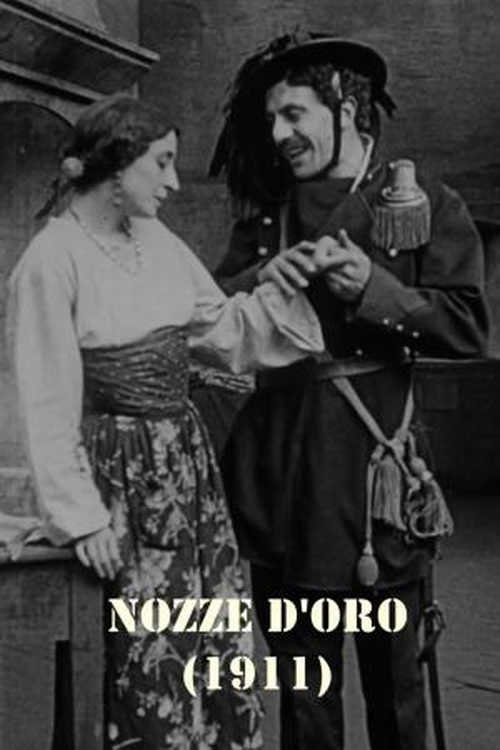
A grandfather recalls how he and his wife met and fell in love during the Second Italian War of Independence.
The true story of Bosco, a young musician orphaned and blinded by the 1993 Burundian genocide, is taken in by a member of the tribe he believes is responsible for the death of his mother. Bosco is forced to choose between hatred and hope.
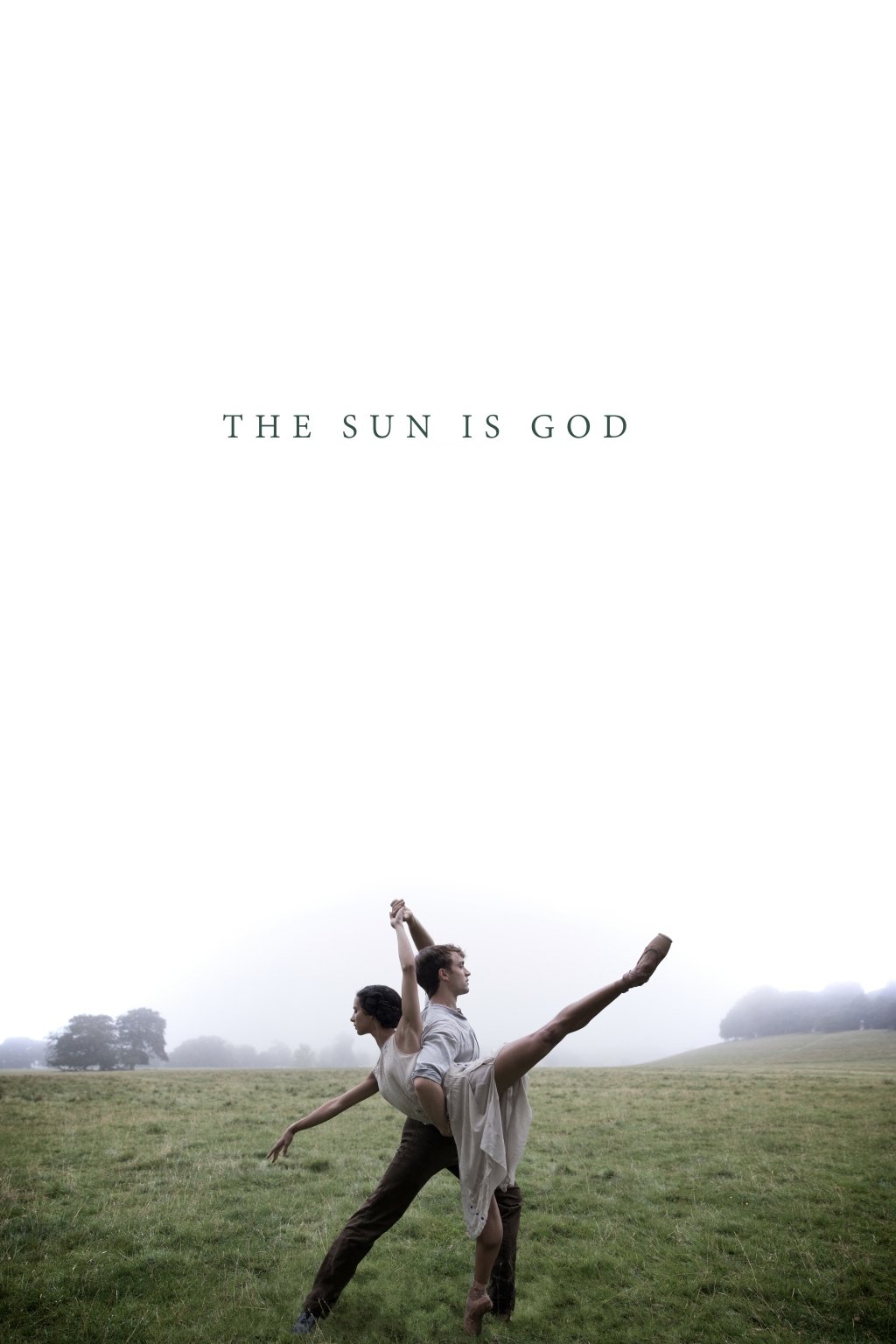
1918 - A woman imagines her lover has returned from the horrors of war in France, remembering moments shared together. A tale of love and loss told through classical ballet.
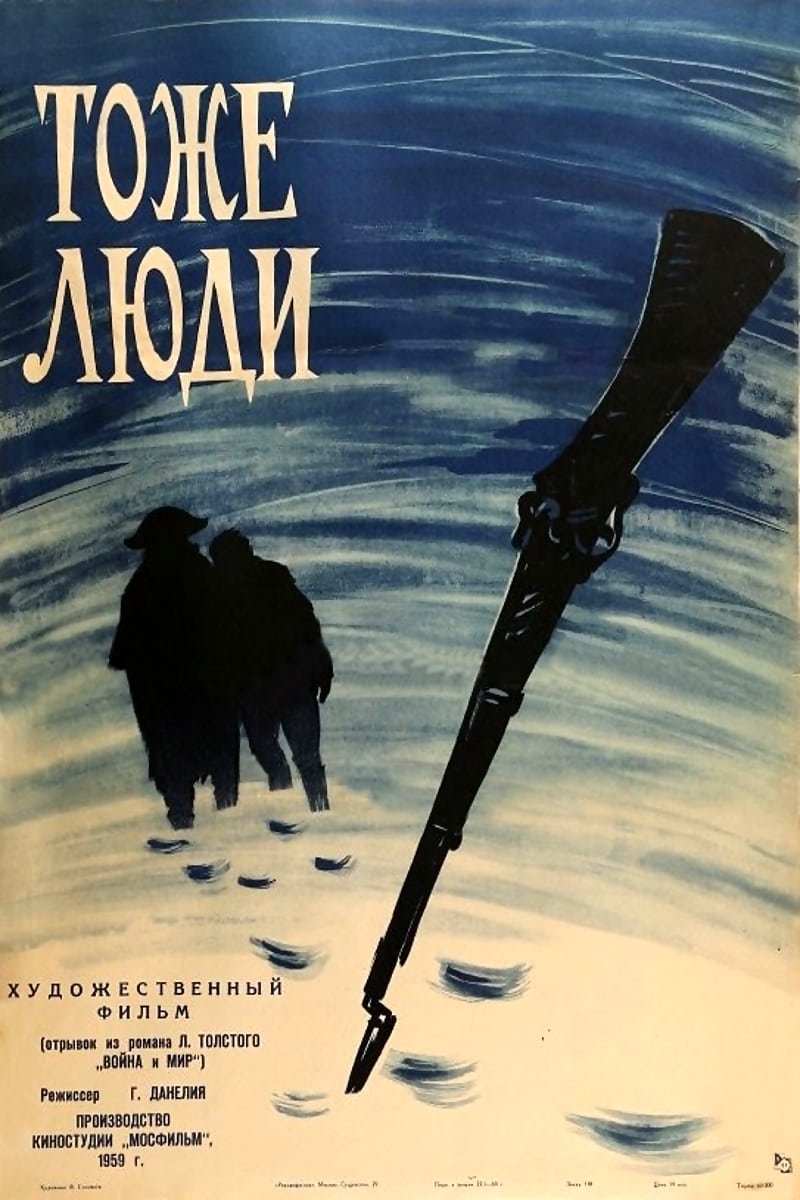
Based on an excerpt from the novel by L.N.Tolstoy "War and Peace." The war of 1812. The defeated Napoleonic army is retreating. Three Russian soldiers settled in a snowy forest near a fire: a young (Zaletayev), an elderly and a middle-aged one. Zaletayev fantasizes — as if he had captured Napoleon. The soldiers laugh good-naturedly at him. After dinner, they fall asleep... Two Frenchmen go to the clearing — an officer and a soldier. Russian soldiers wake up and, seeing that the officer is barely standing on his feet from cold and hunger, take him to the colonel. The French soldier sits down to the fire. The Russians give him porridge and vodka. The soldier, encouraged, sings a french song. Zaletayev echoes him. A tired Frenchman falls asleep on Zaletayev’s shoulder. The soldiers carefully shelter him. “Also people,” an elderly soldier says with a sigh.
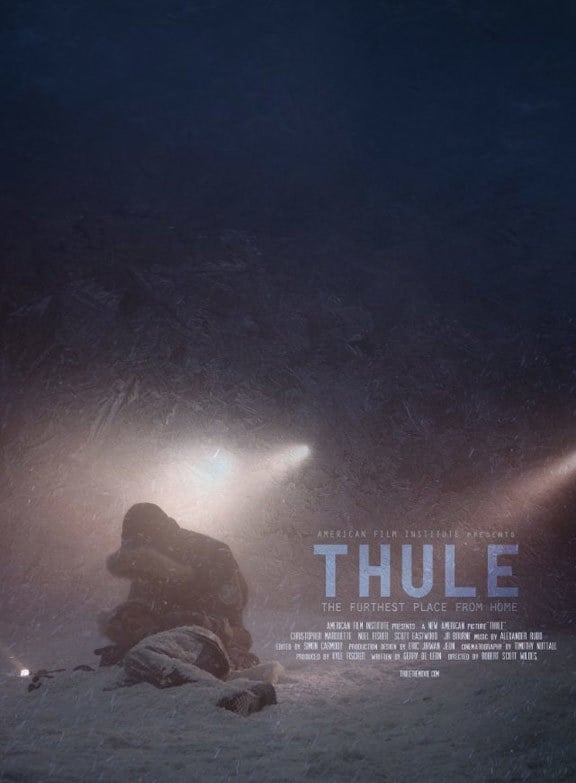
In 1962, a group of young men, stationed at a remote Air Force base, band together to undergo a dangerous mission to retrieve mail lost in the frozen landscape of Greenland.
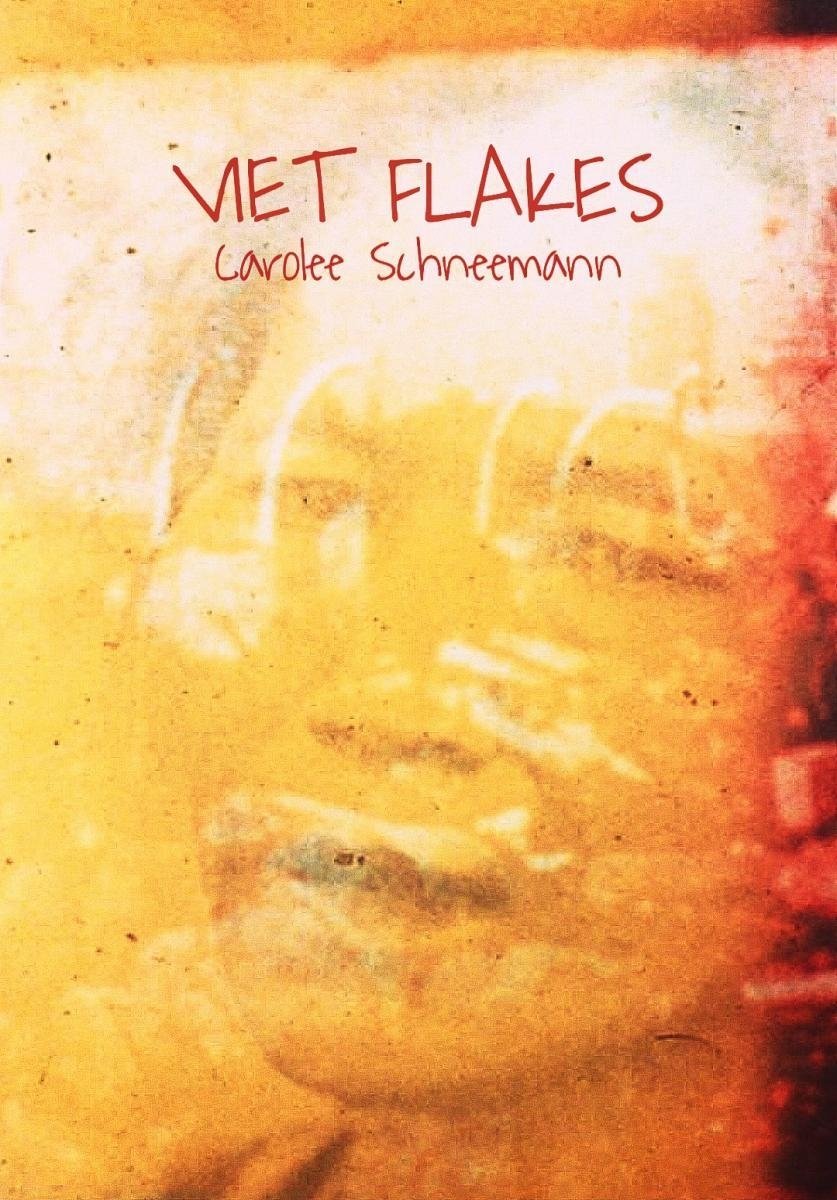
Viet Flakes was composed from an obsessive collection of Vietnam atrocity images, compiled over five years, from foreign magazines and newspapers. Schneemann uses the 8mm camera to “travel” within the photographs, producing a volatile animation.
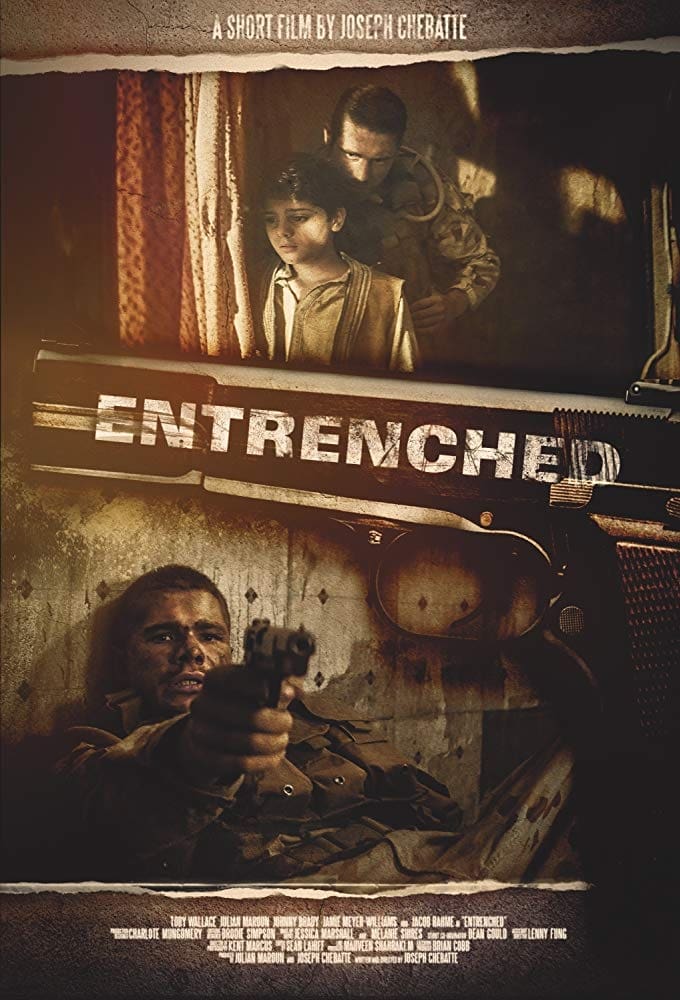
Four Australian soldiers become compromised when they capture a young Afghani boy spying on their reconnaissance position.
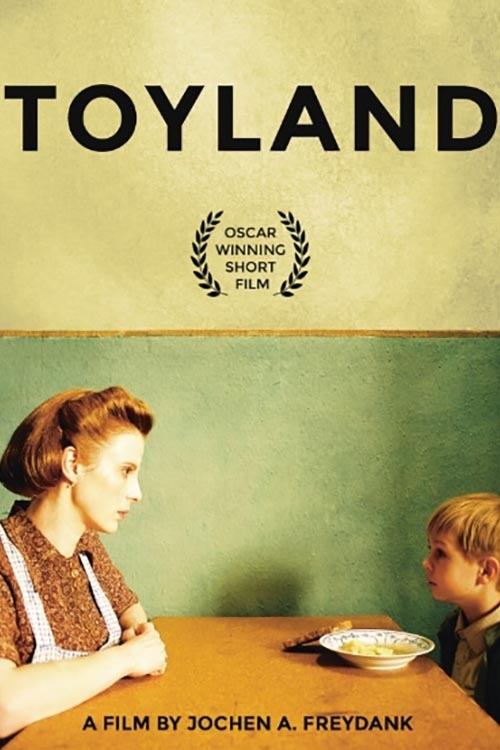
On a winter morning, a mother goes to waken her son Heinrich; his bed is empty. She leaves her flat to find him. The neighbors' door, with a Star of David painted on it, is ajar, the furnishings in disarray, the family gone. She asks passersby, runs to the police then on to the rail yard. Flashbacks show that Heinrich and the neighbors' son Paul are six years old and best friends. Paul's family's deportation is expected soon; Heinrich's mother tells her son that they're going to Toyland. Heinrich wants to go with them, has a bag packed, and listens for their departure. His mother realizes he's joined them, and her resolve becomes more urgent. Will she arrive in time to save Heinrich?
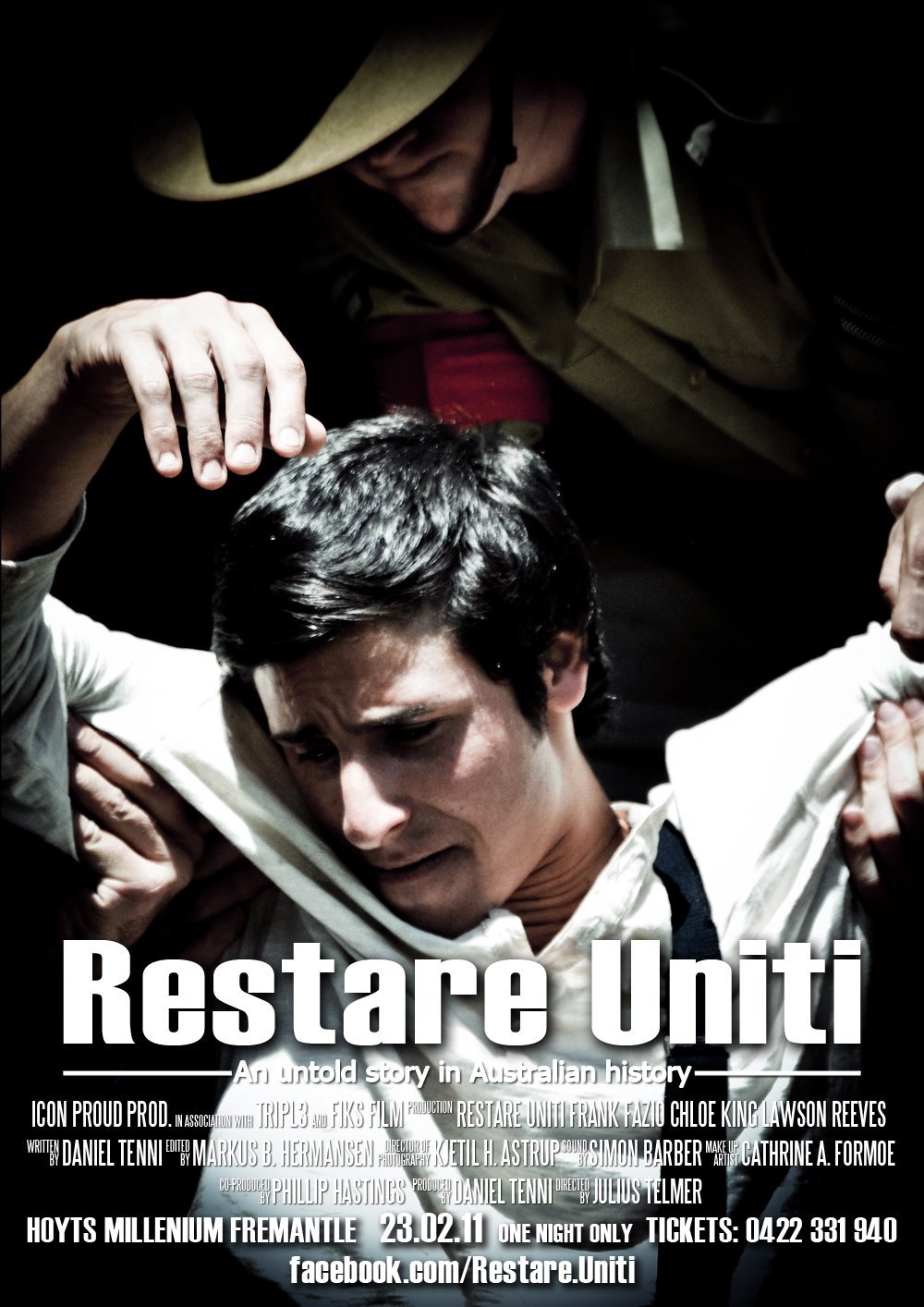
The story of 18-year-old Gianni who was one of thousands of Italian immigrants living in Western Australia forcibly put into camps.
On the morning a soldier leaves for war, he must bring his family together or risk losing them forever.
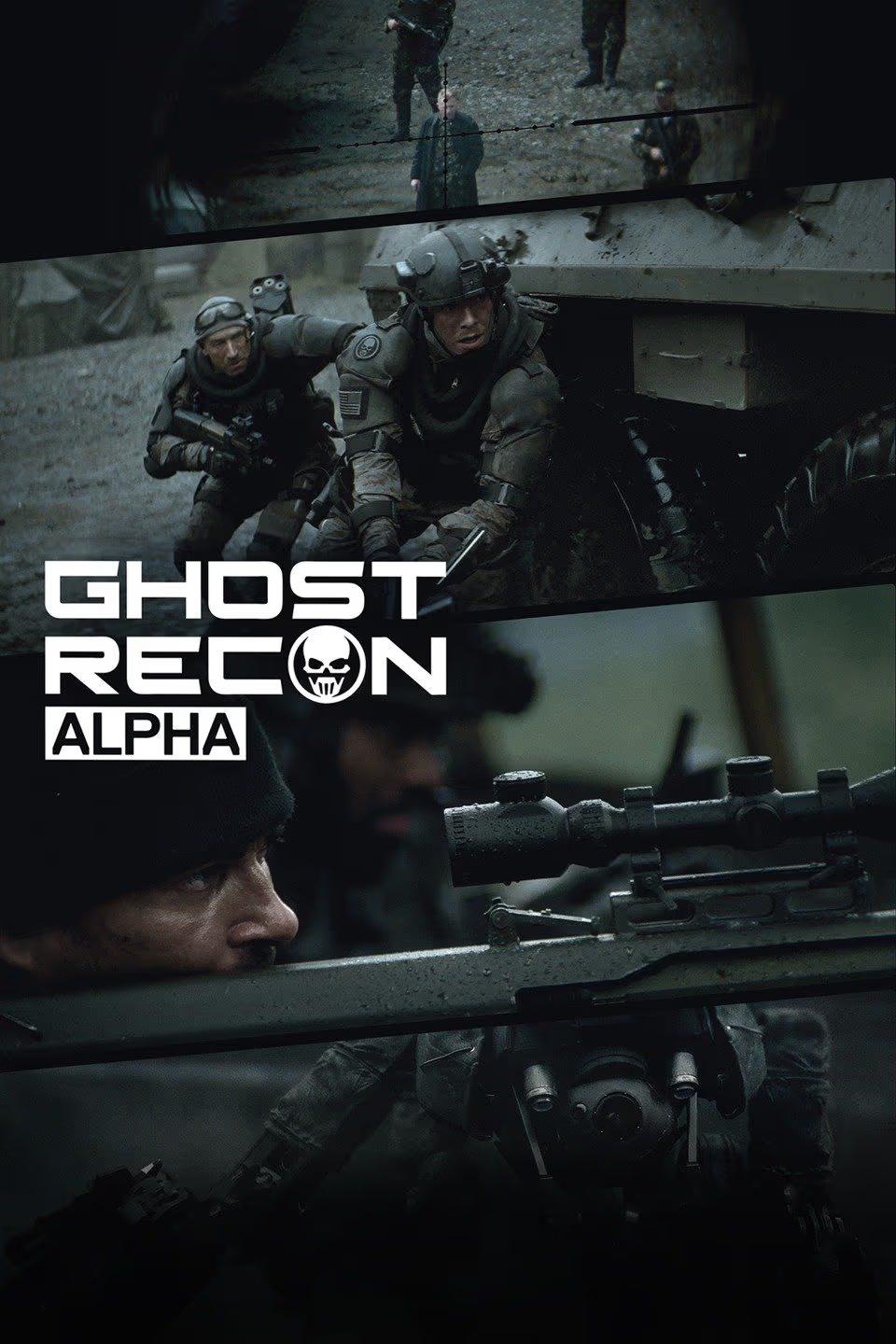
Ghost Recon: Alpha sees a team led by Ghost Leader infiltrate a trade at a Russian depot between a general and a mysterious other figure.
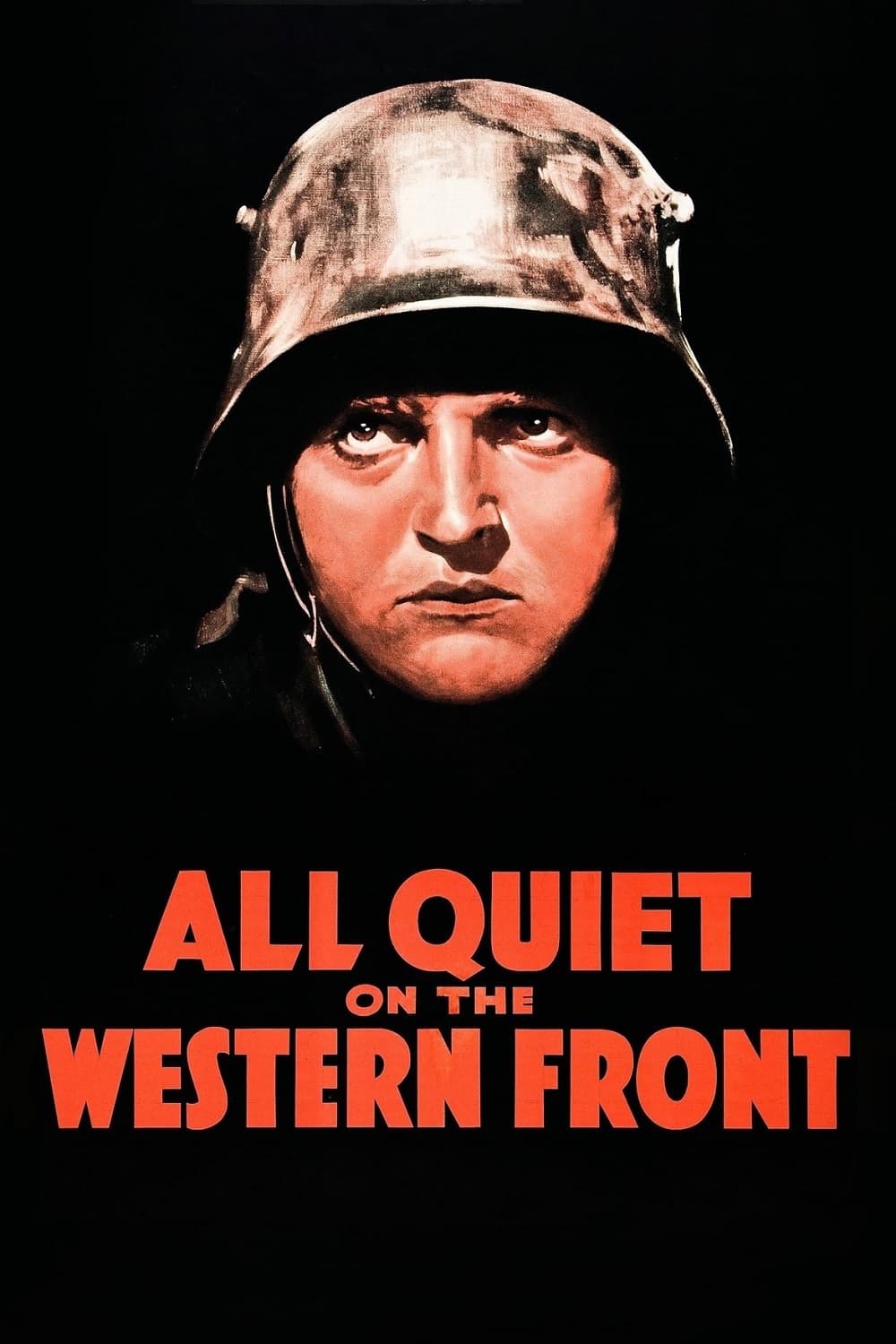
When a group of idealistic young men join the German Army during the Great War, they are assigned to the Western Front, where their patriotism is destroyed by the harsh realities of combat.
In 1924, Oskar Matzerath is born in the Free City of Danzig. At age three, he falls down a flight of stairs and stops growing. In 1939, World War II breaks out.
Filmmaker Alain Resnais documents the atrocities behind the walls of Hitler's concentration camps.
After a dreadful incident coupled with an ungovernable paroxysm of violence, a butcher will fall into a downward spiral that will burn to the ground whatever dignity still remained in him.
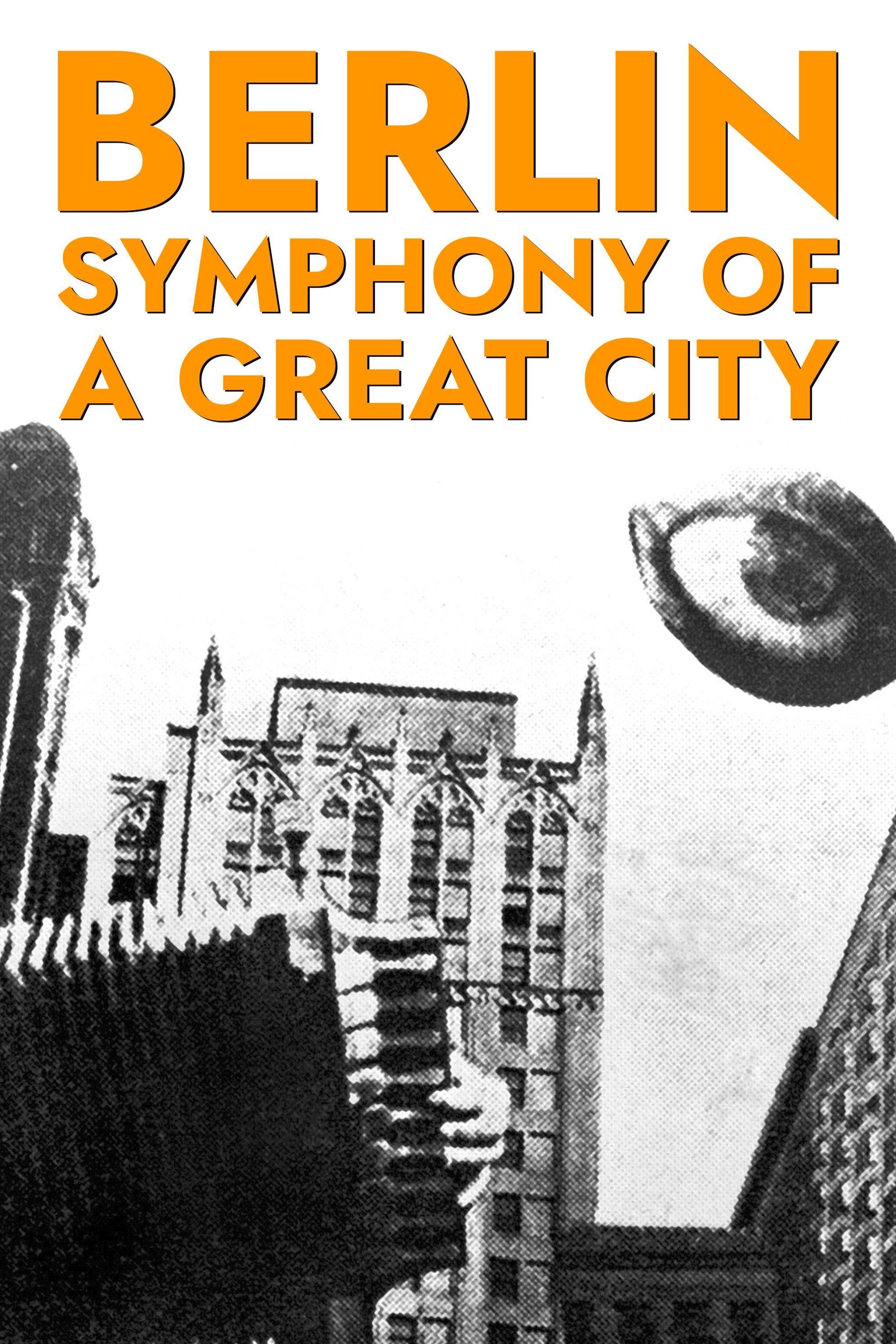
A day in the city of Berlin, which experienced an industrial boom in the 1920s, and still provides an insight into the living and working conditions at that time. Germany had just recovered a little from the worst consequences of the First World War, the great economic crisis was still a few years away and Hitler was not yet an issue at the time.
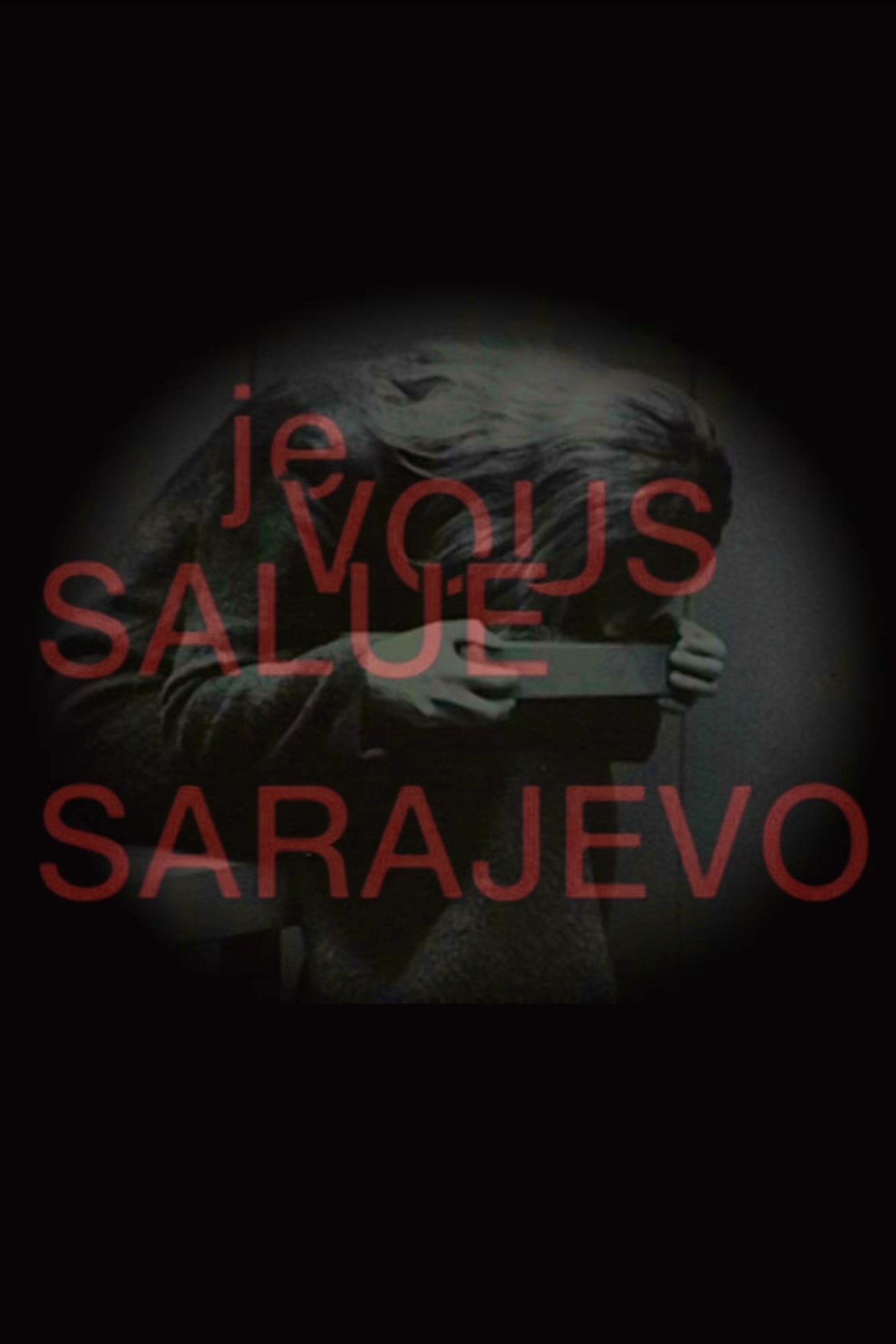
A short two-minute rumination on the once volatile situation during the period of the Bosnian War presented in the form of a photo-montage with accompanying text.
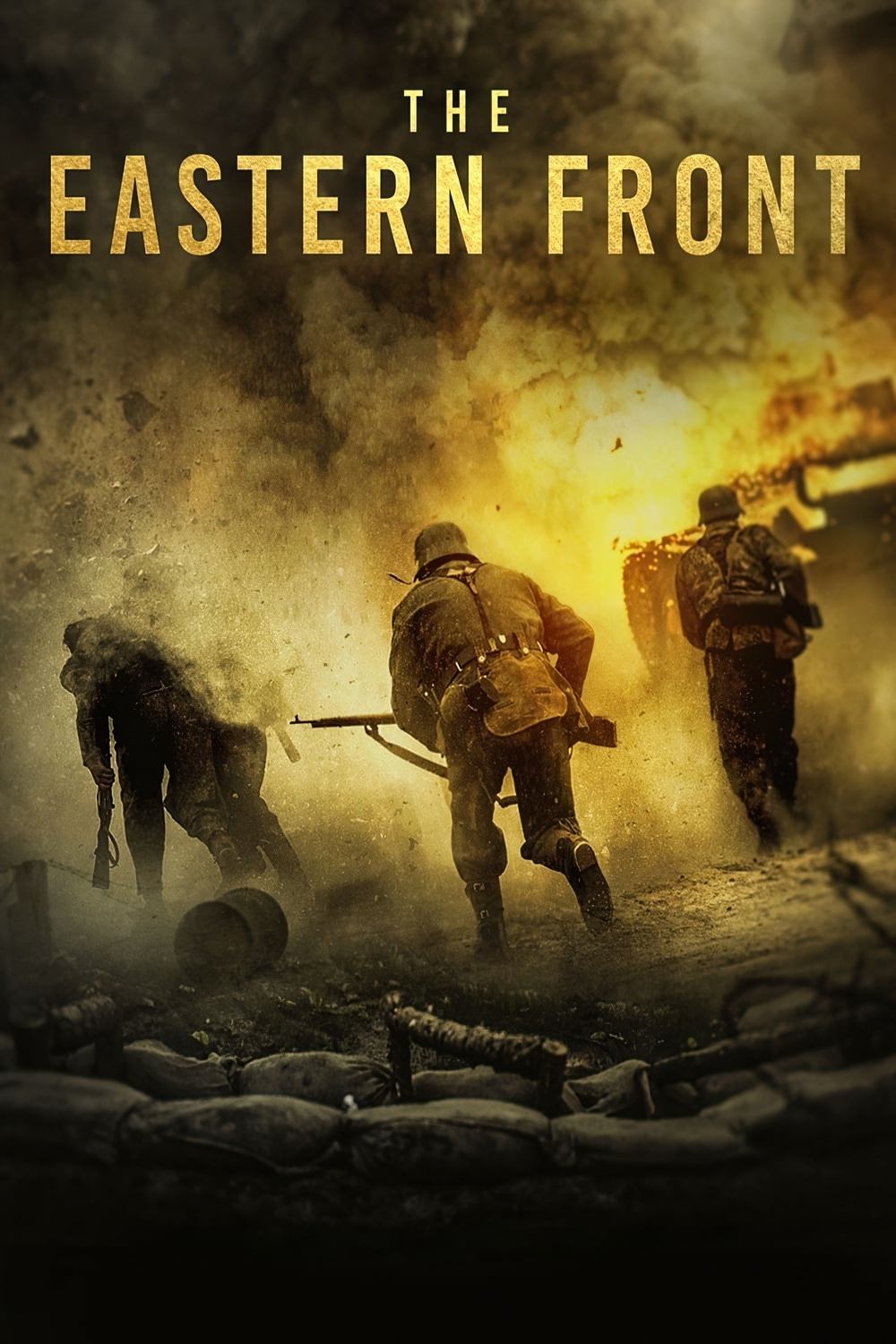
A dwindling group of German soldiers battle to return to their lines on the harsh Eastern Front.
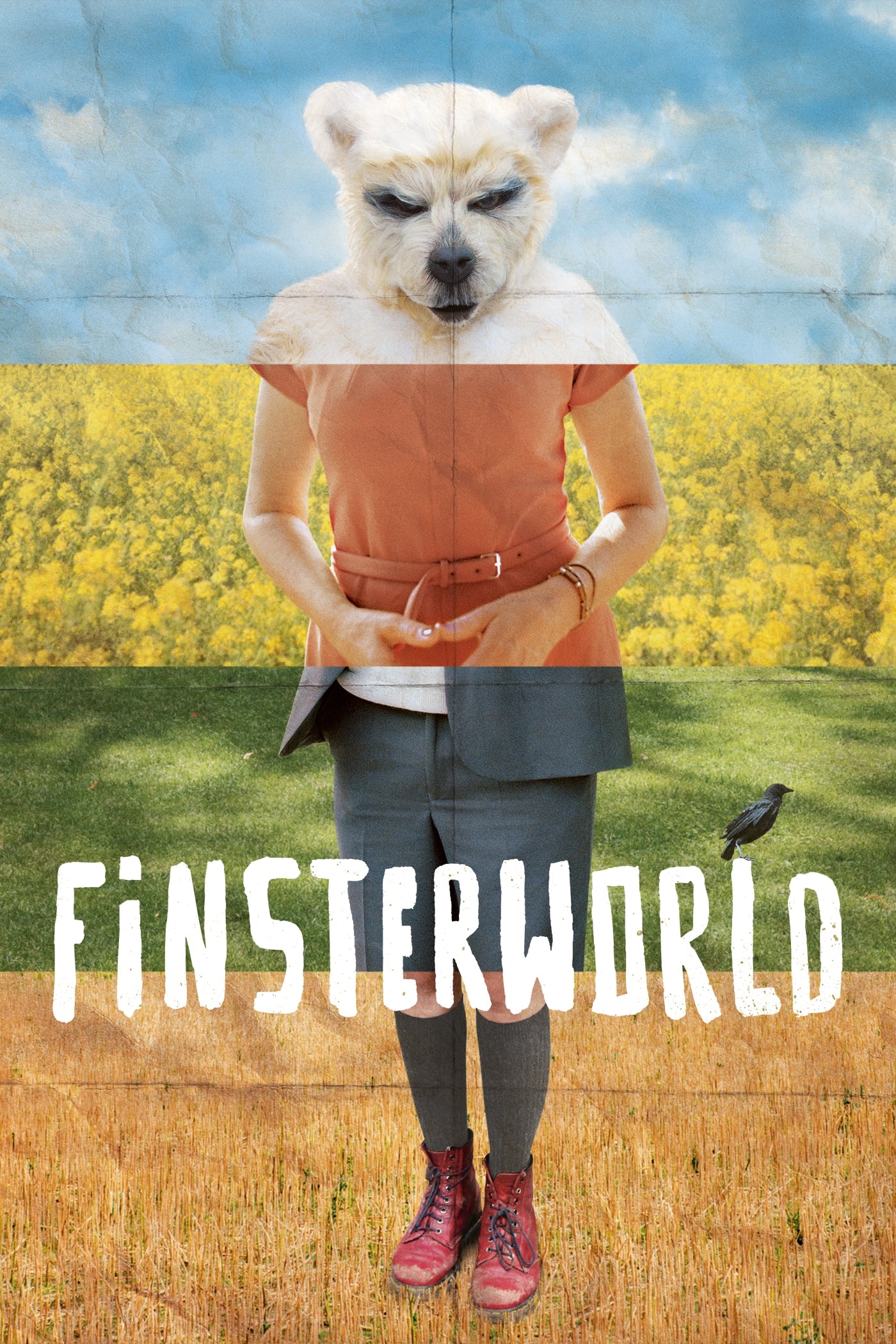
The film tells different stories in a kind of parallel Germany about love, affection and hatred.
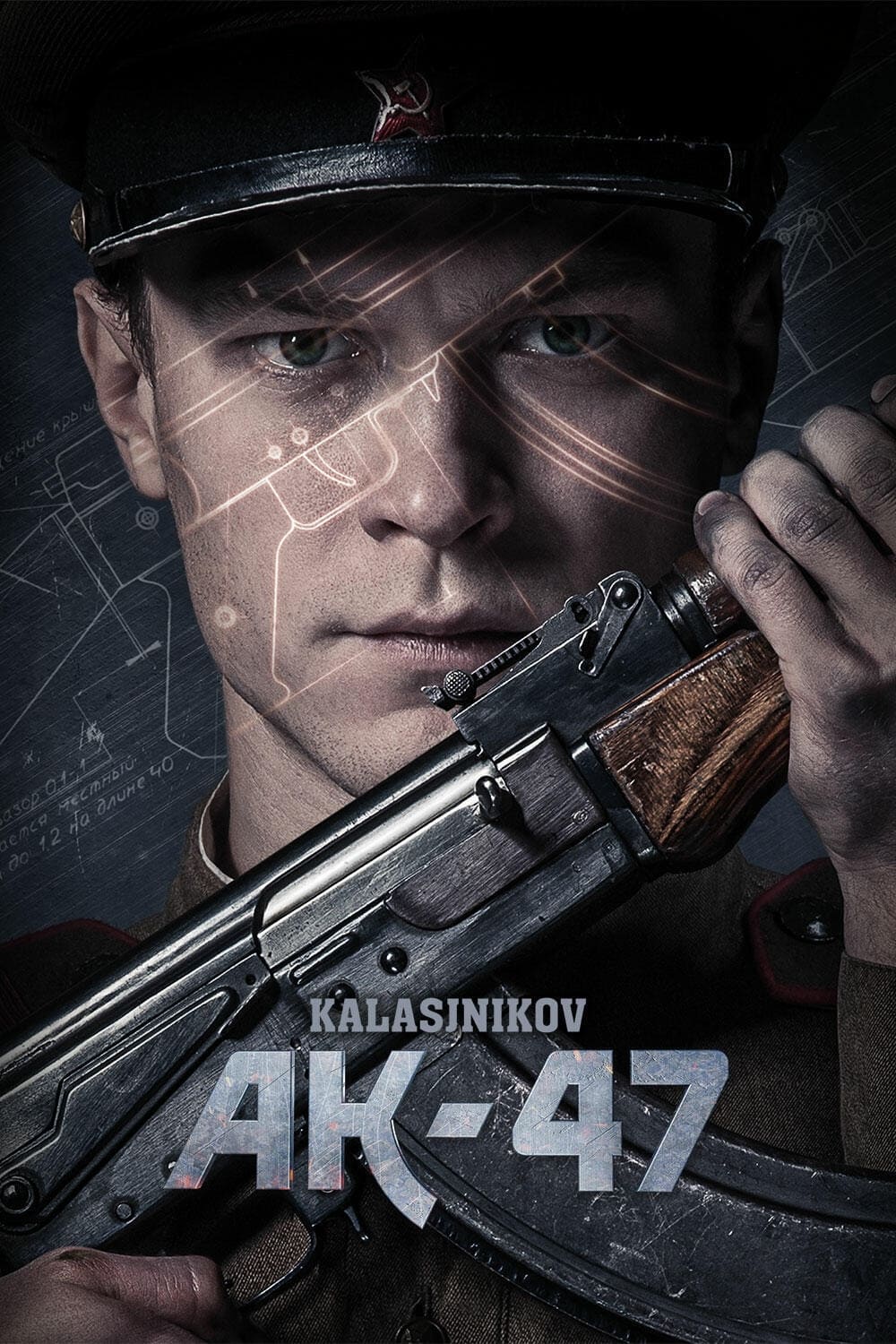
A Russian military propaganda film about the tank commander Kalashnikov, severely injured in battle in 1941. The accident leaves him incapacitated and unable to return to the front line. While recovering in the hospital, he begins creating the initial sketches of what will become one of the world’s most legendary weapons. A self-taught inventor is only 29 when he develops the now iconic assault riffle — the AK-47. Shot in occupied Crimea.
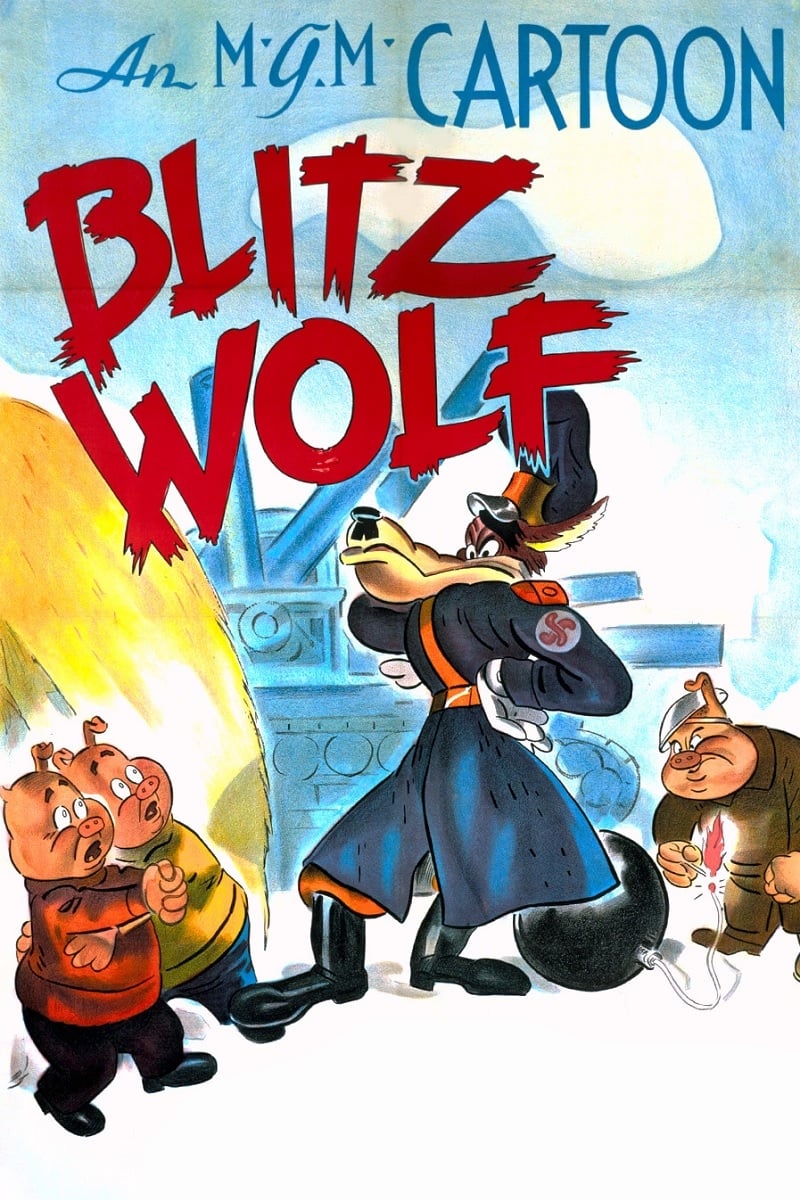
Yet another variation on the Three Little Pigs theme, this time told as WW2 anti-German propaganda (the US had just entered the war), with the wolf as a thinly-disguised Hitler.
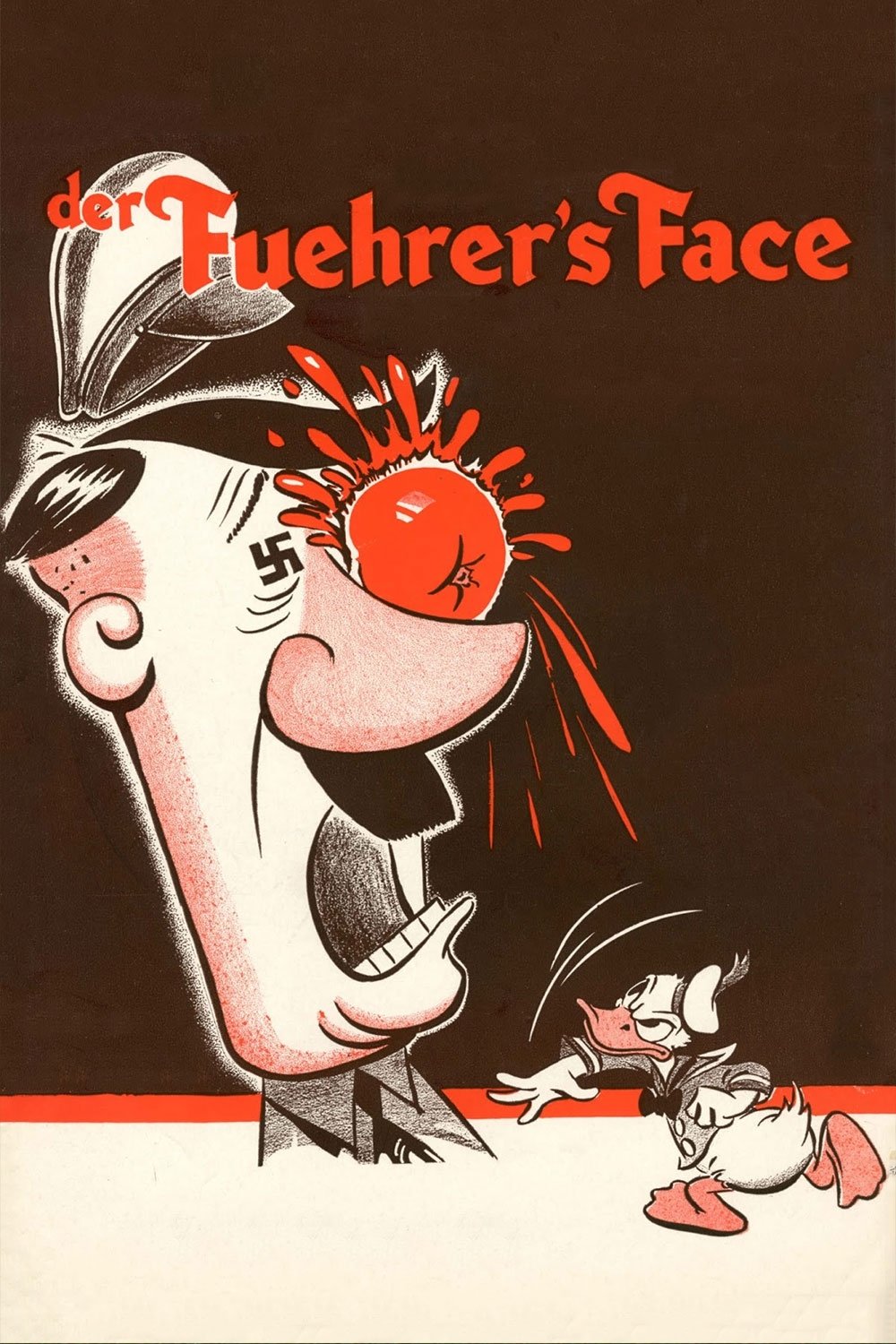
A marching band of Germans, Italians, and Japanese march through the streets of swastika-motif Nutziland, serenading "Der Fuehrer's Face." Donald Duck, not living in the region by choice, struggles to make do with disgusting Nazi food rations and then with his day of toil at a Nazi artillery factory. After a nervous breakdown, Donald awakens to find that his experience was in fact a nightmare.
Prelude to War was the first film of Frank Capra's Why We Fight propaganda film series, commissioned by the Pentagon and George C. Marshall. It was made to convince American troops of the necessity of combating the Axis Powers during World War II. This film examines the differences between democratic and fascist states.
In may 1940, the German troops enter France. Frightened by the progress of the enemy, the people of a small village of Pas-de-Calais decide on the recommendations of the prefecture, to give up everything to go on the road, fleeing to the coast.
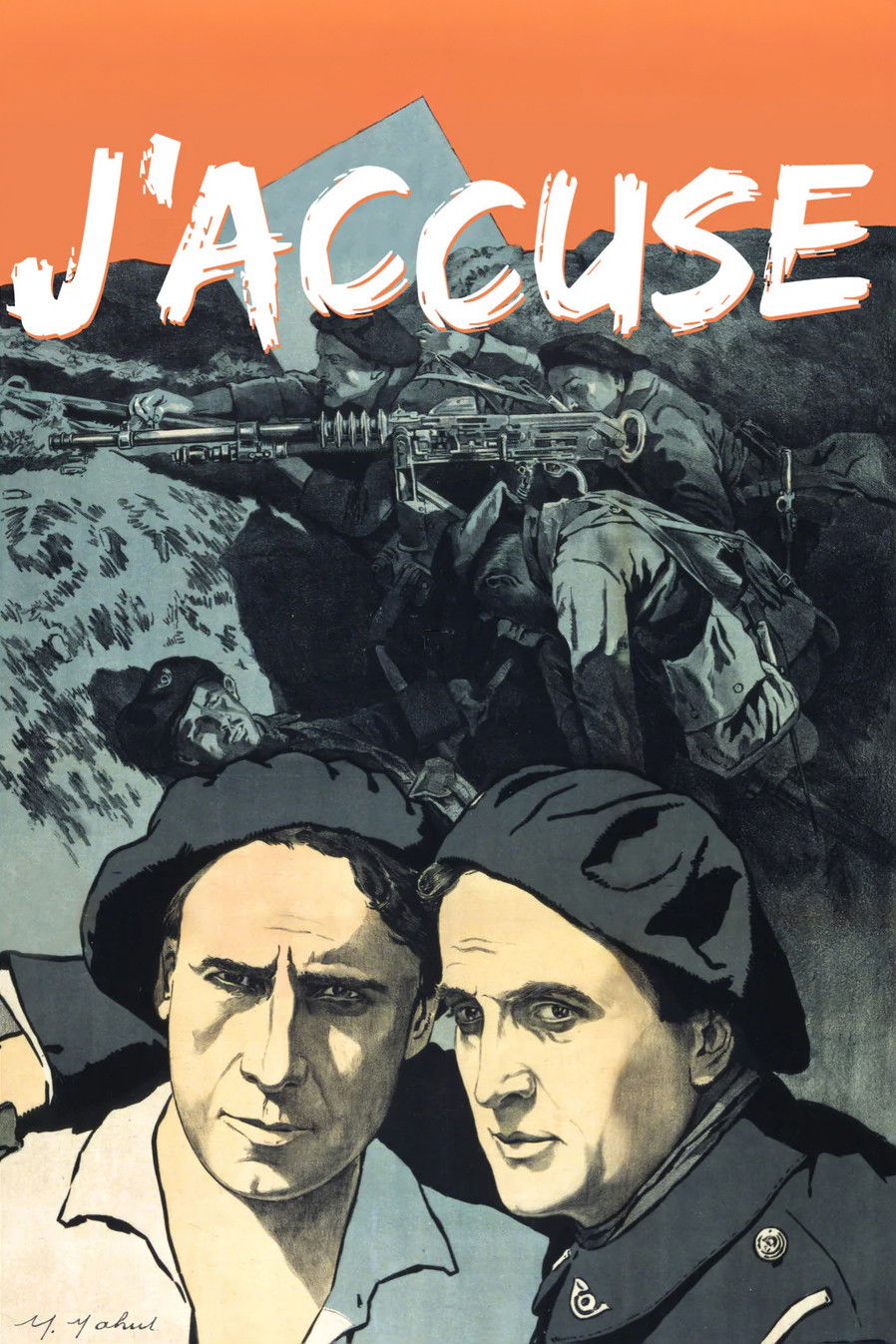
The story of two men, one married, the other the lover of the other's wife, who meet in the trenches of the First World War, and how their tale becomes a microcosm for the horrors of war.
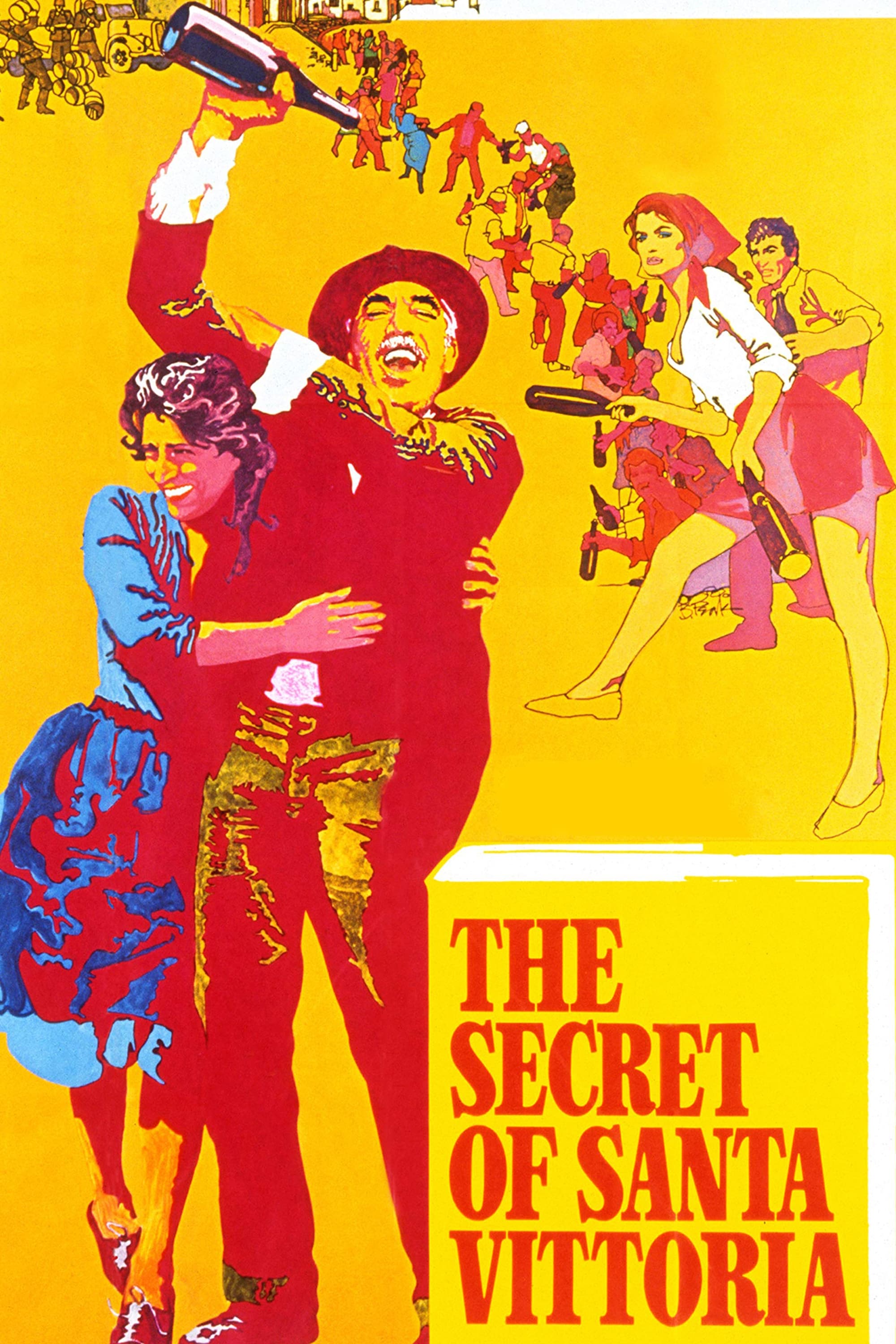
During World War II, Italian villagers hide their wine from the German army.
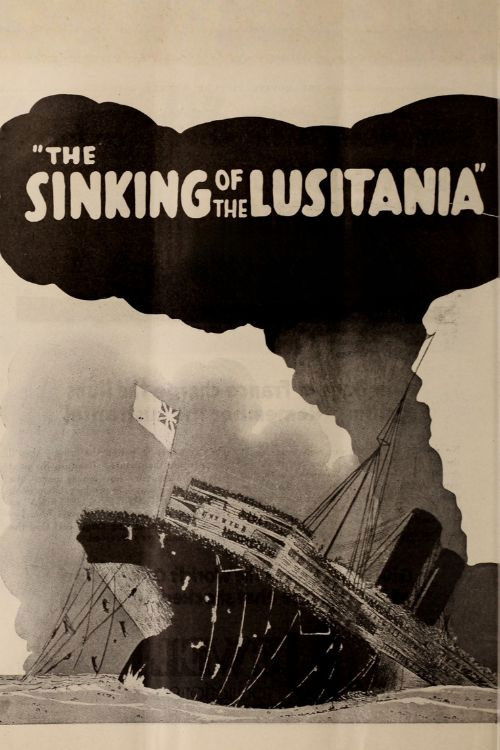
Winsor McCay recreates the sinking of the ocean liner Lusitania by a German U-boat in this propaganda piece designed to stir up anti-German sentiment during World War I.
During the war in Afghanistan a Soviet tank crew commanded by a tyrannical officer find themselves lost and in a struggle against a band of Mujahadeen guerrillas in the mountains.
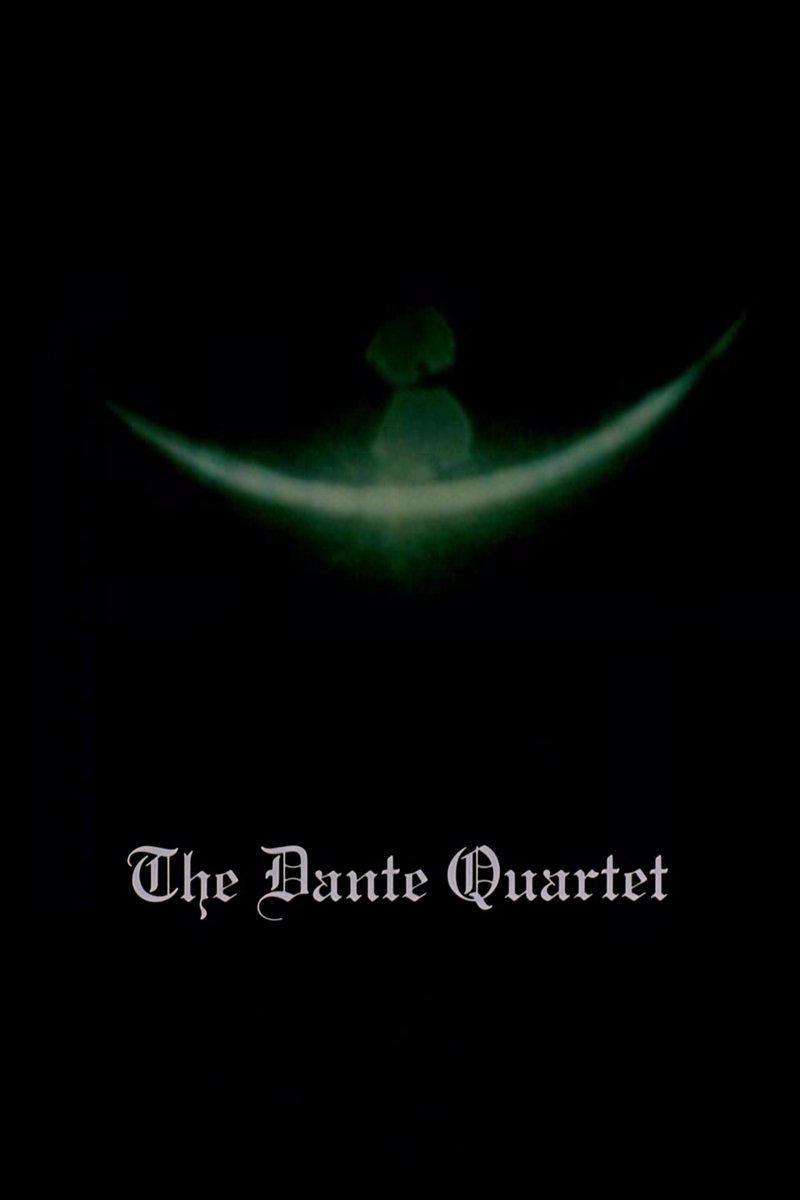
A visual representation, in four parts, of one man's internalization of "The Divine Comedy." Hell is a series of multicolored brush strokes against a white background; the speed of the changing images varies. "Hell Spit Flexion," or springing out of Hell, is on smaller film stock, taking the center of the frame. Montages of color move rapidly with a star and the edge of a lighted moon briefly visible. Purgation is back to full frame; blurs of color occasionally slow down then freeze. From time to time, an image, such as a window or a face, is distinguishable for a moment. In "existence is song," colors swirl then flash in and out of view. Behind the vivid colors are momentary glimpses of volcanic activity.
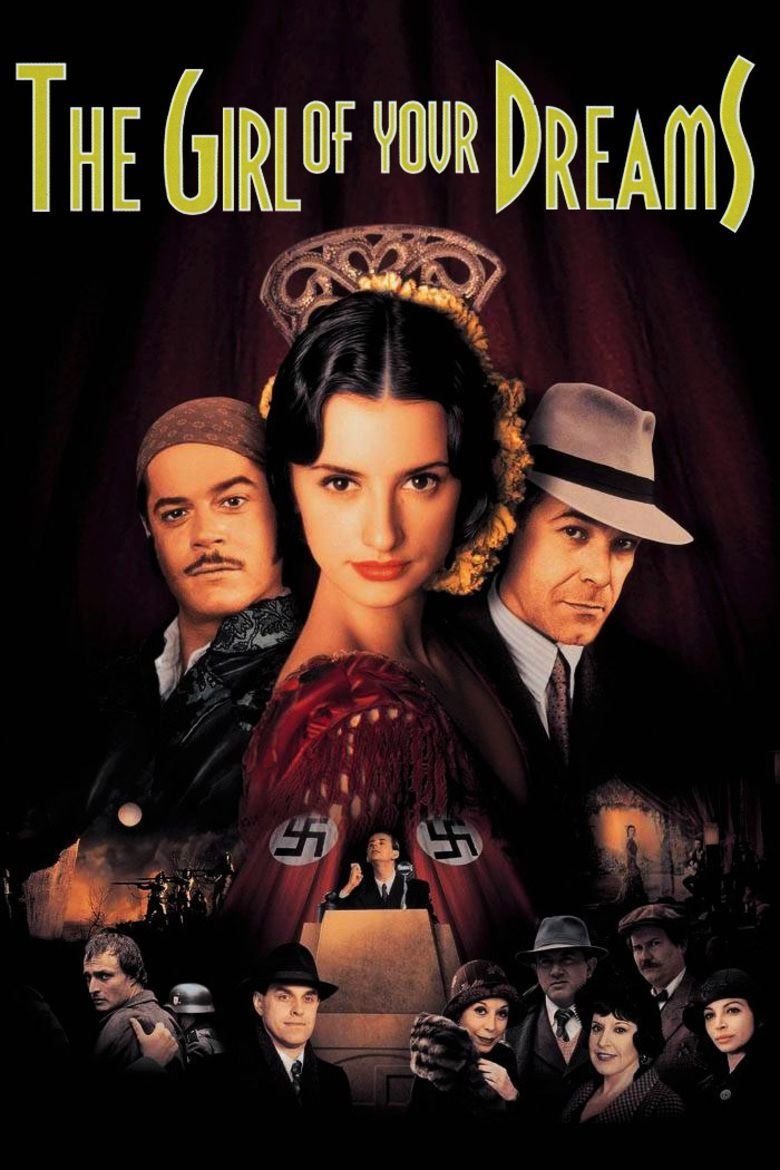
A company of Spanish movie makers leaves Franco's Spain and moves to Hitler's Germany to make a film in co-production. Soon some problems start to arise...
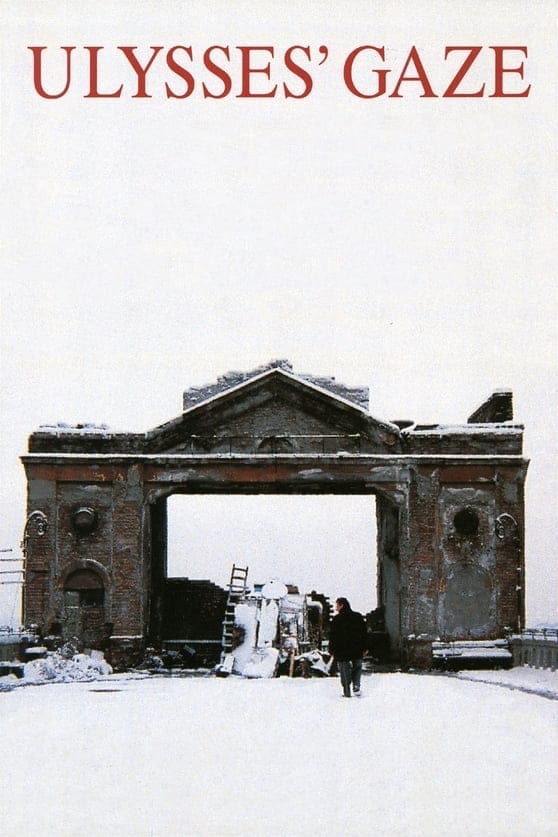
An exiled filmmaker finally returns to his home country where former mysteries and afflictions of his early life come back to haunt him once more.