Social & External
Nathan Quinell is a fully trained chef… he also happens to be legally deaf and blind. That’s never stopped him from chasing his dreams to become a full-time cook, but now Nathan must prove himself to his peers, his students and potential employers.
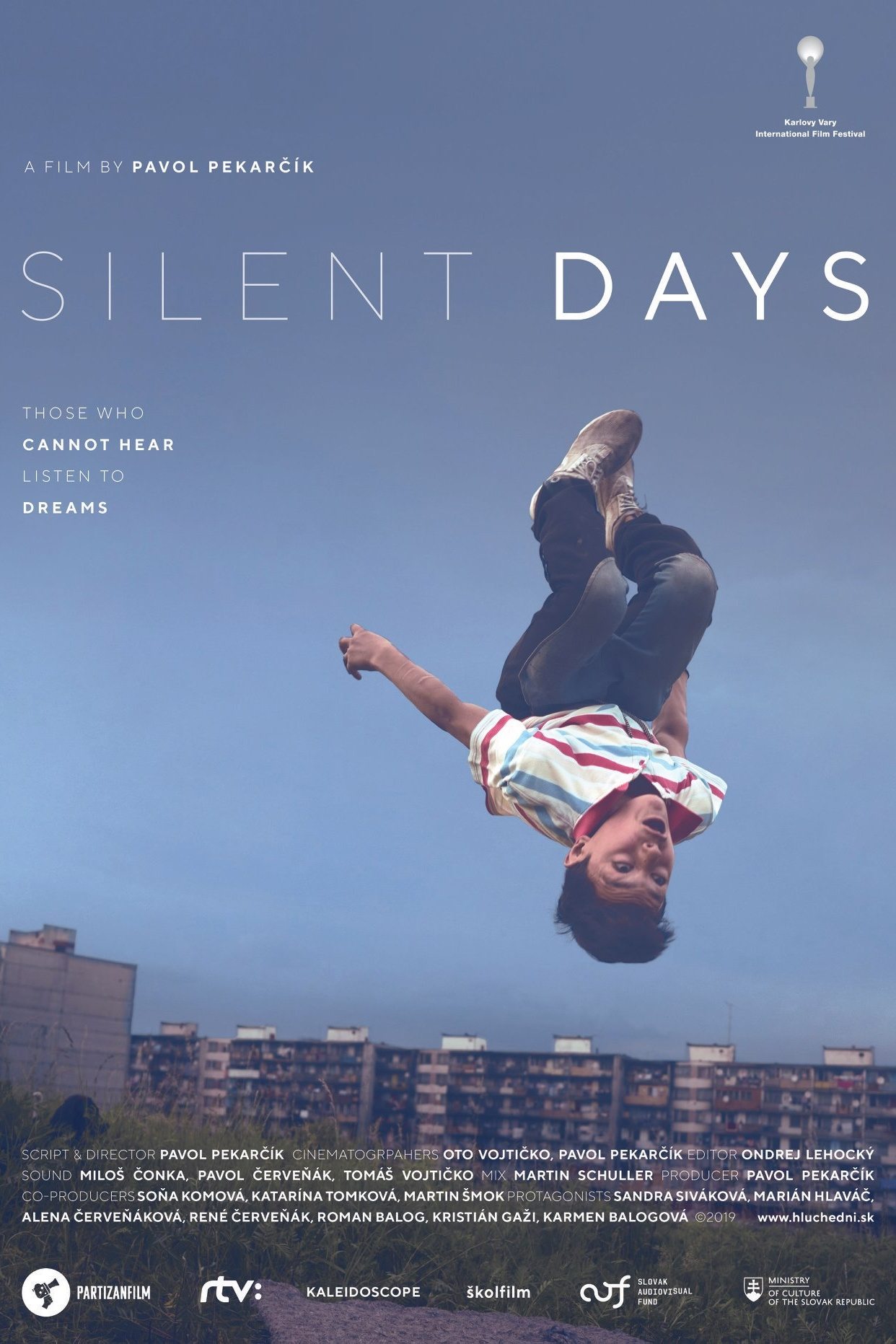
The film is separated into four chapters, each tracking a different group of protagonists who all have one thing in common – they were born deaf. Little Sandra likes to play football and admires Ronaldinho. Marián worships trains and wants to be an engine driver. Teenagers Alena and René are expecting a baby and long for it to be born healthy. The trio of Roman, Kristián and Karmen help their parents by collecting junk to be sold and dream of one day having a house with a flush toilet.
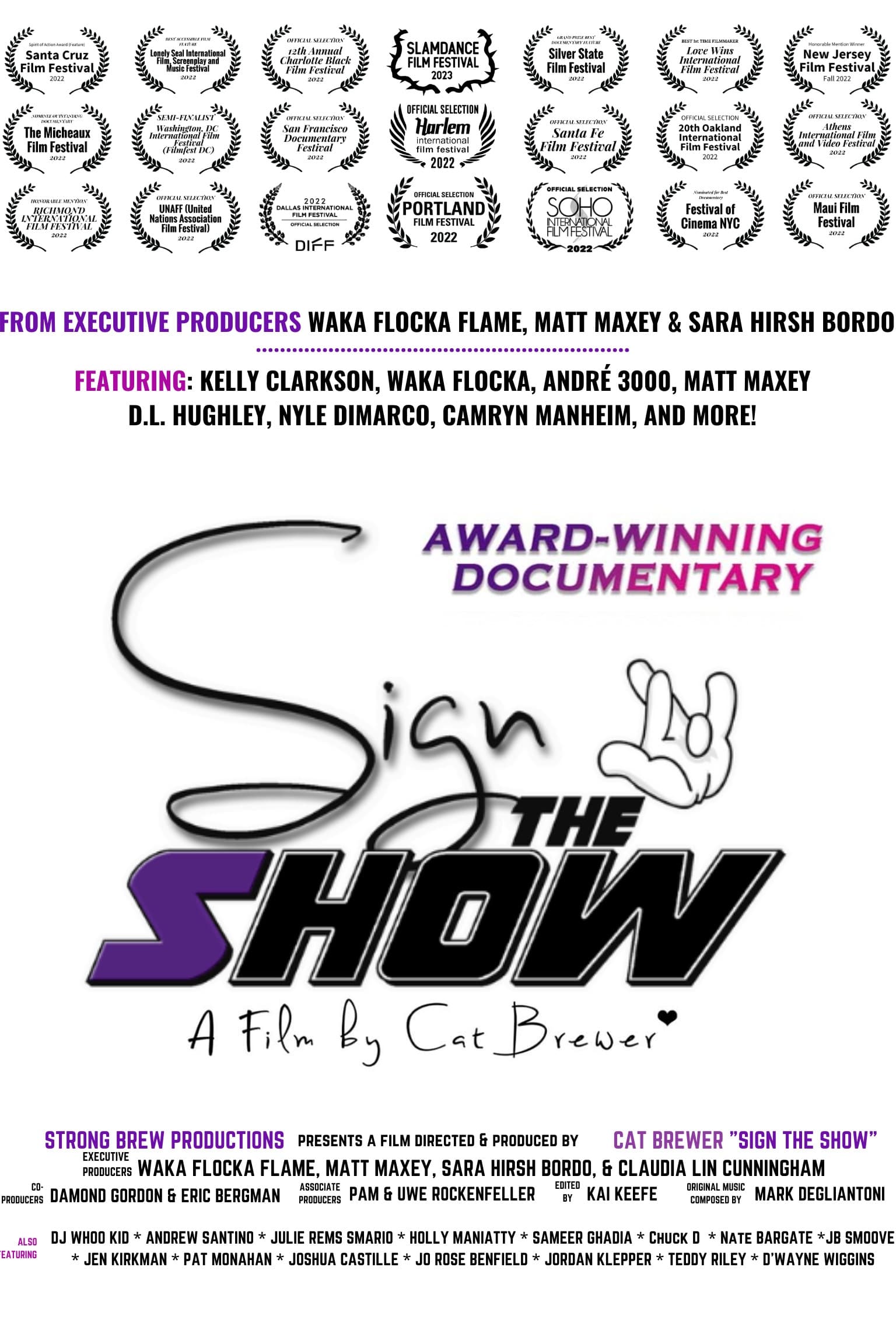
Sign The Show: Deaf Culture, Access and Entertainment is a feature-length documentary providing insight into Deaf culture and the quest for access to entertainment. It brings together entertainers, the Deaf and Hard of Hearing (HOH) community, and American Sign Language interpreters to discuss accessibility at live performances in a humorous, heartfelt, and insightful way.
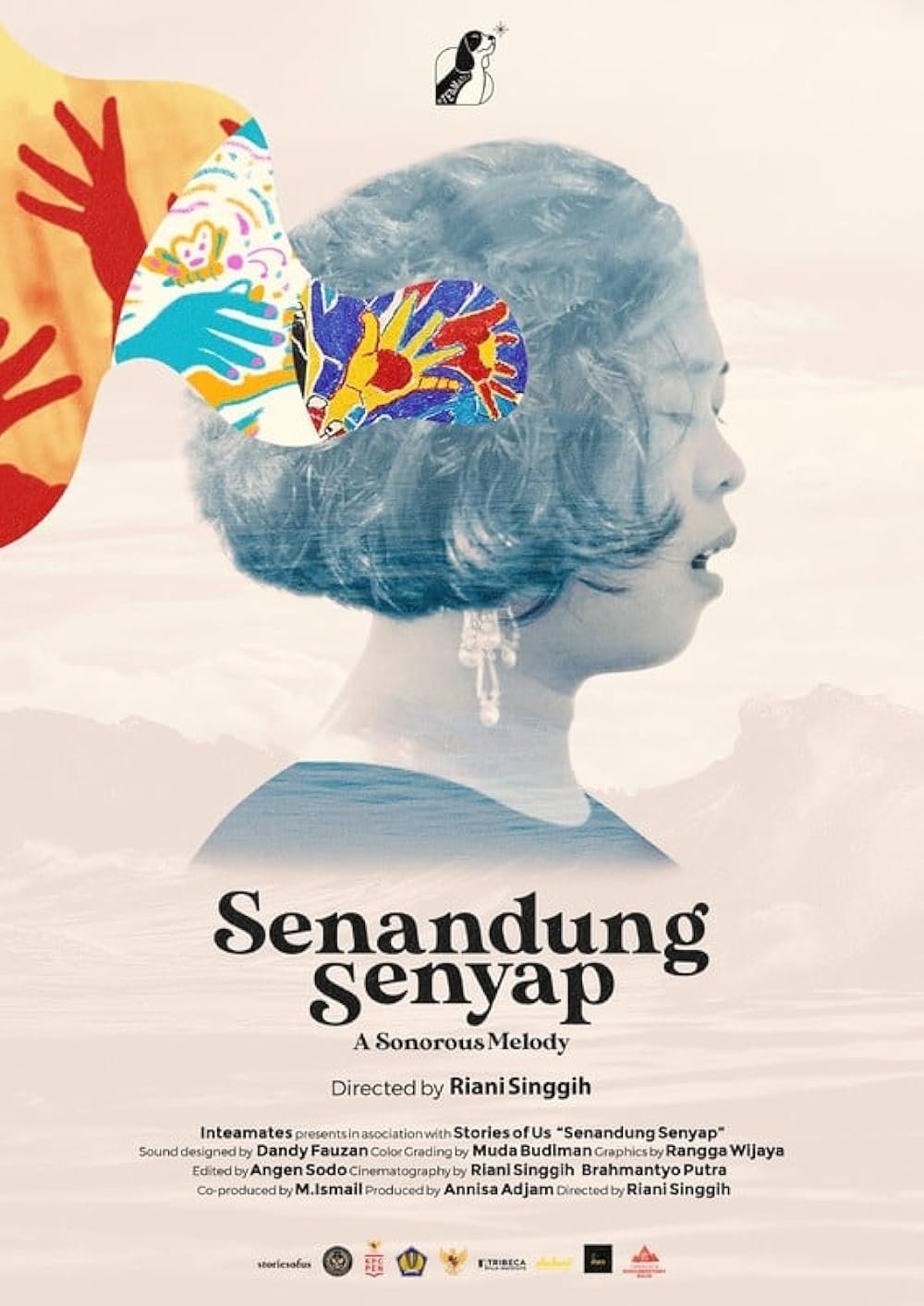
Growing up as a Deaf individual in Indonesia, Mufi was taught to speak instead of sign. As an adult, now she carves her music career to inspire others to express themselves through sign language.
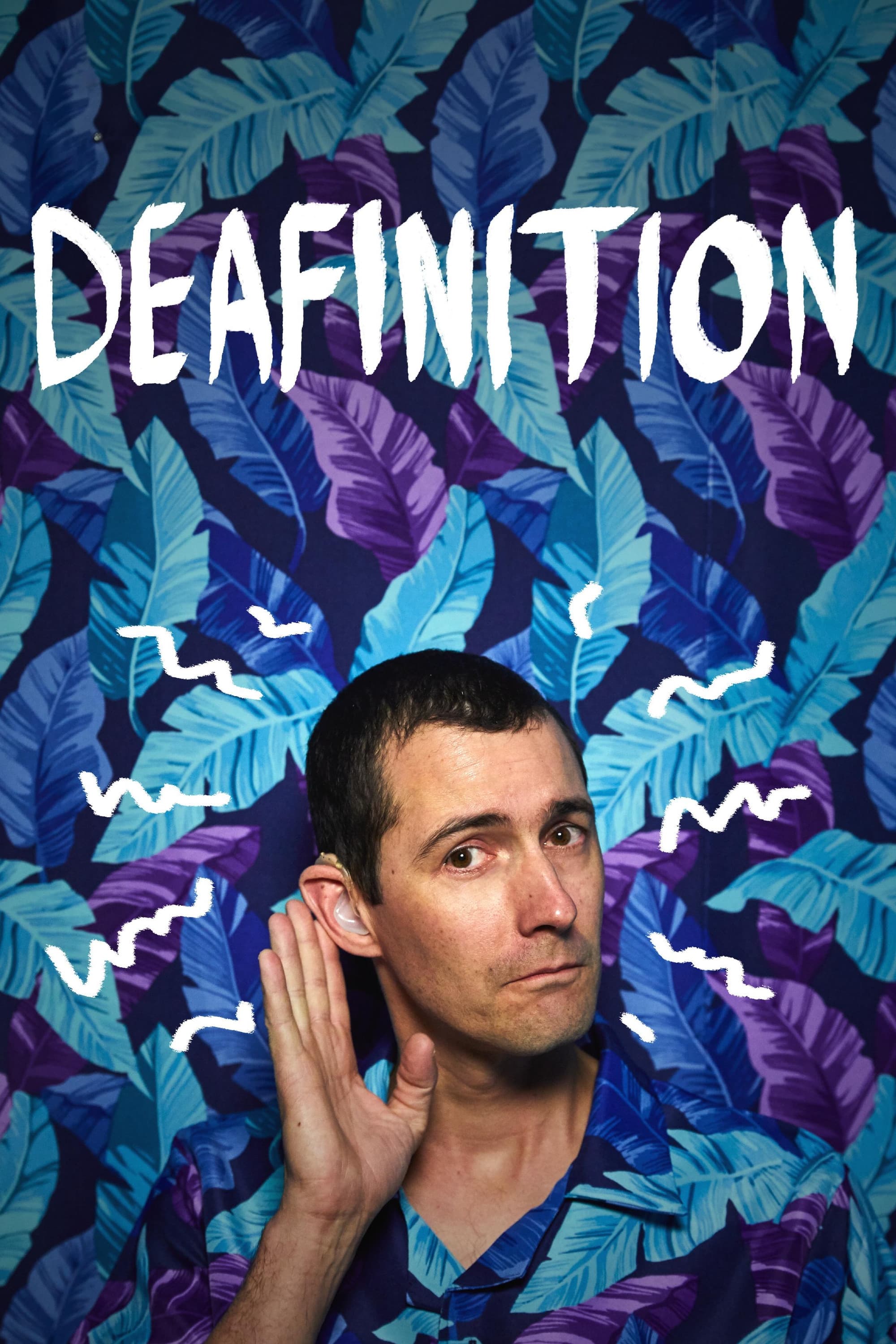
With honesty, humour and heart, Deafinition presents the first-hand narrative of Paul and his experiences being deaf. From the physical day-to-day, social interactions, the intricacies of communication and language, the frustrations and challenges we see it all unfold through the inner world of Paul.
Sven has a dream. Once in his life he wants to walk the Camino de Santiago - the Way of St. James. But that seems impossible, Sven has Usher syndrome, a disease which slowly, inexorably robs him of hearing and vision. Profoundly deaf and completely blind since 2010, he can only communicate using a special hearing aid in the spoken language.
Actress and Strictly Come Dancing 2021 winner Rose Ayling-Ellis reveals the daily challenges, discrimination, and barriers which are faced by deaf individuals.
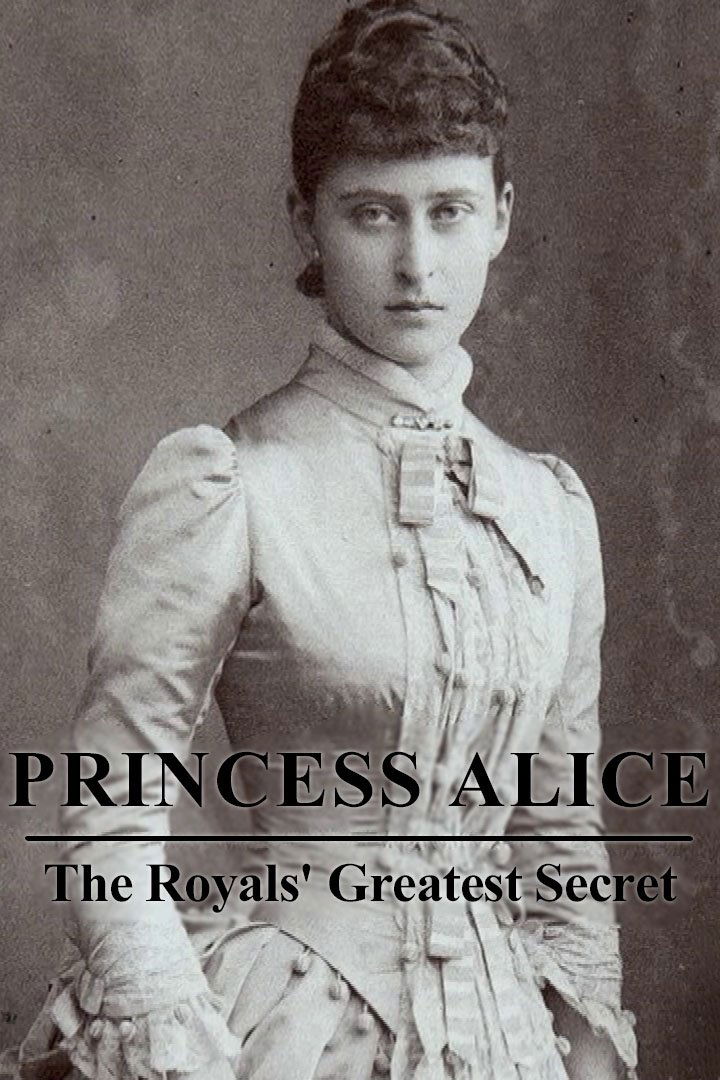
The life of Princess Alice of Battenberg, Queen Victoria's great-granddaughter, Prince Andrew of Greece's wife and Queen Elizabeth II's mother-in-law. Born deaf, she faced tremendous hardships but found solace in faith and charity work.
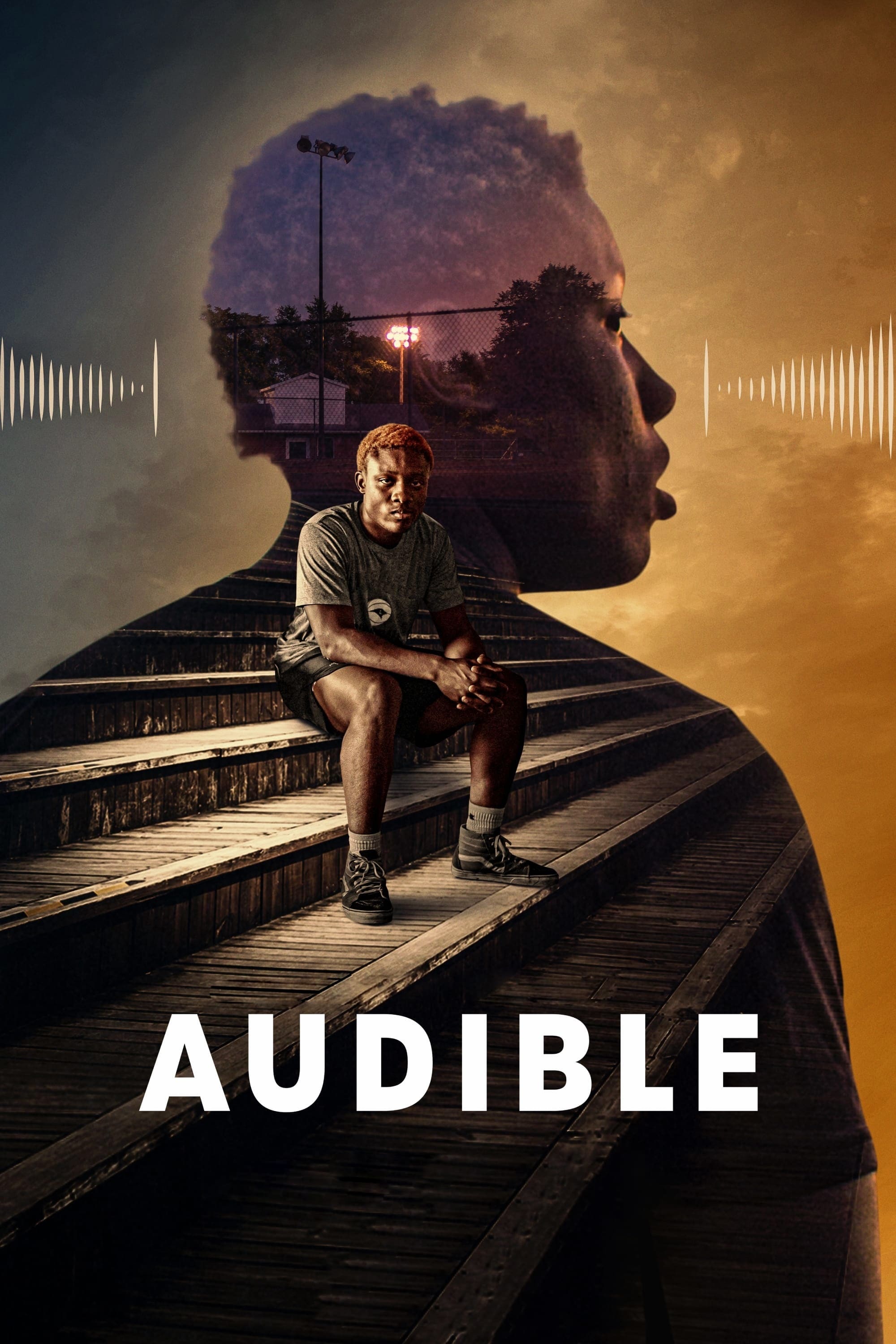
Football player Amaree McKenstry-Hall and his Maryland School for the Deaf teammates attempt to defend their winning streak while coming to terms with the tragic loss of a close friend.
Through intimate stories and day-to-day routines we get a naturalistic glimpse into the lives of individuals with disabilities in the bustling urban landscape of São Paulo. The film captures personal moments and how modern societies confront (or fail to confront) ableism and inclusion.
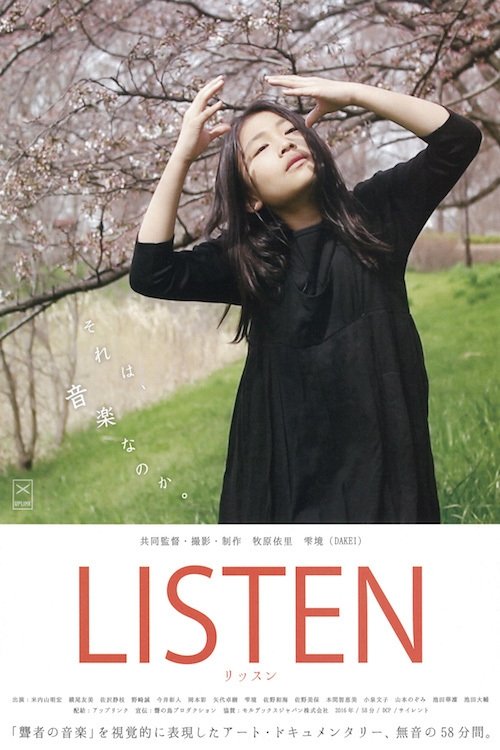
Documentary without audio produced by deaf people. Music is depicted visually with the complete absence of musical instruments or voices. Directed by Makihara Eri and choreographer Dakei. With a diverse lineup including ordinary deaf people with zero acting experience and a choreographer who performs in Japan and abroad, this film pulls out all the tops to give visual expression to music through the physical body. An aging man uses multiple sign language poems to convey the four seasons, and a girl expresses the wind amidst the rustling trees.
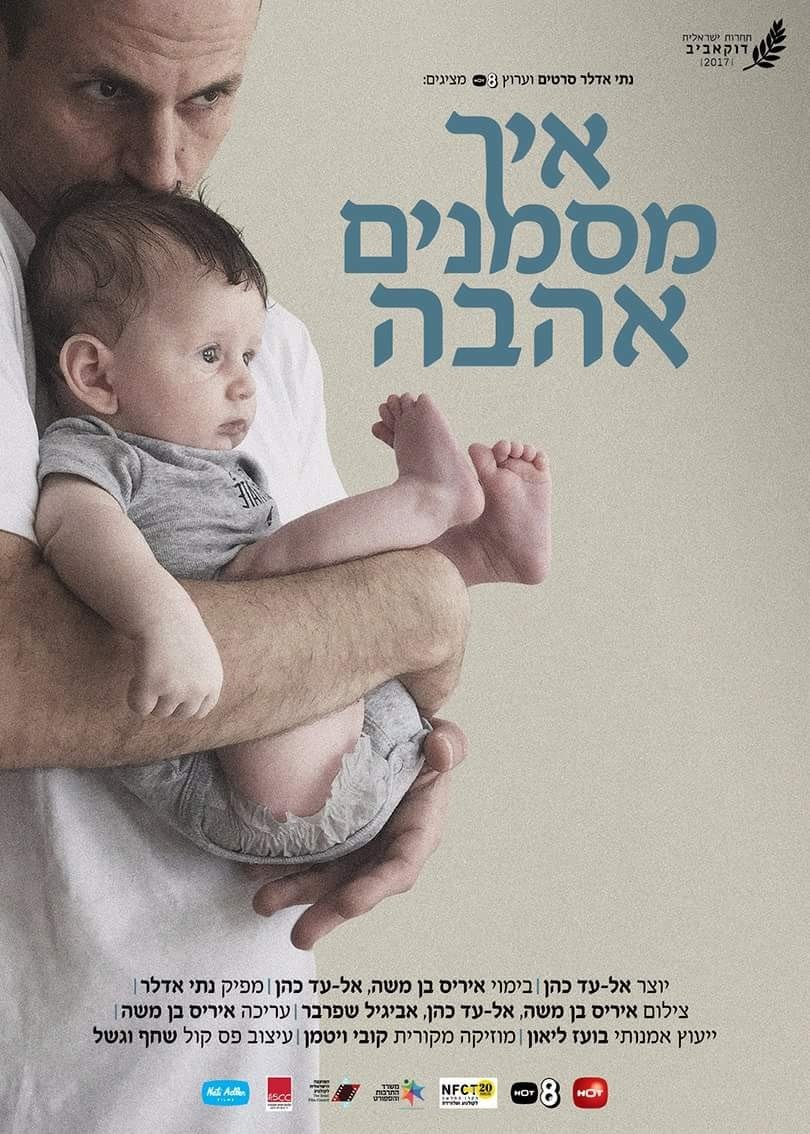
In his heartfelt documentary, co-director and subject Elad Cohen explores the meaning and experience of family. Growing up deaf and gay in a family of hearing people, Cohen never felt at home and always felt alone. That feeling of estrangement was exacerbated during his adolescence by the sudden death of his mother and the subsequent rift with his father as the family scattered in different directions. Cohen creates a sense of family with a small group of friends, including his best friend, Yaeli, a deaf woman. While he wants a child and a life partner, he fears that he won’t find the right man in the small deaf community in his “sweet little country.” Sharing a desire with Yaeli to be parents, the new “couple” decide to have a child in a shared parenting arrangement.
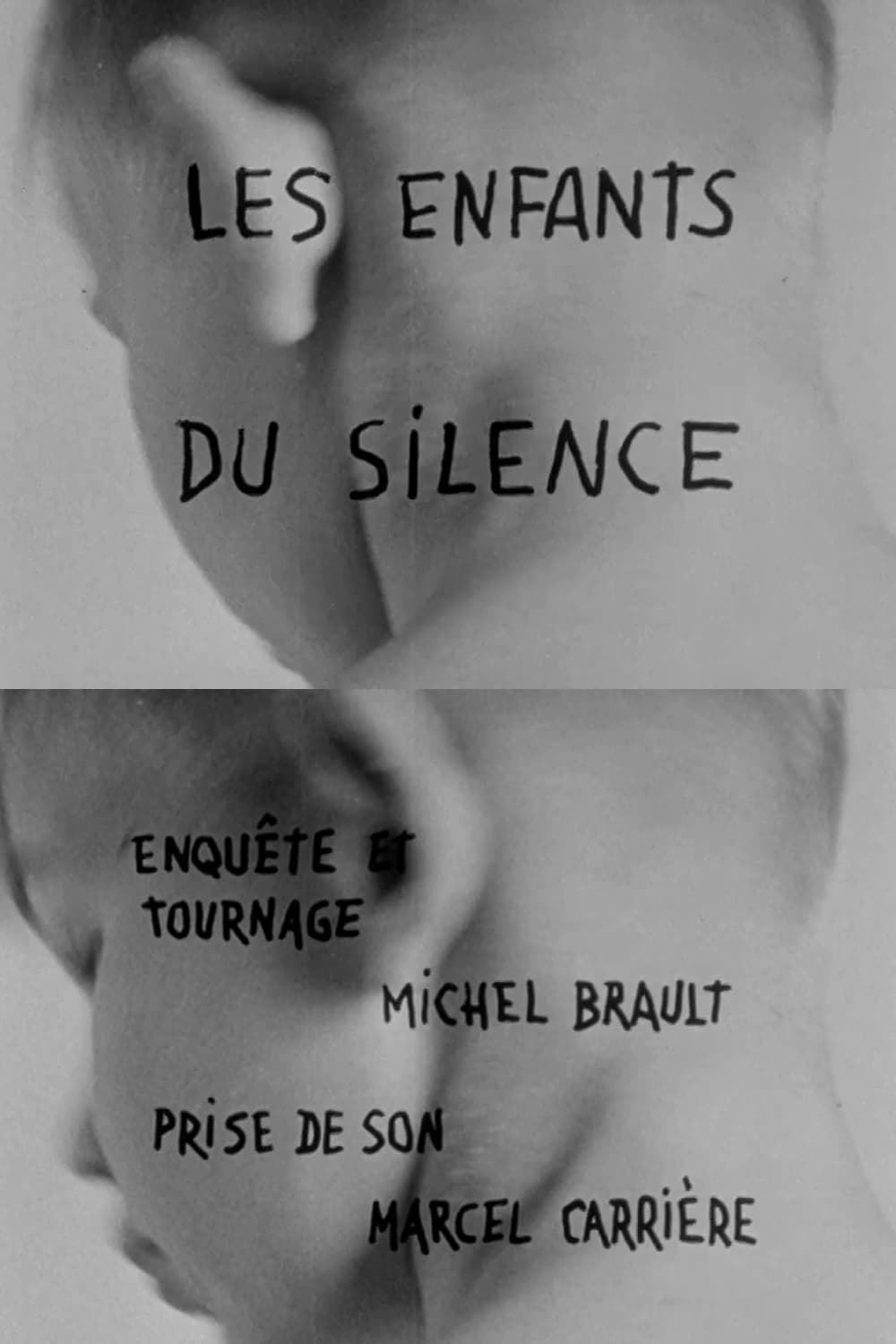
This film looks at the world of children with hearing loss and the importance of early diagnosis. With its straightforward, rigorous cinematic style and intimate approach to the subject, the film focuses on the human rather than the technical side of the problem of hearing impairment.
Gifted musician Marshall and his wife Terry, a communication professor, were excited to welcome their newborn into their world. But because of her deafness--they had to enter hers instead.
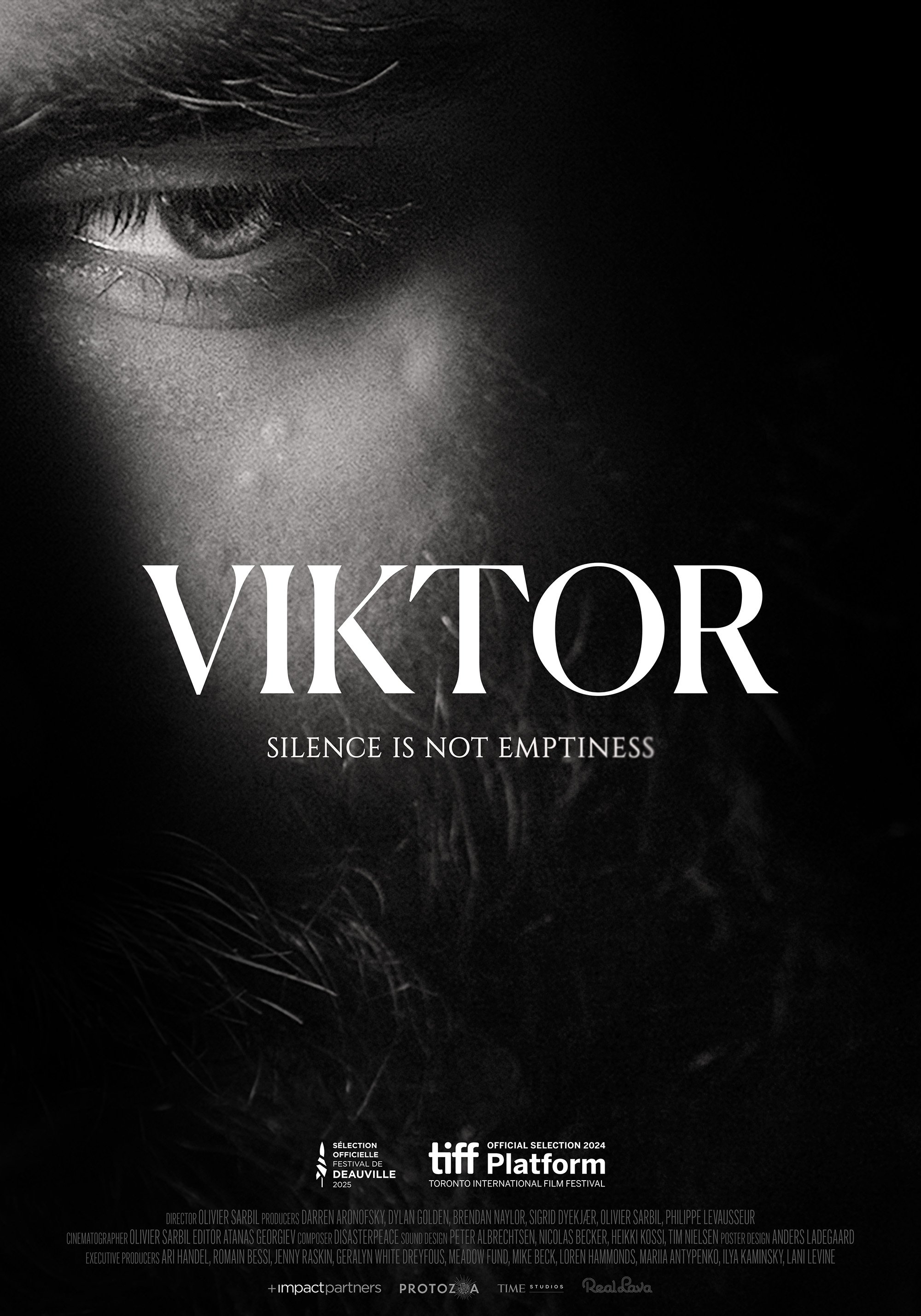
Viktor, who was born deaf, worships the figure of the samurai warrior. When bombs start falling on his countryside home in Kharkiv, his quasi-romantic obsession with war is put to the test.
Through examining Fini Straubinger, an old woman who has been deaf and blind since her teens, and her work on behalf of other deaf-blind people, this film shows how the deaf-blind struggle to understand and accept a world from which they are almost wholly isolated.
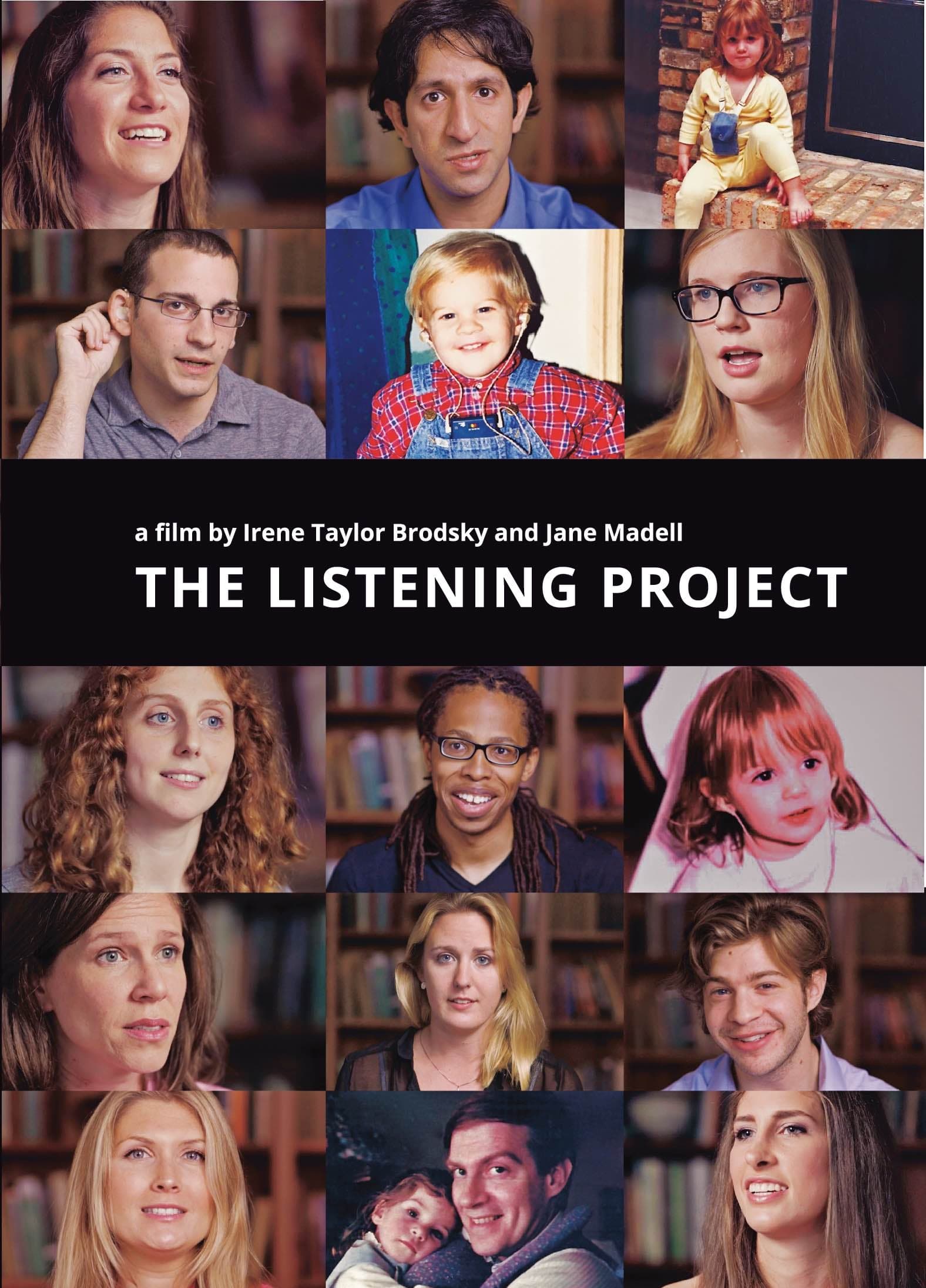
The profound impact of technology on the lives and identities of young deaf adults is explored in The Listening Project. Fourteen deaf people tell stories beginning with a childhood wide-eyed about sound, into the growing pains of adolescence and, eventually, their professional lives. Sometimes humorous, always tender, The Listening Project is a timely coming of age story, one we haven't heard before.
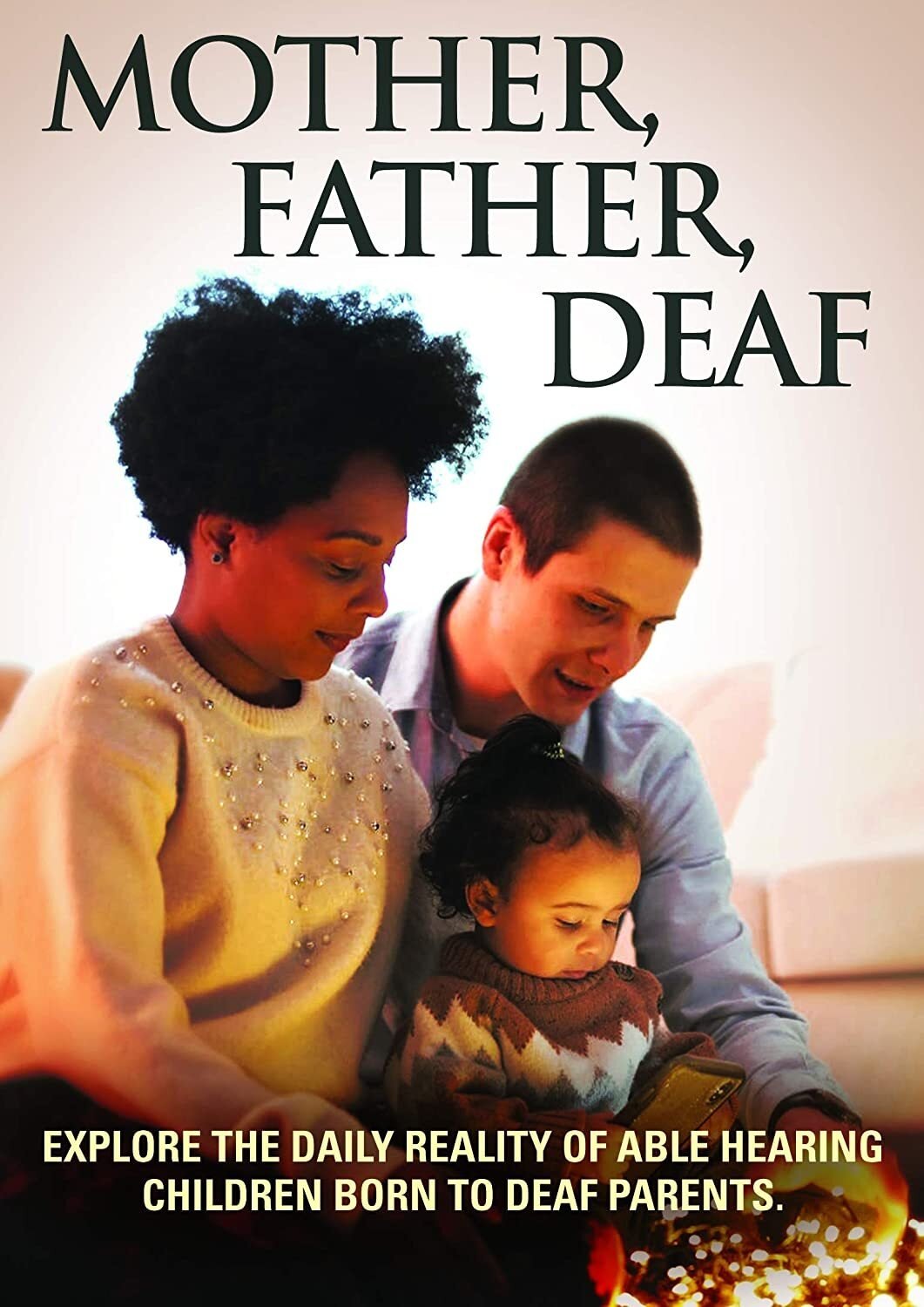
Children of Deaf Adults, known as CODA, are caught in the middle, between the deaf and the hearing, between isolation and community, and between childhood and adulthood. Through the stories of three CODAs, discover how the unique upbringing of hearing children born to deaf parents can be considered both a burden and an opportunity and how it shapes who they are and who they become. Also hear from the parents themselves about how their condition unwittingly puts an impossible weight of responsibility on their children, who are forced into adulthood from the moment they learn to talk. Mother, Father, Deaf offers a previously unseen portrayal of contemporary reality for deaf families. Their stories, while deeply personal, mirror the experiences of CODAs around the world.
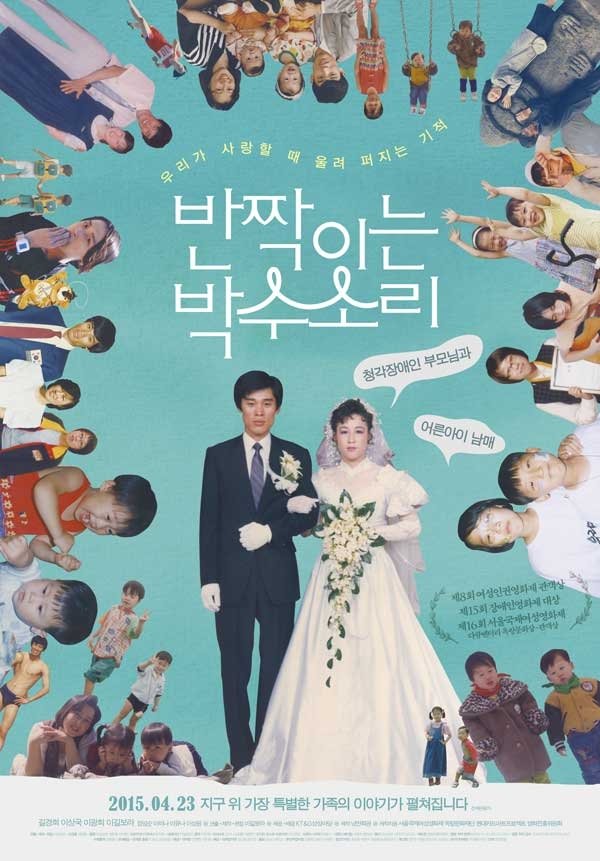
Despite being deaf Sang-kuk never forgets to smile while he makes furniture. Kyung-hee can't hear either but with her natural beauty and outgoing personality, she enjoys her job at a sign language interpretation center. Between them they have hearing daughter Bora who is a director and a son named Kwang-hee. When, after moving eight times since marriage, Sang-kuk wants to move one more time, Kyung-hee opposes him. In filming the silent world of her parents, the director discovers new stories coming from herself, who grew up moving back and forth between two worlds-one of silence and the other of sound.
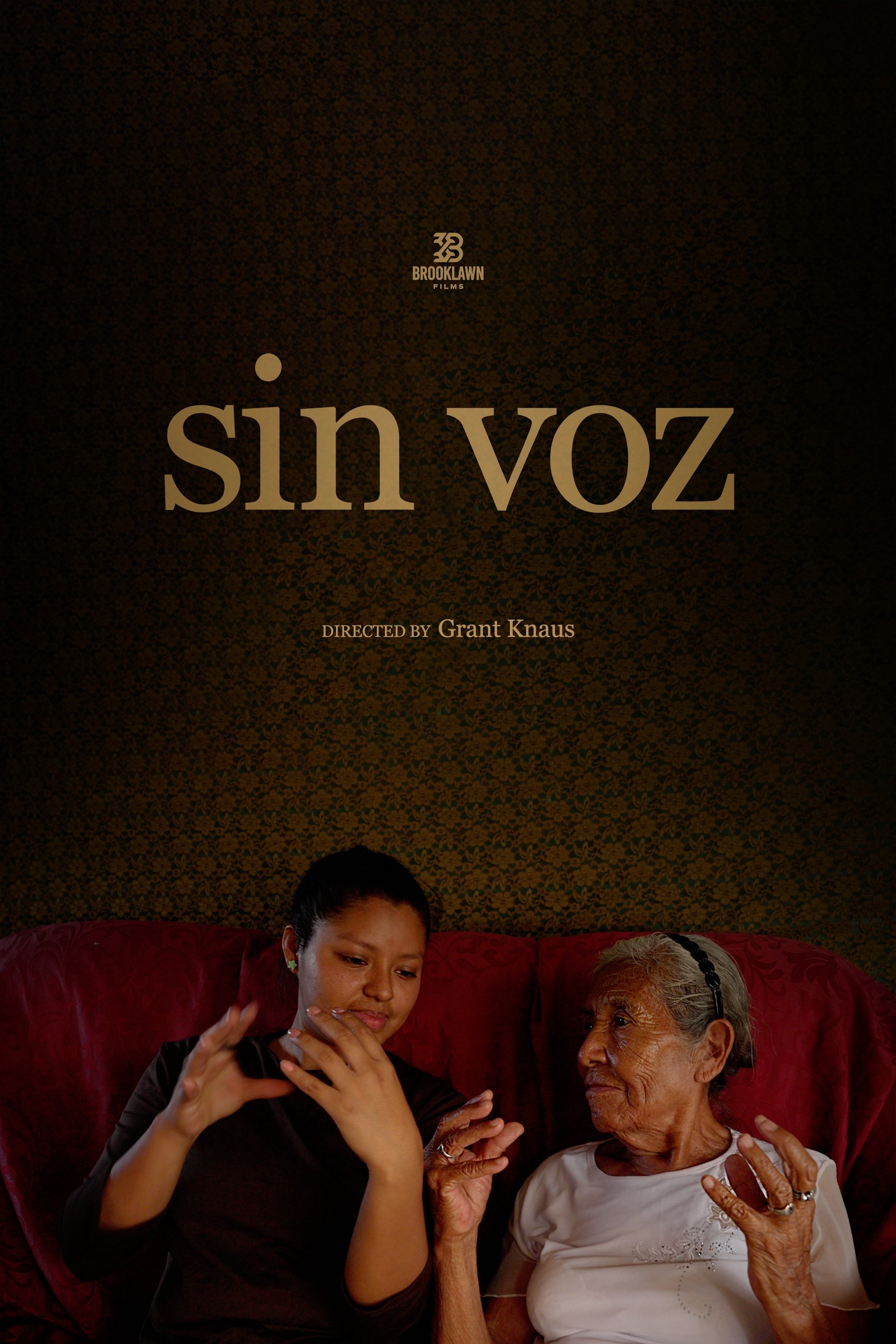
Told almost entirely without spoken words, this film unfolds in the language of its subjects: Guatemalan Sign Language. In a country where more than 850,000 Deaf people receive little institutional support, silence becomes both a barrier and a form of connection. Through classrooms, homes, and everyday life, the film observes a community building its own means of understanding and belonging. Among those leading the way are Melkin, Dairy, and Jonathan, the teachers, students, and leaders within Guatemalan Deaf Ministries, where the language of hands has become the language of hope.