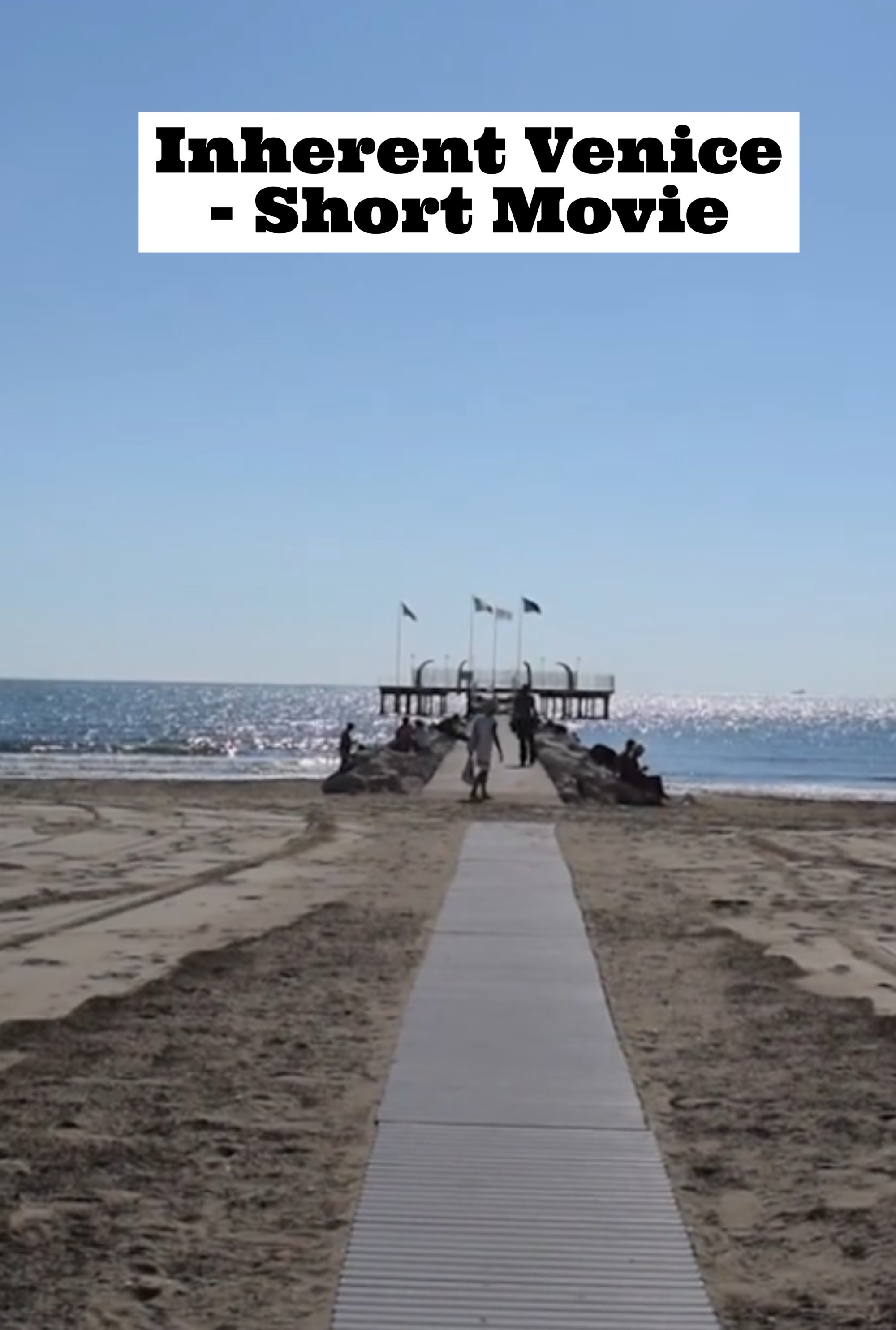
This film presents aspects of day-to-day life in Venice, a city that is most renowned for its historic sites and large tourist trade. It tells a story about a boy who loses a prized model ship on the waterways of his city.
Social & External
This is a documentary film on the romantic and decadent atmosphere of Venice at the end of the 18th century. A vigorous comment by Jean Cocteau tells us of the sick souls and the sorrows of literary characters and musicians who lived the dream of this city. It is the Venice of Lord Byron, Alfred de Musset, George Sand, d'Annunzio; a Venice made of precious images, palaces reflected in the water, mysterious moonlights, little squares where unhappy lovers wander under the music of Richard Wagner.
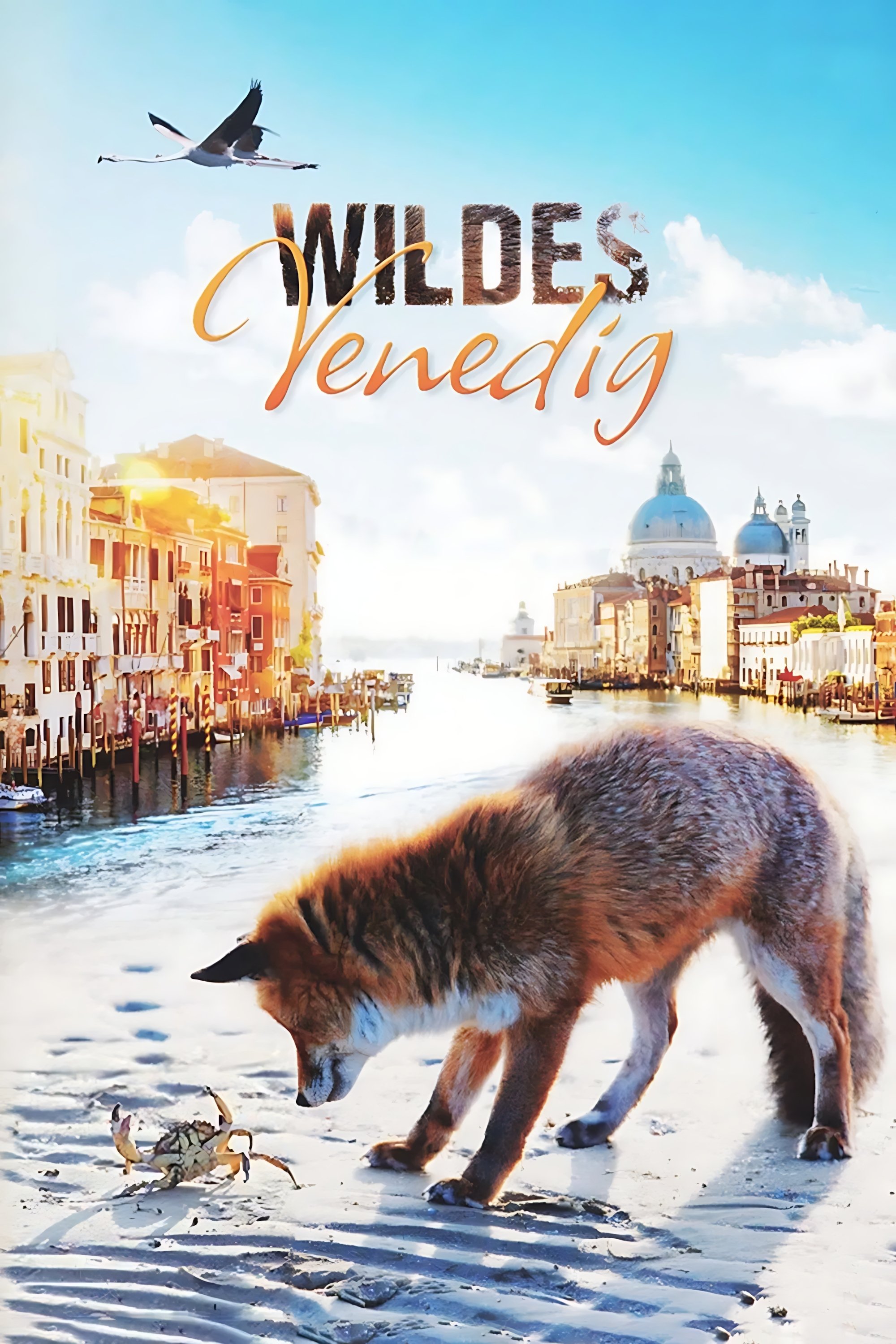
Explore a lesser-known part of Venice: the wild side! In coral reefs and hidden gardens, find everything from poisonous mammals to strange sea life.
The documentary explores the world of culture, nature and gastronomy through one chef's eyes across the marshlands of the Venetian Lagoon.
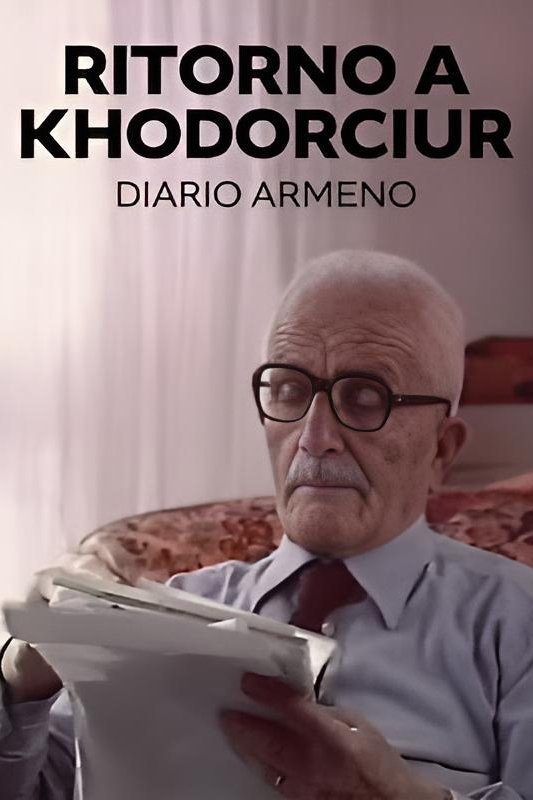
Raphael, Yervant Gianikian's father, survived the Armenian genocide in 1915 in Eastern Turkey. In April 1988, while living in Venice, he sat for his son's camera and read an excerpt from his memoirs, translated from Armenian into Italian.
Harry's Bar opened in 1931 and attracted a multitude of customers from the start, drawn to the atmosphere and the talents of barman Giuseppe, with his cocktails, gourmet dishes and exquisite hospitality. Over eight decades the bar has seen it all, from being closed during the fascist regime to being declared a national treasure in 2001, and witnessed a stream of writers, painters, directors, film stars, kings, queens and epicures, becoming a legend.

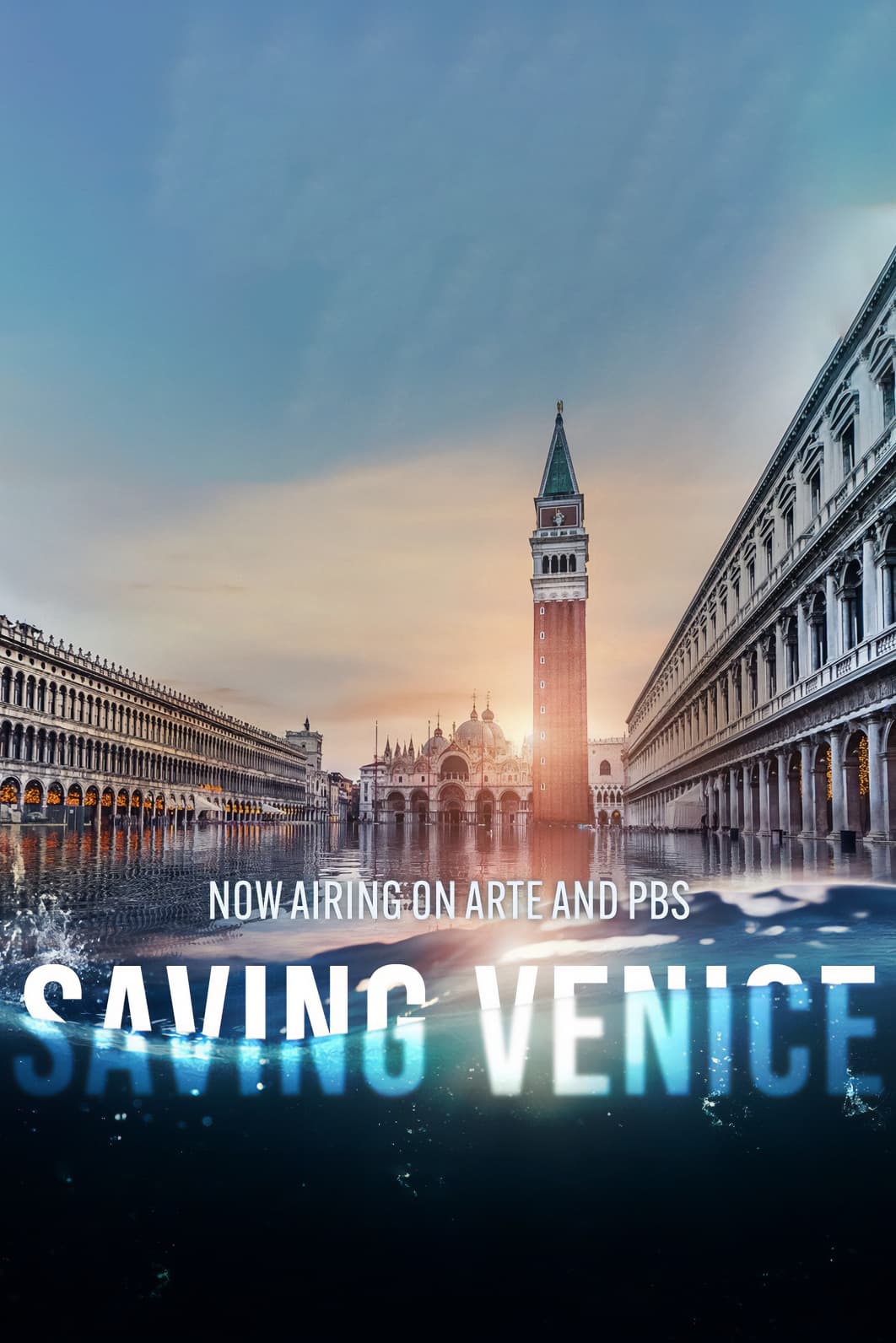
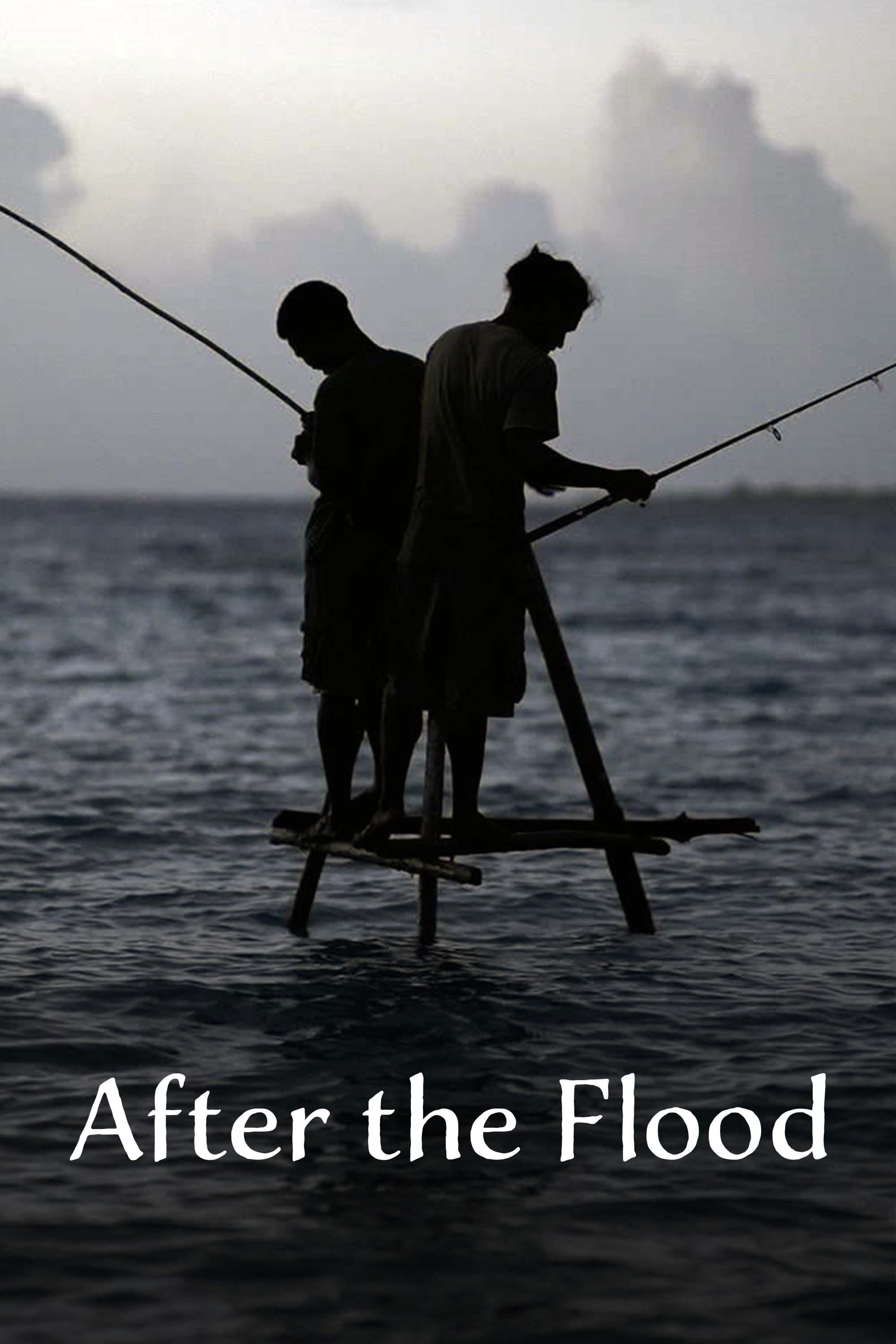
Rising sea levels and sinking land threaten to destroy Venice. Leading scientists and engineers battling the forces of nature to try to save this historic city for future generations. Discover the innovative projects and feats of engineering currently underway, including a hi-tech flood barrier, eco-projects to conserve the lagoon, and new efforts to investigate erosion beneath the city.
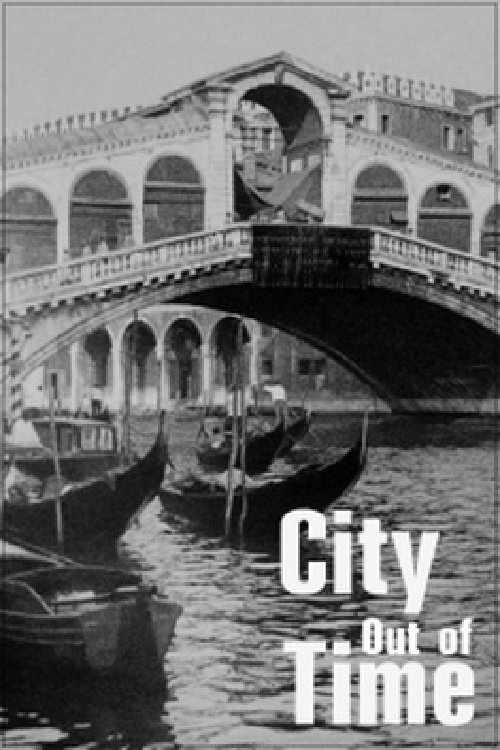
This Colin Low documentary from 1959 depicts Venice in all its splendor. In the tradition of Venetian painter Canaletto, the film captures the great Italian city’s elusive beauty and fabled landscapes, where spired churches and turreted palaces soar into a blue Mediterranean sky. Narration by William Shatner.
What is the "feeling" of a city? Is it the roads, the light that illuminates them, the people that live there and their stories? It's all these things, but also something else, something requiring time and attention to be understood. The film goes in search of this feeling exploring the city of Venice and its lagoon, prying into its less-known corners and listening to the stories of six citizens: a hotel waitress, an old archaeologist, a pensioner from Mestre, a painter/fisherman, an apartment burglar and a young boy.
The mysterious parallel story of Italian painters Andrea Mantegna (ca. 1431-1506) and Giovanni Bellini (ca. 1435-1516), brothers-in-law, public rivals and masters of the early Renaissance.
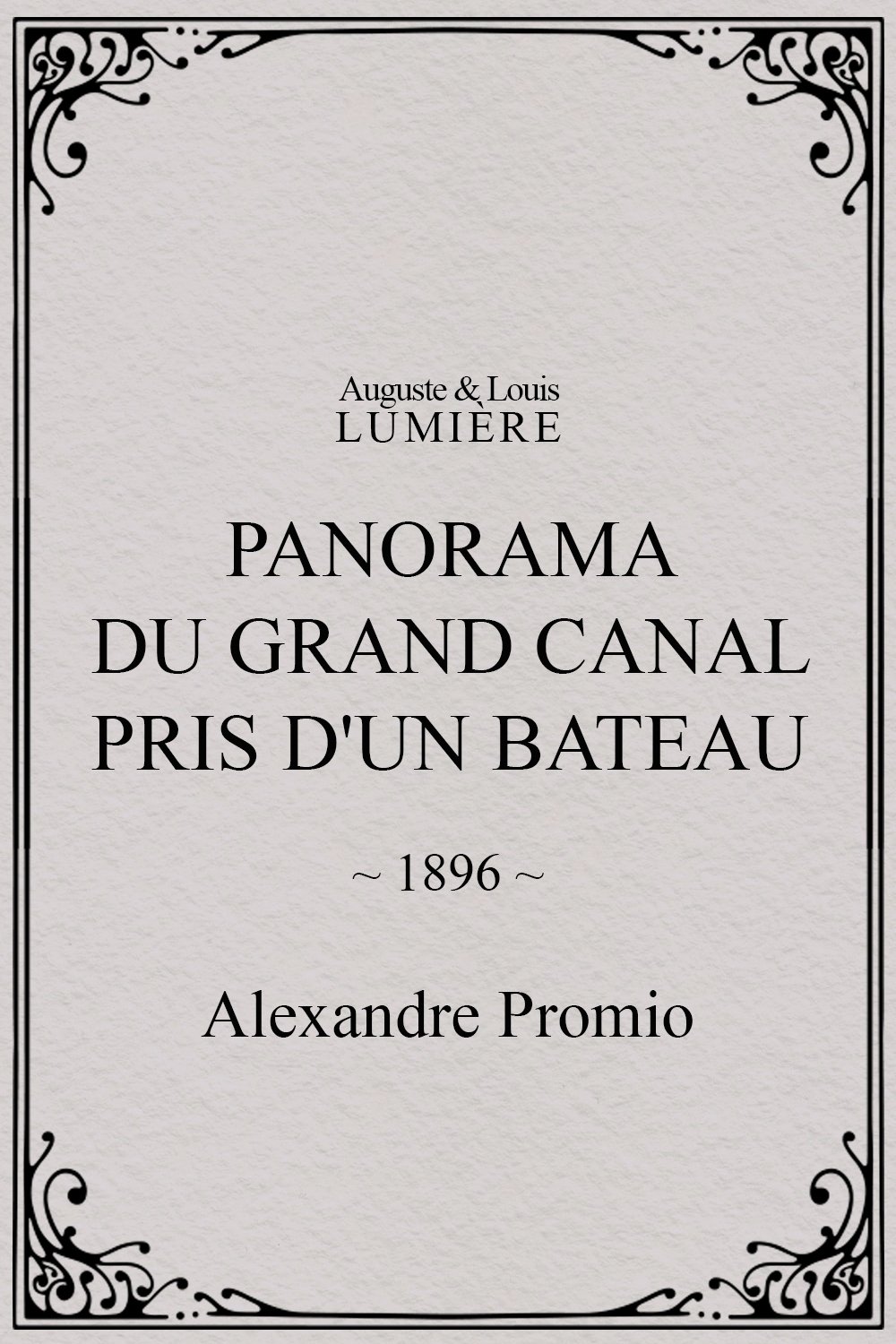
Filmed in 1896 by Alexandre Promio for the Lumière company, this short actuality presents one of the earliest traveling shots in cinema. With the camera mounted on a gondola, the film glides along Venice’s Grand Canal, capturing passing gondolas, bustling waterfront activity, and the city’s iconic architecture from a moving perspective. This simple yet groundbreaking technique introduced audiences to a new way of experiencing motion on screen.
Yannick Bellon's documentary paints a portrait of a city torn between the problem of unsanitary housing, pollution corroding walls and statues, and the recurring and increasing floods—all consequences of human activity. Faced with job shortages and rampant speculation, the overarching question arises of how industries can coexist with the city of Venice. Allowing them to develop risks destroying it; driving them out risks turning it into a museum, causing its inhabitants, and thus its soul, to leave.
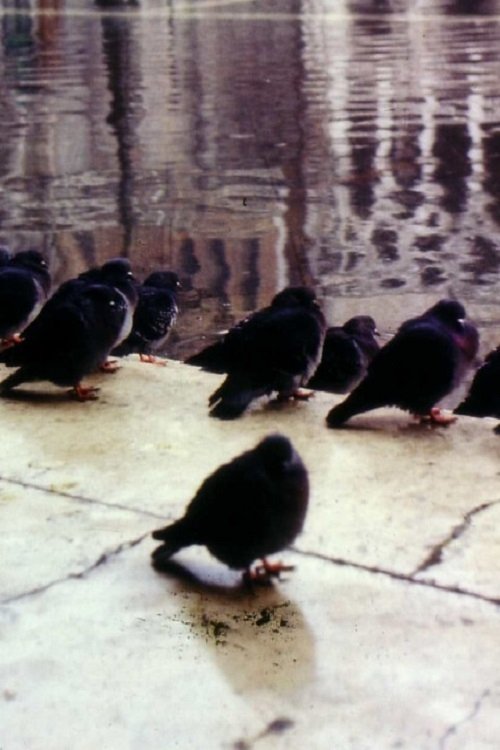
A woman feeds pigeons on the Piazza San Marco in Venice.
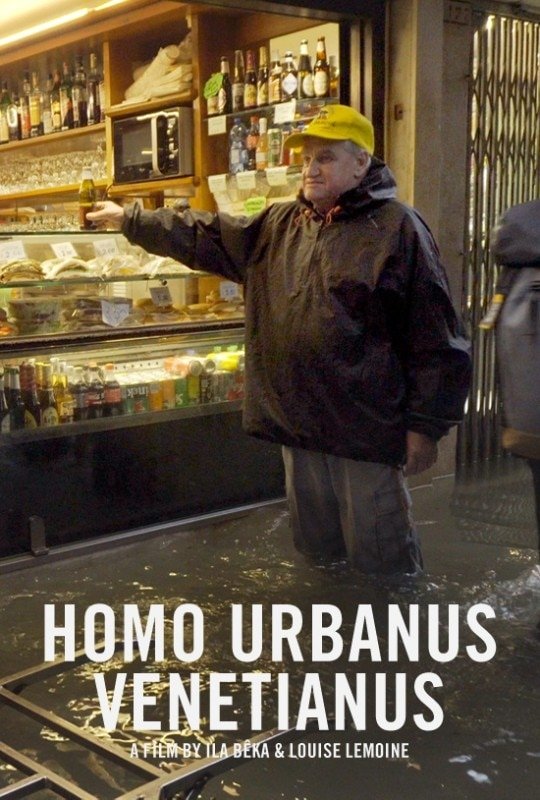
After the trying constraints of lockdown and social distancing that brutally reduced urban space to its strict minimum, making it into a place where isolated individuals merely cohabit, Homo Urbanus is a cinematic odyssey offering a vibrant tribute to what we have been most cruelly deprived of: namely, public space. Taking the form of a free-wheeling journey around the world (10 films, 10 cities), the project invites us to observe in detail the multiple forms and complex interactions that exist every day between people and their urban environments. Somewhere between visual anthropology and observational cinema, these films put urban man under the microscope and encourage us to take a closer look at individual and collective behaviour, interpersonal dynamics, social tensions, and the economic and political forces that play out every day on the grand stage of the city streets.
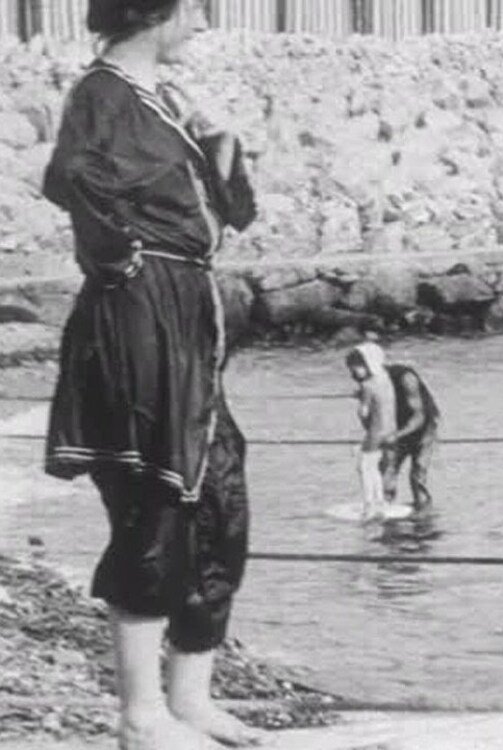
Blissful scenes of tourists arriving by boat and then sea bathing on a beach in the Venetian lagoon.
After spending more than 36 years in prison, Giampaolo Manca, 'Il Doge', a former boss of the Mala del Brenta gang in Venice, Italy is on a path towards redemption, but he can't seem to forgive himself for the violent crimes of his past.
Through a series of animated art boards depicting a decaying Venice, the film unfolds like a set of postcards, capturing the mythical city's final moments of fragility. Blending archival footage with contemporary observations, and anchored by the story of the 1902 collapse of St Mark's Campanile, Venezia Diorama invites us to reflect on a city slowly eroding, yet suspended in time.
A monument handcrafted by Konstantin Bessmertny is exhibited at Venice Biennale 2007.