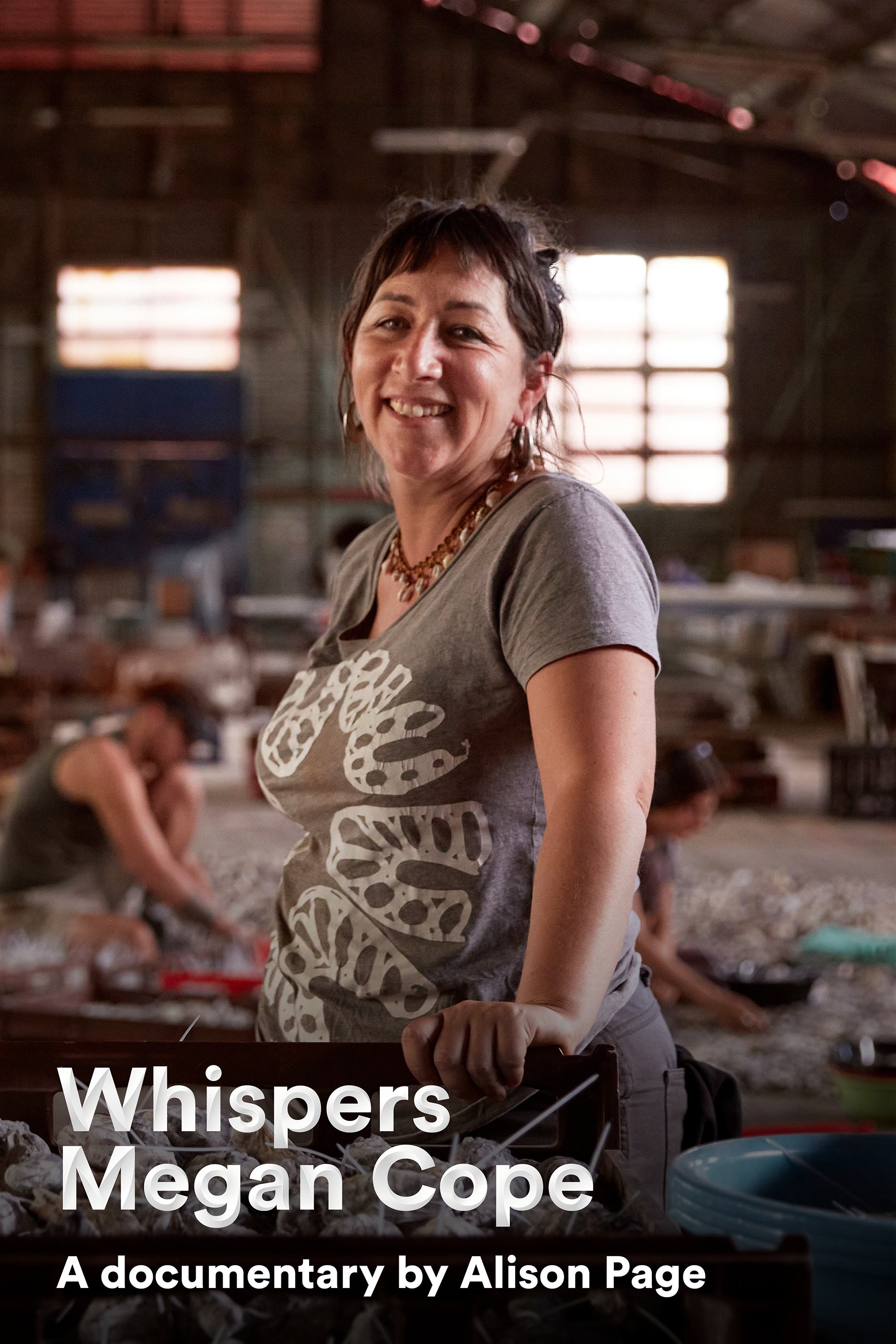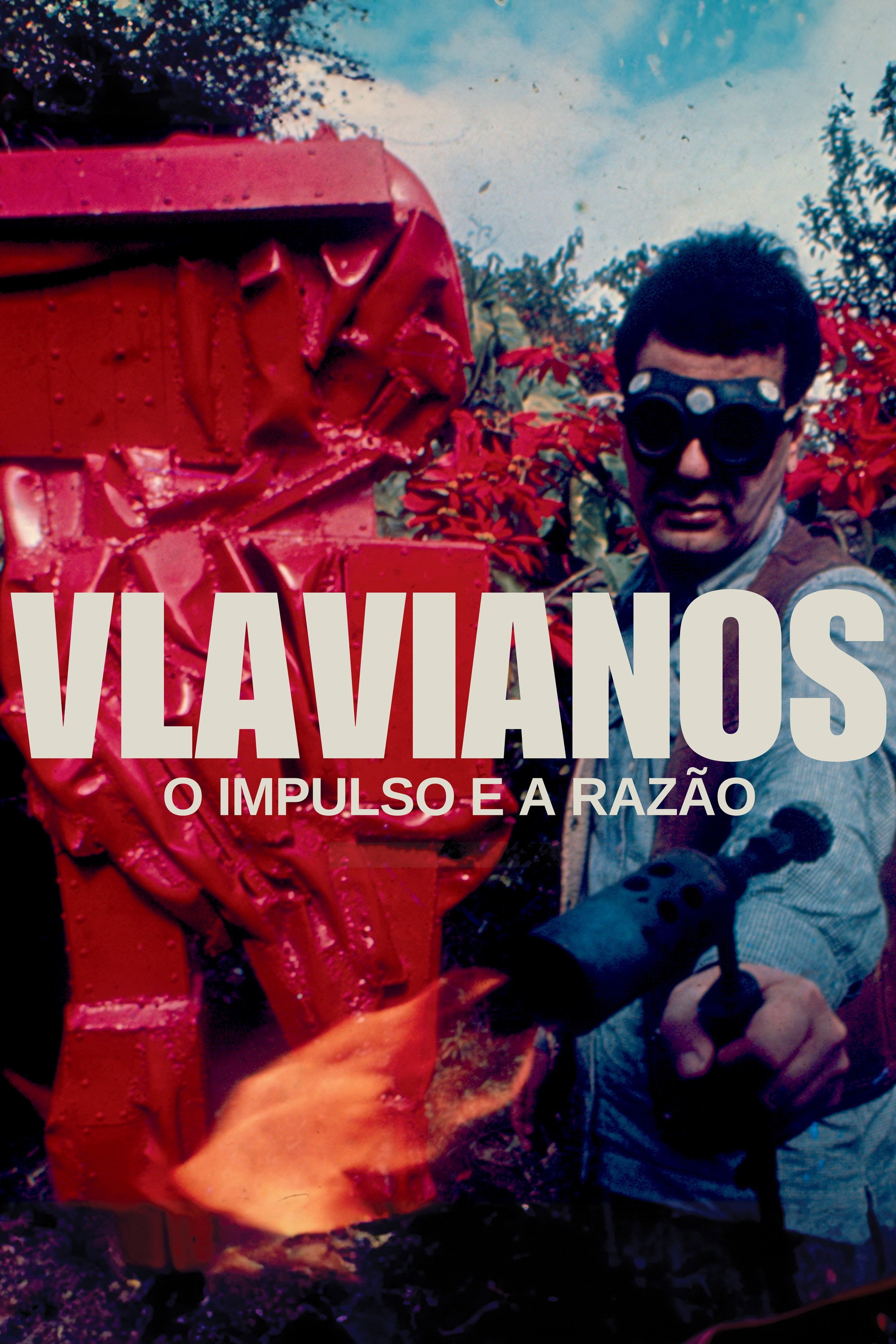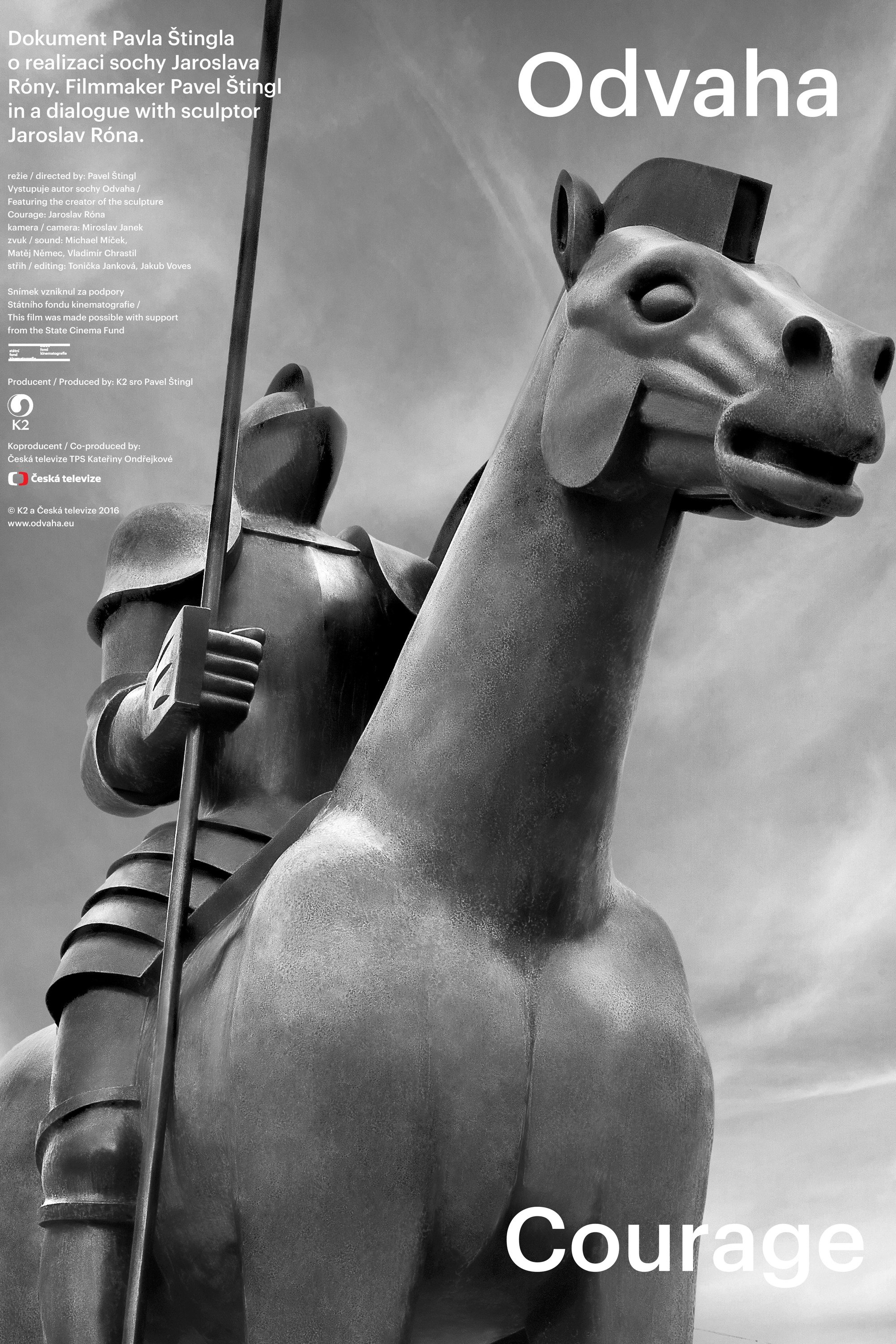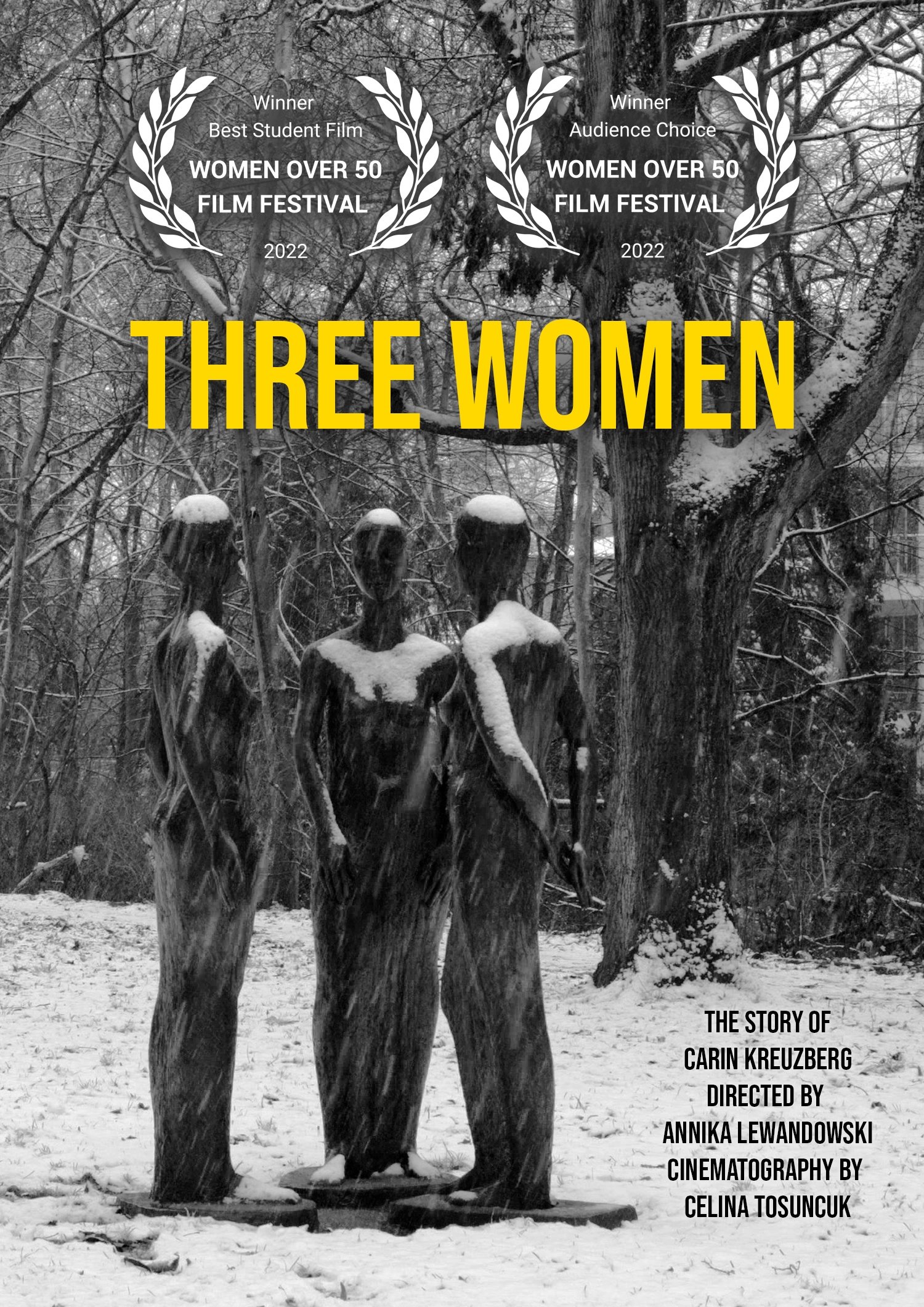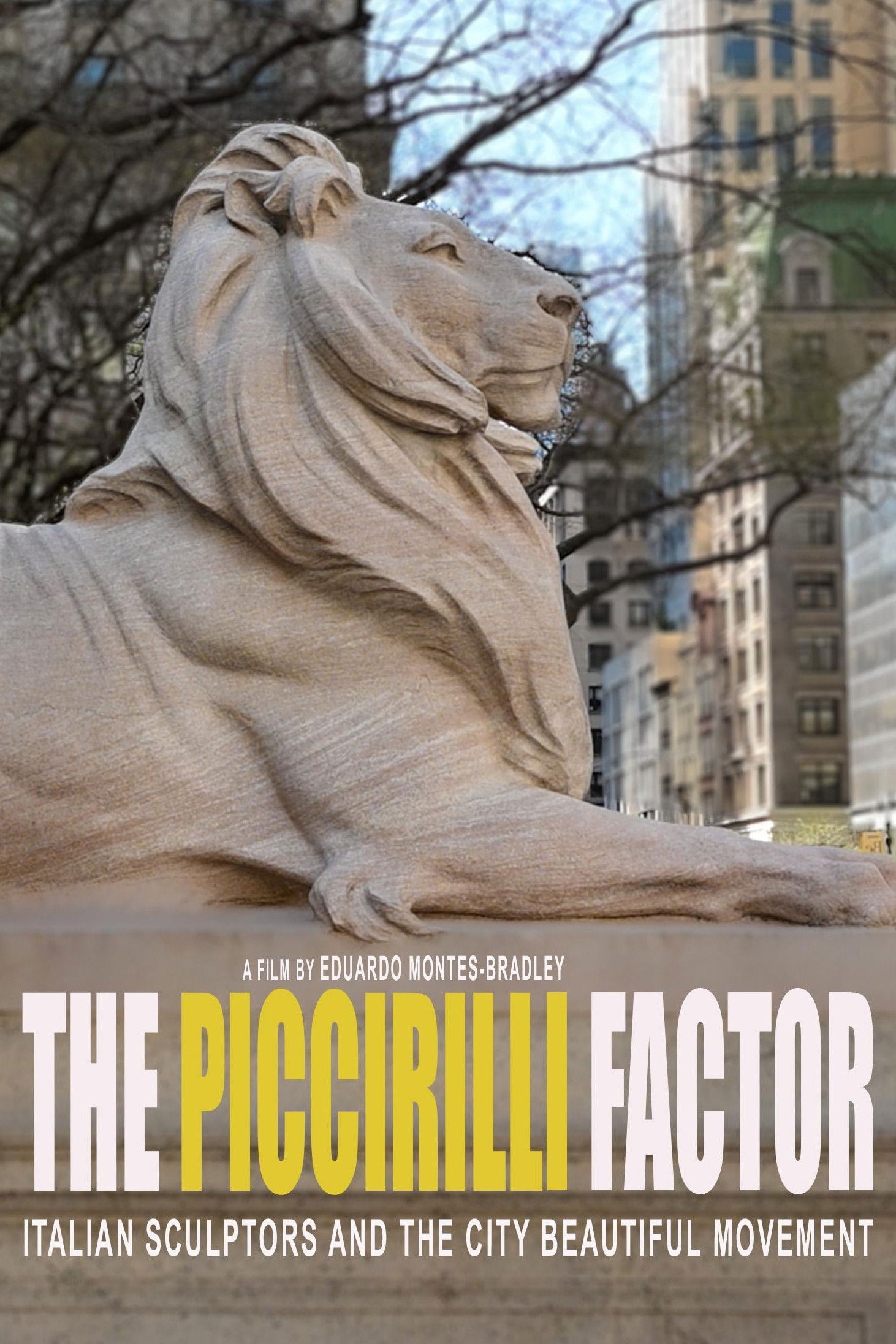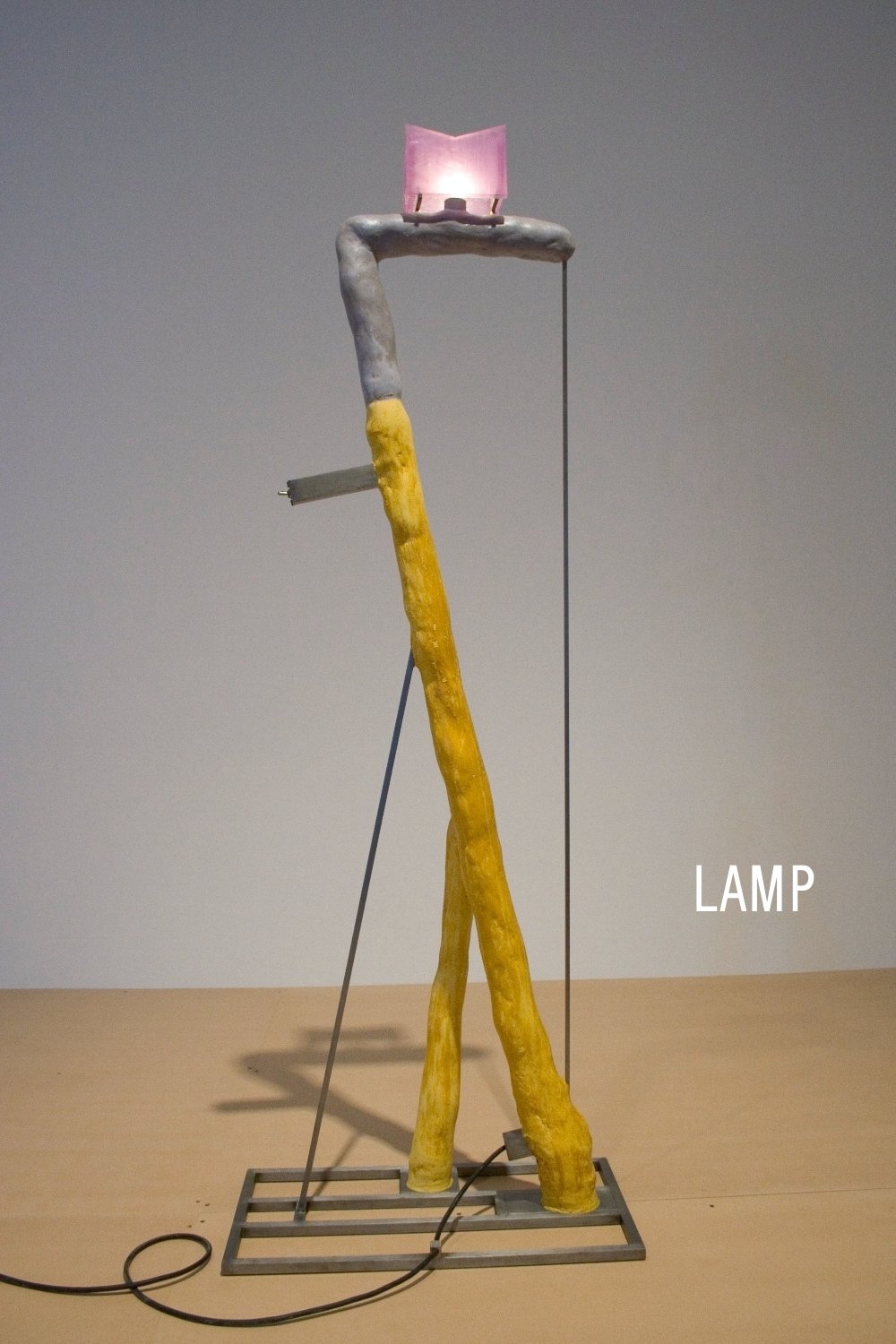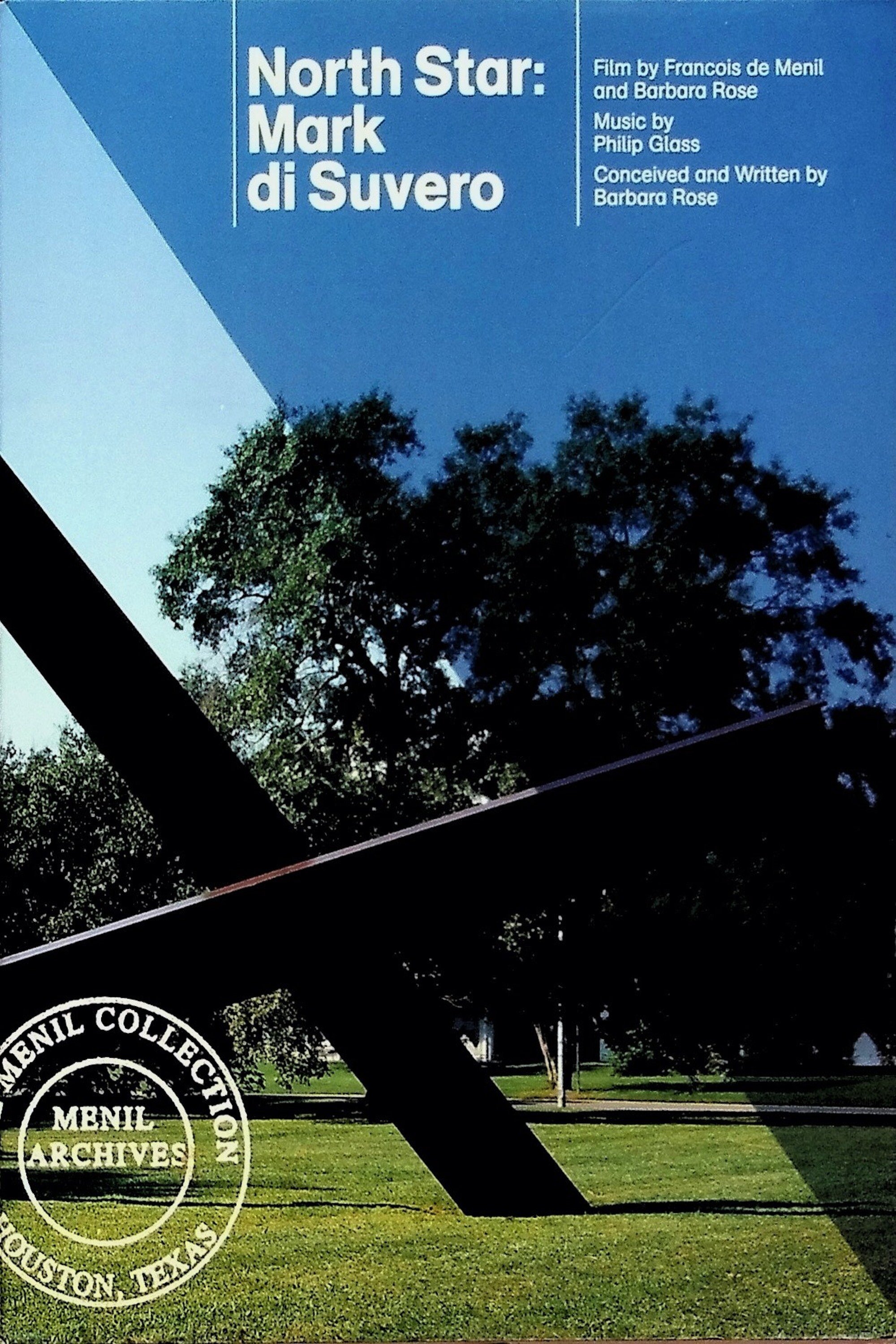
In a hidden workshop, surrounded by water and vegetation, a group of craftspeople live together with the statues they restore, silent spectators of a discreet battle against the inclemency of time and oblivion.
Social & External
Filmmakers Laura Mulvey and Mark Lewis use rare archival footage and interviews with artists, art historians, and museum directors to examine the fate of Soviet-era monuments during successive political regimes, from the Russian Revolution through the collapse of communism. Mulvey and Lewis highlight both the social relevance of these relics and the cyclical nature of history. Broadcast on Channel Four as part of the 'Global Image' series (1992-1994).
The Kabul National Museum, once known as the "face of Afghanistan," was destroyed in 1993. We filmed the most important cultural treasures of the still-intact museum in 1988: ancient Greco-Roman art and antiquitied of Hellenistic civilization, as well as Buddhist sculpture that was said to have mythology--the art of Gandhara, Bamiyan, and Shotorak among them. After the fall of the Democratic Republic of Afghanistan in 1992, some seventy percent of the contents of the museum was destroyed, stolen, or smuggled overseas to Japan and other countries. The movement to return these items is also touched upon. The footage in this video represents that only film documentation of the Kabul Museum ever made.
Meet Brian Boland—the beloved, eccentric hot air balloonist and artist from the rural Upper Valley of Vermont.
“The artist, in his movement towards the ideal, upsets the stability of any one society. Society aspires to achieve stability; the artist aims for infinity. That is the artist’s responsibility and the spiritual sacrifice demanded of him.” Rui Chafes, O Perfume das Buganvílias, 2012 (19).
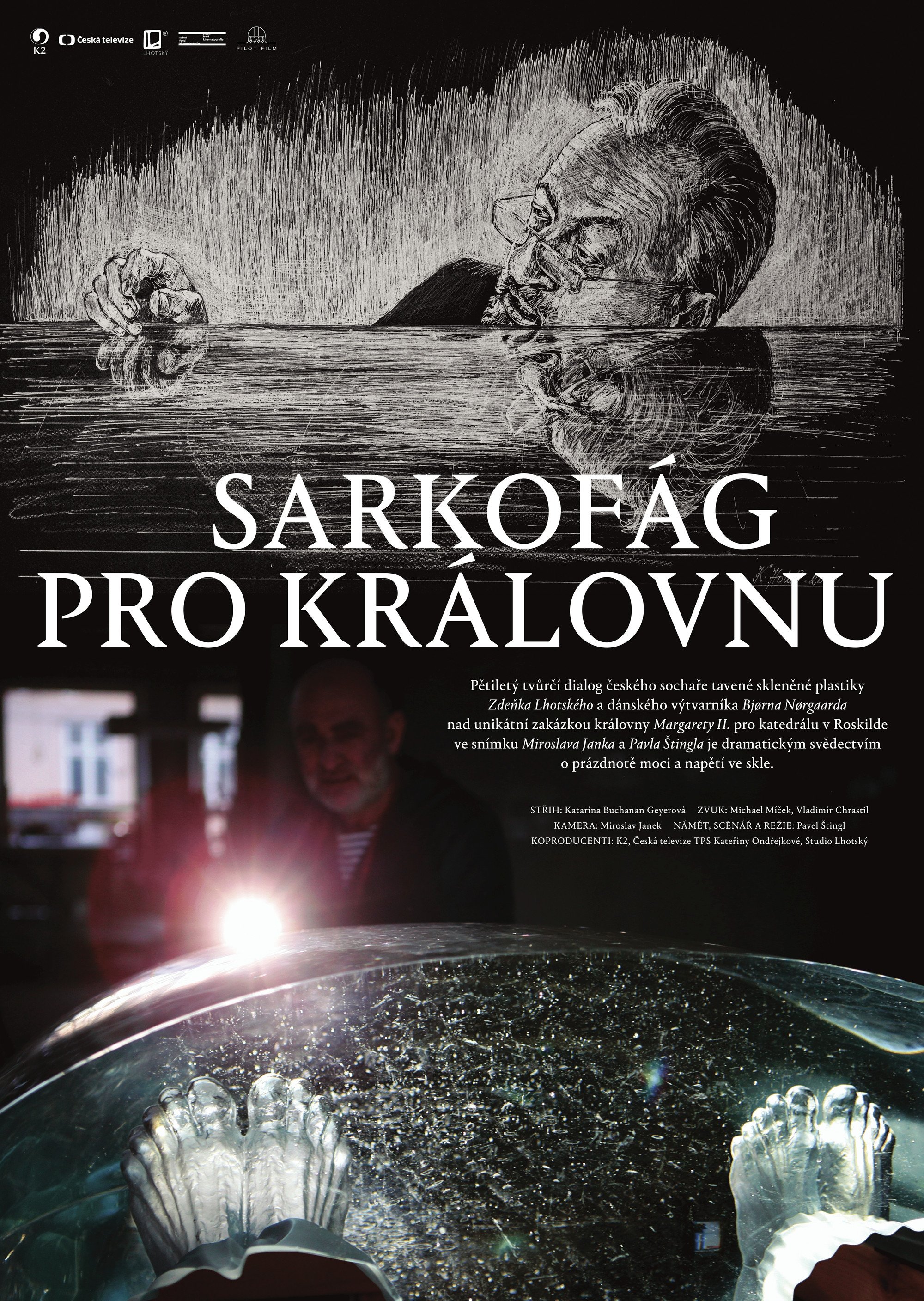
Bjørn Nørgaard and a team of Czech glass artists in the demanding process of creating a grave monument for Queen Margrethe and Prince Henrik of Denmark.
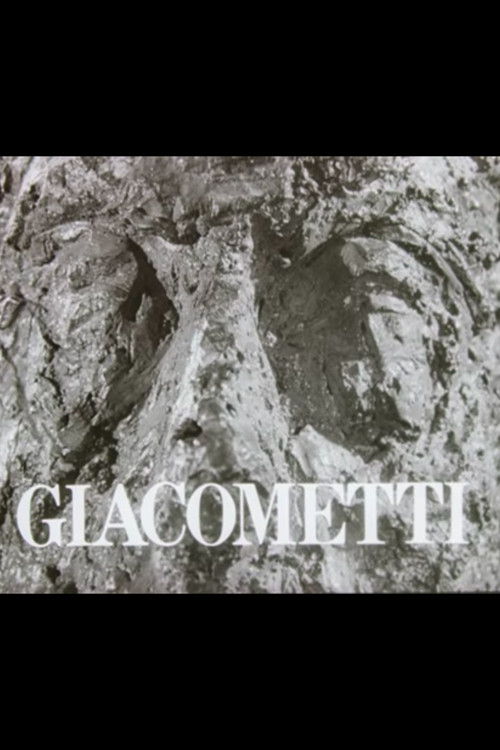
The Arts Council commissioned this film to coincide with their major retrospective of Giacometti's work at the Tate Gallery (now Tate Britain) in the summer of 1965. A similar exhibition was held concurrently at the Museum of Modern Art in New York, sealing the artist's reputation as a modern master.
Video art of sculpture is the real life story of Rumi (Mevlana) and Shams Tabrizi. Rumi and Shams are well known international poets of Persian language. One day, Rumi invites Shams Tabrizi to his house, Shams throws the book into the pool of water and Rumi is worried and Shams returns the book to Rumi without any trace of water. The lost half of the sculpture in the film is a representation of the same concept. "Sculpture" has won more than 69 International Awards, third place (semi-final) in called Flickers' Rhode Island International Film Festival (Academy Award ® Qualifying, BAFTA Qualifying, Canadian Screen Award Qualifying) , Winner of the 2025 Jury Award for Best Short Documentary – Toronto International Nollywood Film Festival (TINFF) – A Canadian Screen Award-Qualifying Festival , Crown Point International Film Festival(Chicago),(US),Gold Star Movie Awards (US),One-Reeler Short Film Competition (US),Accolade Competition (US), and many other events.
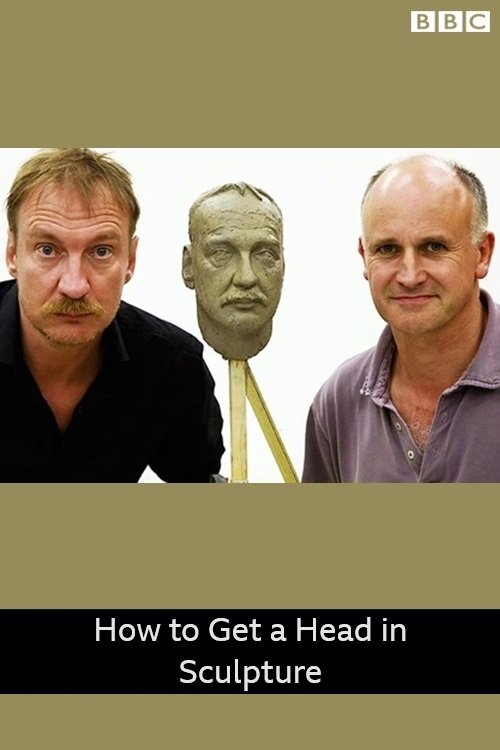
From the heads of Roman Emperors to the 'blood head' of contemporary British artist Marc Quinn, the greatest figures in world sculpture have continually turned to the head to re-evaluate what it means to be human and to reformulate how closely sculpture can capture it. Witty, eclectic and insightful, this film is a journey through the most enduring subject for world sculpture, one that carves a path through politics and religion, the ancient and the modern. Actor David Thewlis has his head sculpted by three different sculptors, while the Archbishop of Canterbury Dr Rowan Williams, artist Maggi Hambling and art critic Rachel Johnston discuss art's most enduring preoccupation, ourselves.
The late French American artist Niki de Saint Phalle is remembered today for her Nanas, a highly spirited force of colorful female sculptures. These figures, as with all of Niki’s works, possess an unbridled creativity that hums with the very energy of life. Through unpublished stills and recent footage shot in Europe, America, and Japan, this documentary recalls the life and legacy of the multidisciplinary artist, whose portraits and artworks japanese director Michiko Matsumoto photographed from 1981. It introduces in intimate detail such masterworks as the Tarot Garden in Tuscany, Italy, a vast collection of large-scale works more than 20 years in the making.
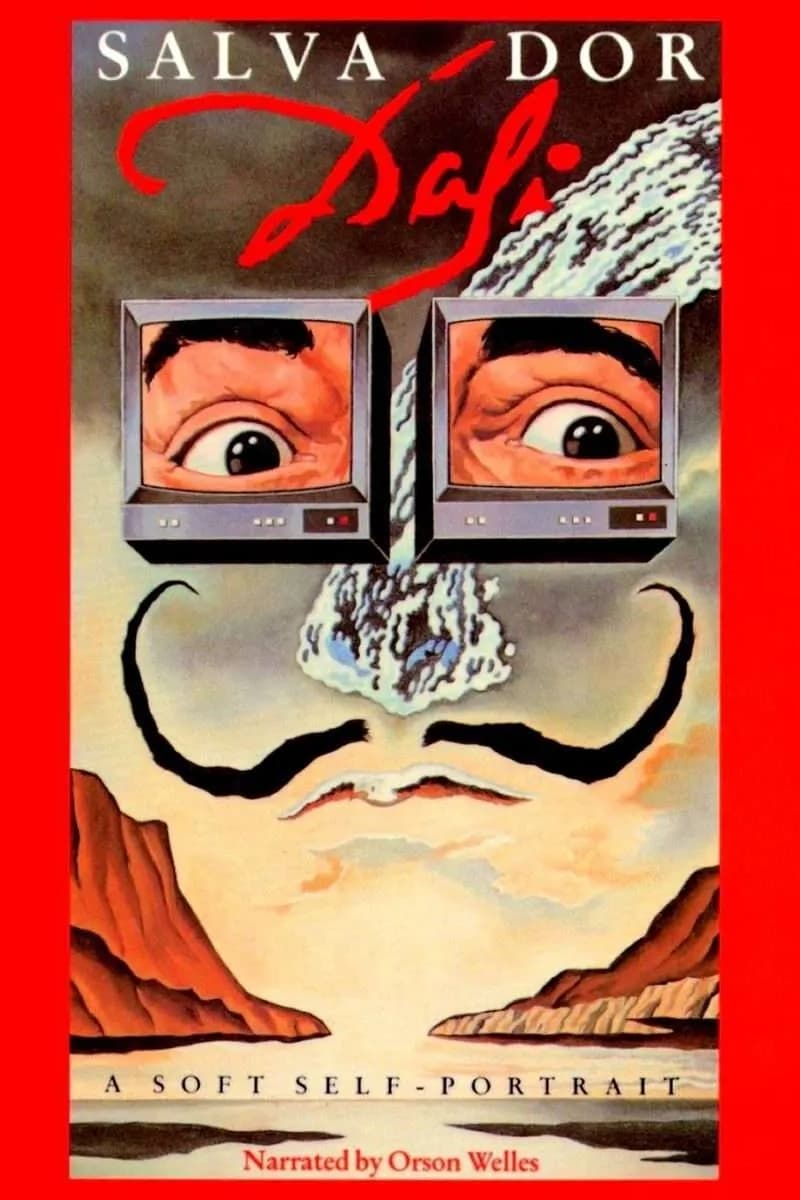
A documentary about surrealist artist Salvador Dali, narrated by Orson Welles.
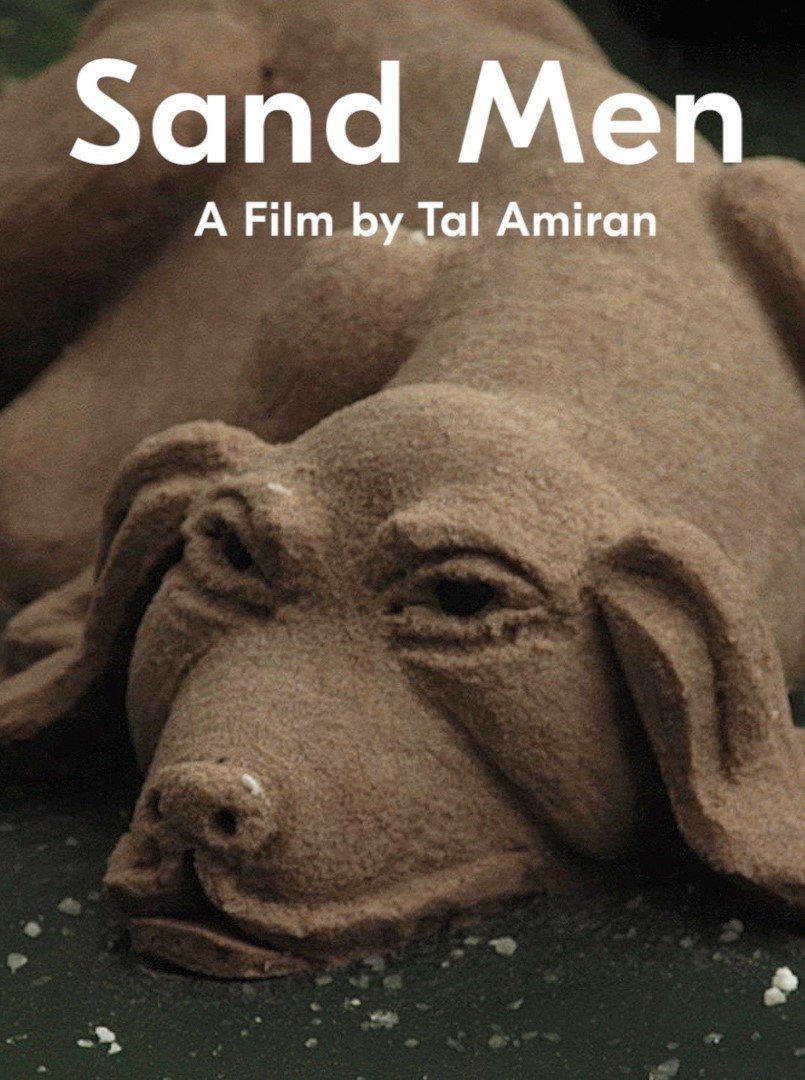
Gavin built a giant volcano sculpture that's now in his dad's shed. Gavin seeks his dad's understanding but he's uninterested in modern art and refuses to participate in the documentary.
A fascinating journey through the life of Israeli artist Dani Karavan, an irreverent and charismatic creator, recognized worldwide for radically transforming public space with his monumental environmental installations.
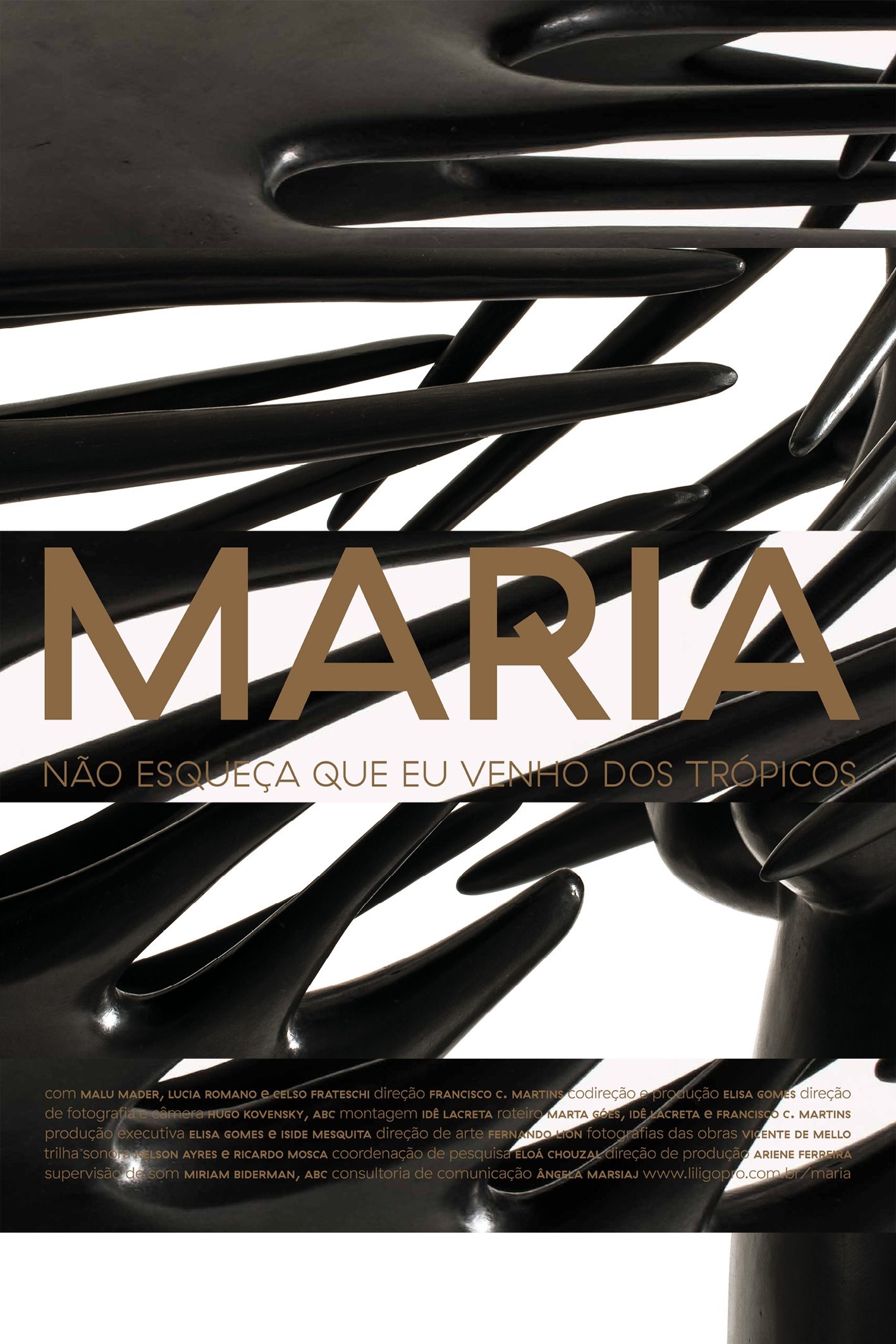
An examination of the relationship between the life and art of Maria Martins, now recognized as one of the greatest Brazilian sculptors, in addition to her engravings and texts. The film reveals the greatness of her work and her boldness when dealing directly with the feminine perspective of sexuality, a transgression that led to attacks by Brazilian critics. In parallel, her life as the wife of an important diplomat and her connection to Marcel Duchamp, in a relationship of mutual collaboration between the two artists.
In 1971, Jean-Daniel Pollet & Guy Seligmann directed for French TV a documentary about French artist César Baldaccini. It was part of L'invité du dimanche show.
An essay style film in the vein of Orson Welles' "F For Fake" and Jon Jost's "Speaking Directly". From 2011 to 2013, filmmaker Kristian Day randomly documented the art and actions of the award winning metal sculptor, James Bearden. Refusing to make another artist documentary, Day insisted on illustrating Bearden's creative process through surreal and id oriented story telling.
The Masters of Modern Sculpture series concludes with a look at post- World War II America, where sculpture became a deeply innovative art form. Using the objects at their disposal and the inspiration surrounding them, artists such as George Rickey, Claes Oldenburg, and Louise Nevelson cast sculptor in a new light. The New World observes the sculptors creatively utilizing wood, metals, and junkyard finds, bringing forth lively and shocking work. America's remote spaces, discarded objects and abundant materials enabled them to add to the concepts of European modernism in daringly unique ways.
The life and career of an actor, artist, and icon. His own journey through his own camera.
A documentary about ten very different lives connected by having appeared onscreen wearing masks or helmets in Star Wars.
An impressionistic portrait of the iconic actor Harry Dean Stanton comprised of intimate moments, film clips from some of his 250 films and his renditions of American folk songs.
In this genre-bending tale, Errol Morris explores the mysterious death of a U.S. scientist entangled in a secret Cold War program known as MK-Ultra.
A documentary shot by filmmakers all over the world that serves as a time capsule to show future generations what it was like to be alive on the 24th of July, 2010.
As a visually radical memoir, CAMERAPERSON draws on the remarkable footage that filmmaker Kirsten Johnson has shot and reframes it in ways that illuminate moments and situations that have personally affected her. What emerges is an elegant meditation on the relationship between truth and the camera frame, as Johnson transforms scenes that have been presented on Festival screens as one kind of truth into another kind of story—one about personal journey, craft, and direct human connection.
Al Pacino's deeply-felt rumination on Shakespeare's significance and relevance to the modern world through interviews and an in-depth analysis of "Richard III."
A visual montage portrait of our contemporary world dominated by globalized technology and violence.
Martin Scorsese, Robert De Niro, Joe Pesci, and Al Pacino in conversation about The Irishman.
Lyrical and powerfully personal essay film that reflects on the deaths of her husband Lou Reed, her mother, her beloved dog, and such diverse subjects as family memories, surveillance, and Buddhist teachings.
Live Aid was held on 13 July 1985, simultaneously in Wembley Stadium in London, England, and the John F. Kennedy Stadium in Philadelphia, United States. It was one of the largest scale satellite link-ups and television broadcasts of all time: watched live by an estimated global audience of 1.9 billion, across 150 nations. "It's twelve noon in London, seven AM in Philadelphia, and around the world it's time for Live Aid...!"
The life of Mr. Spock, as well as that of Leonard Nimoy, the actor who played him for almost fifty years, written and directed by his son: Adam.
Documentary filmmaker Frederick Wiseman takes us inside Northeast High School as a fly on the wall to observe the teachers and how they interact with the students.
Using the book 'Fragments', which collects Marilyn Monroe's poems, notes and letters, and with participation from the Arthur Miller and Truman Capote estates who have contributed more material, each of the actresses will embody the legend at various stages in her life.
A look at the origins, history and conspiracies behind the "Majestic 12", a clandestine group of military and corporate figureheads charged with reverse-engineering extraterrestrial technology.
The incomparable Bruce Springsteen performs his critically acclaimed latest album and muses on life, rock, and the American dream, in this intimate and personal concert film co-directed by Thom Zimny and Springsteen himself.
Over four decades, Motorhead frontman Lemmy Kilmister has registered an immeasurable impact on music history. Nearly 65, he remains the living embodiment of the rock and roll lifestyle, and this feature-length documentary tells his story, one of a hard-living rock icon who continues to enjoy the life of a man half his age.
This documentary focuses on the actors and their journey over two summers to create the remake to the original IT, by Stephen King. The documentary originally released as bonus material, bundled with IT: Chapter Two.
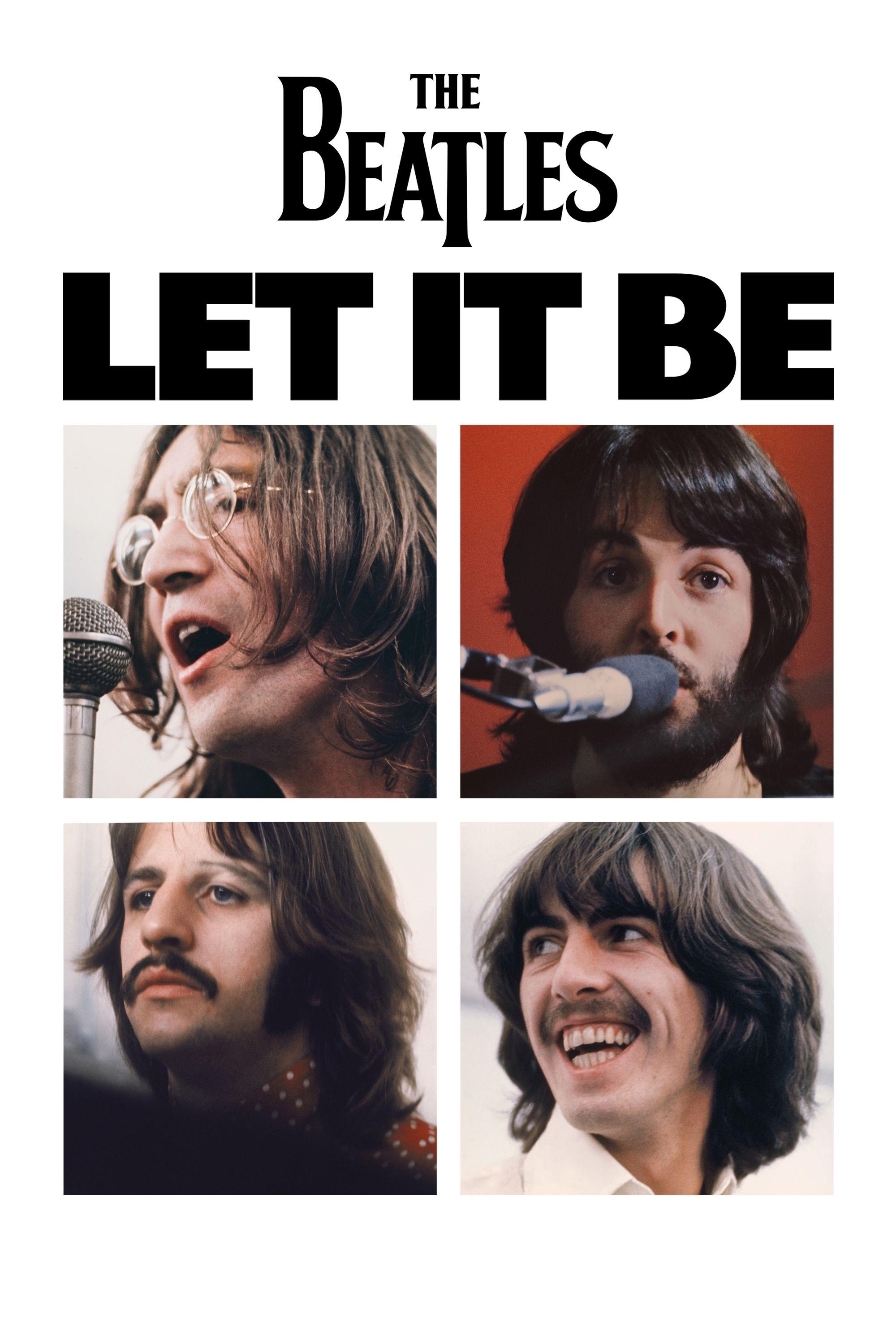
A documentary chronicling the Beatles' rehearsal sessions in January 1969 for their proposed "back to basics" album, "Get Back," later re-envisioned and released as "Let It Be."
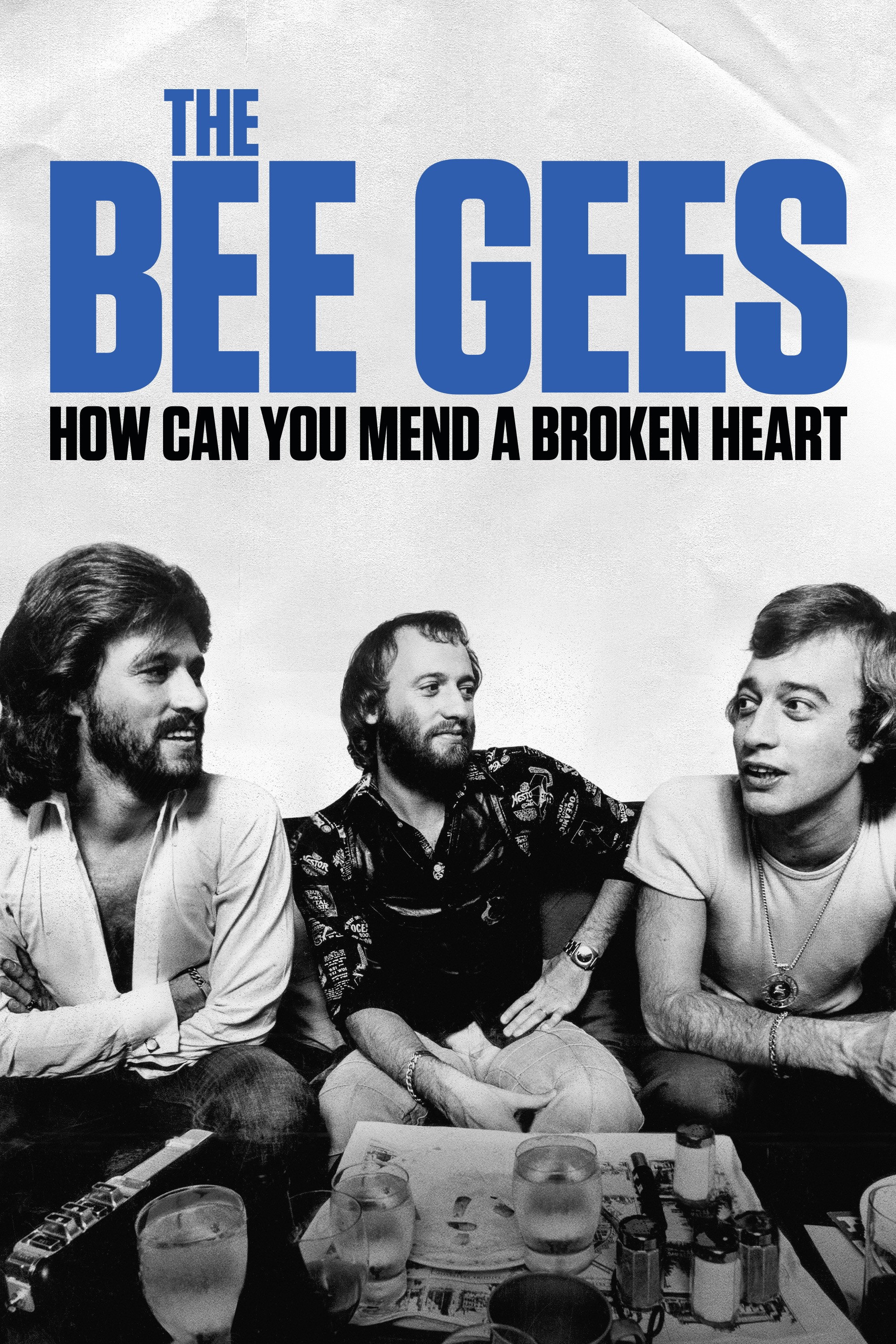
The story of the triumphs and hurdles of brothers Barry, Maurice, and Robin Gibb, otherwise known as the Bee Gees. The iconic trio, who found early fame in the 1960s, went on to write over 1,000 songs and have 20 No. 1 hits throughout their career, transcending more than five decades of changing tastes and styles.