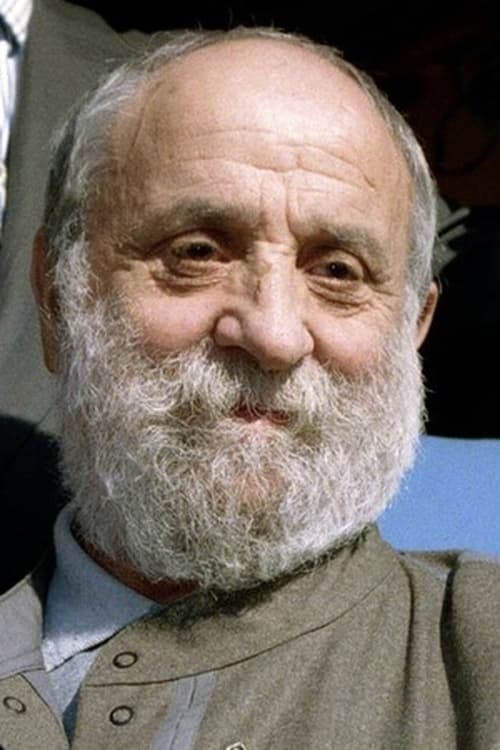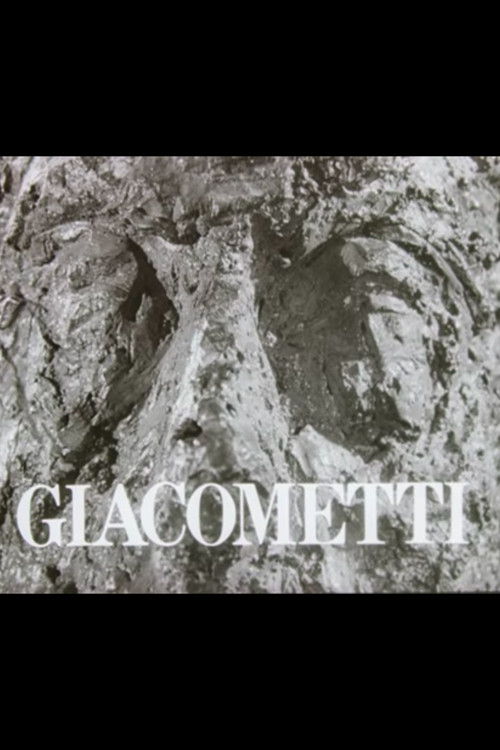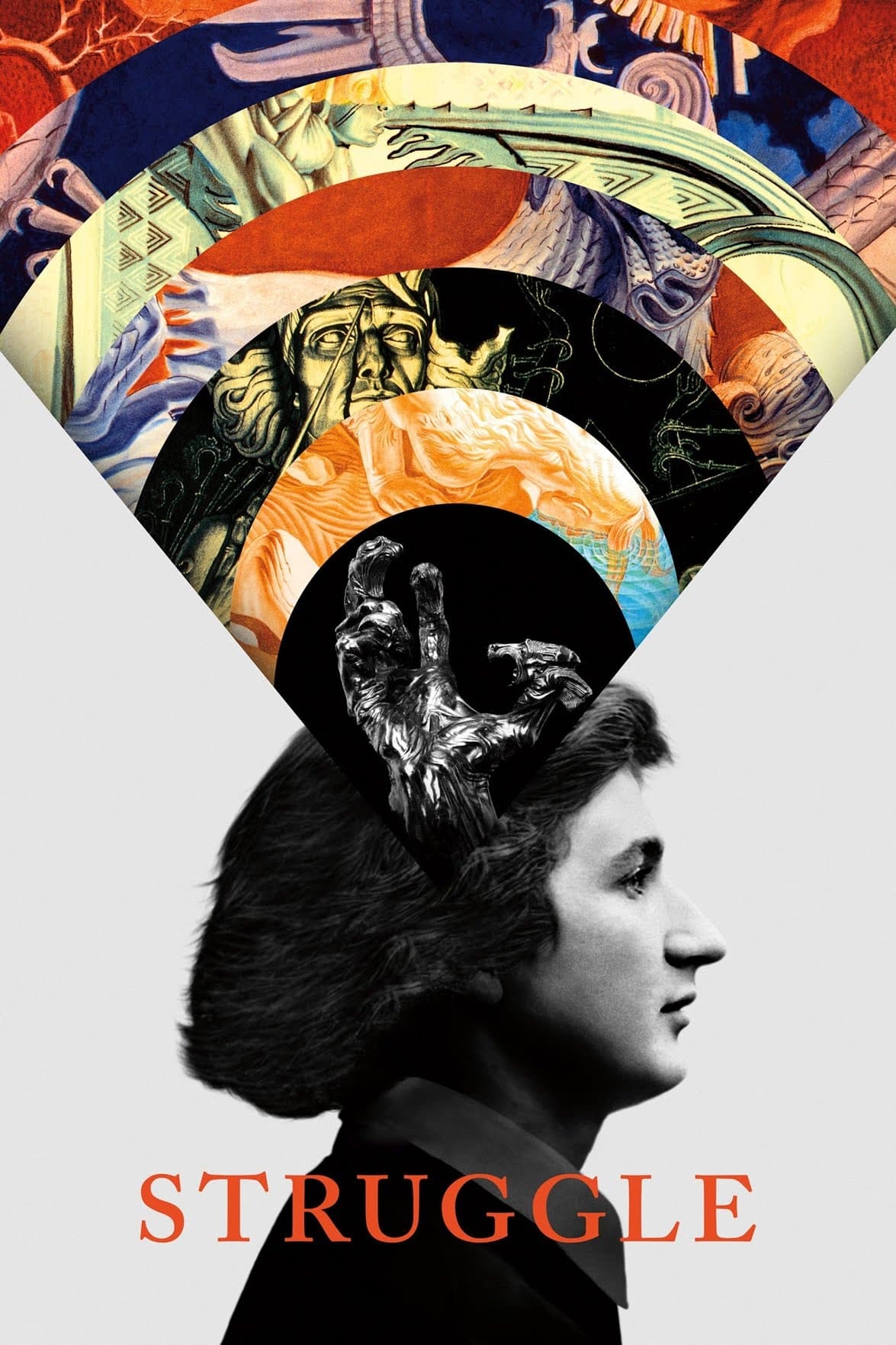
In 1971, Jean-Daniel Pollet & Guy Seligmann directed for French TV a documentary about French artist César Baldaccini. It was part of L'invité du dimanche show.
Social & External
Self

An examination of the relationship between the life and art of Maria Martins, now recognized as one of the greatest Brazilian sculptors, in addition to her engravings and texts. The film reveals the greatness of her work and her boldness when dealing directly with the feminine perspective of sexuality, a transgression that led to attacks by Brazilian critics. In parallel, her life as the wife of an important diplomat and her connection to Marcel Duchamp, in a relationship of mutual collaboration between the two artists.
With his seemingly naïve, symbolic paintings, Joan Miró formed a new artistic language in the 20th century. Brought up in Barcelona, the painter, graphic artist and sculptor was drawn to Paris and, under the influence of the surrealists, developed his unique style and poetic imagery that unite Catalan folk art and fantastic elements. Robin Lough followed the 85-year-old Miró to theatre rehearsals and went to see him in his studio on Majorca. There he met with an amazingly creative and disciplined artist, whose visionary pictures paved the way for abstract expressionism.
This intimate documentary follows the journey of Bronwyn Oliver, a working-class girl from the country who became one of Australia's most influential contemporary sculptors.
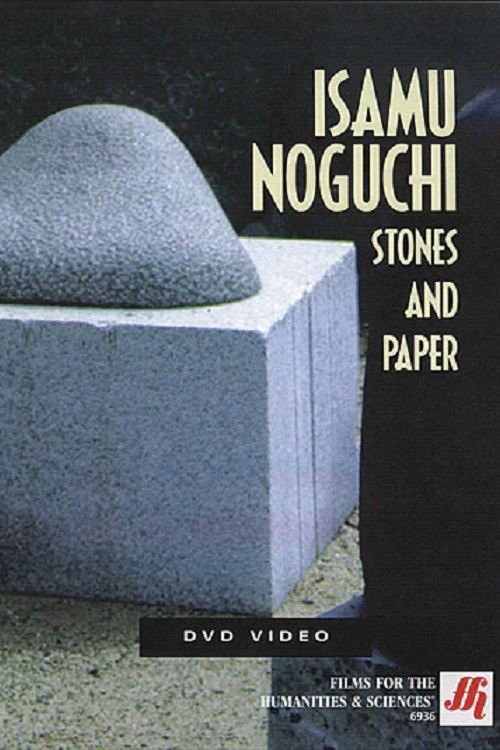
Isamu Noguchi was a sculptor, designer, architect, and craftsman. Throughout his life he struggled to see, alter, and recreate his natural surroundings. His gardens and fountains were transformations meant to bring out the beauty their locations had always possessed.
56-year-old artist Mindy Alper has suffered severe depression and anxiety for most of her life. For a time she even lost the power of speech, and it was during this period that her drawings became extraordinarily articulate.
Two screens of film about - and sometimes shot by - Claes Oldenburg, detailing his inspiration, his methods and his relationship with his partner Hannah Wilke.
In decades past, Native American artists who wanted to sell to mainstream collectors had little choice but to create predictable, Hollywood-style western scenes. Then came a generation of painters and sculptors led by Allan Houser (or Haozous), a Chiricahua Apache artist with no interest in stereotyped imagery and a belief that his own rich heritage was compatible with modernist ideas and techniques. Narrated by actor Val Kilmer and originally commissioned as part of an exhibit of Houser’s work at the Oklahoma History Center, this program depicts the artist’s tribal ancestry, his rise to regional and national acclaim, and the continuing success of his sons as they expand upon and depart from their father’s achievements. Key works are documented, as is Houser’s tenure at the Santa Fe–based Institute of American Indian Arts.
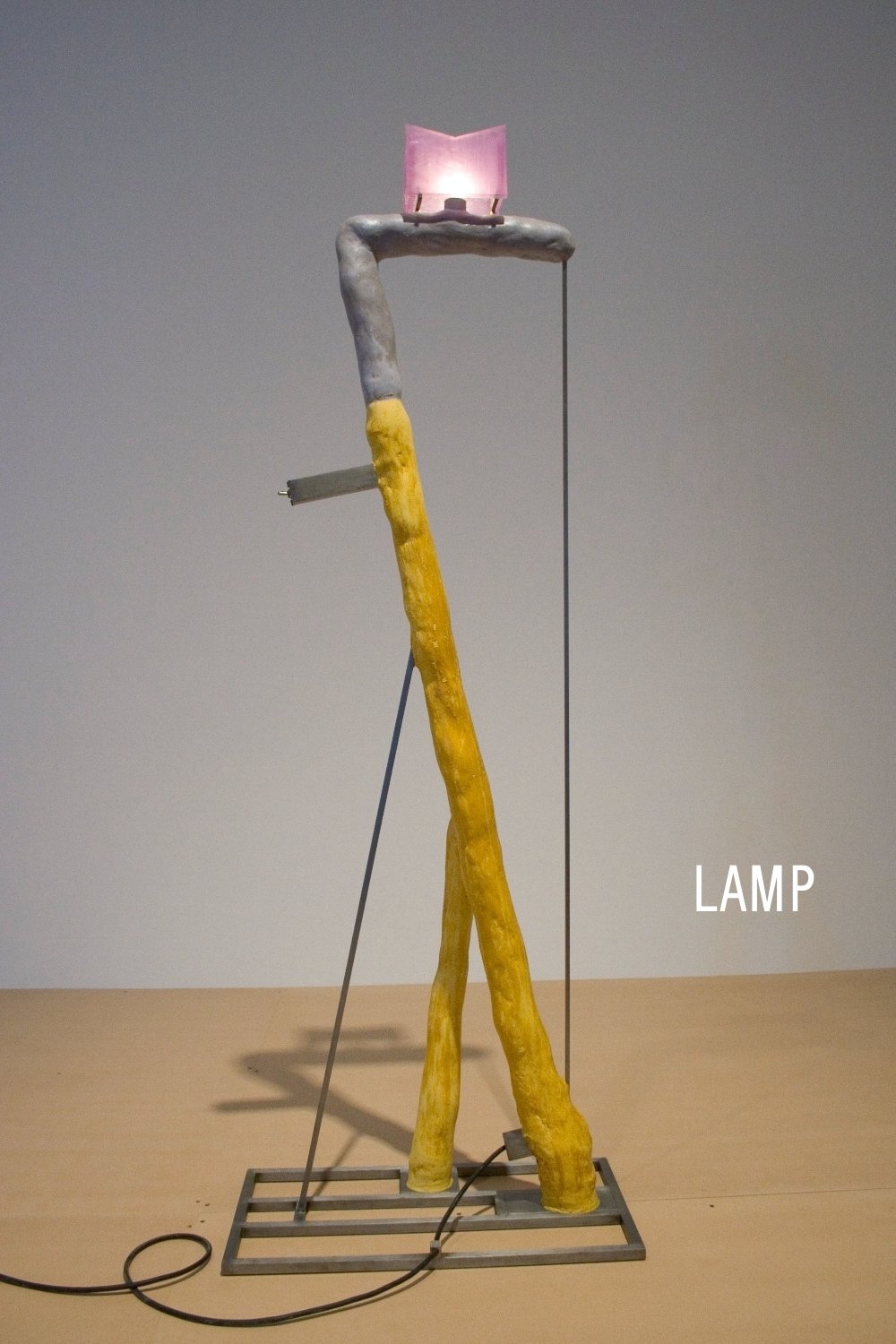
Short documentary of David Lynch building a lamp.
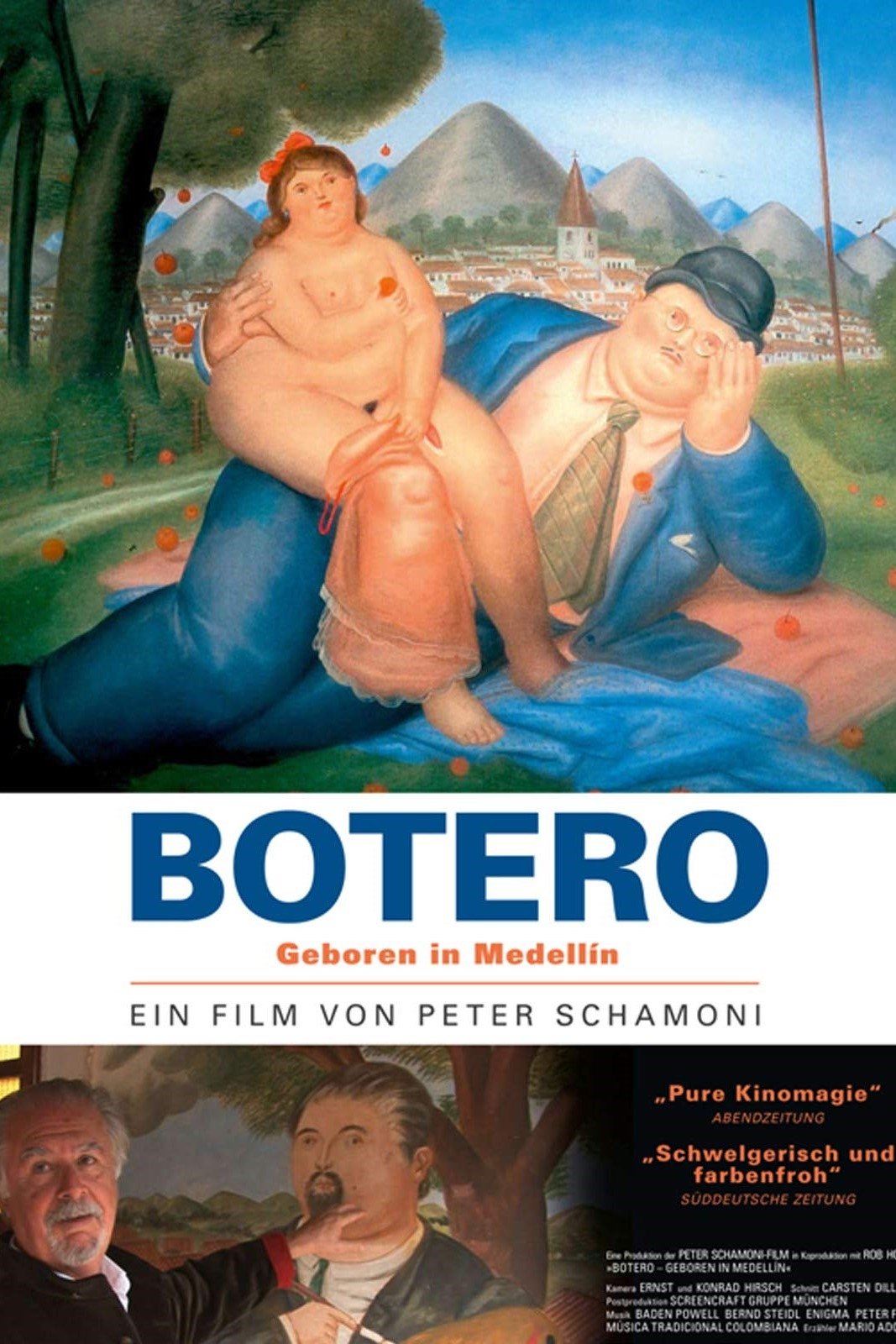
To mark the artist Fernando Botero's 75th birthday, Peter Schamoni made a documentary film about his moving life. Fernando Botero is immediately recognizable by his colourful and exuberant works. Schamoni convinces us that, behind the cliché of the naïve, Fernando Botero is an artist who also devotes himself to serious and profound themes. Schamoni not only accompanies Botero to Tuscany, where he creates his sculptures, and to his Parisian painter's studio. The film also takes us on a journey to Colombia, where Schamoni lets the viewer take part in the world in which the artist lives and works, in the highs and lows of his life.
The odyssey of the Mayice designers, who had to face to bring an impossible-to-manufacture piece to the Rossana Orlandi gallery, in Milan, in time to be exhibited at the Salone.
During the 1980 exhibition of Burden's monumental kinetic sculpture The Big Wheel at Ronald Feldman Fine Arts, New York, Burden and Feldman were interviewed by art critic Willoughby Sharp. Burden articulates the process of creating The Big Wheel, a 6,000-pound, spinning cast-iron flywheel that is initially powered by a motorcycle, and discusses its relation to his earlier performance pieces and sculptural works. Addressing his motivations and the meaning of this potentially dangerous mechanical art object, Burden discusses such topics as the role of the artist in the industrial world, "personal insanity and mass insanity," and "man's propensity towards violence."
Rachel Whiteread’s cast of a Victorian terraced house in London’s East End was hailed as one of the greatest public sculptures by an English artist in the twentieth century. Completed in autumn of 1993 and demolished in January 1994, House attracted tens of thousands of visitors and generated impassioned debate, in the local streets, the national press and in the House of Commons.
Guido Magnone designs cardboard boxes by hand for his parents' small business. A painter friend loves his brushwork and pushes him to attend the Beaux Arts. He takes an external competition, wins it, befriends the sculptors César and Féraud, surrealists, a handful of bohemians. He then discovered the mountain and quickly became one of the best climbers of his generation. He made prestigious conquests such as the west face of the Drus in the Alps, the first ascents of Fitz Roy in Patagonia with Lionel Terray or Makalu in the Himalayas... Magnone also participated in the creation of the UCPA and will be president of the Groupe de Haute Montagne from 1961 to 1965. From 1977, Guido returned to his first passion: sculpture, to devote himself fully to it around 1990. He began to exhibit again in 1996. In 2002, he exhibited his sculptures in Paris , Bourg-la-Reine, Aosta then in Etroubles in 2009.

A portrait of sculptor Barbara Hepworth revisiting the Yorkshire landscapes that inspired her and her home studio in St Ives, Cornwall.
A series of filmed interviews with Rebecca Horn, performance artist, filmmaker and sculptress whose work explores the themes of sexuality, human vulnerability and emotional fragility.
Enter the imaginative world of acclaimed sculptor Rolanda Polonsky, who had been a resident of Netherne Psychiatric Hospital in Coulsdon, Surrey for 26 years when this film was made. One of the positive aspects of her illness, described in the film as a schizophrenia, is that it "tapped a deep source of mystical vision and human feeling" which finds expression in her work.
Charlie Brouwer, a Virginia sculpture artist, shares his experience of becoming legally blind later in his career. Unexpectedly, he finds acceptance through an unlikely muse.
The first chapter in our Masters of Modern Sculpture series looks at groundbreaking work from the brilliant minds that reshaped sculptural art and inspired generations to come. Narrated by George Segal, The Pioneers explores famed pieces from sculptors such as Rodin, Maillol and Picasso.
Centered around the emergence of Constructivism, Futurism, Surrealism and Dada, Beyond Cubism takes a closer look at the artists who ignited the new movements and the alterations of artistic culture brought forth by World War II. Creating out of their philosophy and ideology, artists such as Vladimir Tatlin, Barbara Hepworth and Henry Moore pushed sculpture to new limits of abstraction and possibility, feverently building on their predecessors.