Documentary about the staging of 'Waiting for Godot' in prison.
Social & External
The people behind it
Bill Irwin
Himself
F. Murray Abraham
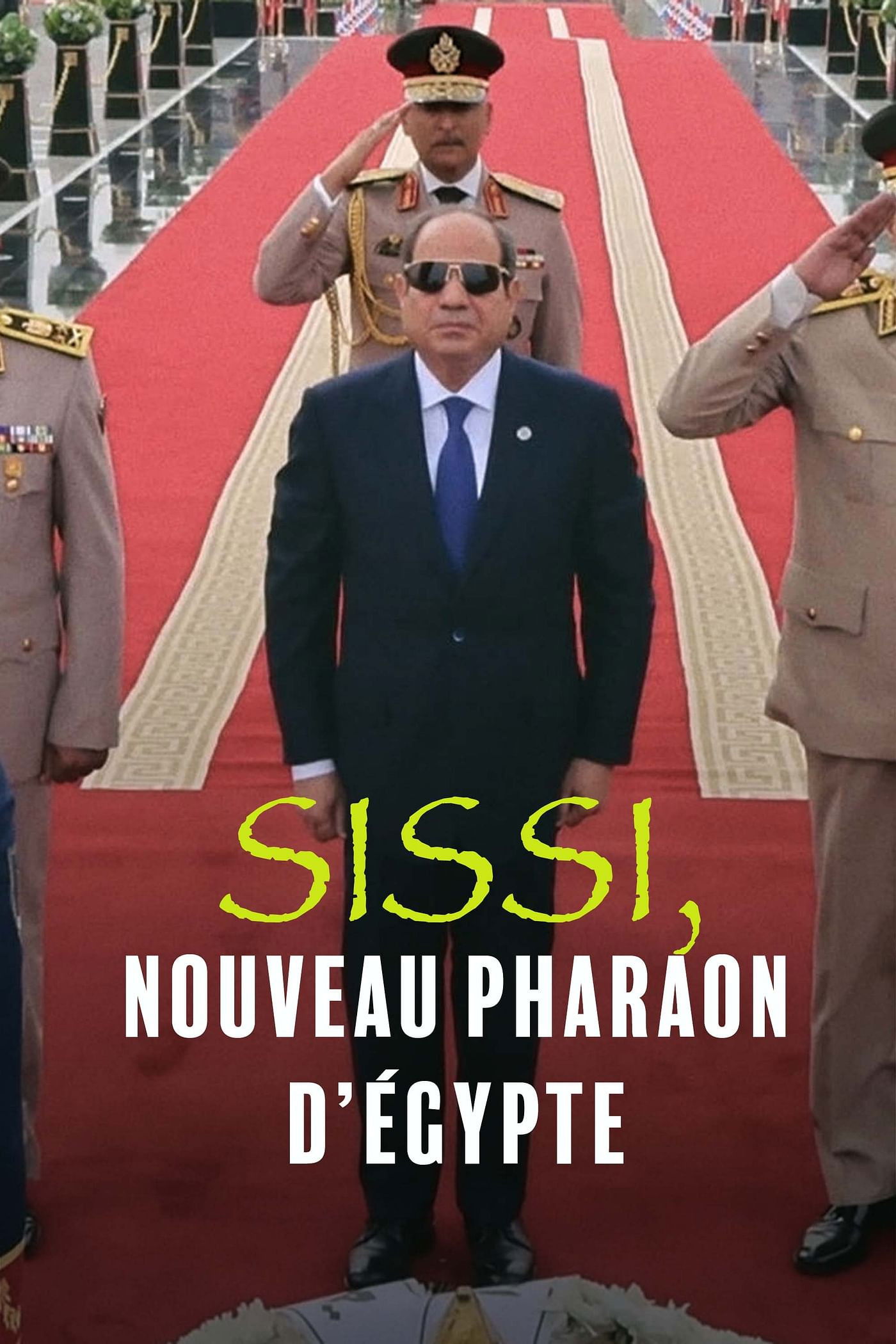
Egypt, nicknamed "the mother of the world" by its people, is unrecognizable. Gigantic construction sites have sprung up in the desert at an exponential rate, including roads, bridges, and megaprojects on the Mediterranean coast. This new Egypt is an illusion: in 10 years, the population has sunk into unprecedented poverty. The regime shows no mercy to the poor. Abdel Fattah el-Sisi, the new pharaoh, and his army have set up a pyramid-shaped financial system, built on subsidies from major international institutions—including the European Union—and foreign investment. The most populous nation in the Arab world finds itself on the brink of collapse.
A surreal look at the day-to-day life of American soldiers stationed in Guantanamo Bay, Cuba through the eyes of a traveling circus troupe cleared to perform there.
Investigating the infamous Abu Ghraib scandal, Errol Morris interviews American guards and Iraqi prisoners who were at the military jail before images of prisoner torture emerged in 2004. One female guard, who posed alongside fallen Iraqis in notorious images, tells Morris that her crimes were inspired by her love for another soldier, and another explains why she took photographs of her fellow troops. In the process, Morris suggests that the scandal resulted from systemic flaws in the military.
Botanical gardens in Bombay plus the highly decorative Jain Temple in Calcutta.
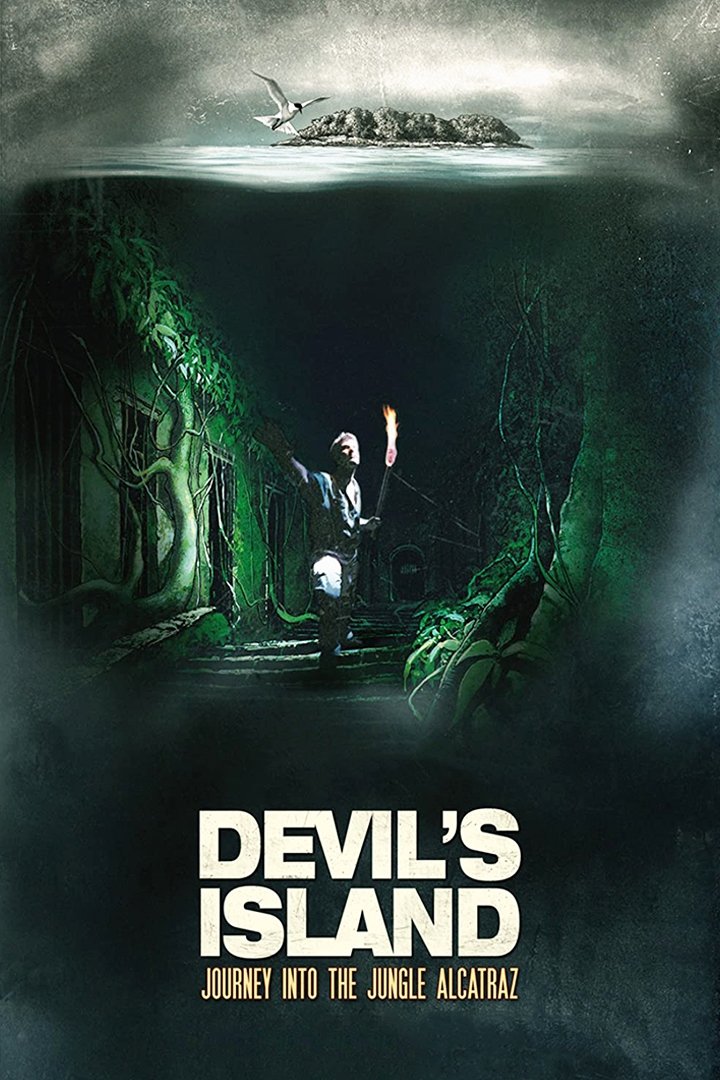
Imagine the prison of Alcatraz, only 10 times worse, built on tropical, hellish and deadly islands, lost to the rest of the world. Three tiny castaway islands rise away from the coast of French Guyana, in South America: The Devil's Islands. Now buried under an impenetrable jungle, lay the lost remains of what had been for a hundred years the most storied convict prison in history. There, while most of the prisoners faded into oblivion, a few became legends. Some because they were innocent, as in the scandalous Dreyfus Affair, some because they somehow escaped the islands of nightmare, as did the "butterfly", Henry Charrière, immortalized by Steve McQueen in Papillon. Now 50 years after the prison doors slammed shut for the last time, we explore what's left of the Devil's Islands' unbelievably dark and oppressive realm.
When two incarcerated artists secretly document a routine prison practice, they risk their lives to expose a state policy that blurs the line between safety and sexual abuse.
A shocking new 2 hour film by B.A. Brooks. This 2010 release is a follow up to "The Decline And Fall Of America" which was released in 2008. "The American Matrix - Age Of Deception" details news items that all people should be aware of such as the economic collapse of The United States and the formation of the a New World Order. See what has really been going on in America today.
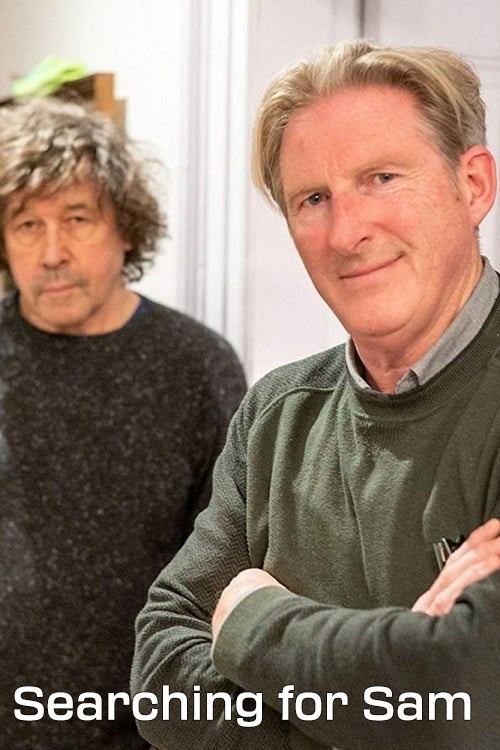
Samuel Beckett has fascinated Adrian Dunbar since he was a young student. Now, 30 years after Beckett's death in Paris, Dunbar explores what made the man who made Waiting for Godot.
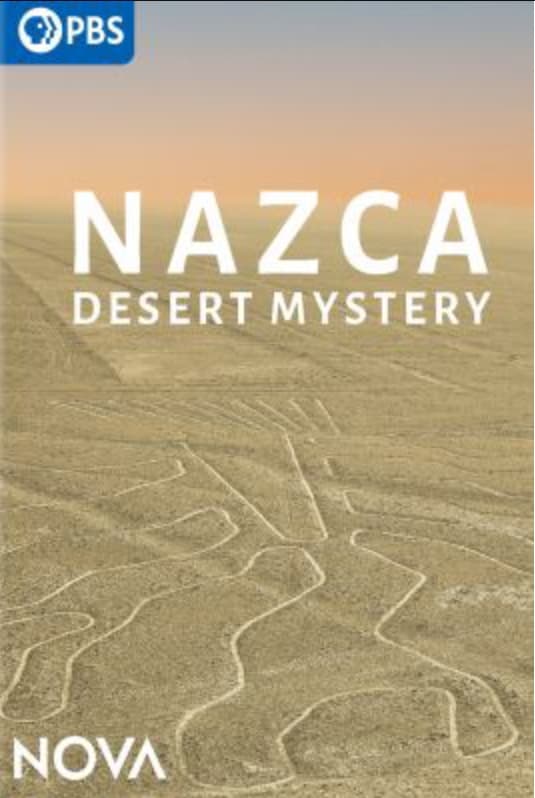
One of the world’s greatest ancient enigmas, the Nazca lines are a dense network of criss-crossing lines, geometric shapes, and animal figures etched across 200 square miles of Peruvian desert. Who created them and why? Ever since they were discovered in the 1920s, scholars and enthusiasts have raised countless theories about their purpose. Now, archaeologists have discovered hundreds of long-hidden lines and figures as well as evidence of ancient rituals, offering new clues to the origins and motivations behind the giant desert symbols.
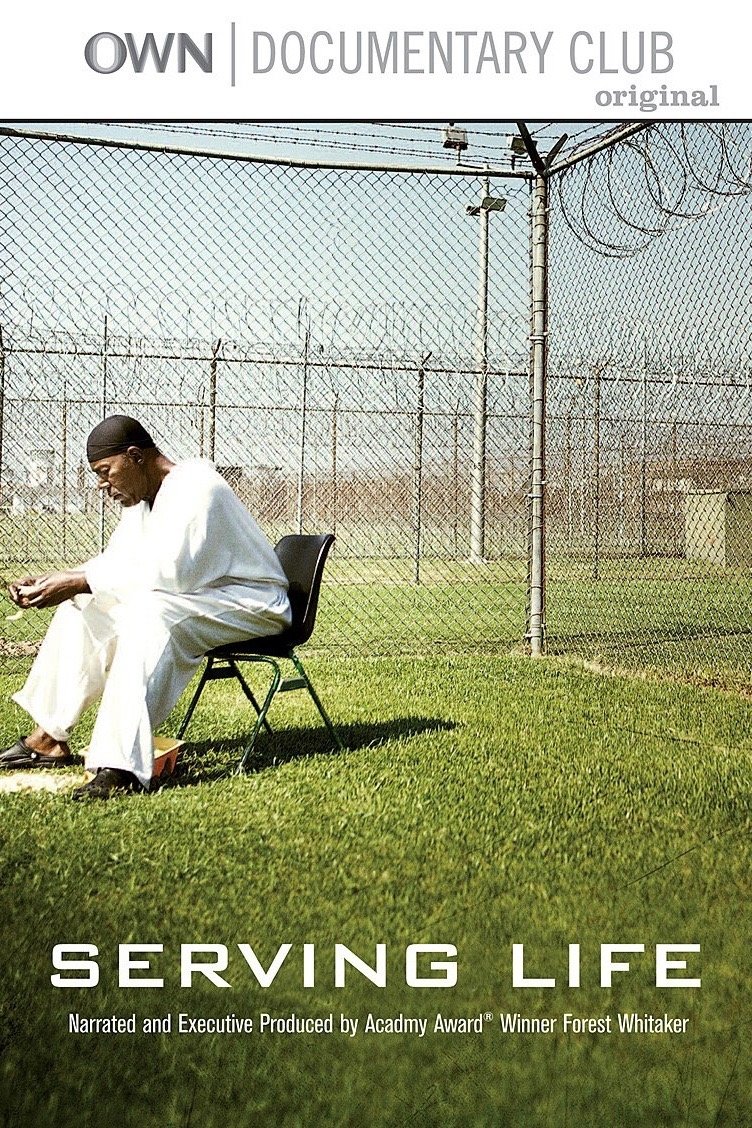
SERVING LIFE documents an extraordinary hospice program where hardened criminals care for dying fellow inmates. Narrated and executive produced by Academy Award®-winner Forest Whitaker, the film takes viewers inside Louisiana's maximum security prison at Angola, where the average sentence is more than 90 years.
A short documentary from 1975 about two women serving 25 years in a Missouri penitentiary. Made with an all-female crew.
A look inside one of the most brutal campaigns of state repression in modern history - told by those who endured it and those who enforced it.
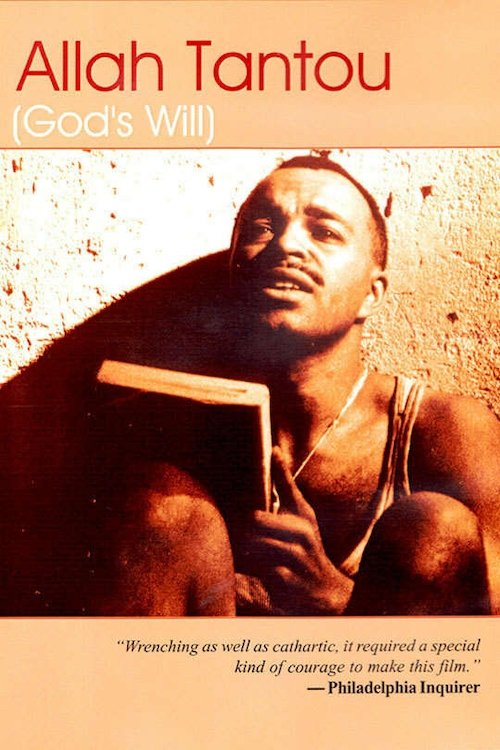
Filmmaker David Achkar searches for his father, Marof Achkar, who was sent to the notorious Camp Boiro prison in 1969 for treason.
Inmates, all serving life sentences at Pennsylvania's Graterford Prison, openly discuss their crimes, describe the harsh realities of prison life, and offer advice to young people to help them avoid making the same mistakes that have permanently cost them their freedom.
Last year, Marion (48) wrote a letter to God for New Year. She no longer wanted to be alone. May he send her a man who will protect and love her. A man with the blood of a knight. And then she found Rudi (48). The problem: he was in prison. After six visits and 59 letters from him, they both say: it's love. He is due to be released in a year and a half. Then he wants to move in with her in northern Germany. We follow the couple as they move from prison to freedom: when they visit him behind bars, when he goes out for the first time in open prison, when the problems begin. Does he have an alcohol and gambling problem or not? Will he be released early or will he give up everything? What is it like when love that began behind bars meets reality? What problems and limits will the two of them encounter? A long-term observation over a year and a half. Can love move mountains?
The final months of pregnancy and the first ones after the birth of a baby are unique experiences in a woman's life. And when this daily life is lived inside a prison?
Pierre Clémenti's Soleil presents a psychedelic meditation on his life and his detention in an Italian Prison in 1972.
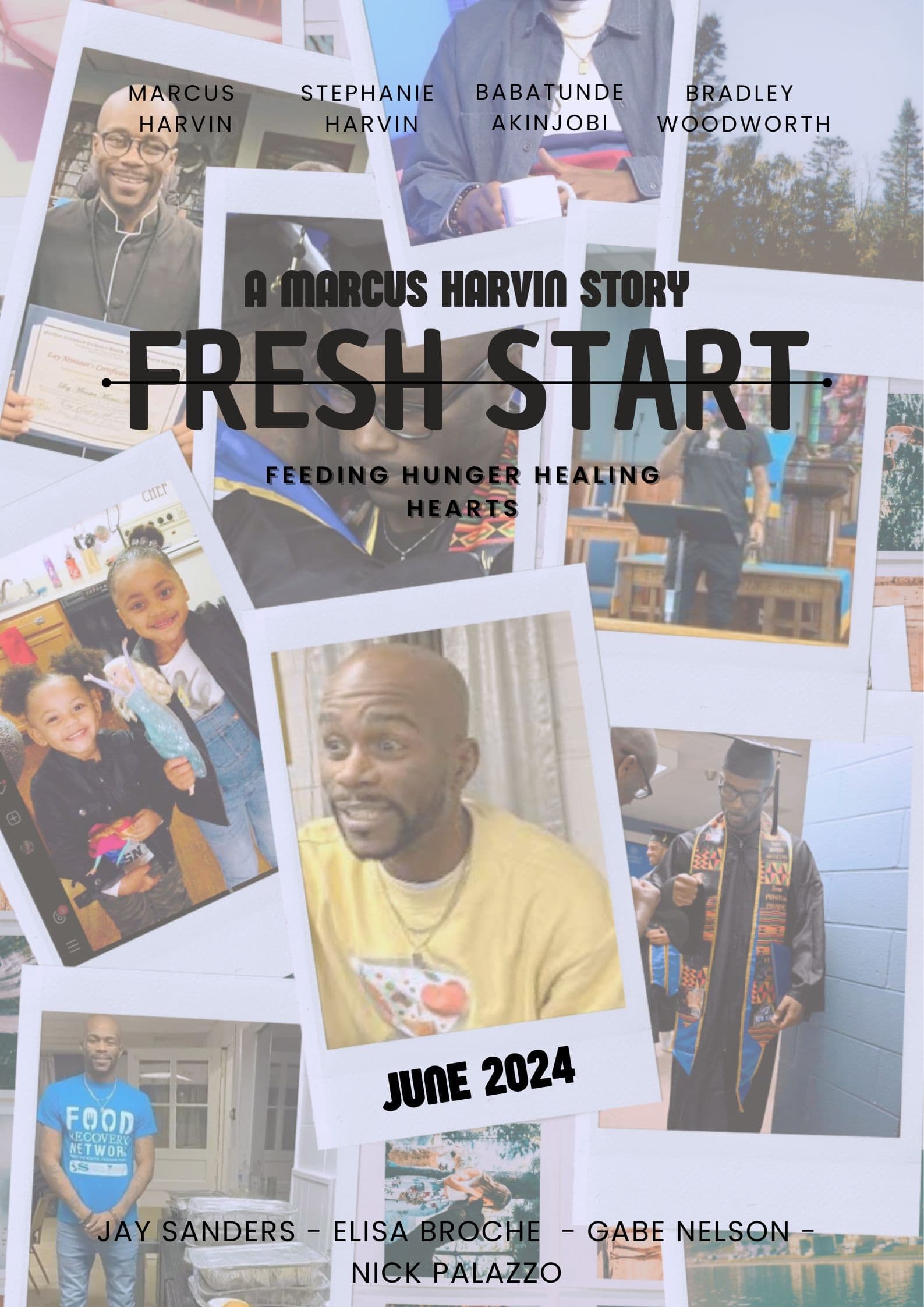
“Fresh Start: A Marcus Harvin Story” presents an intimate portrayal of Marcus Harvin’s journey as he transcends his past to make a profound impact on the lives of those around him. The documentary offers a rare glimpse into Marcus’s daily life, capturing his heartfelt mission to share not only food but also compassion through his innovative non-profit organization, Fresh Start. Through candid interviews with key figures in Marcus’s life, including Stephanie Harvin, Babatunde Akinjobi, and Bradley Woodworth, the film illuminates Marcus’s unwavering determination and the vital support system that has helped him achieve his dreams. Viewers are invited to follow Marcus for a day, witnessing his dream project in action—an extraordinary restaurant concept where the only payment required is one’s presence.
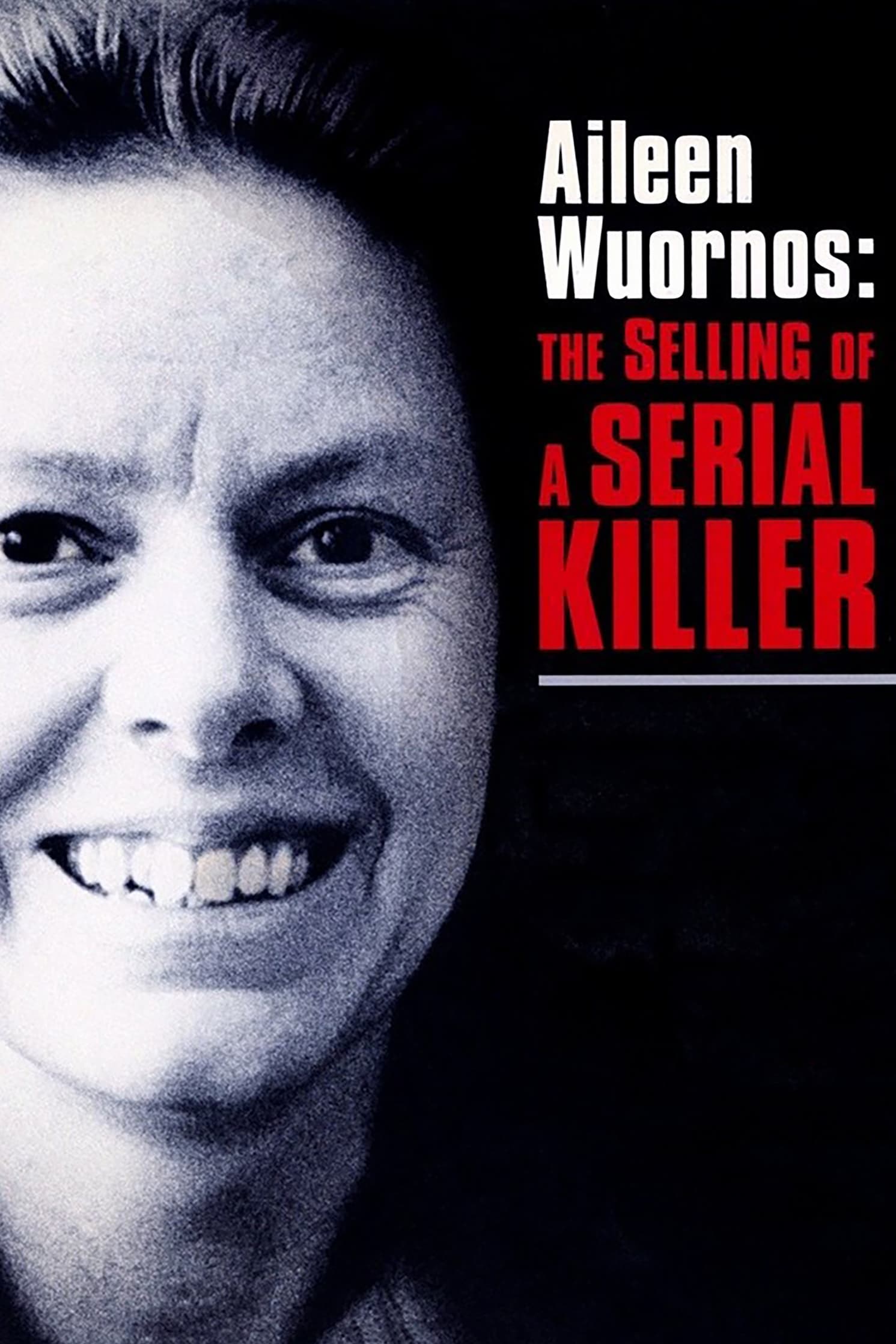
In this documentary, filmmaker Nick Broomfield follows the saga of Aileen Wuornos, a prostitute who has been accused of committing a brutal series of murders. Broomfield conducts interviews with Wuornos herself, and his crew films her trial as well as her interactions with religious fanatic Arlene Pralle, who gives Wuornos dubious advice and legally adopts her. The cameras also roll as the accused's attorney ignores the case at hand to negotiate a deal to sell his client's story.
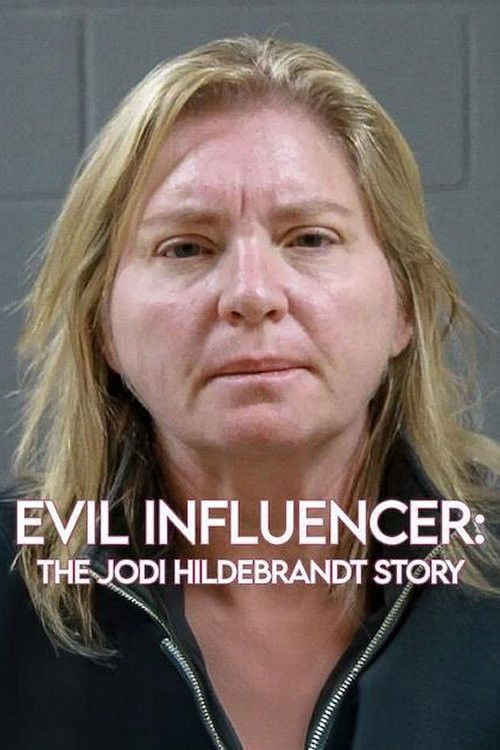
Unravel the case of Utah therapist Jodi Hildebrandt, whose child abuse arrest with parenting YouTuber Ruby Franke exposed a twisted tale of manipulation.
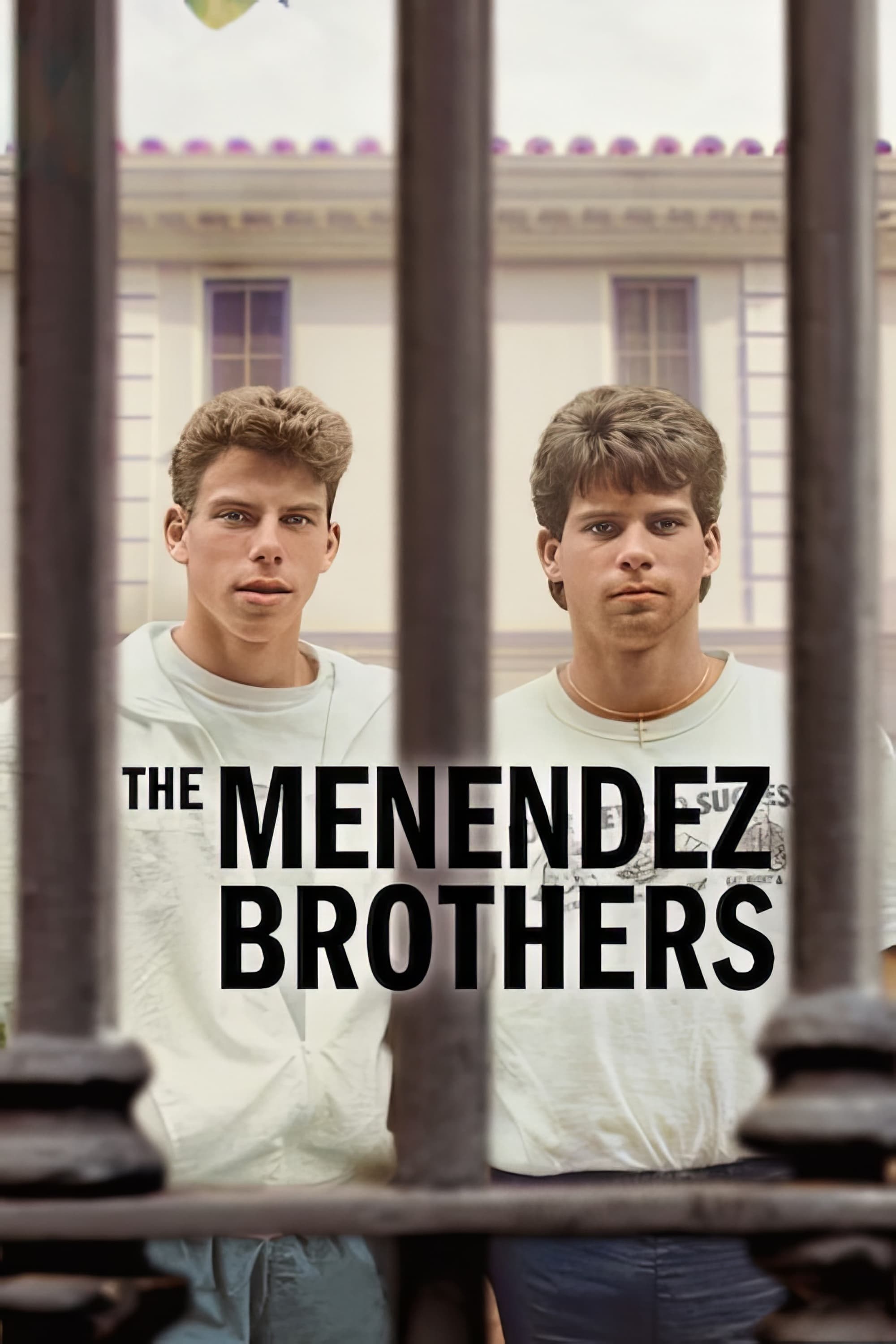
Serving life in prison for murdering their parents, Lyle and Erik Menendez speak out in this documentary explaining the shocking crime and ensuing trials.
A documentary about the making of season five of the acclaimed AMC series Breaking Bad.
Through deeply personal interviews with her siblings and an examination of the photographs, letters, and belongings left behind, Mariska assembles a new portrait of her mother Jayne Mansfield, an extraordinary and complex woman.
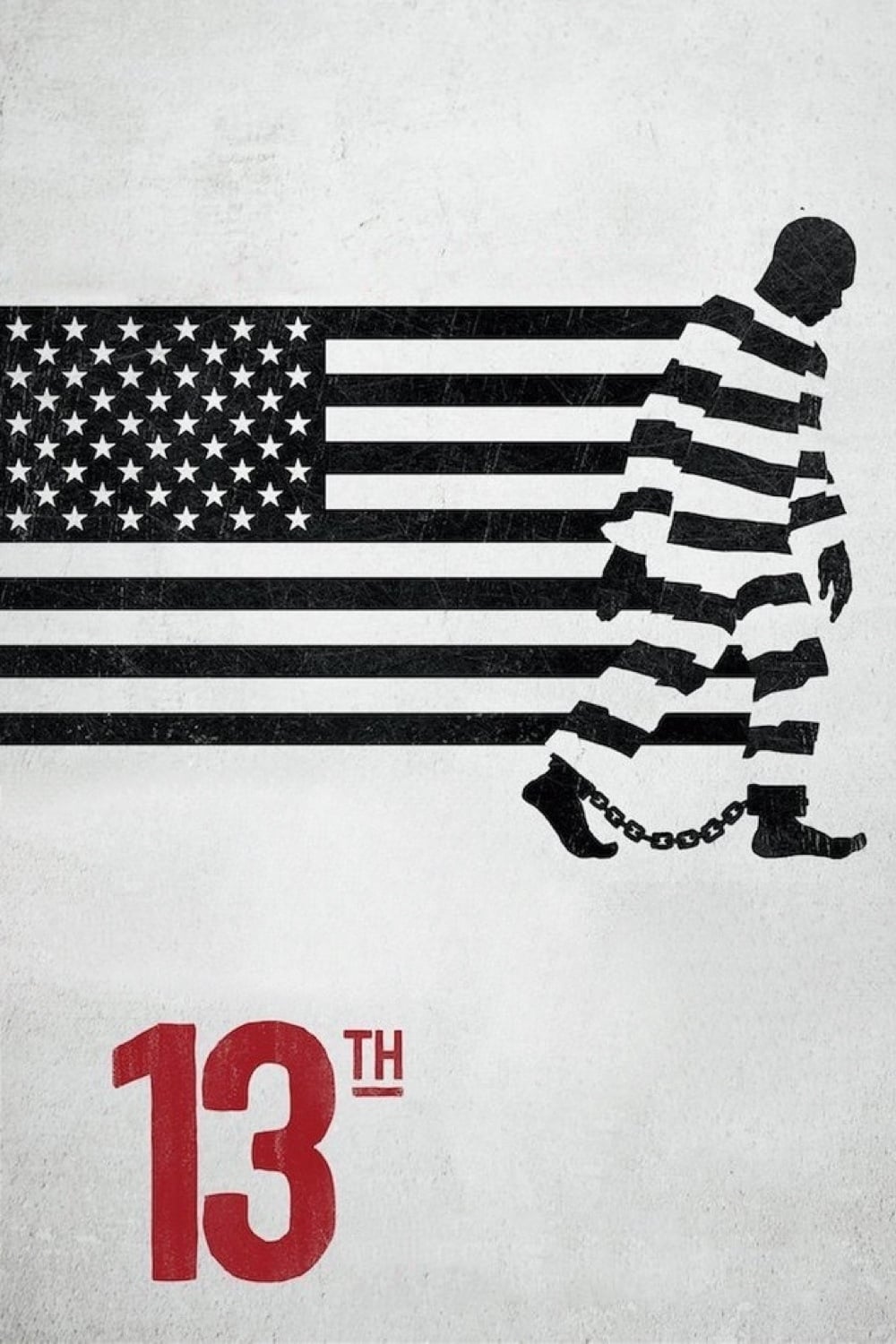
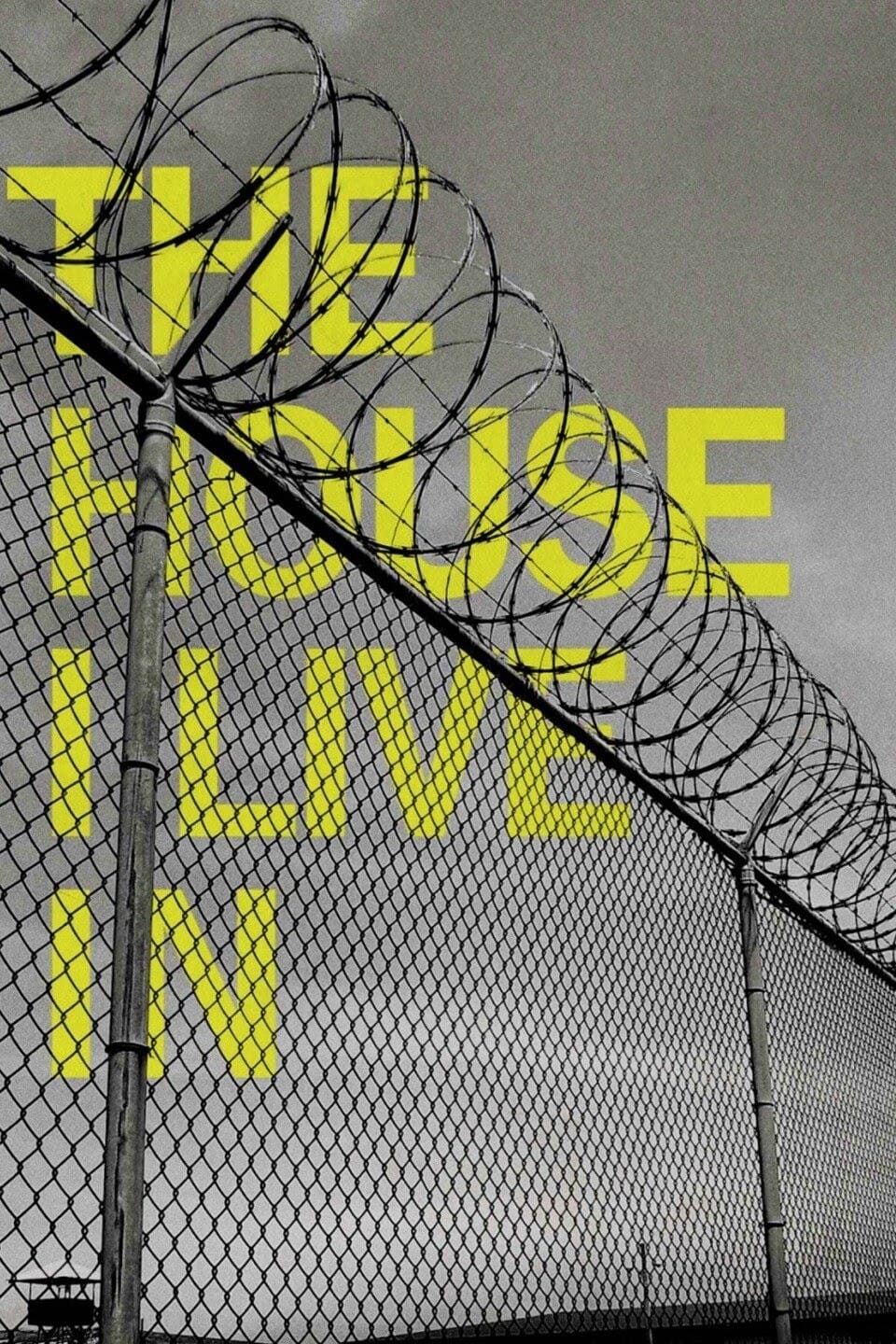
An in-depth look at the prison system in the United States and how it reveals the nation's history of racial inequality.
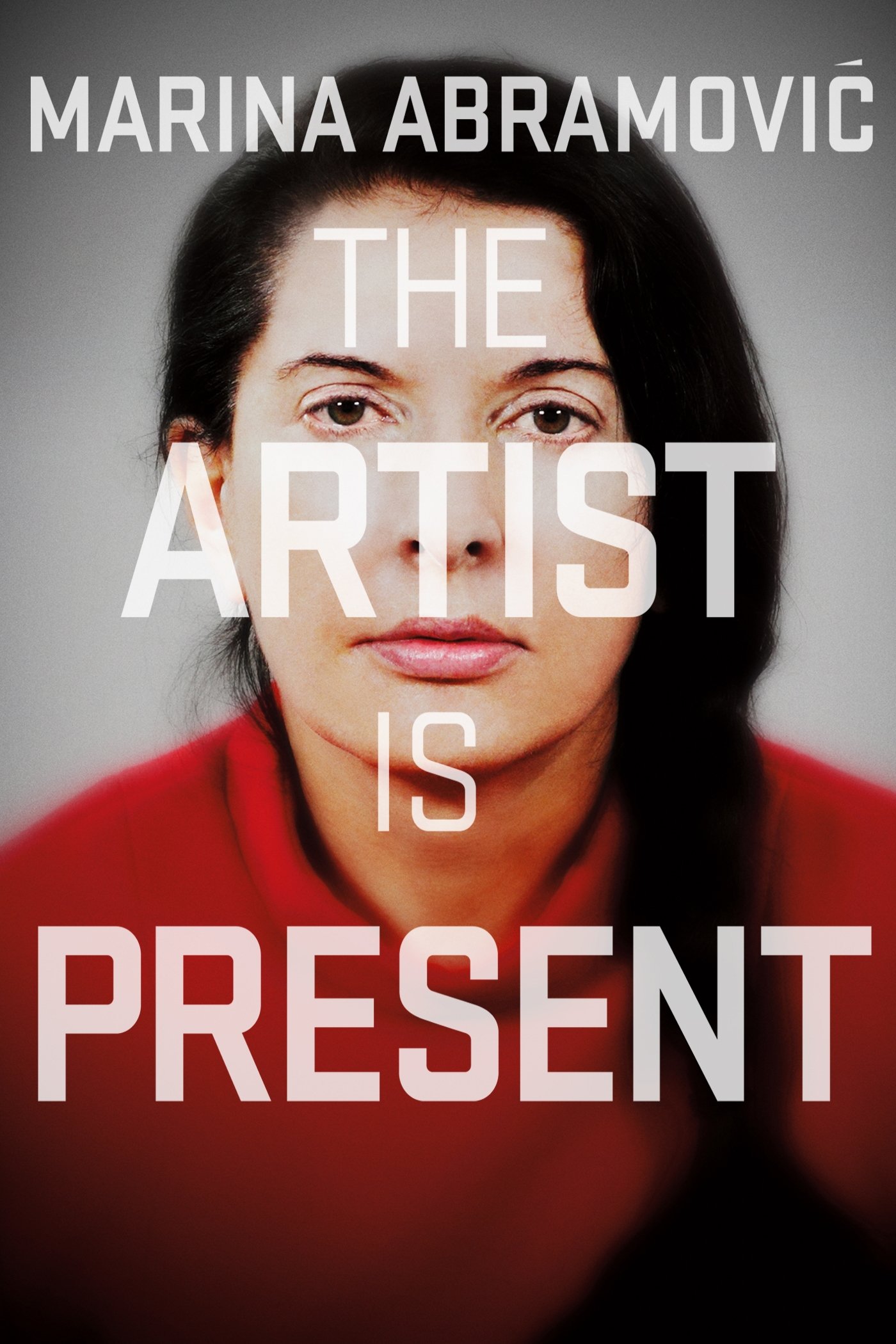
Performance artist Marina Abramovic prepares for a major retrospective of her work at the Museum of Modern Art in New York.
Director Michael Apted revisits the same group of British-born adults after a 7 year wait. The subjects are interviewed as to the changes that have occurred in their lives during the last seven years.
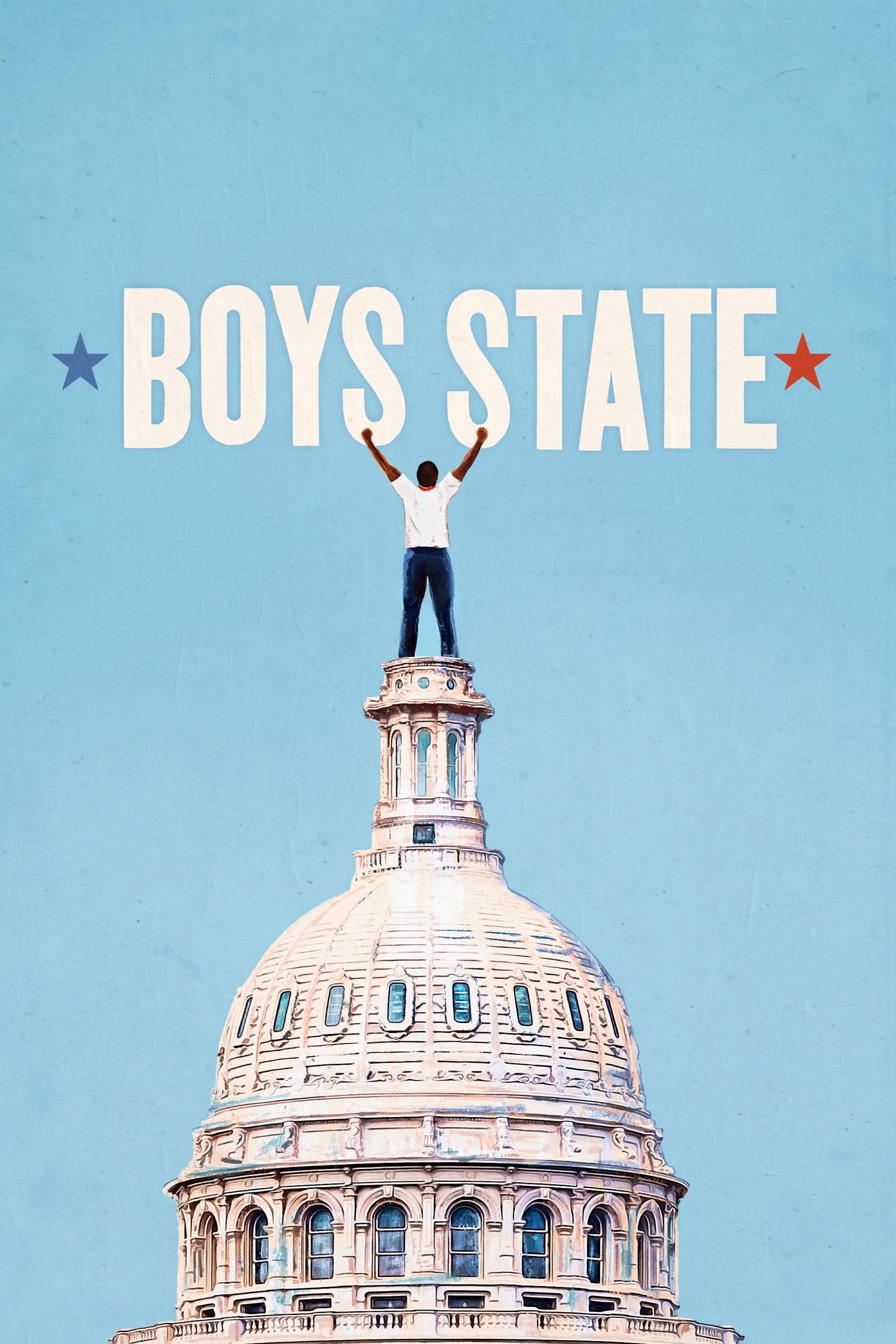
This raucous journey into the heart of democracy captures an unusual rite of passage: 1,100 teenage boys from across Texas coming together to build a representative government from the ground up.
SEDUCED AND ABANDONED combines acting legend Alec Baldwin with director James Toback as they lead us on a troublesome and often hilarious journey of raising financing for their next feature film. Moving from director to financier to star actor, the two players provide us with a unique look behind the curtain at the world's biggest and most glamourous film festival, shining a light on the bitter-sweet relationship filmmakers have with Cannes and the film business. Featuring insights from directors Martin Scorsese, 'Bernando Bertolucci' and Roman Polanski; actors Ryan Gosling and Jessica Chastain and a host of film distribution luminaries.
A compilation of over 30 years of private home movie footage shot by Lithuanian-American avant-garde director Jonas Mekas, assembled by Mekas "purely by chance", without concern for chronological order.
A detailing of the rise to prominence and global sporting superstardom of six supremely talented young Manchester United football players (David Beckham, Nicky Butt, Ryan Giggs, Paul Scholes, Phil and Gary Neville). The film covers the period 1992-1999, culminating in Manchester United's European Cup triumph.
In the Realms of the Unreal is a documentary about the reclusive Chicago-based artist Henry Darger. Henry Darger was so reclusive that when he died his neighbors were surprised to find a 15,145-page manuscript along with hundreds of paintings depicting The Story of the Vivian Girls, in What is Known as the Realms of the Unreal, of the Glodeco-Angelinnian War Storm, Cased by the Child Slave Rebellion.
The Making-of James Cameron's Avatar. It shows interesting parts of the work on the set.
In the past 40 years, the War on Drugs has accounted for 45 million arrests, made America the world's largest jailer, and destroyed impoverished communities at home and abroad. Yet drugs are cheaper, purer, and more available today than ever. Where did we go wrong?
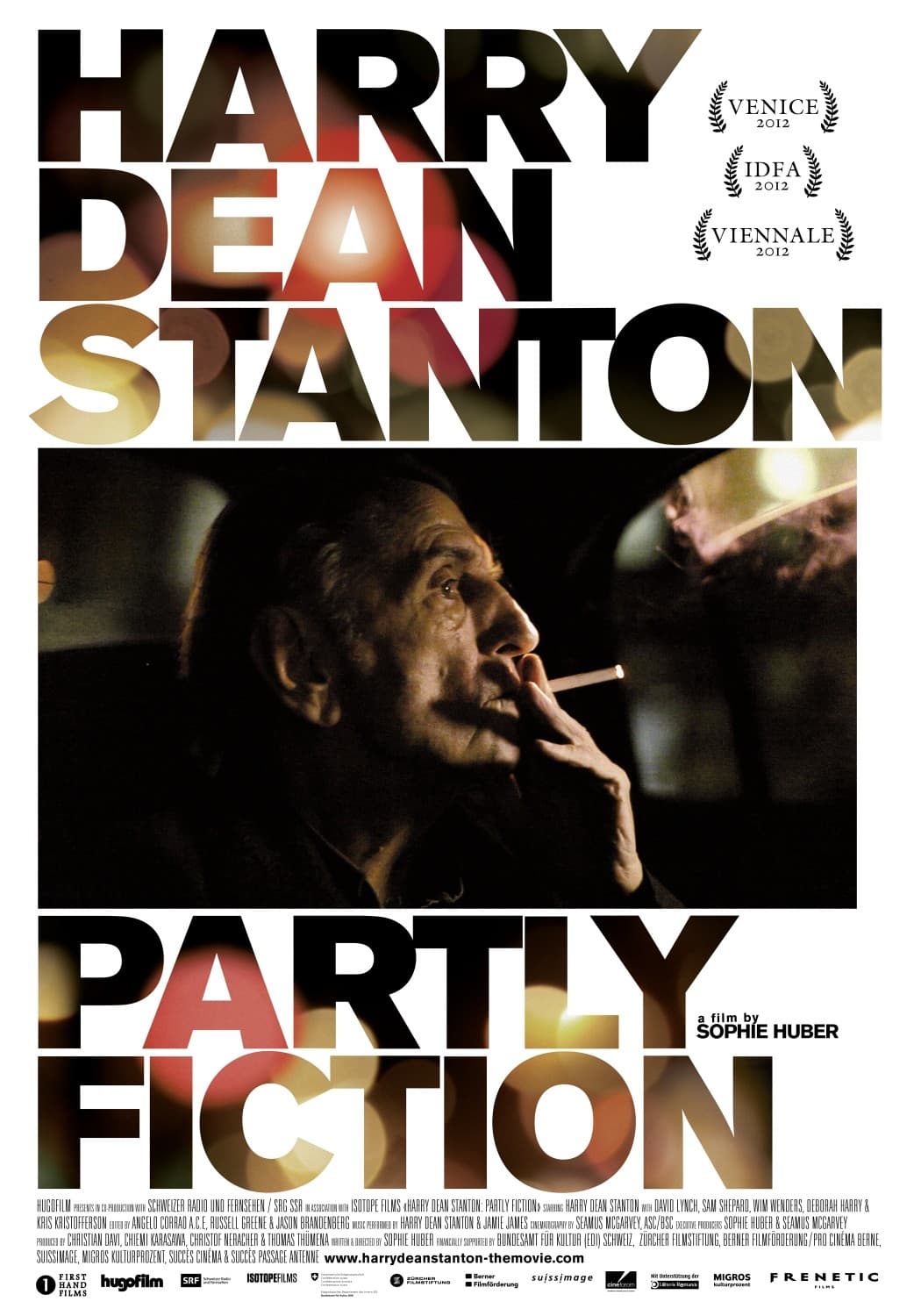
An impressionistic portrait of the iconic actor Harry Dean Stanton comprised of intimate moments, film clips from some of his 250 films and his renditions of American folk songs.
An inside look at one of the most anticipated movie sequels ever with James Cameron and cast.
When Allied forces liberated the Nazi concentration camps in 1944-45, their terrible discoveries were recorded by army and newsreel cameramen, revealing for the first time the full horror of what had happened. Making use of British, Soviet and American footage, the Ministry of Information’s Sidney Bernstein (later founder of Granada Television) aimed to create a documentary that would provide lasting, undeniable evidence of the Nazis’ unspeakable crimes. He commissioned a wealth of British talent, including editor Stewart McAllister, writer and future cabinet minister Richard Crossman – and, as treatment advisor, his friend Alfred Hitchcock. Yet, despite initial support from the British and US Governments, the film was shelved, and only now, 70 years on, has it been restored and completed by Imperial War Museums under its original title "German Concentration Camps Factual Survey".
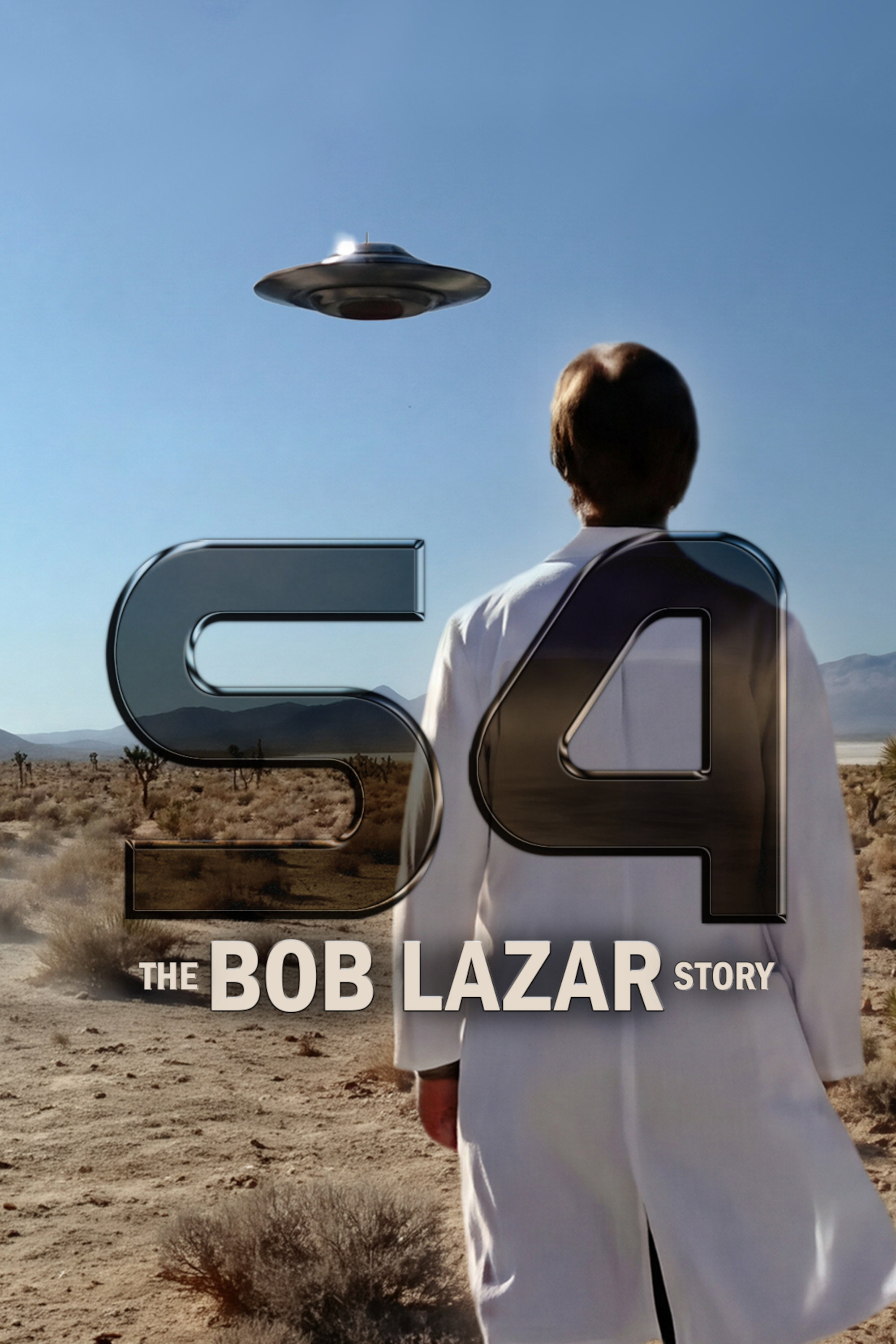
Over 35 years after Bob Lazar's revelations, this documentary exposes secrets of a facility the government still denies. Featuring Lazar's testimony, recreations, and new evidence, it reopens a case that continues to spark global curiosity
Go behind the scenes with stars, puppeteers and creators as they bring Jim Henson's magical world of Thra back to life in a sweeping fantasy series.