"THE MACHINE IN THE SHELL"
A light explodes and becomes a snail.
Social & External
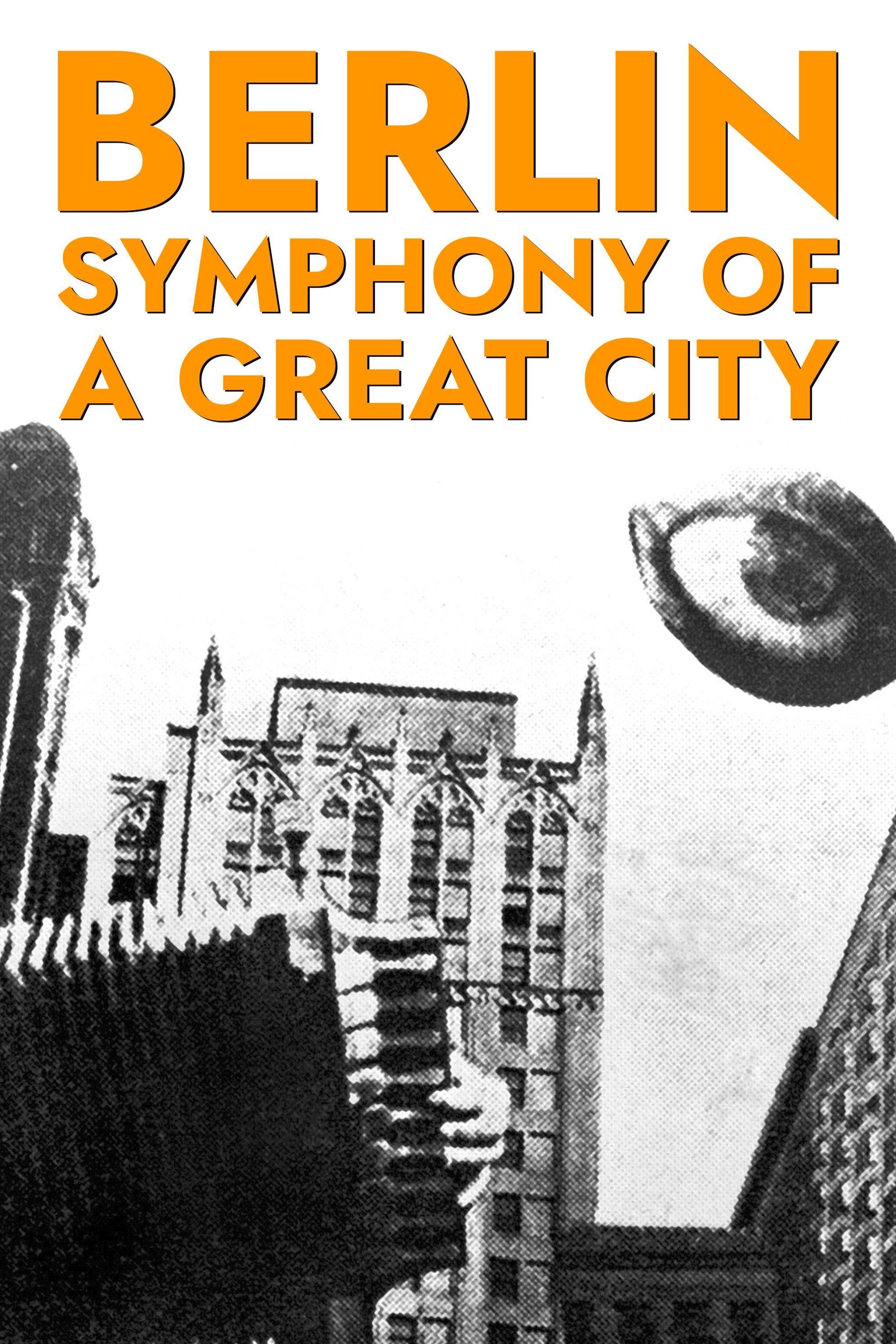
A day in the city of Berlin, which experienced an industrial boom in the 1920s, and still provides an insight into the living and working conditions at that time. Germany had just recovered a little from the worst consequences of the First World War, the great economic crisis was still a few years away and Hitler was not yet an issue at the time.
Short experimental 16mm film.
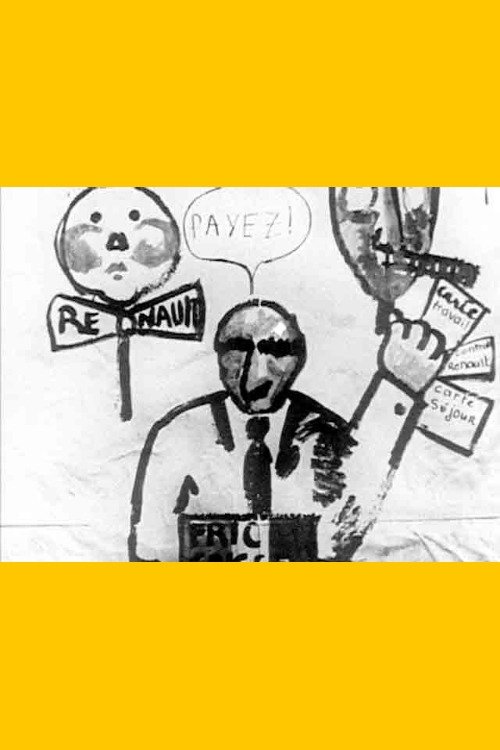
A group of leftist activists expose the exploitation of immigrant workers by a criminal network with connections to local government officials. The movie was produced by the group SLON (Société pour le Lancement des Oeuvres Nouvelles, also the Russian word for elephant). SLON was a film collective whose objectives were to make films and to encourage industrial workers to create film collectives of their own. Its members included Valerie Mayoux, Jean-Claude Lerner, Alain Adair and John Tooker, and Chris Marker.
One of Paik’s most overtly political and poignant statements, Guadalcanal Requiem is a performance/documentary collage that confronts history, time, cultural memory and mythology on the site of one of World War II’s most devastating battles.
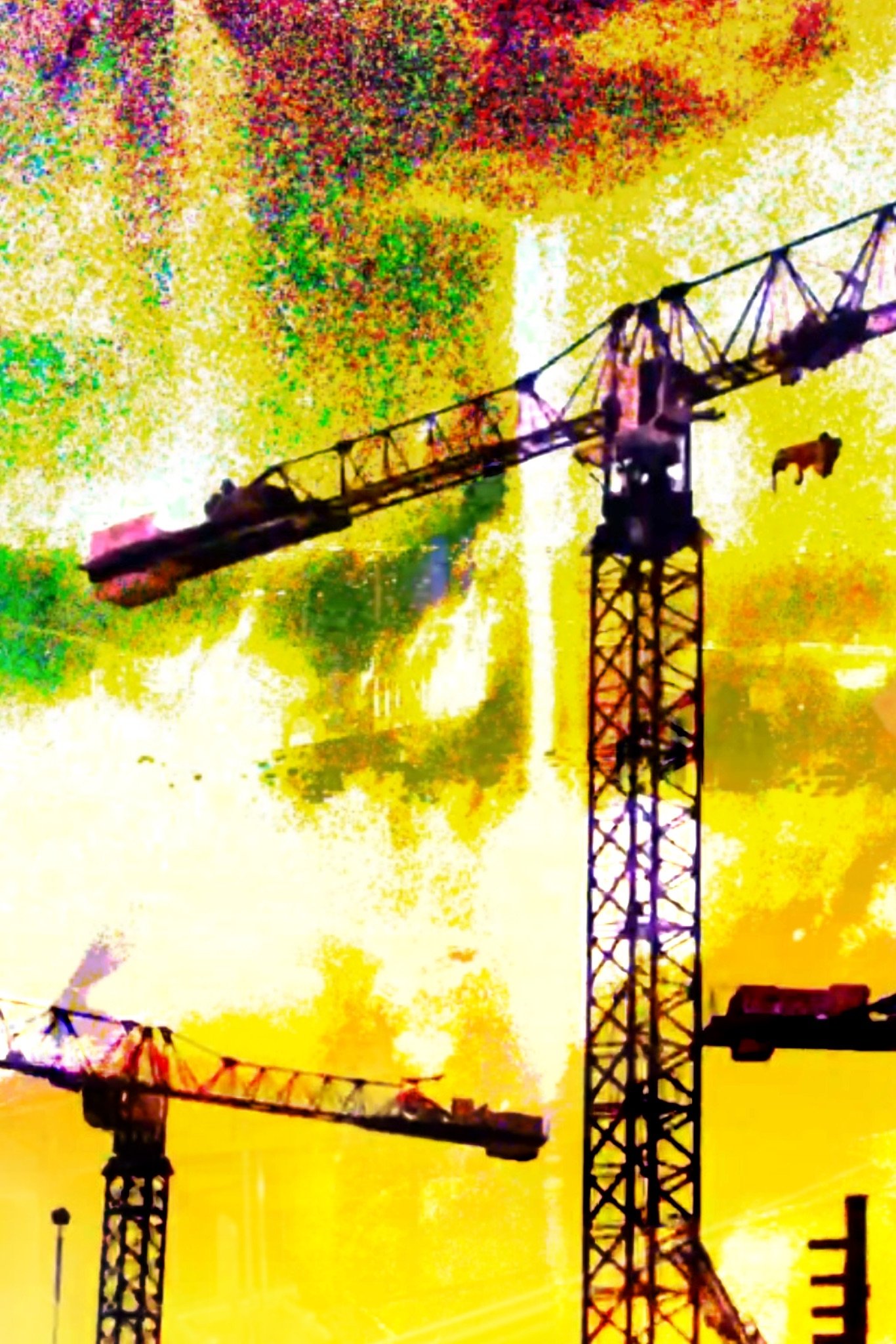
The constant movement of the wheels, threads, sprockets, feet and hands suggests restlessness, and this is paralleled by the soundtrack. The unknown woman could be Gretchen from Faust, hopelessly in love or Ariadne who gave Theseus the thread to find his way out of labyrinth or perhaps she is one of the fates, weaving destiny… Enlarged from Super-8 to 35mm, the film is very grainy, in itself an homage to the medium of film which is also emphasized by the depiction of all kinds of turning machines, both in image and sound.
For us, a thought always presupposes a society, a culture and above all the consciousness of time. We are haunted by immortality, human notion par excellence. As if the world was here to fascinate us. And to disappoint us. The film travels around the bulb like the Earth around the Sun. Light makes the film visible. A fragile film, like our existence. In the orbit of the film tragedy and our reality, the image resists the cruelty of the experiment.
Tugging Diary documents a footbridge over a year between August 2019 to January 2021. Due to social unrest and the uncertainty of various immediate happenings, both the internet and physical spaces act as critical communication platforms of its own during this period. As such, information can be circulated in the community more widely and rapidly outside of the existing mainstream media. As time goes by, these materials are continuously altered, some were renewed, while the others were removed, covered with paint, or overlaid by other information.
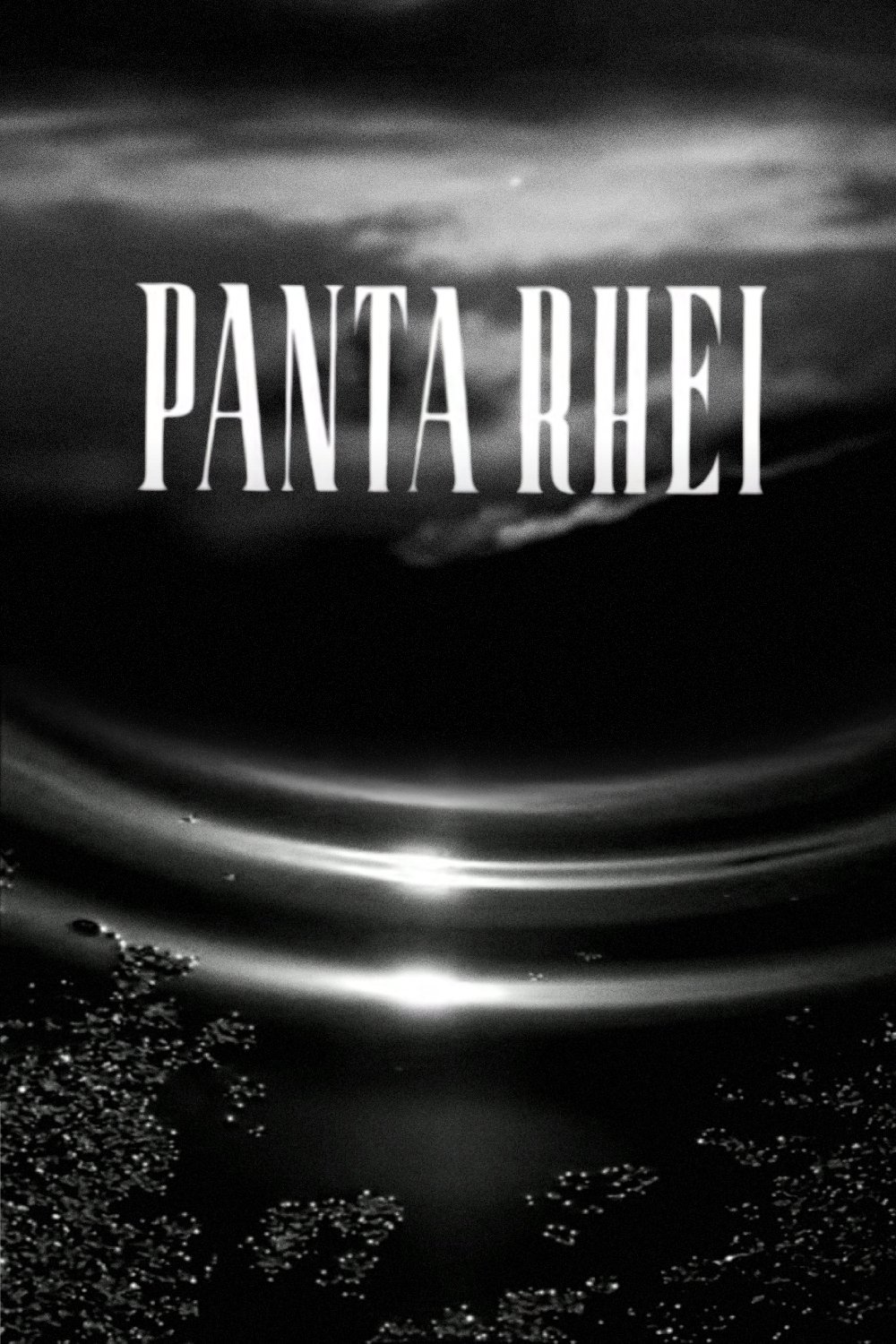
In 1952, Haanstra made Panta Rhei , another view of Holland through the eyes of a painter and filmmaker. Its poetic images of water, skies and clouds reflect Haanstra's own moods.
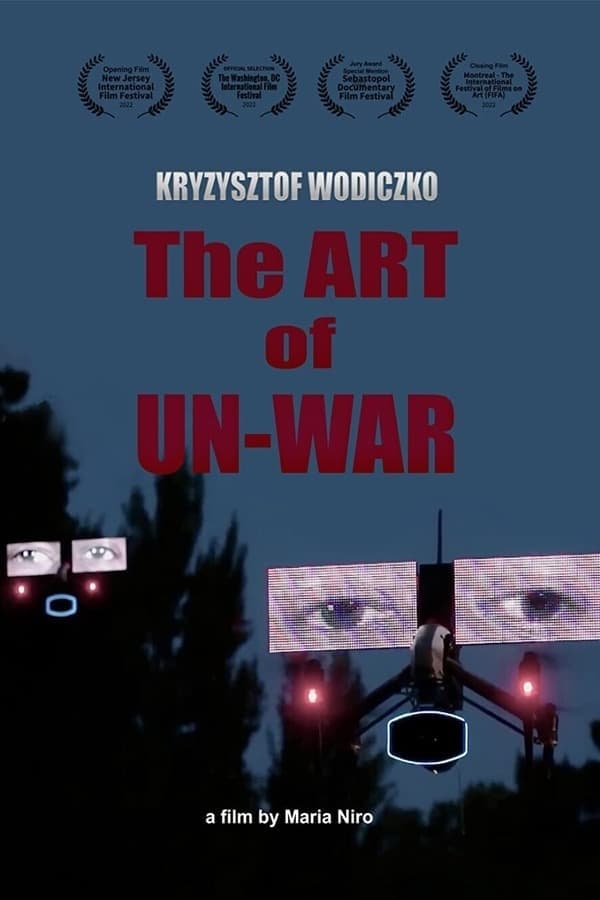
Renowned artist Krzysztof Wodiczko creates powerful responses to the inequities and horrors of war. This in-depth investigation into the artist focuses on the recurring themes of war, trauma, and displacement in his work. An instigator for social change, Wodiczko’s powerful art interventions disrupt the valorization of state-sanctioned aggression.
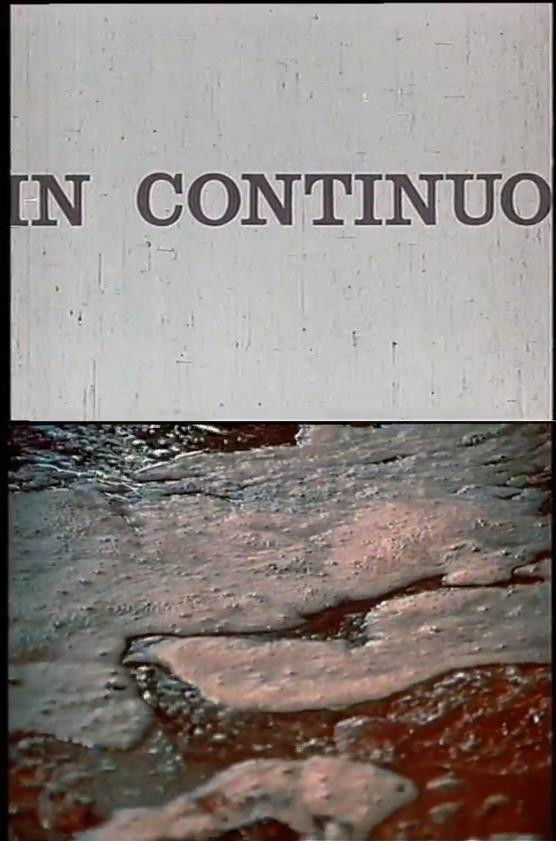
"In continuo" uses slaughterhouse imagery to present the warlike nature of man, first depicting the cleaning and mechanical preparations for the slaughterhouse and then the killing, however, the animal slaughter itself isn’t shown.
The Black Album places scrutiny on the notion of "Black Excellence" in a revisionist take.
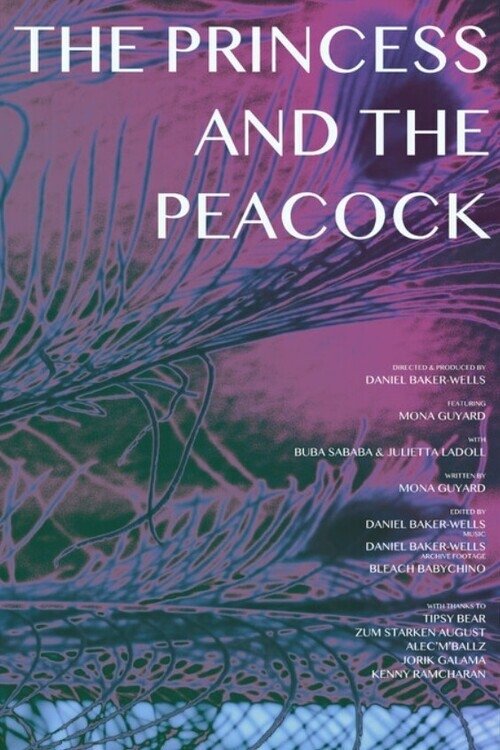
Mona is a 22 year old trans girl from a small village in France. She puts needles attached to peacock feathers in her skin, under bright lights, late at night. She bleeds, half naked, in front of small crowds of people. Sometimes they faint whilst watching her. Why would she do this? How did she learn to do it? And why would someone want to watch?
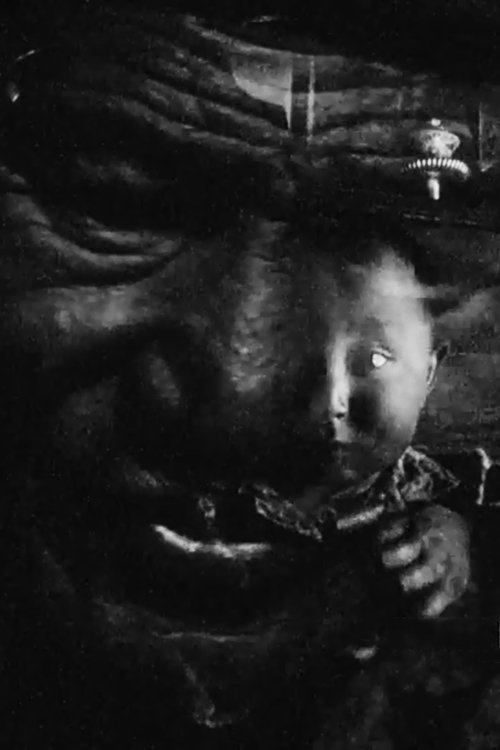
In PATH OF CESSATION the image that is communicated to us by Fulton is a highly mystifying one. Rather than analyze, or enter into a dialogue with the Tibetan culture that he photographs, Fulton has succumbed to it, and through the process has presented us a work of great surface, as well as formal, beauty.
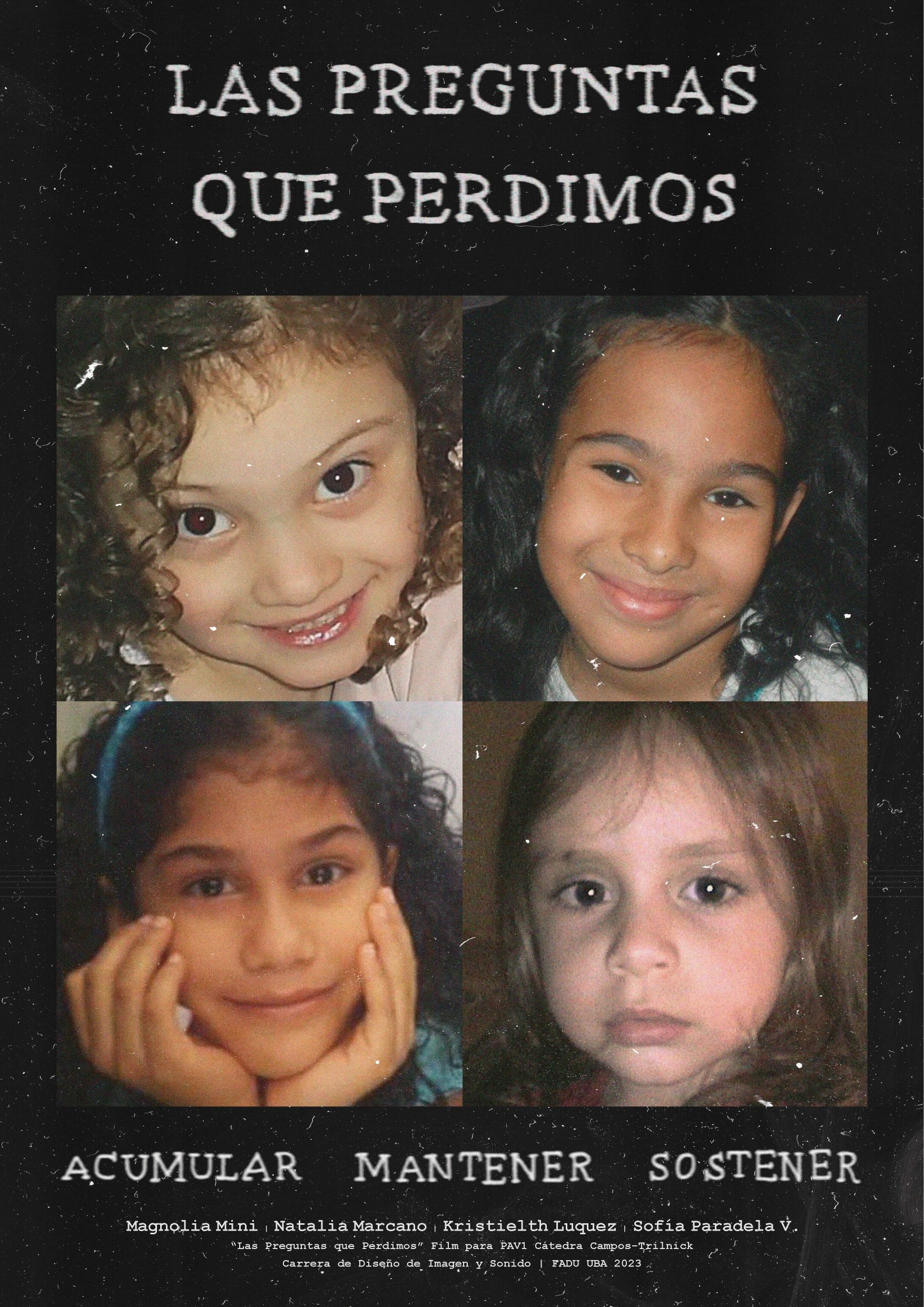
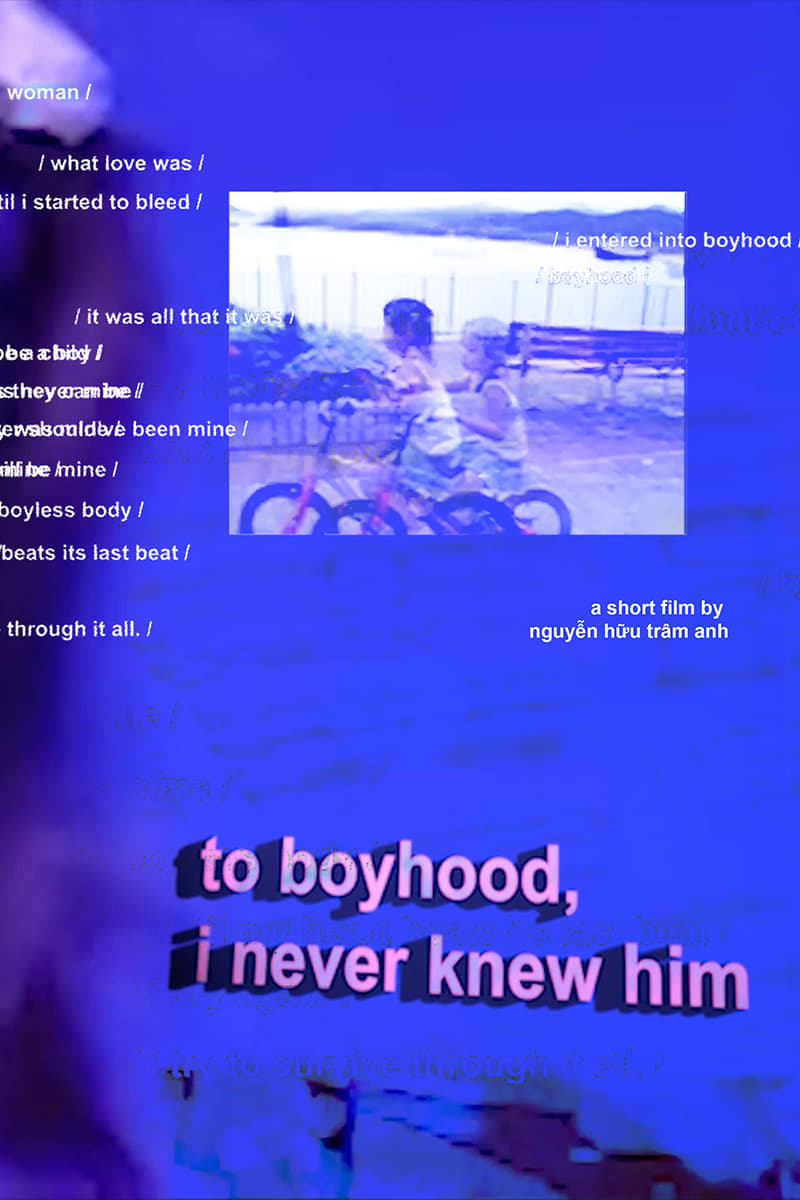
Archive footage from 2006 - 2010 of a young girl growing up during the ages of four to eight. Only fragments of what is remembered exists. Words from a transgender man float to the surface as fleeting memories go on.
A film essay that intertwines the director's gaze with that of her late mother. Beyond exploring mourning and absence as exclusively painful experiences, the film pays tribute to her mother through memories embodied by places and objects that evidence the traces of her existence. The filmmaker asks herself: What does she owe her mother for who she is and how she films? To what extent does her film belong to her?
After so many generational repetitions and beneath so many layers is a territory to be negotiated beyond each person’s skin, inside: the cavity that echoes the intimate and singular identity of everyone. The voice that populate this film bring us to various spaces in Matera, from tourist agglomerations to the town’s internal spaces (grottes, caves, cisterns, lanes, rooms) and the body’s own unassailable space: pleasure and desire for other bodies that no one can cancel.
Shenzhen River (the border btw Hong Kong and Shenzhen), and the Second Line of Shenzhen Special Economic Zone (the border between Socialism China and Capitalism China) were compared to the Berlin Wall. The Second Line were constructed June 1982, demolished June 2015. The First Line (Shenzhen River) still flows, running deeper and deeper after 1997. Artist Miaoyuan LONG and Zen LU (the ON/OFF media Group) documented major checkpoints along these two boundaries. It’s a piece to illustrate the Big Escape (Touch Base Policy) from mainland China to Hong Kong during 1950-70’s and the geopolitical history of Shenzhen. The 48min audio-visual live performance version was Official selection of Draft Systems 2017 WRO Media Art Biennale, Poland.
"This film explores how freedom of speech — including dissent — is afforded to all Americans, and shows freedom of expression in art, music, dance, architecture, and science. The film also emphasizes the importance of the individual’s contribution to the whole of society and demonstrates how a productive and creative society is formed by the open and respectful exchange of ideas. The film was written, produced, and directed by William Greaves" (National Archives).
An experimental four-part short film that shows the outcomes of life through a vacation trip.
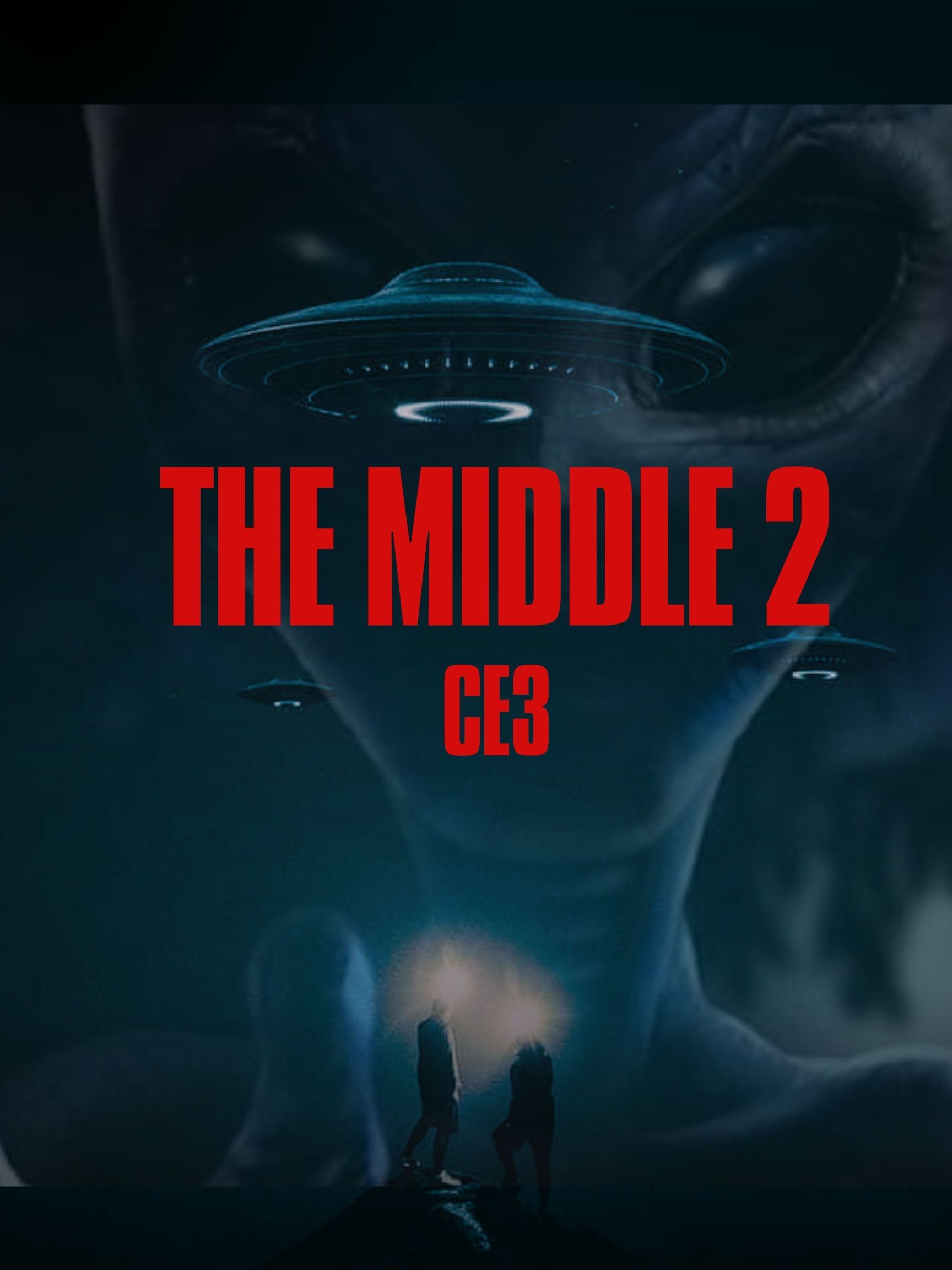
A second part mini documentary series of "The Middle" stories of UFO and Extraterrestrial contact.
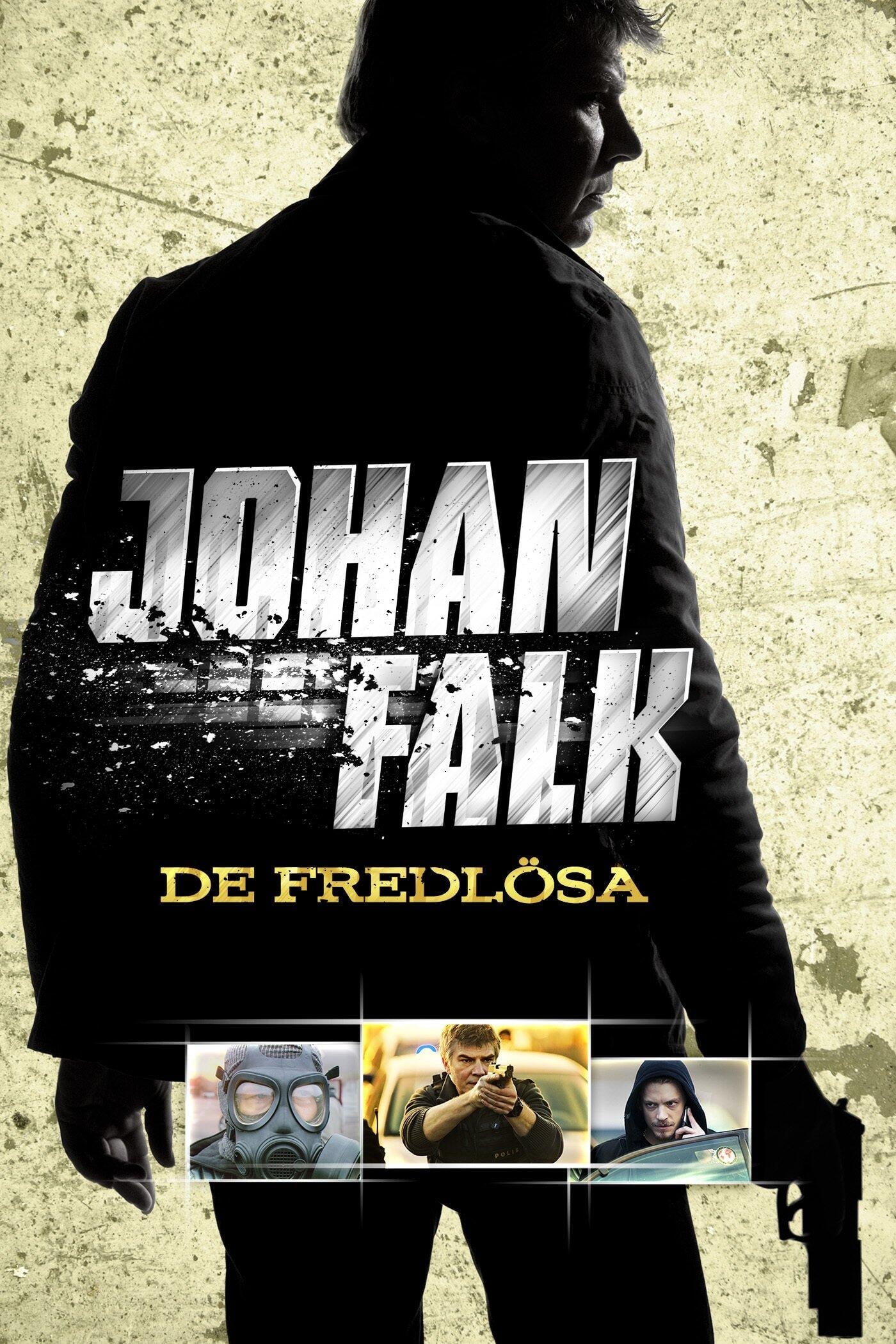
Johan is a two-fisted Gothenburg cop who finds himself in a shoot-out with jewel robbers. After the smoke has cleared, one robber, shot by his accomplice, and an innocent bystander, are dead. Three witnesses, including Helen, identify thug extraordinaire Leo Gaut as being the dead crook's trigger-happy colleague. Gaut soon threatens the three witnesses, and only Johan, the badge-wearing hero, can save them.
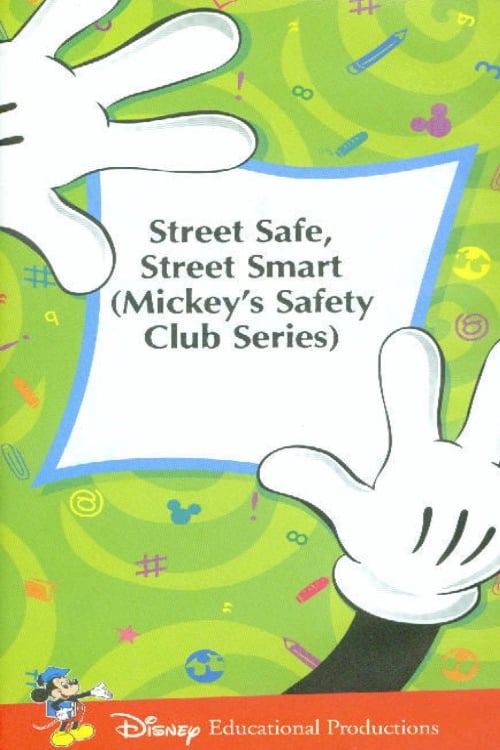
Mickey and his friends take a close look at important street safety situations and tips.
Two teenagers are playing by night in a dirty parking lot. After they are driving on an empty road, they start to tease each other on the way to the sea, but they seem to be too young to drive and the road is a bit strange.
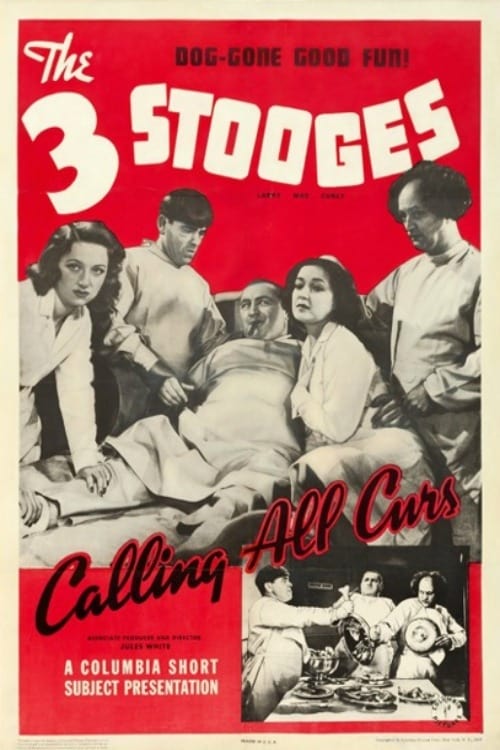
The Stooges run a pet hospital and are the proud surgeons of Garçon, a prized girl poodle of socialite Mrs. Bedford . When two men posing as reporters kidnap the poodle, the boys frantically try track them down.
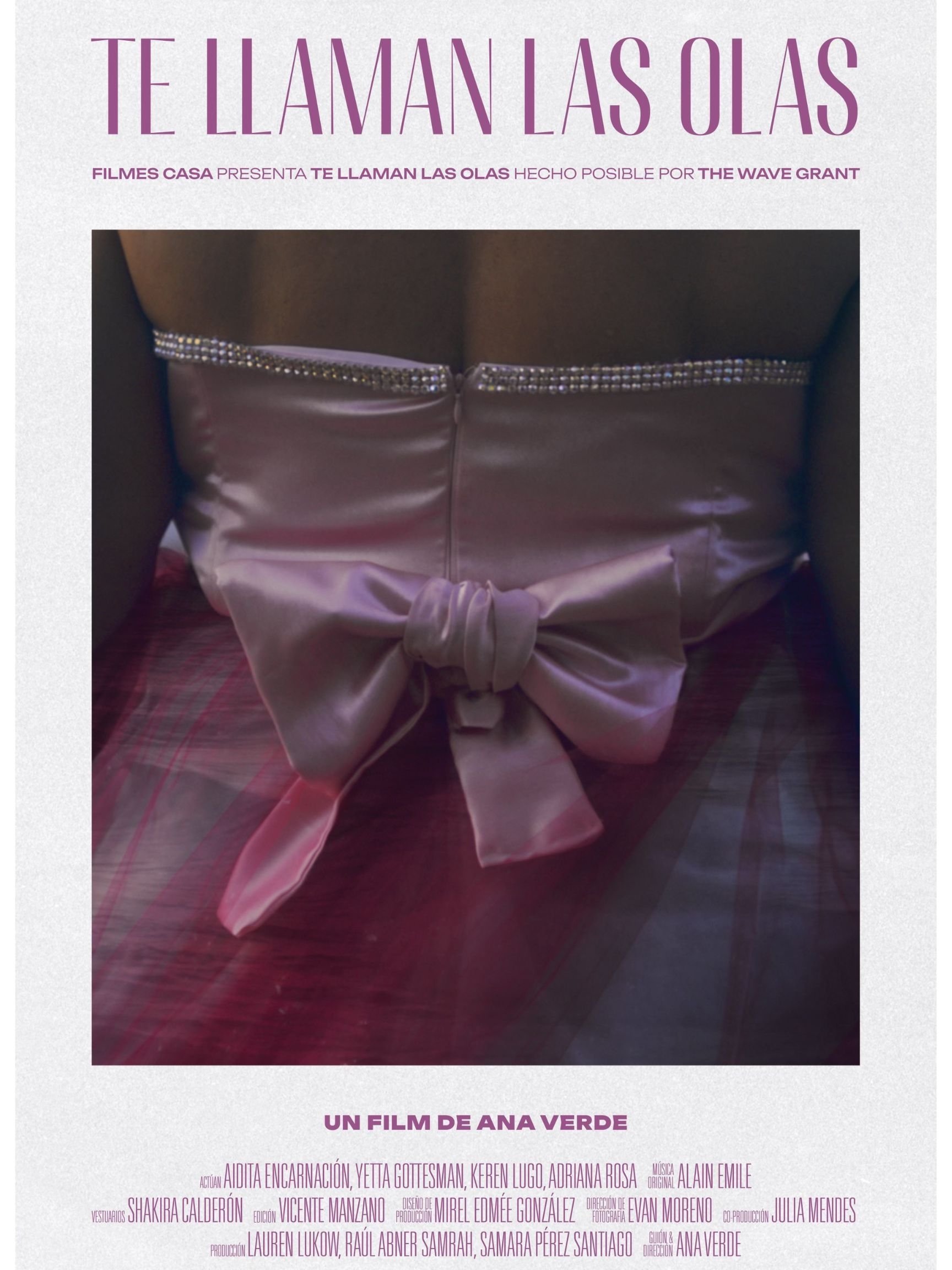
A Puerto Rican seamstress ponders leaving her island to go live with her daughter in the United States.
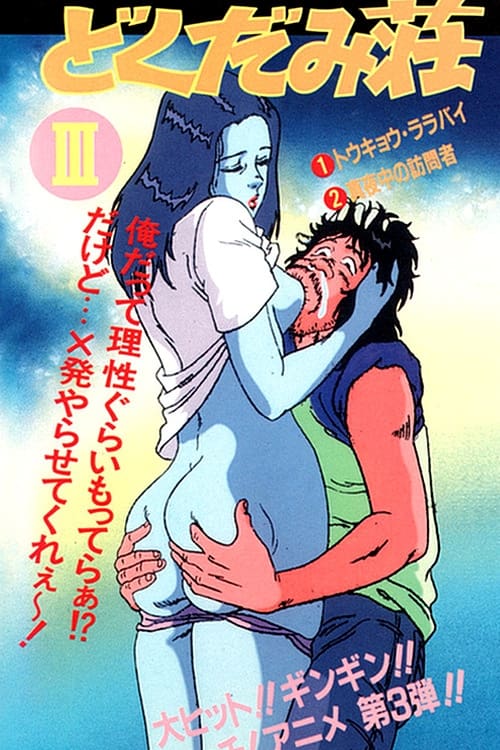
Yoshio Hori is a day laborer in the 1980s during Tokyo's economic boom. Initially, Yoshio sought out Asagaya to live a free-wheeling lifestyle but that was quickly dropped as he was confronted with reality. He lives a life of extreme poverty and encounters all types of characters from Japan's sub-cultures, including yakuza, drug addicts, and alcoholics.
Set to music by Bikini Kill (an all-girl band from Washington), Girl Power is a raucous vision of what it means to be a radical girl in the 90s. Benning relates her personal rebellion against school, family, and female stereotypes as a story of personal freedom, telling how she used to model like Matt Dillon and skip school to have adventures alone. Informed by the underground “riot grrrl” movement, this tape transforms the image politics of female youth, rejecting traditional passivity and polite compliance in favor of radical independence and a self-determined sexual identity.
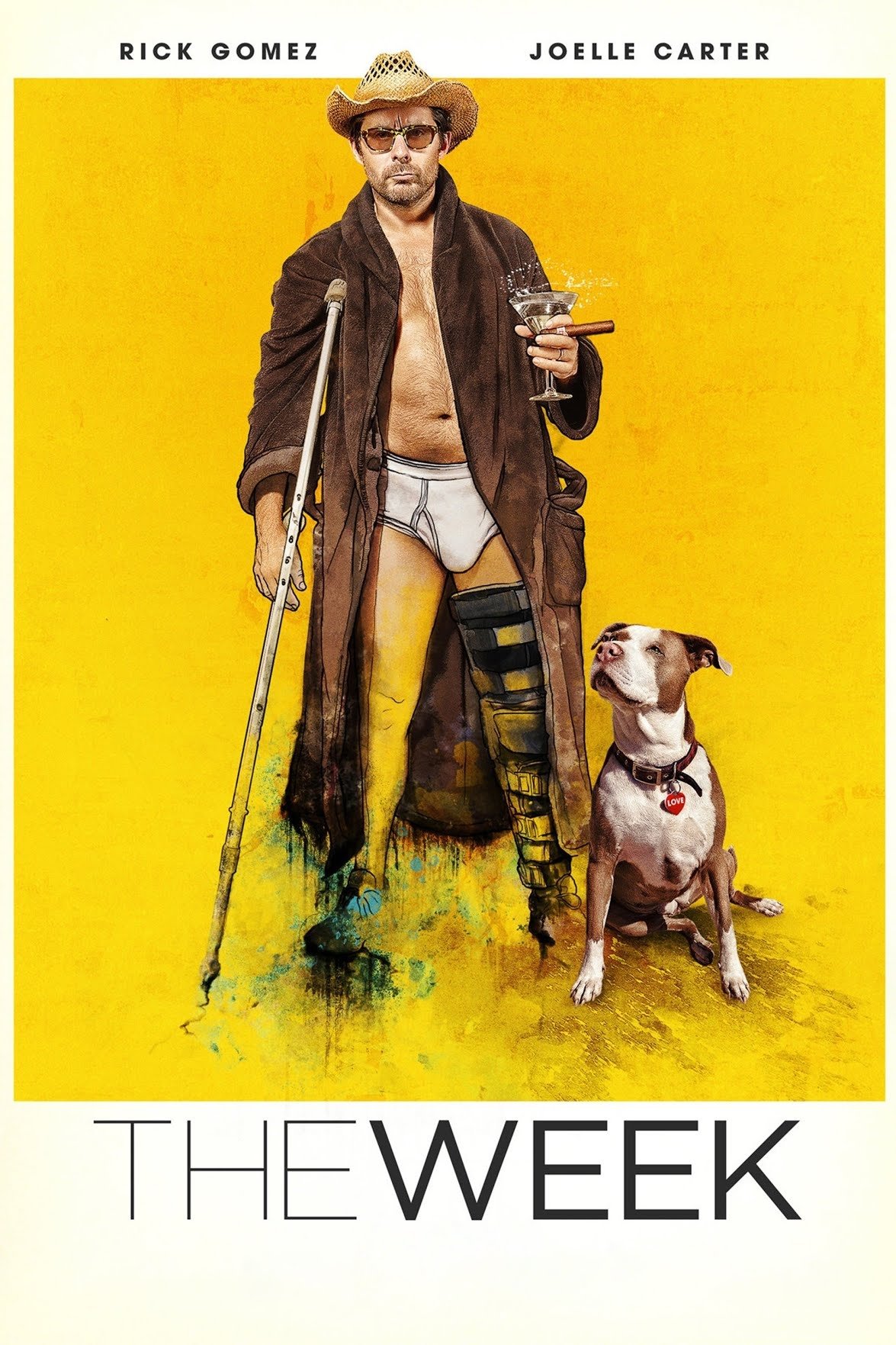
Dick Romans is a washed up TV host whose wife walks out on him the day before their ten year anniversary celebration. Alone with his thoughts, his dog, and a ton of booze, Dick decides to go through with the week-long party... by himself. The seven event-filled days become Dick's reluctant vision quest, filled with odd characters, awkward romance, and some long-overdue self examination.
Two childhood friends become mortal enemies after their lives take drastically different paths and they discover that they are both in love with the same woman.
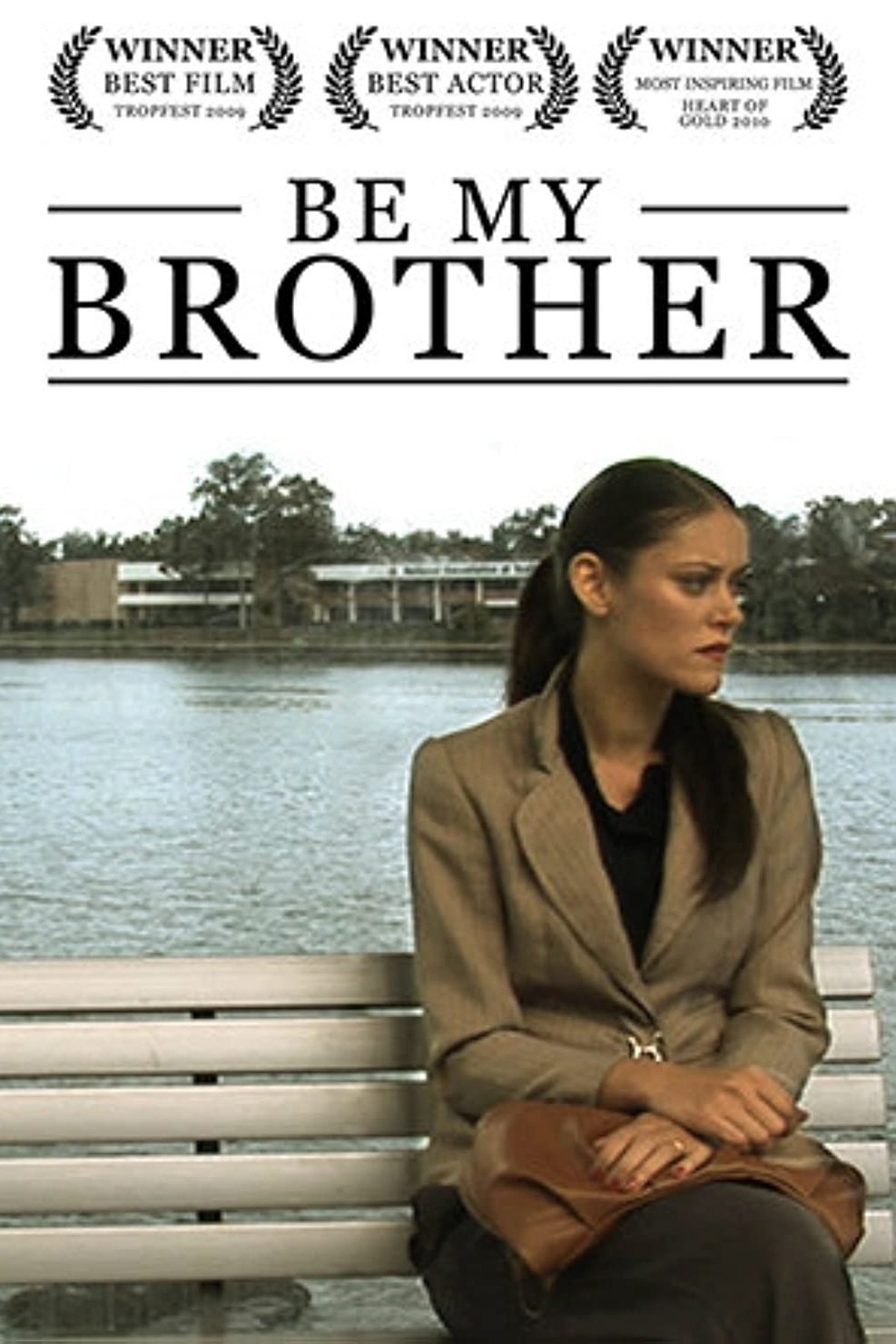
Be My Brother stars aspiring actor Gerard O'Dwyer as Richard, a young man whose charm and charisma challenges the prejudices of a stranger waiting at a bus stop. When he impacts the stranger’s world, he also impacts the heart and mind of someone else close by. With Gerard O'Dwyer in the leading role, Tracie Sammut as camera assistant, Georgia Cranko as unit manager and Gordon Crane as gaffer, the filmmaking experience of Be My Brother presented an opportunity for creative people with disabilities to experience working on a film set in the capacity of either crew member or performer. Genevieve met Gerard while filming a documentary for Down Syndrome NSW, as part of the Up, Up and Away Project, and was instantly inspired by his vivacious personality and a photographic memory for dialogue. She decided to write a script for him to act as the lead, in order to create a platform to showcase his talent and ability as an actor.
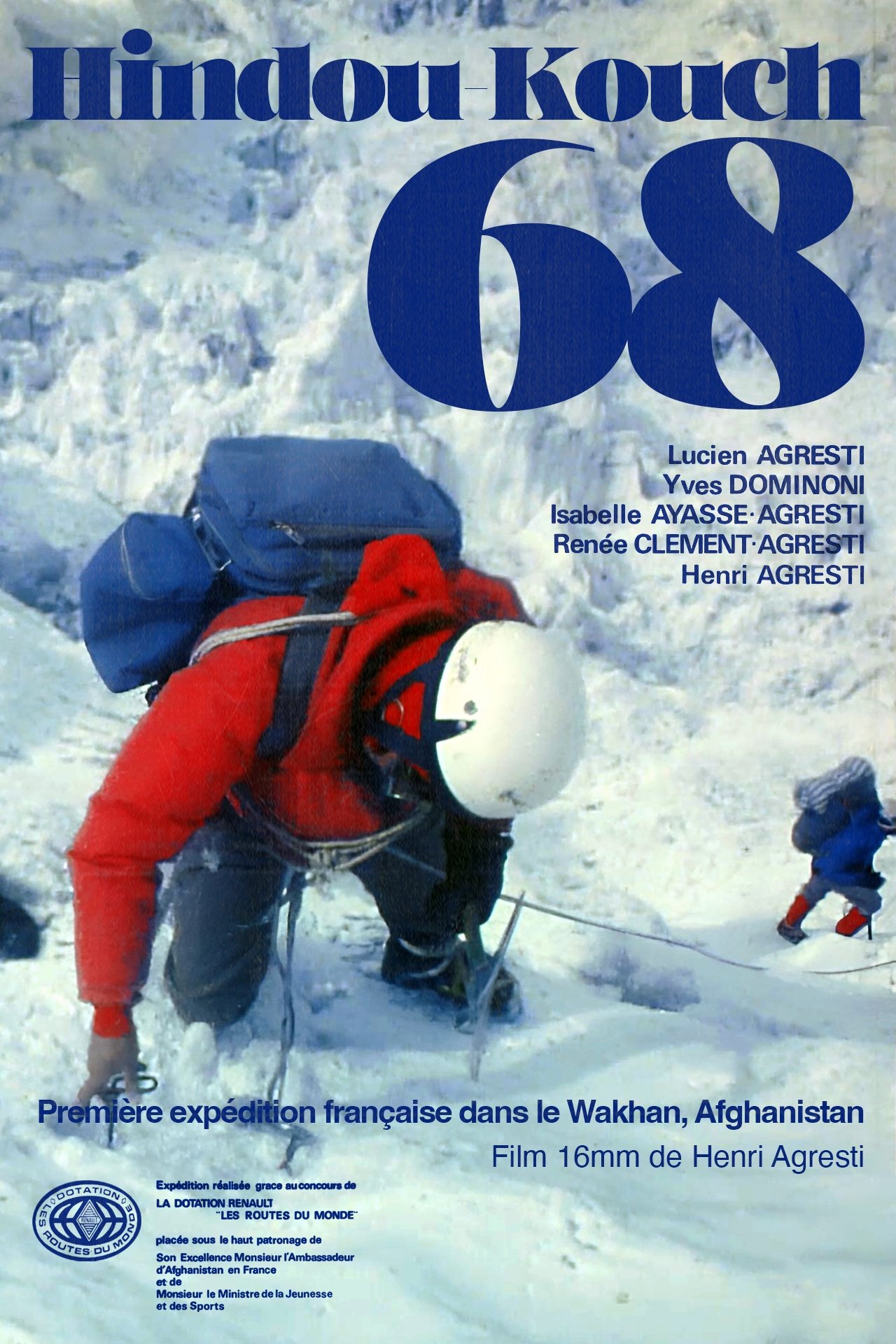
Film about the first French expedition in 1968 in the Wakhan Corridor in Afghanistan. After a long and laborious approach by R4 car in the footsteps of Marco Polo, through Turkey, Iran and Afghanistan, to the high valley of Wakhan, in the heart of the Hindu Kush, Isabelle and Henri Agresti (high mountain guide), accompanied by Yves Dominoni, Renée and Lucien Agresti, more than precious help, explore a little-known valley for 40 days, and climb some virgin peaks of 5000 and 6000 meters. The return to Europe will be by the tracks and roads of the south: Pakistan, Iran, Iraq, Jordan, Syria... A trip of approach to go later to explore the mountains of China, then still closed, and the Tibetan side of Everest... The project of a lifetime.
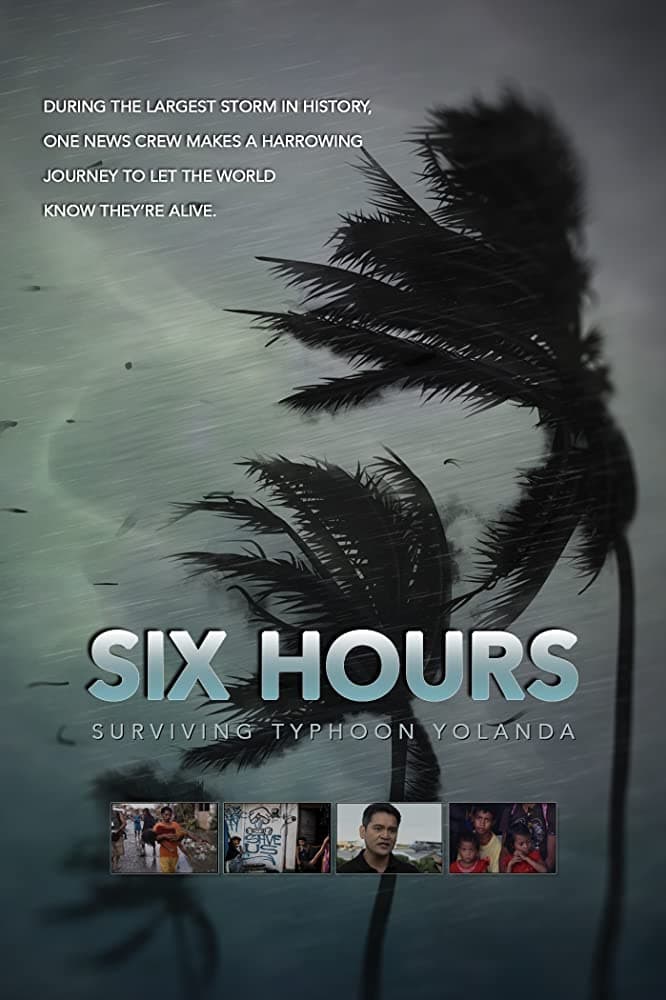
In the middle of a broadcast about Typhoon Yolanda's initial impact, reporter Jiggy Manicad was faced with the reality that he no longer had communication with his station. They were, for all intents and purposes, stranded in Tacloban. With little option, and his crew started the six hour walk to Alto, where the closest broadcast antenna was to be found. Letting the world know what was happening to was a priority, but they were driven by the need to let their families and friends know they were all still alive. Along the way, they encountered residents and victims of the massive typhoon, and with each step it became increasingly clear just how devastating this storm was. This was a storm that was going to change lives.
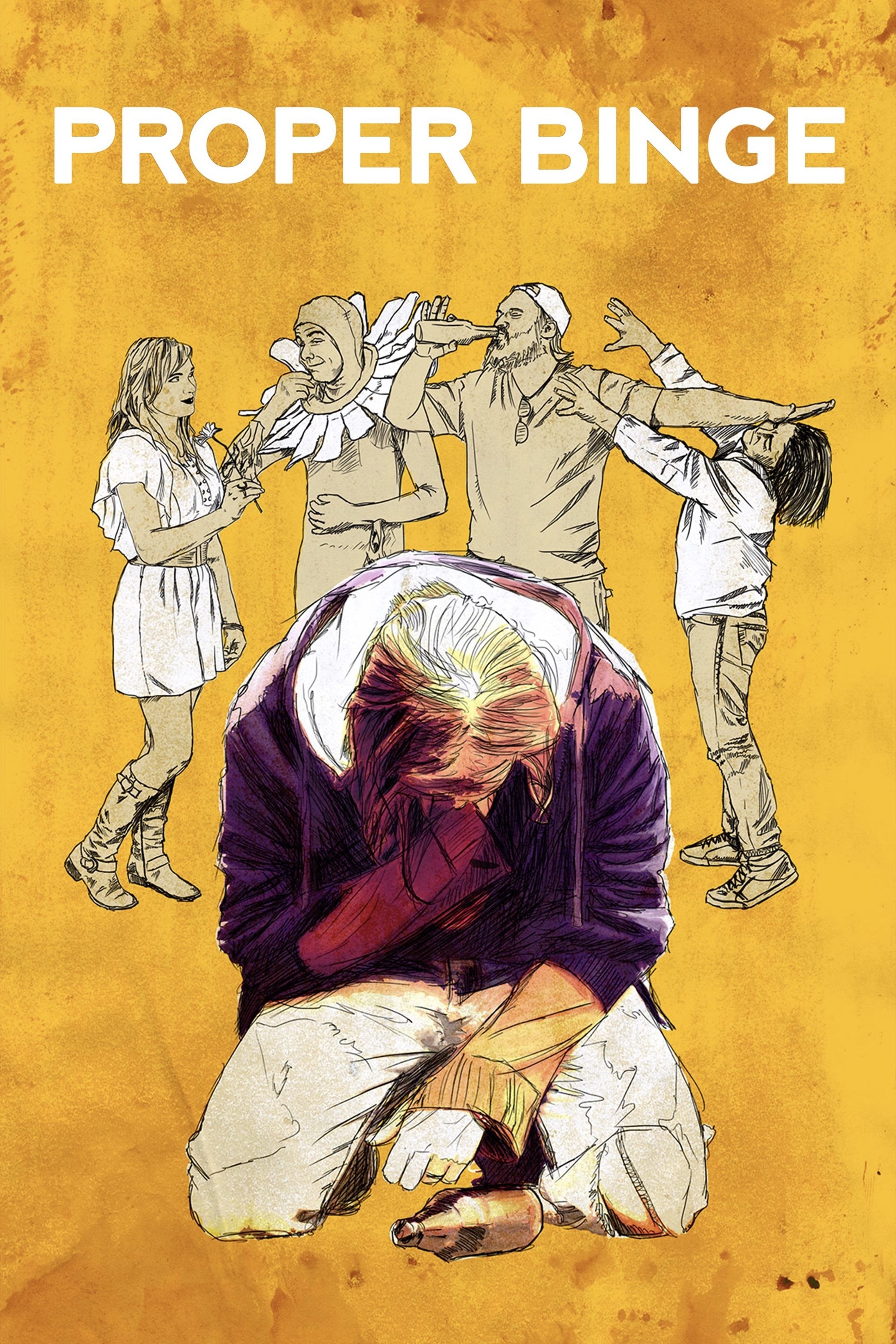
For Burgess "Buzz" Zwink (Bradford Jackson), wasting life is a way of life. At thirty-two years old, and still living with his parents, Buzz's adult life seems to be nothing more than a continuous haze of debauchery. That is until his carefree recklessness lands his lifelong friend in the hospital after another of his drunken mishaps. Faced with the reality of his choices as he reluctantly forces himself into sobriety, Buzz begins to realize just how much pain he has caused to those around him. With the help of a young Inupiaq boy (D'Artagnon Moonin), and an elderly, life-long alcoholic (Thomas G. Jacobs), Buzz must face his past, present, and possible future in order to take his life back from the bottle, and above all else, seek forgiveness not only from those he has wronged, but from himself.
Making of documentary surrounding the production of ‘Anora’
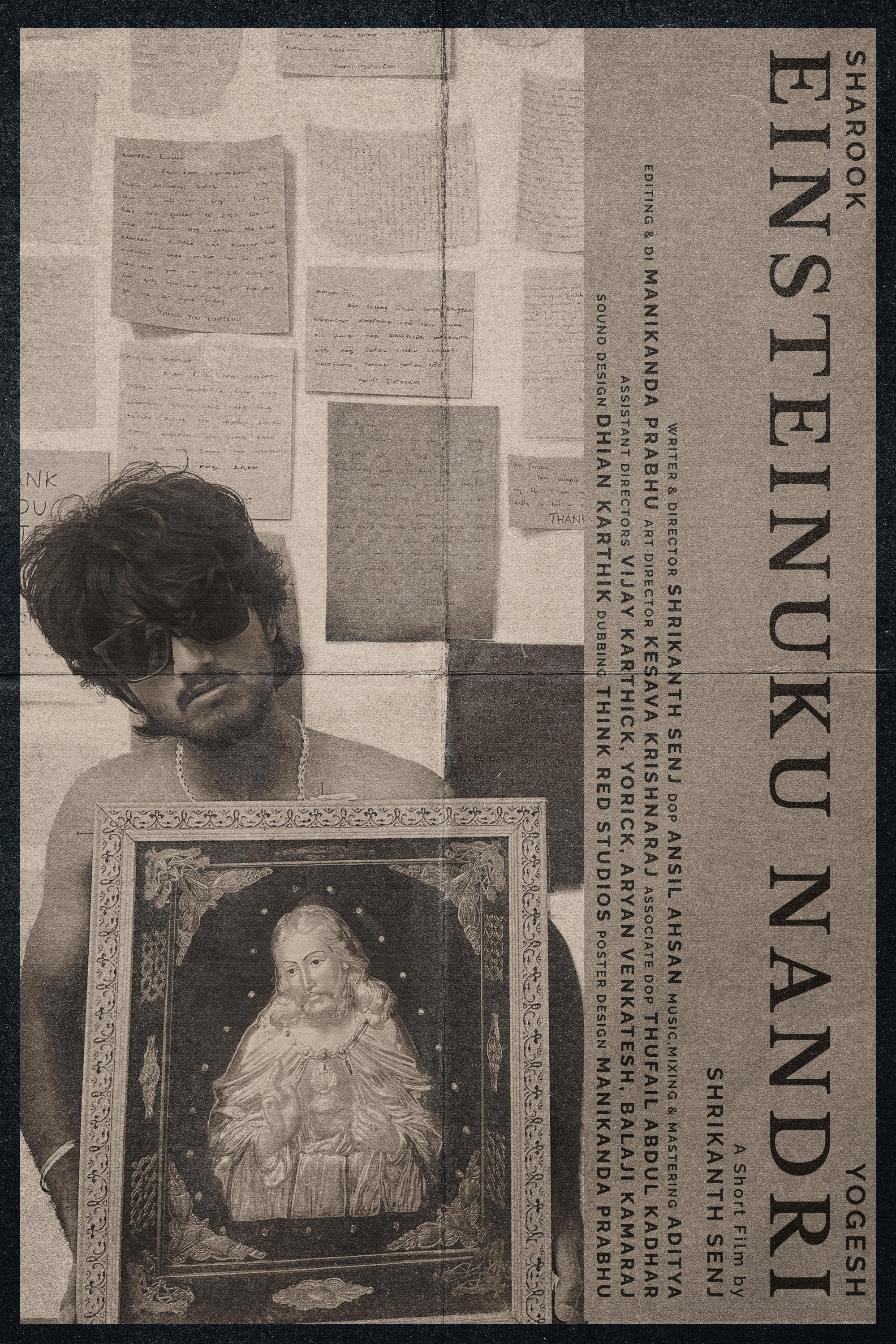
A wanderer, captivated by the beauty of the world, carries a unique and terrifying curse: every illness he sees transfers to him. To escape this fate, he makes the ultimate sacrifice, relinquishing his eyesight—the very sense that connects him to what he loves most, at this point he happens to meet someone which shapes this short film.