Social & External
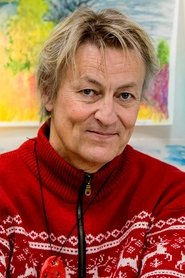
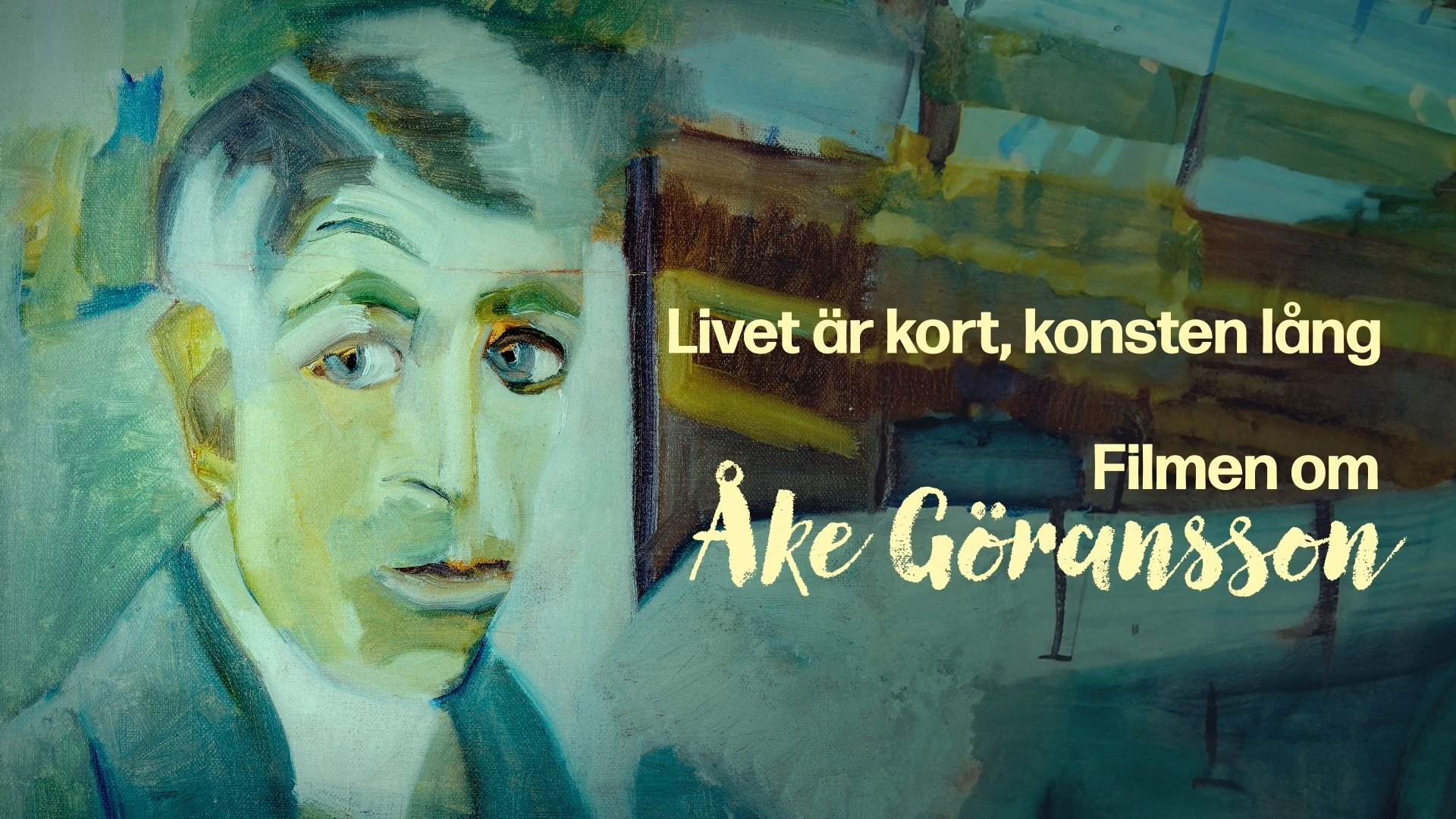
Åke Göransson
Self
Short documentary about artist Keith Haring, detailing his involvement in the New York City graffiti subculture, his opening of the Pop Shop, and the social commentary present in his paintings and drawings.
56-year-old artist Mindy Alper has suffered severe depression and anxiety for most of her life. For a time she even lost the power of speech, and it was during this period that her drawings became extraordinarily articulate.
The film looks at men and women of color in the U.S. Merchant Marine from 1938-1975. Through chronicling the lives of these men and women who, with a median age of 82, are beset with a host of life-threatening illnesses, the movie tells how they navigated issues of racism, disparities in the workplace, gender and familial relations.
A young working class Baltimore man spends 10 years on a single portrait, believing it is his means to fame and fortune. But he also believes that only one man can lead him there---the famous artist David Hockney. What happens when you finally meet the god of your own making?
This movie chronicles the life and times of R. Crumb. Robert Crumb is the cartoonist/artist who drew Keep On Truckin', Fritz the Cat, and played a major pioneering role in the genesis of underground comix. Through interviews with his mother, two brothers, wife, ex-wife and ex-girlfriends, as well as selections from his vast quantity of graphic art, we are treated to a darkly comic ride through one man's subconscious mind.
A cameraman wanders around with a camera slung over his shoulder, documenting urban life with dazzling inventiveness.
Recy Taylor, a 24-year-old black mother and sharecropper, was gang raped by six white boys in 1944 Alabama. Common in Jim Crow South, few women spoke up in fear for their lives. Not Recy Taylor, who bravely identified her rapists. The NAACP sent its chief rape investigator Rosa Parks, who rallied support and triggered an unprecedented outcry for justice. The film exposes a legacy of physical abuse of black women and reveals Rosa Parks’ intimate role in Recy Taylor’s story.
Destroying your own artwork. For many artists it is unmentionable, but Loes Heebink from Kolderveen irreparably destroyed her artwork "Fluisteraars" herself and came up with the idea for a documentary of the same name, directed by Saskia Jeulink.
Les Blank continued filming the Maestro after the original film “The Maestro: King of the Cowboy Artists” was completed. Here are the Maestro’s latest creations and more on his uncompromising philosophy of art and life.
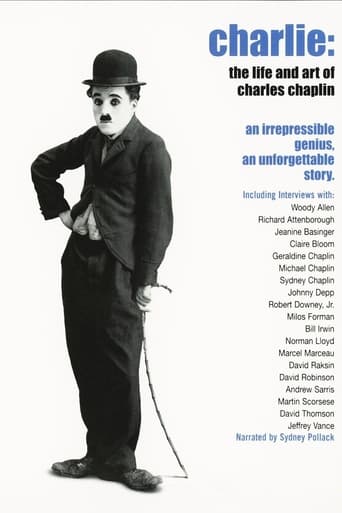
A short documentary about the making of "The Great Dictator."
Shot over the course of 18 months in New York City's Lower East Side, METHADONIA sheds light on the inherent flaws of legal methadone treatments for heroin addiction by profiling eight addicts, in various stages of recovery and relapse, who attend the New York Center for Addiction Treatment Services (NYCATS).
For years, artist Drew Friedman has chronicled a strange, alternate universe populated by forgotten Hollywood stars, old Jewish comedians and liver-spotted elevator operators. Drew Friedman: Vermeer of the Borscht Belt is an in-depth documentary tracing artist Friedman's evolution from underground comics to the cover of The New Yorker. The film, directed by Kevin Dougherty, features interviews with Friedman's friends and colleagues, including Gilbert Gottfried, Patton Oswalt, Richard Kind, Mike Judge, Merrill Markoe and many others.
A chronicle of the personal life and public career of the celebrated artist and filmmaker Julian Schnabel.
An Austrian director followed five successful African music and dance artists with his camera and followed their lives for a year. The artists, from villages in Ghana, Gambia and Congo, were the subjects of Africa! Africa! touring across Europe, but they have unbreakable roots to their homeland and their families. Schmiderer lovingly portrays his heroes, who tell their stories about themselves, their art and what it means to them to be African with captivating honesty. The interviews are interwoven with dance scenes and colourful vignettes set to authentic music.
Using diary excerpts, photographs and memories from companions, the film paints the portrait of the artist Jürgen Baldiga who sensitively and authentically captured the West Berlin queer scene of the 1980s and early 1990s with his camera.
By combining actual footage with reenactments, this film offers both a documentary and fictional account of the life of Adolf Hitler, from his childhood in Vienna, through the rise of the Third Reich, to his final act of suicide in the waning days of WWII. The film also provides considerable, and often shocking, detail of the atrocities enacted by the Nazi regime under Hitler's command.
Klaus Kinski has perhaps the most ferocious reputation of all screen actors: his volatility was documented to electrifying effect in Werner Herzog’s 1999 portrait My Best Fiend. This documentary provides further fascinating insight into the talent and the tantrums of the great man. Beset by hecklers, Kinski tries to deliver an epic monologue about the life of Christ (with whom he perhaps identifies a little too closely). The performance becomes a stand-off, as Kinski fights for control of the crowd and alters the words to bait his tormentors. Indispensable for Kinski fans, and a riveting introduction for newcomers, this is a unique document, which Variety called ‘a time capsule of societal ideals and personal demons.’
Per Persson left Sweden 40 years ago. In Pakistan he fell in love and became the father of two daughters. Trouble starts when the girls grow up and the family decides to emigrate to Sweden. When they end up living in a caravan outside Hässleholm, all their expectations are dashed.