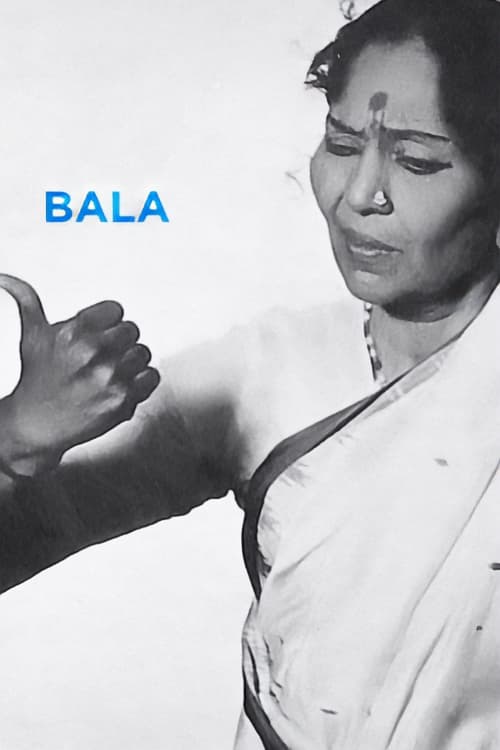
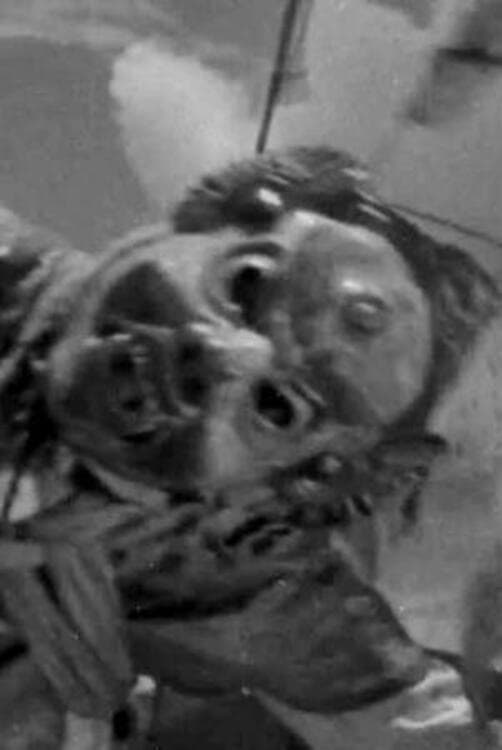
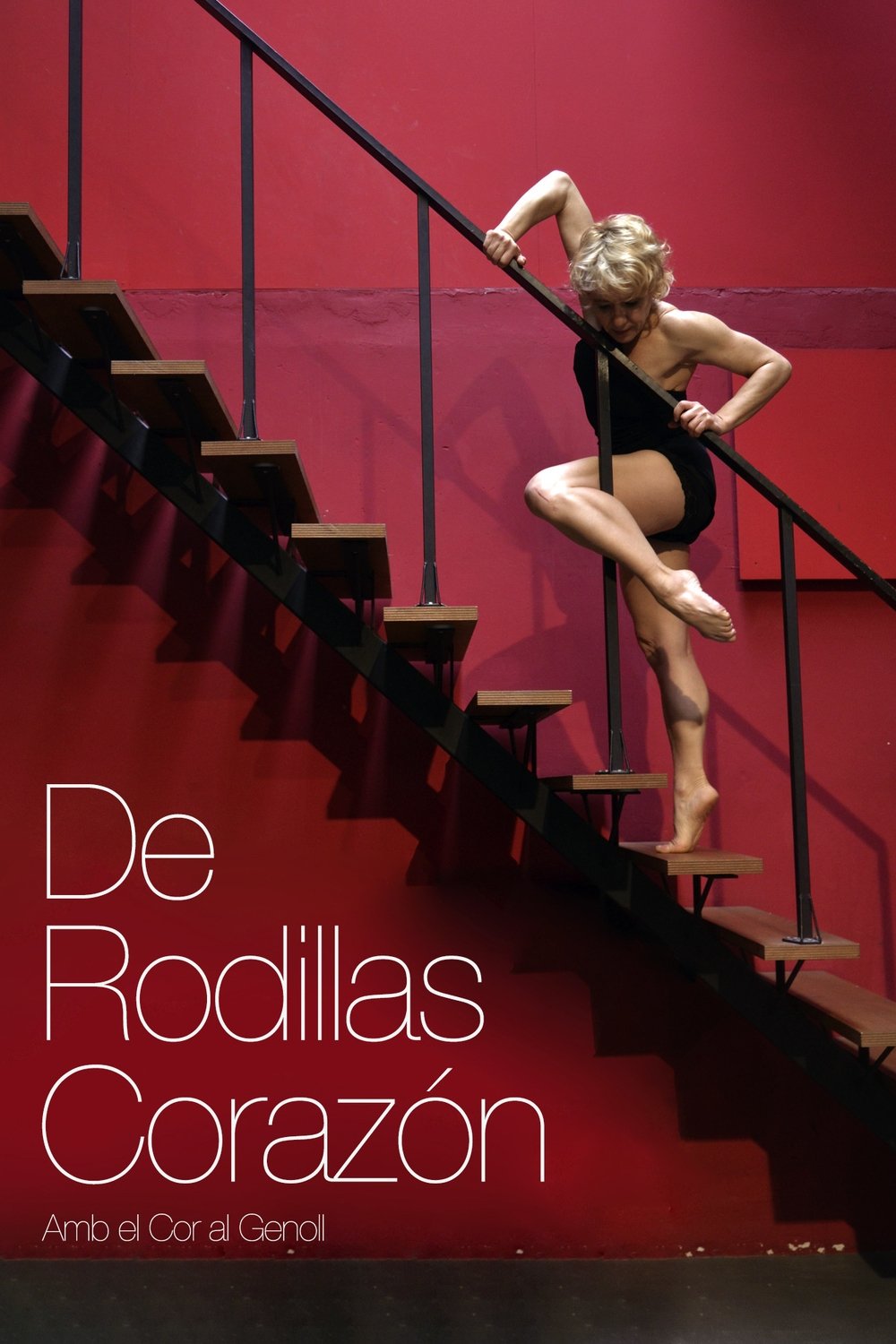
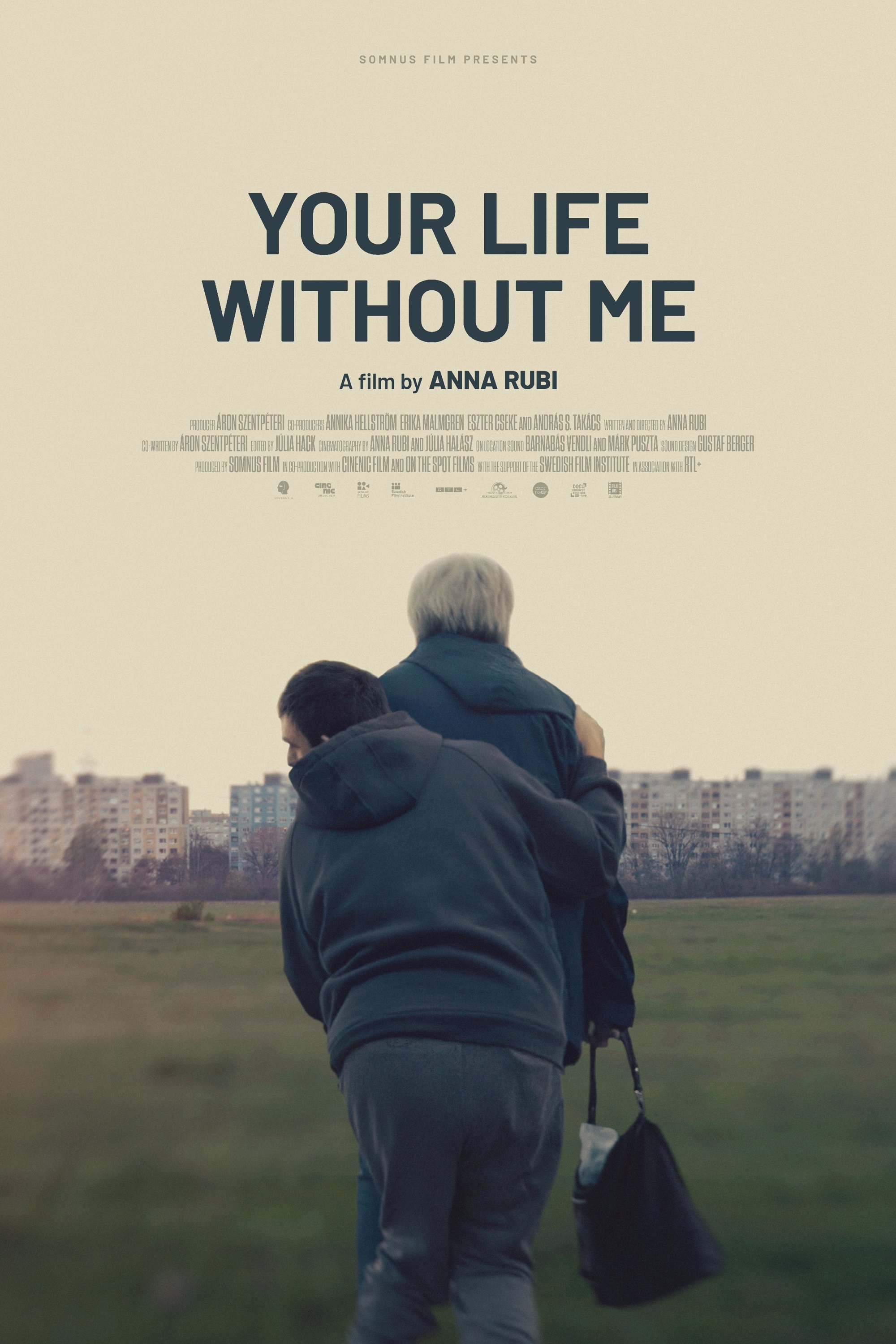
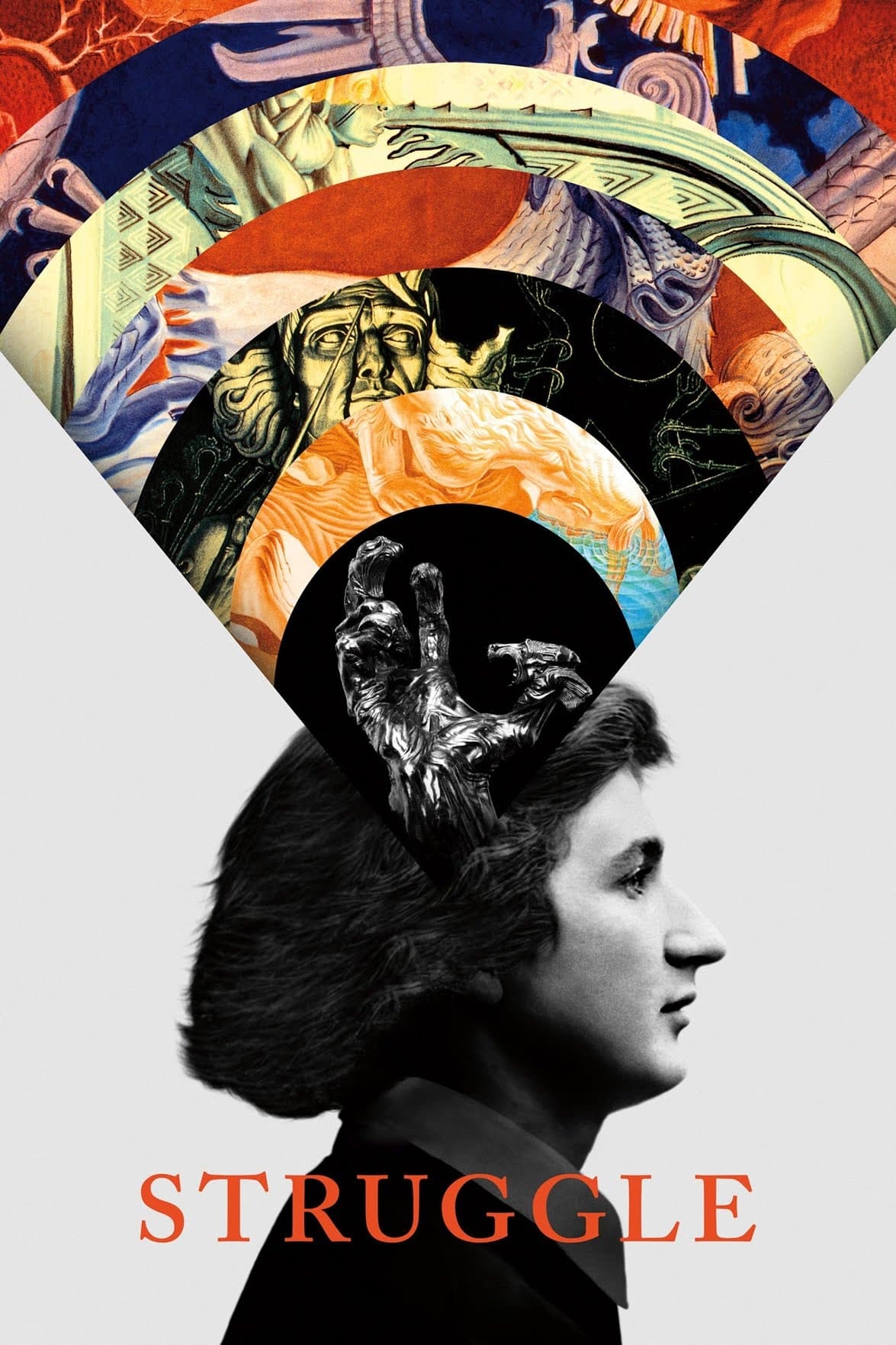
A portrait of the dancer Hanna Väätäinen, a friend of the artist, experiences her body after her hand was paralysed in childhood following a neck fracture.
Social & External
Narrator
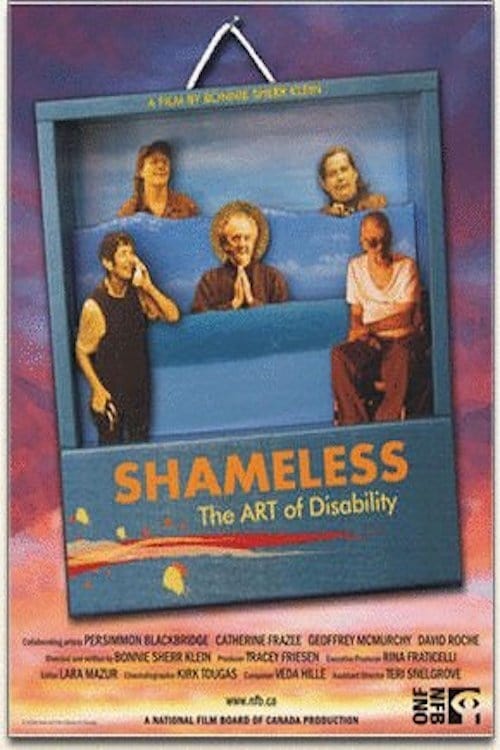
Art, activism and disability are the starting point for what unfolds as a funny and intimate portrait of five surprising individuals. Director Bonnie Sherr Klein (Not a Love Story, and Speaking Our Peace) has been a pioneer of women's cinema and an inspiration to a generation of filmmakers around the world. SHAMELESS: the ART of Disability marks Klein's return to a career interrupted by a catastrophic stroke in 1987. Always the activist, she now turns the lens on the world of disability culture, and ultimately, the transformative power of art.
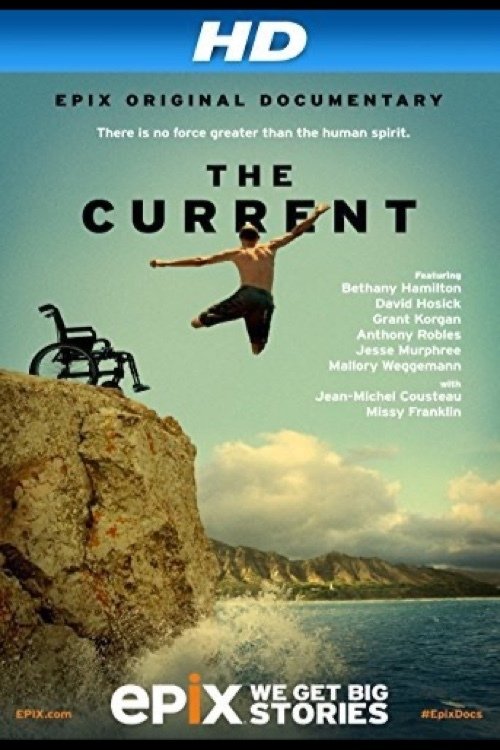
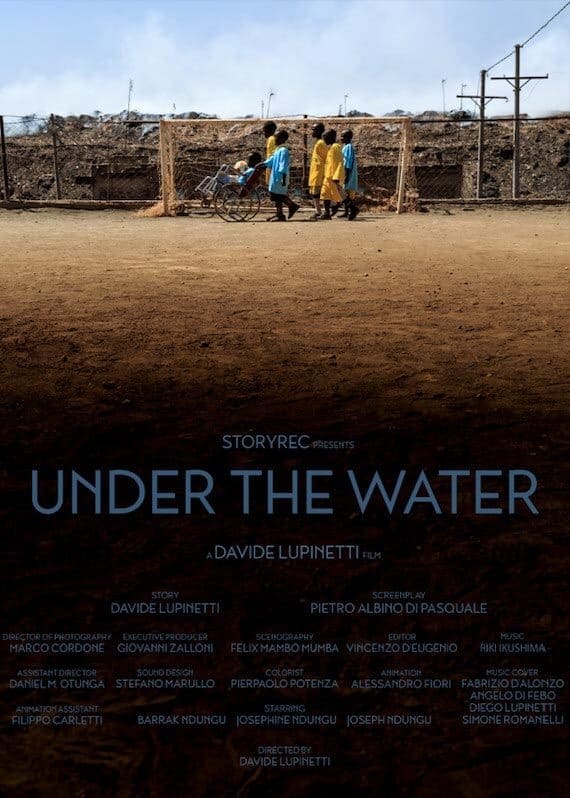
The Current tells the story of individuals from all walks of life that have faced incredible obstacles, found the drive to overcome their disabilities, and have through water sports become real everyday heroes. - Bethany Hamilton, Missy Franklin, Mallory Weggemann, Anthony Robles, Jesse Murphree
A group of musicians who have never met get together for a week to live in a mansion to write an album, record it in a studio, and perform it at a Masquerade Ball.
The first woman to appear in front of an Edison motion picture camera and possibly the first woman to appear in a motion picture within the United States. In the film, Carmencita is recorded going through a routine she had been performing at Koster & Bial's in New York since February 1890.
This is the face of someone the world assumes was stripped of her potential at the age of 18. But tragedy is not Mallory Weggemann's reality. Suddenly paralyzed from the waist down, she was turned loose to become a Paralympic Champion and activist. As Mallory's story unfolds, we come to understand that it was because of, not in spite of, that moment that she discovered who she really is.
Meet Matt Edwards, a lower-limb amputee boxer determined to break barriers and obtain his amateur boxing license—the crucial first step toward his dream of becoming a professional fighter. But the real fight isn’t just in the ring; it’s against a system that continues to put up obstacles, reflecting the everyday struggles disabled people face simply to be included in society.
A documentary on assisted suicide, authored by actor and disability rights activist Liz Carr.
In recent years, Hollywood productions have turned away from sensuality. Is the sex scene on the verge of extinction or reinvention? Alongside film professionals and researchers, this documentary deciphers a trend that speaks volumes about the evolution of the industry and our societies.
A documentary telling the remarkable human story of Stephen Hawking. For the first time, the personal archives and the testimonies of his closest family reveal both the scale of Hawking's triumphs and the real cost of his disability and success.
David dreams of being a pianist like his father, José Luis, who believes it impossible due to his son's physical characteristics: short arms, hands with four fingers and limited hearing. Thanks to his tenacity, David shows him that he can play in his own way and together they begin a musical path that culminates with a new challenge for David: premiering the difficult concerto for piano and orchestra that his father composed for him.
An introspective documentary which chronicles pop music queen Britney Spears' return to the spotlight after her much-publicized professional and personal struggles. Honest, raw and revealing, the one-hour special shares some of Spears' most intimate moments in the span of 60 days, and gives fans an inside look at Britney in the recording studio and on set filming the music videos for one of music's most triumphant comebacks.
As a visibly disabled person, filmmaker Reid Davenport is often either the subject of an unwanted gaze — gawked at by strangers — or paradoxically rendered invisible, ignored or dismissed by society. The arrival of a circus tent just outside his apartment prompts him to consider the history and legacy of the freak show, in which individuals who were deemed atypical were put on display for the amusement and shock of a paying public. Contemplating how this relates to his own filmmaking practice, which explicitly foregrounds disability, Davenport sets out to make a film about how he sees the world from his wheelchair without having to be seen himself.
In Pakistan, the public space is dominated by men. The confidence with which they walk the streets or weight train quickly disappears once they are confronted with female sexuality. Off-screen, several anonymous women talk about their sexuality. The images of the conventional partiarchal society are in sharp contrast to the liberating explicitness of the accounts of clit stimulation, sex with multiple partners, pissing, abortions, and rape.
Documentary about punk band Heavy Load, subject to the combustible flux of ego, ambition, fantasy, expectation and desire that fuels any emerging band, but uniquely made up of musicians with and without learning disabilities. This makes the band's survival a precarious negotiation between two different worlds - on the one hand the institutional timetable of day centres, work placements and social workers and, on the other, the chaotic slacker life of rehearsal rooms, studios and gigs. (Storyville)
David Vandenbrink seems like a healthy 21-year-old, bright and articulate young man. There is little to suggest that while in his mother's womb, he suffered permanent brain damage. His condition, fetal alcohol syndrome (F.A.S.), went undiagnosed for the first 18 years of his life, causing confusion, anger, and pain for both David and his non-Indigenous adoptive family. Fetal alcohol syndrome is a term used to describe a set of symptoms seen in some children born to women who drank alcohol during pregnancy. The damage can be subtle or severe, resulting in a wide range of symptoms in the areas of slowed growth, disfigurement, and damage to the brain. Associated behavioural problems include impulsiveness, poor judgment, and an inability to grasp the consequences of actions. This personal story, using video footage shot by David himself, along with the experiences of members of his family, is a hard look into the serious consequences of a little-known, but widespread, health problem.
Check Your Body At The Door is a documentary film about some remarkable underground house dancers in NYC during the golden decade of the 1990s. It follows master free-stylists into the clubs, their jobs, and their everyday lives. Filmed in the studio as well, the dancers’ virtuosic moves are brilliantly revealed in silhouette or light pools. In their words they describe the importance of clubbing, why they dance, how they dance, and what it means.