Social & External
The people behind it
In Search of Hy-Brasil contemplates the textures and rhythms of island life. It brings to the fore the symbiotic relationship that exists between islanders and their elemental surroundings, and how their existences are formed and shaped by raw materials.
Behind the iconic Eiffel Tower lies the story of an incredible challenge to erect a thousand-foot tower that went far beyond a design competition, and marked a major turning point in engineering history. It was the beginning of radical transformation where iron was pitted against stone, engineering against architecture, and modern design against ancients. Press campaigns, lobbying, public conferences, denigration of opposing projects, bragging about big names - all participants engaged in a fierce battle without concession. Using 3D recreations, official sources (reports, letters, drawings...) and intimate archives obtained from their descendants, this film will bring to life this vertical race through a fresh and visual way to mark the centenary of Eiffel death.
A portrait of the German city of Ulm and it's social activities, fassades, court building. Also about the role of the district court during National Socialism.
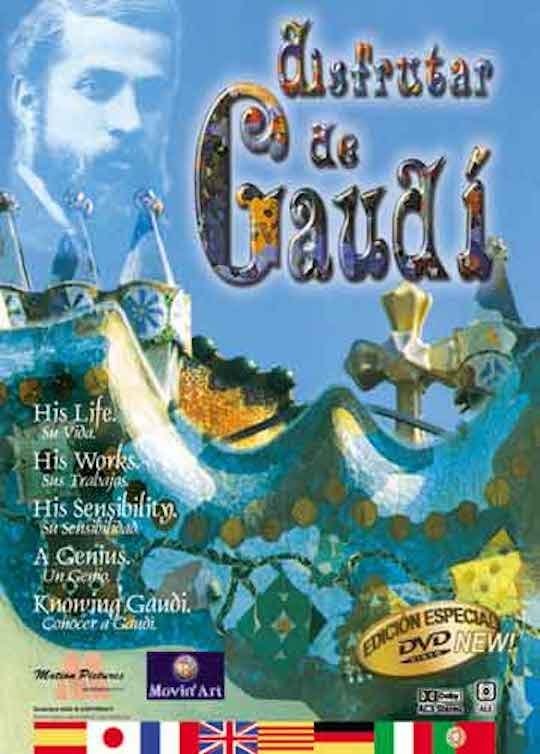
Presented in the guise of an autobiography, this program describes the life and work of Antoni Gaudí. It highlights his personality, his sensitivity and the images of his art.
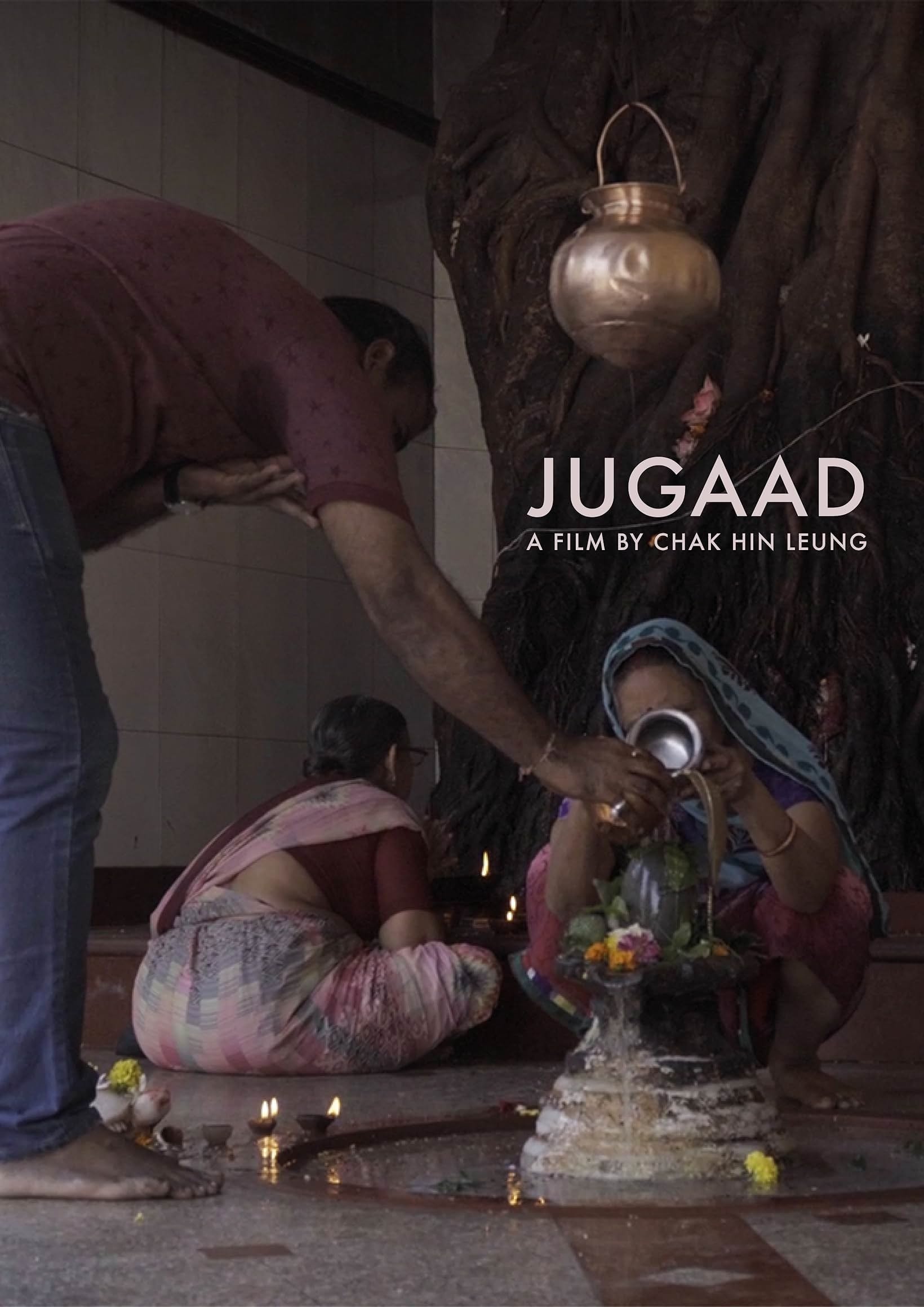
Jugaad is a Hindi word that can be translated as "innovative or effective solution that bends the rules". It refers to the extreme capacity developed by Mumbai's inhabitants to adapt and get around any type of constraint or obstacle posed by the city's urban structure. In a relatively small piece of land where 21 million people live today, the inhabitants of Mumbai demonstrate great creativity when it comes to managing the spaces (for sale, for prayer, for traffic) and the flows that cross them every day. Without using language, Hong Kong artist Chak Hin Leung brings together in this video a dozen unique situations in which people, animals, vehicles and natural elements intermingle and brush up against each other, without ever colliding.
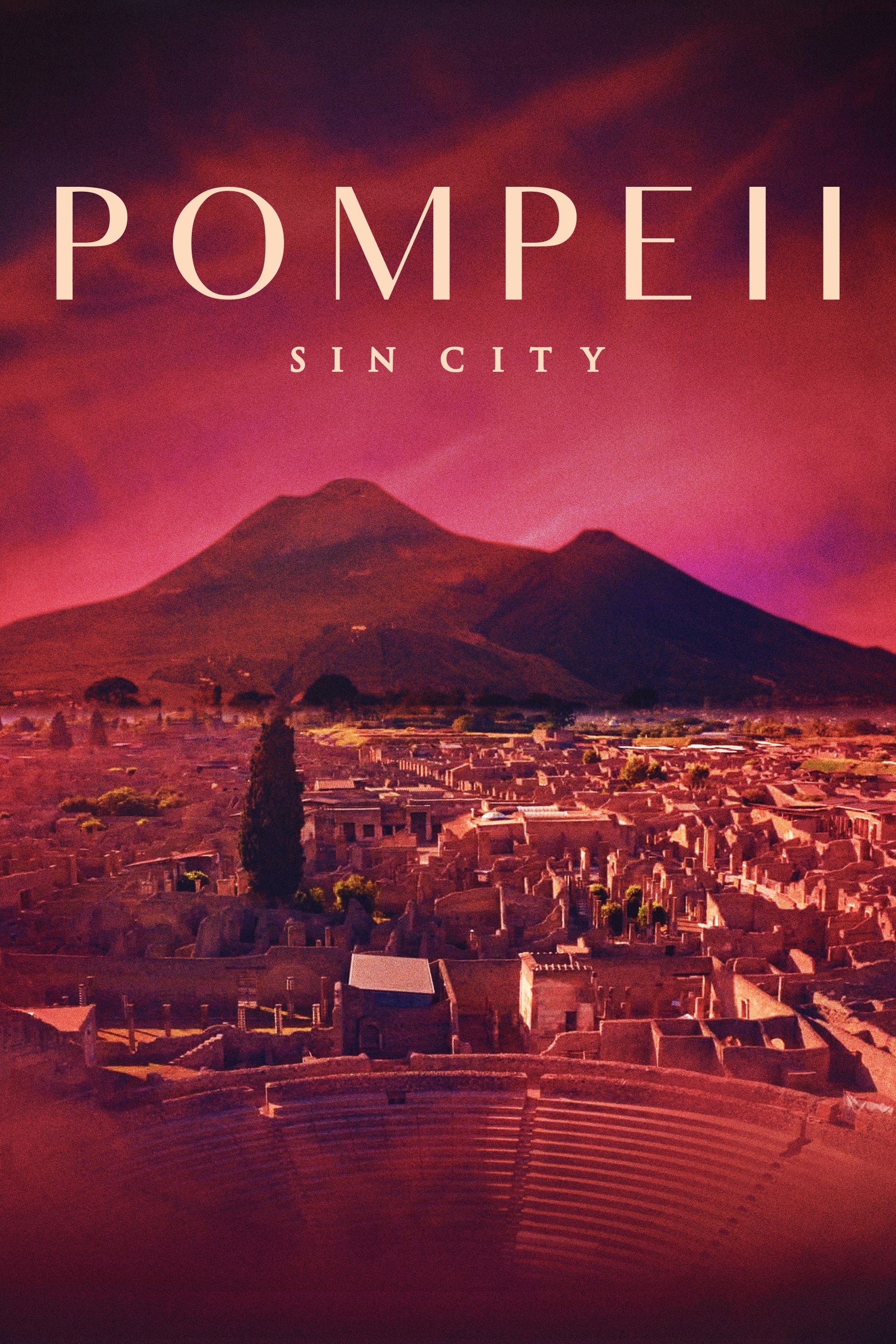
A story about one of the most famous and mysterious archaeological sites in the world.
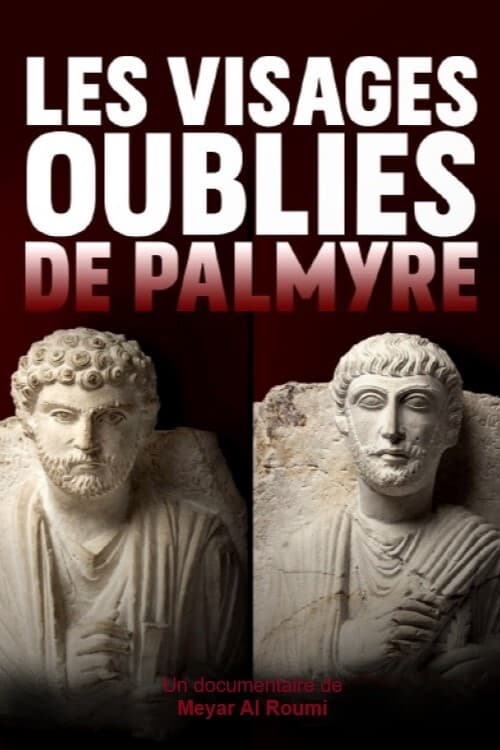
Two thousand years ago, it was a flourishing city in the middle of what is now a Syrian desert. At the crossroads of trade routes, Palmyra attracted caravanners from Mesopotamia, India and China. In what remains of its ruins, rediscovered by Europeans in the 17th century, its numerous necropolises bear witness to a prosperous past. Carved in limestone in the first centuries of our era, the faces of the representatives - men, women and children - of its greatest families adorn the walls of its tombs. Since 2012, Danish archaeologist Rubina Raja has been leading a long-term project to find, document and retrace the family trees and daily life of these Palmyrenians.
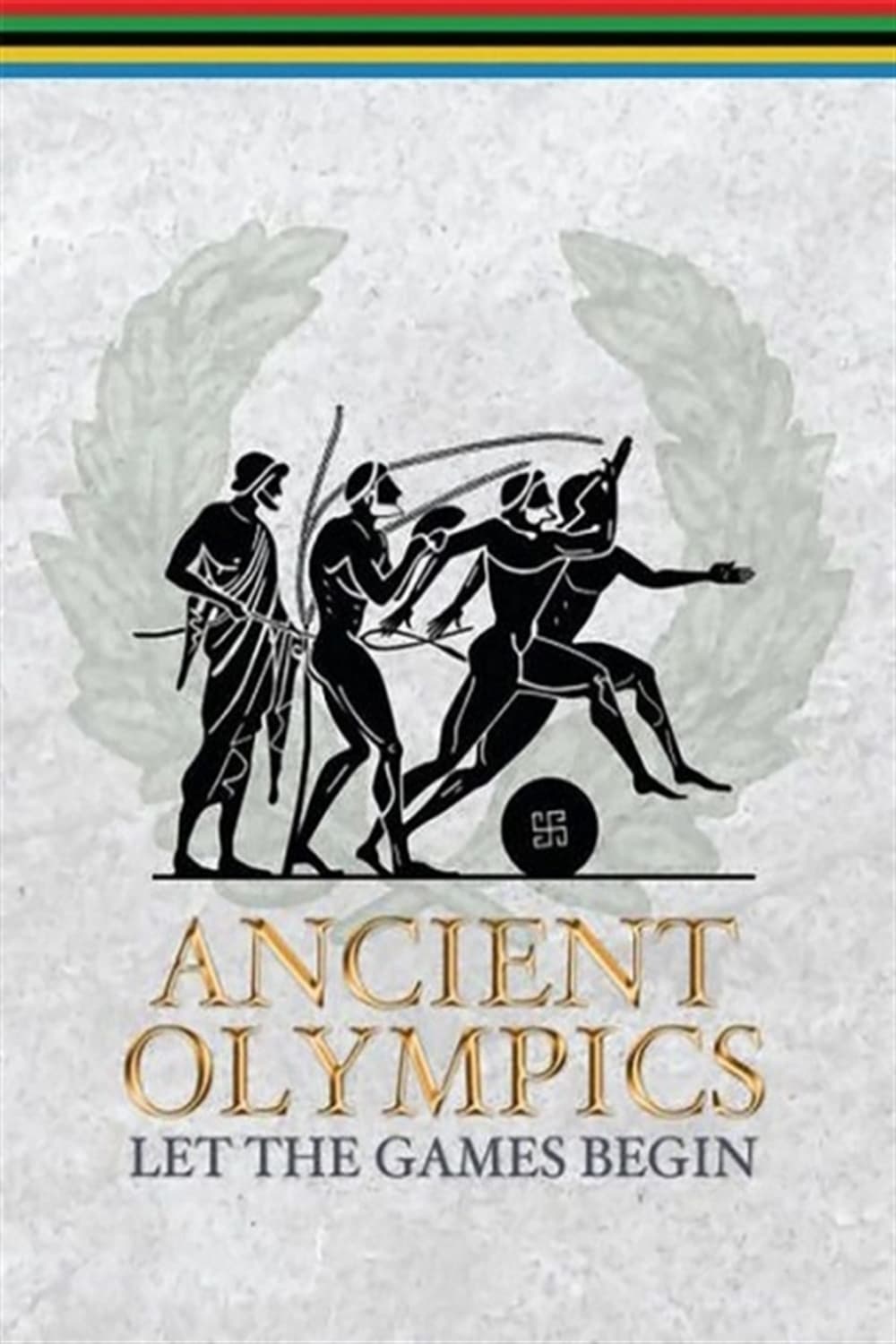
Come back with us to Ancient Greece, 2,500 Years ago to the original Olympic Games. The ancient Games, like our modern Olympics, included champions and cheaters, glory and scandals, bitter rivalries and contests of strength, speed and savage combat. Set in 448 BC when the pounding of horse's hooves and the brutal hand-to-hand combat could be heard and seen by the crowds that filled the Olympic stadium. This one-hour special event follows the glory and corruption of the arc of a single, five-day Olympiad. The competitions include chariot racing, running, jumping, discus, javelin and two man-to-man combat finals-boxing and pankration, a form of extreme fighting in which death was not uncommon. With the help of sports historians and great athletes such as George Chuvalo and Olympic medallists Donovan Bailey and Angela Schneider, viewers travel back to a very different life-in a very different world.
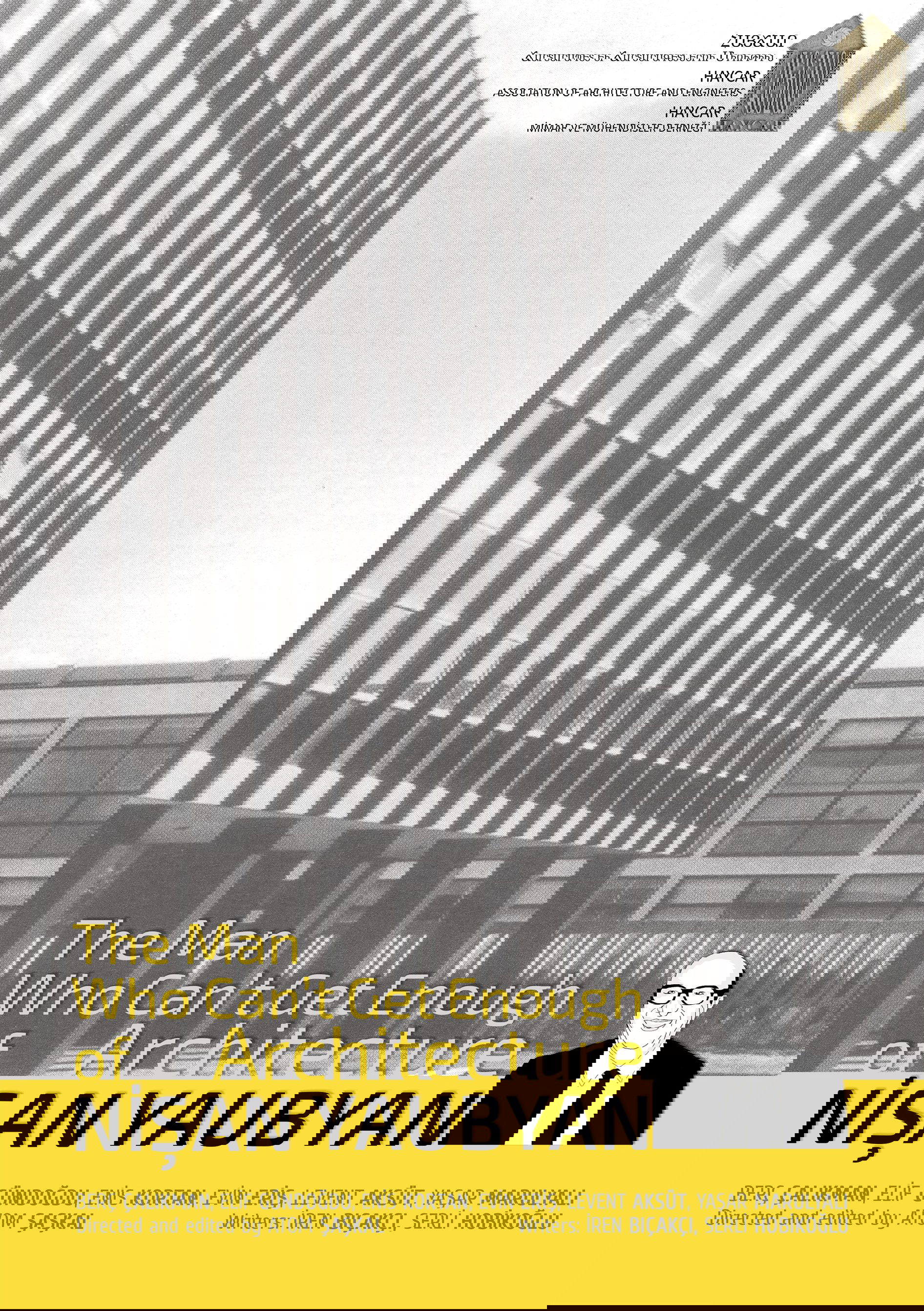
A biography documentary of the Argentine modernist architect Amancio Williams.
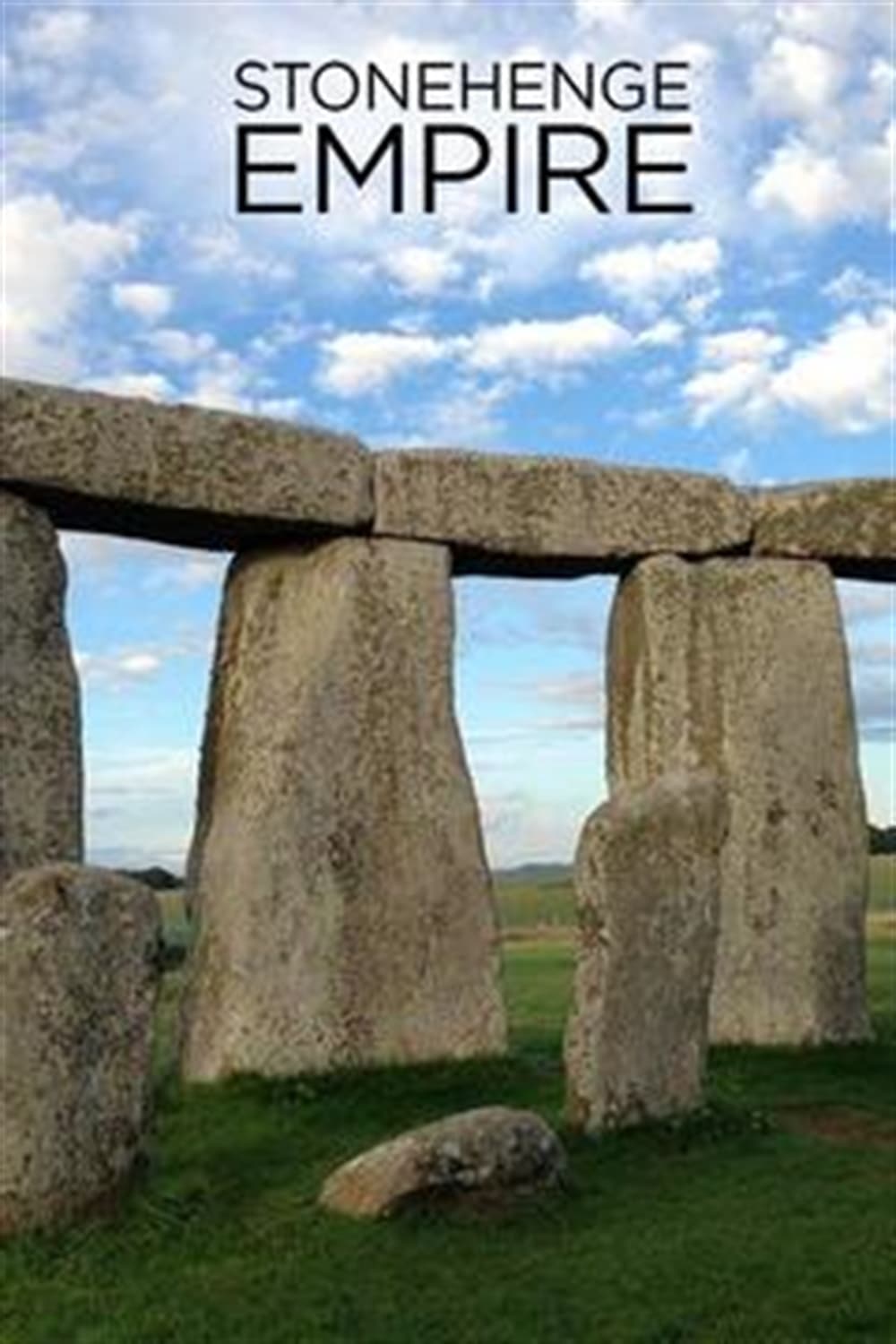
For centuries, Stonehenge has been cloaked in mystery. Who built it? How did they do it? Why did they do it and what is its significance? Now, a team of archaeologists takes a high-tech approach to find out, and their discoveries will exceed all expectations. Learn the full story of the world's most investigated prehistoric site, featuring a forgotten people who were meticulous planners, profound believers and true warriors. It's a 10,000-year-old tale, pieced together by state-of-the-art survey equipment and compelling archaeological evidence.
A short film about traditional crafts and culture that can still be found in the Wallachian mountains today.
The testimony of an artist who continues to believe in the socialist ideal. The story of a man who loves women.
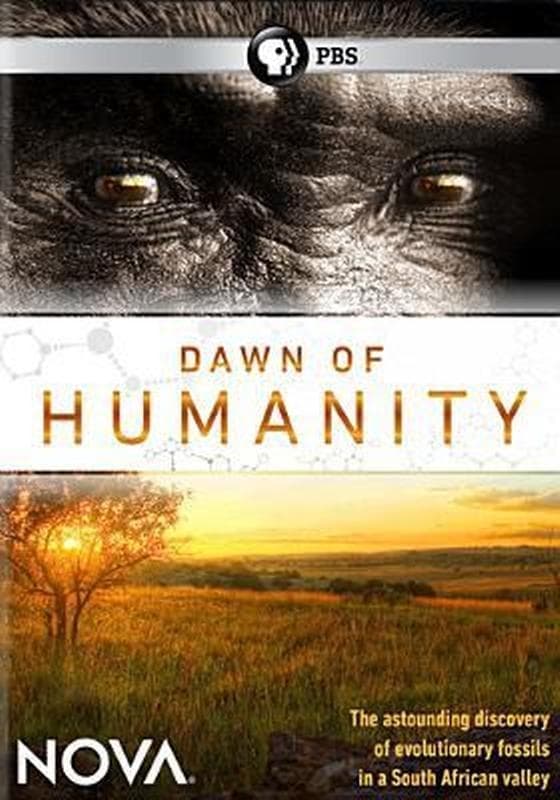
Nova and National Geographic present exclusive access to an astounding discovery of ancient fossil human ancestors.
The Italian architect Giancarlo De Carlo (Genoa 1919 - Milan 2005), inspires generations of architects all over the world. His philosophy still remain a school subject. The film, inspired by Franco Buncuga's book “Conversations with Giancarlo de Carlo”, recalls an imaginary trip from Genoa to Urbino, guiding the audience through the historical town center, the Palazzo Ducale and the masterpieces of the Italian Renaissance architect Francesco di Giorgio Martini, which made the Urbino so great.
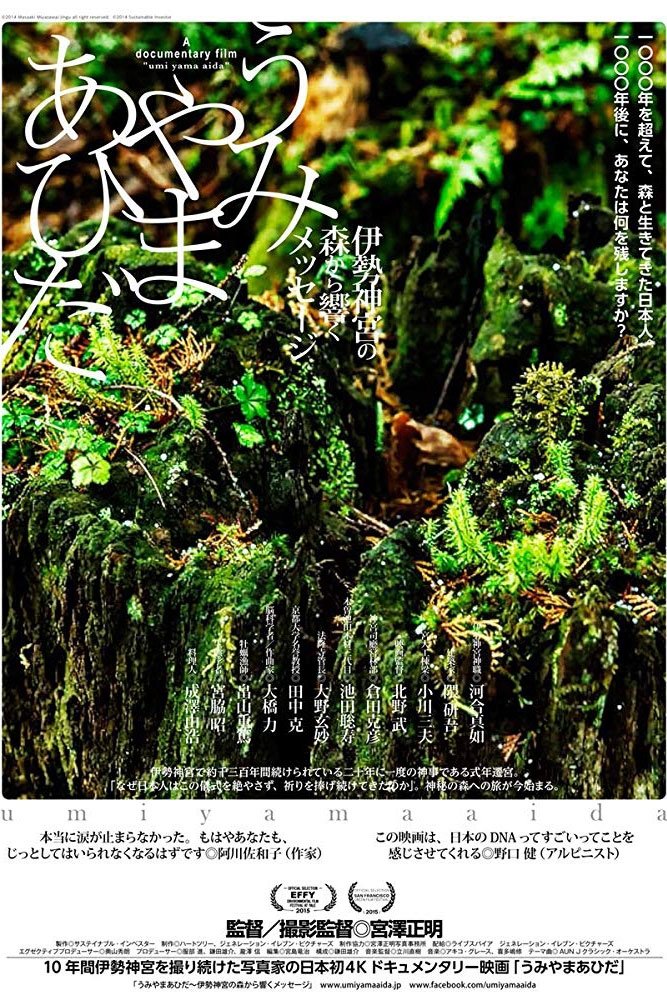
Finding their place between the forest and the sea, the Japanese have always felt awe and gratitude toward Nature. Since ancient times, they have negotiated their own unique relationship with their natural surroundings. Acclaimed photographer Masa-aki Miyazawa discovered the essence of that ancient way of living in Ise Jingu, Japan’s holiest Shinto shrine. Inspired by the idea of sending a message to the future in the same way this ancient shrine keeps alive the traditions of the past, Miyazawa used an ultra-high resolution 4K camera to create a breathtaking visual journey linking the Ise forest with other forests throughout Japan.
Poème Électronique is an 8-minute piece of electronic music by composer Edgard Varèse, written for the Philips Pavilion at the 1958 Brussels World’s Fair. The Philips corporation commissioned Le Corbusier to design the pavilion, which was intended as a showcase of their engineering progress. The pavilion was shaped like a stomach, with a narrow entrance and exit on either side of a large central space. As the audience entered and exited the pavilion, the electronic composition Concret PH by Iannis Xenakis (who also acted as Le Corbusier's architectural assistant for the pavilion's design) was heard. Poème électronique was synchronized to a film of black and white photographs selected by Le Corbusier which touched on vague themes of human existence.
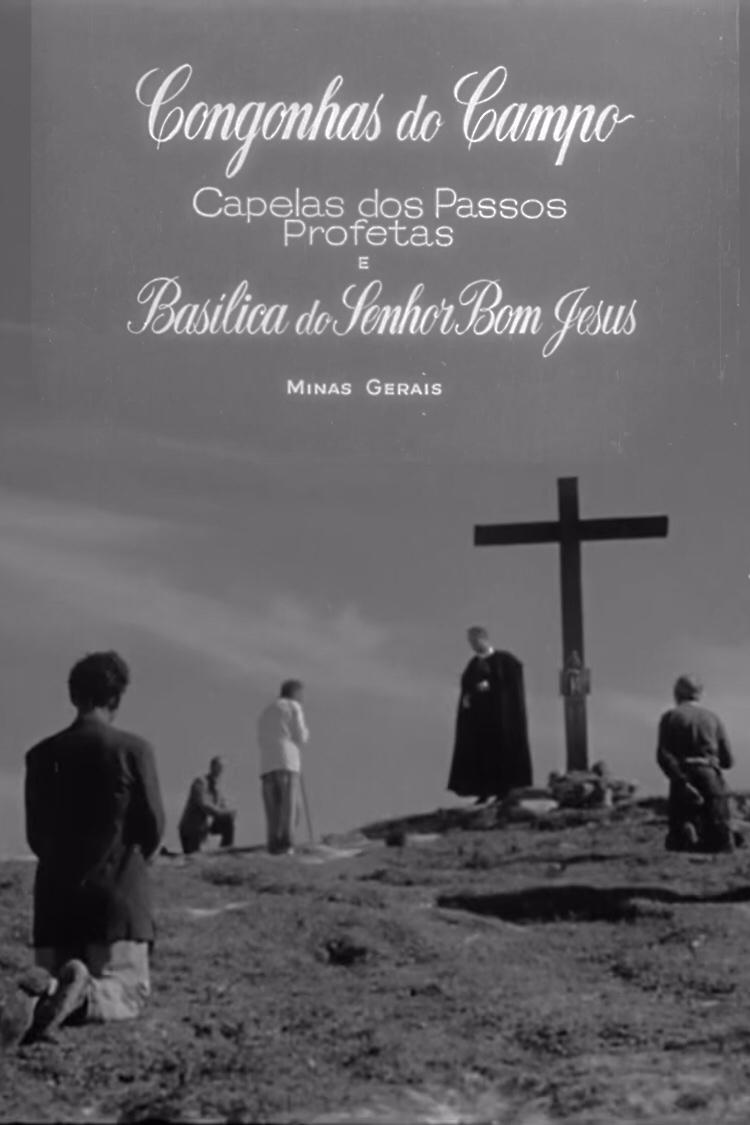
Aspects of the city of Congonhas do Campo. The preponderance of baroque architecture, the Basilica of Senhor Bom Jesus de Matozinho, the six chapels on the terrace leading to Morro do Maranhão. Each chapel contains statues representing moments of the Passion of Christ. While in the first chapel there is Santa Ceia figuration, in the second there is the Passo Horto scene. The kiss of betrayal and the imprisonment of Christ before the scene of the third chapel. In the fourth, two scenes are gathered: the coronation and the flagellation. On the fifth, the Christ bears the cross and the crucifixion is featured in the sixth chapel. The twelve apostles of Aleijadinho and the Latin inscriptions of each one. The interior of the Basilica and its main altar, with the figure of the Lord Dead.
Join the likes of Jeremy Renner, Hailee Steinfeld, Florence Pugh, and Vincent D’Onofrio as they reveal how Marvel Studios’ “Hawkeye” was conceived and created. Witness firsthand what it took to pull off the show’s pulse-pounding action set pieces, and discover how iconic characters from the pages of Marvel Comics such as Kate Bishop were adapted and brought to life for the six-episode series.
An inside look at one of the most anticipated movie sequels ever with James Cameron and cast.
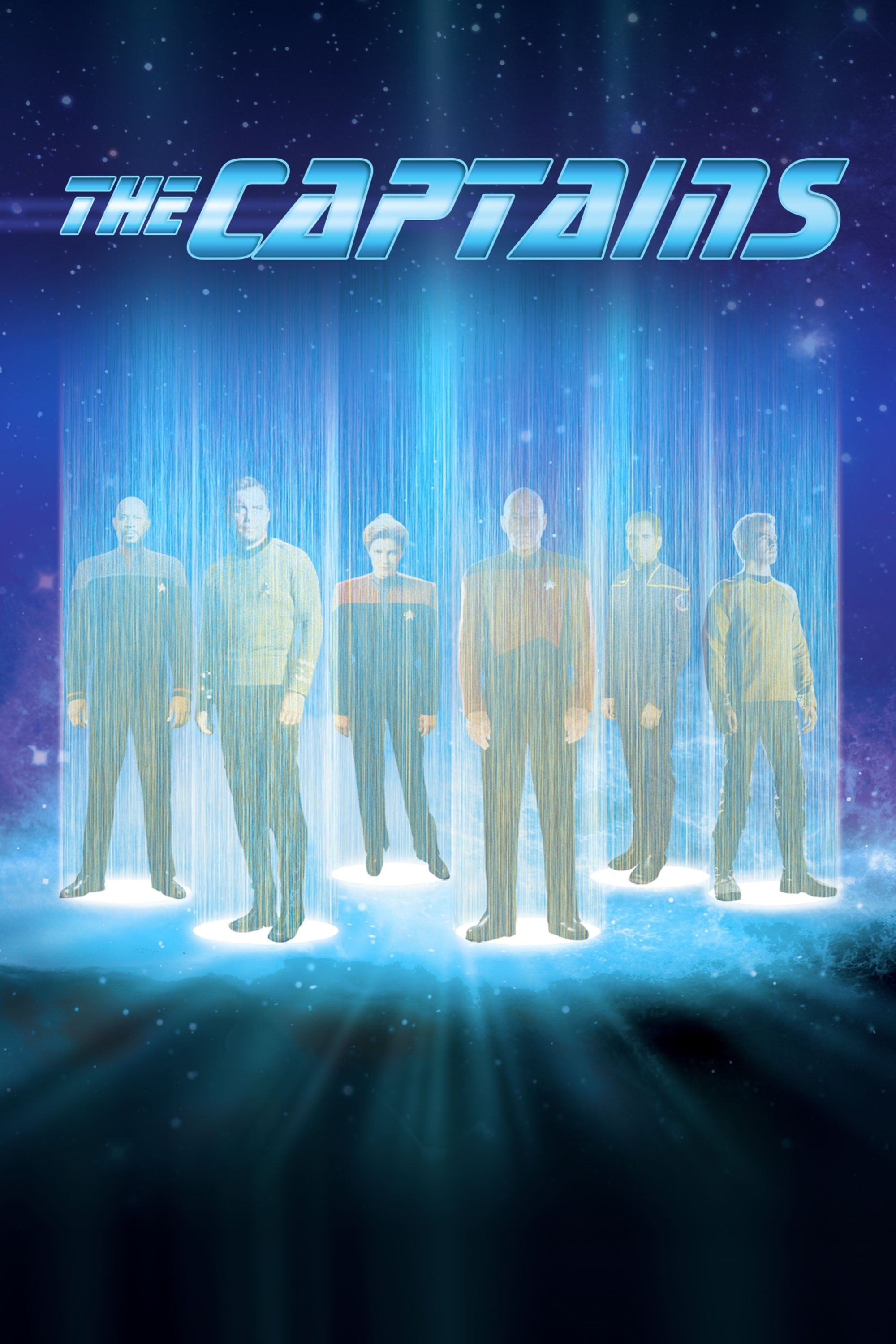
The Captains is a feature-length documentary film written and directed by William Shatner. The film follows Shatner as he interviews the other actors who have portrayed starship captains in the Star Trek franchise.
This revealing documentary honors the legendary Sidney Poitier—iconic actor, filmmaker, and civil rights activist. Featuring interviews with Denzel Washington, Spike Lee, Halle Berry, and more.
Al Pacino's deeply-felt rumination on Shakespeare's significance and relevance to the modern world through interviews and an in-depth analysis of "Richard III."
Interviews with leading authors, philosophers and scientists, with an in-depth discussion of the Law of Attraction. The audience is shown how they can learn and use 'The Secret' in their everyday lives.
The film follows adventurer Jeff Johnson as he retraces the epic 1968 journey of his heroes Yvon Chouinard and Doug Tompkins to Patagonia.
Settle in with the likes of Taika Waititi, Chris Hemsworth, Natalie Portman, Christian Bale, and Tessa Thompson, and as they divulge the secrets behind the creation of Thor: Love and Thunder. Through in-depth interviews with cast and crew, along with raw, unseen footage from the set and beyond, this documentary special pulls back the curtain on the God of Thunder’s fourth feature film.
Rising musician Jeff Buckley had only released one album when he died suddenly in 1997. Now, never-before-seen footage, exclusive voice messages, and accounts from those closest to him offer a portrait of the captivating singer.
The Adamant is a unique day-care centre. A floating structure located on the Seine in the heart of Paris, it welcomes adults suffering from mental disorders, offering the kind of care that grounds them in time and space and helps them to recover or keep up their spirits. The team running it tries to resist the deterioration and dehumanisation of psychiatry as best as they can.
Egyptian archaeologists dig into history, discovering tombs and artifacts over 4,000 years old as they search for a buried pyramid in this documentary.
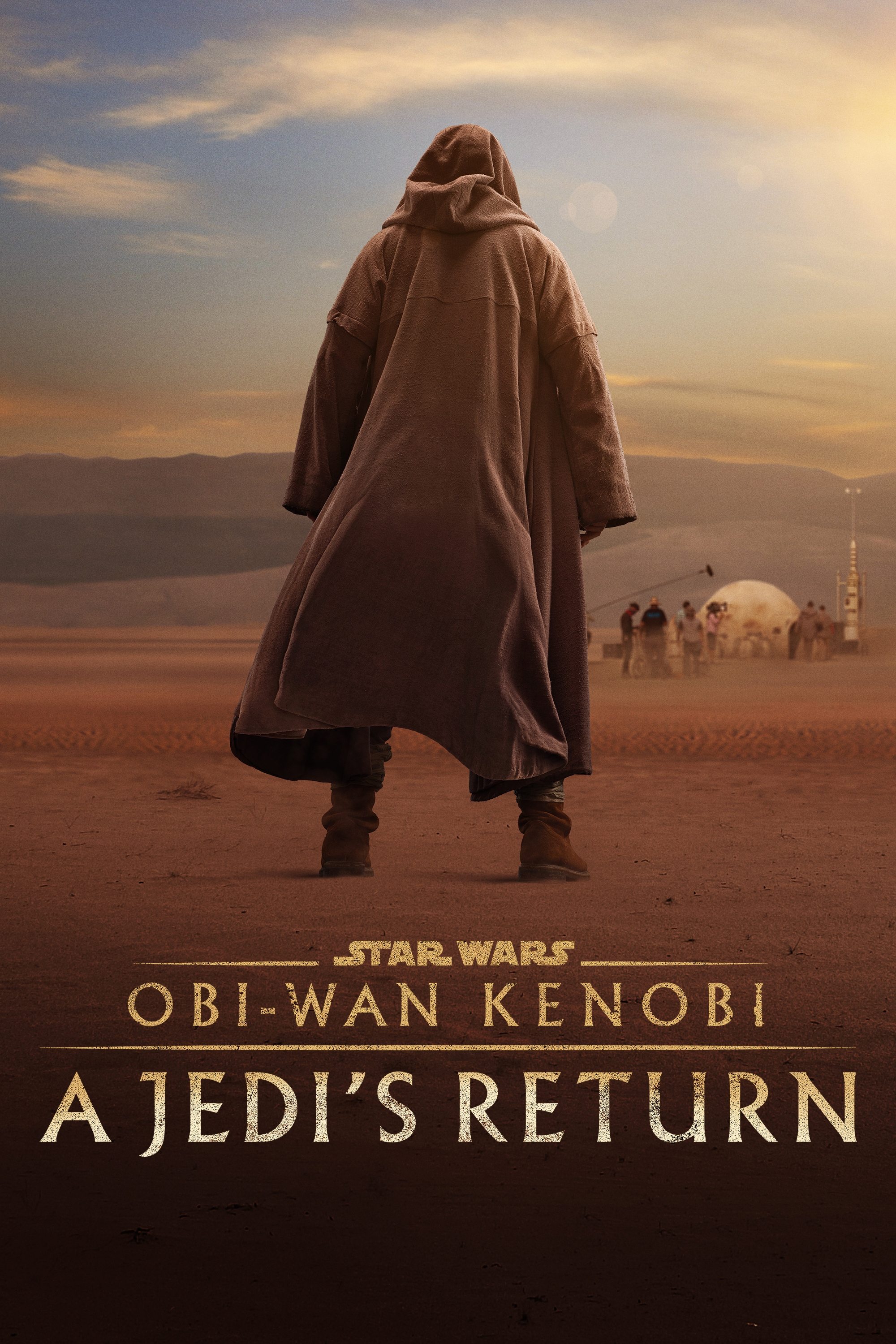
This special explores the return of Obi-Wan Kenobi and Anakin Skywalker to the screen, as well as Ewan McGregor and Hayden Christensen to their classic roles. Director Deborah Chow leads the cast and crew as they create new heroes and villains that live alongside new incarnations of beloved Star Wars characters, and an epic story that dramatically bridges the saga films.
Lupita Nyong'o narrates a documentary about Peanuts and its creator, Charles M. Schulz. Famous fans—including Drew Barrymore, Kevin Smith, and Al Roker—share its influence on them, and a new animated story finds Charlie Brown on a quest.
The life of Bambi, a male roe deer, from his birth through childhood, the loss of his mother, the finding of a mate, the lessons he learns from his father, and the experience he gains about the dangers posed by human hunters in the forest.
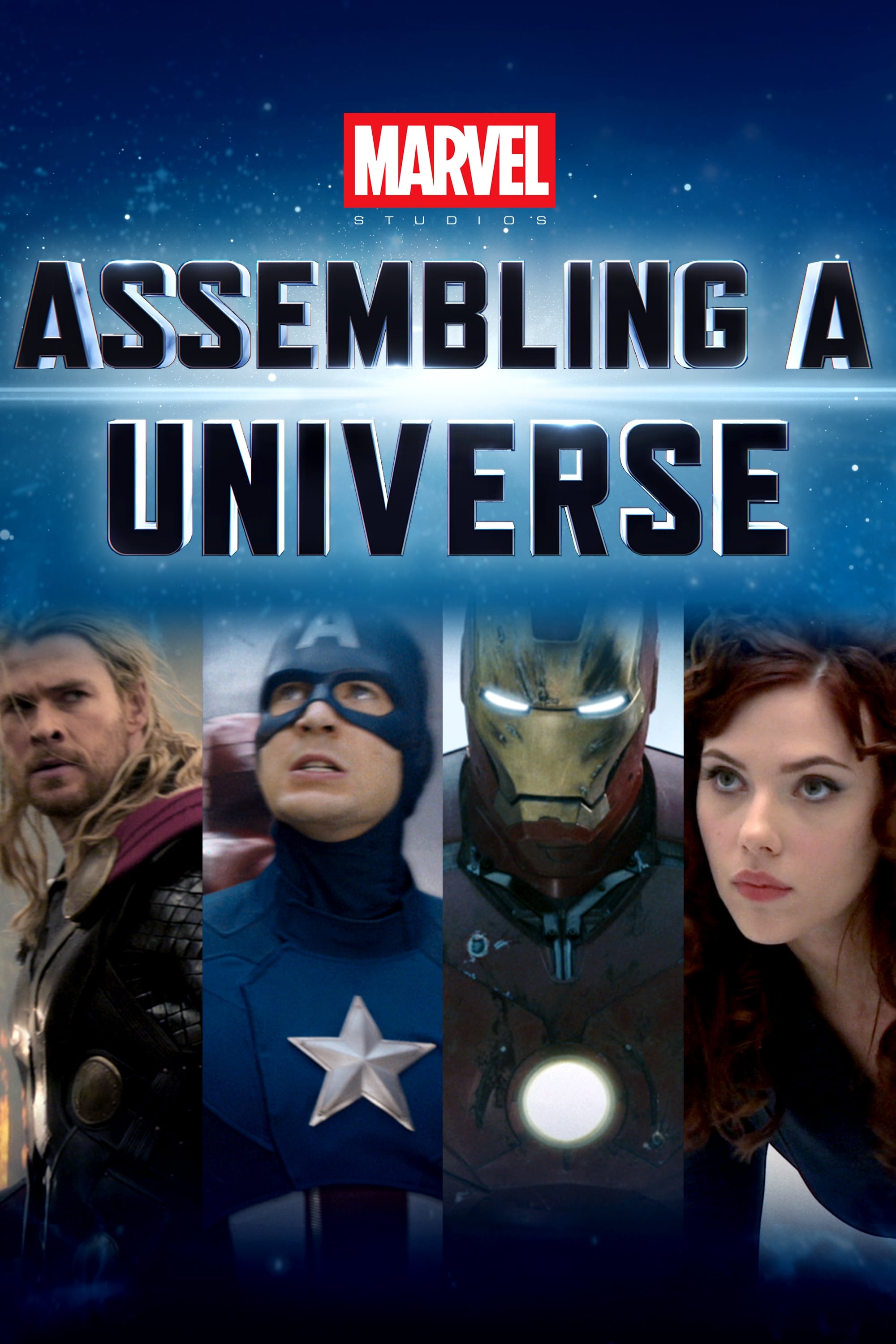
A look at the story behind Marvel Studios and the Marvel Cinematic Universe, featuring interviews and behind-the-scenes footage from all of the Marvel films, the Marvel One-Shots and "Marvel's Agents of S.H.I.E.L.D."!
Unprecedented access to Muhammad Ali's personal archive of "audio journals" as well as interviews and testimonials from his inner circle of family and friends are used to tell the legend's life story.
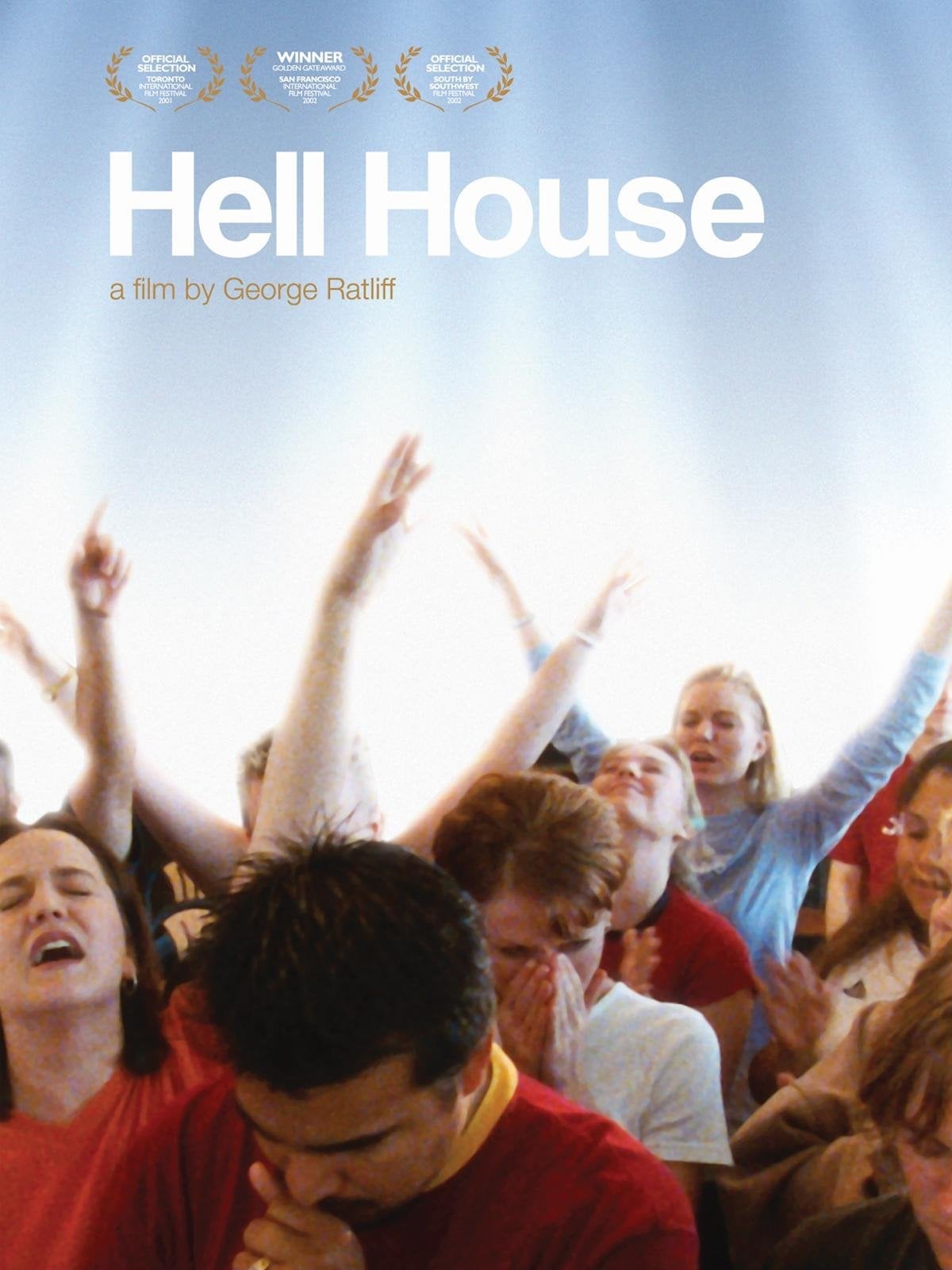
A look at the "Hell House" performed annually in October by the youth members of Trinity Church (Assemblies of God) in Cedar Hill, Texas (a Dallas suburb) — seen by over 10,000 visitors each year.
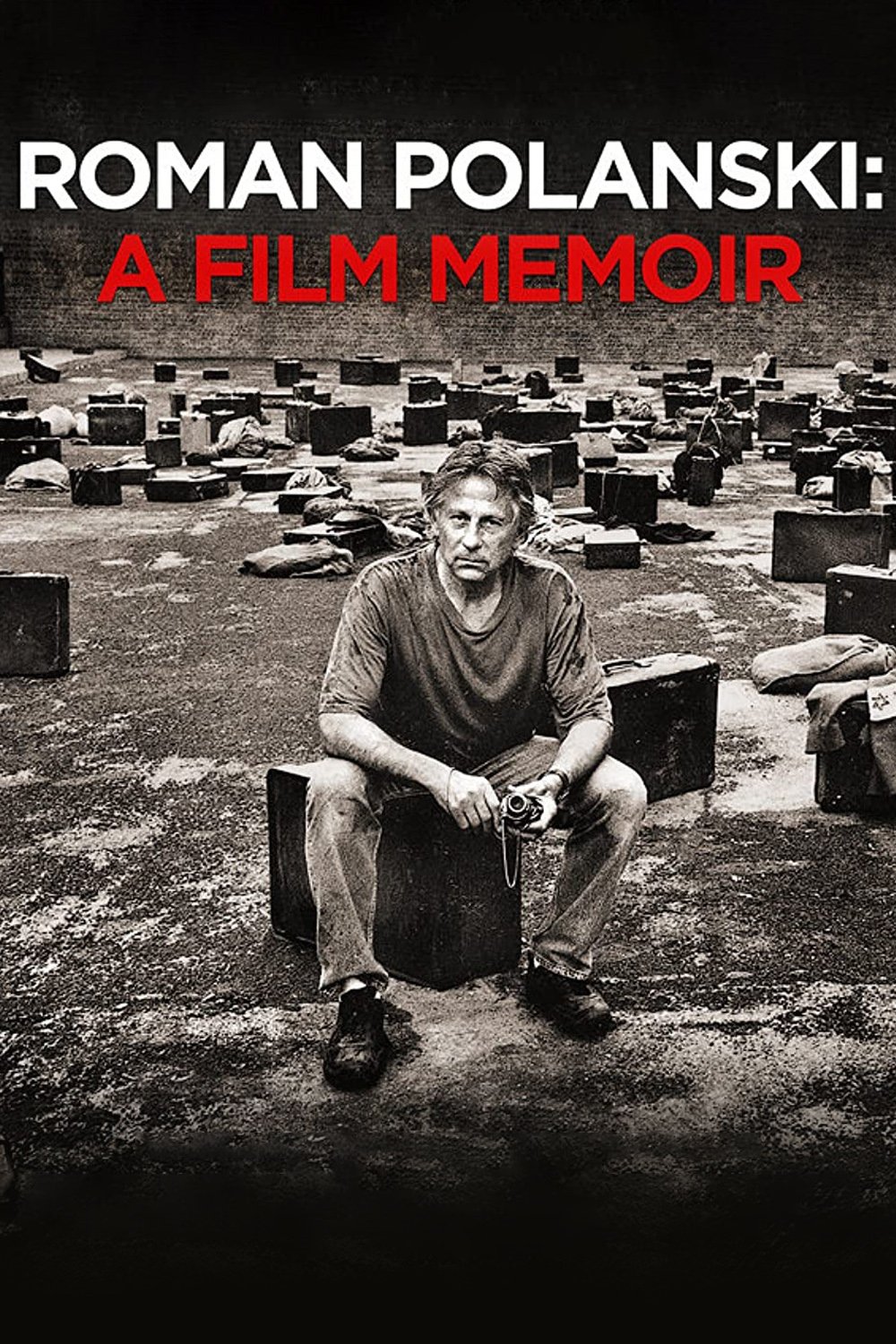
An interview with film director Roman Polanski conducted during his period of house arrest, discussing his life and work.
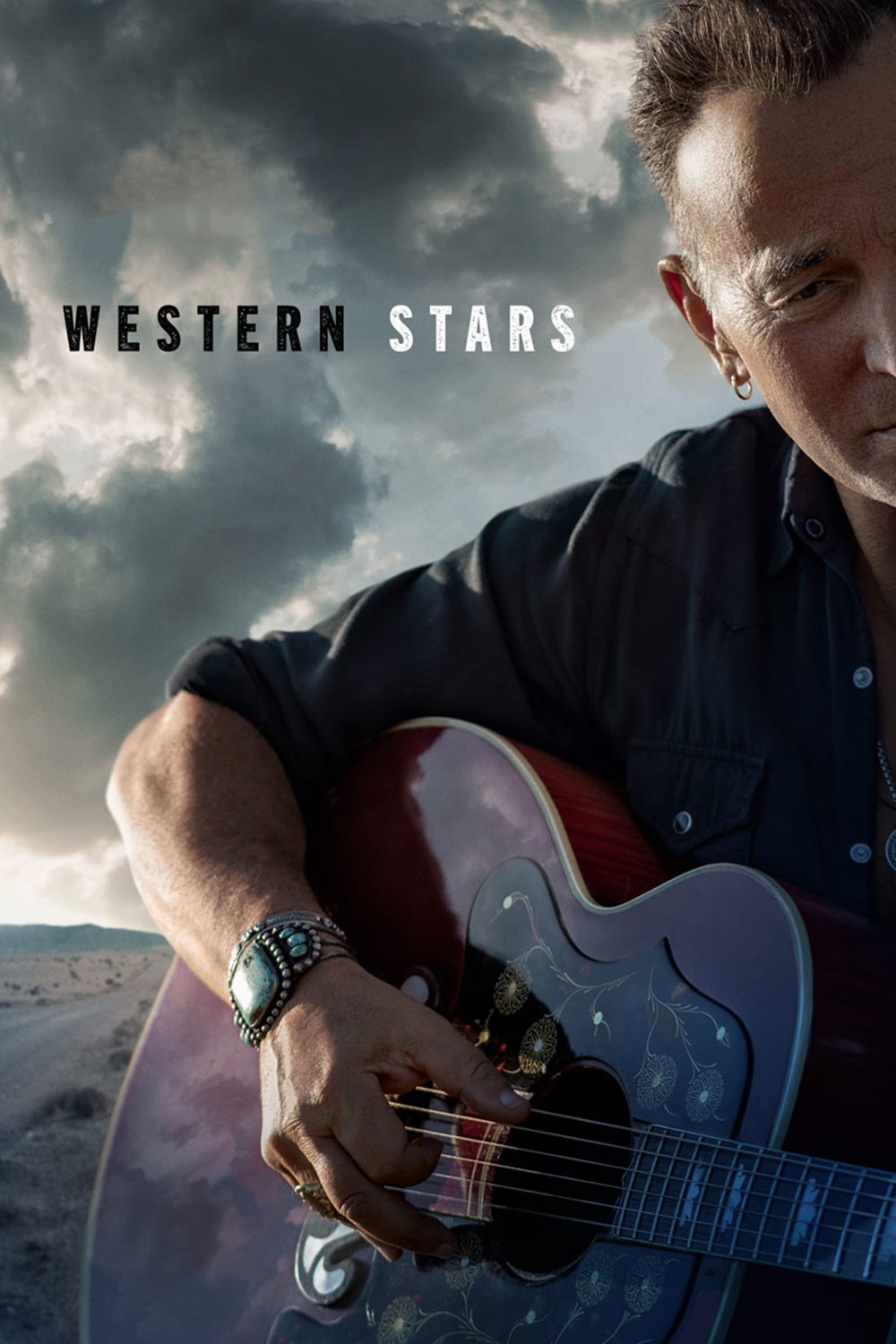
The incomparable Bruce Springsteen performs his critically acclaimed latest album and muses on life, rock, and the American dream, in this intimate and personal concert film co-directed by Thom Zimny and Springsteen himself.
Those who knew iconic funnyman John Candy best share his story, in their own words, through never-before-seen archival footage, imagery, and interviews.