"A film by Robert C. Van Camp And Andy Lockett"
A documentary covering the planning, construction, and legacy of the Blue Ridge Parkway.
Social & External
RUNNING FOR THE MOUNTAINS digs into West Virginia's history of 'patriotic sacrifice,' unearthing veins of dark money and dirty politics. The film tracks grassroots candidates and ordinary citizens' attempts to save their land, water, homes, and communities - calling out the pro-extraction politicians enabling destruction, including Senator Joe Manchin and his likely replacement, coal baron Governor Jim Justice. Appalachia is the proverbial canary in a coal mine; pay attention or pay the price.
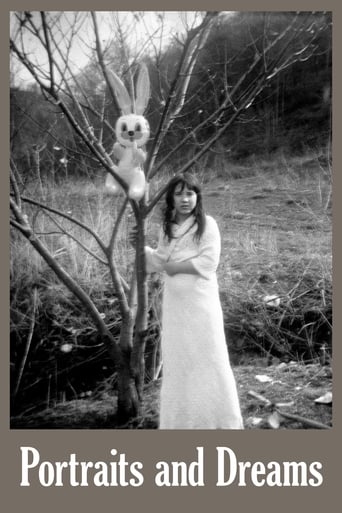
Revisit photographs created by Kentucky school children in the 1970s and the place where their photos were made. Photographer and artist Wendy Ewald, who guided the students in making their visionary photographs, returns to Kentucky and learns how the lives and visions of her former students have changed.
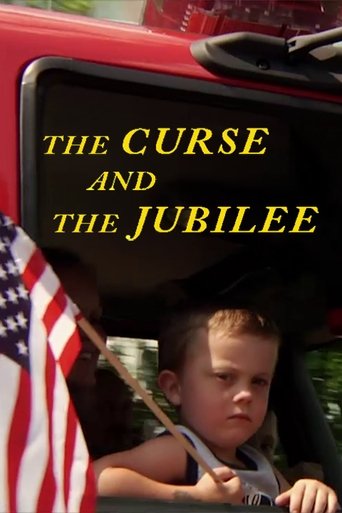
An intimate, arresting portrait of the cursed Appalachian mining town of Ivanhoe, Virginia. The film captures the town as it prepares for the annual Jubilee, a wild 4th of July celebration where families and neighbors let loose and triumph over daily hardships, industrial abandonment, and race.
In his first one hundred days in office, in a effort to stem the effects of the Great Depression, President Roosevelt created many new federal agencies. They gave jobs and relief to people and transformed the American landscape with public works projects. Nowhere was this transformation more apparent than in Mayor Fiorello La Guardia's New York City. Together Roosevelt and La Guardia expanded and redefined the role of government in the lives of the American people.
Documentary profiling an Appalachian farming family struggling to scrape out a living. Linking education and economic development, The Children Must Learn suggests that better schooling, especially in agricultural techniques, would bring improvement.
Every American who has listened to the radio knows Guthrie's "This Land Is Your Land." The music of the folk singer/songwriter has been recorded by everyone from the Mormon Tabernacle Choir to U2. Originally blowing out of the Dust Bowl in Depression-era America, he blended vernacular, rural music and populism to give voice to millions of downtrodden citizens. Guthrie's music was politically leftist, uniquely patriotic and always inspirational.
A documentary that traces the origins of the political power structure that rules our nation and the world today. The modern political power structure has its roots in the hidden manipulation and accumulation of gold and other forms of money.
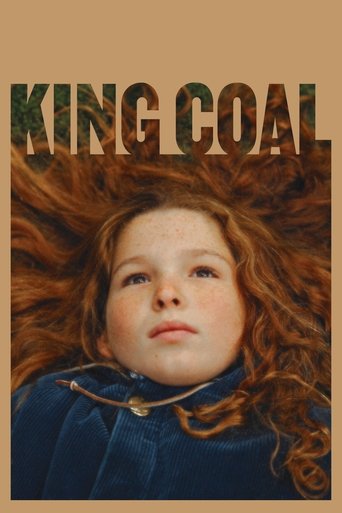
The cultural roots of coal continue to permeate the rituals of daily life in Appalachia even as its economic power wanes. The journey of a coal miner’s daughter exploring the region’s dreams and myths, untangling the pain and beauty, as her community sits on the brink of massive change.
Period music, film clips and newsreel footage combined into a visual exploration of the American entertainment industry during the Great Depression.
A documentary that examines the cultural stereotype of the people of Appalachia and how that has affected America's relationship with its rural communities.
This documentary follows the lives of the Bowling family as they fight to survive in dirt-poor Appalachia. Matriarch Iree has given birth to 13 children, but only two have left to seek better lives in Ohio while the rest have married and started their own impoverished families near home. Uneducated and unskilled, all are unemployed, and domestic violence and alcoholism pose serious problems. The filmmakers explore the family's relationships through interviews and footage of their daily lives.
January, 1947. The public receives the news of Al Capone's death with indifference, although twenty years earlier he had ruled Chicago's crime underworld with brute force and corrupting many touchable individuals. Until the day the head of the Untouchables Brigade, Eliot Ness, entered the scene. Since then, a cruel battle between the two of them began, a battle that ended in trial, conviction, disease, insanity and death.
In the grip of the Great Depression, unemployed men and women joined an unlikely WPA program to document America in guidebooks and interviews. With the Federal Writers' Project, the government pitted young, untested talents against the problems of everyday Americans. From that experience, some of America's great writers found their own voices, and discovered the Soul of a People. — Spark Media
Black and white evokes nostalgia for The Great Depression. Things were so cheap, including lives. We see daredevils (desperate people) compete for money prizes. Baby prepares for WW2. [Originally a 70mm projection-performance, 1982, by Ken and Flo Jacobs. From THRILLS AND CHILLS (Castle Films, c. 1930)].
Set in the North Carolina Appalachians, Sprout Wings and Fly honors the fiddle playing of 82-year-old Tommy Jarrell of Toast, NC. Tommy was quirky, gregarious and generous, and this film shows him at his best, in fine fiddling form.
Appalachian Journey is one of five films made from footage that Alan Lomax shot between 1978 and 1985 for the PBS American Patchwork series (1991). It offers songs, dances, stories, and religious rituals of the Southern Appalachians. Preachers, singers, fiddlers, banjo pickers, moonshiners, cloggers, and square dancers recount the good times and the hard times of rural life there. Performers include Tommy Jarrell, Janette Carter, Ray and Stanley Hicks, Frank Proffitt Jr., Sheila Kay Adams, Nimrod Workman and Phyllis Boyens, Raymond Fairchild, and others, with a bonus of a few African-Americans from the North Carolina Piedmont.
You Gave Me A Song offers an intimate portrait of old-time music pioneer Alice Gerrard and her remarkable, unpredictable journey creating and preserving traditional music. The film follows eighty-four year old Gerrard over several years, weaving together verité footage of living room rehearsals, recording sessions, songwriting, archival work, and performances with photos and rare field recordings. Much of the film is told in Alice’s voice and via interviews with musical collaborators and family members who share the story of Alice and others chasing that high lonesome sound.
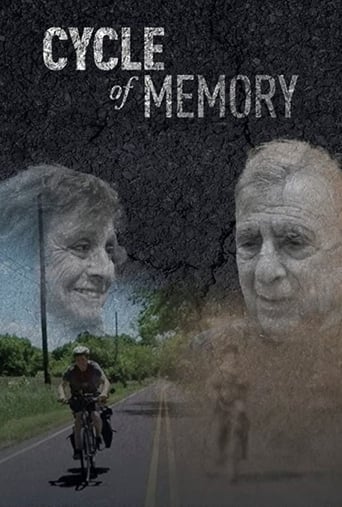
Mel Schwartz escaped the Great Depression on a bicycle adventure he'd remember for the rest of his life... until Mel lost his memory to Alzheimer's. Now over seventy-five years later, his grandchildren set out to recreate his life-changing journey and find those memories before they slip away. Cycle of Memory explores the importance of intergenerational connection, healing painful pasts, and leaving a meaningful time capsule for the future.
A film documenting work shortages during the Depression of the 1930s and the attempts to deal with the unemployed, in particular young men. The film discusses the establishment of relief camps and projects, where men were paid twenty cents per day; the founding of organizations such as the Co-operative Commonwealth Federation (CCF), Workers' Unity League, and Relief Camp Workers' Union; general unionization and protest of the unemployed, including the On To Ottawa Trek, Regina Riot, sit-in strike from May to June 1938 at the Vancouver Main Post Office, Vancouver Art Gallery and Hotel Georgia, and the resulting Bloody Sunday of June 19.
Mountain dialect, culture and identity are revealed by the true experts on Southern Appalachian culture--the people whose families have lived there for generations.