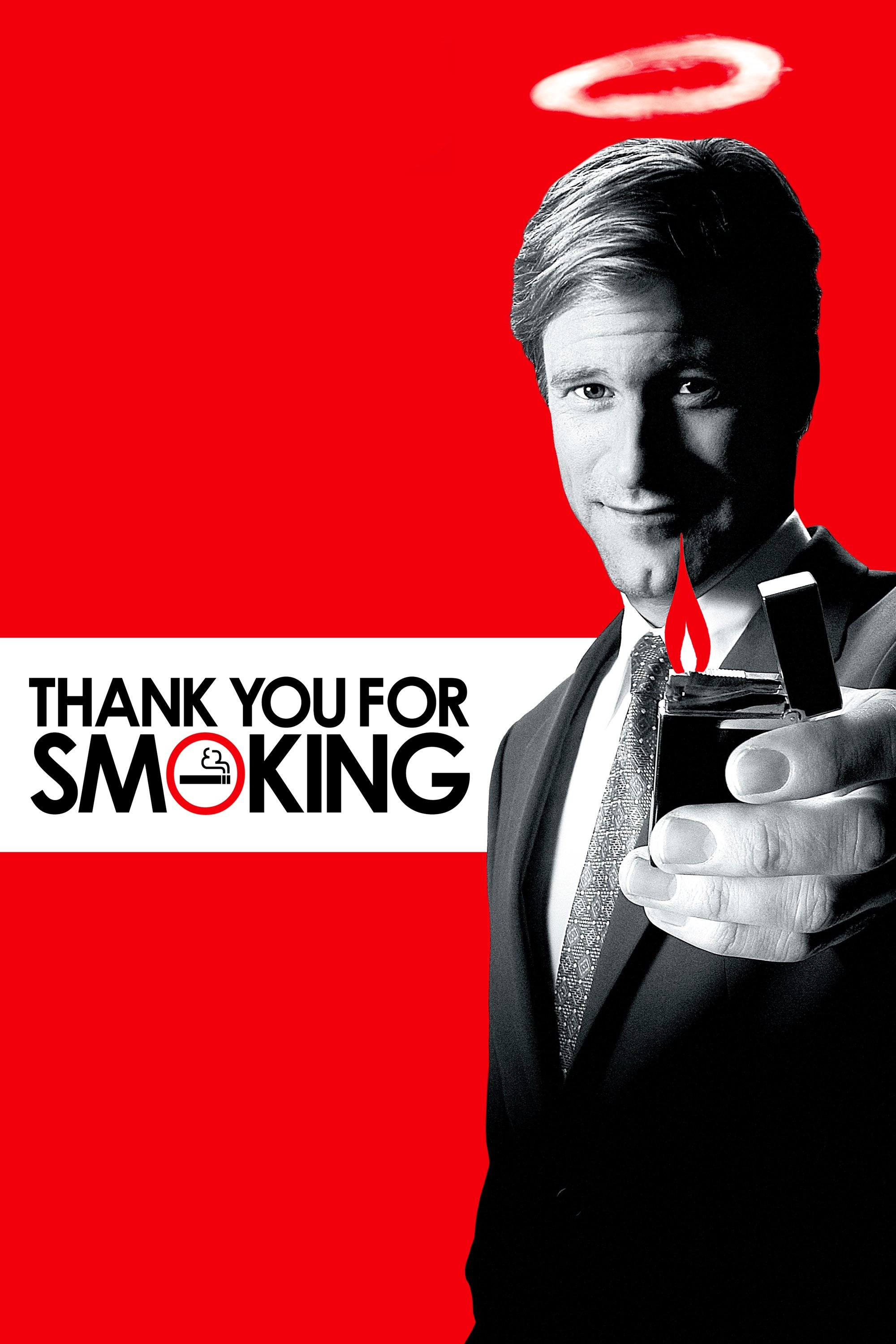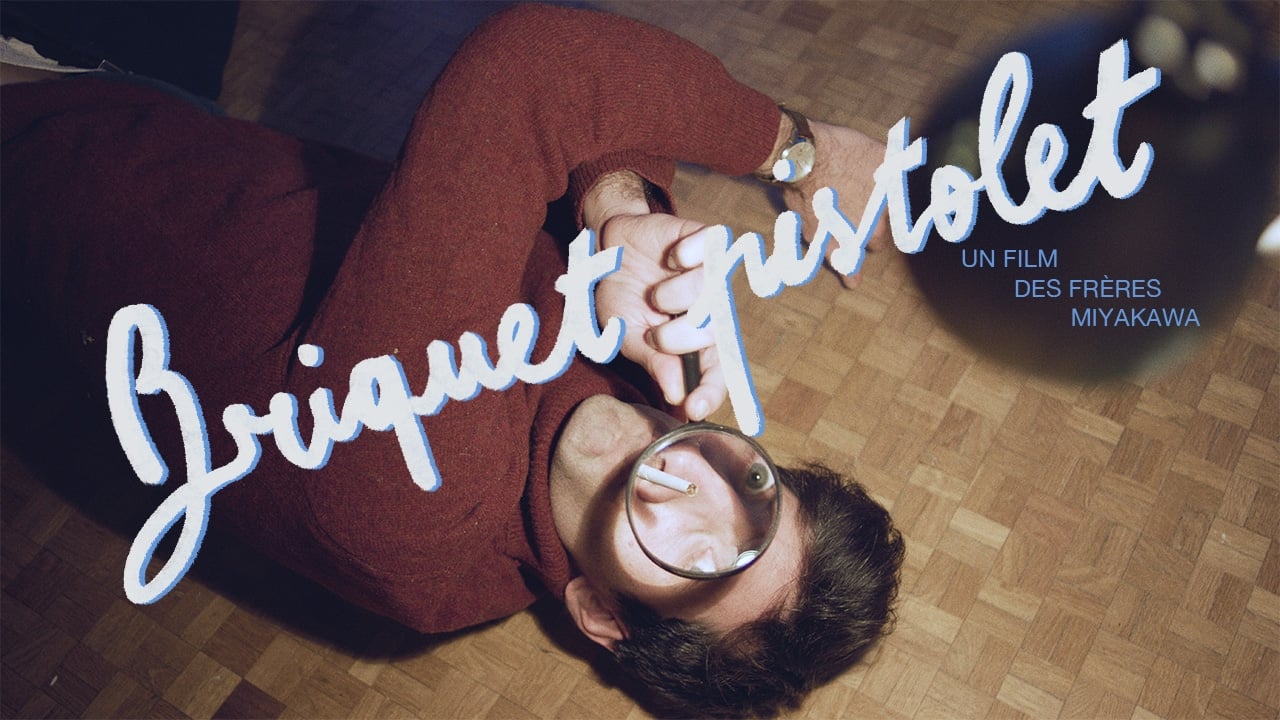
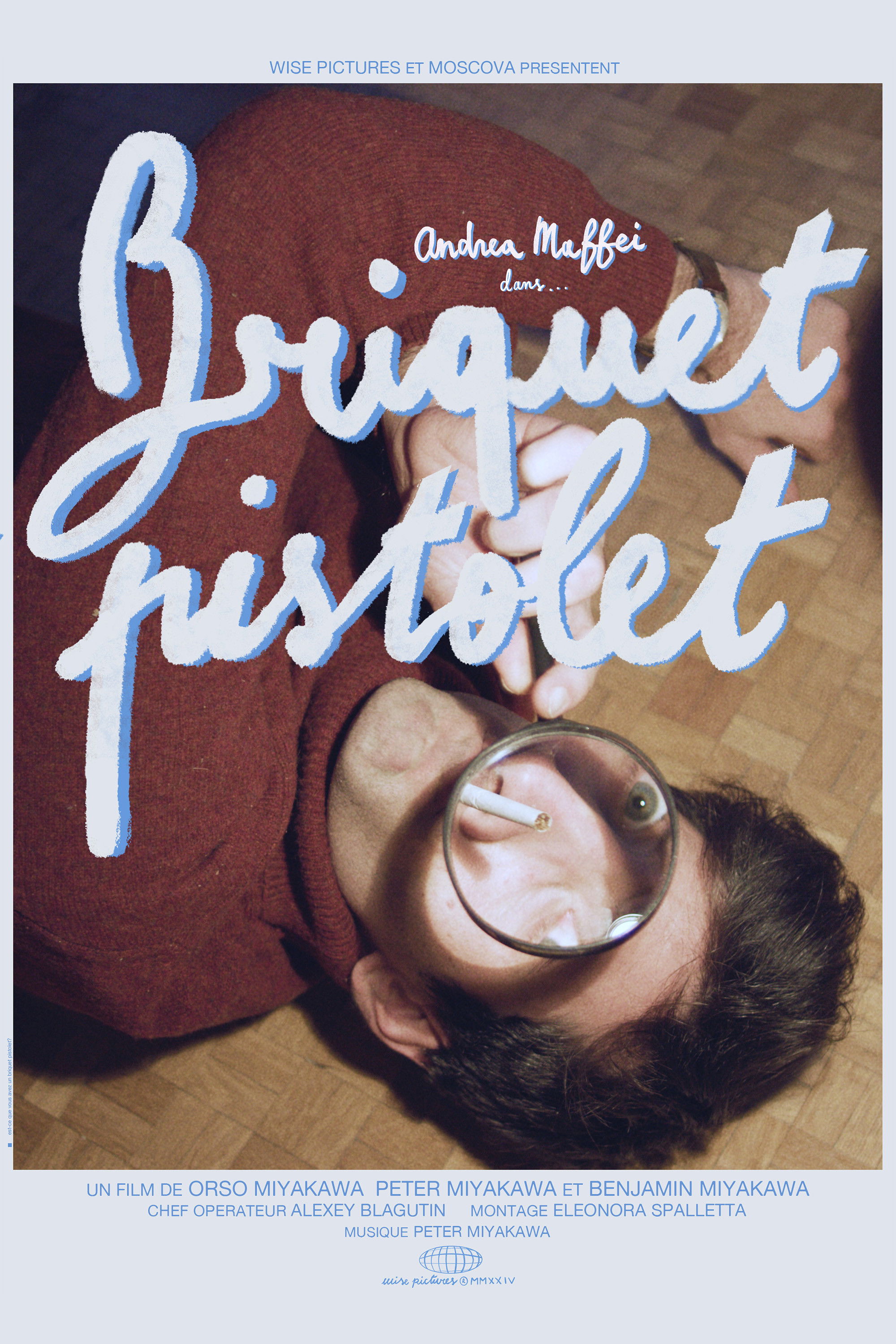
A man wants to smoke a cigarette. His lighter doesn't work. He has induction cookers. Today, alone, an average man in his home, how does he make fire?
Social & External
Man
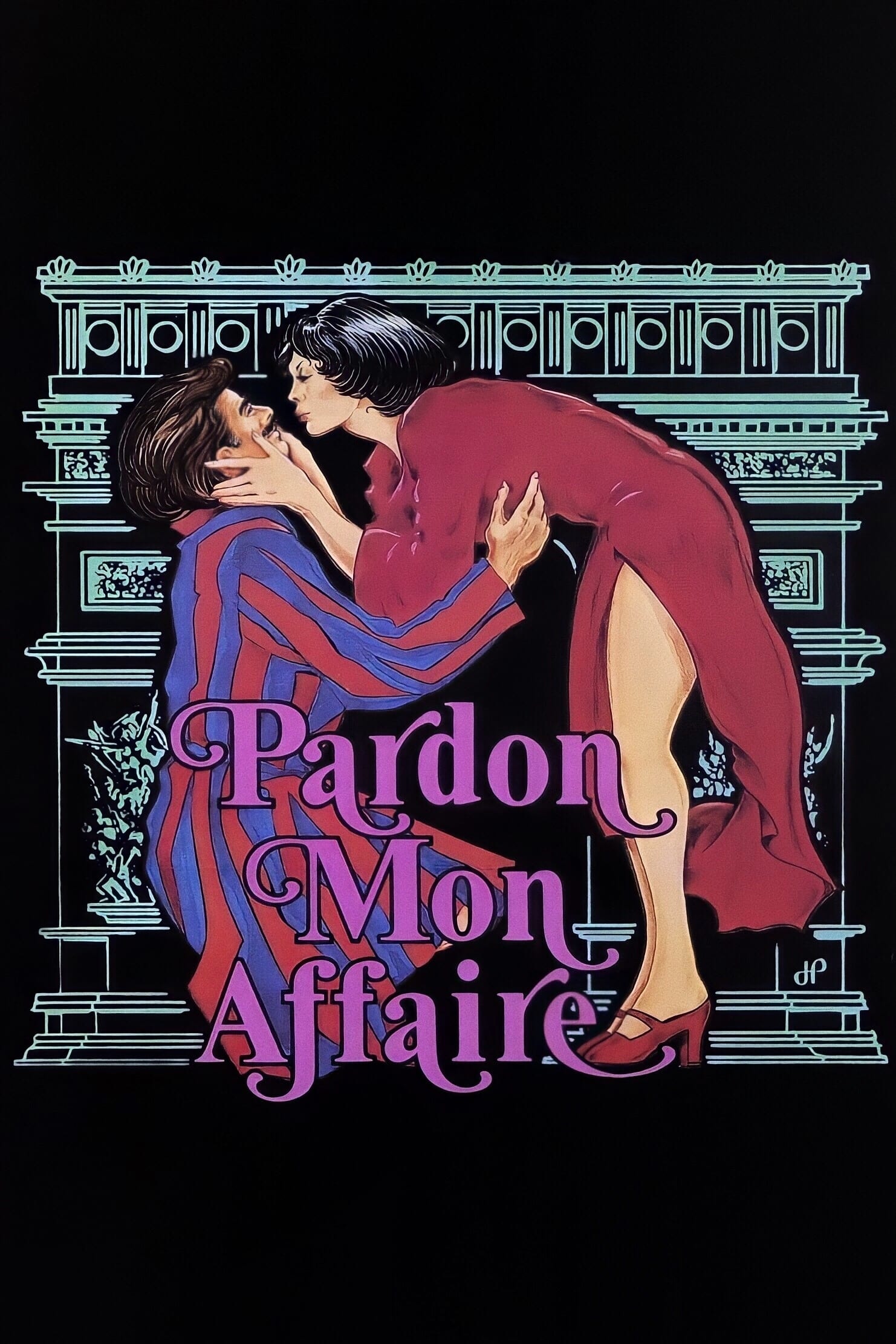
Lola is a striking teenaged girl who is on the cusp of adulthood and longs to rush into the adult world of independence, freedom and sexual exploits, but is tenaciously held back by her mother.
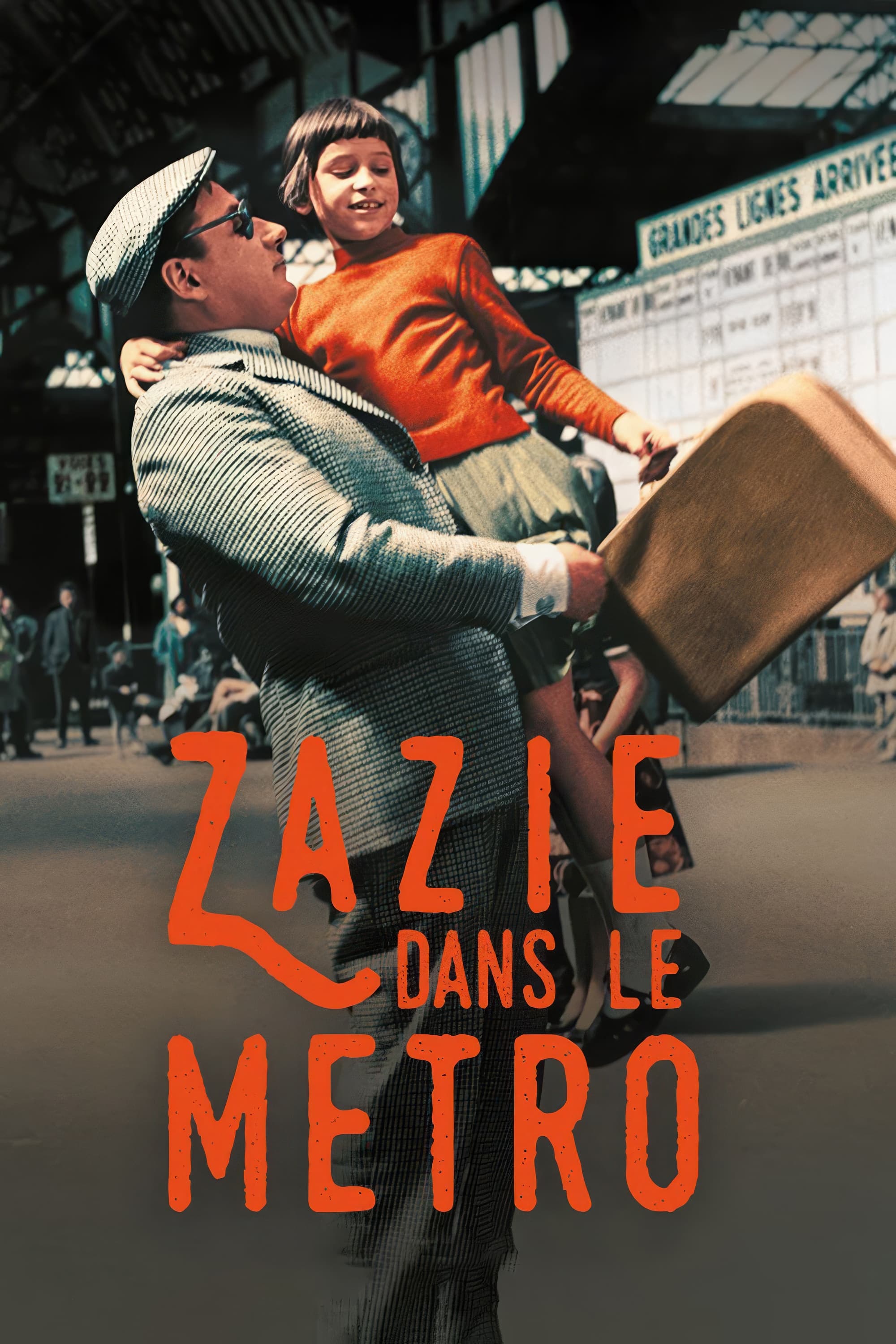
A brash and precocious ten-year-old comes to Paris for a whirlwind weekend with her rakish uncle.
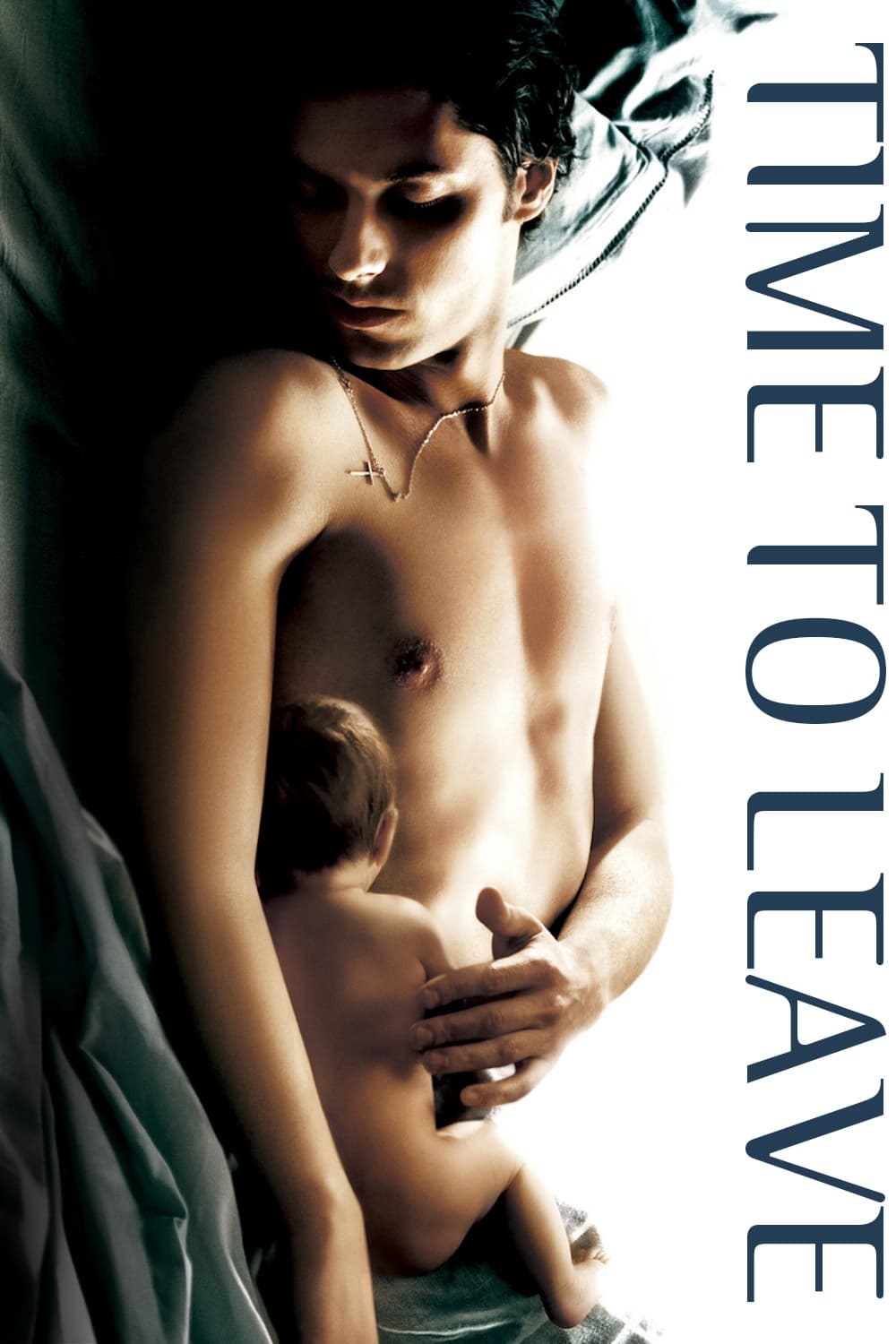
Romain, 31, a fashion photographer with terminal cancer, elects to die alone, preparing others to live past him rather than prolong the inevitable with chemotherapy or be smothered in sympathy by those who know him.
Depressed Alain Leroy leaves the clinic where he was detoxified. He meets friends, acquaintances and women, trying to find a reason to continue living.
In 1942, in an occupied Paris, the apolitical grocer Edmond Batignole lives with his wife and daughter in a small apartment in the building of his grocery. When his future son-in-law and collaborator of the German Pierre-Jean Lamour calls the Nazis to arrest the Jewish Bernstein family, they move to the confiscated apartment. Some days later, the young Simon Bernstein escapes from the Germans and comes to his former home. When Batignole finds him, he feels sorry for the boy and lodges him, hiding Simon from Pierre-Jean and also from his wife. Later, two cousins of Simon meet him in the cellar of the grocery. When Pierre-Jean finds the children, Batignole decides to travel with the children to Switzerland.
Pierrot escapes his boring society and travels from Paris to the Mediterranean Sea with Marianne, a girl chased by hit-men from Algeria. They lead an unorthodox life, always on the run.
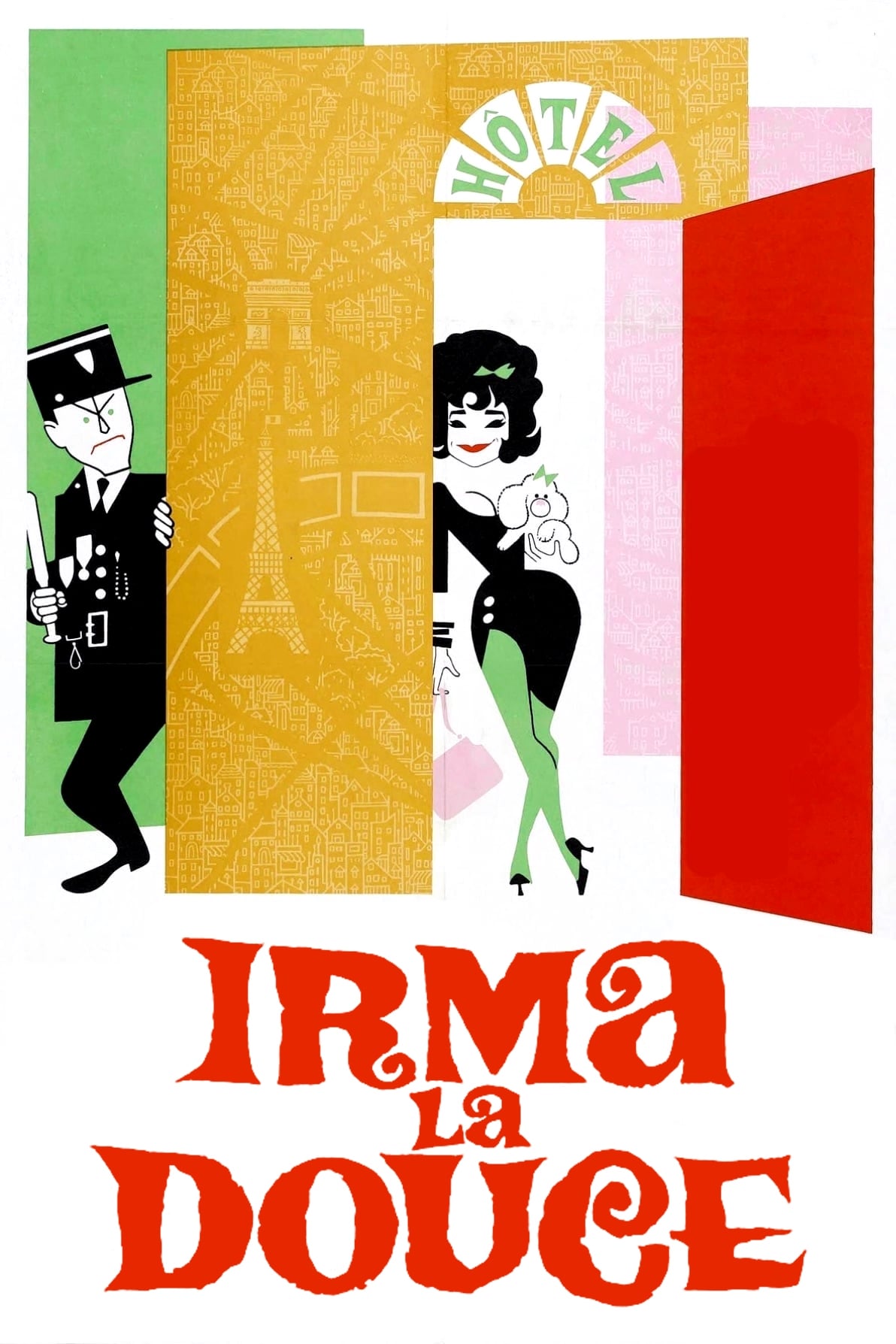
When a recently fired policeman falls in love with a French prostitute, he doesn't want her to be with other men, so he creates an alter-ego in order to become her only customer.
Set against Paris' oldest bridge, the Pont Neuf, while it was closed for repairs, this film is a love story between two young vagrants: Alex, a would be circus performer addicted to alcohol and sedatives and Michele, a painter driven to a life on the streets because of a failed relationship and an affliction which is slowly turning her blind.
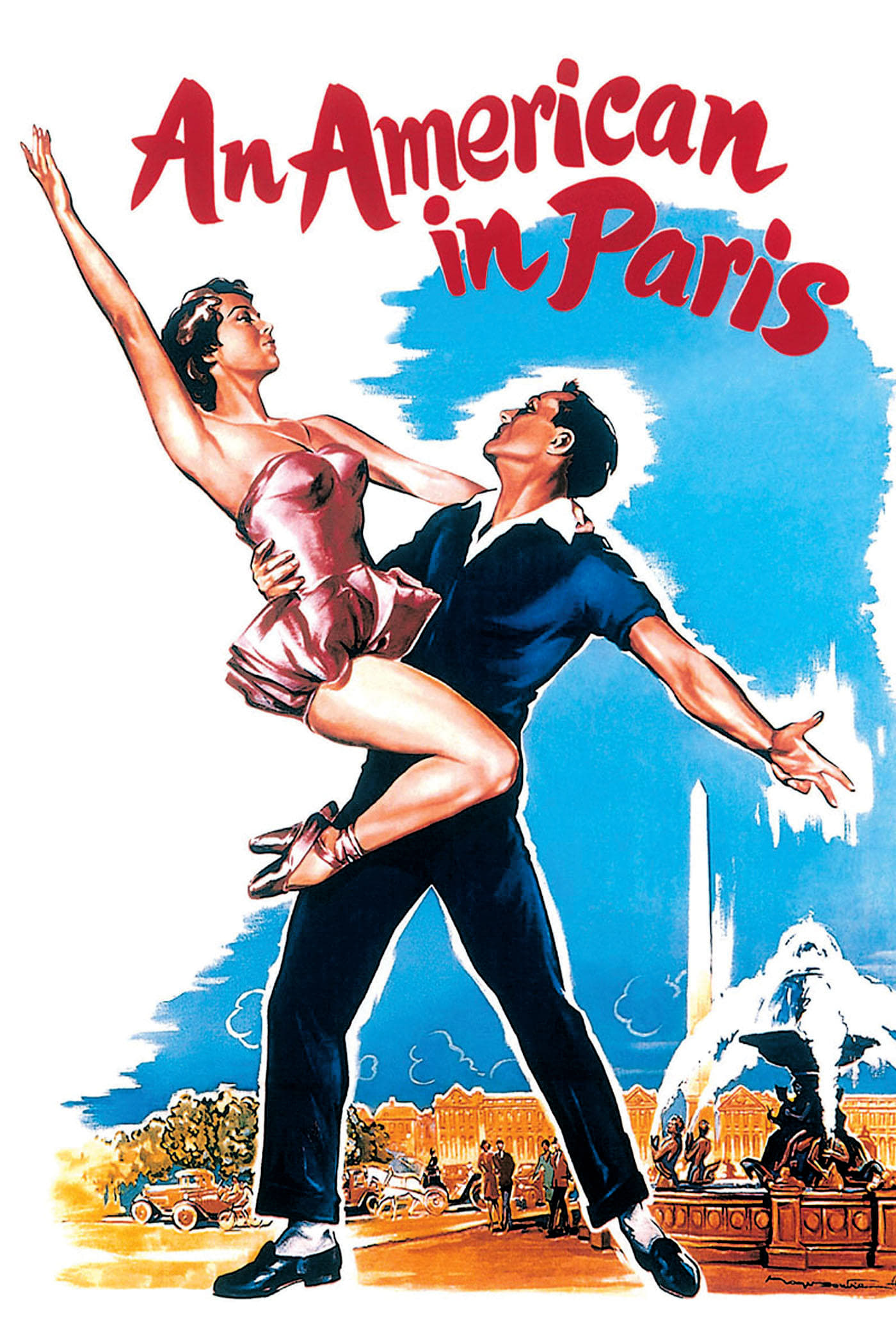
Jerry Mulligan is an exuberant American expatriate in Paris trying to make a reputation as a painter. His friend Adam is a struggling concert pianist who's a long time associate of a famous French singer, Henri Baurel. A lonely society woman, Milo Roberts, takes Jerry under her wing and supports him, but is interested in more than his art.
When Camille falls ill, she is forced to live with Philibert and Franck.
Rufus T. Firefly is named president/dictator of bankrupt Freedonia and declares war on neighboring Sylvania over the love of wealthy Mrs. Teasdale.
Young Frenchwoman Mathilde searches for the truth about her missing fiancé, lost during World War I, and learns many unexpected things along the way. The love of her life is gone. But she refuses to believe he's gone forever — and she needs to know for sure.
In the spring of 1913, Parisian businessman Gabriel Astruc opens a new theater on the Champs Elysées. The first performance is the premiere of Igor Stravinsky's 'The Rite of Spring', danced by the Ballet Russes. The rehearsal process is extremely fraught: the orchestra dislike Stravinsky's harsh, atonal music; the dancers dislike the 'ugly' choreography of Vaslav Nijinsky. The volatile, bisexual Nijinsky is in a strained relationship with the much older Sergei Diaghilev, the Ballet Russes' charismatic but manipulative impresario. Public expectation is extremely high after Nijinsky's success in 'L'apres-midi d'un faune'. Finally, 'The Rite of Spring' premieres to a gossip-loving, febrile, fashion-conscious Parisian audience sharply divided as to its merits.
Grace Dalrymple Elliot is a British aristocrat trapped in Paris during the French Revolution. Determined to maintain her stiff upper lip and pampered life despite the upheaval, Grace continues her friendship with the Duke of Orléans while risking her life and liberty to protect a fugitive.
This Surrealist film, with a title referencing the Communist Manifesto, strings together short incidents based on the life of director Luis Buñuel. Presented as chance encounters, these loosely related, intersecting situations, all without a consistent protagonist, reach from the 19th century to the 1970s. Touching briefly on subjects such as execution, pedophilia, incest, and sex, the film features an array of characters, including a sick father and incompetent police officers.
After carrying out a flawlessly planned hit, Jef Costello, a contract killer with samurai instincts, finds himself caught between a persistent police investigator and a ruthless employer, and not even his armor of fedora and trench coat can protect him.
After dumping a bucket of water on a beautiful young woman from the window of a train car, wealthy Frenchman Mathieu, regales his fellow passengers with the story of the dysfunctional relationship between himself and the young woman in question, a fiery 19-year-old flamenco dancer named Conchita. What follows is a tale of cruelty, depravity and lies -- the very building blocks of love.
Lucien de Rubempré, a young, lower-class poet, leaves his family's printing house for Paris. Soon, he learns the dark side of the arts business as he tries to stay true to his dreams.
The wife of an American doctor suddenly vanishes in Paris. To find her, he navigates a puzzling web of language, locale, laissez-faire cops, triplicate-form filling bureaucrats and a defiant, mysterious waif who knows more than she tells.
Clara Bell is a busy Euro MP with a husband and child at home and a high powered career - but on a trip to Paris her ordered existence is overturned by a murder and a chance encounter.