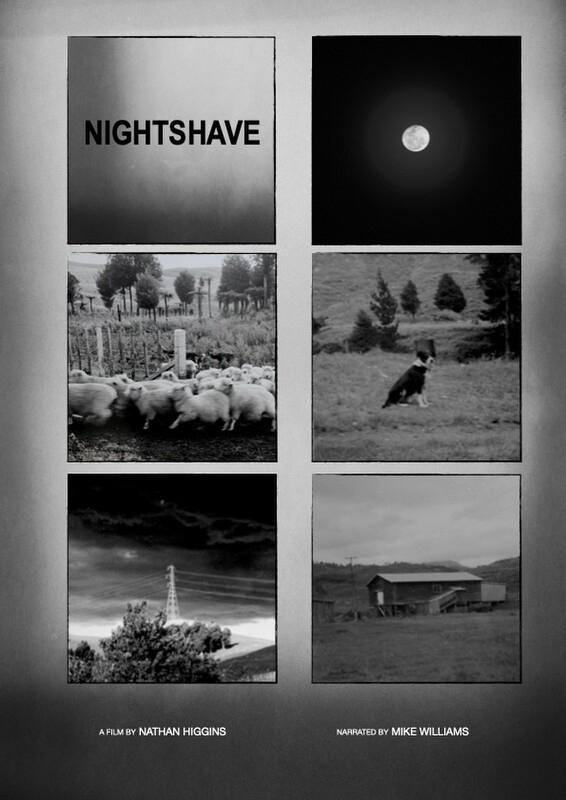
"Homegrown evil."
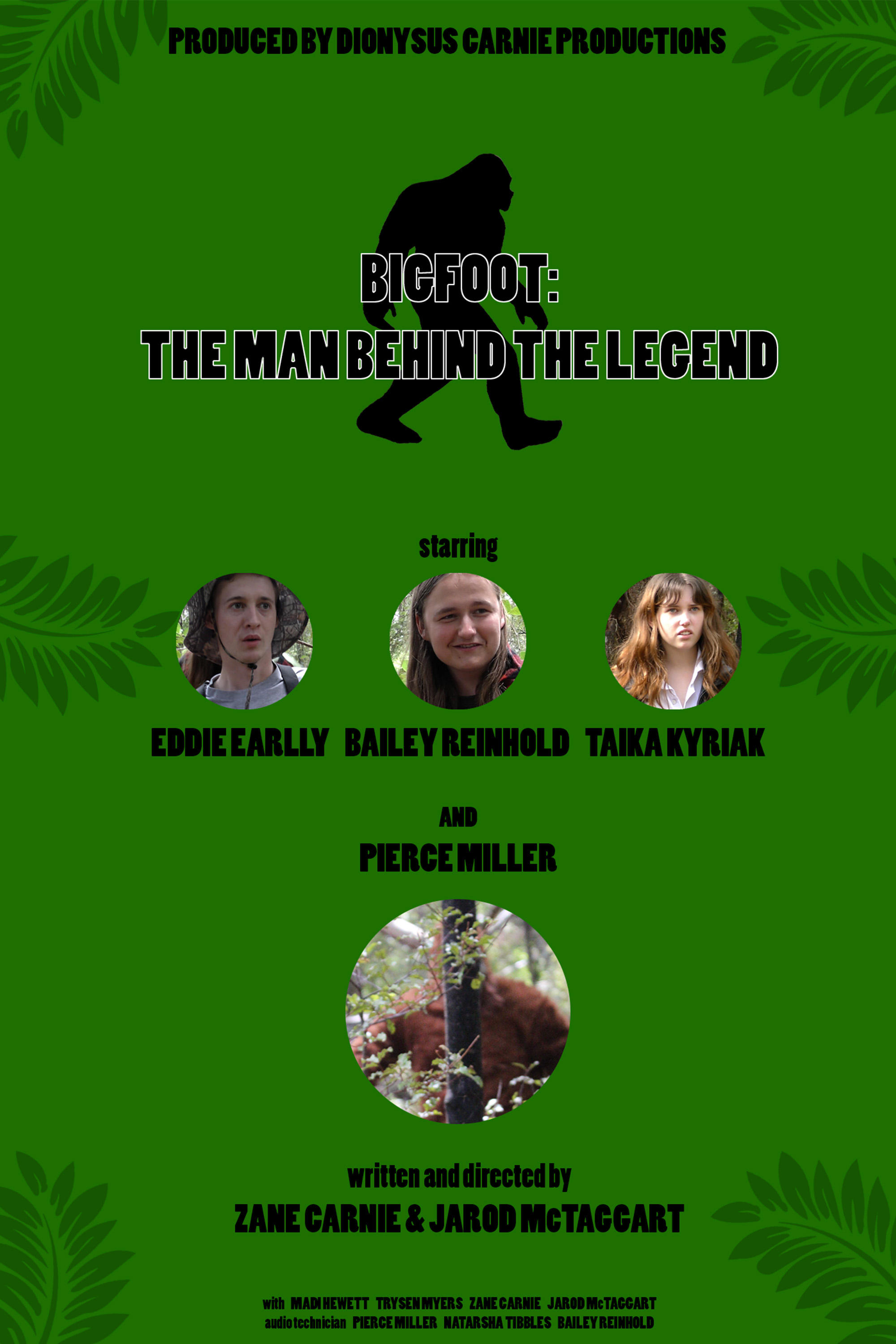
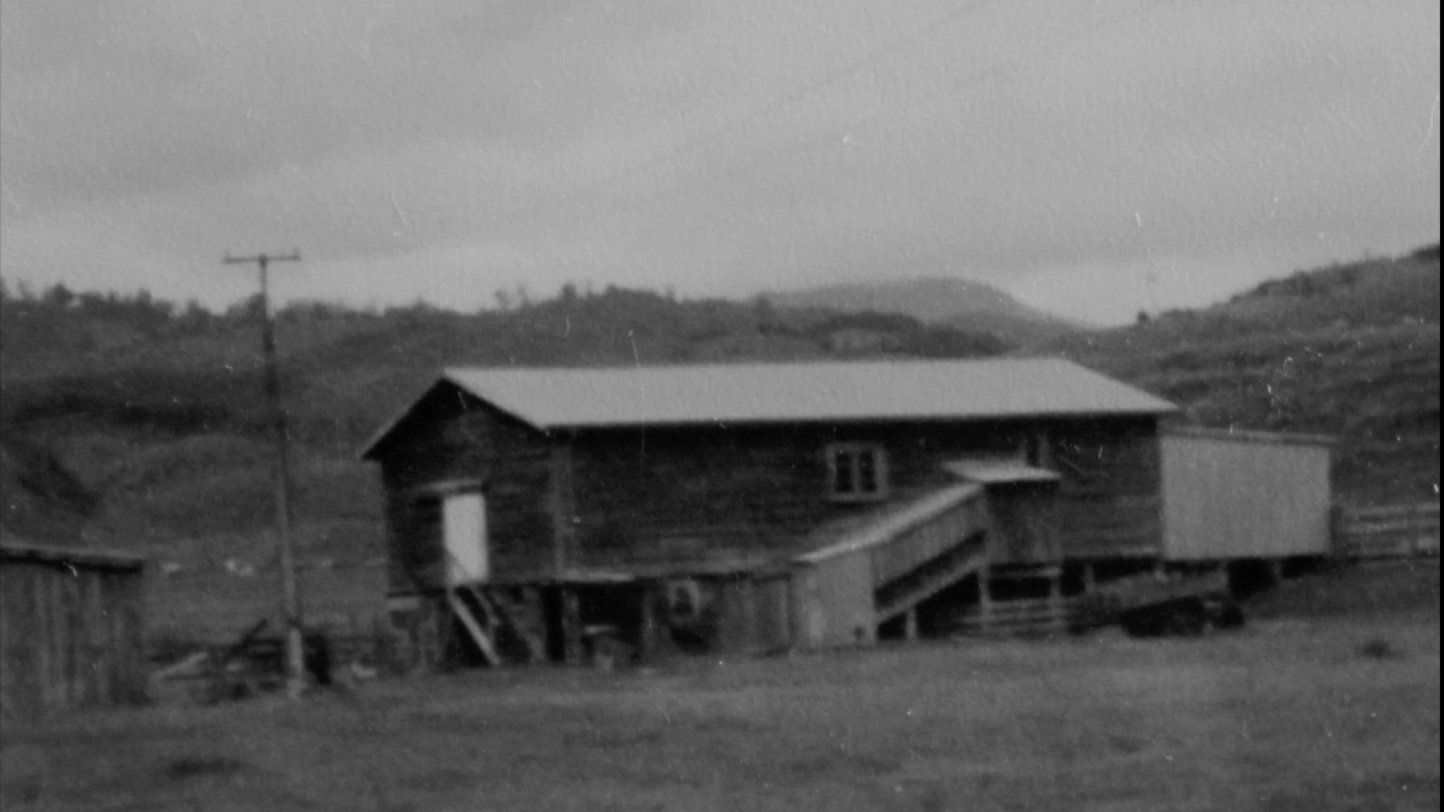
A narrator recounts a story about his missing friend, the downfall of a sheep shearing gang and sightings of a hairy beast in 1980s rural New Zealand.
Social & External

Narrator
Someone Else’s Country looks critically at the radical economic changes implemented by the 1984 Labour Government - where privatisation of state assets was part of a wider agenda that sought to remake New Zealand as a model free market state. The trickle-down ‘Rogernomics’ rhetoric warned of no gain without pain, and here the theory is counterpointed by the social effects (redundant workers, Post Office closures). Made by Alister Barry in 1996 when the effects were raw, the film draws extensively on archive footage and interviews with key “witnesses to history”.
The story of unemployment in New Zealand and In A Land of Plenty is an exploration of just that; it takes as its starting point the consensus from The Depression onwards that Godzone economic policy should focus on achieving full employment, and explores how this was radically shifted by the 1984 Labour government. Director Alister Barry's perspective is clear, as he trains a humanist lens on ‘Rogernomics' to argue for the policy's negative effects on society, as a new poverty-stricken underclass developed.
A short film by Walerian Borowczyk in two parts. The first 'panel' follows the morning routine of Leon Boyer who, despite being almost 100 years old, still farms the land, drives a vintage car, and plays with his two dogs. The second panel shows shots of beautiful flowers and a cat, to a recording of Tino Rossi singing 'La romance de Nadir / Je crois encore entendre' from Bizet's opera 'Les pêcheurs de perles'.
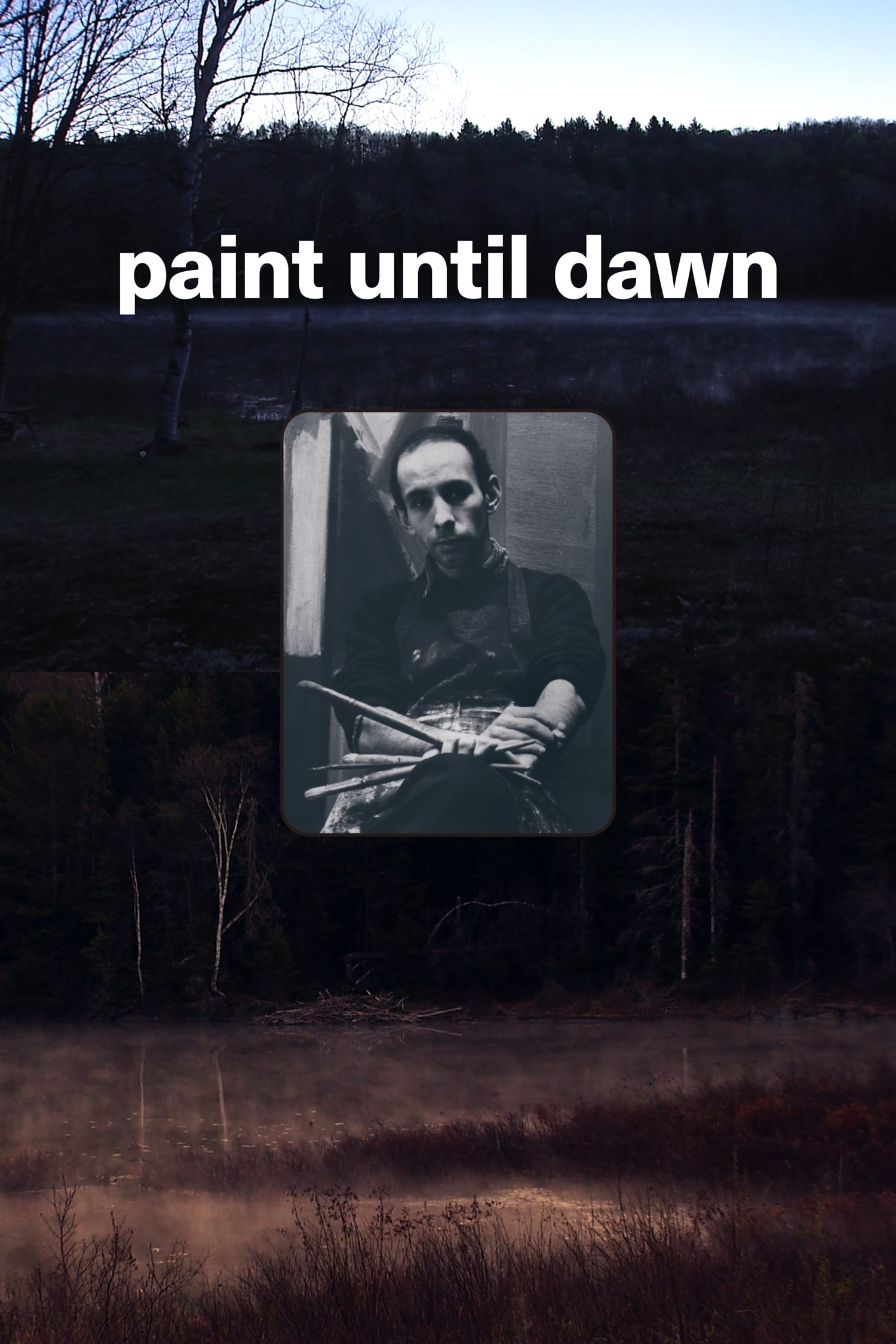
Max Gimblett: Original Mind documents the life and process of eccentric, creative genius Max Gimblett. One of New Zealand’s most successful and internationally prominent living painters, Gimblett has been working in America since 1962. The filmmakers spent a week in Gimblett’s Soho loft where he and his devoted studio assistants generously revealed the techniques and philosophy behind his beautiful art.
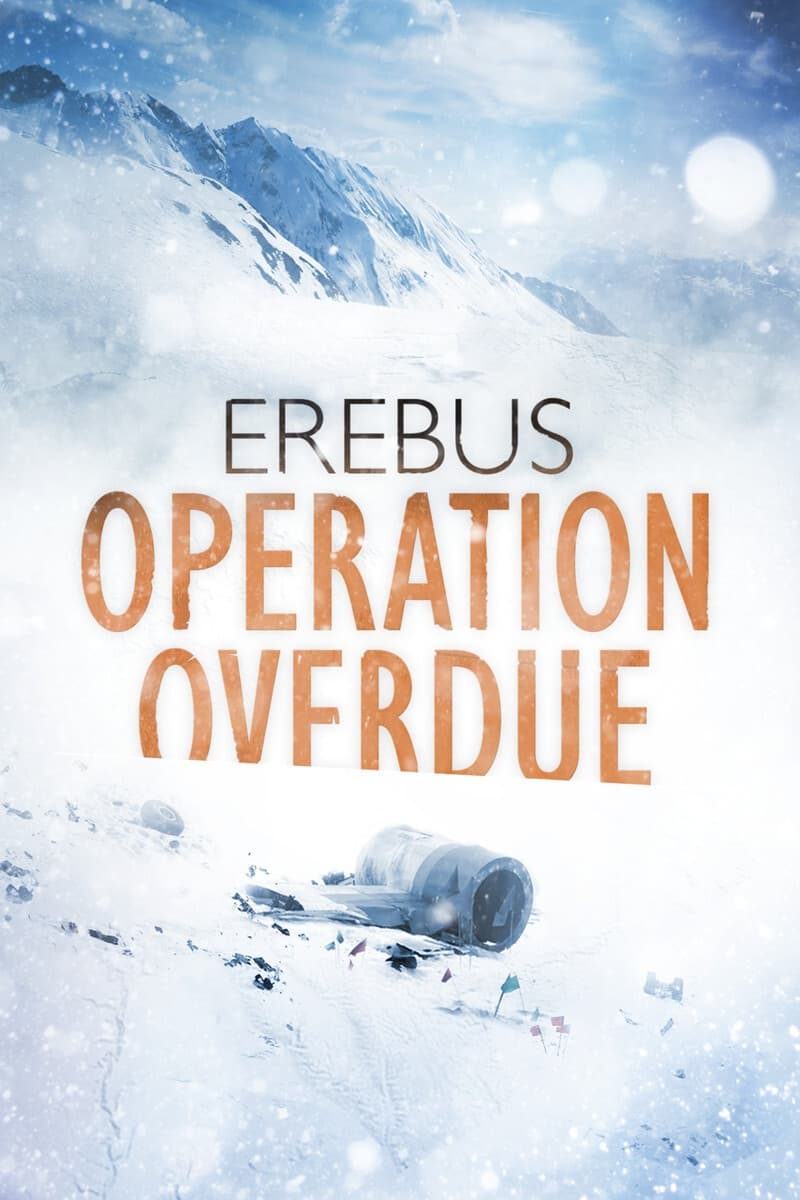
On 28 November 1979, an Air New Zealand jet with 257 passengers went missing during a sightseeing tour over Antarctica. Within hours 11 ordinary police officers were called to duty to face the formidable Mount Erebus. As the police recovered the victims, an investigation team tried to uncover the mystery of how a jet could fly into a mountain in broad daylight. Did the airline have a secret it wanted to bury? This film tells the story of four New Zealand police officers who went to Antarctica as part of the police operation to recover the victims of the crash. Set in the beautiful yet hostile environment of Antarctica, this is the emotional and compelling true story of an extraordinary police operation.
In the years since New Zealand politicians began to grapple with climate change our greenhouse gas emissions have burgeoned. Alister Barry’s doco draws on TV archives and interviews with key participants to find out why.
In 1966 a group of determined young men defied the New Zealand government and launched a pirate radio station aboard a ship in the Hauraki Gulf.
A strange story from Somerset, England about a filmmaking farmer and the inspiring legacy of his long-lost home movies.
A close-up portrait of the daily lives of a pair of cows: told by way of some narrative-free, intimate POV photography, with plenty of close shot images, we follow the daily routine of these animals as they live what can only be described as mundane, boring lives - all with an ultimate purpose within the human food chain.
Before the summer of 2022, Ireland had never beaten the All Blacks in New Zealand. Using behind the scenes footage and interviews with players and coaches this documentary reflects on the experience of triumphing in New Zealand for the first time.
In 1999, the largely conservative Wairarapa district in New Zealand elected a former cabaret performer/actress named Georgina Beyer to the country's House of Parliament -- a seemingly unremarkable event in that country's history except for the fact that Beyer is a transsexual and may very well be the first transsexual in the world to be elected to a national office. In their 2002 biographical documentary Georgie Girl, co-directors Peter Wells and Annie Goldson highlight the popular Member of Parliament's rapid rise through local government to prominence in the New Zealand national government.
Biggi lives with her two daughters, four dogs and her exboyfriend Alfred on a dilapidated farm in a small village in Saxony-Anhalt. Biggi and Alfred are out of work and they live very modestly. The 14 and 17 year-old daughters Saskia and Denise should really go to school, but there are always reasons for them to stay at home. This gives rise to tension with Alfred. We accompany them during their conflict-ridden everyday lives and learn something about their dreams, fears and hopes. And how difficult it is to break out of a circle.
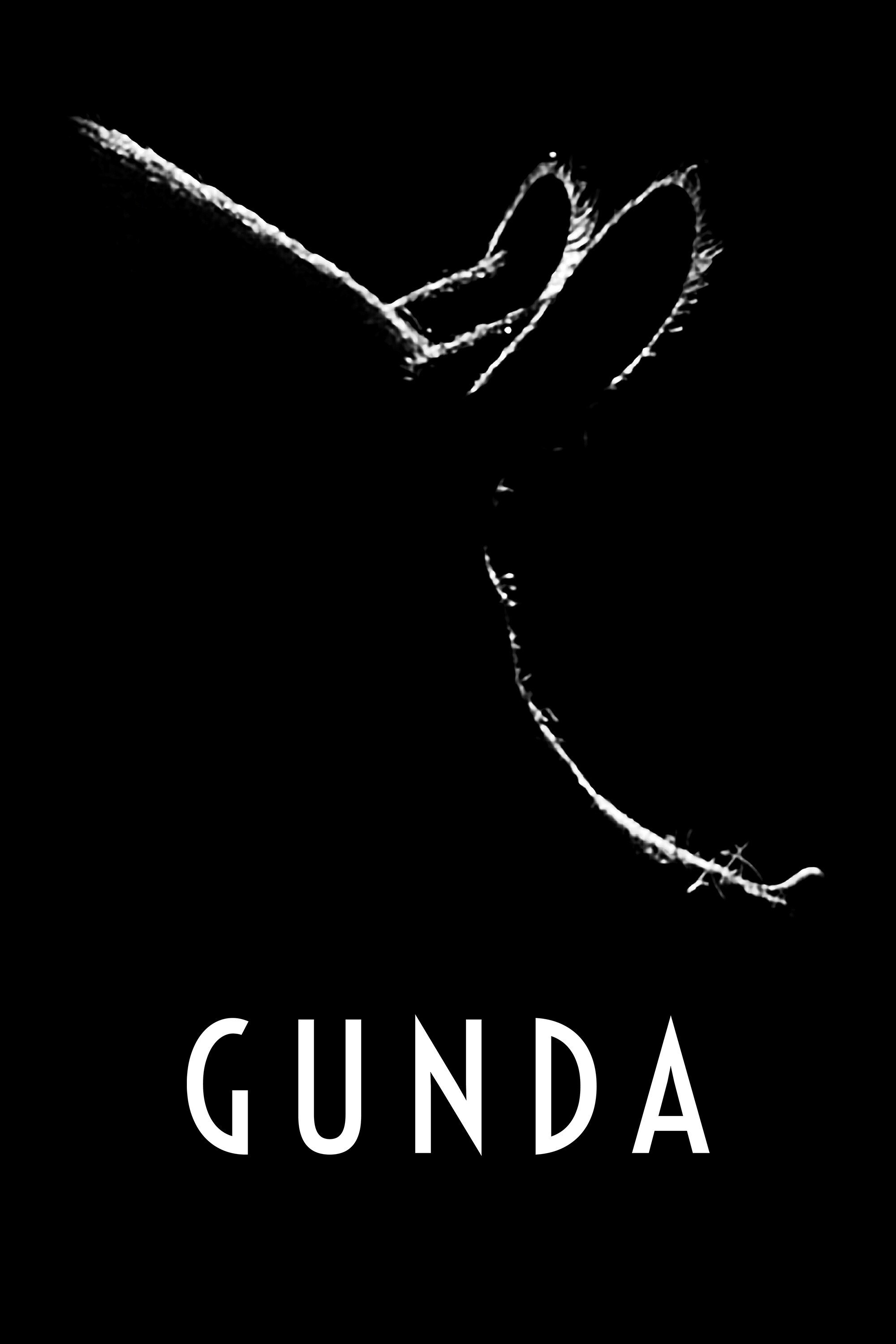
A glimpse into the raw and simple power of nature through encounters with farm animals: the eponymous Gunda, a mother pig; two cows, and a one-legged chicken.
The Sadies Stop and Start captures a moment in time. That time was uncertain and dark. Still reeling from losing Dallas, we found out that Mike needed to have emergency wrist surgery. We needed to play these songs, not knowing if we would ever have the opportunity again. With one day's notice, documentary filmmaker Ron Mann and a stellar crew pulled together to help us capture these songs. Friends and family gathered to help out and show their support. James McKenty engineered in his mobile recording trailer, In Record Time Studio. The resulting film looked and sounded better than we could have hoped. We are thankful to share that Mike's surgery was successful and we are back out on the road and coming to a city near you.
The 'stolen' insider emails that informed Nicky Hager's best-selling account of National's 2005 election campaign return in Alister Barry's (Someone Else's Country) new film - just in time to caution us against campaigning politicians in 2008. Addressing each other like schoolboy Machiavellis, party leader Don Brash and his advisors spelled out how they'd copy the big boys in Australia and the US in order to win the votes of people who'd never support the kind of policies such men are widely presumed to represent. The dividing and conquering began at Orewa.
Follow the charming Aotearoa New Zealand singer-songwriter on a life-changing journey of self-exploration as he embraces his roots and creates his first album in te reo Māori.
Retired New Zealand farmer and dog trainer Paul Sorenson passes his knowledge to the next generation of shepherds, and reflects on the sacrifices he's made to pursue his intense passion for dogs.
An East Coast community in Ruatōria, New Zealand attempts to live in autarchy according to the tenets of their movement. Bob Marley, a prophet of our electronic age, is the soundtrack to the everyday lives of these Māori who feel closer to their own roots by observing a blend of Afro-Carribean Rastafarianism and the Ringatū faith. Merata Mita's camera respectfully portrays this singular cultural dialogue. The outsider cultures of Jamaicans, Ethiopians and Māori have come together, vibrating to a common cosmic chord. They find an underground brotherhood, across continents and seas.
'Ink and Gold: An Artist's Journey to Olympic Glory' is a short form documentary that follows the journey of New Zealand artist and athlete, Zakea Page, winning the Lausanne 2020 Youth Olympic Games medal design competition and fulfilling a lifelong dream to perform at the opening ceremonies. The film was shot over the course of one week in Lausanne, Switzerland, at the 2020 Youth Olympic Games and weaved together with self-taped footage of Zakea's younger years as an athlete and artist. Accompanied with interviews of his family, 'Ink and Gold' highlights the connection between art and sport in bringing together peoples of diverse cultures and backgrounds to bridge barriers of language and foster connections, mutual understanding, and respect for one another.
Five boys and five girls ages 13 to 19 live on a farm for ten weeks, to be filmed, and to see what might emerge for each of them personally.