After Burindh, a Thammasat university student has escaped from the 6th October massacre by jumping into the Chao Phraya river, he becomes a goby fish with golden skin, and voyages through the memories of his own.
Social & External
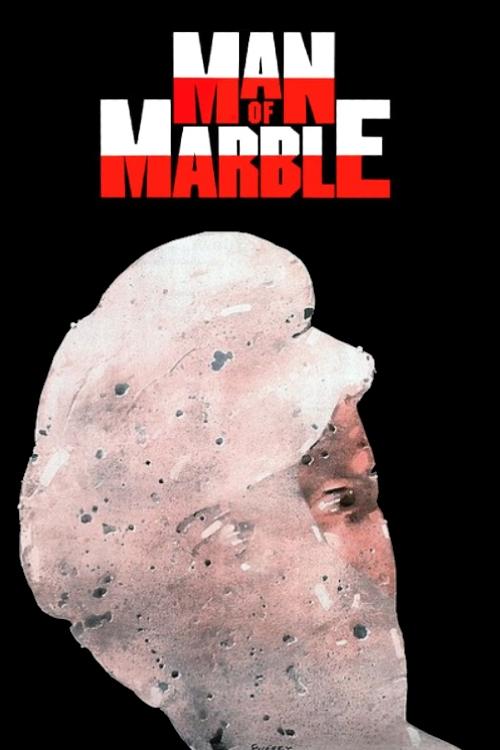
A young Polish filmmaker sets out to find out what happened to Mateusz Birkut, a bricklayer who became a propaganda hero in the 1950s but later fell out of favor and disappeared.
Julio Medina decides to become a film director. With his savings and some borrowed money, and after having read a book on film directing, he shoots his first feature film. Then he will have to release the film, something that will not be easy for him. The odyssey to release his first film will turn into a real nightmare.
The documentary recounts the world's first nuclear attack and examines the alarming repercussions. Covering a three-week period from the Trinity test to the atomic bombing of Hiroshima, the program chronicles America's political gamble and the planning for the momentous event. Archival film, dramatizations, and special effects feature what occurred aboard the Enola Gay (the aircraft that dropped the bomb) and inside the exploding bomb.
“Archeology” and “Archive” share the same roots. Both words come from “Arkhé”, the Greek word for “origin”. In the ruins of buildings, lost forever by earthquakes, as in the depth of the archives, we dig. What happened the morning of the big earthquake? The morning of September 19th 1985 is fading away in our memories. These recordings have never been seen. Unedited images of the catastrophe dug out by the archaeological adventure of an archivist that suffered with them. He dug and suffered until he could no longer see.
Dalida was an international star, selling over 140 million records in 10 languages. But behind her glittering career and dramatic and tragic personal life, was her ever supportive younger brother Orlando. The documentary sheds light on the professional and personal relationship between the music icon and her producer, between sister and brother.
What happened after Einstein fled Nazi Germany? Using archival footage and his own words, this docudrama dives into the mind of a tortured genius.
"Dear Jinri" explores the daily concerns and thoughts of actress and singer Sulli, whose real name is Choi Jinri, where she talks about her childhood, career and more in this interview she gave in 2019.
Tasmania, 1954: Slovenian migrant Melita abandons her husband and young daughter, Sonja. Sonja's distraught father perseveres with his new life in a new country, but he is soon crushed into an alcoholic despair, and Sonja herself abandons him at the earliest opportunity. Now, nearly 20 years later, a single and pregnant Sonja returns to Tasmania's highlands and to her father in an attempt to put the pieces of her life back together.
An idealistic United Nations official learns the harrowing truth about war when she falls in love with an American officer charged with the evacuation of civilians. As hostilities escalate, the officer and his small detachment are left to hold the line until allied forces can be brought into action.
Fame driven Ken Dean becomes the subject of a documentary when he attempts to start a pornography company. Following the failure of the company, Ken uses his father's religious music to start a Christian rock band but finds himself trapped in a gay conversion cult.
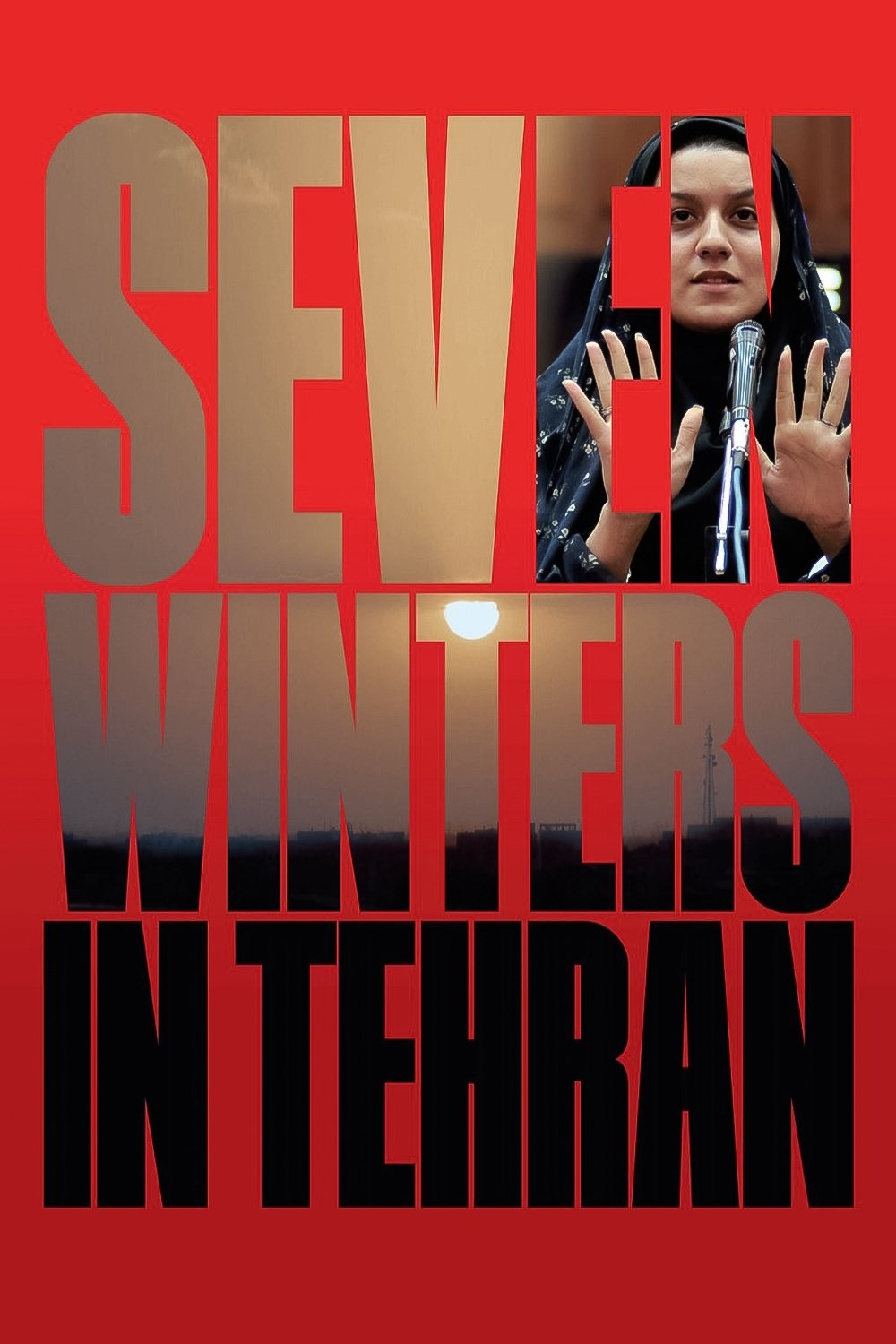
After seven years in prison, a female student in Tehran is hanged for murder. She had acted in self-defence against a rapist. For a pardon, she would have had to retract her testimony. This moving film reopens the case.
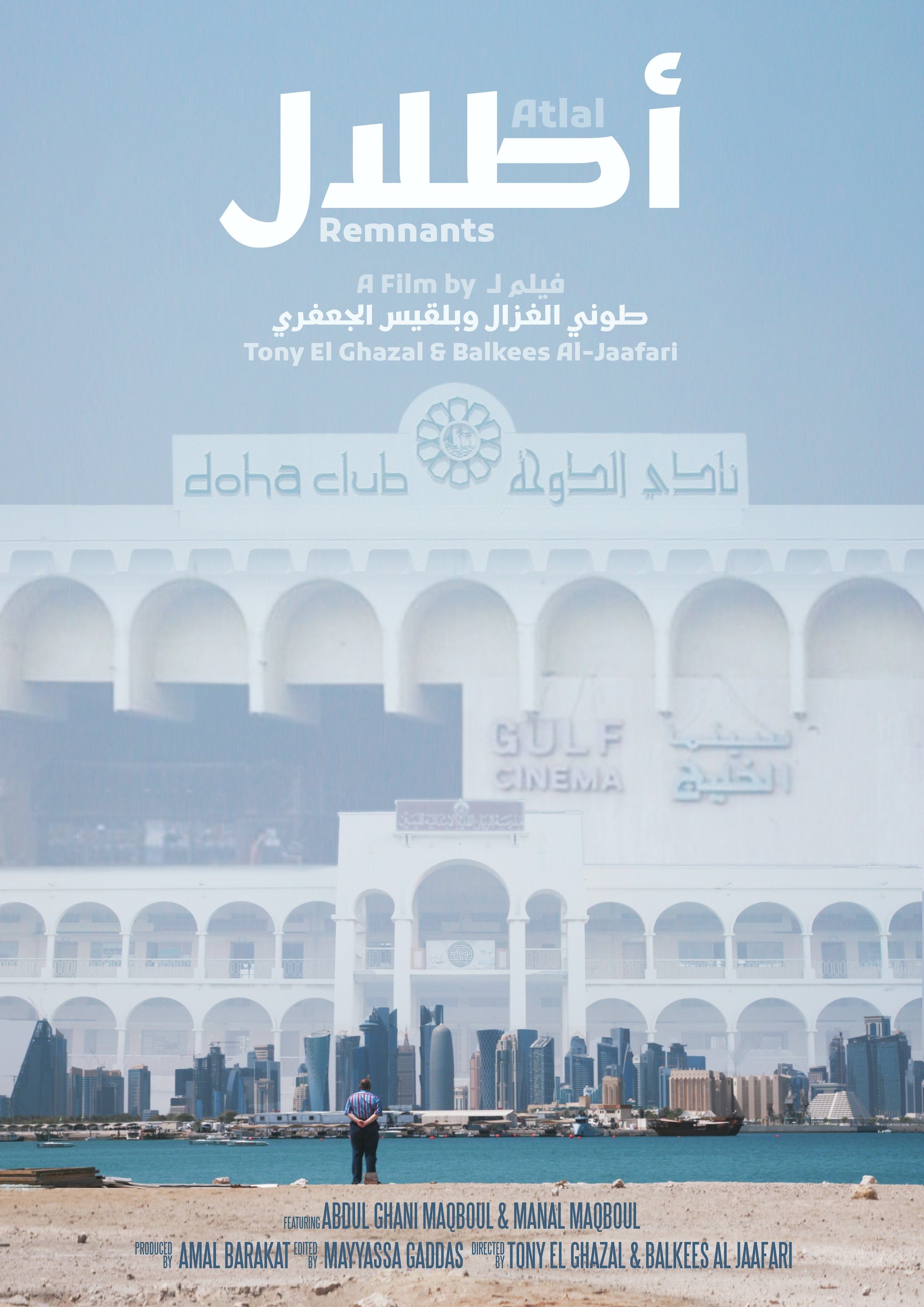
'Atlal (Remnants)' is a fictional documentary that follows Bassam, a Palestinian man in his fifties, on a journey between the past and present. An abandoned school, the remains of a beach club, and a dusty cinema hold Bassam's cherished memories from his life in Qatar. Through personal archives and interviews with Bassam and his wife, Laila, we get a deeper look into their stories—slowly revealing the dismaying thoughts behind Bassam's nostalgia.
Charlie and Emi return to do a sketch that doesn't go as planned when reality gets in their way.
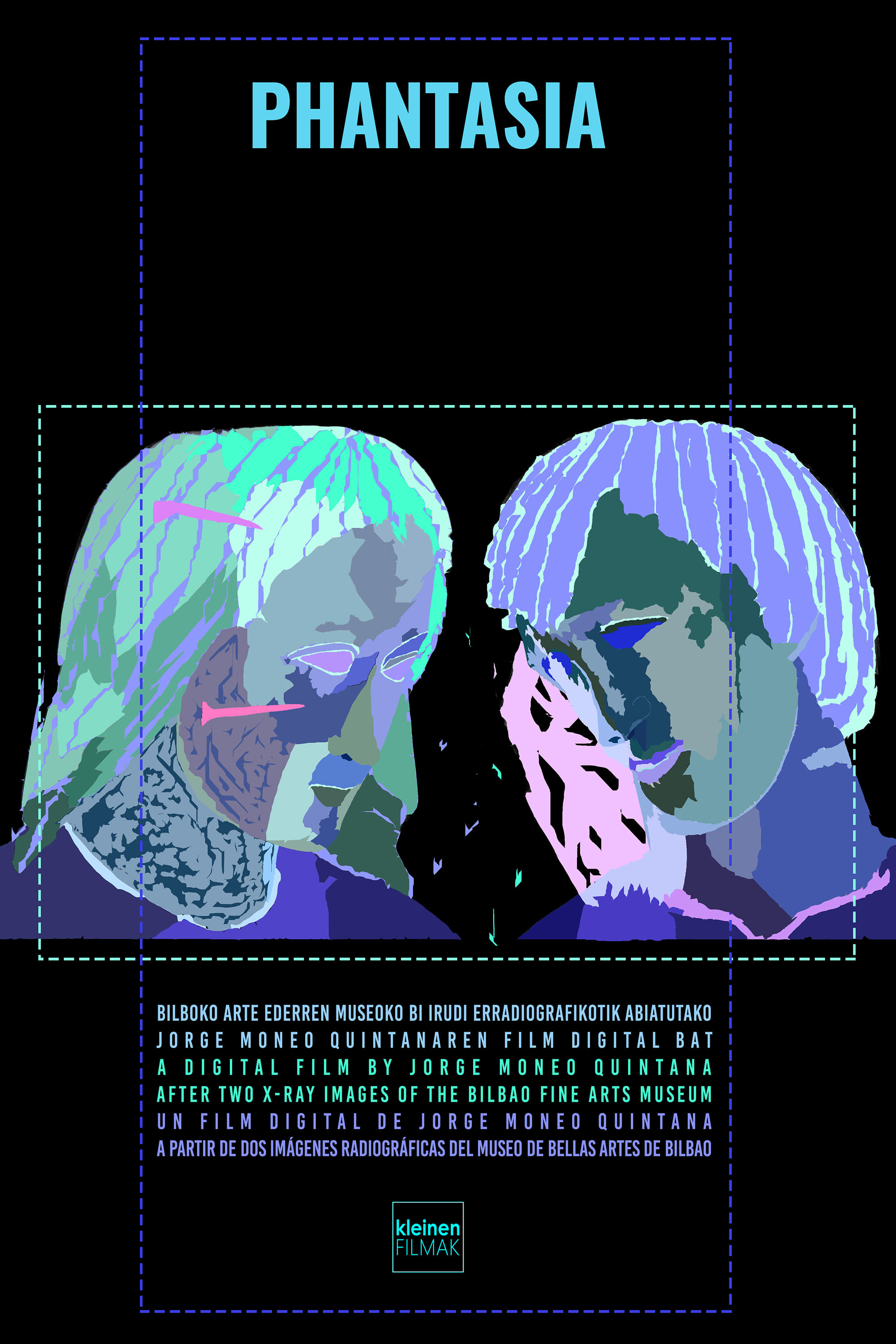
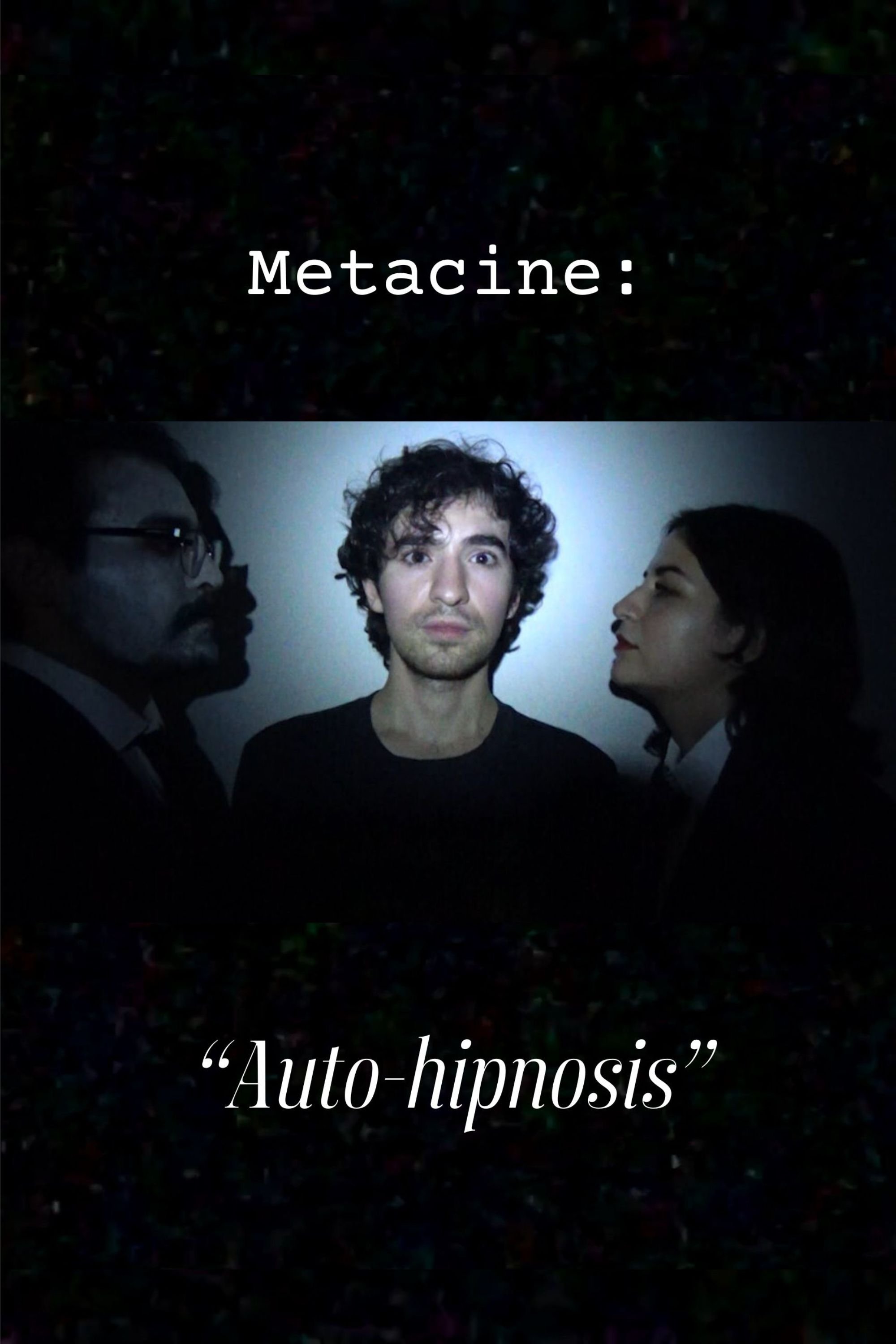
X-ray images were invented in 1895, the same year in which the Lumière brothers presented their respective invention in what today is considered to be the first cinema screening. Thus, both cinema and radiography fall within the scopic regime inaugurated by modernity. The use of X-rays on two sculptures from the Bilbao Fine Arts Museum generates images that reveal certain elements of them that would otherwise be invisible to our eyes. These images, despite being generally created for technical or scientific purposes, seem to produce a certain form of 'photogénie': they lend the radiographed objects a new appearance that lies somewhere between the material and the ethereal, endowing them with a vaporous and spectral quality. It is not by chance that physics and phantasmagoria share the term 'spectrum' in their vocabulary.
Haunted by the weight of an unfinished project, an architect battles insomnia by silencing distractions within his home. In the depths of silence, he confronts inner demons, leading to a haunting journey with a destructive outcome.
The personal stories lived by the Uncle, the Father and the Son, respectively, form a tragic experience that is drawn along a line in time. This line is comparable to a crease in the pages of the family album, but also to a crack in the walls of the paternal house. It resembles the open wound created when drilling into a mountain, but also a scar in the collective imaginary of a society, where the idea of salvation finds its tragic destiny in the political struggle. What is at the end of that line? Will old war songs be enough to circumvent that destiny?

November 22, 1963, John Fitzgerald Kennedy was assassinated in Dallas. Through the perspective of various stakeholders, Patrick Jeudy attempts to trace step by step the progress of this black day in American History.
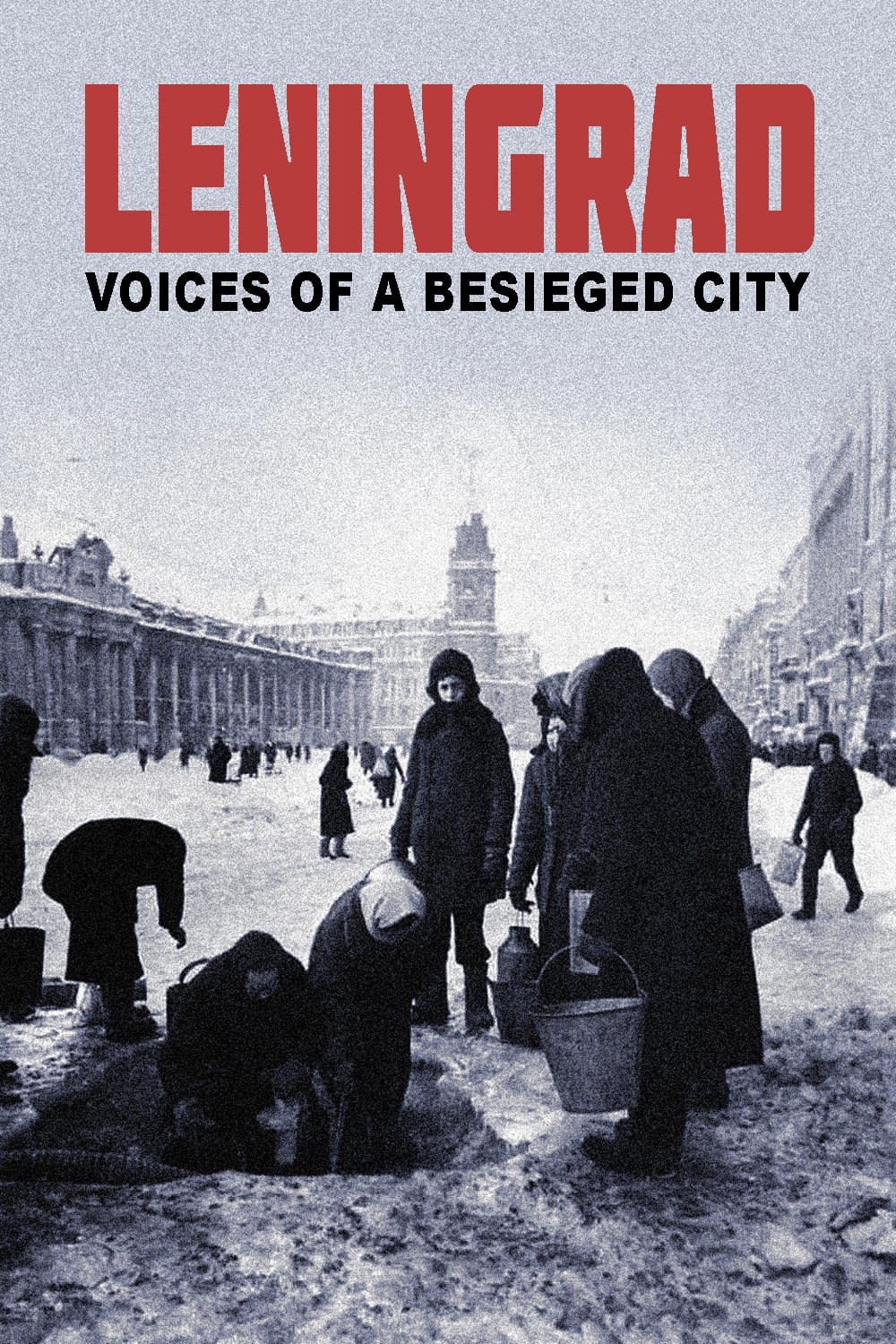
It was one of the great crimes of the Second World War: from 1941 to 1944, a total of 872 days, the siege and starvation of Leningrad by the German Wehrmacht on Hitler's orders lasted. Over a million people fell victim to the blockade, most of them dying of hunger. Countless of these starving people wrote diaries with the last of their strength, and cameramen filmed in the paralyzed city. Evidence from the hell of the siege, many of the film recordings, but above all the written memories on which this documentary on the occasion of the 80th anniversary of the liberation is based, remained under lock and key after the war. The voices of those who had suffered through this terrible time should not be heard by anyone, because they did not fit the pathos of the Leningrad heroic song that was officially sung. Most of the recordings come from women. The writers feared neither the enemy nor the Communist Party or Stalin, who often proved incompetent in providing for the population.