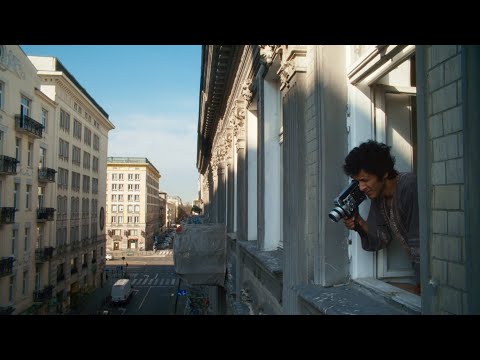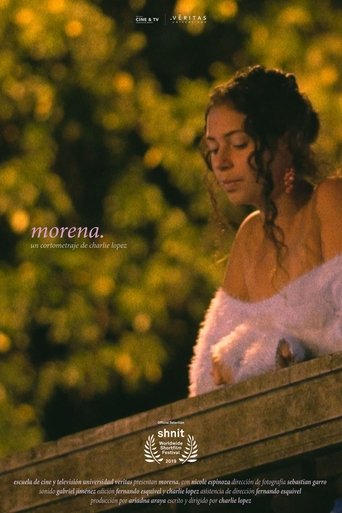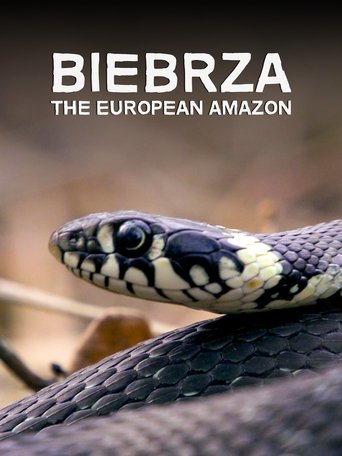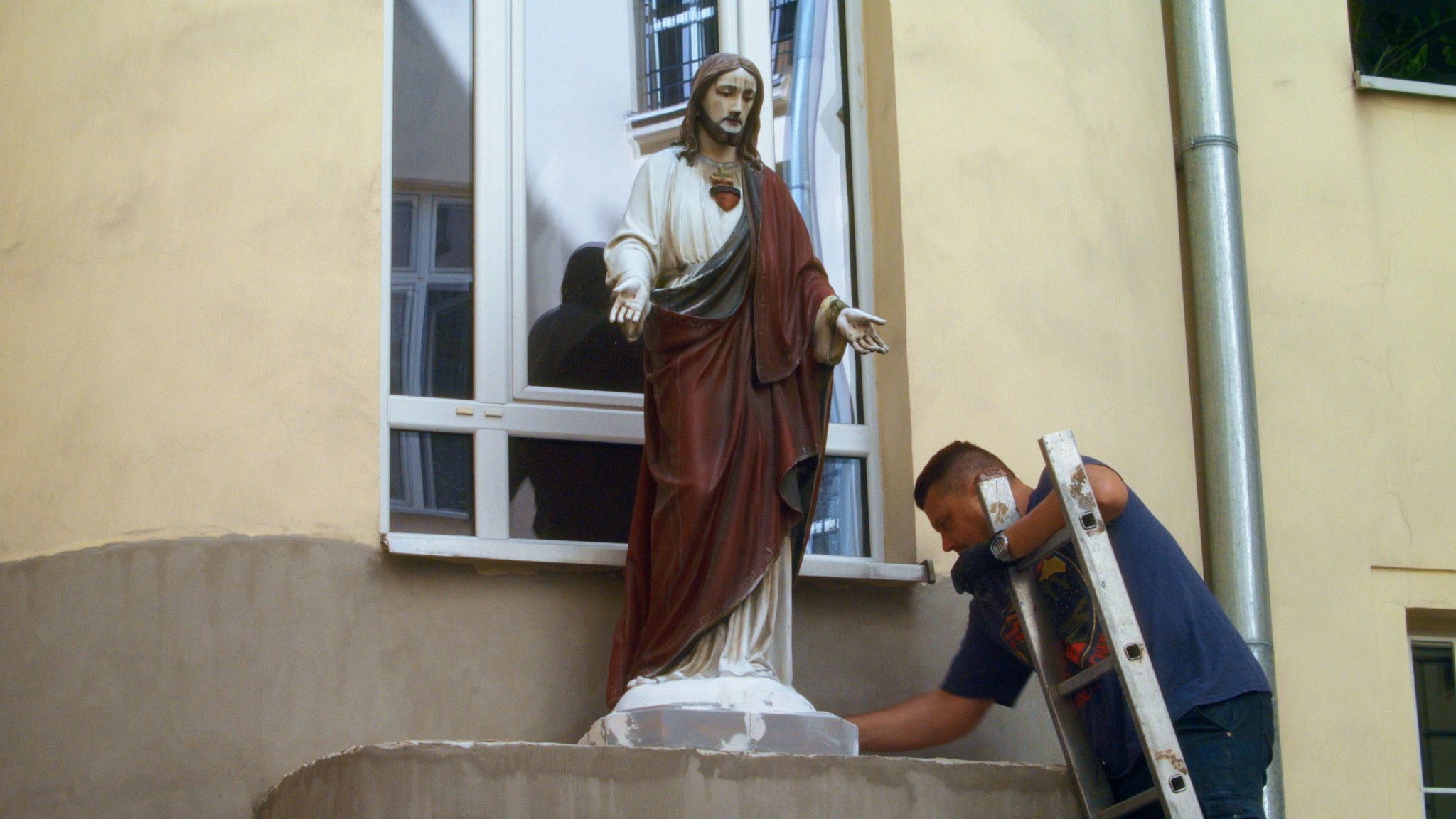
A street in downtown Warsaw transforms into a kaleidoscopic portrait of Polish society. Behind the viewfinder is an Indian immigrant, who seeks to overcome the boundaries between himself and an anxiety-ridden country.
Social & External
Self
Ante Meridiem is a sensory journey through the first hours of dawn. Kind but vehement, he explores the dichotomy between silence and bustle, patience and haste, taking both to their ultimate consequences.
Iggy Pop reads and recites Michel Houellebecq’s manifesto. The documentary features real people from Houellebecq’s life with the text based on their life stories.
Twenty-five films from twenty-five European countries by twenty-five European directors.
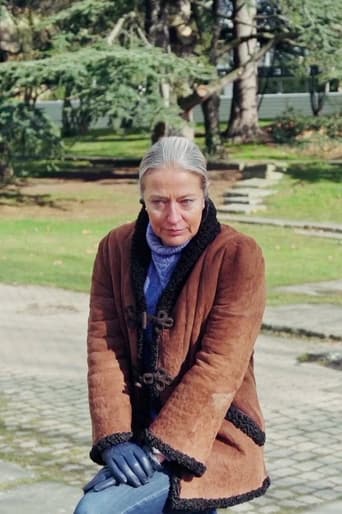
Ida, the grandniece of Simona Kossak, travels to the Bialowieza Forest at the Polish-Belarussian border. Sorting through the photos left by Lech Wilczek, Ida uncovers the life he had with Simona, captured in the photographs, footage and memories. A moving and powerful documentary about the life of Simona Kossak, a biologist, ecologist and activist known for her efforts to preserve the remnants of natural ecosystems in Poland and for living among the animals in the Białowieża Forest for over 30 years.
While Trevor and Sam are smoking pot, Trevor’s mom comes home. When she finds out, Trevor reveals his father’s adulterous ways and destroys his family.
A film essay investigating the question of what “the West” means beyond the cardinal direction: a model of society inscribed itself in the Federal Republic of Germany’s postwar history and architecture. The narrator shifts among reflections on modern architecture and property relations, detailed scenes from childhood, and a passed-down memory of a “hemmed-in West Germany,” recalling the years of her parents’ membership in a 1970s communist splinter group.
Weeping Rocks follows Art, an entomologist nearing the end of his life, who has spent over five decades walking the same ten trails, meticulously counting every butterfly he sees and witnessing the slow erosion of the world. His eccentric, patient research has uncovered patterns of decline that went unnoticed for years, revealing the deep environmental impact of detrimental human activities. As time reshapes the landscape and species fade, Art’s journey becomes a meditation on mortality, change, and the beauty of what remains.
Filmmaker John Torres describes his childhood and discusses his father's infidelities.
Every encounter with an image, every interaction searches for its own form. She is the other gaze is a collaboration with five female visual artists of an older generation who have been part of the Viennese art scene since the 1970s and engaged in the women's movement. In dialogue with the filmmaker Renate Bertlmann, Linda Christanell, Lore Heuermann, Karin Mack and Margot Pilz share their early works and artistic practices. They remember how their self-determination evolved between artistic ambitions, economic constraints, adaptation and resistance to the prevailing patriarchal social structures. In their role as feminist pioneers, the protagonists are a great influence on the contemporary art scene and the self-understanding of younger artists today. With their voices and narratives, they become collaborators passing on feminist thinking and artistic experiences.
Victor Fleming’s 1939 film The Wizard of Oz is one of David Lynch’s most enduring obsessions. This documentary goes over the rainbow to explore this Technicolor through-line in Lynch’s work.
Documentary reports on the annual icing of the Oder in the 160-kilometer border area between the GDR and the People's Republic of Poland. Icebreakers from both countries with experienced skippers join forces to make the international waterway between Frankfurt and Szczecin navigable again. Everyone works hard as a team and even a broken-down ship cannot stop them from achieving their goal. A look back at the winter of 1947 with its flooding shows what the freezing of the river and the subsequent thaw can do if the ice floes are not drained into the Baltic Sea via Lake Dammsch in good time. The skippers from both countries have known each other for years and trust each other; the camaraderie that has developed on the Oder unites the people, they control the river in winter for the common benefit of all.
A personal meditation on Rumble Fish, the legendary film directed by Francis Ford Coppola in 1983; the city of Tulsa, Oklahoma, USA, where it was shot; and its impact on the life of several people from Chile, Argentina and Uruguay related to film industry.
A look at the Brazilian black movement between 1977 and 1988, going by the relationship between Brazil and Africa.
This film, directed by Dominique GAUTIER, takes the viewer on a worldwide excursion into the history and structure of the Esperanto language, introducing its present-day speakers. The words of these users of the language are reflective of a variety of activities and viewpoints, and in the film they are interwoven so as to reveal bit by bit how the utopia of its initiator, Ludwig ZAMENHOF, is concretised every day.
Between 1930 and 1945, Eastern Europe experienced mass violence on an unprecedented scale. Hitler and Stalin exploited the vast region for their respective expansionist plans. It is estimated that around 14 million civilians were murdered—primarily Jews, Poles, Balts, Belarusians, and Ukrainians.
A personal essay which analyses and compares images of the political upheavals of the 1960s. From the military coup in Brazil to China's Cultural Revolution, from the student uprisings in Paris to the end of the Prague Spring.
Documentary film about sexual abuse in the Catholic Church in Poland.
A flickering dance of intriguing imagery brings to light the possibilities of ordinary movements from the everyday which appear, evolve and freeze before your eyes. Made entirely from archive photographs and footage from the earliest days of moving image, All This Can Happen (2012) follows the footsteps of the protagonist from the short story 'The Walk' by Robert Walser. Juxtapositions, different speeds and split frame techniques convey the walker's state of mind as he encounters a world of hilarity, despair and ceaseless variety.
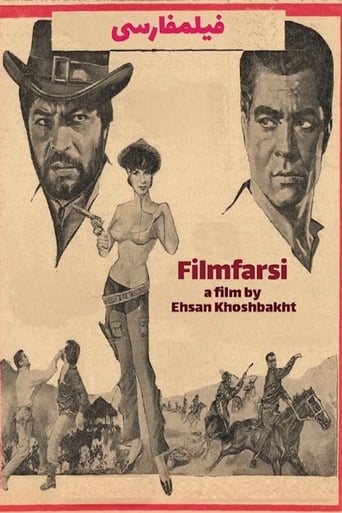
A found-footage essay, Filmfarsi salvages low budget thrillers and melodramas suppressed following the 1979 Islamic revolution.
Quite a few years have passed since November 1989. Czechoslovakia has been divided up and, in the Czech Republic, Václav Klaus’s right-wing government is in power. Karel Vachek follows on from his film New Hyperion, thus continuing his series of comprehensive film documentaries in which he maps out Czech society and its real and imagined elites in his own unique way.
Artists in LA discover the work of forgotten Polish sculptor Stanislav Szukalski, a mad genius whose true story unfolds chapter by astounding chapter.
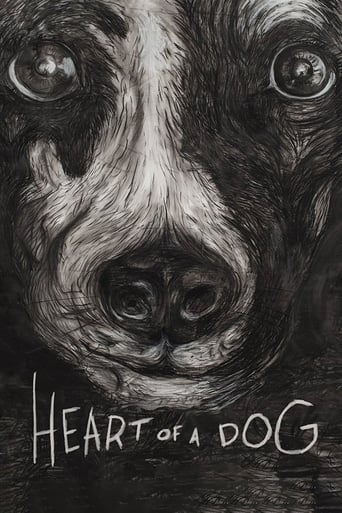
Lyrical and powerfully personal essay film that reflects on the deaths of her husband Lou Reed, her mother, her beloved dog, and such diverse subjects as family memories, surveillance, and Buddhist teachings.
As a visually radical memoir, CAMERAPERSON draws on the remarkable footage that filmmaker Kirsten Johnson has shot and reframes it in ways that illuminate moments and situations that have personally affected her. What emerges is an elegant meditation on the relationship between truth and the camera frame, as Johnson transforms scenes that have been presented on Festival screens as one kind of truth into another kind of story—one about personal journey, craft, and direct human connection.
A documentary shot by filmmakers all over the world that serves as a time capsule to show future generations what it was like to be alive on the 24th of July, 2010.
An impressionistic portrait of the iconic actor Harry Dean Stanton comprised of intimate moments, film clips from some of his 250 films and his renditions of American folk songs.
Offbeat documentarian Chris Smith provides a behind-the-scenes look at how Jim Carrey adopted the persona of idiosyncratic comedian Andy Kaufman on the set of Man on the Moon.
Nine filmmakers each profile a young girl from a different part of the world to weave a global tapestry of youth in the 21st century.
A documentary on the expletive's origin, why it offends some people so deeply, and what can be gained from its use.
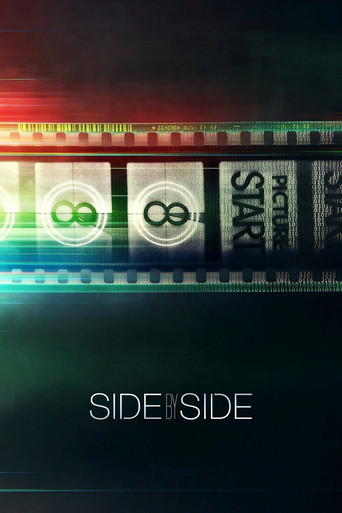
A documentary examining the decade of the 1970s as a turning point in American cinema. Some of today's best filmmakers interview the influential directors of that time.
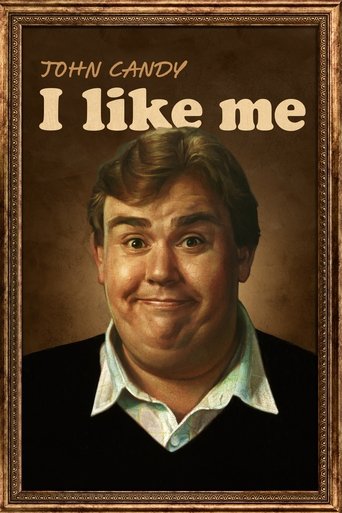
Those who knew iconic funnyman John Candy best share his story, in their own words, through never-before-seen archival footage, imagery, and interviews.
The geographical dead center of North America and the beloved birthplace of Guy Maddin, Winnipeg, is the frosty and mysterious star of Maddin’s film. Fact, fantasy and memory are woven seamlessly together in this work, conjuring a city as delightful as it is fearsome.
The life and career of an actor, artist, and icon. His own journey through his own camera.
A visual montage portrait of our contemporary world dominated by globalized technology and violence.
In this documentary, recovering addict and amputee John Wood finds himself in a stranger-than-fiction battle to reclaim his mummified leg from Southern entrepreneur Shannon Whisnant, who found it in a grill he bought at an auction and believes it therefore to be his rightful property.
Against the darkening backdrop of New Delhi's apocalyptic air and escalating violence, two brothers devote their lives to protecting one casualty of the turbulent times: the bird known as the black kite.
An intimately raw and magical journey through the life, mind, and heart of iconic artist Frida Kahlo. Told through her own words for the very first time — drawn from her diary, revealing letters, essays, and print interviews — and brought vividly to life by lyrical animation inspired by her unforgettable artwork.
In 1974, Chilean-French director Alejandro Jodorowsky embarked on the quixotic project of adapting Frank Herbert's influential novel Dune (1969) for the big screen. After investing two years, and millions of dollars, the gigantic project ended in failure; but the artists Jodorowsky brought together to carry it out continued to work together, and ended up laying the foundations for modern science fiction cinema.
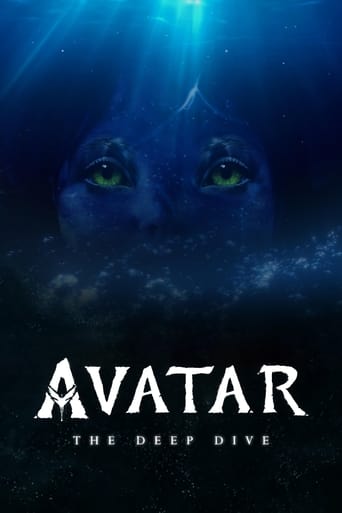
An inside look at one of the most anticipated movie sequels ever with James Cameron and cast.
As his life comes to its end, famous Hollywood director Orson Welles puts it all on the line at the chance for renewed success with the film The Other Side of the Wind.
Using the book 'Fragments', which collects Marilyn Monroe's poems, notes and letters, and with participation from the Arthur Miller and Truman Capote estates who have contributed more material, each of the actresses will embody the legend at various stages in her life.