Social & External
The people behind it
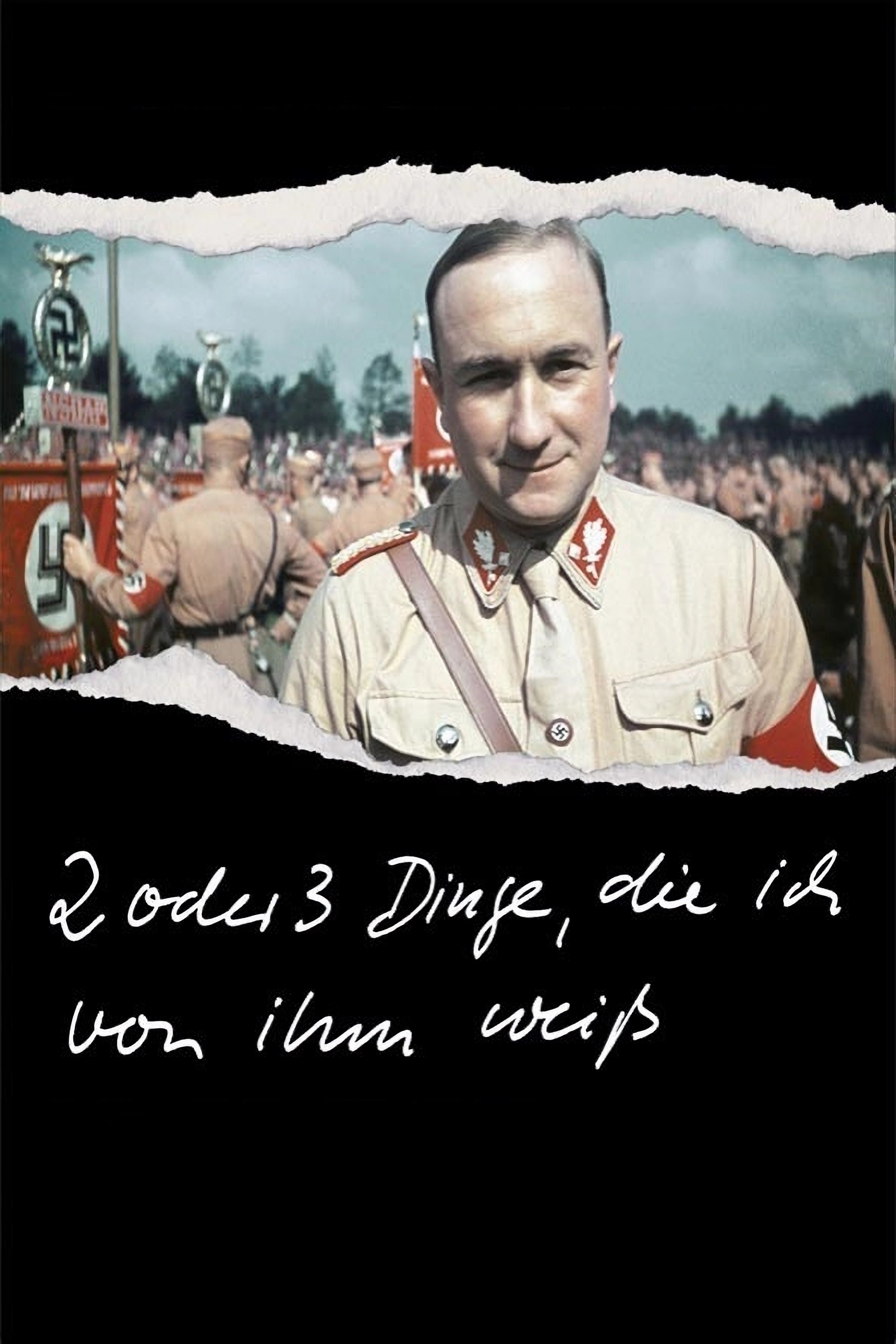
What would your family reminiscences about dad sound like if he had been an early supporter of Hitler’s, a leader of the notorious SA and the Third Reich’s minister in charge of Slovakia, including its Final Solution? Executed as a war criminal in 1947, Hanns Ludin left behind a grieving widow and six young children, the youngest of whom became a filmmaker. It's a fascinating, maddening, sometimes even humorous look at what the director calls "a typical German story." (Film Forum)
It was the biggest escape in the history of the Berlin Wall: in one historic night of October 1964, 57 East-Berliners try their luck through a tunnel into West Berlin. Just before the last few reach the other side, the East German border guards notice the escape and open fire. Remarkably, all the refugees and their escape agents make it out of the tunnel unscathed, but one border guard is dead: 21-year-old officer Egon Schultz.
In the West Jutland village of Hanning, there is a small indremissionary community. How everyday life unfolds in such a religious environment is depicted through participation in church services, meetings in the mission house and visits to the villagers. They talk about temptations, their relationship with God and passing on their faith to the next generation.
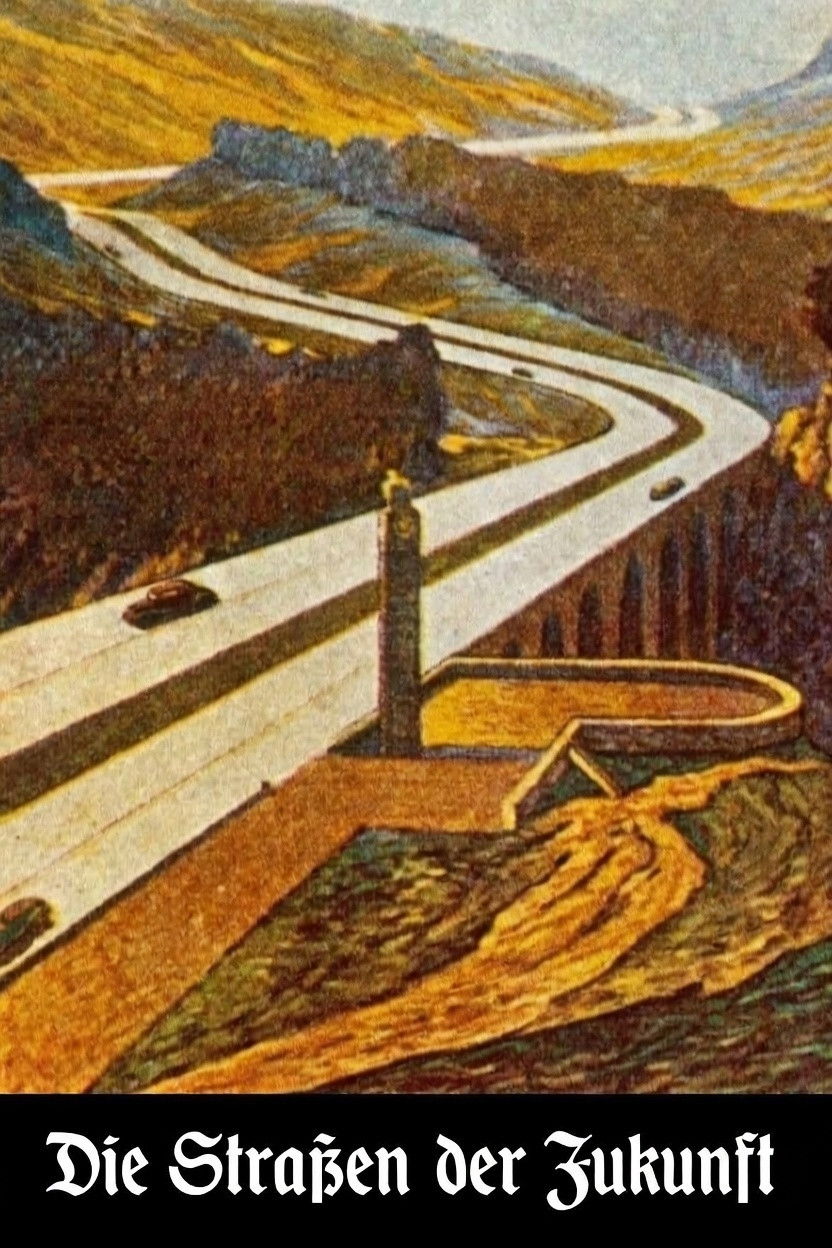
From different perspectives, the viewer sees the appearance of the newly built Reichsautobahnen: Pictures from the lowlands, the Swabian Alb and many other places.
An exploration —manipulated and staged— of life in Las Hurdes, in the province of Cáceres, in Extremadura, Spain, as it was in 1932. Insalubrity, misery and lack of opportunities provoke the emigration of young people and the solitude of those who remain in the desolation of one of the poorest and least developed Spanish regions at that time.
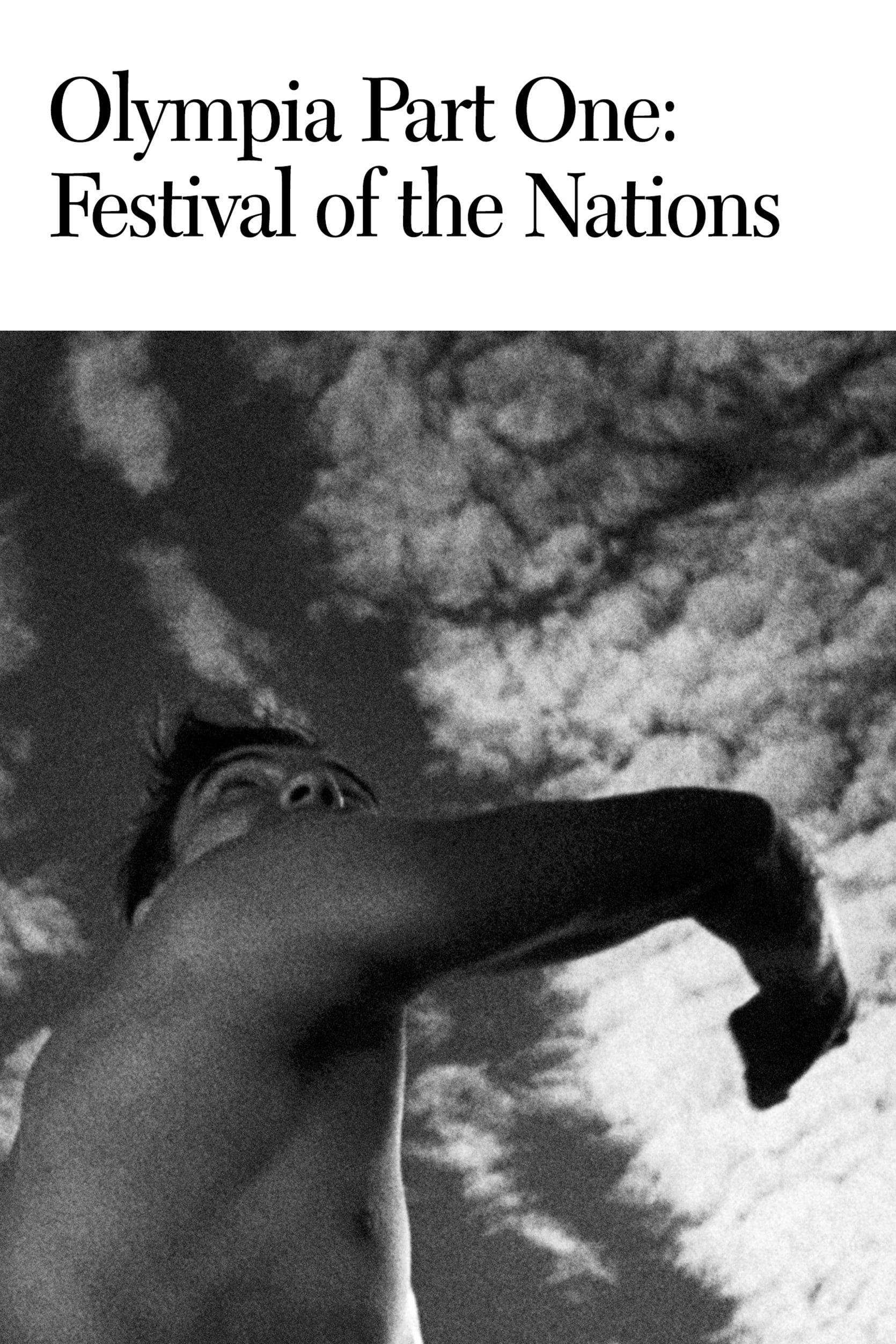
Starting with a long and lyrical overture, evoking the origins of the Olympic Games in ancient Greece, Riefenstahl covers twenty-one athletic events in the first half of this two-part love letter to the human body and spirit, culminating with the marathon, where Jesse Owens became the first track and field athlete to win four gold medals in a single Olympics.
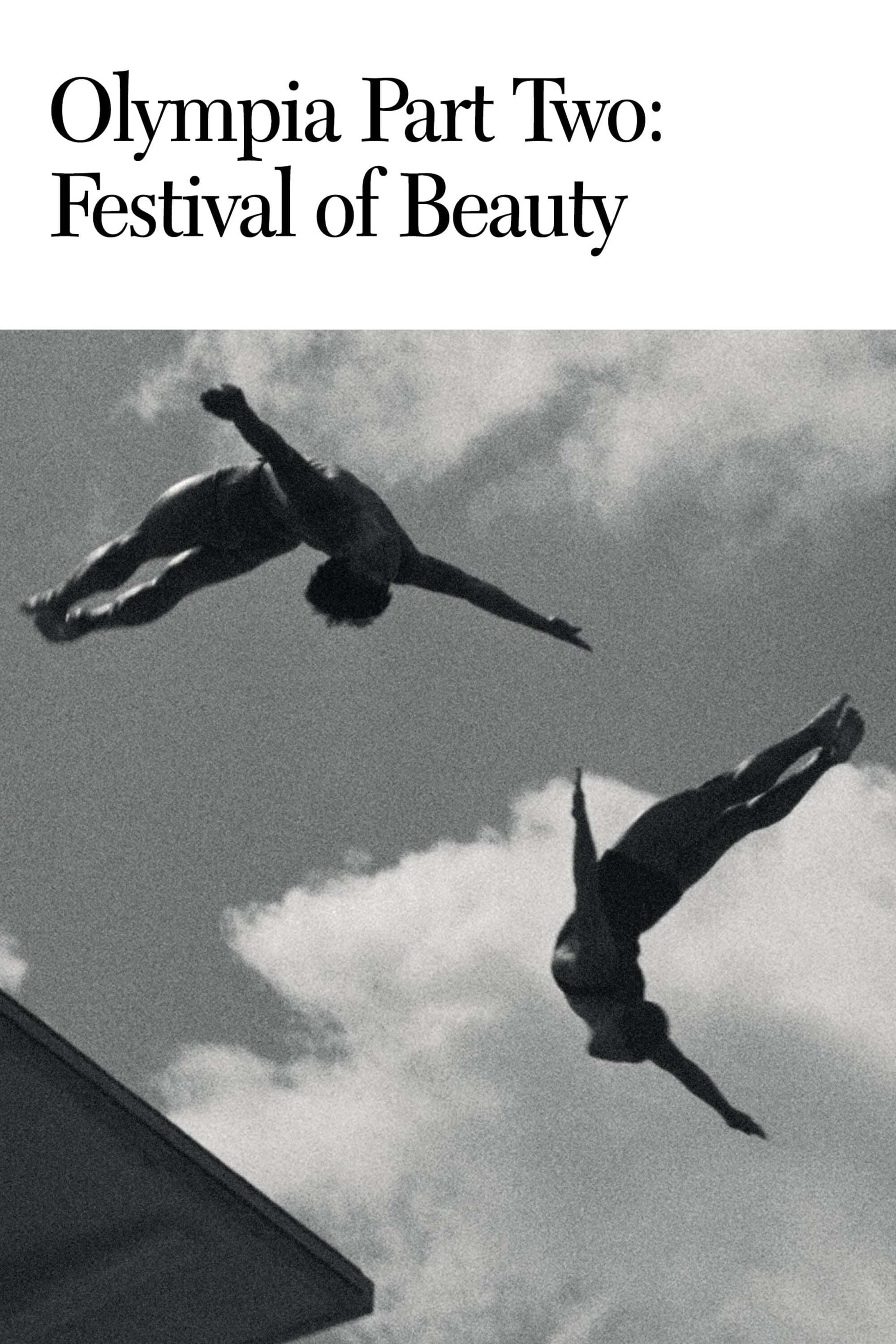
Part two of Leni Riefenstahl's monumental examination of the 1938 Olympic Games, the cameras leave the main stadium and venture into the many halls and fields deployed for such sports as fencing, polo, cycling, and the modern pentathlon, which was won by American Glenn Morris.
A poetic journey through the paths and places of old Castile that were traveled and visited by the melancholic knight Don Quixote of La Mancha and his judicious squire Sancho Panza, the immortal characters of Miguel de Cervantes, which offers a candid depiction of rural life in Spain in the early 1930s and illustrates the first sentence of the first article of the Spanish Constitution of 1931, which proclaims that Spain is a democratic republic of workers of all kind.
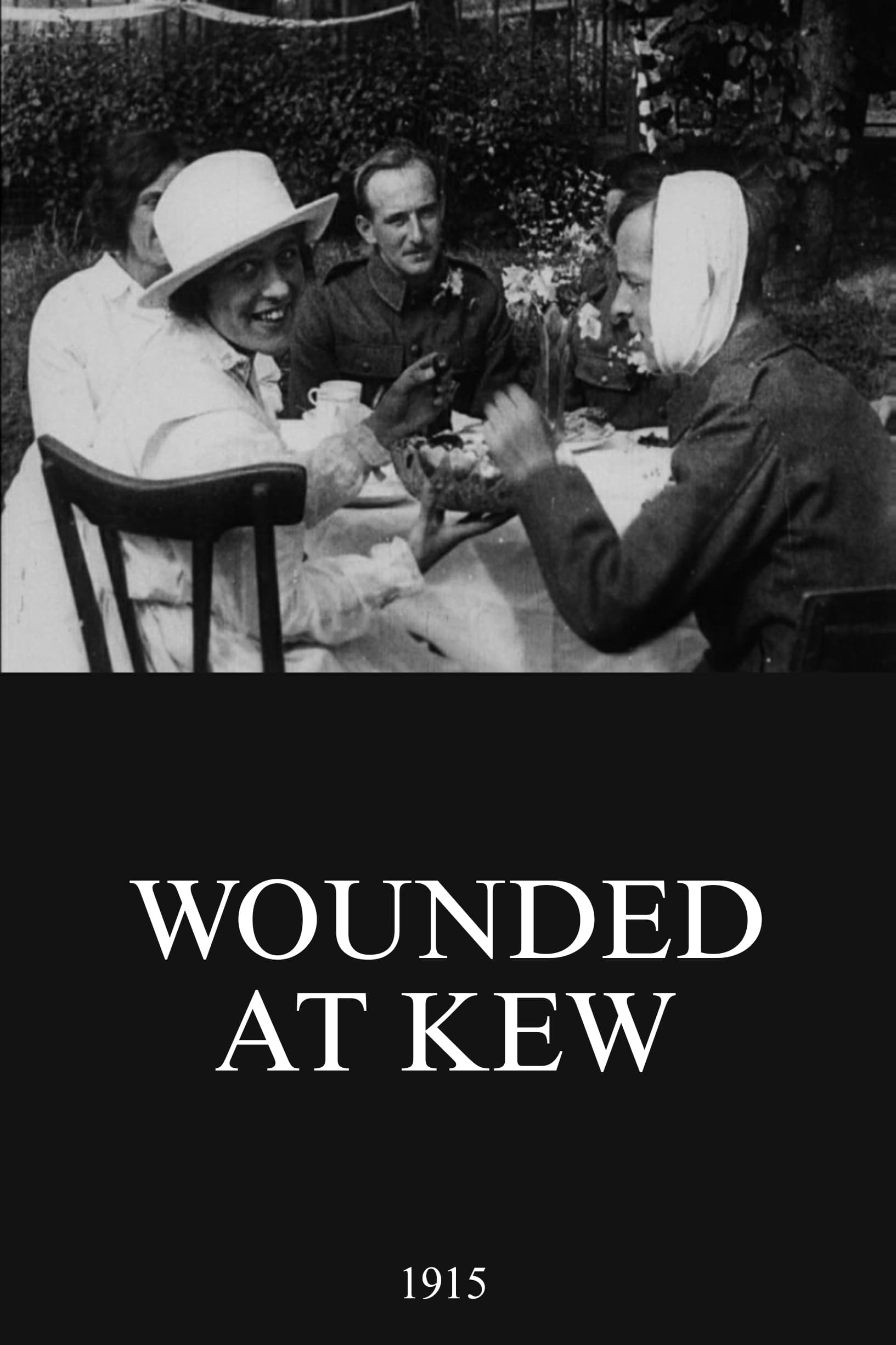
Battered, bandaged and playing croquet on crutches, wounded First World War soldiers get a break from the Western Front.
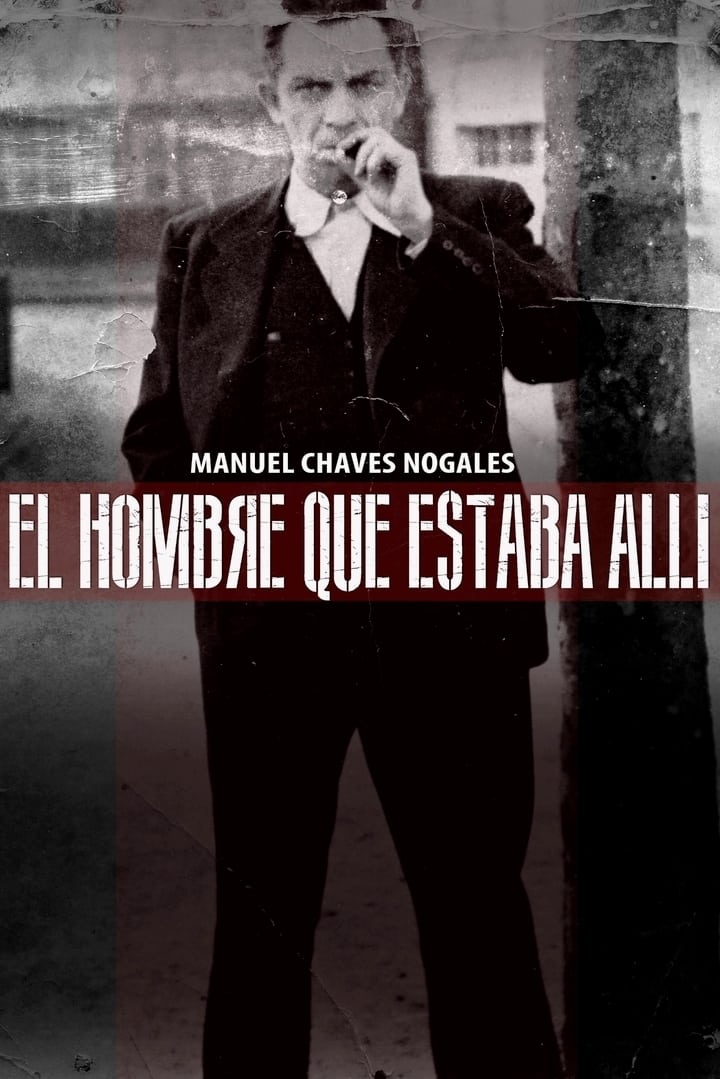
The Spanish journalist Manuel Chaves Nogales (1897-1944) was always there where the news broke out: in the fratricidal Spain of 1936, in Bolshevik Russia, in Fascist Italy, in Nazi Germany, in occupied Paris or in the bombed London of World War II; because his job was to walk, see and tell stories, and thus fight against tyrants, at a time when it was necessary to take sides in order not to be left alone; but he, a man of integrity to the bitter end, never did so.
The first blitzkrieg, Hitler's invasion of Poland, is traced in this original Nazi propaganda film from 1940.
See how alt-right icon Steve Bannon’s years as a documentary filmmaker catapulted him to Breitbart News and the Trump White House.
Amanda has found the perfect man online - he's kind, funny and the heir to one of the richest families in Denmark. She lets him into her home and life, but is he really who he says he is?
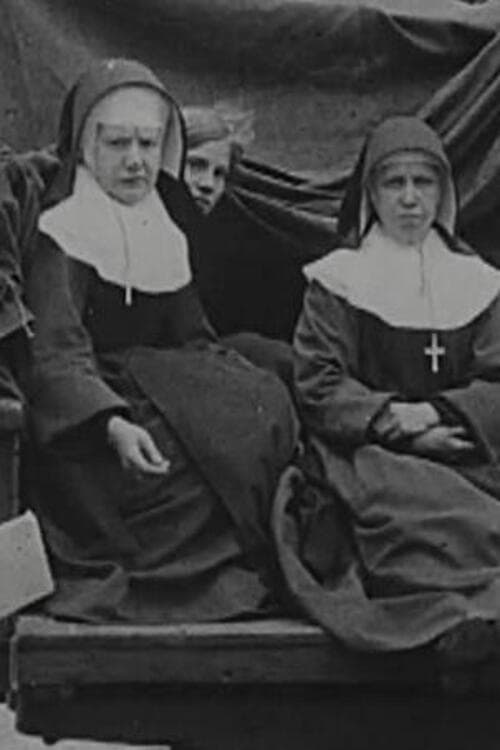
A horse and cart carrying two nuns is stopped by two men with fixed bayonets.
The story of Magda Goebbels, the wife of Goebbels, an associate of Hitler, is one of the most amazing and shocking stories of the 20th century. The world shuddered to learn that before the suicide in the bunker on May 1, 1945, which followed the suicide of Hitler and his inner circle, Magda Goebbels killed her six children. The youngest girl was 5 years old, the eldest was 12 years old. Only the eldest son of Magda Harald survived, he was at the front.
The film looks at men and women of color in the U.S. Merchant Marine from 1938-1975. Through chronicling the lives of these men and women who, with a median age of 82, are beset with a host of life-threatening illnesses, the movie tells how they navigated issues of racism, disparities in the workplace, gender and familial relations.
A collection of television celebrities pitch United States Savings bonds.
Tugging Diary documents a footbridge over a year between August 2019 to January 2021. Due to social unrest and the uncertainty of various immediate happenings, both the internet and physical spaces act as critical communication platforms of its own during this period. As such, information can be circulated in the community more widely and rapidly outside of the existing mainstream media. As time goes by, these materials are continuously altered, some were renewed, while the others were removed, covered with paint, or overlaid by other information.
Documentary short film produced by the U.S. Army, intended to enlighten the American public on the final thrust of the Allied war effort in Europe and on the plans for the return home of American forces. Preserved by the Academy Film Archive in 2008.
A documentary on the expletive's origin, why it offends some people so deeply, and what can be gained from its use.
This documentary movie is about the battle of San Pietro, a small village in Italy. Over 1,100 US soldiers were killed while trying to take this location, that blocked the way for the Allied forces from the Germans. Preserved by the Academy Film Archive in 2005.
A string of threatening emails escalates into a revenge plot involving a newly married US marshal and his ex-girlfriend.
Alexander McQueen's rags-to-riches story is a modern-day fairy tale, laced with the gothic. Mirroring the savage beauty, boldness and vivacity of his design, this documentary is an intimate revelation of McQueen's own world, both tortured and inspired, which celebrates a radical and mesmerizing genius of profound influence.
Never-before-seen footage and survivor accounts trace the 2012 shipwreck of a luxury cruise and the disaster that ensued, in this immersive documentary.
As boxing's popularity wanes, three fighters at different stages of their career make sacrifices to pursue their dreams of becoming champions.
This revealing documentary honors the legendary Sidney Poitier—iconic actor, filmmaker, and civil rights activist. Featuring interviews with Denzel Washington, Spike Lee, Halle Berry, and more.
When Allied forces liberated the Nazi concentration camps in 1944-45, their terrible discoveries were recorded by army and newsreel cameramen, revealing for the first time the full horror of what had happened. Making use of British, Soviet and American footage, the Ministry of Information’s Sidney Bernstein (later founder of Granada Television) aimed to create a documentary that would provide lasting, undeniable evidence of the Nazis’ unspeakable crimes. He commissioned a wealth of British talent, including editor Stewart McAllister, writer and future cabinet minister Richard Crossman – and, as treatment advisor, his friend Alfred Hitchcock. Yet, despite initial support from the British and US Governments, the film was shelved, and only now, 70 years on, has it been restored and completed by Imperial War Museums under its original title "German Concentration Camps Factual Survey".
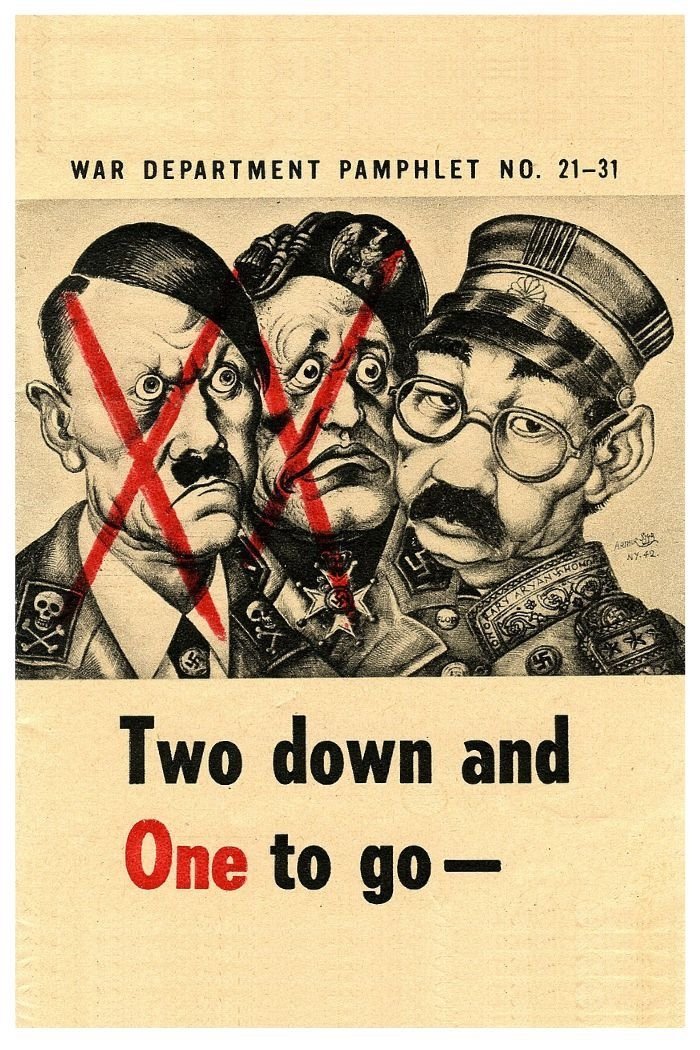
Prelude to War was the first film of Frank Capra's Why We Fight propaganda film series, commissioned by the Pentagon and George C. Marshall. It was made to convince American troops of the necessity of combating the Axis Powers during World War II. This film examines the differences between democratic and fascist states.
An experimental documentary that explores Saudi Arabia's relationship with the U.S. and the role this has played in the war in Afghanistan.
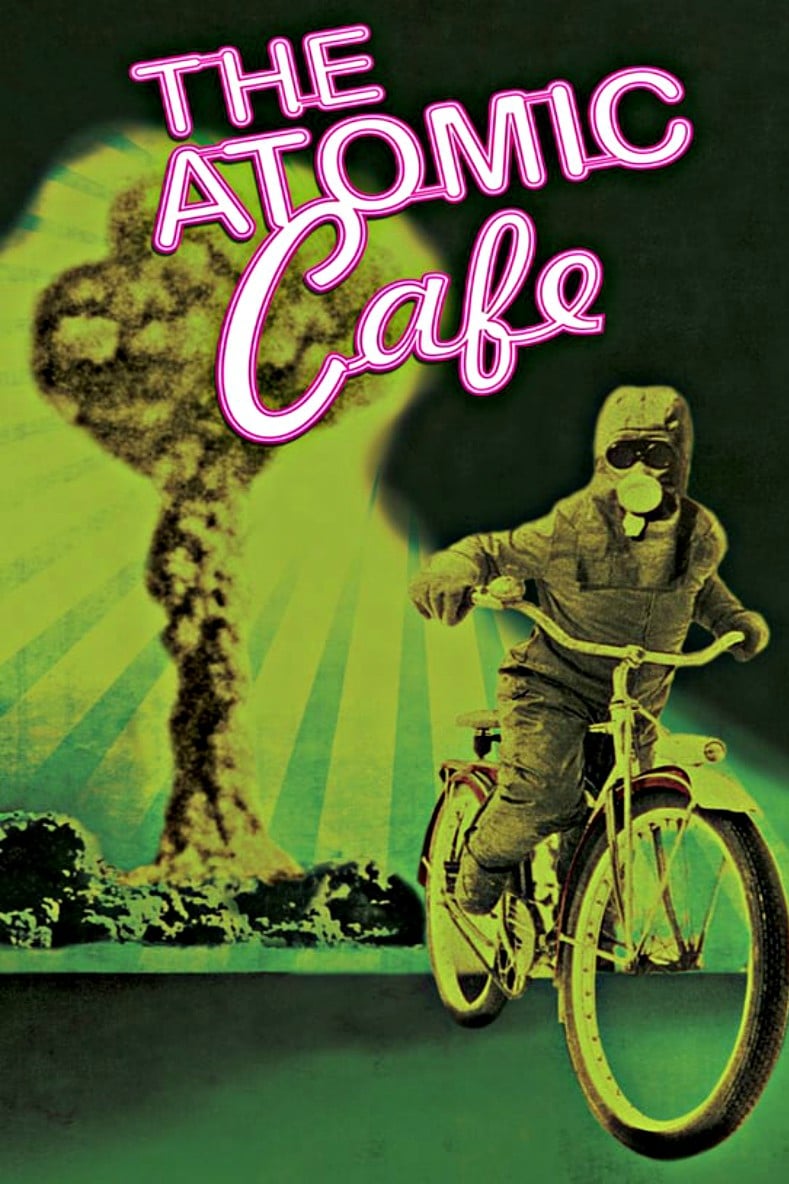
A disturbing collection of 1940s and 1950s United States government-issued propaganda films designed to reassure Americans that the atomic bomb was not a threat to their safety.
Al Pacino's deeply-felt rumination on Shakespeare's significance and relevance to the modern world through interviews and an in-depth analysis of "Richard III."
Through deeply personal interviews with her siblings and an examination of the photographs, letters, and belongings left behind, Mariska assembles a new portrait of her mother Jayne Mansfield, an extraordinary and complex woman.
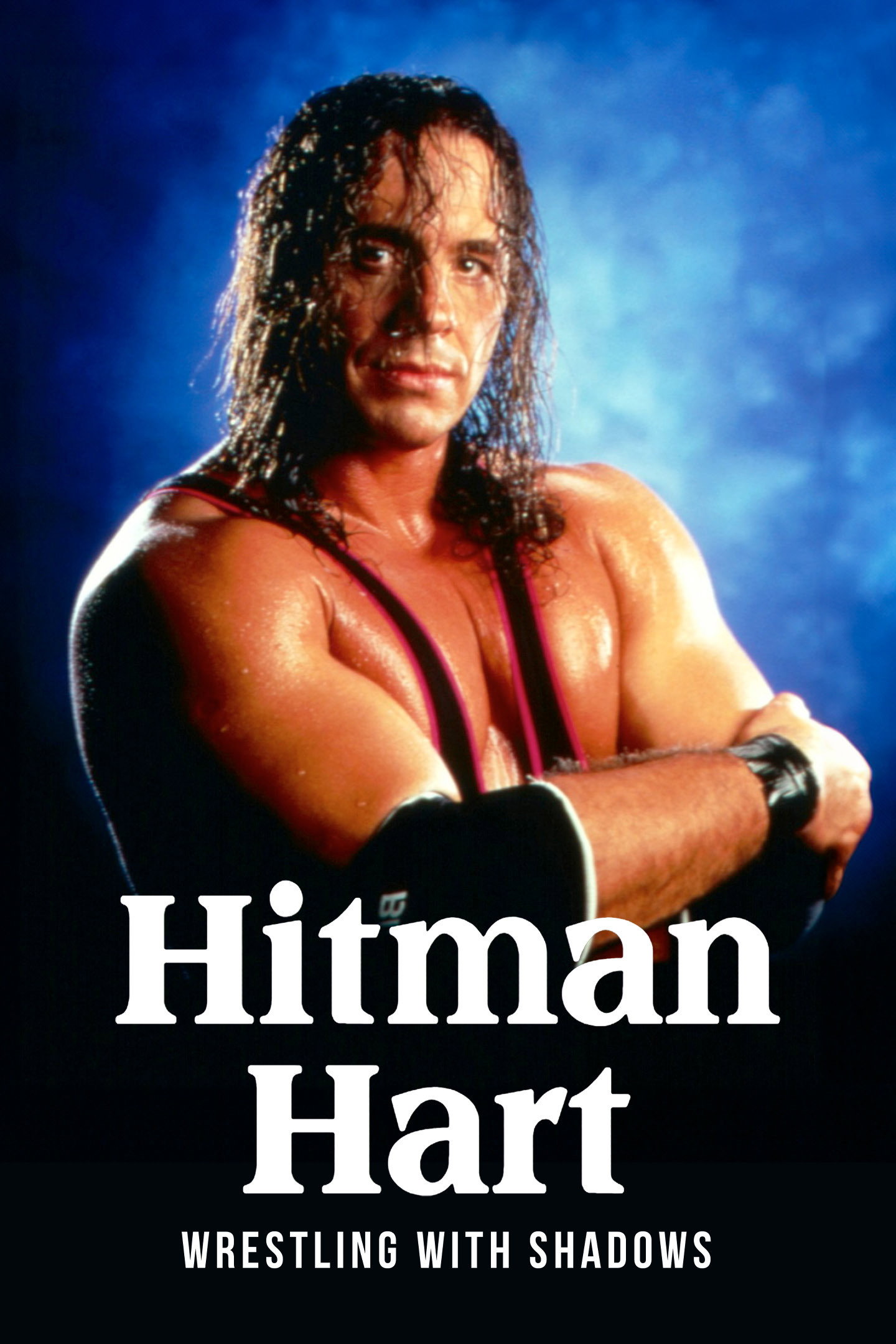
This documentary follows superstar Bret Hart during his last year in the WWF. The film documents the tensions that resulted in The Montreal Screwjob, one of the most controversial events in the history of professional wrestling, in which Vince McMahon, Shawn Micheals, and others, legitimately conspired behind the scenes to go against the script and remove Bret Hart as champion.
“The Soviet Story” is a story of an Allied power, which helped the Nazis to fight Jews and which slaughtered its own people on an industrial scale. Assisted by the West, this power triumphed on May 9th, 1945. Its crimes were made taboo, and the complete story of Europe’s most murderous regime has never been told. Until now...
A documentary on kids who attend a summer camp hoping to become the next Billy Graham.
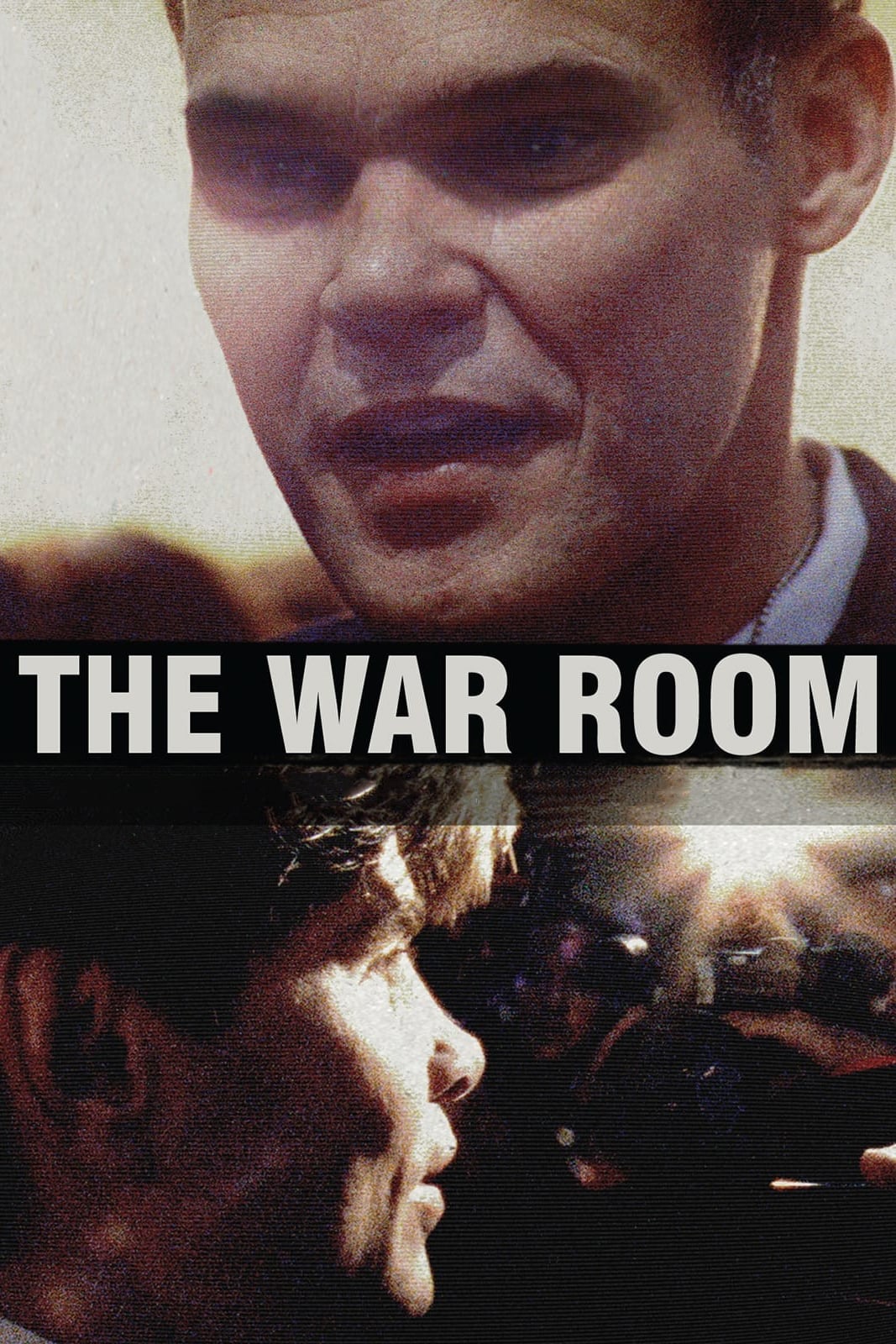
A behind-the-scenes documentary about the Clinton for President campaign, focusing on the adventures of spin doctors James Carville and George Stephanopoulos.
A look at the origins, history and conspiracies behind the "Majestic 12", a clandestine group of military and corporate figureheads charged with reverse-engineering extraterrestrial technology.
In an intimate and joyful story of love in the face of loss, celebrated poets Andrea Gibson and Megan Falley find strength—and unexpected hilarity—in what might be their final year together.
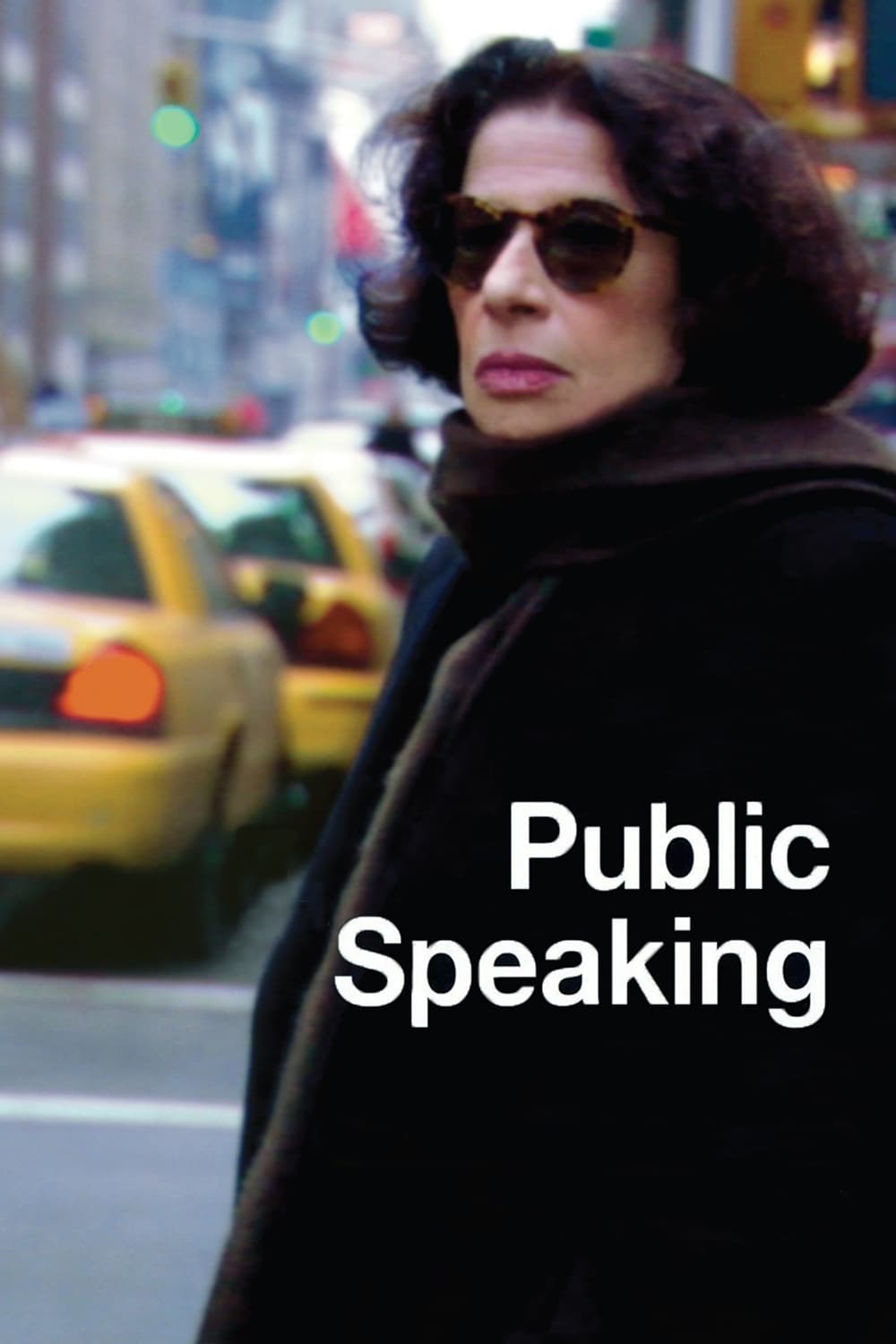
Martin Scorsese’s portrait of writer and social commentator Fran Lebowitz, celebrated for her sharp wit and observations on modern life. Filmed at New York’s Waverly Inn and intercut with archival footage and interviews, the documentary captures Lebowitz’s distinctive worldview through her spontaneous monologues and public appearances.