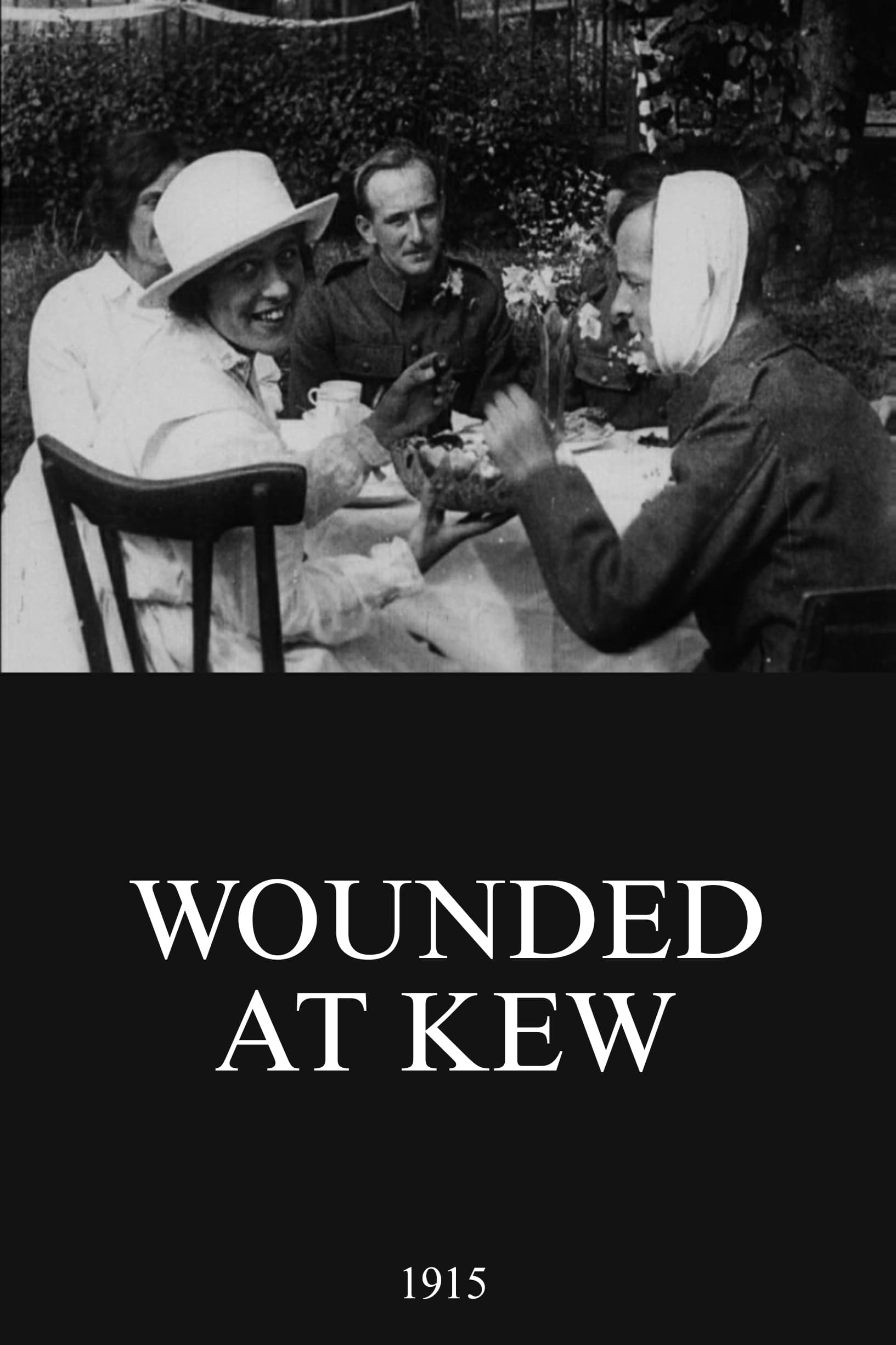
Battered, bandaged and playing croquet on crutches, wounded First World War soldiers get a break from the Western Front.
Social & External
The adventures and exploits of Jean-Baptiste Charcot (1867-1936), an intrepid scientist and explorer who laid the foundations of modern oceanography.
1988 CBC docudrama on Canada's role in WW1. Terence McKenna tours the Battlefields of Ypres, the Somme, Vimy Ridge and Paschendaele. Actors portray several Canadian soldiers in WW1 in re-enactments based on their memoirs, diaries and letters.
A Nazi propaganda film about the lead up to World War II and Germany's success on the Western Front. Utilizes newsreel footage of battles and fell into disfavour with propaganda minister Goebbels because of it's lack of emphasis on Adolf Hitler.
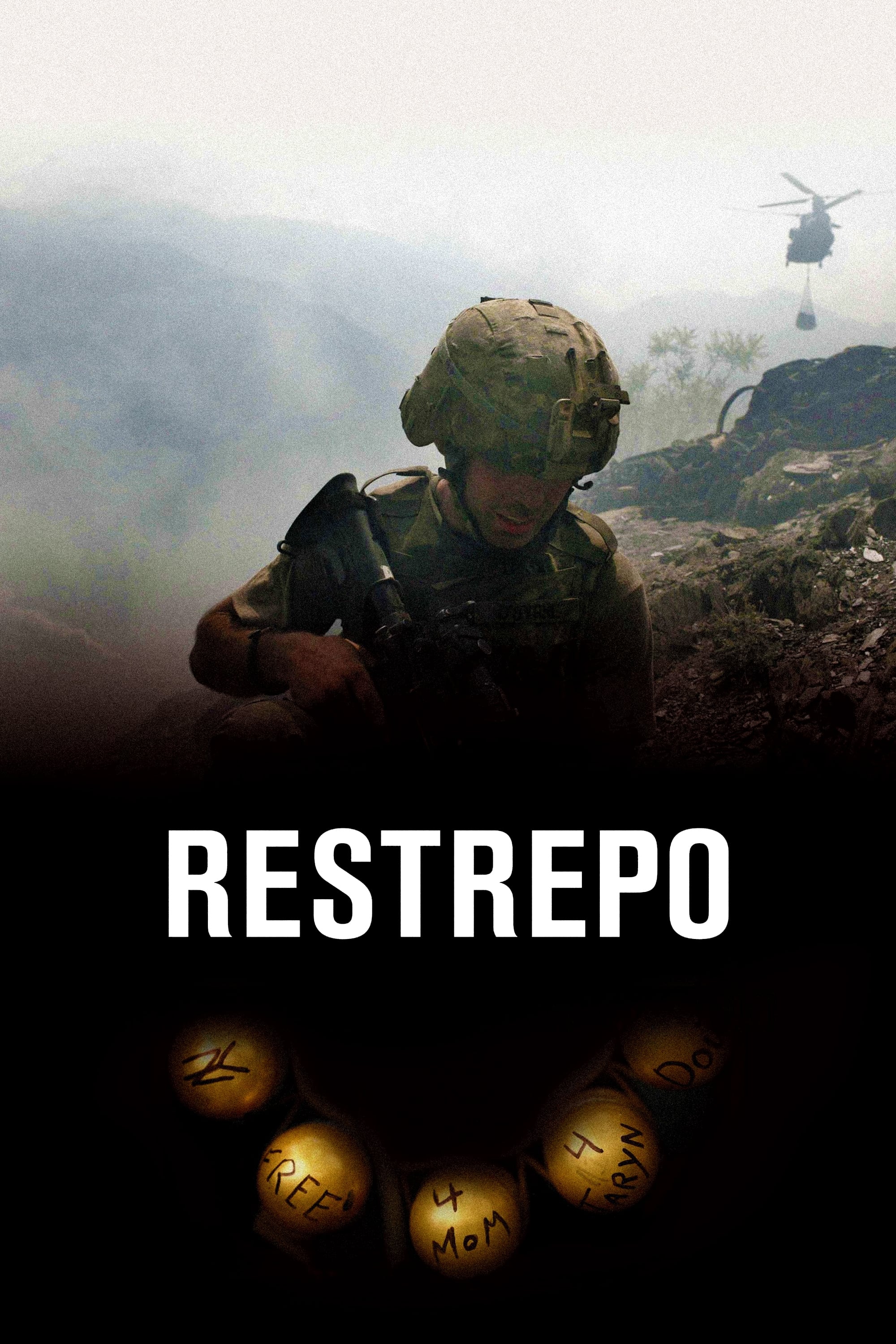
A powerful and poignant film in which families and friends of those who have died fighting in Afghanistan and Iraq talk openly about their loved ones and their grief. Epic in scale and spanning seven years of war, this landmark three-hour film gives a rare insight into the personal impact and legacy of this loss.
A documentary on the late American entertainer Dean Reed, who became a huge star in East Germany after settling there in 1973.
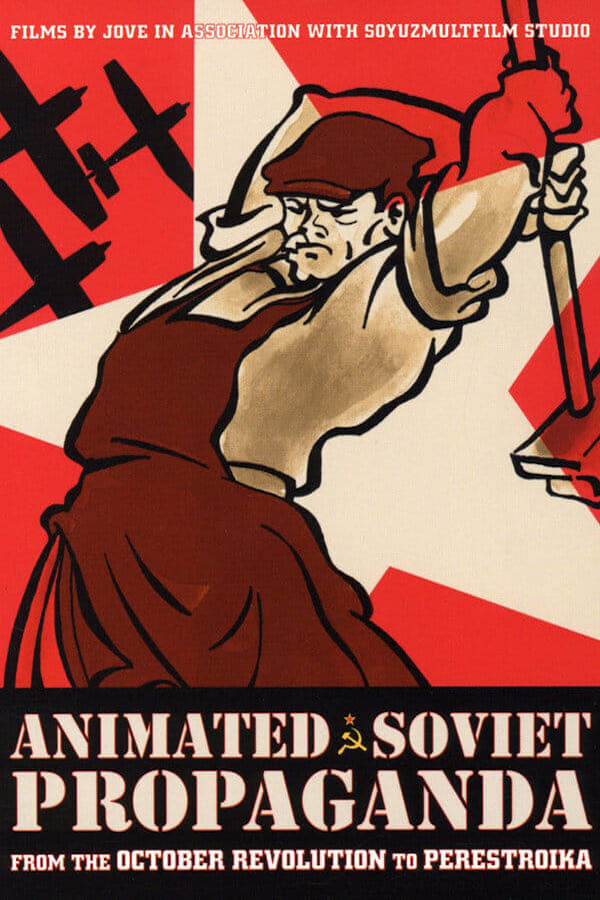
Compilation short film about the Communist Revolution and Soviet Union.
Documentary to mark the WI's centenary. Lucy Worsley goes beyond the stereotypes of jam and Jerusalem to reveal the surprisingly radical side of this Great British institution.
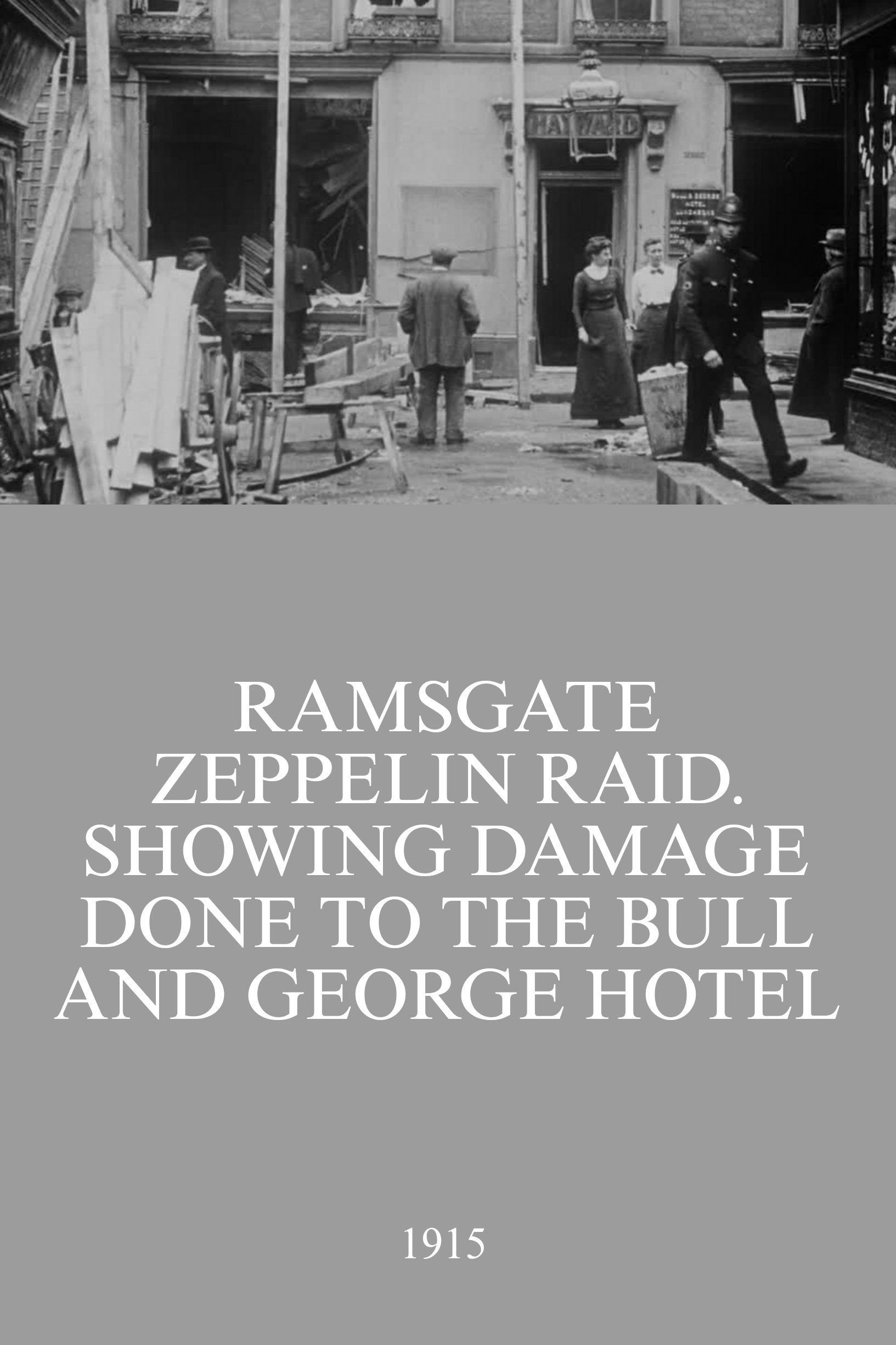
This lost WWI documentary appears to be about the German zeppelin attacks on Londonon September 2nd, 1916.
Social democracy propaganda film about future dreams for Denmark in 1960. Although Denmark is free again, the former opponent and worker, Svend, is disillusioned: "It is all something soft". The dream of the future is incarnated by a young woman, Karen, who shows Svend the visions of a better life in the 'youth's land'. There are homes and a nuclear-powered car for everyone.
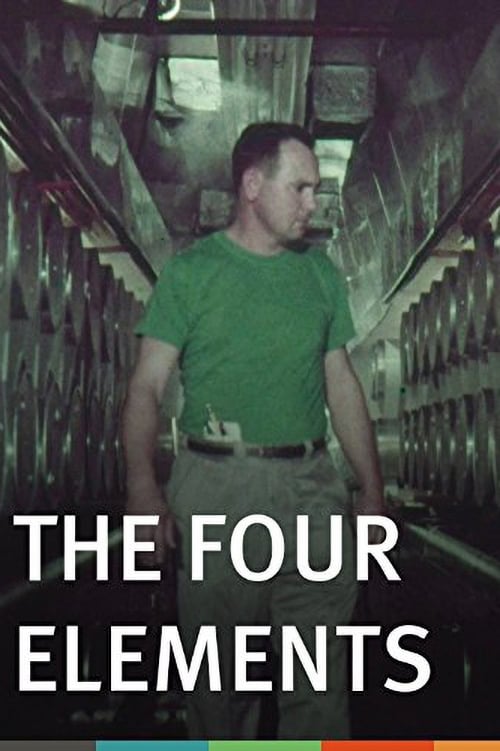
An educational film about power sources that’s rendered as a lyrical meditation on heat and vapor, The Four Elements is a poetic and avant-garde documentary Curtis Harrington made for the United States Information Agency.
Leading biblical scholars and religious experts discuss the implications of the Rapture, when prophecies predict that Jesus Christ will return to Earth and his true believers will be transported to meet him.
Producer Samuel Cummins, along with five participants in World War I, discuss the key events of the war as illustrated by an assemblage of battlefield and other documentary footage. This film is not the same as, but seems likely to have either inspired or been inspired by, Norman Lee's British production of the same title (q.v.), apparently released the following year.
'Our Day' badges and flags being sold in aid of wounded WWI soldiers are shown in this Topical Budget film.
Made by the highly influential Russian cameraman Roman Karmen, this documentary vividly features Albanian life immediately after the communists came to power in 1944. The film is especially memorable since it’s missing much of the heavy socialist realism that marked Albanian doc making. Shortly after he completed the film, Karmen set off for Berlin to shoot the Soviet victory over Nazi Germany.
Professor Niall Ferguson argues that Britain's decision to enter the First World War was a catastrophic error that unleashed an era of totalitarianism and genocide.
This film takes us into the harsh realm of BC's early coal mines, canneries, and lumber camps; where primitve conditions and speed-ups often cost lives. Then, the film moves through the unemployed' struggles of the '30s, post WWII equity campaigns, and into more recent public sector strikes over union rights.
The story of Istituto Luce and it's newsreels, full of visual records of the social and political history of Italy under Mussolini's leadership.