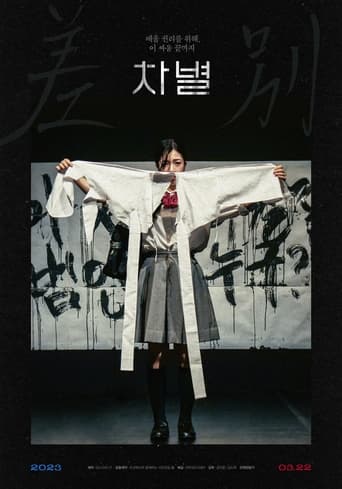

One woman. One racist lie. One lawsuit that shook Japan. Korean Japanese entrepreneur Shin Sugok takes on major media in this electro-shock legal thriller about refusing to be silenced.
Social & External
The people behind it
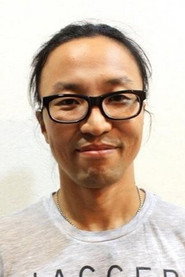
Shin Sug-ok
Self
Shiratori Keiko
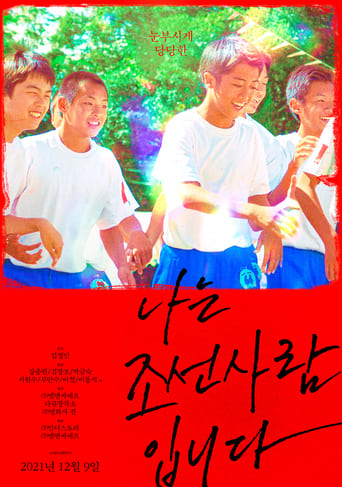
After 15 years of knowing Chosun people in Japan I met on Mt. Geumgang in 2002, I face the history of colonization and division that I had not known before. They’ve been to North Korea many times, but never to South Korea. They tell us why they want to live as Chosun people despite the discrimination in Japanese society.
Matsuda Shunji, a freshman of Amagasaki High School in Osaka faces a difficult decision regarding the revelation of his Korean name, Lee Jun-Chi. The teenager is aware of the difficulties of living in Japan with a Korean name, and so dreads the day when he is supposed to make this decision. He ultimately meets a loneliness whereby we are left to witness the outcome of his dilemma.
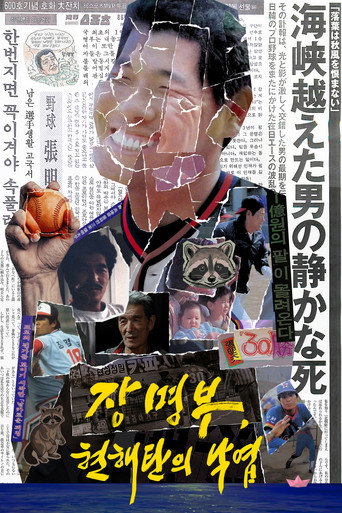
1983 KBO 30-win legend Chang Myeong-bu and his hidden yakuza brother, Yong-bu. Divided by the mound's light and alley shadows, they fought to survive Zainichi discrimination. Through Yong-bu's eyes, this tragic saga weaves unseen records and KBO archives into a forgotten diaspora's requiem.
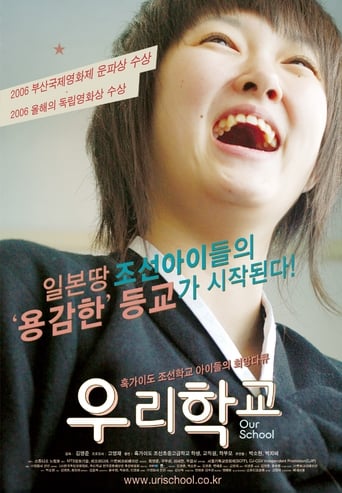
Osaka Korean High School has provided education for the past six decades to the children of pro-North Korean residents in Japan. This school is located only about 20 minutes away from Hanazono Stadium, the mecca of Japan’s high school rugby, but it was not until 1994, 18 years after the foundation of a rugby team at the high school, that the Japanese education ministry approved the team’s entry into the official league. Since then, the team has run in the national league as a representative of the Osaka area and been considered a front-runner ever since. The team has strong players and passionate supporters, but it faces difficulties just before winning the league.
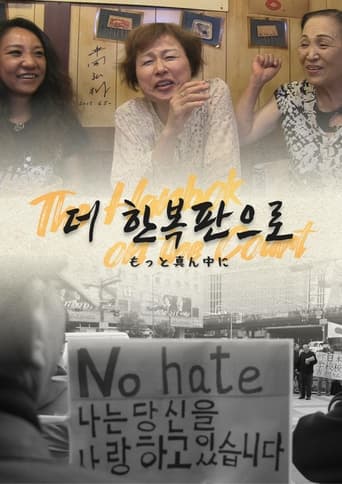
Since 2013, Japan has implemented the free high school policy. However, only 10 Chongryon Korean high schools are excluded from this policy. The reason is that there are suspicions that the grant for free education will be misused by Chochongryon and others. Five of these schools protested about this measure and filed a claim for damages against the government in 2013. After four years of hearings, the first trial decision was made on July 19, 2017, starting with the case of Hiroshima Chongryon Korean high school.
The late Kim Dong-il, a Jeju April 3 refugee in Japan, left behind over 2,000 crocheted items and pieces of clothing that preserved her memories, identity, and history. As the film traces the redistribution of her belongings, it illuminates the still-unhealed lives of various Zainichi Koreans who lived through the same era, sharing and connecting their intertwined memories.
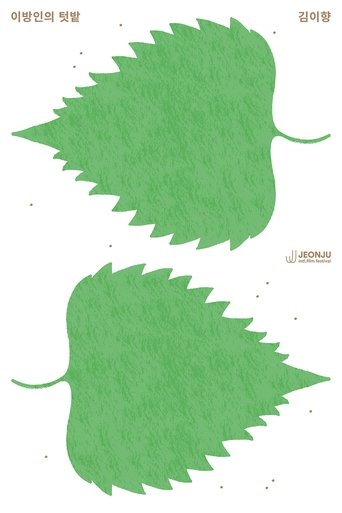
A Japanese herb called 'shiso' looks like a perilla leaf but has a unique fragrance. It's like how I have a Korean name and nationality but still feel a sense of alienation in Korean society. The death of my grandmother, a first-generation Zainichi, raises a question for me: Does death also mark the end of the life of an outsider? In the end, where do we return to?
Imman Kim wants to reconcile with his parents, who emigrated to Osaka after April 3 Jeju Uprising. Cheolwoong Park has supported his younger sister during his entire life, blaming his father who moved to Tokyo to avoid guilt-by association. Soonam Park has devoted her life to human rights movement for a second-generation Korean-Japanese and her daughter Mayi Park who also lives as a Korean-Japanese. This film tell us about meaning of a nation through their life stories.
Confronting half of her mother’s life—her mother who had survived the Jeju April 3 Incident—the director tries to scoop out disappearing memories. A tale of family, which carries on from Dear Pyongyang, carving out the cruelty of history, and questioning the precarious existence of the nation-state.
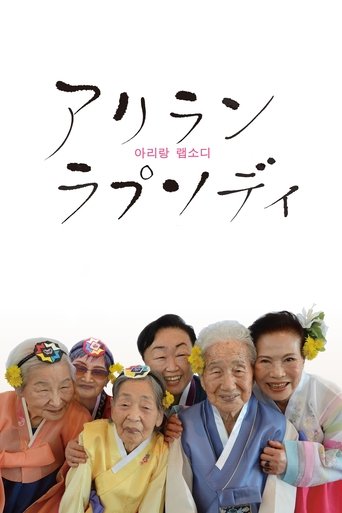
The protagonists of the film are the Zainichi Korean women living in Kawasaki. They were tossed about by the war, and after many trips to and fro across the sea in search of a place to live, they finally arrived in Kawasaki, where they have lived modestly and vigorously.
For Episode 11, Reality Sandwich follows a lecture-performance by third-generation Zainichi Korean rapper Funi at Woori Madang, a community space where elderly Zainichi Korean women gather to sing, learn, and socialize. This episode explores memory, identity, and belonging as Funi reflects on growing up amid racism and discrimination in Japan, transforming personal frustration into music that confronts systemic injustice and fosters solidarity across generations and borders.
In April 2013, unfamiliar faces appear at the Jamsil Baseball Stadium during the opening matches between Doosan and SK. The nervous middle-aged men throwing and batting the first ball are, in fact, Korean-Japanese former team members that played on that same spot in the 1982 finals of the Bong-hwang-dae-ki games.
In a quiet Japanese town, Lee Hyang-ja observes the ancestral rites of her husband's Zainichi Korean family. Behind her devotion lies an erased maternal history. Her mother, Chun-ja, was separated from her birth mother at seven and eventually forgot even her name. Determined to recover her lost grandmother's name, Hyang-ja travels to South Korea. There, she confronts a hidden truth and realizes that she stands at the heart of the tradition that has enforced this silence across generations.
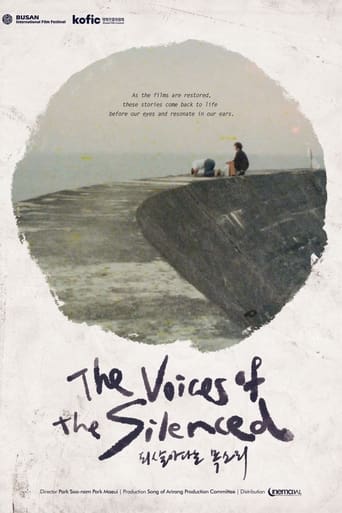
Director Park Soo-nam, a second-generation Korean resident in Japan who is losing his eyesight, decides to digitally restore 16mm film she shot a long time ago, relying on her daughter Park Ma-eui's eyesight. The blood, tears, and numerous corpses of Koreans living in Japan are clearly engraved in the film filmed over 50 years.
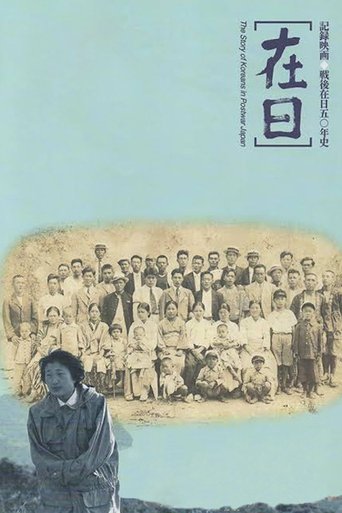
Portraying the fifty-year history of zainichi (long-term residents in Japan) Koreans after the liberation of Korea, traces of zainichi evoked in this film question the concepts of 'post-war democracy' and 'pacifism' in Japan. With copious stock footage and testimony, the first half of the film, "History," chronologically traces the various experiences of zainichi from Japan's defeat (Korean liberation) through 1990. The latter half, "People," focuses on first, second and third-generation zainichi respectively, vividly depicting how they live.
After graduating from Joseon school, ✕✕ enters a South Korean university. Jihoon meets ✕✕’s family and friends, sharing meals, drinks, and songs together. Through these interactions, he naturally grows closer to ○○, △△, and ◇◇, listening to their memories of Joseon school and their lives in Japan. These exchanges erase the space of everyday life and question the sense of mission imposed in its place: For whom is it really when we label those living ordinary lives with ‘identity’?
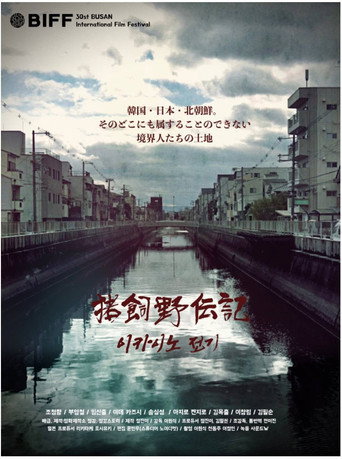
‘Ikaino’ refers to a neighborhood in Osaka, Japan, home to a large community of Zainichi Koreans. Though erased from official records over fifty years ago, its name still carries memories and stories.
Dear Pyongyang is a documentary film by Zainichi Korean director Yang Yong-hi (Korean: 양영희, Hanja: 梁英姬) about her own family. It was shot in Osaka Japan (Yang's hometown) and Pyongyang, North Korea, In the 1970s, Yang's father, an ardent communist and leader of the pro-North movement in Japan, sent his three sons from Japan to North Korea under a repatriation campaign sponsored by ethnic activist organisation and de facto North Korean embassy Chongryon; as the only daughter, Yang herself remained in Japan. However, as the economic situation in the North deteriorated, the brothers became increasingly dependent for survival on the care packages sent by their parents. The film shows Yang's visits to her brothers in Pyongyang, as well as conversations with her father about his ideological faith and his regrets over breaking up his family.
Through deeply personal interviews with her siblings and an examination of the photographs, letters, and belongings left behind, Mariska assembles a new portrait of her mother Jayne Mansfield, an extraordinary and complex woman.
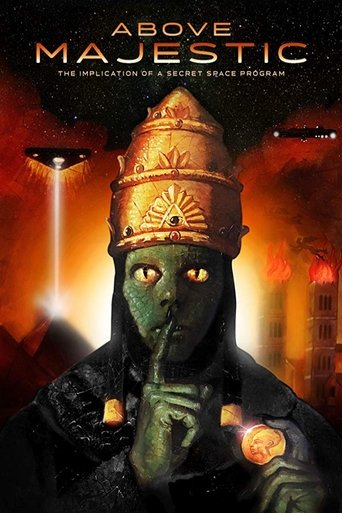
A look at the origins, history and conspiracies behind the "Majestic 12", a clandestine group of military and corporate figureheads charged with reverse-engineering extraterrestrial technology.
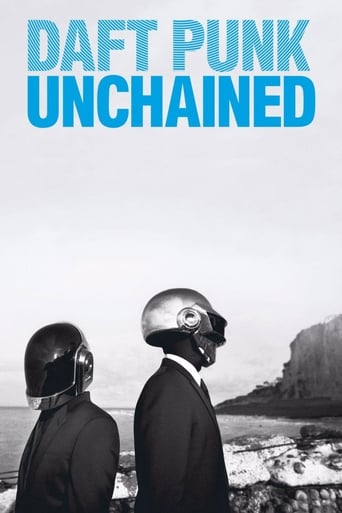
Daft Punk Unchained is the first film about the pop culture phenomenon that is Daft Punk, the duo with 12 million albums sold worldwide and seven Grammy Awards. Throughout their career Thomas Bangalter and Guy-Manuel de Homem-Christo have always resisted compromise and the established codes of show business. They have remained determined to maintain control of every link in the chain of their creative process. In the era of globalisation and social networks, they rarely speak in public and neither do they show their faces on TV. This documentary explores this unprecedented cultural revolution revealing a duo of artists on a permanent quest for creativity, independence and freedom.
The film follows adventurer Jeff Johnson as he retraces the epic 1968 journey of his heroes Yvon Chouinard and Doug Tompkins to Patagonia.
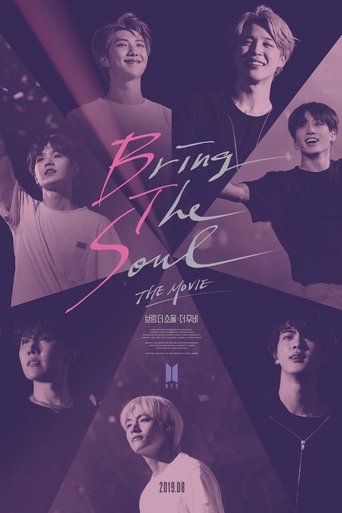
A glimpse into K-pop group BTS’ world away from the stage, featuring intimate group discussions alongside spectacular concert performances from their world tour.
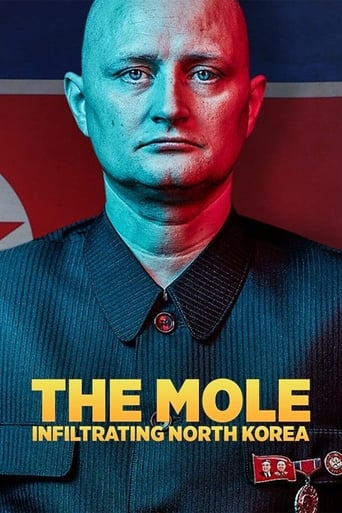
A real-life undercover thriller about two ordinary men who embark on an outrageously dangerous ten-year mission to penetrate the world's most secretive and brutal dictatorship: North Korea.
A documentary that explores the downloading revolution; the kids that created it, the bands and the businesses that were affected by it, and its impact on the world at large.
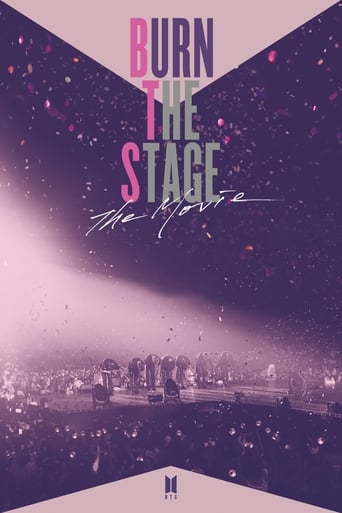
Burn the Stage: the Movie is the first movie from BTS, going behind-the-scenes of the BTS WINGS TOUR to reveal the full story of the band’s meteoric rise to fame. This unmissable film provides an intimate look at what happens when the most successful global boy band of all time breaks down barriers and invades the mainstream music scene. Exclusive tour footage and brand-new one-on-one interviews with BTS members give fans an unprecedented glimpse into their lives and an opportunity for everyone to celebrate together worldwide.
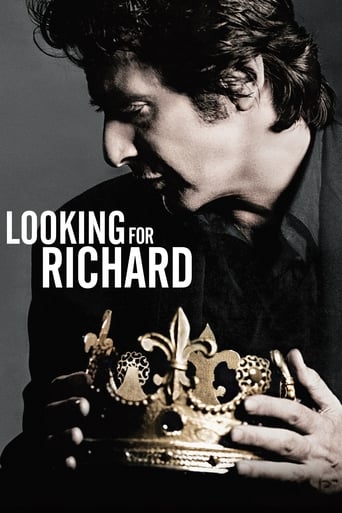
Al Pacino's deeply-felt rumination on Shakespeare's significance and relevance to the modern world through interviews and an in-depth analysis of "Richard III."
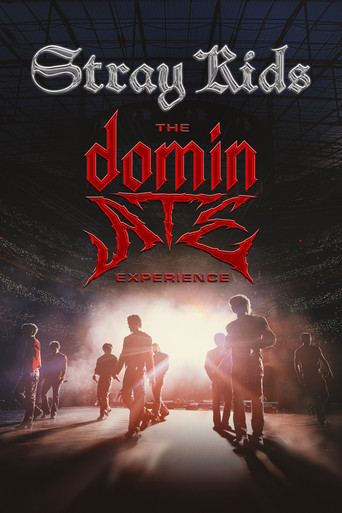
Featuring the global K-Pop sensation Stray Kids and a live performance from their record-breaking world tour, alongside exclusive behind-the-scenes footage and intimate interviews with the band, Stray Kids: The dominATE Experience is an epic concert film that gives fans both a spectacular front-row seat and unique access to their favourite band.
Using the book 'Fragments', which collects Marilyn Monroe's poems, notes and letters, and with participation from the Arthur Miller and Truman Capote estates who have contributed more material, each of the actresses will embody the legend at various stages in her life.
Record-shattering Korean girl band BLACKPINK tell their story — and detail the hard fought journey of the dreams and trials behind their meteoric rise.
Journalist Shiori Ito embarks on a courageous investigation of her own sexual assault in an improbable attempt to prosecute her high-profile offender. Her quest becomes a landmark case in Japan, exposing the country's outdated judicial and societal systems.
A documentary detailing the epic Rogues' Gallery of DC Comics from The Joker and Lex Luthor, Sinestro, Darkseid and more, this documentary will explore the Super Villains of DC Comics.
Daniel Craig candidly reflects on his 15 year adventure as James Bond. Including never-before-seen archival footage from Casino Royale to the upcoming 25th film No Time To Die, Craig shares his personal memories in conversation with 007 producers, Michael G Wilson and Barbara Broccoli.
As a visually radical memoir, CAMERAPERSON draws on the remarkable footage that filmmaker Kirsten Johnson has shot and reframes it in ways that illuminate moments and situations that have personally affected her. What emerges is an elegant meditation on the relationship between truth and the camera frame, as Johnson transforms scenes that have been presented on Festival screens as one kind of truth into another kind of story—one about personal journey, craft, and direct human connection.
Explore the evolution of Buzz Lightyear from toy to human in the making of Pixar’s Lightyear. Dive into the origin and cultural impact of everyone’s favorite Space Ranger, the art of designing a new “human Buzz,” and the challenges faced by the Lightyear crew along the way.
Unprecedented access to Muhammad Ali's personal archive of "audio journals" as well as interviews and testimonials from his inner circle of family and friends are used to tell the legend's life story.
A glimpse into the raw and simple power of nature through encounters with farm animals: the eponymous Gunda, a mother pig; two cows, and a one-legged chicken.
When a cross-section of seven-year-olds were interviewed for 7 Up in 1964 it was immediately evident that their social backgrounds influenced their attitudes towards life. While the upper class children were confident and self-assured, those from middle and working class backgrounds were resigned to a challenging life of hard work. This premise was put to the test every seven years when the same group were interviewed about the progression of their lives. 49 years in the making, the changes that occurred to the original 14 make for fascinating television and are in many ways the stories of all our lives. From success and disappointment, marriage and childbirth, to poverty and illness, nearly every facet of life has been captured on film. Now, at the age of 56, the group are once more brought together and, with the benefit of hindsight, assess whether their lives have been ruled by circumstance or self-determination.