In the new world of high-speed highway driving, there are a host of new dangers to take into account.
Social & External
Host / Narrator
The 3rd installment in James A. Burkhalter's QUEER ROOTS trilogy: After years of his mother begging him to do it, James decides to finally review and erase 10 years' worth of phone messages. It tells the story of James' "roaring twenties," constructed solely through the voices of friends, family, and lovers.
This highway scare film produced by the Highway Safety Foundation in 1971, "Decade of Death", is a retrospective of the organization's 10 years of gory, shocking social guidance films which aimed to promote traffic safety and driver responsibility through the display of bloody and horrific footage of traffic crashes.The Highway Safety Foundation made driver scare films such as "Signal 30," "Mechanized Death," and "Highways of Agony" that intended to encourage drivers to drive responsibly and with consideration of the risks and consequences. It was the organization's belief that crash footage, while horrific, was the best way to convey the importance of driving safely.

This somewhat bizarre film about Emergency Medical Technicians or EMTs was produced and distributed by Film Commutators in Hollywood, California. The film dates to a time when ambulance crews were being replaced by paramedics / EMTs, who had sufficient training to make medical decisions and give on-scene care. The film makes a strong argument to decision makers in favor of upgrading from mere ambulance drivers to EMTs.
Brief scenes of death related material: mortuaries, accidents and police work are filmed by TV crews and home video cameras. Some of it is most likely fake, some not as much.
Since World War II North Americans have invested much of their newfound wealth in suburbia. It has promised a sense of space, affordability, family life and upward mobility. As the population of suburban sprawl has exploded in the past 50 years Suburbia, and all it promises, has become the American Dream. But as we enter the 21st century, serious questions are beginning to emerge...
Since the end of World War II, one of kind of urban residential development has dominate how cities in North America have grown, the suburbs. In these artificial neighborhoods, there is a sense of careless sprawl in an car dominated culture that ineffectually tries to create the more organically grown older communities. Interspersed with the comments of various experts about the nature of suburbia
The Erie Canal was an engineering marvel in its time and remains so today. This documentary travels from Palmyra to the Genesee River, stopping along the way to visit the people and places that make the canal so special. Canal historian Thomas Grasso offers insight into the canal’s past while the Golden Eagle String Band provides the music track.
Terry Wilson is a 70-year-old lifelong resident of Meadowvale Village, Ontario's first heritage district. As development looms and begins to destroy Terry's favourite place in the world, he recreates pieces of history in his backyard, crafting an oasis where it feels like nothing has changed. A beautiful tribute to his childhood, his mother, and his town, Terry passionately fights to preserve history in a world that's too anxious for change.
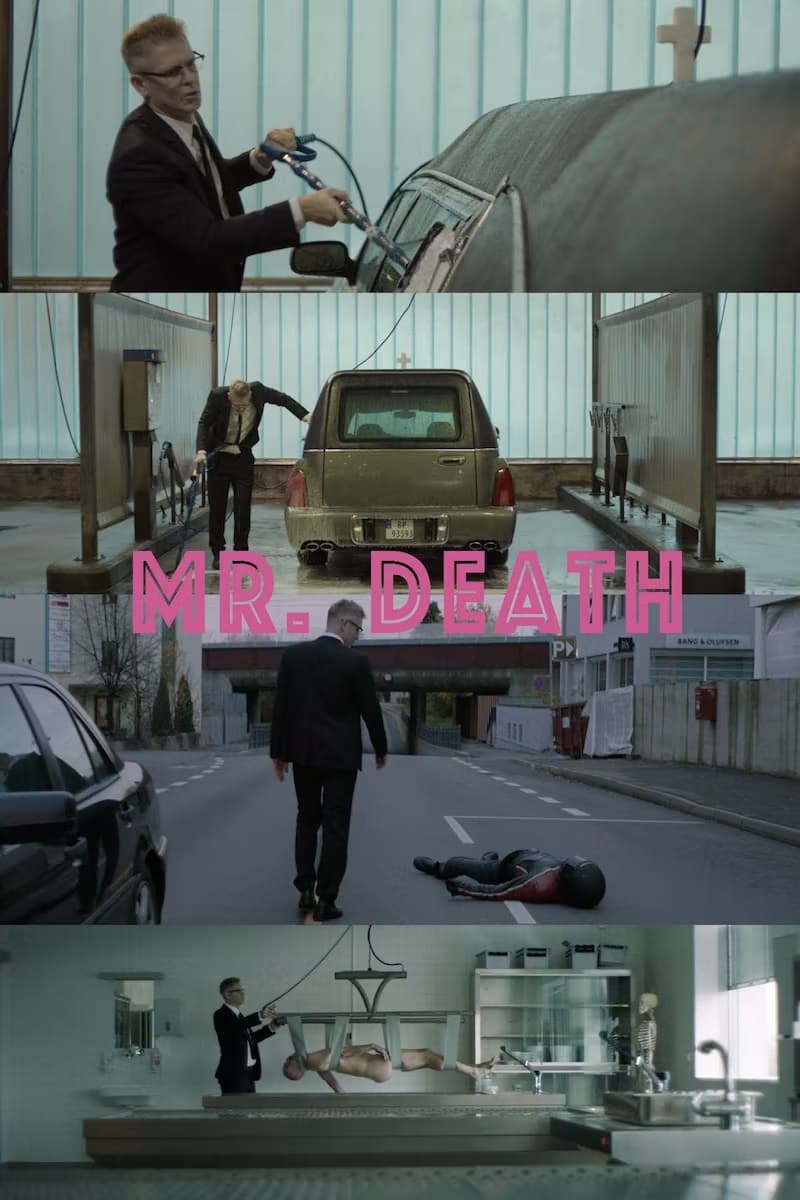
An exclusive interview with Death as he goes about his everyday business.
The Le Mans race in 1955 made history through tragedy when more than 80 spectators were killed. Uncover the story of the crash that took the lives of so many and, to this day, looms over the world of motorsports.
In continuous motion with no end or barrier in its way.
A manufactured memory.
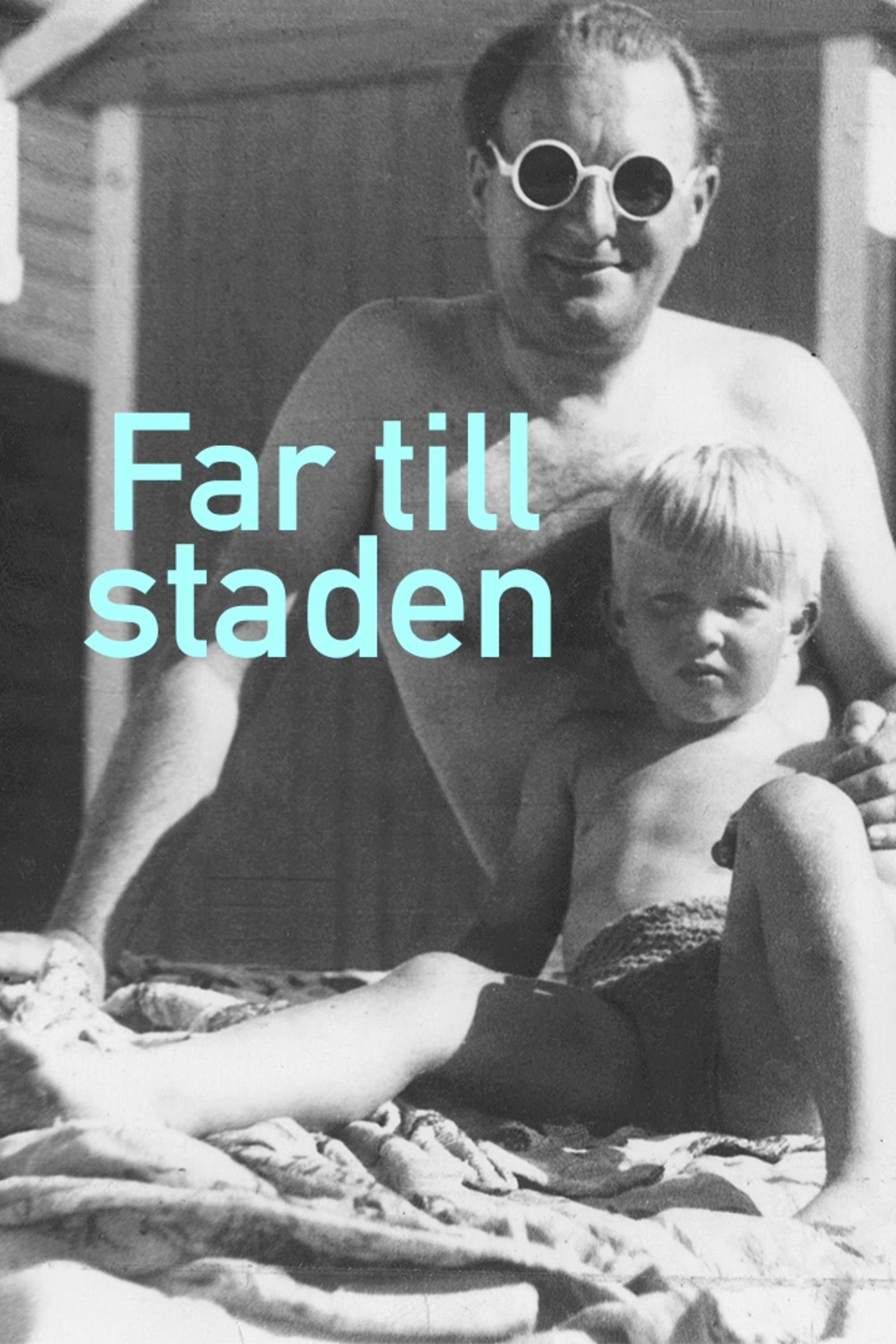
A film about "the father" of Malmö Eric Svenning and how the city has developed during his time.
Investigating deadly truck accidents and the fight over measures that could save lives.
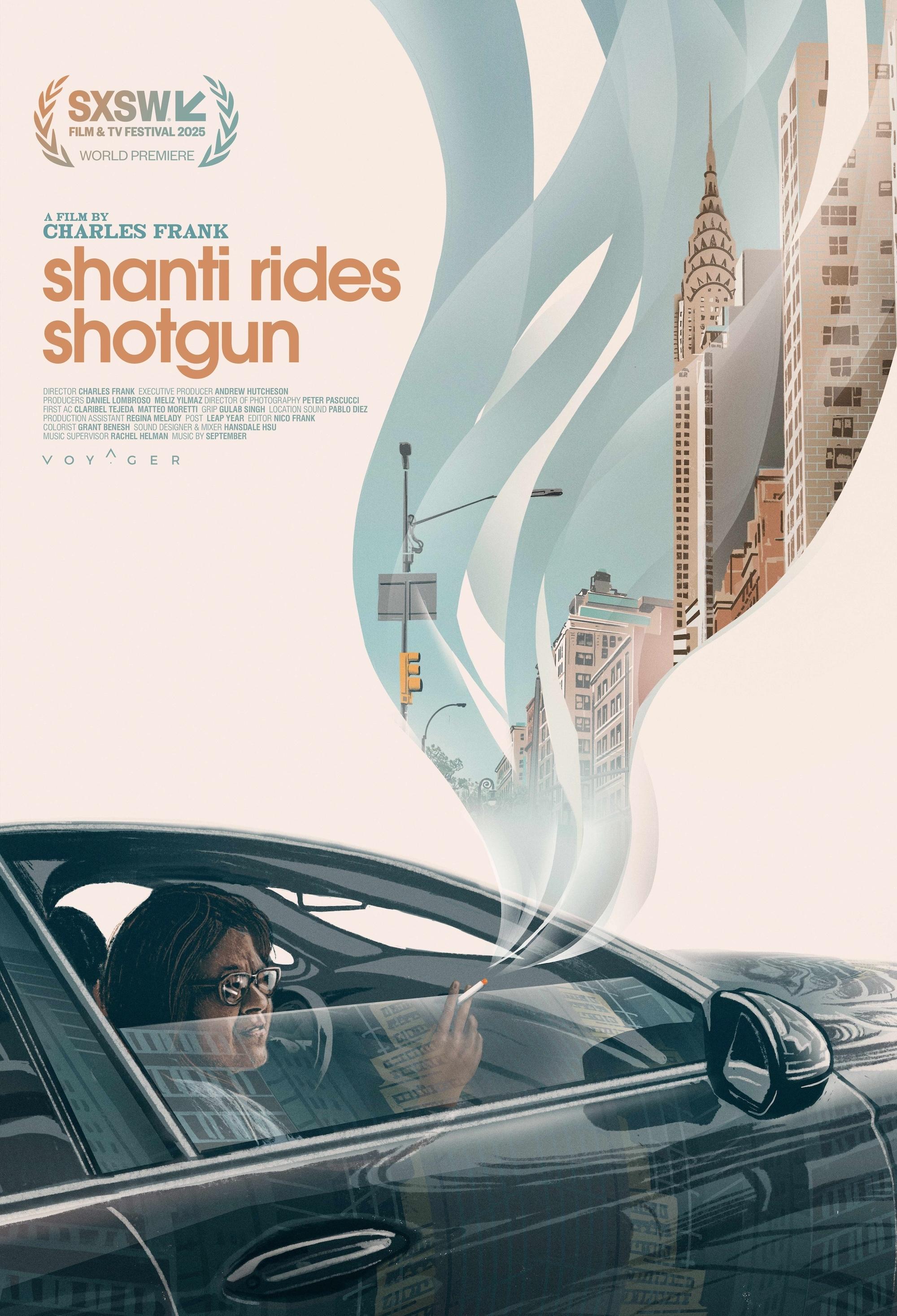
On Manhattan's jam-packed streets, NYC's most iconic driving instructor prepares students for the road ahead.
A road safety film for pedestrians in city traffic. Demonstrates typical unsafe practices.
Shot with a big cowboy nod to the Western genre, this road safety film shows the danger of speeding on an unknown country road at night.
Rotterdam 2040 is a film about the city’s future, departing from the principle of Gyz La Rivière that you can’t look ahead without considering your past (something that hasn’t always been Rotterdam’s strongest feature). At high speed, La Rivière reconstructs the history of Rotterdam from the time before the bombings until now, and expands the developments to the year 2040 (100 years after the bombing and the 700th anniversary of the city). La Rivière made a specific choice to expose his personal vision, which is sometimes radical or a little absurd. So no experts and no talking heads, but an assault of old and new imagery, held together by La Rivière as the narrator of the film. Although Rotterdam 2040 deals with architecture and urban renewal, it is actually a film about people. The subjective experience of the city by its (future) occupants mainly determines the parade of architectural blunders and suggestions for the future. All tongue-in-cheek of course.
A road safety lesson using puppets and animation kindergarten age children.
This film covers the early history of post World War II educational films, especially those involving traffic safety by the Highway Safety Foundation under direction of Richard Wayman. In the name of promoting safe driving in teenagers, these films became notorious for their gory depiction of accidents to shock their audiences to make their point. The film also covers the role of safety films of this era, their effect on North American teenage culture, the struggle between idealism and lurid exploitation and how they reflected the larger society concerns of the time that adults projected onto their youth.