Social & External
The people behind it
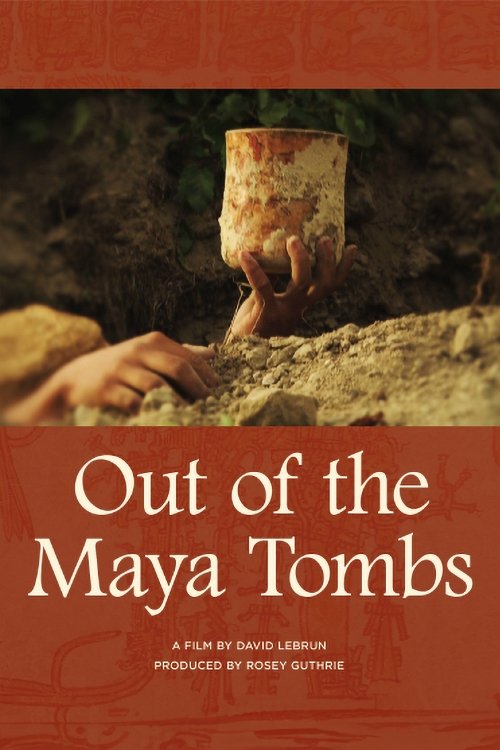
Over the past 50 years, thousands of exquisitely painted Maya vases, almost all looted from tombs, have flooded into public and private collections. These amazing works of art, filled with humor and mystery, have opened an extraordinary window on the Maya past. But the race to unearth these treasures has destroyed temples and palaces, culminating in the takeover of entire ancient cities by looter armies. OUT OF THE MAYA TOMBS (formerly titled DANCE OF THE MAIZE GOD) enters the world of the vases to explore the royal life and rich mythology of the Maya, as well as the tangled issues involved in the collection and study of Maya art. The story is told by villagers, looters, archaeologists, scholars, dealers and curators. For each, these vases have a radically different value and meaning.
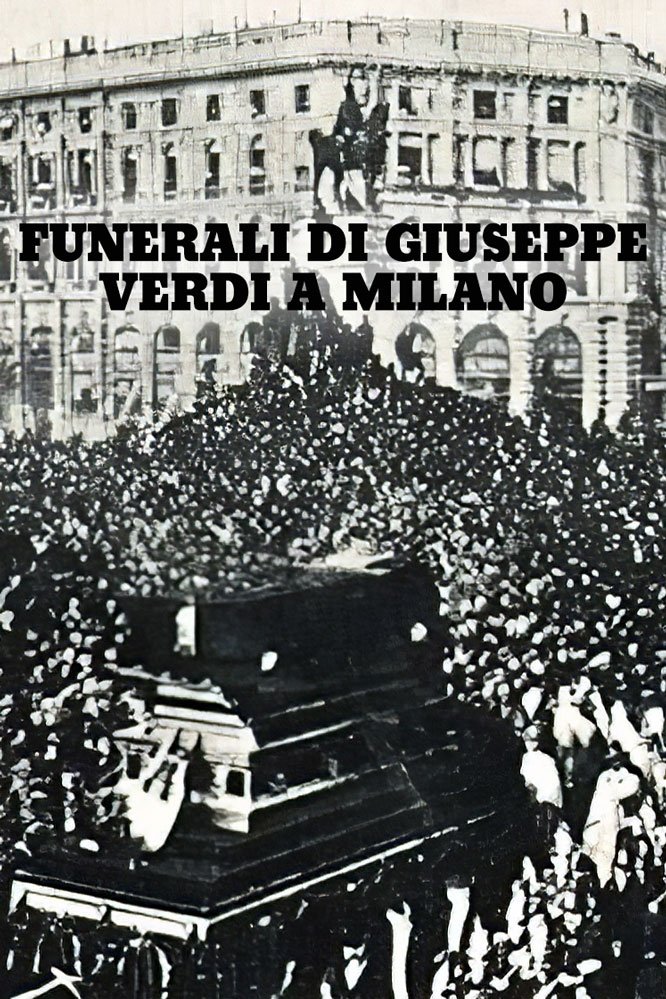
On 28 January 1901 the great musician Giuseppe Verdi died from the consequences of a stroke that had struck him six days earlier. These very rare images, captured in Milan on 27 February 1901 by the operator and pioneer of Milanese cinema Italo Pacchioni, document the transfer of the Maestro's body from the Monumental Cemetery of Milan to the famous retirement home for musicians which he himself founded.
Gdańsk, Poland, September 1980. Lech Wałęsa and other Lenin shipyard workers found Solidarność (Solidarity), the first independent trade union behind the Iron Curtain. The long and hard battle to bring down communist dictatorship has begun.
Using archival footage, cabinet conversation recordings, and an interview of the 85-year-old Robert McNamara, The Fog of War depicts his life, from working as a WWII whiz-kid military officer, to being the Ford Motor Company's president, to managing the Vietnam War as defense secretary for presidents Kennedy and Johnson.
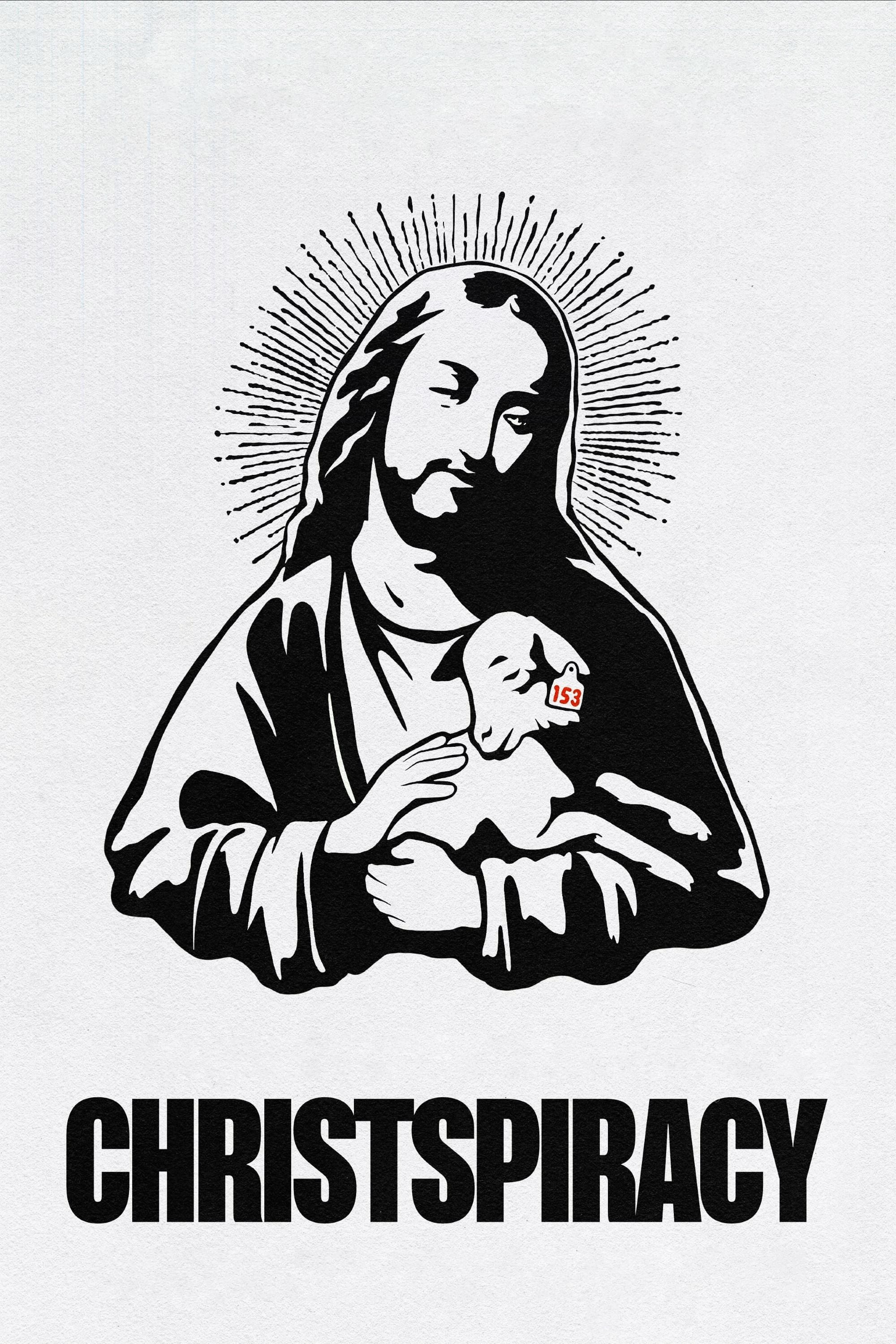
The moral dimension of humanity's interaction with nonhuman animals and the industries that profit from their exploitation, as informed by world religions. A historical explanation of how the current global situation came to be.
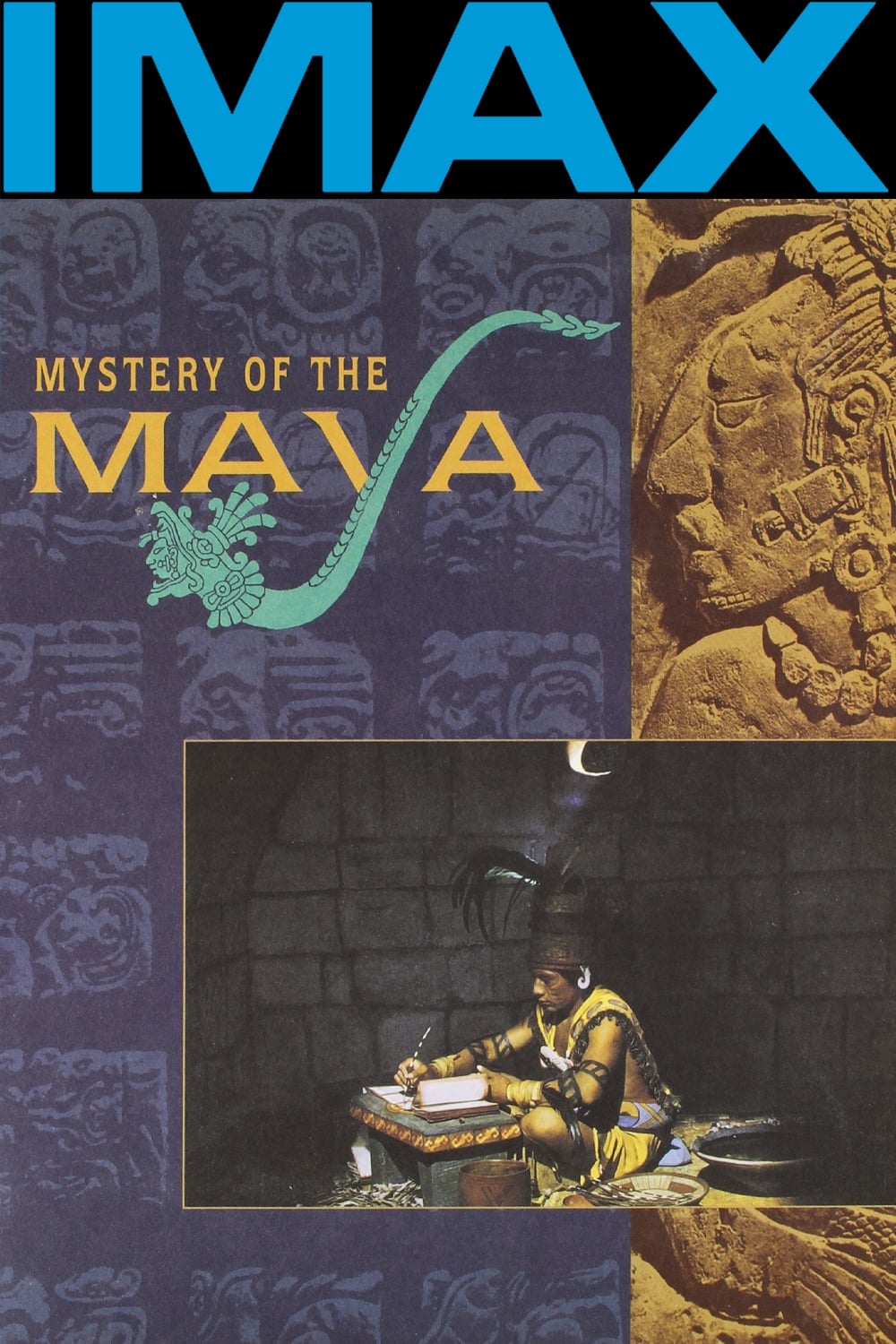
Filmed in IMAX, a young Mayan boy who lives close to the ruins becomes acquainted with an archaeologist (Guerra) and asks her to tell him about his ancestors. The crew travelled to over 15 locations in Mexico and Guatemala, including Tulum and Chichén Itzá.
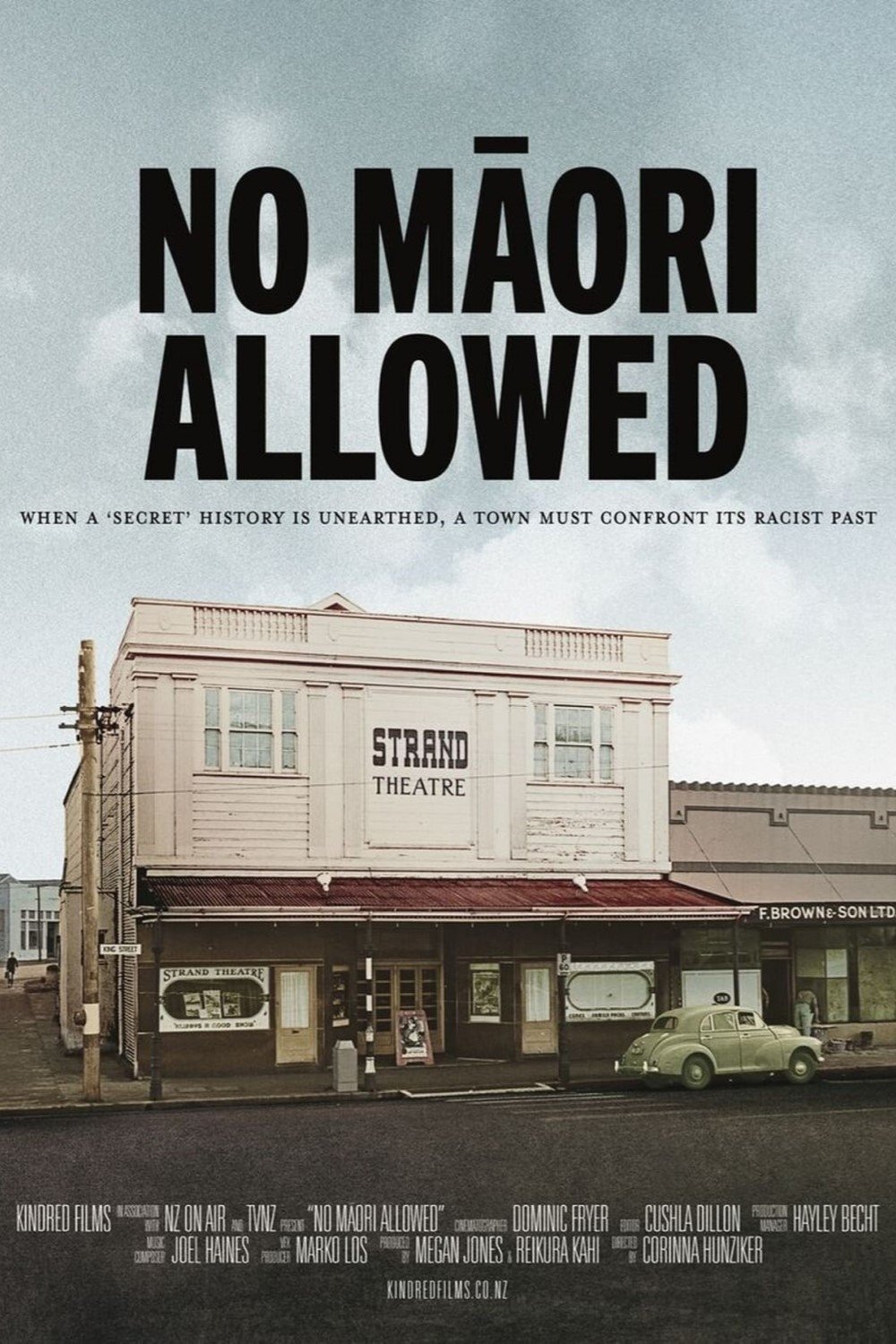
When an academic unearths a forgotten history, residents of the small township of Pukekohe, including kaumātua who have never told their personal stories before, confront its deep and dark racist past.
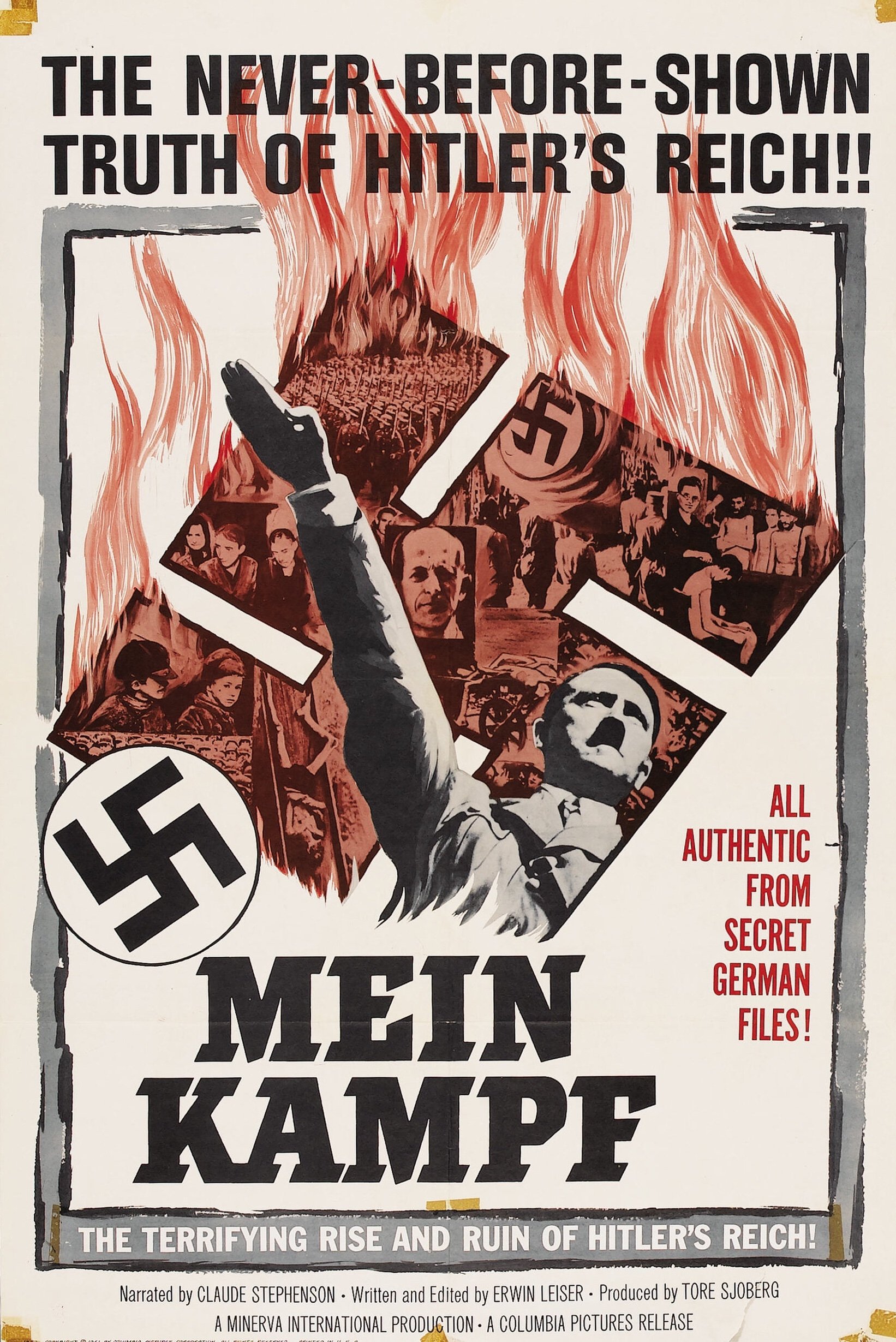
Using exclusively archival footage, Erwin Leiser traces the rise and collapse of the Third Reich, from Adolf Hitler’s early years to the devastation of Europe and his suicide in 1945. The film draws heavily on material produced and preserved by the Nazi propaganda apparatus to confront the mechanisms, imagery, and consequences of totalitarian power.
Marijuana is the most controversial drug of the 20th Century. Smoked by generations to little discernible ill effect, it continues to be reviled by many governments on Earth. In this Genie Award-winning documentary veteran Canadian director Ron Mann and narrator Woody Harrelson mix humour and historical footage together to recount how the United States has demonized a relatively harmless drug.
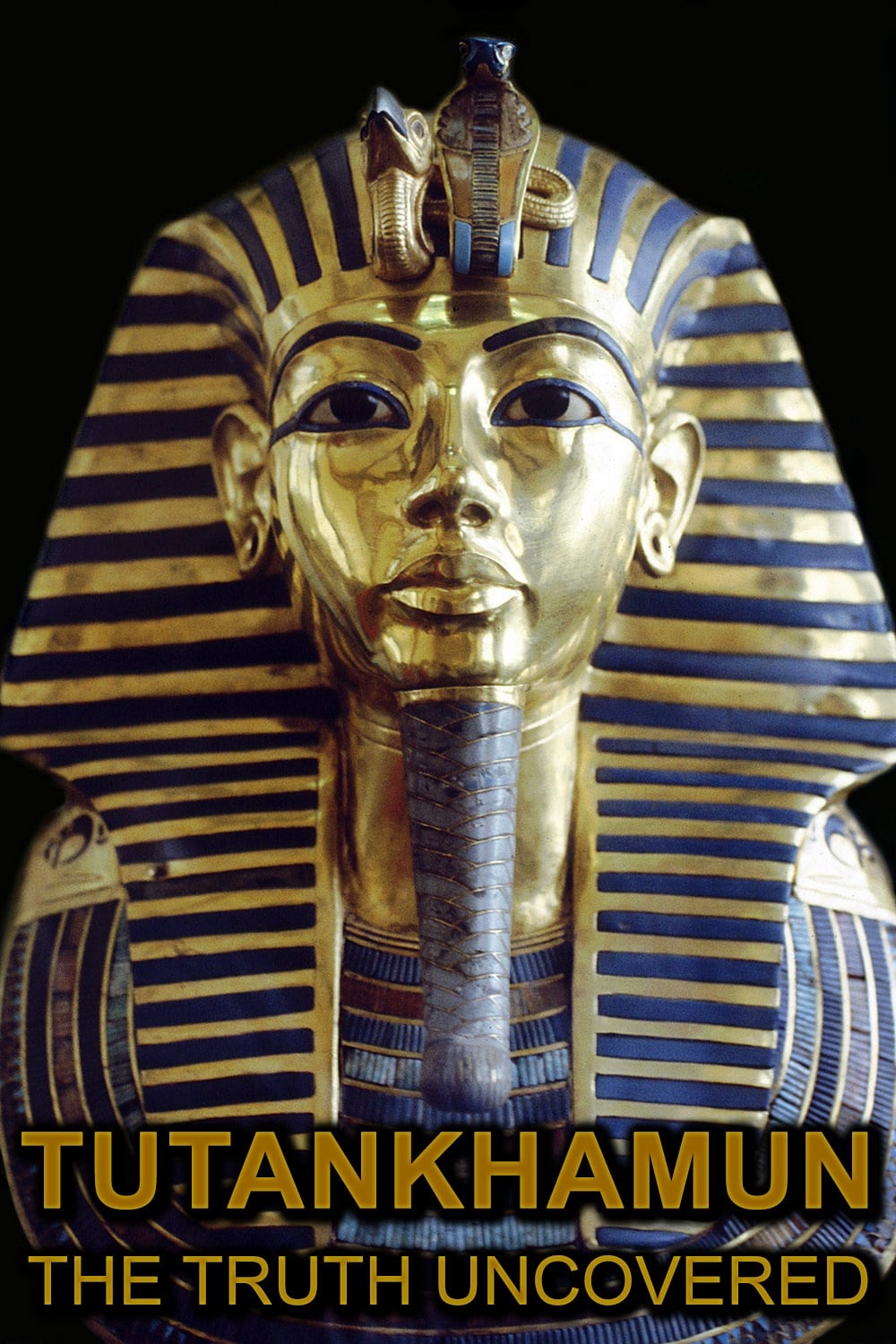
What killed King Tutankhamun? Ever since his spectacular tomb was discovered, the boy king has been the most famous pharaoh of all ancient Egypt. But his mysterious death, at just 19 years old, has never been explained. In this BBC One special, presenter Dallas Campbell reveals new scientific research and carries out unique experiments to get to the truth. For the first time, a virtual autopsy of Tut's mummified body reveals astonishing secrets about the pharaoh. Using CT scan data, the programme creates the first ever full size, scientifically accurate image of the real Tutankhamun. Brand new DNA analysis uncovers a shocking secret about Tut's family background, and the genetic trail of clues leads to a radical and revolutionary new theory to explain Tut's sudden and unexpected death. This is an epic detective story that uncovers the extraordinary truth of the boy behind the golden mask.
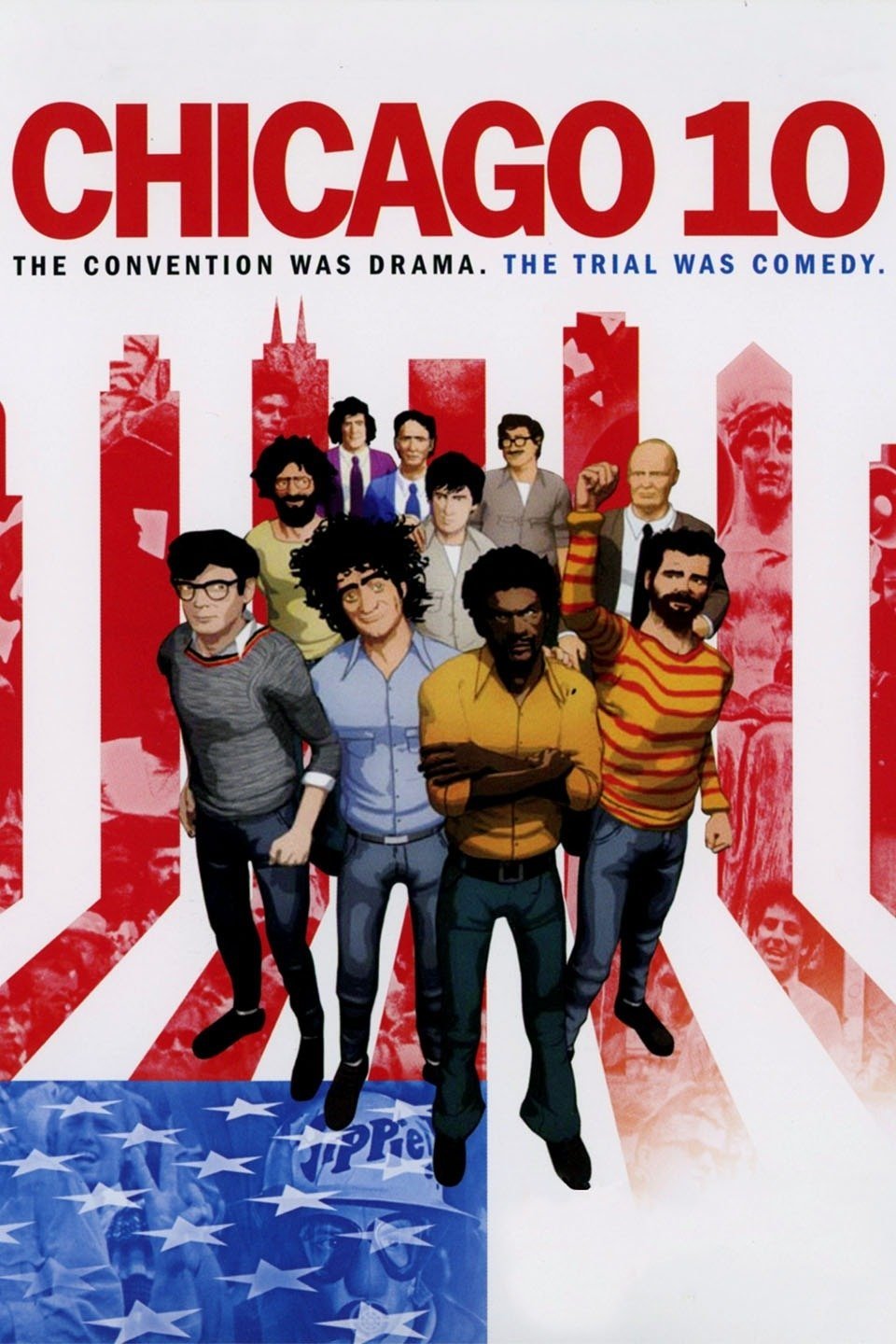
Archival footage, animation and music are used to look back at the eight anti-war protesters who were put on trial following the 1968 Democratic National Convention.
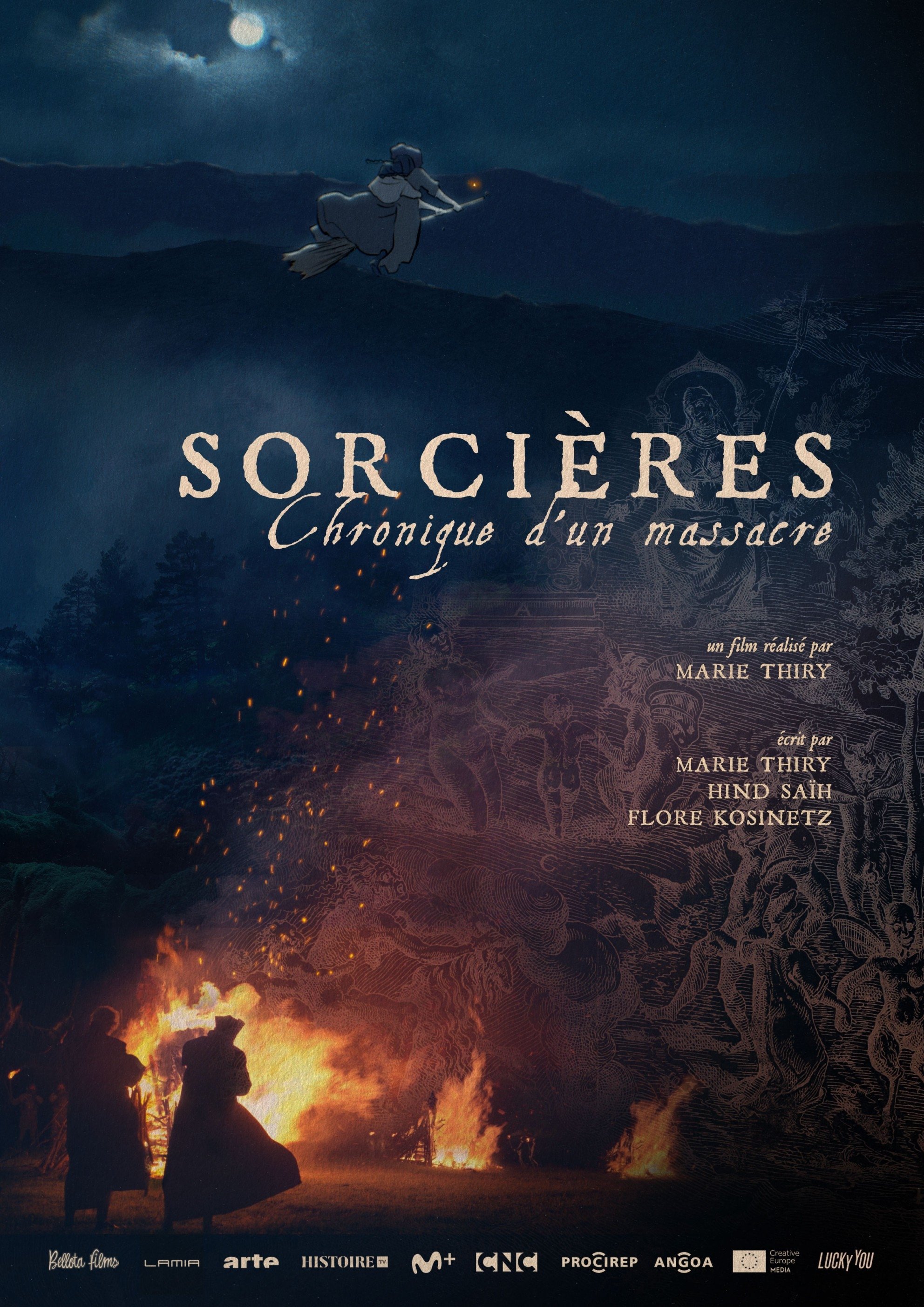
In 1609, Henry IV sent Inquisition judge Pierre de Lancre to the French Basque Country to investigate witchcraft. In the trials, 80 people were sentenced to death at the stake. Between the 15th and 17th centuries, a total of between 40,000 and 60,000 people fell victim to such waves of persecution in Europe. How can this phenomenon be explained?
Film about archaeological research on settlements of the Czech lands by Slavic peoples. It focuses on individual stages of the research carried out in the localities of Dolní Věstonice, Staré Město u Uherského Hradiště, Staré Zámky u Líšně, Levý Hradec, and Libušín u Kladna. It presents the individual results in a manner that is almost educational in nature.
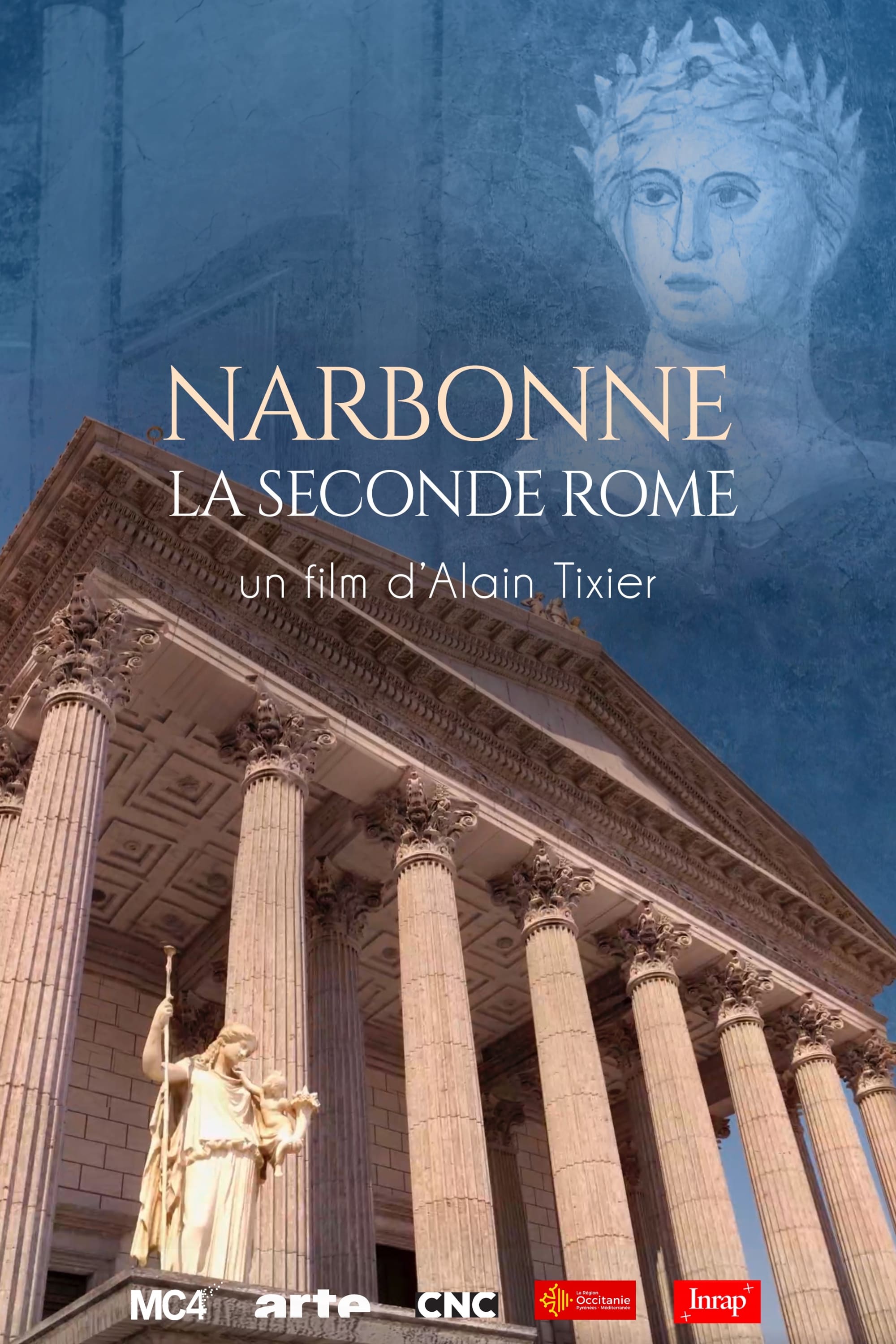
More than 2.000 years ago, Narbonne in today's Département Aude was the capital of a huge Roman province in Southern Gaul - Gallia Narbonensis. It was the second most important Roman port in the western Mediterranean and the town was one of the most important commercial hubs between the colonies and the Roman Empire, thus the town could boast a size rivaling that of the city that had established it: Rome itself. Paradoxically, the town that distinguished itself for its impressive architecture, today shows no more signs of it: neither temples, arenas, nor theaters. Far less significant Roman towns like Nîmes or Arles are full of ancient sites. Narbonne today is a tranquil town in Occitania
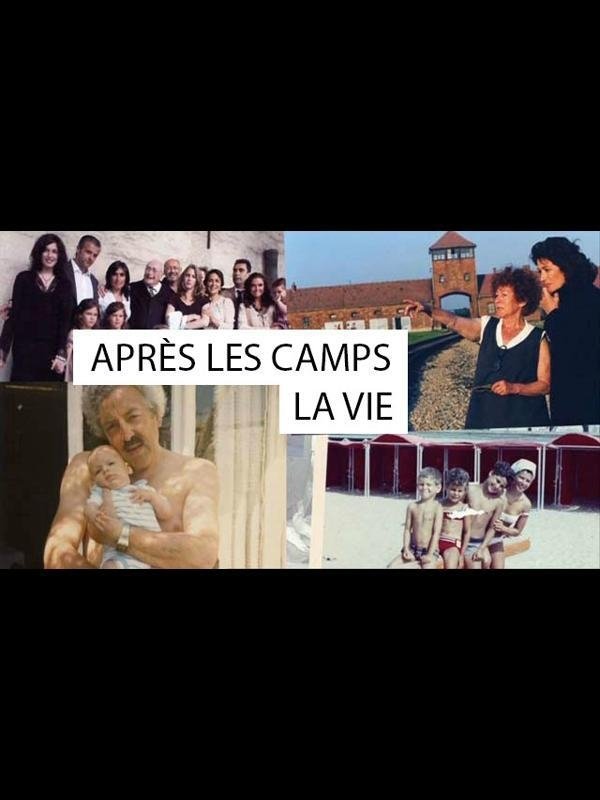
For the first time, survivors talk about life after the camps. How does one return to a life that was interrupted with such violence? How does one reconstruct oneself when all or most of one’s family were butchered? How does one resume studies and earn a living in a society that had cast you out a few years earlier?
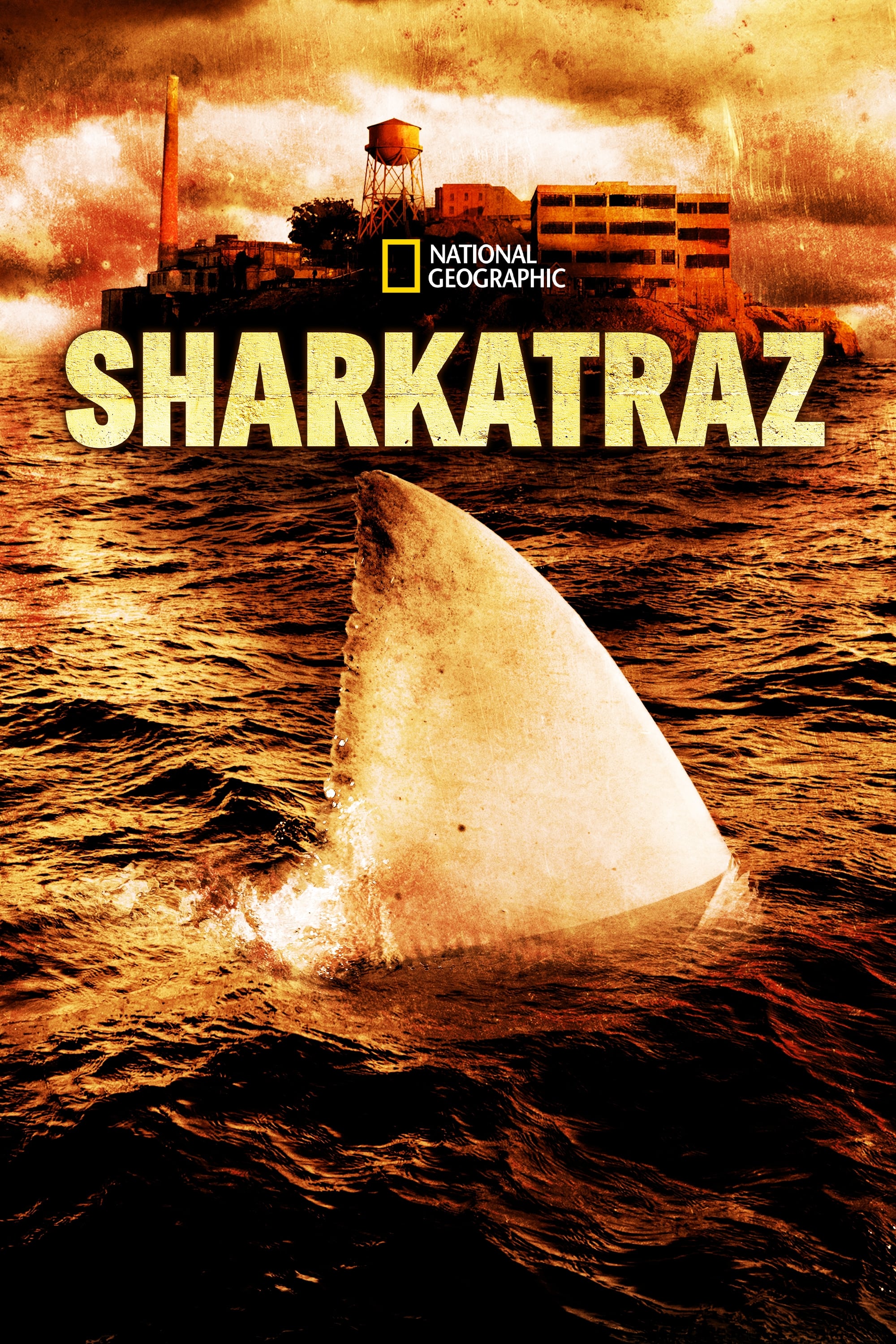
San Francisco Bay is home to various shark species. Alcatraz guards made sure the prisoners knew it, telling stories of sharks to stop escapes.
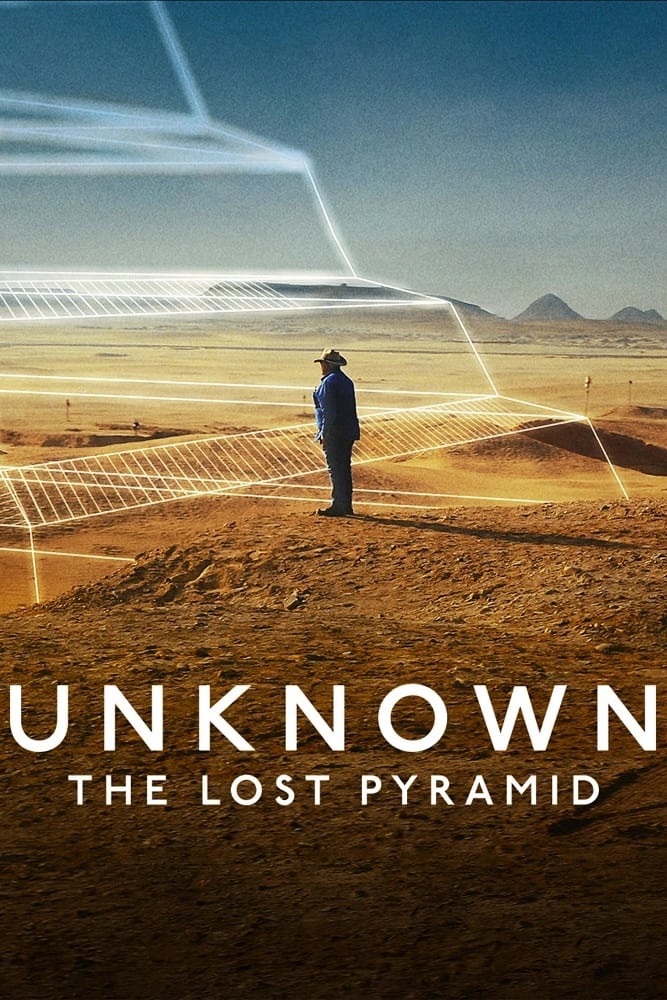
Egyptian archaeologists dig into history, discovering tombs and artifacts over 4,000 years old as they search for a buried pyramid in this documentary.
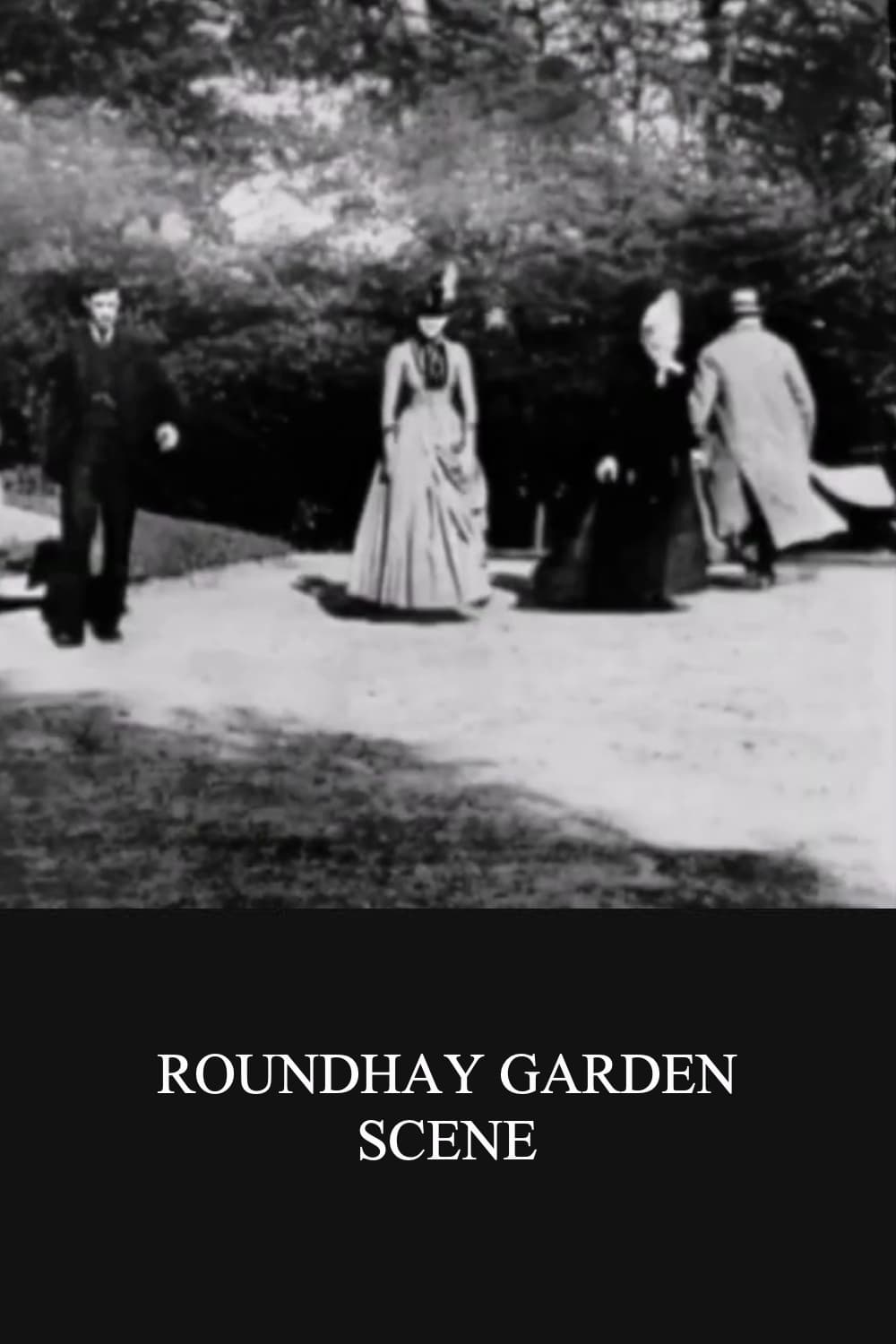
The earliest surviving motion-picture film, and believed to be one of the very first moving images ever created, was shot by Louis Aimé Augustin Le Prince using the LPCCP Type-1 MkII single-lens camera. It was taken on paper-based photographic film in the garden of Oakwood Grange, the Whitley family house in Roundhay, Leeds, West Riding of Yorkshire (UK), on 14 October 1888. The film shows Adolphe Le Prince (Le Prince’s son), Mrs. Sarah Whitley (Le Prince’s mother-in-law), Joseph Whitley, and Miss Harriet Hartley walking around in circles, laughing to themselves, and staying within the area framed by the camera. Roundhay Garden Scene is often associated with a recording speed of around 12 frames per second and runs for about 2 to 3 seconds.
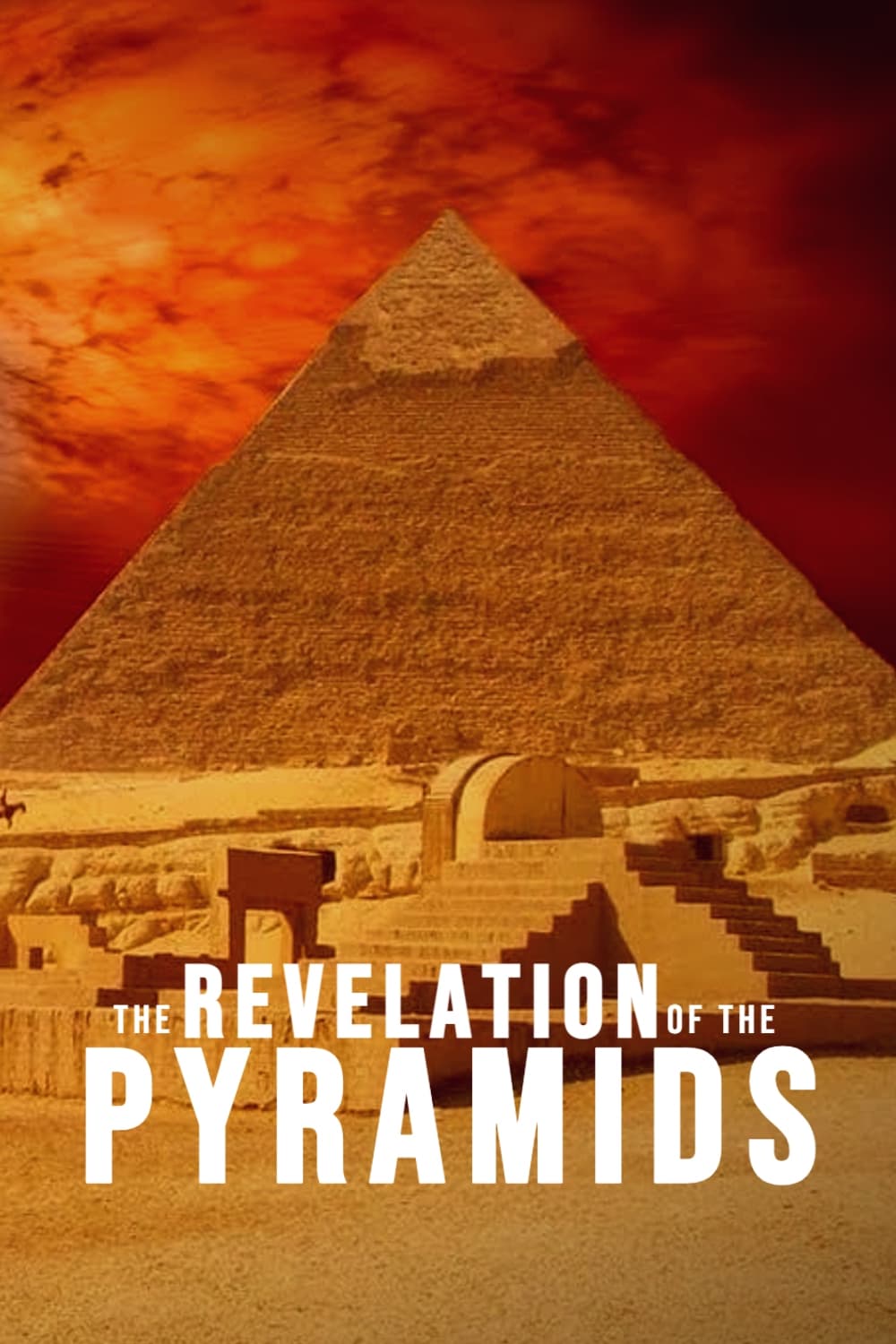
For centuries, the Great Pyramids have fascinated Mankind. Patrice Pooyard's The Revelation Of The Pyramids reveals what lies behind the greatest of archaeological mysteries: a message of paramount importance for humanity. From China to Peru, from Egypt to Mexico, through the world's most enigmatic and most beautiful sites, the director has spent 6 years meeting eminent scientific specialists and verifying his discoveries. The result will shake the teaching of history to its very core, and revolutionize Egyptology entirely. A great odyssey along a breathtaking route climaxes in a revelation as unexpected as it is staggering.
Over 35 years after Bob Lazar's revelations, this documentary exposes secrets of a facility the government still denies. Featuring Lazar's testimony, recreations, and new evidence, it reopens a case that continues to spark global curiosity
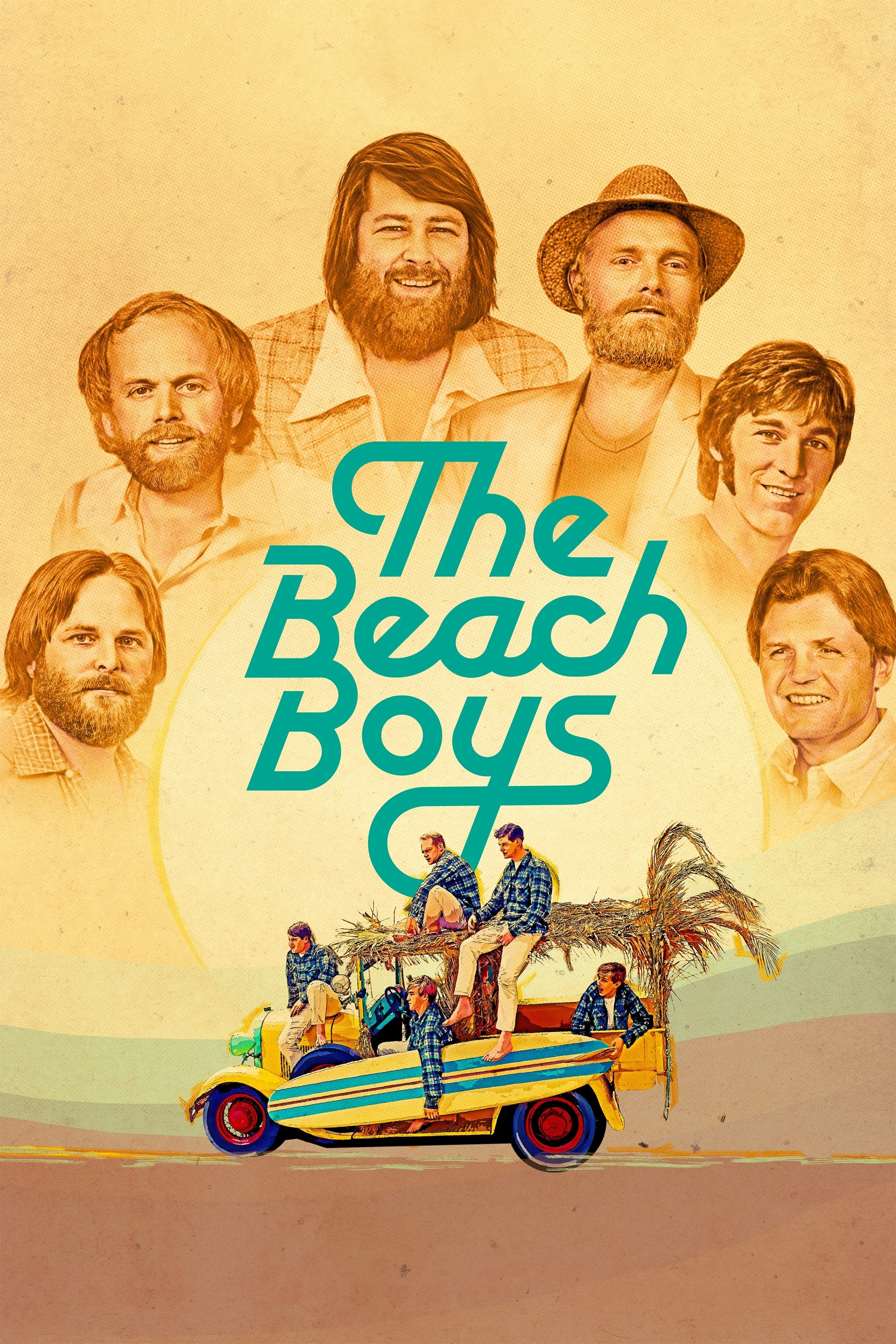
A celebration of the legendary band that revolutionized pop music, and the iconic, harmonious sound they created that personified the California dream, captivating fans for generations and generations to come.
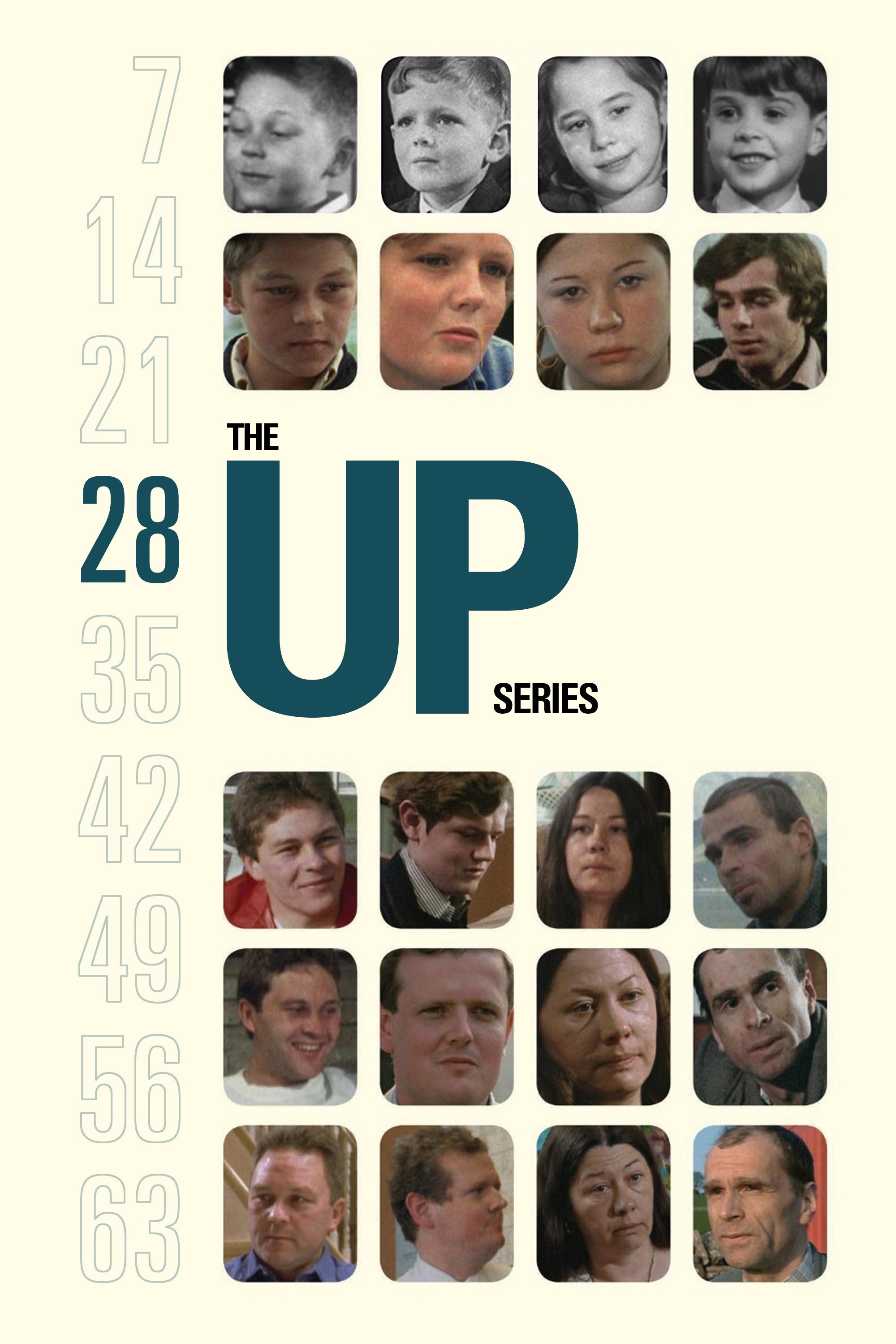
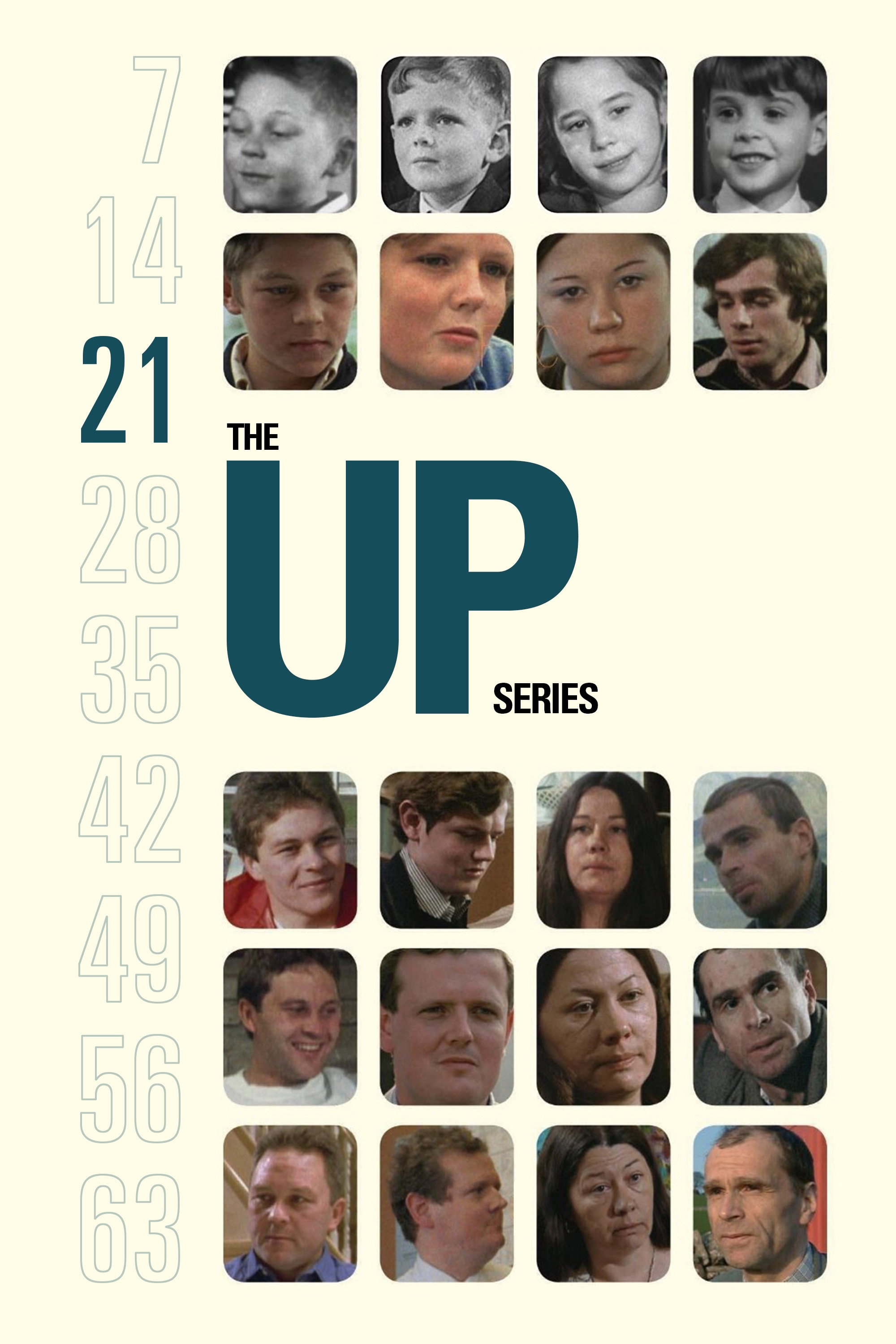
Just two years away from turning 30, participants in Michael Apted's documentary series are facing serious questions of identity and purpose, wondering whether they've found their place in the world.
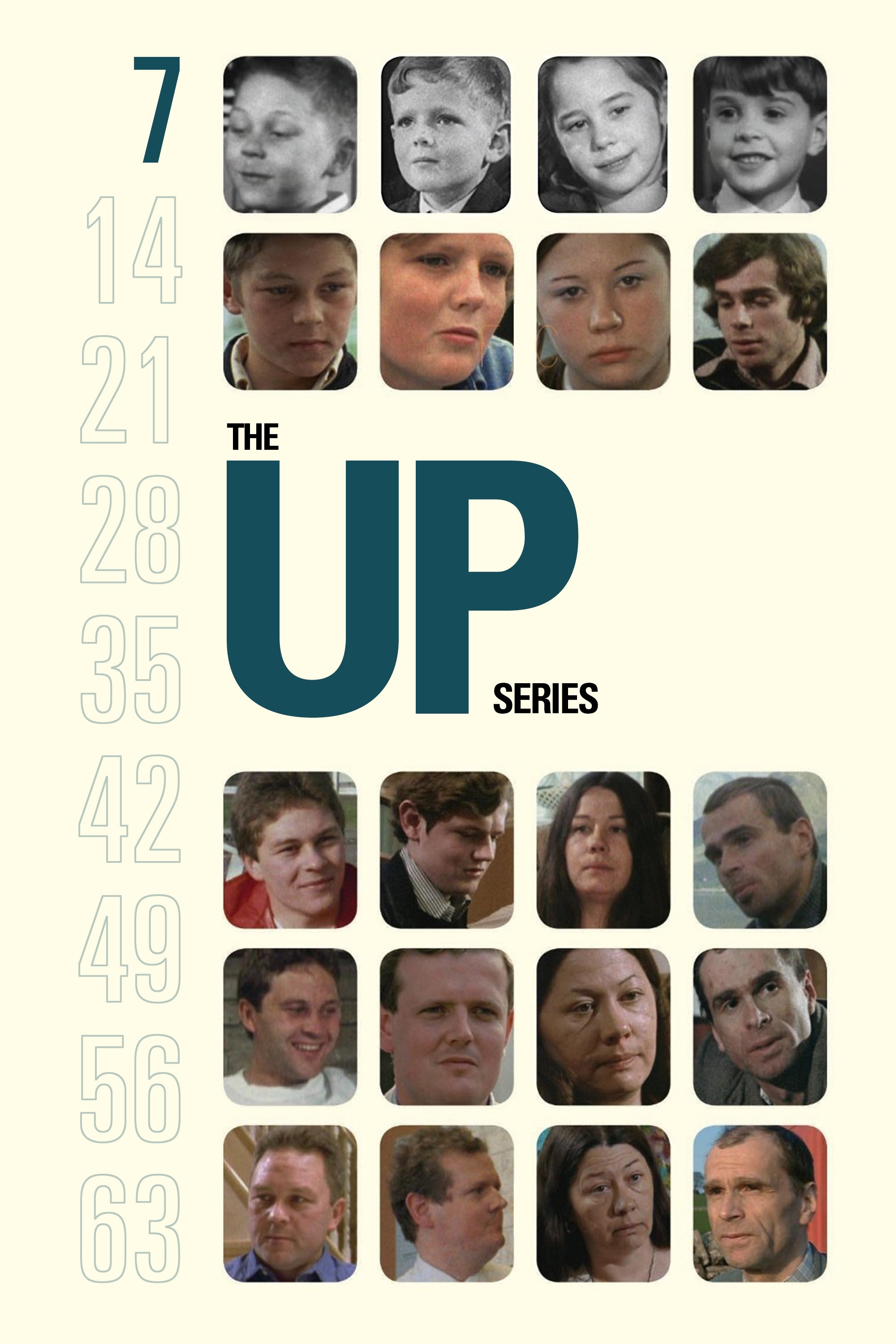
A group of British children aged 7 from widely ranging backgrounds are interviewed about a range of subjects. The filmmakers plan to re-interview them at 7 year intervals to track how their lives and attitudes change as they age.
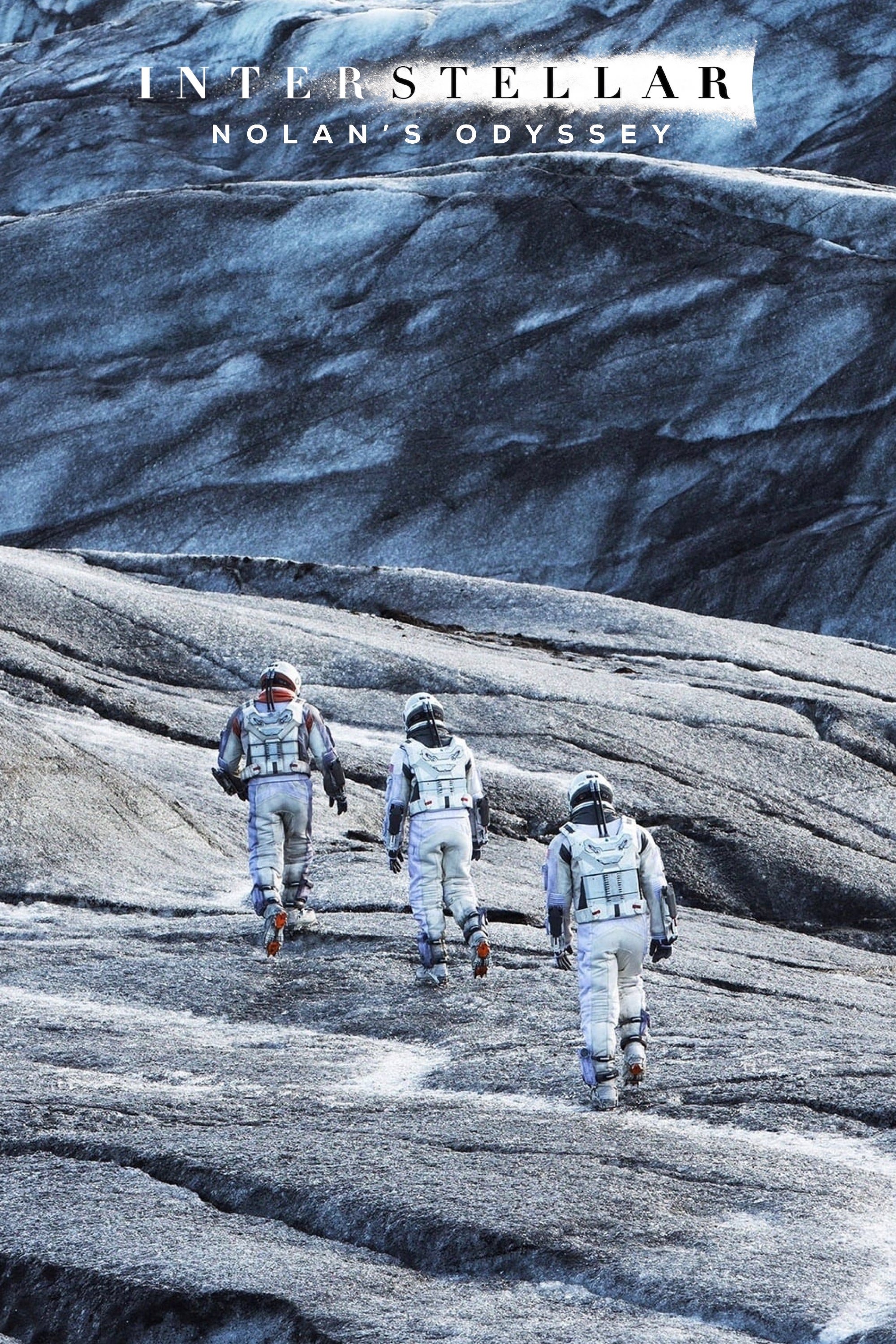
A look behind the lens of Christopher Nolan's space epic.
Unravel the case of Utah therapist Jodi Hildebrandt, whose child abuse arrest with parenting YouTuber Ruby Franke exposed a twisted tale of manipulation.
Filmed at the end of Taylor Swift's record-breaking Eras Tour in Vancouver, B.C., this complete, in-depth 45-song concert includes the complete 'The Tortured Poets Department' set and special mashups.
Through deeply personal interviews with her siblings and an examination of the photographs, letters, and belongings left behind, Mariska assembles a new portrait of her mother Jayne Mansfield, an extraordinary and complex woman.
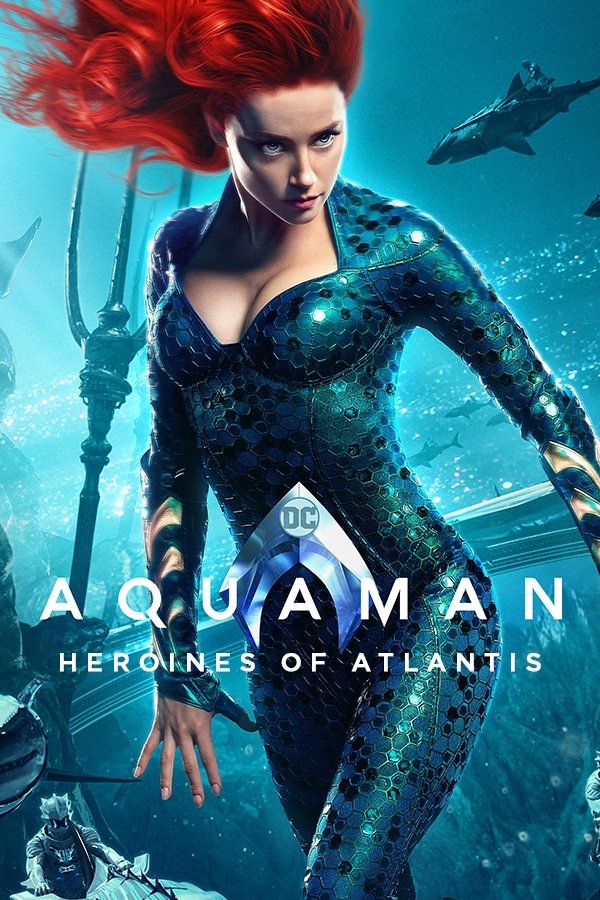
Amber Heard and Nicole Kidman discuss their characters Mera and Atlanna.
After another 7 year wait, director Michael Apted revisits the same group of British-born children from Seven Up! and 7 Plus Seven. The subjects are interviewed as to the changes that have occurred in their lives during the last seven years.
After years in the limelight, Selena Gomez achieves unimaginable stardom. But just as she reaches a new peak, an unexpected turn pulls her into darkness. This uniquely raw and intimate documentary spans her six-year journey into a new light.
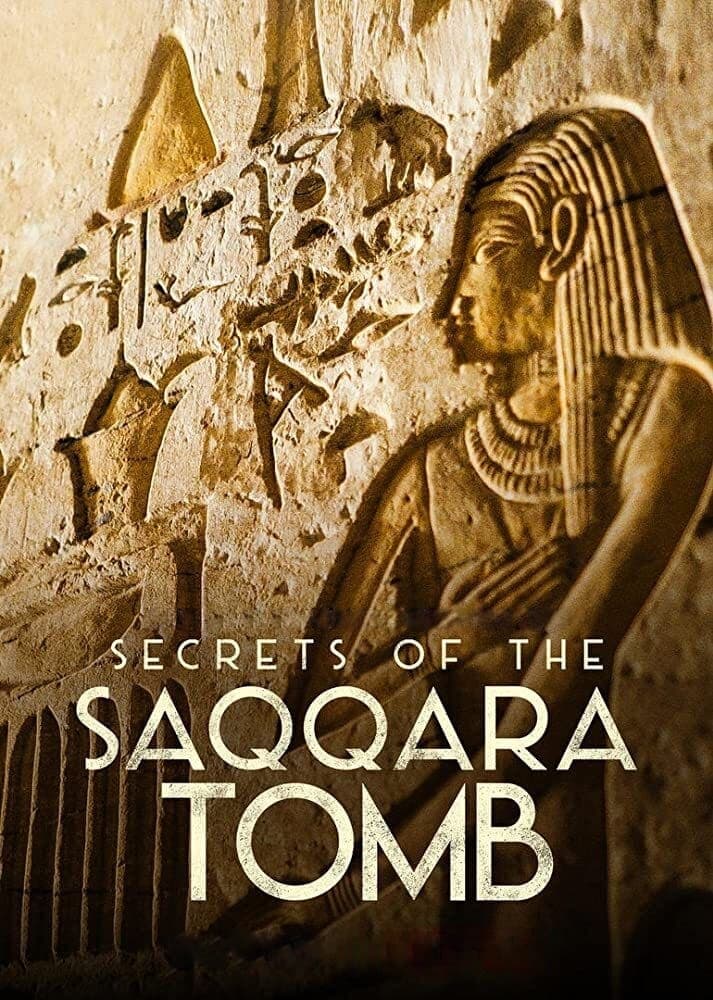
This documentary follows a team of local archaeologists excavating never before explored passageways, shafts, and tombs, piecing together the secrets of Egypt’s most significant find in almost 50 years in Saqqara.
Filmmaker Alain Resnais documents the atrocities behind the walls of Hitler's concentration camps.
On a January night in 1985, music's biggest stars gathered to record "We Are the World." This documentary goes behind the scenes of the historic event.
A woman narrates the thoughts of a world traveler, meditations on time and memory expressed in words and images from places as far-flung as Japan, Guinea-Bissau, Iceland, and San Francisco.
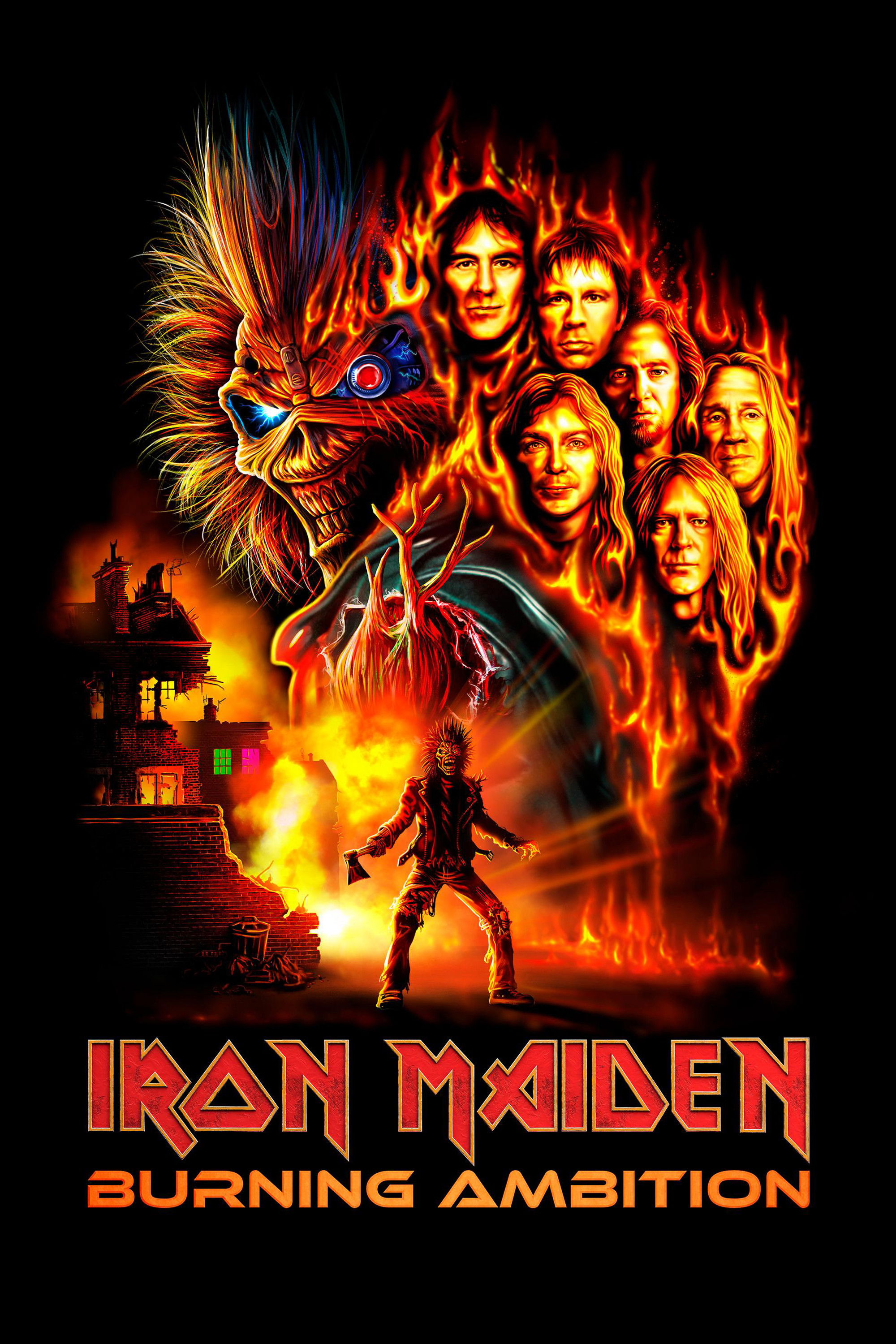
With unprecedented access to the official archives and intimate recollections from the band, both current and past, Iron Maiden: Burning Ambition invites fans to experience one of the most iconic journeys in music history. Spanning five decades, this electrifying documentary charts the band’s rise from the pubs of East London to the world’s biggest stadiums. Featuring exclusive interviews with band members and contributors such as Javier Bardem, Lars Ulrich and Chuck D, as well as all-new animated sequences of the band's legendary mascot, Eddie, the film offers a rare and intimate look at Iron Maiden’s uncompromising vision and unwavering connection with their truly global army of fans.
The film follows adventurer Jeff Johnson as he retraces the epic 1968 journey of his heroes Yvon Chouinard and Doug Tompkins to Patagonia.