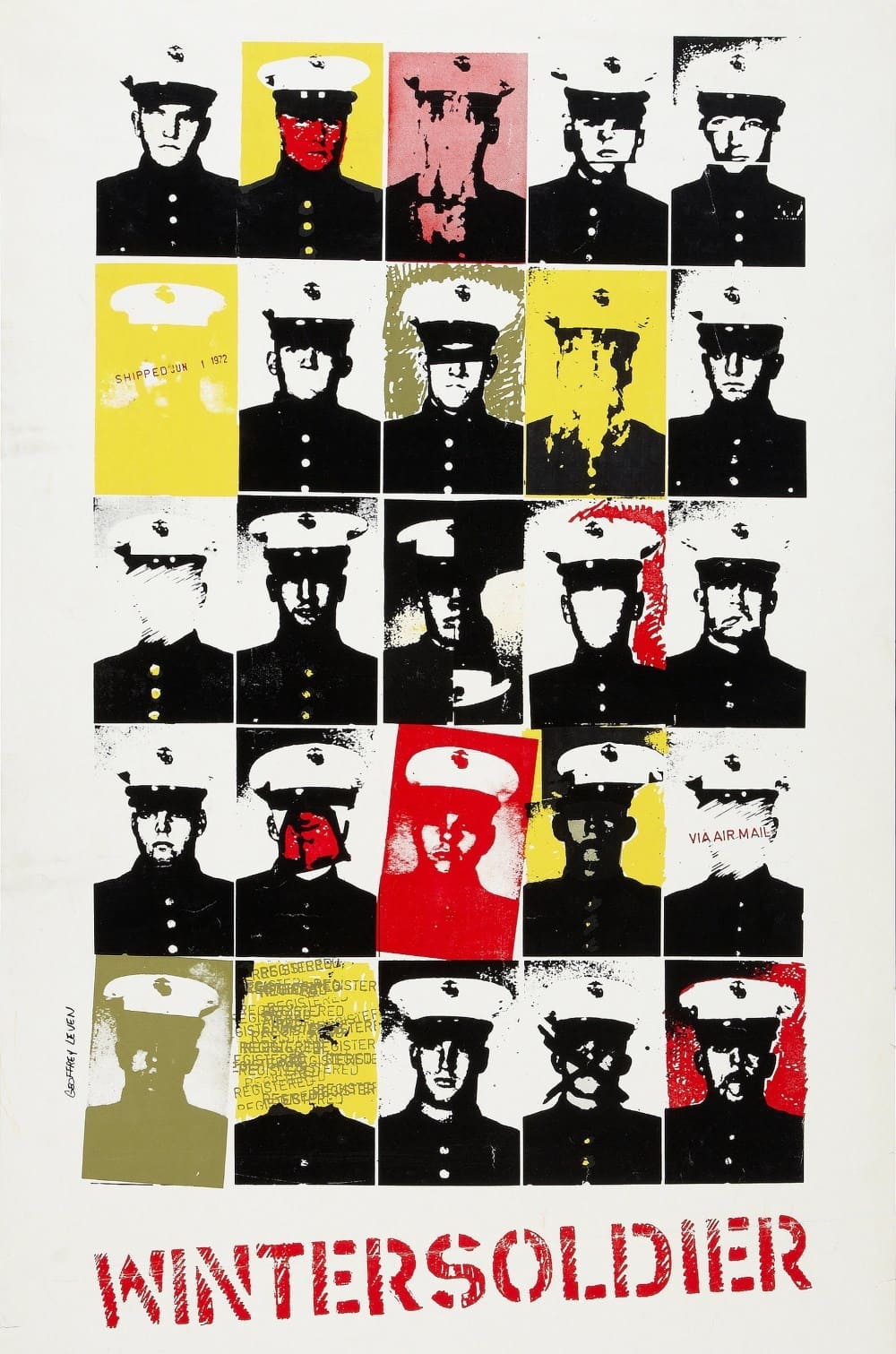
The Vietnam War protest movement from the student point of view is the basis for this documentary shot in the San Francisco Bay area and dealing mainly with a protest march from the University of California to the Oakland Army Terminal in 1966.
Social & External
A German Documentary about the “village of friendship” that was created by American Veteran George Mizo to help the Vietnamese kids suffering from the Vietnam War.
This short documentary follows the daily struggles of two janitors at a North American university. The film takes a critical look at the communication, or lack of communication, that happens between janitors and those that use the facilities they clean. Shot at Capilano University, in North Vancouver, BC, Canada.
Refuge(e) traces the incredible journey of two refugees, Alpha and Zeferino. Each fled violent threats to their lives in their home countries and presented themselves at the US border asking for political asylum, only to be incarcerated in a for-profit prison for months on end without having committed any crime. Thousands more like them can't tell their stories.
At Tsinghua University's campus, four people are standing at the intersection of their lives. Among them, there are those who just passed the college entrance examination, the first-generation of post-00 college students who entered their favorite universities with twists and turns , some are leaving their ivory towers, PhD graduates facing difficult choices and some have returned from the United States to enter Tsinghua University. Young teachers are full of "viewing the sky" ideal but face challenges, there are old academicians who still stand behind lectern after their retirement. The film tells the life ideals of the four Tsinghua people and the eternal youth that belongs to this university behind them.
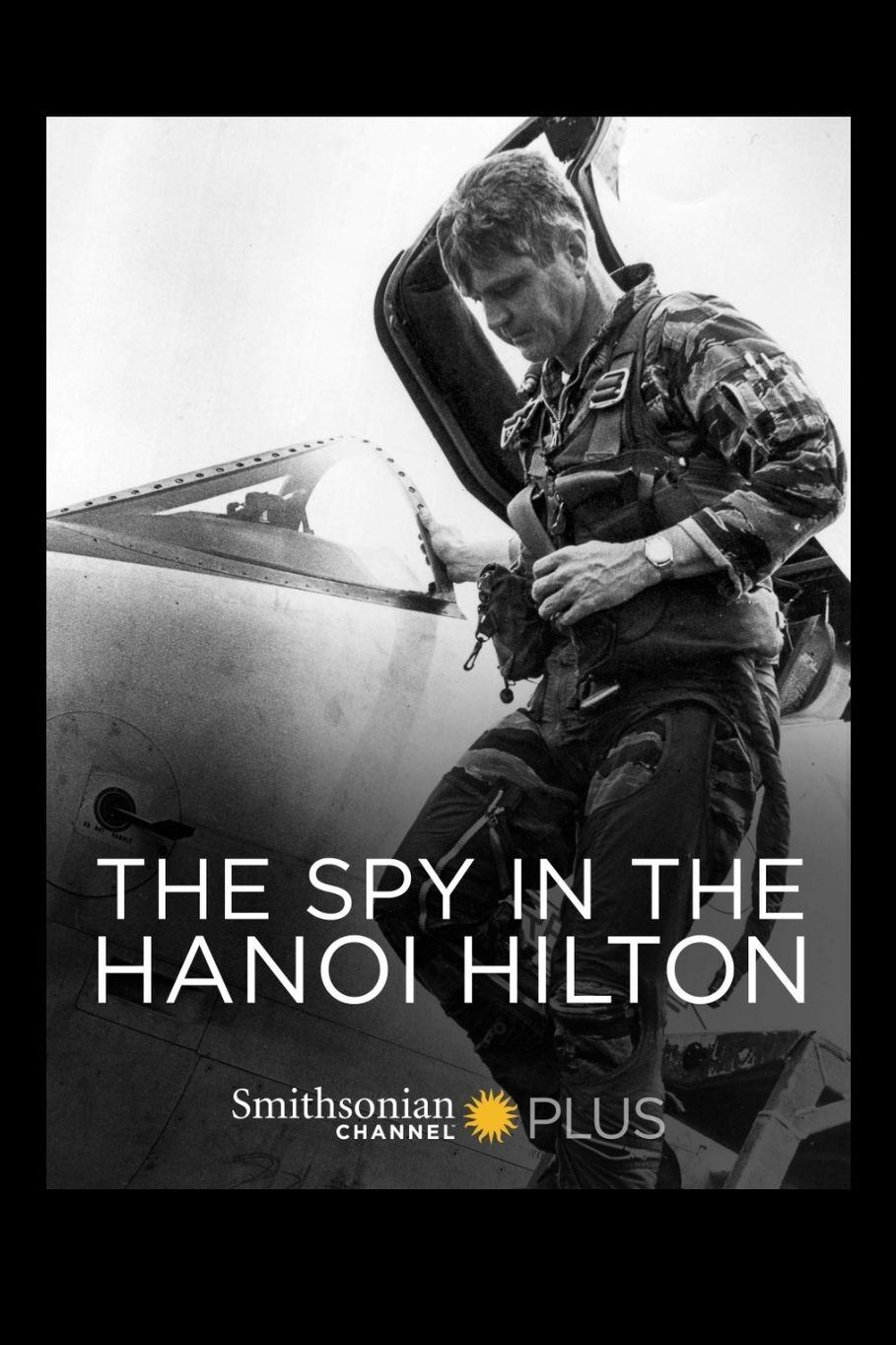
A U.S. Navy Commander Jeremiah Denton leading a plane sortie into North Vietnam was shot down and captured as a POW. For 8 years of his life, he was a prisoner at Hanoi Hilton where he and other POWs were tortured. In a press conference, being forced by the North Vietnamese to say he was being treated well he blinked out the letters TORTURE in Morse code.
1981. The shabby treatment of returning combat soldiers from Vietnam is investigated.
An anti-war documentary featuring original on-the-ground footage and interviews from the 1999 NATO war against the Federal Republic of Yugoslavia. Watch the 78 days of untold destruction, bombing bridges, hospitals, schools, and dropping up to 11 tons of depleted uranium across the country that NATO considers a successful “humanitarian intervention” in Yugoslavia. Filmmaker Gloria La Riva lifts the veil of imperialist propaganda to reveal the humanitarian crisis caused by the war.
Students from nine nations unite on August 7, 1950 at the Franco-German border near Germanshof, tear down the barriers and remove the border posts and barriers, which they burn in a ceremony. This act is a commitment to Europe and a protest against the arbitrariness of borders between nations.
Before becoming a film critic, then a maker mainly of sharply engaged documentaries, usually in tandem with her late husband Lino Del Fra, Cécilia Mangini was a photographer. Taking pictures was something she did all her life, alongside whatever else she was working on. In 1965 Mangini and Del Fra went to war-torn Vietnam to make a film they never finished. More than half a century later, she returned to these images, moving and still, some of which she found again by accident.
During the Vietnam War, the US bombed Laos more heavily than any other country had been bombed before. Today, the Lao people live among, and risk their lives to clear, over 80 million unexploded bombs on their doorsteps. With great beauty and empathy, this documentary reveals the unbelievable stories of the men and women at the forefront of this monumental task.
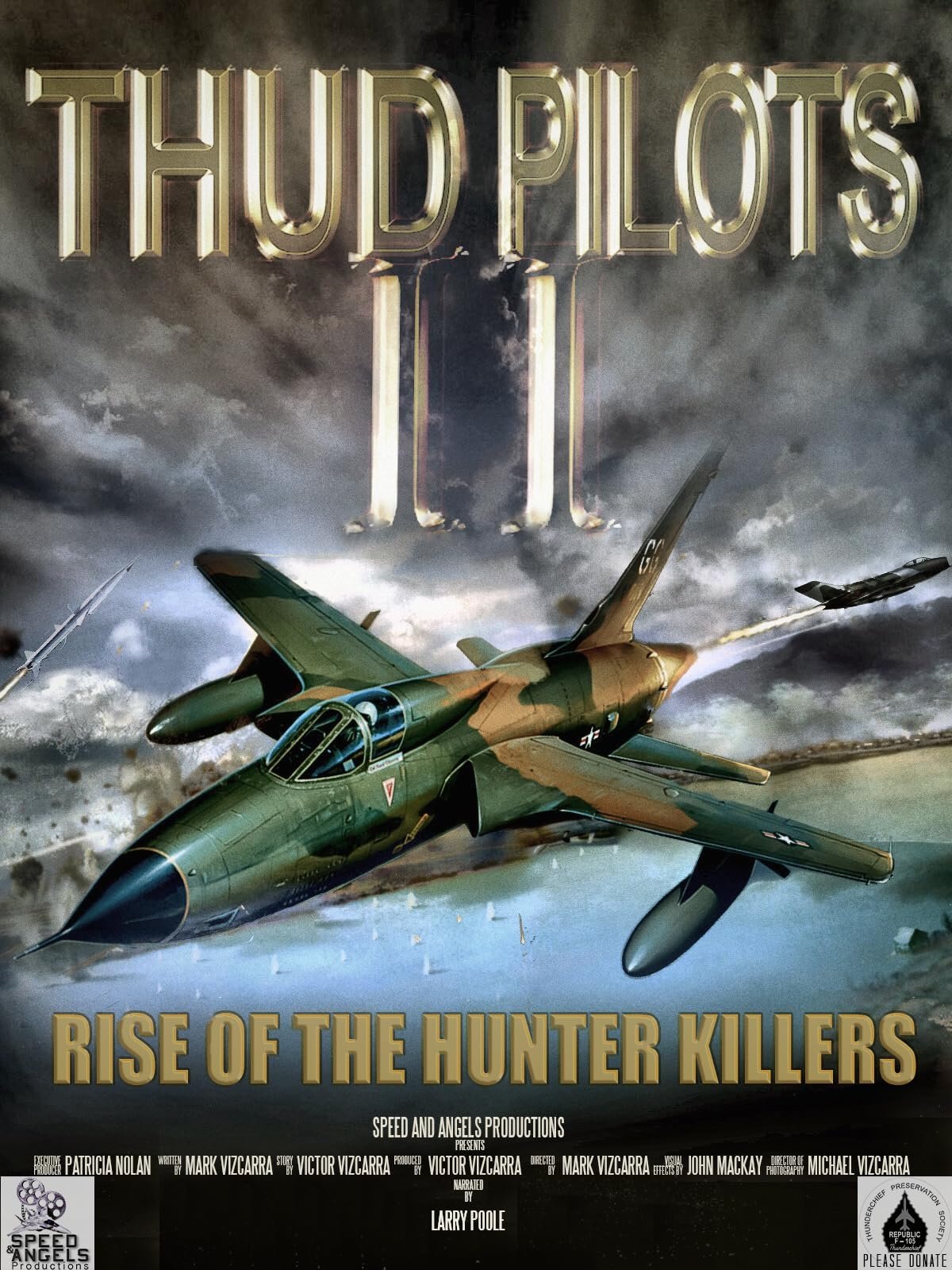
From bombers to jet fighters, the United States relied heavily on its powerful air force during the Vietnam War. Through amazing archival footage, this program explores the types of U.S. aircraft used in combat and the impact they had on the war. Because the Vietnam War was the most-filmed war in history, there's plenty of excellent footage allowing viewers to experience dangerous missions almost firsthand.
Pioneering the harsh landscape of Nebraska was difficult enough in 1869. Pioneering a new university was almost beyond reason. What was a university? Who should go? What should be taught? There were no guidebooks. No road maps. They were building a university out of little more than hopes and dreams.
On the 45th anniversary of GrETUA – the Experimental Theatre Group of the University of Aveiro – photography and its subjects narrate a journey through the memories of generations upon generations who helped shape this space of learning and creation. "There is no birthday party, this is all a photograph" reflects on memory through the emotional language of these encounters.
Archival footage, animation and music are used to look back at the eight anti-war protesters who were put on trial following the 1968 Democratic National Convention.
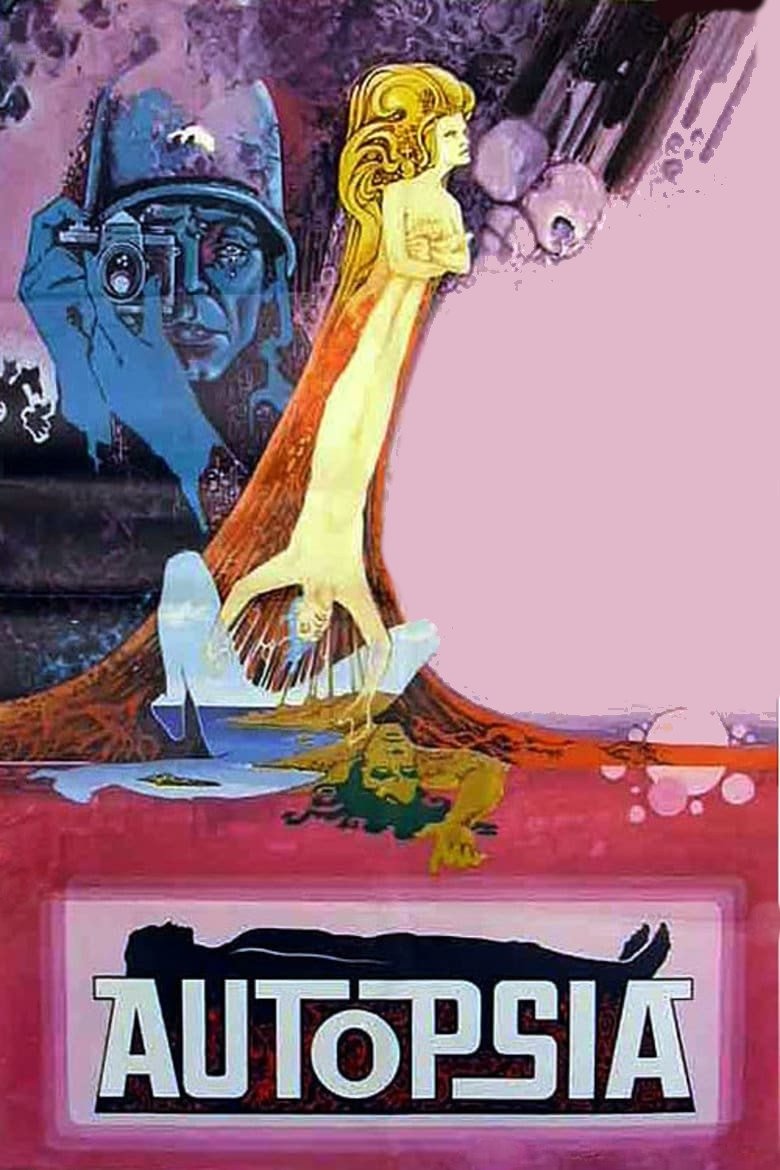
Mondo-style docudrama about a war correspondent who comes back home and has a spiritual crisis about his own mortality. Surreal fantasy sequences are mixed with graphic real autopsy footage.
More than a dozen Vietnam War veterans from the central Illinois area recount their tours of duty including ground and air combat, the fighting environment, their living conditions, coping with the loss of friends and health issues including the effects of Agent Orange. They also reflect on the reception they received upon returning home and their opinions of the war.
Hans-Dieter Grabe documents the work on board the "Helgoland", a hospital ship for the civilian victims of the Vietnam War.
A short documentary that explores a blue-collar community’s growing unease with the Vietnam War. It was produced in response to President Nixon’s famous November, 1969 speech when he contrasted the unlawful and vocal anti-war protesters to the respectful “silent majority” who were in favor of remaining in Vietnam to fight communism. This film explores the thoughts and opinions of the “silent majority” represented by the folks living in the Garfield Ridge neighborhood on the southwest side of Chicago.
A documentary about the end of the student movement in 1972 and the lynching of Daizaburo Kawaguchi, a student at Waseda University. The documentary interweaves testimonies from japanese intellectuals and a short play, written and directed by Shôji Kôkami, about the murder.
Lexington, Kentucky, 2004. Four young men attempt to execute one of the most audacious art heists in the history of the United States.