Social & External
The people behind it
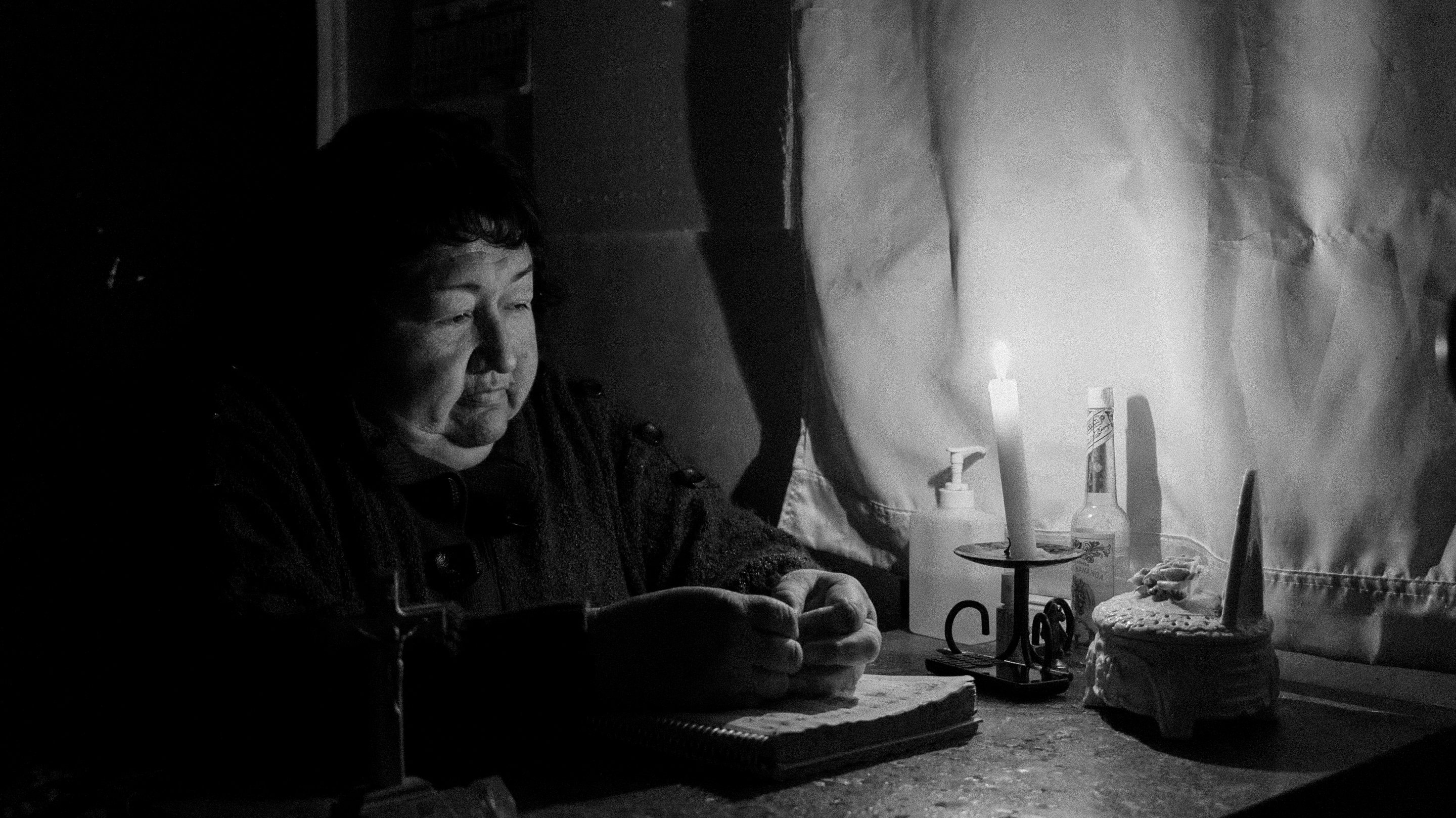
Lidia Fuentes
Lidia
Ricardo Sánchez
Ricardo
Patricio Rojas
Tatita
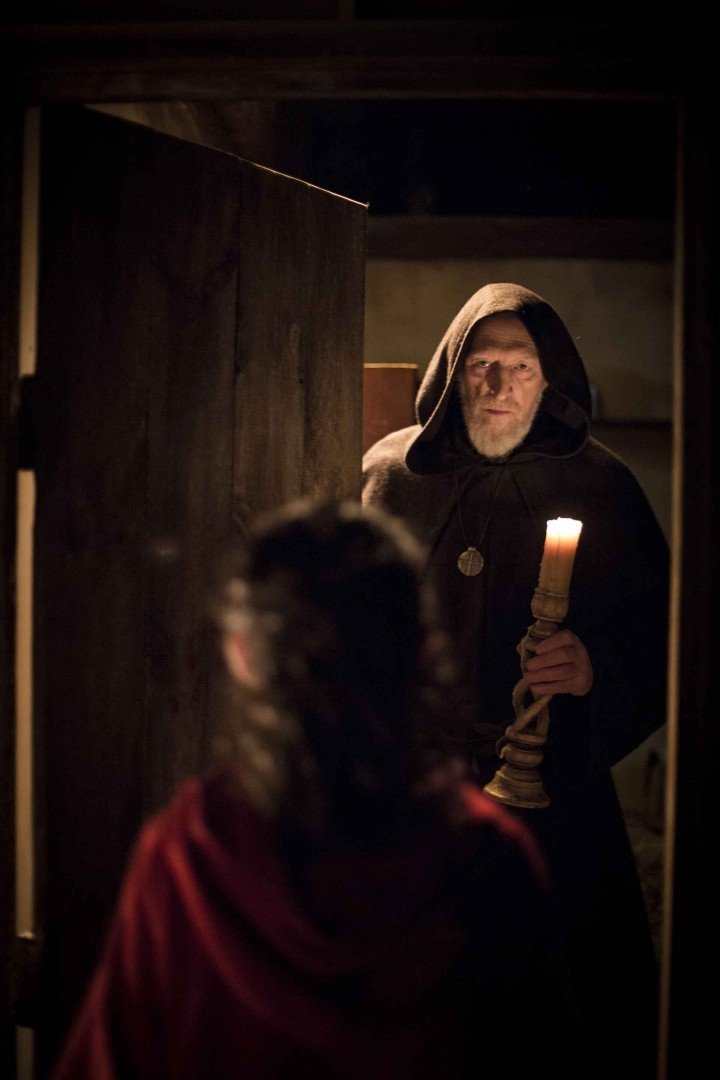
Judgment Tavern tells the story of Lucia, a young girl carrying her father's living head as they search for his fleeing body. On a cold dark night, they take shelter in a small village tavern - where a mysterious stranger with unfinished business is waiting.
An exploration of the cinematic history of the folk horror, from its beginnings in the UK in the late sixties; through its proliferation on British television in the seventies and its many manifestations, culturally specific, in other countries; to its resurgence in the last decade.
Britain’s Wicca Man tells the extraordinary story of Britain's fastest growing religious group - Wicca - and of its creator, an eccentric Englishman called Gerald Gardner. Historian and leading expert in Pagan studies, Professor Ronald Hutton, explores the unlikely origins of modern pagan witchcraft and experiences first hand its growing influence throughout Britain today. Gardner’s story and the story of Wicca itself is a bizarre one. The film tells of a peculiar man who saw that the world was ready for a new religion based on magic, sex, nature and ritual - and gave it to us. Documentary first broadcast in 2011. (Source: Timeline World History Documentaires on YouTube)
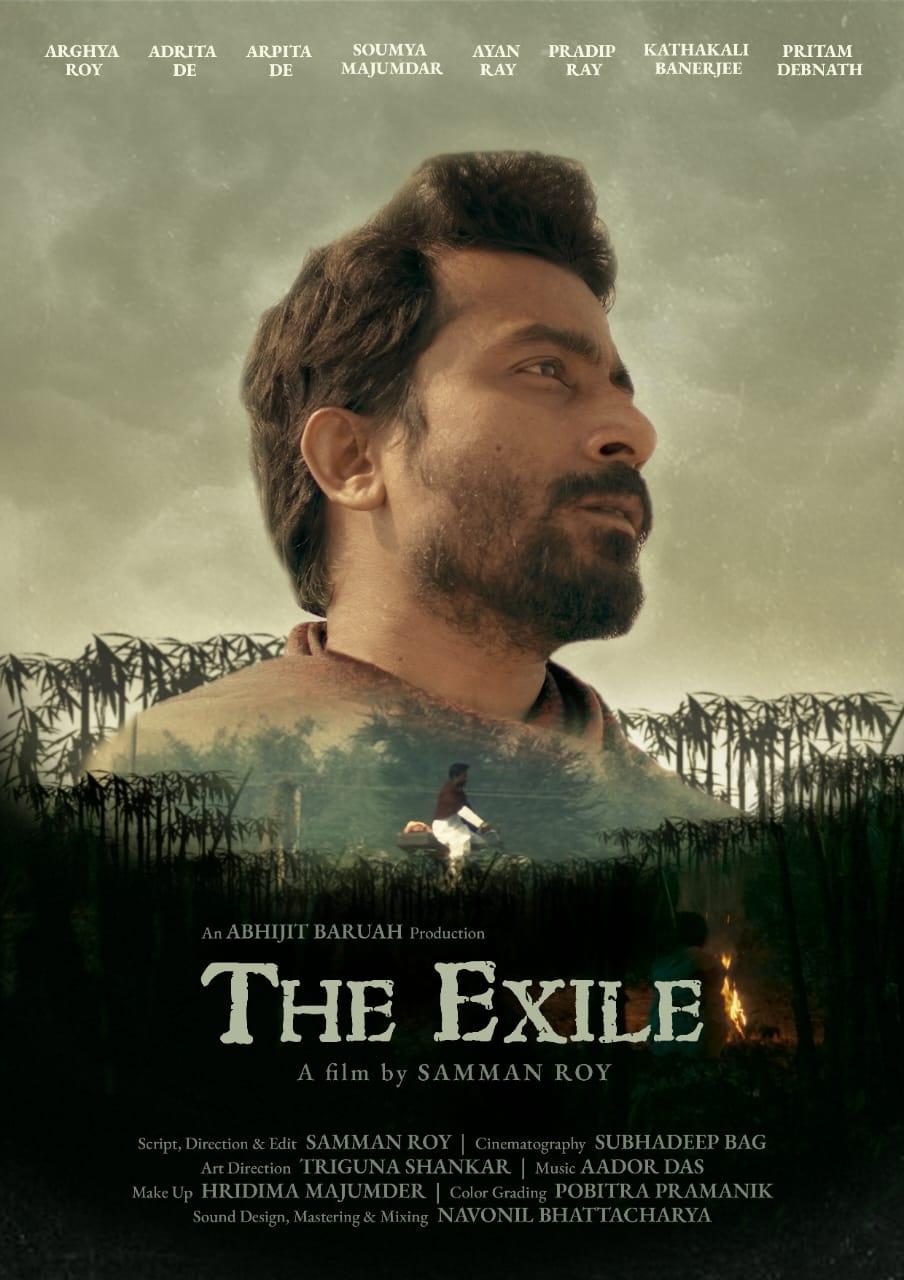
In 1960s Bengal, a young man, Gouranga, is tormented by grief and guilt after his wife’s tragic death. Venturing into a mysterious forest, he confronts his past and a looming supernatural menace in this chilling tale of loss and dread.
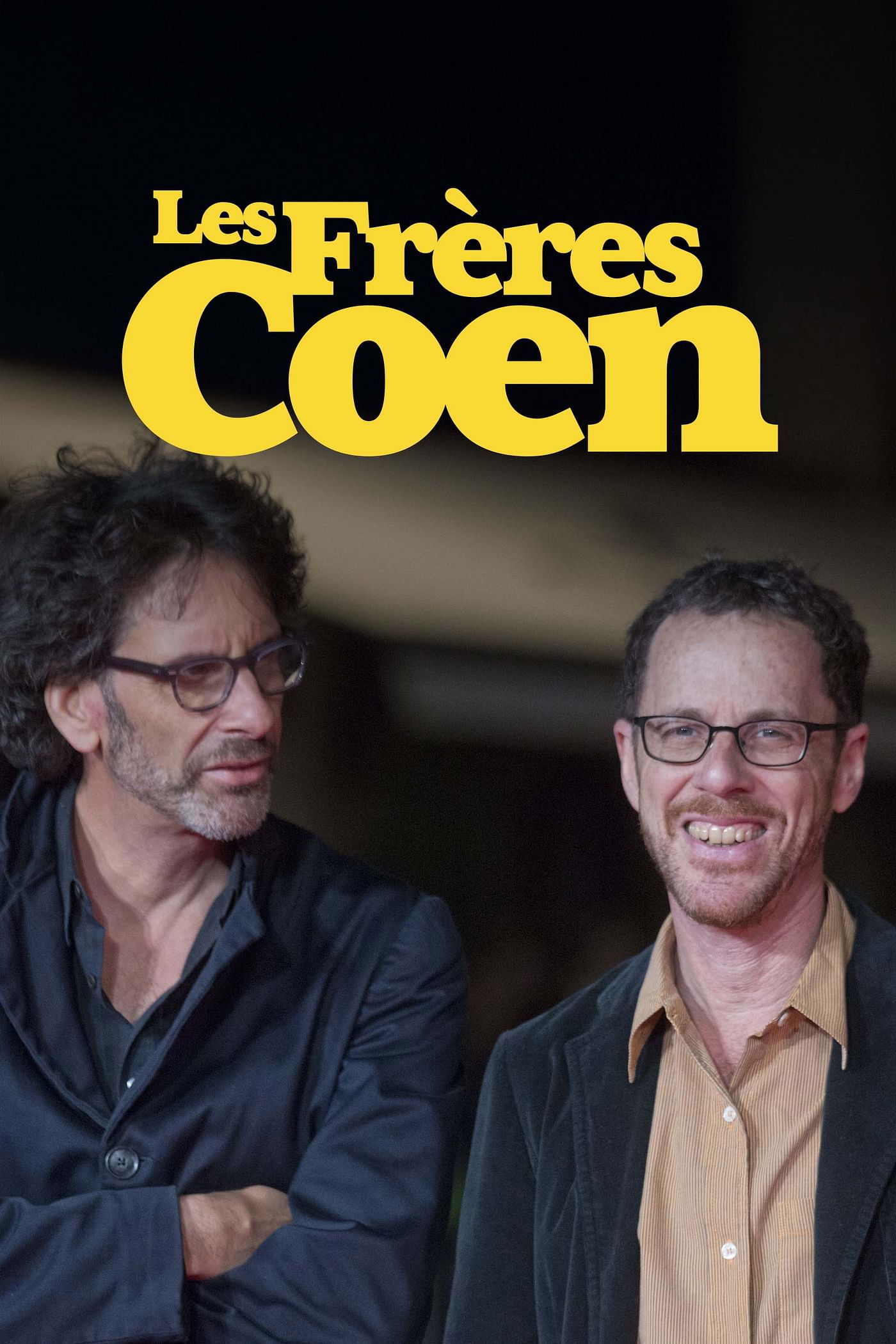
Tracing the careers of these two cinema enthusiasts, this documentary reveals the secrets behind the work of Ethan and Joel Coen, screenwriters and directors who are interchangeable within the same two-headed entity. It features fascinating, previously unseen interviews with some of the most iconic actors from their filmography.
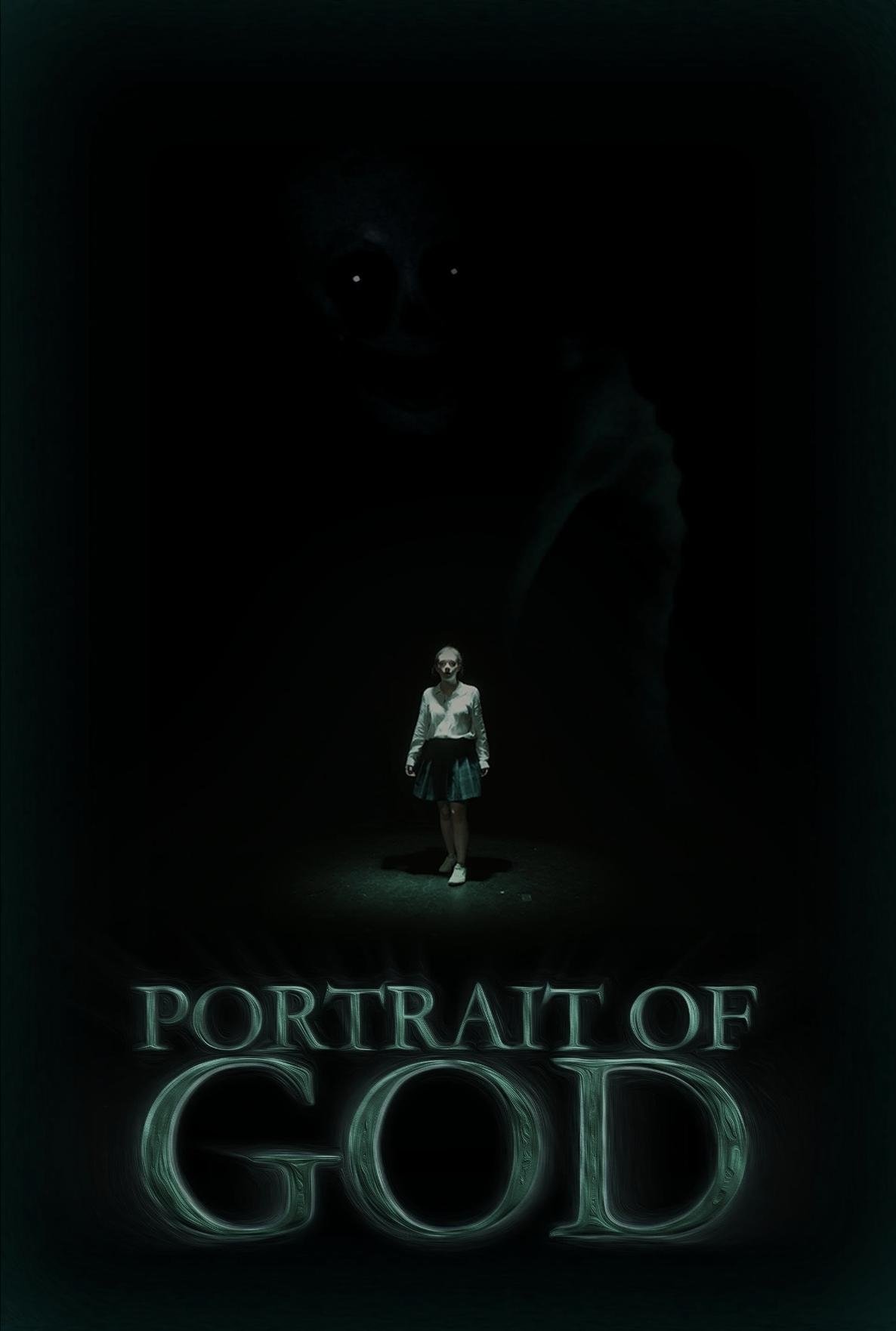
A religious girl must come to terms with her faith when she analyzes a provocative painting of God.
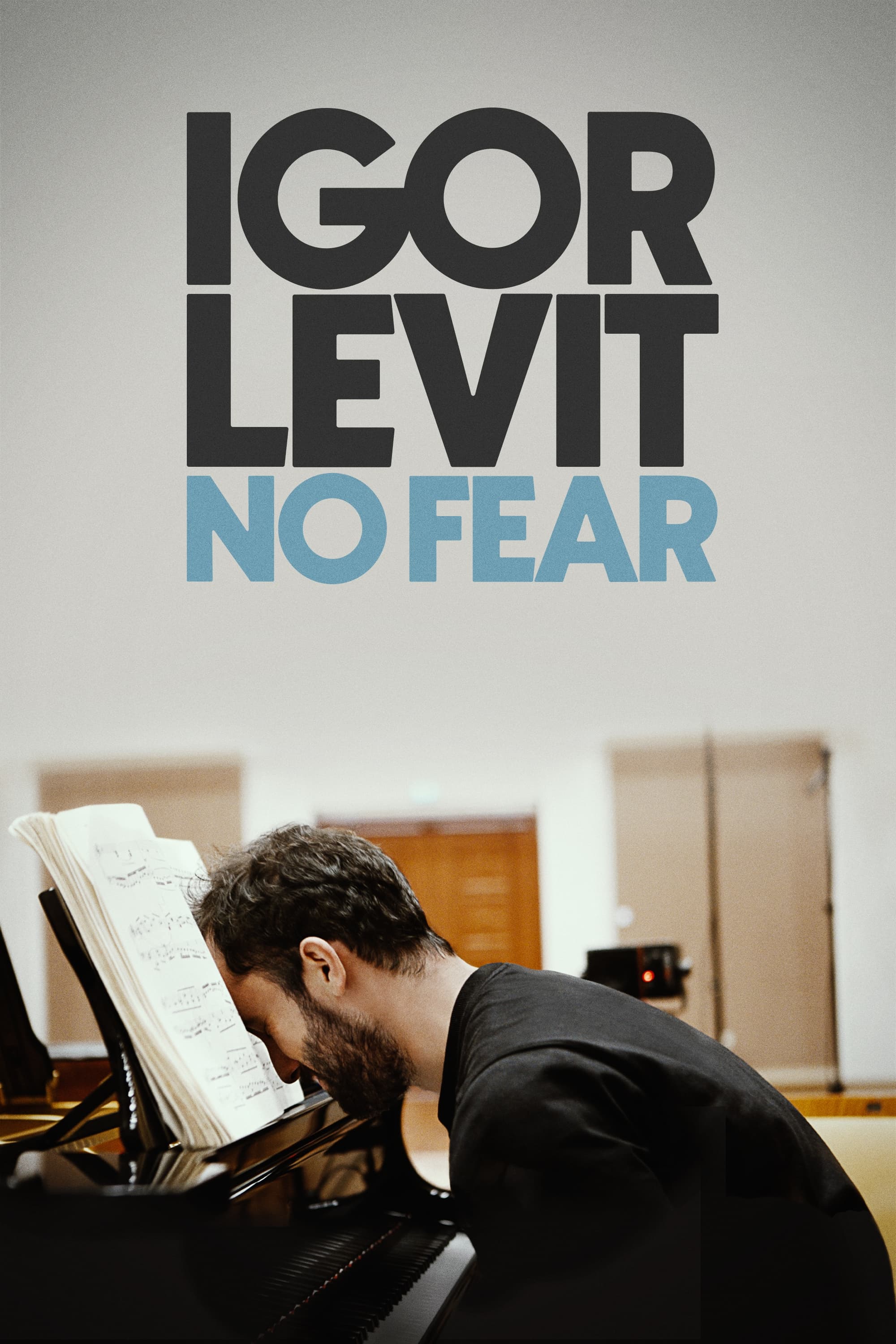
Follows the artist over two years as he explores his „life after Beethoven“, as he searches for his next challenge, his identity as an artist.
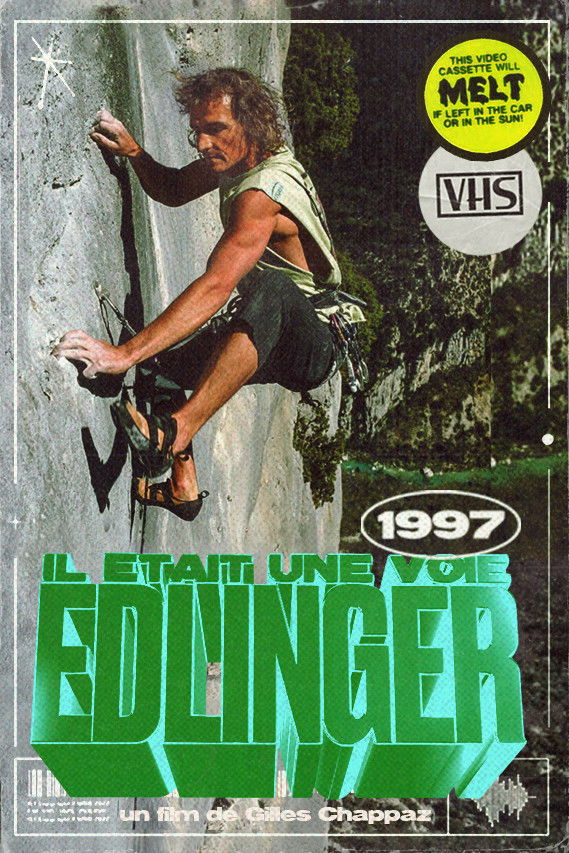
Fifteen years have passed since the spectacular images of Jean-Paul Janssen's "Life at Your Fingertips" introduced the general public to free climbing and its embodiment: Patrick Edlinger. We witnessed the birth of a sporting phenomenon that would leave a lasting mark on generations of climbers. But fifteen years later, in 1997, beyond the myth, where is Patrick Edlinger? Gilles Chappaz found him on some of the most beautiful walls of the Verdon Gorge and other cliffs during the filming of Maurice Rebeix's documentary "Roc'n Wall 97," where he shares his climbing practice and philosophy with the younger generation, including Liv Sansoz and Arnaud Petit.
She was the first to study gorillas in their natural environment: the high mountains of Rwanda, where she settled in 1967. For nearly twenty years, Dian Fossey lived with the gorillas, observed their behavior, and changed the way people viewed them. Her relentless fight against poaching prevented the species from becoming extinct. But in December 1985, the primatologist was murdered, and the mystery surrounding her death remains unsolved. Former colleagues, scientists, and biographers shed light on the impact of her work, but also on the darker sides of her personality and her uncompromising commitment.
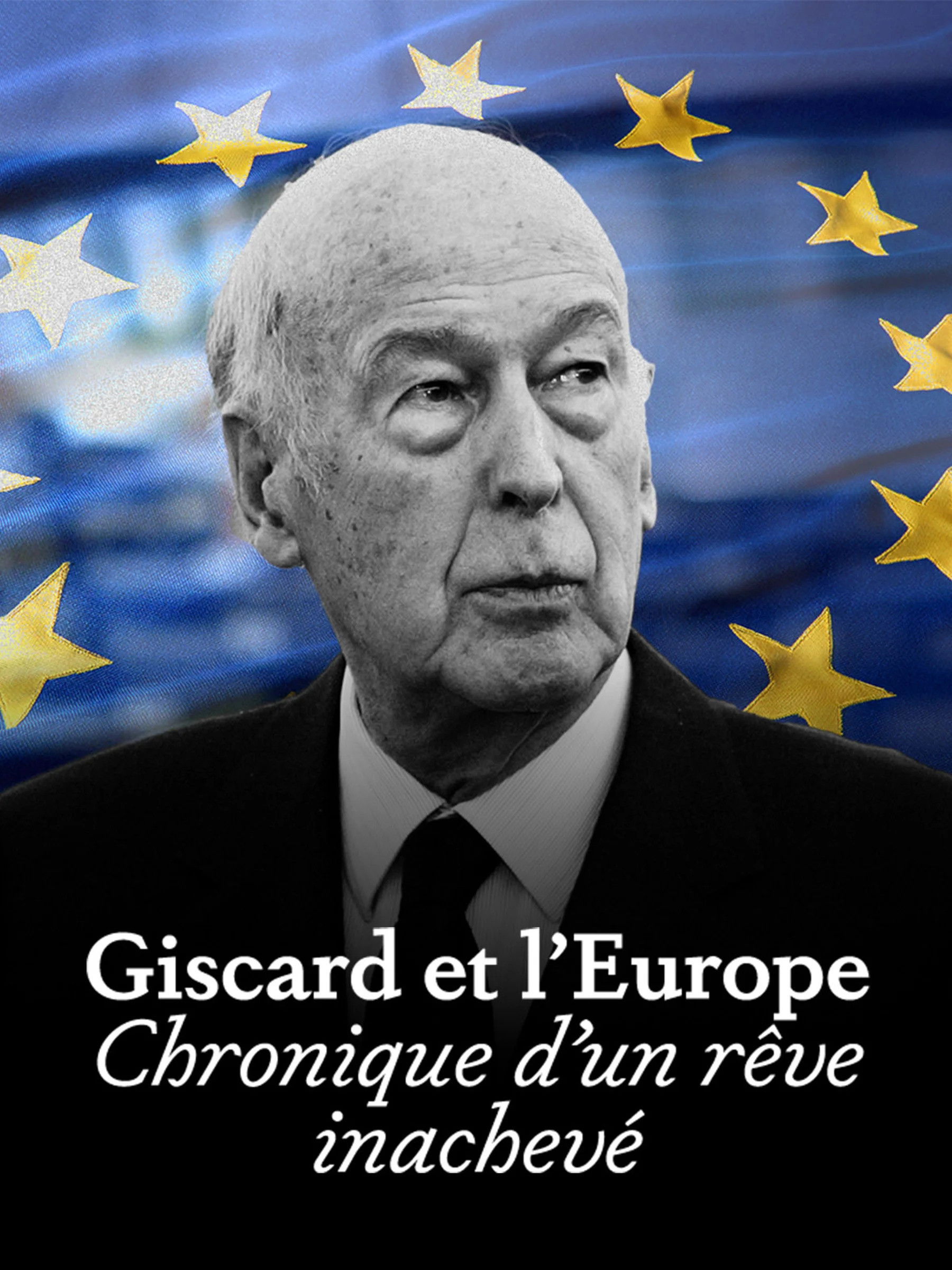
Over half a century of public service, Valéry Giscard d'Estaing embodied the dream of a united and strong Europe. From the youthful enthusiasm of the 1950s to the disillusionment of the 2005 referendum, his career chronicles an ideal confronted with the realities of power, national resistance, and populist winds. He tirelessly attempted to realize his youthful dream: a United States of Europe.
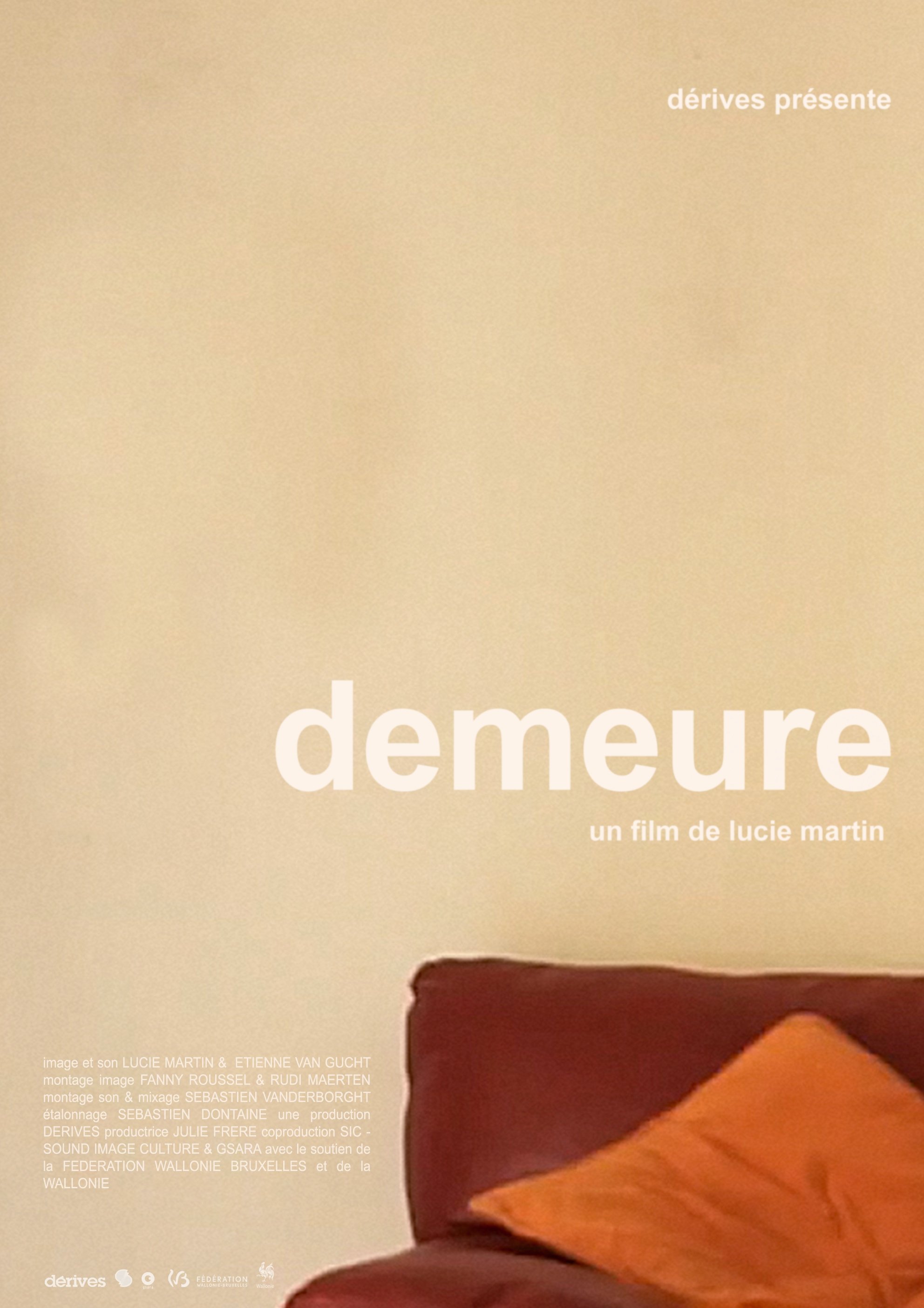
Documentary about what makes a house a home.
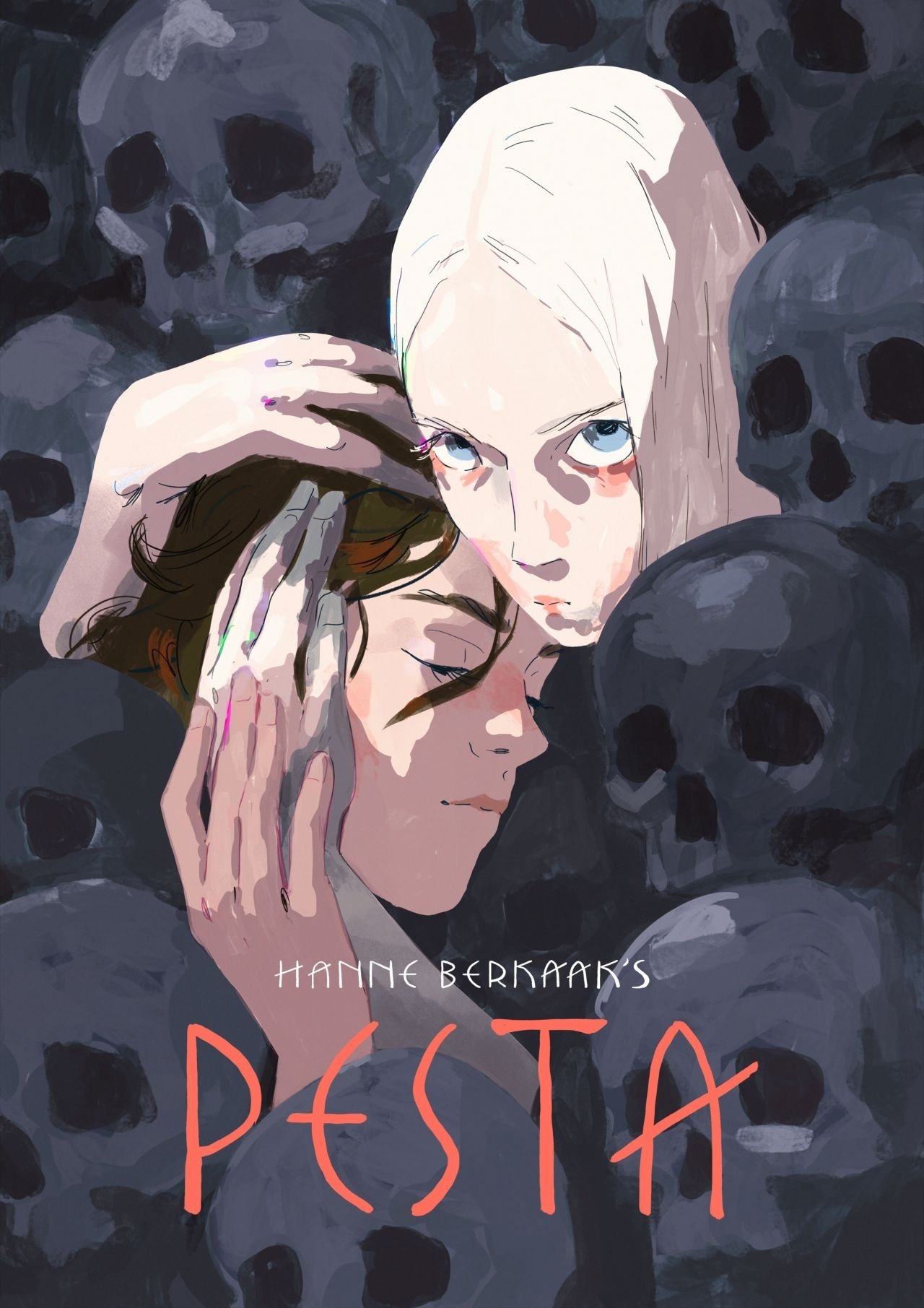
Contemporary tale of young forbidden love, inspired by Norwegian folklore and medieval gore. Set in Norway during The Black Death, the film turns on the pious noble girl Astrid (18) who falls in love with the pagan outlaw Eilev (18), whose blood is believed to hold a cure for the deadly disease. When Eilev is captured, Astrid faces a devastating dilemma: lose him or become the monster she fears most - Pesta - the plague itself.
Targeted by Santet Getih Ireng—a dark curse aimed at destroying their bloodline through endless miscarriages—a desperate married couple must unearth the dark origins of the ritual and break the black magic before it consumes their last chance at a family.
When Fátima's husband leaves for a work trip, she begins to feel a strange presence in her house and discovers various strange objects related to witchcraft. Although she doesn't believe in that kind of thing, something will change her mind.
Stop for Bud is Jørgen Leth's first film and the first in his long collaboration with Ole John. […] they wanted to "blow up cinematic conventions and invent cinematic language from scratch". The jazz pianist Bud Powell moves around Copenhagen -- through King's Garden, along the quay at Kalkbrænderihavnen, across a waste dump. […] Bud is alone, accompanied only by his music. […] Image and sound are two different things -- that's Leth's and John's principle. Dexter Gordon, the narrator, tells stories about Powell's famous left hand. In an obituary for Powell, dated 3 August 1966, Leth wrote: "He quite willingly, or better still, unresistingly, mechanically, let himself be directed. The film attempts to depict his strange duality about his surroundings. His touch on the keys was like he was burning his fingers -- that's what it looked like, and that's how it sounded. But outside his playing, and often right in the middle of it, too, he was simply gone, not there."
Fragments from a portrait of Jean-Louis Costes - sincere artist, versatile designer, poet of excess -, a man forever atoning his anguish through singing, performance, drawing and writing...
A teen and her mother live simply in a home in the woods, spending their time making rock music. A chance encounter with a fellow teen causes her to uncover a connection between her family and witchcraft, which causes a rift with her mother.
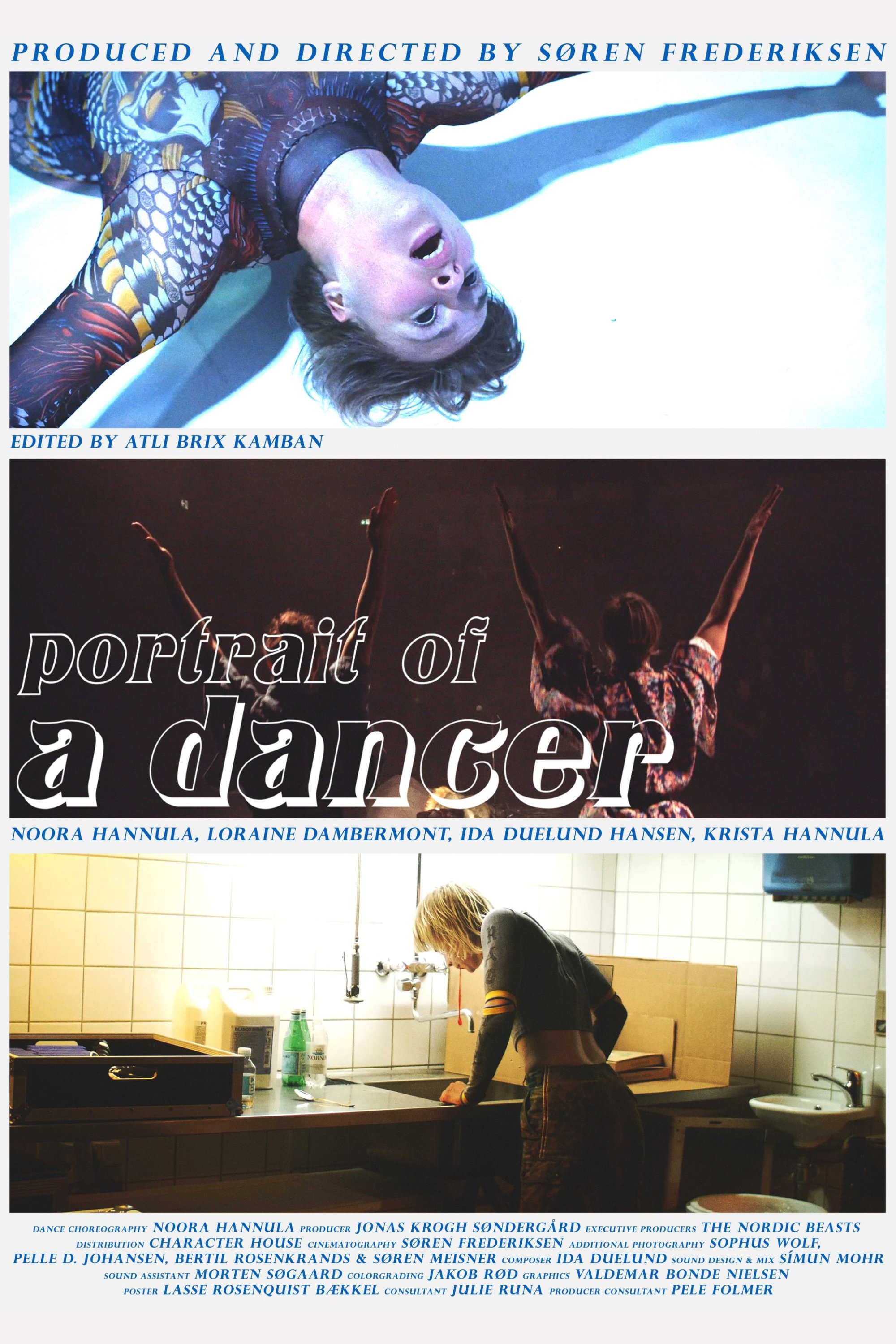
The Finnish modern dancer Noora Hannula dances through this documentary film in her own explosive style. Noora’s life has always been very connected to the artist environment with her grandfather, Simo Hannula, who throughout his entire life dedicated him fully to his art. Noora and her grandfather crossed paths when Noora used a picture of his dead body in her show and now we meet Noora working on her newest show: The Era of No Talent Rising, while she is trying to figure out where her own limits are.
Delving into our collective nightmares, this horror-documentary investigates the origins of our most terrifying urban legends and the true stories that may have inspired them.
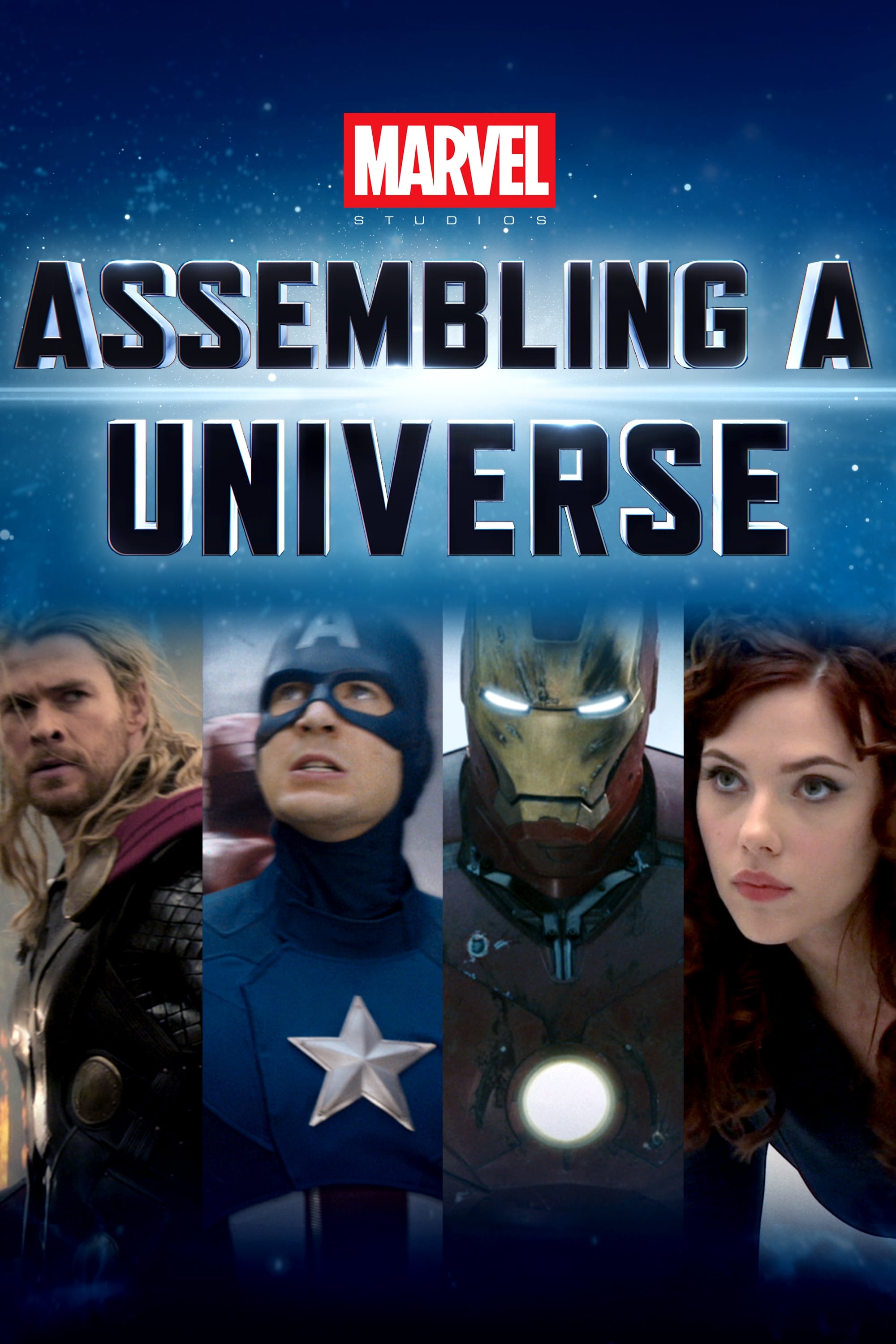
A look at the story behind Marvel Studios and the Marvel Cinematic Universe, featuring interviews and behind-the-scenes footage from all of the Marvel films, the Marvel One-Shots and "Marvel's Agents of S.H.I.E.L.D."!
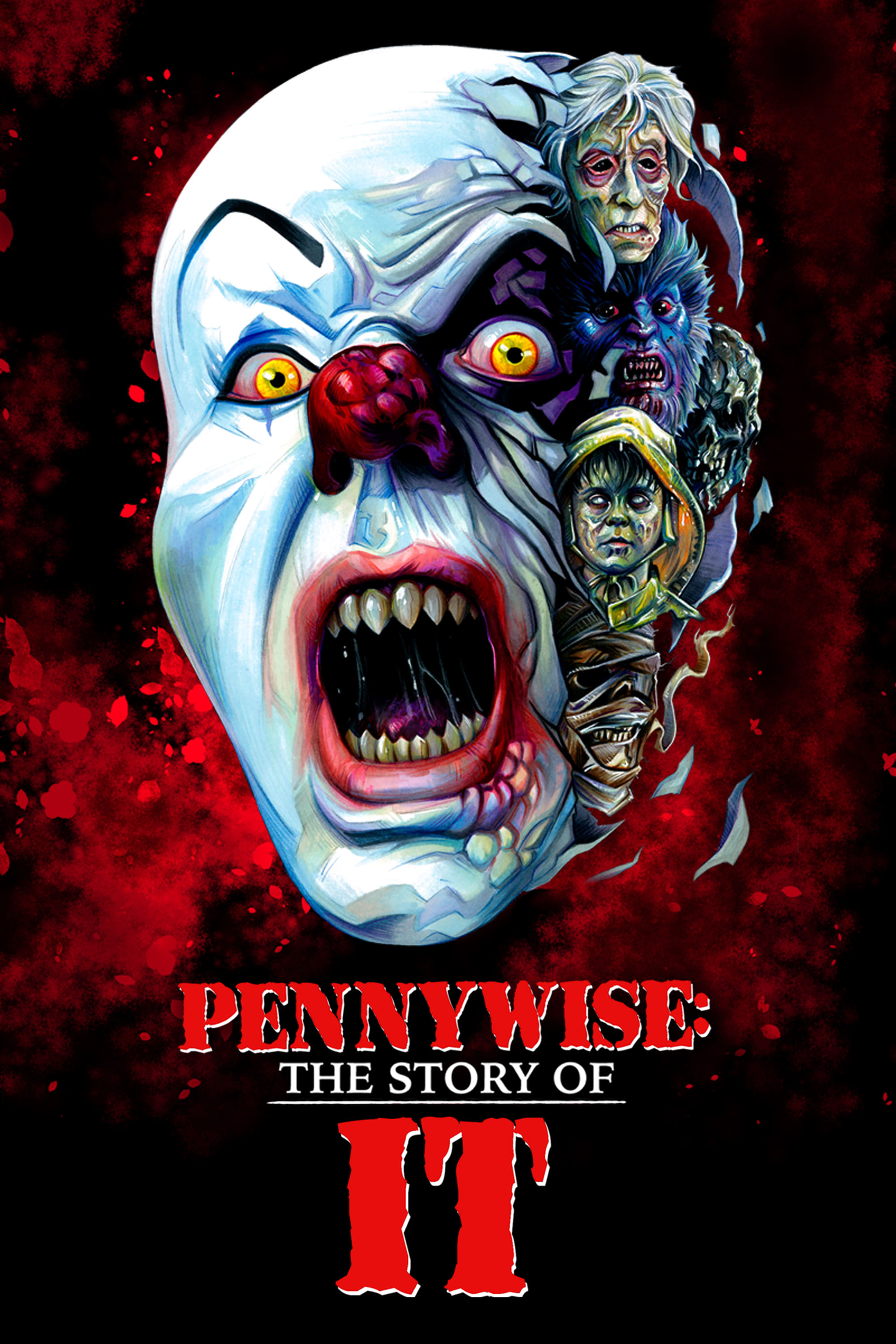
Thirty-plus years after its release, the popular two-part miniseries "It" and its infamous villain Pennywise live on in the minds of horror fans around the world. This documentary captures not only the buzz the "It" saga generated in 1990 but also the lasting impact it has had on an entire generation and the horror genre at large. Several years in the making, the film features exclusive interviews with many of the cult classic's key players, from cast members Richard Thomas, Seth Green, and Tim Curry, who portrayed the notorious monster clown Pennywise, to director Tommy Lee Wallace and special effects makeup artist Bart Mixon. The documentary also boasts a wealth of archival material and never-before-seen footage.
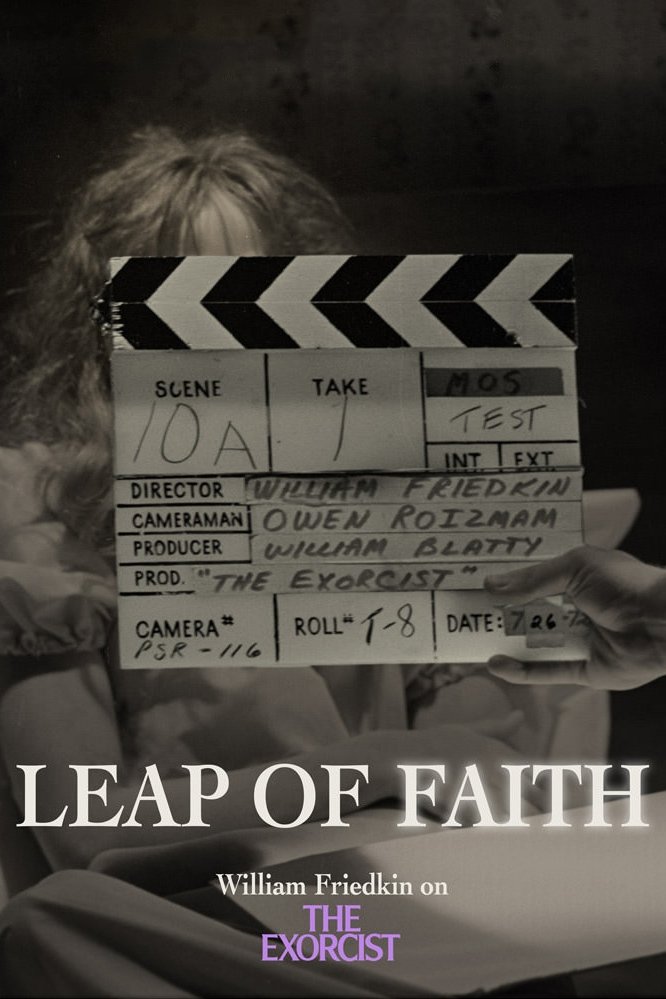
A lyrical and spiritual cinematic essay on The Exorcist, the last film of Alexandre O. Philippe explores the uncharted depths of William Friedkin’s mind’s eye, the nuances of his filmmaking process, and the mysteries of faith and fate that have shaped his life and filmography.
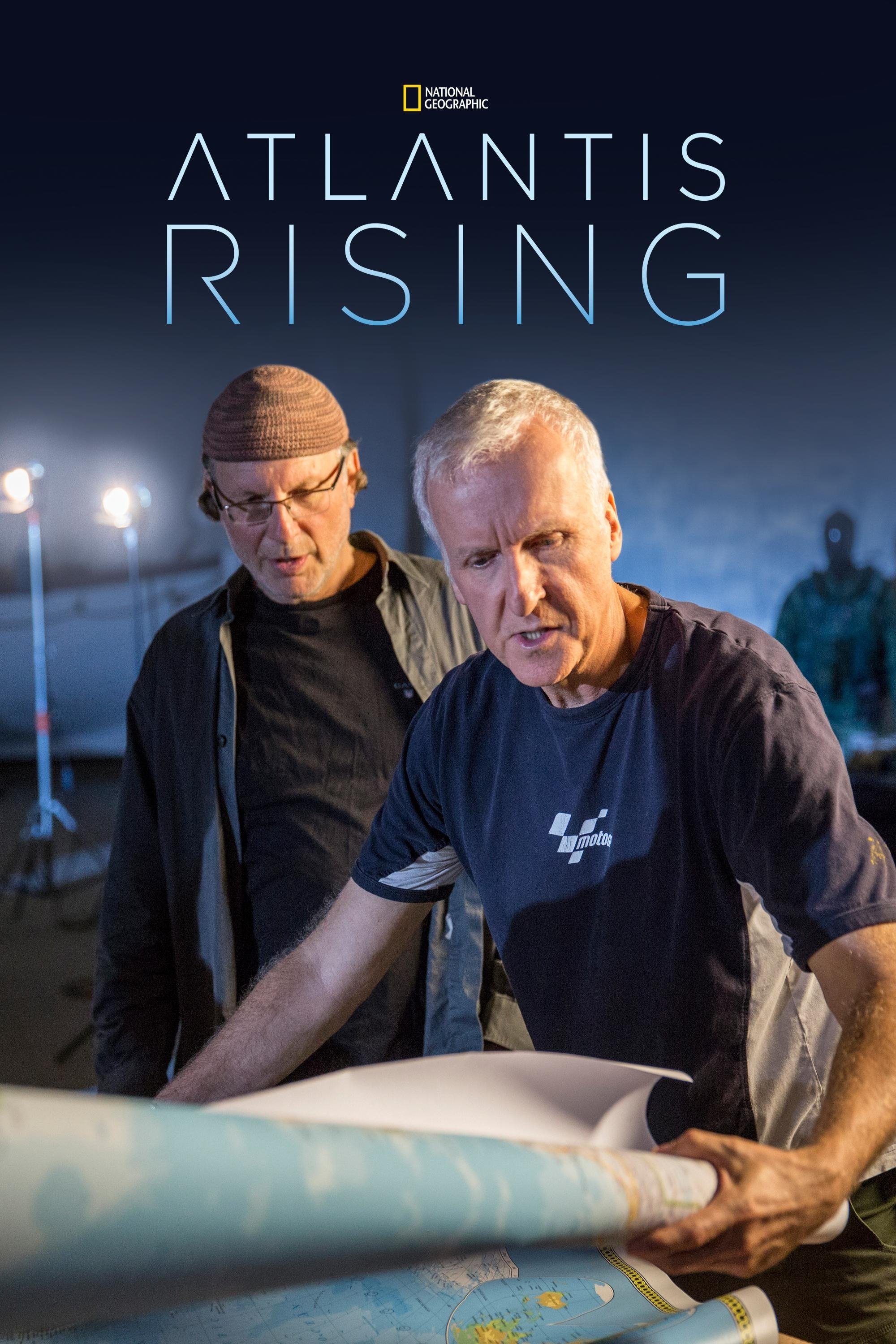
James Cameron and Simcha Jacobovici go on an adventure to find the lost city of Atlantis by using Greek philosopher Plato as a virtual treasure map.
A non-stop roller coaster ride through the scariest moments of the greatest terror films of all time.
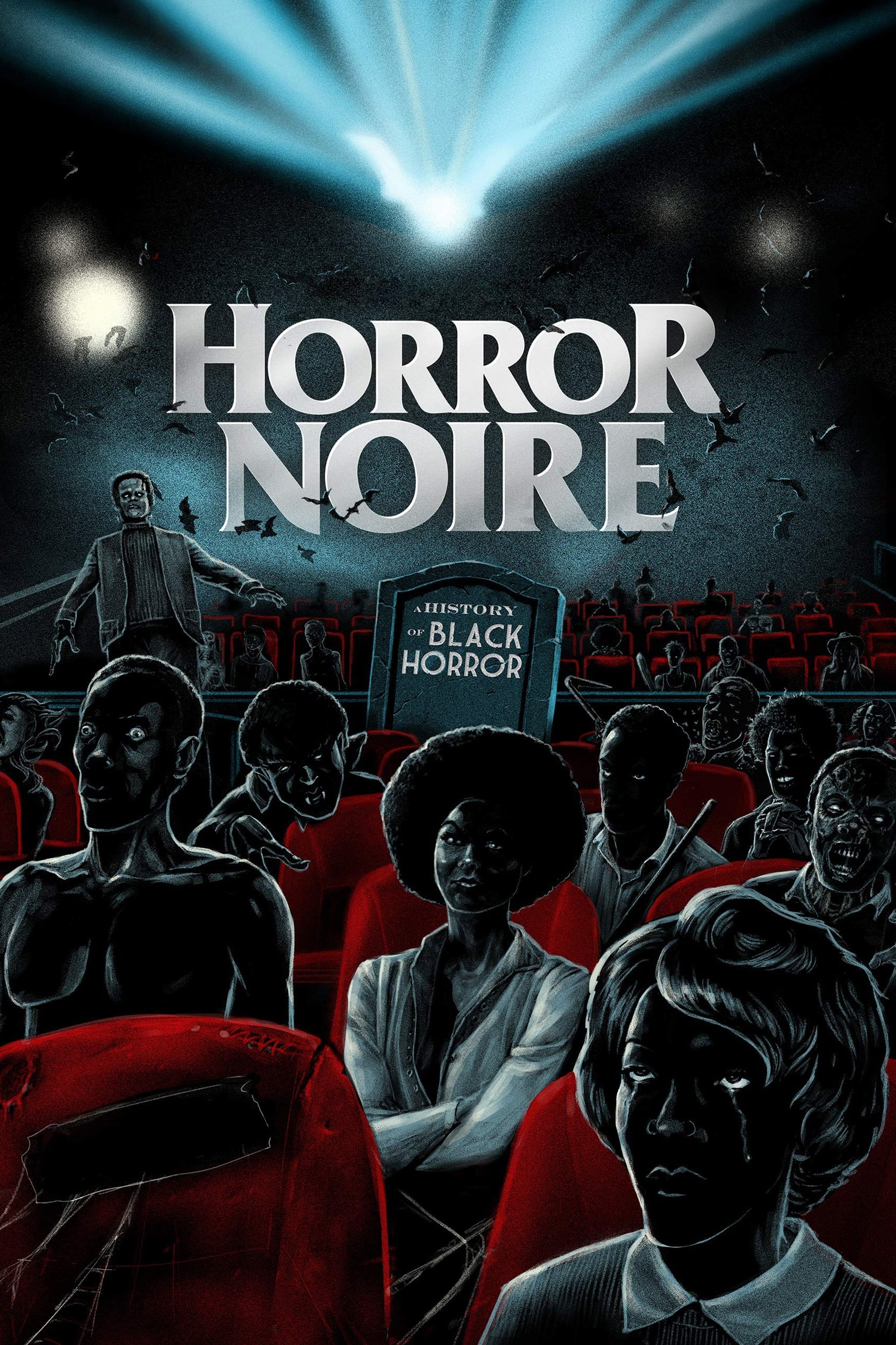
Delving into a century of genre films that by turns utilized, caricatured, exploited, sidelined, and finally embraced them, this is the untold history of black Americans in Hollywood through their connection to the horror genre.
A chronicle of the life, work and mind that created the Cthulhu mythos.
Darwin meets Hitchcock in this documentary. Directors Dan Geller and Dayna Goldfine have created a parable about the search for paradise, set in the brutal yet alluring landscape of the Galapagos Islands, which interweaves an unsolved 1930s murder mystery with stories of present day Galapagos pioneers. A gripping tale of idealistic dreams gone awry, featuring voice-over performances by Cate Blanchett, Diane Kruger, and Gustaf Skarsgard.
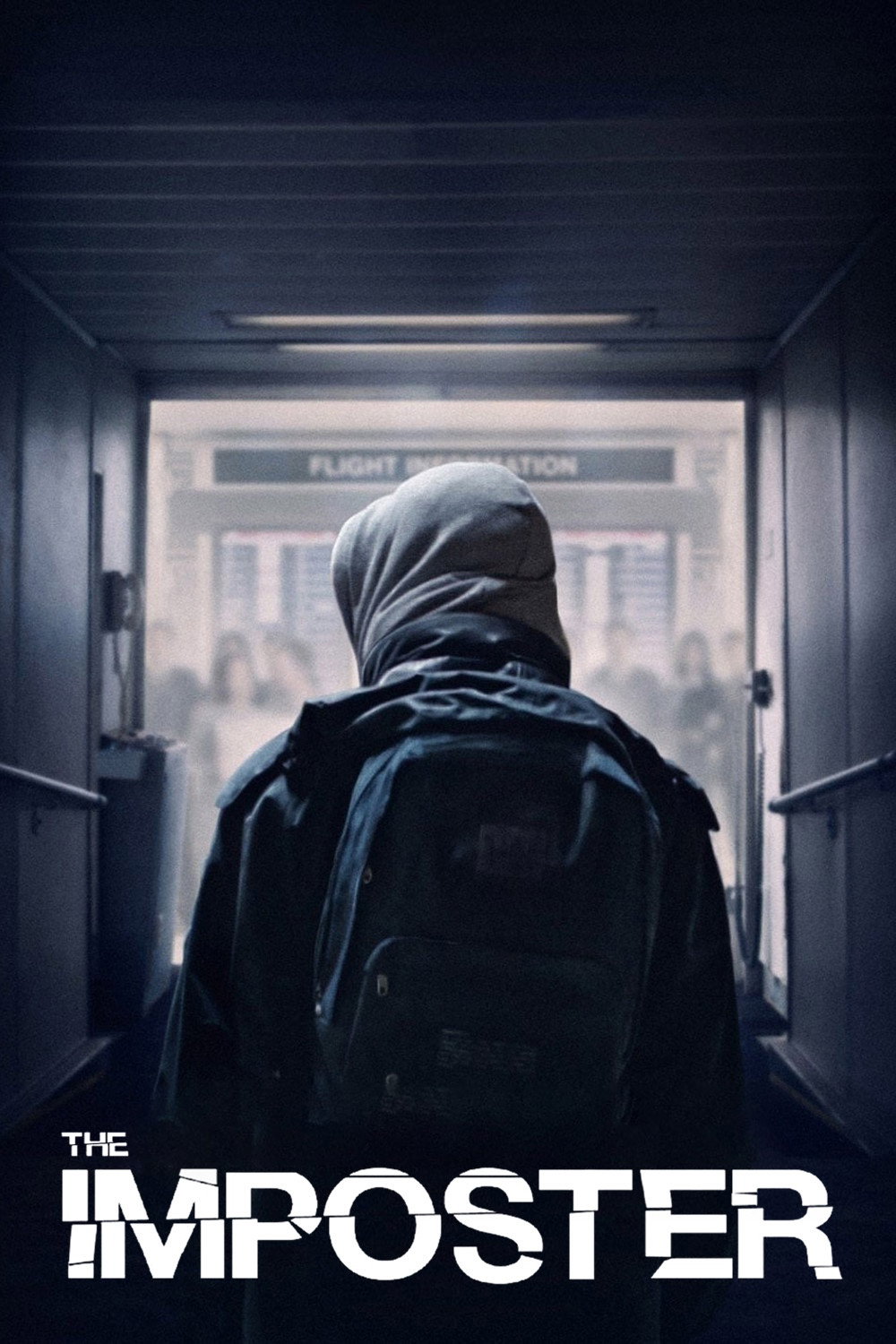
In 1994, a 13-year-old boy disappeared without a trace from his home in San Antonio, Texas. Three-and-a-half years later, he is found alive in a village in southern Spain with a horrifying story of kidnap and torture. His family is overjoyed to bring him home. But all is not quite as it seems.
A filmmaker who grew up alongside Chucky the killer doll seeks out the other families surrounding the Child's Play films as they recount their experiences working on the ongoing franchise and what it means to be a part of the, "Chucky" family.
The definitive zombie culture documentary, brought to the screen by the makers of THE PEOPLE vs. GEORGE LUCAS.
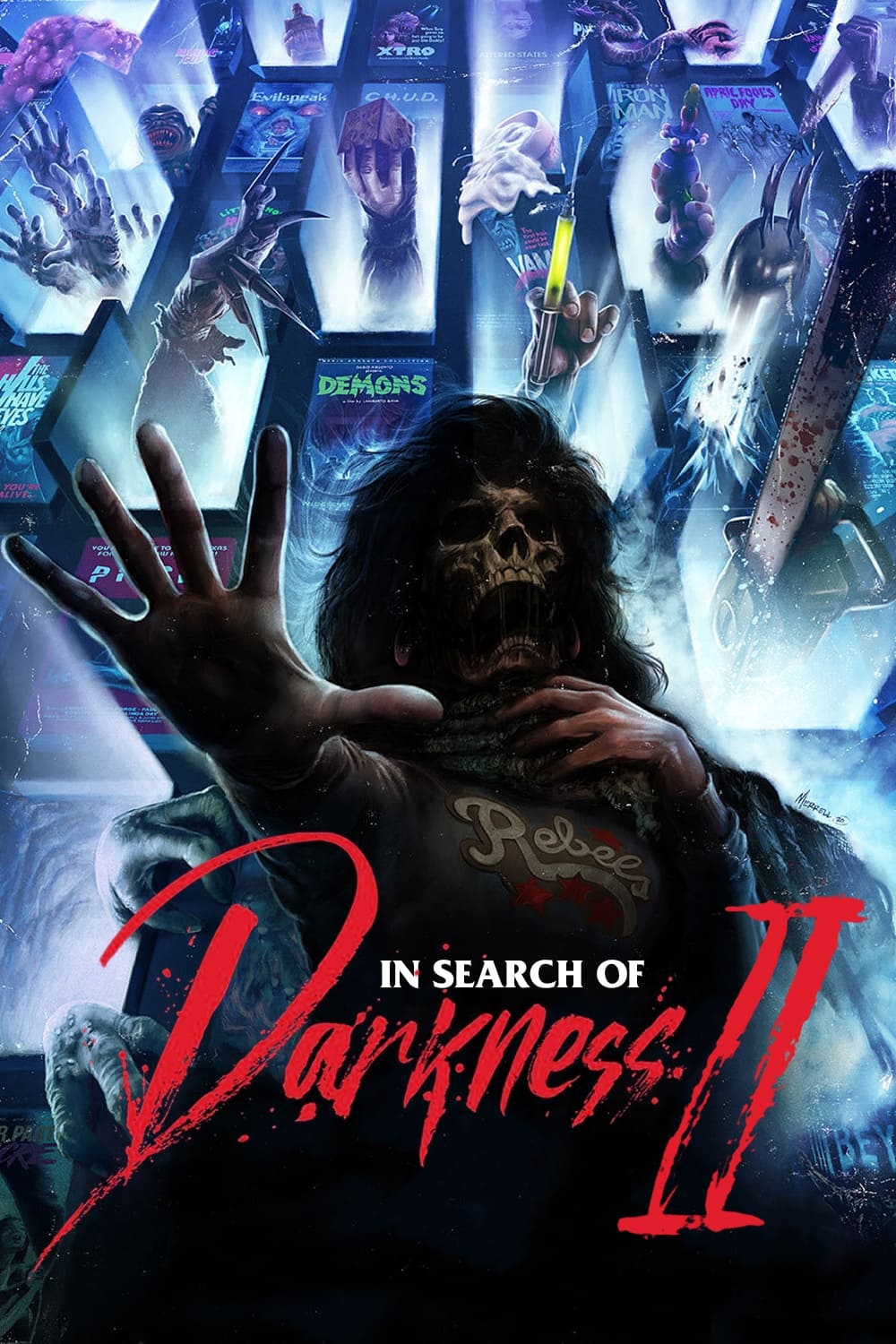
The ultimate ‘80s Horror retrospective just got BIGGER. In Search of Darkness: Part II is a four-hour-plus sequel to the Rondo Hatton-nominated In Search of Darkness, adding 15 new interviewees and 40+ returning favorites for the biggest and most comprehensive ‘80s Horror documentary cast ever assembled.
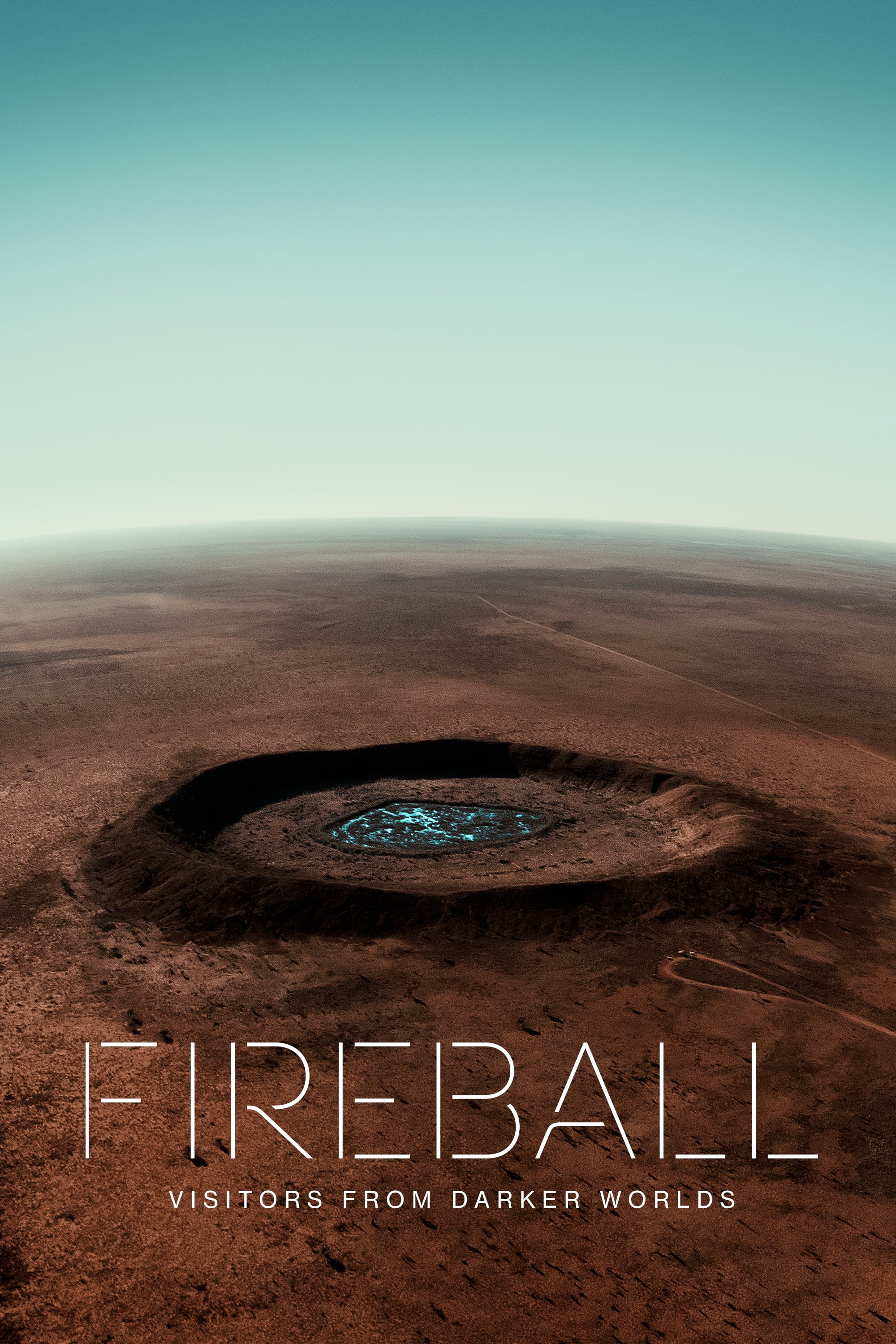
This remarkable journey across our planet and universe explores how meteorites, shooting stars, and deep impacts have awoken our wonder about other realms—and make us rethink our destinies.
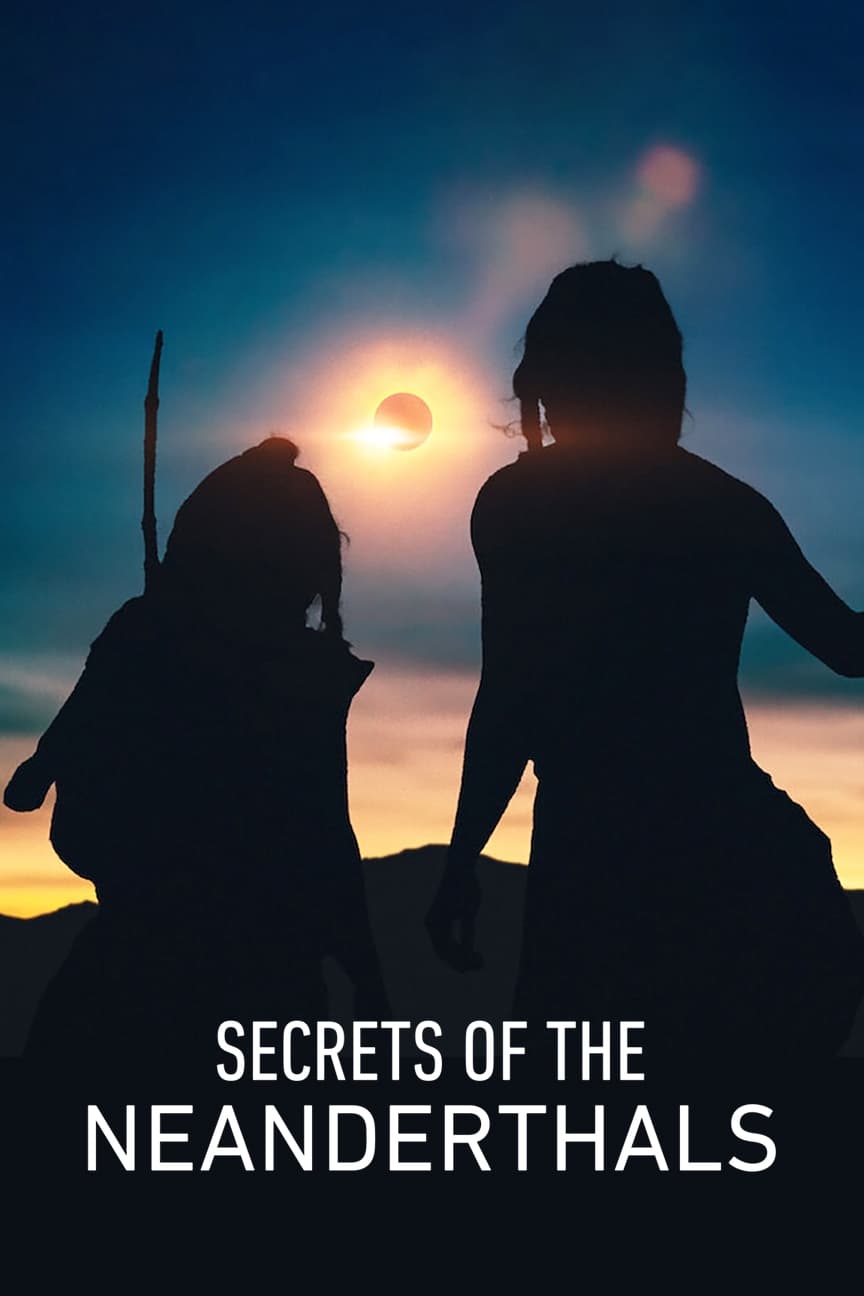
This documentary delves into the mysteries surrounding the Neanderthals and what their fossil record tells us about their lives and disappearance.
An exploration of the appeal of horror films, with interviews of many legendary directors in the genre.
In this 5th installment of "The Blackwell Ghost" series, the ghost hunting filmmaker returns to the "Lightfoot House" where he hopes to solve a newly discovered puzzle which may lead to the location of more undiscovered victims.
Dr. Steven Greer presents brand new top-secret evidence supporting extraterrestrial contact, including witness testimony, classified documents, and UFO footage, while also exploring the consequences of ruthlessly enforcing such secrecy.
Making of featurette for Sherlock Holmes (2009).
A woman’s Holocaust memoir takes the world by storm, but a fallout with her publisher-turned-detective reveals her story as an audacious deception created to hide a darker truth.