The world through an unconventional lens.
Social & External
The people behind it
Maite
Herself
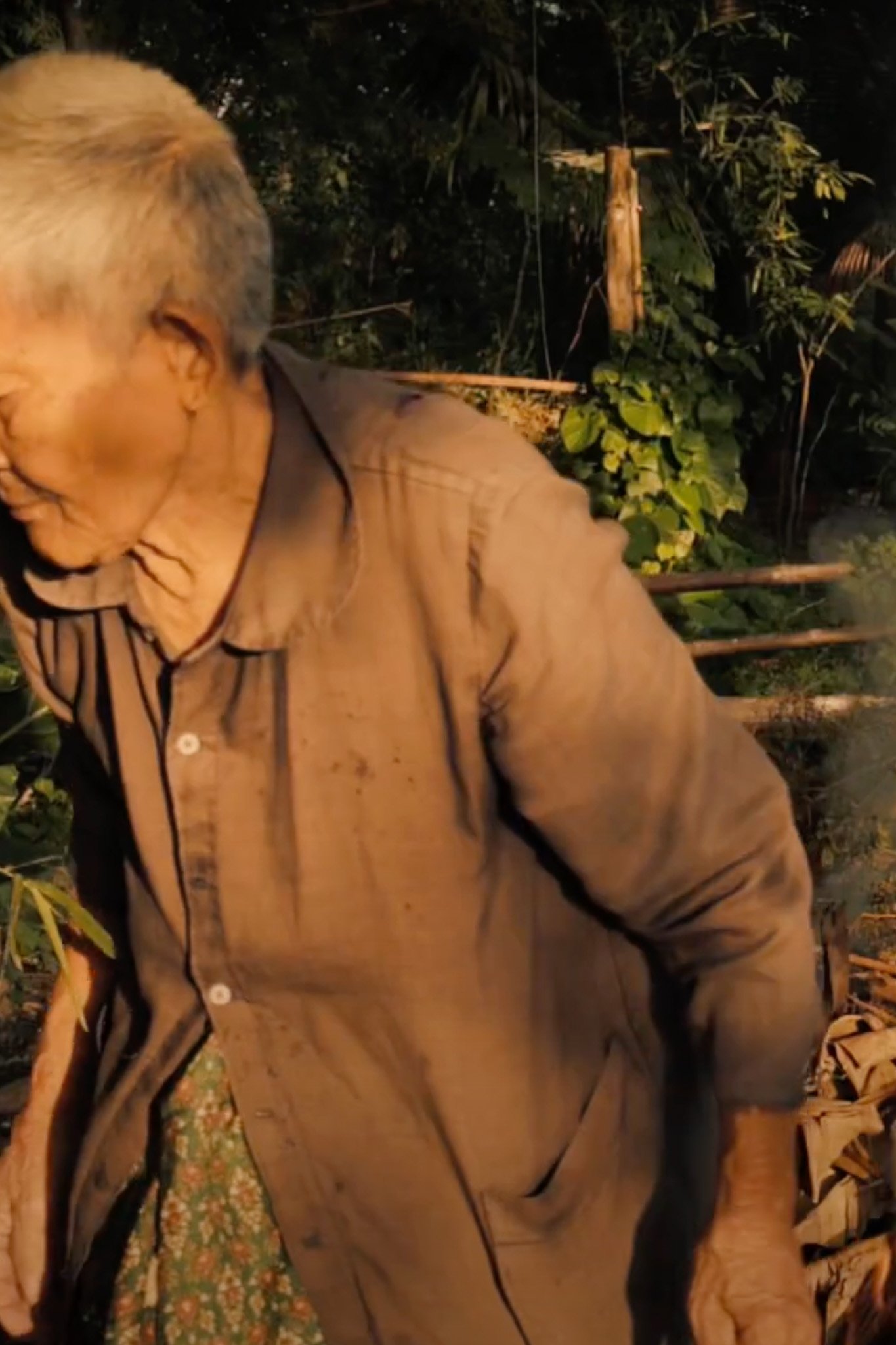
Grandma Kham, an 87 year-old-woman, lives lone and is still strong enough to burn charcoal and weed out grass. But what does she have to go through along the way? And how will she prepare for her own final moment?
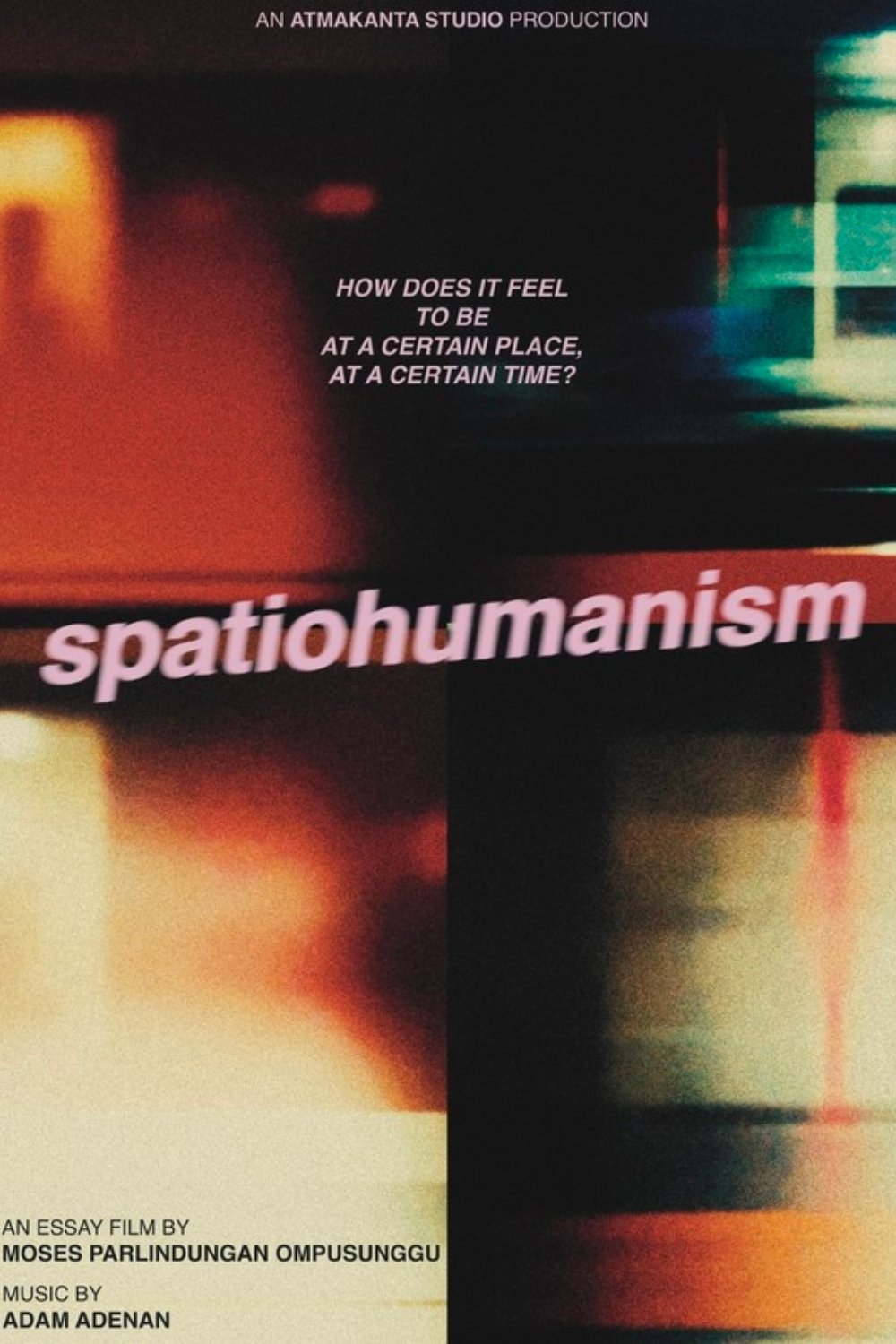
A letter writer reflects on the space and people she encounters in her never ending journey. A letter reader dreams of unexpected things in his never ending wait. Composed of dreamy images from a minimalist phone cinematography, "spatiohumanism" offers a psychogeographic study that is sometimes dystopian, sometimes realist, but enchanting as a whole.
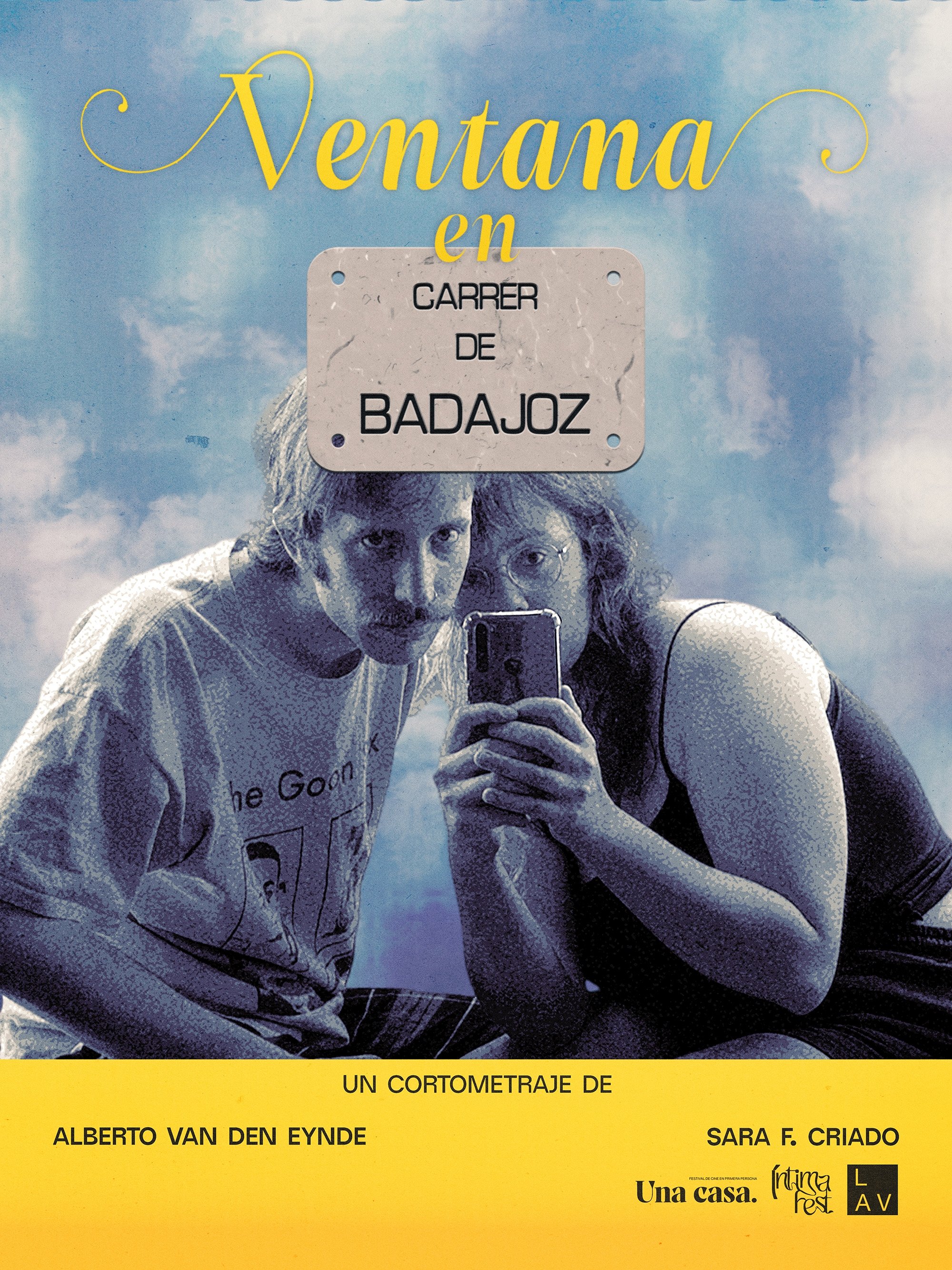
Sara and Alberto spend their days at home. They look out the window and watch: spring is approaching and the sun is setting later and later. Alberto entertains himself by playing with the light, the shadows and the nooks and crannies they leave on the living room. Sara goes out on the balcony in the evenings and examines the neighborhood with her camera. When they are in bed, they talk about what worries them. About job expectations. About being creative and why keep trying, if someone else has done it before you. About living in confinement, but at the same time, realizing that things haven't changed as much as they seem.
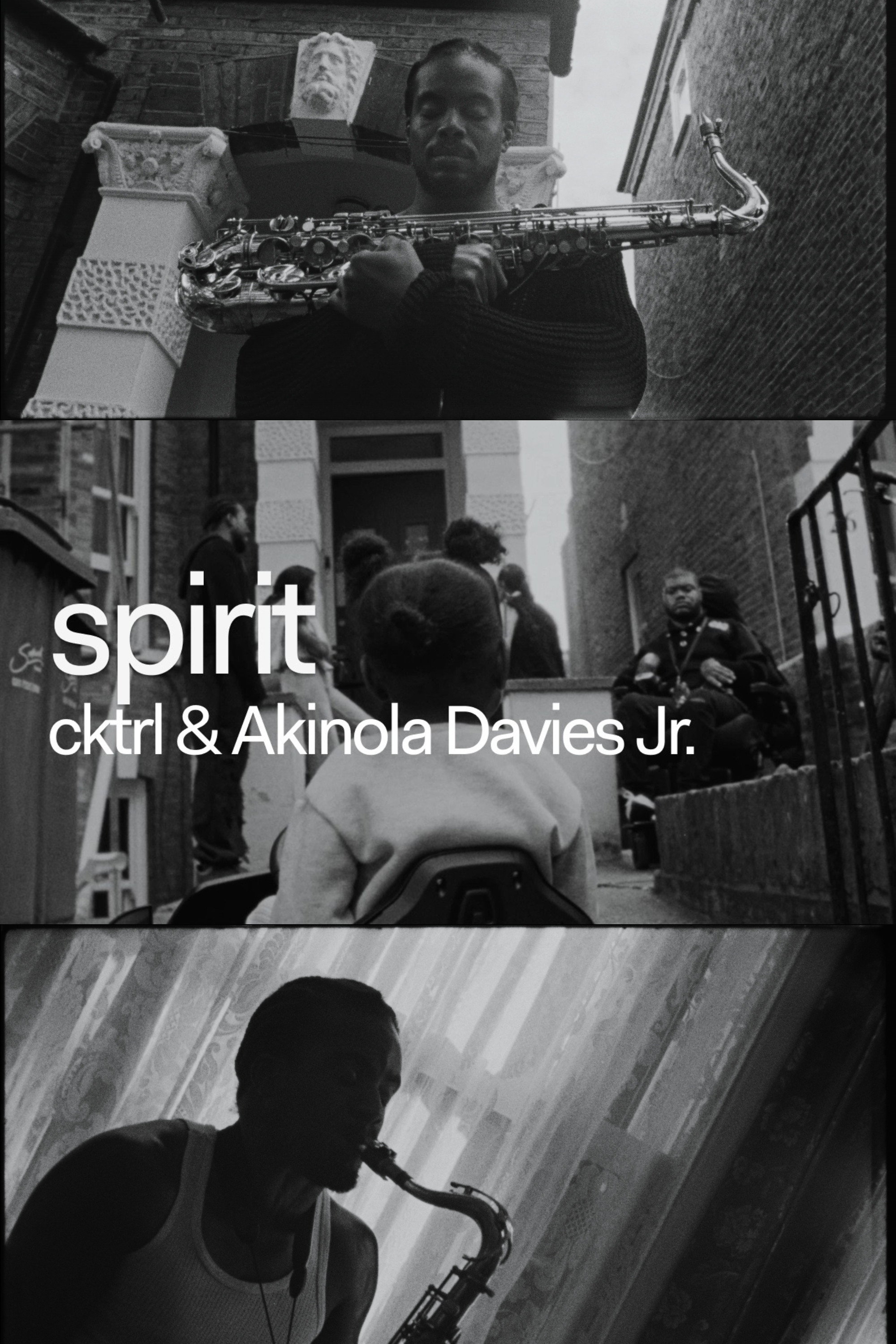
A celebration of home and belonging in South London. This is a film that tows the line between documentary and narrative, and celebrates neighborhood and the rhythms of everyday life in South London. Friends for over a decade, their closeness runs through the piece; rooted in lived relationships, it resists spectacle in favor of quiet intimacy.
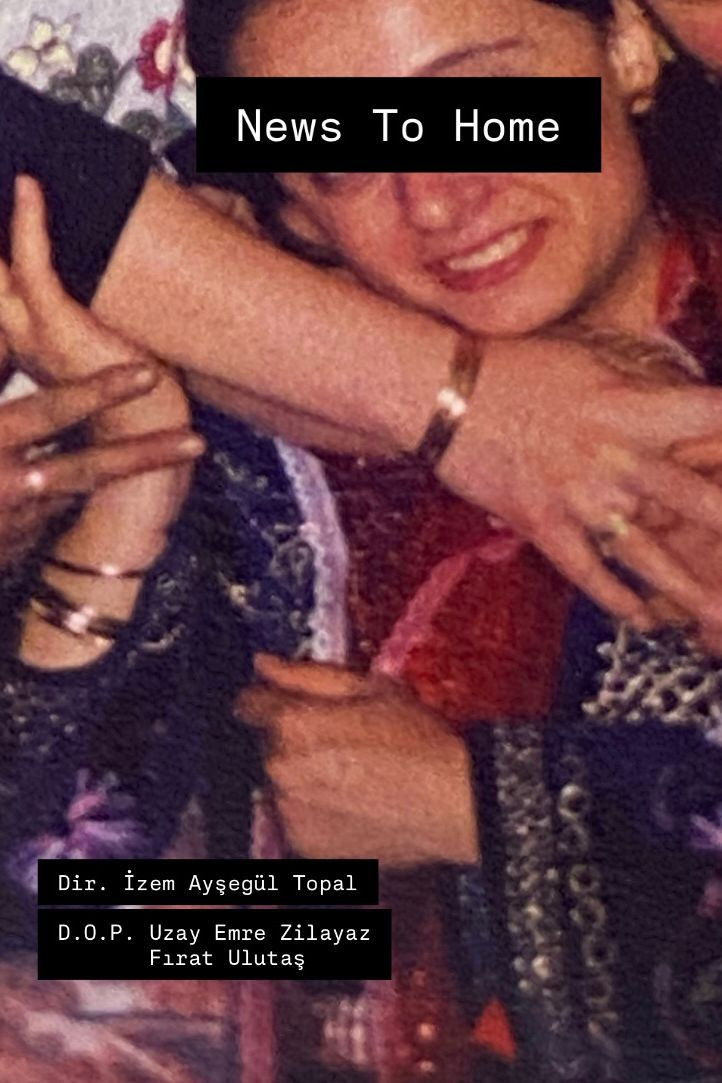
My great-grandmother, Frieda Riesenfeld, recounts moving into her first apartment in the United States after escaping from Germany in 1938.
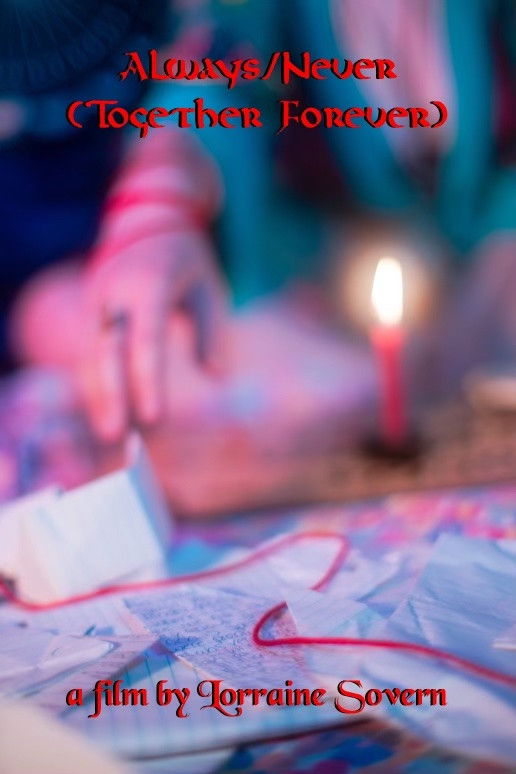
An unhinged, diaristic examination of devastating friendship breakups.
A short film on breathing and quiet afternoons.
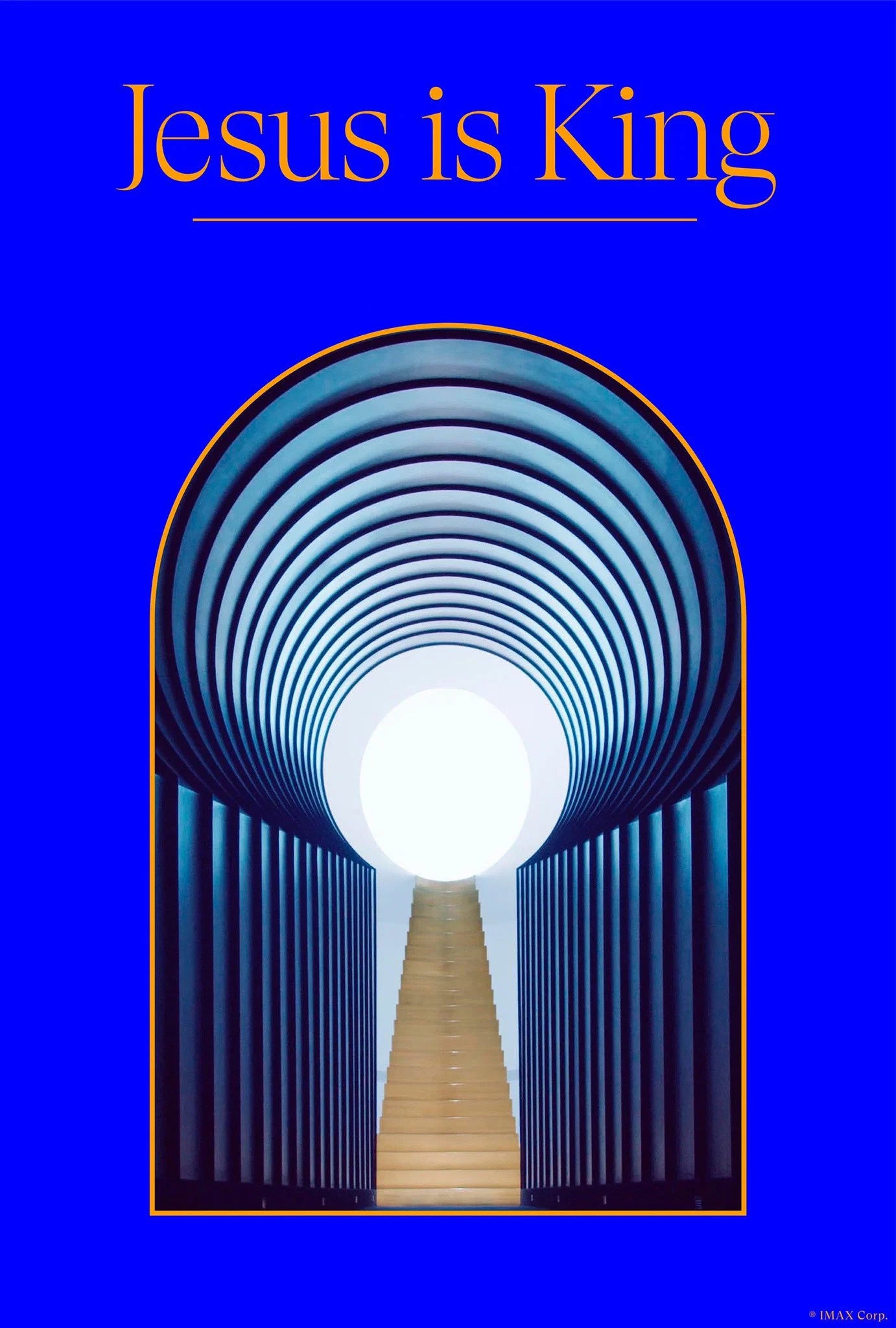
Filmed during summer 2019, Jesus Is King brings Kanye West’s famed Sunday Service to life in the Roden Crater, visionary artist James Turrell’s never-before-seen installation in Arizona’s Painted Desert. This one-of-a-kind experience features songs arranged by West in the gospel tradition along with new music from his forthcoming album.
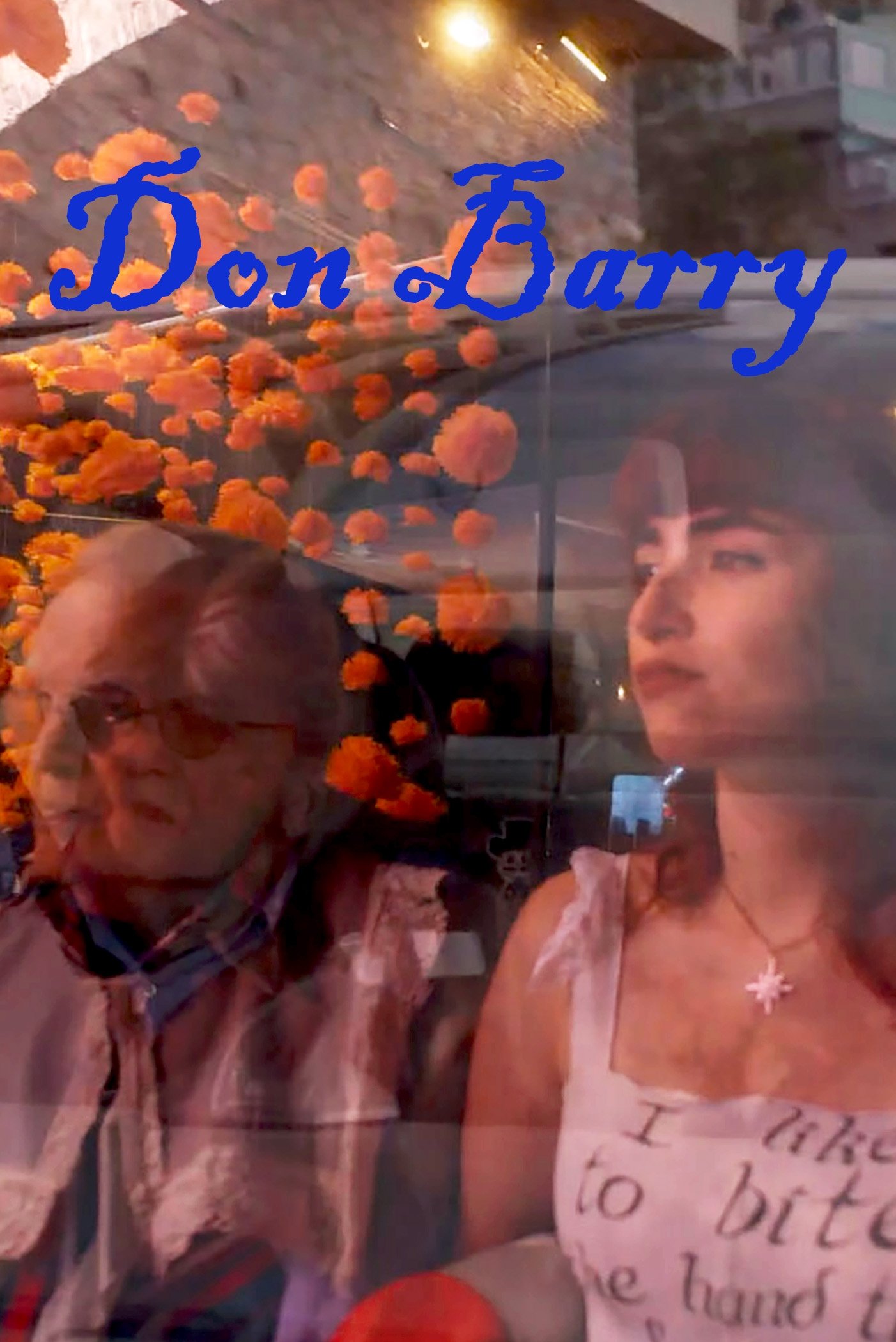
Amid Guanajuato's vibrant streets, an aging filmmaker becomes a modern Don Quixote, joined by a spirited young animator as his loyal Sanchia. Together, they navigate themes of mortality, unfulfilled dreams, and the fragile line between madness and clarity, uncovering the transformative power of light, art, and the landscapes that shape our souls.
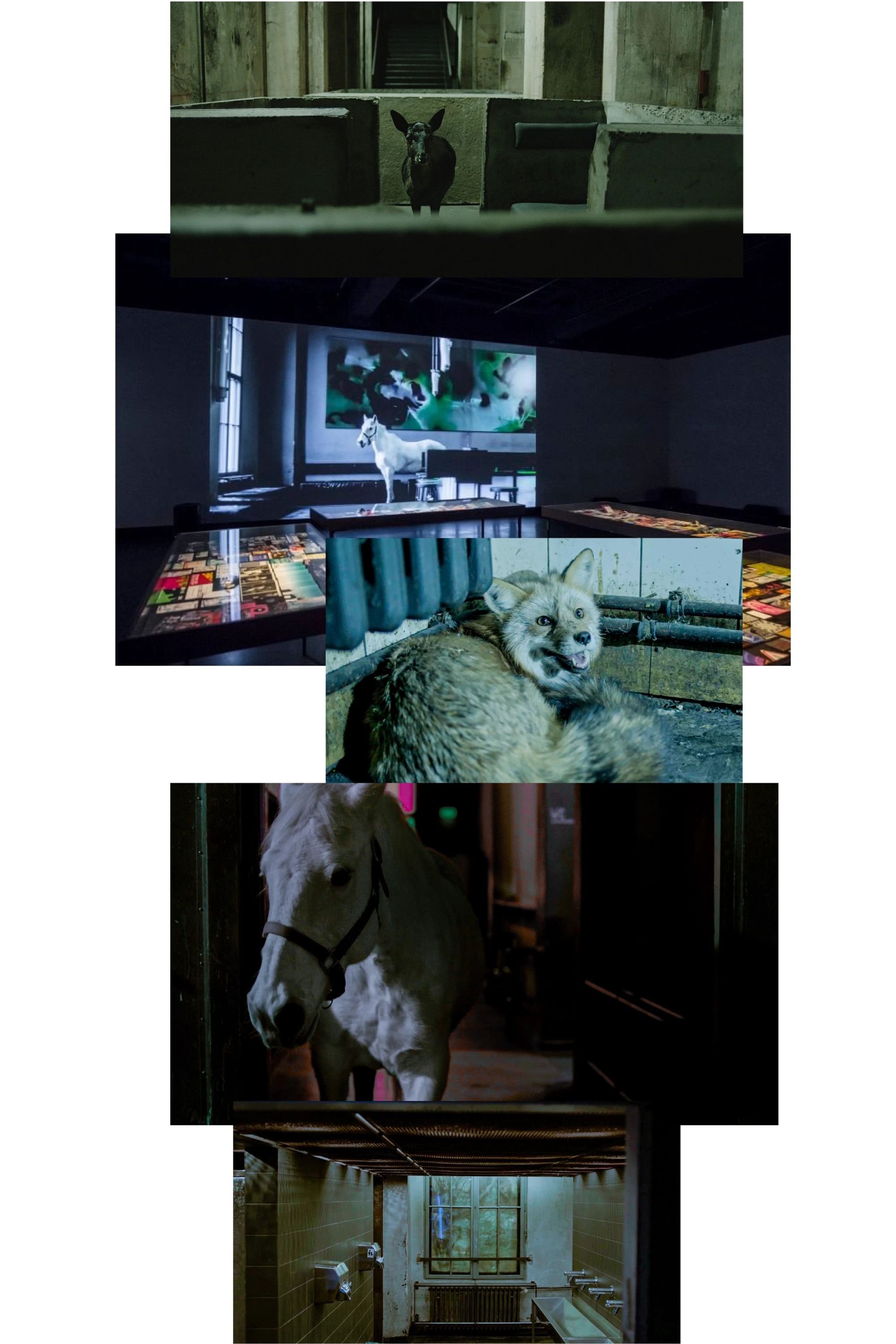
Something strange and unpredictable takes inthe mysteriously vacant rooms of Berlin’s infamous Techno club Berghain. A group of wild animals occupy the monumental spaces of the former power station. We explore the building together with the animals and experience its dimensions from a new, nonhuman perspective. The brutality of the industrial architecture is confronted with the beauty of these shy creatures.
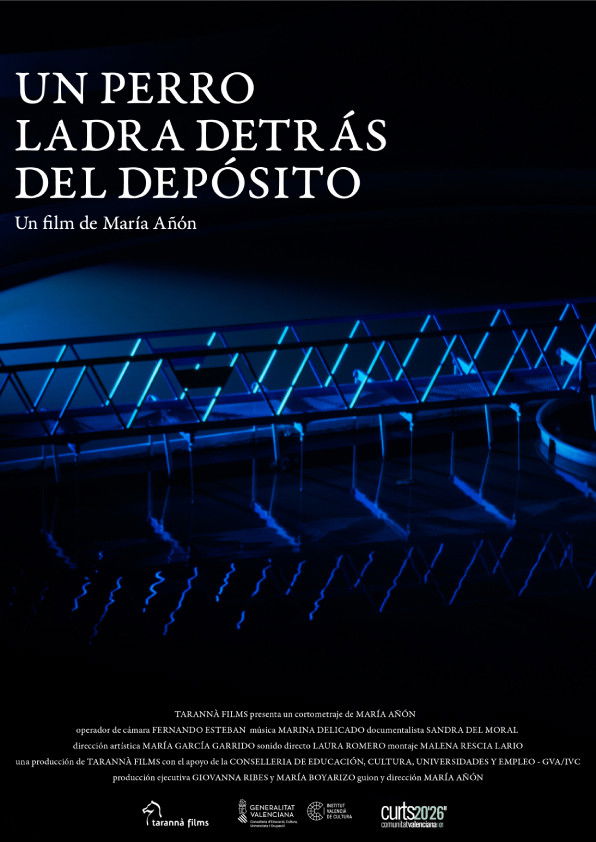
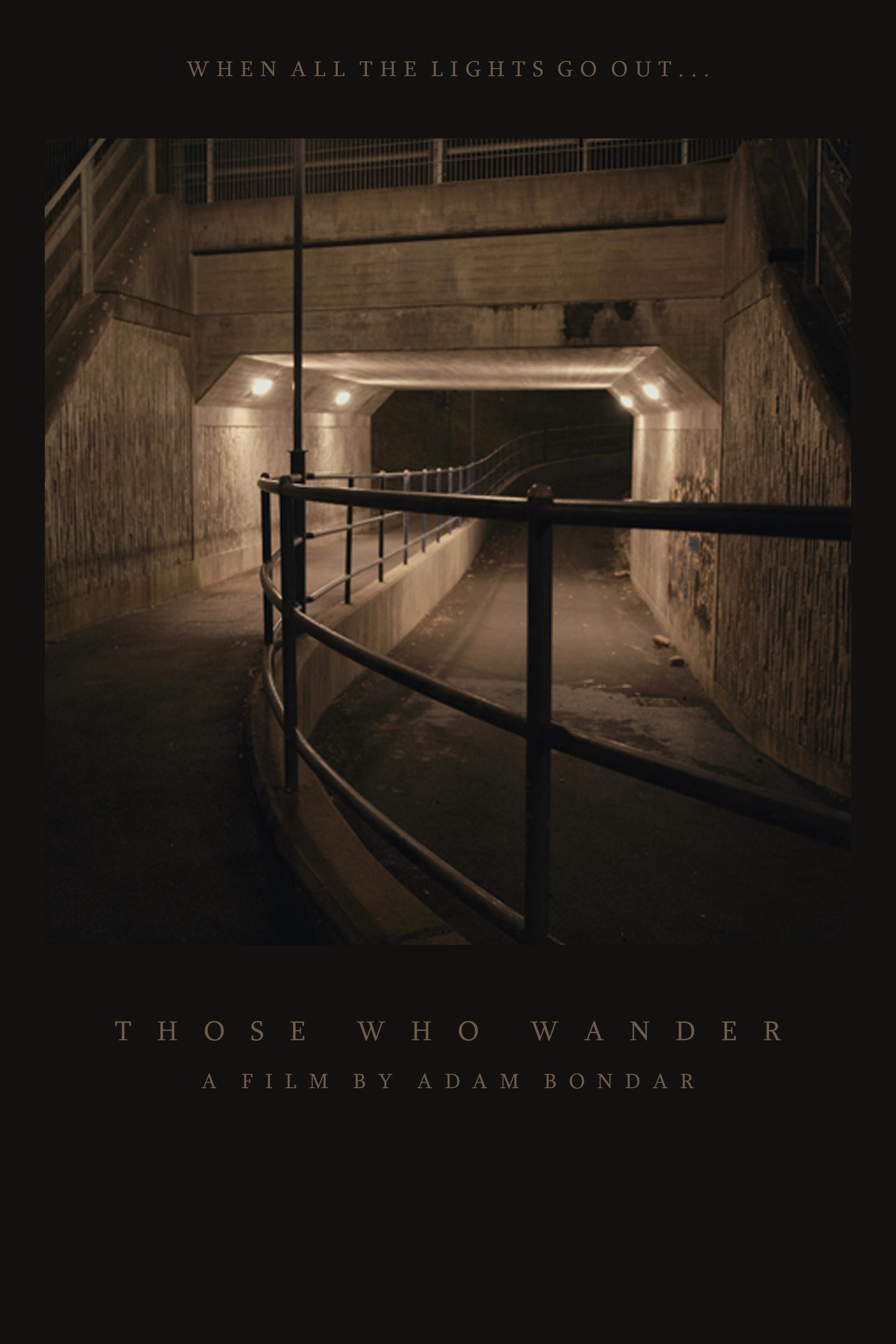
What are they? What do they seek? When all the lights go out, they will wander. And you will never see them.
A theoretical exercise can stem from a physical one: using the camera as if it was the vibrating device placed on the olive trees for the harvest of its fruit, the final result is a series of original and intriguing images. The camera shakes, gets in and out of focus, and we don’t exactly know what is happening. At first this is a strange disorientation, but then you get used to it through the cyclical mechanical noise that joins the images. The words of a peaceful female voice allows you to frame the film: a visual exercise after all can also be free.
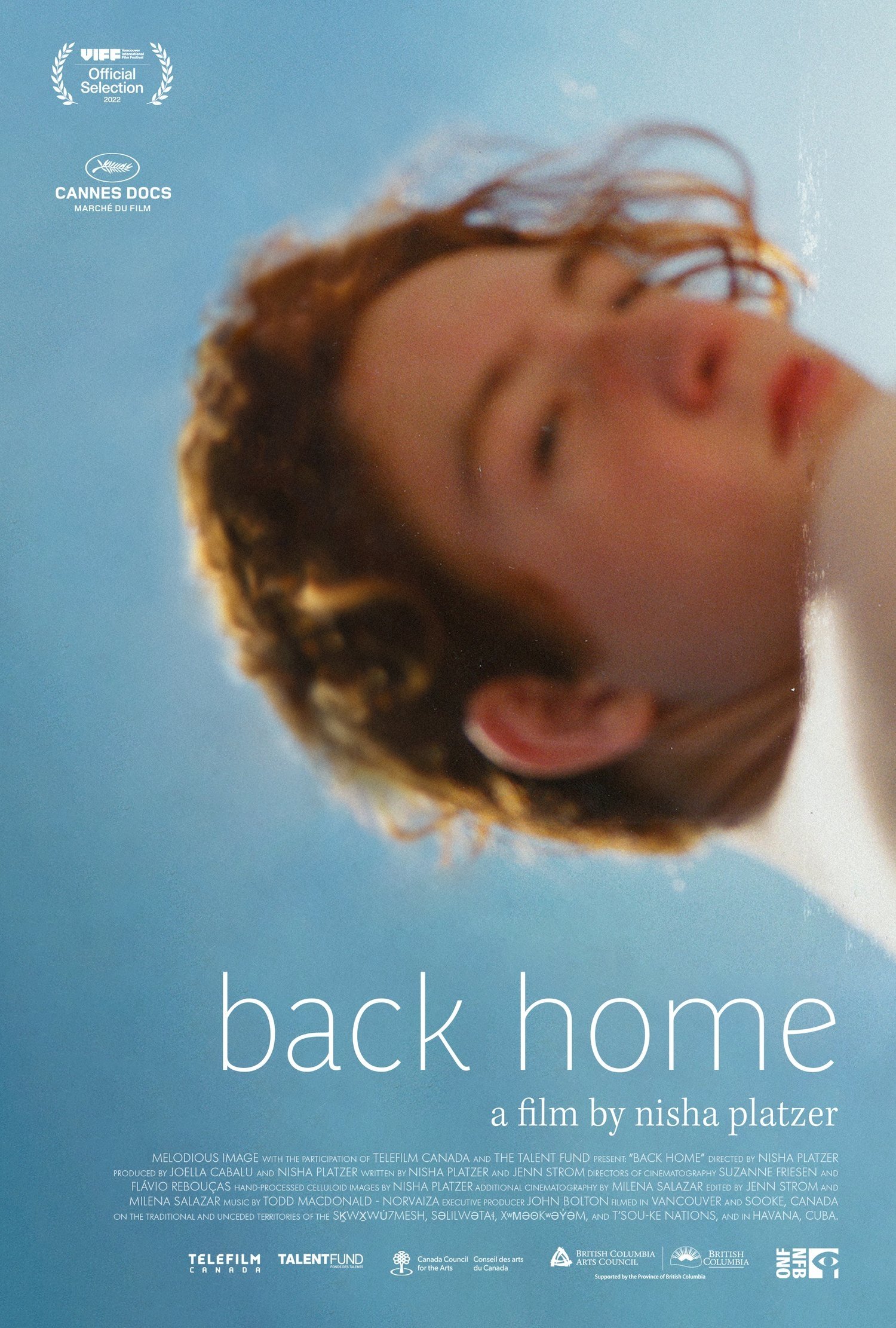
In 1999, 11-year-old Nisha Platzer lost her older brother, Josh, to suicide. Twenty years later, her search for a specialized medical treatment leads her to the door of someone who was once exceptionally close to Josh. And so it is that she finally has the chance to truly know her brother through his chosen family. Captured over five years in which synchronicities continually manifested, Platzer’s documentation of these encounters gently asserts that both grieving and healing are meant to be communal experiences.
Augusto M. Torres makes a tour of images in honor of the CIRCUS THEATER of Orihuela.
The day with the sky neither too blue nor too grey. With a hint of red. The train crowded and the backpacks between the feet. The loves on every corner, the ones we pretend not to see.
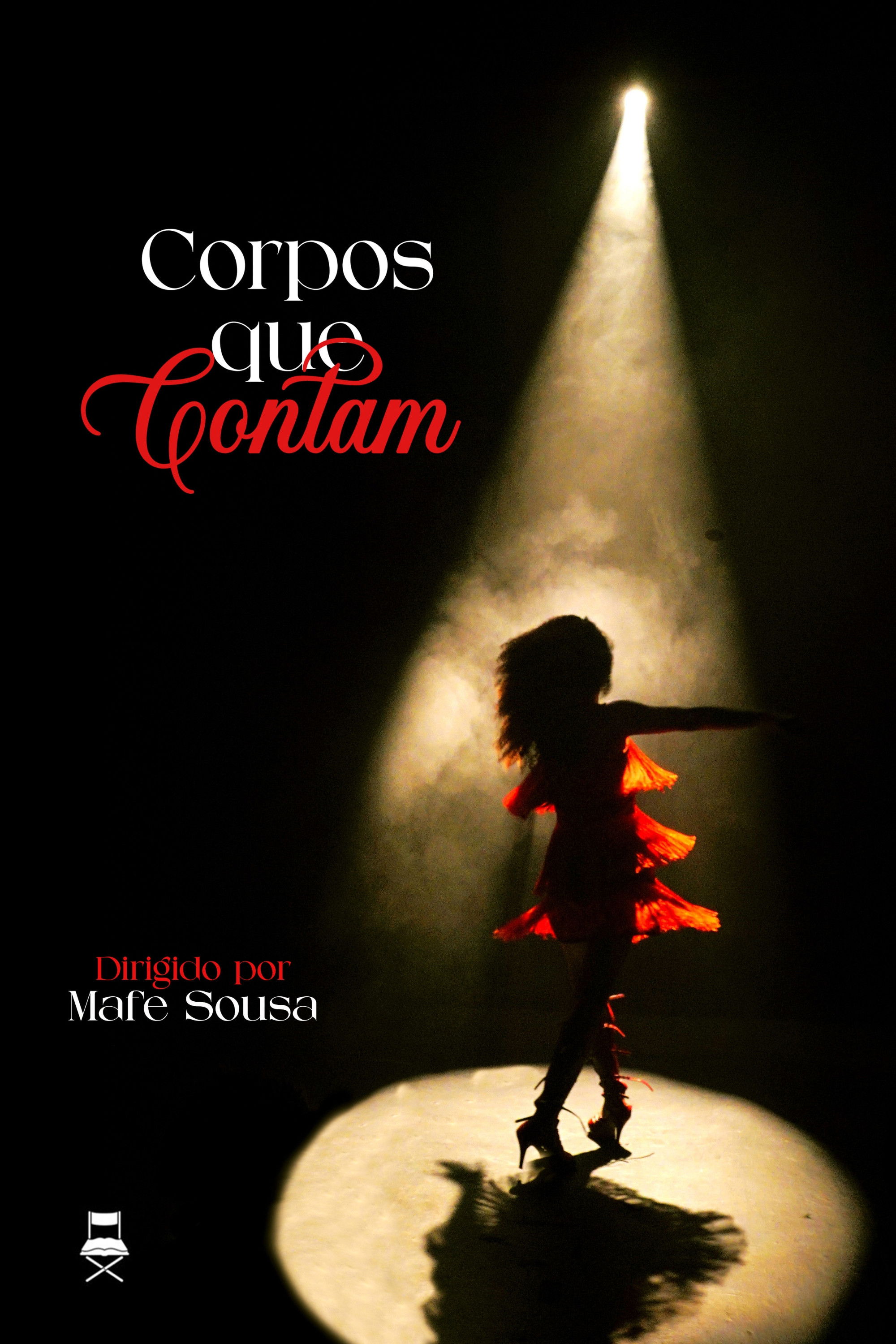
Samba, Popping, and Jazz. Through these dance styles and documentary interviews, Bodies That Tell Stories seeks to discuss the standardization and whitening of dances that had their roots in Black people.
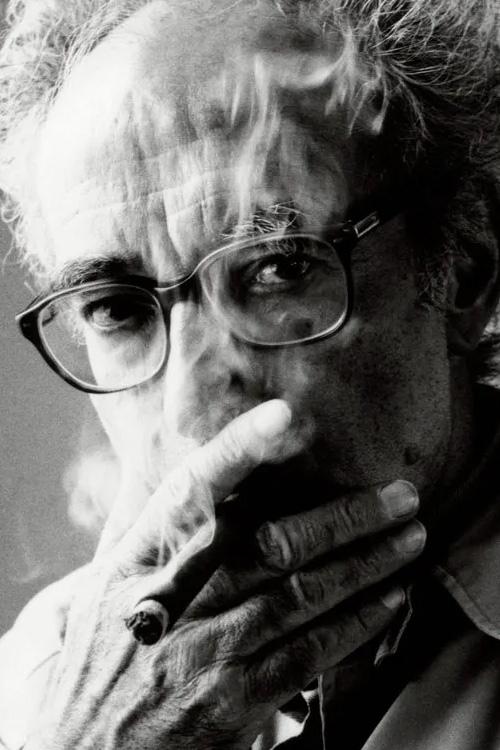
An experimental tribute to Jean-Luc Godard, his documentary works and his insights in our modern world.
Filmmakers Sam and Amy journey into rural Australia to explore how the legacy of an American legend has transmitted and warped itself over time, and across the globe, resulting in the 30th annual Parkes Elvis Festival.
A visual montage portrait of our contemporary world dominated by globalized technology and violence.
Alexander McQueen's rags-to-riches story is a modern-day fairy tale, laced with the gothic. Mirroring the savage beauty, boldness and vivacity of his design, this documentary is an intimate revelation of McQueen's own world, both tortured and inspired, which celebrates a radical and mesmerizing genius of profound influence.
SEDUCED AND ABANDONED combines acting legend Alec Baldwin with director James Toback as they lead us on a troublesome and often hilarious journey of raising financing for their next feature film. Moving from director to financier to star actor, the two players provide us with a unique look behind the curtain at the world's biggest and most glamourous film festival, shining a light on the bitter-sweet relationship filmmakers have with Cannes and the film business. Featuring insights from directors Martin Scorsese, 'Bernando Bertolucci' and Roman Polanski; actors Ryan Gosling and Jessica Chastain and a host of film distribution luminaries.
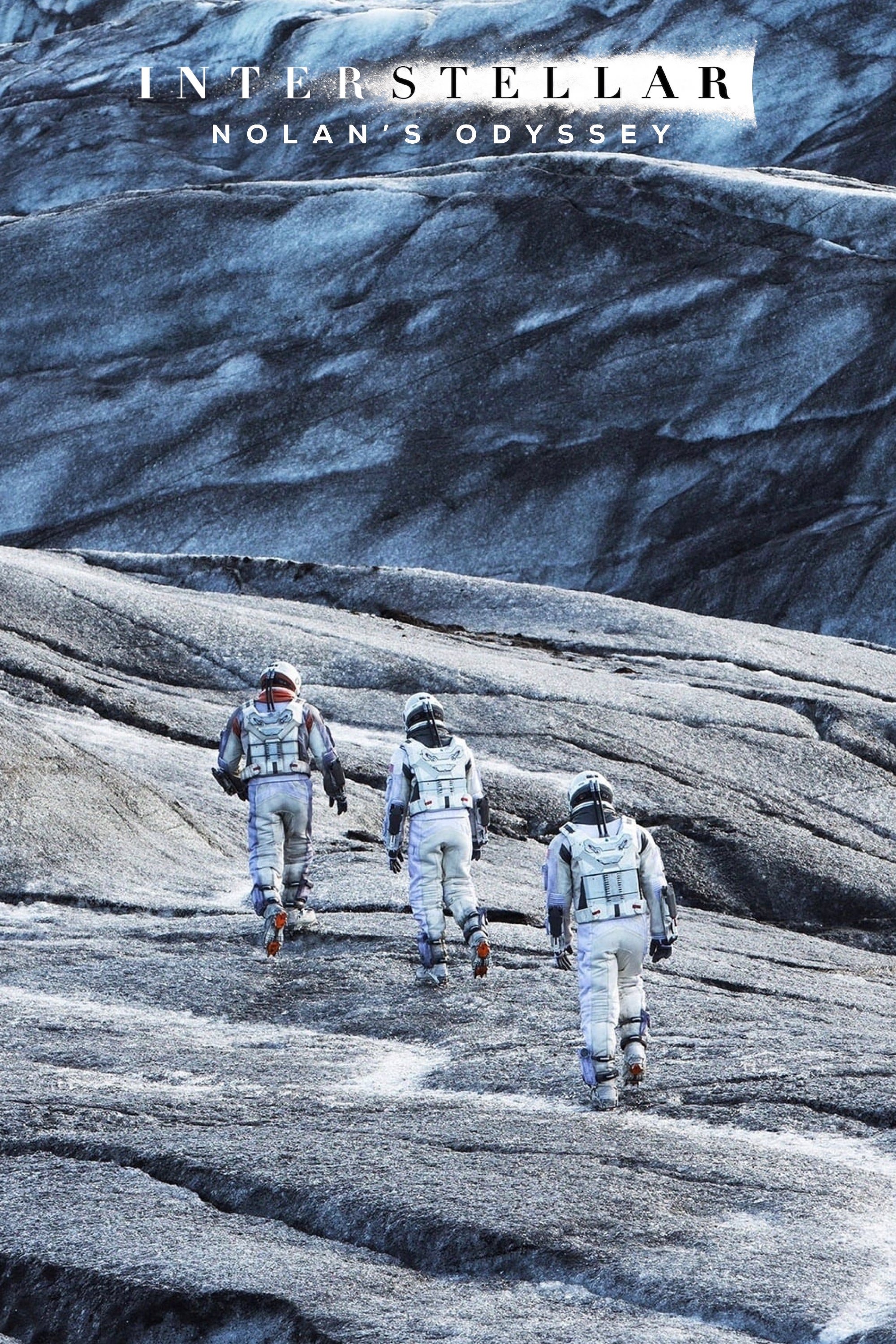
A look behind the lens of Christopher Nolan's space epic.
A documentary about the life and films of director John Ford.
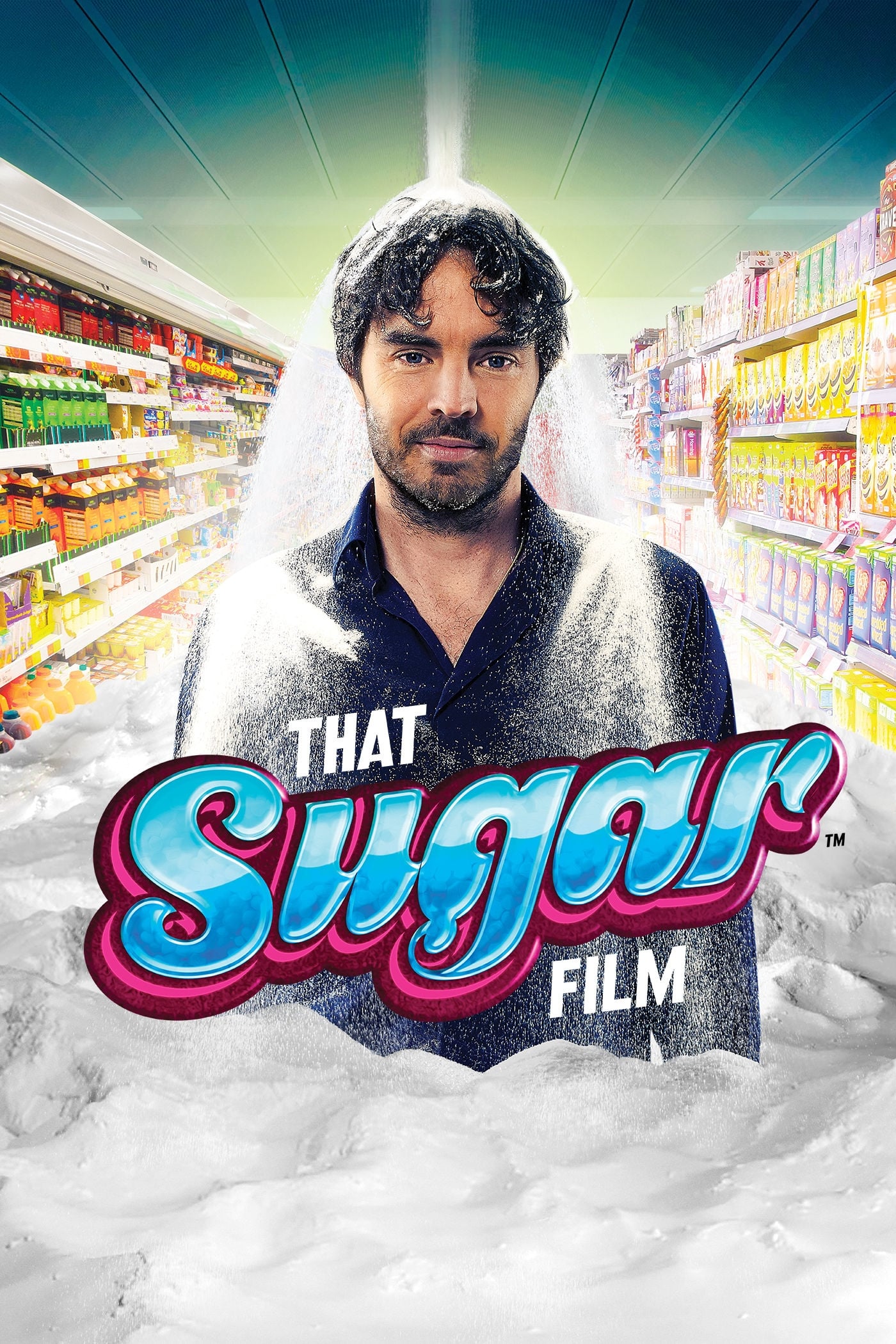
One man's journey to discover the bitter truth about sugar. Damon Gameau embarks on a unique experiment to document the effects of a high sugar diet on a healthy body, consuming only foods that are commonly perceived as 'healthy'. Through this entertaining and informative journey, Damon highlights some of the issues that plague the sugar industry, and where sugar lurks on supermarket shelves.
A documentary on the expletive's origin, why it offends some people so deeply, and what can be gained from its use.
In an intimate and joyful story of love in the face of loss, celebrated poets Andrea Gibson and Megan Falley find strength—and unexpected hilarity—in what might be their final year together.
Through deeply personal interviews with her siblings and an examination of the photographs, letters, and belongings left behind, Mariska assembles a new portrait of her mother Jayne Mansfield, an extraordinary and complex woman.
Filmed over nearly five years in twenty-five countries on five continents, and shot on seventy-millimetre film, Samsara transports us to the varied worlds of sacred grounds, disaster zones, industrial complexes, and natural wonders.
Amber Heard and Nicole Kidman discuss their characters Mera and Atlanna.
The film follows adventurer Jeff Johnson as he retraces the epic 1968 journey of his heroes Yvon Chouinard and Doug Tompkins to Patagonia.
A compilation of over 30 years of private home movie footage shot by Lithuanian-American avant-garde director Jonas Mekas, assembled by Mekas "purely by chance", without concern for chronological order.
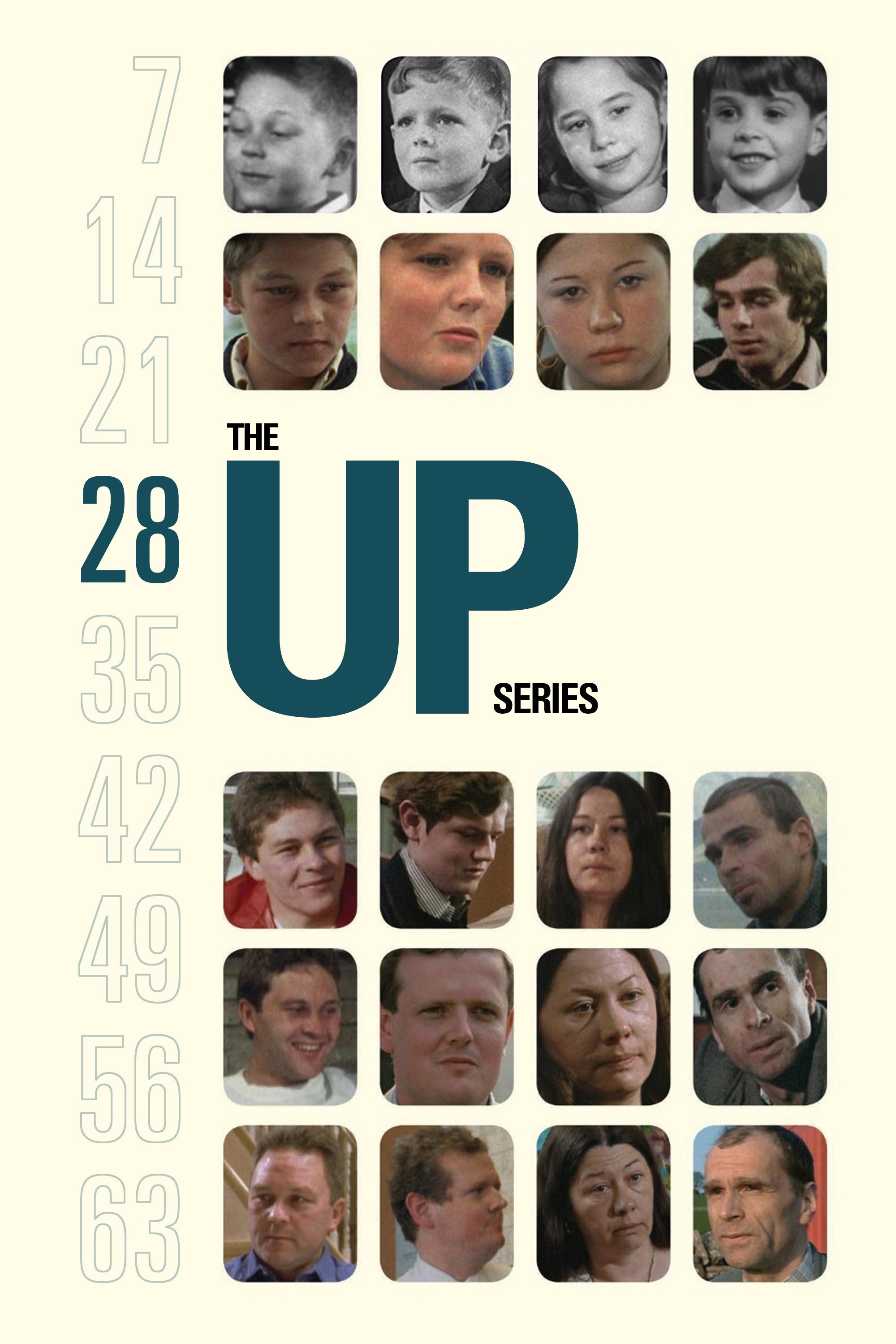
Just two years away from turning 30, participants in Michael Apted's documentary series are facing serious questions of identity and purpose, wondering whether they've found their place in the world.
A string of threatening emails escalates into a revenge plot involving a newly married US marshal and his ex-girlfriend.
A look at the origins, history and conspiracies behind the "Majestic 12", a clandestine group of military and corporate figureheads charged with reverse-engineering extraterrestrial technology.
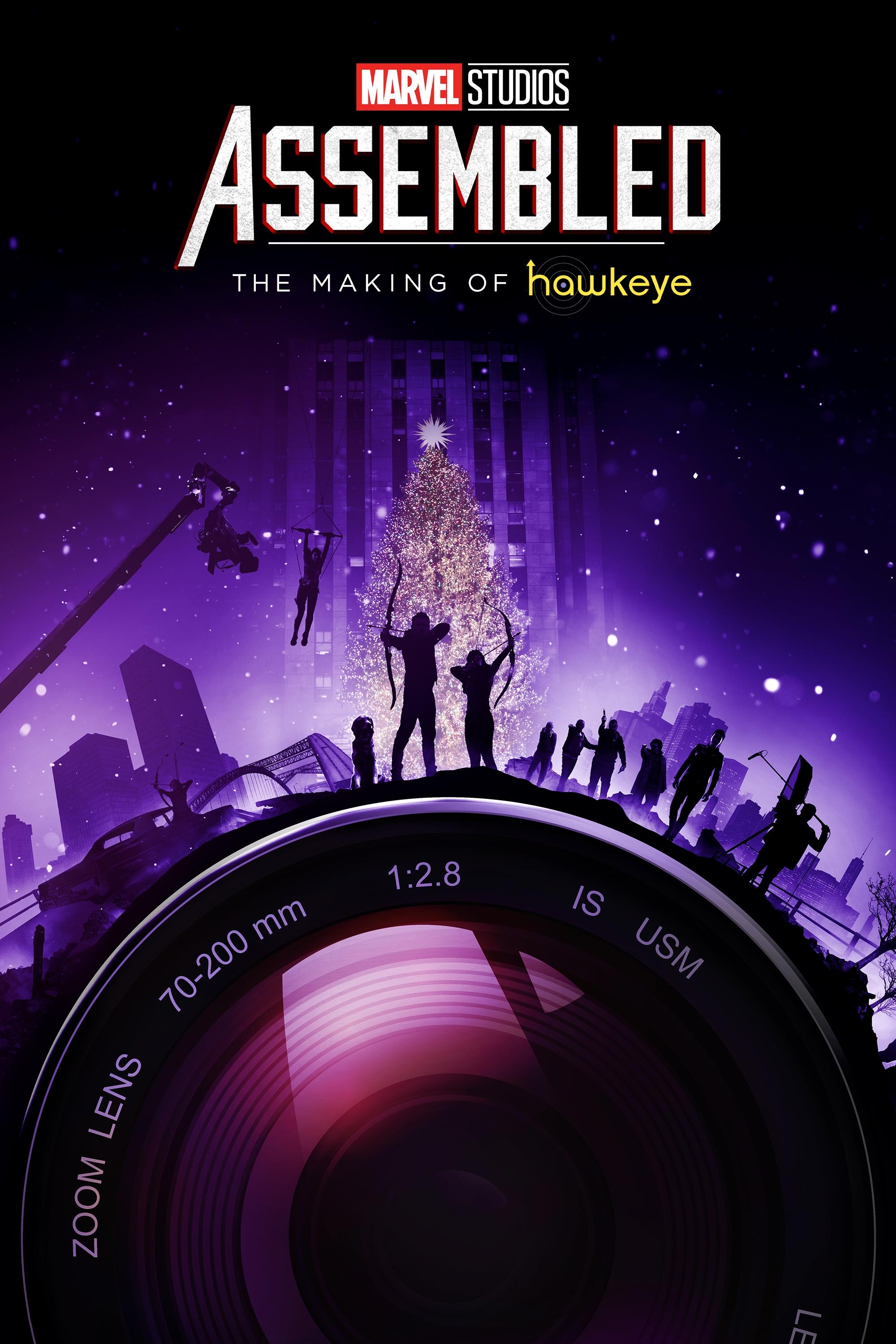
Join the likes of Jeremy Renner, Hailee Steinfeld, Florence Pugh, and Vincent D’Onofrio as they reveal how Marvel Studios’ “Hawkeye” was conceived and created. Witness firsthand what it took to pull off the show’s pulse-pounding action set pieces, and discover how iconic characters from the pages of Marvel Comics such as Kate Bishop were adapted and brought to life for the six-episode series.
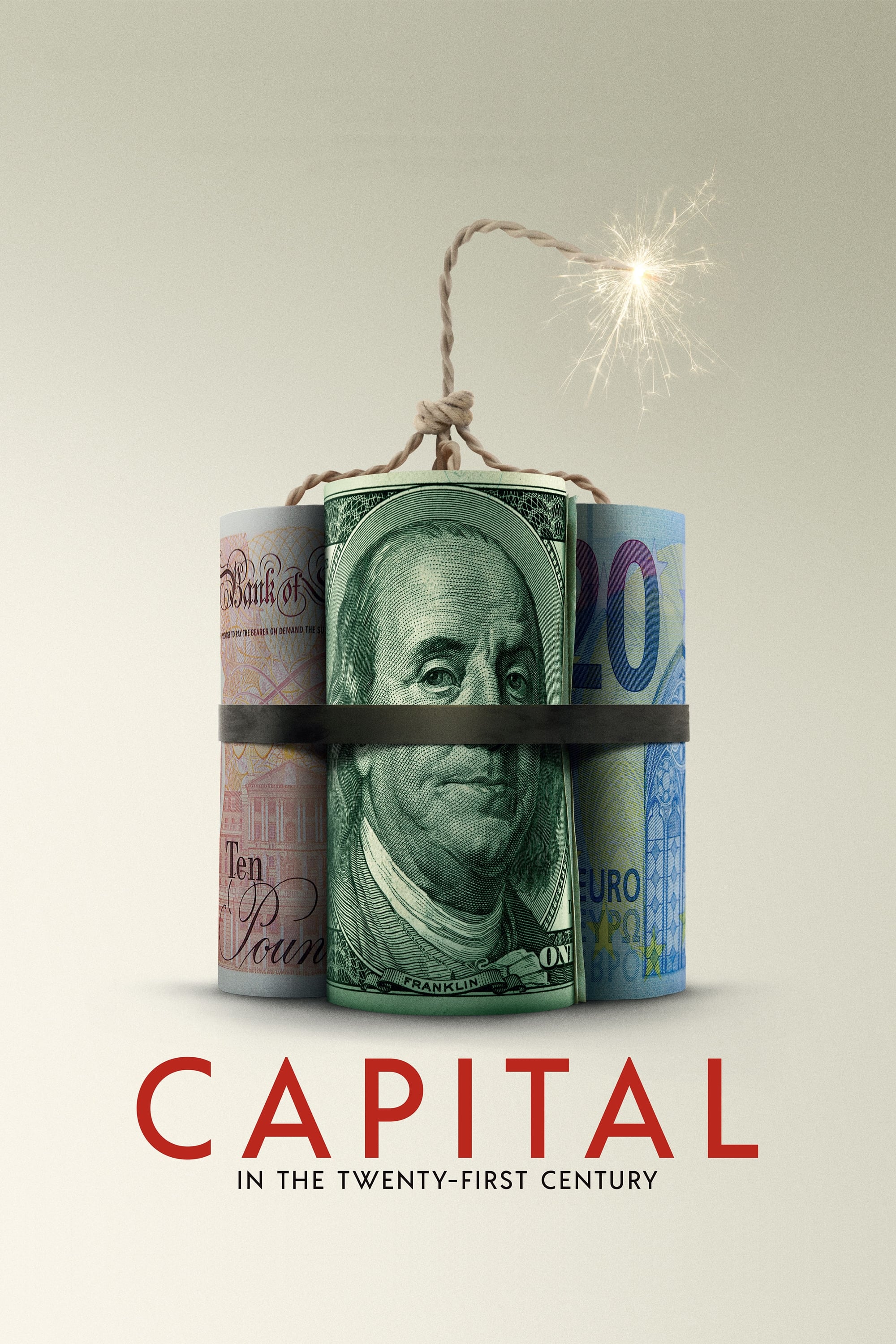
Film adaptation of French economist Thomas Piketty's ground-breaking global bestseller of the same name: an eye-opening journey through wealth and power.
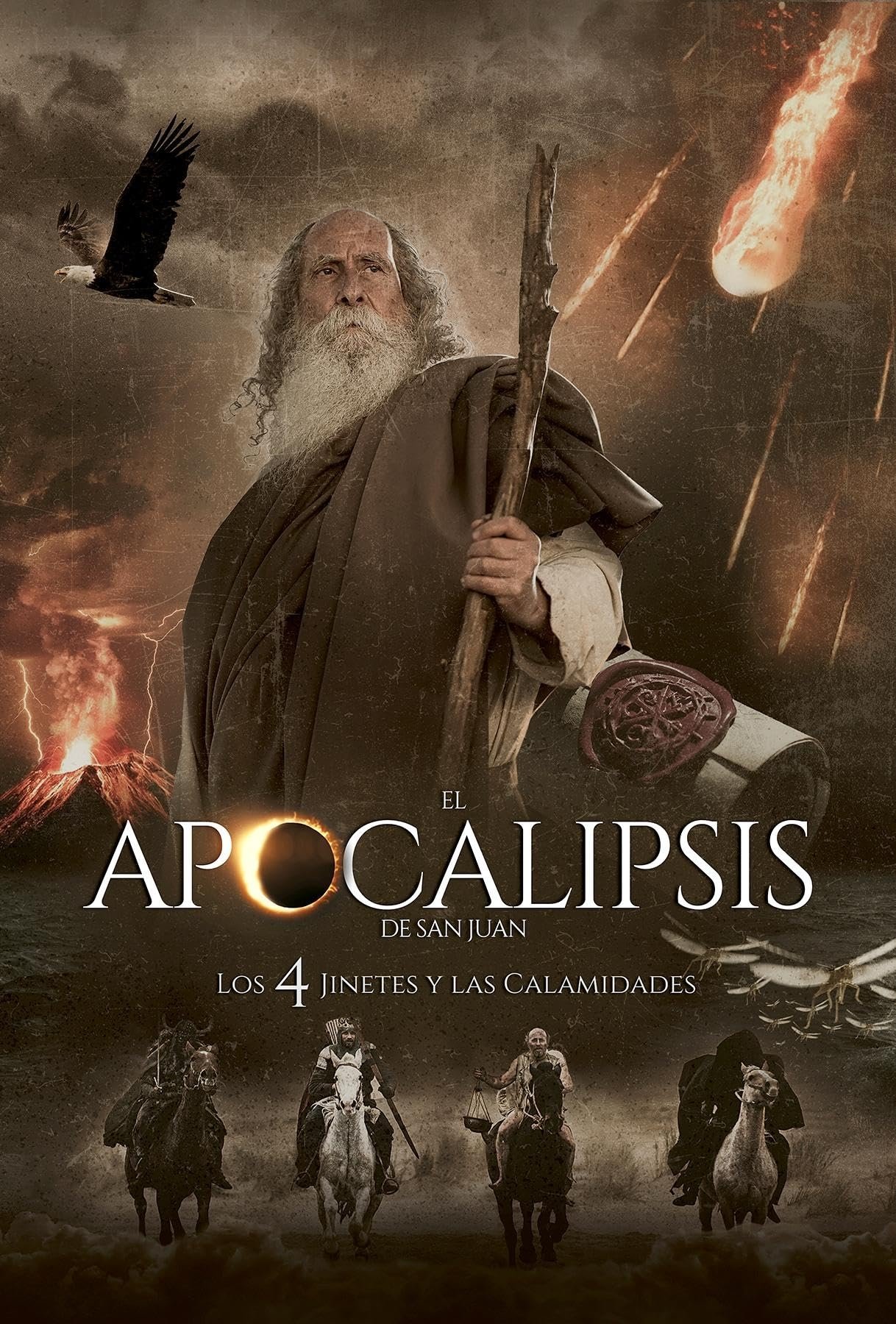
Embark on an epic journey through time and faith with 'The Apocalypse of Saint John.' Join the Apostle John in a stunning visual narrative that unravels the visions of the End Times. Experience each vision like never before, with striking visual effects and epic scenes that immerse you in the apocalyptic narrative.
An inside look at one of the most anticipated movie sequels ever with James Cameron and cast.