A short silent film from 1914 about the Chrysanthemum flower.
Social & External
Chris Marker and François Reichenbach document the massive anti–Vietnam War protest held in Washington, D.C., on October 21, 1967, where more than 100,000 demonstrators gathered at the Lincoln Memorial before marching on the Pentagon. Filmed amid the crowd, the short captures the tension, idealism, and growing radicalism of the American peace movement.
Exploring the art of Armenian portraitist Hakob Hovnatanyan, Parajanov revives the culture of Tbilisi of the 19th century.
Working men and women leave through the main gate of the Lumière factory in Lyon, France. Filmed on 22 March 1895, it is often referred to as the first real motion picture ever made, although Louis Le Prince's 1888 Roundhay Garden Scene pre-dated it by seven years. Three separate versions of this film exist, which differ from one another in numerous ways. The first version features a carriage drawn by one horse, while in the second version the carriage is drawn by two horses, and there is no carriage at all in the third version. The clothing style is also different between the three versions, demonstrating the different seasons in which each was filmed. This film was made in the 35 mm format with an aspect ratio of 1.33:1, and at a speed of 16 frames per second. At that rate, the 17 meters of film length provided a duration of 46 seconds, holding a total of 800 frames.
Kevin Jerome Everson's single-take film of a street hustler's sleight-of-hand game takes its place in a rowdy crowd of onlookers. The camera stays focused on the man's fleet fingers while the audio is glued to his gift of gab: "Keep your eyes on that little red dot if you want to win cold cash money on the spot." Every bit the performer, the hustler makes us wonder whether the film itself might be a kind of shell game (with the seemingly raw immediacy of the shot concealing its artistic intentionality). - Max Goldberg
One of several Kevin Jerome Everson pieces regarding African-American rodeo riders, SECOND PLACE brings us inside the big show. The jerkily pixilated view of a bucking bull offers an aesthetic equivalent of the cowboy's wild ride while the film's silence lends an unexpected repose to the contest. Whether anticipating a bull's blasting out of the gate or watching an old hand stretch out his back, Everson's camera is ever-attentive to the action at the edge of the frame. - Max Goldberg
Radiating the radical simplicity of a Lumière actuality, THE MAYBERRY PRACTICE CALF shows an African-American cowboy roping a hunk of tire again and again. "Calf roping is a discipline," Kevin Jerome Everson told an interviewer. "People practice it, they know the language of it and they know how to do it." Everson's camera evinces a comparable degree of discipline, with a single long take functioning as a montage through the serial repetition of the cowboy's action. We may wonder if we're watching a loop but gradually our eyes are drawn to small variations. Practice makes perfect. - Max Goldberg
A film about a young woman's future plans in Munich, Germany. MUNCHEN, RAPHAELA (also known as RAPHAELA RING MUNCHEN) is part of Mike Plante's Lunchfilm series of commissioned shorts (made for the cost of a lunch between Plante and filmmaker Kevin Jerome Everson).
This documentary film is about one of Georgia's regions - Racha. The title of the film is taken from the name of one of Racha's high mountain villages. It tells about the poorest in society living in the mountains and the rise of the SSSR. The product of a remarkable collaboration between the first Georgian female filmmaker and the leading Georgian avant-garde artist David Kakabadze.
A tribute to the late Pat Schulz, an influential Canadian feminist.
As daylight breaks between the border cities of El Paso, Texas, and Juarez, Mexico, undocumented migrants and their relatives, divided by a wall, prepare to participate in an activist event. For three minutes, they’ll embrace in no man’s land for the briefest and sweetest of reunions.
An insight into the creative process of photographer Brigitte Lacombe, exploring her obsession with taking pictures and how her lens defines her relationship with her subjects and the world.
Having Cuba as a background, decadent and in crisis, in a black-and-white lacerated by the Caraibic swinging rain, Alex and Edith, a couple in their 30s, live their love story made of small daily gestures, stories from the past, nostalgia, and a deep intimacy.
Short for his website, kickthemachine.
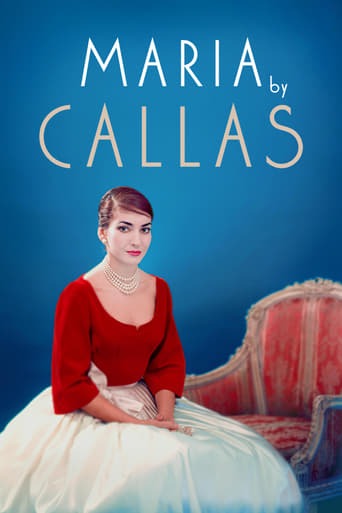
Short 18 minute film about QM and her last Transatlantic voyage from New York to Southampton. Joan Crawford makes an appearance and also narrates the first part of the film.
Underscored by French film legend Delphine Seyrig’s evocative recitation of a Henri Michaux poem, Maureen Fazendeiro’s film is a mysterious, multi-textured portrait of eclipse spectators in Portugal.
This documentary observes the conversations, primping and camaraderie that take place in the women's bathroom of a nightclub over the course of a night.
This short documentary shows Canada's top swimmers in training for the 1964 Olympic Games. Under the critical eye of coach Ed Healy, they practice long hours in the gym and in the pool to build strength and stamina.
Documentary about the creative process of photographer Lua Morales, produced by the studio Bad Chinchilla.
This short celebrates the 20th anniversary of MGM. Segments are shown from several early hits, then from a number of 1944 releases.
Promotion reel/souvenir of a 1939-40 meeting of the Paramount Studios sales people.
The film is a panorama shot-scene lasting just under a minute. The panorama film, as coined by Lumière, is a moving-camera shot--usually accomplished by placing the camera on a moving transport, such as a boat or train.
Angelic and demonic serpentine dance from dawn of cinema. Hand-colored frame by frame. Lumière no. 765 or 765.1 (colorized, different dancer?).
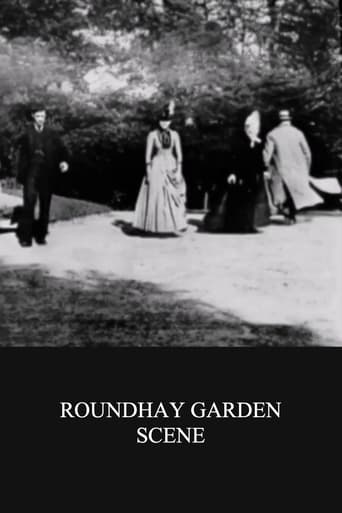
The earliest surviving motion-picture film, and believed to be one of the very first moving images ever created, was shot by Louis Aimé Augustin Le Prince using the LPCCP Type-1 MkII single-lens camera. It was taken on paper-based photographic film in the garden of Oakwood Grange, the Whitley family house in Roundhay, Leeds, West Riding of Yorkshire (UK), on 14 October 1888. The film shows Adolphe Le Prince (Le Prince’s son), Mrs. Sarah Whitley (Le Prince’s mother-in-law), Joseph Whitley, and Miss Harriet Hartley walking around in circles, laughing to themselves, and staying within the area framed by the camera. Roundhay Garden Scene is often associated with a recording speed of around 12 frames per second and runs for about 2 to 3 seconds.
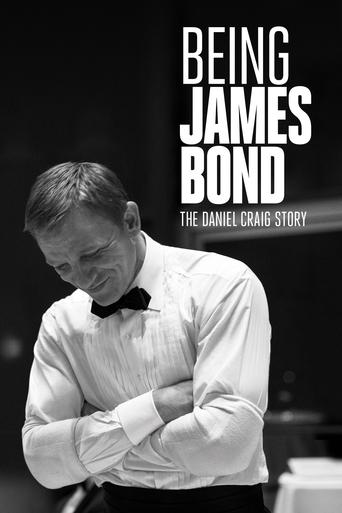
Daniel Craig candidly reflects on his 15 year adventure as James Bond. Including never-before-seen archival footage from Casino Royale to the upcoming 25th film No Time To Die, Craig shares his personal memories in conversation with 007 producers, Michael G Wilson and Barbara Broccoli.
A compilation of over 30 years of private home movie footage shot by Lithuanian-American avant-garde director Jonas Mekas, assembled by Mekas "purely by chance", without concern for chronological order.
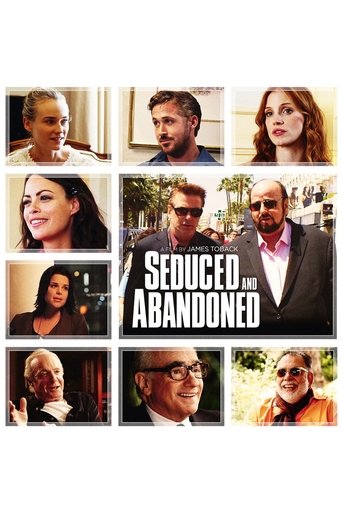
SEDUCED AND ABANDONED combines acting legend Alec Baldwin with director James Toback as they lead us on a troublesome and often hilarious journey of raising financing for their next feature film. Moving from director to financier to star actor, the two players provide us with a unique look behind the curtain at the world's biggest and most glamourous film festival, shining a light on the bitter-sweet relationship filmmakers have with Cannes and the film business. Featuring insights from directors Martin Scorsese, 'Bernando Bertolucci' and Roman Polanski; actors Ryan Gosling and Jessica Chastain and a host of film distribution luminaries.
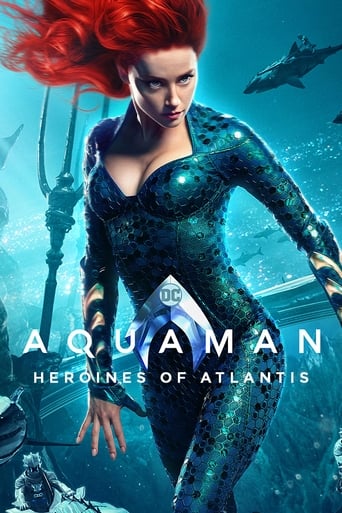
Amber Heard and Nicole Kidman discuss their characters Mera and Atlanna.
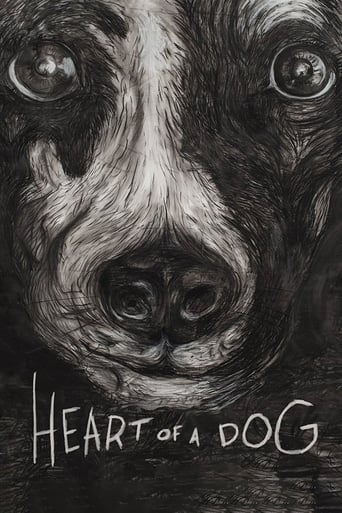
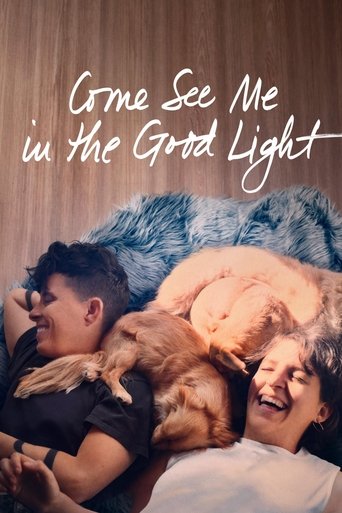
Lyrical and powerfully personal essay film that reflects on the deaths of her husband Lou Reed, her mother, her beloved dog, and such diverse subjects as family memories, surveillance, and Buddhist teachings.
A visual montage portrait of our contemporary world dominated by globalized technology and violence.
Women are lucky, they get to have the only organ in the human body dedicated exclusively for pleasure: the clitoris! In this humorous and instructive animated documentary, find out its unrecognized anatomy and its unknown herstory.
A celebration of the universe, displaying the whole of time, from its start to its final collapse. This film examines all that occurred to prepare the world that stands before us now: science and spirit, birth and death, the grand cosmos and the minute life systems of our planet.
An intimate portrait of the small shops and shopkeepers of the Rue Daguerre in Paris, a picturesque street that has been the filmmaker’s home for more than 50 years.
This character-driven film considers the evolving sex trafficking landscape as seen by the main players: the exploited, the pimps, the johns that fuel the business, and the cops who fight to stop it.
A detailing of the rise to prominence and global sporting superstardom of six supremely talented young Manchester United football players (David Beckham, Nicky Butt, Ryan Giggs, Paul Scholes, Phil and Gary Neville). The film covers the period 1992-1999, culminating in Manchester United's European Cup triumph.
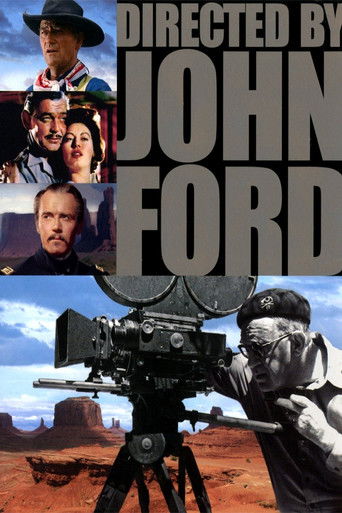
A documentary about the life and films of director John Ford.
A film shot during the summer of 1968 in Oakland, California around the meetings organised by the Black Panthers Party to free Huey Newton, one of their leaders, and to turn his trial into a political debate. They tried and succeeded in catching America’s attention.
Filmmaking icon Agnès Varda, the award-winning director regarded by many as the grandmother of the French new wave, turns the camera on herself with this unique autobiographical documentary. Composed of film excerpts and elaborate dramatic re-creations, Varda's self-portrait recounts the highs and lows of her professional career, the many friendships that affected her life and her longtime marriage to cinematic giant Jacques Demy.
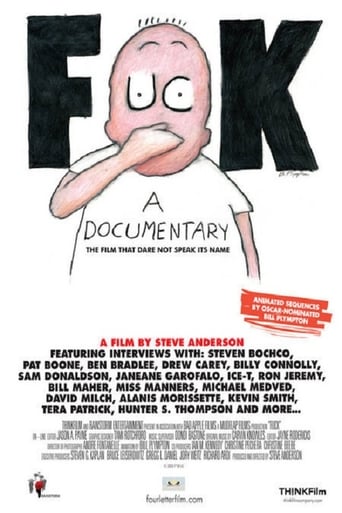
A documentary on the expletive's origin, why it offends some people so deeply, and what can be gained from its use.
Featuring interviews with filmmakers and industry legends, discover the origins and evolution of The Joker, and learn why The Clown Prince of Crime is universally hailed as the greatest comic-book supervillain of all time.