Social & External
Himself
Herself
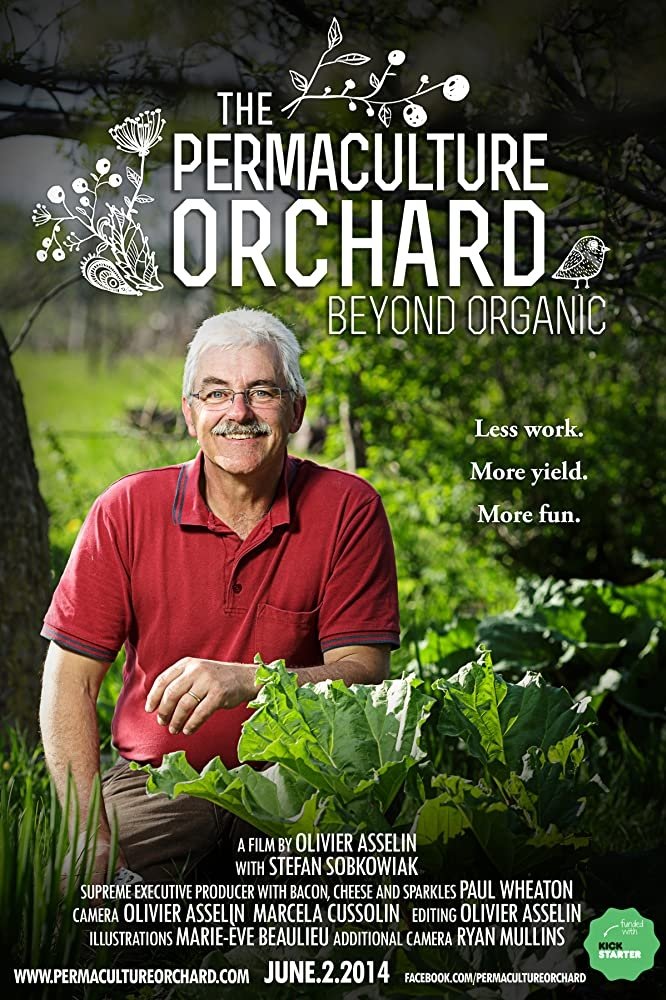
This feature-length educational film teaches you how to set up your own permaculture orchard at virtually any scale. We recognize the limitations of the organic model as a substitute to conventional fruit growing, and want to propose a more holistic, regenerative approach based on permaculture principles. Based on 20 years of applied theory and trial and error, biologist and educator Stefan Sobkowiak shares his experience transforming a conventional apple orchard into an abundance of biodiversity that virtually takes care of itself. The concepts, techniques and tips presented in this film will help you with your own project, whether it is just a few fruit trees in your urban backyard, or a full-scale multi-acre commercial orchard.
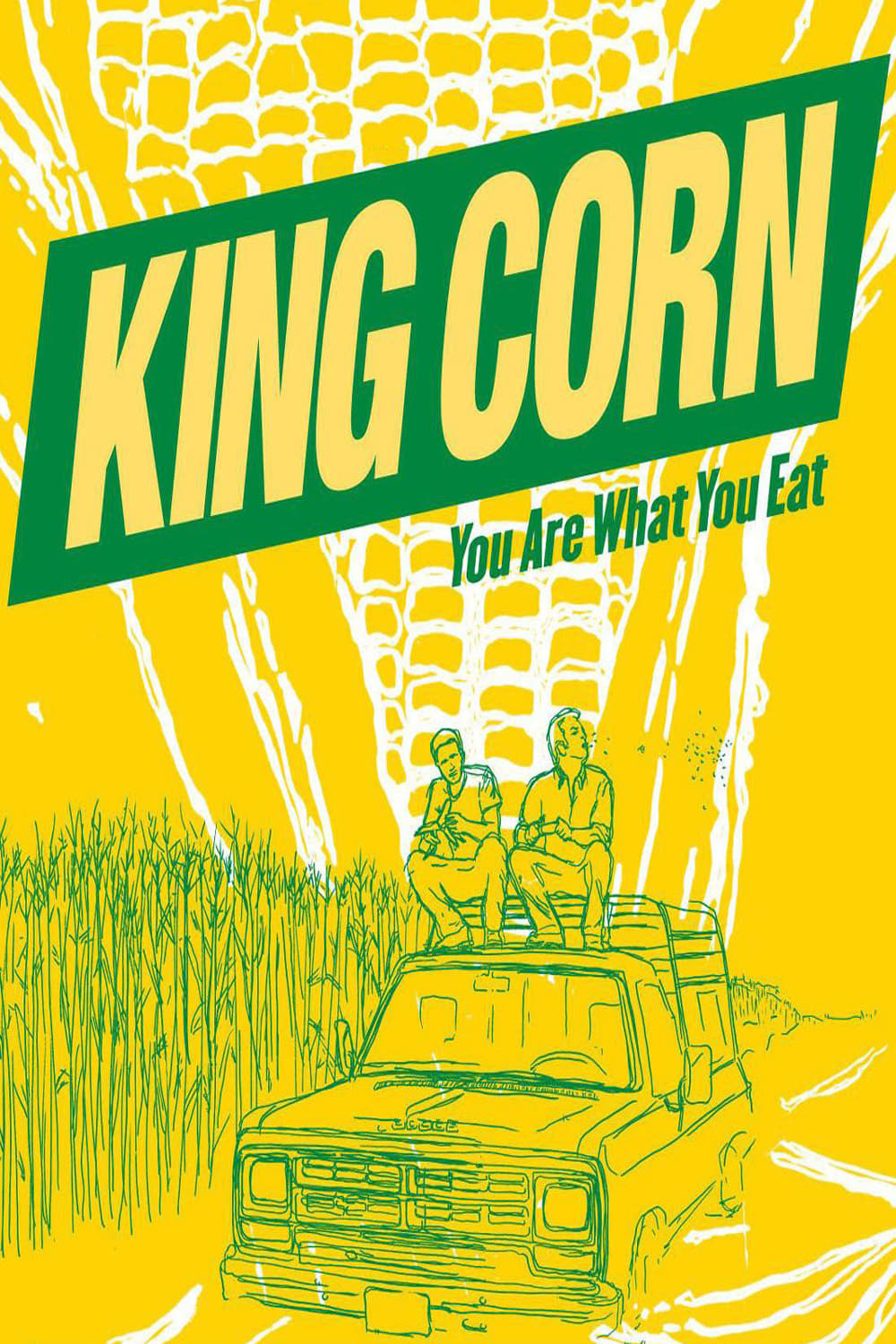
King Corn is a fun and crusading journey into the digestive tract of our fast food nation where one ultra-industrial, pesticide-laden, heavily-subsidized commodity dominates the food pyramid from top to bottom – corn. Fueled by curiosity and a dash of naiveté, two college buddies return to their ancestral home of Greene, Iowa to figure out how a modest kernel conquered America. With the help of some real farmers, oodles of fertilizer and government aide, and some genetically modified seeds, the friends manage to grow one acre of corn. Along the way, they unlock the hilarious absurdities and scary but hidden truths about America’s modern food system in this engrossing and eye-opening documentary.
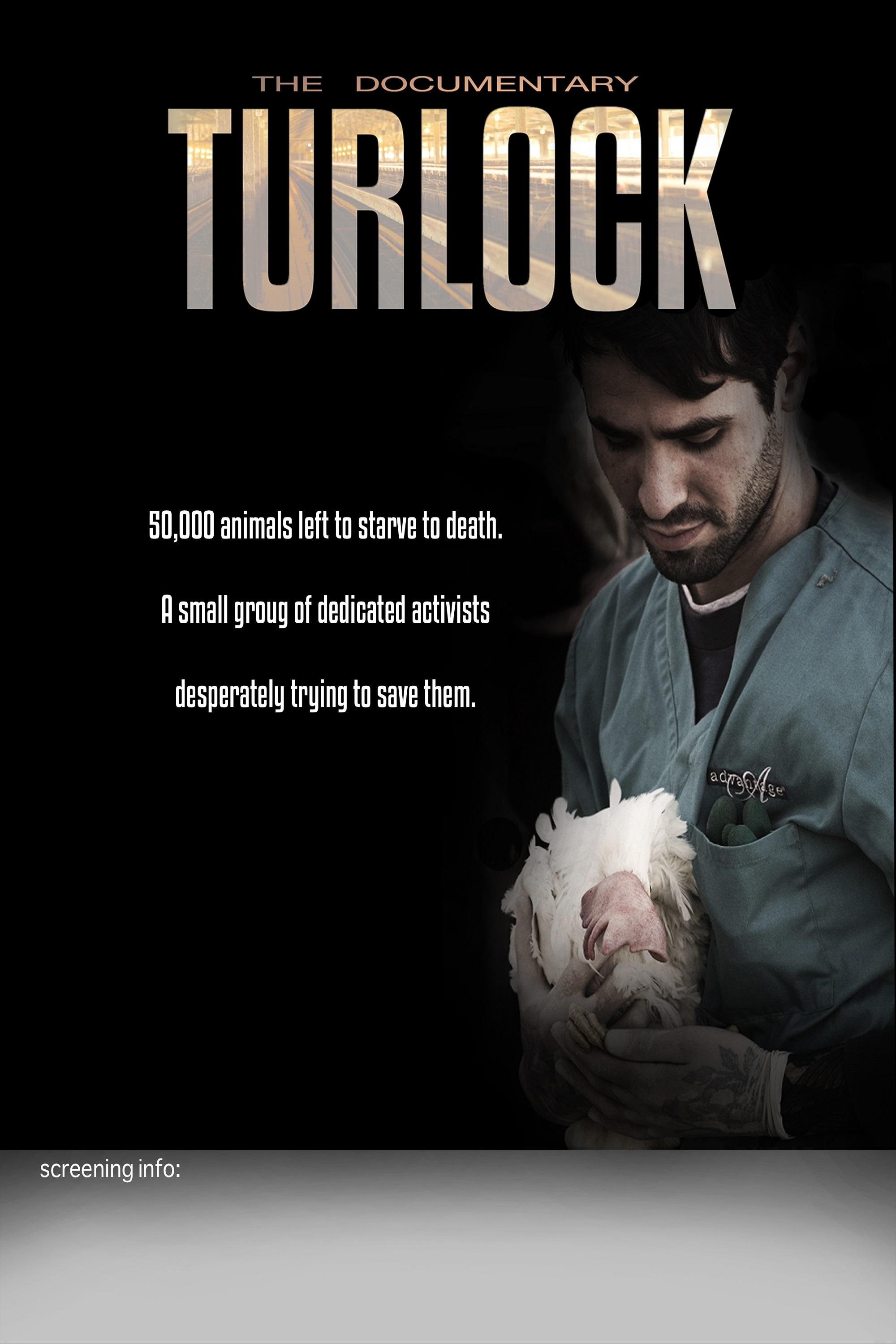
Turlock, chronicles the story of over 50,000 animals left to starve to death in Turlock California in February 2012. Faced with the largest animal neglect case in US history, ANIMAL PLACE, a sanctuary for farmed animals, puts everything on the line in an effort to save as many lives as possible. Through the emotional darkness of witnessing tremendous cruelty and neglect, rescuers find light in the fragile beings they are able to save. Produced by First Spark Media, Animal Place and a grant from The Pollination Project, the film delves into the reality of animal farming and raises questions about how we view non-human animals in our society today.
Sepp Holzer explains some of the innovative, labour-saving agricultural techniques he applies at his farm in the Eastern Alps of Salzburg, Austria.
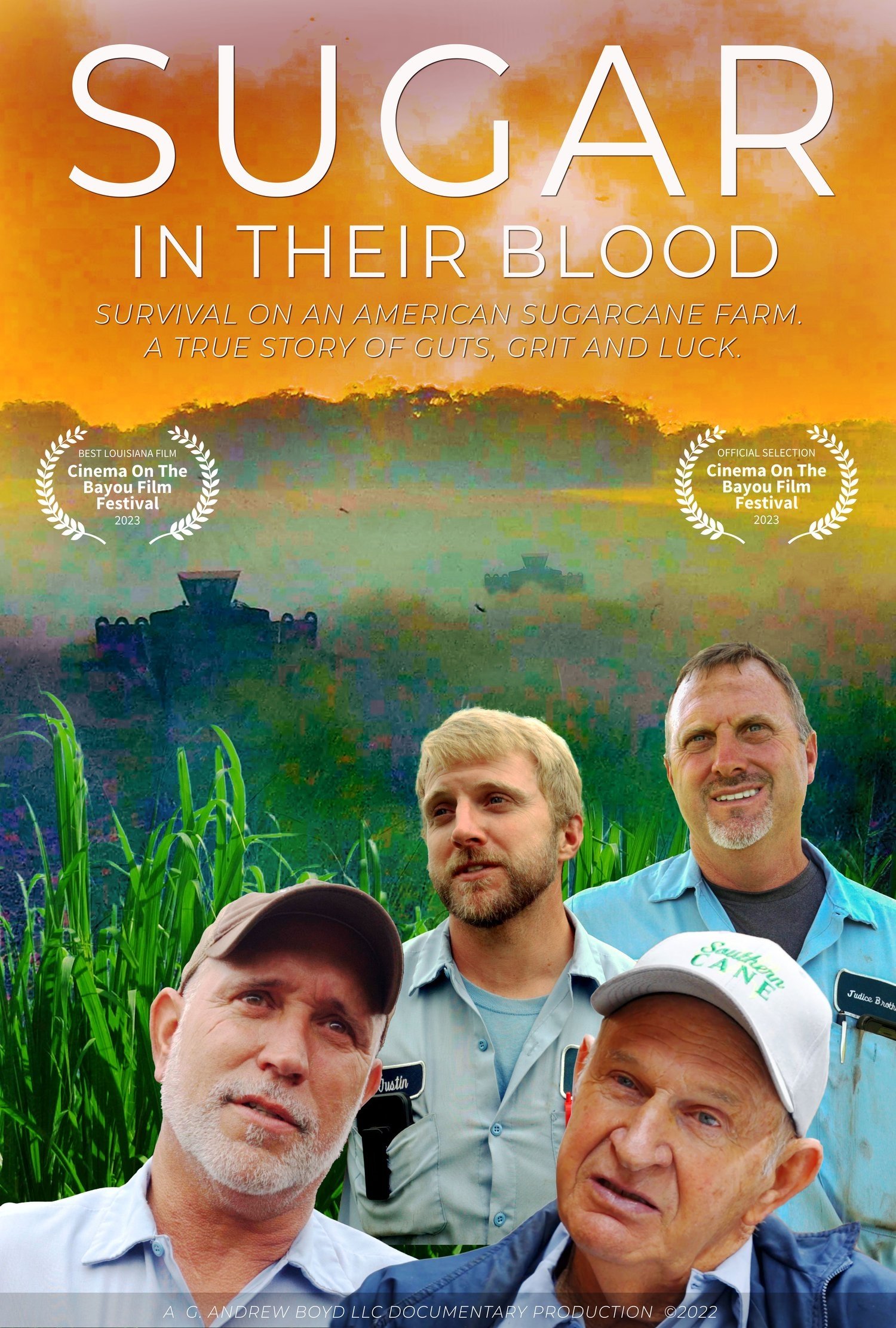
Mainly through the voice of family patriarch Joe Judice, Sugar in Their Blood follows a family of 7th generation Louisiana sugarcane farmers as they struggle with all of the challenges inherit in staying in business. It's a story of pride and resilience in the face of constantly changing conditions, both in terms of business and climate.
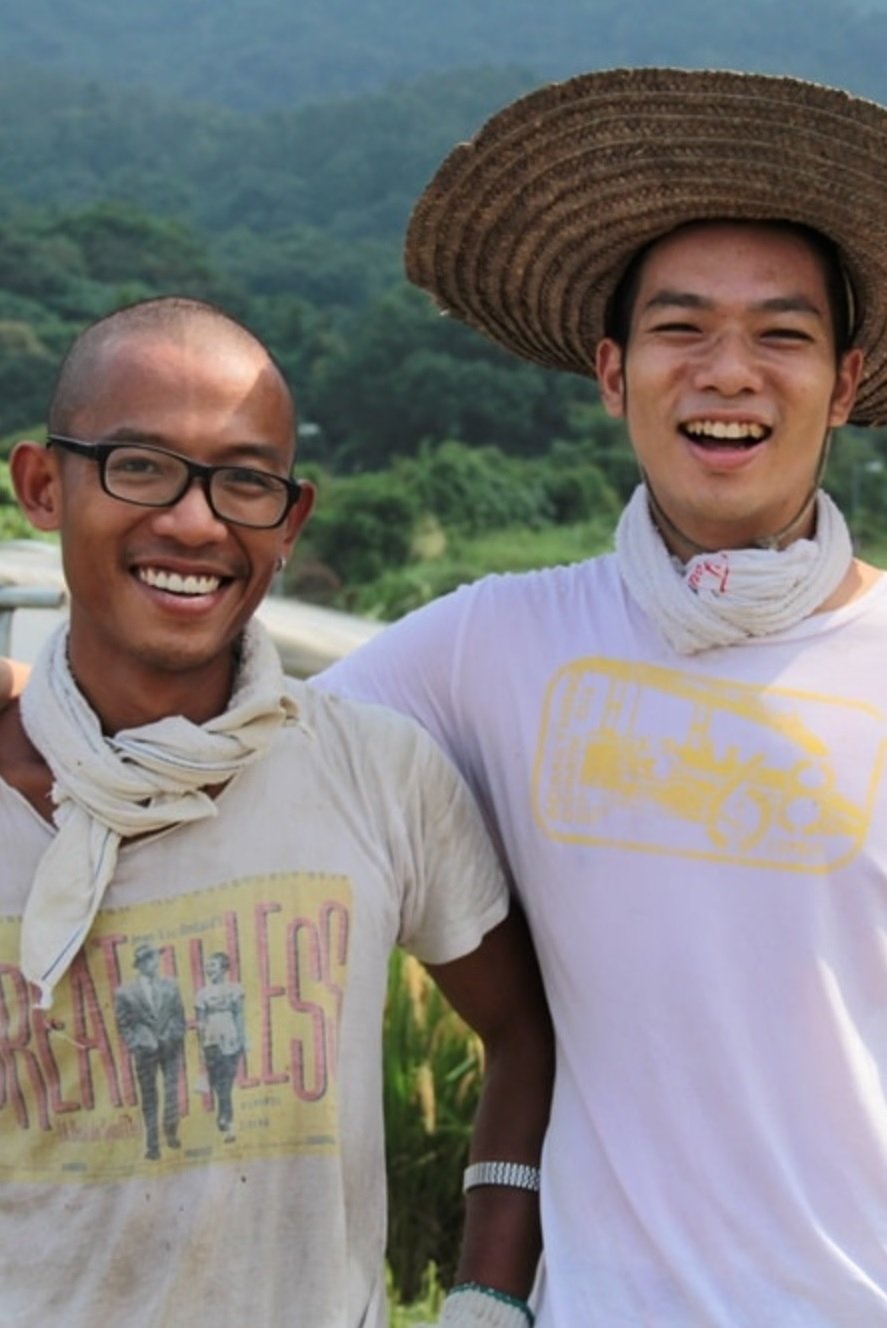
Sangwoodgoon was founded in the Anti-High Speed Rail Movement and Tsoi Yuen Village Movement in 2009. In 2012, Sangwoodgoon tries cultivating rice for the second time. This film records the rice planting process in spring and Dragon Boat Festival. Not only did the director experience the unpredictable nature of weather, questions for his companion are raised at the same time: How is the life as a farmer in Hong Kong when there is shortage of land and labour? Apart from documenting the non-traditional rice cultivating techniques, the film also wants to discuss about the relationship between farmer and nature, and the changing state of mind of protestors all the way through.
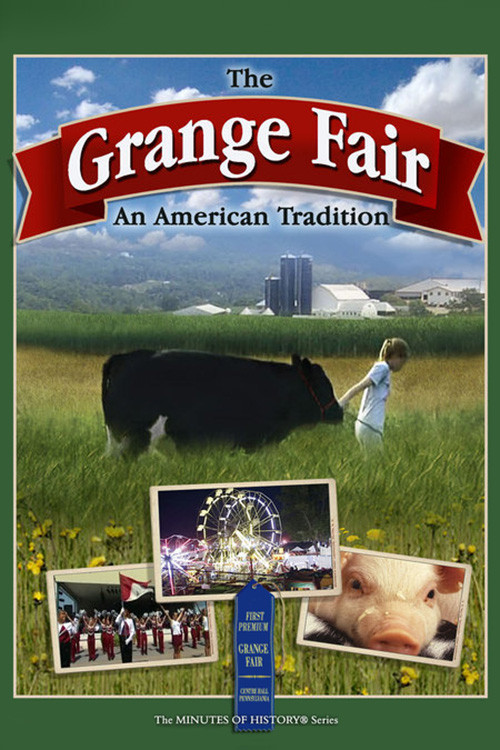
This Emmy award-winning documentary chronicles a vanishing piece of Americana: the last remaining agricultural encampment fair in the country, and the families who spend months preparing for this unique rural phenomenon.
That smelly, pale yellow liquid that people flush down the toilet every day is an industrial fertilizer, a diagnostic tool, a medicine, a renewable energy resource; it is an inexhaustible substance that is produced daily in huge quantities. This is the golden story of urine.
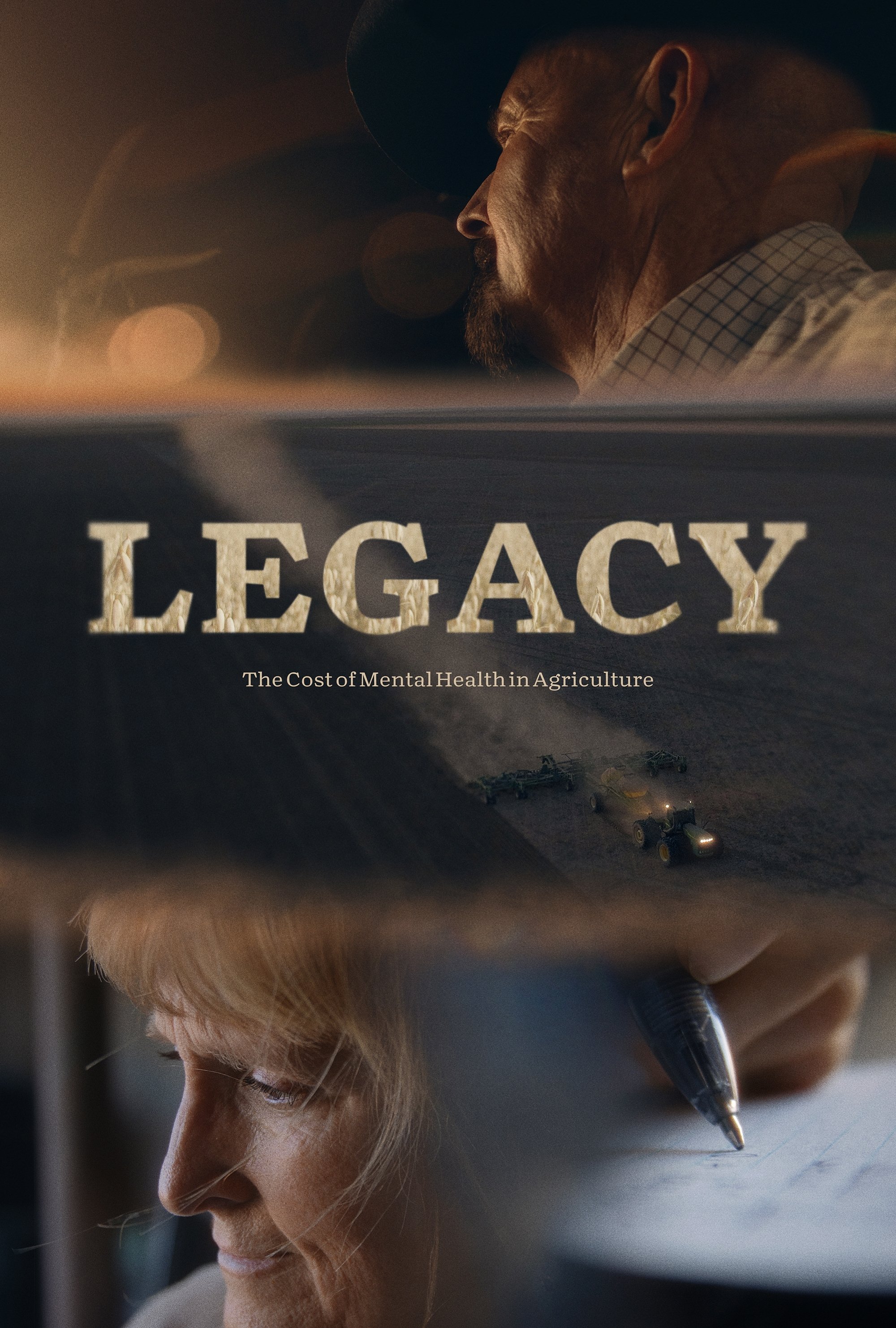
Is there a mental health crisis in agriculture in Colorado? Farming and ranching has become increasingly difficult over the years. An industry that is typically viewed as romantic, hardworking, and "salt-of-the earth" is actually a job full of tremendous stress outside of anyone's control. Combine that with the enormous generational pressure to continue the family farm, and you have a large group of people that are suffering silently. How do we take care of those that are taking care of us?
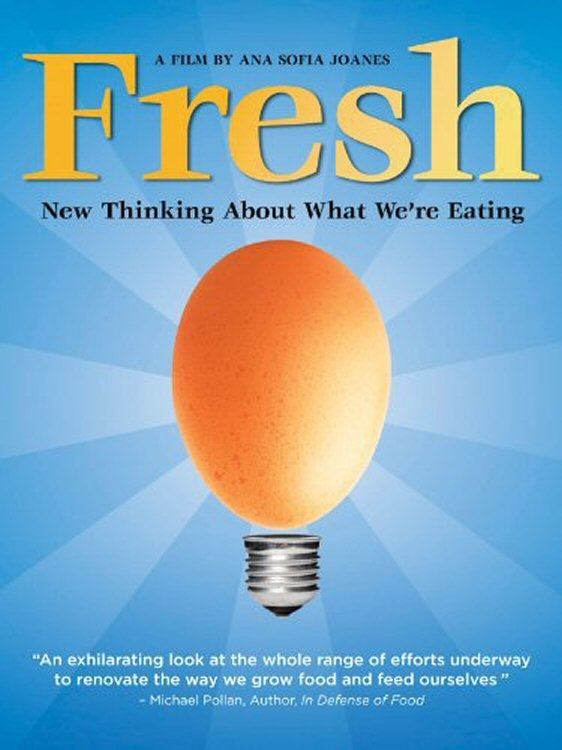
FRESH is more than a movie, it’s a gateway to action. Our aim is to help grow FRESH food, ideas, and become active participants in an exciting, vibrant, and fast-growing movement.
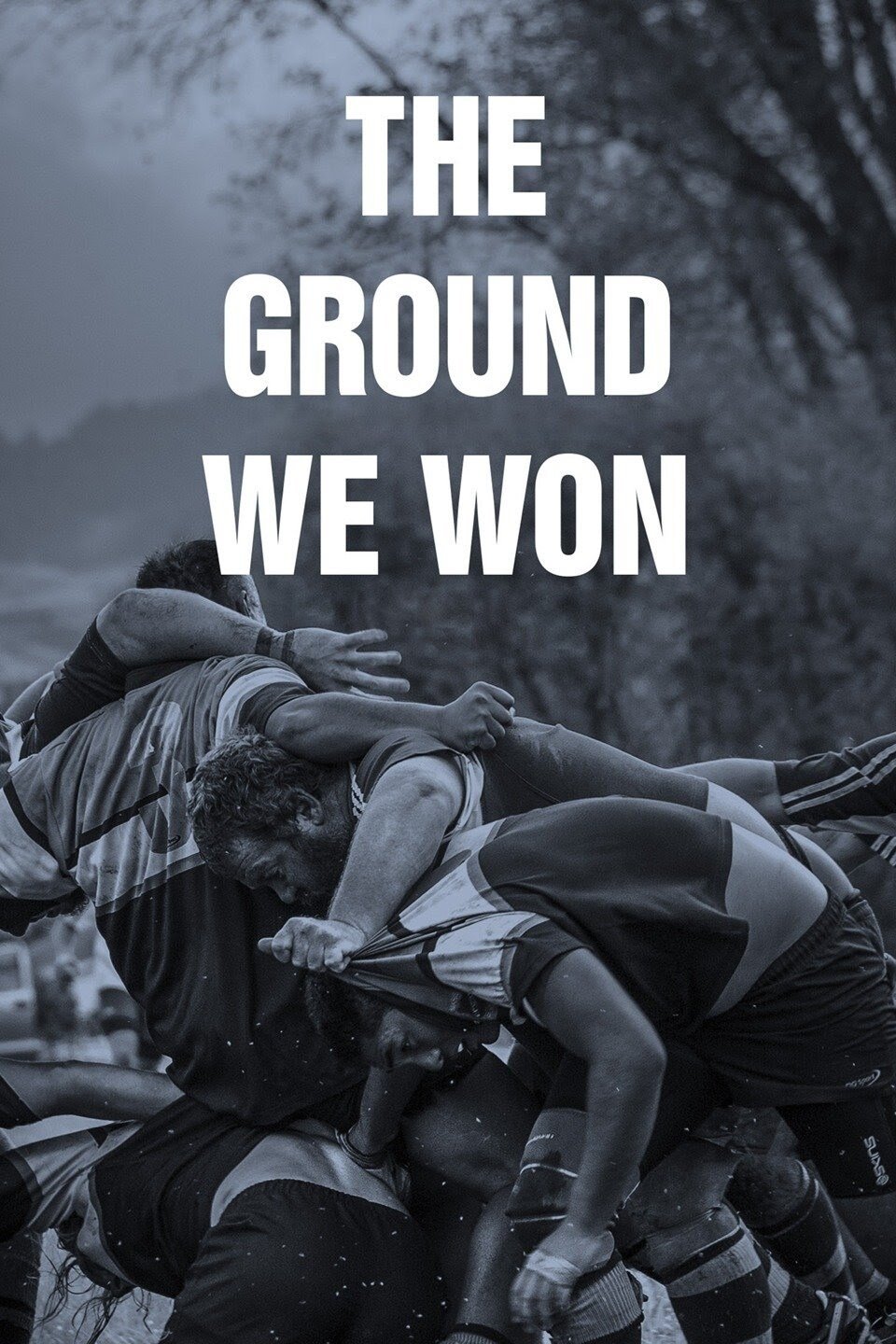
With great bawdiness and backbone, a rugby team made up of farmers strive to redeem themselves from a long run of bitter losses. In the face of the hefty demands of farming and fatherhood, the Saturday game becomes the focus of the men’s passions and the ground on which their worth is proved. ‘The Ground We Won’ is a highly authentic, slice of life film about the challenges and joys of manhood, as seen through the rites and rituals of a rural New Zealand rugby club.
Elephants disrupt the lives of a family deep in the jungles of Northern Siam, and an entire village.
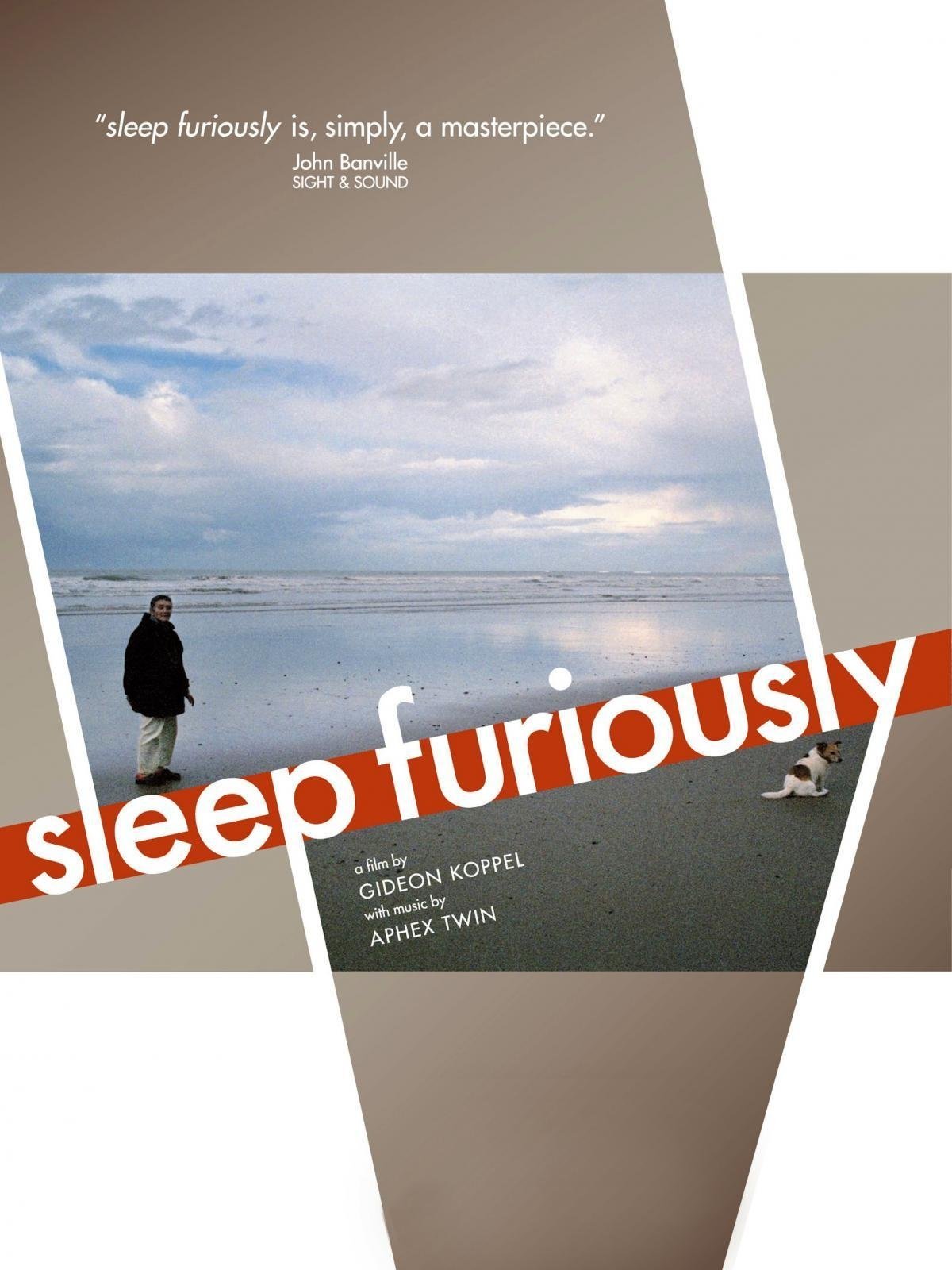
Set in a small farming community in mid Wales, a place where Koppel's parents - both refugees - found a home. This is a landscape and population that is changing rapidly as small scale agriculture is disappearing and the generation who inhabited a pre-mechanised world is dying out. Much influenced by his conversations with the writer Peter Handke, the film maker leads us on a poetic and profound journey into a world of endings and beginnings; a world of stuffed owls, sheep and fire.
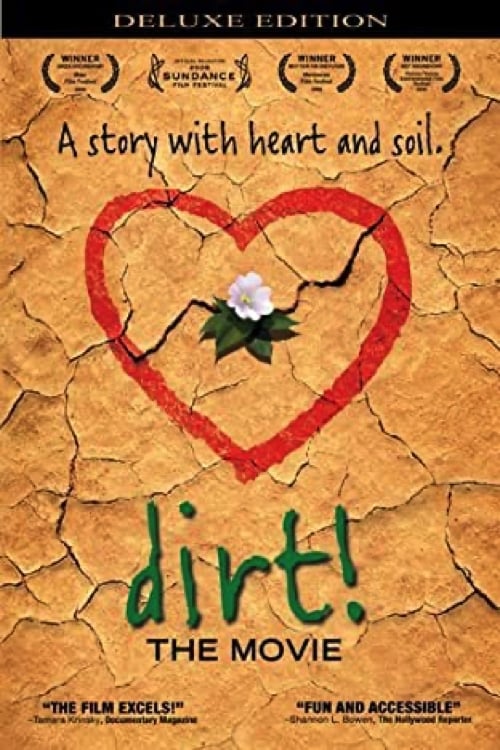
A look at man's relationship with Dirt. Dirt has given us food, shelter, fuel, medicine, ceramics, flowers, cosmetics and color --everything needed for our survival. For most of the last ten thousand years we humans understood our intimate bond with dirt and the rest of nature. We took care of the soils that took care of us. But, over time, we lost that connection. We turned dirt into something "dirty." In doing so, we transform the skin of the earth into a hellish and dangerous landscape for all life on earth. A millennial shift in consciousness about the environment offers a beacon of hope - and practical solutions.
Tom Jones, a shepherd who lived in one of the Ystradfechan Cottages at Old Farm, Treorchy, was employed by the Ocean Coal Company who owned the land above ground and coal (the Park and the Dare Collieries) beneath. A farrier who lived in the adjoining cottage tended to all the Park and Dare pit ponies. Tom Jones was known world-wide as the “Wonder Shepherd” for his remarkable skills as an animal trainer which, together with his concern for his flock, are recorded here.
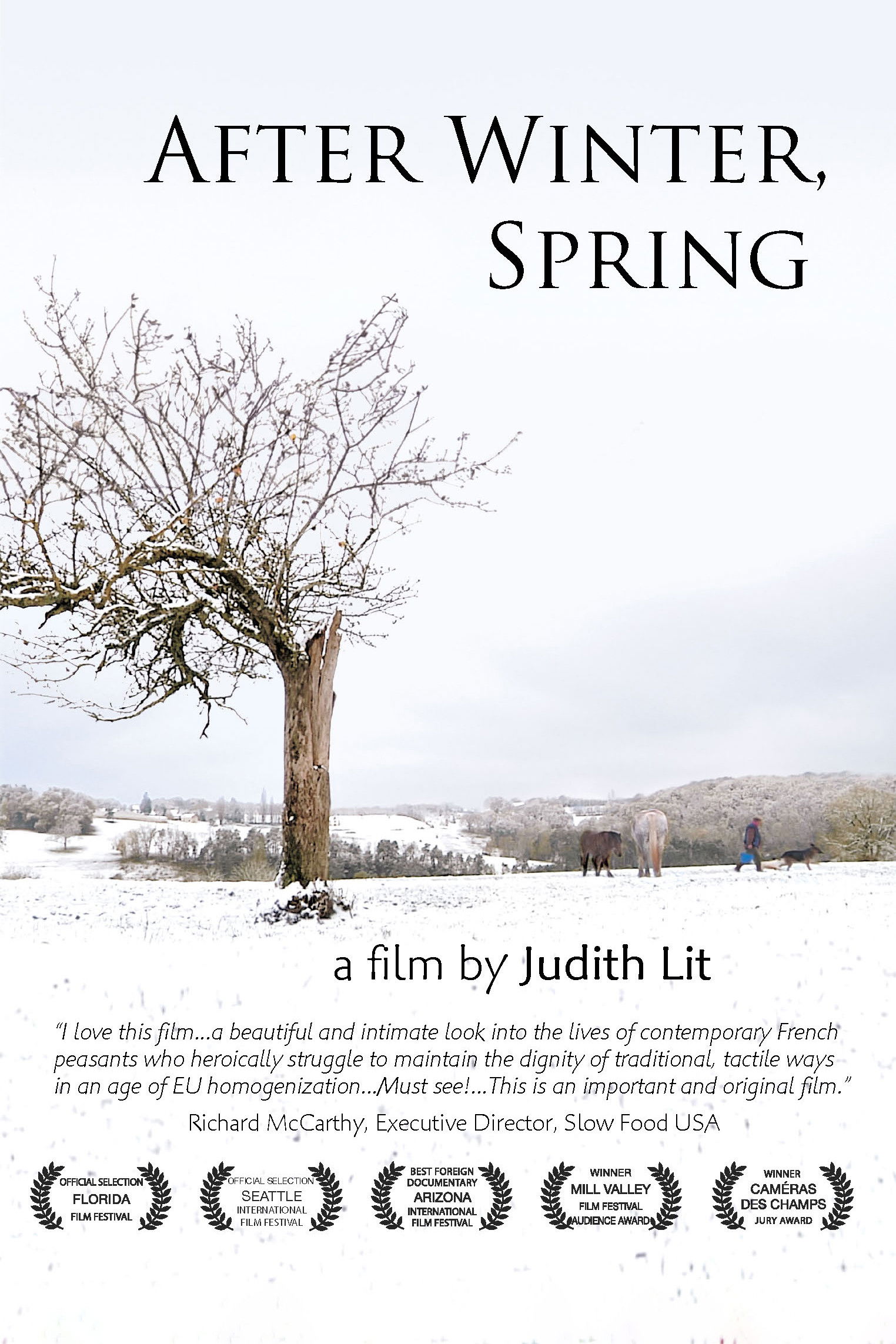
Family farmers in southwest France practice an ancestral way of life under threat in a world increasingly dominated by large-scale industrial agriculture.
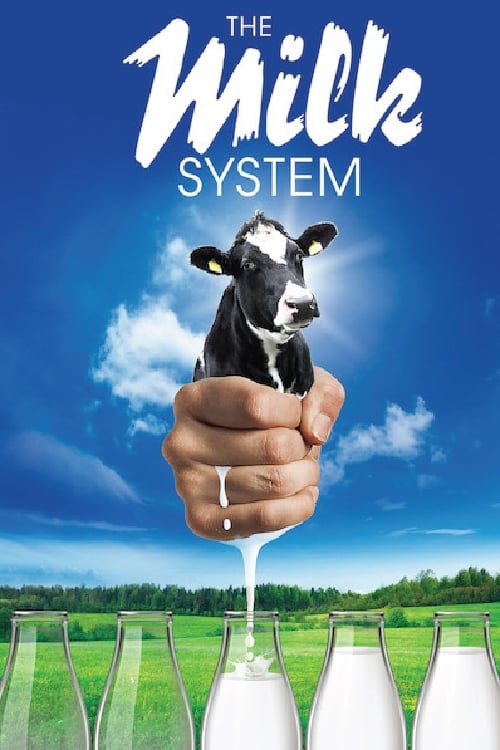
Milk is Big Business. Behind the innocent appearances of the white stuff lies a multi-billion euro industry, which perhaps isn't so innocent…
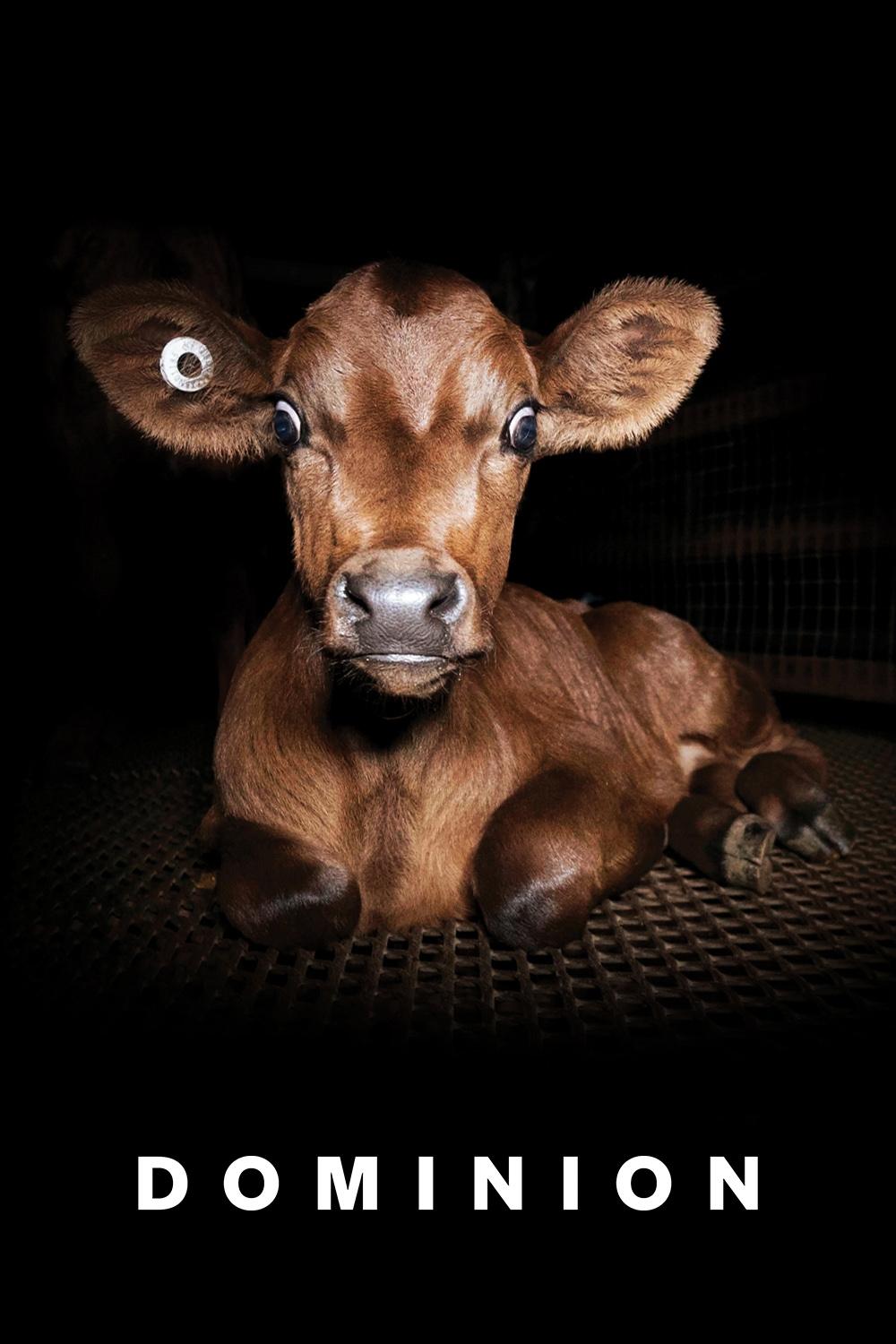
Exposing the dark underbelly of modern animal agriculture through drones, hidden & handheld cameras, the feature-length film explores the morality and validity of our dominion over the animal kingdom.
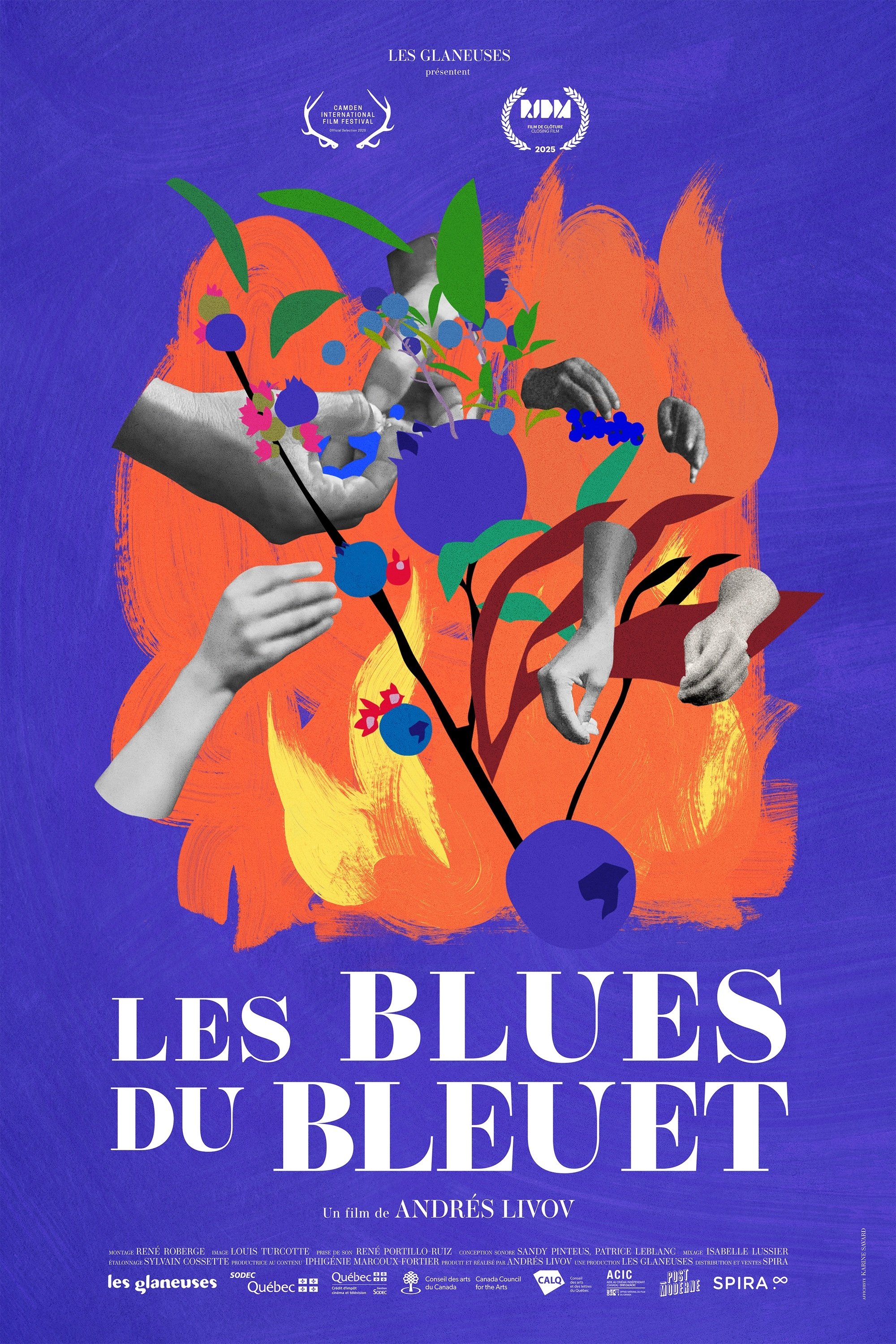
Summer unveils a new blueberry season in northern Canada. The fields are covered in blue and workers from all over scramble before the frost puts an end to the harvest. And yet this time of year is much more than just picking: it's a time of music and connection.
This film explores food sustainability, how farmers' markets build community, and why local food matters. Filmmaker Dr. Benjamin Garner is an Associate Professor at the University of North Georgia. He produces films on food, marketing, and tourism. Dr. Garner consults with companies on soft skills training and produces video ads for web and social media.
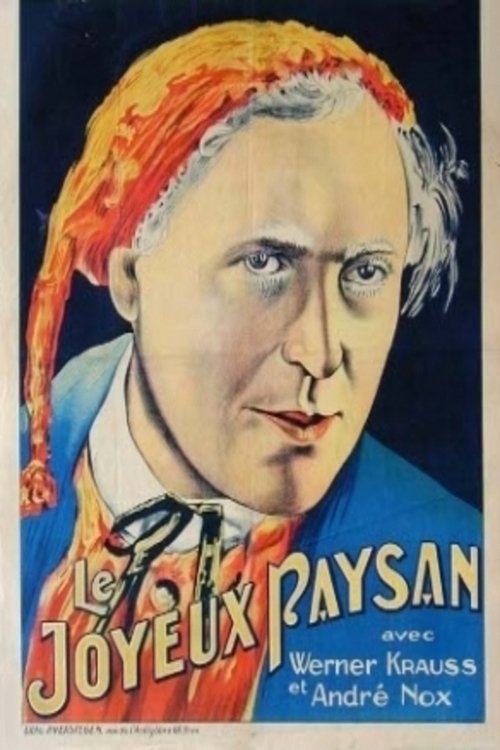
The Merry Farmer is based on the 1907 operetta of the same name.
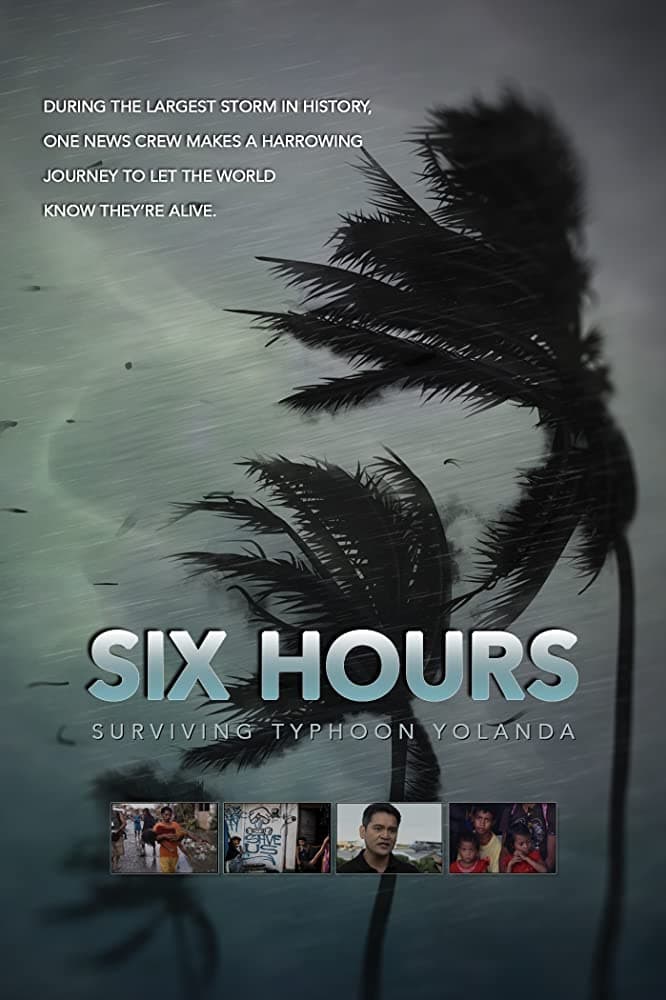
In the middle of a broadcast about Typhoon Yolanda's initial impact, reporter Jiggy Manicad was faced with the reality that he no longer had communication with his station. They were, for all intents and purposes, stranded in Tacloban. With little option, and his crew started the six hour walk to Alto, where the closest broadcast antenna was to be found. Letting the world know what was happening to was a priority, but they were driven by the need to let their families and friends know they were all still alive. Along the way, they encountered residents and victims of the massive typhoon, and with each step it became increasingly clear just how devastating this storm was. This was a storm that was going to change lives.
Two madmen wish to avenge the historical Peruvian ship "Monitor Huascar" under the command of Capitain Grau: a hero, and a symbol of the 19th century war lost to Chile.
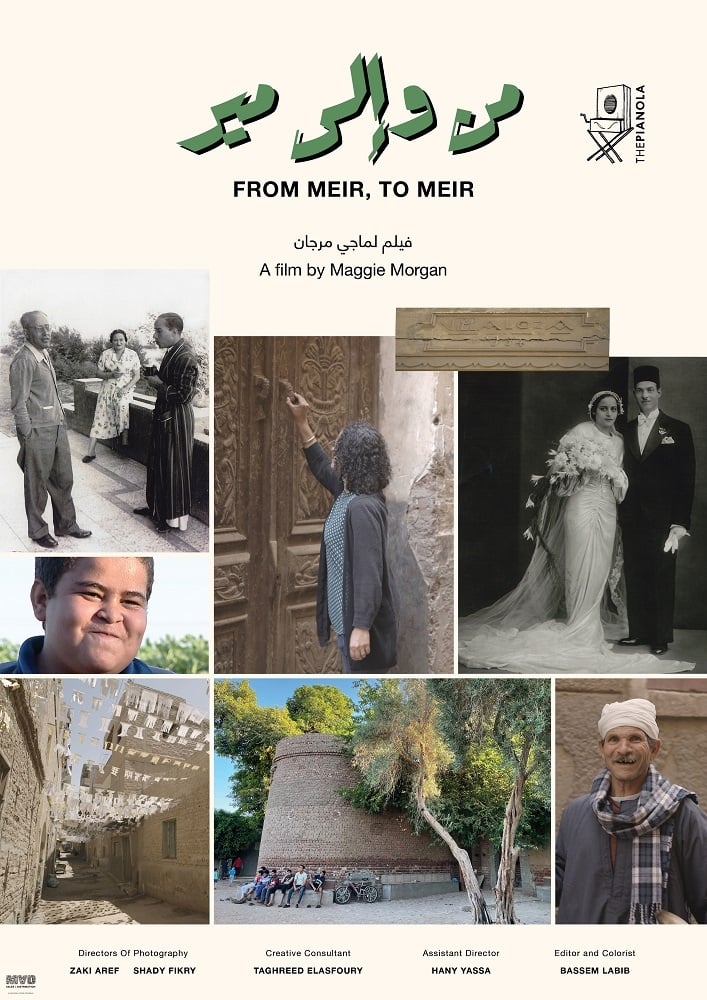
The filmmaker goes to discover Meir the village where her great-grandparents were born, the place her grandparents left, but continued to love. When she goes, she discovers a village that people are trying to leave.
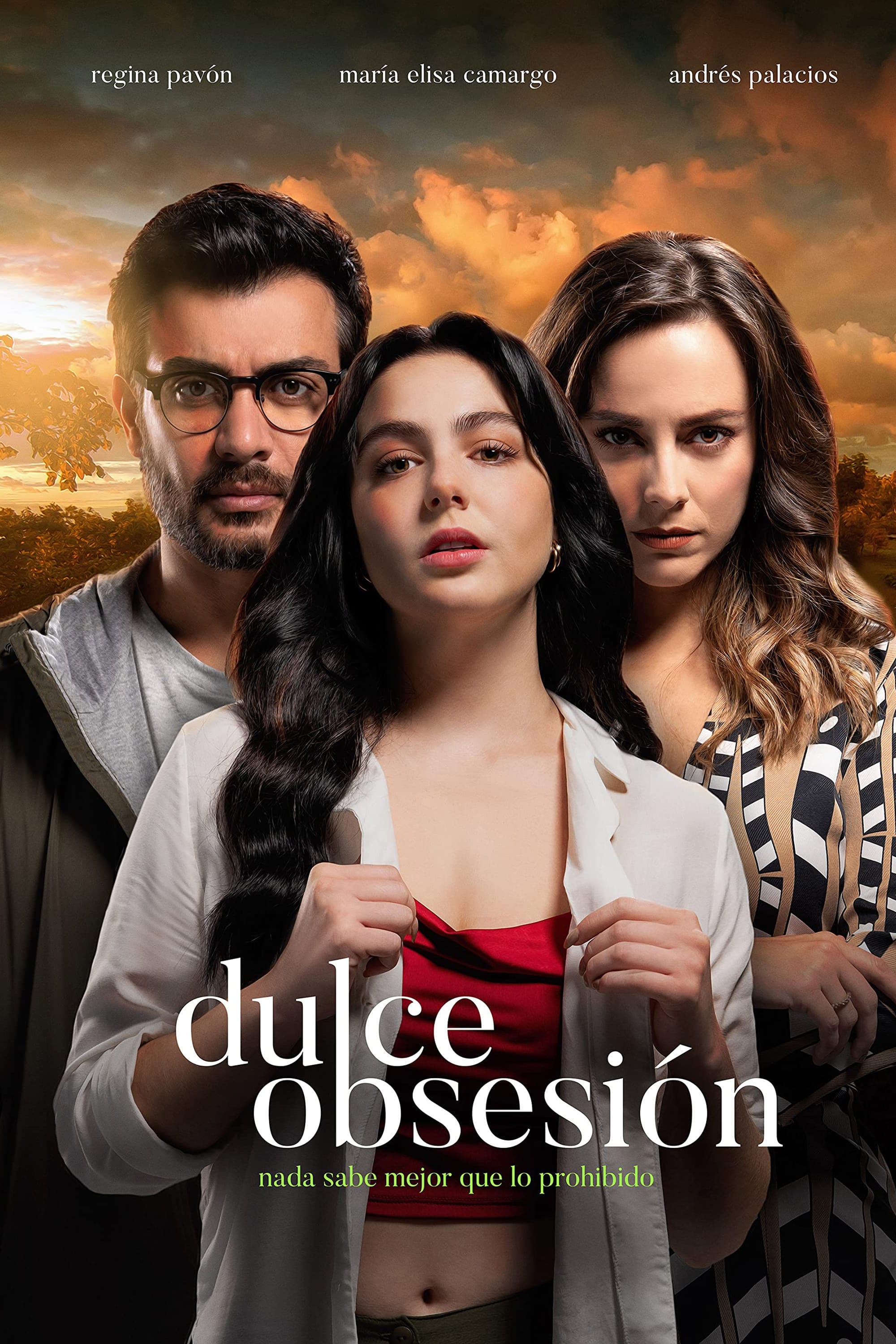
When a university student moves in with a family in Mexico City, conflicts emerge. An inevitable affaire with the father, a rebellious bond with the adolescent daughter and tensions with the mother lead up to a painful secret that will shake the family apart.
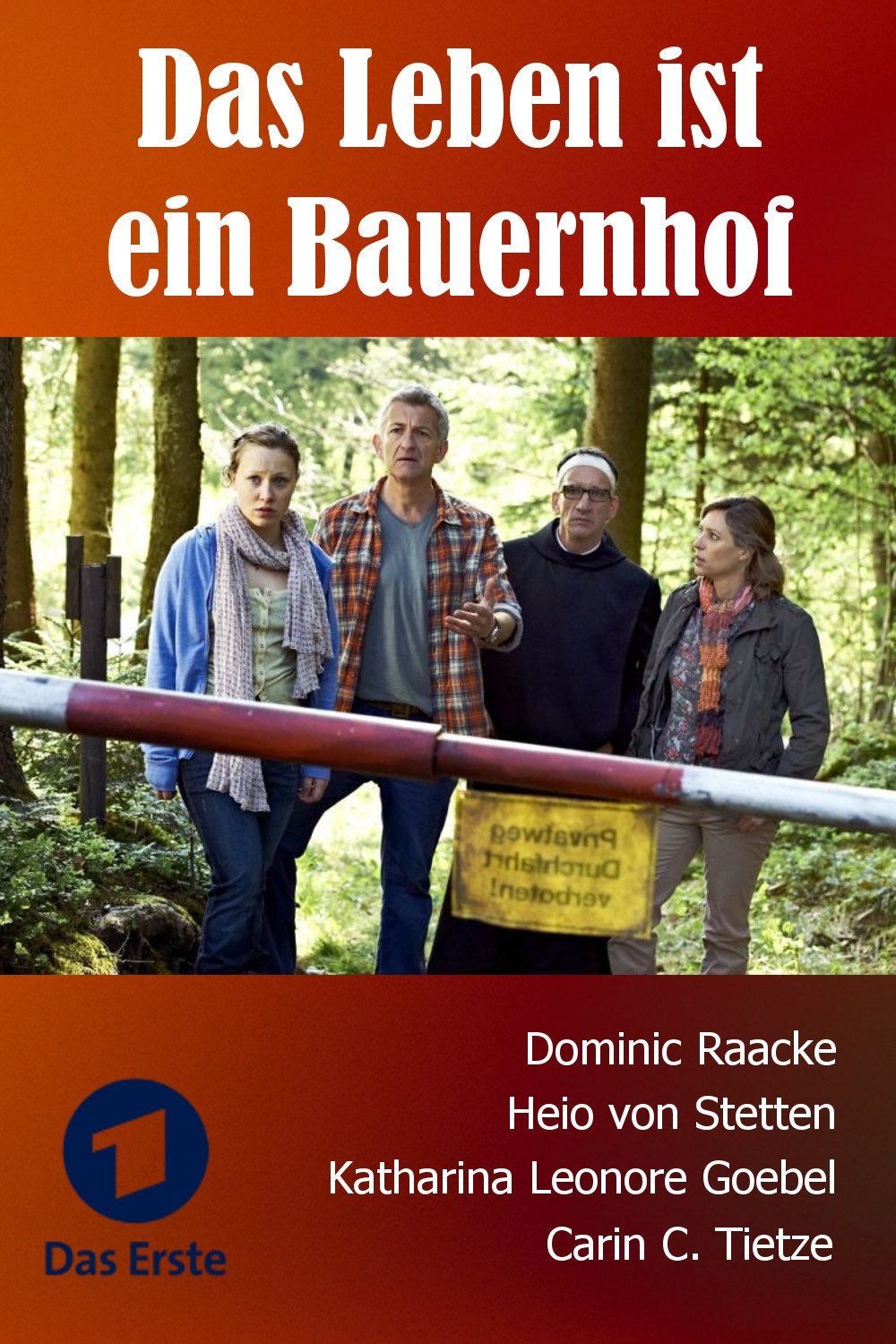
6 weeks before her 18th birthday Katharina inherits her mothers farm with all it's problems. At the funeral she meets her two uncles, which she never met before, but turn out to be very helpful.
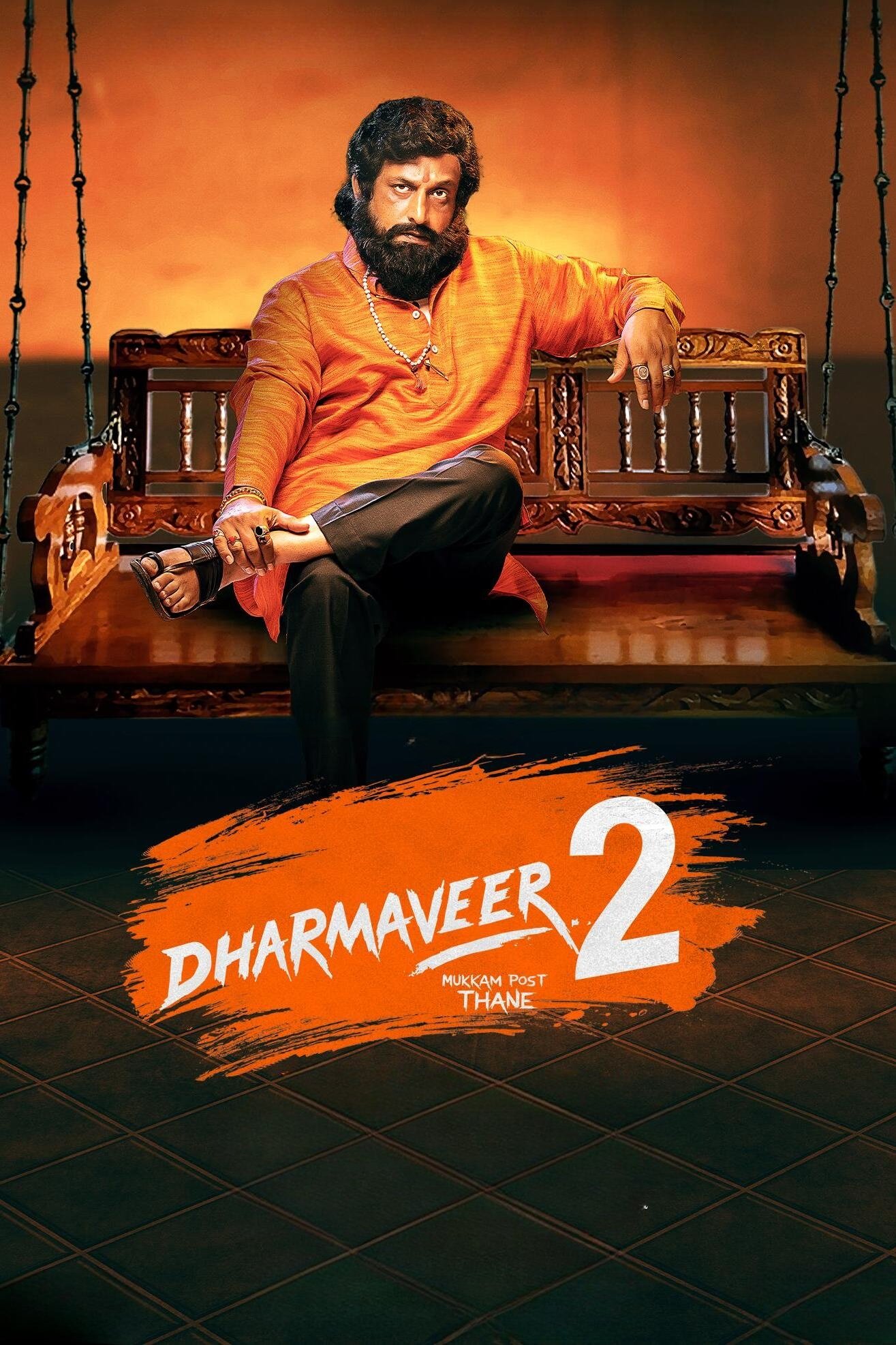
Explores Anand Dighe's life, tracing his political journey and capturing the essence of his impactful legacy as a prominent figure.
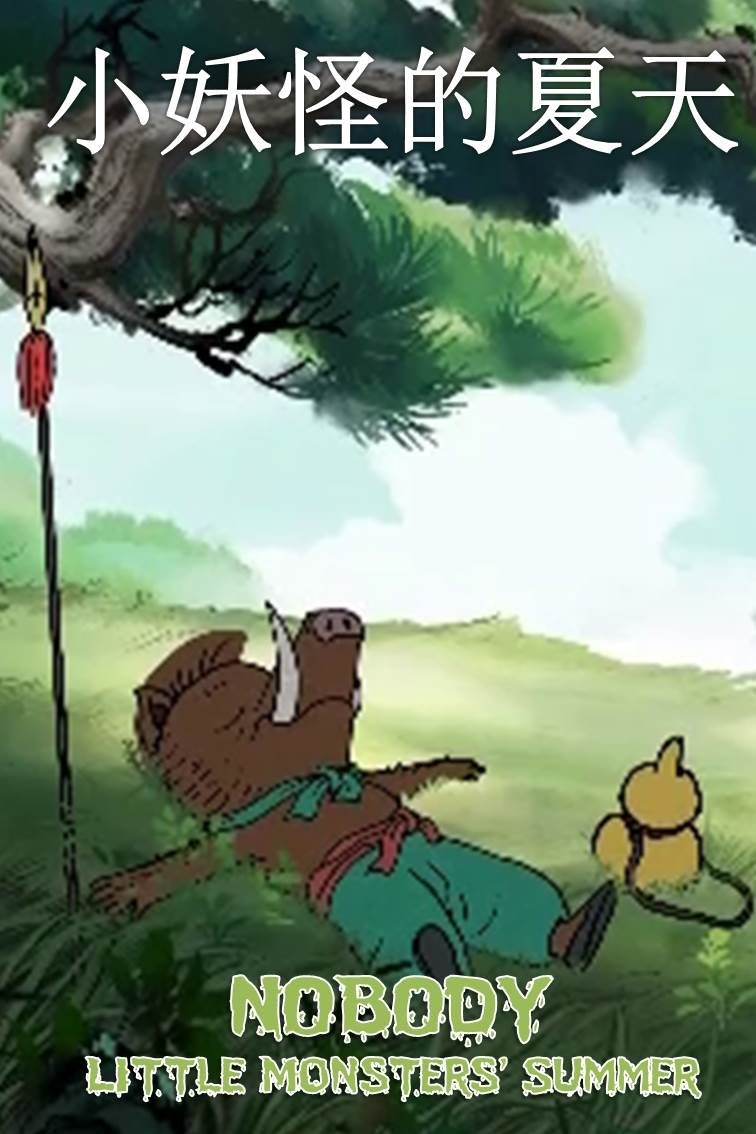
Prequel of the film Nobody, 浪浪山的小妖怪, introducing us to the pig as one of the main characters!
The third installment in the 28 Days Later sequel trilogy. Plot TBA.
Story about Incest and the Iraq war.
Italian-French costume dramedy that takes place in France in the end of 18th Century during the French Revolution. It is "The Marriage of Figaro" meets "The Dangerous Liaisons" and it tells the story of two women, Mathilde Seurat, the actress and Julie Renard, the aristocratic wife and a mother (Delphine Forest plays both) with the same face who came from the different parts of society and at one point exchanged their identities and their lives. The movie also features Giancarlo Giannini and great Vittorio Gassman.
It seems that Lum's grandfather made an agreement that should he have a daughter, she would be married to a traveling merchant that he met. Now, the merchant has come to collect due. Ataru is tricked into thinking that Lum wants to leave, and so, in a moment of anger, says he hates her. Arguments erupt, and Lum decides that she must know the truth of Atarus feelings. As for all the questions of importance for the Onis, a game of tag begins, one that Ataru can win simply by telling Lum I Love You. However, in the end his pride may end up dooming him. So begins the series of events that will at long last decide the future and fate of Ataru and Lum.
A chronicle of the making of Disneynature’s Dolphin Reef, the story of a young Pacific bottlenose dolphin named Echo. From wave surfing with dolphins in South Africa to dancing with humpback whales in Hawaii, filmmakers go to great lengths - and depths - to shed new light on the ocean’s mysteries.
Robert Mitchum lives in a deserted movie set.