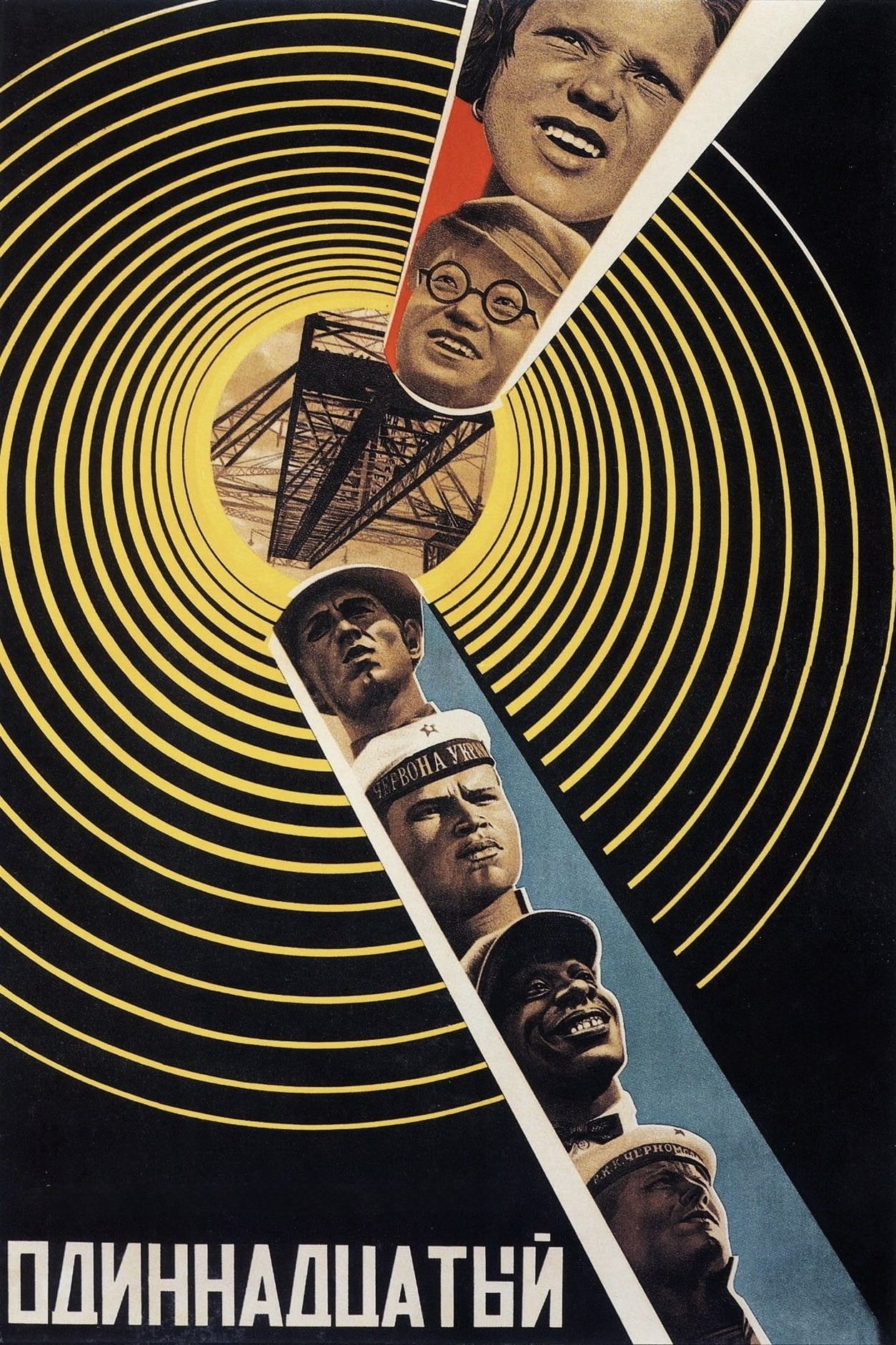
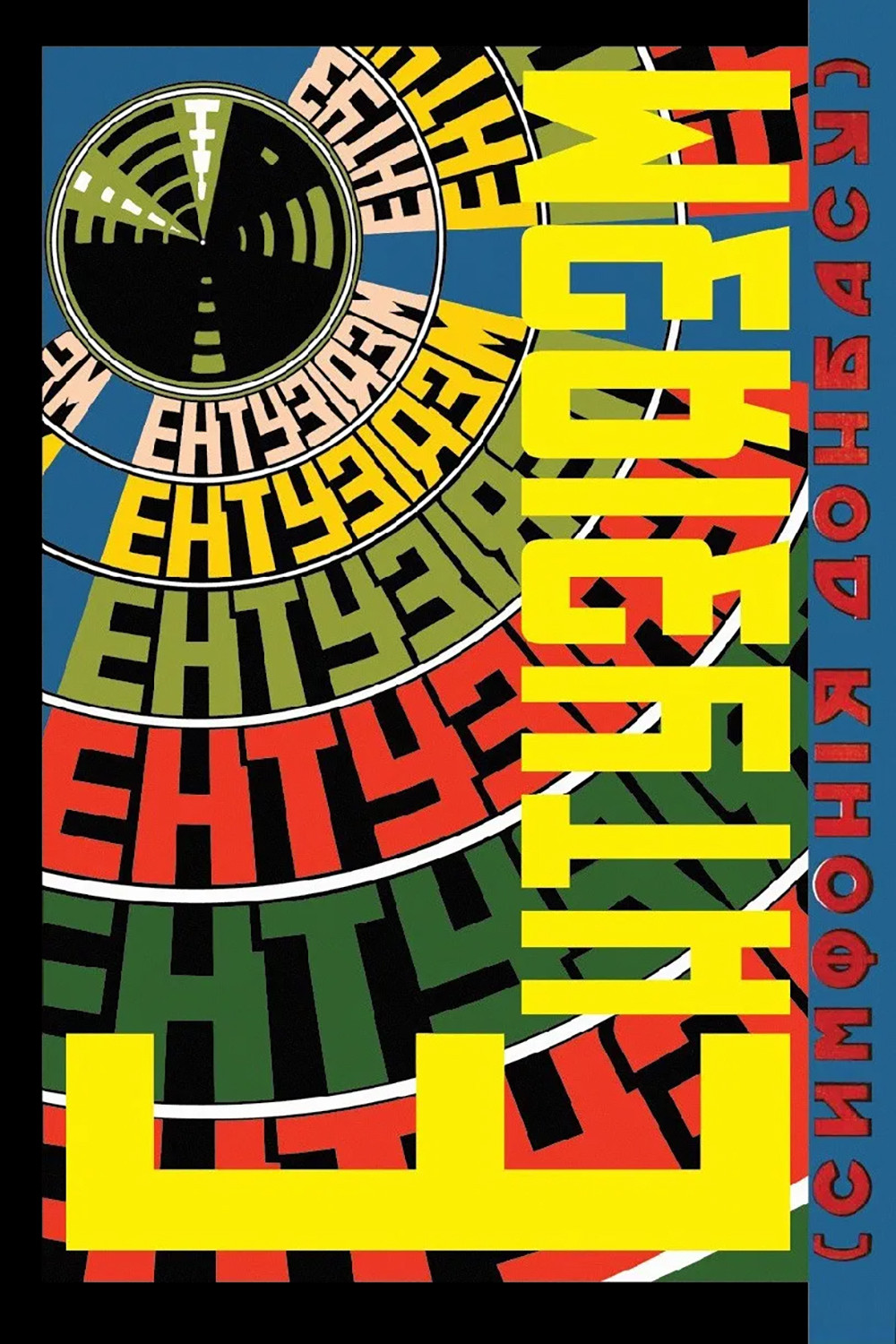
The film is dedicated to the achievements of the Ukrainian SSR for the eleventh anniversary of the October Revolution.
Social & External
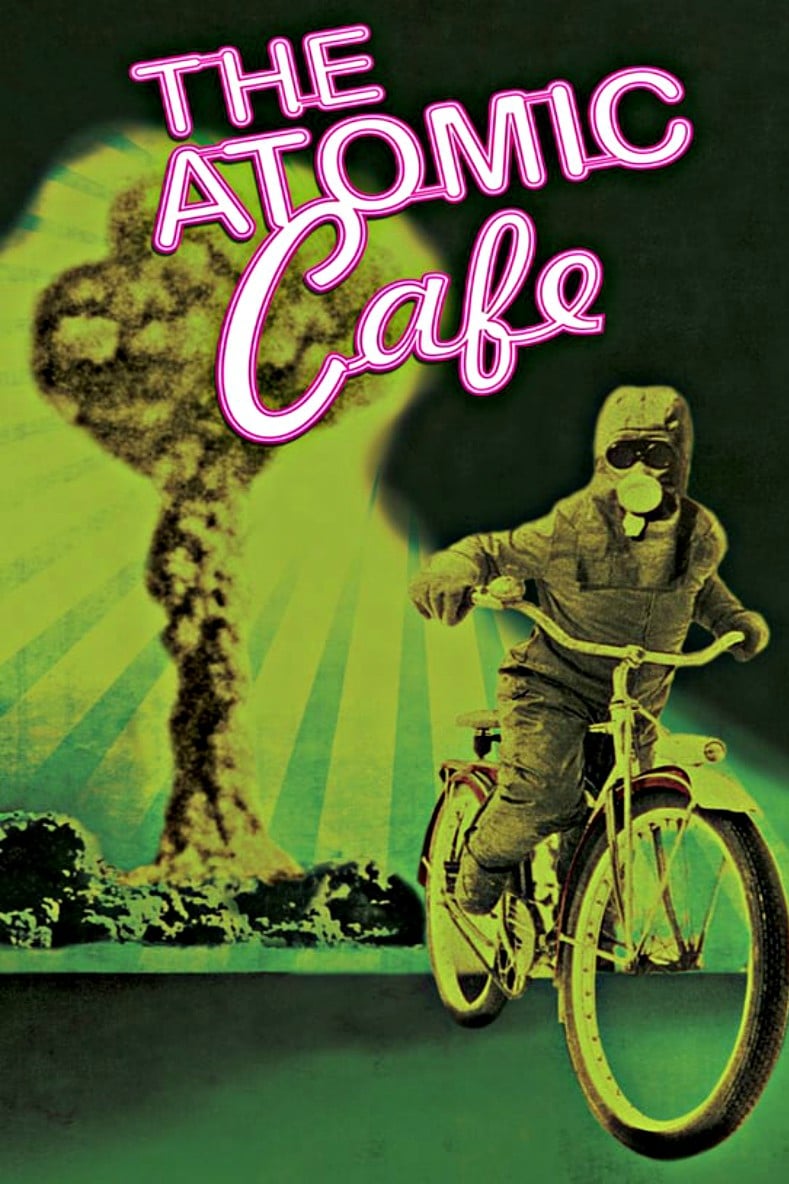
A disturbing collection of 1940s and 1950s United States government-issued propaganda films designed to reassure Americans that the atomic bomb was not a threat to their safety.
Gdańsk, Poland, September 1980. Lech Wałęsa and other Lenin shipyard workers found Solidarność (Solidarity), the first independent trade union behind the Iron Curtain. The long and hard battle to bring down communist dictatorship has begun.
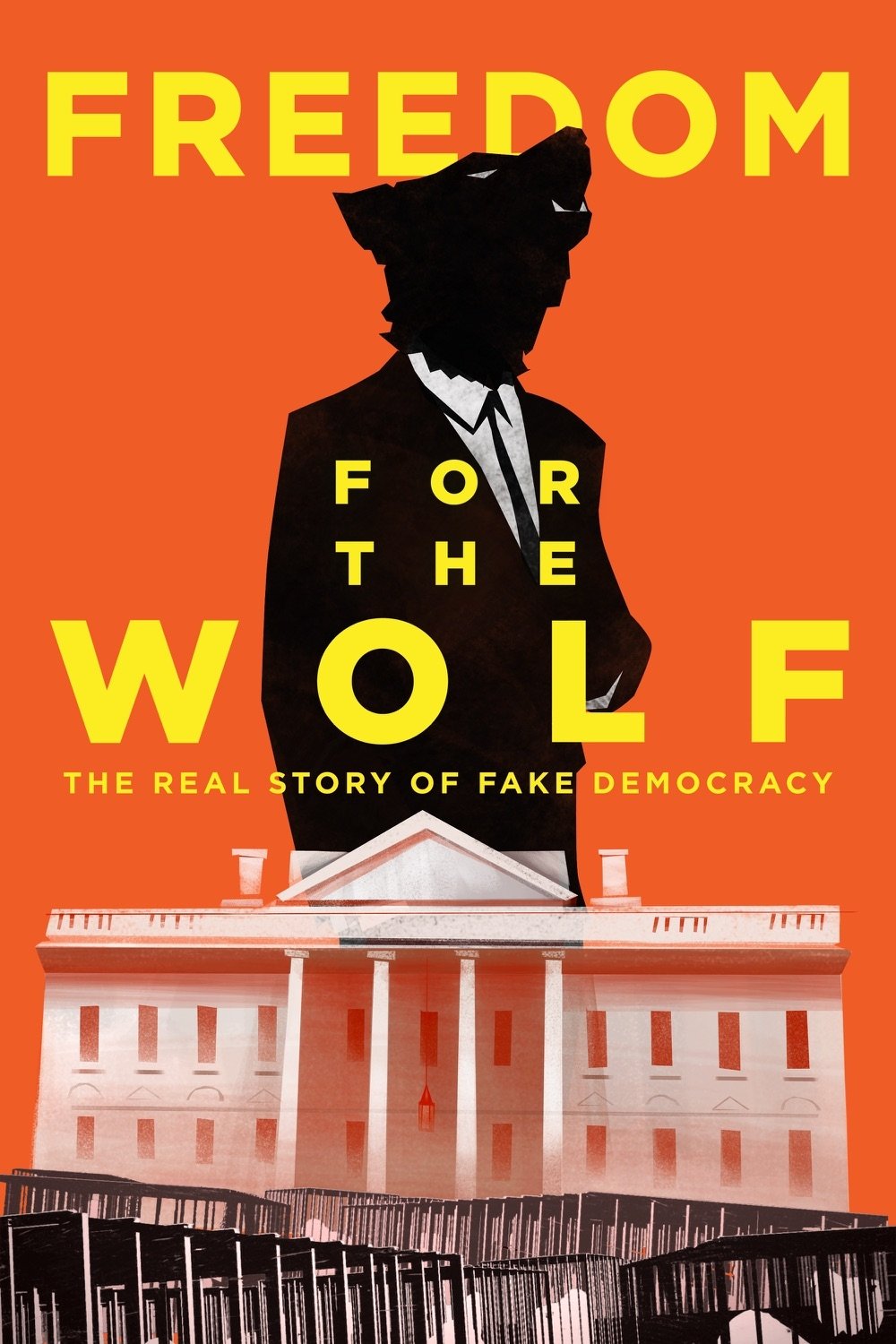
The Real Story of Fake Democracy. Filmed over three years in five countries, FREEDOM FOR THE WOLF is an epic investigation into the new regime of illiberal democracy. From the young students of Hong Kong, to a rapper in post-Arab Spring Tunisia and the viral comedians of Bollywood, we discover how people from every corner of the globe are fighting the same struggle. They are fighting against elected leaders who trample on human rights, minorities, and their political opponents.
A collage of interviews analyzing the internet, political polarization, incel culture, the far-right, and the process by which young people can evolve towards extremism.
Re-framing the U.S. gun violence debate from Second Amendment rights to public health prevention.
A documentary about the hearings of President Nixon's Commission on Obscenity, featuring adult-film producer David F. Friedman (one of the producers of this film) testifying before Congress, and involved in the production of one of his films, "Trader Hornee."
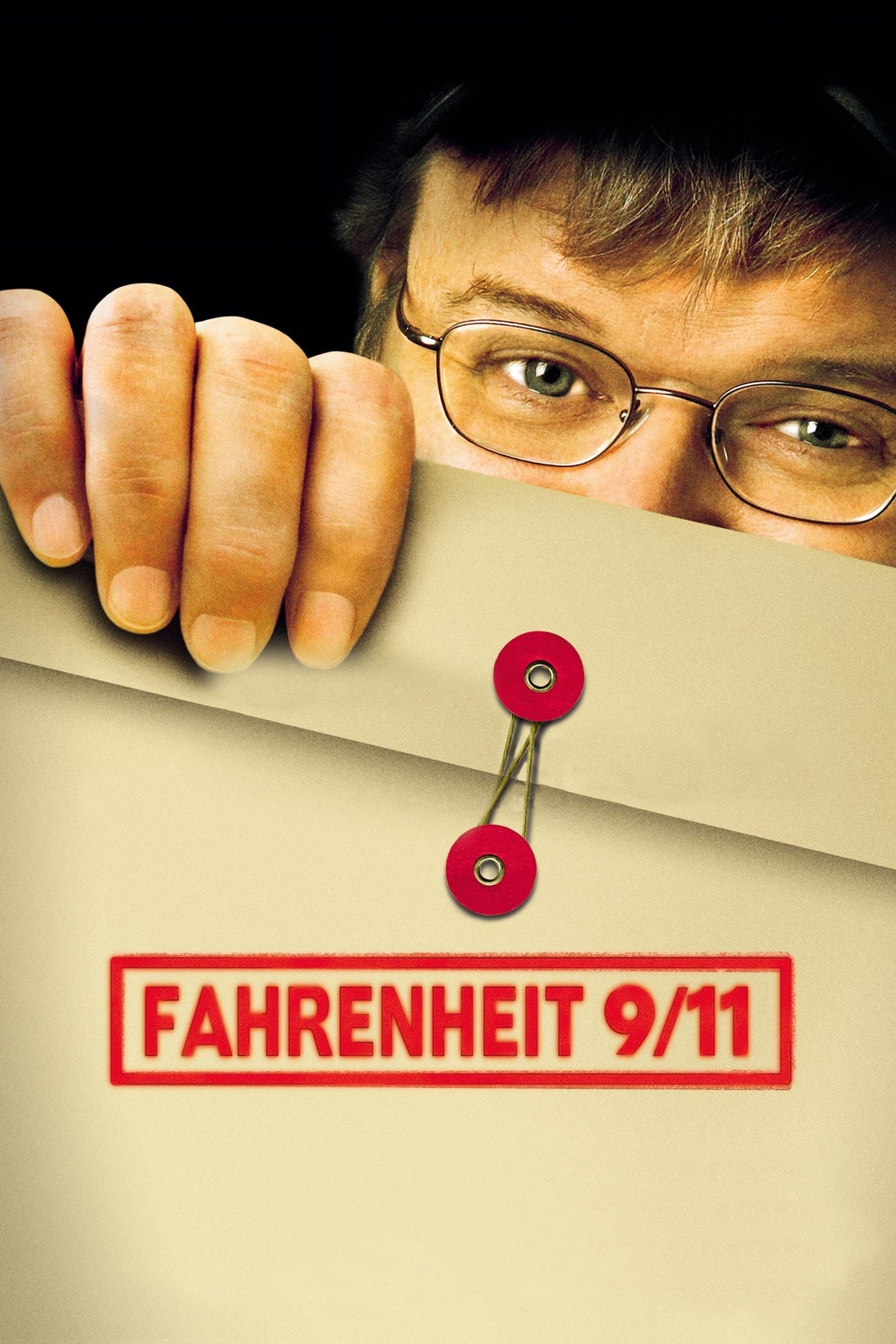
Michael Moore's view on how the Bush administration allegedly used the tragic events on 9/11 to push forward its agenda for unjust wars in Afghanistan and Iraq.
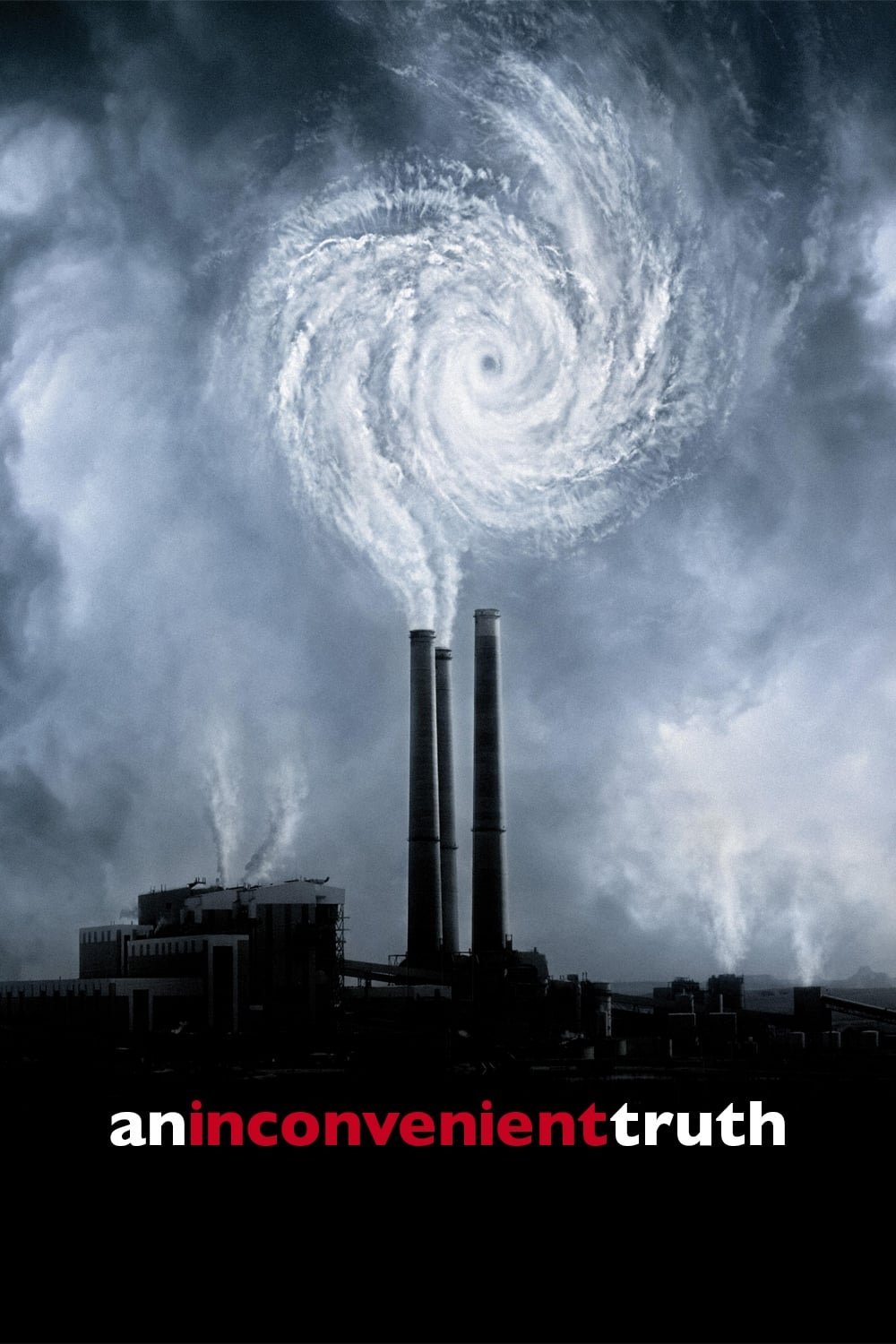
A documentary on Al Gore's campaign to make the issue of global warming a recognized problem worldwide.
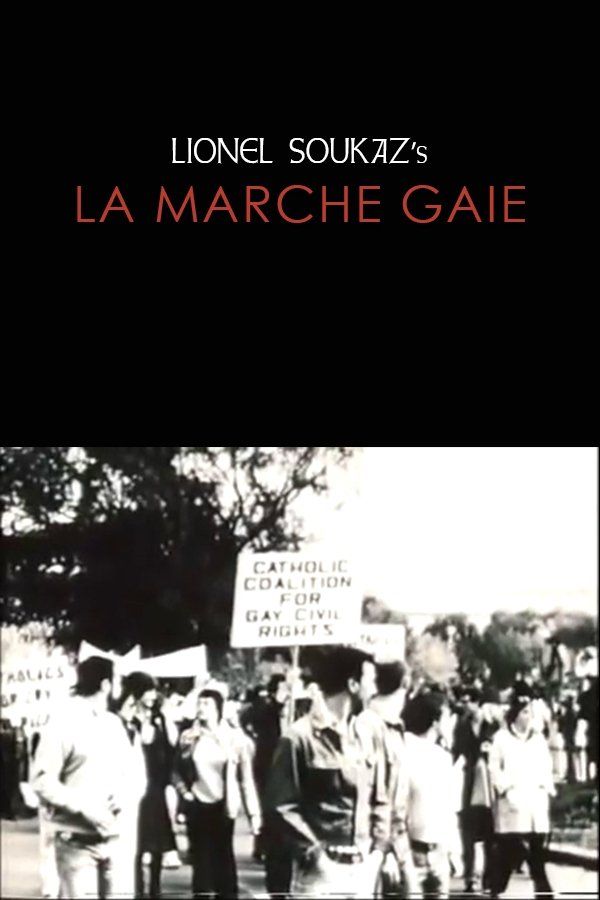
A short documentary about the October 14 1979 March For Lesbian And Gay Rights in Washington D.C.
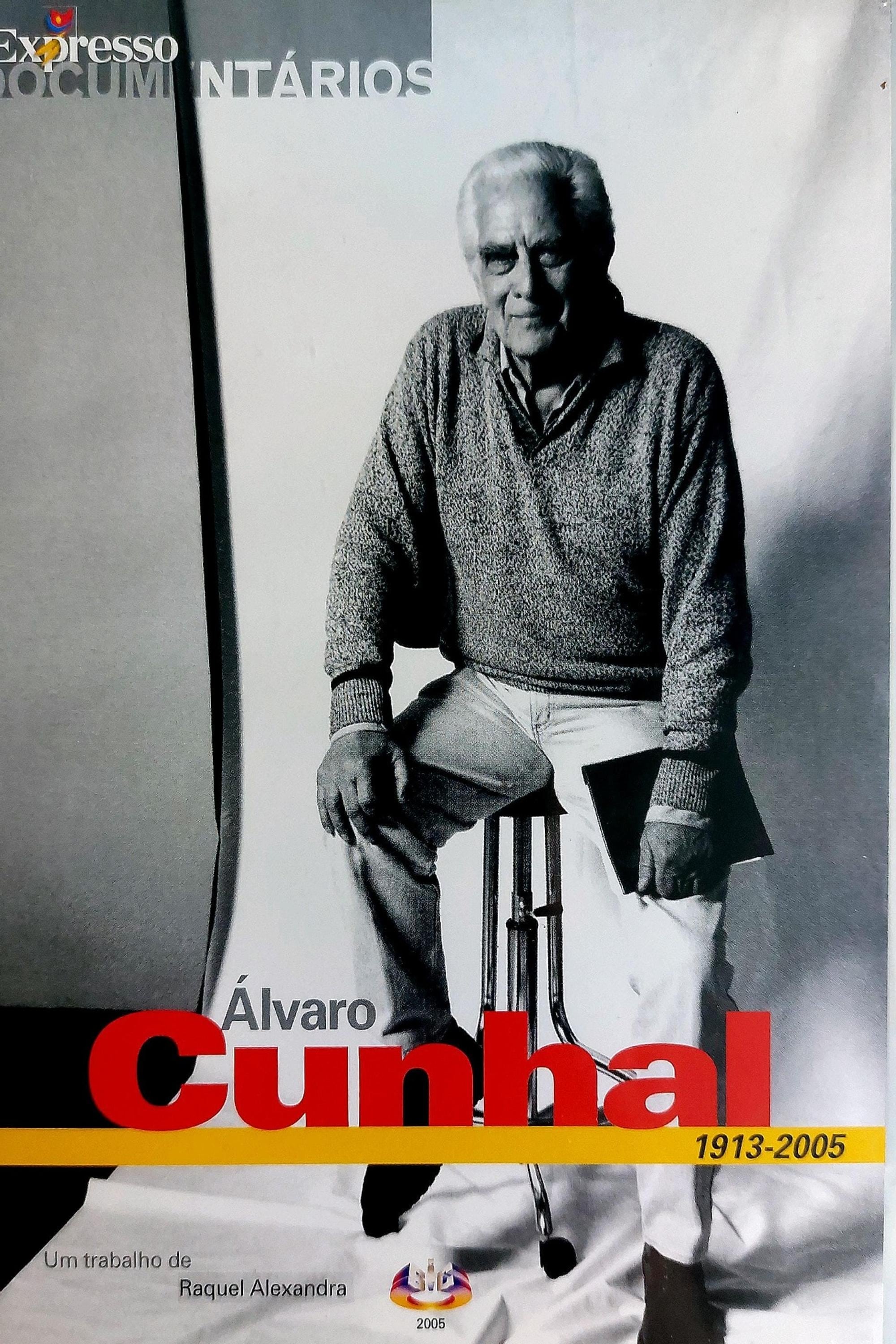
A personal biography of the leader of the PCP (Portuguese Communist Party) seen through the eyes of those who were close to him and those who studied his trajectory and thought.
Dramatization of the time around the first Danish Social Democrats and the Battle of Fælleden. A social blockbuster produced for AOF.
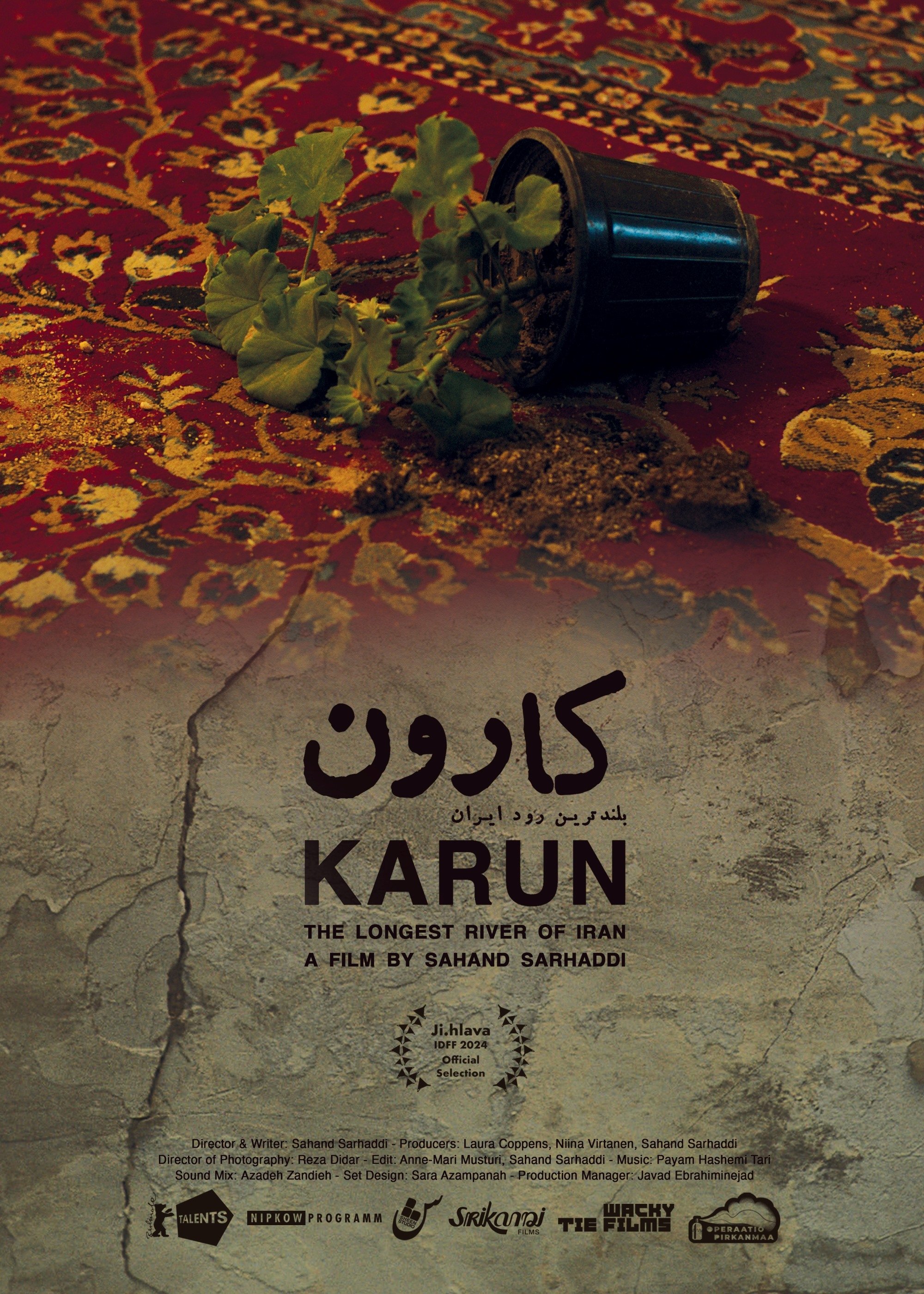
On September 22, 1998, the Iranian poet Hamid Hajizadeh and his nine-year-old son Karun, whose name symbolically refers to Iran's longest river, were brutally murdered in their home in Kerman. The documentary film, based on the statements of the survivors, tries to sensitively reconstruct one of the many terrible motivated events that took place in Iran at the end of the previous century and draws us into the fateful day with the help of detailed shots of the objects in Hamid's study.
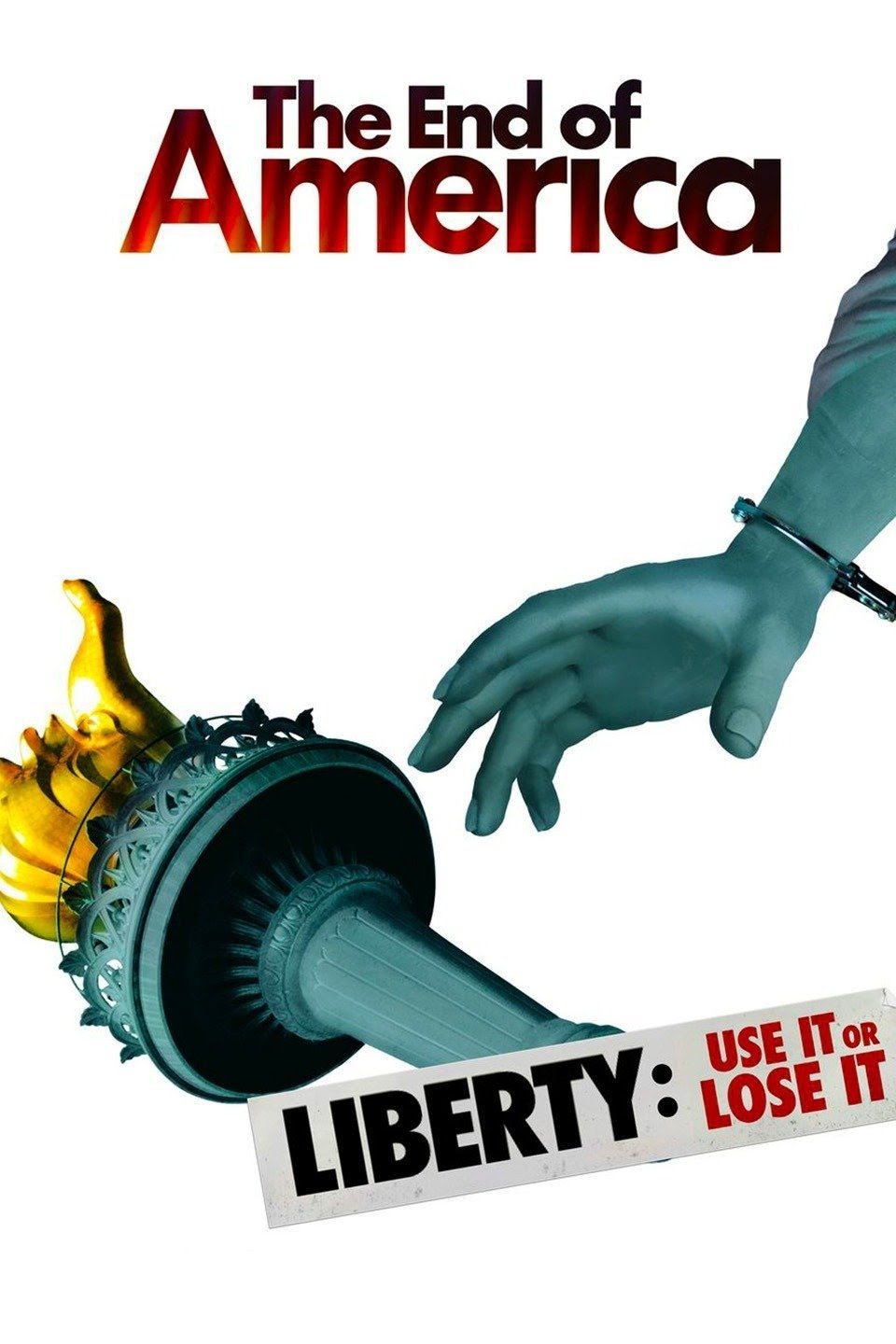
Based on her book of the same name, Naomi Wolf presents controversial evidence that America has begun a frightening descent into dictatorship and fascism. American democracy, as we know it, is under attack. By examining the chilling parallels between the current state of our nation and the ascent of dictators and fascism in other once-free societies, Wolf urges viewers to open their eyes to the horrors that lie ahead. From the increased use of paramilitary groups to the construction of secret prisons and the targeted suspension of the rule of law, the warning signs are all there for people to wake up and finally take notice.
As the first part of our investigation, the CORONA.FILM prologue will delve into the science behind the pandemic. Starting at the very beginning, we shine a light on the responses. The aim is not to point the finger; our aim is to tell the whole story in all its complexity, as we believe that justice cannot prevail if only one side of the story is told.
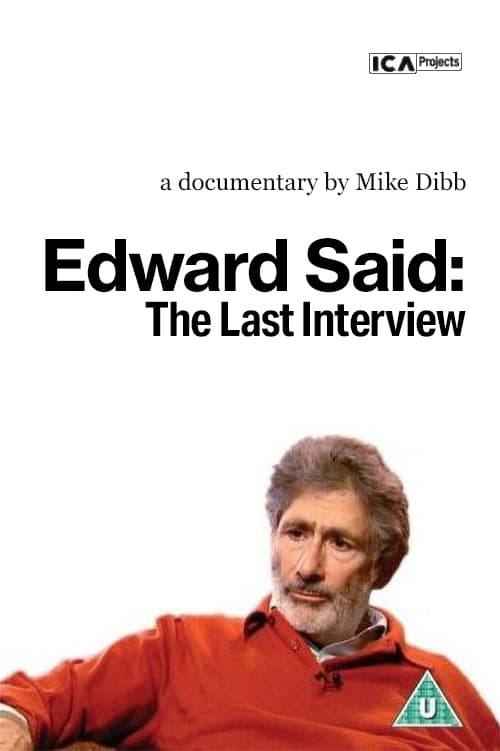
Edward Said, Professor of English & Comparative Literature at Columbia University, was a prominent literary critic of the late 20th century and a leading spokesperson for the Palestinian cause in the US. Born to a Palestinian family in Al-Quds (Jerusalem) in 1935, he and his family were dispossessed in 1948 and settled in Cairo. Educated in the US, he lived in New York for many years. Said was a member of the Palestine National Council. After resigning from the PNC in 1991, Said wrote critically about the post-Oslo peace process, the political failures of Yasser Arafat and the PLO. Said was diagnosed with leukemia in 1991 and struggled with the disease while continuing to write and teach. He stopped giving interviews but made an exception less than a year before his death in 2003, speaking about his illness, work, Palestine, politics, life, and education. The last interview is the final testament of this passionately committed intellectual.
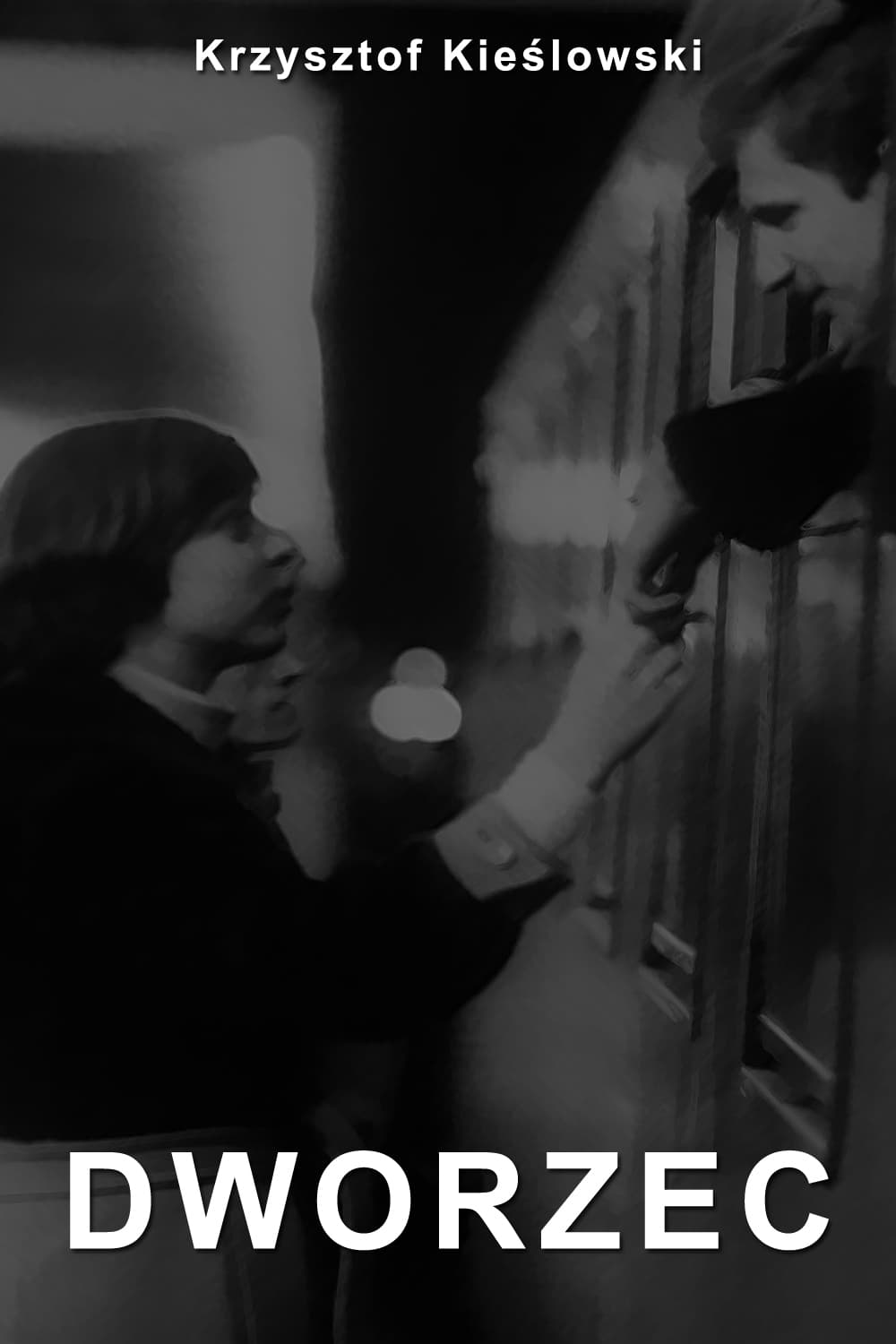
Warsaw's Central Railway Station. 'Someone has fallen asleep, someone's waiting for somebody else. Maybe they'll come, maybe they won't. The film is about people looking for something.
Review the partisanship that gridlocked Washington and charged the 2016 presidential campaign.
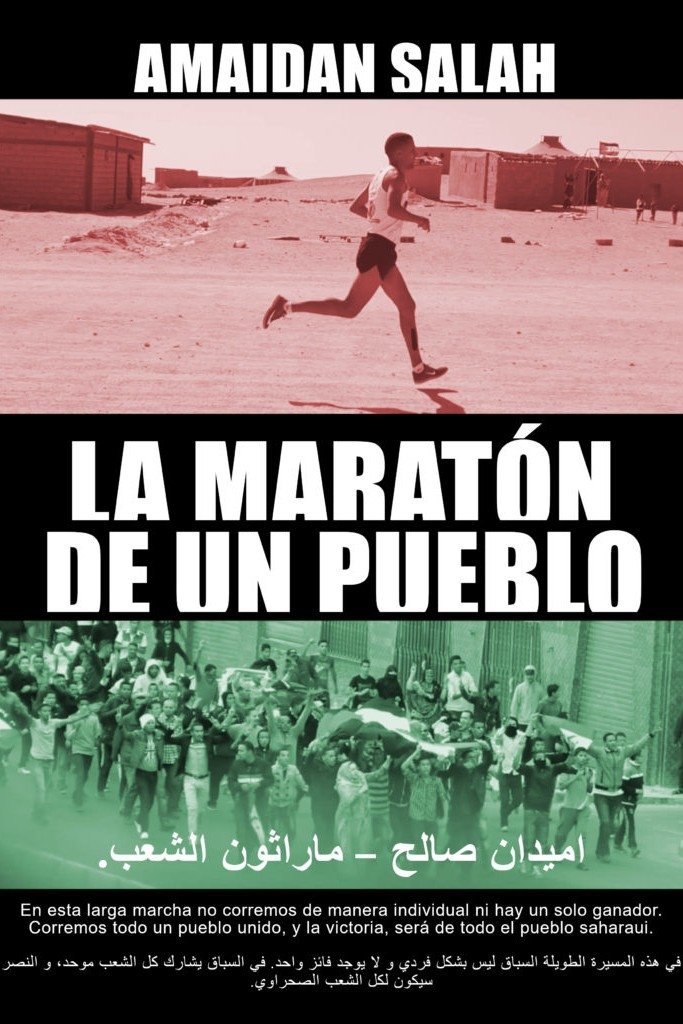
A documentary about the situation of the saharawi people in the refugee camps of Tindouf through the life and participation in the 2019 Sahara Marathon of the saharawi athlete and political refugee Amaidan Salah. An amateur documentary made using only a cellphone.
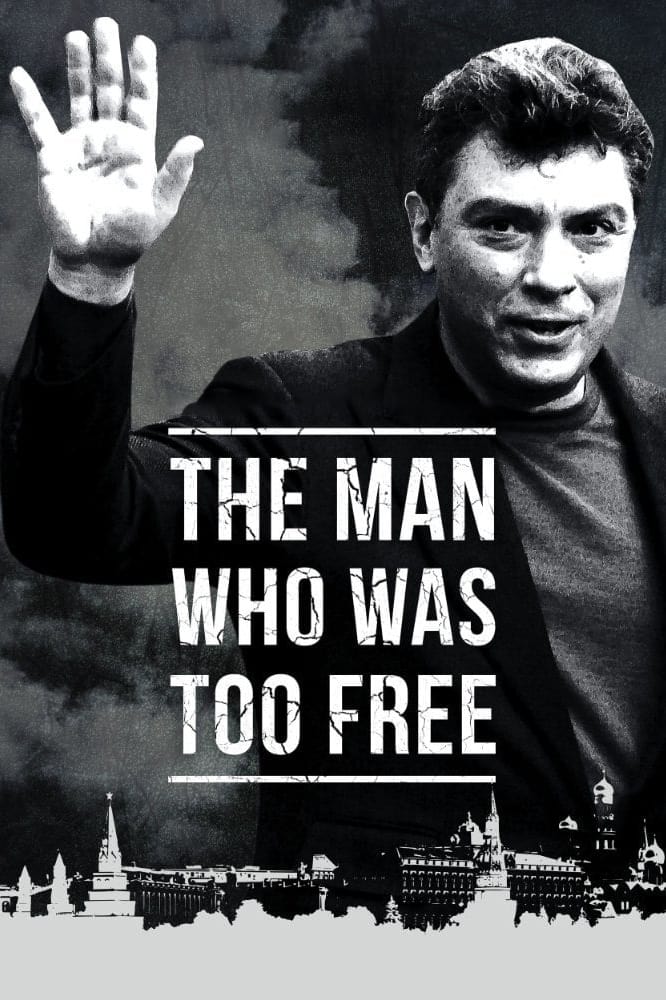
A documentary about Boris Nemtsov, a prominent figure of Russian political opposition and an outspoken critic of Vladimir Putin. Nemtsov was murdered in Moscow in February of 2015.
Lyrical and powerfully personal essay film that reflects on the deaths of her husband Lou Reed, her mother, her beloved dog, and such diverse subjects as family memories, surveillance, and Buddhist teachings.
A documentary on the expletive's origin, why it offends some people so deeply, and what can be gained from its use.
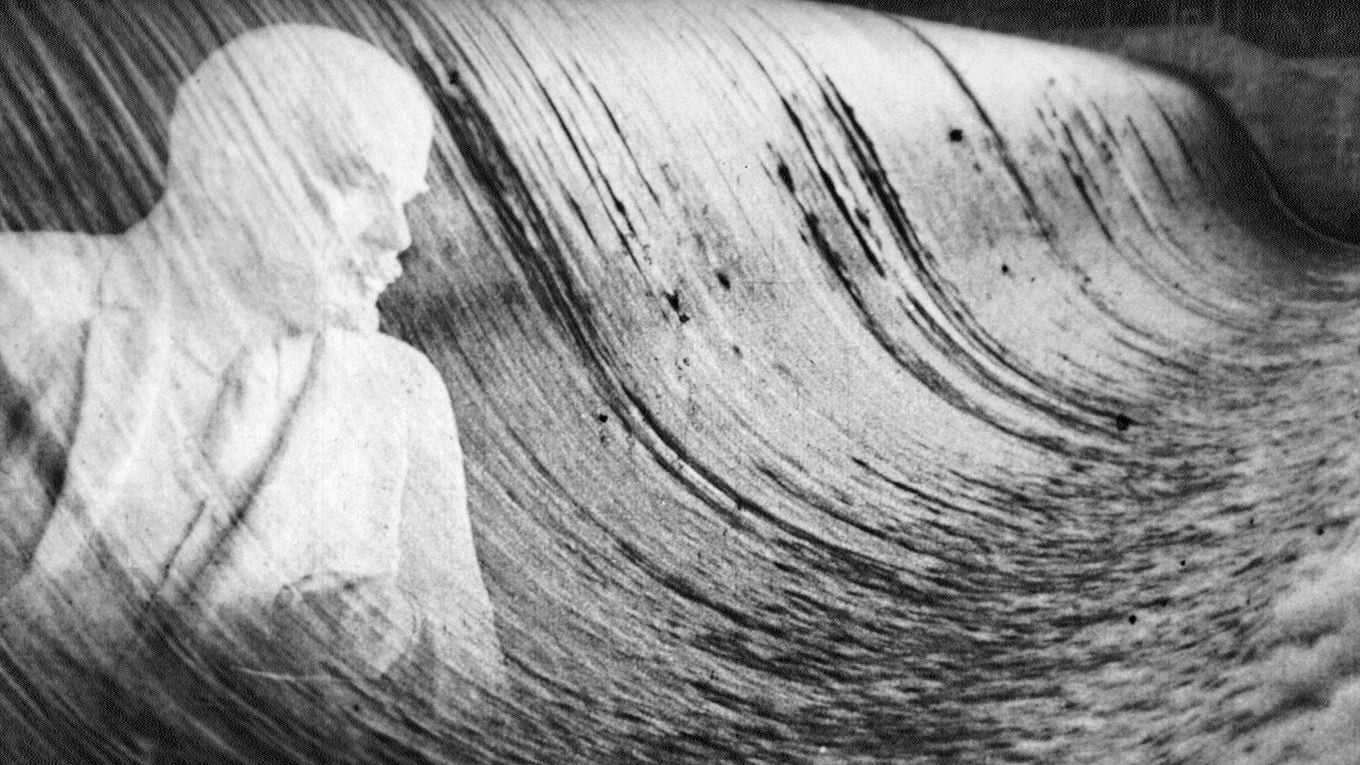
An audiovisual symphony that delves into the industrial, agrarian, and cultural fabric of the Donbas region during the inaugural Soviet Five Year Plan. It spotlights anti-religious campaigns, propagandistic marches, and the vibrant athletic culture of its time
A documentary that explores the downloading revolution; the kids that created it, the bands and the businesses that were affected by it, and its impact on the world at large.
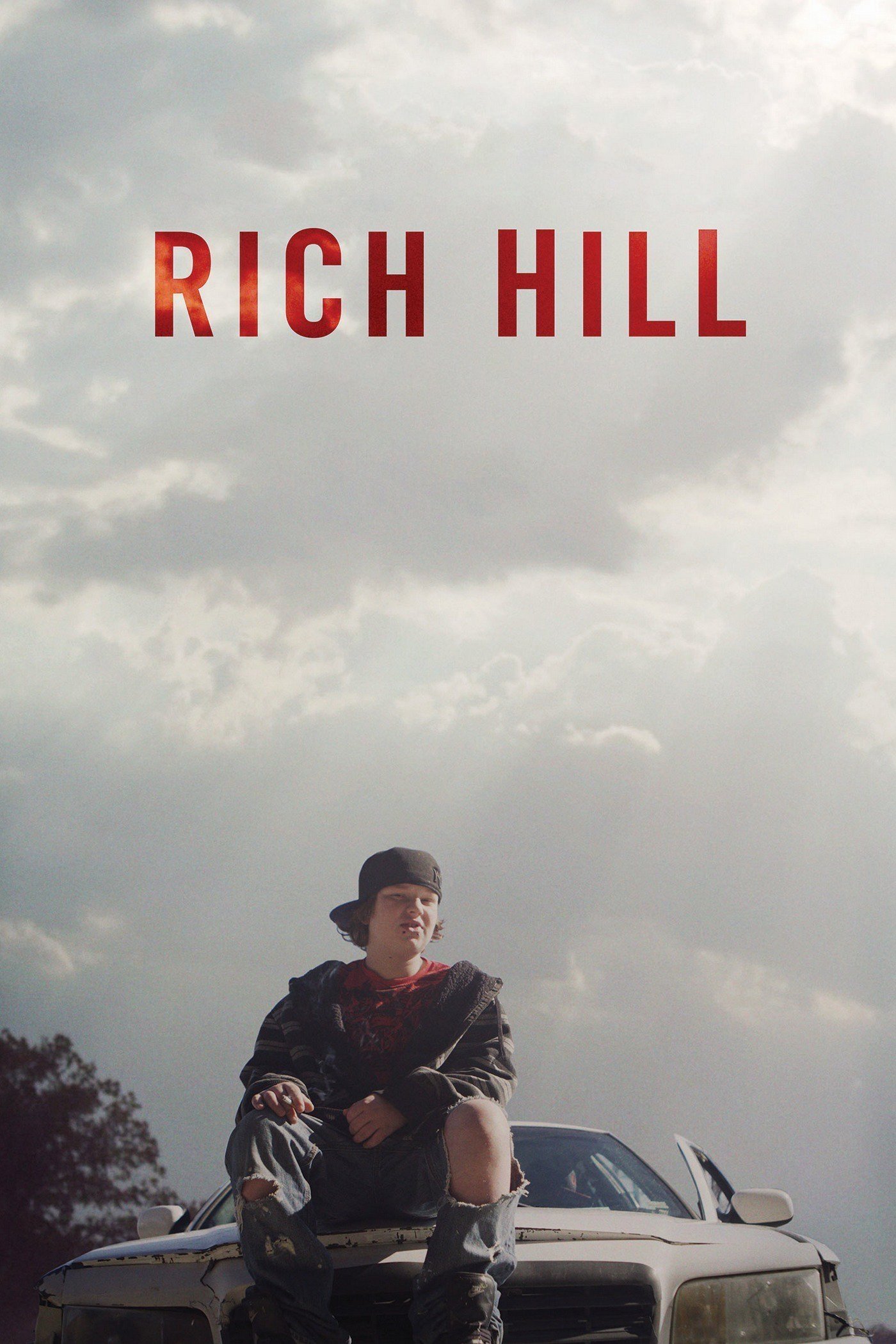
If you ever find yourself traveling down Interstate 49 through Missouri, try not to blink—you may miss Rich Hill, population 1,396. Rich Hill is easy to overlook, but its inhabitants are as woven into the fabric of America as those living in any small town in the country. This movie intimately chronicles the turbulent lives of three boys living in said Midwestern town and the fragile family bonds that sustain them.
A compilation of over 30 years of private home movie footage shot by Lithuanian-American avant-garde director Jonas Mekas, assembled by Mekas "purely by chance", without concern for chronological order.
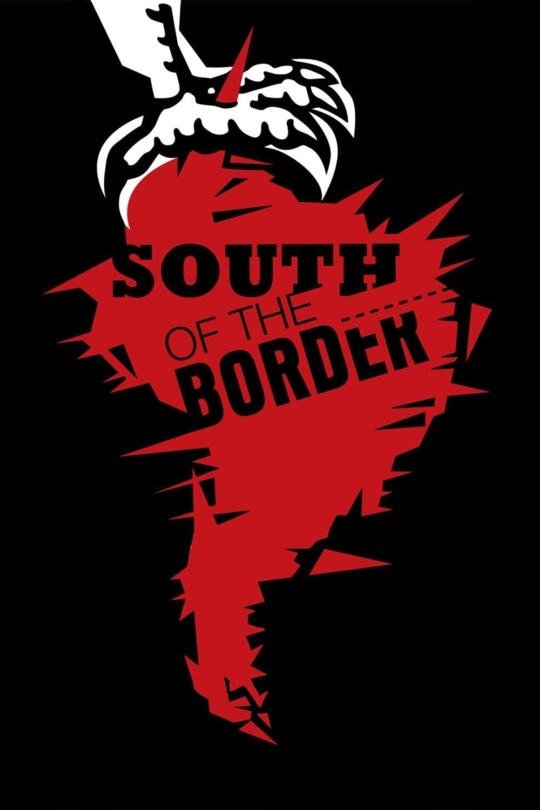
A road trip across five countries to explore the social and political movements as well as the mainstream media's misperception of South America while interviewing seven of its elected presidents.
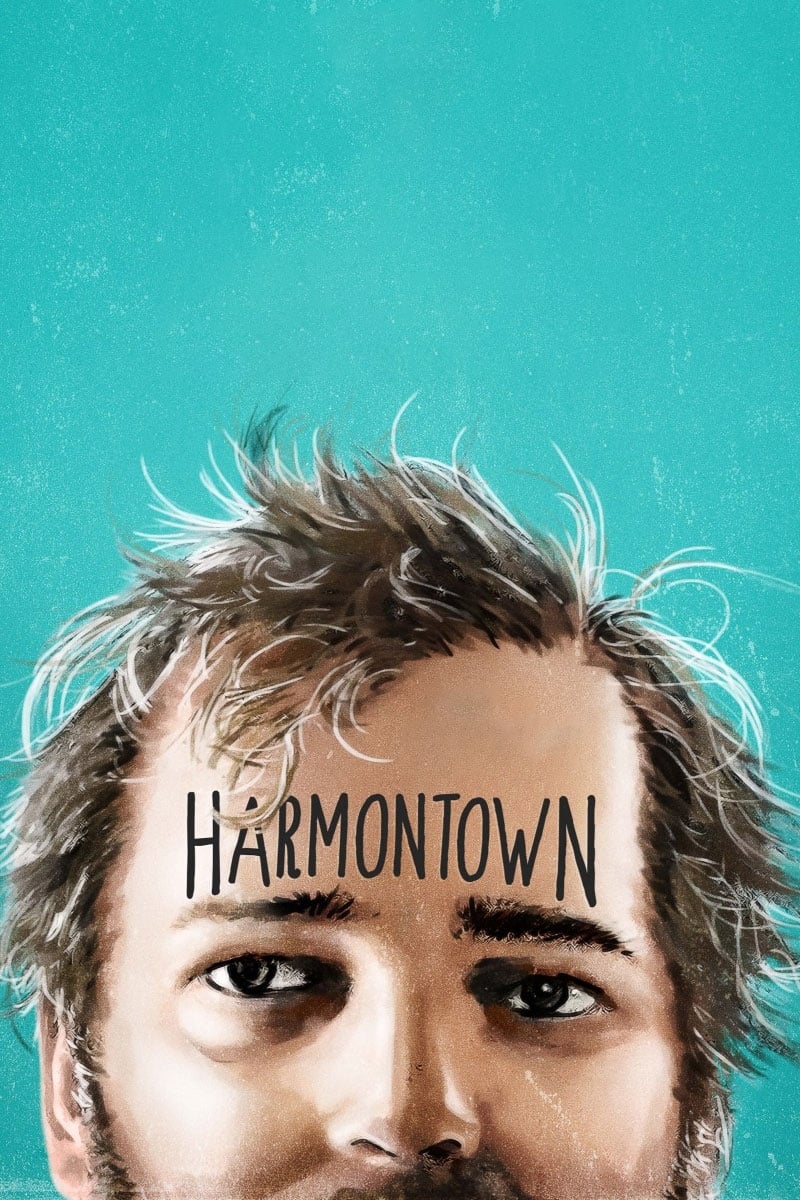
A comedic, brutally honest documentary following self-destructive TV writer Dan Harmon as he takes his live podcast on a national tour.
In the Realms of the Unreal is a documentary about the reclusive Chicago-based artist Henry Darger. Henry Darger was so reclusive that when he died his neighbors were surprised to find a 15,145-page manuscript along with hundreds of paintings depicting The Story of the Vivian Girls, in What is Known as the Realms of the Unreal, of the Glodeco-Angelinnian War Storm, Cased by the Child Slave Rebellion.
A documentary about how a dominant cultural and demographic institution both sustains their traditional activities and adapts to the digital revolution.
A subjective documentary that explores various theories about hidden meanings in Stanley Kubrick's classic film The Shining. Five very different points of view are illuminated through voice over, film clips, animation and dramatic reenactments.
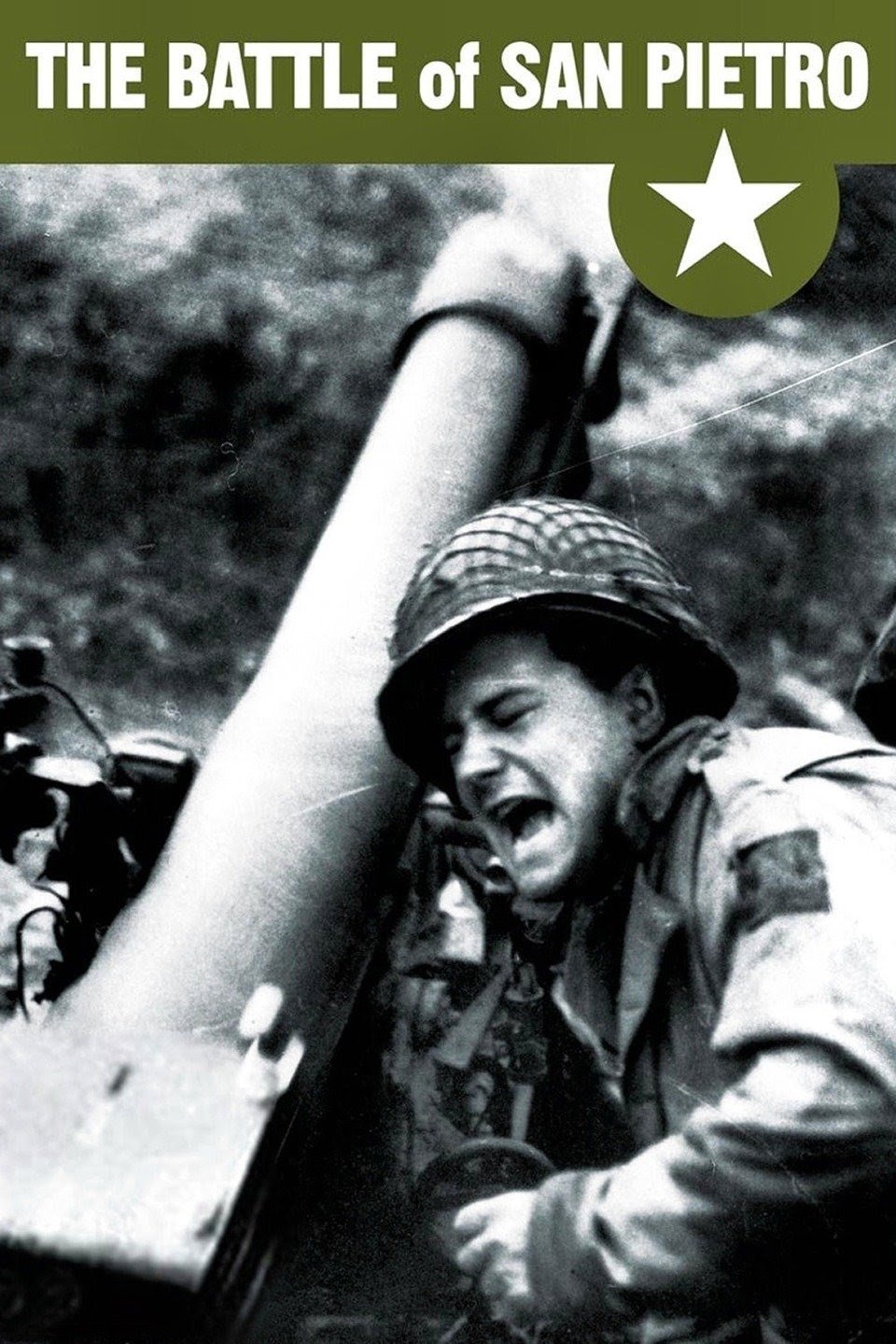
This documentary movie is about the battle of San Pietro, a small village in Italy. Over 1,100 US soldiers were killed while trying to take this location, that blocked the way for the Allied forces from the Germans. Preserved by the Academy Film Archive in 2005.
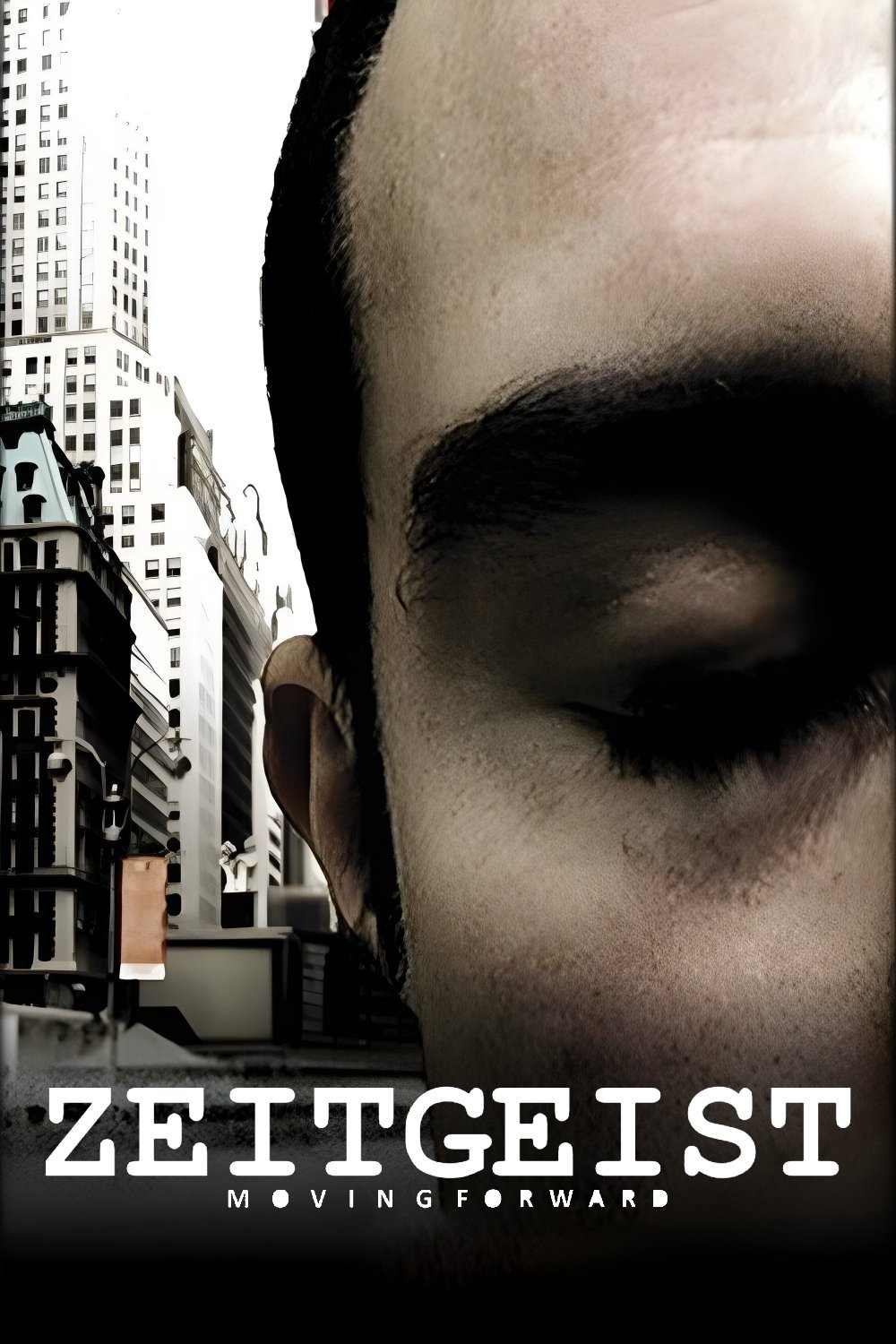
A presentation of a case for a needed transition out of the current socioeconomic monetary paradigm which governs the entire world society. This subject matter will transcend the issues of cultural relativism and traditional ideology and move to relate the core, empirical 'life ground' attributes of human and social survival, extrapolating those immutable natural laws into a new sustainable social paradigm called a 'Resource-Based Economy'.
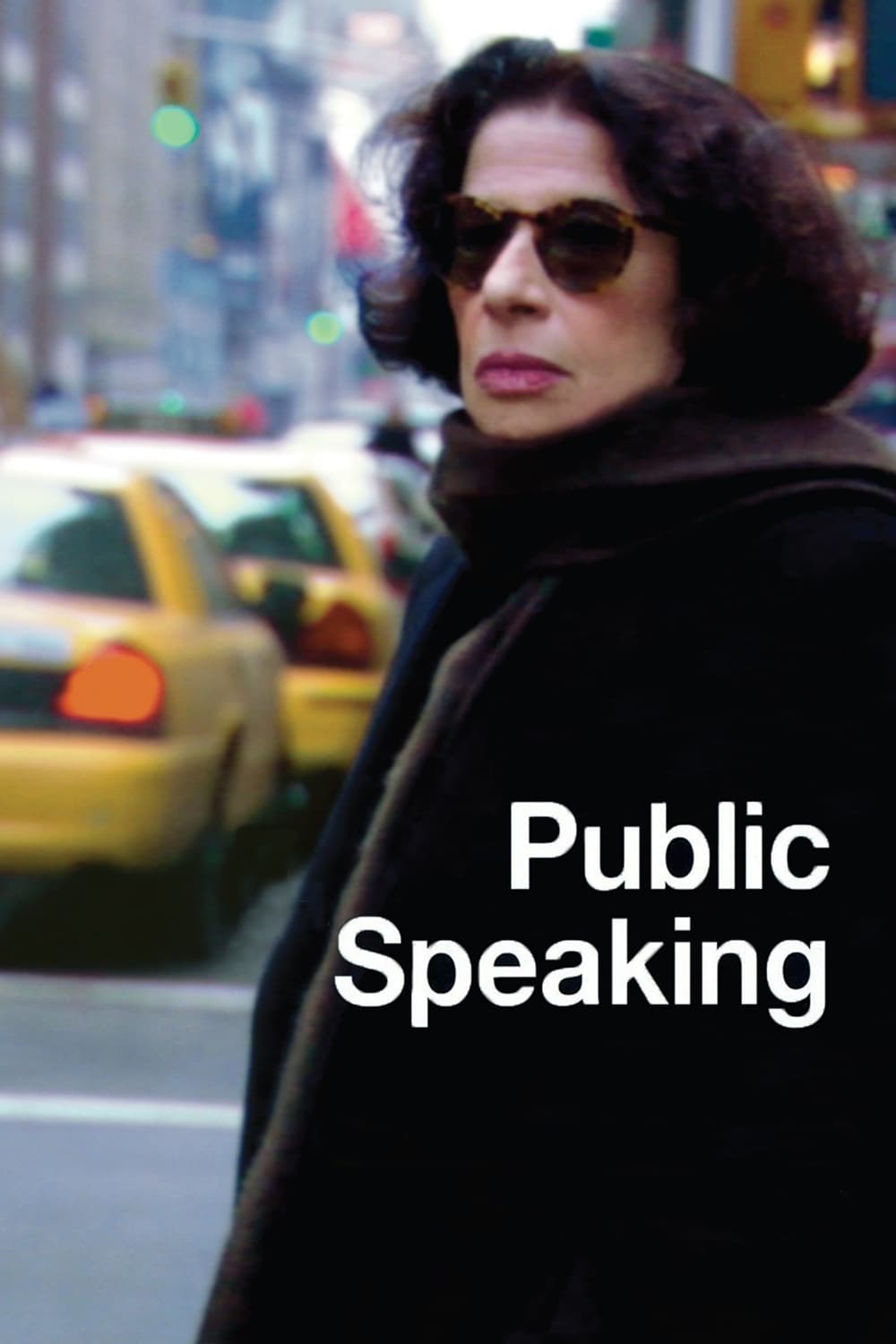
Martin Scorsese’s portrait of writer and social commentator Fran Lebowitz, celebrated for her sharp wit and observations on modern life. Filmed at New York’s Waverly Inn and intercut with archival footage and interviews, the documentary captures Lebowitz’s distinctive worldview through her spontaneous monologues and public appearances.
Brilliant, long in-the-works story of the life and art of the world's greatest comedian and the cinema's first genius, Charlie Chaplin. Produced, written and directed by renowned film critic Richard Schickel.
Using the book 'Fragments', which collects Marilyn Monroe's poems, notes and letters, and with participation from the Arthur Miller and Truman Capote estates who have contributed more material, each of the actresses will embody the legend at various stages in her life.
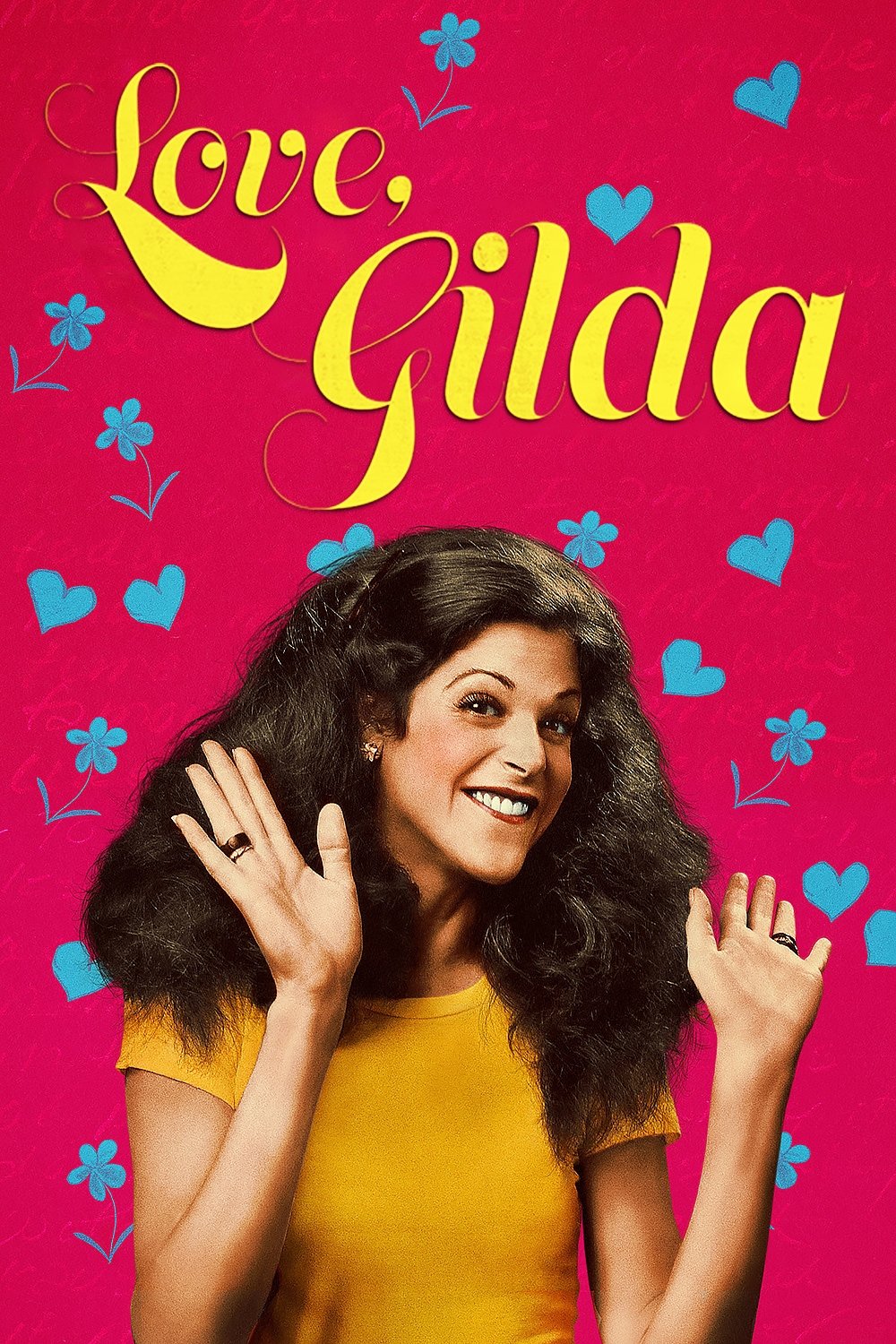
Diaries, audiotapes, videotapes and testimonials from friends and colleagues offer insight into the life and career of Gilda Radner -- the beloved comic and actress who became an icon on Saturday Night Live.
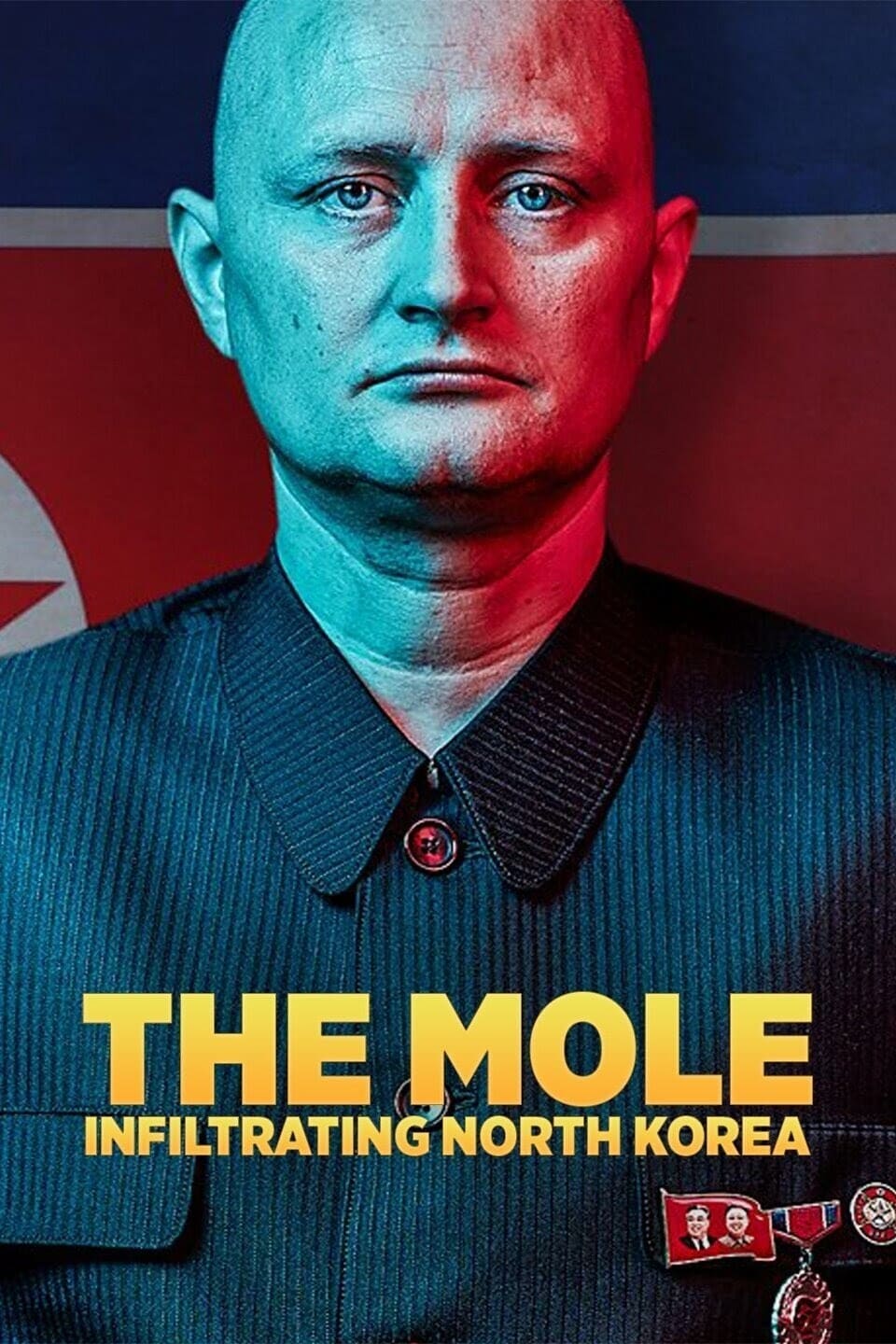
A real-life undercover thriller about two ordinary men who embark on an outrageously dangerous ten-year mission to penetrate the world's most secretive and brutal dictatorship: North Korea.
Daniel Craig candidly reflects on his 15 year adventure as James Bond. Including never-before-seen archival footage from Casino Royale to the upcoming 25th film No Time To Die, Craig shares his personal memories in conversation with 007 producers, Michael G Wilson and Barbara Broccoli.
When Allied forces liberated the Nazi concentration camps in 1944-45, their terrible discoveries were recorded by army and newsreel cameramen, revealing for the first time the full horror of what had happened. Making use of British, Soviet and American footage, the Ministry of Information’s Sidney Bernstein (later founder of Granada Television) aimed to create a documentary that would provide lasting, undeniable evidence of the Nazis’ unspeakable crimes. He commissioned a wealth of British talent, including editor Stewart McAllister, writer and future cabinet minister Richard Crossman – and, as treatment advisor, his friend Alfred Hitchcock. Yet, despite initial support from the British and US Governments, the film was shelved, and only now, 70 years on, has it been restored and completed by Imperial War Museums under its original title "German Concentration Camps Factual Survey".