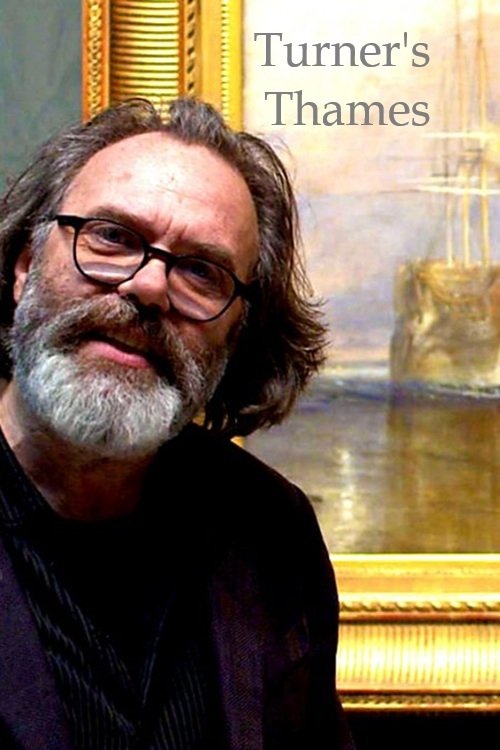
Writer and artist Matthew Collings reveals the use of light by artist JMW Turner, through a biography of the artist's life-long fascination with the River Thames, London.
Social & External
The people behind it
Matthew Collings
Self
This Traveltalks short visits cities and towns along the Thames River. It begins in London, with views of Cleopatra's Needle and the Tower Bridge. We then visit the Trout Inn at Oxford, a favorite gathering place for students at the university. After a short look at Eton, it's off to Henley-on-Thames and the world-famous regatta.
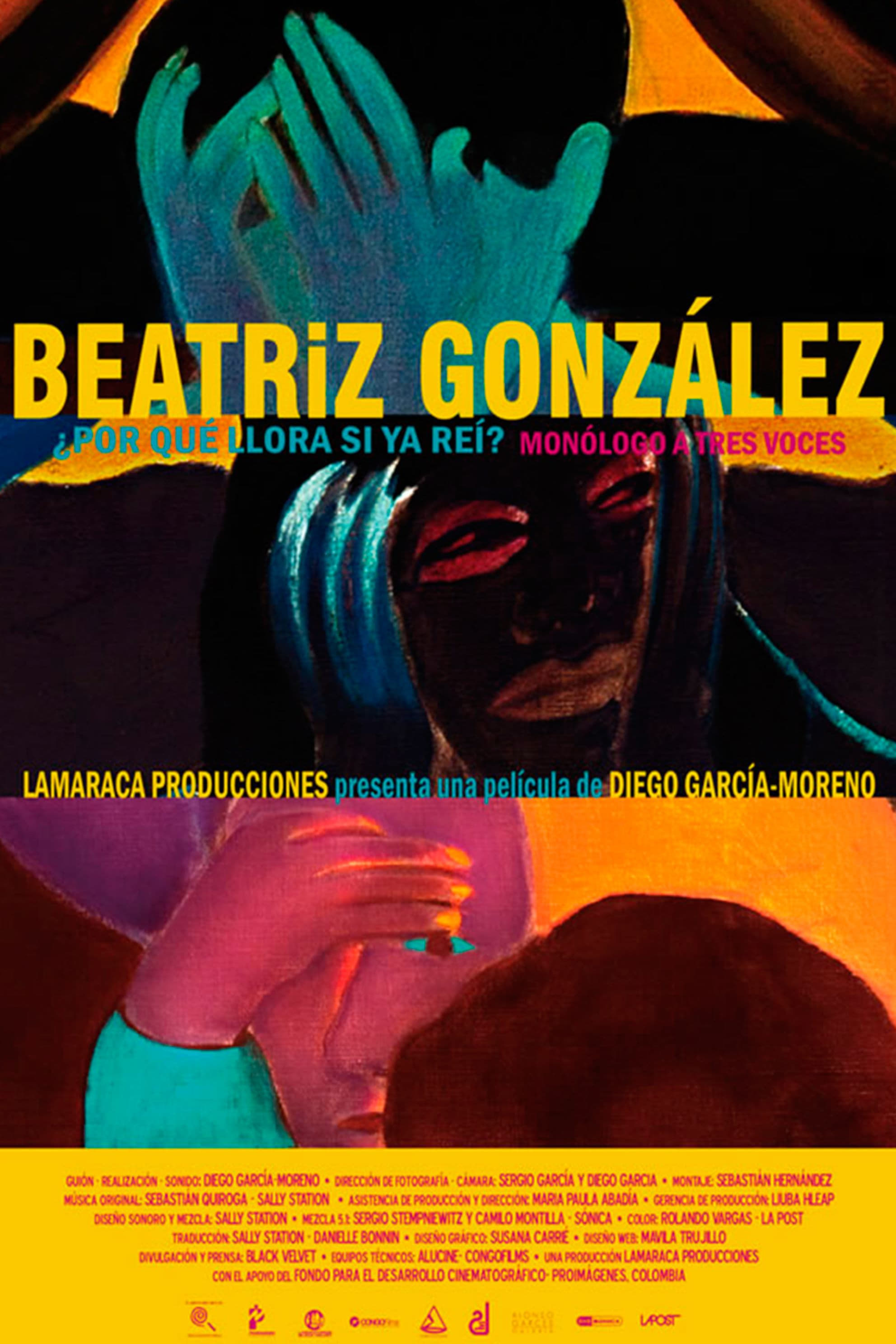
What happened to painter Beatriz González, who made us laugh with the irony of her works, to get to the point of making a self-portrait that shows her crying naked? The path of the artist is intimately linked with the history of Colombia during the past fifty years.
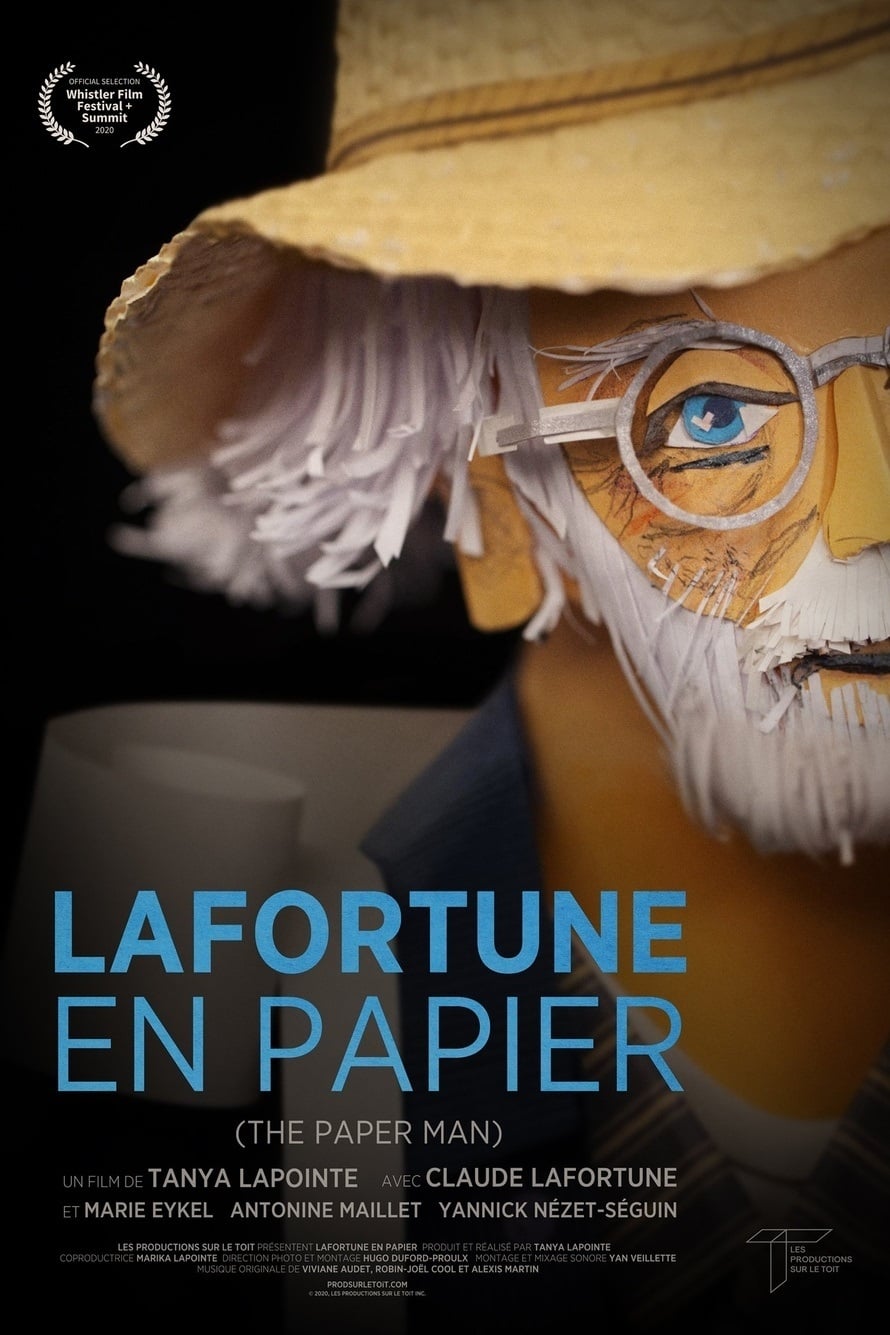
Much like Fred Rogers and Bob Ross in the United States, Claude Lafortune was a staple of French-Canadian television. The beloved children's television host inspired generations of children through his celebration of creativity, inclusivity and diversity. For over five decades, he dedicated his life to transforming mere paper into whimsical sculptures, creatures and film sets. "The Paper Man" reveals the depths of Claude Lafortune's work, as well as his continuing legacy.
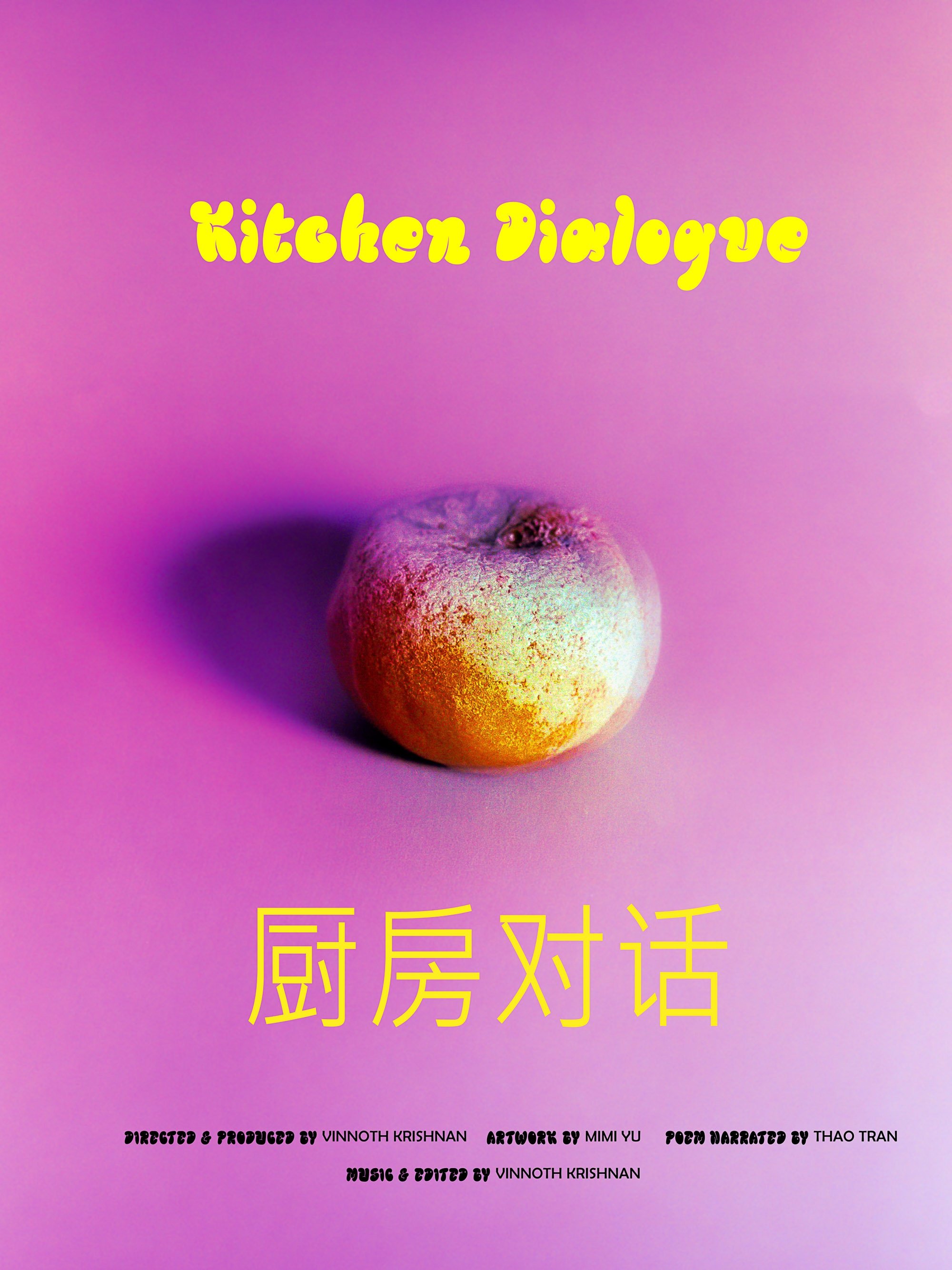
A generational trauma through the lens of an Asian American teenager through food and poetry.
A portrait of the day-to-day operations of the National Gallery of London, that reveals the role of the employees and the experiences of the Gallery's visitors. The film portrays the role of the curators and conservators; the education, scientific, and conservation departments; and the audience of all kinds of people who come to experience it.
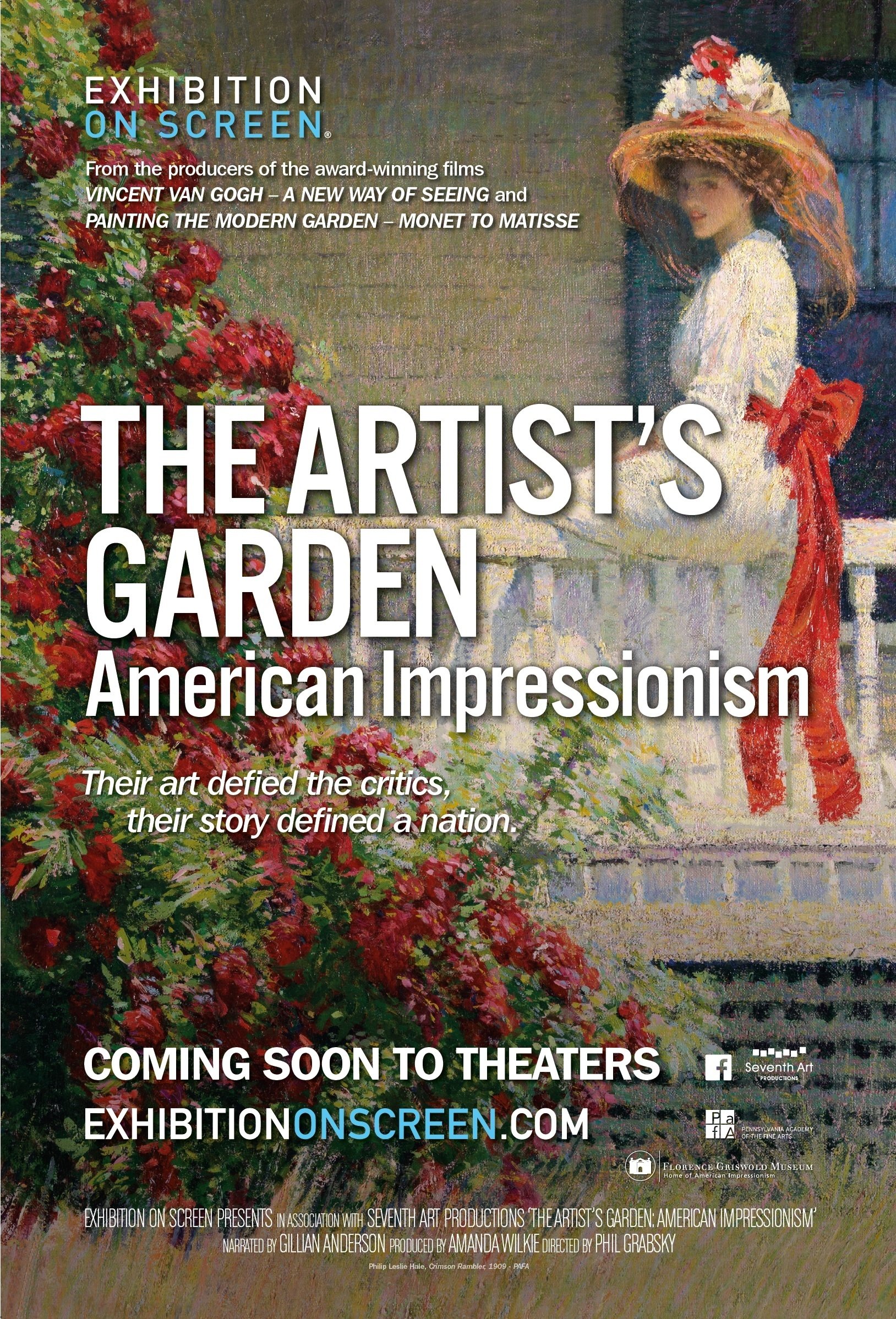
Taking its lead from French artists like Renoir and Monet, the American impressionist movement followed its own path which over a forty-year period reveals as much about America as a nation as it does about its art as a creative power-house. It’s a story closely tied to a love of gardens and a desire to preserve nature in a rapidly urbanizing nation. Travelling to studios, gardens and iconic locations throughout the United States, UK and France, this mesmerising film is a feast for the eyes. The Artist’s Garden: American Impressionism features the sell-out exhibition The Artist’s Garden: American Impressionism and the Garden Movement, 1887–1920 that began at the Pennsylvania Academy of the Fine Arts and ended at the Florence Griswold Museum, Old Lyme, Connecticut.
A documentary following JR's artwork giving a global voice to everyday people.
The artist Johanna Faust is about to leave her children to finally devote herself to her art again. A vague memory comes to her mind: Didn't her grandmother do the same thing, with terrible consequences? The intimate road movie tells of lost mothers and abandoned children, of the temptations and the price of self-fulfilment, of the abysses of motherhood and of the deep longing for another life.
Based on the life of Dr. Harish Gershom and about the journey of his achievement Harishophone. He is the only Indian who can play three octaves in the smallest saw (26.3 inches). He is recognized for his unique achievement including Limca Book Records 2003, State Award 2005, Guinness World Record 2015, British World Records 2021, IMAS Award 2011. Get along the journey of Dr Haris Gershom whose invention of the 'Harishophone' made wonders around the globe for its therapeutic impact. He is known to be the only individual in the world capable of producing three octaves on a saw that have a healing effect.
This is a 1991 documentary film about the legendary artist and filmmaker, Joseph Cornell, who made those magnificent and strange collage boxes. He was also one of our great experimental filmmakers and once apparently made Salvador Dali extremely jealous at a screening of his masterpiece, Rose Hobart. In this film we get to hear people like Susan Sontag, Stan Brakhage, and Tony Curtis talk about their friendships with the artist. It turns out that Curtis was quite a collector and he seemed to have a very deep understanding of what Cornell was doing in his work.
New York based artist, Cindy Sherman, is famous for her photographs of women in which she is not only the photographer, but also the subject. She has contributed her own footage to the programme by recording her studio and herself at work with her Hi-8 video camera. It reveals a range of unexpected sources from visceral horror to medical catalogues and exploitation movies, and explores her real interests and enthusiasms. She shows an intuitive and often humorous approach to her work, and reflects on the themes of her work since the late 1970s. She talks about her pivotal series known as the `Sex Pictures' in which she addresses the theme of sexuality in the light of AIDS and the arts censorship debate in the United States.
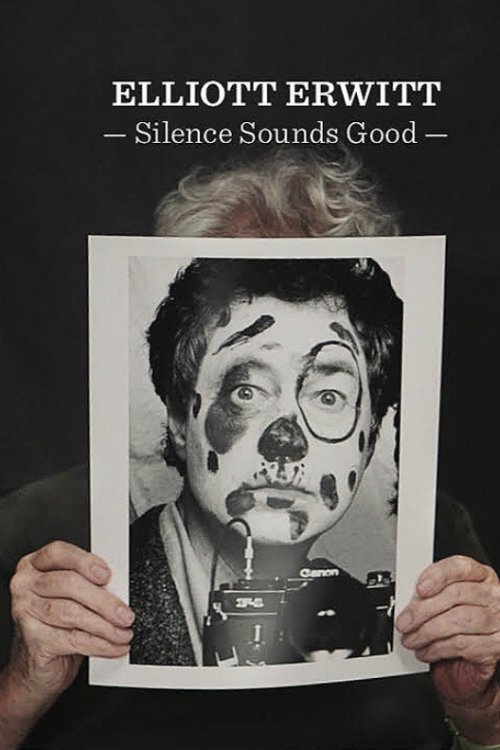
Elliott Erwitt has spent his entire adult life taking photographs, of presidents, popes and movie stars, as well as regular people and their pets. His work is iconic in world culture while his life is largely unknown.
A Brazilian performance artist Vanesa Cardoso living in Newfoundland, Canada explores the figures of her Pochinko clown, discovering a desire to expose the comedy of our deepest vulnerabilities - the very ones that make us human. A creative journey through Richard Pochinko's seven masks and six directions, Vanessa reveals her clown while musing on the personal drive and struggles that inspire her art.
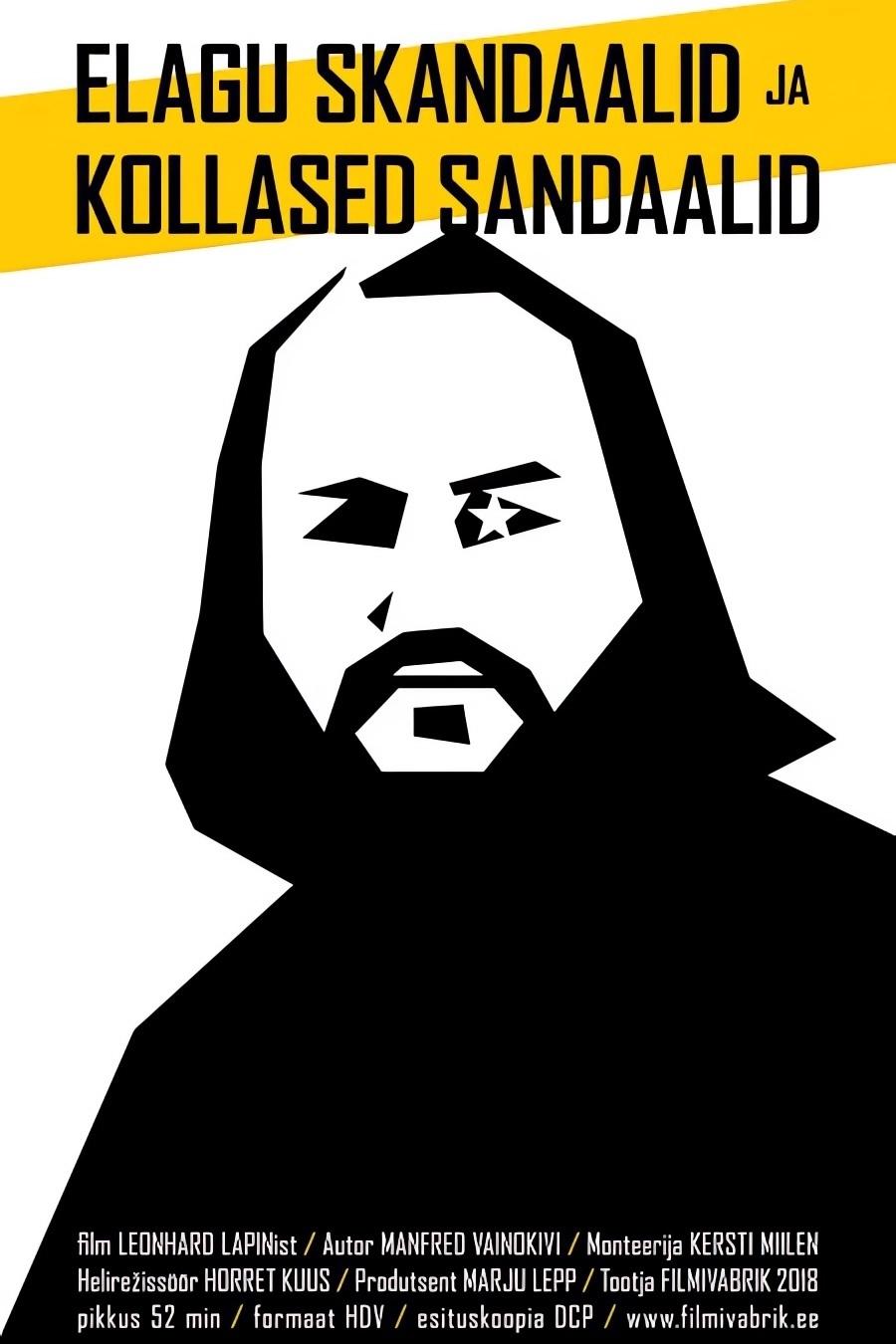
Leonhard Lapin is the classic and the enfant terrible of Estonian contemporary art, constantly followed by scandals, lewd legends and envious grumbling. Lapin confidently steps on the cornea of mediocrity, enjoying the situation to the fullest. Loved by his muses, the artist is not ashamed of his dalliances. He still has plenty at the grand old age of 70. The new Estonian film opens the doors to a disappearing Bohemianism, in which racy vocabulary reigns instead of political correctness.
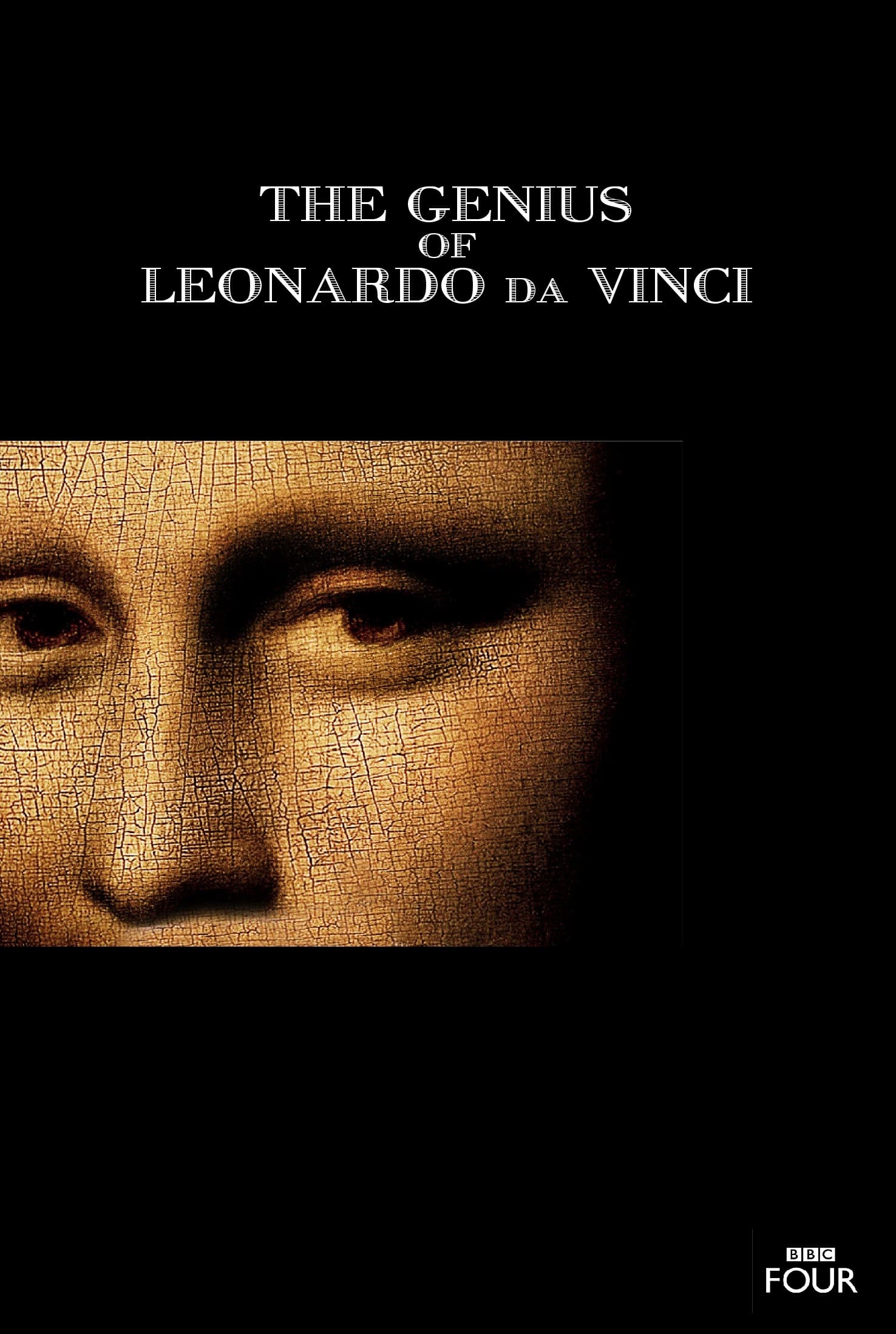
Janina Ramirez explores the BBC archives to create a TV history of Leonardo Da Vinci, discovering what lies beneath the Mona Lisa and even how he acquired his anatomical knowledge.
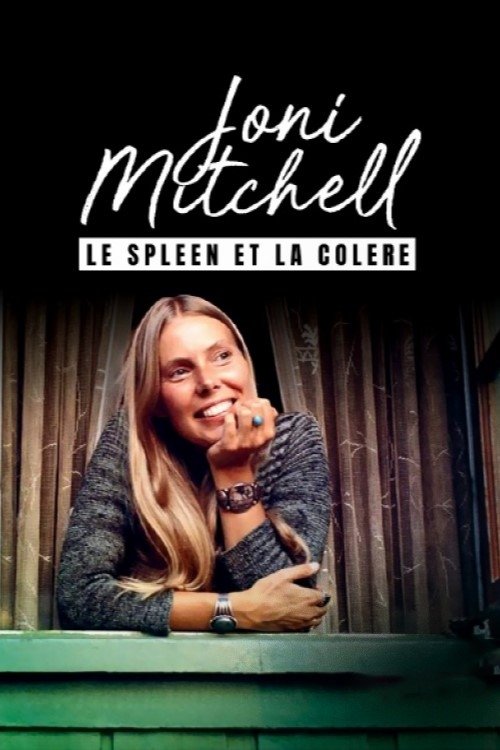
Joni Mitchell has been called the queen of folk music and one of the biggest pop stars of the 60s and 70s. Even today, her lyrics and unique guitar style continue to inspire new generations of singers and songwriters.
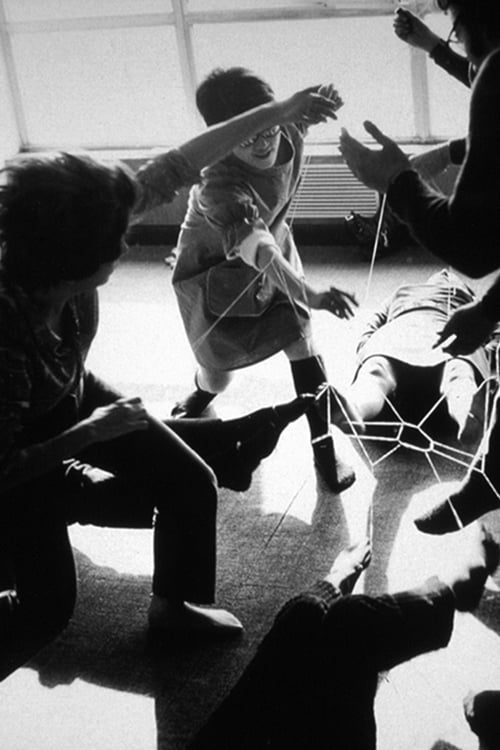
Artistic experimental documentary short that explores the universe of Brazilian artist Lygia Clark. Sensorial experiences, the perception of the body, forms and tactile sensations are mixed and reflect the human race as part of the cosmos, getting lost to find itself. Art, stripped of its virtuous image, as an action of the common human being, the expression of living things, runs from the mechanical repetition of movements and attitudes.
In an intimate and joyful story of love in the face of loss, celebrated poets Andrea Gibson and Megan Falley find strength—and unexpected hilarity—in what might be their final year together.
An inside look at one of the most anticipated movie sequels ever with James Cameron and cast.
Alexander McQueen's rags-to-riches story is a modern-day fairy tale, laced with the gothic. Mirroring the savage beauty, boldness and vivacity of his design, this documentary is an intimate revelation of McQueen's own world, both tortured and inspired, which celebrates a radical and mesmerizing genius of profound influence.
Director Michael Apted revisits the same group of British-born adults after a 7 year wait. The subjects are interviewed as to the changes that have occurred in their lives during the last seven years.
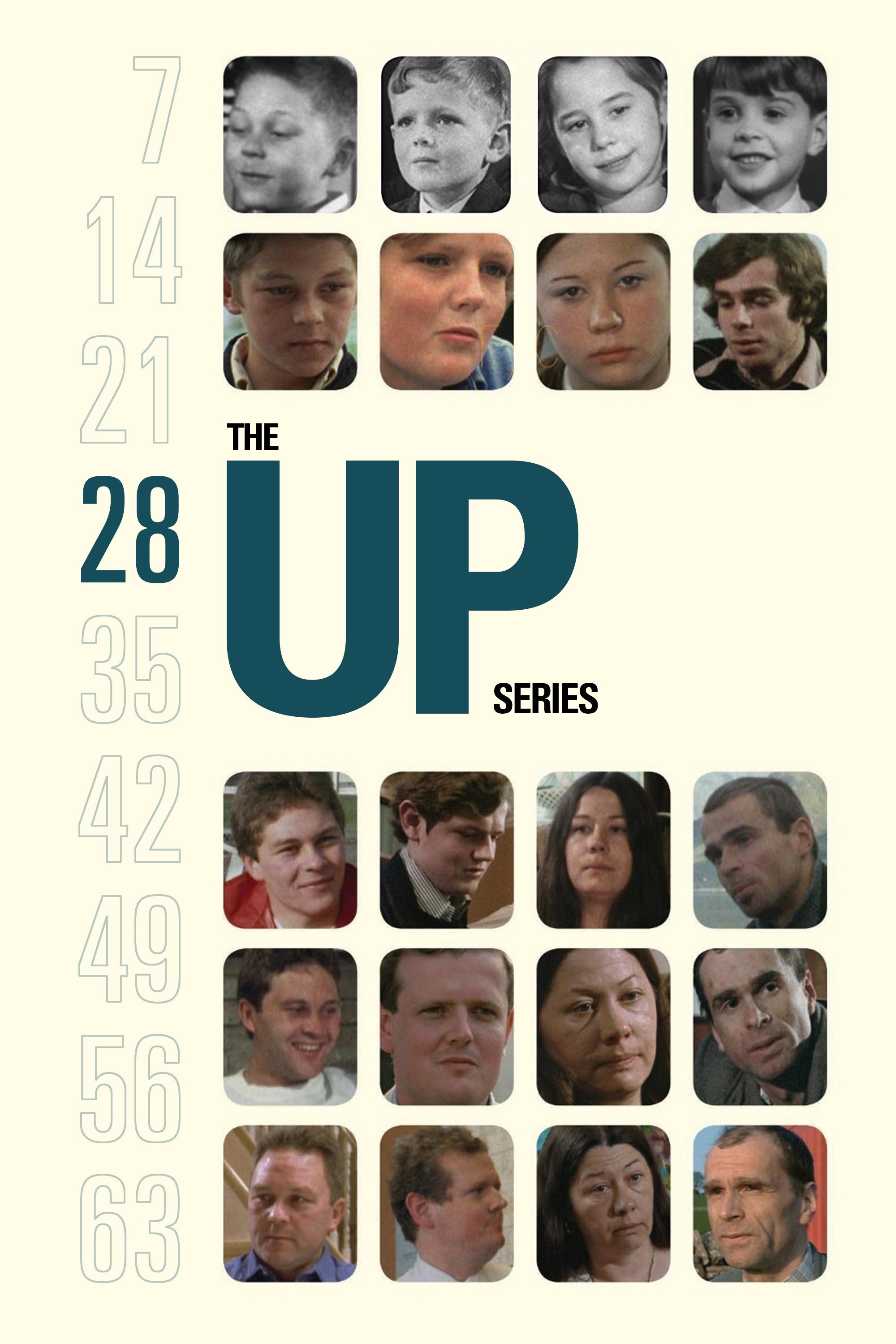
Just two years away from turning 30, participants in Michael Apted's documentary series are facing serious questions of identity and purpose, wondering whether they've found their place in the world.
Everyone thinks that Bob Kane created Batman, but that’s not the whole truth. One author makes it his crusade to make it known that Bill Finger, a struggling writer, actually helped invent the iconic superhero, from concept to costume to the very character we all know and love. Bruce Wayne may be Batman’s secret identity, but his creator was always a true mystery.
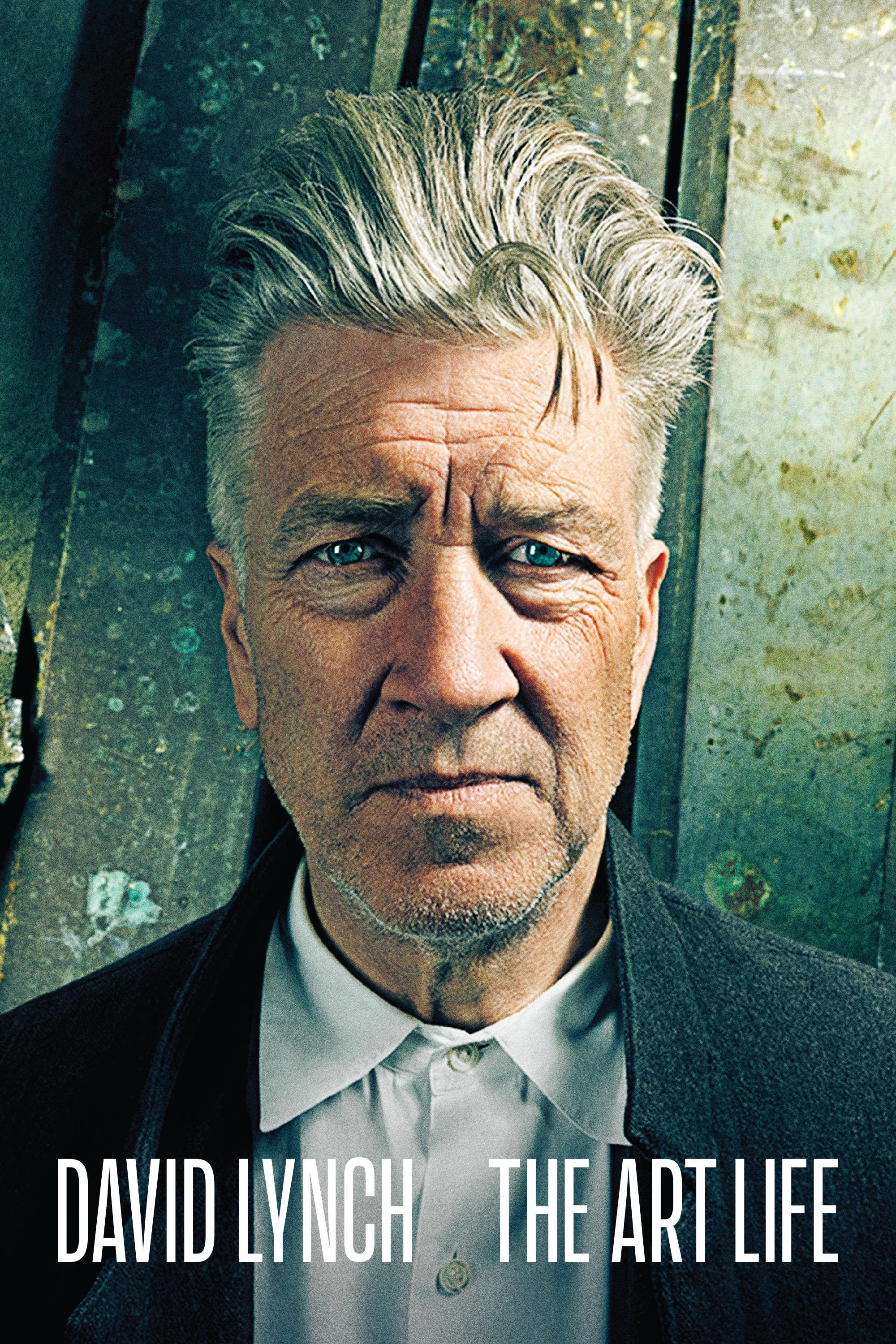
An intimate journey through the formative years of David Lynch's life. From his idyllic upbringing in small town America to the dark streets of Philadelphia, we follow Lynch as he traces the events that have helped to shape one of cinema's most enigmatic directors.
Alex Gibney explores the charged issue of pedophilia in the Catholic Church, following a trail from the first known protest against clerical sexual abuse in the United States and all way to the Vatican.
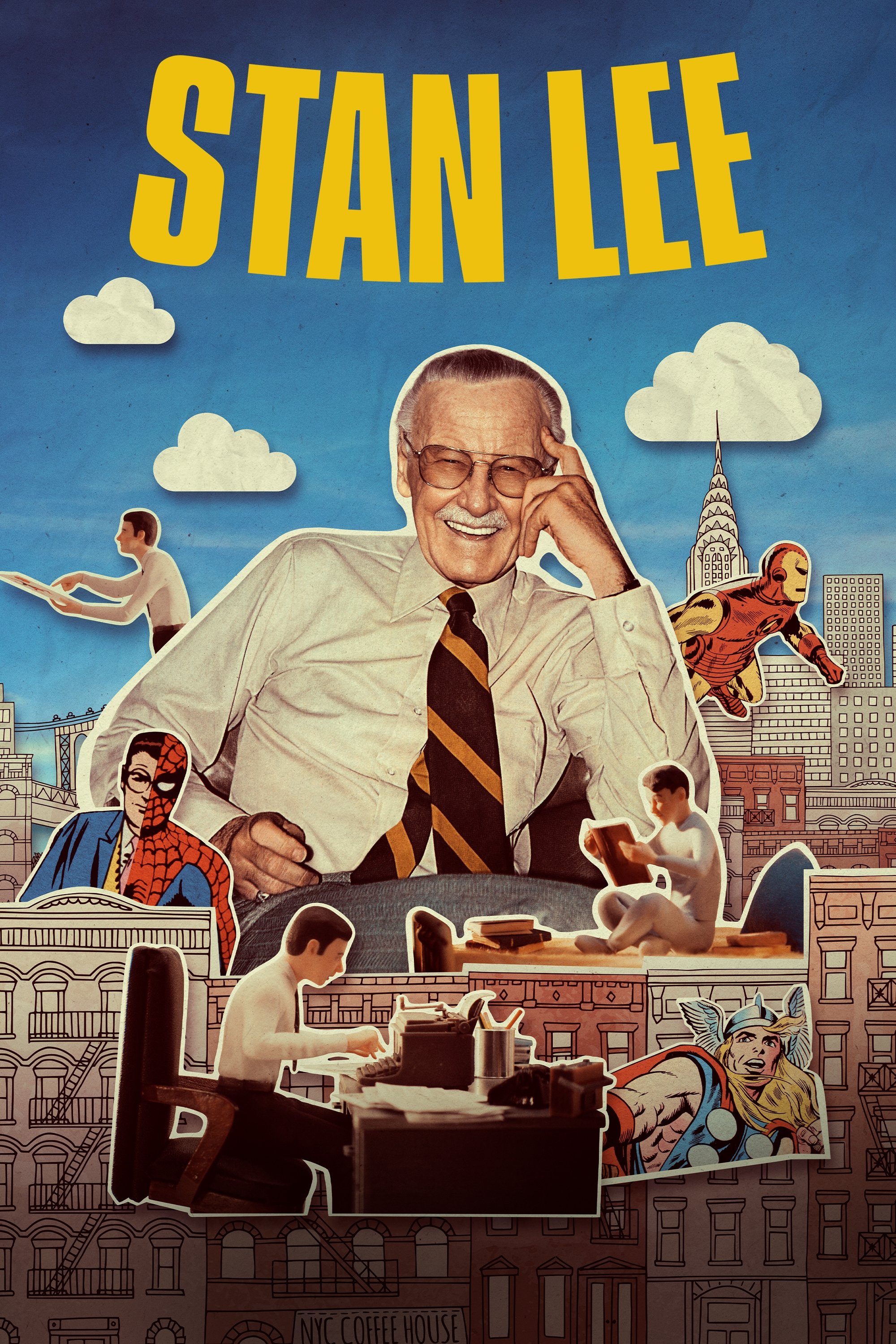
Celebrate the legacy of Stan Lee as the co-creator of such legendary characters as Fantastic Four, Iron Man, the X-Men, The Avengers, and hundreds more.
A string of threatening emails escalates into a revenge plot involving a newly married US marshal and his ex-girlfriend.
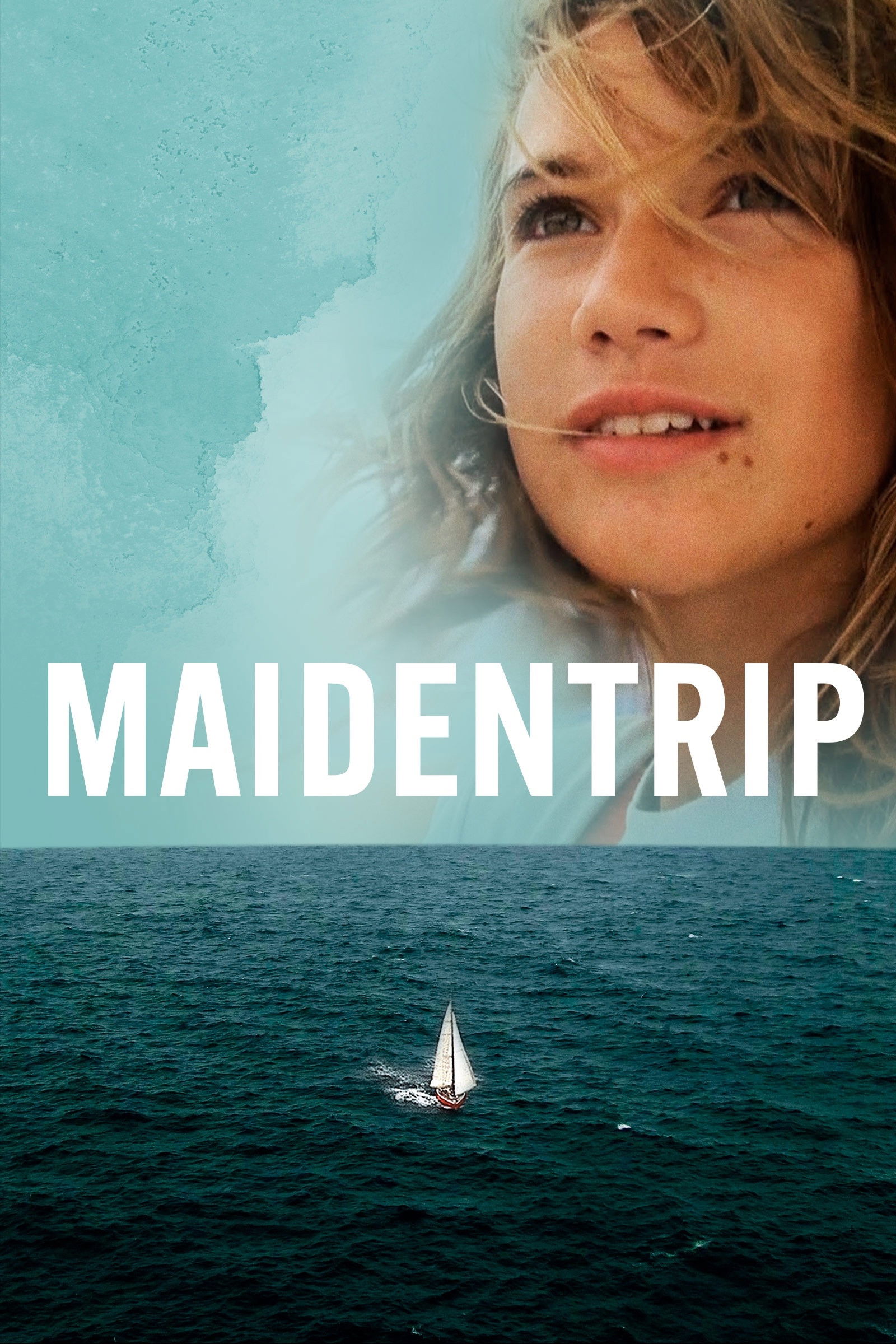
14-year-old Laura Dekker sets out on a two-year voyage in pursuit of her dream to become the youngest person ever to sail around the world alone.
Musician and performance artist Laurie Anderson reflects on the deaths of her husband Lou Reed, her mother and her beloved dog.
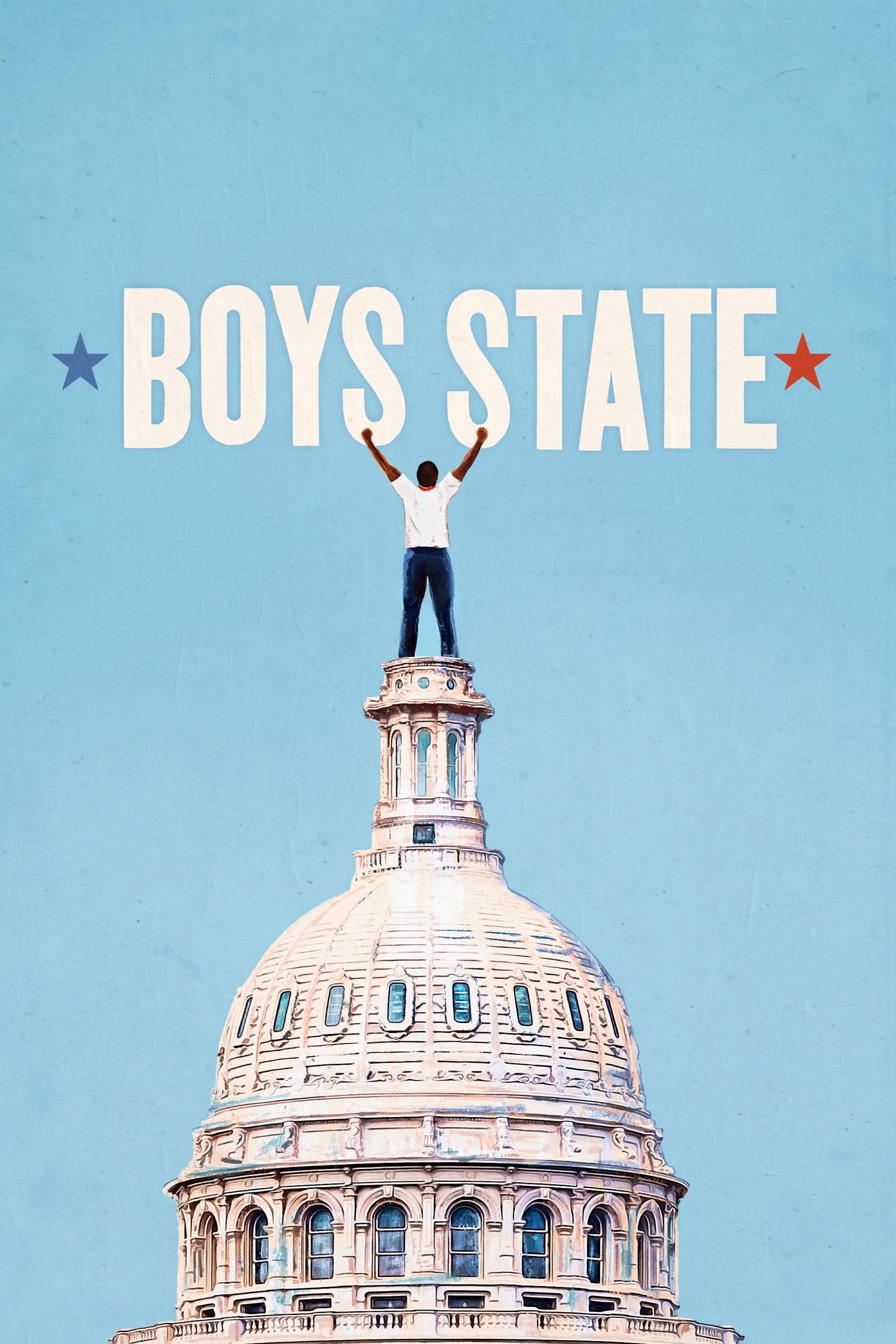
This raucous journey into the heart of democracy captures an unusual rite of passage: 1,100 teenage boys from across Texas coming together to build a representative government from the ground up.
The life of internationally renowned artist and activist Nan Goldin is told through her slideshows, intimate interviews, ground-breaking photography, and rare footage of her personal fight to hold the Sackler family accountable for the overdose crisis.
JB Smoove and Martin Starr host a celebration of 20 years of "Spider-Man" movies, from the Sam Raimi trilogy to Marc Webb's movies and the trio from Jon Watts.
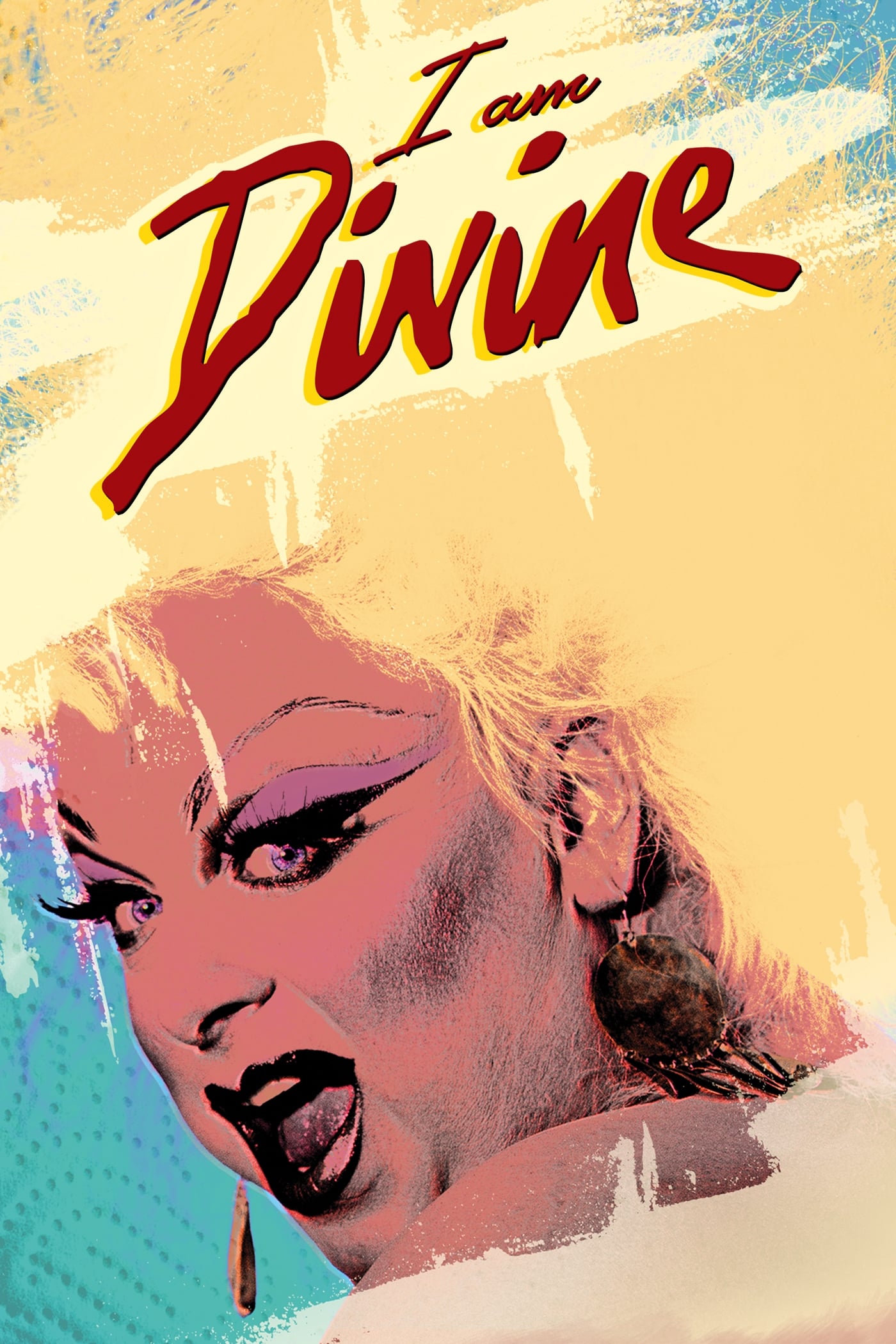
Harris Glenn Milstead, aka Divine (1945-1988) was the ultimate outsider turned underground hero. Spitting in the face of the status quos of body image, gender identity, sexuality, and preconceived notions of beauty, Divine succeeded in becoming an internationally recognized icon, recording artist, and character actor of stage and screen. Glenn went from the often-mocked, schoolyard fat kid to underdog royalty, standing up for millions of gay men and women, drag queens and punk rockers, and countless other socially ostracized misfits and freaks. With a completely committed in-your-face style, he blurred the line between performer and personality, and revolutionized pop culture.
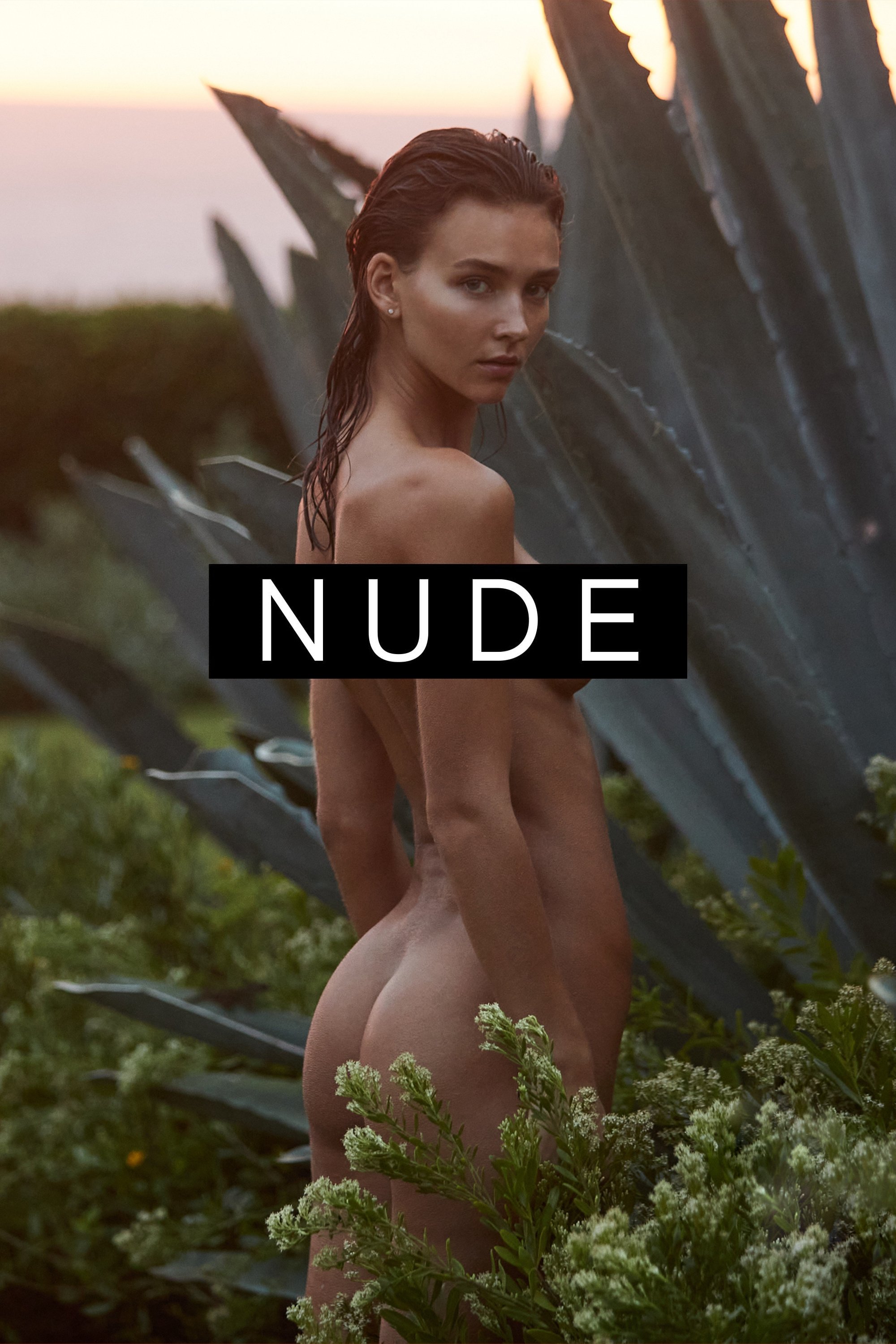
NUDE explores perceptions of nudity in art by chronicling the creative process of photographer David Bellemere as he's commissioned by NU Muses founder Steve Shaw to shoot a fine art calendar of nude photographs.
A visual montage portrait of our contemporary world dominated by globalized technology and violence.
For a year, acclaimed British filmmaker Jeanie Finlay was embedded on the set of the hit HBO series “Game of Thrones,” chronicling the creation of the show’s most ambitious and complicated season. Debuting one week after the series 8 finale, GAME OF THRONES: THE LAST WATCH delves deep into the mud and blood to reveal the tears and triumphs involved in the challenge of bringing the fantasy world of Westeros to life in the very real studios, fields and car-parks of Northern Ireland. Made with unprecedented access, GAME OF THRONES: THE LAST WATCH is an up-close and personal portrait from the trenches of production, following the crew and the cast as they contend with extreme weather, punishing deadlines and an ever-excited fandom hungry for spoilers. Much more than a “making of” documentary, this is a funny, heartbreaking story, told with wit and intimacy, about the bittersweet pleasures of what it means to create a world – and then have to say goodbye to it.
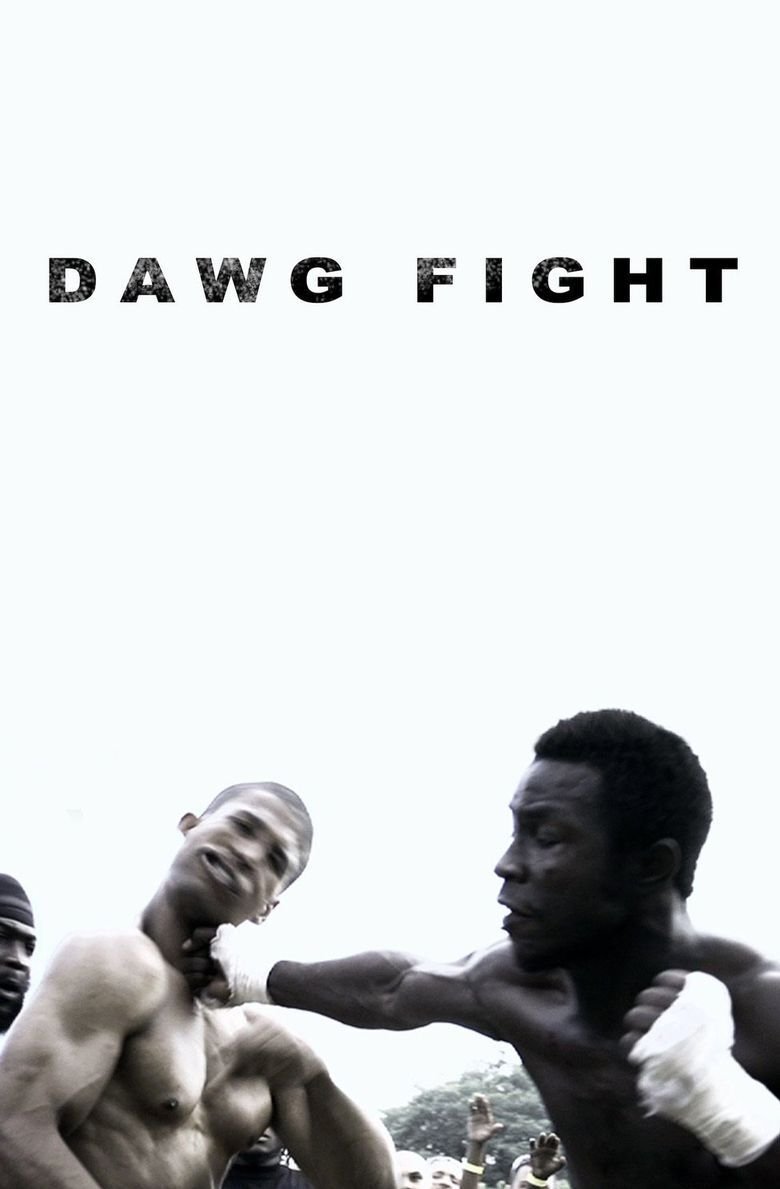
In a crime-plagued neighborhood near Miami, brutal, bare-knuckled backyard fights give young men a chance to earn money -- and self-respect.