"Clamp art can move churches."
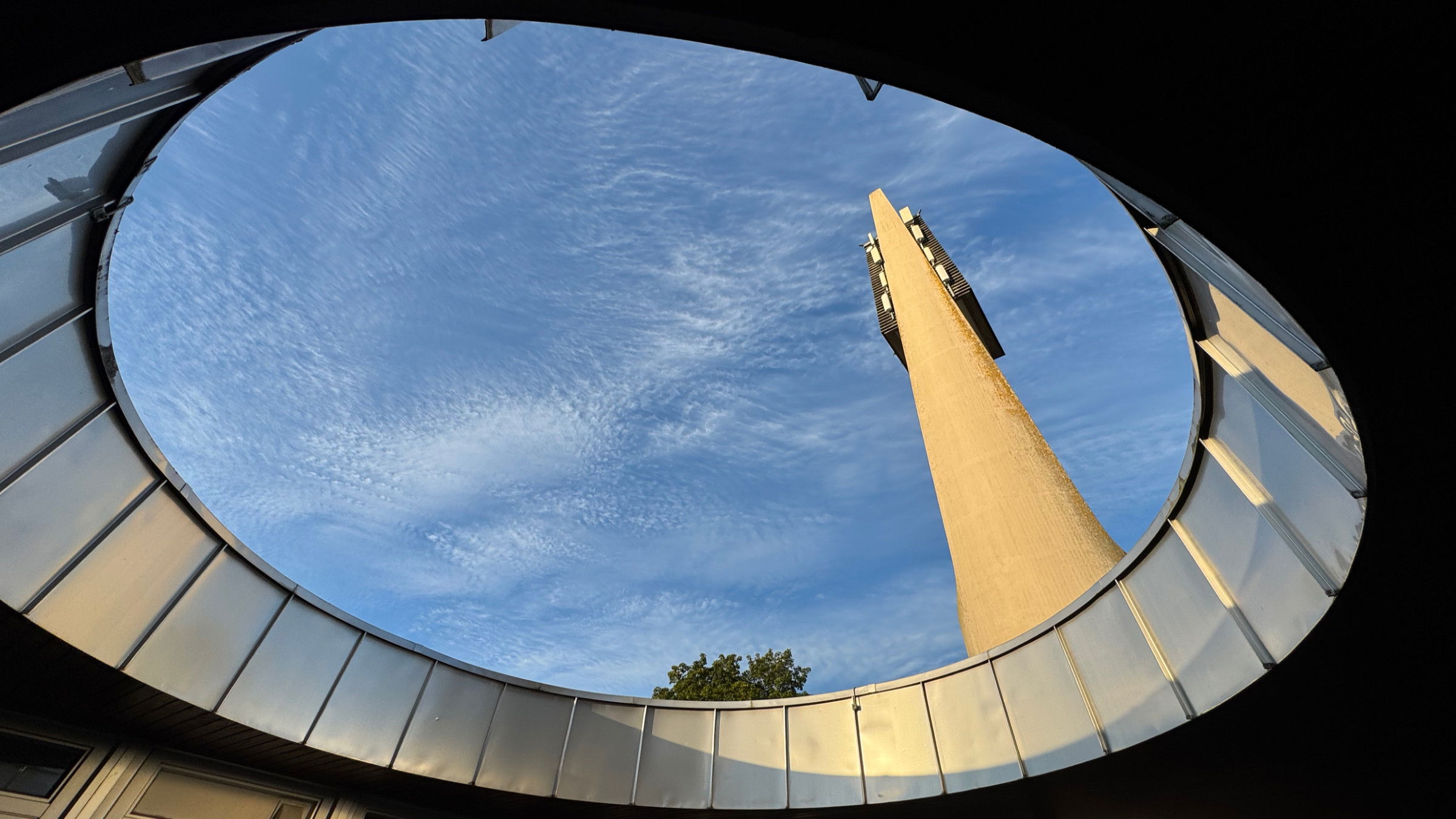
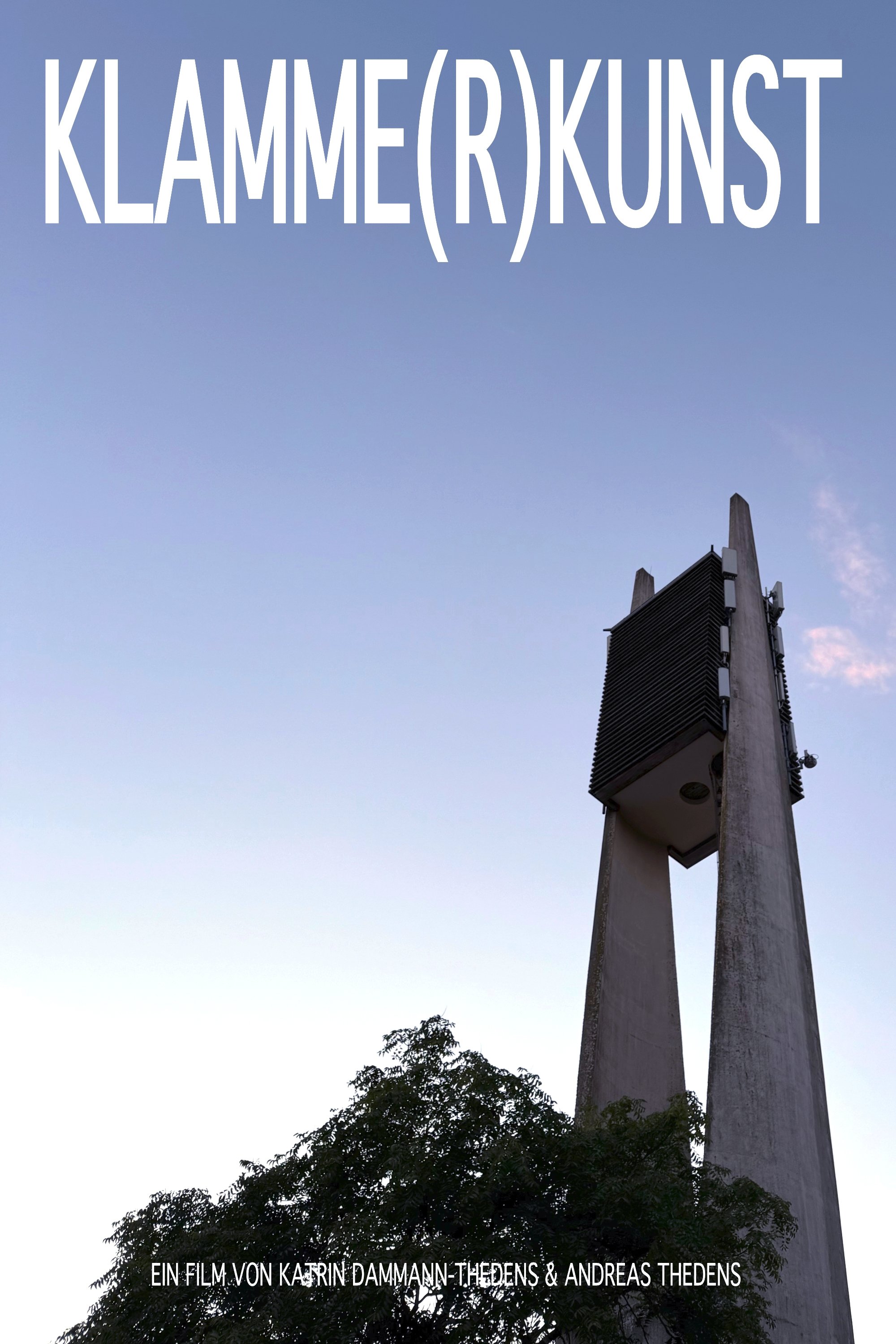
A scientific treatise on the 'Wäscheklammer' - the artistic landmark of the Kreideberg district in Lüneburg.
Social & External
Narrator
Art Critic
Mostly dark, rejecting images which are repeated. A stone wall, the chamber of a revolver which is, at first not recognizable, a close-up of a cactus. The duration of the takes emphasises the photographic character of the pictures, simultaneously with a crackling, brutal sound. (Hans Scheugl)
About the artist Ian Hellström (1925-2012) with his own museum. A tour of Ian's house is an adventure in art, antiques, skulls and dolls, all in perfect balance. Ian created various jewelry sculptures, a kind of collage with glass beads, brooches, simple jewelry and various toys, which were sometimes pasted into boxes with small compartments. His colorful art and cross-border life is captivating but not always easy to understand.
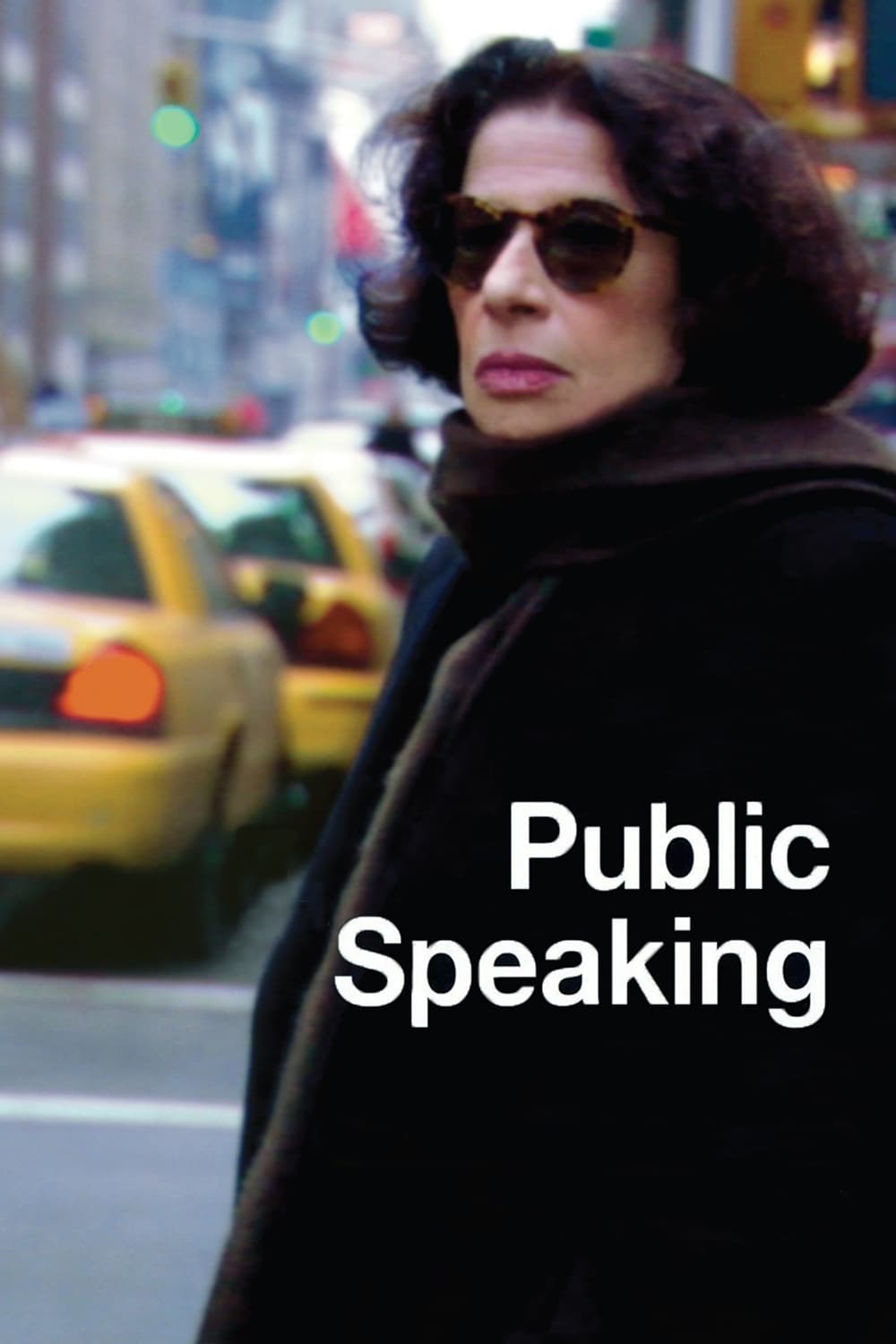
A documentary that is a deep exploration of gender identity within the context of Greek society, providing a multi-layered narrative that reflects the experiences of individuals navigating the complexities of gender in a culture where these topics are still emerging. Over four years, the filmmakers captured intimate stories of people confronting their gender identities, revealing how personal, societal, and familial expectations shape their journeys. The documentary aims to challenge the traditional norms of gender and to give voice to those whose experiences are often marginalized. It marks a significant step in Greece’s cinematic exploration of LGBTQ+ themes and is a pivotal contribution to the global conversation on gender identity.
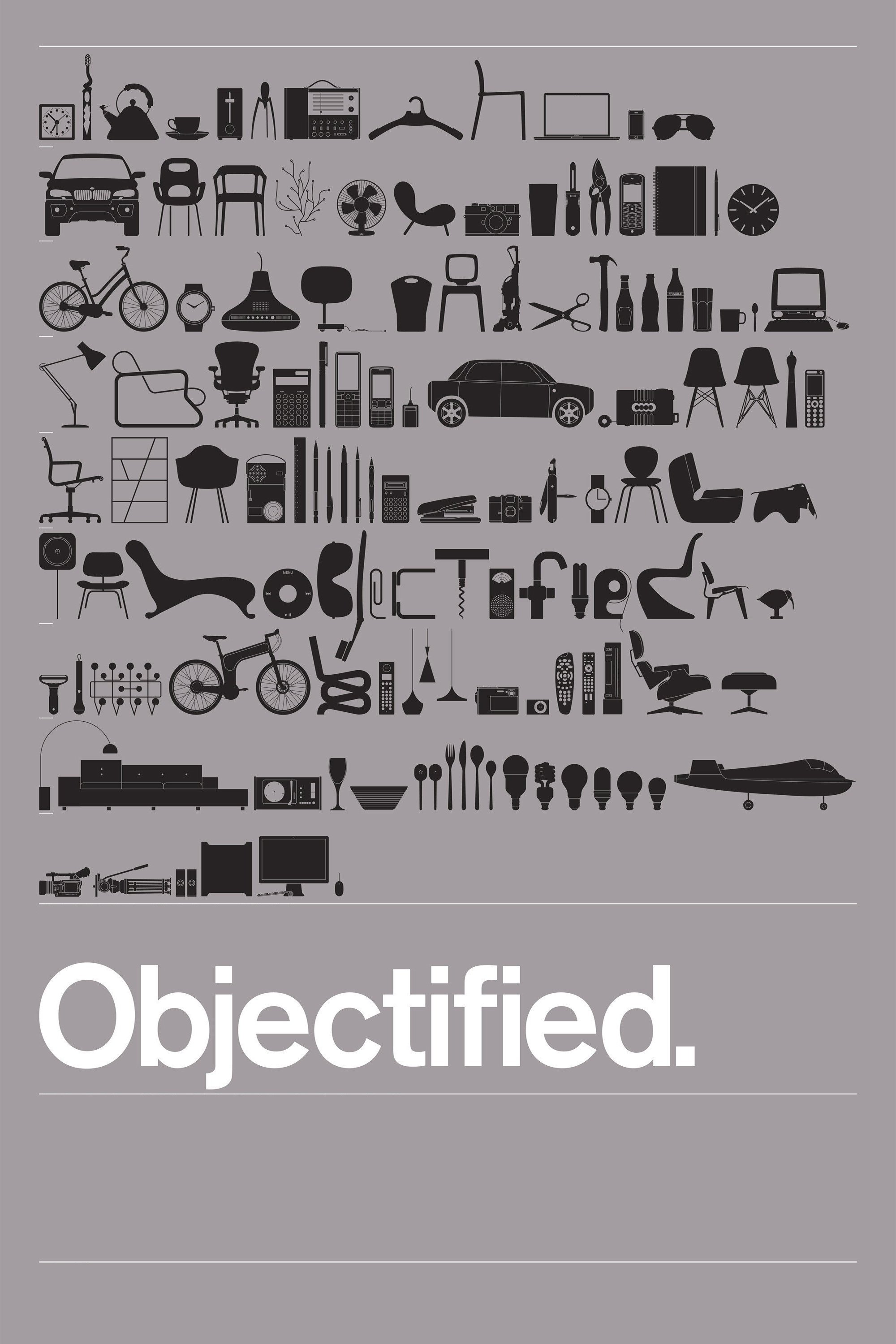
A documentary about a 15-day river-rafting trip on the Colorado River aimed at highlighting water conservation issues.
94-year old Esther, a pensioner with bad sight, is in search of her artist daugther’s public decoration. Endless phone conversations takes her through municipal bureaucracy and lost culture secretaries. Will she ever get an answer to the eternal question: Where does the art really go?
Max Gimblett: Original Mind documents the life and process of eccentric, creative genius Max Gimblett. One of New Zealand’s most successful and internationally prominent living painters, Gimblett has been working in America since 1962. The filmmakers spent a week in Gimblett’s Soho loft where he and his devoted studio assistants generously revealed the techniques and philosophy behind his beautiful art.
A documentary film directed by seven famous directors, and narrated by several famous Hollywood actors. The film attempts to give the general filmgoing public a taste of art history and art appreciation.
Through interviews and guerilla footage of graffiti writers in action on five continents, the documentary tells the story of graffiti from its origins in prehistoric cave paintings thru its notorious explosion in New York City during the 70’s and 80’s, then follows the flames as they paint the globe.
Shannon Davidson and Ashley Shaw at the iconic Royal Opera House in Covent Garden, delving into their thoughts and feelings about the timeless classic "The Red Shoes" to celebrate its 75th anniversary.
Plastic artist Aparicio Arthola talks with his student about the catarsis in his creative process, the loss, death and uncertainty of art life in Nicaragua
The Whitney Museum of American Art presented the landmark exhibition Jeff Koons: A Retrospective from June 27 to October 19, 2014. It was the largest, most comprehensive survey of Koons’s art ever assembled, spanning four decades of his career and displaying 145 works from every series, including 13 new pieces exhibited publicly for the first time. The film follows Koons and Whitney Chief Curator, Scott Rothkopf, who conceived and organized the show, through every gallery of the exhibition. In addition, insightful interviews with Adam Weinberg, the Whitney’s Director, Robert Storr, Dean Emeritus of the Yale School of Art, and Michelle Kuo, Editor of Artforum, help to deepen the investigation into Koon’s art and process.
One of the best-known Chinese figurative painters, Liu Xiaodong goes back to his hometown of Jincheng, in the province of Liaoning (North-East China), to re-paint again friends and relatives after several years have gone by. With a soundtrack by famed composer Lim Giong (Millennium Mambo, The Assassin).
Anton Spielmann (18) and his two younger friends Basti Muxfeldt and Jonas Hinnerkort are living in their family homes with their parents in an idyllic village close to Hamburg. The three of them founded the band 1000 Robota. The band has an ambitious aim: „We want to cause creation not to remind of it”, and they want to live up to their ideals. In a society affected by economic pressure 1000 Robota are questioning themselves and others and they don‘t want to meet other people‘s expectations. In a world of excessive supply they are looking for significance and want to unite with others to create a new way of youth culture. But soon they have to face some serious difficulties.
Pop Goes the Easel was Ken Russell’s first full-length documentary for the BBC’s arts series Monitor. It focused on 4 British Pop Artists - Peter Blake, Peter Philips, Pauline Boty and Derek Boshier.
This MGM Passing Parade series short takes a look at changing definitions of art in the United States.
Actor Mark Bonnar is on a mission to understand more about the Scottish new towns in which he grew up, exploring the street sculpture made by artists such as his dad in the 60s, 70s and 80s. He discovers why the new towns are there and how they enticed people out of the bigger cities, and uncovers the surprising ways in which public art changed the new towns and the new towns changed public art. Mark's father, Stan, made sculptures that stand to this day on the streets of Glenrothes, East Kilbride and the Scottish new town that never was, Stonehouse. These new towns employed town artists to make artworks in the very housing precincts the new residents were moving into.
Giuseppina Pasqualino di Marineo, better known as Pippa Bacca, was a 34 years old Italian artist. She crossed 11 countries involved in wars, hitchhiking with another Milanese artist, Silvia Moro, both wearing a wedding dress. This was a performance for peace, trust and hoping to prove that if you rely on others, you’ll receive good things only. After travelling many roads, the two artists decided to split for a while in Istanbul, planning to meet again in Byblos. Pippa left then, alone, and nobody heard from her again.