In a country that prides itself on democracy, a group of activists, known for chalking messages and holding signs, faces a terrifying escalation: repression so severe that their right to speak freely becomes their last, desperate stand.
Social & External
The people behind it
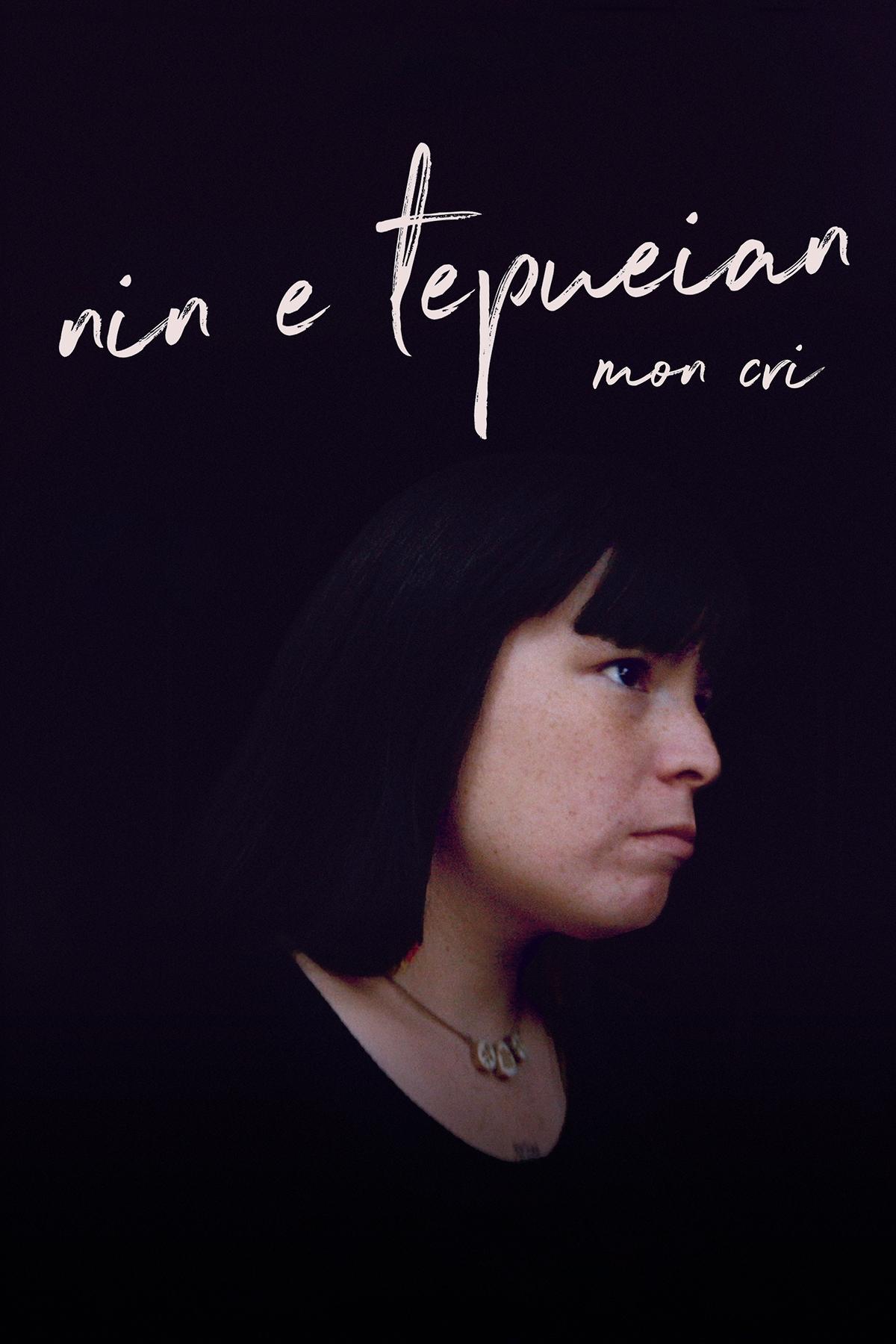
NIN E TEPUEIAN - MY CRY is a documentary tracks the journey of Innu poet, actress and activist, Natasha Kanapé Fontaine, at a pivotal time in her career as a committed artist. Santiago Bertolino's camera follows a young Innu poet over the course of a year. A voice rises, inspiration builds; another star finds its place amongst the constellation of contemporary Indigenous literature. A voice of prominent magnitude illuminates the road towards healing and renewal: Natasha Kanapé Fontaine.
Facts about American police officers
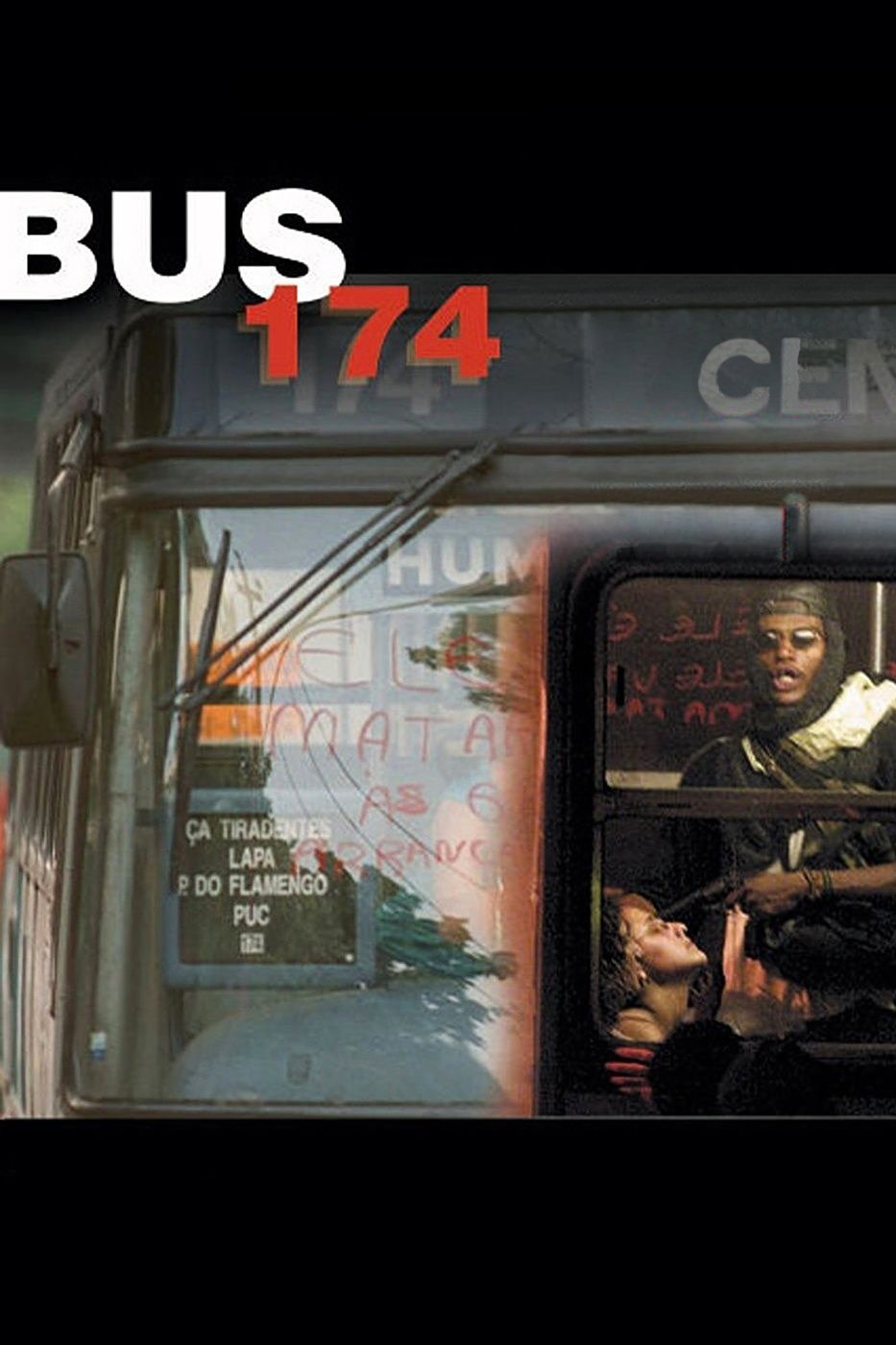
On 12 June 2000, in Rio de Janeiro, Ônibus 174 was taken by an armed young man, threatening to kill all the passengers. Transmitted live on all national networks, this shocking and tragic event became one of violence's most shocking portraits, and one of the most terrifying examples of police incompetence and abuse in recent years.
A documentary on Queercore, the cultural and social movement that began as an offshoot of punk and was distinguished by its discontent with society's disapproval of the gay, bisexual, lesbian and transgender communities.
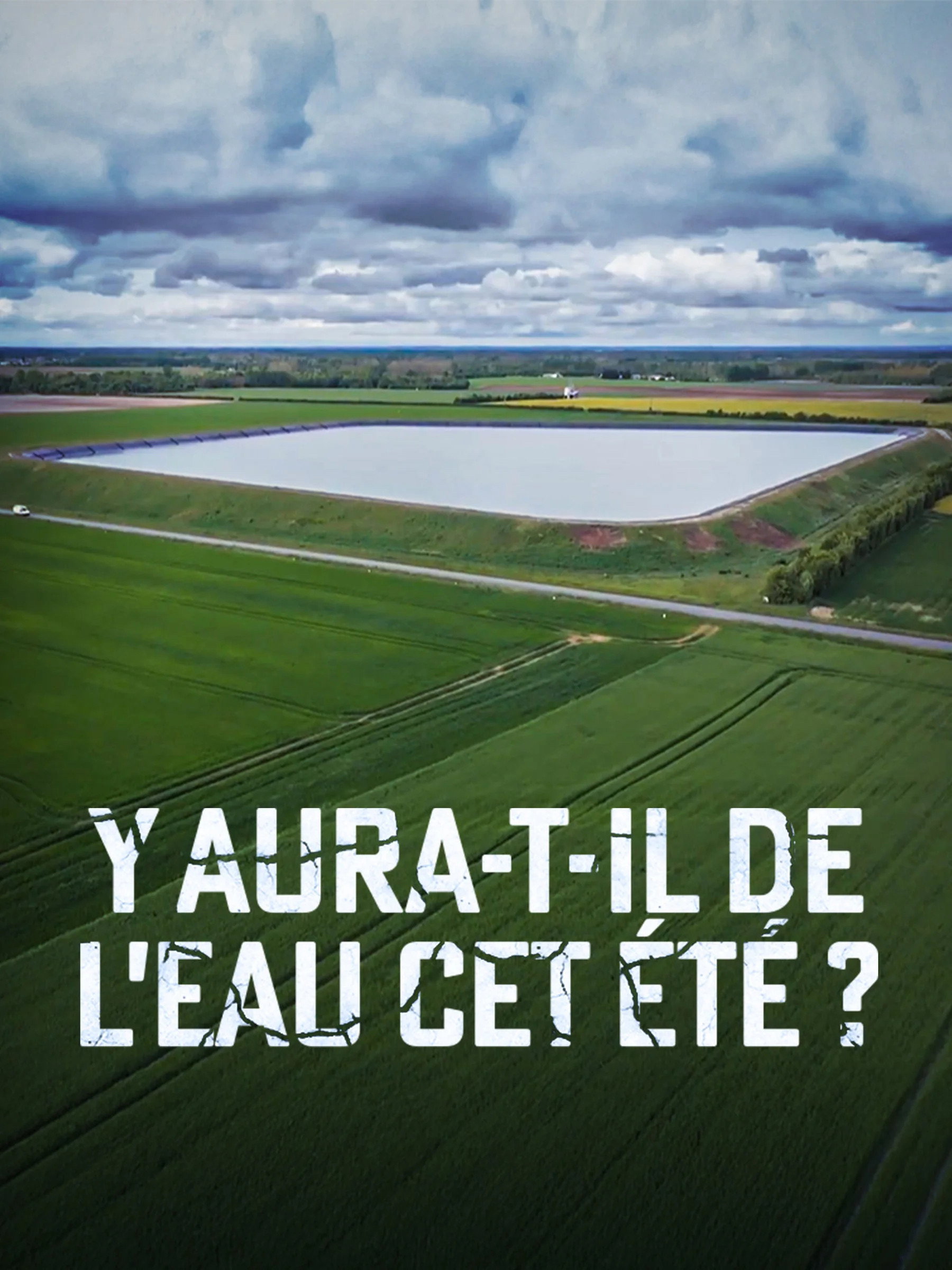
Through encounters with a hydrologist, a farmer, and citizens mobilized around the Marais Poitevin, the director helps us understand the effects—on biodiversity and the state of rivers—of substitution reservoirs, also known as megabassins. For several years, Anne-Morwenn, David, Patrick, Yann, and others have been fighting for fair water sharing and devising ways to convince as many people as possible that it is time to change the agricultural model.
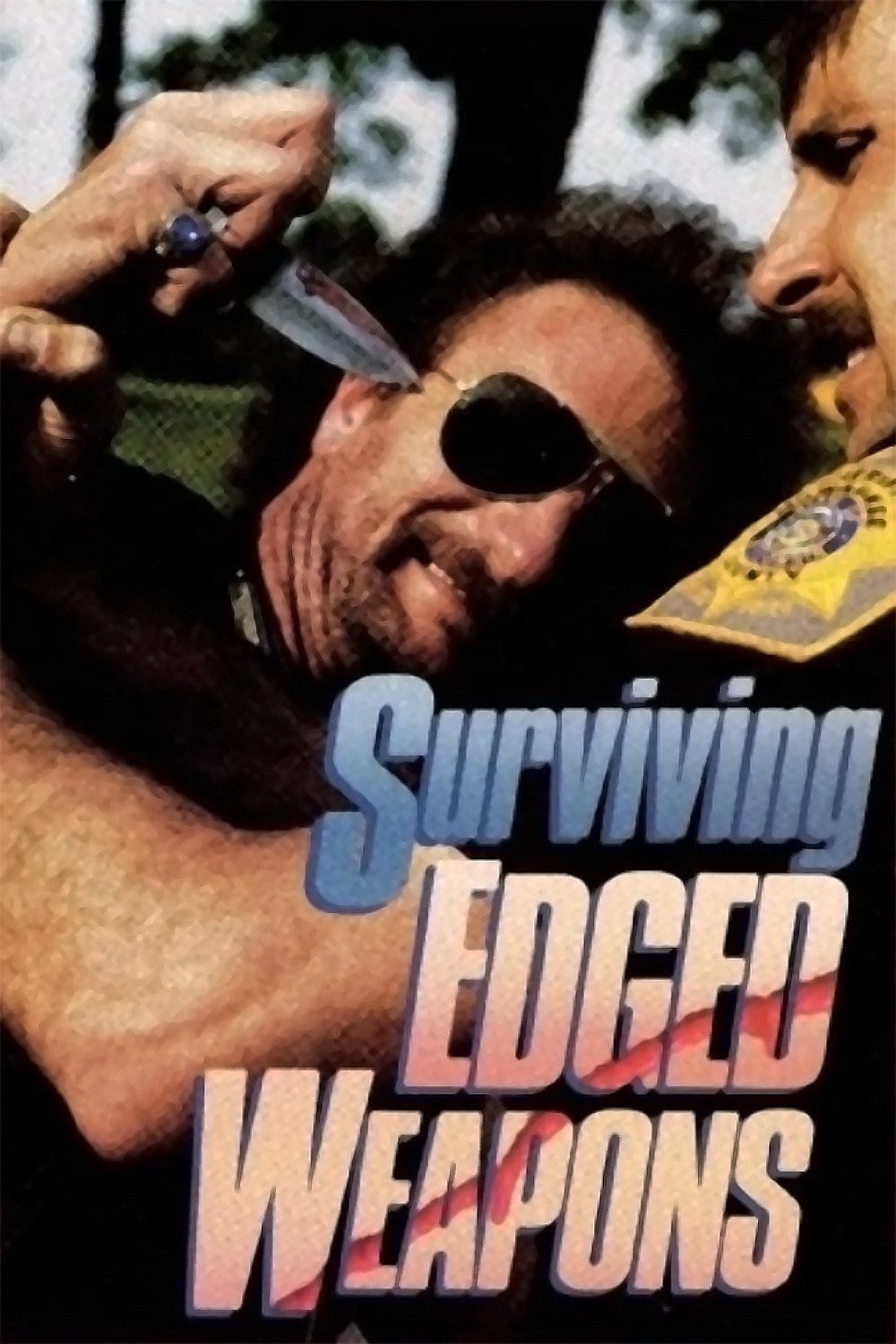
In an intense action-filled 85 minutes, you will learn to defend yourself against the mounting threat of “knife culture” offenders.
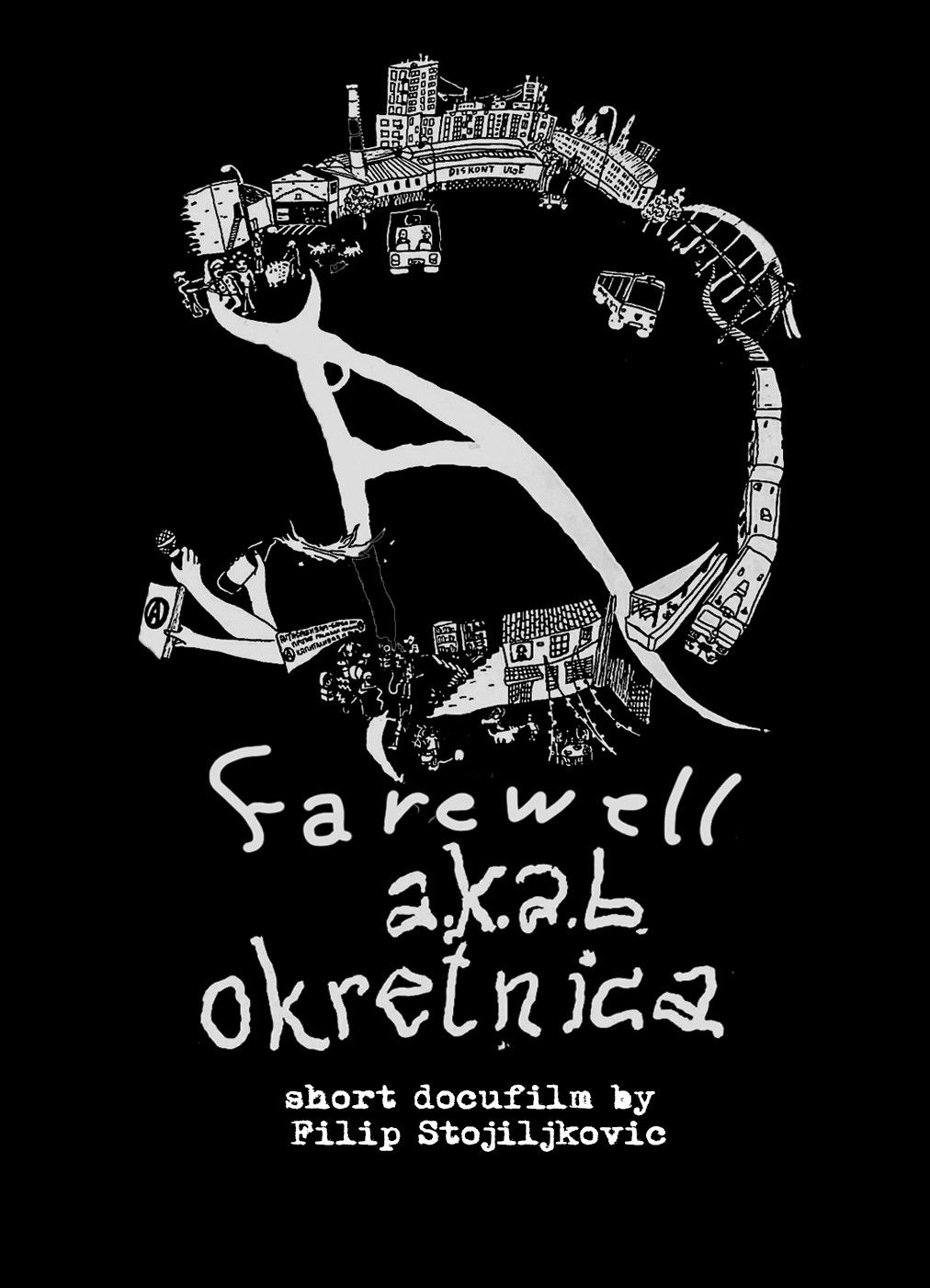
As one of Belgrade’s last DIY anti-nationalist spaces faces closure, its community gathers for a final night — a farewell that becomes a quiet act of resistance.
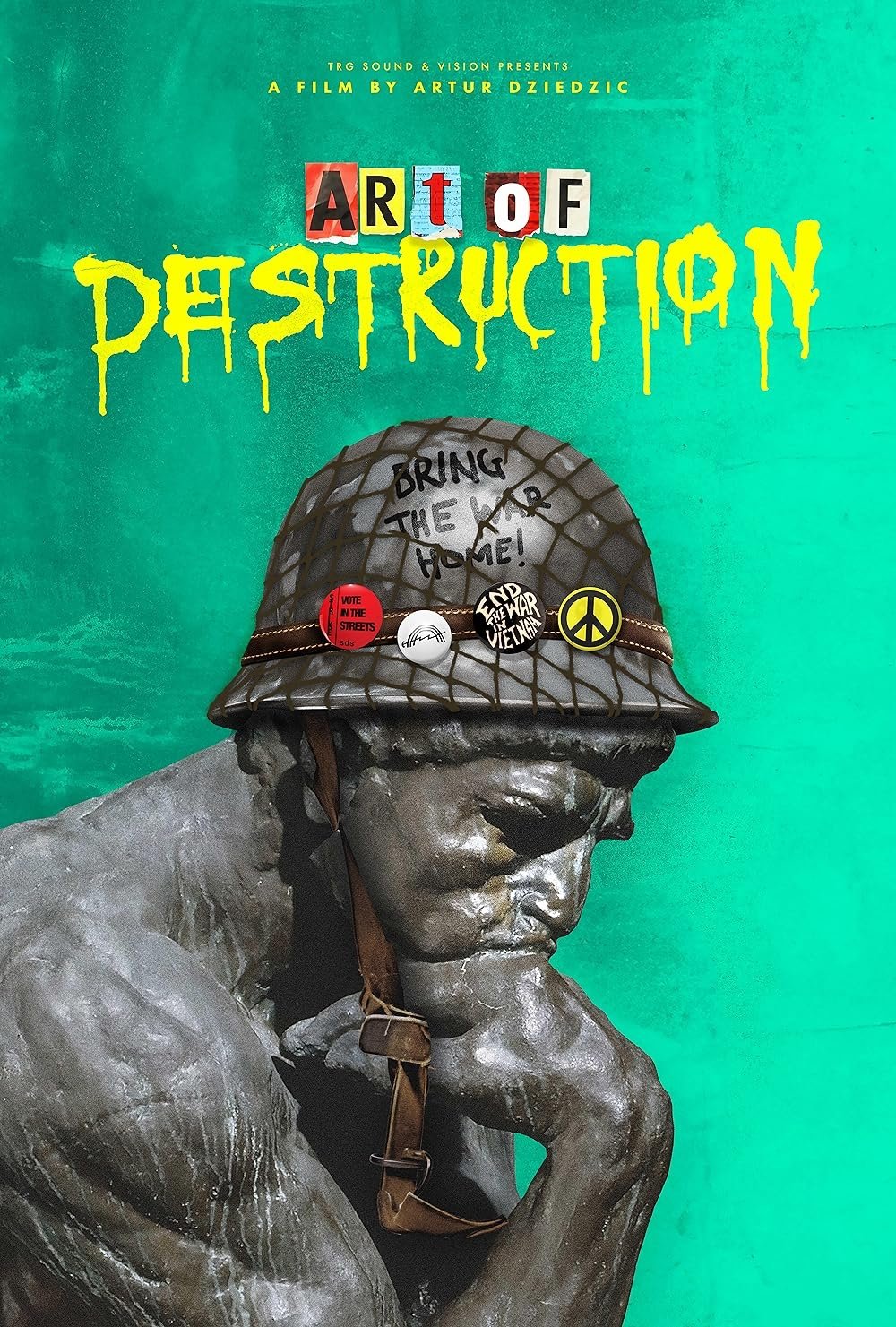
We follow the story of The Thinker bombing at the Cleveland Museum of Art, trying to solve the mystery behind it because no one was ever caught. By following this case, we unravel the whole landscape of Cleveland and the USA in the 60s/70s - student protests, social justice movements, anti-war movements, and radical militant groups. We give a context to the bombing, which is symbolic on so many levels - it's an art piece that randomly became a target for political violence that, by being left unrepaired, became a reminder of the complicated history of the 60s/70s. The Thinker is a silent witness to this fascinating decade, looking down from his pedestal, still thinking about our place in the world as humans.
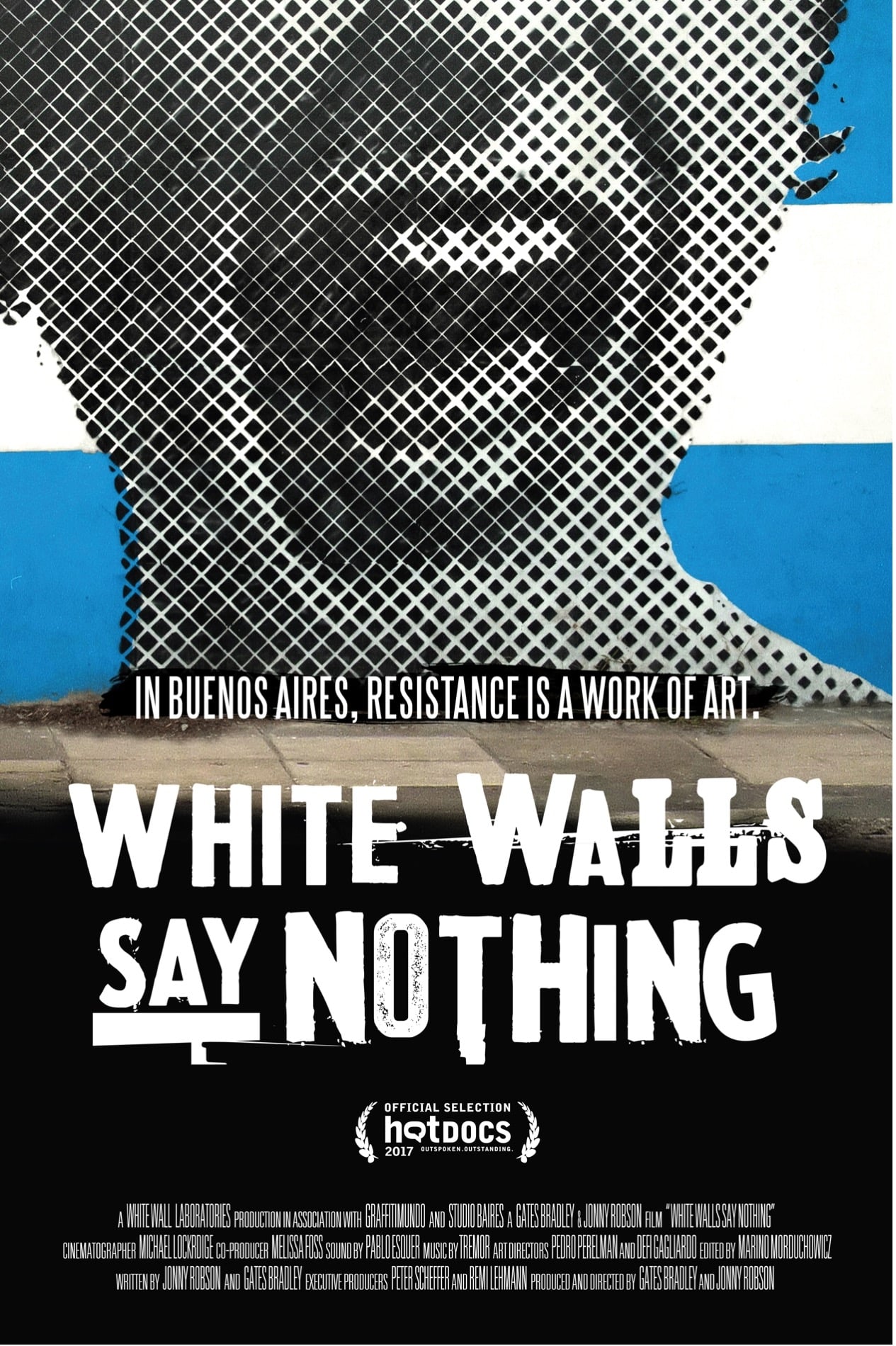
Buenos Aires is a complex, chaotic city. It has European style and a Latin American heart. It has oscillated between dictatorship and democracy for over a century, and its citizens have faced brutal oppression and economic disaster. Throughout all this, successive generations of activists and artists have taken to the streets of this city to express themselves through art. This has given the walls a powerful and symbolic role: they have become the city’s voice. This tradition of expression in public space, of art and activism interweaving, has made the streets of Buenos Aires into a riot of colour and communication, giving the world a lesson in how to make resistance beautiful.
It’s a model story, an extraordinary adventure, a tale of revolutionary practice and tension, among anarchy and irony, simplicity, curiosity and vitality throughout the whole of Europe, its wars and the social struggles of the 1900s. A tale on how to live all in one breath, responsibly, diving into contradictions, "getting one's hands dirty", and still keeping one's balance between theory and practice.˝
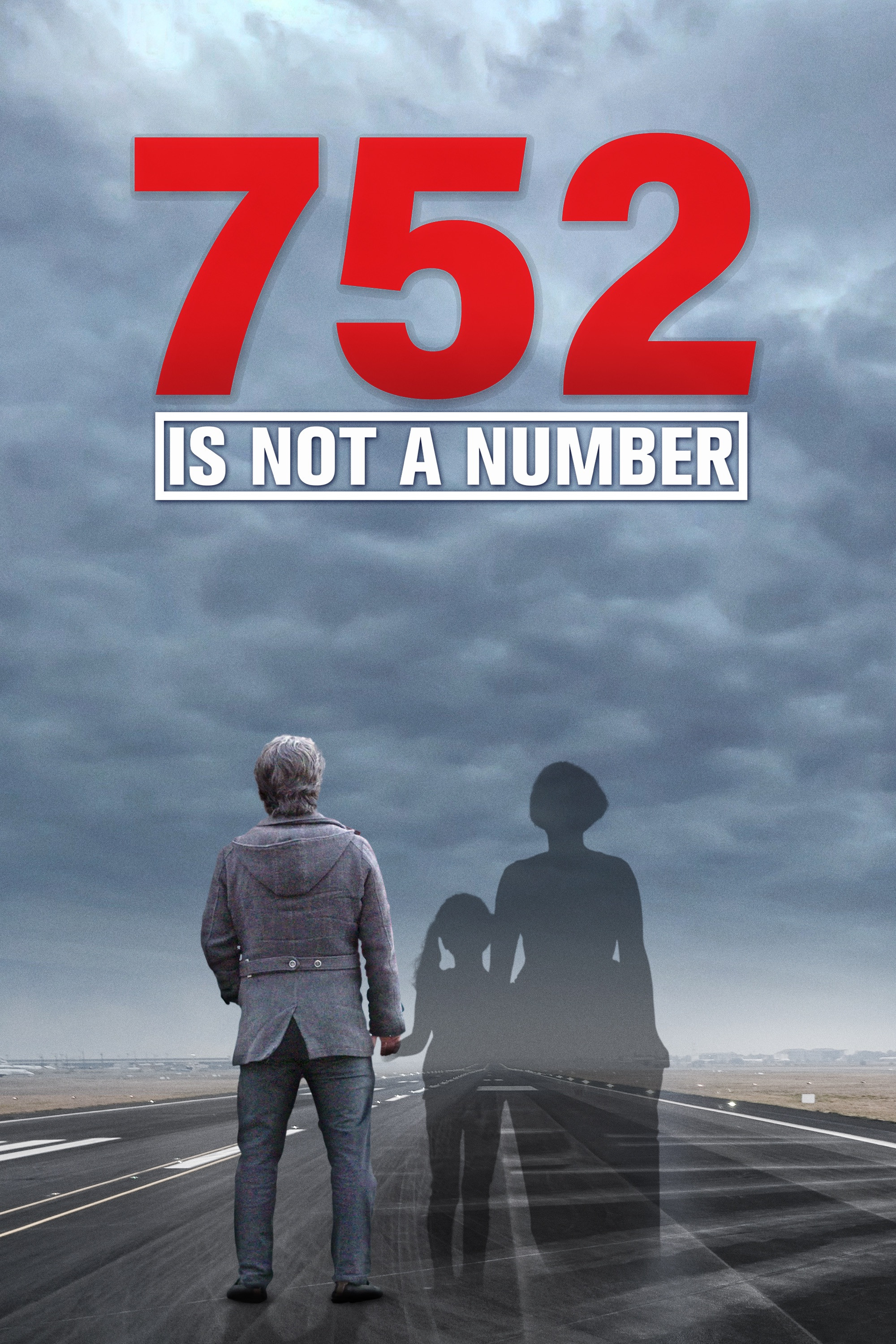
On January 8, 2020, Ukraine International Airlines Flight 752 went down as it was leaving Iranian air space. All 176 people on board were killed, many of them Iranian Canadians. For weeks Iranian authorities vociferously denied responsibility, but foreign governments and agencies were certain the plane was shot down by Iranian military, a fact Iran’s government eventually admitted. There were no answers as to why the plane was fired on or even why it was allowed to take off, since hostilities had broken out in the region in preceding days.
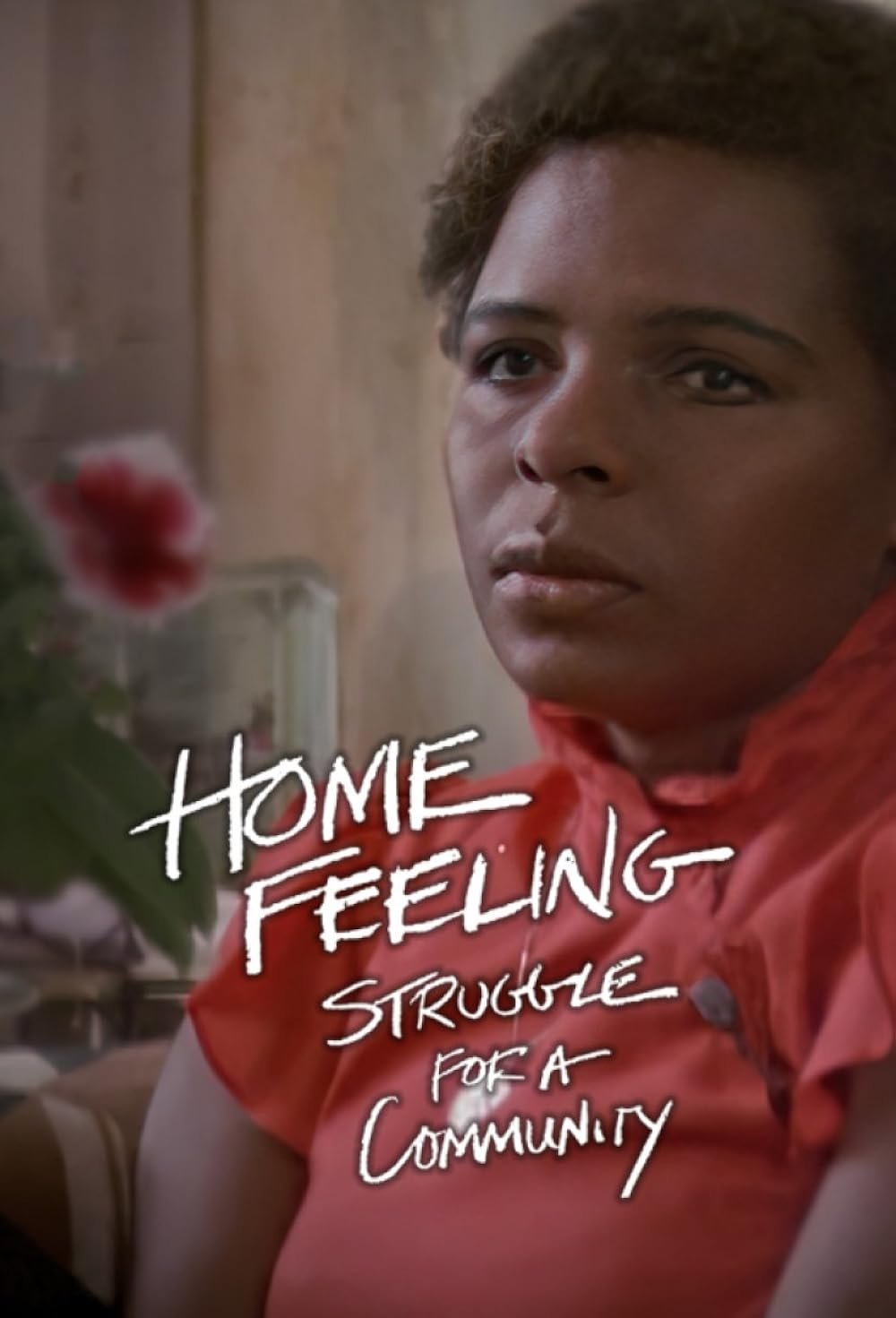
This feature documentary takes us to the heart of the Jane-Finch "Corridor" in the early 1980s. Covering six square blocks in Toronto's North York, the area readily evokes images of vandalism, high-density subsidized housing, racial tension, despair and crime. By focusing on the lives of several of the residents, many of them black or members of other visible minorities, the film provides a powerful view of a community that, contrary to its popular image, is working towards a more positive future.
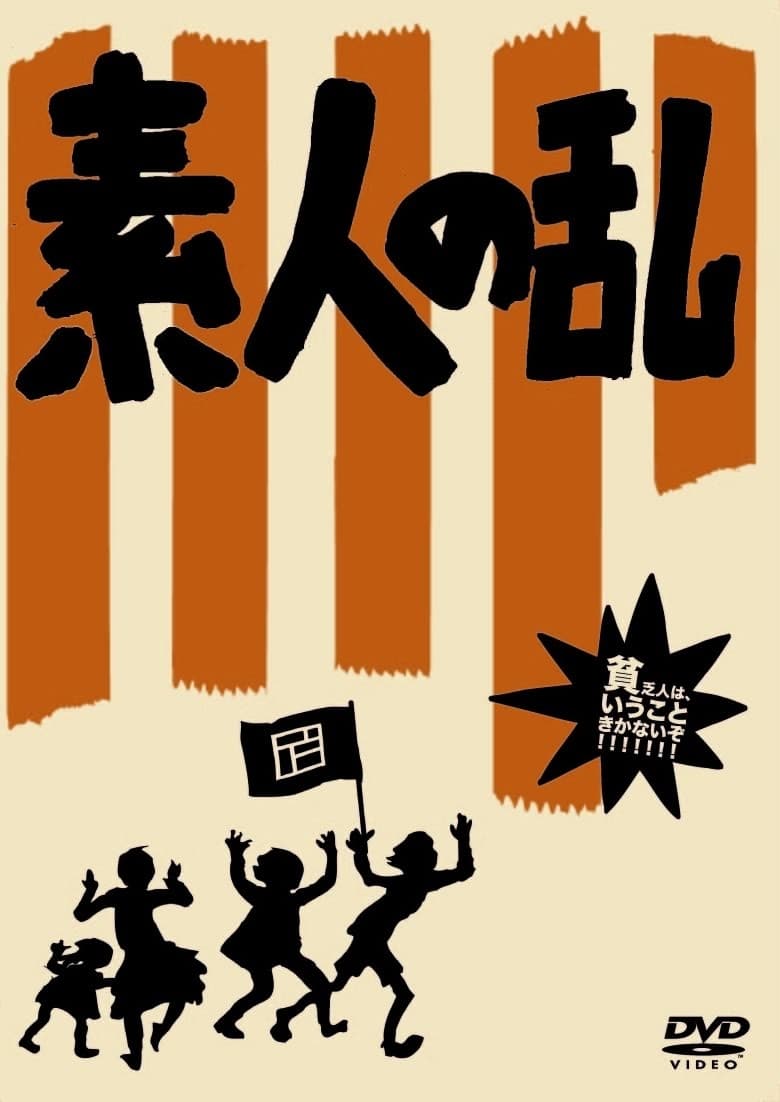
Amateur's Riot (Shirōto no ran) is a Japanese association of activists, committed to the living conditions of the poor people (binbōnin) in Tōkyō. The association was founded in 2005 by Matsumoto Hajime, Yamashita Hikaru, Futatsugi Shin, Mochitsuki Rui and Ogasawara Keita. The protagonists of Shiroto no Ran played an important role in the anti-nuclear demonstrations that appeared in response to the Fukushima nuclear catastrophe.
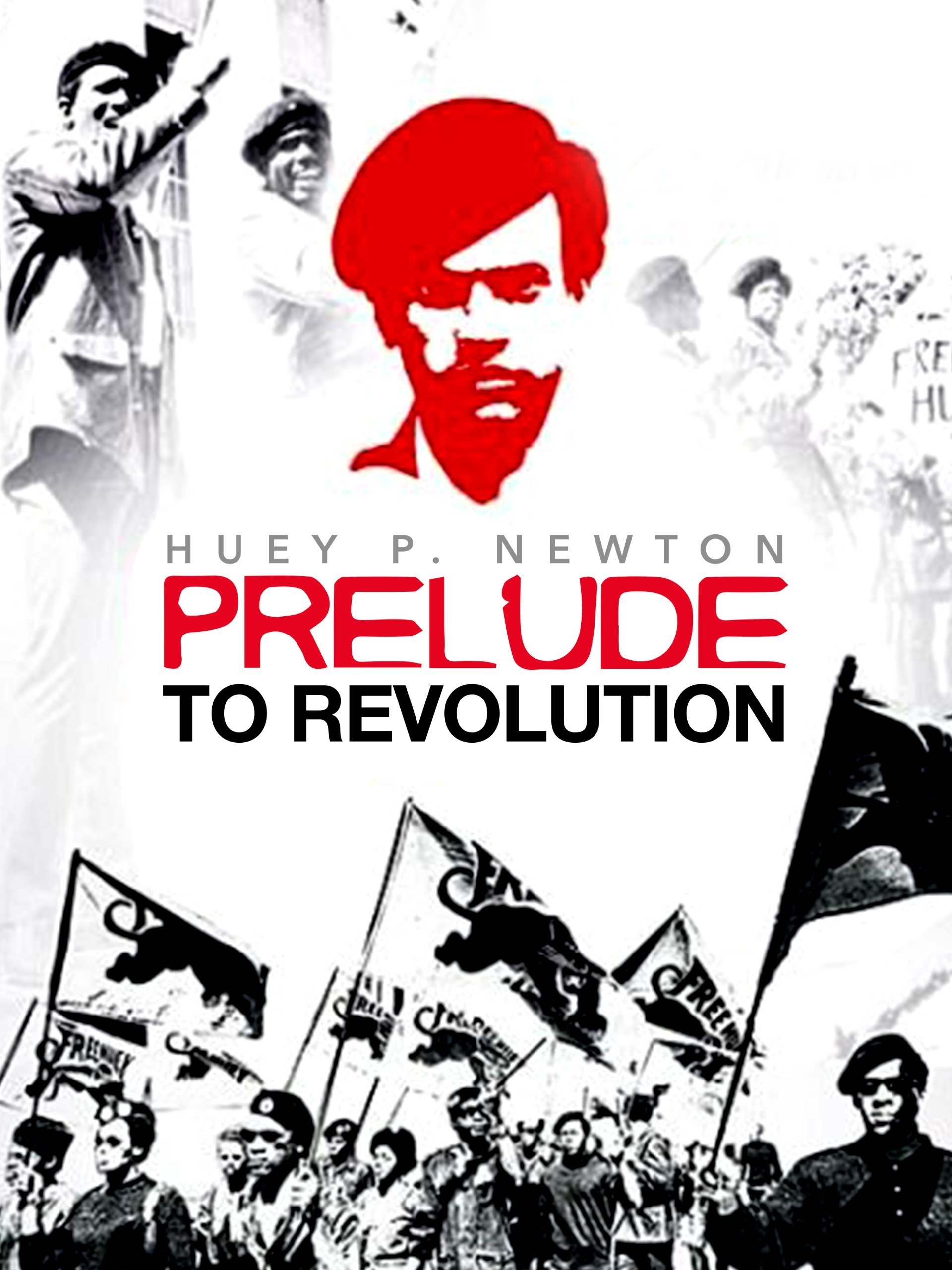
Hear the inside story of Huey Newton and the Black Panthers with this documentary that examines their efforts to promote the rights of African Americans as well as the organization's violent tactics, including the killing of a police officer. The film features a rare jailhouse interview with Newton discussing the role of revolution and civil disobedience, plus footage of several Panthers' bullet-riddled homes following police raids.
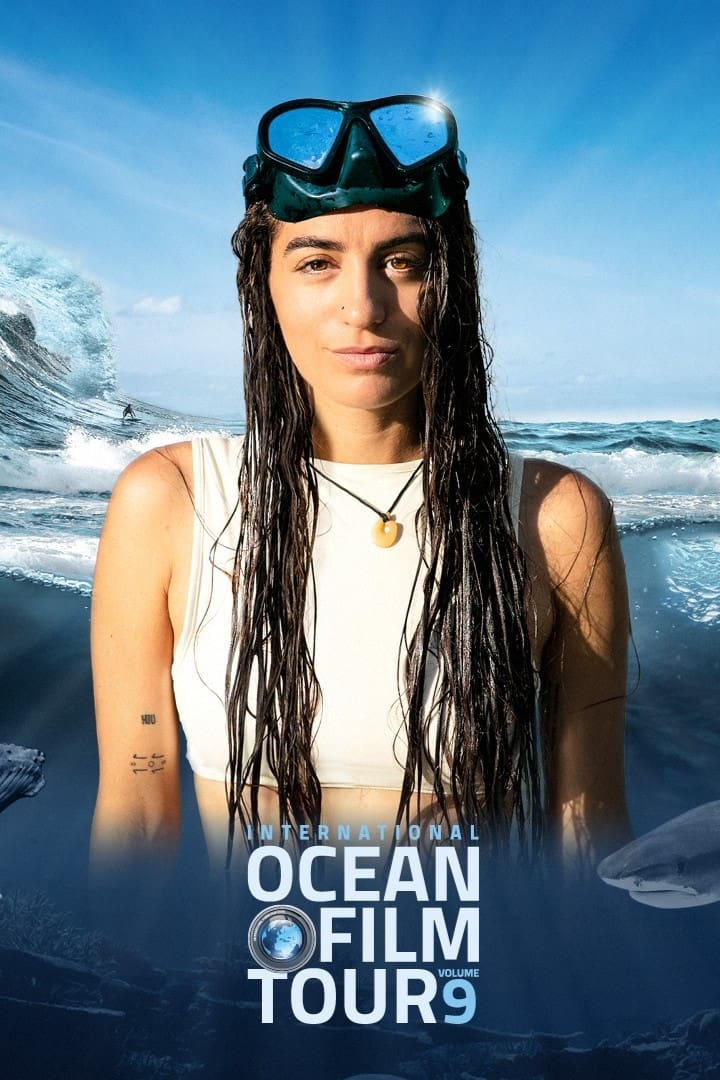
The OCEAN is now on tour for the ninth time. This time we are accompanying, among others, 17-year-old Munich surfer Ben Neumann. He proves that it is not only the sea that sometimes seems limitless, but also the human will. Ben is blind and not surfing the famous Eisbach wave is not an option for him. The three Australians Madison Stewart, Alice Forrest and Jordyn de Boer also want to cross borders. They are environmental activists and have one goal: to protect the oceans and their flora and fauna. In "The Power of Activism", they prove that this can also be economically viable and show a possible path into the future of activism. The fact that this future must begin now is impressively demonstrated by the film "Stolen Fish", which tells the story of two Gambian fishermen and a Gambian fish seller. All three are struggling with overfishing off the West African coast. A story about cause and effect and the associated search for a better life.
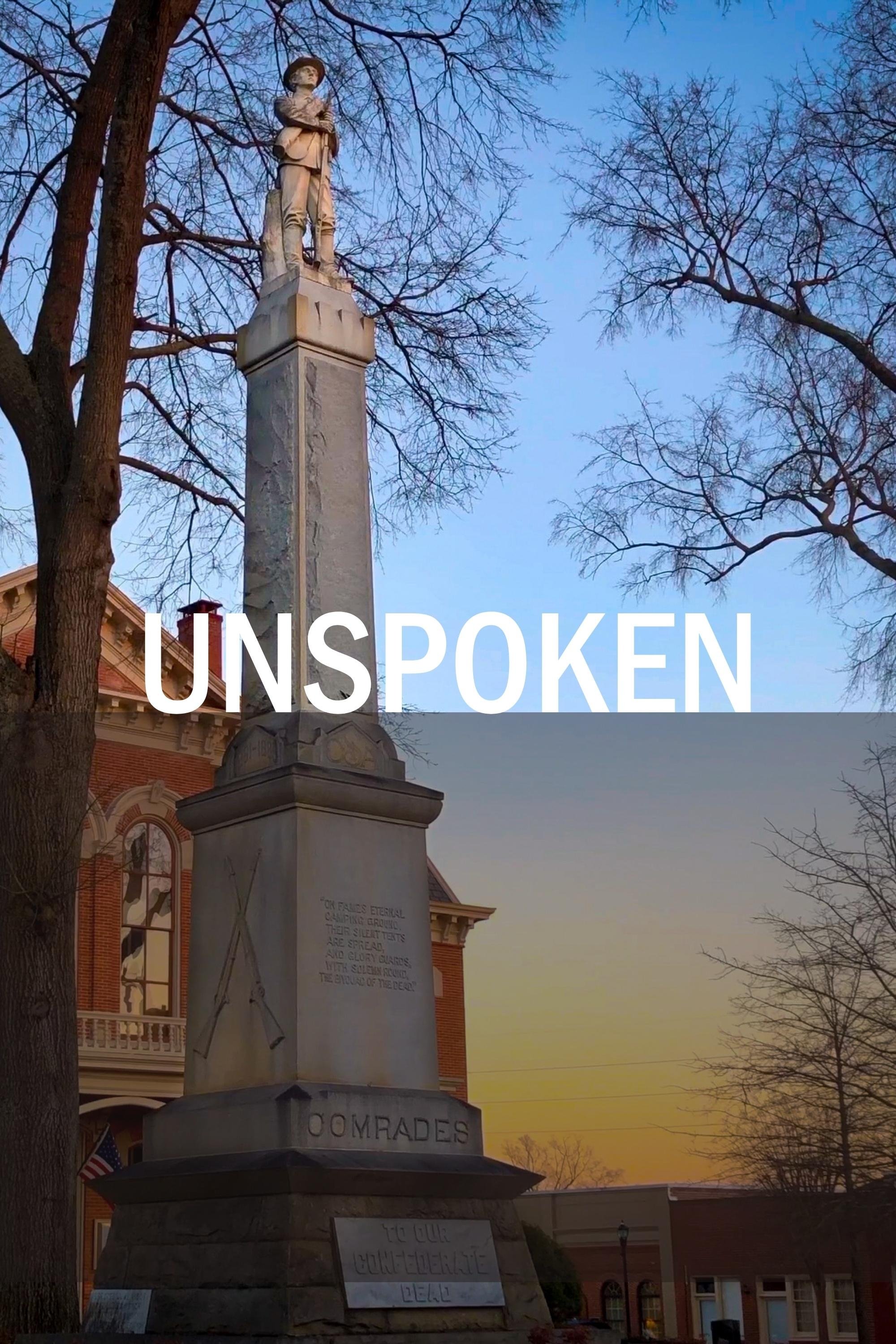
An intimate insider’s journey to uncover buried truths and explore how the community in Monroe, Georgia has been impacted by the 1946 quadruple lynching and decades of racial injustice, shattering a code of silence that has distanced neighbor from neighbor for generations.
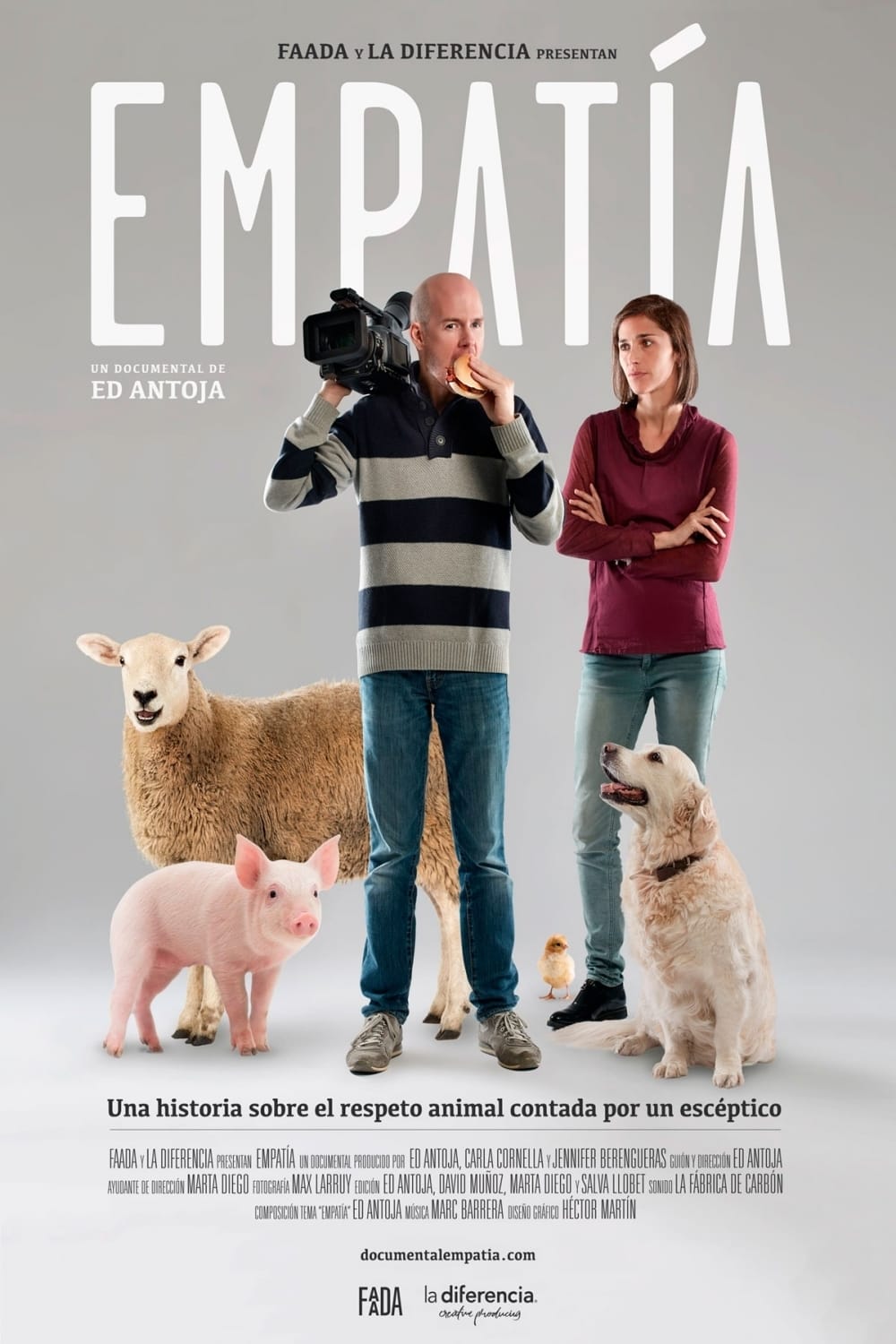
Ed is commissioned to make a documentary intending to change those habits of society that are harmful to animals. But completely alien to the animal protection movement, he will realize that to carry out the project, he must first convince himself.
Oxana is a woman, a fighter, an artist. As a teenager, her passion for iconography almost inspires her to join a convent, but in the end she decides to devote her talents to the Femen movement. With Anna, Inna and Sasha, she founds the famous feminist group which protests against the regime and which will see her leave her homeland, Ukraine, and travel all over Europe. Driven by a creative zeal and a desire to change the world, Oxana allows us a glimpse into her world and her personality, which is as unassuming, mesmerising and vibrant as her passionate artworks.
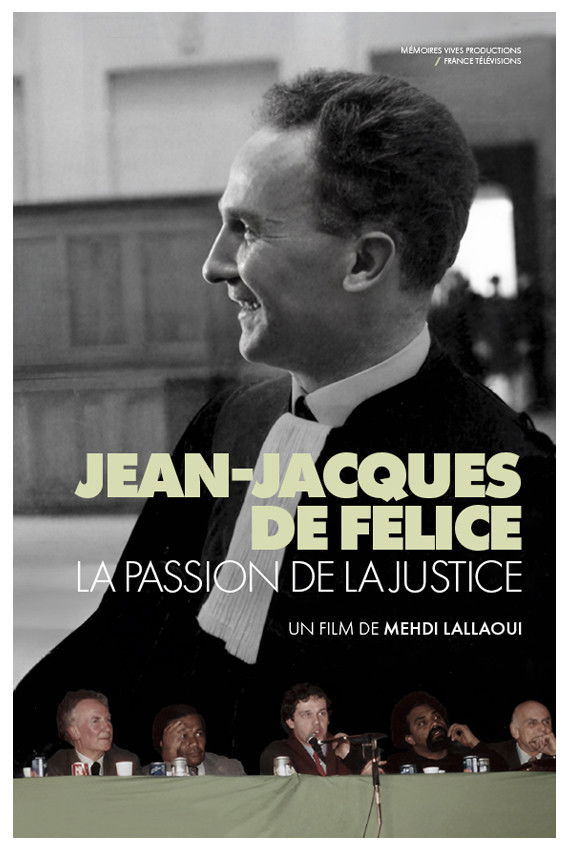
From the rights of minors before the juvenile court, young offenders from the neighborhoods of eastern Paris, or children of Algerian origin from the shantytowns of Nanterre, to the defense of colonized Kanaks and Polynesians; from the fight for conscientious objector status to the denunciation of torture and the death penalty, lawyer Jean-Jacques de Félice has been involved in every struggle. His pacifism knows no bounds: with organizations like Cimade, LDH, and the Louis-Lecoin Committee, he assists draft dodgers in numerous countries. These include Portuguese conscientious objectors refusing to fight in the wars in Angola and Mozambique, American deserters opposed to the Vietnam War, and Israeli objectors refusing to serve in the Occupied Territories. It is no surprise that, as early as 1971, he was one of the very first lawyers representing the farmers of the Larzac plateau.
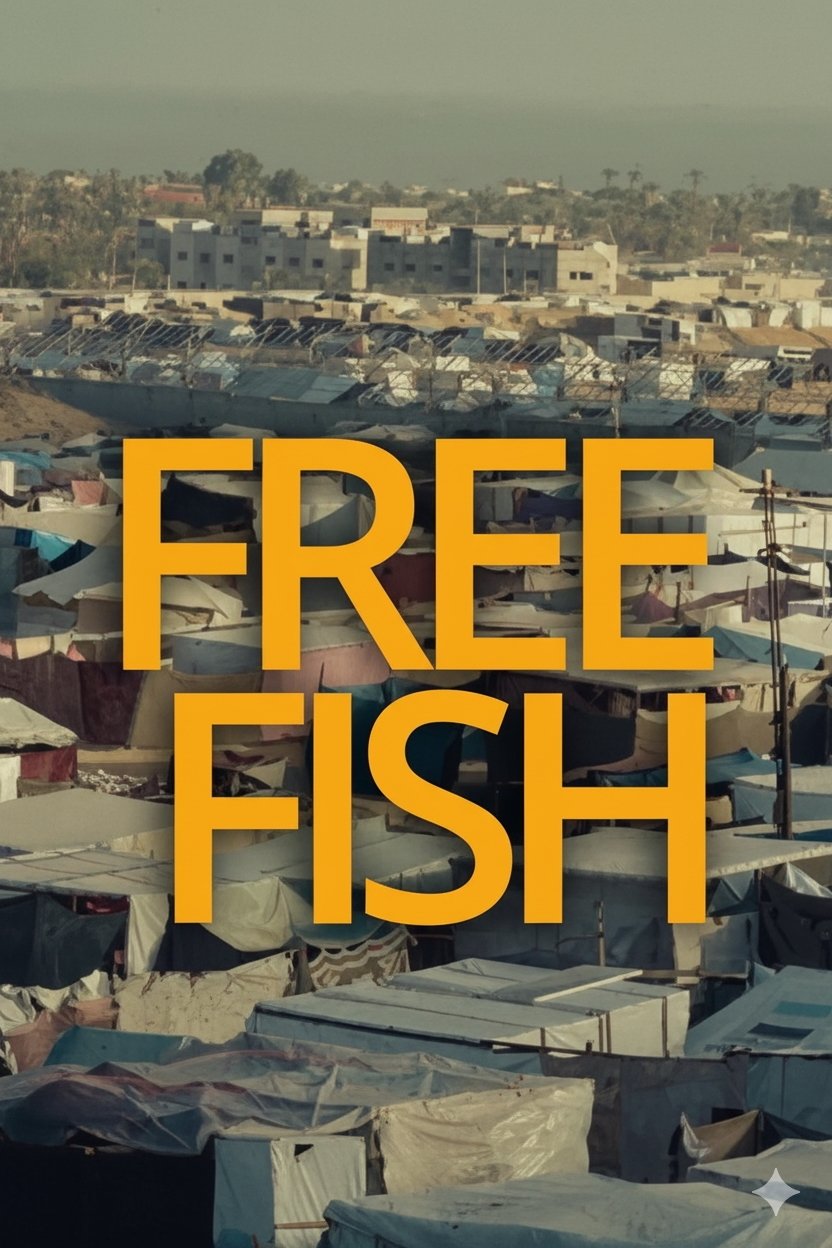
Free Fish is a short documentary filmed over the course of a year in Gaza, following two brothers — Abu Nagham and Ahmad — separated by war yet connected by the sea. Displaced from their home, Abu Nagham now lives in a tent in the south, fishing with his young nephew Rami, who lost his twin brother. Ahmad remains in the north, fishing amid ruins and occupation. Once a source of livelihood and freedom, the sea has become a battleground — heavily restricted, constantly watched, and always dangerous.
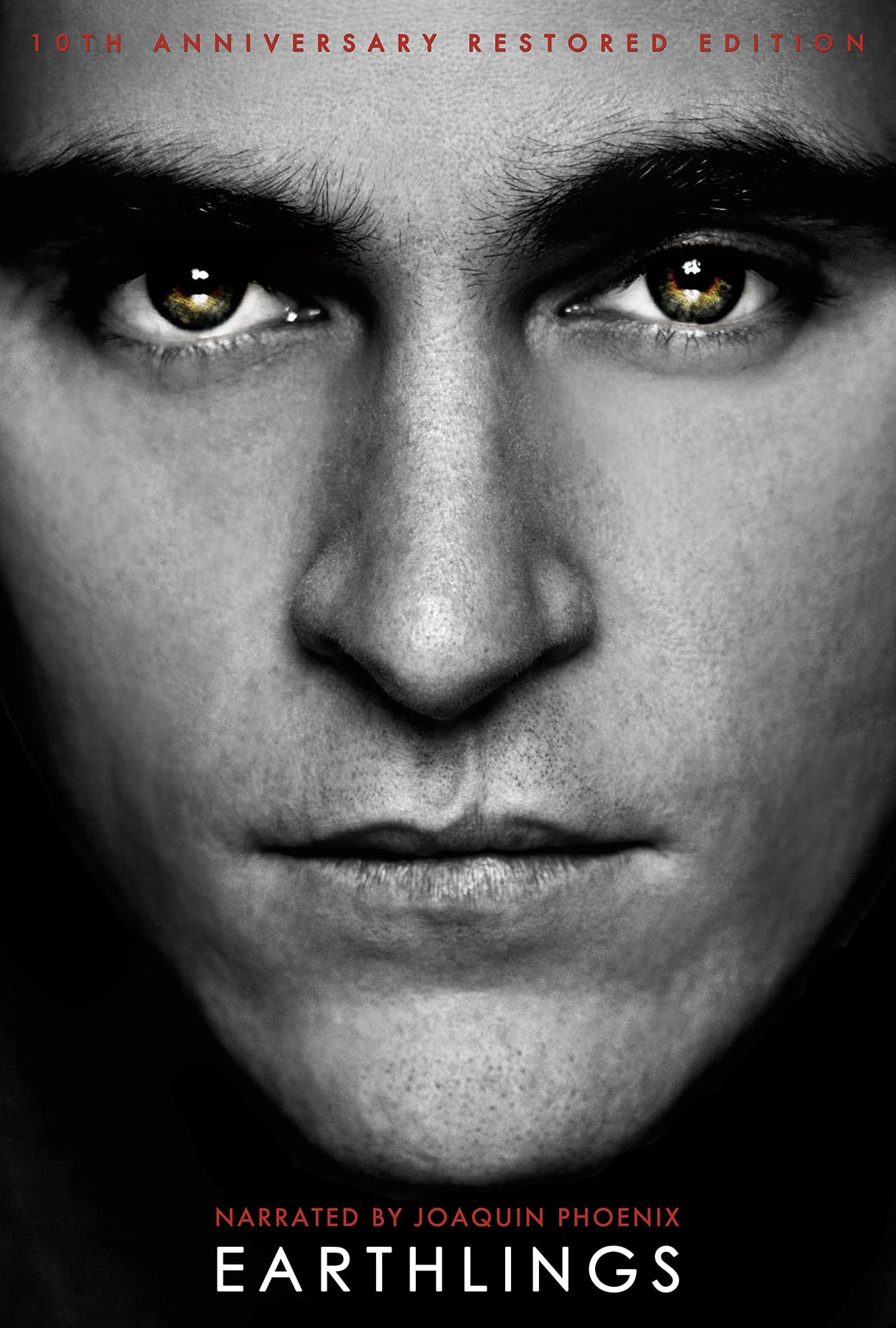
Using hidden cameras and never-before-seen footage, Earthlings chronicles the day-to-day practices of the largest industries in the world, all of which rely entirely on animals for profit.
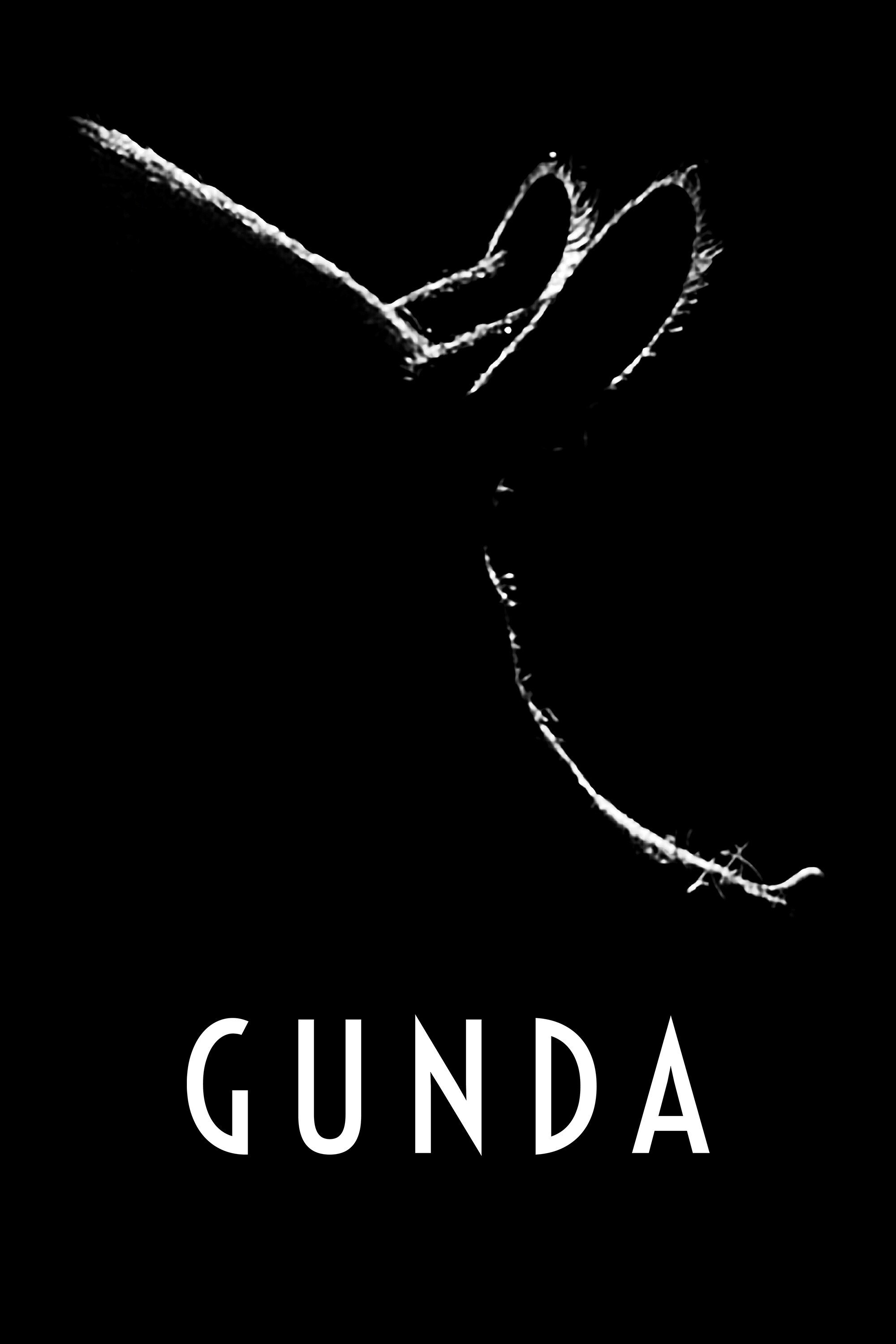
A glimpse into the raw and simple power of nature through encounters with farm animals: the eponymous Gunda, a mother pig; two cows, and a one-legged chicken.
Ranjit, a farmer in India, takes on the fight of his life when he demands justice for his 13-year-old daughter, the victim of a brutal gang rape. His decision to support his daughter is virtually unheard of, and his journey unprecedented.
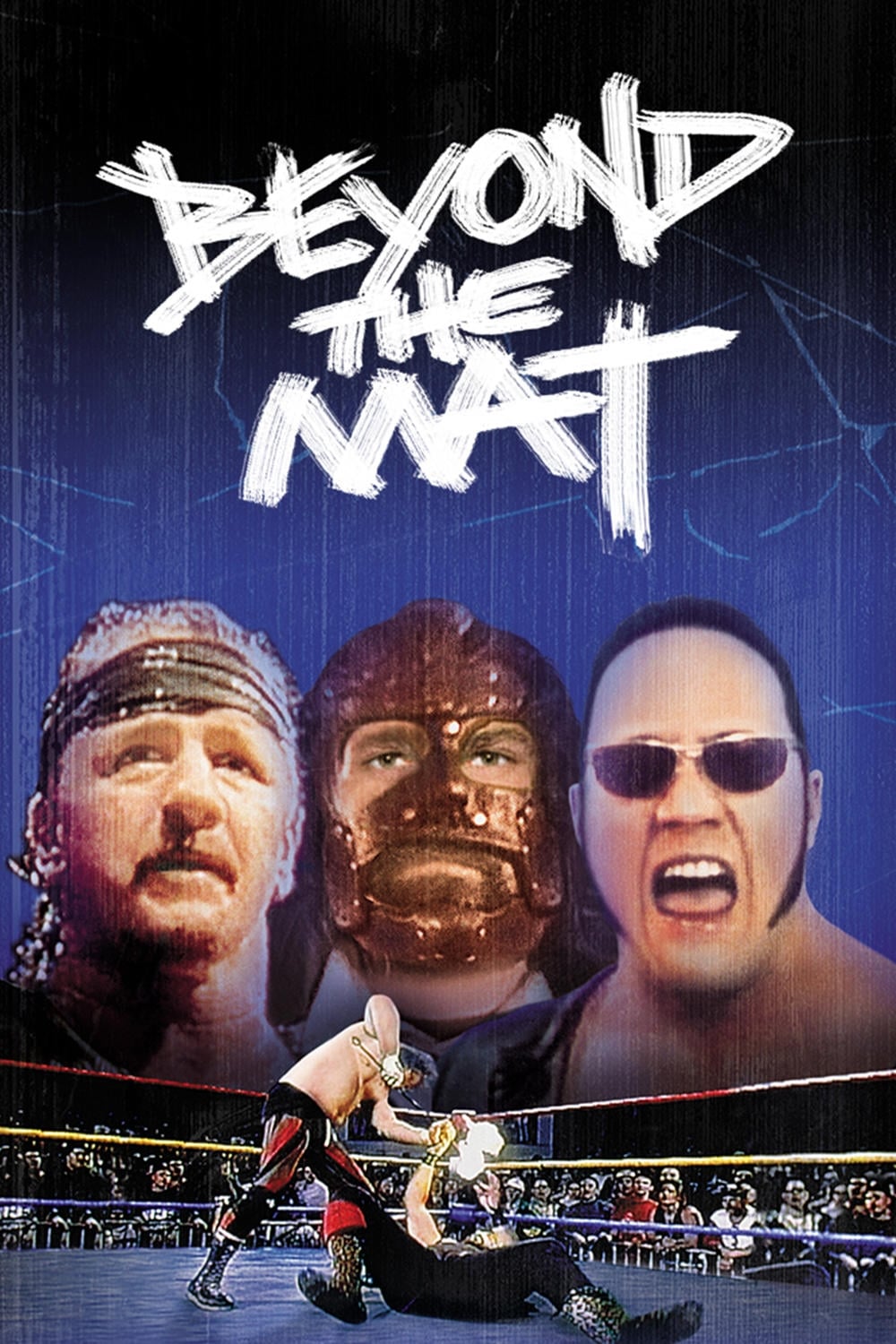
A heartfelt documentary focusing on the day-to-day lives of professional wrestlers, some on the rise, some on the wane, and others fighting for their lives.
A string of threatening emails escalates into a revenge plot involving a newly married US marshal and his ex-girlfriend.
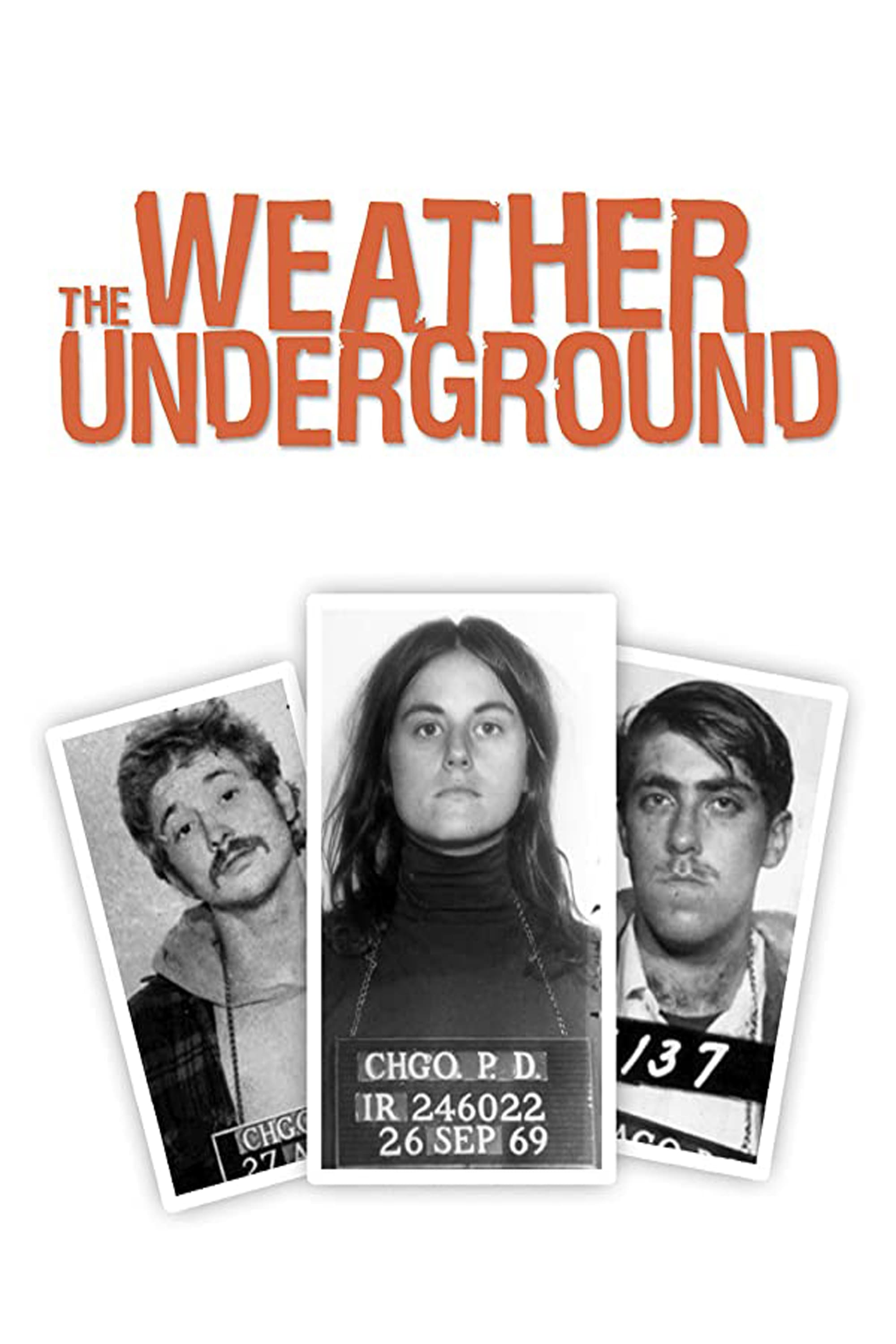
The remarkable story of The Weather Underground, radical activists of the 1970s, and of radical politics at its best and most disastrous.
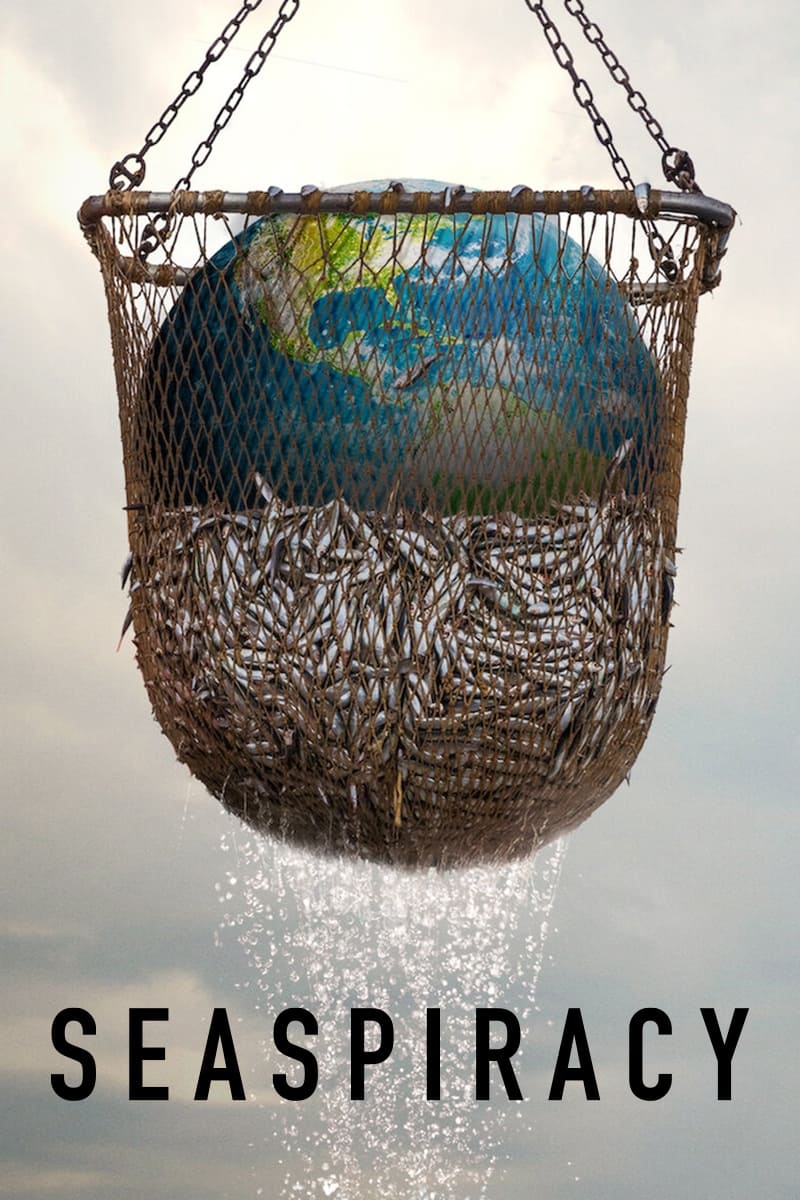
Passionate about ocean life, a filmmaker sets out to document the harm that humans do to marine species — and uncovers an alarming global conspiracy.
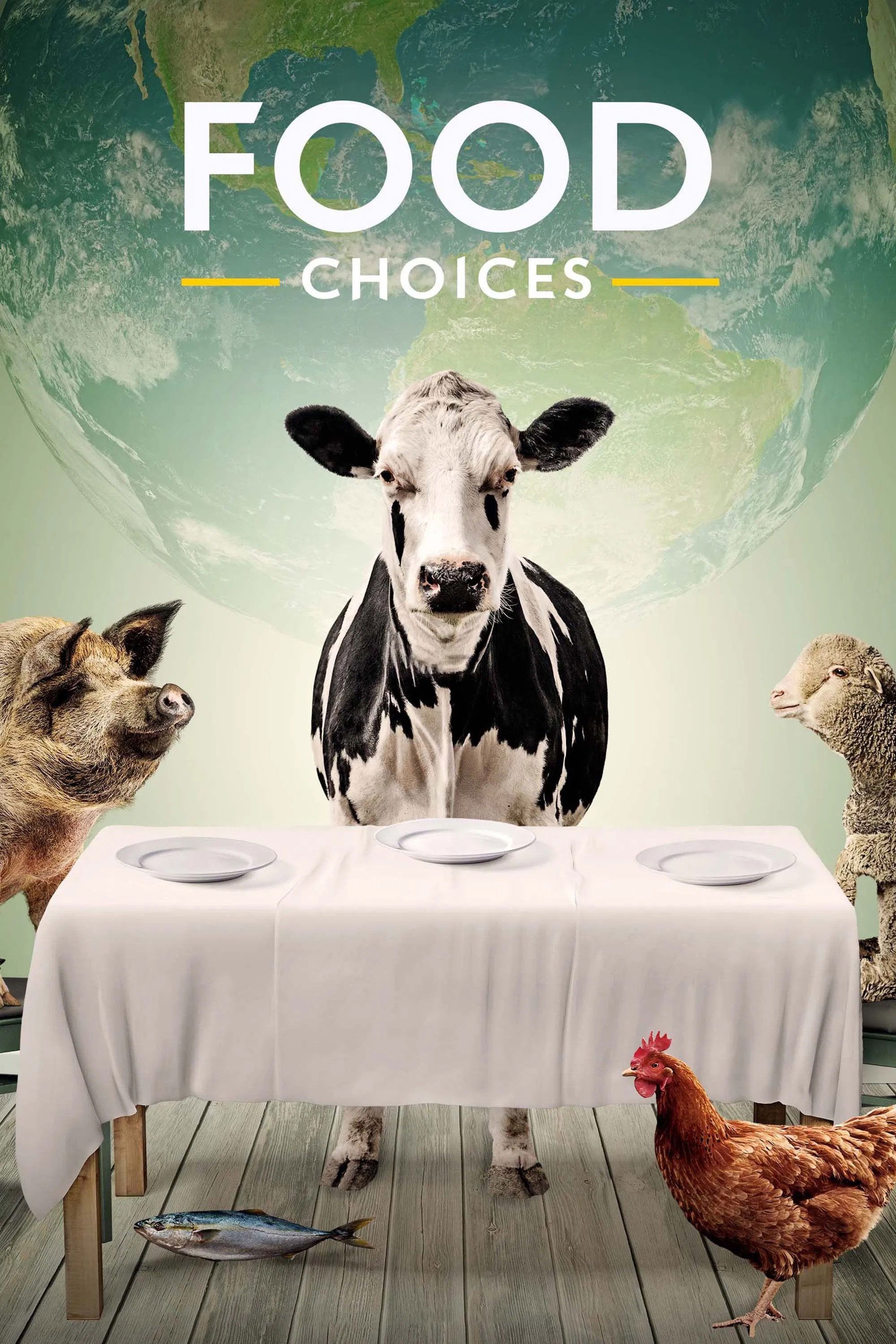
This documentary explores the impact that food choices have on people's health, the health of our planet and on the lives of other living species. And also discusses several misconceptions about food and diet.
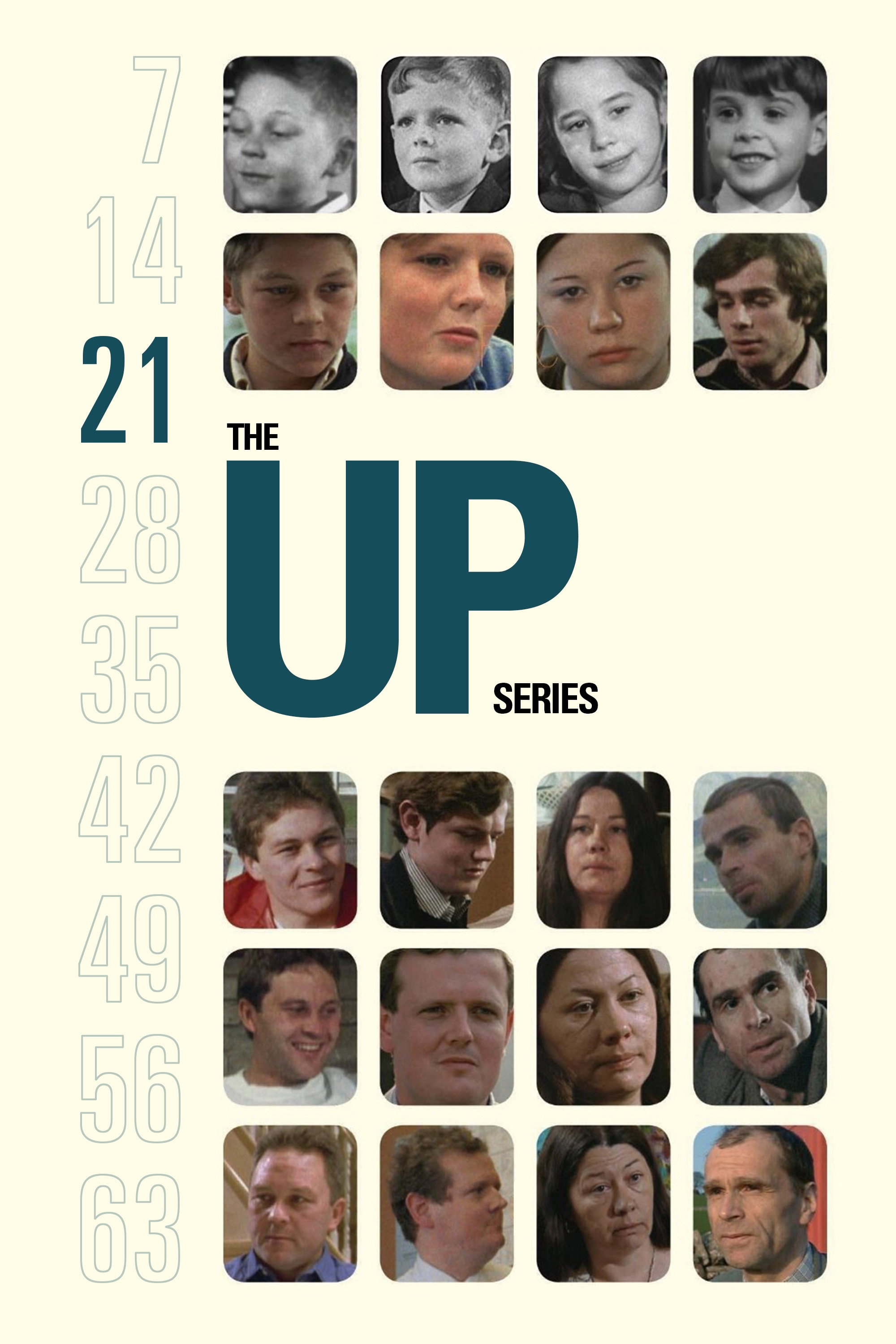
Director Michael Apted revisits the same group of British-born adults after a 7 year wait. The subjects are interviewed as to the changes that have occurred in their lives during the last seven years.
A love letter from a young mother to her daughter, the film tells the story of Waad al-Kateab’s life through five years of the uprising in Aleppo, Syria as she falls in love, gets married and gives birth to Sama, all while cataclysmic conflict rises around her. Her camera captures incredible stories of loss, laughter and survival as Waad wrestles with an impossible choice– whether or not to flee the city to protect her daughter’s life, when leaving means abandoning the struggle for freedom for which she has already sacrificed so much.
After another 7 year wait, director Michael Apted revisits the same group of British-born children from Seven Up! and 7 Plus Seven. The subjects are interviewed as to the changes that have occurred in their lives during the last seven years.
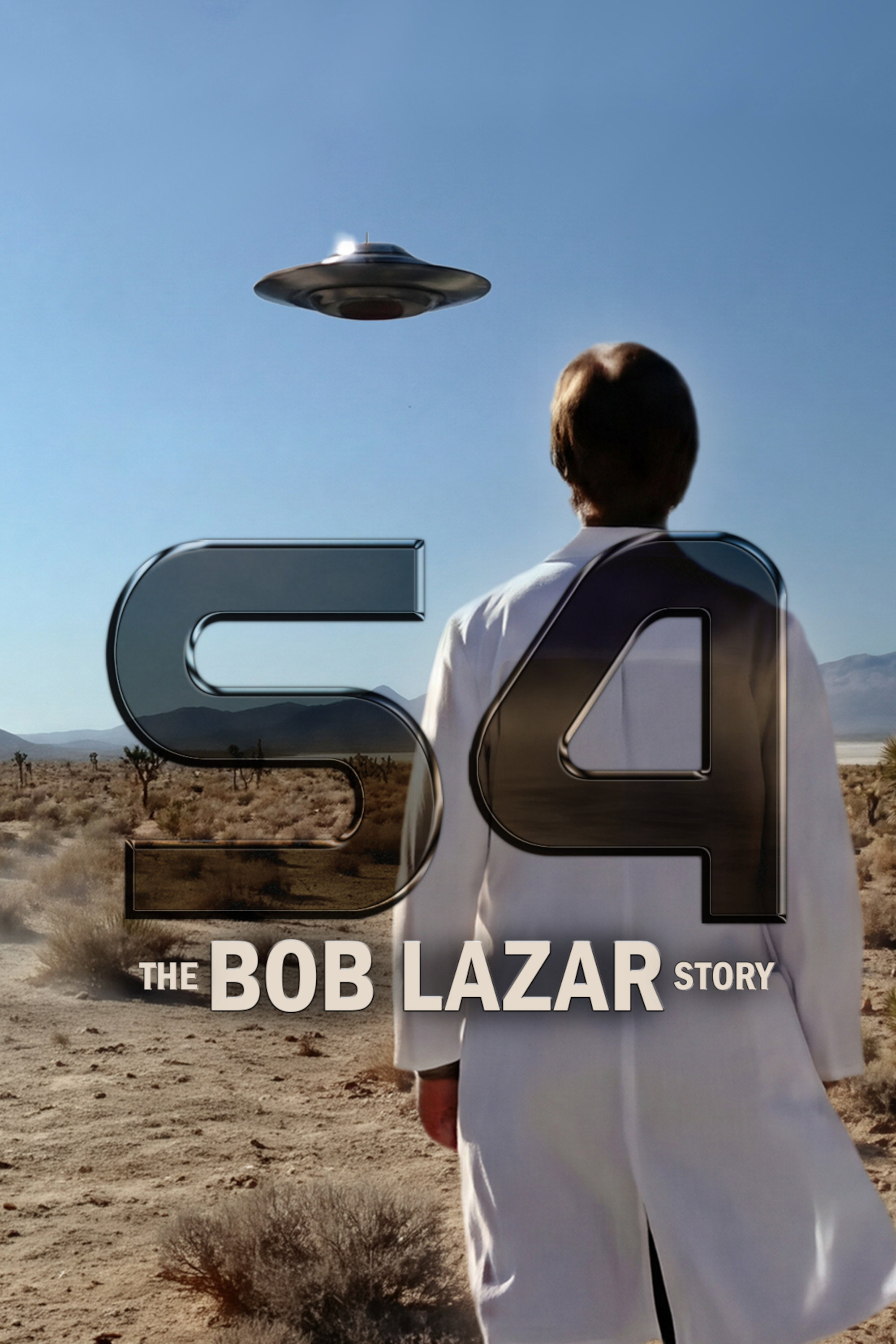
Over 35 years after Bob Lazar's revelations, this documentary exposes secrets of a facility the government still denies. Featuring Lazar's testimony, recreations, and new evidence, it reopens a case that continues to spark global curiosity
A documentary on the expletive's origin, why it offends some people so deeply, and what can be gained from its use.
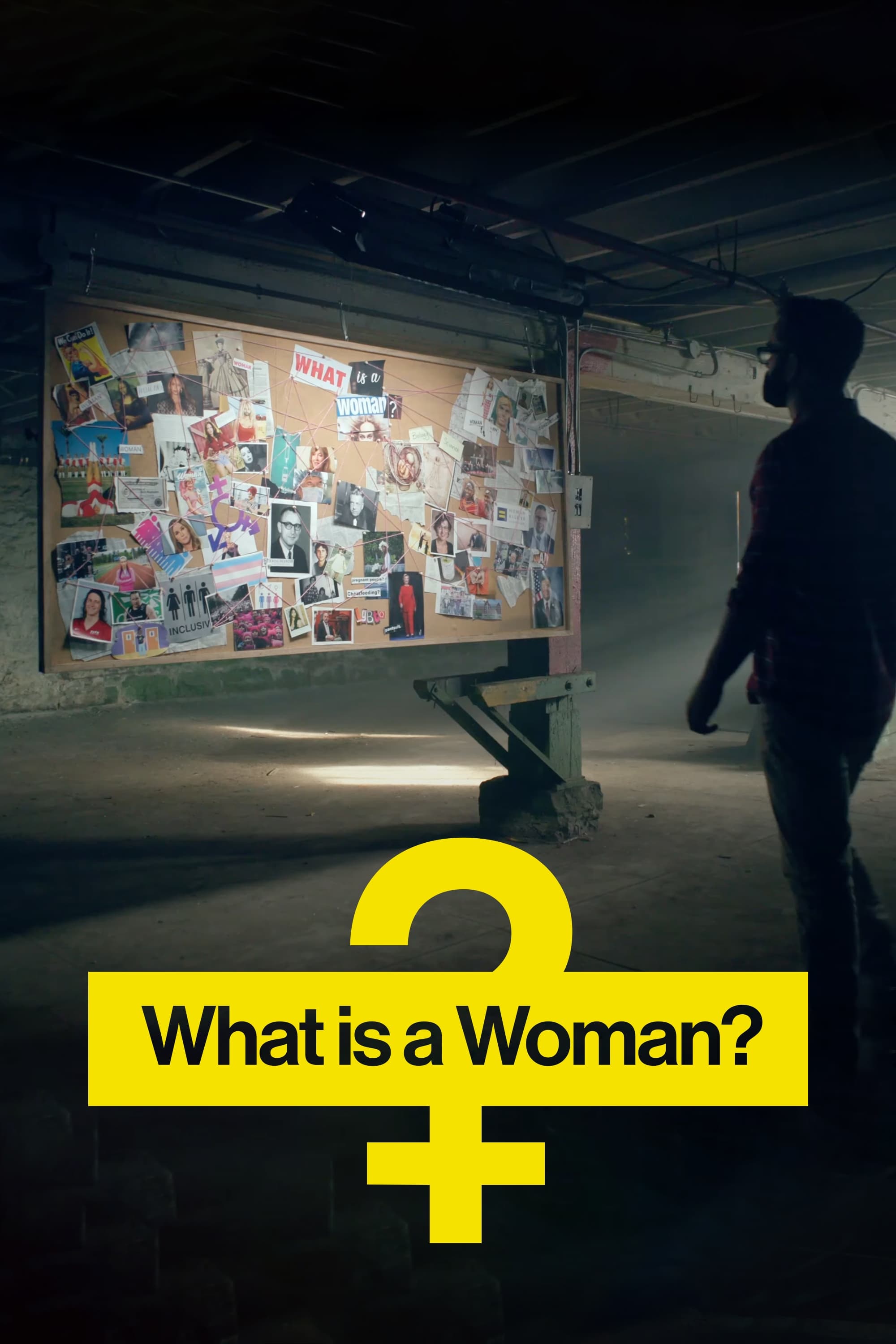
Matt Walsh's controversial doc challenges radical gender ideology through provocative interviews and humor.
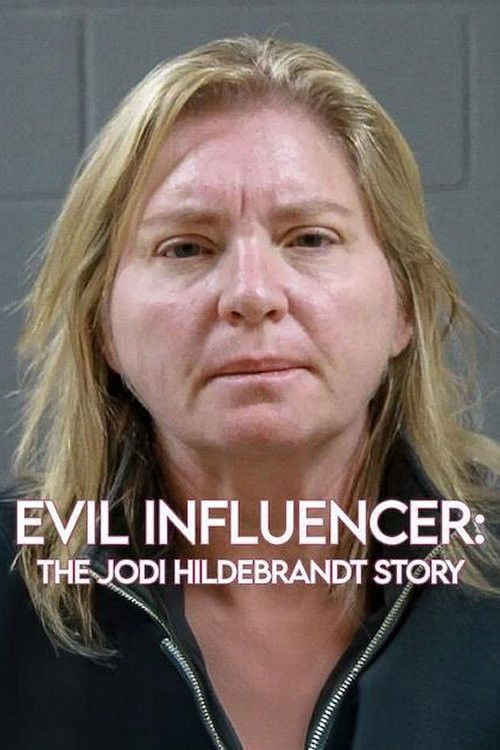
Unravel the case of Utah therapist Jodi Hildebrandt, whose child abuse arrest with parenting YouTuber Ruby Franke exposed a twisted tale of manipulation.
An inside look at one of the most anticipated movie sequels ever with James Cameron and cast.
When a cross-section of seven-year-olds were interviewed for 7 Up in 1964 it was immediately evident that their social backgrounds influenced their attitudes towards life. While the upper class children were confident and self-assured, those from middle and working class backgrounds were resigned to a challenging life of hard work. This premise was put to the test every seven years when the same group were interviewed about the progression of their lives. 49 years in the making, the changes that occurred to the original 14 make for fascinating television and are in many ways the stories of all our lives. From success and disappointment, marriage and childbirth, to poverty and illness, nearly every facet of life has been captured on film. Now, at the age of 56, the group are once more brought together and, with the benefit of hindsight, assess whether their lives have been ruled by circumstance or self-determination.
The film follows adventurer Jeff Johnson as he retraces the epic 1968 journey of his heroes Yvon Chouinard and Doug Tompkins to Patagonia.
An experimental documentary that explores Saudi Arabia's relationship with the U.S. and the role this has played in the war in Afghanistan.
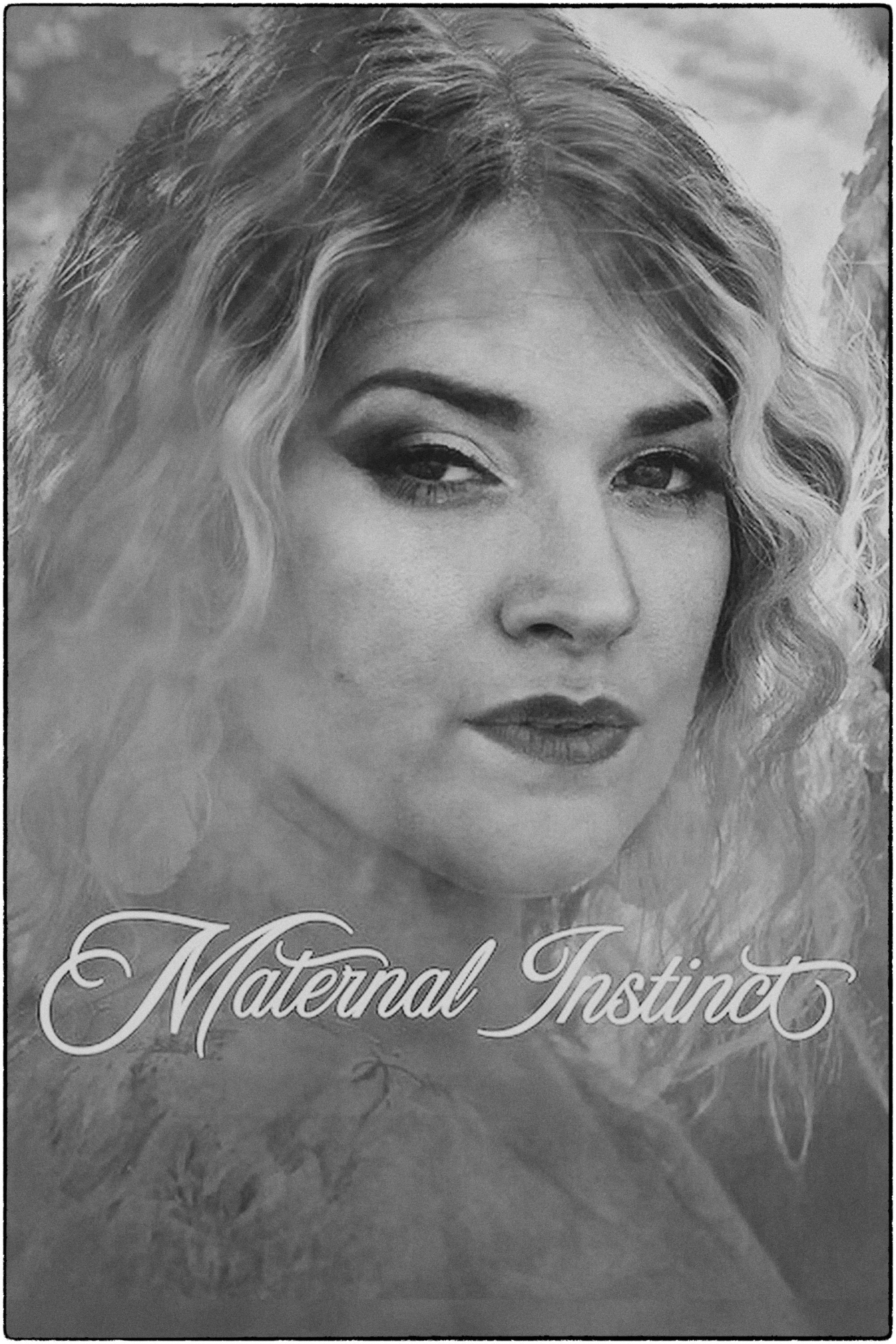
Police pull over a woman who claims she just gave birth. But the baby — and the blood — aren't hers. Twisted lies unravel in this true-crime documentary.