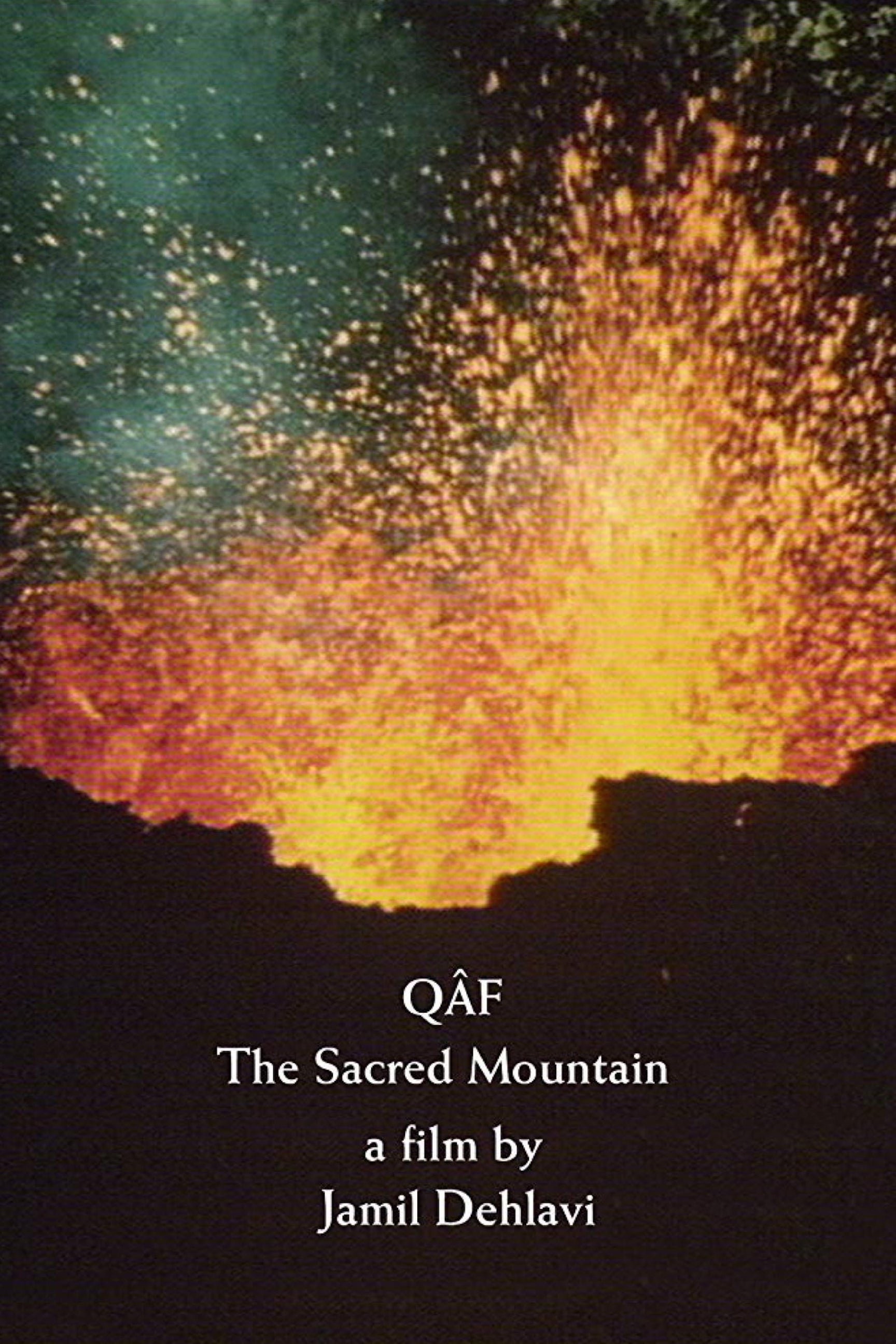
If some want to perpetuate colonization, Malagasy people must oppose a strong no, whoever the colonists are » . Thus spoke Felix Robson, deported during the anti-colonial insurrection of 1947.
Social & External
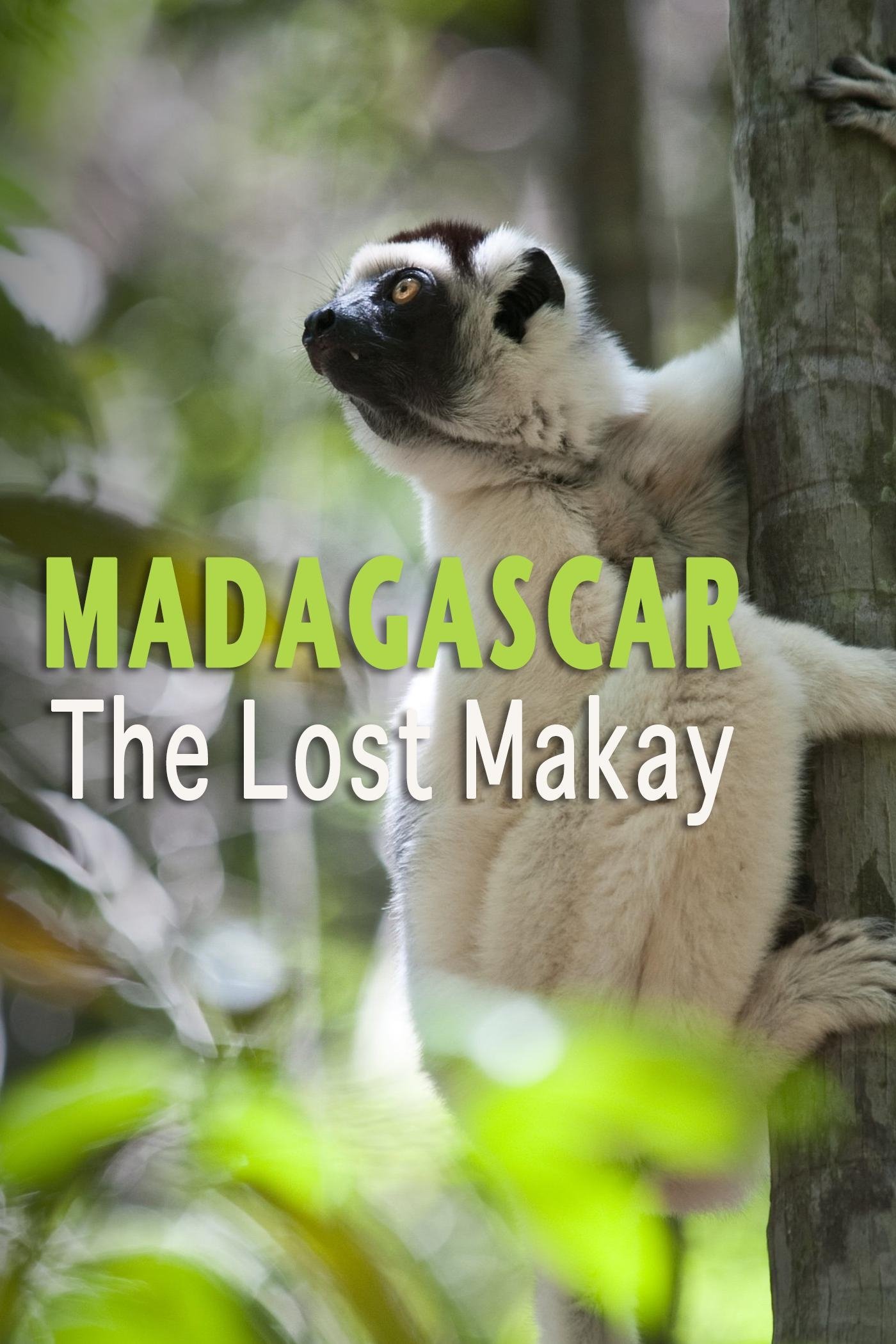
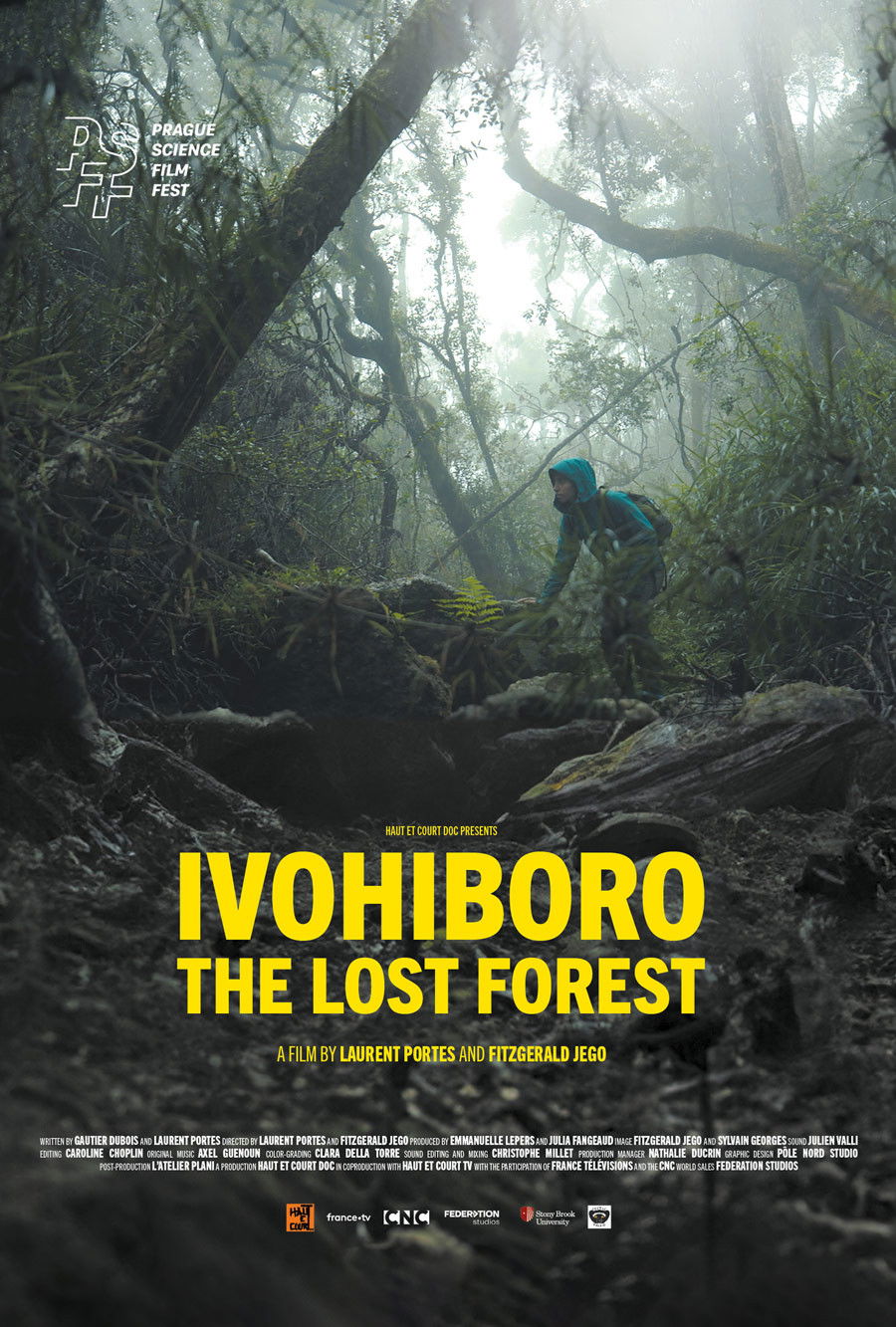
Come and join a group of French scientists on an unprecedented expedition to the most remote region of Madagascar. Discover the lost, breathtakingly beautiful region of Makay.
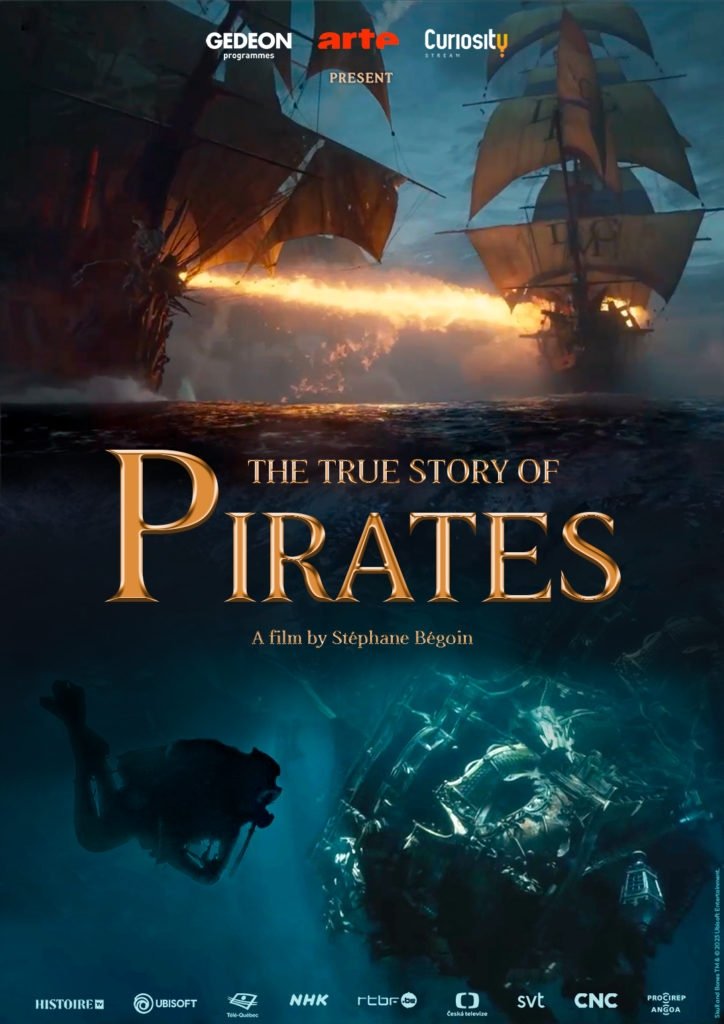
Thanks to new excavations in Mauritius and Madagascar, as well as archival and museum research in France, Spain, England and Canada, a group of international scholars paint a new portrait of the world of piracy in the Indian Ocean.
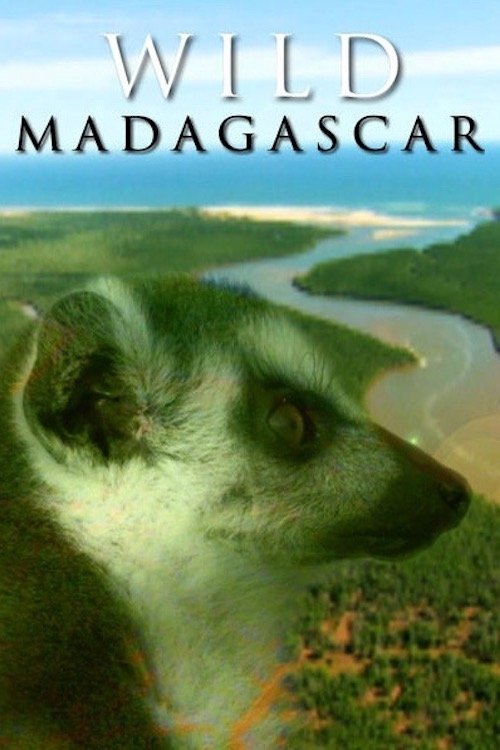
WILD MADAGASCAR spotlights the many strange and unique species of Madagascar and the impact that one species, the lemur, has had on the island's culture.
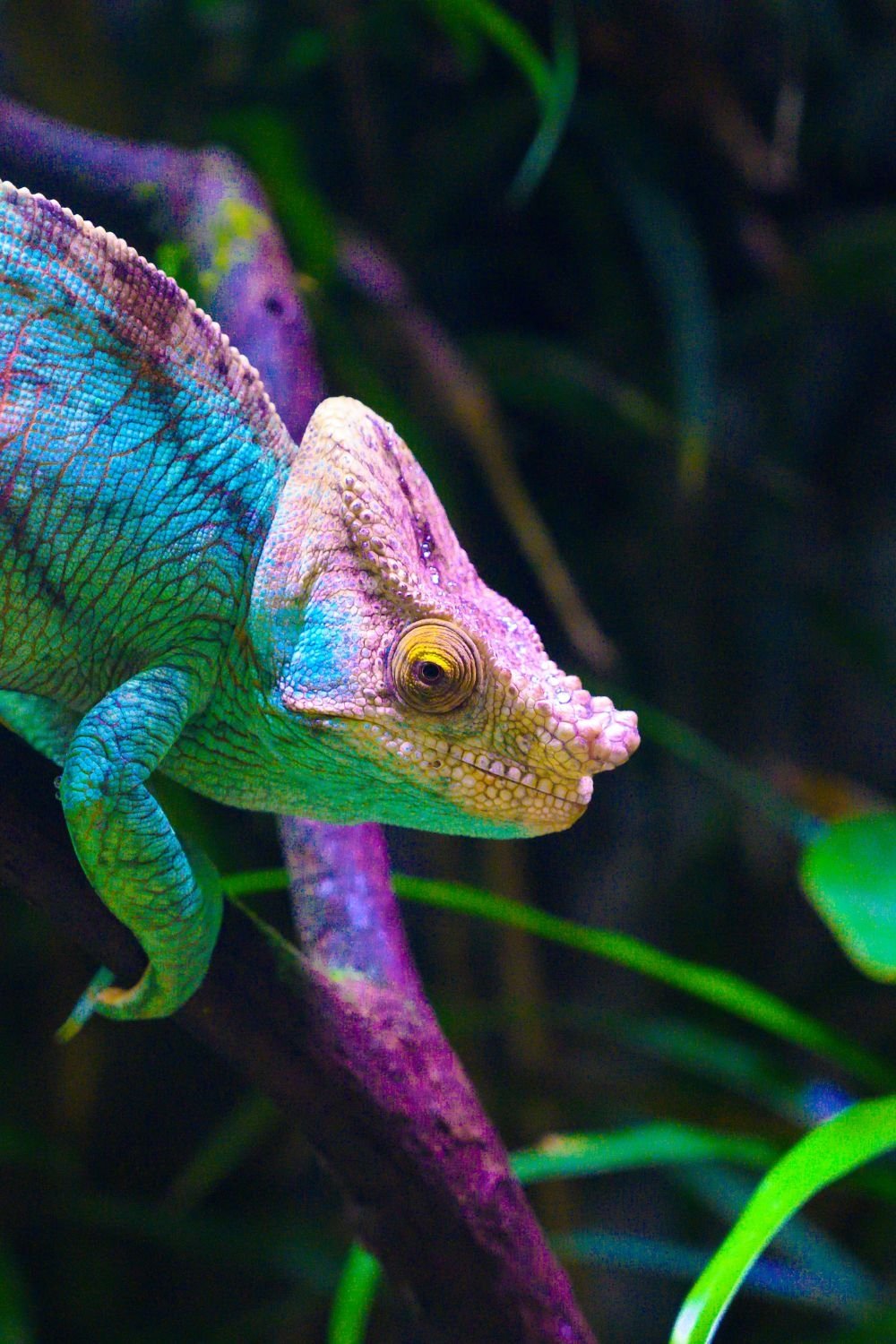
Travel to the mysterious island that time forgot -- the island of Madagascar. Nestled in the tranquil waters of the Indian Ocean off the coast of Africa, Madagascar is an enchanting paradise where for eons nature has been left undisturbed. As you explore this pristine refuge, you'll discover a variety of dazzling plants and animals unique to Madagascar, because it evolved in isolation from the rest of the world. You'll soar over forested mountains, expansive plateaus and lush green rain-forests, encountering delightful leaping lemurs, colorful chameleons, exotic lizards, graceful ibis and breathtakingly beautiful butterflies -- did you know that there are over 3,200 species of butterflies on the island of Madagascar and, of those, over 2,900 can be seen only here? Witness close-up this primeval world's deepest secrets and closely guarded marvels and feel the power of this impressive island as never before.
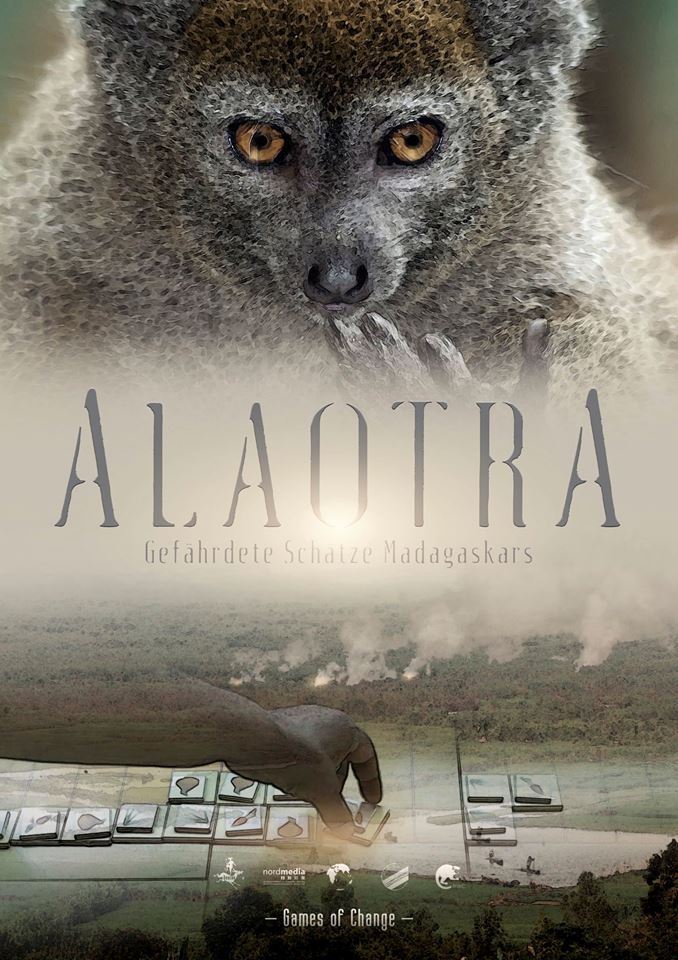
This is a film about the people living in the Alaotra region in Madagascar, and about the changes in their social and natural environments. This is also a film about the Bandro, the Alaotra gentle lemur (Hapalemur alaotrensis), that can survive only in the marshes surrounding the lake, and that is facing extinction due to these changes. This is also a film about research; on how to tackle complexity and grasp change. The AlaReLa (Alaotra Resilience Landscape) project aims to understand the various livelihood strategies of people like farmers or fishers, who use the lake, the marshes, and the land surrounding the lake to produce food and charcoal and other sources of energy. Follow us to some of Madagascar's hidden places - far away from the touristic centers - to find out what can happen when modern times seep slowly into traditional ways of living. What can be done to strike a balance between yesterday and tomorrow; between conservation and development?
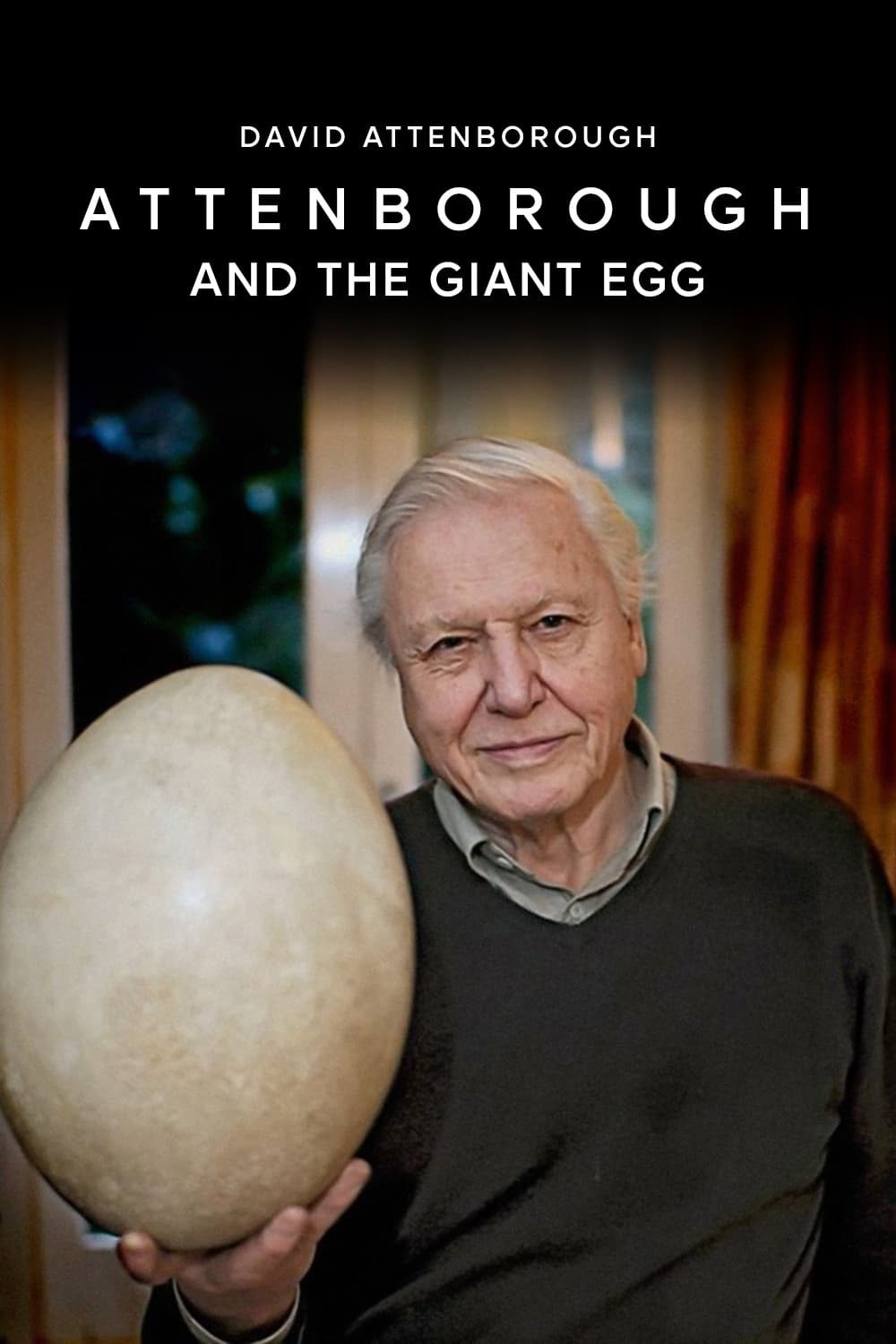
David Attenborough returns to the island of Madagascar on a very personal quest. In 1960 he visited the island to film one of his first ever wildlife series, Zoo Quest. Whilst he was there, he acquired a giant egg. It was the egg of an extinct bird known as the 'elephant bird' - the largest bird that ever lived. It has been one of his most treasured possessions ever since. Fifty years older, he now returns to the island to find out more about this amazing creature and to see how the island has changed. Could the elephant bird's fate provide lessons that may help protect Madagascar's remaining wildlife? Using Zoo Quest archive and specially shot location footage, this film follows David as he revisits scenes from his youth and meets people at the front line of wildlife protection. On his return, scientists at Oxford University are able to reveal for the first time how old David's egg actually is - and what that might tell us about the legendary elephant bird.
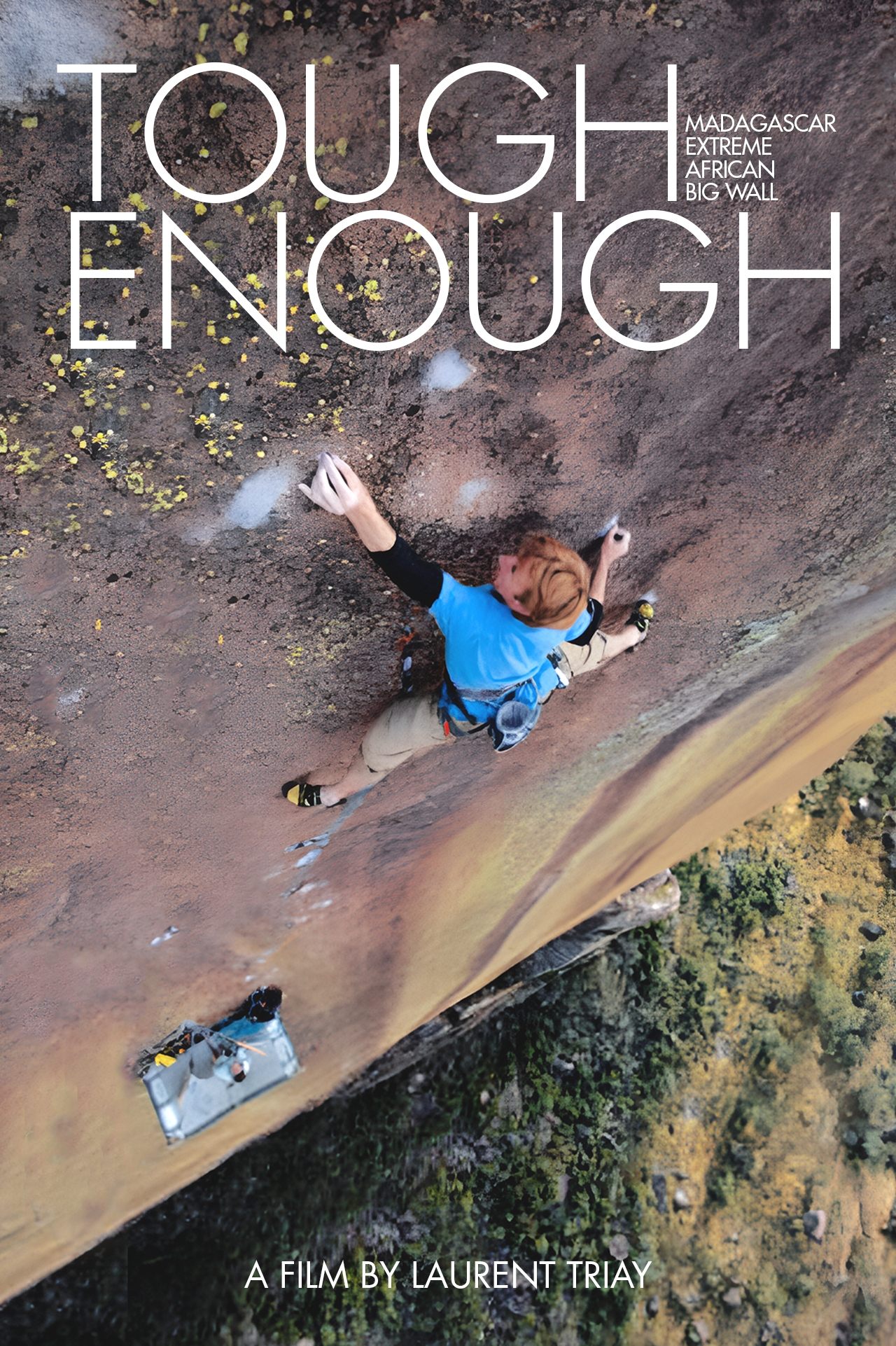
Tough Enough, is a 400 meter climbing route in the Tsaranoro Valley in Madagascar. This film shows the first climb by Arnaud Petit, Stéphanie Bodet, Sylvain Millet and Laurent Triay of this route in 2008.
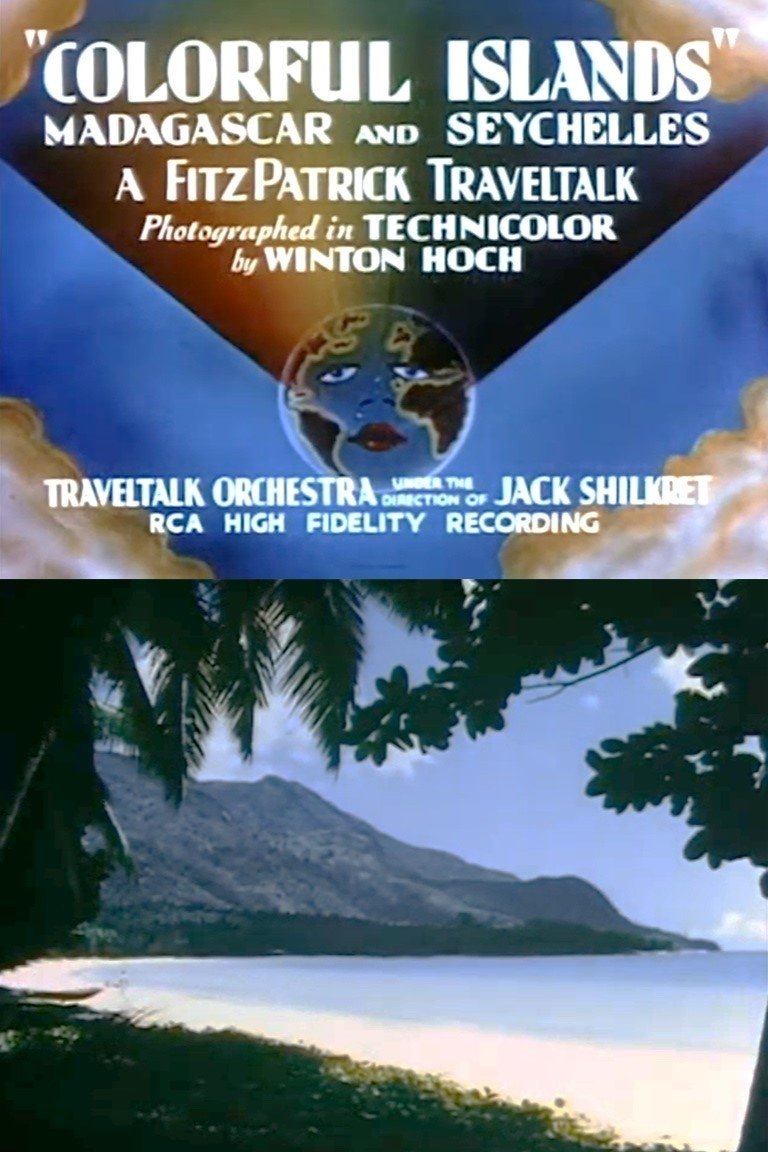
A Technicolor travelogue of the islands in the Indian Ocean east of Africa.
Conditioned by its long lasting geographical isolation Madagascar is home to unique Fauna and Flora, with a high percentage of endemic species. Due to the lack of predators, monkeys and poisonous snakes on the island, extraordinary animal species like the funny lemurs were able to develop in a unique way.
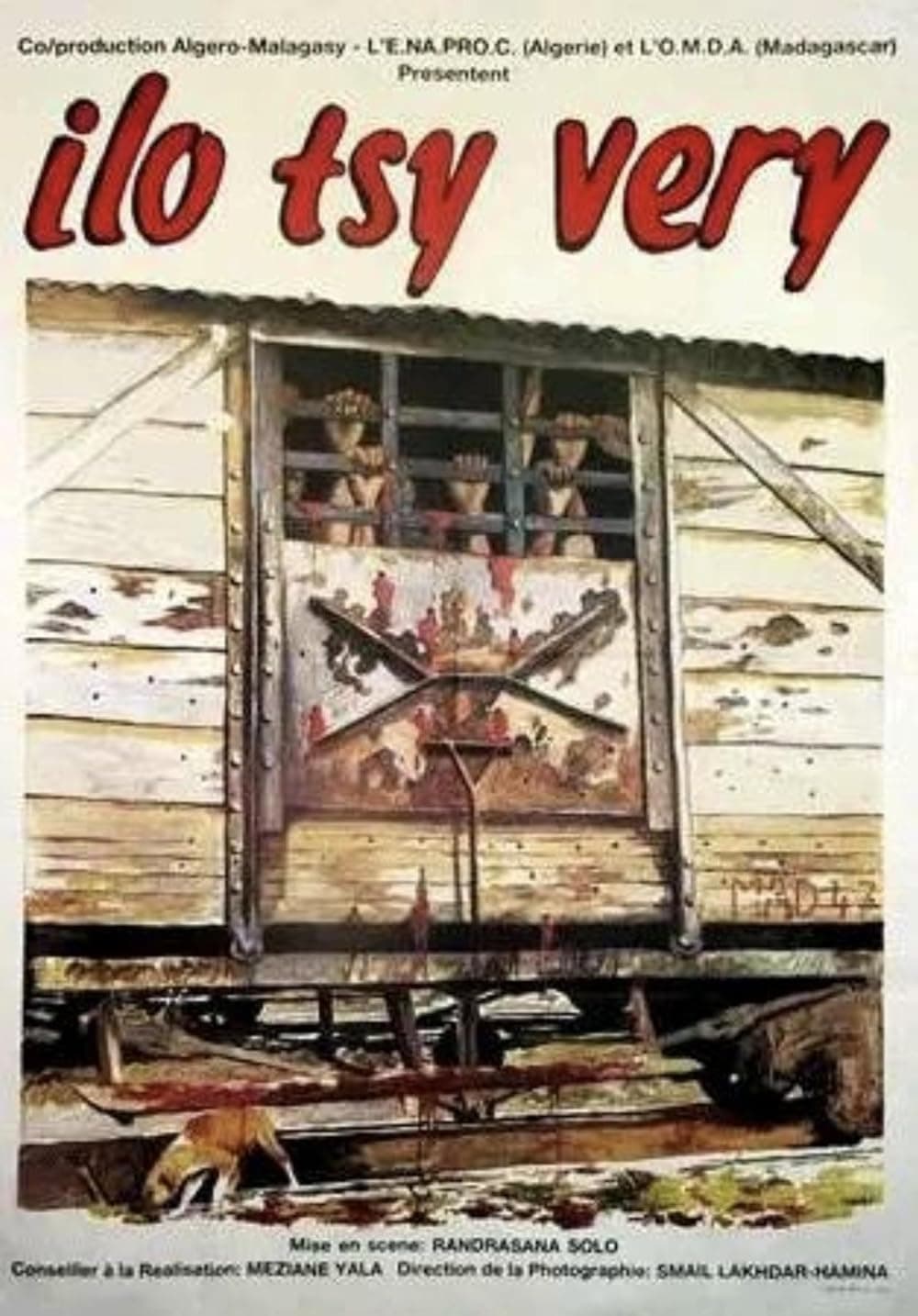
On March 29, 1947, peasants armed with sticks and knives attacked the French garrisons in Madagascar. The revolt would end twenty months later with the death of the last insurgents, shot down by the expeditionary force. France, accustomed to memory lapses, knew nothing of this insurrection and its trail of torture and abuses. In Madagascar, well after independence, the events of 1947 were never discussed. For more than a generation, parents refused to speak of them to their children. It wasn't until the 1980s that the silence was broken.
Charlotte Uhlenbroek travels to Madagascar to follow the story of three mother ring-tailed lemurs struggling to survive one of the driest and hottest seasons in decades. One lemur has already lost her baby, the other two have a fight on their hands if their infants are to stand a chance, and matters are made even worse when neighbouring lemur tribes invade the mothers' territories.
The incredible true story of nature’s greatest explorers—lemurs. Through footage captured with IMAX 3D, audiences go on a spectacular journey to the remote and wondrous world of Madagascar. Join trailblazing scientist Patricia Wright on her lifelong mission to help these strange and adorable creatures survive in the modern world.
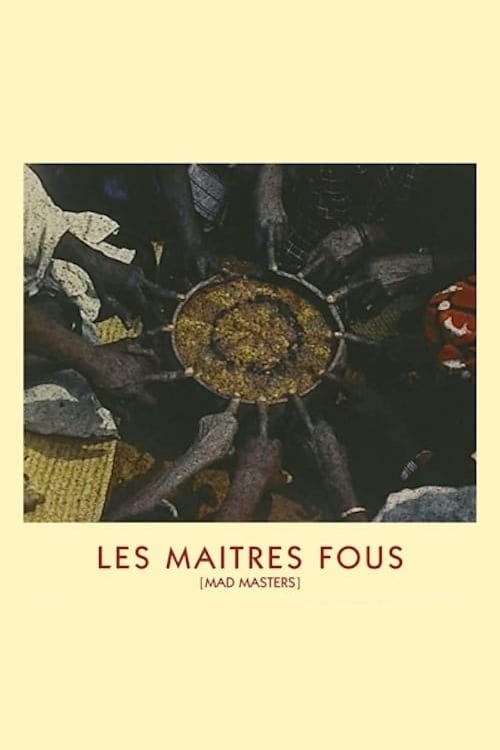
Venerable storytellers recount for the camera and their listeners the founding myths of Malagasy culture.
This film reveals some of Madagascar's secretive and rarely filmed inhabitants, from the apex predator, the fossa, to the aye aye – possibly the weirdest creature on earth.
Through my window-camera, during urban adventures, views of Algiers, where, as a child, after Algerian Independence, I learned about liberty, and which some decades later after immigrating against my will and deliberately becoming an exile, I chose as my city. I was then a "wife of the Republic of Madagascar," as the left-hand side page of my passport noted, while the right-hand side declared "of the ambassador extraordinary and plenipotentiary." Disembodied, words off-screen, intervening one over the other, simultaneous encounters of polyphonic voices glide.
The story of the insane scandals related to the remake of “Island of Dr. Moreau” —originally a novel by H. G. Wells—, which was brought to the big screen in 1996. How director Richard Stanley spent four years developing the project just to find an abrupt end to his work while leading actor Marlon Brando pulled the strings in the shadows. Now for the first time, the living key players recount what really happened and why it all went so spectacularly wrong.
If you ever find yourself traveling down Interstate 49 through Missouri, try not to blink—you may miss Rich Hill, population 1,396. Rich Hill is easy to overlook, but its inhabitants are as woven into the fabric of America as those living in any small town in the country. This movie intimately chronicles the turbulent lives of three boys living in said Midwestern town and the fragile family bonds that sustain them.
The story of Leon Vitali, who surrendered his promising acting career to become Stanley Kubrick's devoted right-hand man.
One man’s journey to find meaning in Bill Murray’s many unexpected adventures with everyday people, rare and never-before seen footage of the comedic icon participating in stories previously presumed to be urban legend.
Years spent recording footage of creatures from every corner of the globe is bound to produce a bit of drama. Here's a behind-the-scenes look.
Canadian actress and filmmaker Sarah Polley investigates certain secrets related to her mother, interviewing a group of family members and friends whose reliability varies depending of their implication in the events, which are remembered in different ways; so a trail of questions remains to be answered, because memory is always changing and the discovery of truth often depends on who is telling the tale.
The authorized documentary celebrating the film that redefined Hollywood, 50 years after its premiere. Featuring rare archival footage and interviews with acclaimed Hollywood directors alongside Steven Spielberg, top shark scientists, and conservationists, the film uncovers the behind-the-scenes chaos and how the film launched the summer blockbuster, inspired a new wave of filmmakers, and paved the way for shark conservation that continues today.
What does it mean to lead men in war? What does it mean to come home? Hell and Back Again is a cinematically revolutionary film that asks and answers these questions with a power and intimacy no previous film about the conflict in Afghanistan has been able to achieve. It is a masterpiece in the cinema of war.
An inside look at one of the most anticipated movie sequels ever with James Cameron and cast.
Using the book 'Fragments', which collects Marilyn Monroe's poems, notes and letters, and with participation from the Arthur Miller and Truman Capote estates who have contributed more material, each of the actresses will embody the legend at various stages in her life.
In 1936, Victor H. Green (1892-1960) published The Negro Motorist Green Book, a book that was both a travel guide and a survival manual, to help African-Americans navigate safe those regions of the United States where segregation and Jim Crow laws were disgracefully applied.
A compilation of over 30 years of private home movie footage shot by Lithuanian-American avant-garde director Jonas Mekas, assembled by Mekas "purely by chance", without concern for chronological order.
A multi-part documentary about the making of the Jurassic Park trilogy. Each part walks through the making of part of one of the films, including the hurricane during the shooting of the first film, and how advances in CGI for Jurassic Park helped change the world of special effects forever. All interviews for these retrospective documentaries come with comments from Spielberg, Johnston, Neill, Dern, Goldblum, the effects crews, the child actors, and Peter Stormare. This documentary is broken into six parts: Dawn of a New Era (25 min), Making Prehistory (20 min), The Next Step in Evolution (15 min), Finding the Lost World (28 min), Something Survived (16 min), and The Third Adventure (25 min).
Documentary about the art of film editing. Clips are shown from many groundbreaking films with innovative editing styles.
In this documentary, recovering addict and amputee John Wood finds himself in a stranger-than-fiction battle to reclaim his mummified leg from Southern entrepreneur Shannon Whisnant, who found it in a grill he bought at an auction and believes it therefore to be his rightful property.
With mesmerizing footage and time lapses of animators at work, this behind-the-scenes special captures the artistry of a unique tale years in the making.
January 2016. The love story that brought me to this village in Alsace where I live ended six months ago. At 45, I am now alone, without a car, a job or any real prospects, surrounded by luxuriant nature, the proximity of which is not enough to calm the deep distress into which I am plunged. I am lost and I watch four to five films a day. I decide to record this stagnation, not by picking up a camera but by editing shots from the stream of films I watch.
The life of Bambi, a male roe deer, from his birth through childhood, the loss of his mother, the finding of a mate, the lessons he learns from his father, and the experience he gains about the dangers posed by human hunters in the forest.
A chronicle of the production problems — including bad weather, actors' health, war near the filming locations, and more — which plagued the filming of Apocalypse Now, increasing costs and nearly destroying the life and career of Francis Ford Coppola.
A documentary about the making of David Fincher's 2008 film THE CURIOUS CASE OF BENJAMIN BUTTON. Virtually every element in the evolution of the Fincher's film is documented here, from the project's attachment to numerous other directors during the 1990s, to its shoot in 2006 and 2007 in New Orleans, to its complex, CGI-intensive postproduction process.