Social & External
The people behind it
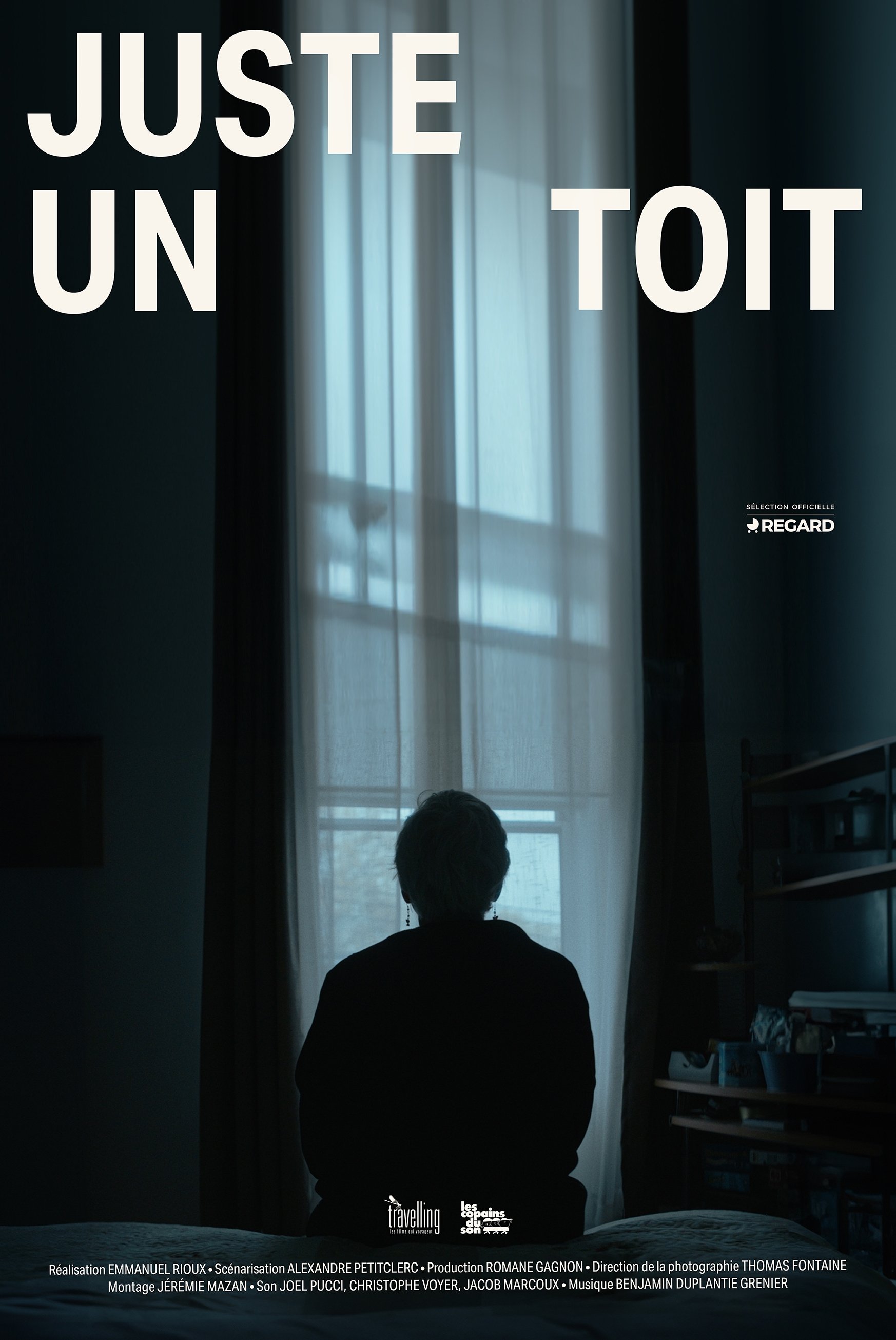
Too many stories can tell the horrible consequences of the housing crisis. Those of Jeannette and Frances make us feel the difficult experience of eviction. During long months of anguish, brief hopes and uprooting, Jeannette and Frances struggle, alone and surrounded, against a phenomenon that is becoming more and more pronounced: losing your home.
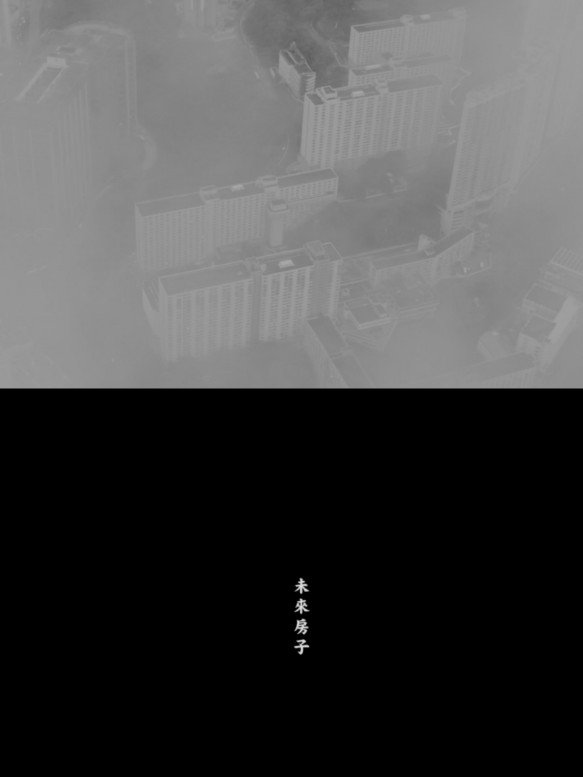
West Estate spotlights the severe housing problems in Hong Kong, taking the spirit of resistance outside of the protest. The damaged walls in the cage-like tenements reflect the many forms of social injustice as well as Hongkongers’ widespread sense of rootlessness. Connecting three stories from different households like puzzle pieces, the film depicts people’s despair over issues of family, sexuality, love, and freedom.
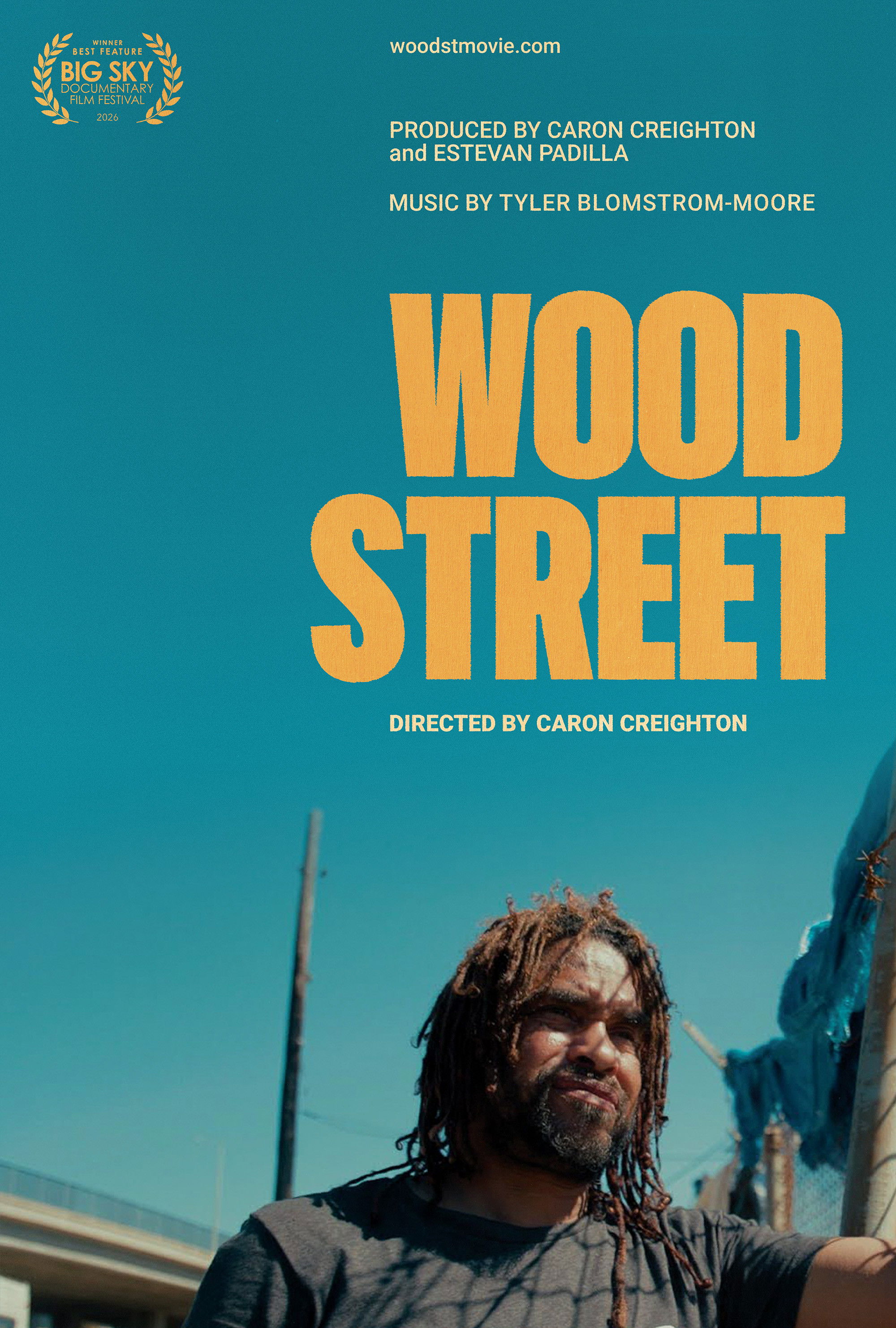
Two unhoused men turned community leaders— John and LaMonté —organize their neighbors in the face of displacement, addiction, and a failing social system.
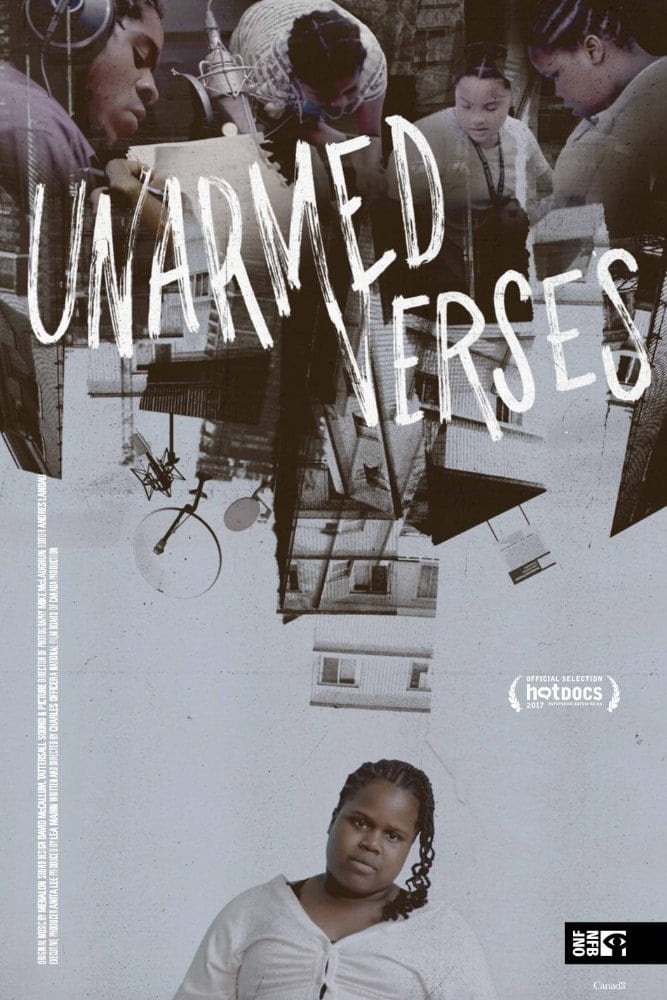
Toronto filmmaker Charles Officer profiles the young people of Villaways Park, a housing project on brink of historic change.
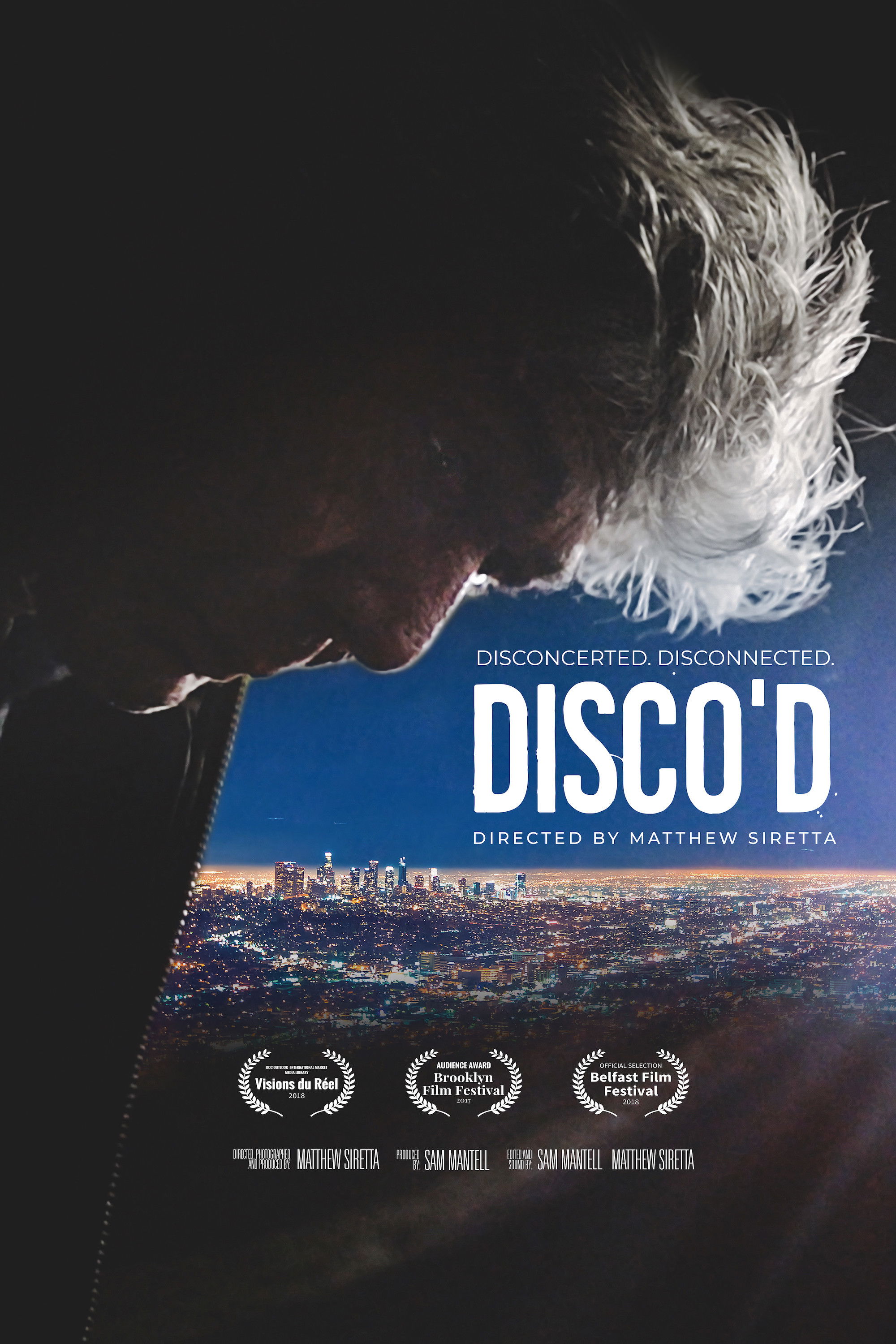
“Set against the rattle of shopping carts and the white noise of L.A. traffic... “Disco’d” is an unvarnished, moving look at the lives affected by the rising crisis of homelessness.” —Los Angeles Times
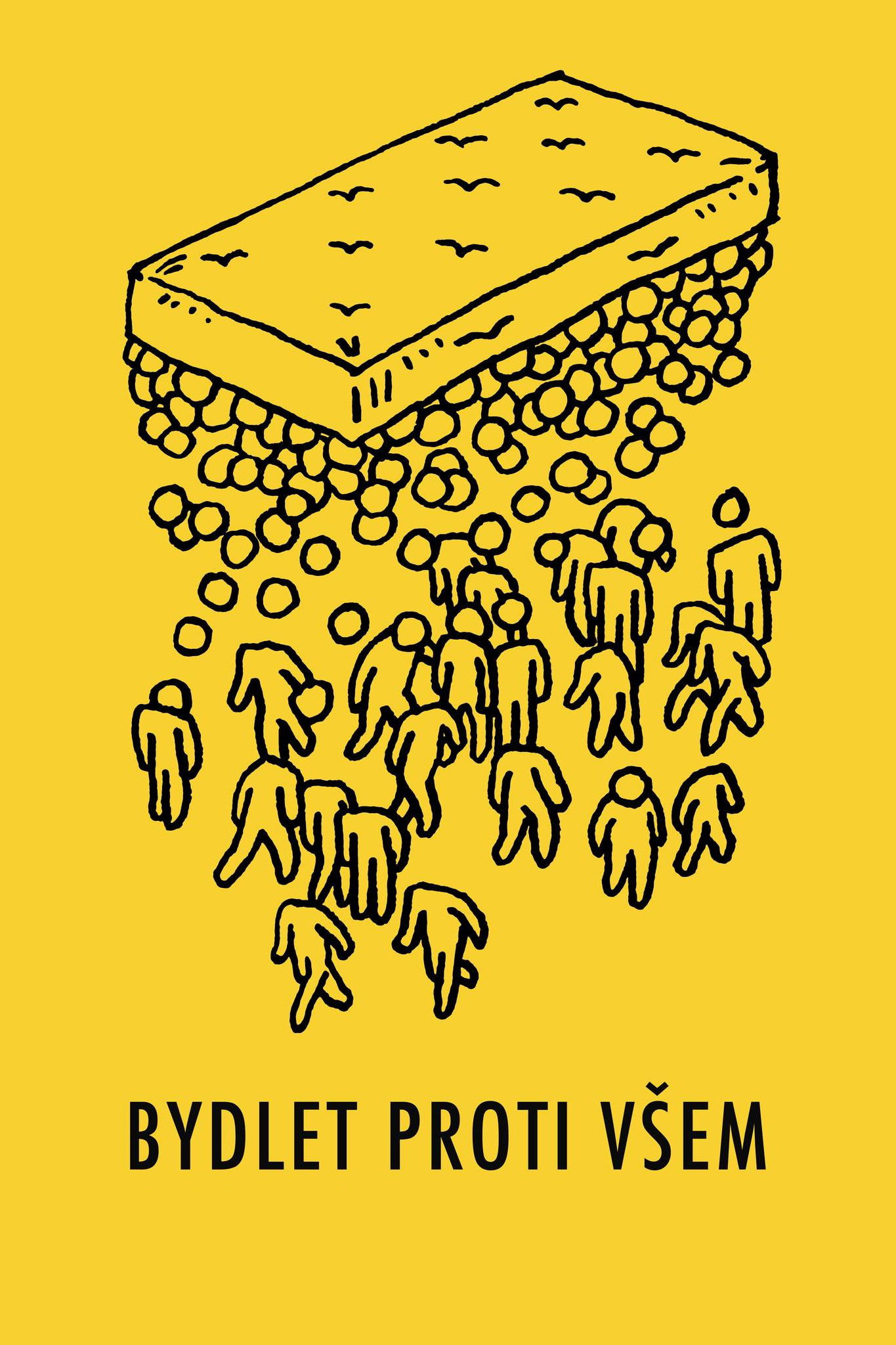
The availability of housing is a big topic today. It has the strongest impact on those who participate least in the public debate – low-income households, minorities or single women. The film follows a group of activists around Martin Freund, a representative and member of the Live Brno movement, as they try to persuade politicians in the second largest Czech city about their vision of affordable housing.
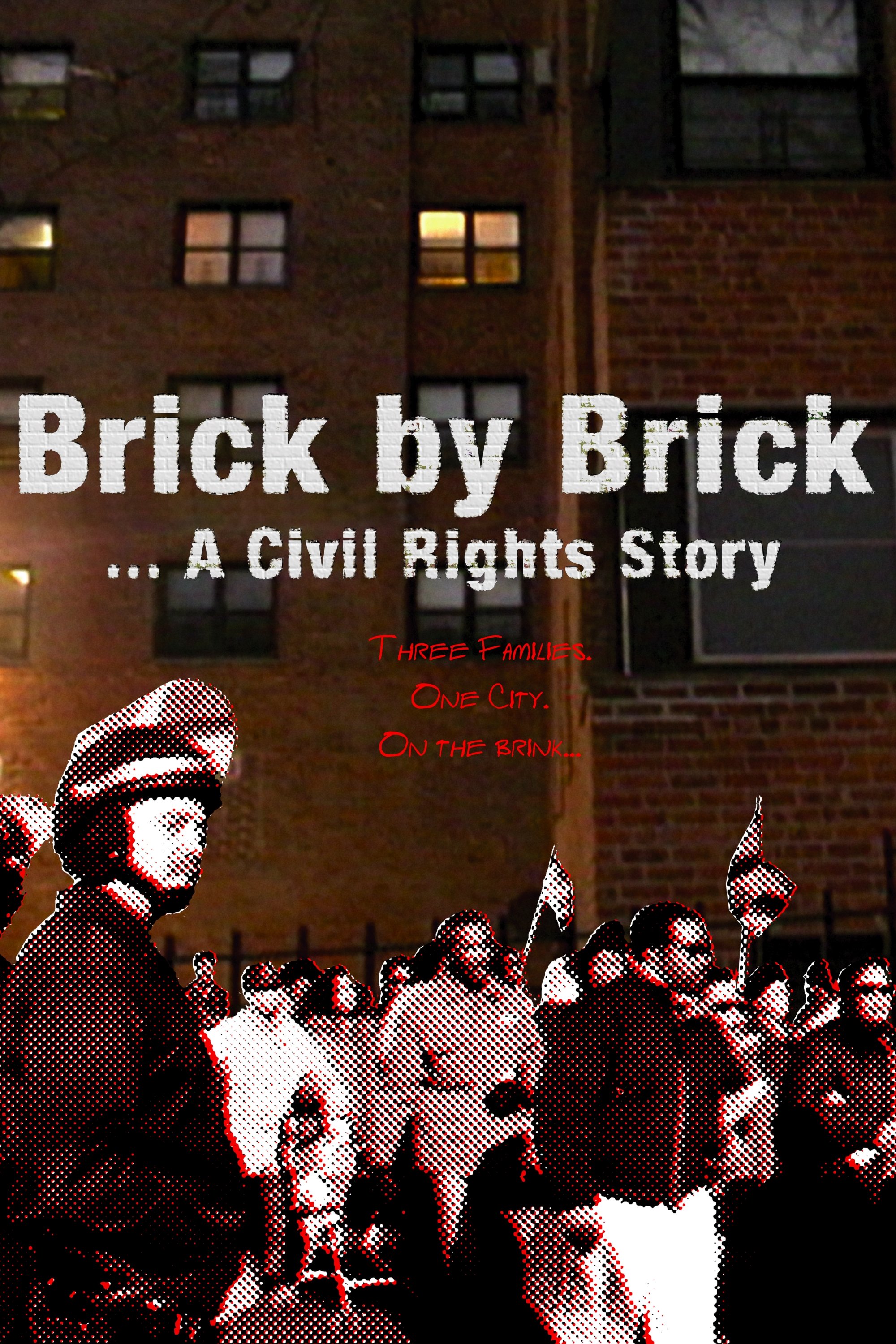
The real life story of the events surrounding the fight for and against public housing and racial integration in Yonkers, New York in the 1980s as portrayed in the HBO miniseries Show Me a Hero.
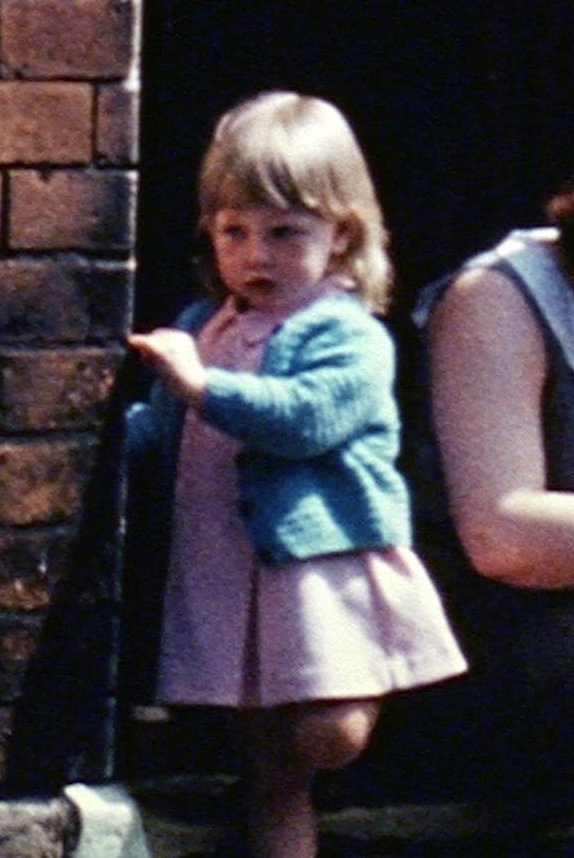
Between 1968 and 1970, J M Goodger, a lecturer at the University of Salford, made a film record of the living conditions in the slums of Ordsall, Salford, which were then in the process of being demolished. Under the title 'The Changing face of Salford', the film was in two parts: 'Life in the slums' and 'Bloody slums'.
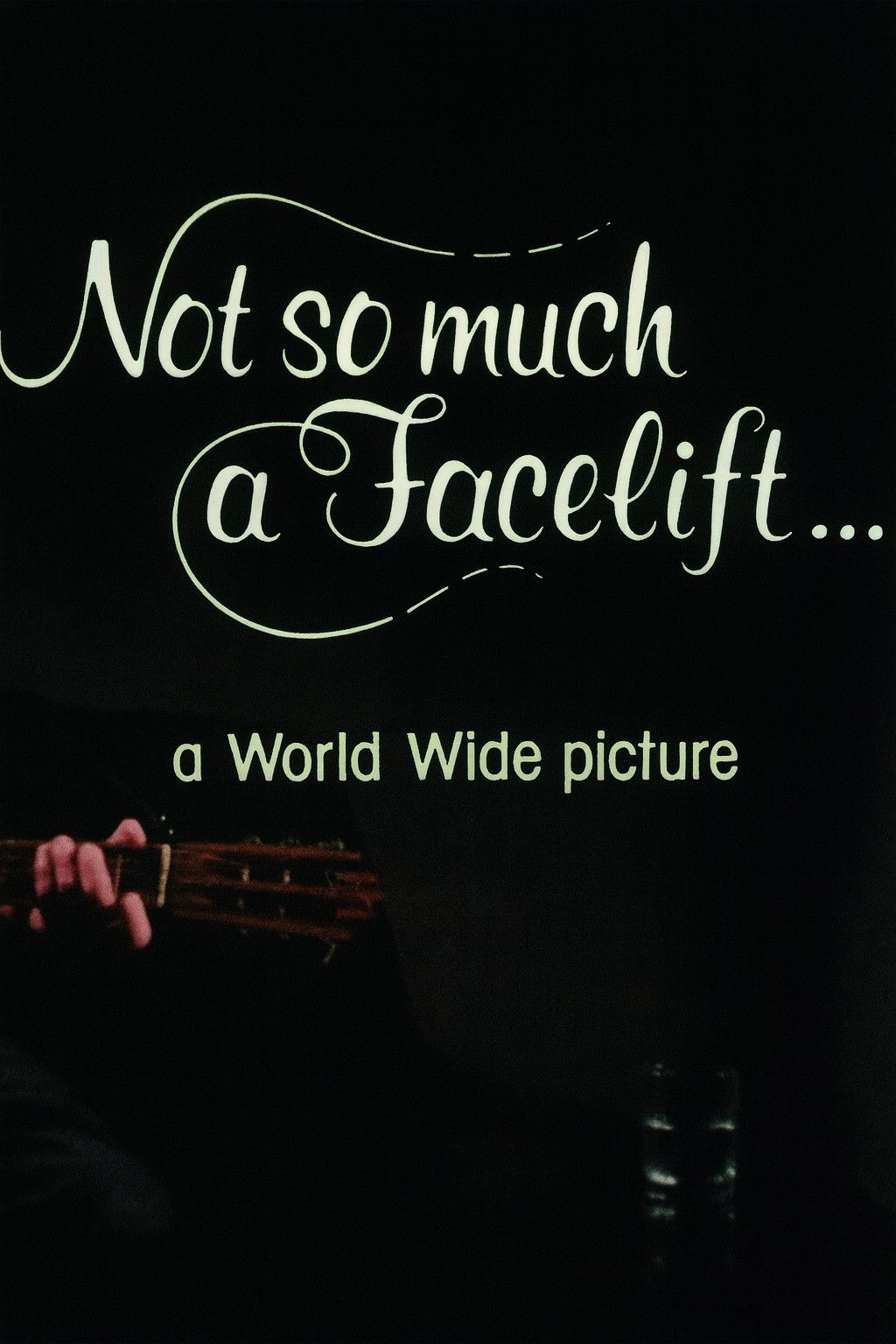
A short documentary exploring the UK’s 1970s approach to urban renewal through General Improvement Areas. Mixing location footage from Blackburn, Norwich, and Oxford with unexpectedly quirky presentation, the film contrasts small-scale housing improvements with the sweeping redevelopment schemes of the post-war era. Produced as a government public information film and shown at meetings between planners, architects, and residents, it stands as a modest, humane entry in Britain’s civic-minded documentary tradition.
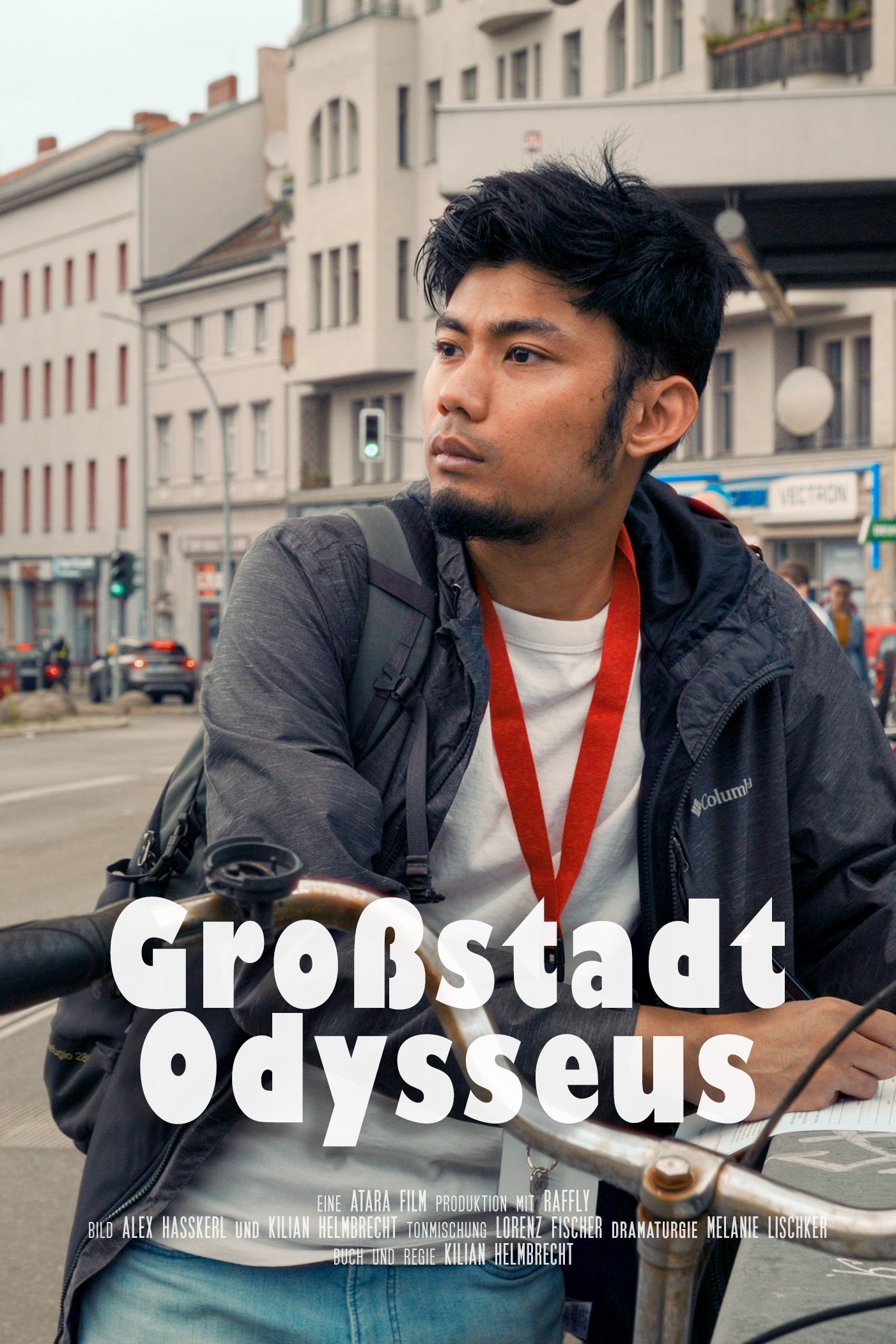
Successfully completed your studies - now what? Raffly already has a lucrative job offer from a large German company, but neither an apartment nor a work permit.
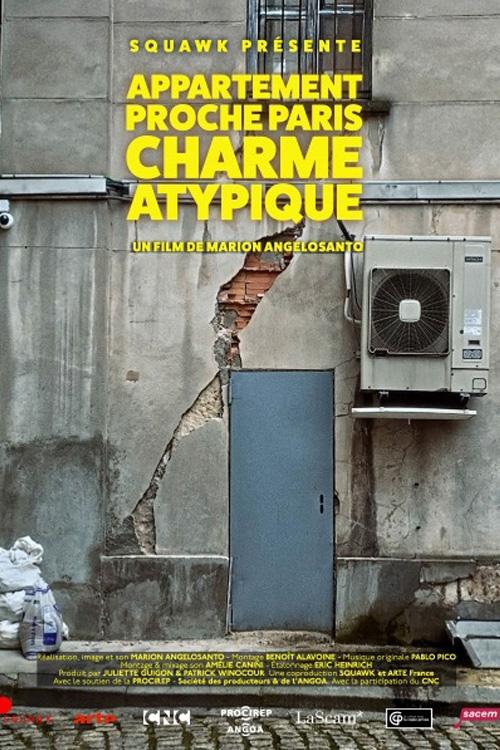
Five floors. Forty apartments. Rats, leaks and debts. In Pantin, I live in a building with a danger order. Under court order, we have to renovate it. Between Dantesque arguments, missing money and humor as a fire extinguisher, I film our collective rescue.
A film about problems in providing the population with housing that meets their needs. Affected citizens and representatives of the responsible state institutions give their views.
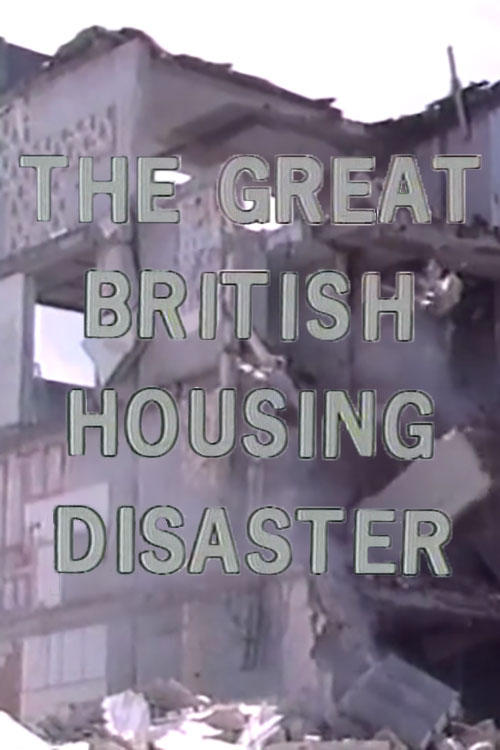
David Jones investigates how 1960s council housing came to be built so poorly that thousands later needed to be demolished.
Cranes and Voices explores the evocative power of sound through the experiences of people who hear voices and a collective of sound investigators, tenants documenting their neighborhood. By bringing together listening experiences, housing, and creative practices, the film approaches sound as an ambivalent force, questioning our ability to listen—to the city, to others, and to ourselves.
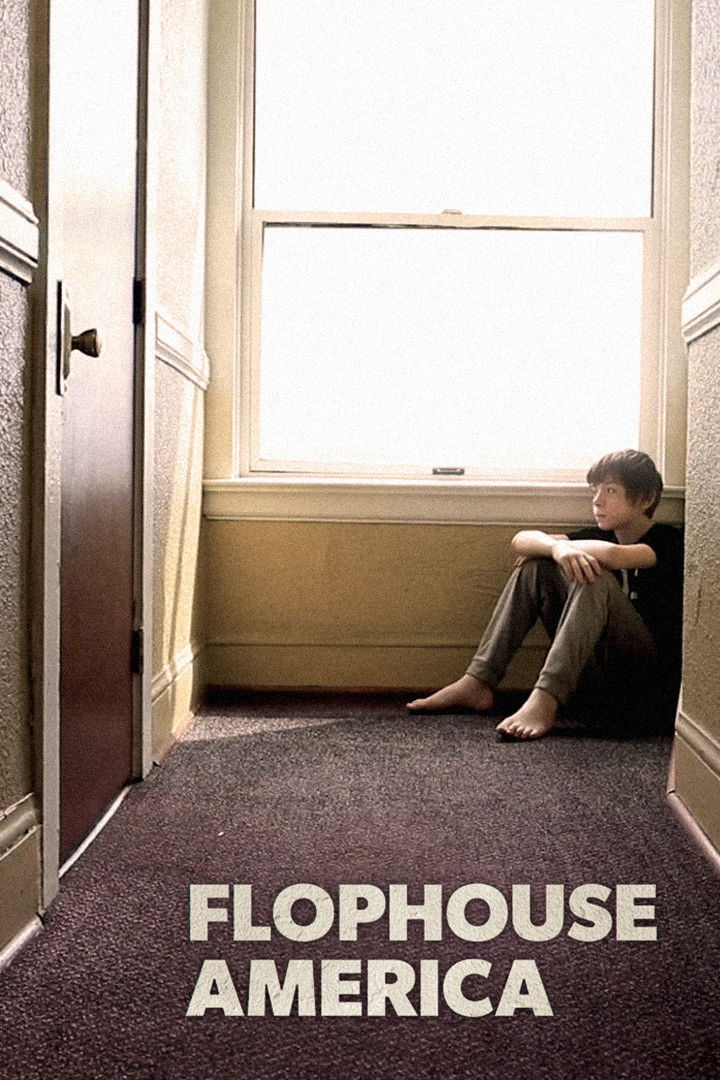
Because of the big housing problem in the US many people move into cheap, run down hotels, the so-called Flophouse hotels. Twelve-year-old Mikal was born and raised in a hotel room he shares with his parents, who struggle with substance abuse. Driven by love and a desire for a better life, his greatest wish is for his mother to stop drinking. Mikal is bright and articulate, but his parents’ struggles prevent them from giving him the stability he needs. Through Mikal’s perspective, the film paints an intimate portrait of resilience, hope, and the harsh realities of life on society’s margins.
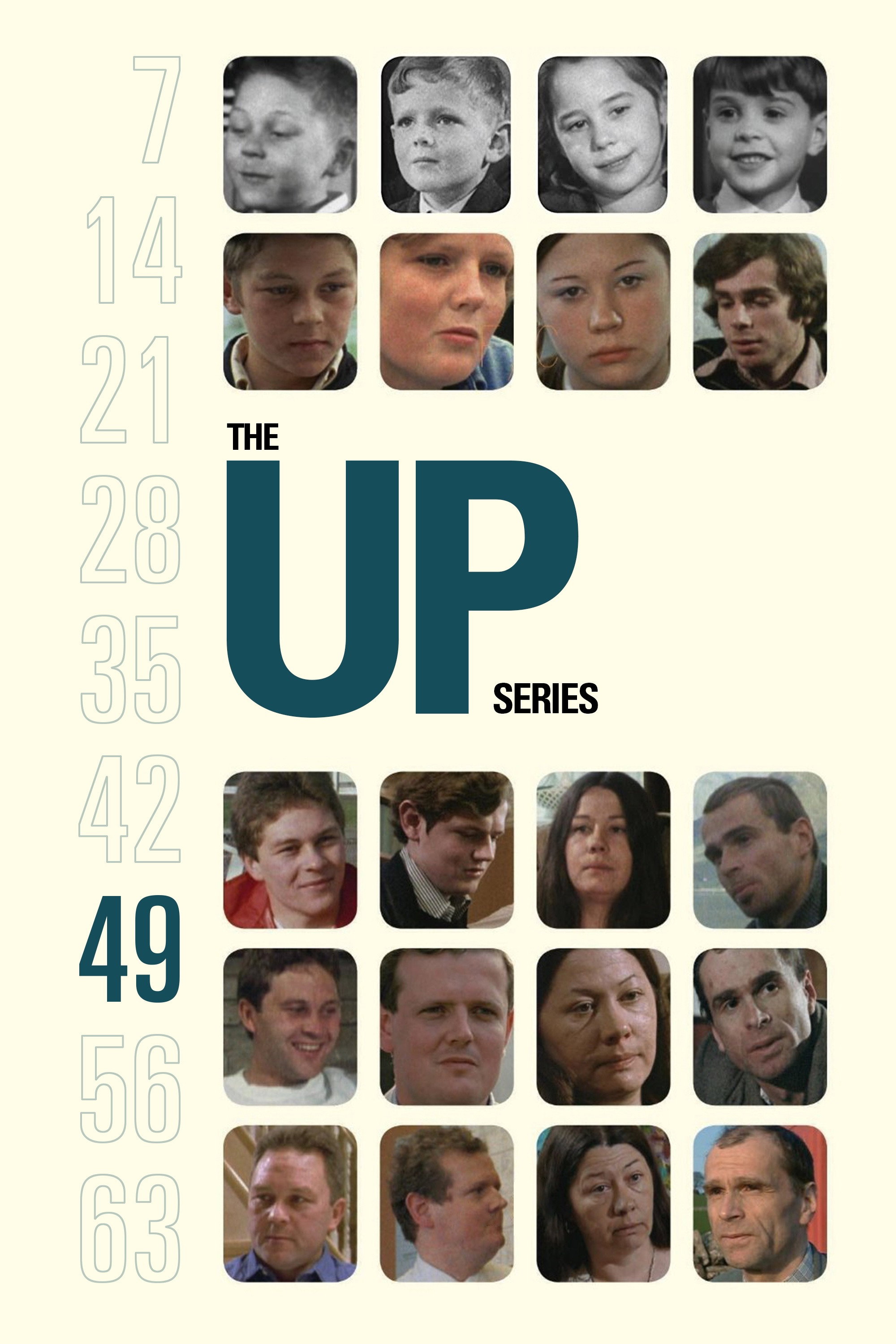
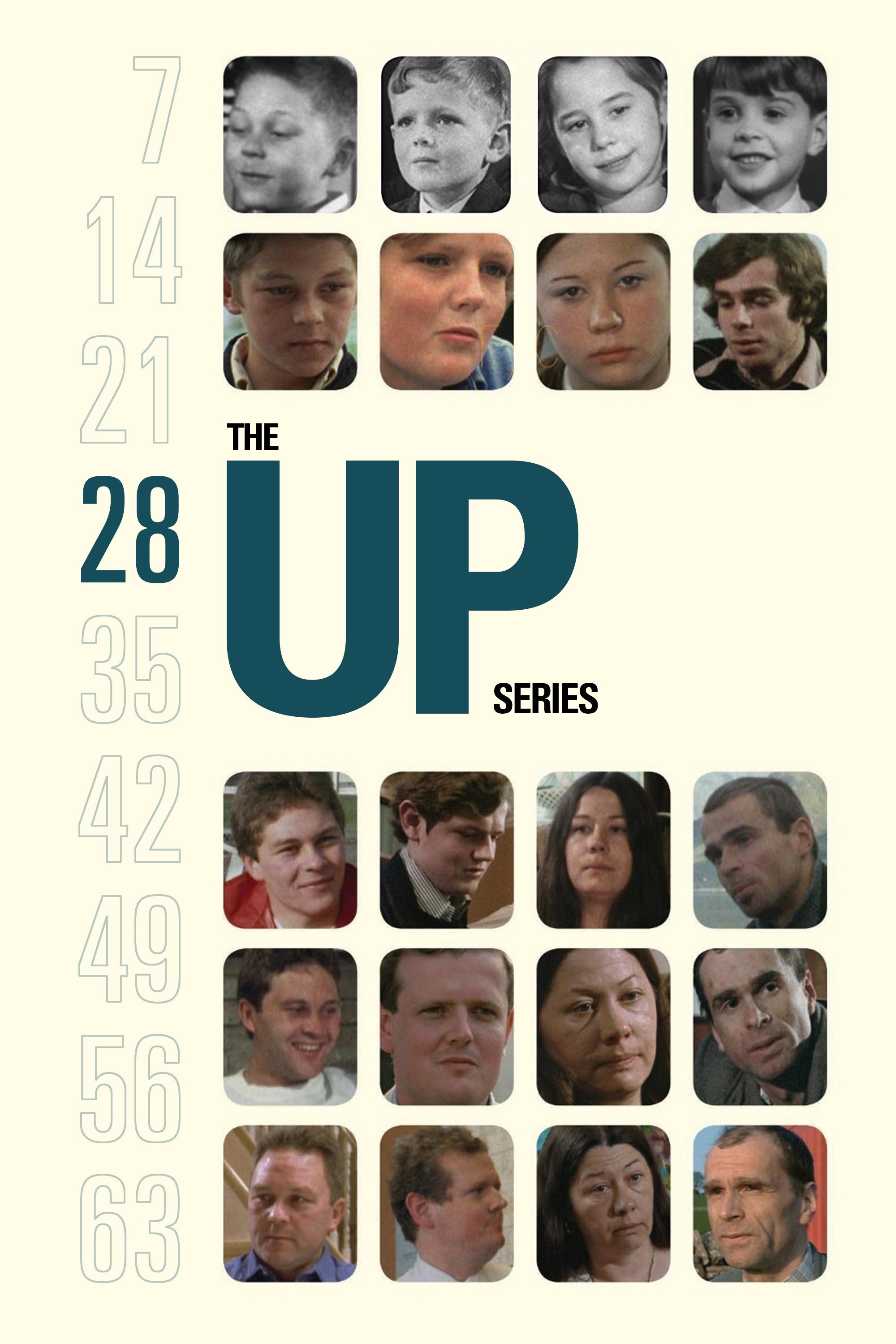
49 Up is the seventh film in a series of landmark documentaries that began 42 years ago when UK-based Granada's World in Action team, inspired by the Jesuit maxim "Give me the child until he is seven and I will give you the man," interviewed a diverse group of seven-year-old children from all over England, asking them about their lives and their dreams for the future. Michael Apted, a researcher for the original film, has returned to interview the "children" every seven years since, at ages 14, 21, 28, 35, 42 and now again at age 49.In this latest chapter, more life-changing decisions are revealed, more shocking announcements made and more of the original group take part than ever before, speaking out on a variety of subjects including love, marriage, career, class and prejudice.
A visual montage portrait of our contemporary world dominated by globalized technology and violence.
In an intimate and joyful story of love in the face of loss, celebrated poets Andrea Gibson and Megan Falley find strength—and unexpected hilarity—in what might be their final year together.
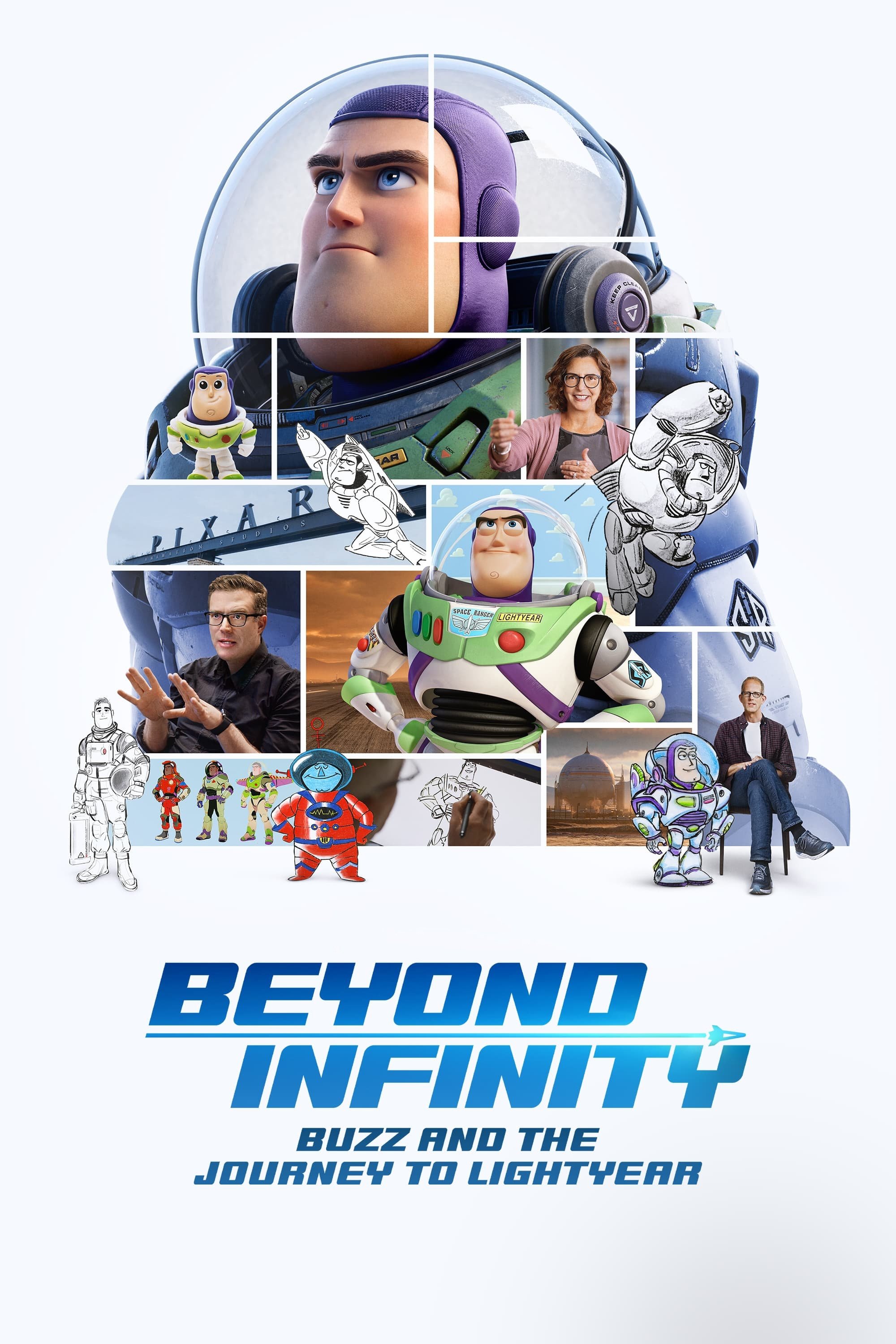
Explore the evolution of Buzz Lightyear from toy to human in the making of Pixar’s Lightyear. Dive into the origin and cultural impact of everyone’s favorite Space Ranger, the art of designing a new “human Buzz,” and the challenges faced by the Lightyear crew along the way.
A string of threatening emails escalates into a revenge plot involving a newly married US marshal and his ex-girlfriend.
A purely observational non-fiction film that takes viewers into the ethically murky world of end-of-life decision making in a public hospital.
An inside look at one of the most anticipated movie sequels ever with James Cameron and cast.
Through deeply personal interviews with her siblings and an examination of the photographs, letters, and belongings left behind, Mariska assembles a new portrait of her mother Jayne Mansfield, an extraordinary and complex woman.
Capturing life on the Italian island of Lampedusa, a frontline in the European migrant crisis.
Those who knew iconic funnyman John Candy best share his story, in their own words, through never-before-seen archival footage, imagery, and interviews.
Daniel Craig candidly reflects on his 15 year adventure as James Bond. Including never-before-seen archival footage from Casino Royale to the upcoming 25th film No Time To Die, Craig shares his personal memories in conversation with 007 producers, Michael G Wilson and Barbara Broccoli.
Legendary journalist Gay Talese unmasks a motel owner who spied on his guests for decades. But his bombshell story soon becomes a scandal of its own.
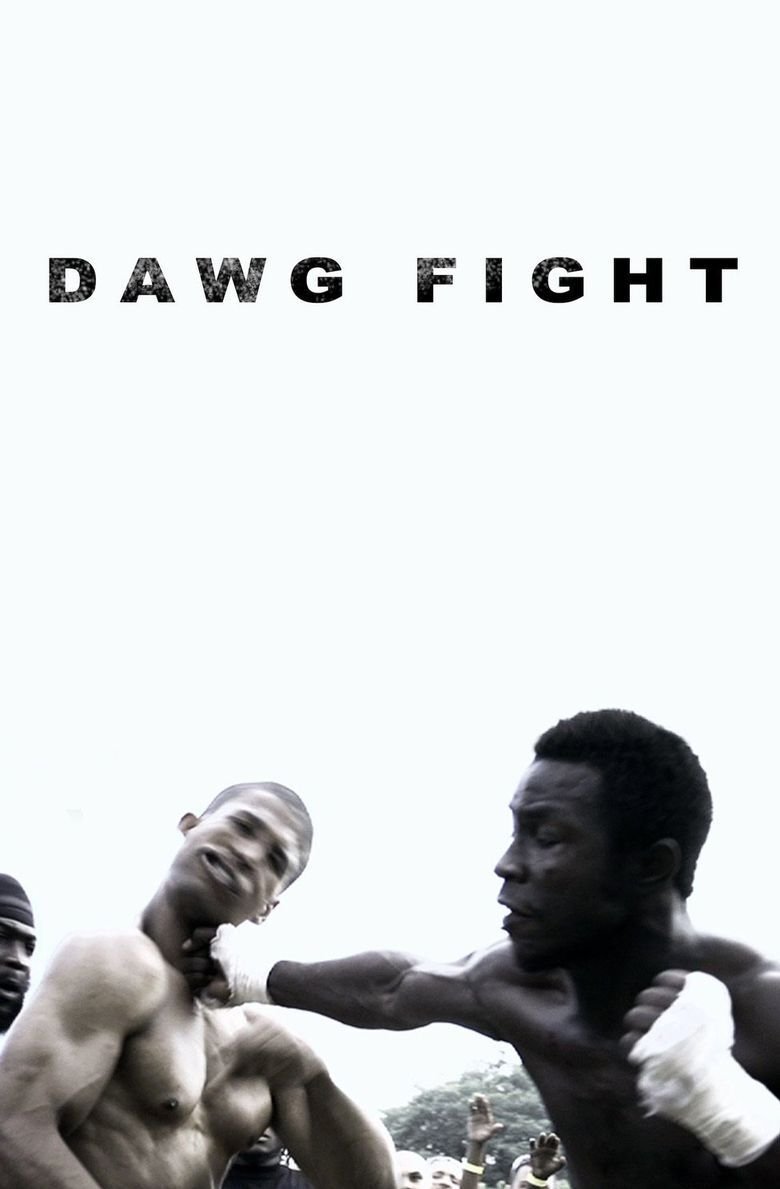
In a crime-plagued neighborhood near Miami, brutal, bare-knuckled backyard fights give young men a chance to earn money -- and self-respect.
Just two years away from turning 30, participants in Michael Apted's documentary series are facing serious questions of identity and purpose, wondering whether they've found their place in the world.
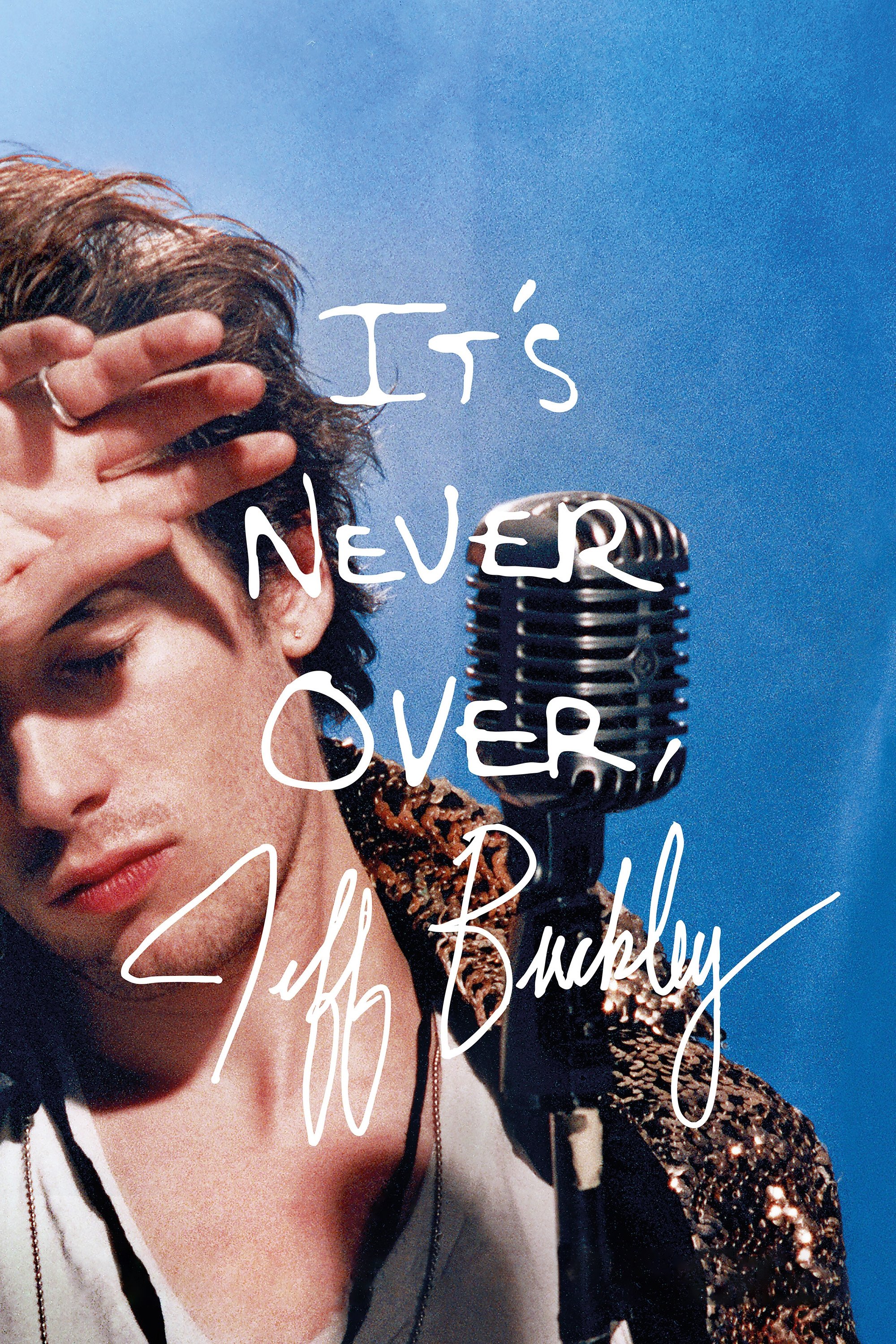
Rising musician Jeff Buckley had only released one album when he died suddenly in 1997. Now, never-before-seen footage, exclusive voice messages, and accounts from those closest to him offer a portrait of the captivating singer.
The elite pilots of the Air Force Thunderbirds display exceptional skill, trust and courage during a high-stakes training season.
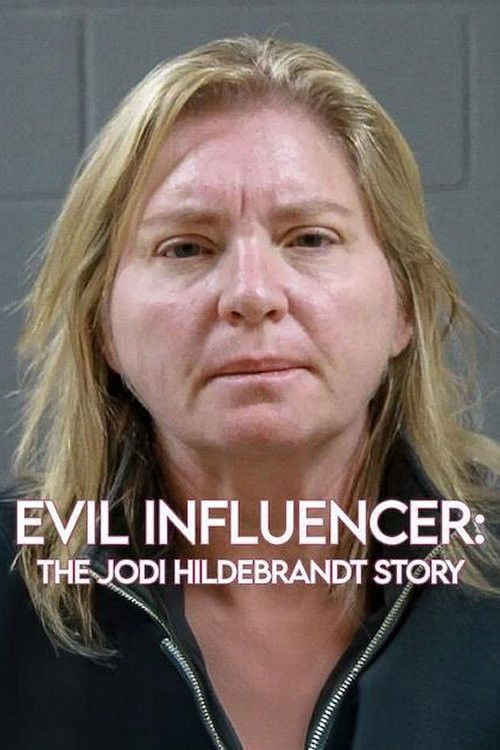
Unravel the case of Utah therapist Jodi Hildebrandt, whose child abuse arrest with parenting YouTuber Ruby Franke exposed a twisted tale of manipulation.
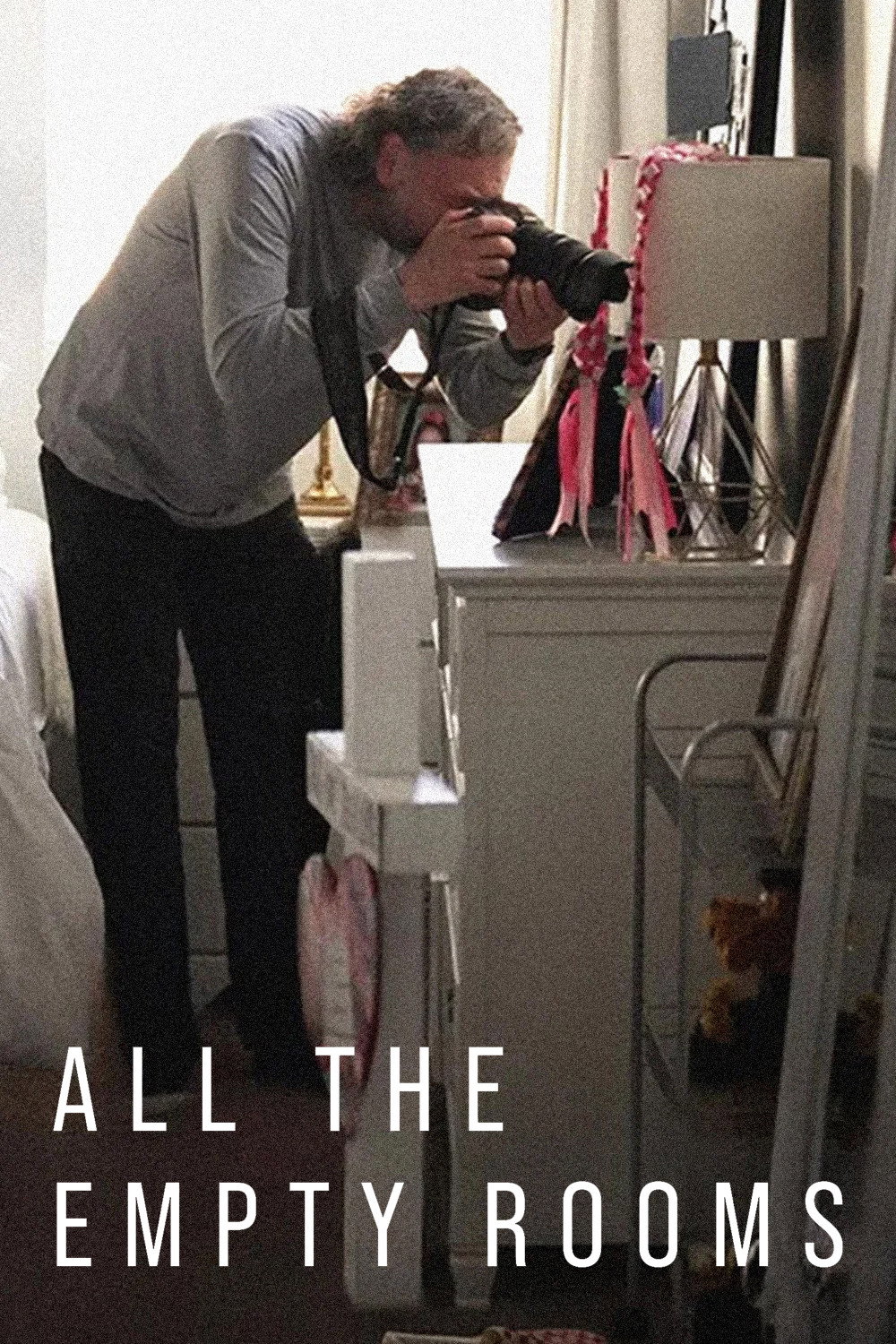
A journalist and a photographer set out to memorialize the bedrooms left behind by children killed in school shootings.
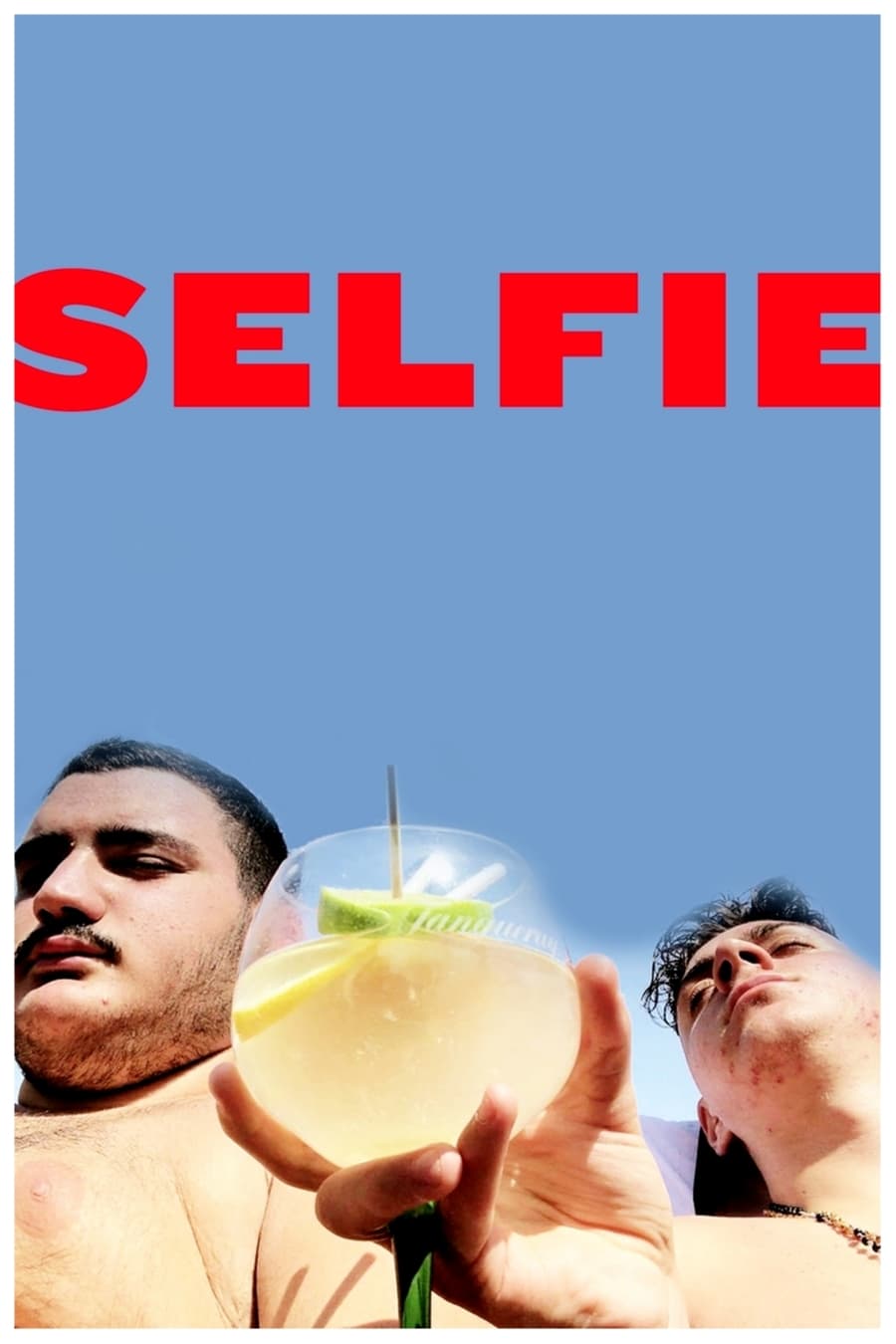
Naples, Trajan's district. Initially it was intended for the inhabitants of the shantytowns on the seafront of Naples, who were homeless after the war. But it soon became a kind of ghetto. Alessandro and Pietro are two teenagers who film with an iPhone to tell their difficult neighborhood, their daily life, the friendship that binds them.
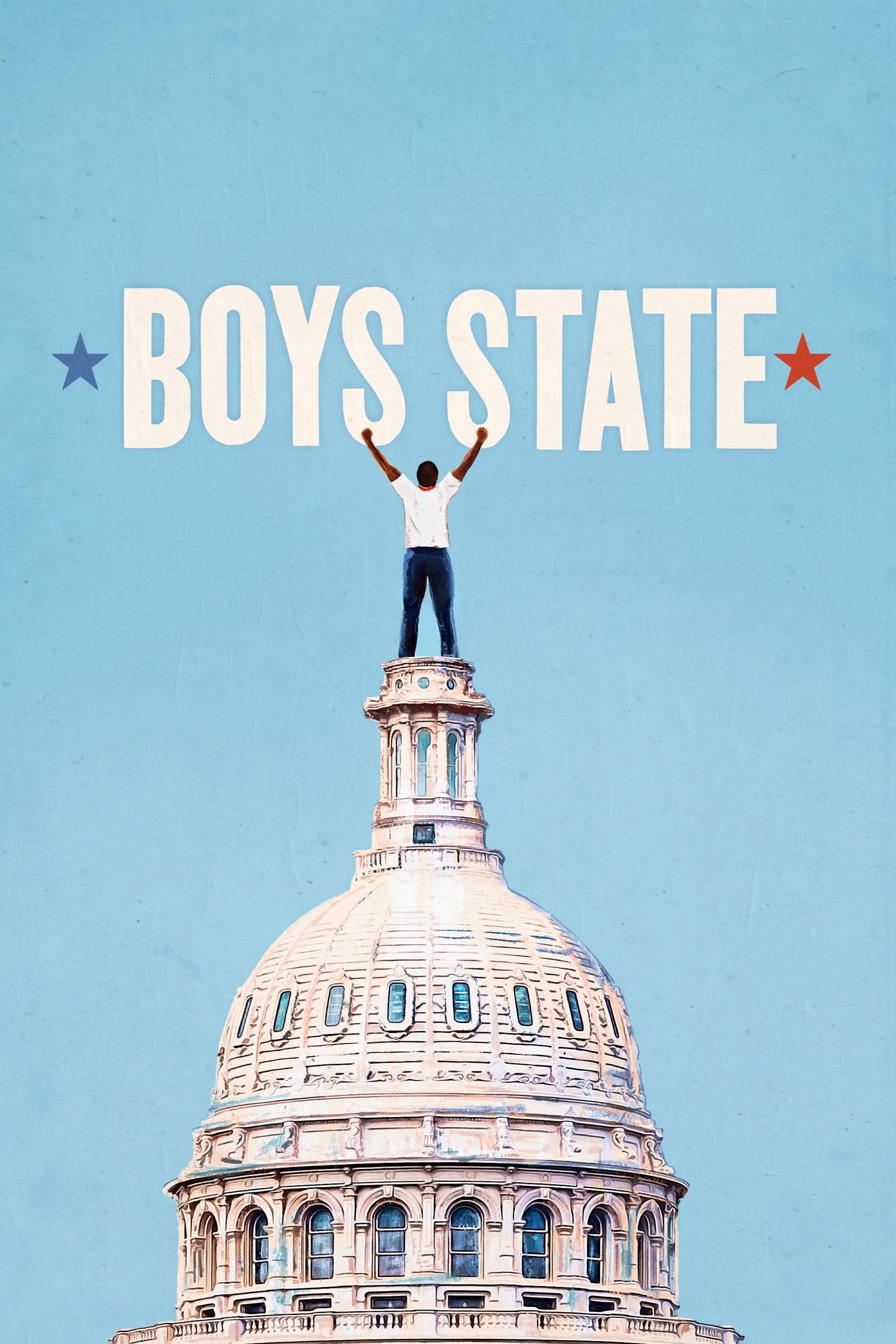
This raucous journey into the heart of democracy captures an unusual rite of passage: 1,100 teenage boys from across Texas coming together to build a representative government from the ground up.