Social & External
Self
Narrator and director Michael Schaap's confessional style and general goofiness bring levity to an awkward topic: "erectile dysfunction" and the little blue pill that treats it.
Marina Carrère d'Encausse lifts the veil on the intimate questions that preoccupy her as well as society at large: those related to the end of life. The doctor-journalist introduces Antoine, her partner, who is suffering from Charcot's disease, an incurable illness, and who wishes to choose how he ends his life. Is the current law in France sufficient? Should it simply be better enforced, allowing better access to palliative care? Should assisted suicide and euthanasia be legalized? Marina meets with patients concerned about the end of life, caregivers, and politicians in France, as well as in Belgium, Switzerland, and Canada, countries where euthanasia and assisted suicide are legal.
NOVA takes you inside the operating room to witness organ transplant teams transferring organs from donors to recipients. Meet families navigating both sides of a transplant, and researchers working to end the organ shortage. Their efforts to understand organ rejection, discover ways to keep organs alive outside the body, and even grow artificial organs with stem cells, could save countless lives.
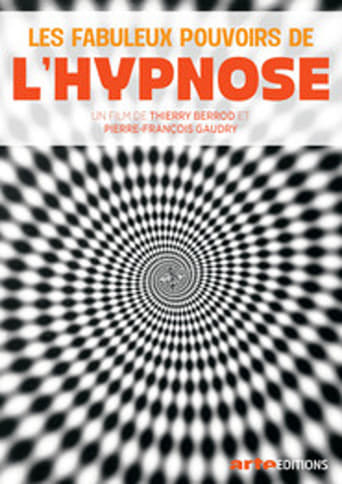
More and more doctors and surgeons are using hypnosis as a supplement to anesthesia during surgery. Hypnosis is also gaining increasing recognition among conventional physicians, especially for anesthesia and pain treatment. Can it also help with psychological stress disorders such as trauma, phobias, addiction, depression or burnout?
"Octopus Heart" is a poignant documentary examining the link between emotional trauma and Takotsubo Syndrome. Following Anastazija Zivanovic's life of profound loss and adversity, it reveals how our emotional struggles shape our physical health, inspiring awareness, and resilience.
As the first part of our investigation, the CORONA.FILM prologue will delve into the science behind the pandemic. Starting at the very beginning, we shine a light on the responses. The aim is not to point the finger; our aim is to tell the whole story in all its complexity, as we believe that justice cannot prevail if only one side of the story is told.
During a canoe trip, neurologist Magnus Heier suffers from sudden amnesia: for eight hours, he records nothing. Everything he does is immediately forgotten. This episode becomes the starting point for an exploration of his own memory. How can his functioning explain the incident he suffered? And what happened to the doctor during those lost hours? To understand the amnesia that has affected him, Magnus Heier embarks on an investigation among his peers. His journey takes him to Finland, Germany and Italy, where he visits researchers working on the astonishing brain faculty of memory.
Coffee is the second most important commodity in the world after oil. The drink has a long history and what's more, its effect seems to be stimulating in two senses.
Recounts the chilling events leading up to the emergence of the deadly Ebola virus. Shot on location in Africa, Europe and North America, and features interviews with Ebola survivors.
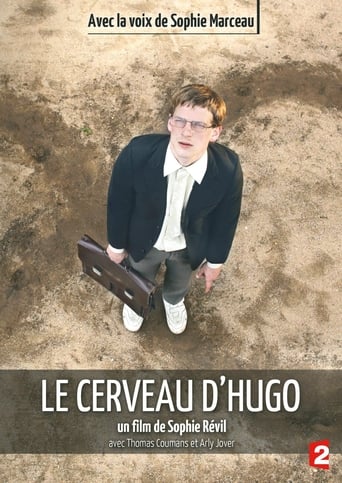
The Hugo's Brain is a French documentary-drama about autism. The documentary crosses authentic autistic stories with a fiction story about the life of an autistic (Hugo), from childhood to adulthood, portraying his difficulties and his handicap.
The Saharawi women face the thirst of the hamada, the curse of the desert, every day. They’ve built their refuge in a land where no one could survive before. For more than forty years they’ve been holding out and taking care of their people there. They ensure every drop of water is distributed according to the needs of each family … and they wait. But there’s an even more terrible thirst in their throats, for which they find no relief.
Set to readings of Thomas Mann's 'The Magic Mountain', a collage of medical, art and found footage, exploring various medical cases, including reconstructing the damaged human body, the separation of Siamese twins, and Cold War era attempts to create superhumans.
This report was broadcast on ARD in 1993. In 43 minutes, the development of psychiatry "in the third year after reunification" is shown using two institutions in the new federal states as examples. A touchstone for all of psychiatry and disability care to this day. The film shows a shocking way in which disabled people are treated. The commentary uses the perspective of those affected. 50 years after euthanasia in Germany, this documentary reminds us of this once again.
A journey through six different countries and characters into a world where chemistry is the ultimate response to human pursuits of well-being.
The daughters of Title IX discover that pervasive gender-based stereotypes and discrimination persist within the high stakes professional world of surgery - a workplace designed for and and still controlled by men. Since 2003, half of medical students in the US have been women. Women remain in the minority in most surgical fields but their proportion is increasing. Leadership and culture in surgery remain disproportionately and persistently male despite ample evidence that women are just as good (and possibly better) at delivering care. Systemic barriers to success for women surgeons must be confronted and addressed for the surgical workforce to stay healthy and for patients to stay safe. We’ve interviewed dozens of surgeons who are women about their experiences, hopes, dreams and careers. This is a group of extraordinarily dedicated physicians who work every day to improve the health and lives of others despite untold challenges.
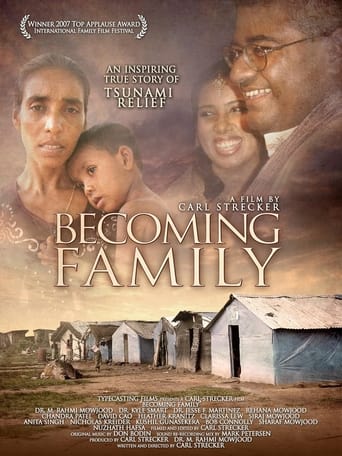
Six months after a tsunami hit South Asia on December 26, 2004, Muslim-American and Sri Lankan-born Dr. M. Rahmi Mowjood led a team of American doctors and medical students on a relief trip. While mentoring medical students and aiding injured villagers, Dr. Mowjood also finds a way to ask someone to become a member of his own family.
Through our subject Adam, we reveal the incredible changes and forces that take all humankind from Cradle to Grave.
Through the youthful portraits of some of the most terrible dictators of the 20th and 21st centuries, this documentary examines the origins of tyranny. Is a dictator the product of a family, social and historical context?
A documentary on the expletive's origin, why it offends some people so deeply, and what can be gained from its use.
A visual montage portrait of our contemporary world dominated by globalized technology and violence.
One man's journey to discover the bitter truth about sugar. Damon Gameau embarks on a unique experiment to document the effects of a high sugar diet on a healthy body, consuming only foods that are commonly perceived as 'healthy'. Through this entertaining and informative journey, Damon highlights some of the issues that plague the sugar industry, and where sugar lurks on supermarket shelves.
A documentary focused on plastic pollution in the world's oceans.
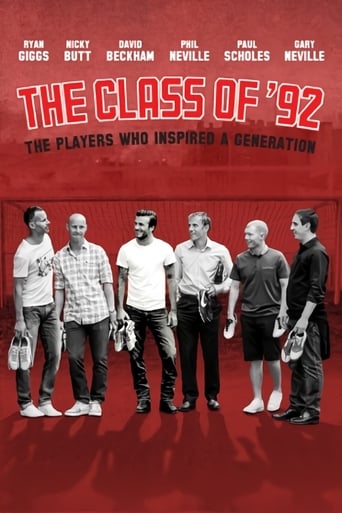
A detailing of the rise to prominence and global sporting superstardom of six supremely talented young Manchester United football players (David Beckham, Nicky Butt, Ryan Giggs, Paul Scholes, Phil and Gary Neville). The film covers the period 1992-1999, culminating in Manchester United's European Cup triumph.
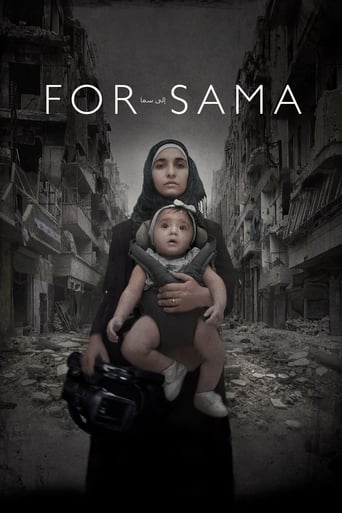
A love letter from a young mother to her daughter, the film tells the story of Waad al-Kateab’s life through five years of the uprising in Aleppo, Syria as she falls in love, gets married and gives birth to Sama, all while cataclysmic conflict rises around her. Her camera captures incredible stories of loss, laughter and survival as Waad wrestles with an impossible choice– whether or not to flee the city to protect her daughter’s life, when leaving means abandoning the struggle for freedom for which she has already sacrificed so much.
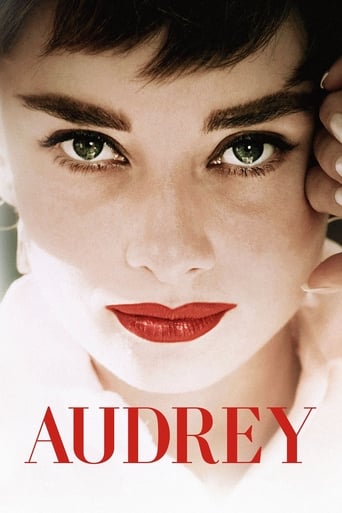
An unprecedented and intimate look at the life, work and enduring legacy of British actress Audrey Hepburn (1929-1993).
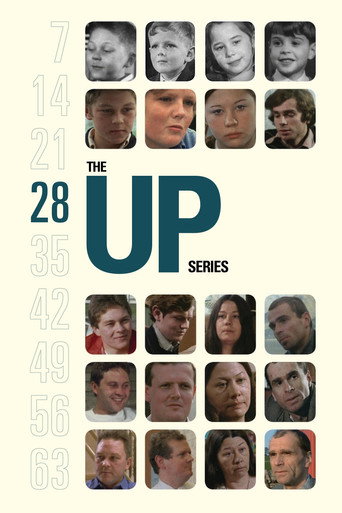
Just two years away from turning 30, participants in Michael Apted's documentary series are facing serious questions of identity and purpose, wondering whether they've found their place in the world.
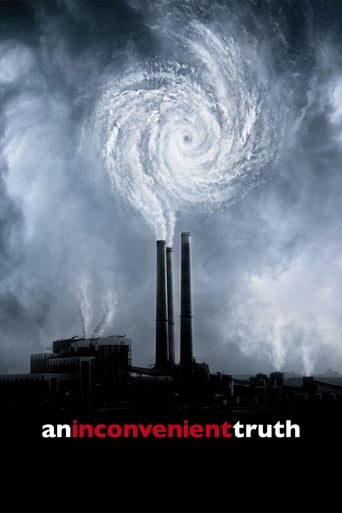
A documentary on Al Gore's campaign to make the issue of global warming a recognized problem worldwide.
The making of Matrix Revolutions, The (2003) is briefly touched on here in this documentary. Interviews with various cast and crew members inform us how they were affected by the deaths of Gloria Foster and Aaliyah, and also delve into the making of the visual effects that takes up a lot of screen time. Written by Rhyl Donnelly
A compilation of over 30 years of private home movie footage shot by Lithuanian-American avant-garde director Jonas Mekas, assembled by Mekas "purely by chance", without concern for chronological order.
From the heights of her modeling fame to her tragic death, this documentary reveals Anna Nicole Smith through the eyes of the people closest to her.
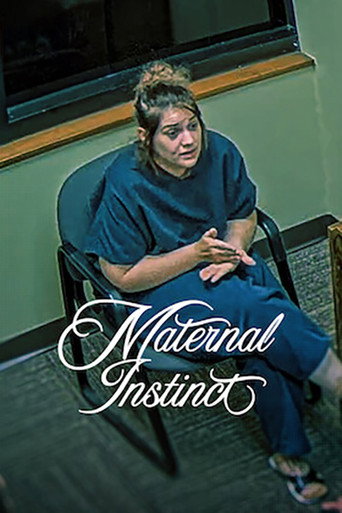
Police pull over a woman who claims she just gave birth. But the baby — and the blood — aren't hers. Twisted lies unravel in this true-crime documentary.
A group of British children aged 7 from widely ranging backgrounds are interviewed about a range of subjects. The filmmakers plan to re-interview them at 7 year intervals to track how their lives and attitudes change as they age.
Live Aid was held on 13 July 1985, simultaneously in Wembley Stadium in London, England, and the John F. Kennedy Stadium in Philadelphia, United States. It was one of the largest scale satellite link-ups and television broadcasts of all time: watched live by an estimated global audience of 1.9 billion, across 150 nations. "It's twelve noon in London, seven AM in Philadelphia, and around the world it's time for Live Aid...!"
In this documentary, wealthy entrepreneur Bryan Johnson puts his body and fortune on the line to defy aging and extend his life beyond all known limits.
Amber Heard and Nicole Kidman discuss their characters Mera and Atlanna.
A documentary about the life and films of director John Ford.
In this documentary, recovering addict and amputee John Wood finds himself in a stranger-than-fiction battle to reclaim his mummified leg from Southern entrepreneur Shannon Whisnant, who found it in a grill he bought at an auction and believes it therefore to be his rightful property.
Lyrical and powerfully personal essay film that reflects on the deaths of her husband Lou Reed, her mother, her beloved dog, and such diverse subjects as family memories, surveillance, and Buddhist teachings.