Social & External
The people behind it
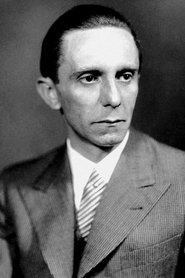
Joseph Goebbels
Self
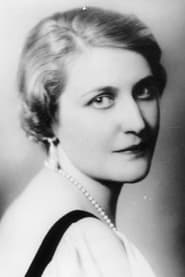
Magda Goebbels
Set in Remies, France in 1941 during World War II, a Jewish man tries to escape Nazi persecution and a chance encounter with a woman sitting next to him on the train. Based on a true story.
They set off, looking for work in far-off places, but disappeared along the way. Inspired by Shiv Kumar Batalvi’s “birha” poetry, the film traces the longing on both sides: on the part of those who are missing, and those that wait for them to return.
Every weekday, inmates are released from Huntsville State Penitentiary, taking in their first moments of freedom with phone calls, cigarettes, and quiet reflection at the Greyhound station up the block.
Stanley Kubrick’s debut documentary, following Irish-American middleweight boxer Walter Cartier on April 17, 1950—the day of his bout with Bobby James. The film traces Cartier’s quiet morning rituals, training, and anxious hours before the match, culminating in his swift victory that night in Newark. Opening with a brief history of boxing, Kubrick’s tightly crafted short captures the discipline, isolation, and tension behind a fighter’s daily routine.
Stanley Kubrick’s short documentary about Father Fred Stadtmueller, a Catholic priest serving a vast 4,000-square-mile parish in rural New Mexico. To reach his scattered congregation, he pilots his own Piper Cub aircraft, the Spirit of St. Joseph. Over two days, Kubrick follows the “flying padre” as he conducts Mass, mediates between quarreling children, attends a funeral, and airlifts a sick child to medical care—capturing both the challenges and quiet heroism of his daily mission.
A parody version of the famous book by Charles Darwin. For adults.
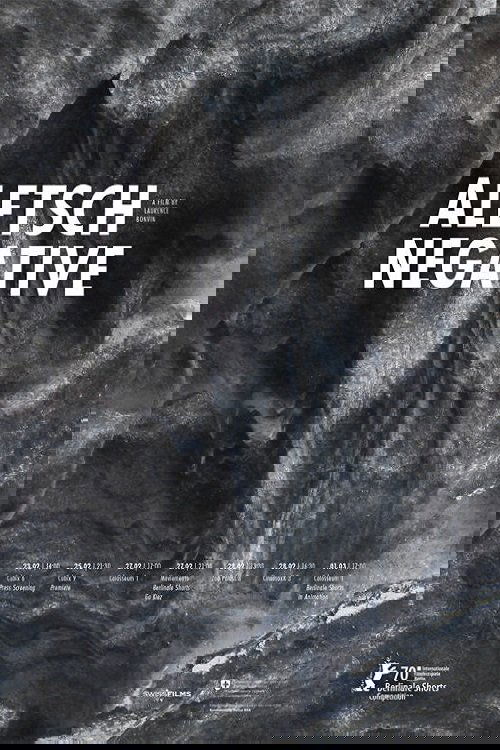
The Aletsch Glacier is the longest and largest glacier of the Alps. According to glaciologists, most glaciers will have disappeared by the end of this century, and only bits of the Aletsch will remain. Through a journey into the body of the glacier the film offers a compelling and unsettling visual experience in which our perception of the nature of the images we see, scale and temporality are questioned.
A monster film with no monsters. Inspired by the existence of taxonomies of monsters at the heart of Early Modern European science, the film explores and reinterprets a way of seeing the natural world that is almost impossible to imagine from today’s vantage point.
ASMR: A feeling that disappears because it’s too subtle to notice, leaving a trace of a soft tingling sensation behind.
As the day grinds to a halt, agricultural workers gather to street race in the quiet, contemplative night.
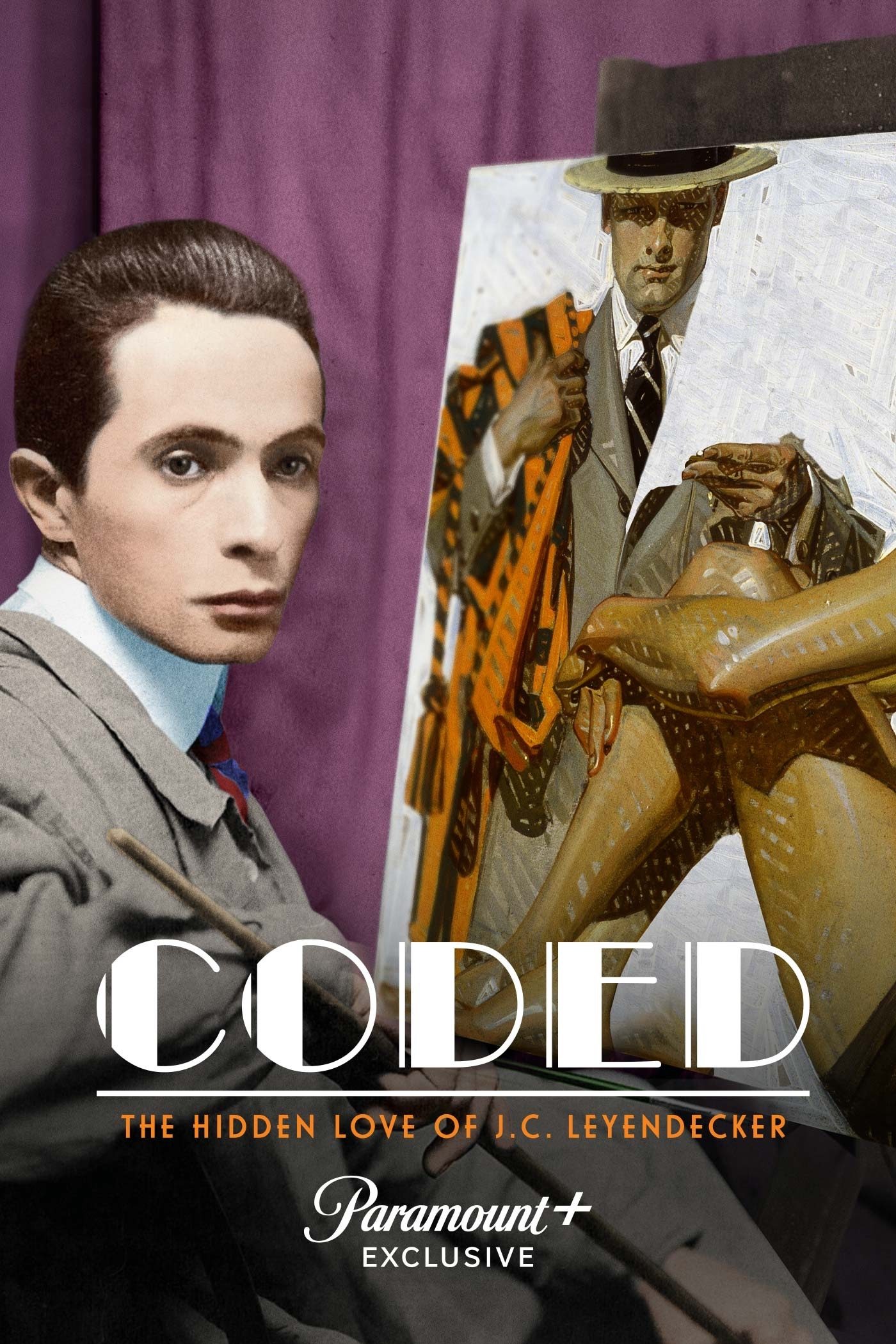
Coded tells the story of illustrator J.C. Leyendecker, whose legacy laid the foundation for today's out-and-proud LGBTQ advertisements.
A documentary expose on the first Gulf War.
A hand-filmed 32-minute documentary of the Skinny Puppy's 1988 'Head Trauma' tour of Europe by Dwayne Rudolph Goettel. Edited by Nivek Ogre in 2005.
Documentary short showcasing the genius of jazz greats Coleman Hawkins, Roy Eldridge, Cozy Cole, and Milt Hinton, among others.
Latest installment from the on-going collaboration between filmmaker Paul Clipson & musician Jefre Cantu-Ledesma. Paul's Super8 films, shot entirely in New York City, channel the blissed out states of color drenched psychadellia explored by Brakage as well as lovely black and white still life's that reminisce on Ozu's 'pillow shots' & Chantel Akermans monumental portrait of Pre-Giuliani New York 'Letters Home'. Jefre's music is culled from the same sessions that launched his 2007 release on Students Of Decay 'Shinning Skull Breath', (the two share a track in common). Billowy clouds of distorted guitar expand out into long passages of muffled static and fuzzed out melody.
In a dry unforgiving part of Australia, a man and his wife have set up home and live stock to make their living. Just when it seemed the drought and lack of finances were getting to be too much, things change: BP is looking for a suitable area to attempt the world land speed record.
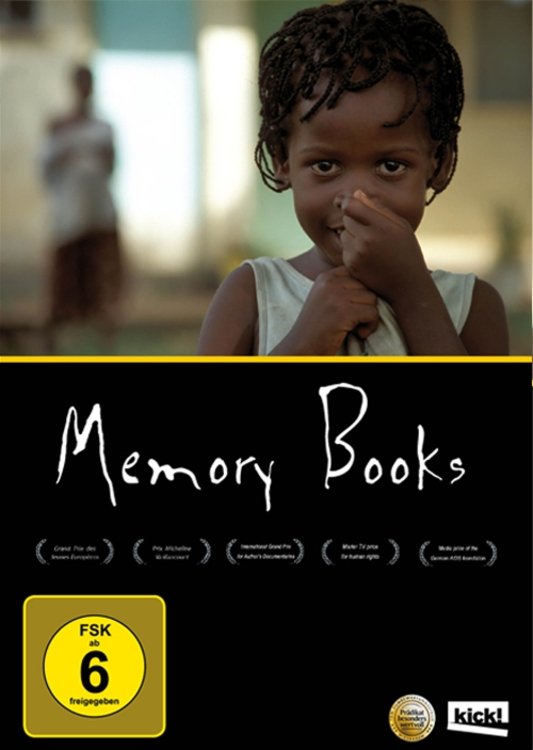
In Uganda, AIDS-infected mothers have begun writing what they call Memory Books for their children. Aware of the illness, it is a way for the family to come to terms with the inevitable death that it faces. Hopelessness and desperation are confronted through the collaborative effort of remembering and recording, a process that inspires unexpected strength and even solace in the face of death.
The history and consequences of the Fatima apparitions in a small Portuguese village, which has since become a prominent place of pilgrimage.
During WW2 a boy tries to save himself and his baby sister from a German soldier.
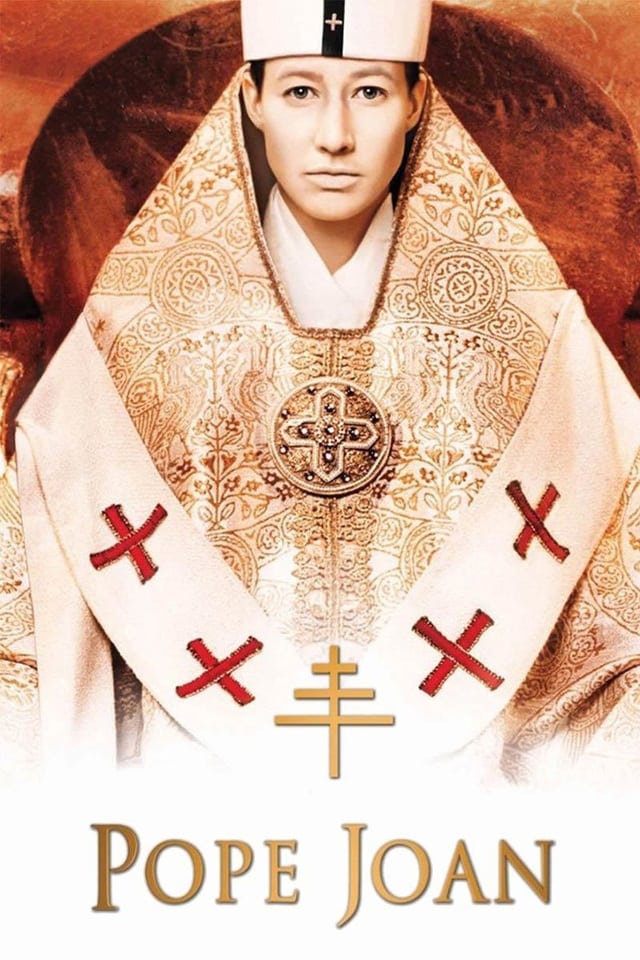
A 9th century woman of English extraction born in the German city of Ingelheim disguises herself as a man and rises through the Vatican ranks.
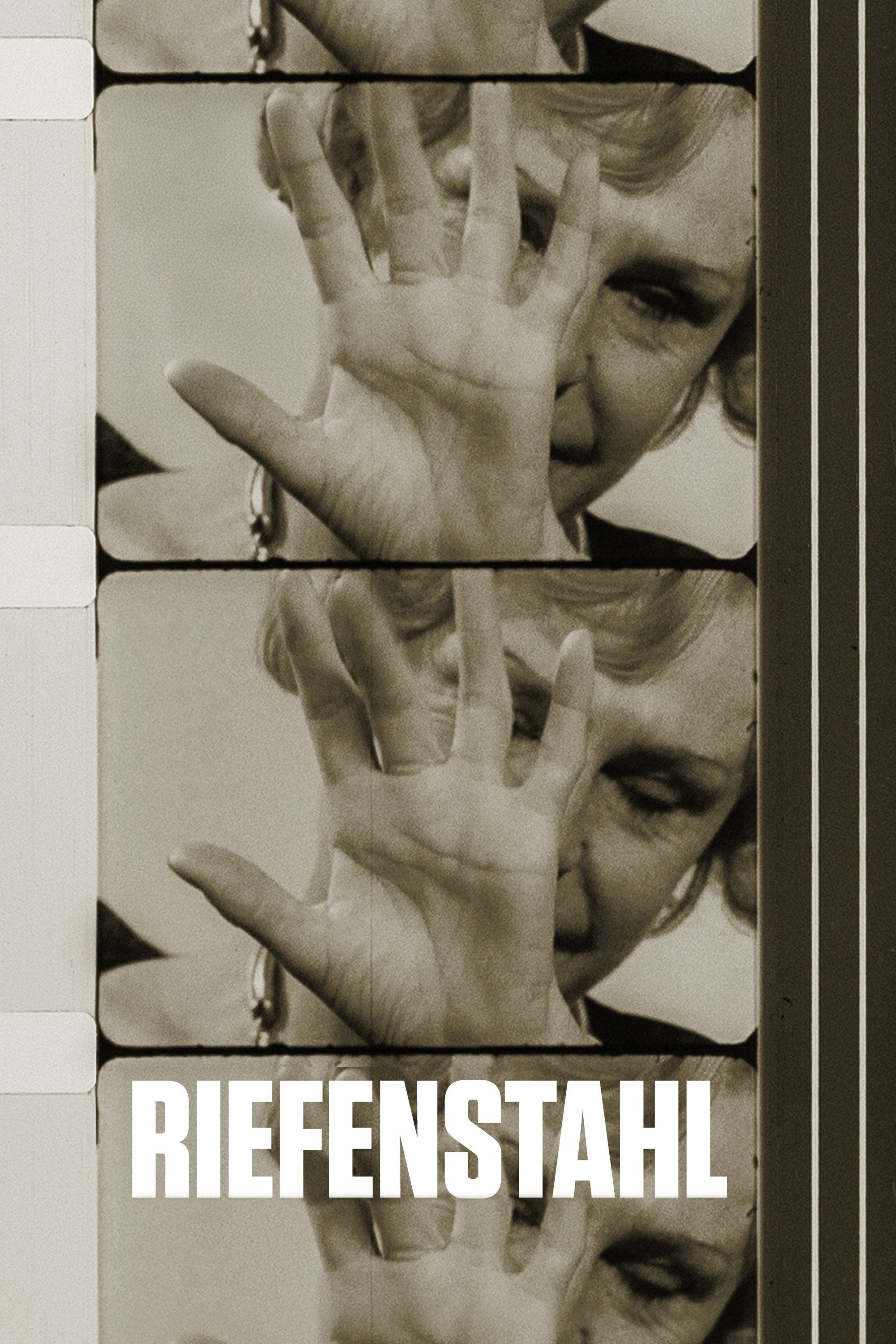
Explores Leni Riefenstahl's artistic legacy and her complex ties to the Nazi regime, juxtaposing her self-portrayal with evidence suggesting awareness of the regime's atrocities.
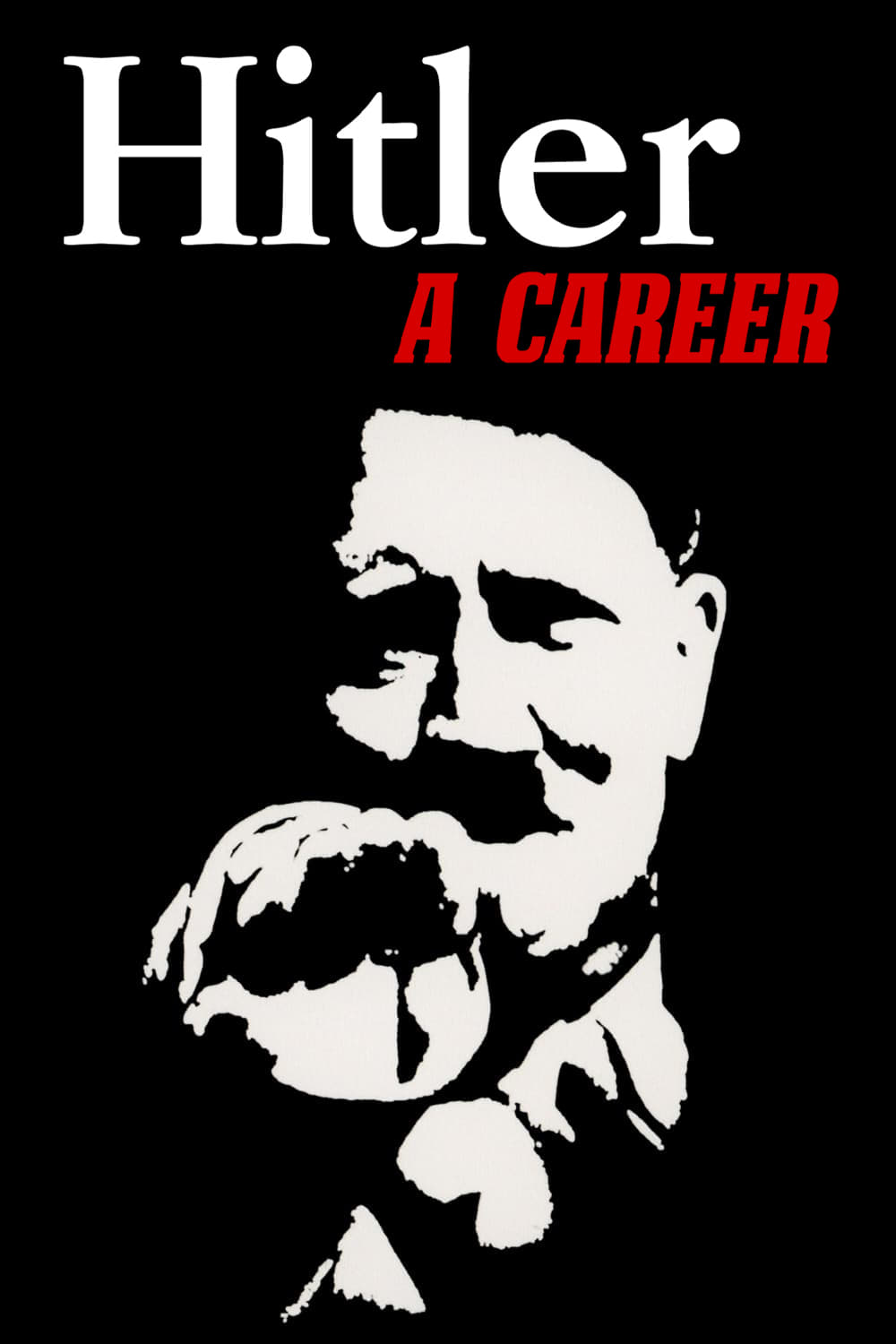
A keen chronicle of the unlikely rise to power of Adolf Hitler (1889-1945) and a dissection of the Third Reich (1933-1945), but also an analysis of mass psychology and how the desperate crowd can be deceived and shepherded to the slaughterhouse.
The history of cinematic sound, told by legendary sound designers and visionary filmmakers.
In an intimate and joyful story of love in the face of loss, celebrated poets Andrea Gibson and Megan Falley find strength—and unexpected hilarity—in what might be their final year together.
Daniel Craig candidly reflects on his 15 year adventure as James Bond. Including never-before-seen archival footage from Casino Royale to the upcoming 25th film No Time To Die, Craig shares his personal memories in conversation with 007 producers, Michael G Wilson and Barbara Broccoli.
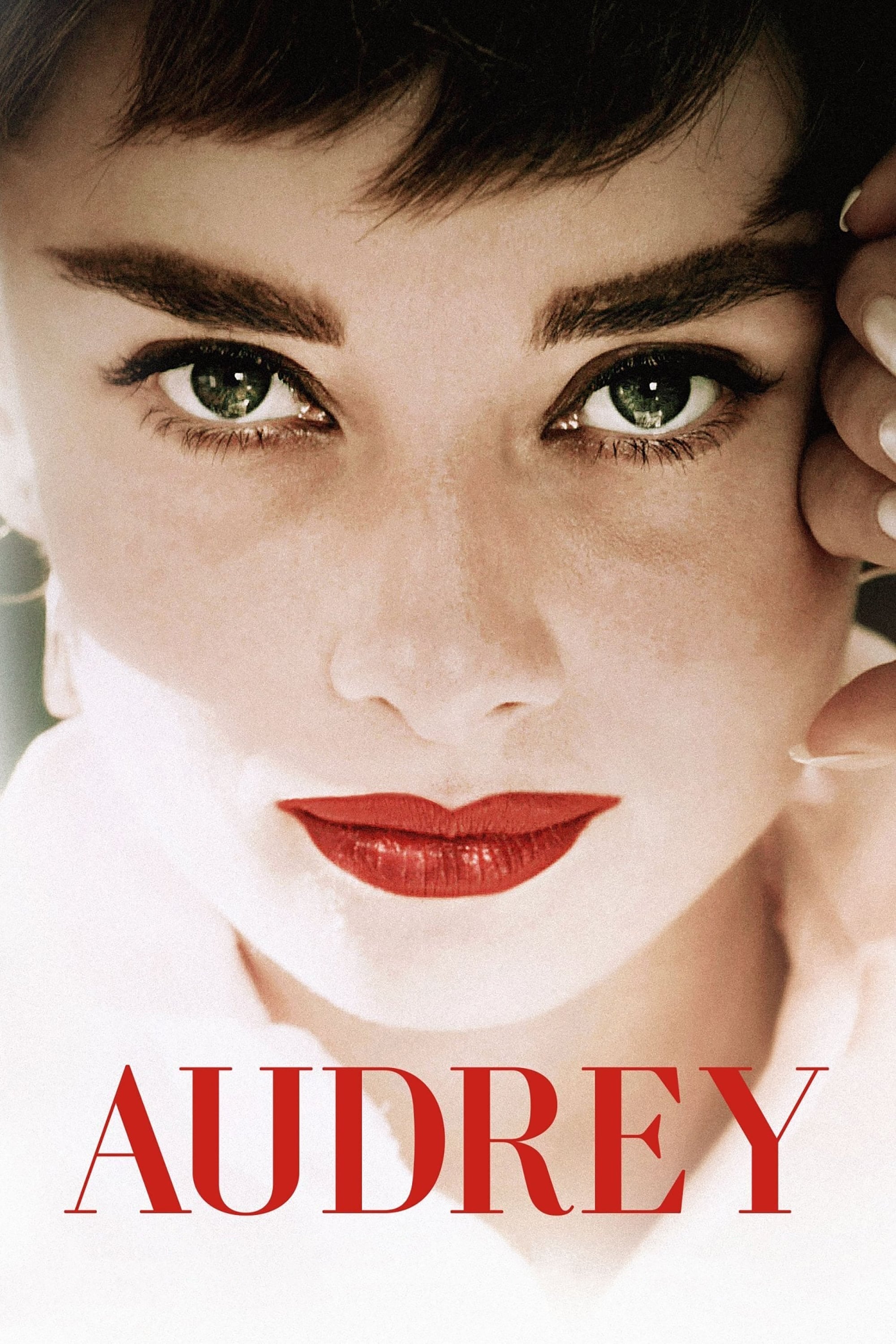
An unprecedented and intimate look at the life, work and enduring legacy of British actress Audrey Hepburn (1929-1993).
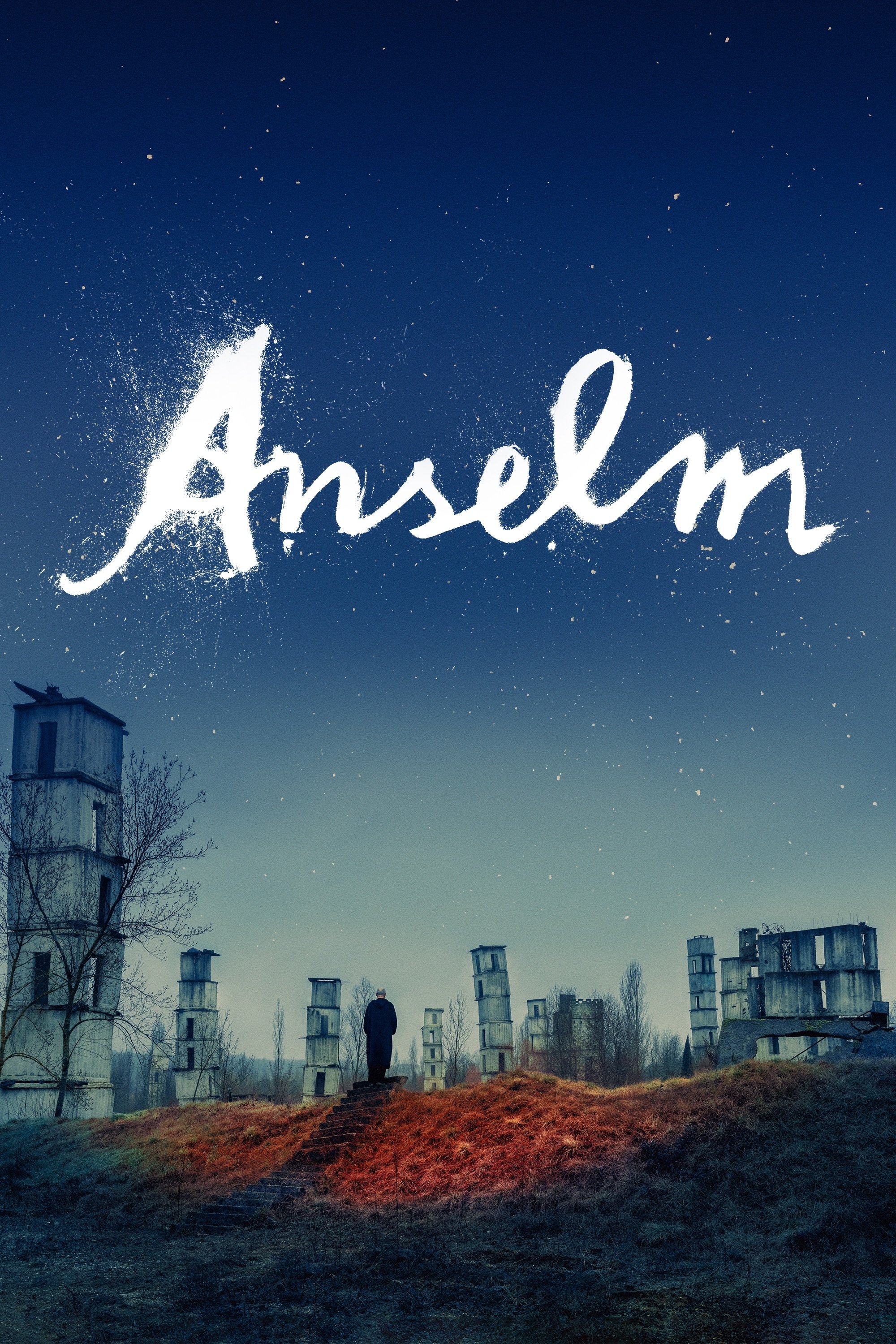
This unique cinematic experience dives deep into an artist’s work and reveals his life path, inspiration, and creative process. It explores his fascination with myth and history. Past and present are interwoven to diffuse the line between film and painting, allowing the audience to be completely immersed in the remarkable world of one of the greatest contemporary artists, Anselm Kiefer. Wim Wenders shot this unique portrait over the course of two years in stunning 3D.
This Oscar-winning documentary recounts the harrowing stories of five Hungarian Jews who endured the horrors of the Holocaust and Hitler's reign.
The life and career of the hailed Hollywood movie star and underappreciated genius inventor, Hedy Lamarr.
Derek and Nancy Haysom were brutally murdered in their house in Lynchburg, Virginia, on March 30, 1985. Suspicion fell on their daughter Elizabeth and her boyfriend Jens Söring. They flee to Europe, but are caught and extradited to the U.S. Elizabeth is sentenced to 90 years in jail for incitement to murder, Jens Söring to two life sentences. Karin Steinberger, Marcus Vetter and their team spent over three years researching this case, which achieved world-wide notoriety. They uncovered new evidence, including the fact none of the blood samples found at the scene of the crime belonged to Jens Söring.
Unravel the case of Utah therapist Jodi Hildebrandt, whose child abuse arrest with parenting YouTuber Ruby Franke exposed a twisted tale of manipulation.
Director Michael Apted revisits the same group of British-born adults after a 7 year wait. The subjects are interviewed as to the changes that have occurred in their lives during the last seven years.
Through deeply personal interviews with her siblings and an examination of the photographs, letters, and belongings left behind, Mariska assembles a new portrait of her mother Jayne Mansfield, an extraordinary and complex woman.
A teen slams her car into a building, killing her boyfriend and his friend. What seems like a tragic accident becomes a murder case.
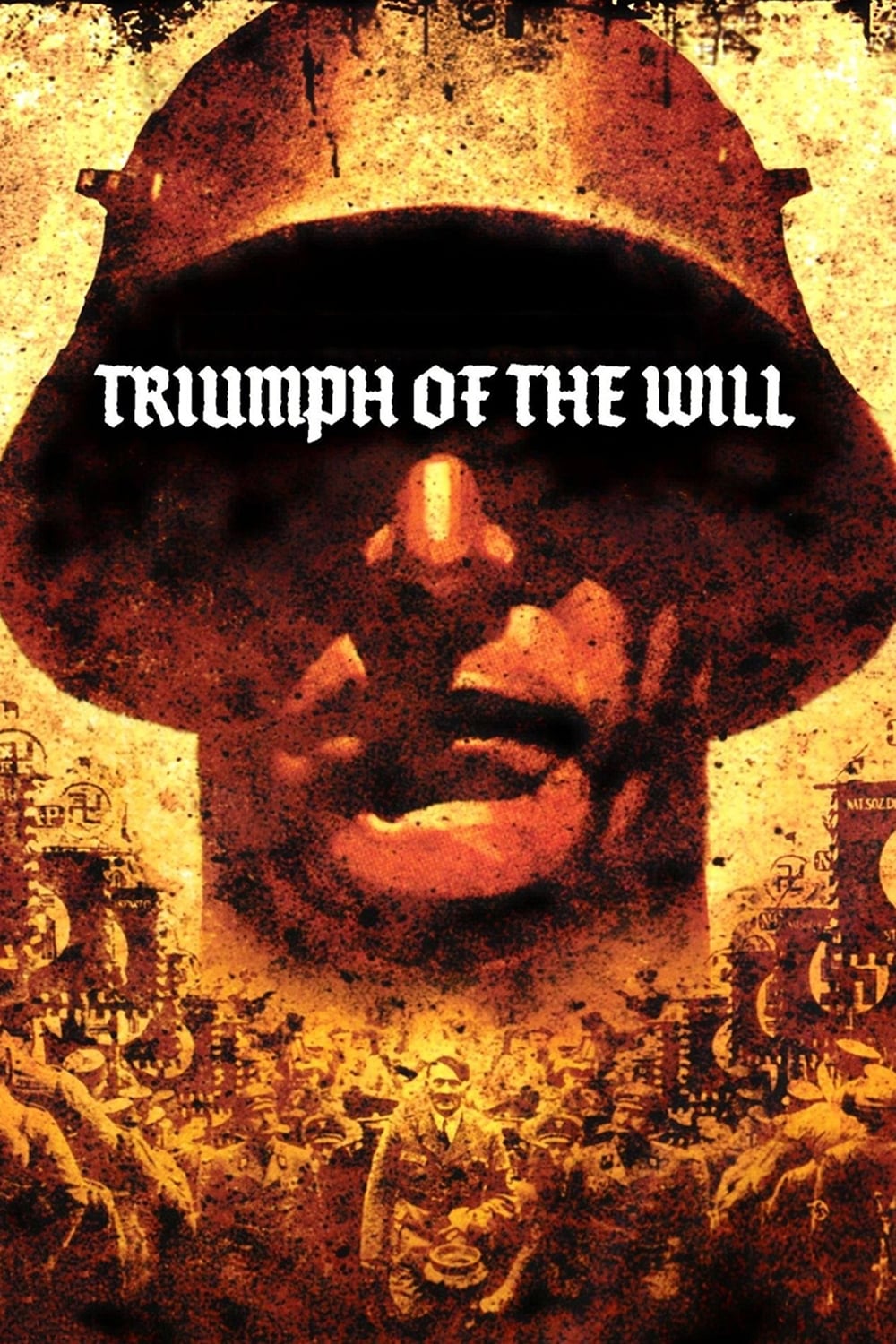
A showcase of German chancellor and Nazi Party leader Adolf Hitler at the 1934 Nuremberg Rally.
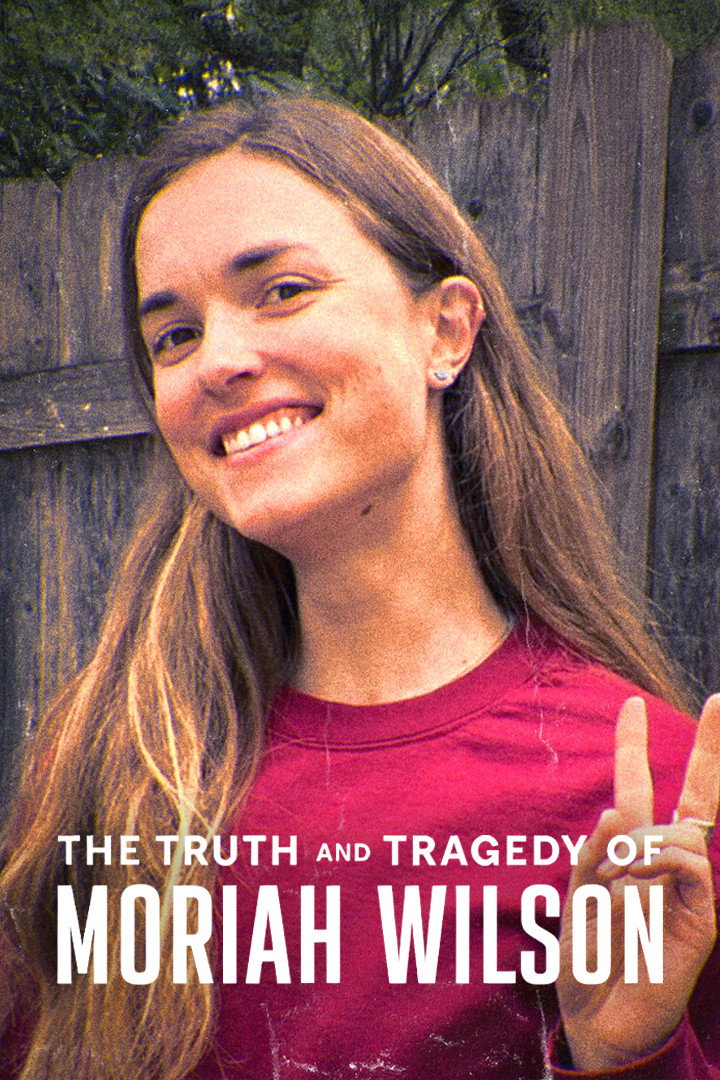
An intimate, arresting portrait of cyclist Moriah Wilson—raised by a fierce, loving family—whose singular drive becomes her superpower, carrying her to athletic brilliance and, devastatingly, toward a life cut short by murder.
In 1972, a seemingly typical shoestring budget pornographic film was made in a Florida hotel: "Deep Throat," starring Linda Lovelace. This film would surpass the wildest expectation of everyone involved to become one of the most successful independent films of all time. It caught the public imagination which met the spirit of the times, even as the self-appointed guardians of public morality struggled to suppress it, and created, for a brief moment, a possible future where sexuality in film had a bold artistic potential. This film covers the story of the making of this controversial film, its stunning success, its hysterical opposition along with its dark side of mob influence and allegations of the on set mistreatment of the film's star.
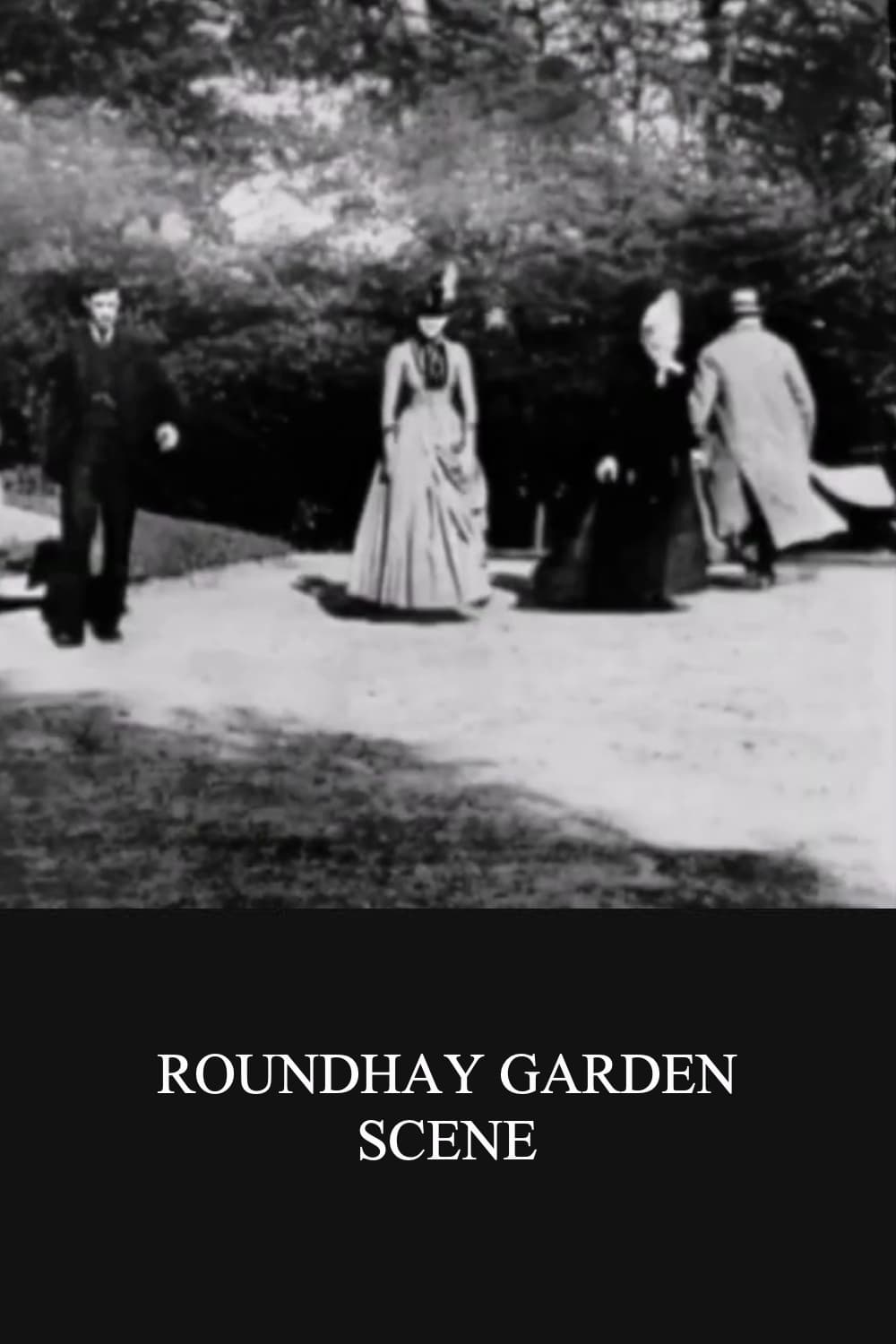
The earliest surviving motion-picture film, and believed to be one of the very first moving images ever created, was shot by Louis Aimé Augustin Le Prince using the LPCCP Type-1 MkII single-lens camera. It was taken on paper-based photographic film in the garden of Oakwood Grange, the Whitley family house in Roundhay, Leeds, West Riding of Yorkshire (UK), on 14 October 1888. The film shows Adolphe Le Prince (Le Prince’s son), Mrs. Sarah Whitley (Le Prince’s mother-in-law), Joseph Whitley, and Miss Harriet Hartley walking around in circles, laughing to themselves, and staying within the area framed by the camera. Roundhay Garden Scene is often associated with a recording speed of around 12 frames per second and runs for about 2 to 3 seconds.
A documentary on the expletive's origin, why it offends some people so deeply, and what can be gained from its use.
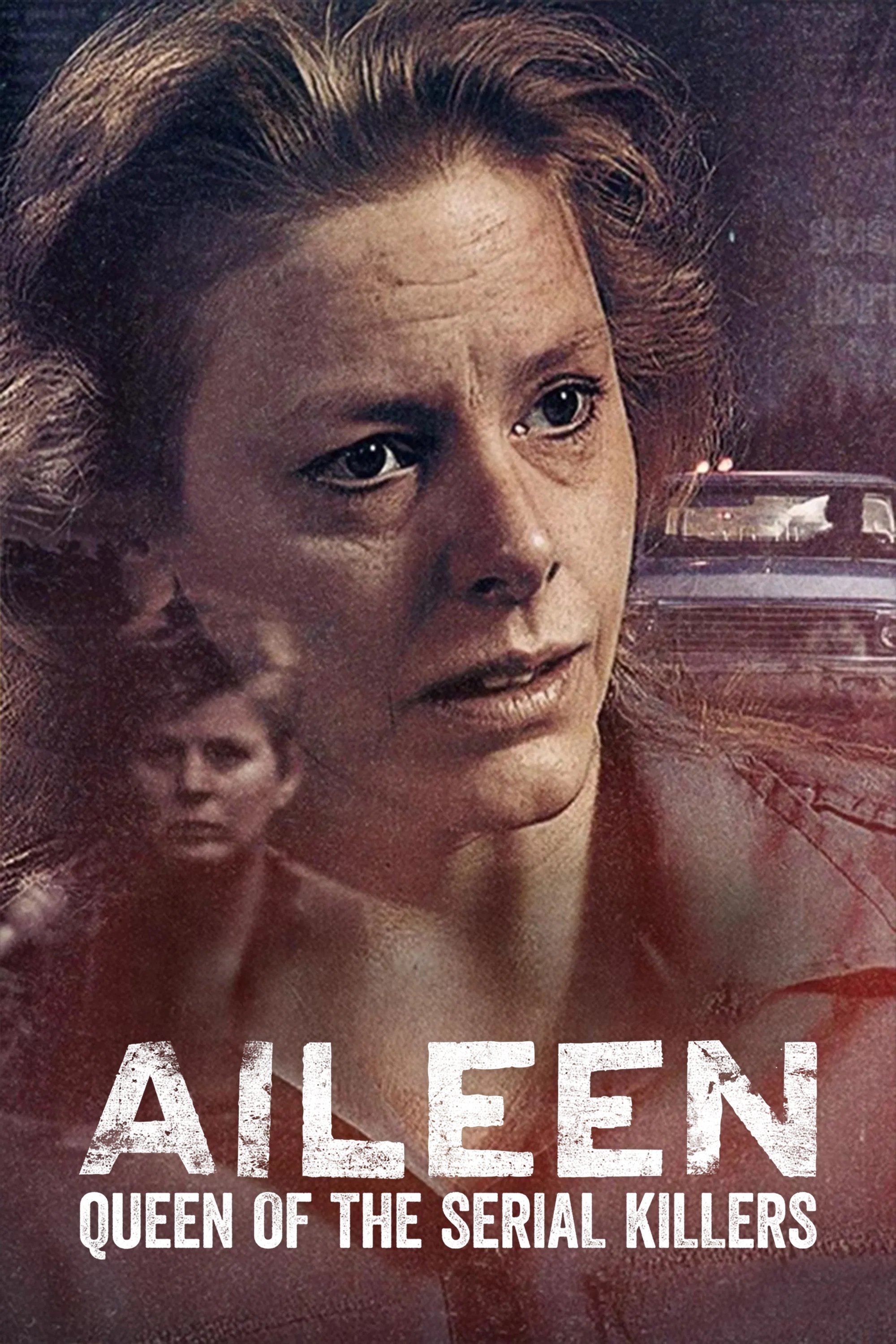
Aileen Wuornos remains a rarity: a female serial killer. From childhood abuse to death-row revelations, this documentary revisits her life and crimes.