Social & External
The people behind it
Rafika Asma Benlakhdar
Self - Kika
Amine Boukraa
Self - Boukfraa
Sofiane Mokhtar
Self - Sofiane
Mohamed Amine Terchi
Self - Amine
Amar Ziadi
Self - Amar
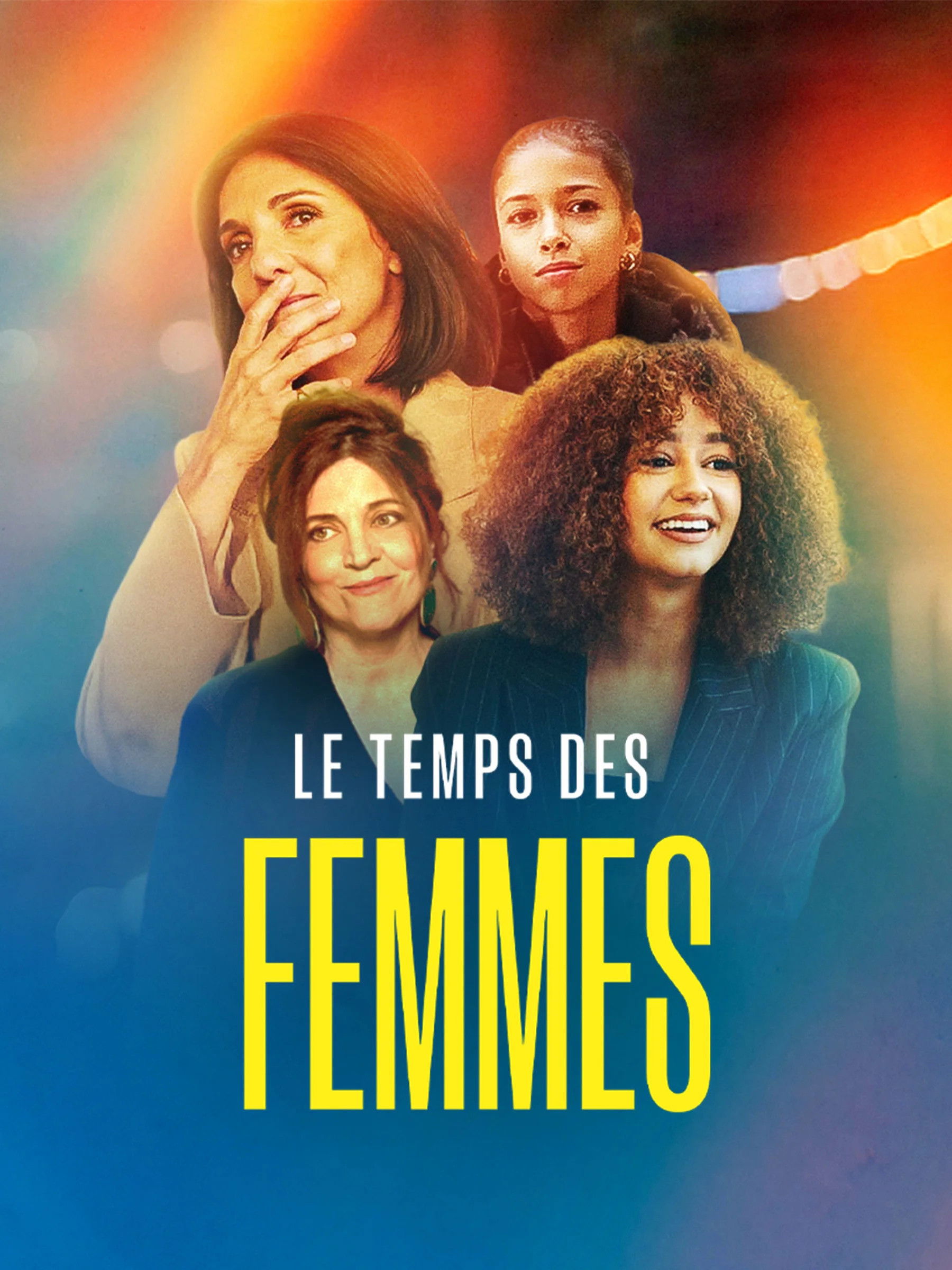
Has the time of women finally come? Have their everyday lives truly changed over the past sixty years? Guided by Agnès Jaoui, women—famous and unknown—share their stories across generations. From childhood to retirement, the documentary traces shared experiences shaped by prejudice, but also by hope, strength, and humor. Blending personal archives, historic moments, and social media footage, the film places women at the center of their own story. Welcome to the Time of Women.
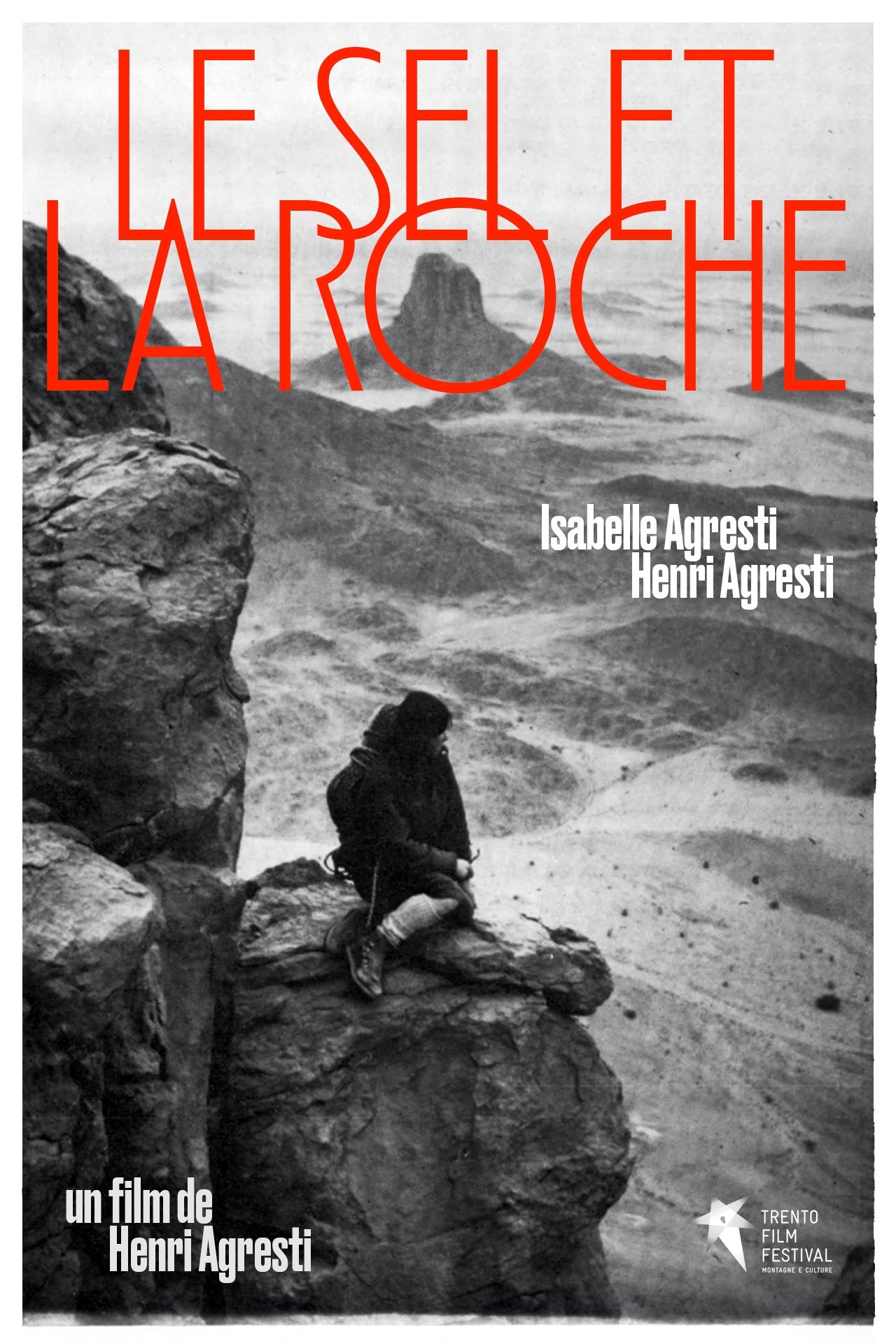
After reading the book "Guide to Hoggar Climbing," guide Pierre Agresti and his wife Isabelle Agresti set off into the Hoggar massif in the Algerian Sahara and tackled the west face of Garet El Djenoun. After a first attempt in 1967, they successfully reached the summit in 1970 and, with an old camera, made a film that remained unused for 25 years. In 1996, they decided to bring the past back to life through the ascent and encounters with the Tuaregs in the rock salt mines of Amadror. The film was shown in competition at the Trento Film Festival in 1997.
Sainte-Marie-aux-Mines, in rural Alsace. A vocational high school. A class of year 12 ASSP (Assistance, Care and Service to Person) pupils experience contemporary dancing based on improvised contacts for the first time.
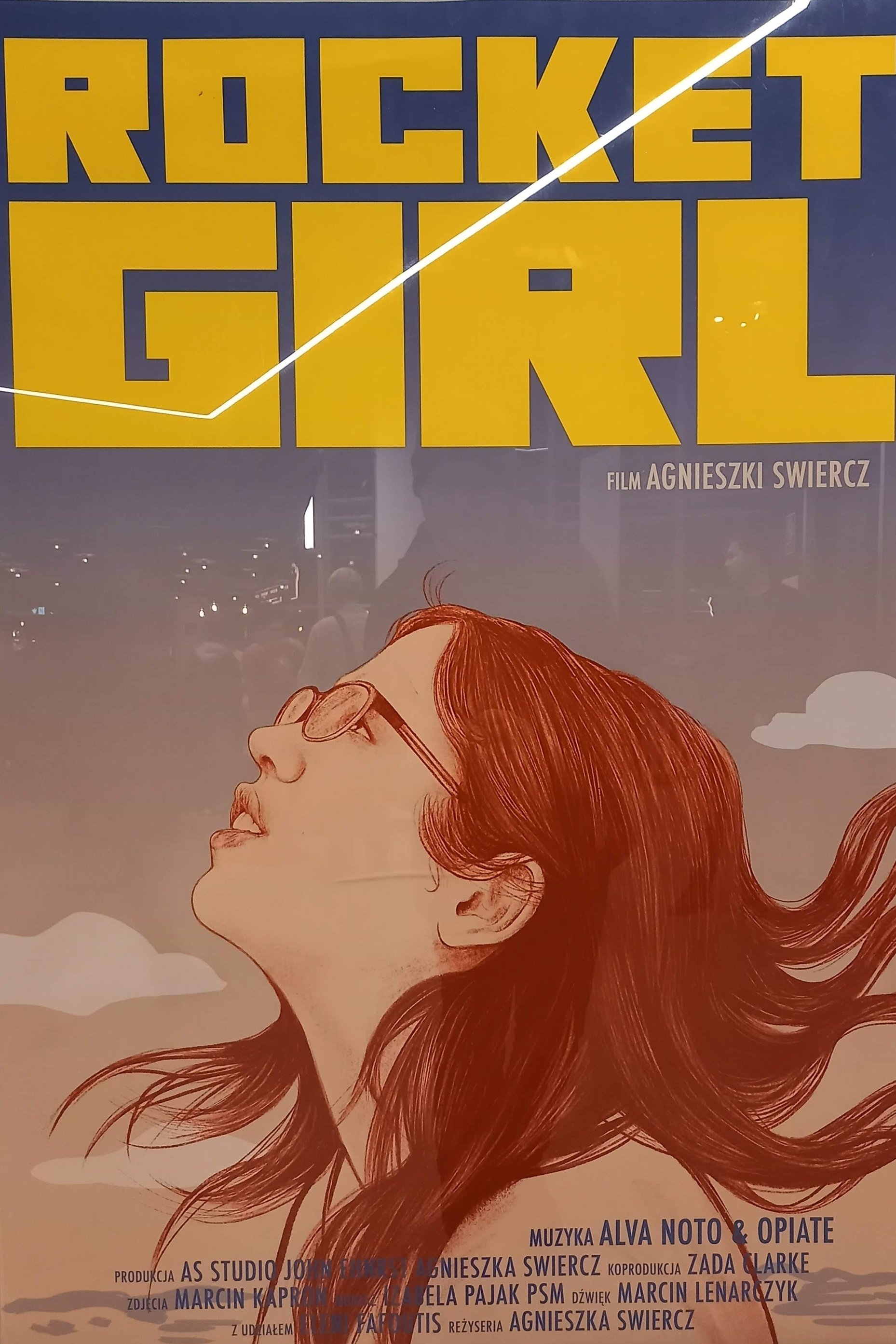
Eleni is 16 and has just moved from California to Virginia, where she must adapt to a new school. This comes easily to her thanks to her intense passion, which she instills in her peers. She becomes president of the school's rocket club and aims to build the perfect model for a competition attended by hundreds of teams from across the United States.
Agnieszka Lukasiak travels to Algeria to capture it's conflict on camera. When she arrives, she's immediately sidetracked by romance with her host, Habib. She turns the camera on herself as she falls in love with him. the atmosphere quickly diminishes when Habib's family steps in and kicks her out. Not to be deterred, on her second visite to Algeria to seek Habib's love, she begins her real journey to expose the underside of the country.
In a boarding school, legend has it that a time capsule has been hidden in the walls. They say it could change the world. Today, the new students fall in love, play cards, dream and laugh in their rooms, which in turn become their own time capsules, like snapshots of a generation at 20 years old.
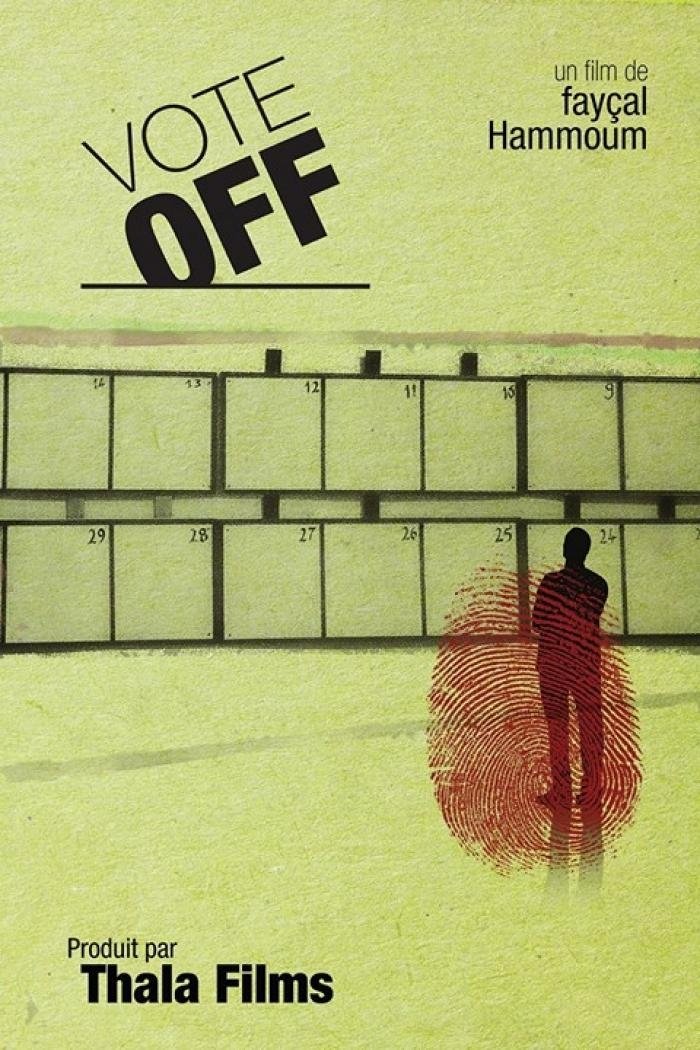
Fayçal Hammoum recounts the 2014 presidential election through non-voting inhabitants of Algiers who, like him, are in their thirties. Be it Bilel, a grocer by default exposed to his customers’ political babbling, or the more politically-charged comments of Younes, a militant FM radio journalist opposed to President Bouteflika’s fourth term, the variety of conversational scenes in no way changes the determination not to vote for an old man who has been invisible for almost two years. The rappers Omar and Brahim are as bereft of hope and voter’s cards as the Tellek webradio DJ, since “the match is fixed”. Moving away from his focus on this subject to film their daily life, the filmmaker draws the portrait of a generation who, as Bilal says with poignant simplicity, “just wants to live
In May 2005, after 30 years of Moroccan occupation, Saharawi students initiated a series of peaceful demonstrations demanding their right to the United Nations-mandated referendum on Western Saharan independence. The Moroccan authorities responded with a brutal campaign of repression, detaining and torturing human rights activists as well as Saharawi students and children as young as eight years old.
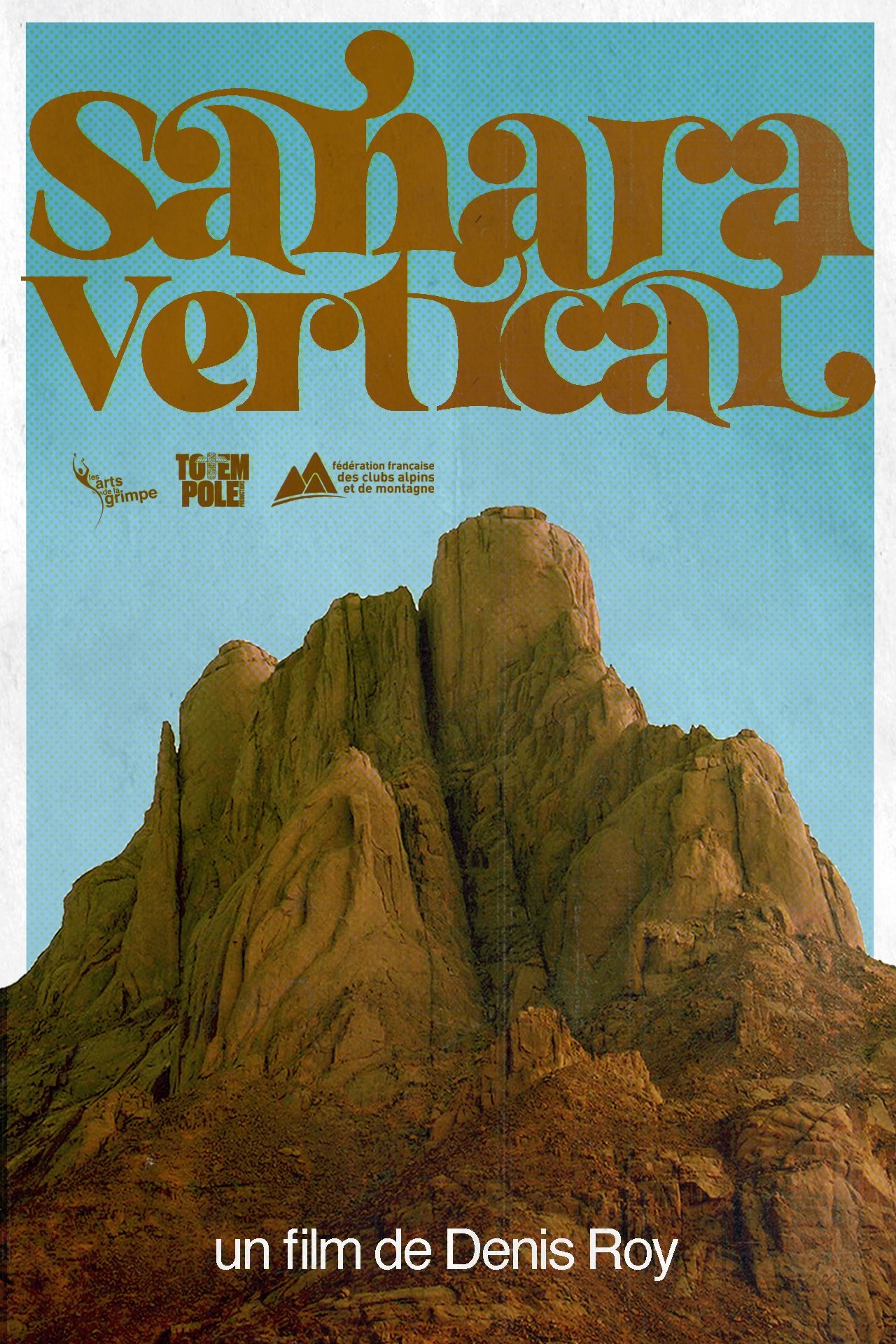
Following in the footsteps of Frison Roche, 7 climbers explore the main Hoggar massifs in Algeria. Their main objective is the ascent of the Garet El Djenoun summit via the north ridge, a long climb symbolic of a certain difficulty and a significant commitment, due to its location in the desert. They also attempt the Diedre Agresti, a daring route from the 70s, opened in around ten days on artificial, and unequipped; it is a path that has never been repeated; the objective is to do it free and almost only on wedges, with difficulties up to 7b/c in a sometimes very delicate rock... Excerpts from the film shot in 1970 by Henri Agresti on this same route, allow us to compare the technical and material means of the time to those of today. They also discover the beauty of the Algerian desert, its silence, its rock paintings, the customs of the Tuaregs, etc... a fascinating journey.
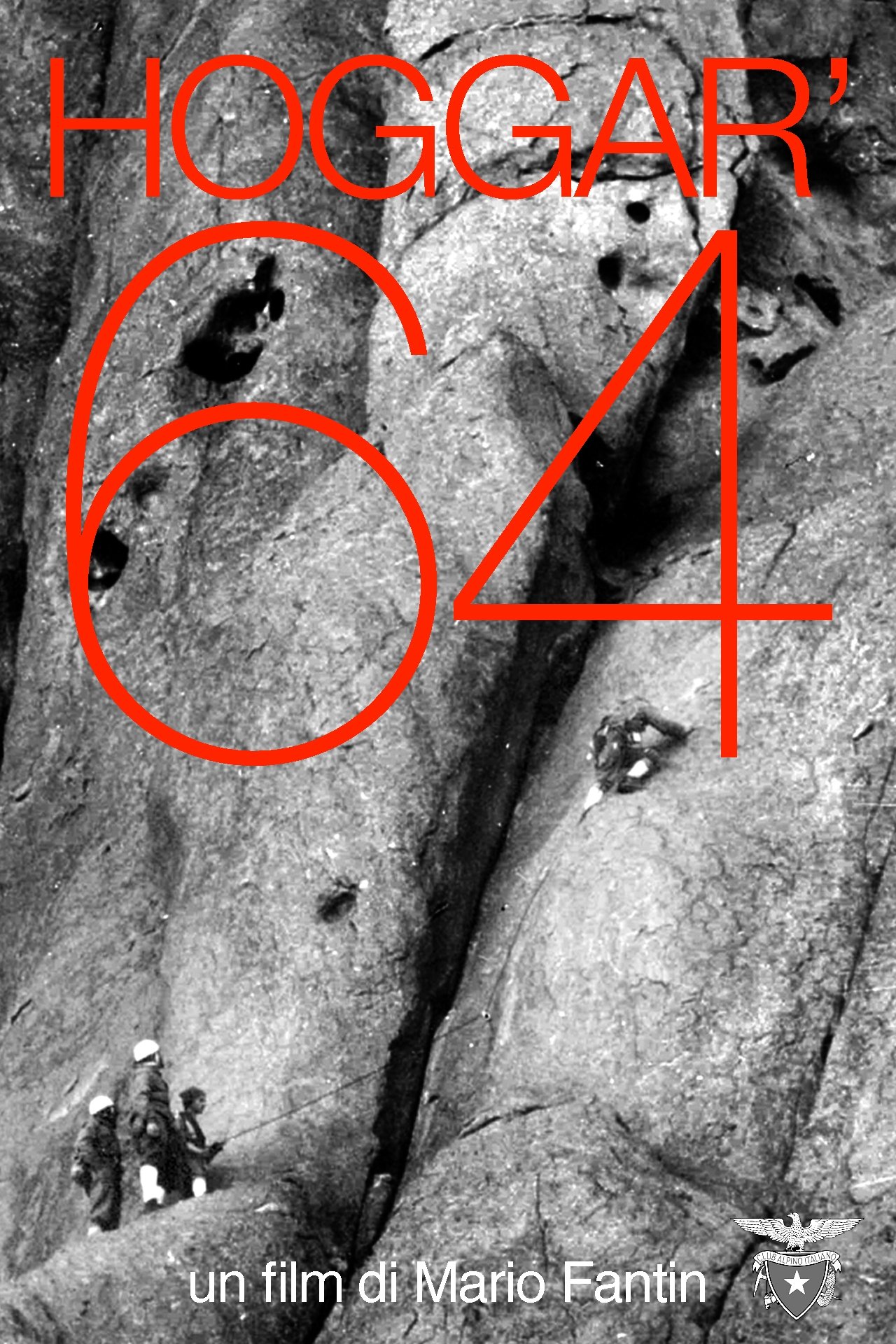
Filmed chronicle by mountain filmmaker Mario Fantin, of the 1964-1965 expedition of the Italian mountaineer Guido Monzino to the summits of Hoggar in the Algerian Sahara with the ascents of Garet el Djenoun, Tizouyag Nord, Saouinan and Iharen. The mountain ranges of the Hoggar desert turn out to be more complex and interesting than most mountaineers suspected at the time.
“Our memories are marked by smells. Bound together by their olfactory sensitivity, a daughter leads her father to question his family heritage: together they go through their double mourning, that of a grandmother and a childhood in Algeria. How do you face up to the fear of vanishing ghosts?”
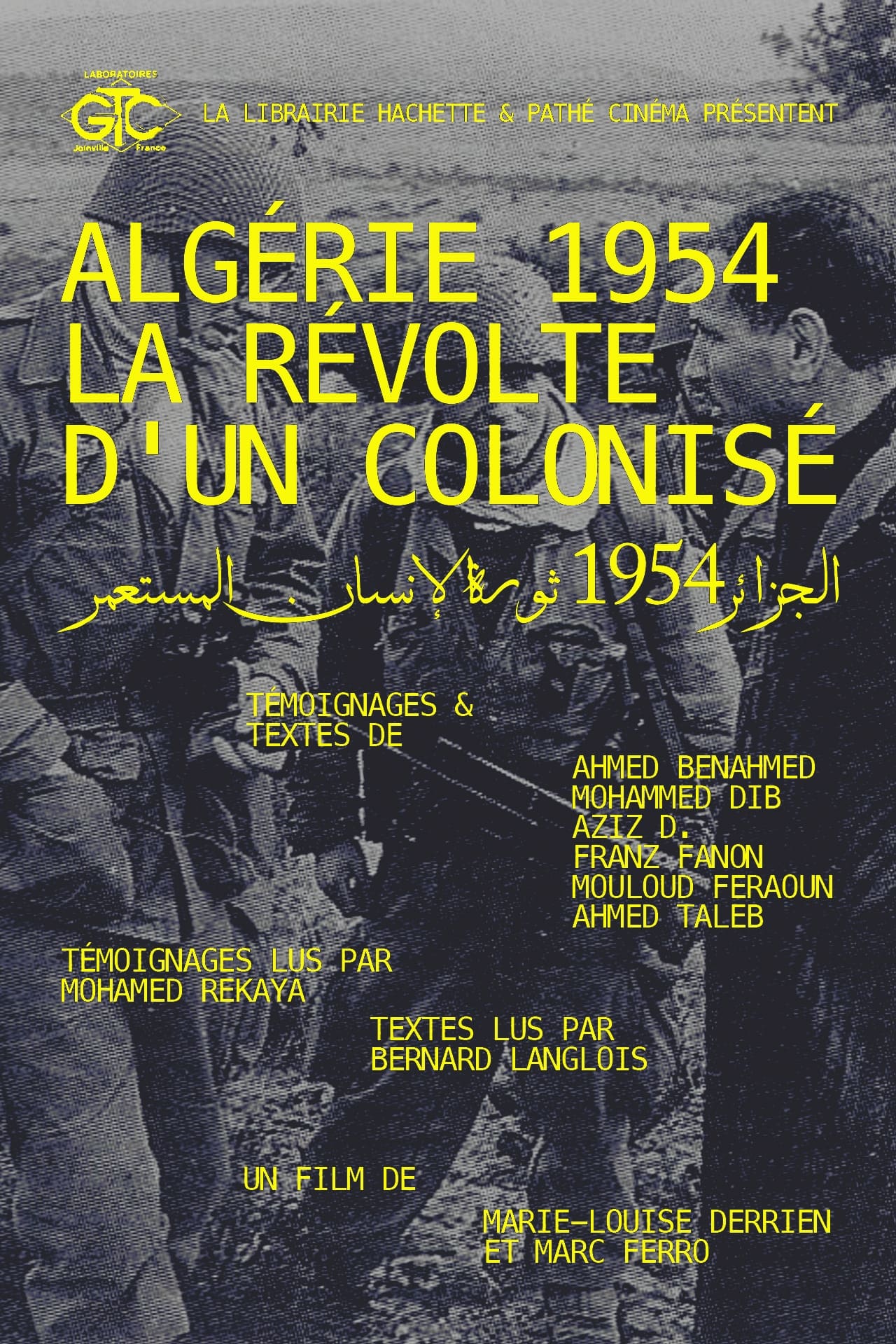
This film presents the point of view of an Arab from Algeria who rebels against colonization. He analyzes the process of awareness, the transition to revolt, to armed insurrection. Algeria and the settlers are seen through this lens and not the way a Frenchman saw the country. He gives voice to the Arabs at a time when this word was not heard: sometimes it was not even produced, at least publicly. The testimonies are based on real propositions, most of them were made to the author during his stay in Algeria from 1948 to 1956, then in 1958 and 1959. The comments are borrowed from the texts of Arab theorists of the revolution Algerian. This film thus completely evacuates the point of view of those who are not insurgents; he does not give the opinion of the colonists. It is the direct expression of what was the revolt of a colonized person: it thus constitutes the very type of the historical document.
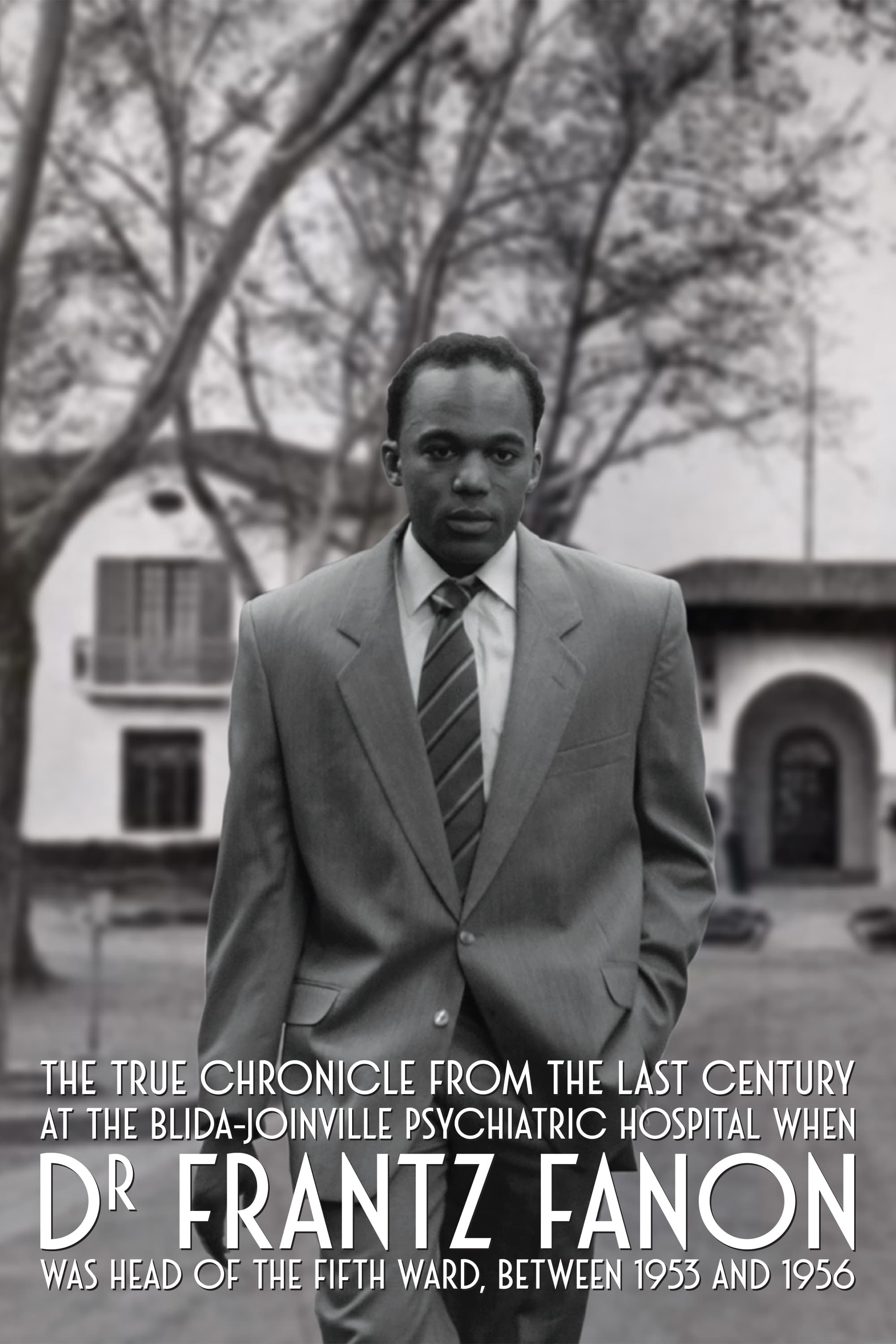
1953, colonized Algeria. Fanon, a young black psychiatrist is appointed head doctor at the Blida-Joinville Hospital. He was putting his theories of ‘Institutional Psychotherapy’ into practice in opposition to the racist theories of the Algies School of Psychiatry, while a war broke out in his own wards.
The Kabyle people define themselves first and foremost through the spoken word. Every gesture, every moment of their daily lives can give rise to a language of verse, metaphors, and proverbs. After all, isn't it said that in the mountain foothills they call home, verbal dueling was a common pastime? It is a reality difficult to visualize when one looks at the immigrant society where these men and women—often illiterate—are relegated solely to the roles of manual laborers and housewives; one can hardly imagine the eloquent orators they become when they return to their native tongue.
This film takes a candid, inside look at the world of juvenile delinquency. We are shown the tough existence on the streets of Montreal, but it could be any city in North America. Some boys as young as ten years of age talk about their lives of crime, the things that are important to them, and the hopes they hold for the future.
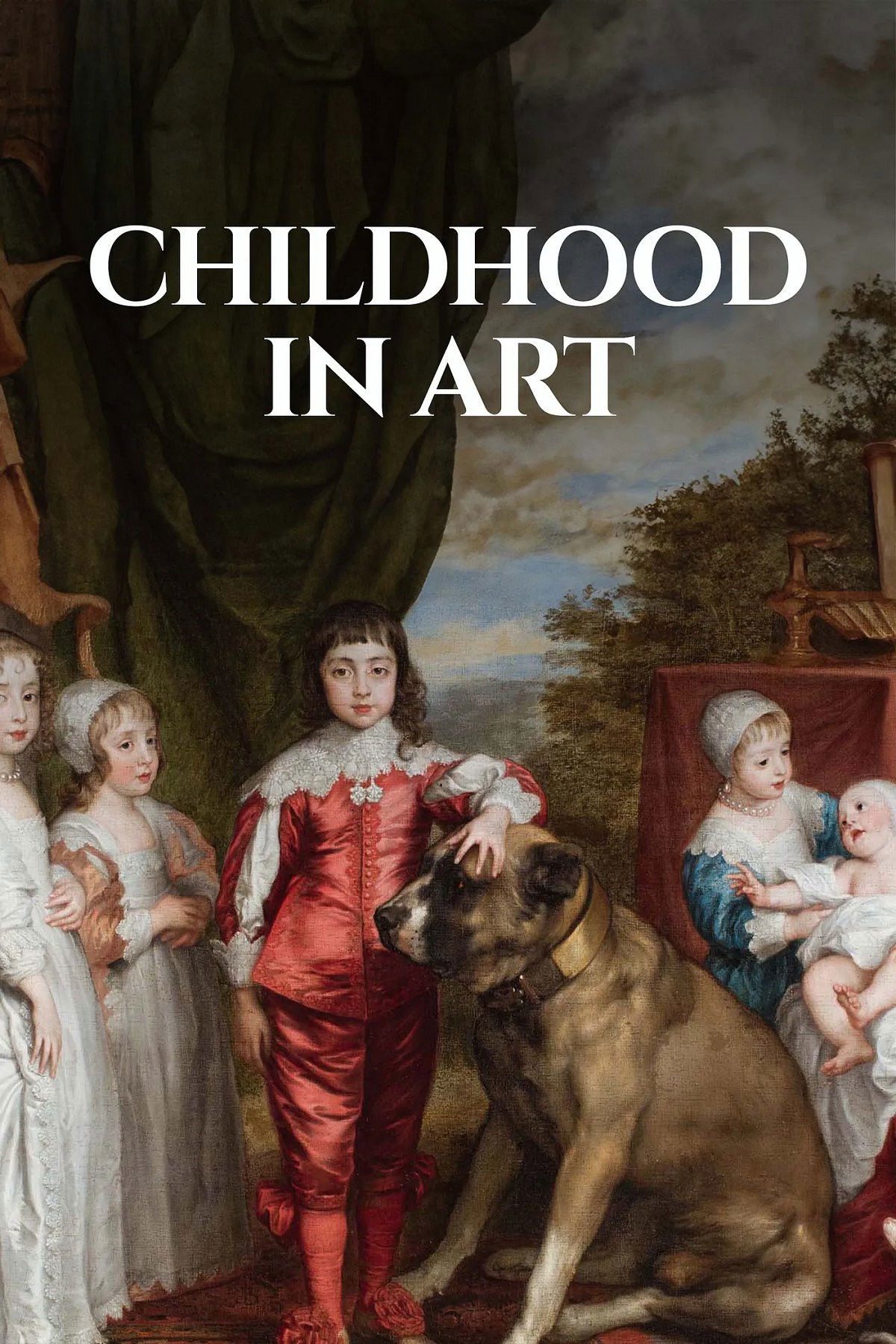
How have the changing views on children been reflected in their representation in art? From Baby Jesus to the first photographic portraits, an exploration of six centuries of art history through the prism of childhood.
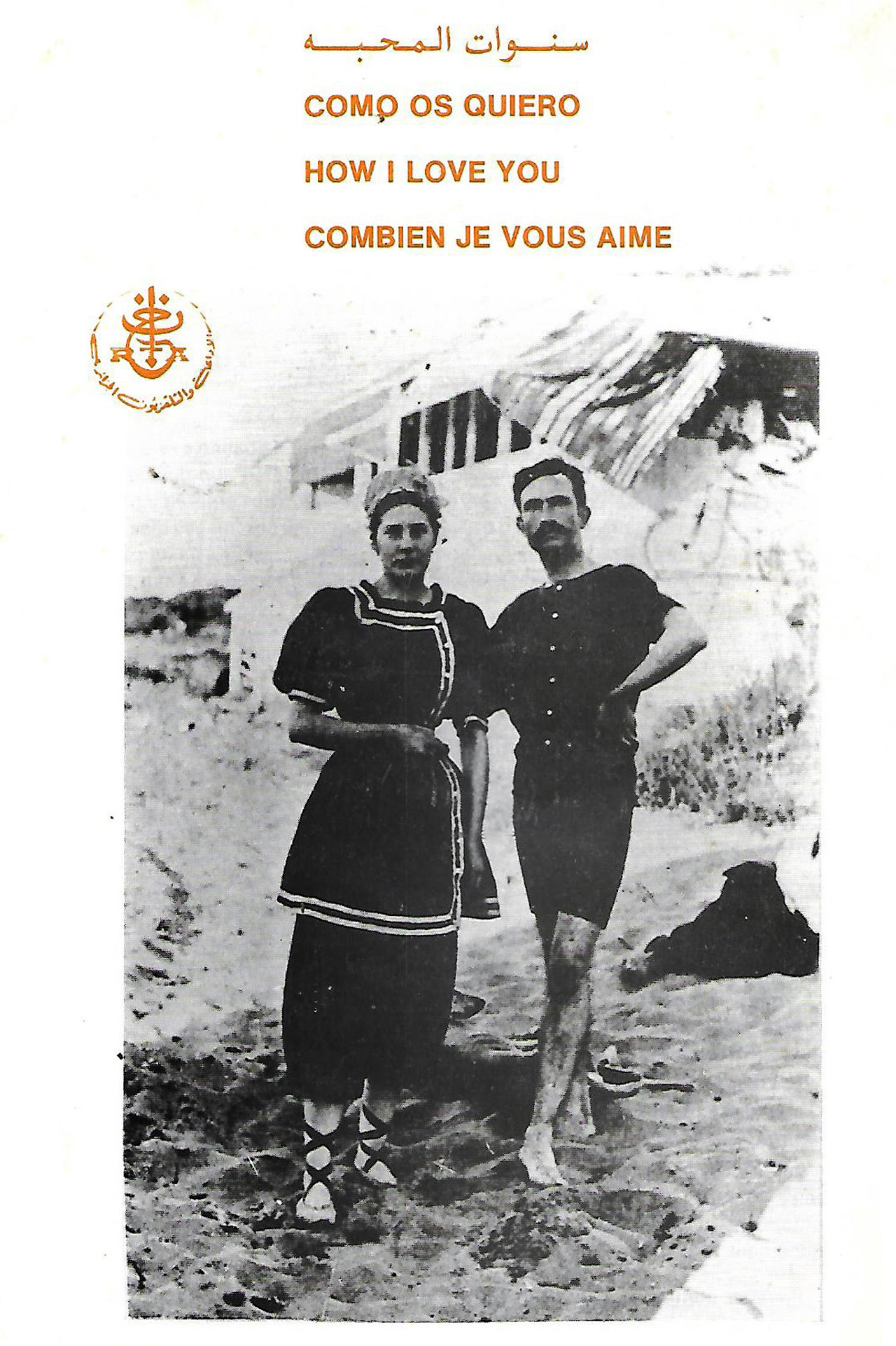
Beginning with a promotional reel encouraging farming investments in Algeria and ending with the secret 1950s nuclear tests that France conducted using Algerian prisoners, How Much I Love You appropriates archival footage produced by the French colonial powers in Algeria. Meddour’s approach is disarmingly simple and yet awe-inspiring—his caustic undoing of colonial discourse is underscored by a liberating release of humor.
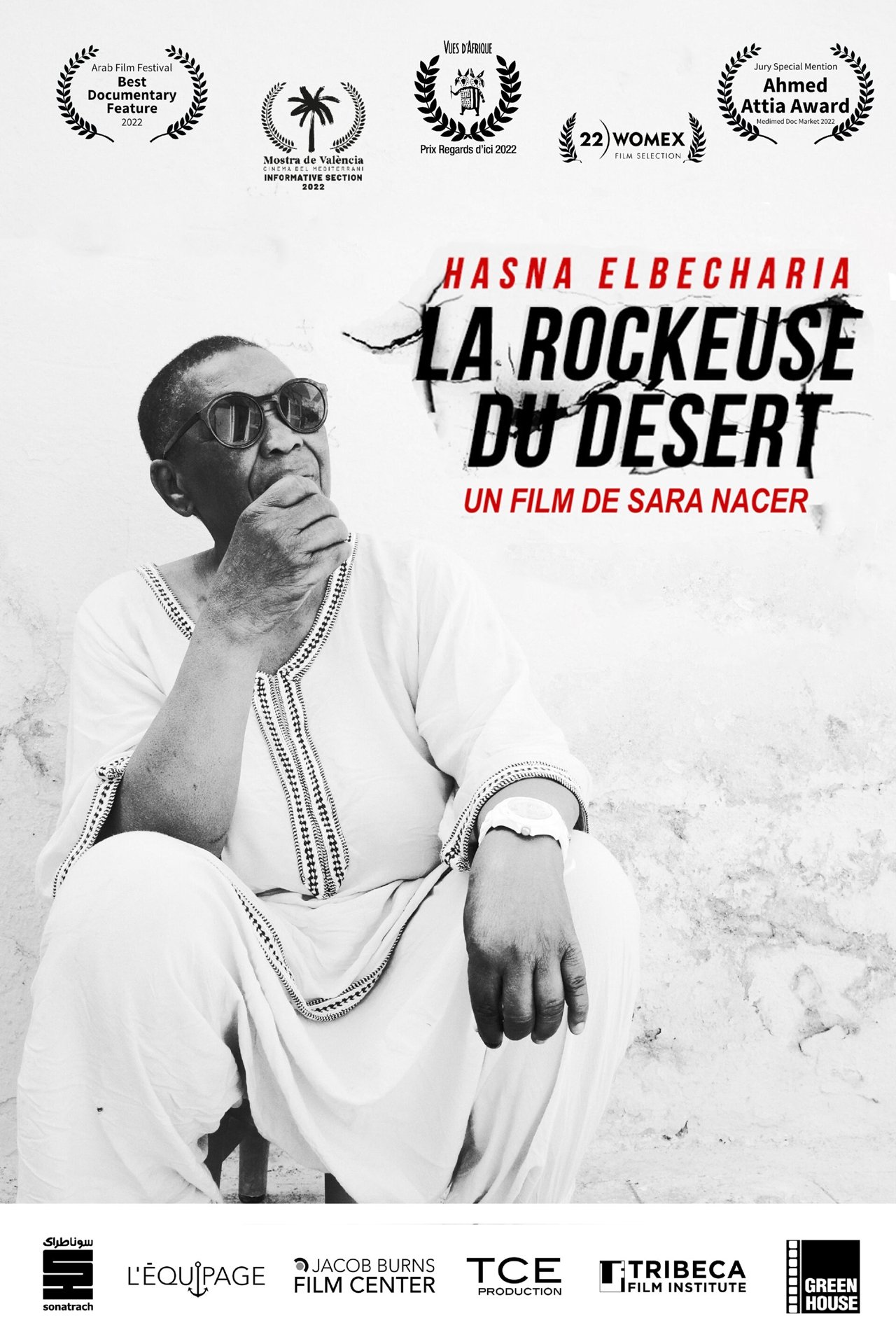
The Desert Rocker is an intimate, witty and profound portrait of the extraordinary Hasna El Becharia, a pioneer Gnawa artist. The first musician to break through the social barrier of this culture, she empowers and inspires women of all ages by reclaiming a musical tradition reserved for men for centuries . A singularly talented artist, she leads women to redefine their roles and challenge cultural norms , one musical performance at a time.
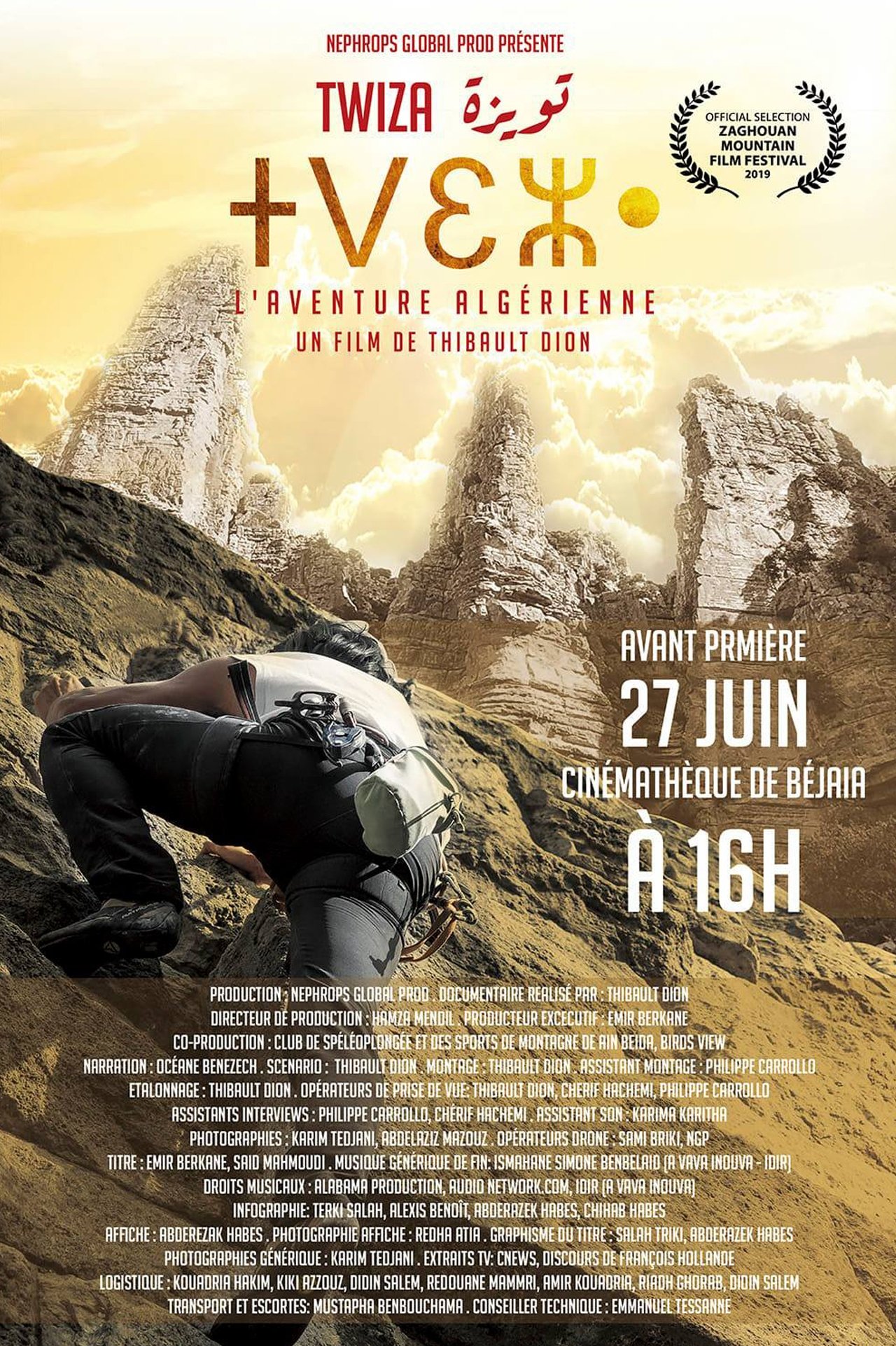
In Tamazight culture, "Twïza" symbolizes a gathering for sharing and mutual support. This is precisely what Thibault Dion's film explores – January 2019 – as five French climbers land at Constantine airport. While they initially thought they would simply be opening climbing routes in eastern Algeria, this group of climbers from Grenoble discovers much more. Their initial apprehension about exploring this isolated region, coupled with the warm welcome, good humor, and rich culture, transforms their journey into an unexpected human adventure. Fabulous landscapes, thrilling experiences, unforgettable moments, smiles – beyond borders, in the land of friendship and hospitality... Algeria.
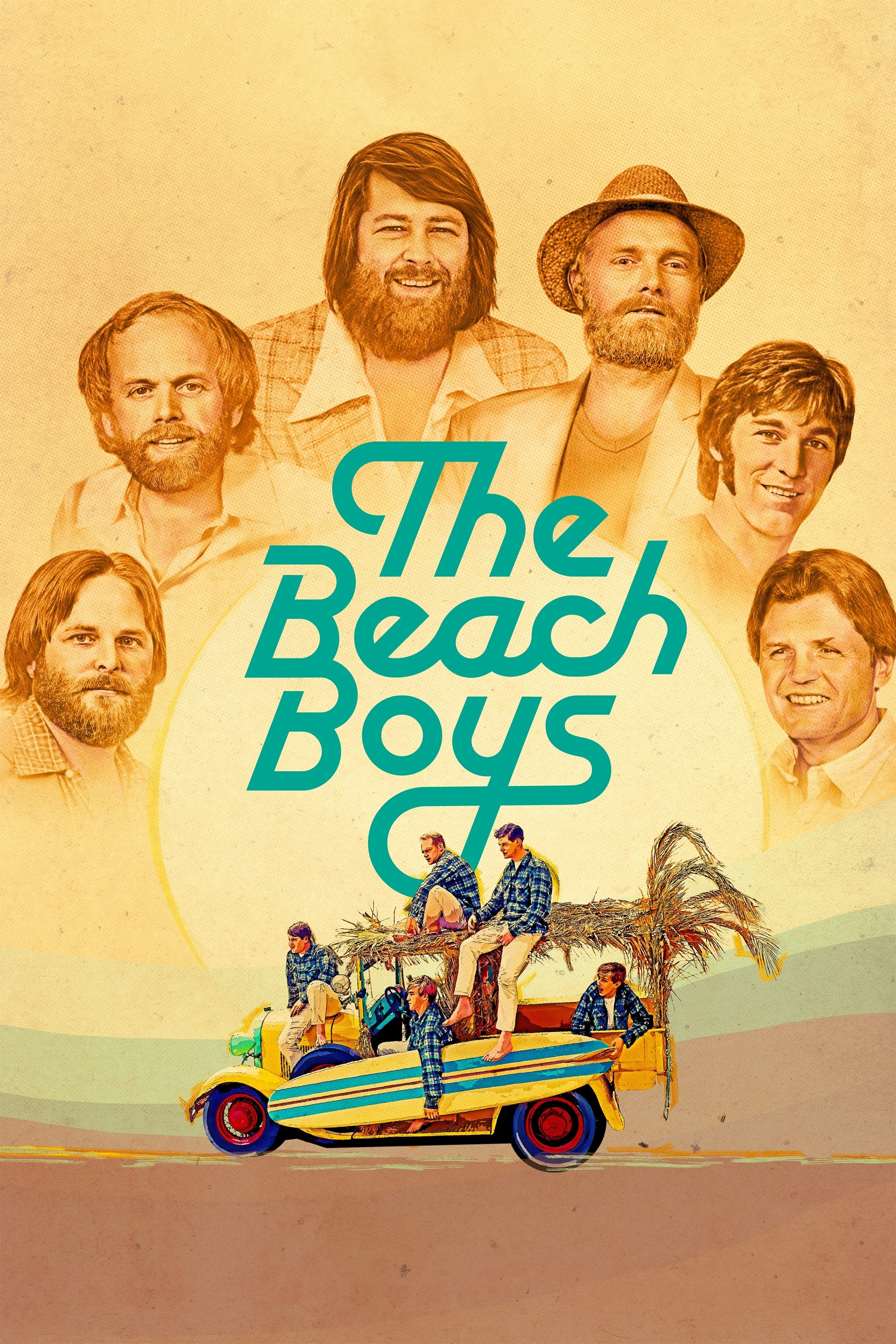
A celebration of the legendary band that revolutionized pop music, and the iconic, harmonious sound they created that personified the California dream, captivating fans for generations and generations to come.
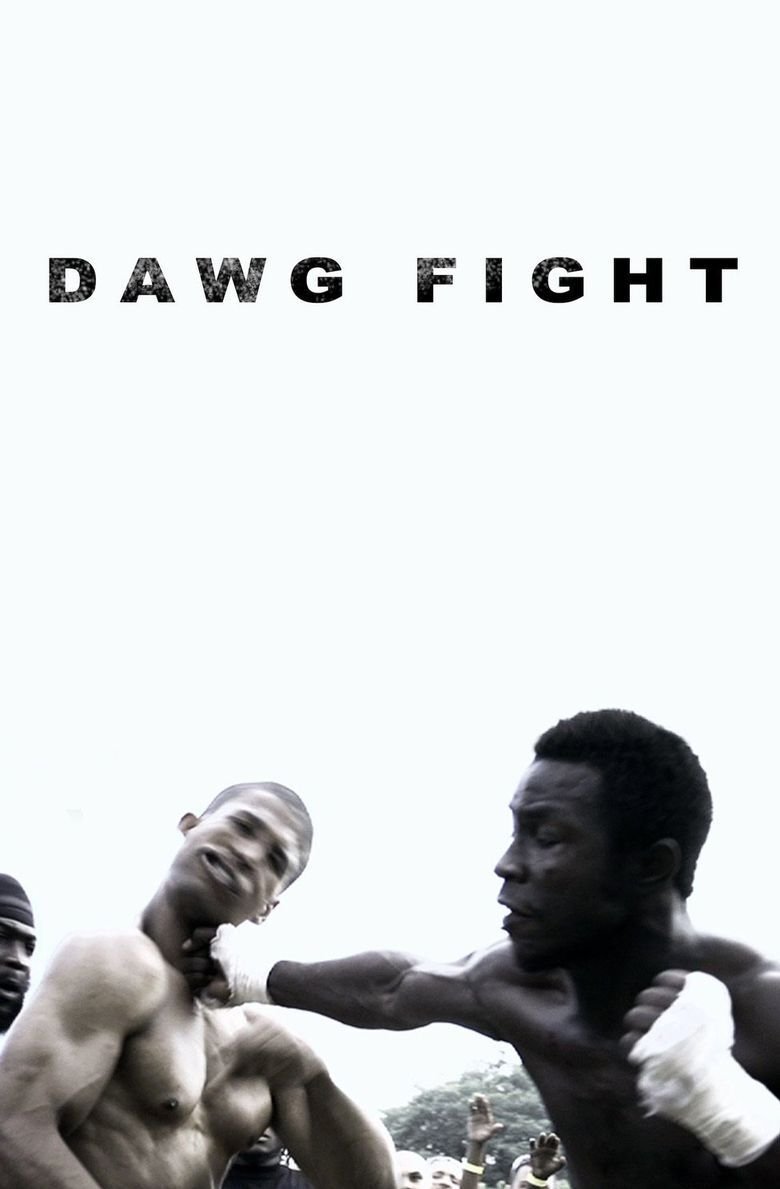
In a crime-plagued neighborhood near Miami, brutal, bare-knuckled backyard fights give young men a chance to earn money -- and self-respect.
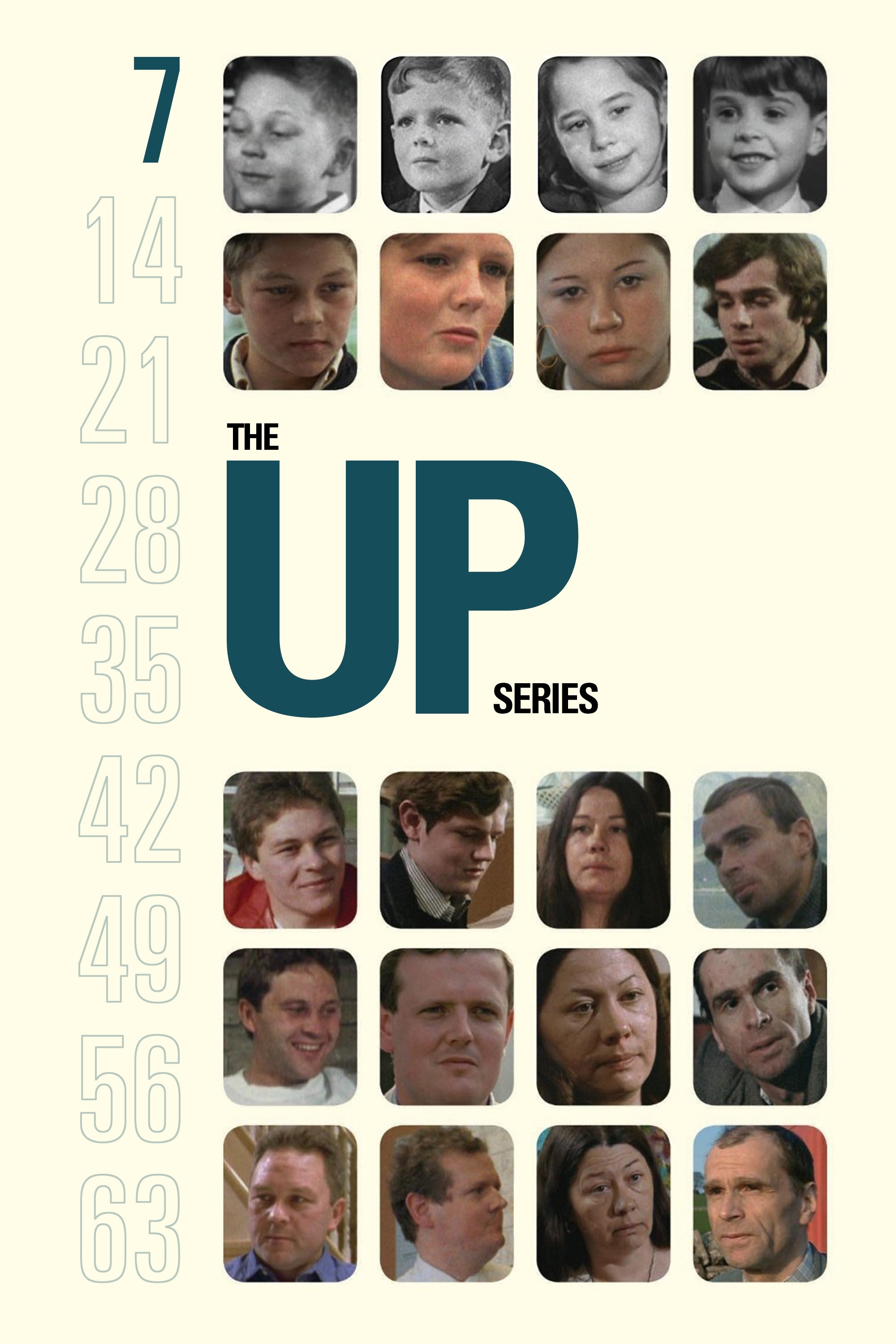
A group of British children aged 7 from widely ranging backgrounds are interviewed about a range of subjects. The filmmakers plan to re-interview them at 7 year intervals to track how their lives and attitudes change as they age.
14-year-old Laura Dekker sets out on a two-year voyage in pursuit of her dream to become the youngest person ever to sail around the world alone.
While in San Francisco for the promotion of her last film in October 1967, Agnès Varda, tipped by her friend Tom Luddy, gets to know a relative she had never heard of before, Jean Varda, nicknamed "Yanco". This hitherto unknown uncle lives on a boat in Sausalito, is a painter, has adopted a hippie lifestyle and loves life. The meeting is a very happy one.
In an intimate and joyful story of love in the face of loss, celebrated poets Andrea Gibson and Megan Falley find strength—and unexpected hilarity—in what might be their final year together.
A backstage and on-stage look at Justin Bieber during his rise to super stardom.
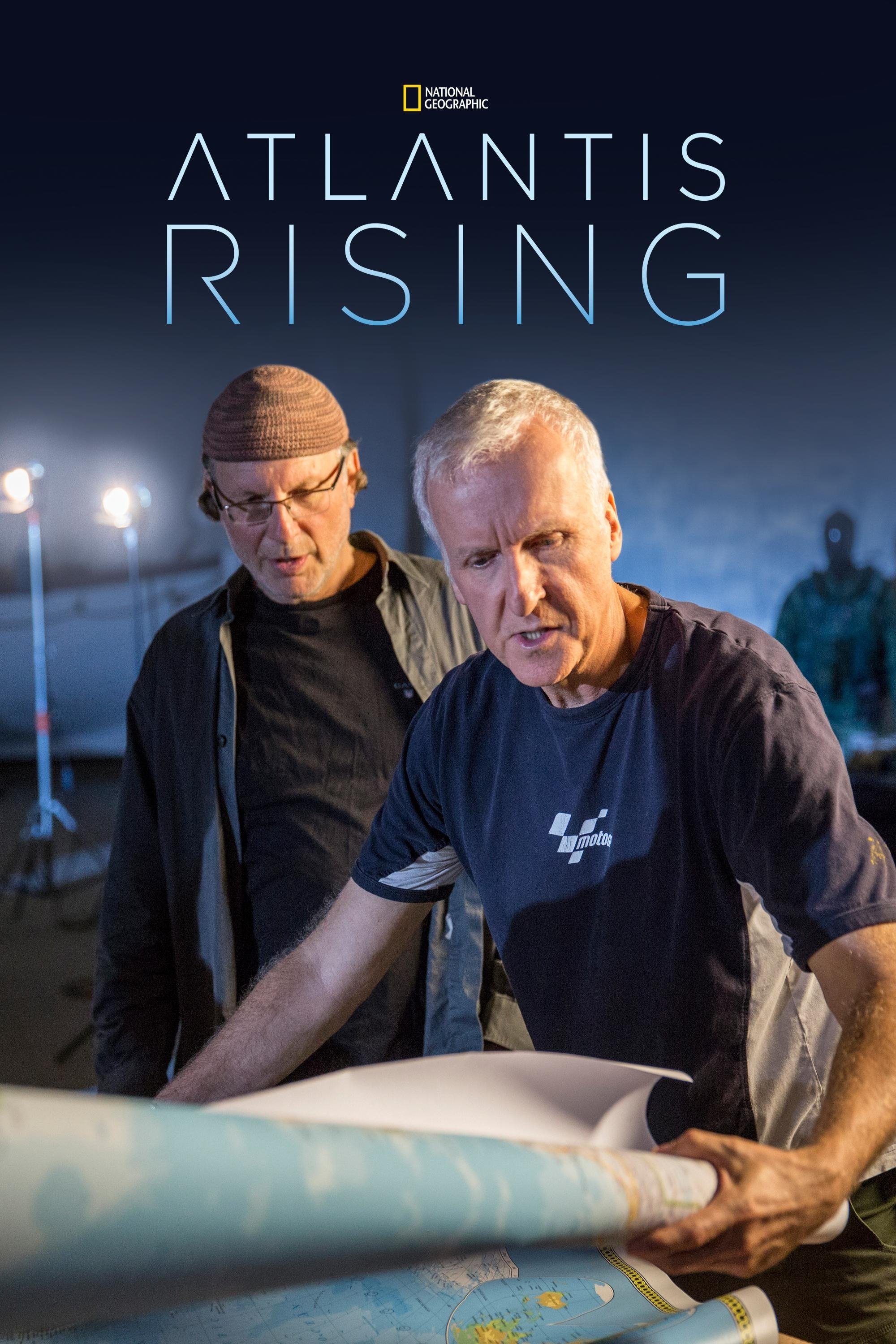
James Cameron and Simcha Jacobovici go on an adventure to find the lost city of Atlantis by using Greek philosopher Plato as a virtual treasure map.
The film follows adventurer Jeff Johnson as he retraces the epic 1968 journey of his heroes Yvon Chouinard and Doug Tompkins to Patagonia.
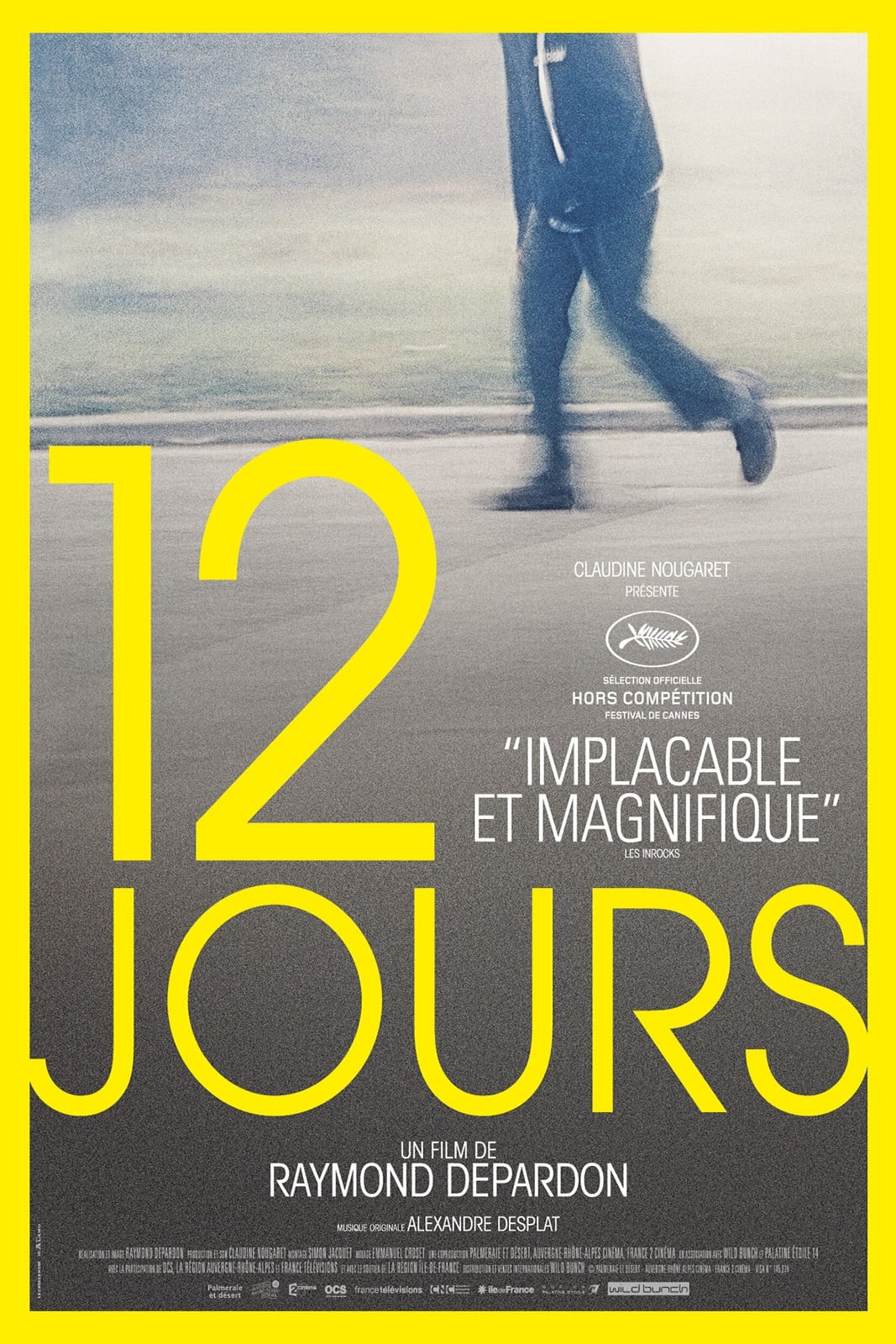
A new documentary by filmmaker-photographer Raymond Depardon – where justice and psychiatry meet.
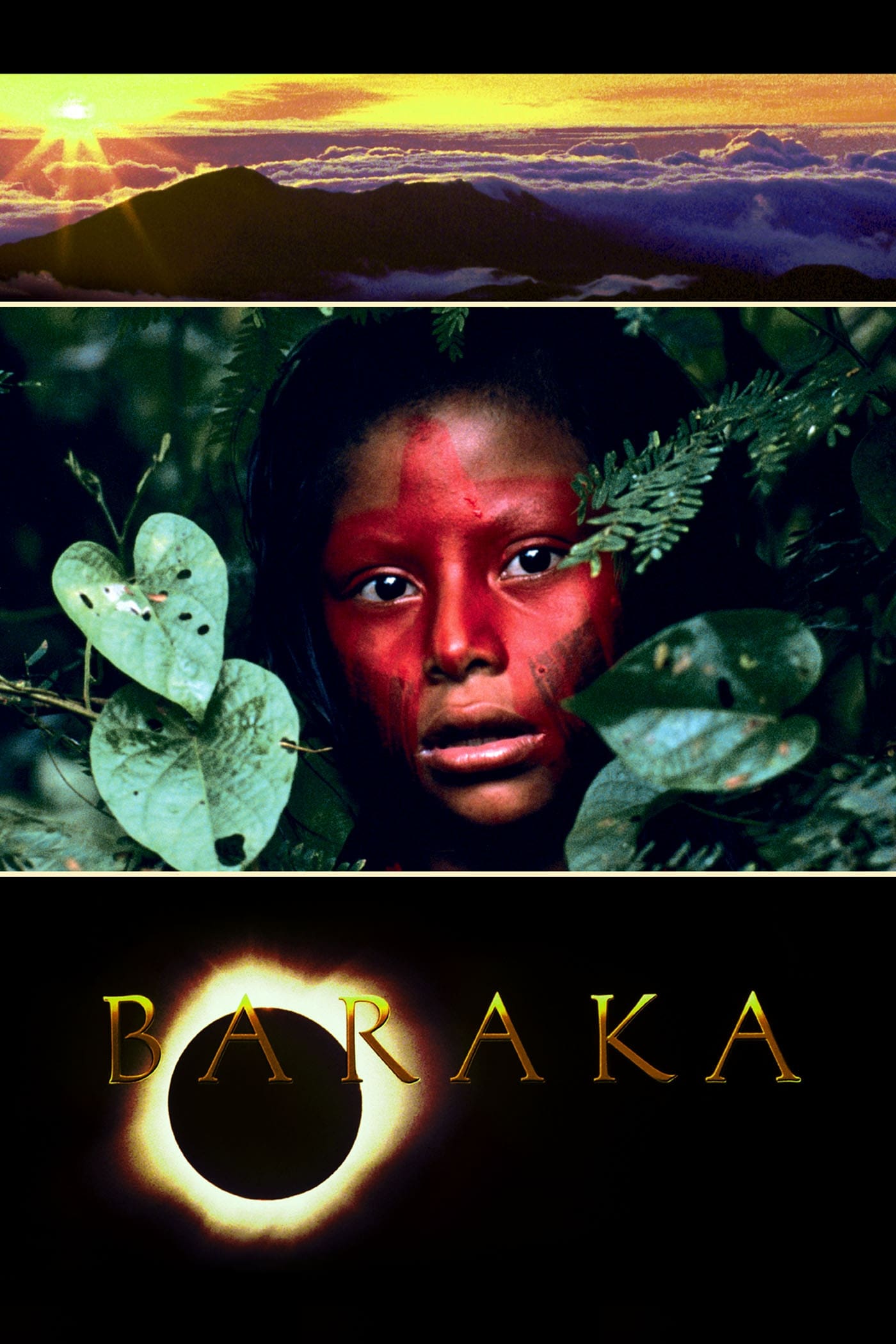
A paralysingly beautiful documentary with a global vision—an odyssey through landscape and time—that attempts to capture the essence of life.
Filmed in front of a live studio audience and hosted by Alex Cooper of 'Call Her Daddy' fame, Miley Cyrus reflects on the creation and impact of the series with never-before-seen archival footage, all the while interacting and reminiscing on some of the show's most memorable sets 'brought back to life' — including the Stewart family living room and the legendary Hannah Montana closet.
Spike Lee pays tribute to Michael Jackson's Bad on the twenty-fifth anniversary of the epochal album, offering behind-the-scenes footage of Jackson recording the album and interviews with confidants, musicians, choreographers, and such music-world superstars as Kanye West, Sheryl Crow, Cee Lo Green and Mariah Carey.
A teen slams her car into a building, killing her boyfriend and his friend. What seems like a tragic accident becomes a murder case.
After years in the limelight, Selena Gomez achieves unimaginable stardom. But just as she reaches a new peak, an unexpected turn pulls her into darkness. This uniquely raw and intimate documentary spans her six-year journey into a new light.
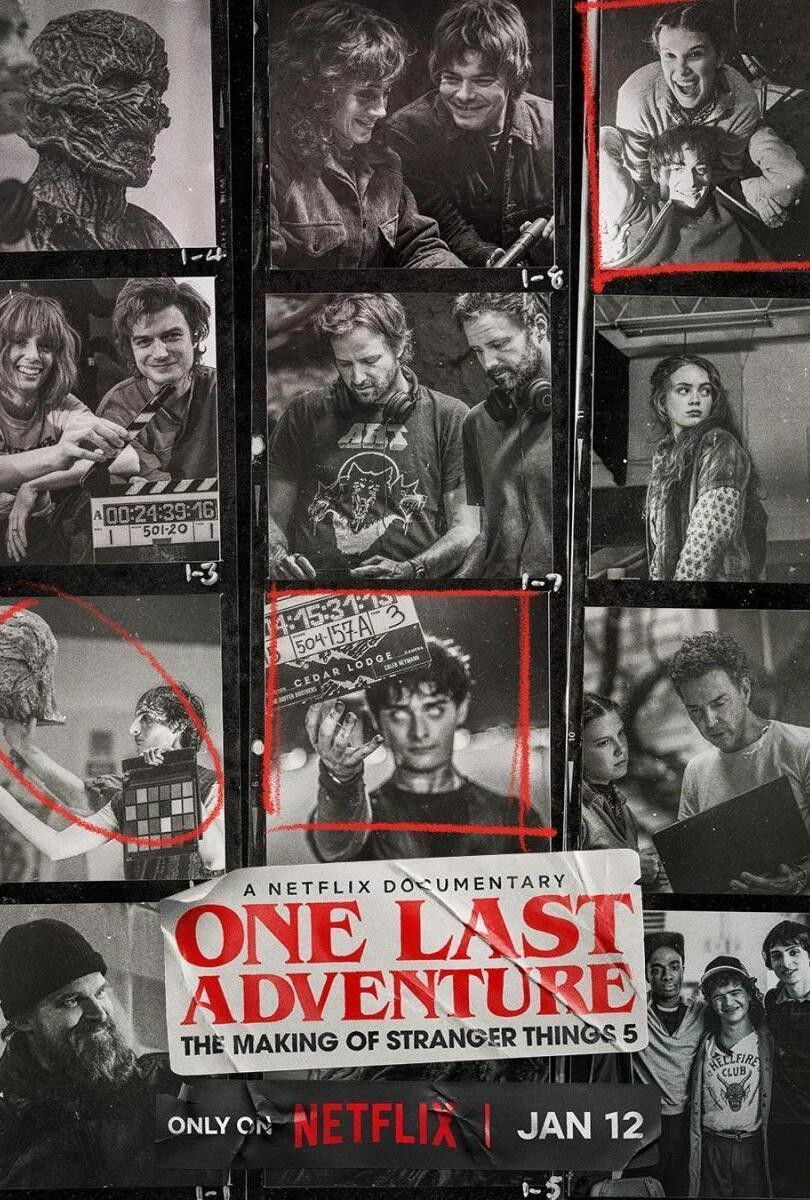
An inside look at the years of effort and craft that went into the final installment of the Duffer Brothers' generation-defining series.
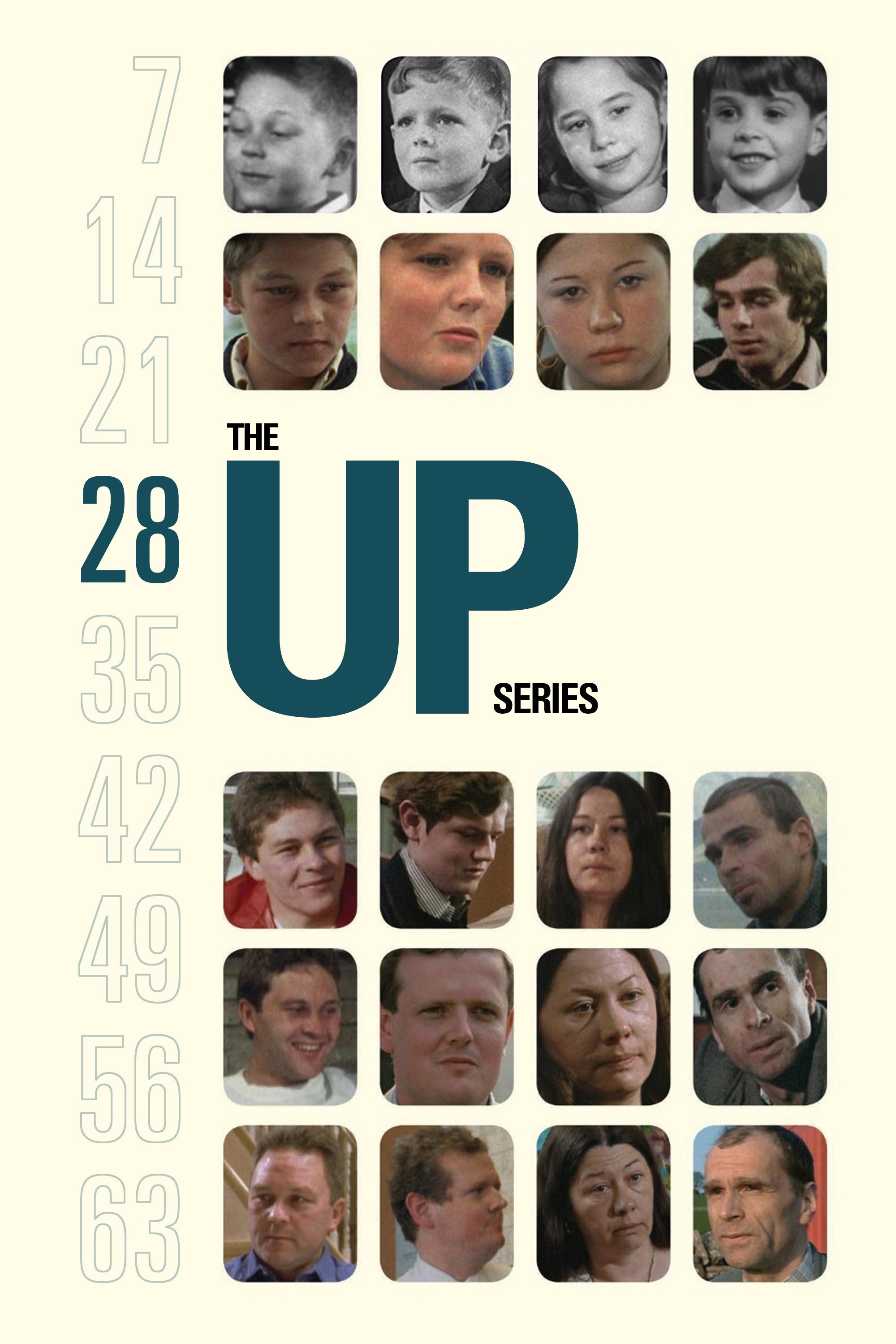
Just two years away from turning 30, participants in Michael Apted's documentary series are facing serious questions of identity and purpose, wondering whether they've found their place in the world.
Belgian pop star Angèle reflects on her life and hopes as she finds balance amid the tears, joys and loneliness of fame. Told through her own words.
Through archival interviews and footage, George Michael and Andrew Ridgeley relive the arc of their Wham! career, from 70s best buds to 80s pop icons.
With unprecedented access to the official archives and intimate recollections from the band, both current and past, Iron Maiden: Burning Ambition invites fans to experience one of the most iconic journeys in music history. Spanning five decades, this electrifying documentary charts the band’s rise from the pubs of East London to the world’s biggest stadiums. Featuring exclusive interviews with band members and contributors such as Javier Bardem, Lars Ulrich and Chuck D, as well as all-new animated sequences of the band's legendary mascot, Eddie, the film offers a rare and intimate look at Iron Maiden’s uncompromising vision and unwavering connection with their truly global army of fans.