Projection in Wartime establishes a connection between image and memory, approaching experience through perception. The work invites reflection on time and memory, and on what remains hidden between the past into the present.
Social & External
The people behind it
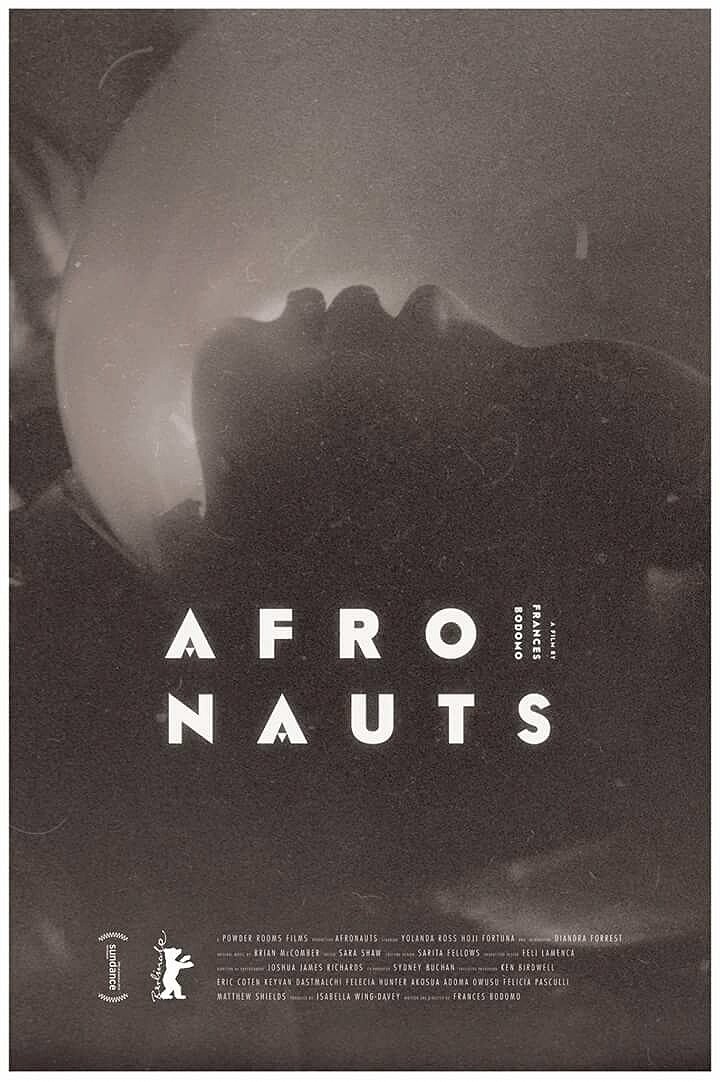
A filmmaker visits Nigeria for the first time since his parents’ emigration 22 years prior and reflects on the Nigerian 1993 election crisis, colonial history, and repatriation. Adapted from a multi-channel video thesis installation, the experimental essay film engages Yoruba oral traditions through archival materials and autobiographical narration, questioning Nigeria's past, present, and speculative future with an Afrobeat score.
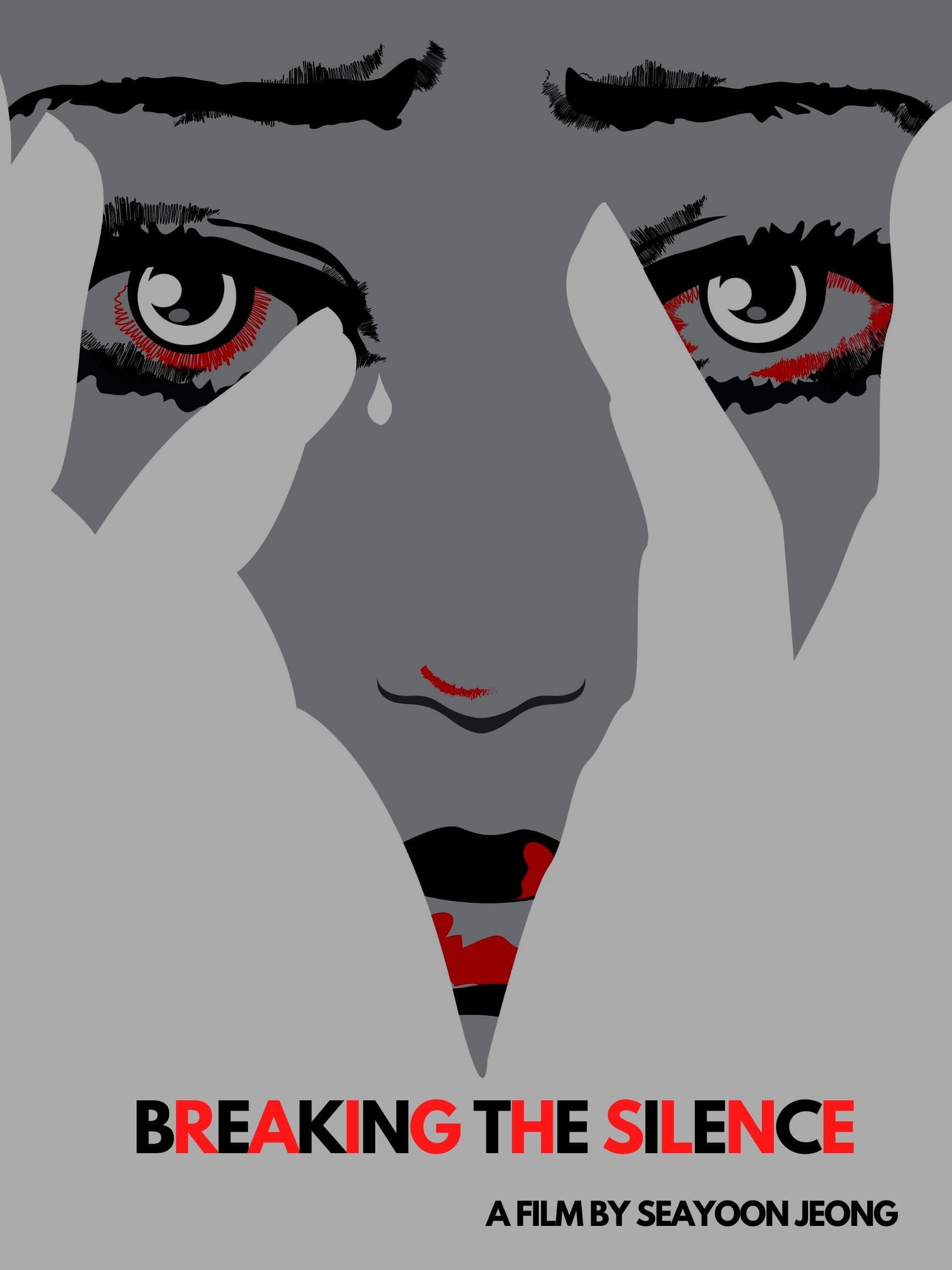
Francesca, tormented by her past, breaks the silence to talk about surviving the horrors of the comfort stations of Imperial Japan.
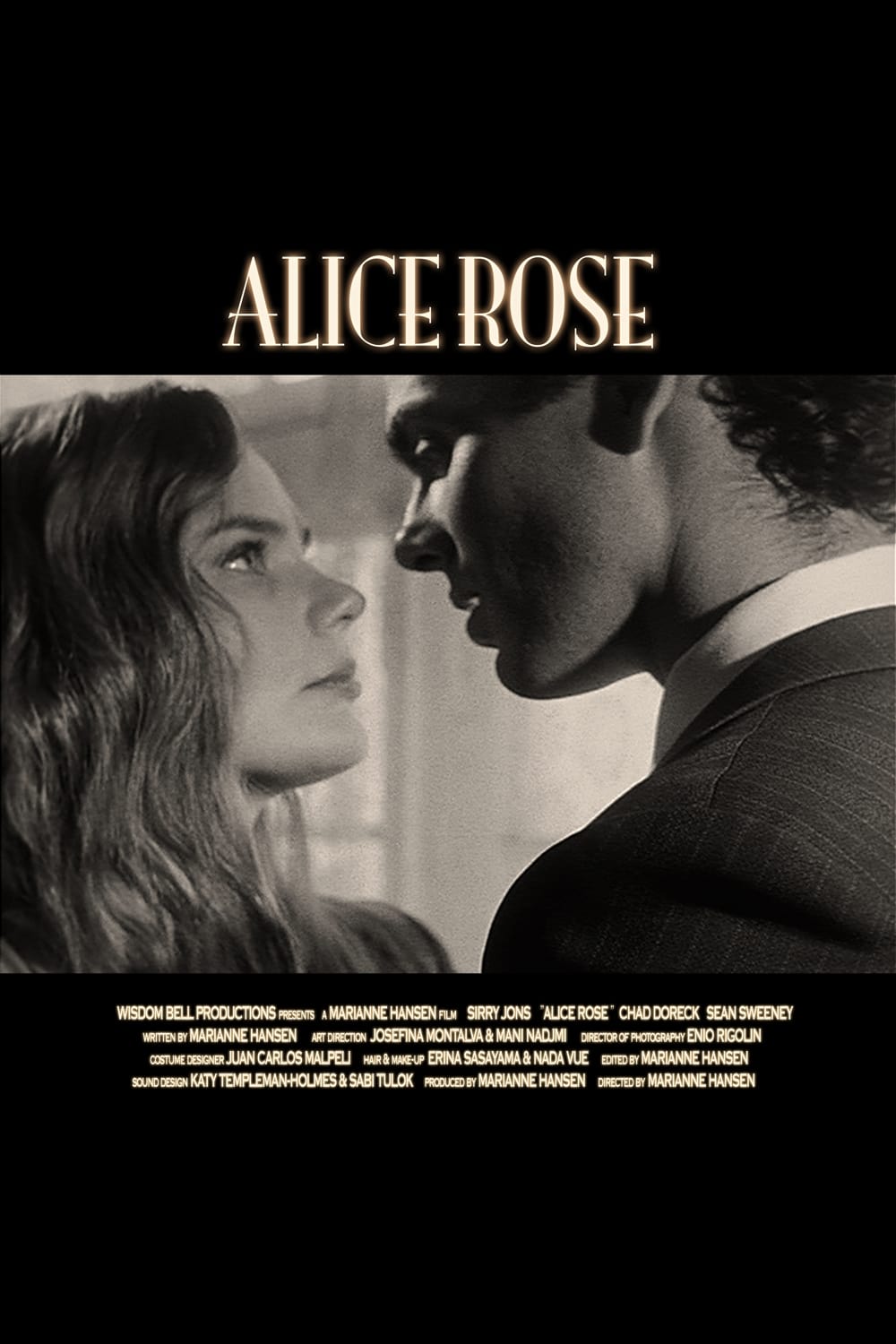
A damsel in distress agrees to run away with her wealthy lover in order to escape from her abusive husband. But all is not as it seems in this 1940s film noir.
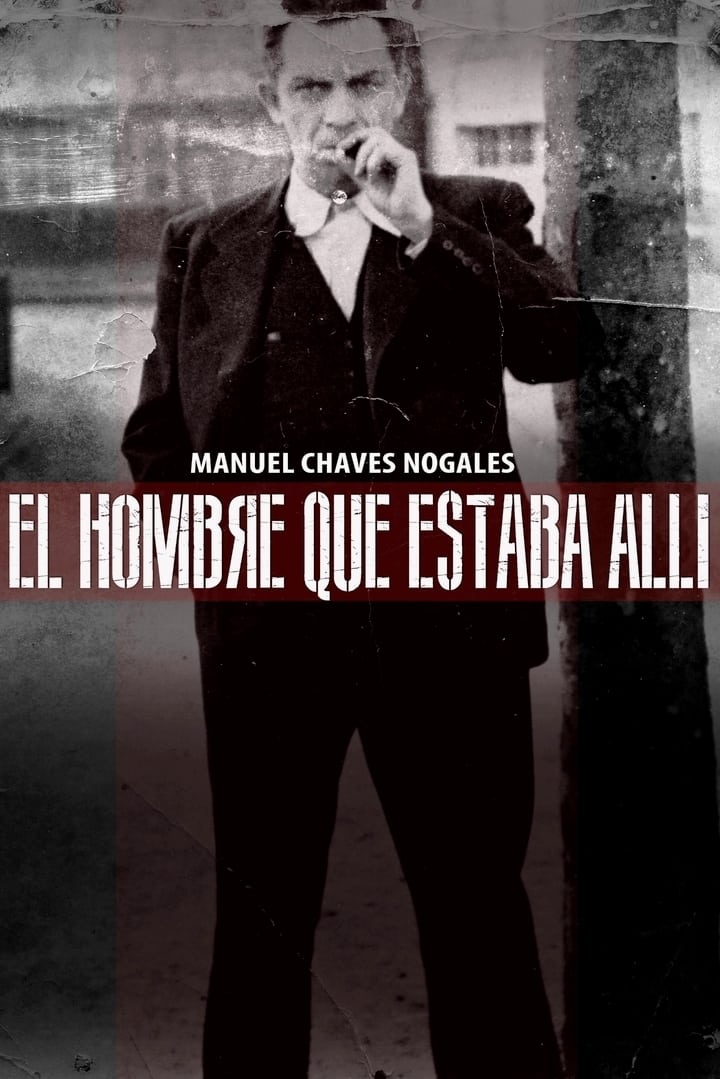
The Spanish journalist Manuel Chaves Nogales (1897-1944) was always there where the news broke out: in the fratricidal Spain of 1936, in Bolshevik Russia, in Fascist Italy, in Nazi Germany, in occupied Paris or in the bombed London of World War II; because his job was to walk, see and tell stories, and thus fight against tyrants, at a time when it was necessary to take sides in order not to be left alone; but he, a man of integrity to the bitter end, never did so.
Documentary on industrial lubrification.
16th July 1969: America prepares to launch Apollo 11. Thousands of kilometers away, a ragtag group of Zambian exiles is trying to beat America to the Moon.
During WW2 a boy tries to save himself and his baby sister from a German soldier.
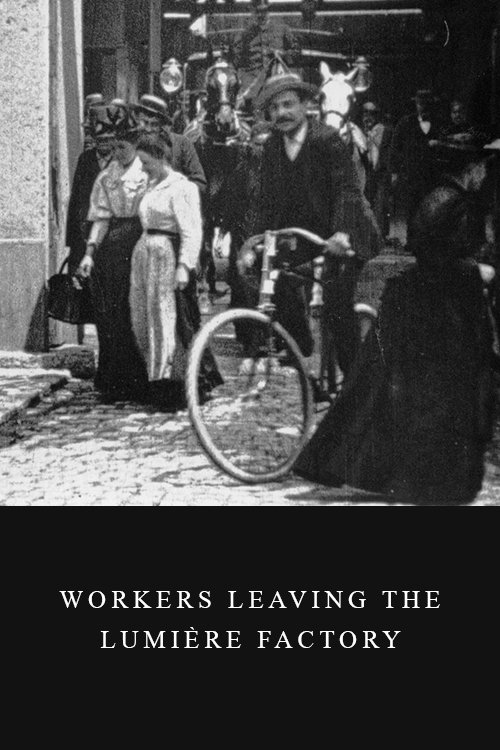
Working men and women leave through the main gate of the Lumière factory in Lyon, France. Filmed on 22 March 1895, it is often referred to as the first real motion picture ever made, although Louis Le Prince's 1888 Roundhay Garden Scene pre-dated it by seven years. Three separate versions of this film exist, which differ from one another in numerous ways. The first version features a carriage drawn by one horse, while in the second version the carriage is drawn by two horses, and there is no carriage at all in the third version. The clothing style is also different between the three versions, demonstrating the different seasons in which each was filmed. This film was made in the 35 mm format with an aspect ratio of 1.33:1, and at a speed of 16 frames per second. At that rate, the 17 meters of film length provided a duration of 46 seconds, holding a total of 800 frames.
Filmmaker Alain Resnais documents the atrocities behind the walls of Hitler's concentration camps.
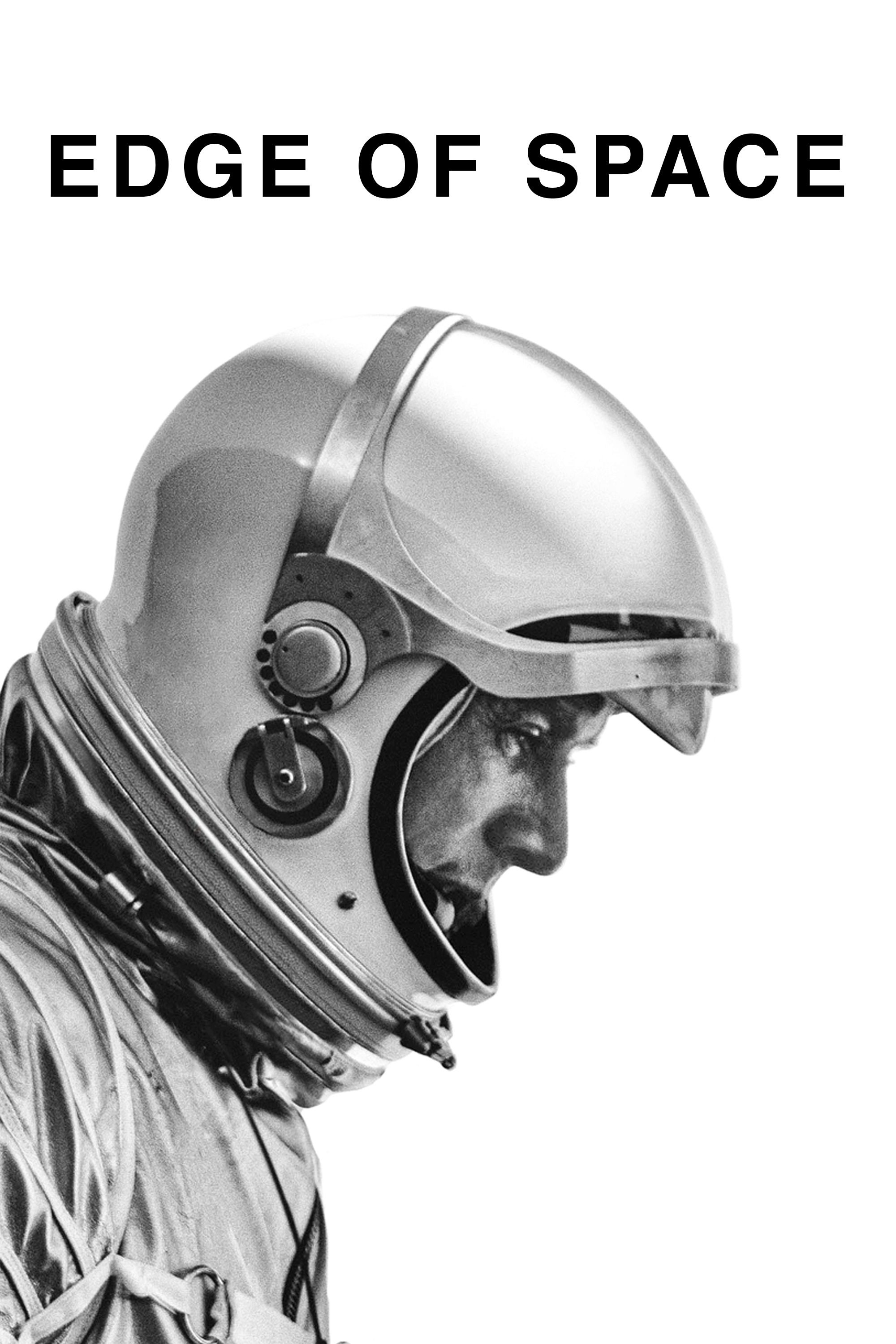
Set in 1961, during the height of the US-Soviet space race, an ambitious USAF test pilot is recruited by NASA for a daring suborbital mission in an X-15 hypersonic rocket-powered aircraft with astronomical implications.
The Shah is about to marry his daughter off but she is kidnapped by a sorceress. A knight ho has fallen desperately in love wit her guards her. The story ends tragically.
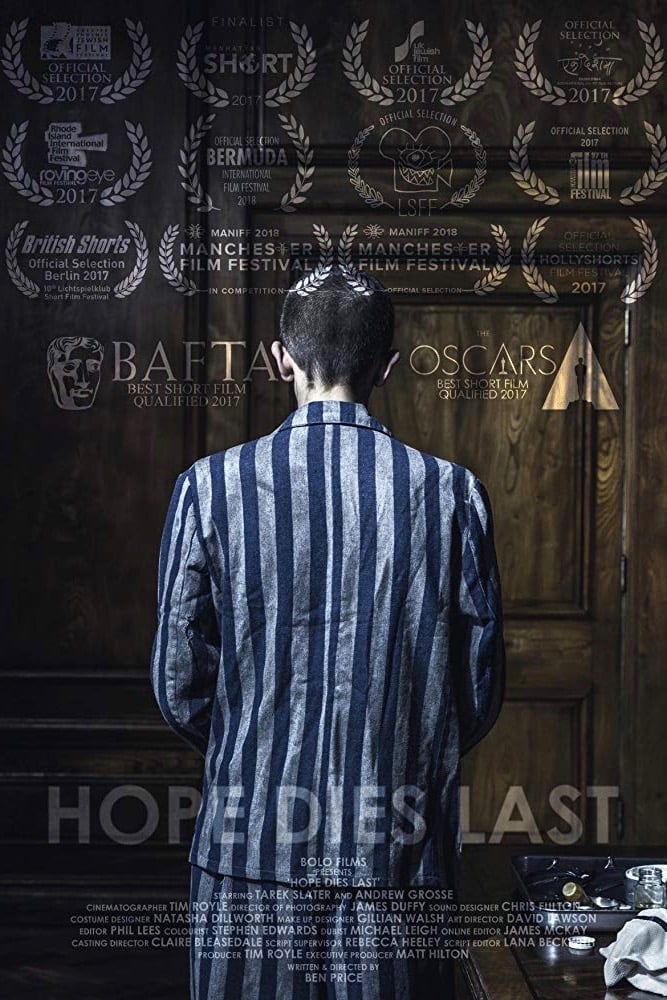
A sickly scrawny man in a striped uniform takes a shaving brush and foam, and with a sharp blade, he shaves the back of the head of Rudolf Höss, the commandant of the Auschwitz camp himself. They will never speak with one another, and Joseph (we only learn his name during the credits) will never harm Höss, will not stop the flood of horrible murders with yet another murder. This short sketch about life of a death camp makes us feel pain and grief of millions of people who had passed beyond the walls of the shaving room during the imprisonment of Joseph, the man who outlived his torturer.
In an attempt to connect with his fiancee who's she's locked in a Sanitarium, Pavlos tries to enter in his own will without thinking of the consequences.
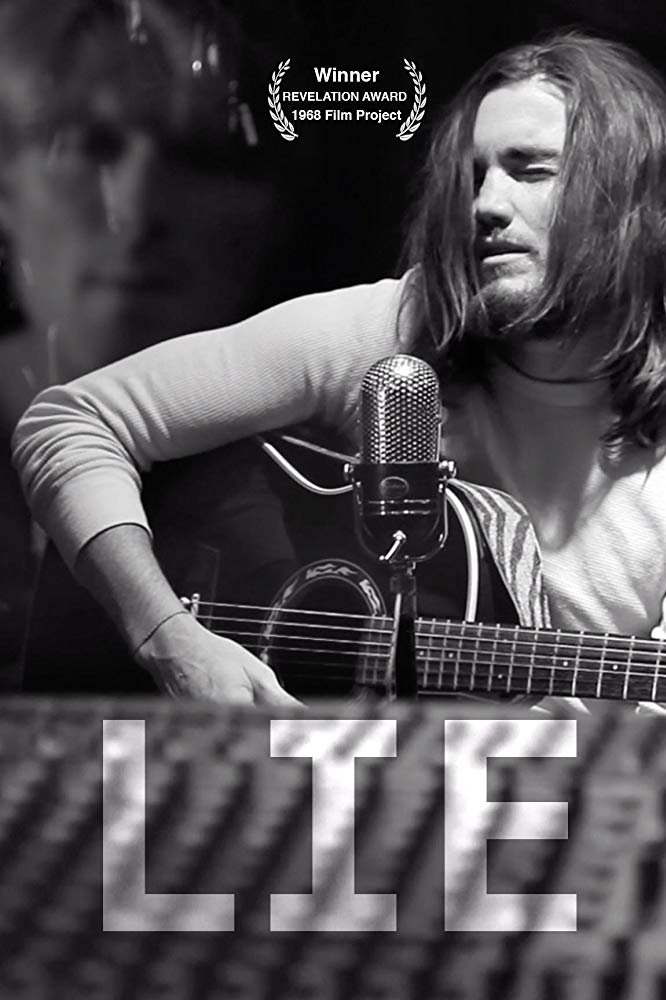
In 1968 Dennis Wilson of The Beach Boys met a dynamic and passionate singer/songwriter and introduced him to Hollywood. The two set out to record that artist's first professional album. The album became known as LIE. In 1969 this artist achieved incredible fame, but not for his music. The artist's name was Charles Manson.
A swabbie aboard a stranded pirate vessel discovers something hidden beneath the ship’s planks, an ancient and living secret bound to the sea, and to their captain’s past.
LETTERS, a dramatic historical fiction written by Mrs. Evelyn Merritt in 2010, tells the story of U.S. soldiers and their loved ones through their correspondence beginning with the Civil War and ending with the War in Iraq. Sahuarita High School students adapted the Readers’ Theatre play into a movie, reasoning the student actors would be kept safe from Covid-19 by filming them individually, and afterward the footage could be reassembled into a screenplay following the original dialogue.
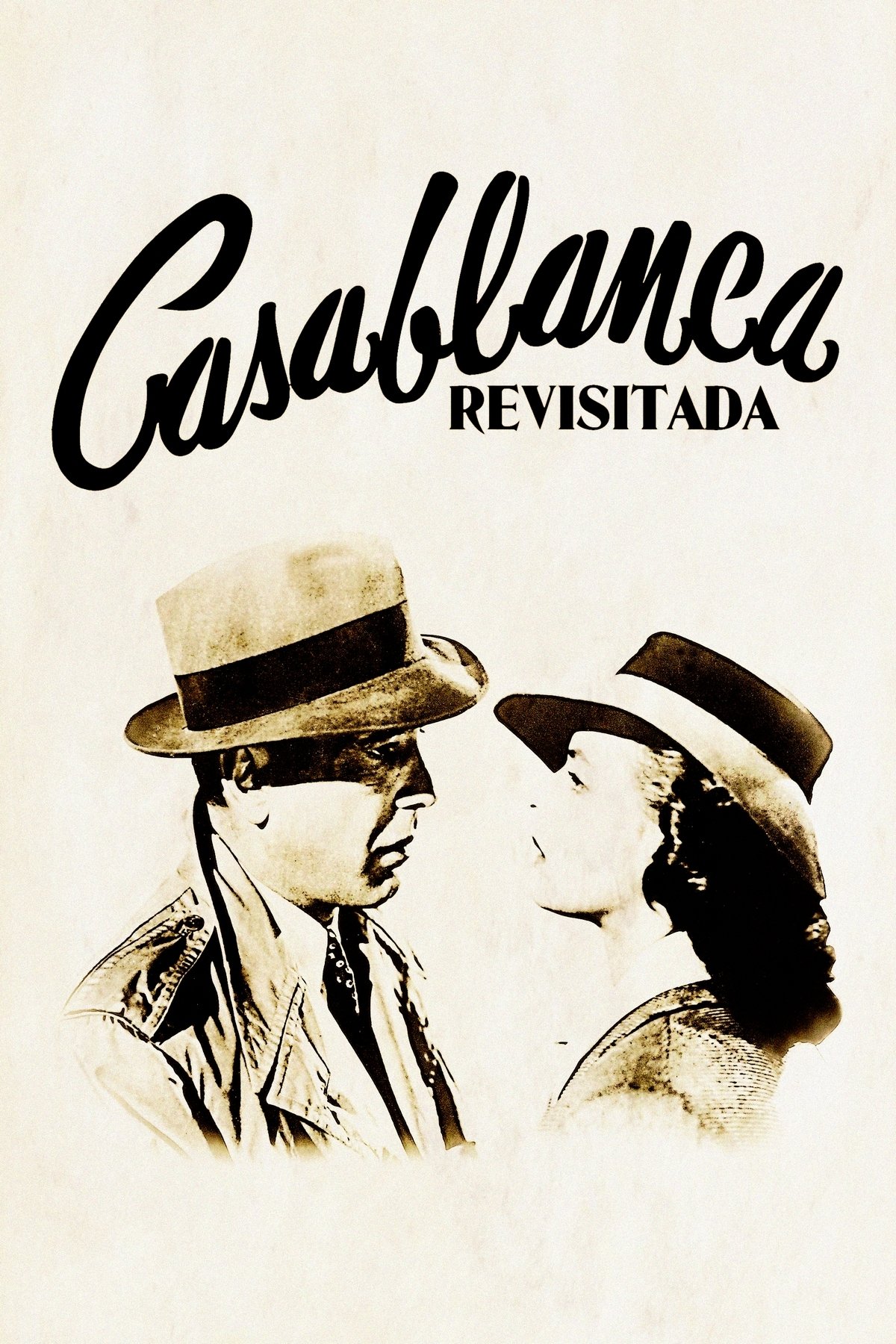
A lyrical and nostalgic analysis of how Casablanca, the mythical film directed by Michael Curtiz in 1942, has influenced both film history and pop culture.
In 1970, during the annual Dutch national commemoration of those fallen in World War II, two men try to make a statement against gay discrimination. In the moments before and after the incident, their doubt, fear and firm belief becomes clear.
The history of cinematic sound, told by legendary sound designers and visionary filmmakers.
Documentary about the art of film editing. Clips are shown from many groundbreaking films with innovative editing styles.
Interrogated by a customs officer, a young man recounts how his life was changed during the making of a film about the Armenian genocide.
Pete Postlethwaite stars as a man living alone in the devastated future world of 2055, looking at old footage from 2008 and asking: why didn’t we stop climate change when we had the chance?
In post-World War II America, a woman, rebuilding her life in the suburbs with her husband, kidnaps her neighbor and seeks vengeance for the heinous war crimes she believes he committed against her.
A look at the history of the American comedy publication and production company, National Lampoon, from its beginning in the 1970s to 2010, featuring rare and never before seen footage, this is the mind boggling story of The National Lampoon from its subversive and electrifying beginnings, to rebirth as an unlikely Hollywood heavyweight, and beyond. A humour empire like no other, the impact of the magazines irreverent, often shocking, sensibility was nothing short of seismic: this is an institution whose (drunk stoned brilliant) alumni left their fingerprints all over popular culture. Both insanely great and breathtakingly innovative, The National Lampoon created the foundation of modern comic sensibility by setting the bar in comedy impossibly high.
In 1973, a young gallery assistant goes on a wild adventure behind the scenes as he helps aging genius Salvador Dali prepare for a big show in New York.
An account of the life and work of legendary Japanese actor Toshirō Mifune (1920-97), the most prominent actor of the Golden Age of Japanese cinema.
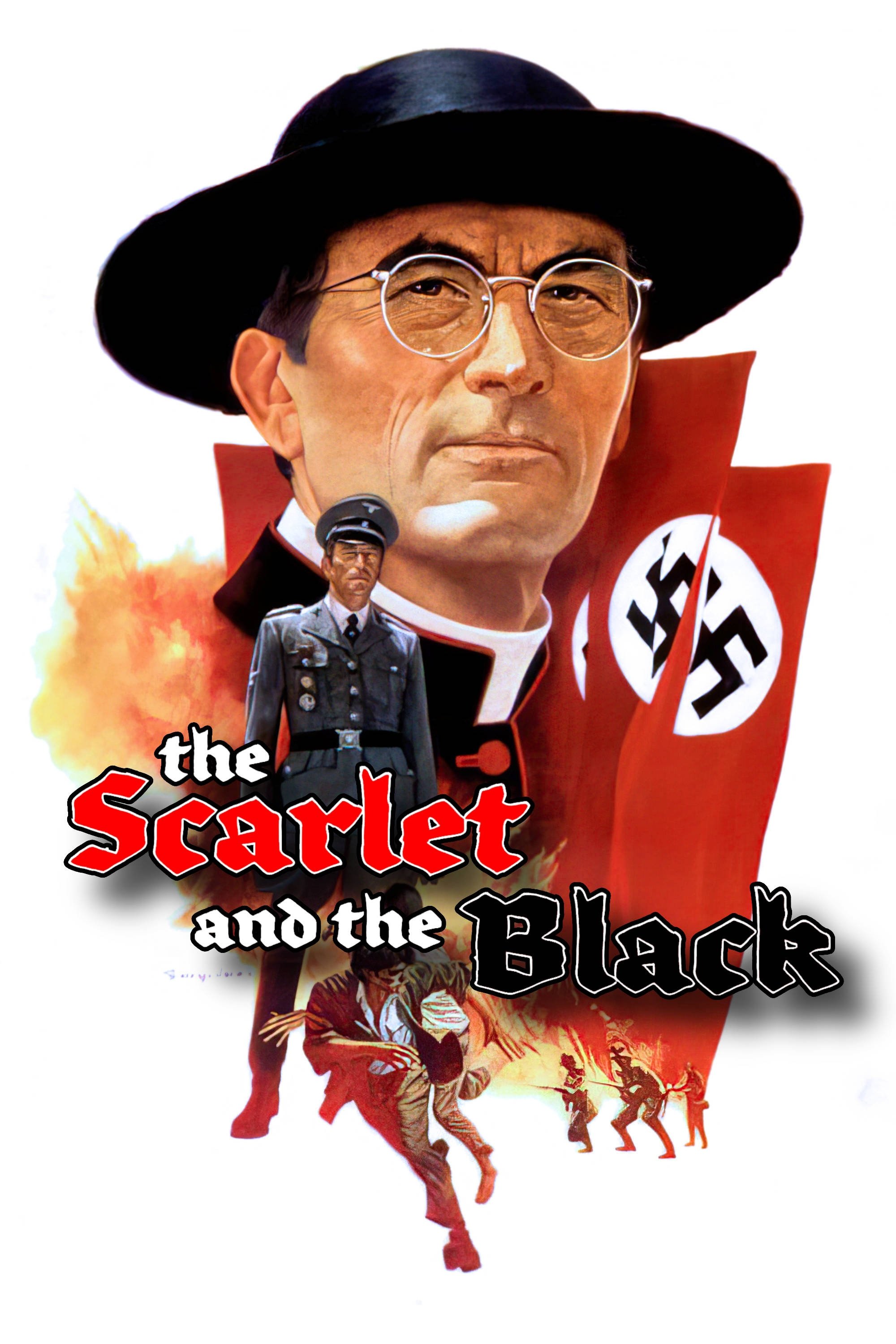
Fr. Hugh O'Flaherty is a Vatican official in 1943-45 who has been hiding downed pilots, escaped prisoners of war, and Italian resistance families. His activities become so large that the Nazis decide to assassinate him the next time he leaves the Vatican.
“The Soviet Story” is a story of an Allied power, which helped the Nazis to fight Jews and which slaughtered its own people on an industrial scale. Assisted by the West, this power triumphed on May 9th, 1945. Its crimes were made taboo, and the complete story of Europe’s most murderous regime has never been told. Until now...
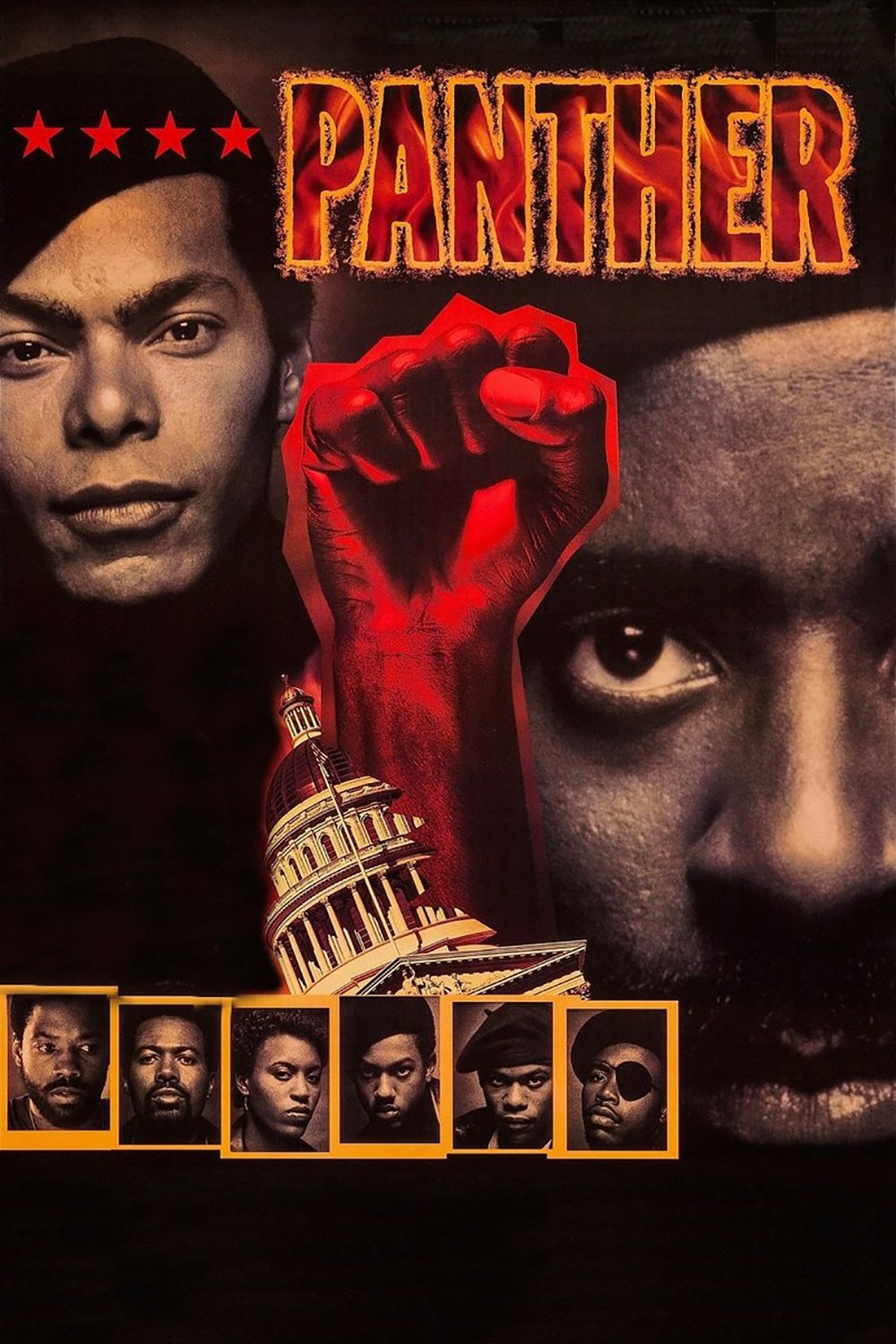
In this sprawling, fictionalized history of the Black Panthers, 1960s Oakland becomes a war zone as the Panthers battle for the right to exist.
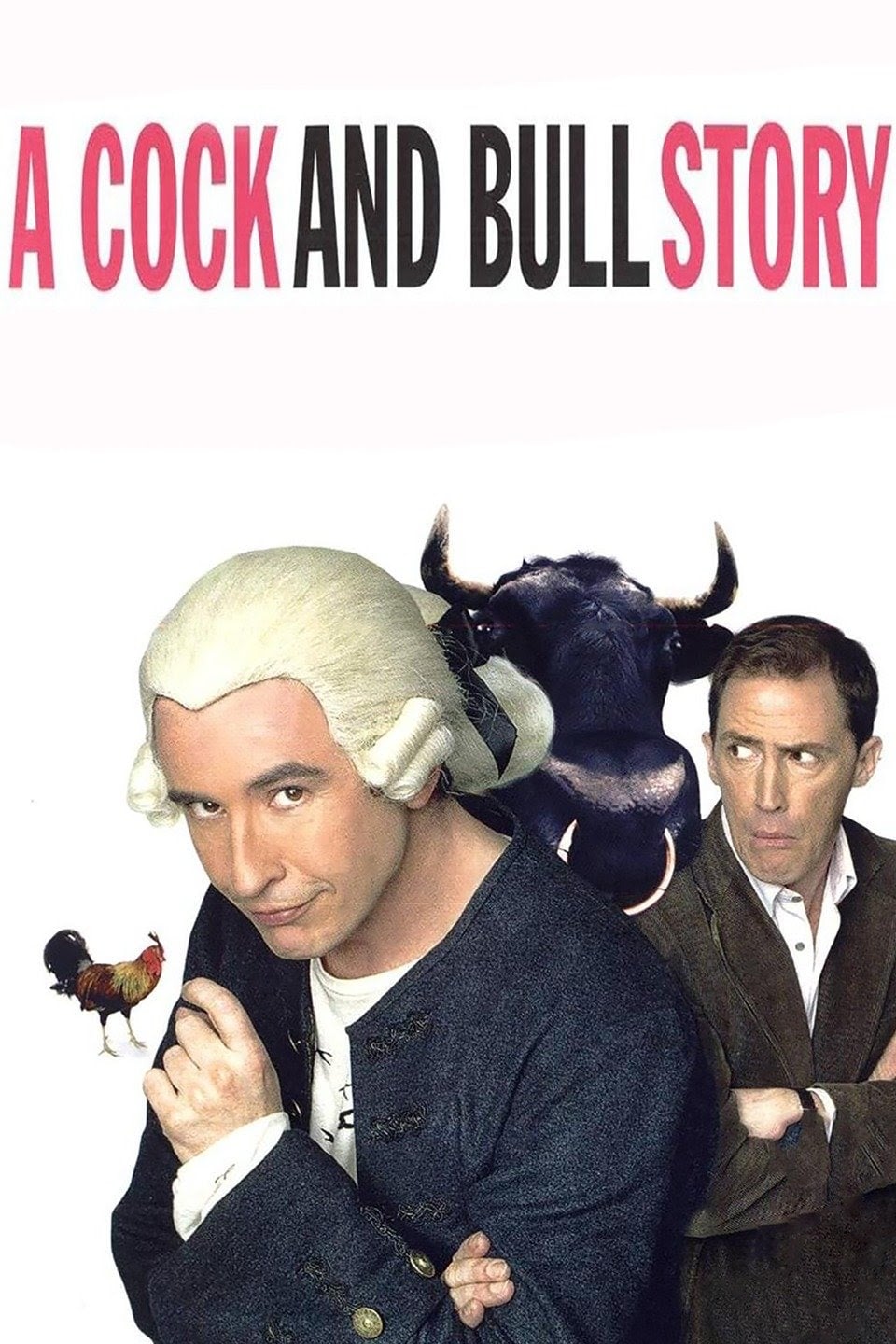
Steve Coogan, an arrogant actor with low self-esteem and a complicated love life, is playing the eponymous role in an adaptation of "The Life and Opinions of Tristram Shandy, Gentleman" being filmed at a stately home. He constantly spars with actor Rob Brydon, who is playing Uncle Toby and believes his role to be of equal importance to Coogan's.
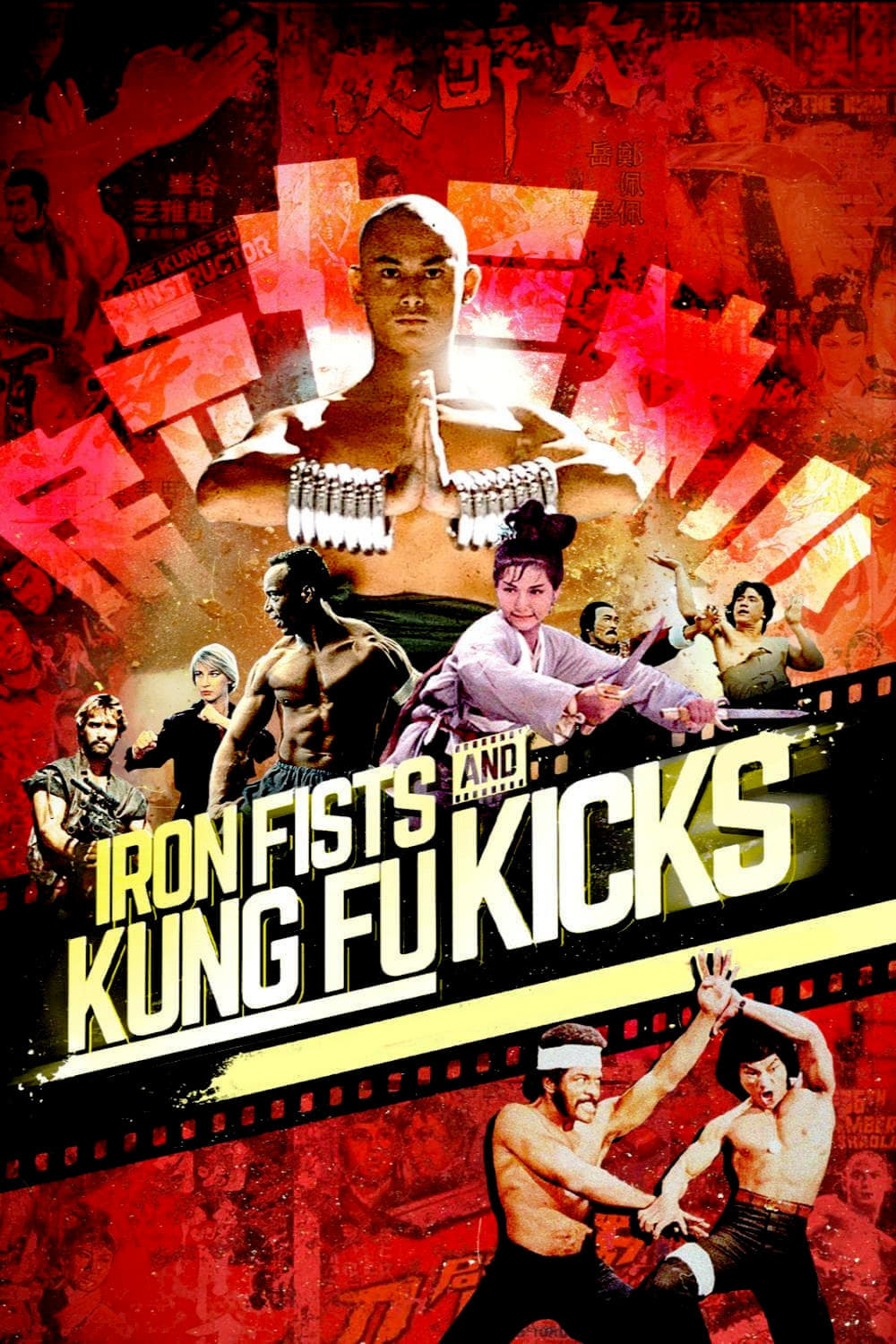
The fantastic story of how an ancient martial art, Chinese kung fu, conquered the world through the hundreds of films that were produced in Hong Kong over the decades, transformed Western action cinema and inspired the birth of cultural movements such as blaxploitation, hip hop music, parkour and Wakaliwood cinema.
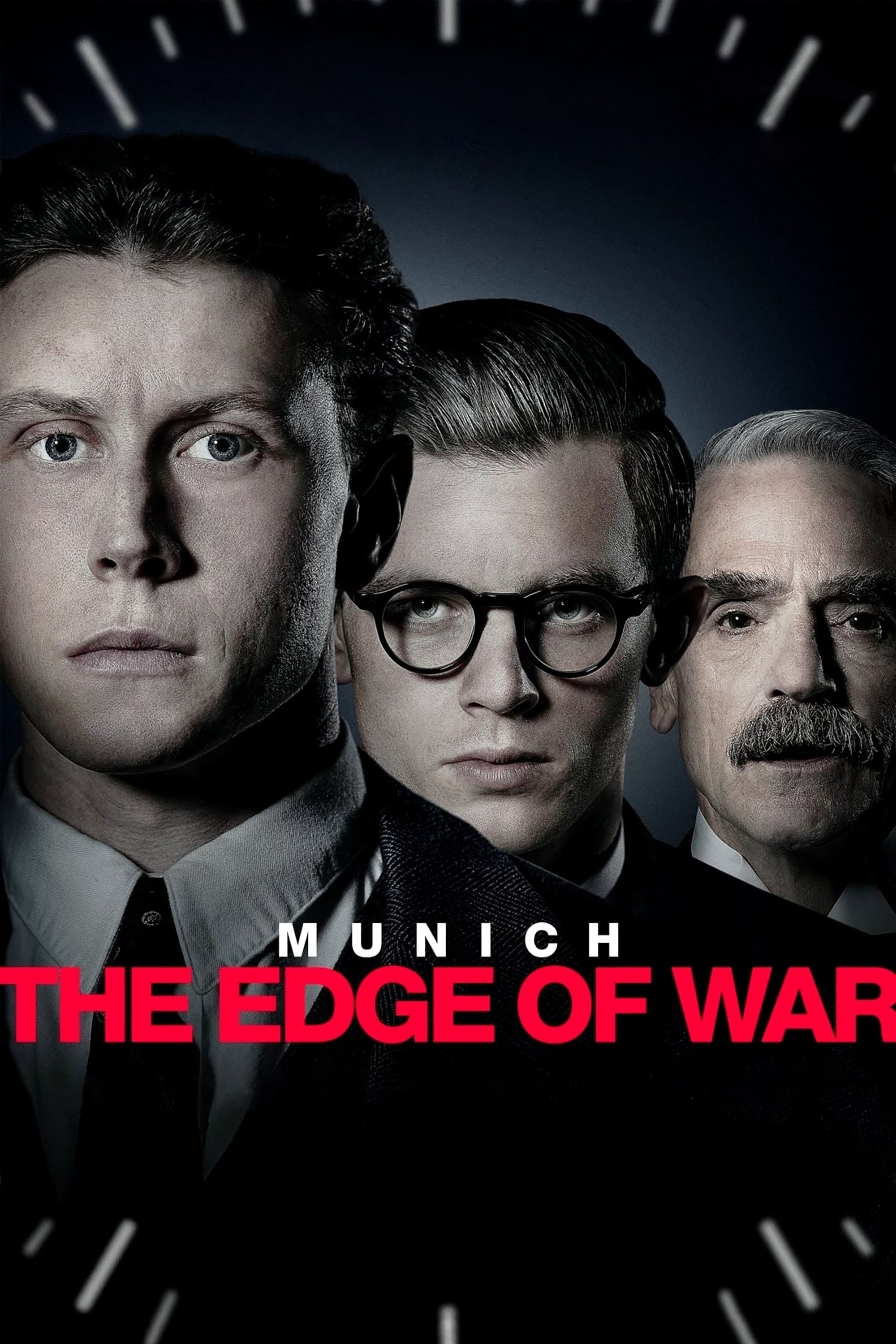
At the tense 1938 Munich Conference, former friends who now work for opposing governments become reluctant spies racing to expose a Nazi secret.
A young man is plunged into a life of subterfuge, deceit and mistaken identity in pursuit of a femme fatale whose heart is never quite within his grasp.
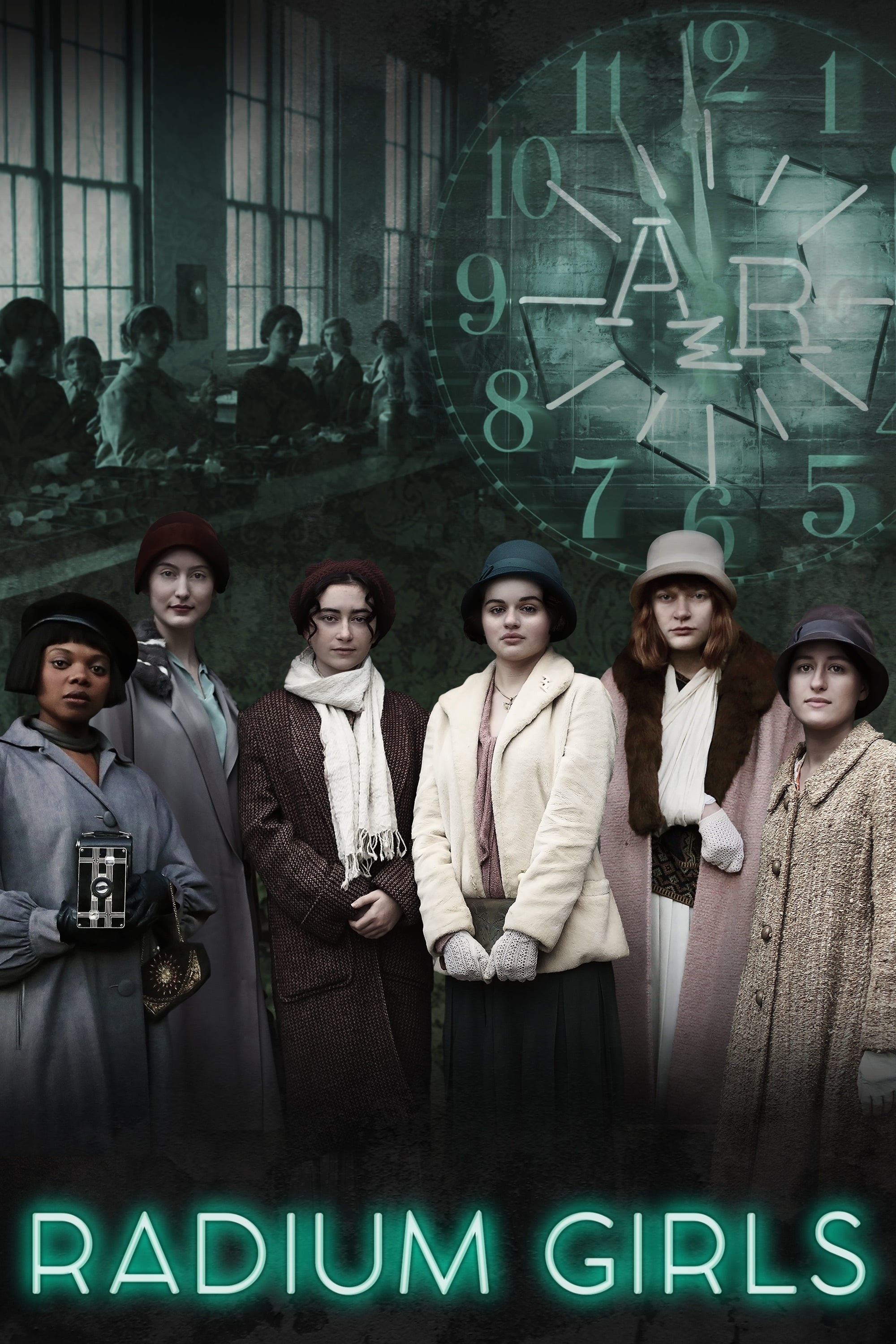
Young women toiling in a factory are exposed to hazardous material which takes a disastrous toll on their health.
A WWII veteran escapes his care home in Northern Ireland and embarks on an arduous but inspirational journey to France to attend the 75th anniversary of the D-Day landings, finding the courage to face the ghosts of his past.
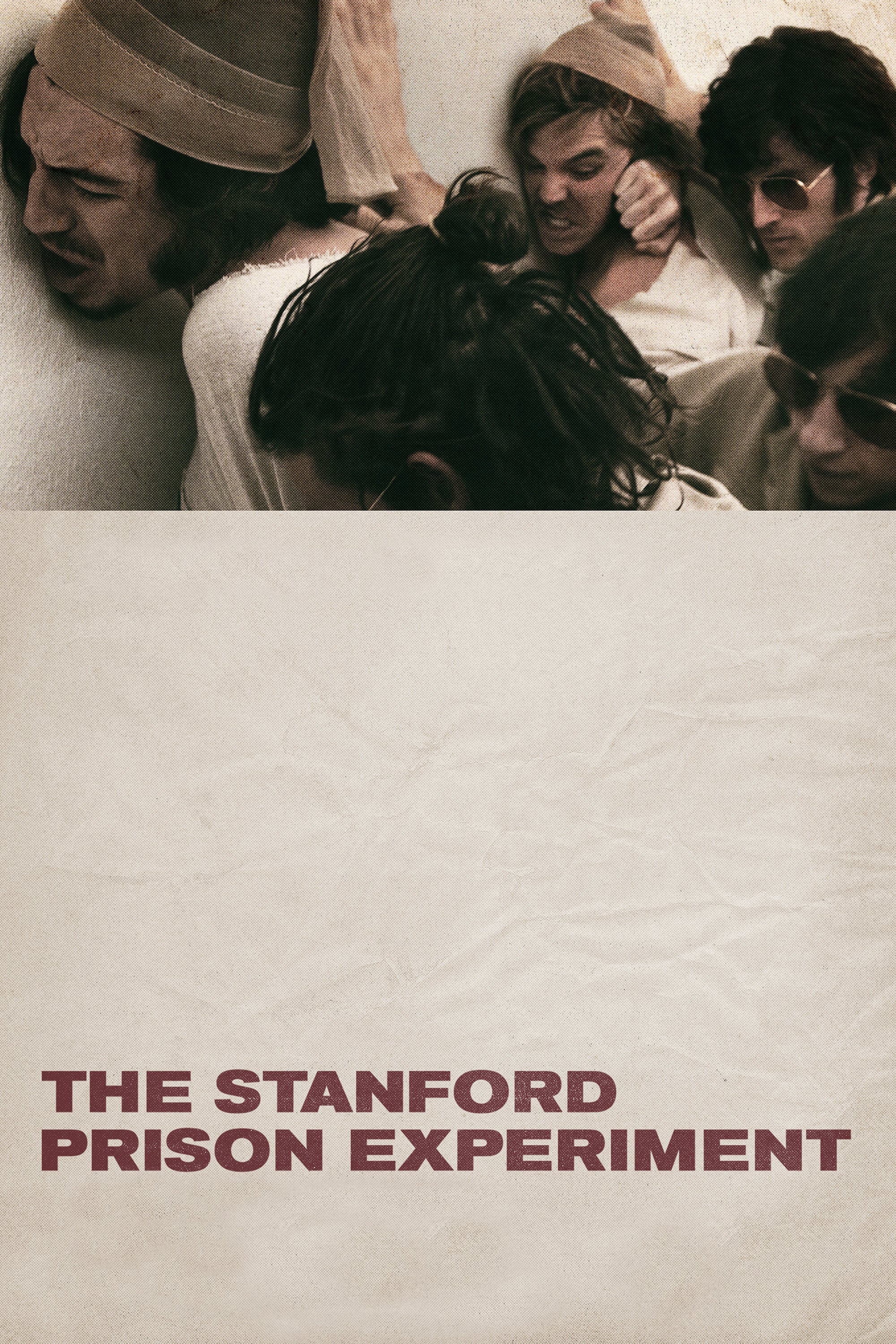
In 1971, Stanford's Professor Philip Zimbardo conducts a controversial psychology experiment in which college students pretend to be either prisoners or guards, but the proceedings soon get out of hand. Based on a true story.
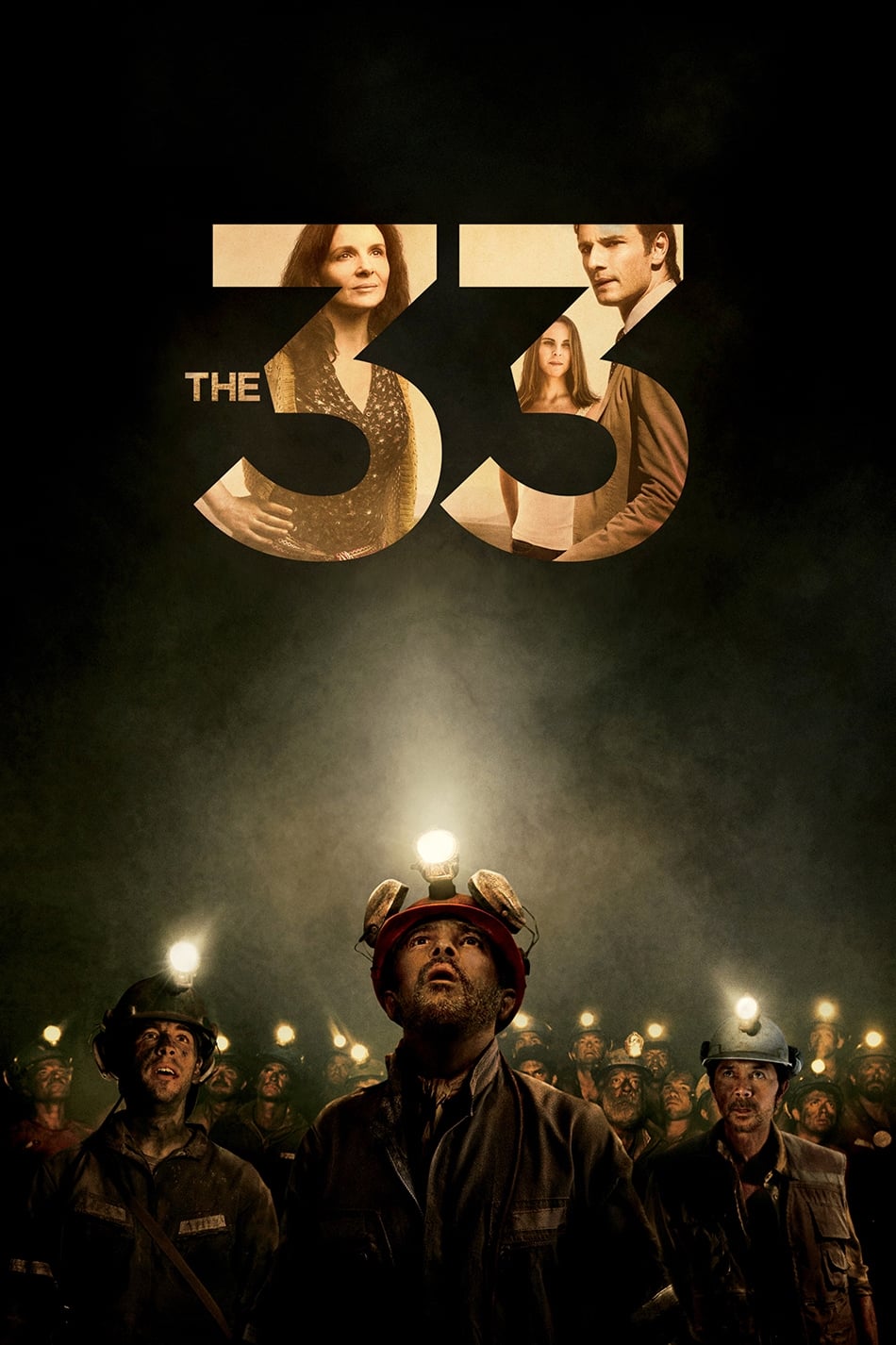
Based on the true story of the collapse of a mine in San Jose, Chile—that left 33 miners isolated underground for 69 days.
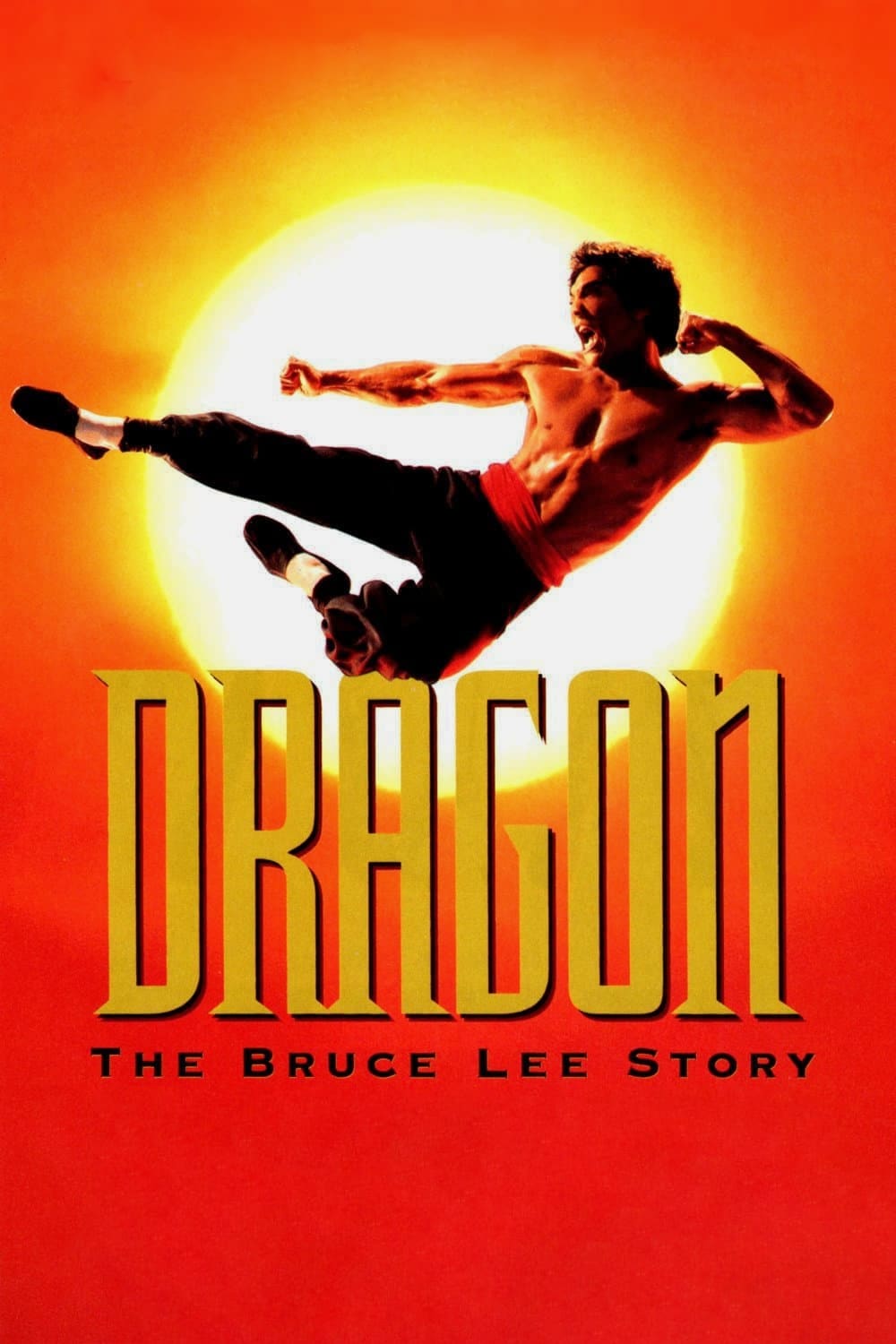
This film is a glimpse into the life, love and the unconquerable spirit of the legendary Bruce Lee. From a childhood of rigorous martial arts training, Lee realizes his dream of opening his own kung-fu school in America. Before long, he is discovered by a Hollywood producer and begins a meteoric rise to fame and an all too short reign as one the most charismatic action heroes in cinema history.