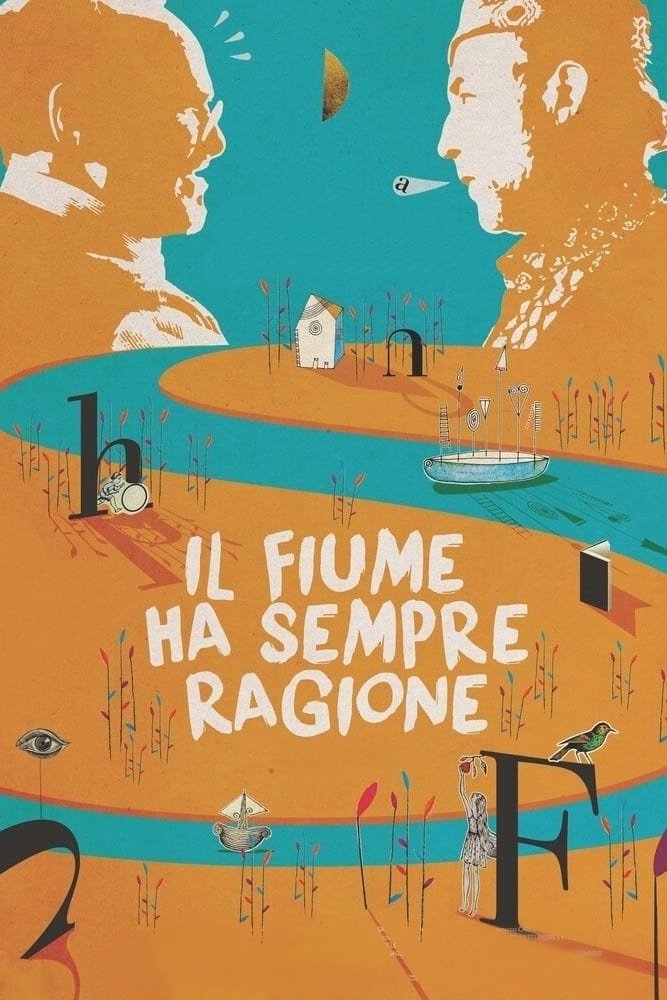
A documentary film about Adriano Olivetti.
Social & External
The people behind it
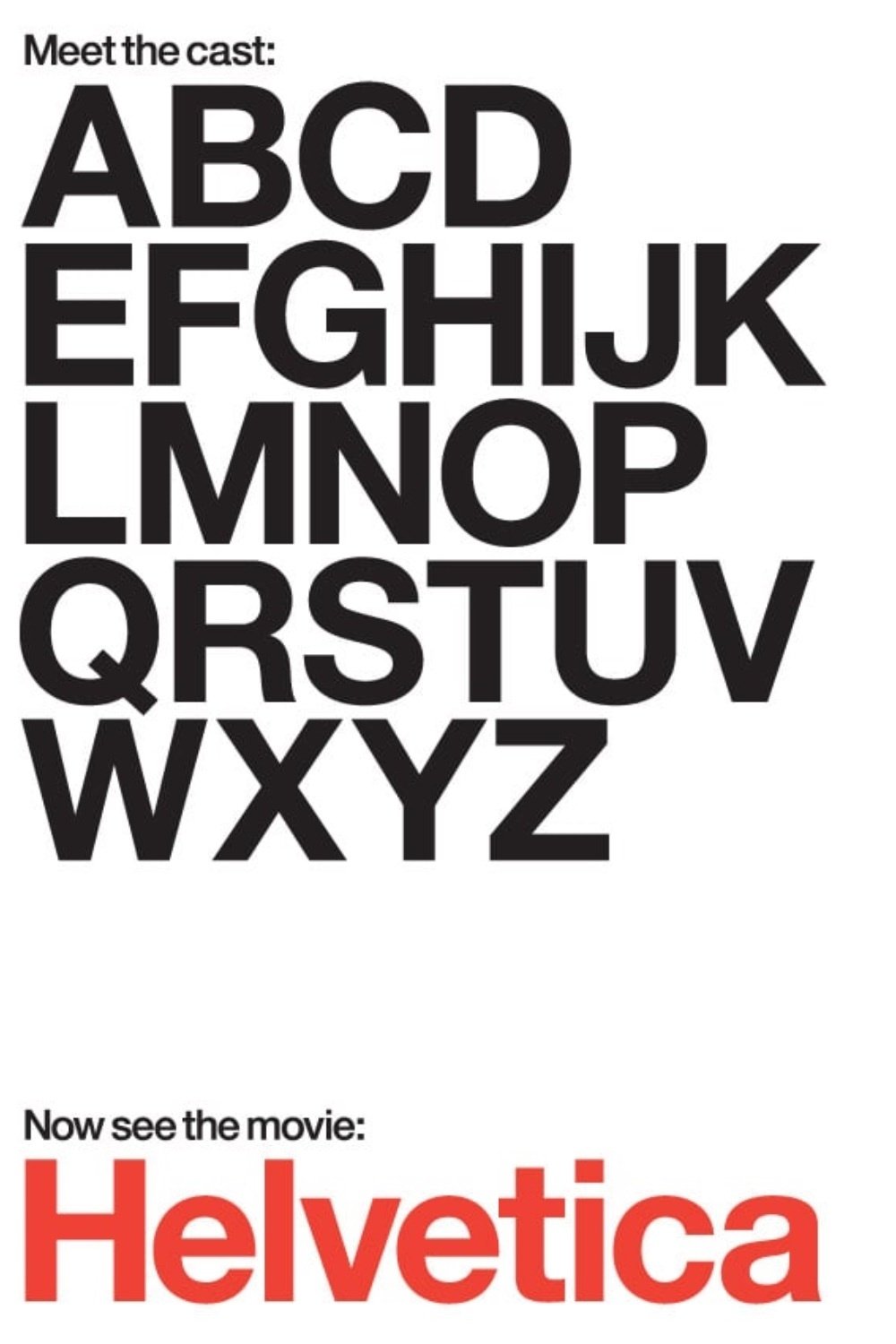
Helvetica is a feature-length independent film about typography, graphic design and global visual culture. It looks at the proliferation of one typeface (which will celebrate its 50th birthday in 2007) as part of a larger conversation about the way type affects our lives. The film is an exploration of urban spaces in major cities and the type that inhabits them, and a fluid discussion with renowned designers about their work, the creative process, and the choices and aesthetics behind their use of type.
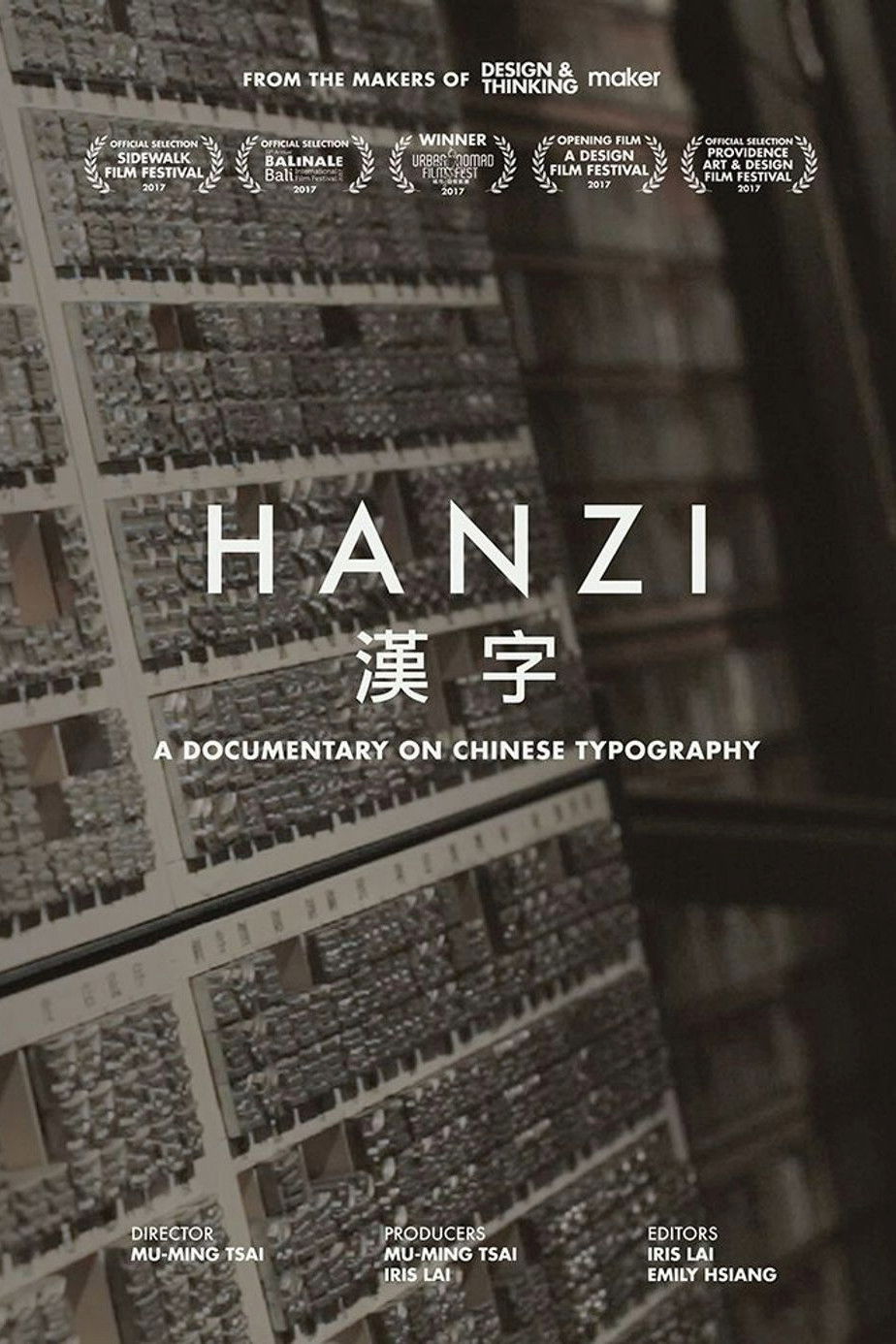
Hanzi is a documentary exploring international design, visual culture, and identity through the lens of modern Chinese typography. The film covers a variety of topics such as how languages shape identity, and what role handwriting plays in the digital age.
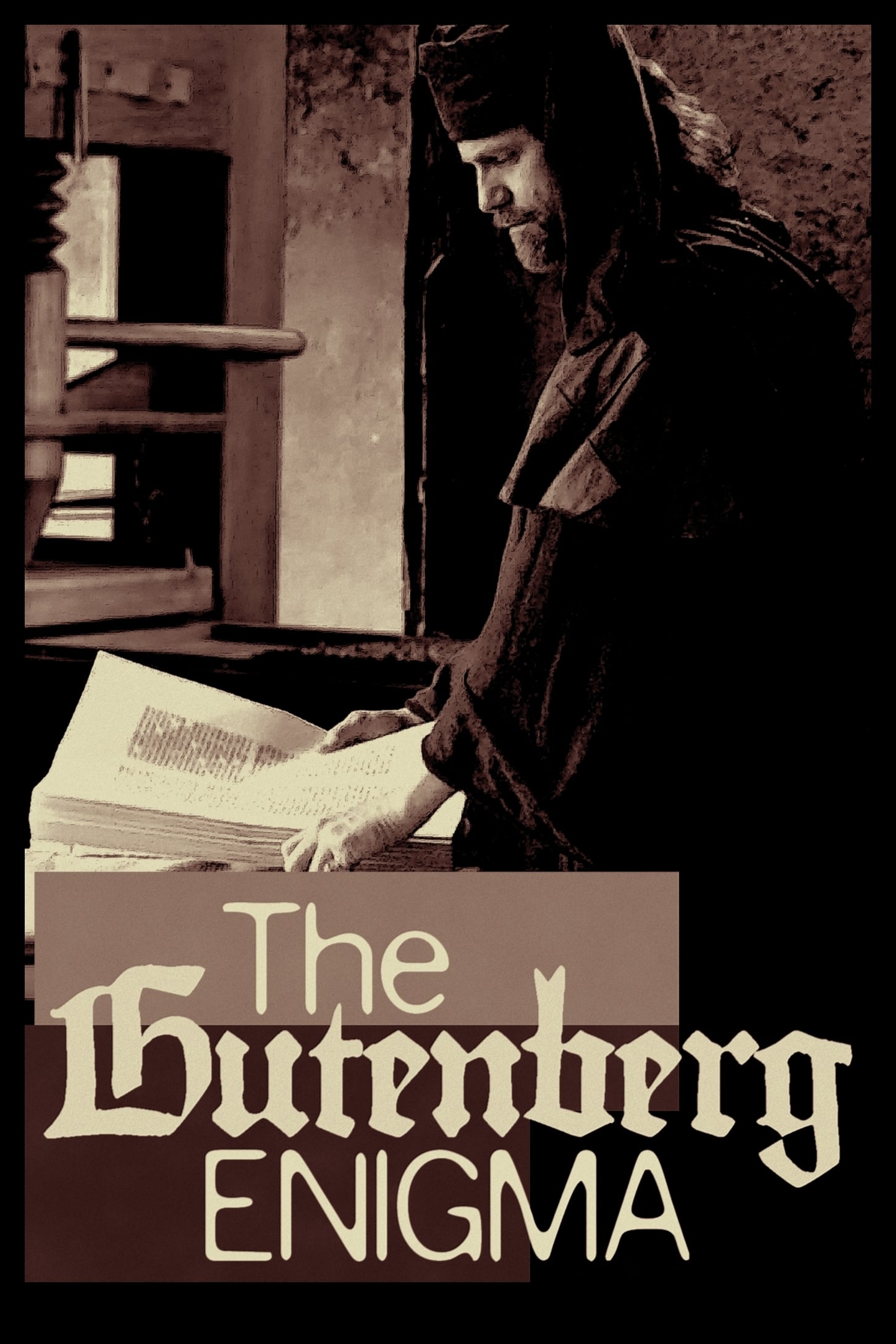
A portrait of the inventor of the letterpress, who was a key figure in the history of mankind, but also an enthusiastic inventor, a daring businessman, a tenacious troublemaker: the life of Johannes Gutenberg (circa 1400-68).
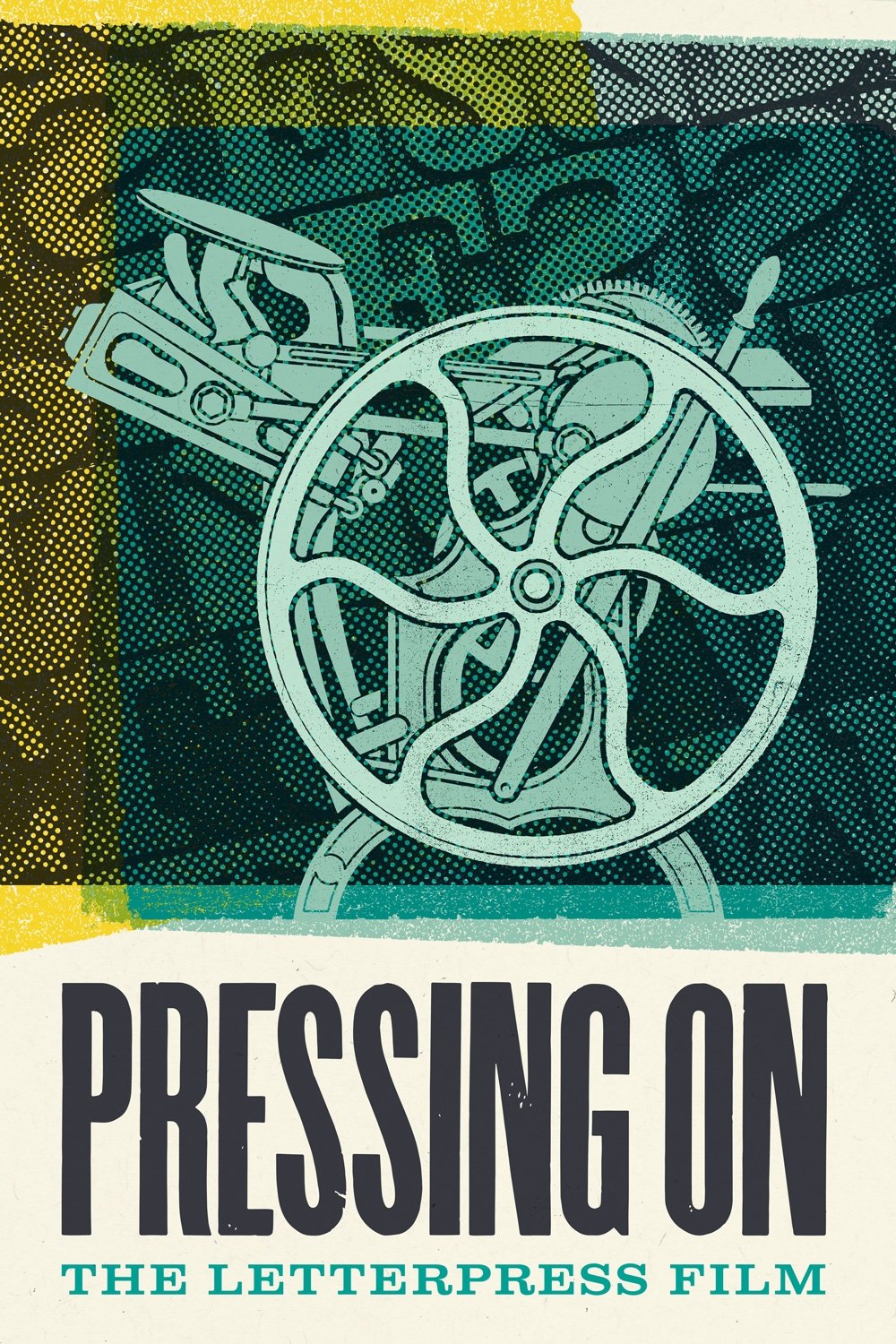
Why has letterpress printing survived? Irreplaceable knowledge of the historic craft is in danger of being lost as its caretakers age. Fascinating personalities intermix with wood, metal, and type as young printers save a traditional process in Pressing On, a 4K feature-length documentary exploring the remarkable community keeping letterpress alive.
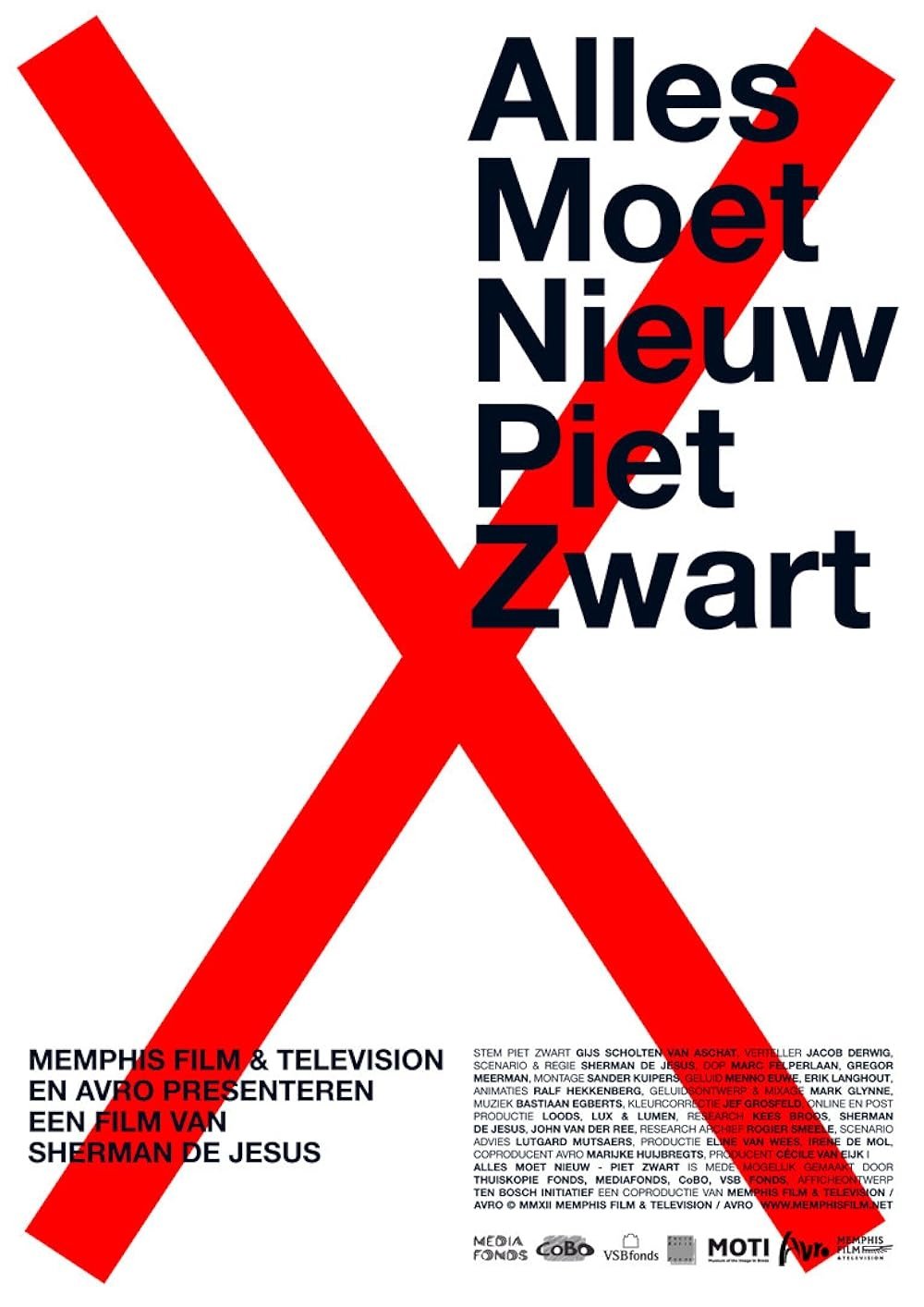
A fascinating documentary about Piet Zwart (1885–1977), an idiosyncratic and stubborn designer, who lived for innovation and prepared the way for the international success that is now known as Dutch Design. Piet Zwart worked as an interior and industrial designer, commercial typographer, photographer, critic and lecturer, playing a key role in defining the design climate in the Netherlands in the Twentieth Century. He is especially known for designing the famous ‘Piet Zwart’ kitchen for the Dutch company Bruynzeel: a kitchen that could be easily produced and consisted of standardized elements. His versatility and influence on present-day designers led the Association of Dutch Designers to award him the title of “Designer of the Century” in 2000.
Dedicated Dutch graphic designer Piet Schreuders visits Los Angeles to investigate all kinds of typeface as used in title-credits for movies and TV-series, letters on billboards, shop-windows or street-signs, the banner-headlines of The Los Angeles Times, and climbs finally to the giant letters of the HOLLYWOOD-sign. In the meantime he discovers, to his great satisfaction, the location and stairs where Stan Laurel and Oliver Hardy shot their movie 'The Musicbox', by combining street-signs, partially shown on still-pictures of this movie: "…MONTE" and "…ENDOME", which turn out to be found on the street corner of Del Monte and Vendome in Culver City. This documentary is bluntly intercut with commercials, a phenomenon not yet known in the Netherlands in 1979. (Theo Uittenbogaard)
Goodwin & Goodwin are a creative sign company based in North London — an eclectic, international team of architects, designers, typographers and sign makers. From their passion for retro typography, through to their pride in seeing the final pieces hanging on the wall, this is a heart-warming documentary about hand-crafted design and teamwork.
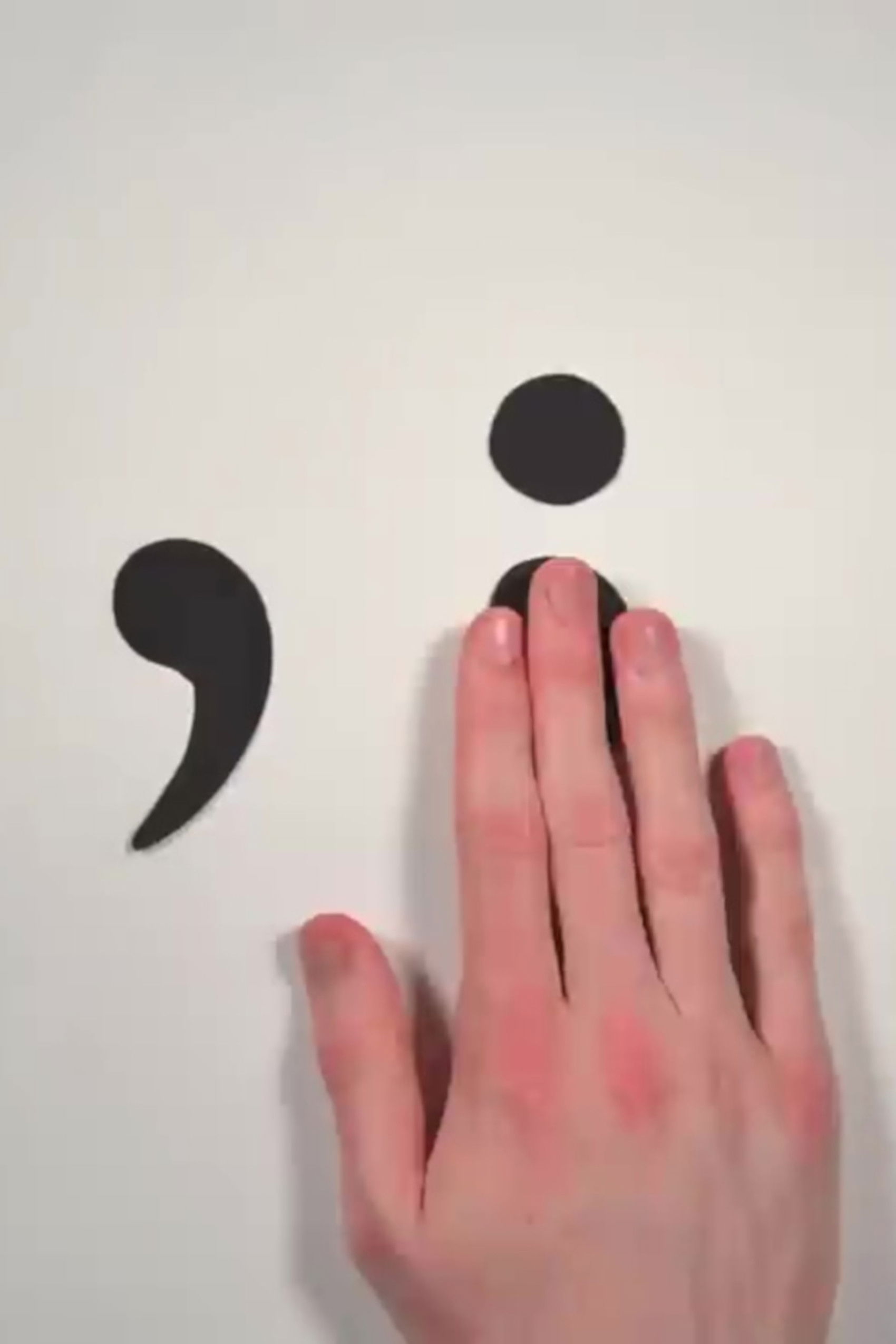
A short, educational animation about the history of fonts and typography. In a paper cutout stop-motion style, it begins with Gutenberg's creation of the first typeface, travels through the innovations of Jenson, Caslon, and Bodoni, to the modern creation of Futura and the democratization of fonts in the digital age. A charming, engaging film about a technology that is all around us, but few people know much about.
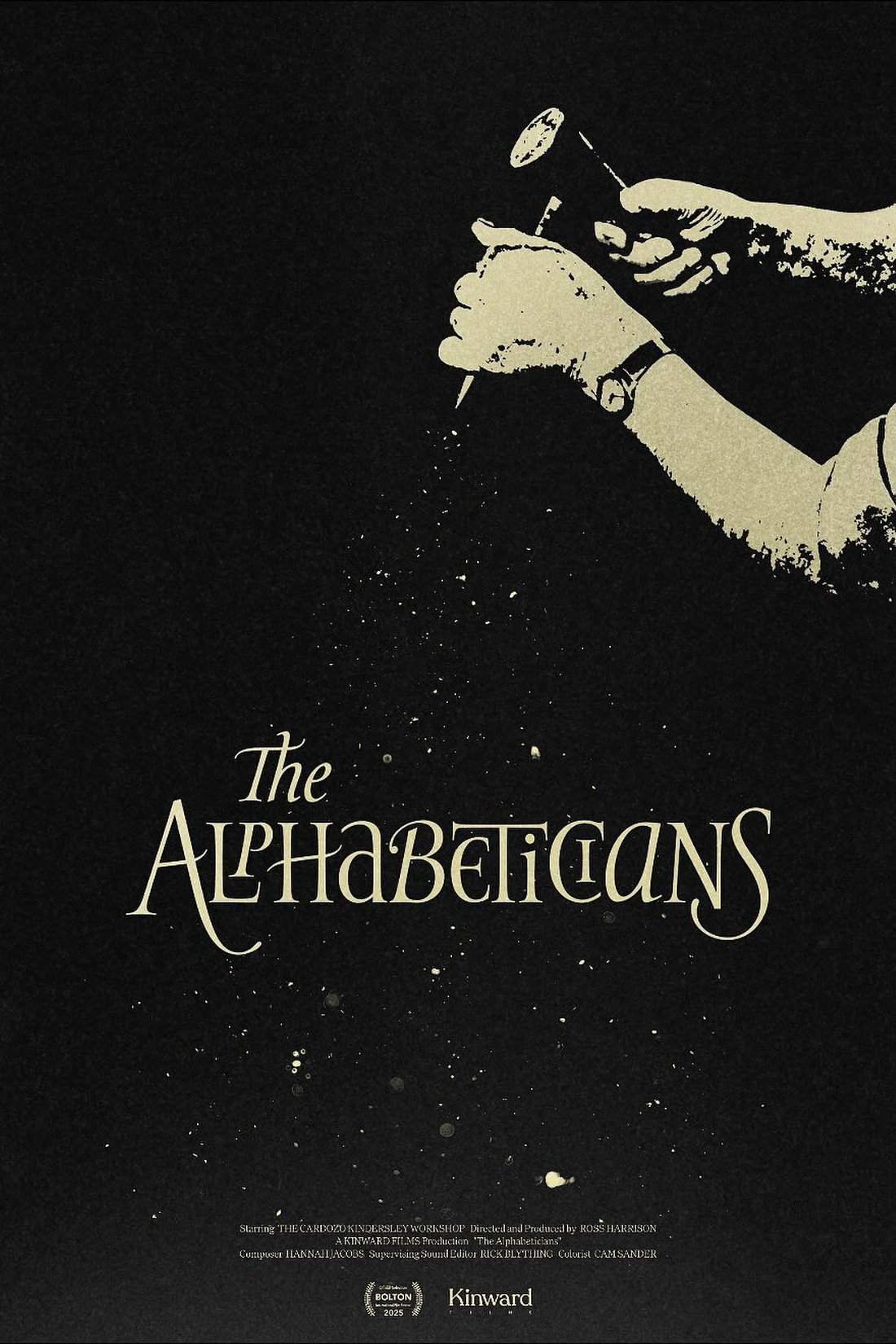
The Alphabeticians is a cinematic observational documentary exploring the power of relationships and the resilience of creative spirit. The film follows a turning point in the life of Lida Cardozo Kindersley, who runs a renowned lettercutting workshop in Cambridge, England. Having inherited the workshop from her husband and former teacher David Kindersley, Lida poured her soul into her work for nearly half a century. Approaching her seventieth birthday, she prepares for the next step: to hand the workshop on to her son and daughter-in-law. This moment of transition offers a portal to deeper themes: what significance do heritage crafts have in the modern world? And what legacies are we passing to future generations?
Portrait of a Mexico City neighborhood where pages and pages are printed, and little by little, words appear. Máquinas de Palabras is a performance created in March 2023 in Mexico City, and is the result of a collaboration between Labo K (Rennes-based film laboratory) and LEC (Laboratorio de Cine Experimental) in Mexico City. A portrait of a Mexico City neighborhood where pages and pages are printed. And little by little, words appear... "From the deliberate use of found images to films that make uncompromising use of raw material, the camera and the plants will take our eyes... Pupils will certainly be illuminated by the projector... How can moving images stay in our heads?"
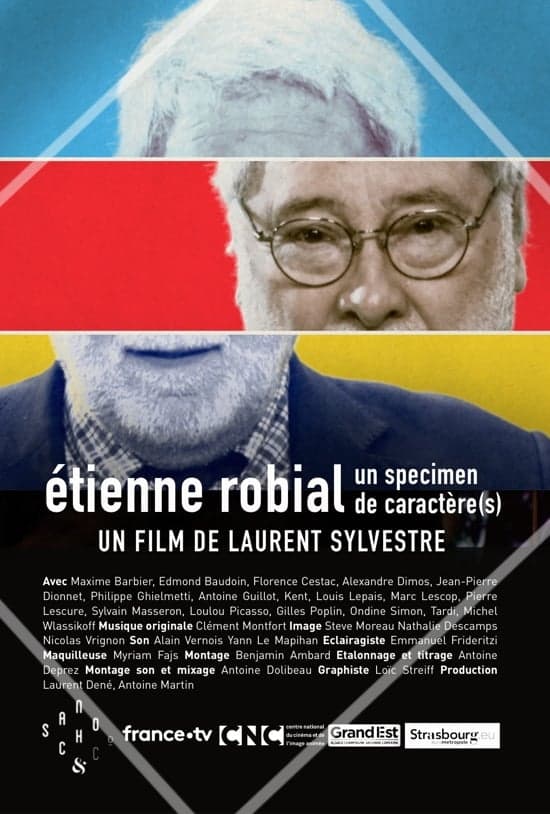
Documentary on the French graphic and visual artist and designer, editor, artistic director, and teacher who is known for his widely-used fonts.
Elizabeth concerns the life and work of calligrapher, typographer, and graphic designer Elizabeth Friedlander. The film takes an essay form, describing what is known of her life, using archive footage interspersed with landscape and speculative images and text, probing the practical and political life of women surviving on wit and skill in early twentieth century Europe.
Alberto Casiraghy and Josef Weiss are true bibliophile artists. One in Osnago, the other in Mendrisio, they have been dedicating themselves for years to valuable editorial and typographical activities, still printing with mobile characters, preserving the memory of a perfect ingenuity made of manual skills and technique, but also of inventiveness and poetry. Silvio Soldini gives us a realistic and poetical portrait of these two artists-artisans, who chose one of the oldest professions in a modern world, finding great success and approval.
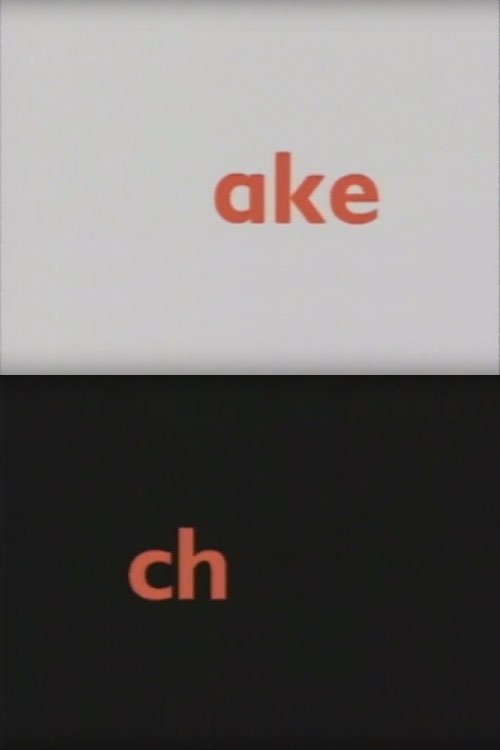
Words that end in -ake and start with ch-. A typographic animation.
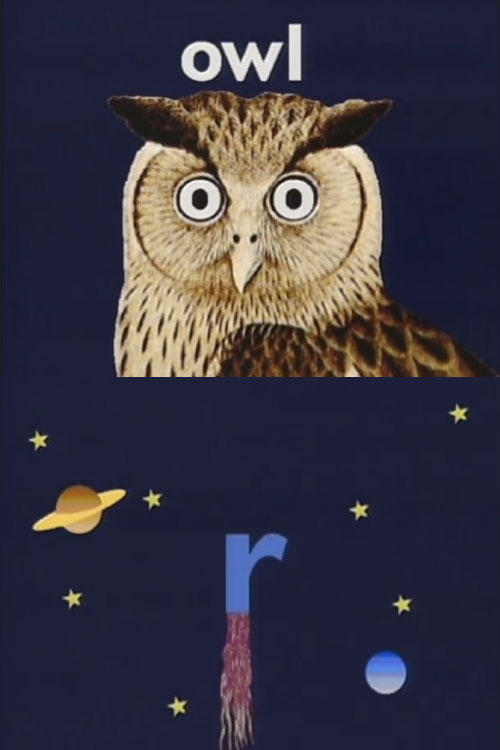
Words that start with the letter O, P, and R. A typographic animation.
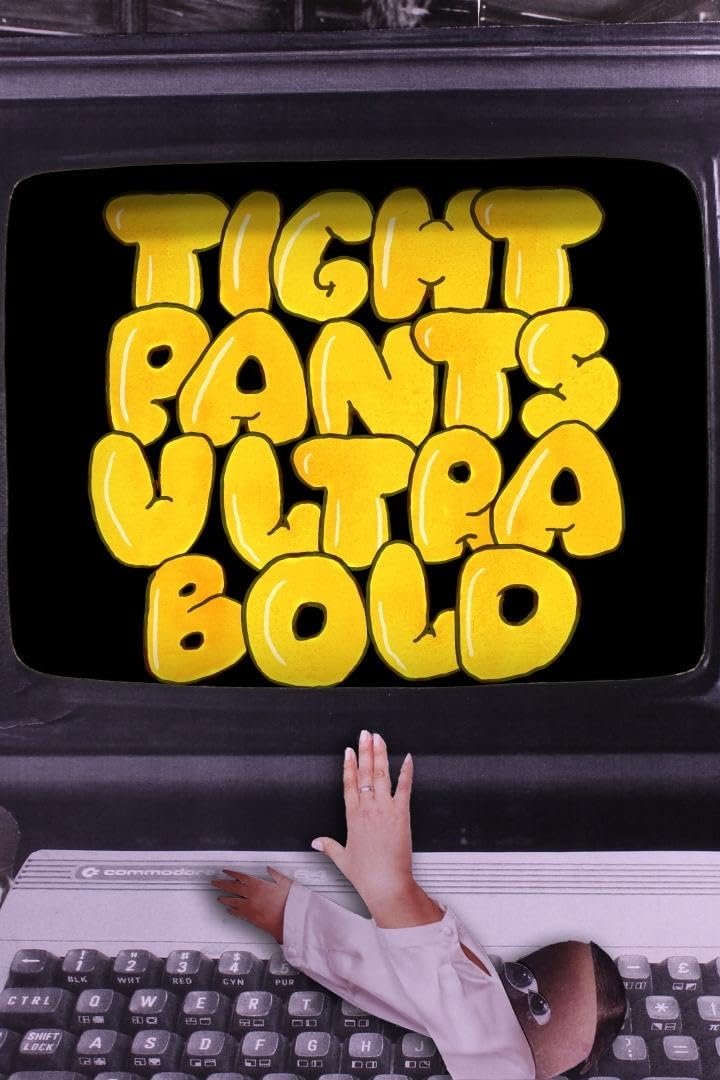
Georgie discusses a bubble font he designed and released himself -- to no acclaim.
In 1994 Oregon became the first state to legalize physician-assisted suicide. At the time, only Belgium, Switzerland, and the Netherlands had legalized the practice. 'How to Die in Oregon' tell the stories of those most intimately involved with the practice today -- terminally ill Oregonians, their families, doctors, and friends -- as well as the passage of an assisted suicide law in Washington State.
Hatton Garden, London’s historic jewellery quarter, is an old fashioned world where deals are done on the shake of a hand and cash is king, full of wheeling dealing characters from scrap gold dealers to high end diamond traders, to veteran goldsmiths.
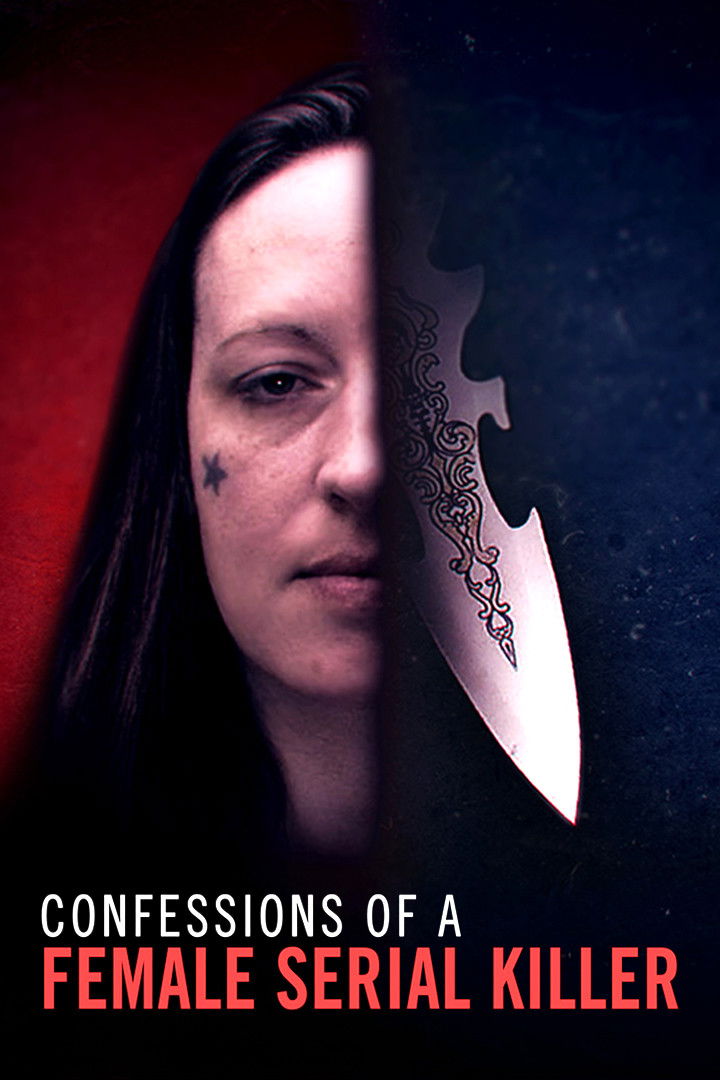
In the spring of 2013, 31-year-old mother of two, Joanne Dennehy, embarked on a murderous rampage that would leave 3 men dead and 2 others fighting for their lives. She was only the third woman in the UK to ever be handed a whole life sentence; joining Myra Hindley and Rose West as one of the most notorious British female serial killers of all time.
In an intimate and joyful story of love in the face of loss, celebrated poets Andrea Gibson and Megan Falley find strength—and unexpected hilarity—in what might be their final year together.
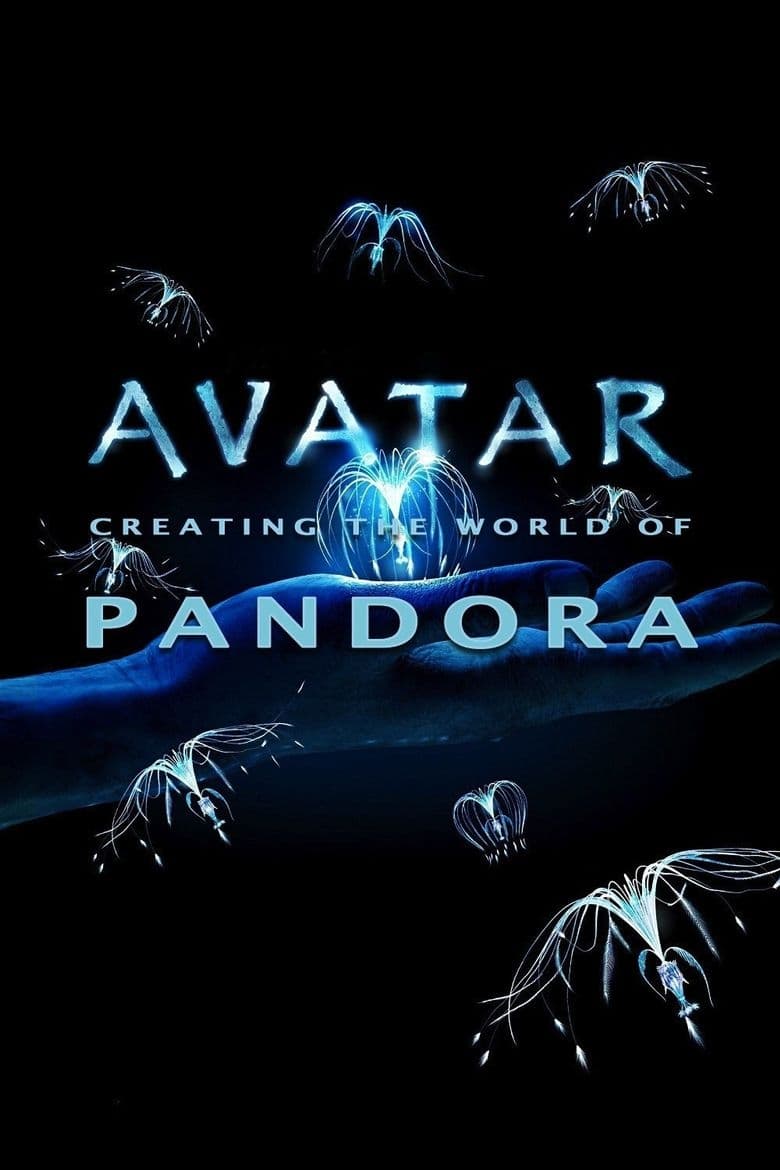
An inside look at one of the most anticipated movie sequels ever with James Cameron and cast.
The Making-of James Cameron's Avatar. It shows interesting parts of the work on the set.
SEDUCED AND ABANDONED combines acting legend Alec Baldwin with director James Toback as they lead us on a troublesome and often hilarious journey of raising financing for their next feature film. Moving from director to financier to star actor, the two players provide us with a unique look behind the curtain at the world's biggest and most glamourous film festival, shining a light on the bitter-sweet relationship filmmakers have with Cannes and the film business. Featuring insights from directors Martin Scorsese, 'Bernando Bertolucci' and Roman Polanski; actors Ryan Gosling and Jessica Chastain and a host of film distribution luminaries.
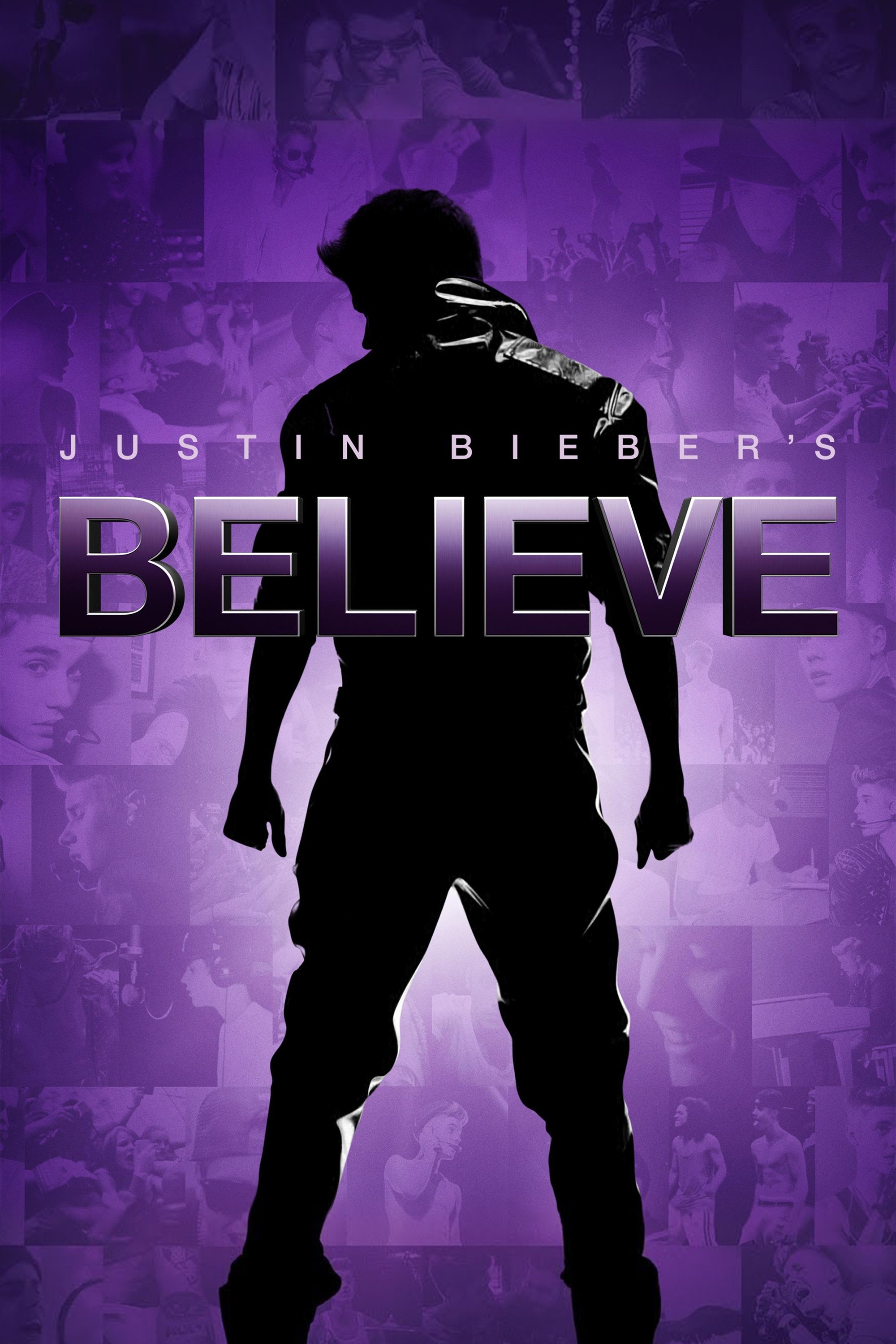
A backstage and on-stage look at Justin Bieber during his rise to super stardom.
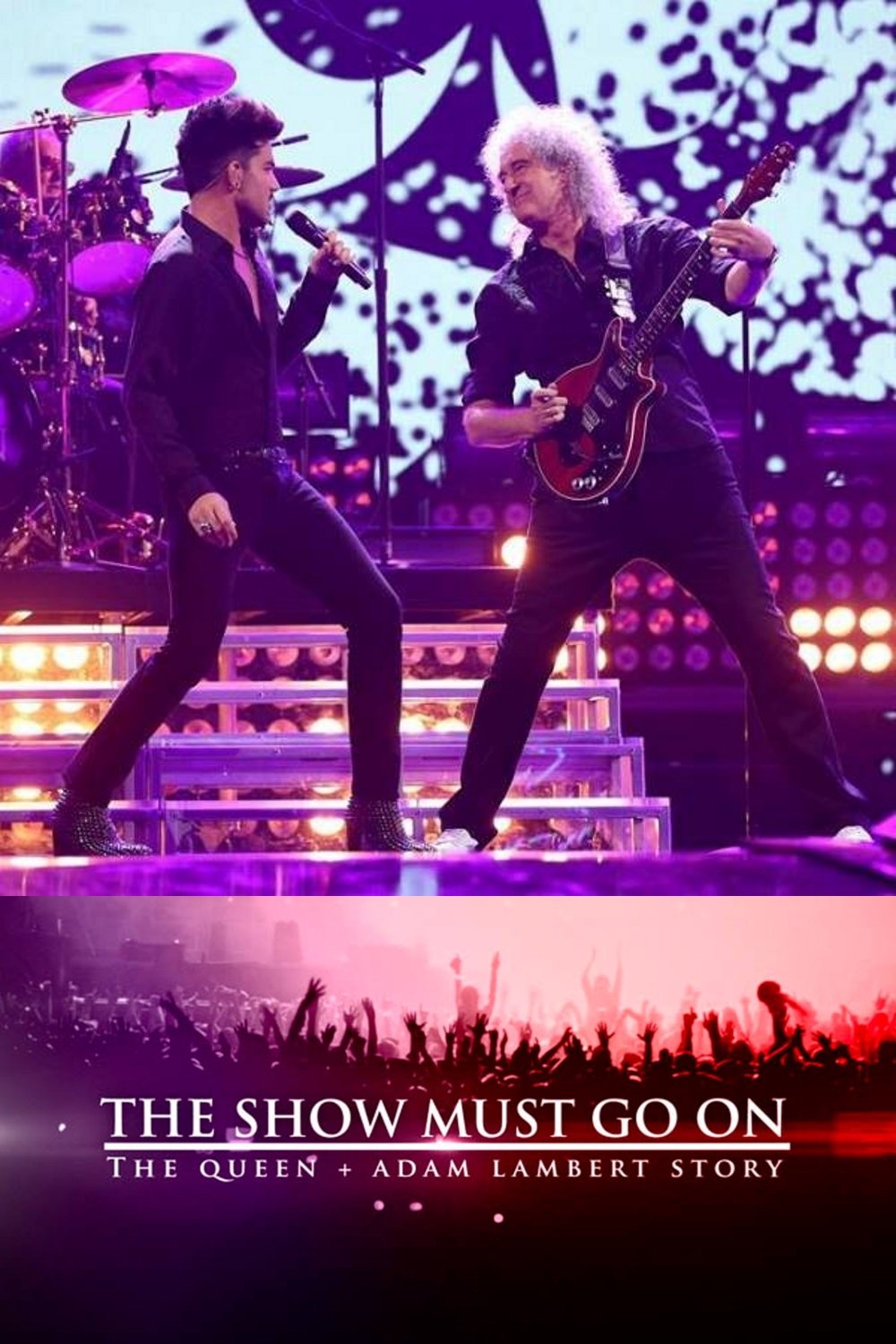
A documentary chronicling Queen and Lambert's incredible journey since they first shared the stage together on "American Idol" in 2009.
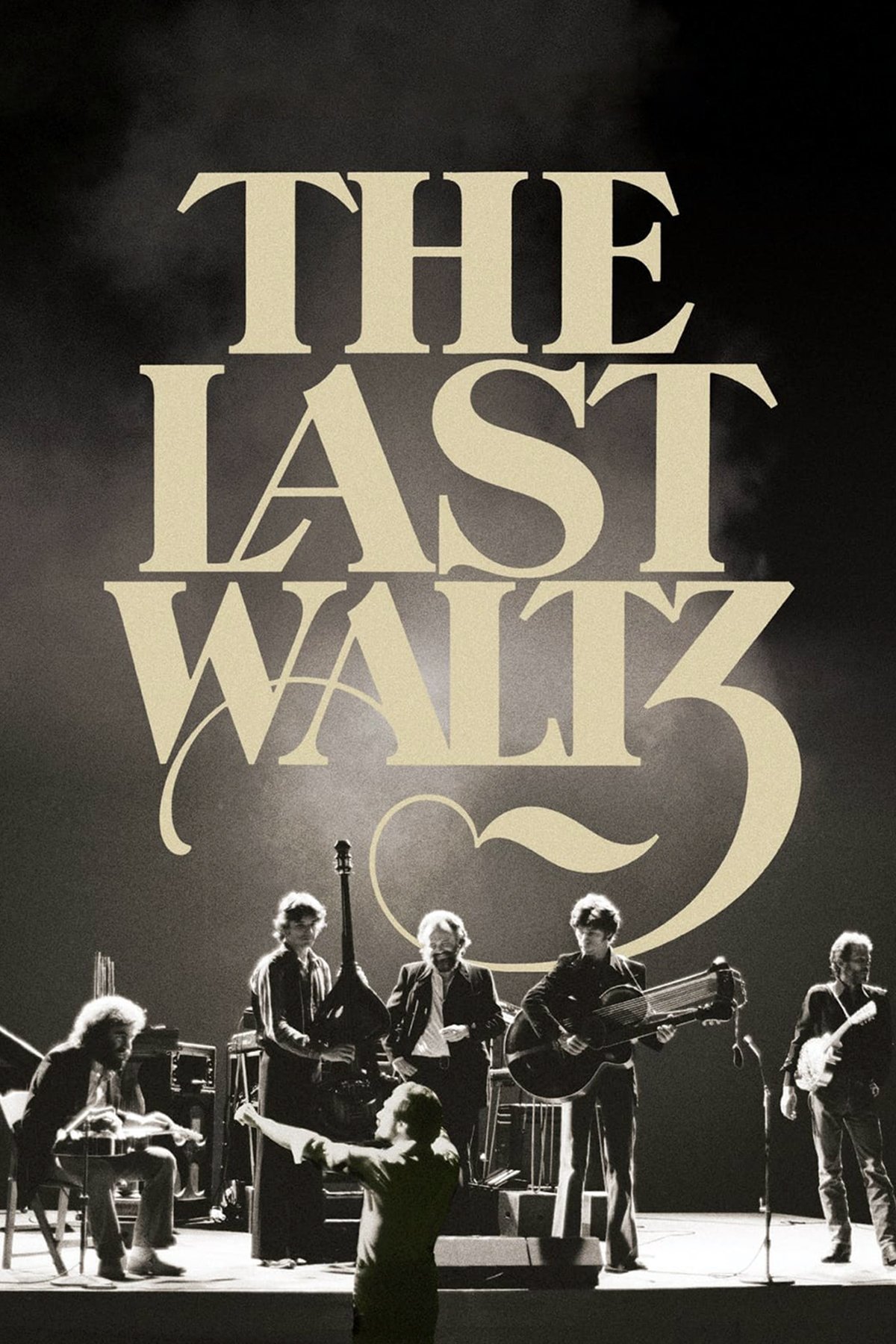
Martin Scorsese's documentary intertwines footage from The Band's incredible farewell tour with probing backstage interviews and featured performances by Eric Clapton, Bob Dylan, Joni Mitchell, Van Morrison, and other rock legends.
A string of threatening emails escalates into a revenge plot involving a newly married US marshal and his ex-girlfriend.
Through deeply personal interviews with her siblings and an examination of the photographs, letters, and belongings left behind, Mariska assembles a new portrait of her mother Jayne Mansfield, an extraordinary and complex woman.
A purely observational non-fiction film that takes viewers into the ethically murky world of end-of-life decision making in a public hospital.
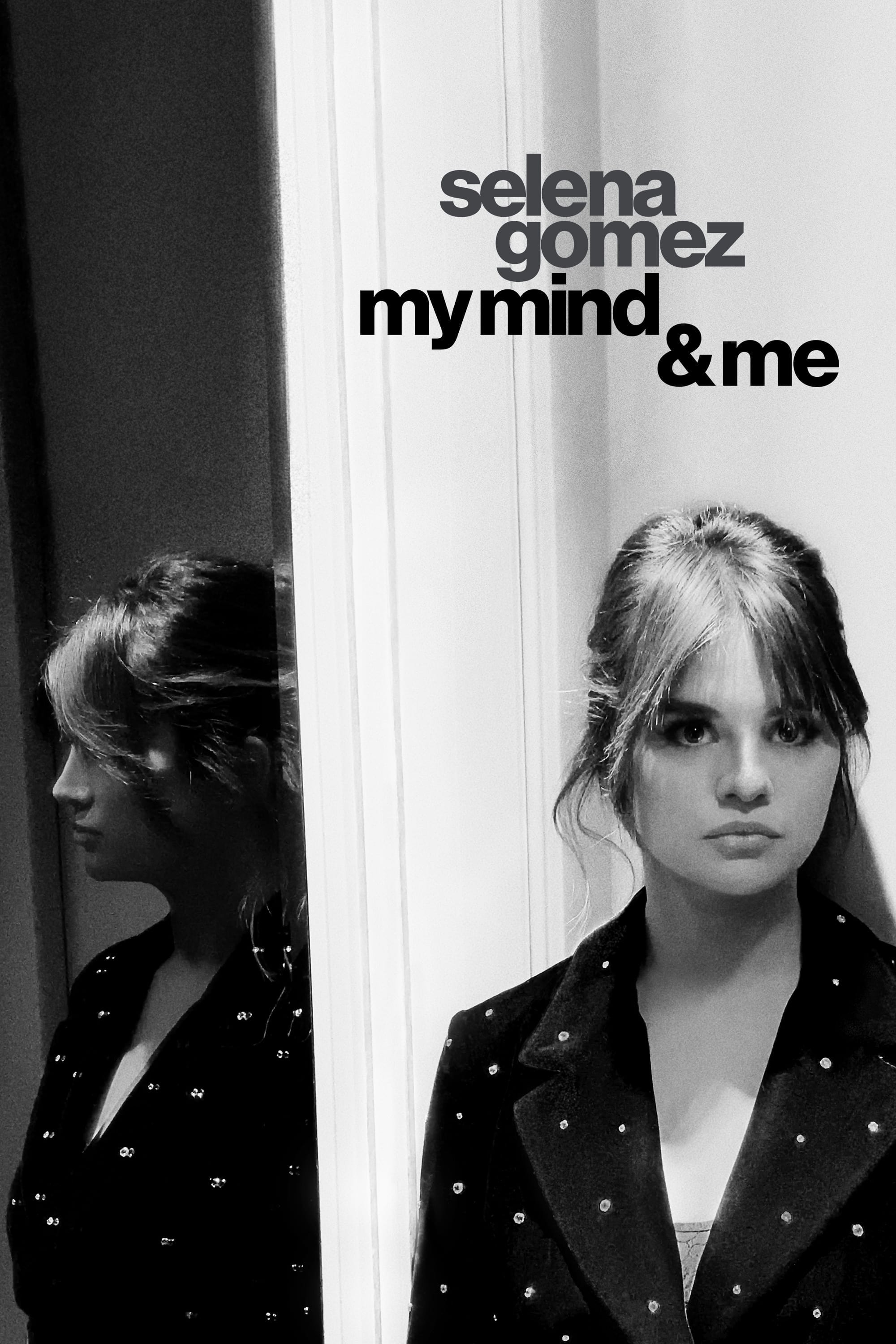
After years in the limelight, Selena Gomez achieves unimaginable stardom. But just as she reaches a new peak, an unexpected turn pulls her into darkness. This uniquely raw and intimate documentary spans her six-year journey into a new light.
A detailing of the rise to prominence and global sporting superstardom of six supremely talented young Manchester United football players (David Beckham, Nicky Butt, Ryan Giggs, Paul Scholes, Phil and Gary Neville). The film covers the period 1992-1999, culminating in Manchester United's European Cup triumph.
A documentary about the life and films of director John Ford.
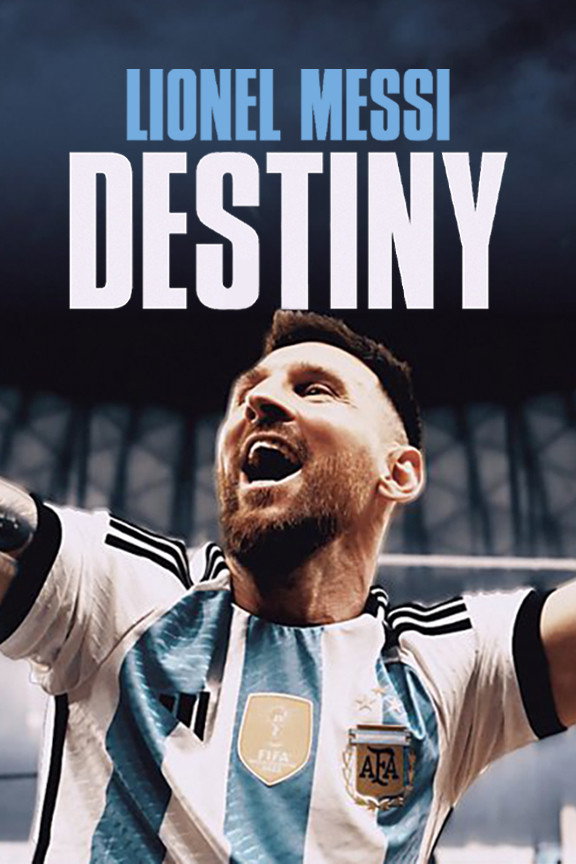
Behind-the-scenes documentary about how Lionel Messi succeeded in lifting the World Cup – the only trophy to have eluded him in an incredible career.
This revealing documentary honors the legendary Sidney Poitier—iconic actor, filmmaker, and civil rights activist. Featuring interviews with Denzel Washington, Spike Lee, Halle Berry, and more.
A documentary about the making of season five of the acclaimed AMC series Breaking Bad.
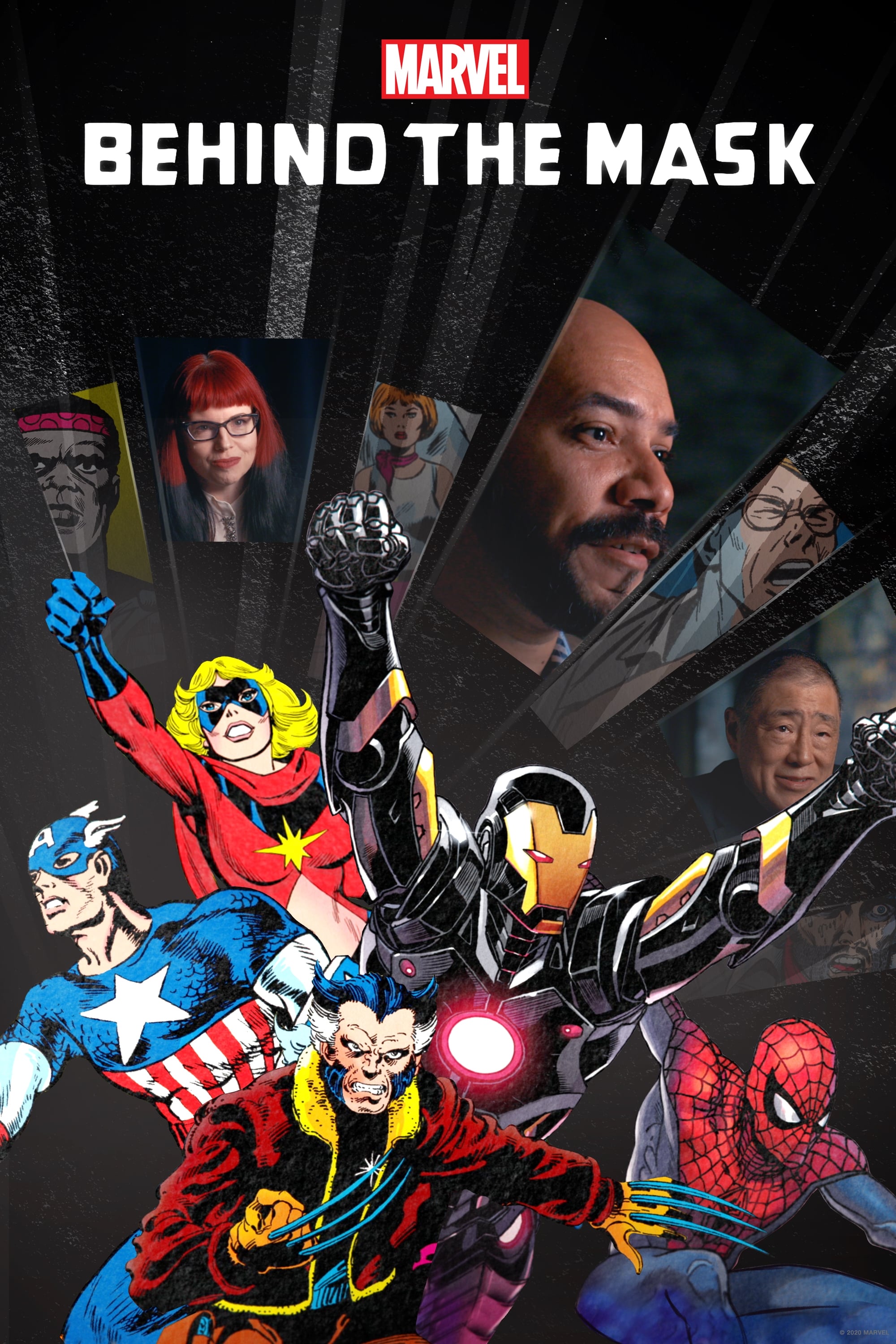
A documentary special that explores the power of identity behind the iconic superheroes we know and love today. These legendary Marvel creations and stories have not only reflected the world outside our window – they have become a reflection of our own identities and who we truly are.
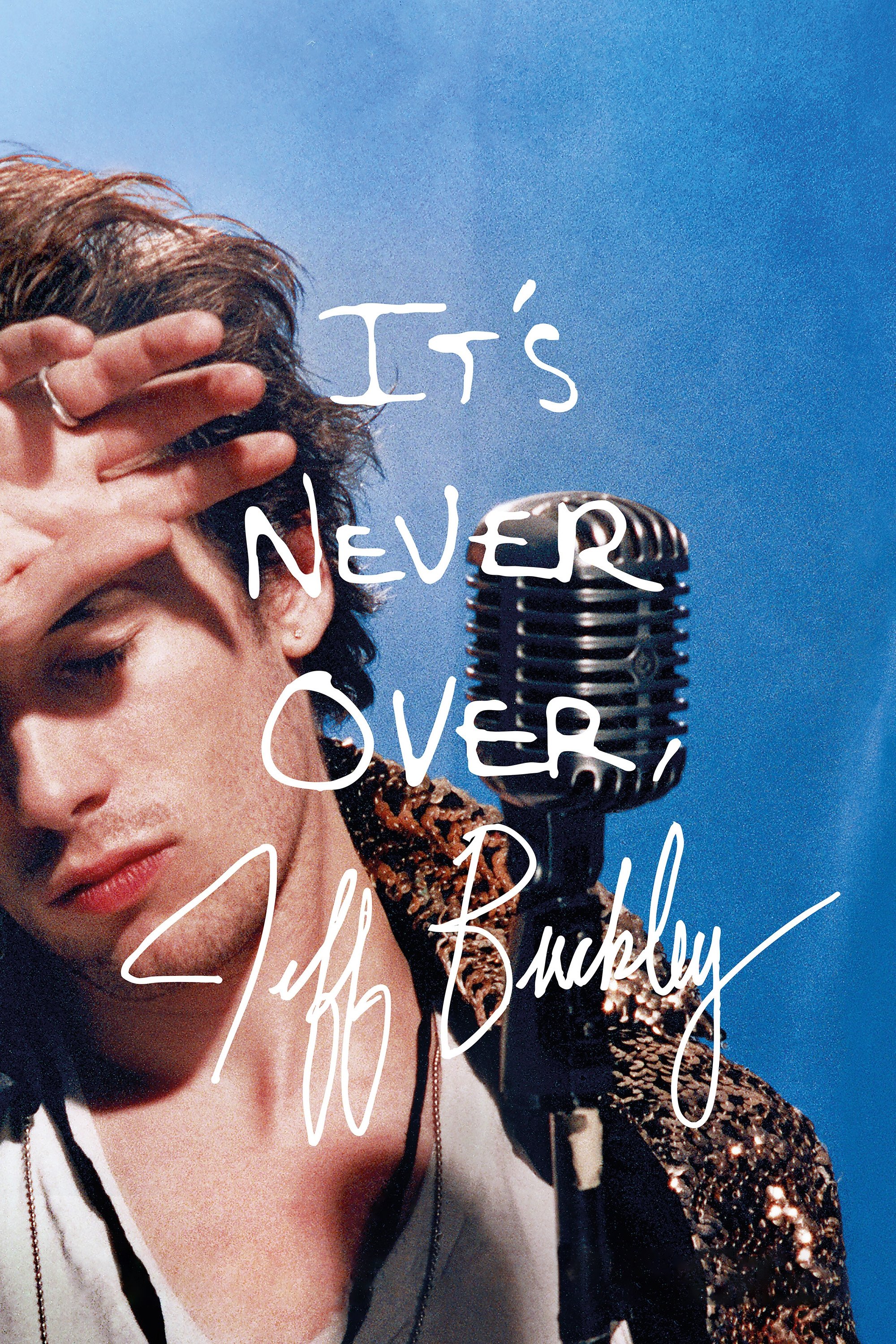
Rising musician Jeff Buckley had only released one album when he died suddenly in 1997. Now, never-before-seen footage, exclusive voice messages, and accounts from those closest to him offer a portrait of the captivating singer.
Al Pacino's deeply-felt rumination on Shakespeare's significance and relevance to the modern world through interviews and an in-depth analysis of "Richard III."
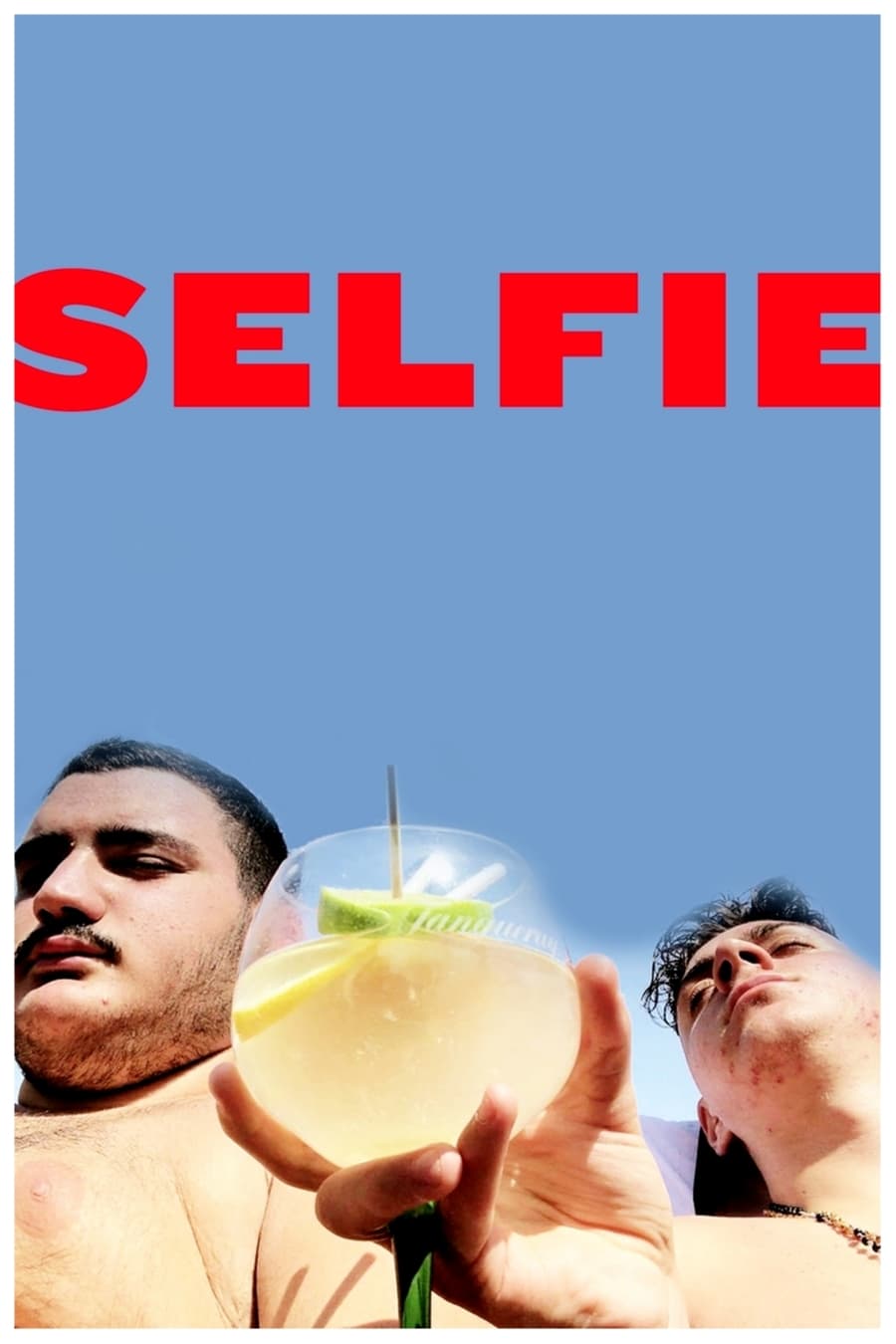
Naples, Trajan's district. Initially it was intended for the inhabitants of the shantytowns on the seafront of Naples, who were homeless after the war. But it soon became a kind of ghetto. Alessandro and Pietro are two teenagers who film with an iPhone to tell their difficult neighborhood, their daily life, the friendship that binds them.