Re-framing the U.S. gun violence debate from Second Amendment rights to public health prevention.
Social & External
The people behind it
In 2011, Maine State Prison launched a pioneering reform program to scale back its use of solitary confinement. Bafta and Emmy-winning film-maker Dan Edge and his co-director Lauren Mucciolo were given unprecedented access to the solitary unit - and filmed there for more than three years. The result is an extraordinary and harrowing portrait of life in solitary - and a unique document of a radical and risky experiment to reform a prison. The US is the world leader in solitary confinement. More than 80,000 American prisoners live in isolation, some have been there for years, even decades. Solitary is proven to cause mental illness, it is expensive, and it is condemned by many as torture. And yet for decades, it has been one of the central planks of the American criminal justice system.
Fighting to reunite with their children, 'Tough Love' chronicles the lives of two parents with cases in the United States child welfare system as they attempt to prove to the courts and the system that they deserve a second chance to be a parent and have a family.
War is Hell. Why would anyone want to spend their weekends there? Deep in the Oregon woods, the heat of a reenacted Vietnam battle sheds light on America's complicated relationship with war and its veterans.
For 30 years, Oceana County Michigan has been the Asparagus Capital of the World. Now its spear-struck residents and family farms take on the U.S. War on Drugs, Free Trade and a Fast Food Nation, all to save their beloved roots.
Farmers alone cannot make our food system thrive - it’s up to all of us. That is the message of this enlightening and encouraging film. The good stewardship efforts being made by farmers, consumers and policy makers in the rapidly growing county of Ventura, California will inspire any community interested in preserving agricultural resources.
For Barbara Figueroa
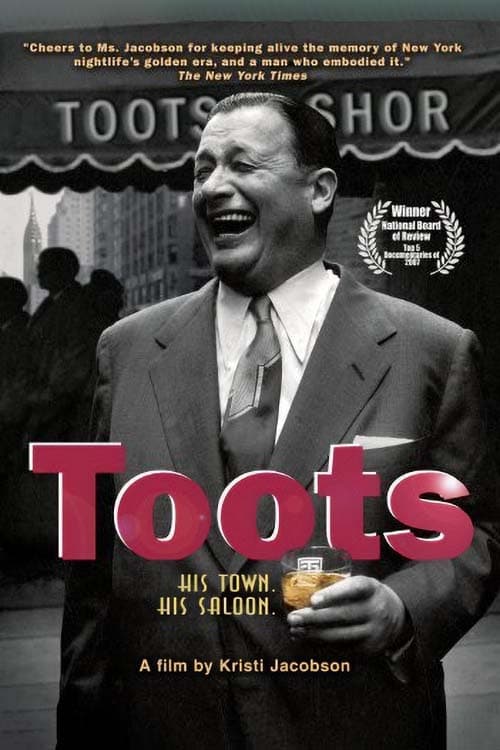
The '40s and '50s were a classic period in New York City nightlife, when the saloonkeeper was king and regular folks could drink with celebrities like Frank Sinatra and Jackie Gleason. In this documentary, Kristi Jacobson profiles her grandfather, the king of kings: Toots Shor of the eponymous restaurant and saloon, which was once the place to be seen in Manhattan. Edward R. Murrow called Toots Shor the owner of America’s greatest saloon. He became the unlikely den-mother to the heroes of America's golden age. Politicians and gangsters, sports heroes and movie stars - Sinatra, Gleason, DiMaggio, Ruth, Costello, Eisenhower, Nixon, Warren - for 30 years, they all found their way to Toots' eponymous saloon on New York's West 51st Street.
A documentary about the life and activism of Jaha Dukureh, a Gambian anti-female genital mutilation campaigner who returns to her country of birth to confront the harmful tradition that she and 200 million women and girls have undergone globally.
From his days of testifying at the Watergate hearings to advising recent presidential candidate Donald Trump, Roger Stone has long offended people on both sides of the political fence as a force in conservative America. Outspoken author, pundit, ahead of his time election strategist, this is his story.
It is a documentary story about five legends of russian cinema: Nonna Mordyukova, Tatyana Okunevskaya, Tatyana Samoylova, Lidiya Smirnova and Vera Vasileva. These wonderful women tell about their lifes and careers in hour interview.
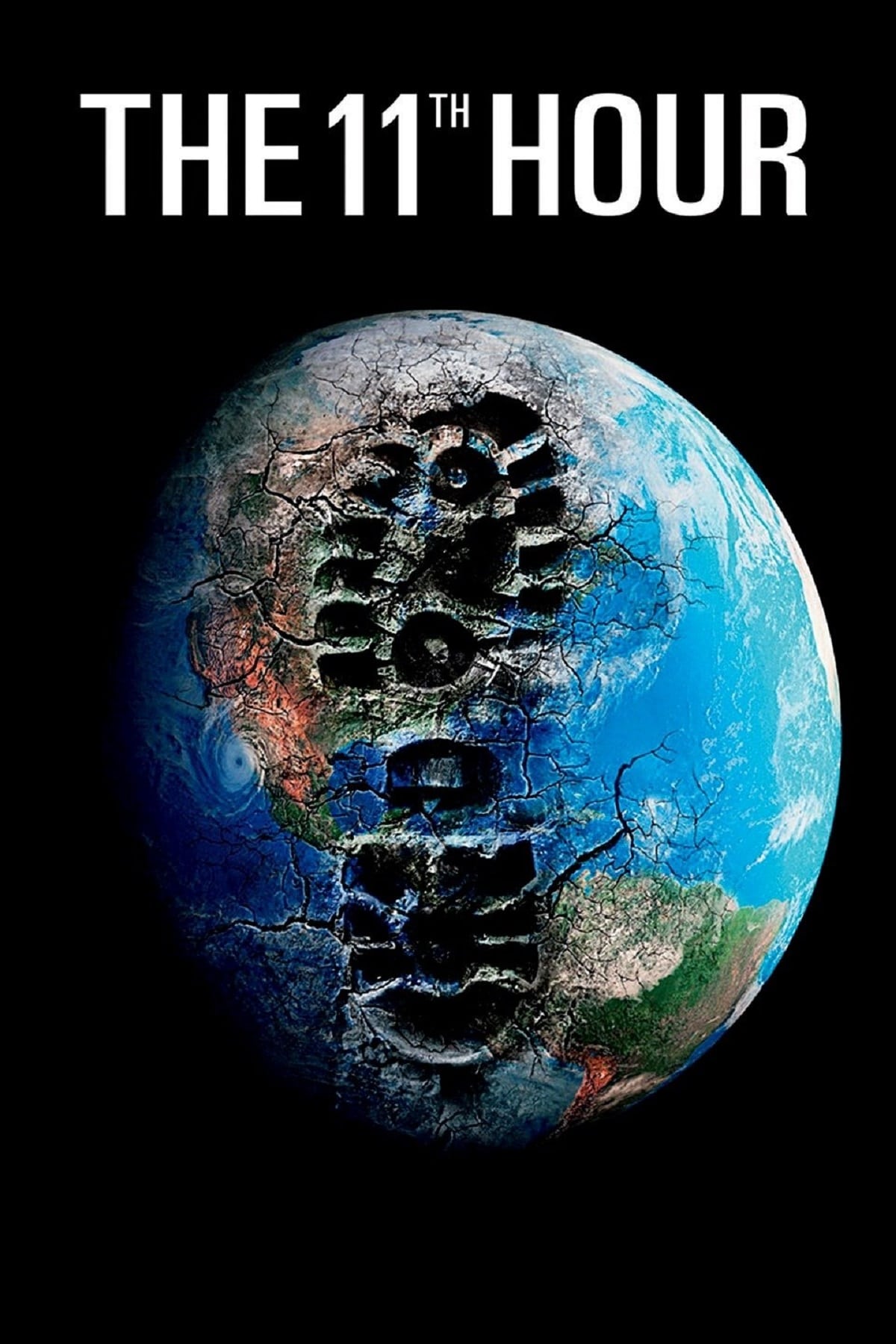
A look at the state of the global environment including visionary and practical solutions for restoring the planet's ecosystems. Featuring ongoing dialogues of experts from all over the world, including former Soviet Prime Minister Mikhail Gorbachev, renowned scientist Stephen Hawking, former head of the CIA R. James Woolse
The Hobbit Enigma examines one of the greatest controversies in science today: what did scientists find when they uncovered the tiny, human-like skeleton of a strange creature, known to many as the Hobbit, on the Indonesian island of Flores in 2003?
The movie revolves around the factory worker figure evolution from post-WWII in Italy, with the emigration from southern to northern regions, the years of economic boom, the strikes, the riots and the infamous march of the 40000 in Turin in 1980.
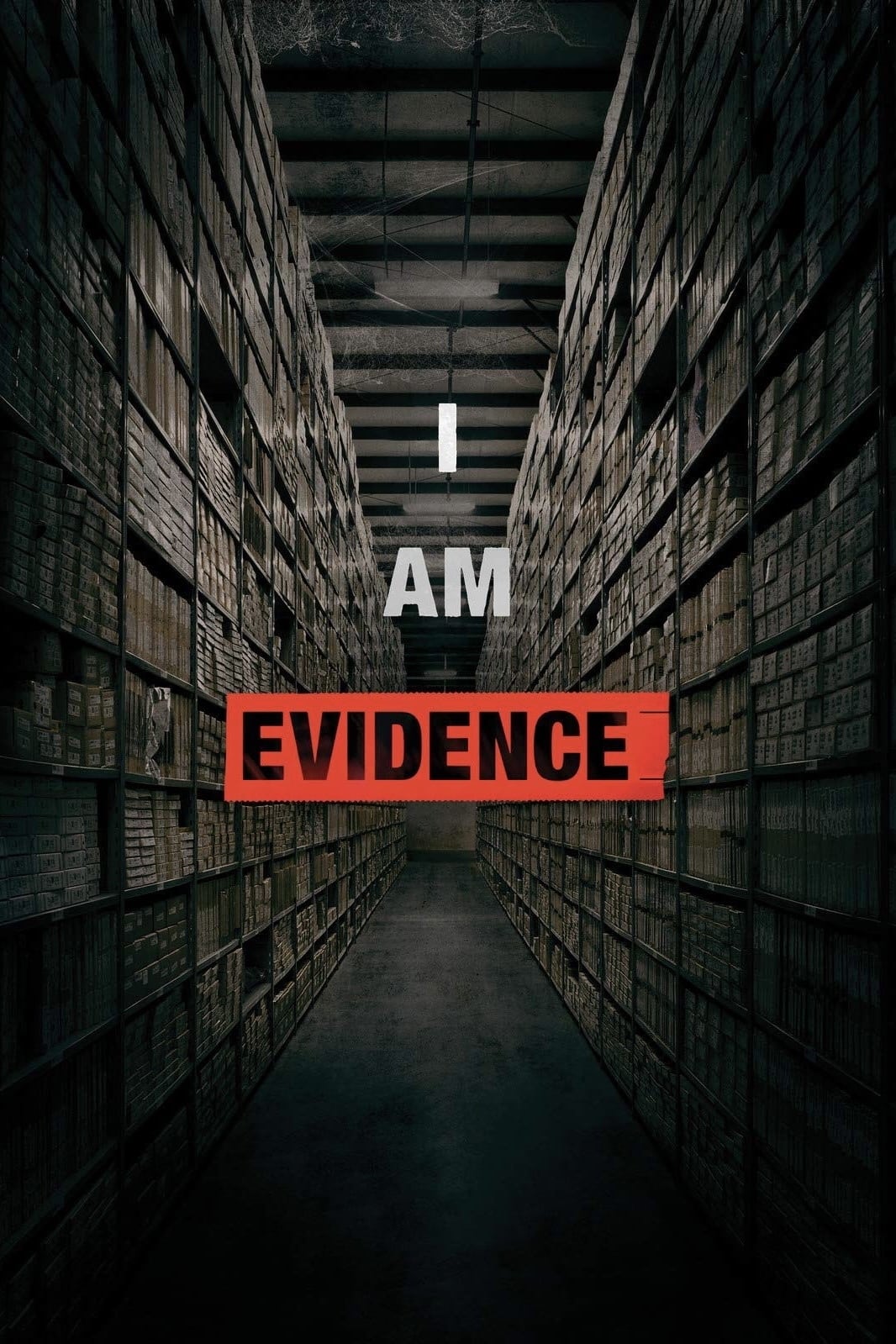
The modern criminal justice system is hindered by the fact that countless rape kits remain untested in police evidence storage facilities across the United States. Only eight states currently have laws requiring mandatory testing of rape kits.
An intimate exploration of the masculine territory of the high-rise projects at the edges of Paris. By following a group of young men, we wander through a world where female bodies are nothing more than ghostly and virtual silhouettes. The characters lead us inside everyday places where we hunt down the staging of their virility. Off-screen, narrated personal tales openly reveal the unexpected side to the characters' histories and personalities.
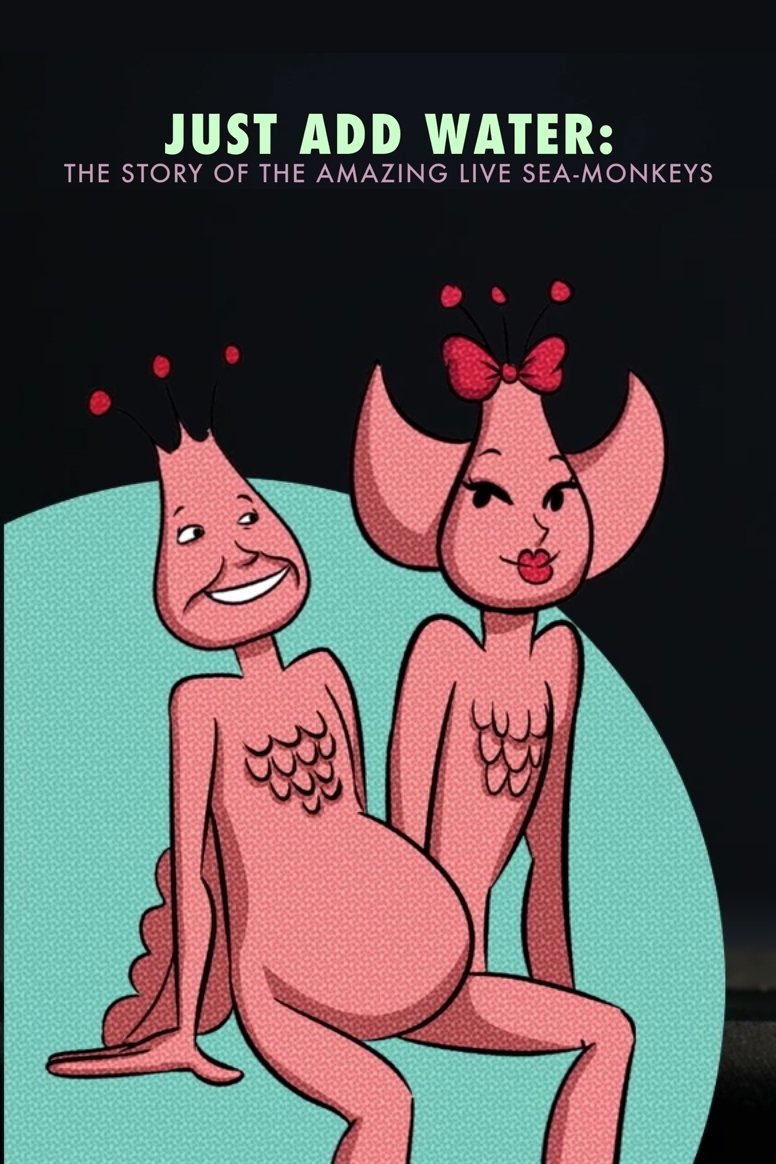
The Story of the Amazing Live Sea-Monkeys is the colourful and surprising true story of a man named Harold von Braunhut; a man who could look at the humblest of creatures – the brine shrimp – and imagine an empire built upon it. Breezy, colourful short about a half-century of marketing directly to children, the force of nostalgia in pop culture, and an unlikely meeting of flimflam and hard science.
A chronicle of the production problems — including bad weather, actors' health, war near the filming locations, and more — which plagued the filming of Apocalypse Now, increasing costs and nearly destroying the life and career of Francis Ford Coppola.
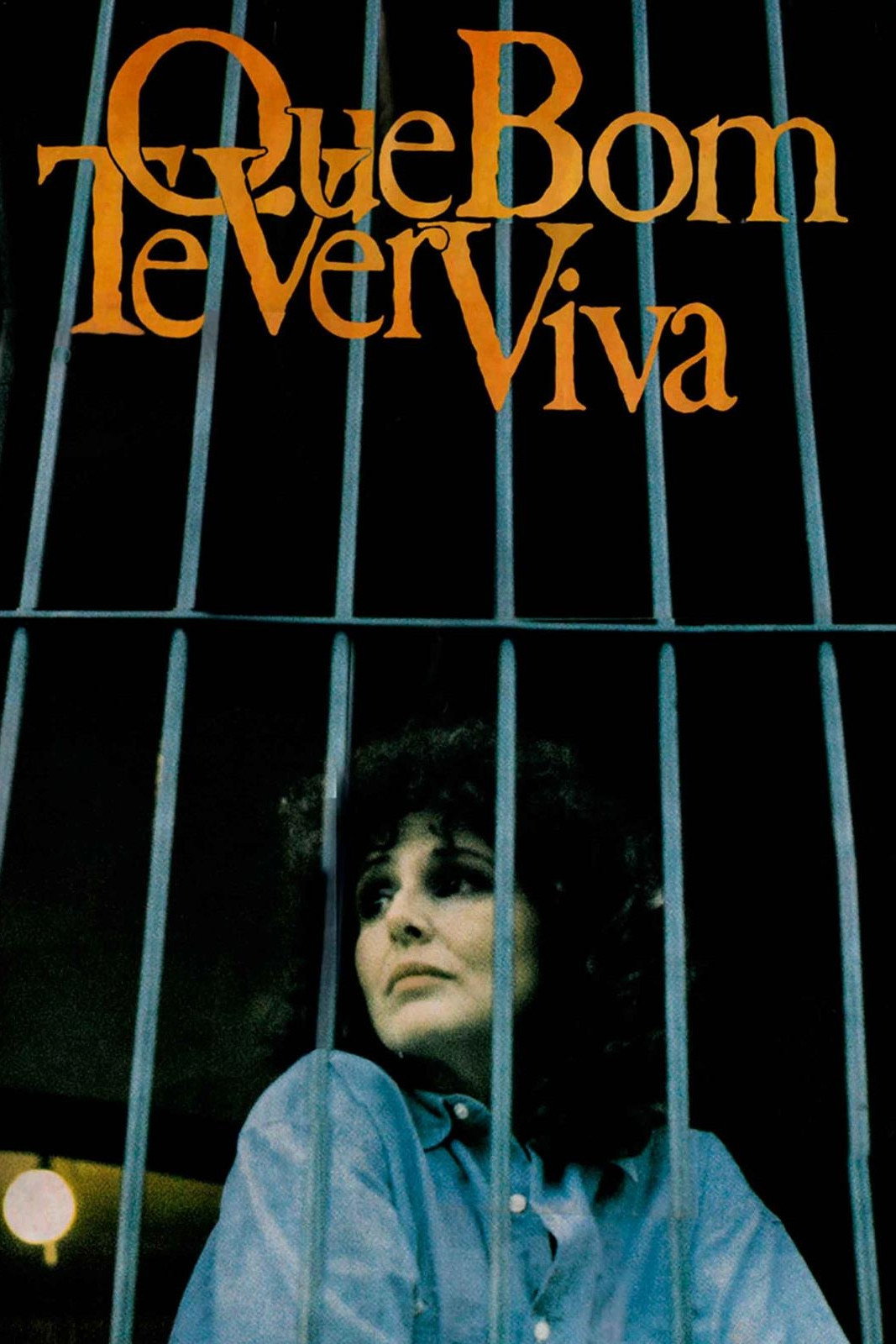
Four years after a military coup overthrew the Brazilian government in 1964, all civil rights were suspended and torture became a systematic practice. Using a mix of fiction and documentary this extraordinary film is a searing record of personal memory, political repression and the will to survive. Interviews with eight women who were political prisoners during the military dictatorship are framed by the fantasies and imaginings of an anonymous character, portrayed by actress Irene Ravache.
Menhaden: The Most Important Fish in the Bay examines the role of a little-known, oily, little fish in the Chesapeake Bay. From its original concept as a classic man-versus-environment story, the film evolved to reflect the complexity of sustaining a menhaden fishery that many diverse interests depend on. The outcome: a story that seamlessly weaves together different perspectives on the menhaden fishing industry and its culture utilizing engaging personal vignettes, scientific data and creative visual storytelling techniques. Techniques include archival footage blended with cinematic live-action footage, musical performances and original, handmade animations.
A string of threatening emails escalates into a revenge plot involving a newly married US marshal and his ex-girlfriend.
A journalist and a photographer set out to memorialize the bedrooms left behind by children killed in school shootings.
For a year, acclaimed British filmmaker Jeanie Finlay was embedded on the set of the hit HBO series “Game of Thrones,” chronicling the creation of the show’s most ambitious and complicated season. Debuting one week after the series 8 finale, GAME OF THRONES: THE LAST WATCH delves deep into the mud and blood to reveal the tears and triumphs involved in the challenge of bringing the fantasy world of Westeros to life in the very real studios, fields and car-parks of Northern Ireland. Made with unprecedented access, GAME OF THRONES: THE LAST WATCH is an up-close and personal portrait from the trenches of production, following the crew and the cast as they contend with extreme weather, punishing deadlines and an ever-excited fandom hungry for spoilers. Much more than a “making of” documentary, this is a funny, heartbreaking story, told with wit and intimacy, about the bittersweet pleasures of what it means to create a world – and then have to say goodbye to it.
A subjective documentary that explores various theories about hidden meanings in Stanley Kubrick's classic film The Shining. Five very different points of view are illuminated through voice over, film clips, animation and dramatic reenactments.
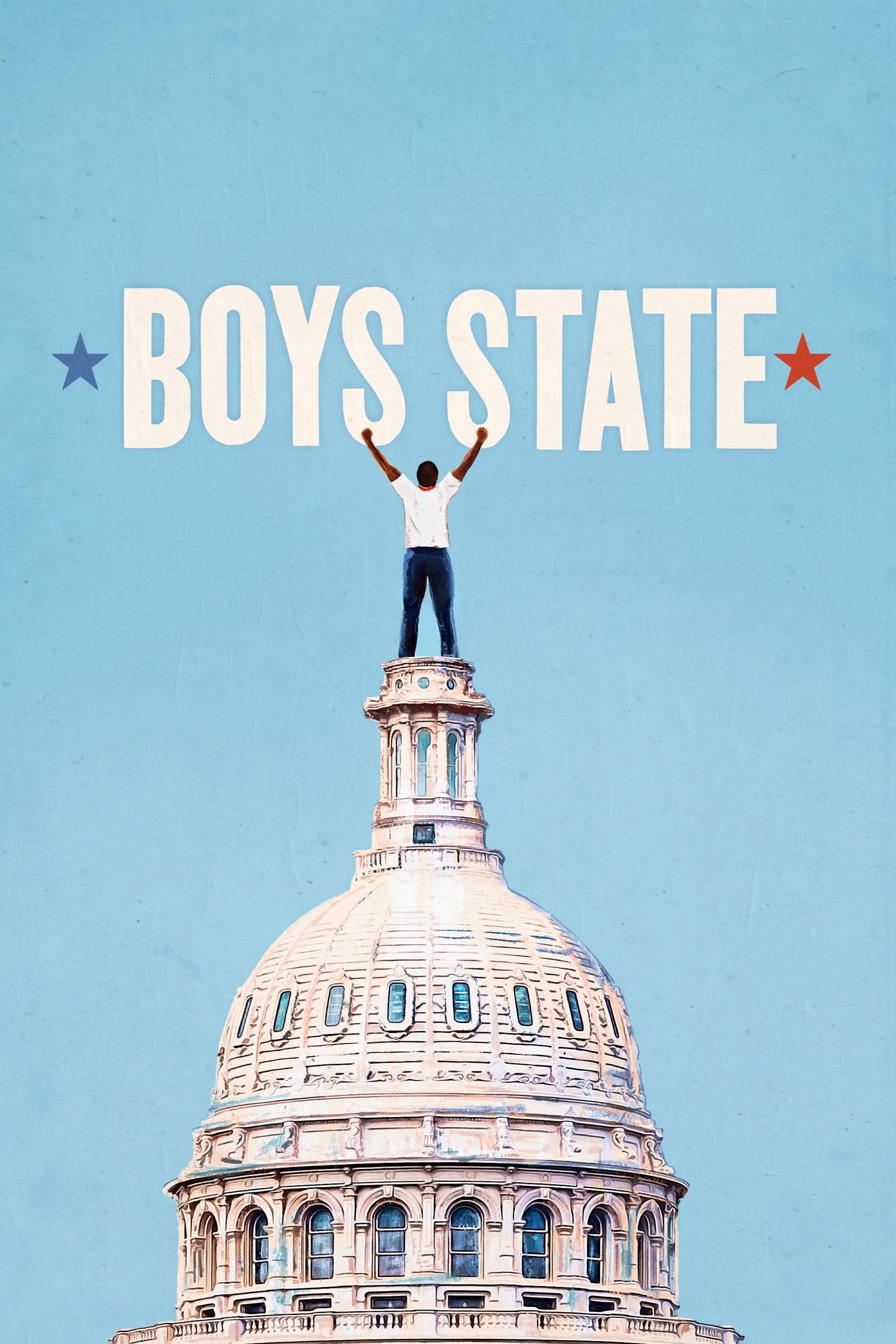
This raucous journey into the heart of democracy captures an unusual rite of passage: 1,100 teenage boys from across Texas coming together to build a representative government from the ground up.
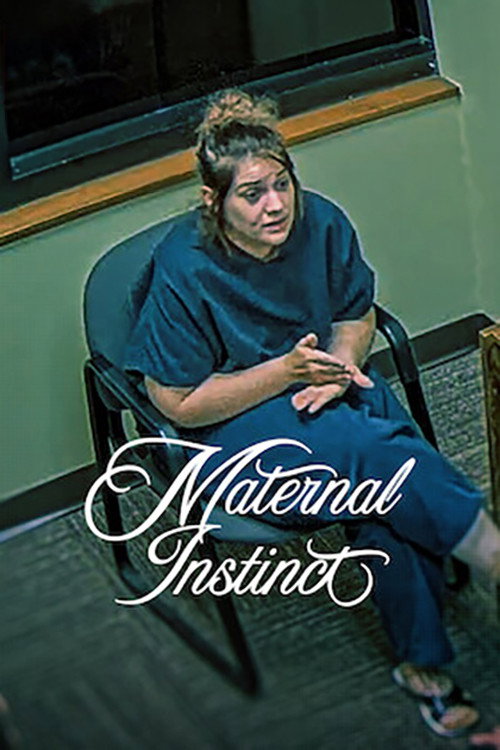
Police pull over a woman who claims she just gave birth. But the baby — and the blood — aren't hers. Twisted lies unravel in this true-crime documentary.
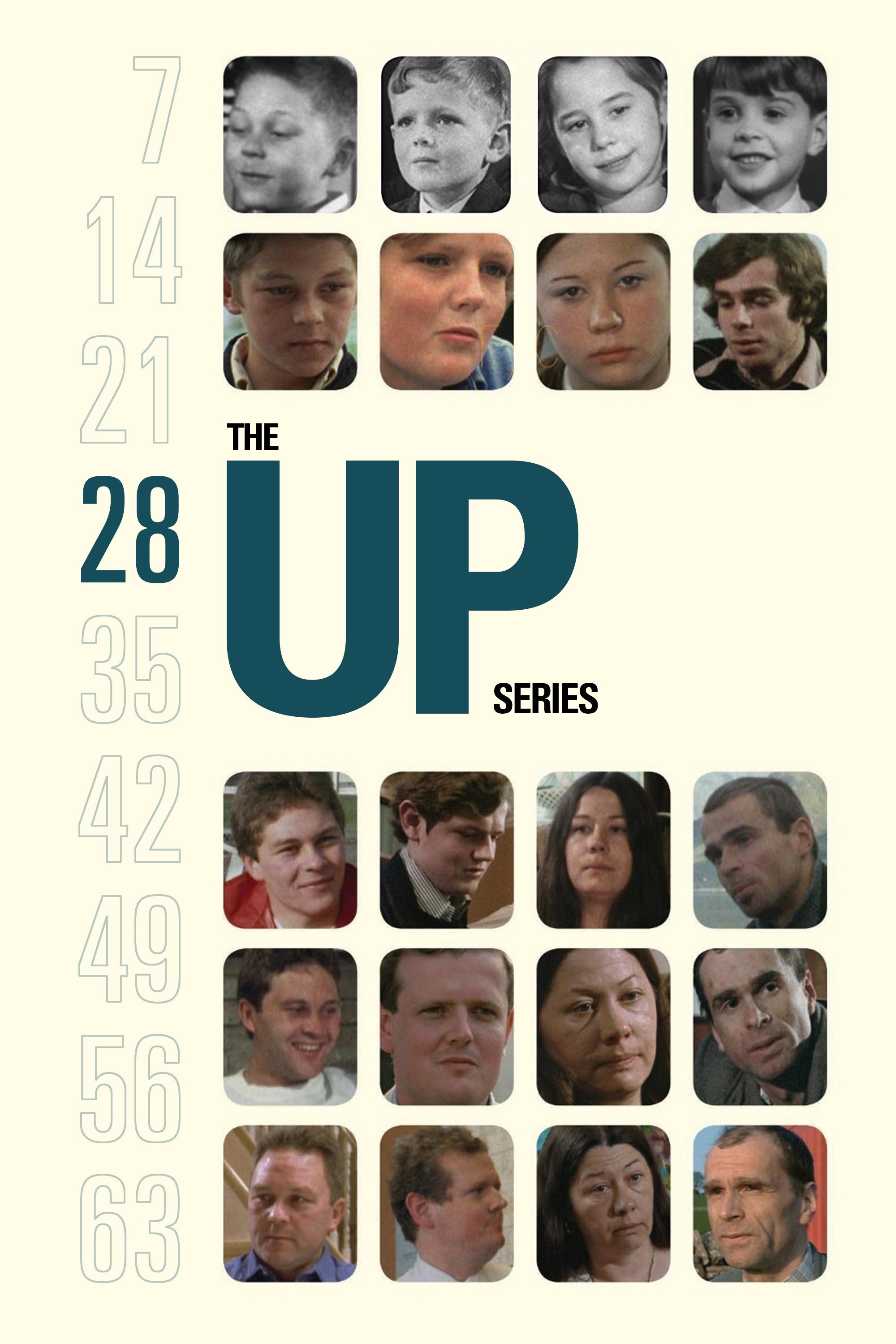
Just two years away from turning 30, participants in Michael Apted's documentary series are facing serious questions of identity and purpose, wondering whether they've found their place in the world.
A documentary on the expletive's origin, why it offends some people so deeply, and what can be gained from its use.
Unravel the case of Utah therapist Jodi Hildebrandt, whose child abuse arrest with parenting YouTuber Ruby Franke exposed a twisted tale of manipulation.
A love letter from a young mother to her daughter, the film tells the story of Waad al-Kateab’s life through five years of the uprising in Aleppo, Syria as she falls in love, gets married and gives birth to Sama, all while cataclysmic conflict rises around her. Her camera captures incredible stories of loss, laughter and survival as Waad wrestles with an impossible choice– whether or not to flee the city to protect her daughter’s life, when leaving means abandoning the struggle for freedom for which she has already sacrificed so much.
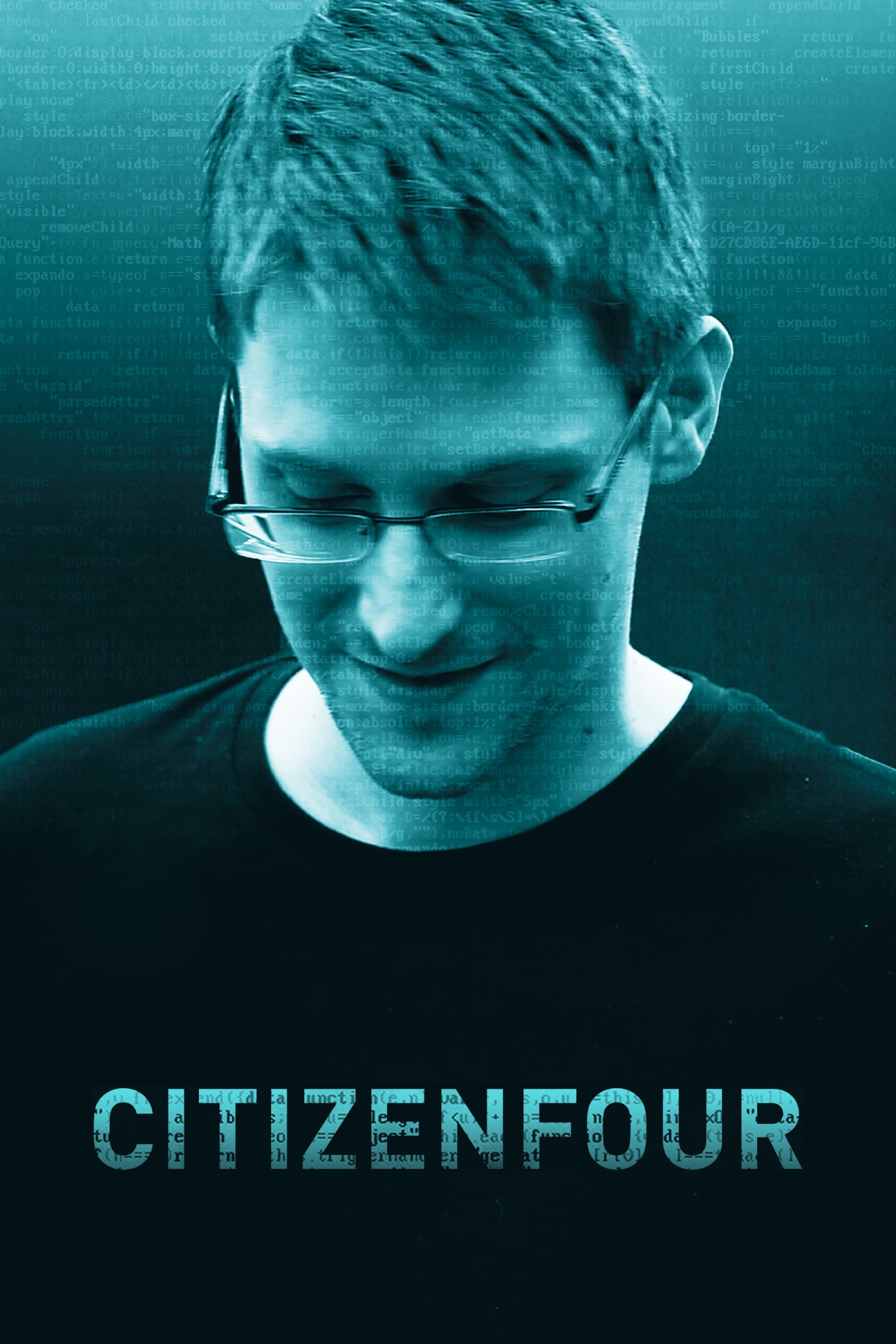
In June 2013, Laura Poitras and reporter Glenn Greenwald flew to Hong Kong for the first of many meetings with Edward Snowden. She brought her camera with her.
This special explores the return of Obi-Wan Kenobi and Anakin Skywalker to the screen, as well as Ewan McGregor and Hayden Christensen to their classic roles. Director Deborah Chow leads the cast and crew as they create new heroes and villains that live alongside new incarnations of beloved Star Wars characters, and an epic story that dramatically bridges the saga films.
This revealing documentary honors the legendary Sidney Poitier—iconic actor, filmmaker, and civil rights activist. Featuring interviews with Denzel Washington, Spike Lee, Halle Berry, and more.
An inside look at one of the most anticipated movie sequels ever with James Cameron and cast.
A documentary about the life and films of director John Ford.
Through deeply personal interviews with her siblings and an examination of the photographs, letters, and belongings left behind, Mariska assembles a new portrait of her mother Jayne Mansfield, an extraordinary and complex woman.
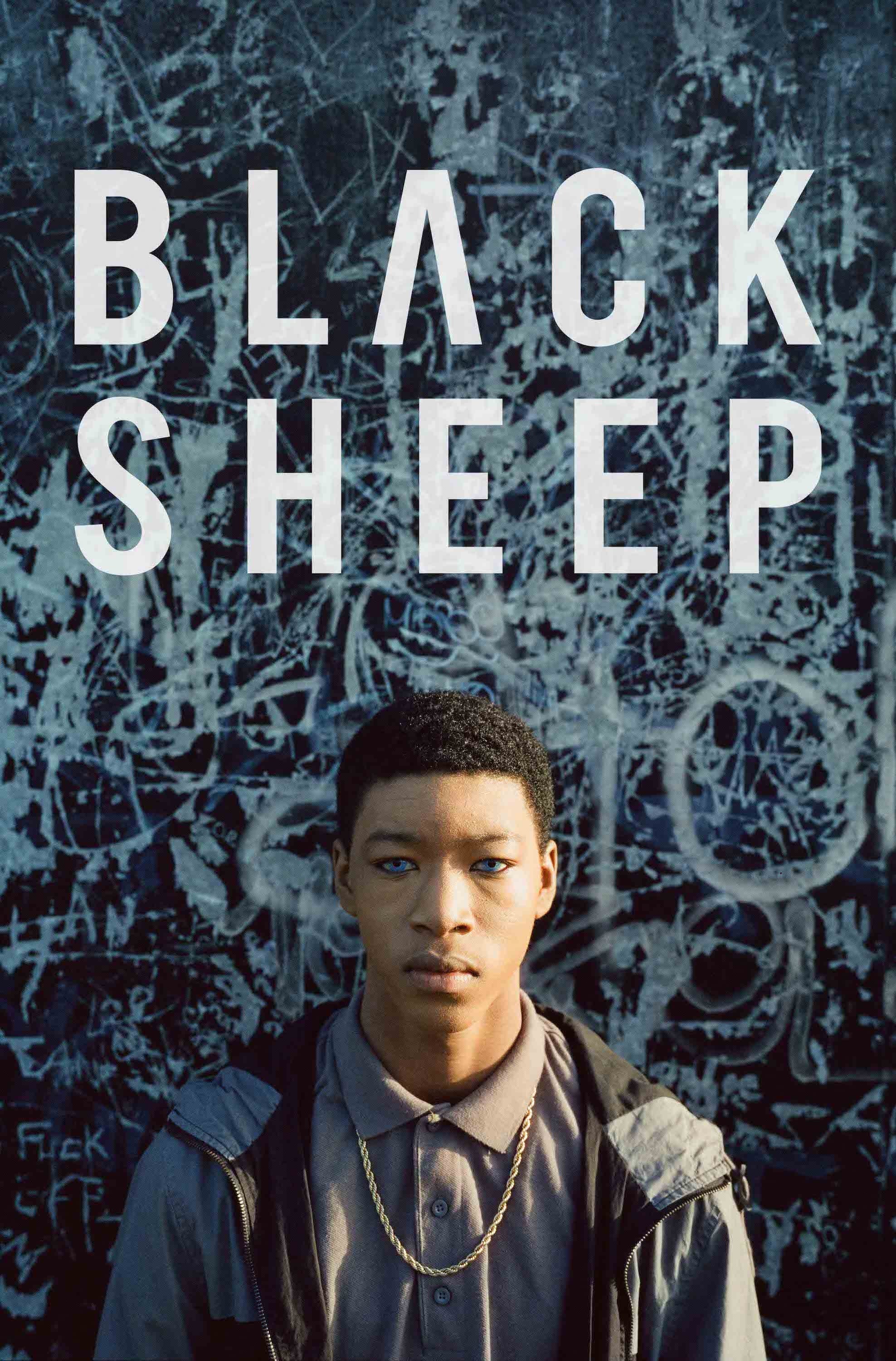
After the high-profile killing of Damilola Taylor, Cornelius' family move out of London. But when they discover their new town is run by racists, Cornelius takes a drastic step to survive.
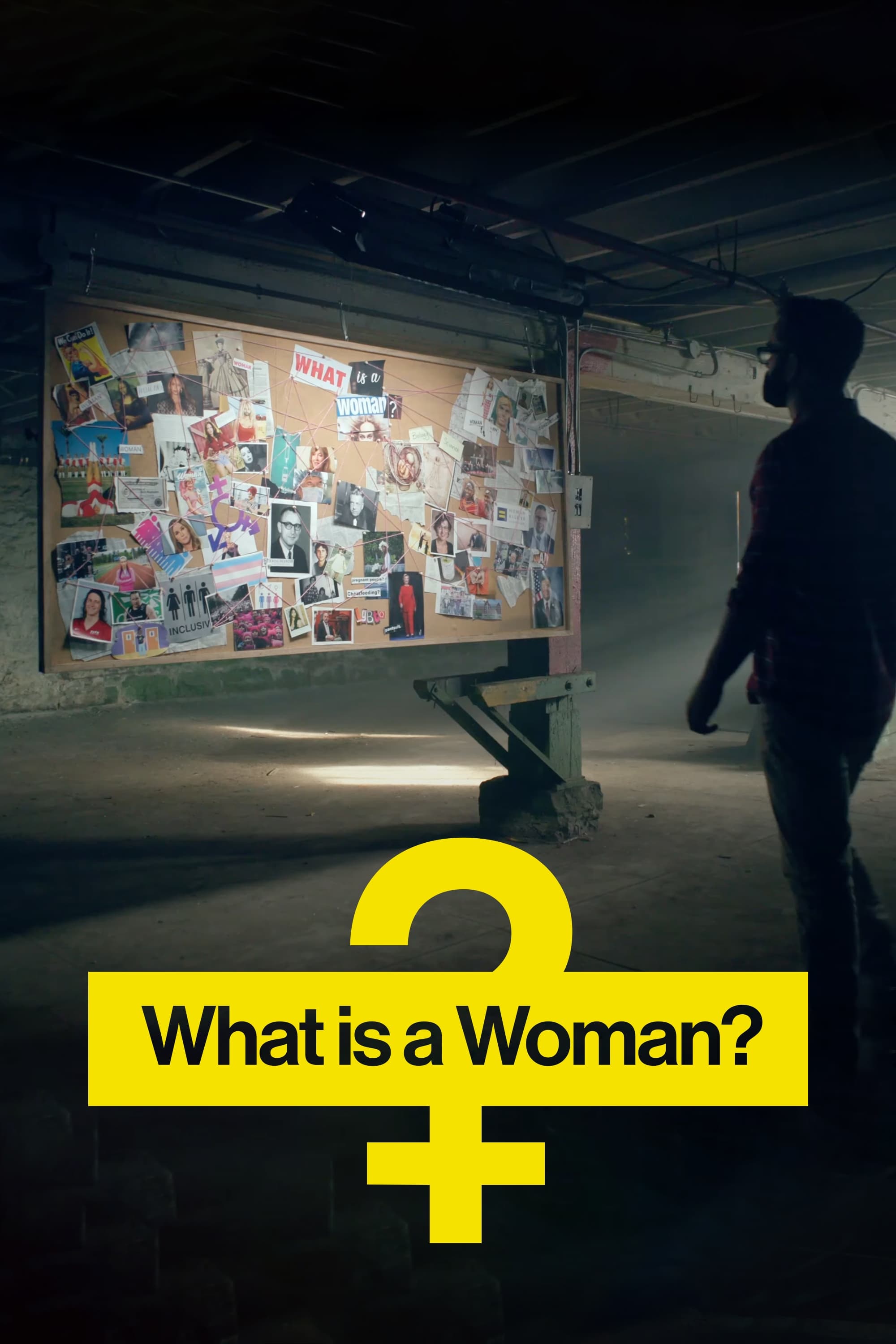
Matt Walsh's controversial doc challenges radical gender ideology through provocative interviews and humor.
This documentary follows three women — a fire chief, a judge, and a street missionary — as they battle West Virginia's devastating opioid epidemic.
Michael Moore's provocative documentary explores the two most important questions of the Trump Era: How did we get here, and how do we get out.