An account of the victims of the Sierra Leone Civil War and depicts the most brutal period with the Revolutionary United Front (RUF) rebels capturing the capital city on January 1999.
Social & External
Himself
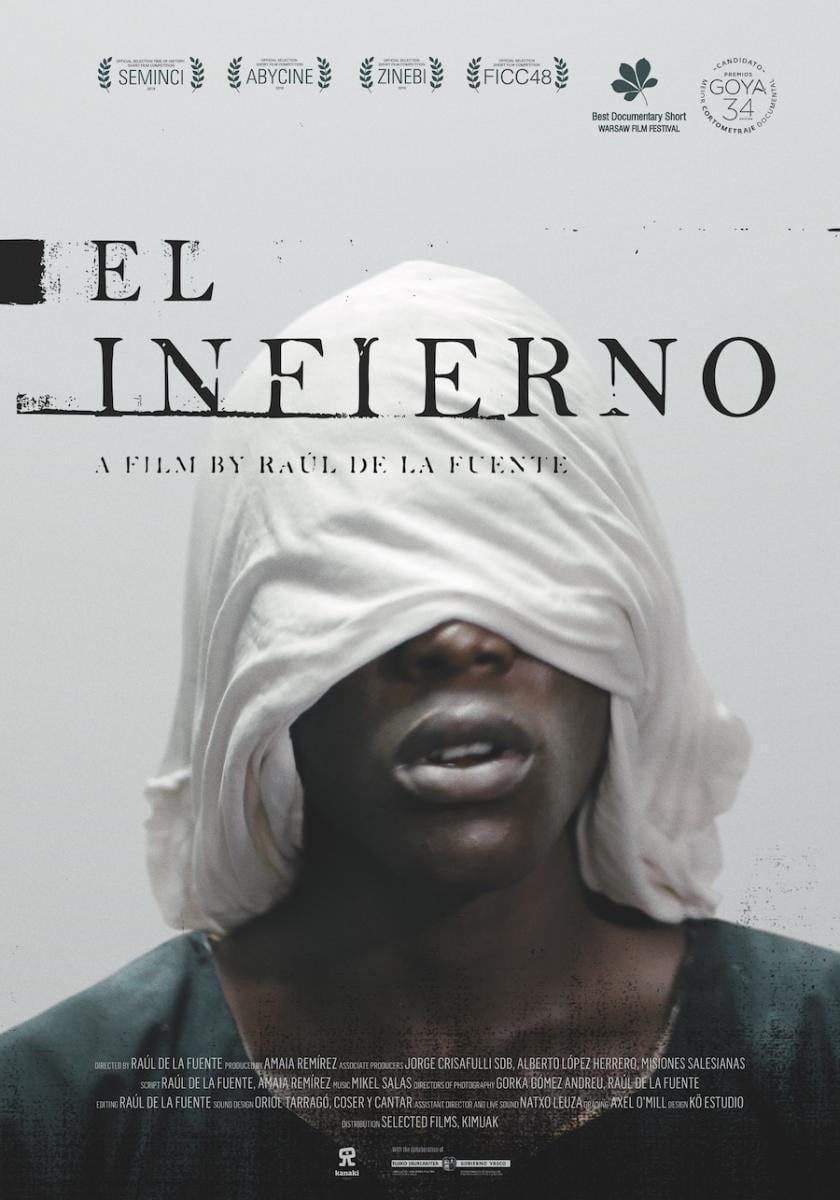
Chennu committed his first crime when he was 15 years old: being a street kid. And he entered hell: Pademba Road. The adult prison in Freetown. In hell, Mr. Sillah is in charge, and there is no hope. Chennu got out after four years. Now he wants to go back.
Blood Diamonds is a made-for-TV documentary series, originally broadcast on the History Channel, that looks into the trade of diamonds which fund rebellions and wars in many African nations. The program focuses primarily on two nations: Sierra Leone and Angola. Diamonds which are traded for this purpose are known as blood diamonds.
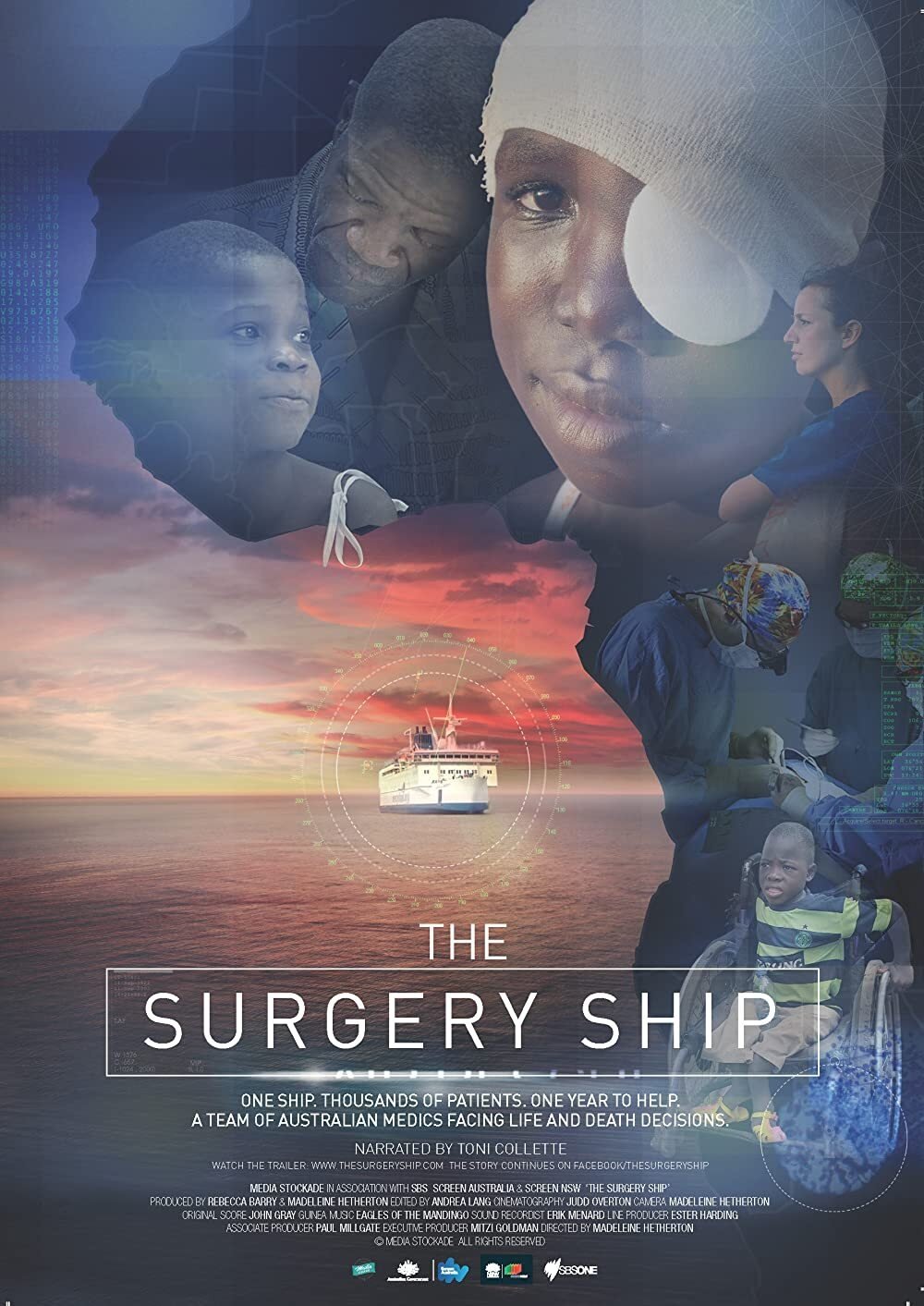
A team of volunteer doctors and nurses are on board a unique ship. Crammed with medical supplies and volunteer medics, this floating hospital sails to the poorest nations on earth. This year they sail for Guinea on the West African Coast. On arrival they will face the most severe of medical issues, not seen in other parts of the world. But the medical challenges are only half of the story. They will confront ethical decisions as they decide who will be helped and who will not. This is a searing, complex journey for the volunteer medics, as they deal with life and death cases - and balance the fates of these patients in their hands.

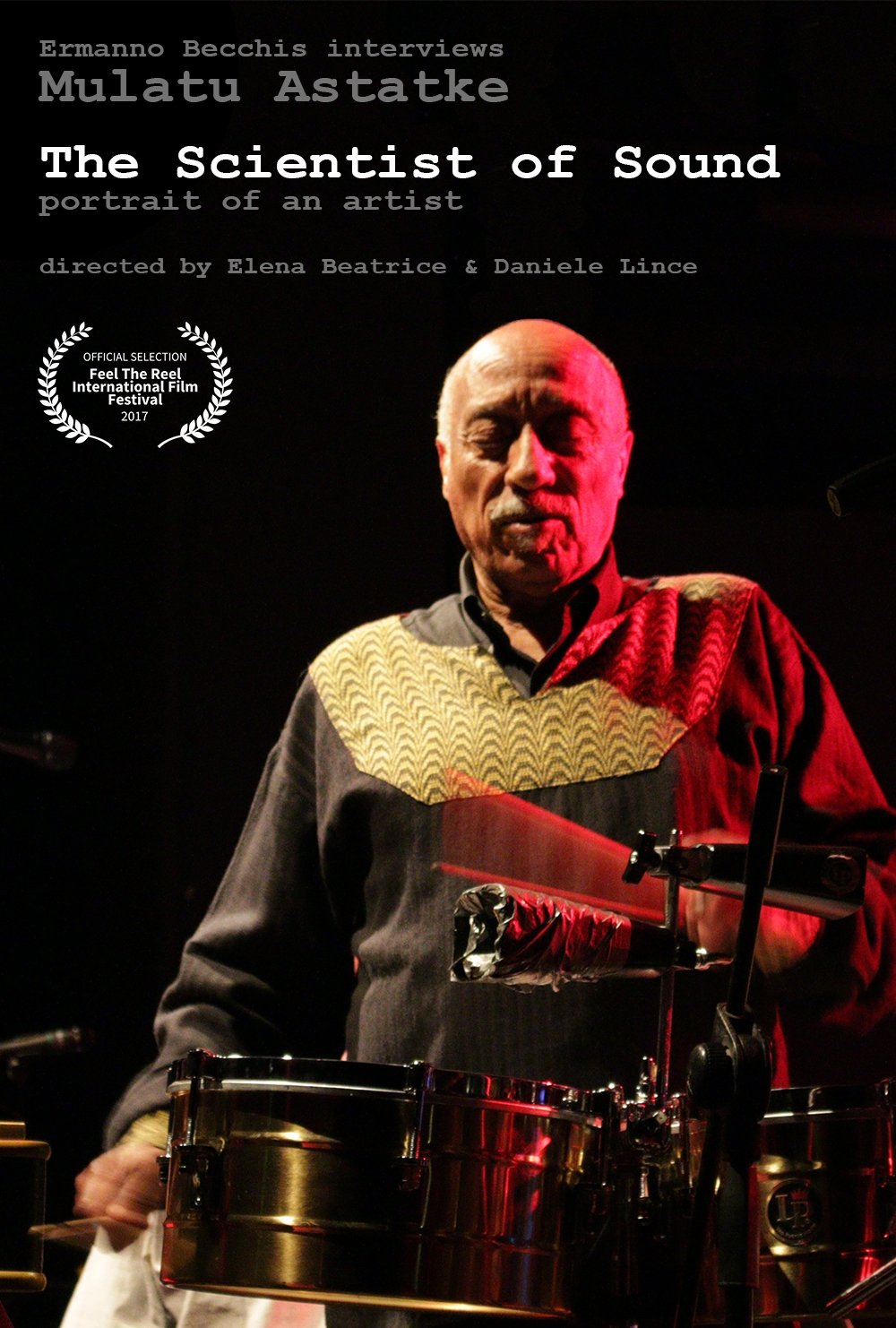
Thursday 27th of October 2016 – Teatro Espace, Turin. Mulatu Astatke is a musician, composer, arranger and Ethiopia’s cultural ambassador. He’s known as the godfather of ethiojazz, a unique blend of jazz, traditional Ethiopian music, latin, caribbean reggae and afrofunk. Born in 1943 in Jimma, Mulatu studied music not only in Ethiopia but also in UK and USA. In 2005 he contributed to the soundtrack of Jim Jarmusch’s film “Broken Flowers”, reaching a new public worldwide.
Out of Darkness is a full length three-part documentary by director Amadeuz Christ (Δ+), examining the untold history of African people, the African cultural contribution to the nations of the world, and the events that have contributed to the condition of African people today. Out of Darkness will explore the Nubian/Kushitic origins of Nile Valley Civilization, contact between Africa and the Americas since the times of antiquity, as well as the influence of the Moors in Europe leading to Europe’s intellectual Renaissance. In addition, the film will analyze the history of modern day racism, the concept of “white supremacy,” the impact of Hip Hop as a social movement, and the idea of nationhood. Out of Darkness is narrated by Prof. Kaba Kamene and co-stars Dr. Umar Johnson, Dr. Claud Anderson, Tim Wise, Prof. James Small, Dr. Joy DeGruy, Anthony Browder, Sabir Bey, Atlantis Browder, and Taj Tarik Bey.
The film considers what it means to be free to move, not as in leave or flee, but to move. It explores the ability of the environments we live in – especially cities – to create the space people need to move. Shot in Freetown, Sierra Leone, it explores the power of the creative sectors in the city and their immense potential.
A Mauritanian worker, Sidi, works in France. Like most immigrant workers, he is employed to do the most difficult and dangerous jobs. Sidi and his comrades are exploited systematically and permanently, as much by their employers as by their own countrymen who are constantly able to offer false working papers, slums where immigrants buy at high cost their right to sleep. But faced with racism and economic exploitation, immigrant workers communicate, organise...
This biographical docudrama traces the life of Dr. Albert Schweitzer, from his birth in Alsace, up to the age of 30 when he made the decision to go to French Equatorial Africa and build his jungle hospital. The latter half of the film encompasses a full day in the hospital-village, following the octogenarian Samaritan in his daily rounds.
THE LANGUAGE YOU CRY IN tells an amazing scholarly detective story that searches for -and finds- meaningful links between African Americans and their ancestral past. It bridges hundreds of years and thousands of miles from the Gullah people of present-day Georgia back to 18th century Sierra Leone.
Jaguar, a kind of road movie on foot, tells of the journey of three friends, Damouré, Lam and Illo, on their way to the Gold Coast where they hope to make a fortune in order to return to their village in a few months.
In Freetown, the capital of Sierra Leone, a group of friends lives on the streets. They call themselves the Freetown Streetboys, even though there are some women among them as well. Suley, Lama, David, Alfred, Shero and Sarah have all faced enormous physical and psychological challenges, and have been abandoned by the world around them. Without commentary and in poetic, cinematic images, the camera records the dark environment that they inhabit. The group shares their heartrending stories of the precarious nature of life in this complex country. But there is also room for everyday personal struggles, such as starting relationships, how to bring up children (or not), and sex.
Because jazz is the miraculous product of the horror of slavery, Youssou N'Dour returned to the slave route and the music they created, in search of new inspiration. Accompanied by the blind Swiss pianist Moncef Genoud and the Director of the Gorée House of Slaves Museum, Joseph N'Diaye, the Senegalese singer wrote new songs during this initiatory voyage which took him to the USA then to Europe. At Gorée, an island just off the Senegalese coast and symbol of the slave trade, his memorable concert marked the end of this quest and the start of a new challenge: making today's generation aware of the tragedy of slavery, the importance of not forgetting and the need for reconciliation.
A documentary based on the book Umbanda no Brasil by the scholar Mata e Silva, who is interviewed by the director. The book studies the Brazilian religion known as spiritism, a syncretism of African beliefs and magical rites, Indian beliefs and images, and Catholic symbols.
Shot over one night in the loud, dimly lit printing press, this is the story of the men whose labour lies behind Sierra Leone's oldest daily newspaper.
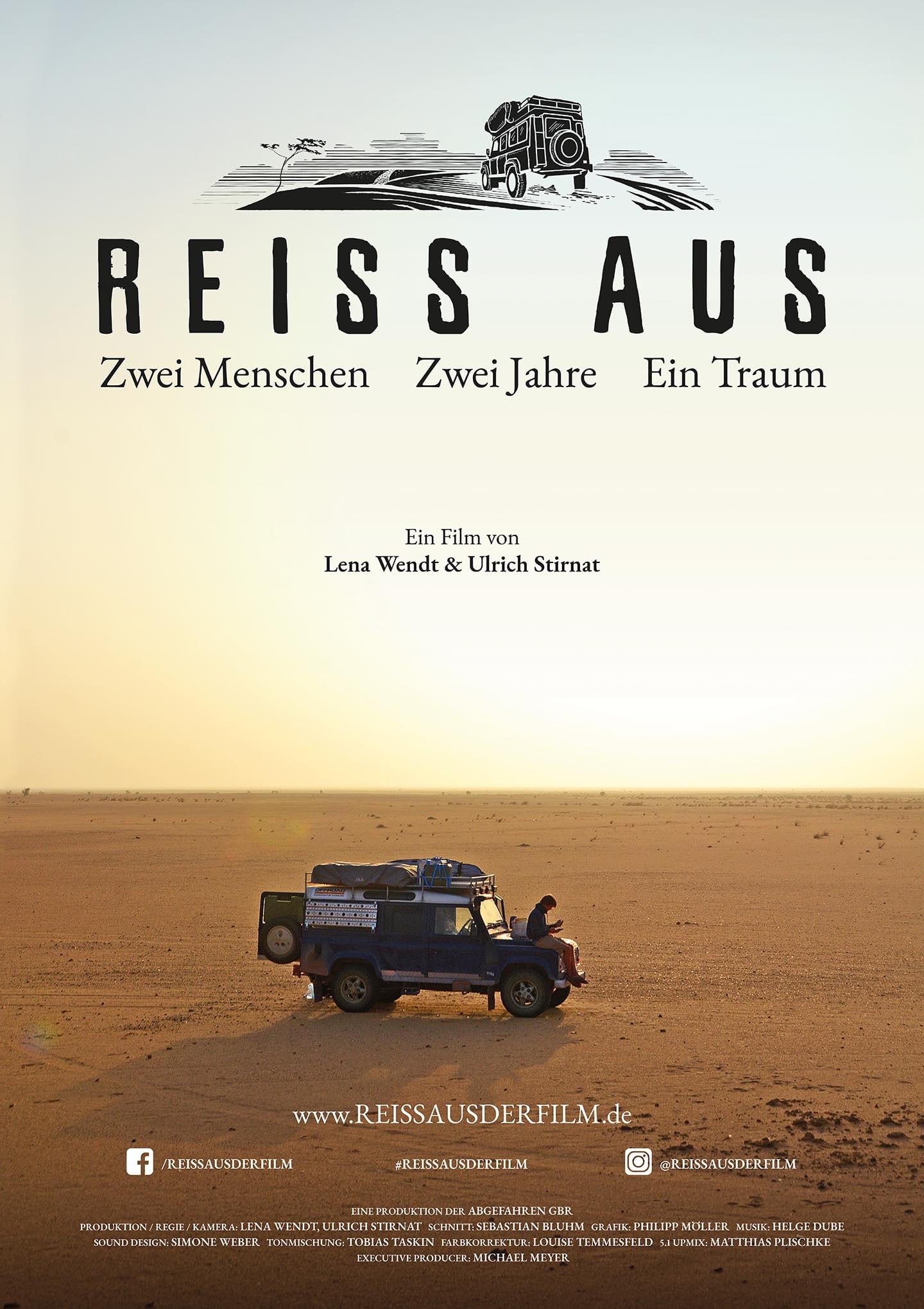
When Lena and Ulli start the engine of their old Land Rover, Lady Terés, they have a plan: to drive from Hamburg to South Africa in six months. What they don't know yet is that they won't ever get there. Two totally different characters, jammed together in two square meters of space for almost two years, they experience what it really means to travel: leaving your comfort zone for good.
The film deals with the judgment of the so-called "compromised", who integrated the colonial apparatus. At Josina Machel school, in an amphitheater with a full audience and balcony, there is a stage where Samora Machel and the members of the Frelimo political committee are located. He records Samora, an impeccable political actor, sometimes histrionic, in the role that he is attributed as the animator of the scene in the trial.
Garnetta Cromwell, a blues and soul musician of african descent has a lifelongdream of becoming a professional blues singer. Even though she had temporary deafness atthe ripe age of 5 from lying on the floor and putting her ear to the speaker so she could listen toAretha Franklin’s voice, she didn't see it as an obstacle but instead as a revelation that singingis her calling. Garnetta wants the world to hear her voice. She wants to promote and inspire theyounger generation of blues artists regardless of their race or gender. But as we all know, theworld always has something different planned for us.
A Wildlife Safari through Africa.
An educational documentary spanning two continents, opening up a much-needed debate about traditional African spiritual systems; their cosmologies, ideologies and underlying ethical principles. Modern science no longer refutes the origins of mankind being in Africa and similarities in the cosmological ideologies of African esoteric systems with those found many established world religions today, suggest that it was not only people that migrated, but also concepts and themes that then provided bedrock for the formation of other systems of belief.
Ben Caldwell’s Medea, a collage piece made on an animation stand and edited entirely in the camera, combines live action and rapidly edited still images of Africans and African Americans which function like flashes of history that the unborn child will inherit. Caldwell invokes Amiri Baraka’s poem “Part of the Doctrine” in this experimental meditation on art history, Black imagery, identity and heritage.