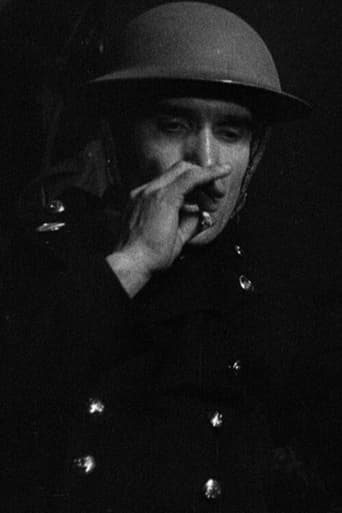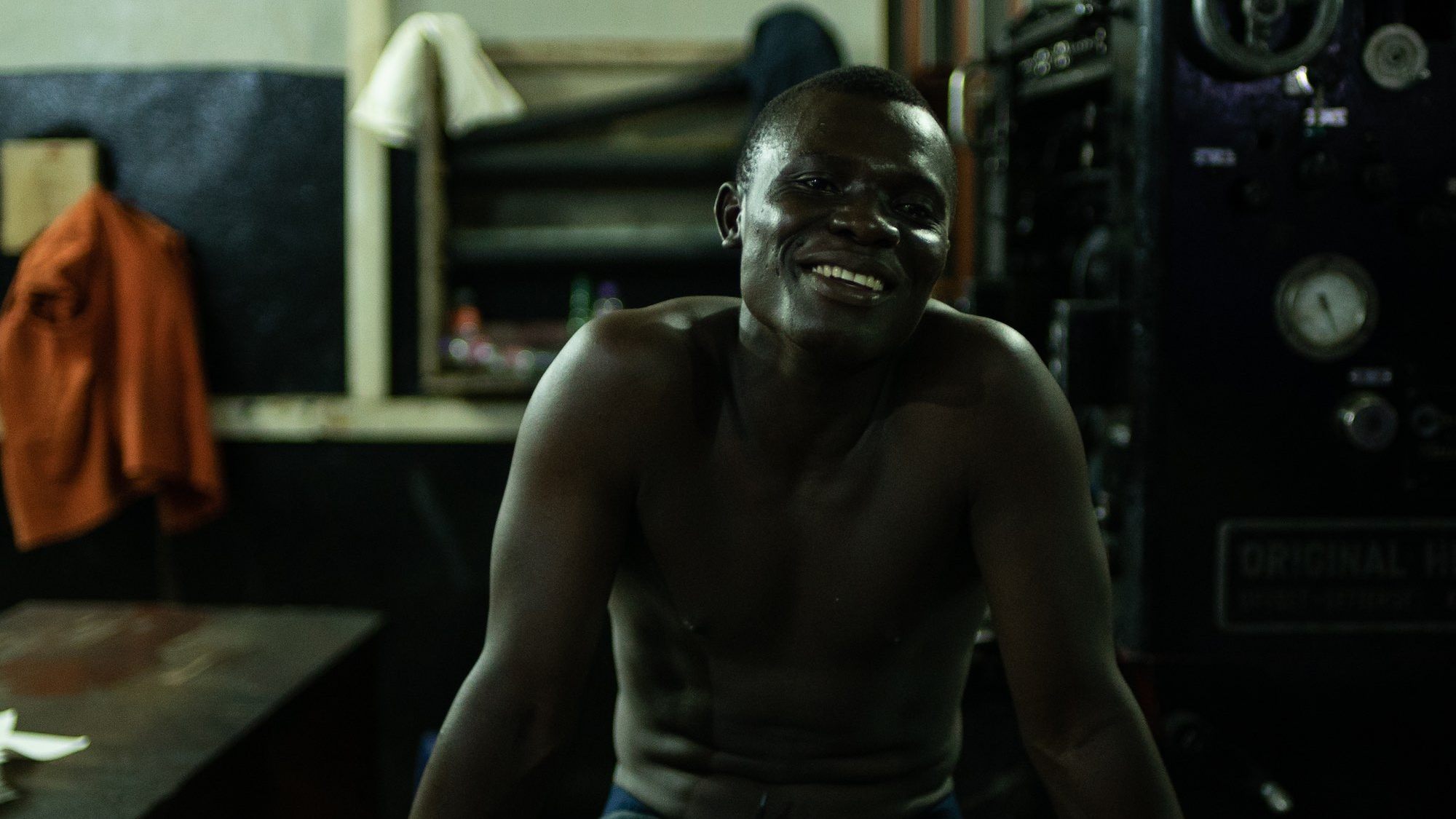
Shot over one night in the loud, dimly lit printing press, this is the story of the men whose labour lies behind Sierra Leone's oldest daily newspaper.
Social & External
Blood Diamonds is a made-for-TV documentary series, originally broadcast on the History Channel, that looks into the trade of diamonds which fund rebellions and wars in many African nations. The program focuses primarily on two nations: Sierra Leone and Angola. Diamonds which are traded for this purpose are known as blood diamonds.
Rich Peppiatt delivers a satirical dissection of the newspaper trade by turning the tables on unscrupulous editors. Through a series of mischievous stunts and interviews with heavyweights of journalism, comedy & politics, Peppiatt hilariously exposes the hypocrisy at the heart of modern journalism.
An account of the victims of the Sierra Leone Civil War and depicts the most brutal period with the Revolutionary United Front (RUF) rebels capturing the capital city on January 1999.
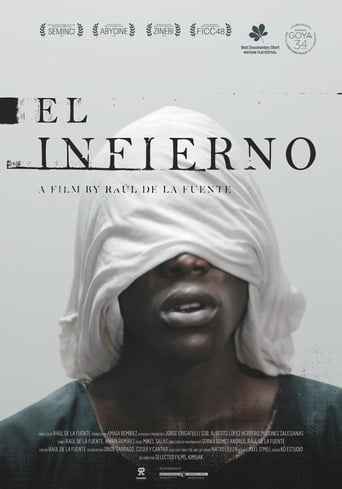
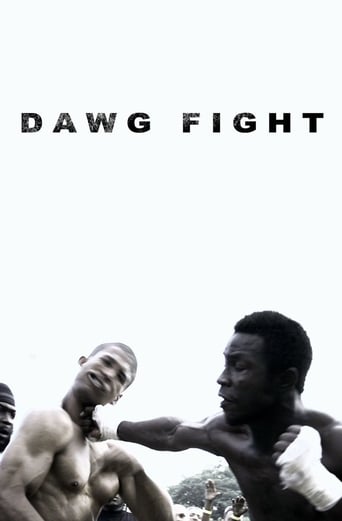
Chennu committed his first crime when he was 15 years old: being a street kid. And he entered hell: Pademba Road. The adult prison in Freetown. In hell, Mr. Sillah is in charge, and there is no hope. Chennu got out after four years. Now he wants to go back.
Documentary about the history of Jornal do Brasil, founded on April 14, 1891. In 1965, the Jornal do Brasil marked its innovative and active position, as recorded in the documentary "A Seventv-Four- Year-Old Fellow" by the filmmaker Nelson Pereira dos Santos, and the story itself was in charge of confirming. In the following years, the newspaper would witness the most remarkable events of the second half of the twentieth century in Brazil and in the world. It would applaud the democratic struggles and independence of peoples, support social demonstrations against oppression and justice at all levels. Tirelessly, he did not hesitate to report the truth of the facts, regardless of the circumstances in which they presented themselves.
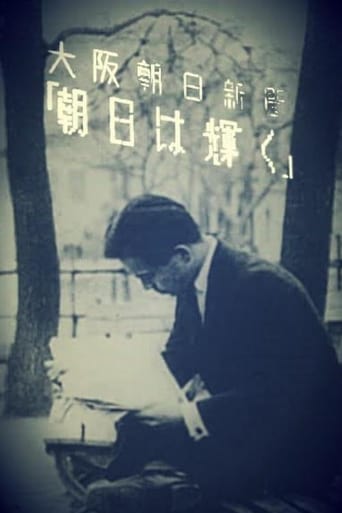
The Morning Sun Shines is a fiction-documentary film by Kenji Mizoguchi and Seiichi Ina. The film is a combination of a drama about a reporter, and documentary footage about newspaper production. Only 25 minutes of footage has survived.
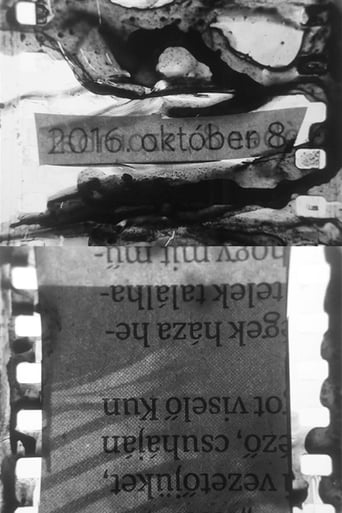
The title of the film is the date on which the editorial staff of Hungary’s largest opposition newspaper, Népszabadság, was fired. The filmmaker tore up copies of that day’s issue, layered them, and then turned them into an urgent collage expressing his yearning for the free expression of opposition viewpoints. The visible edges of the film emphasize the impossibility of presenting information in a complete context.
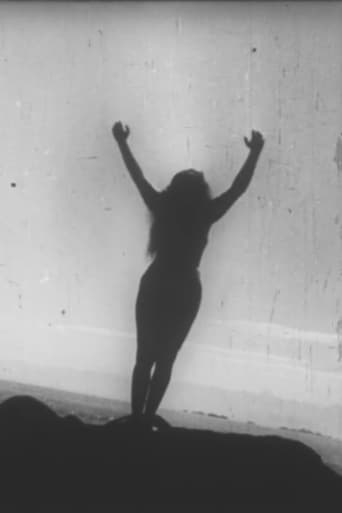
The life of Luz del Fuego, her artistic performances and involvement with naturism. One of the great Brazilian feminists and precursor of the Brazilian naturist movement.
Unprecedented access to the New York Times newsroom yields a complex view of the transformation of a media landscape fraught with both peril and opportunity.
In September 1954, David Attenborough, cameraman Charles Lagus, Jack Lester and Alf Woods, both from the Zoological Society of London, set out for Sierra Leone. They spent three months intently surveying the landscapes of Sierra Leone in search of nature’s rarest animals. Although predominantly searching for Picathartes gymnocephalus (the White-necked Rockfowl) they hoped to take back to London a representative collection of the whole of animal life in this part of Africa.
Among the many parts of the world in which Unilever companies operate, West Africa has a special place. The Africa of popular imagination is a land of jungles, swamps and mud huts; but side by side with the traditional, a new Africa is growing and the film "African Awakening” is an expression of this, of the attitudes of those African men and women who are today the driving force of West African progress. “African Awakening”, a colour film which runs for 38 minutes, is one of a series of Unilever films dealing with different aspects of African life.
This short documentary explores how the Ilustrada section of the Folha de S. Paulo newspaper had to fight back against censorship from the military dictatorship in Brazil after Lourenço Diaféria, one of its columnists, published an article criticising the patron of the Brazilian army, Duque de Caxias.
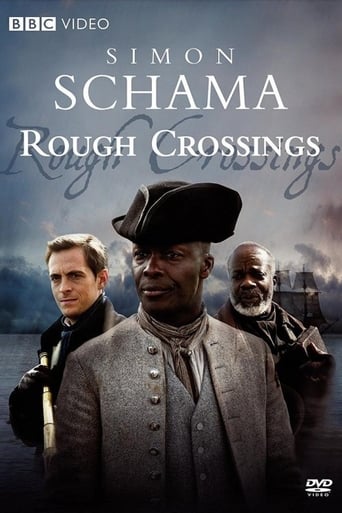
Simon Schama presents a drama-documentary that charts the extraordinary journey of the American slaves who fought for the British side in the American War of Independence and were then led by a young Englishman to Africa. There, they struggled to establish a colony in Sierra Leone, where they could be free.
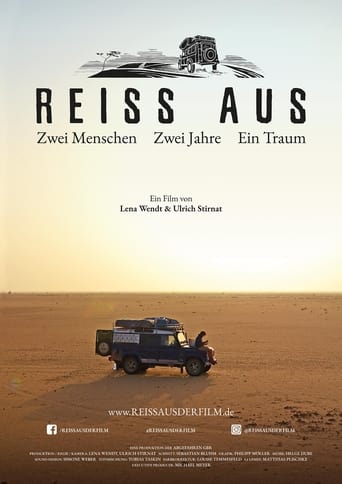
When Lena and Ulli start the engine of their old Land Rover, Lady Terés, they have a plan: to drive from Hamburg to South Africa in six months. What they don't know yet is that they won't ever get there. Two totally different characters, jammed together in two square meters of space for almost two years, they experience what it really means to travel: leaving your comfort zone for good.
From the beginning, Hergé's work, Tintin's creator, was conditioned by the ideology of his publisher, the weekly child supplement of a Belgian Catholic newspaper. An exciting analysis of the political meaning of the adventures of Tintin.
The National Library of France is the guardian of priceless treasures that tell our history, our illustrious thinkers, writers, scholars and artists. Telling the story of the exceptional treasures of the National Library of France is like opening a great history book rich in many twists and turns. Without the love of the kings of France for books and precious objects, this institution would never have seen the light of day. The story begins in the 14th century under the reign of a passionate writer, Charles V, who set up a library in his apartments in the Louvre. But it was not until the 17th century, and the reign of Louis XIV, a lover of the arts and letters, that the royal library took over its historic quarters in the rue Vivienne in Paris, which it still occupies.
How do you put a life into 500 words? Ask the staff obituary writers at the New York Times. OBIT is a first-ever glimpse into the daily rituals, joys and existential angst of the Times obit writers, as they chronicle life after death on the front lines of history.
Memory is a ghost. Lucio, a printing press worker, takes one last walk around the machines with whom he shared everything. He remembers when his mechanisms used to move and through that mechanical movement he reflects about his own life.
The 100 years of history of the Chosun Ilbo and the Dong-A Ilbo show that wrong press can be a social weapon.
The story of how newspapers were distributed during the Blitz, stressing the importance of an accurate and objective press on the home front.