The story of the creation of The Spirit of the Beehive, a film directed by Víctor Erice in 1973.
Social & External
The people behind it
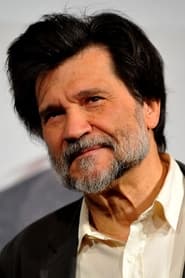
Víctor Erice
Self - Filmmaker
Elías Querejeta
Self - Film Producer
José Enrique Monterde
Self - Film Historian
Ángel Fernández Santos
Self - Screenwriter
Ana Torrent
Self - Actress
Teresa Gimpera
Santos Zunzunegui
Manuel Gutiérrez Aragón
In the summer of ’83 a camera crew visited Valkhn Films, an editing house where Style Wars was being painstakingly spliced together. This 25 min piece is a rare glimpse at the process of telling a real story as it’s happening.
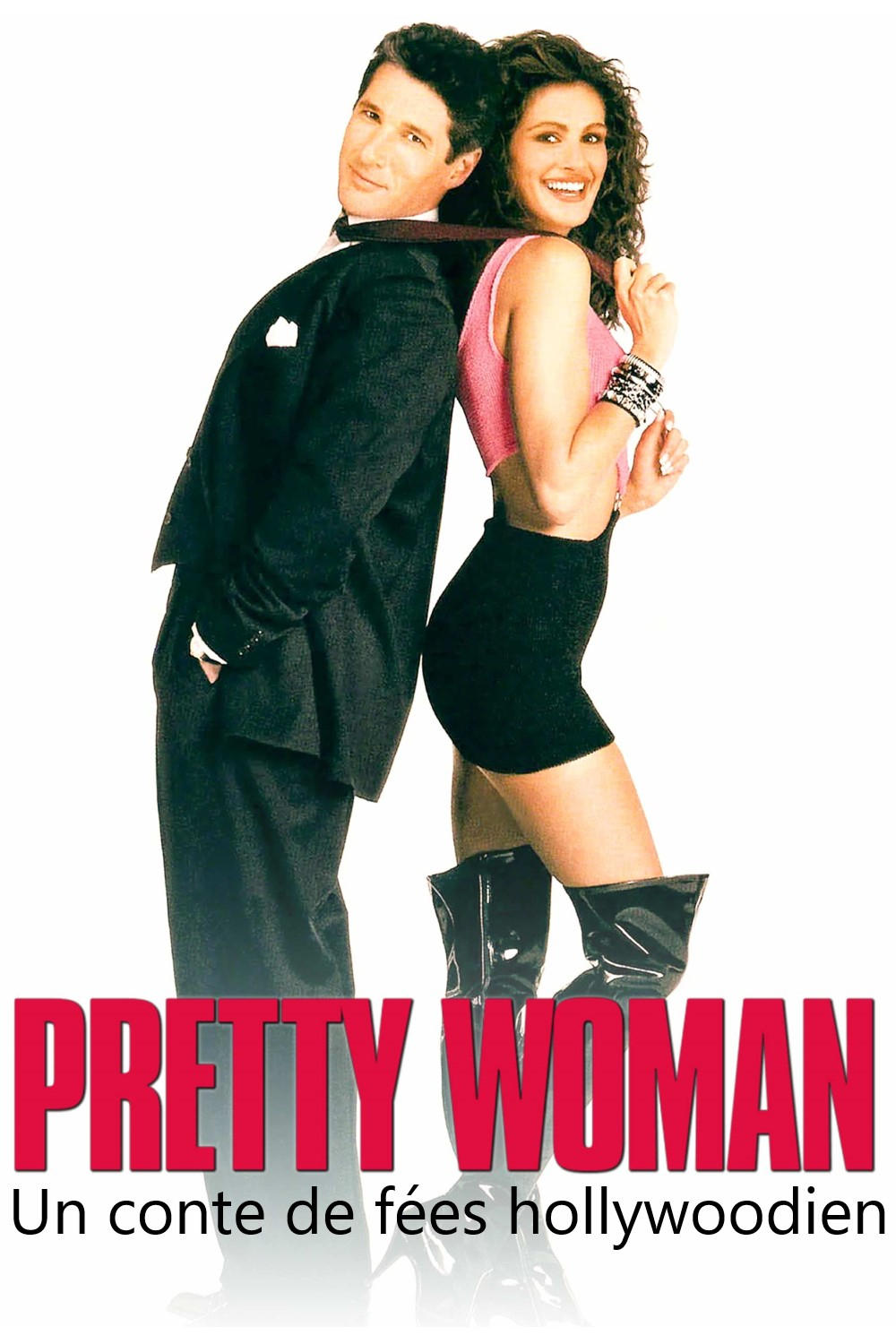
Overknee boots that triggered a fashion wave, a legendary shopping spree to the iconic theme song - the 1990 romantic comedy "Pretty Woman" by Garry Marshall starring Julia Roberts and Richard Gere is still the genre's biggest box office hit. The modern fairytale about a rich man who falls in love with a prostitute and rescues her made millions dream and made 22-year-old Julia Roberts famous overnight.
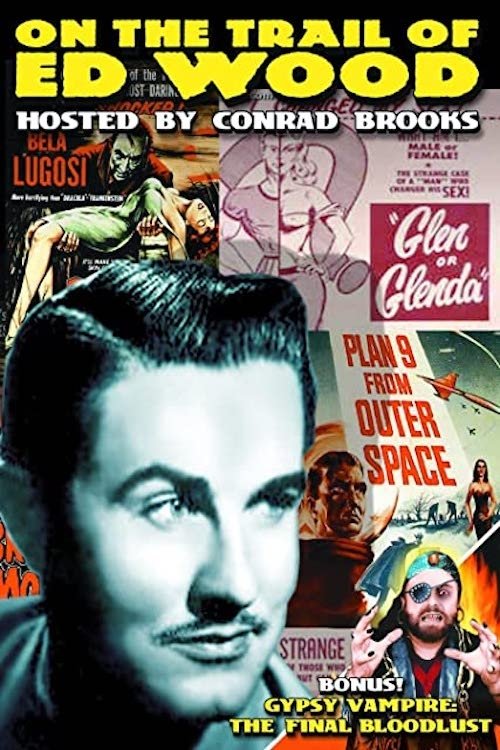
A documentary on the life and career of filmmaker Edward D. Wood Jr., with clips from his films and interviews with the cast and crews of some of his films.
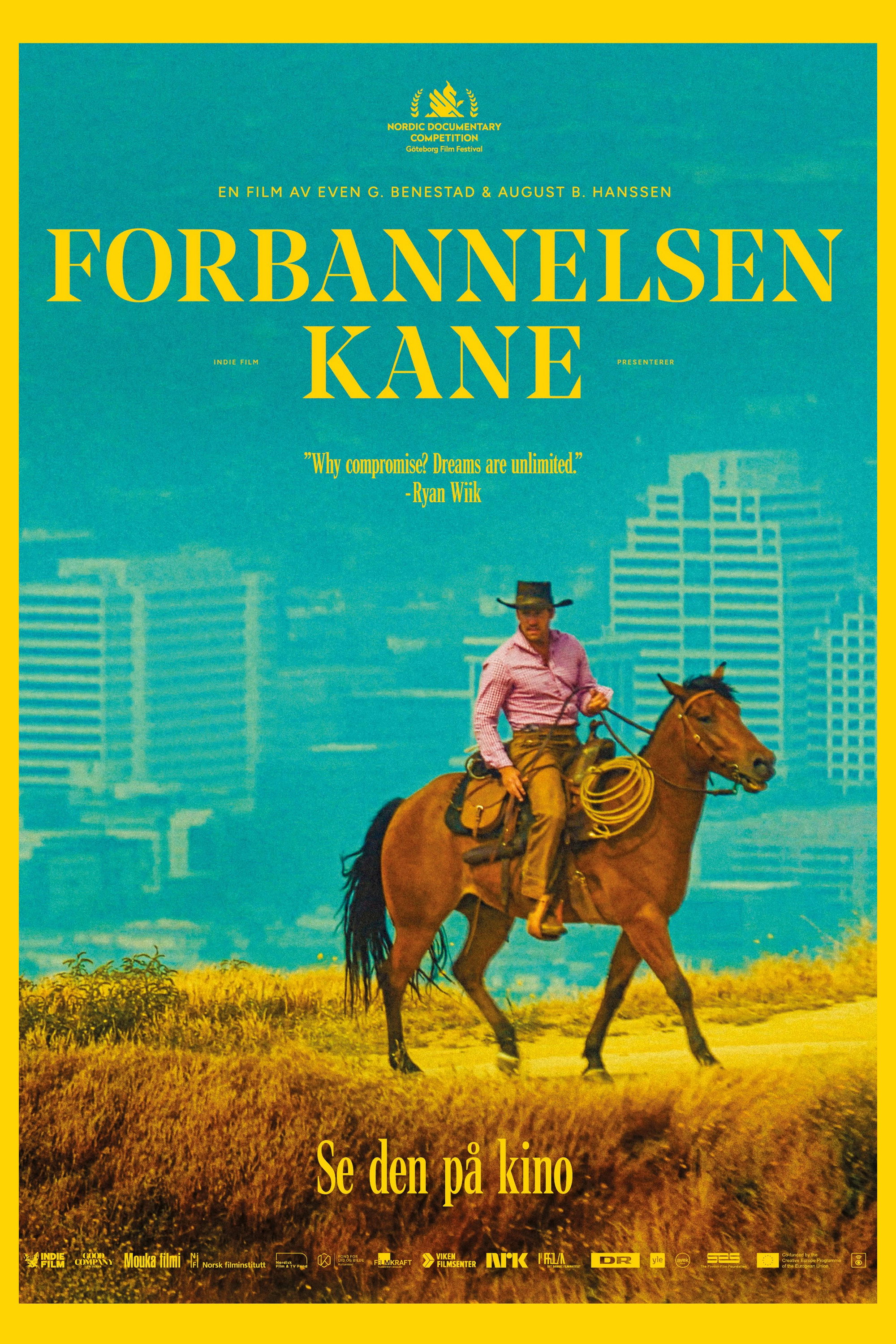
We’ve all dreamed about making it big. About doing something that sets us apart and makes an indelible claim about who we are. Gunnar Ryan Wiik is a dreamer. But what makes him stand out is that he is seemingly willing to do anything to make his dreams come through. Directors Even G. Benestad and August B. Hanssen has been following the Norwegian entrepreneur Gunnar Ryan Wiik since 2017 when his spectacular film project about the Western hero Morgan Kane collapsed and became front-page material in Norwegian newspapers. Ryan lost everything. With unique access over seven years, the film follows Ryan's new and adventurous projects. Can he finally succeed, or will the ghosts of the past consume him?
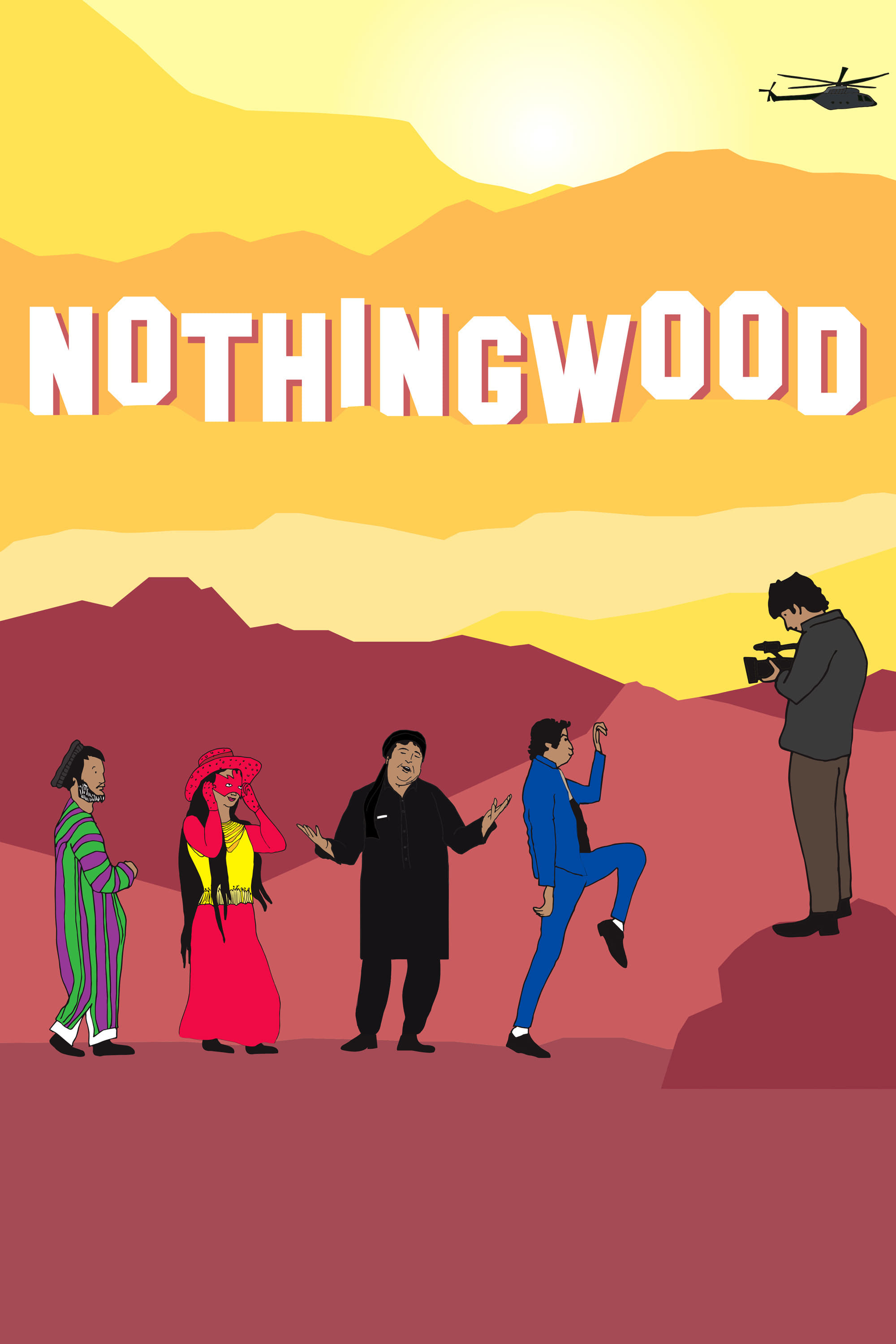
French documentarist Sonia Kronlund follows actor and director Salim Shaheen, an Afghan movie star who produced more than 110 low-budget movies in a country devastated by war.
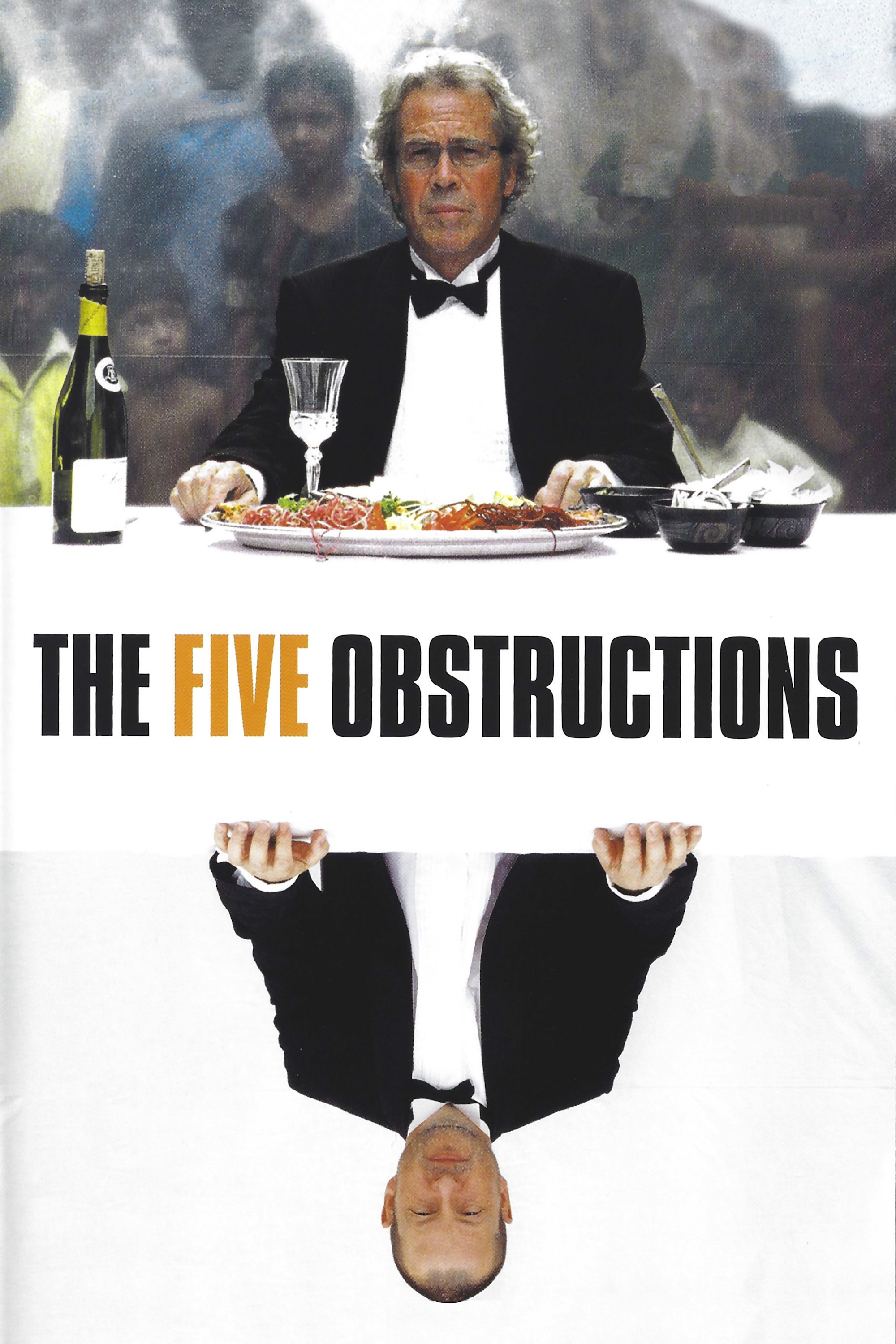
In 1967, experimental filmmaker Jorgen Leth created a striking short film, The Perfect Human, starring a man and women sitting in a box while a narrator poses questions about their relationship and humanity. Years later, Danish director Lars von Trier made a deal with Leth to remake his film five times, each under a different set of circumstances and with von Trier's strictly prescribed rules. As Leth completes each challenge, von Trier creates increasingly further elaborate stipulations.
How are the sex scenes filmed? What tricks are used to fake the desire? How do the interpreters prepare and feel? Spanish actors and directors talk about the most intimate side of acting, about the tricks and work methods when narrating exposed sex. In Spain the general rule is that there are no rules. Each film, each interpreter, faces it in very different ways.
The history of Bruguera, the most important comic publisher in Spain between the 1940s and the 1980s. How the characters created by great writers and pencilers became Spanish archetypes and how their strips persist nowadays as a portrait of Spain and its people. The daily life of the creators and the founding family, the Brugueras. The world in which hundreds of vivid colorful paper beings lived and still live, in the memory of millions, in the smile of everyone.
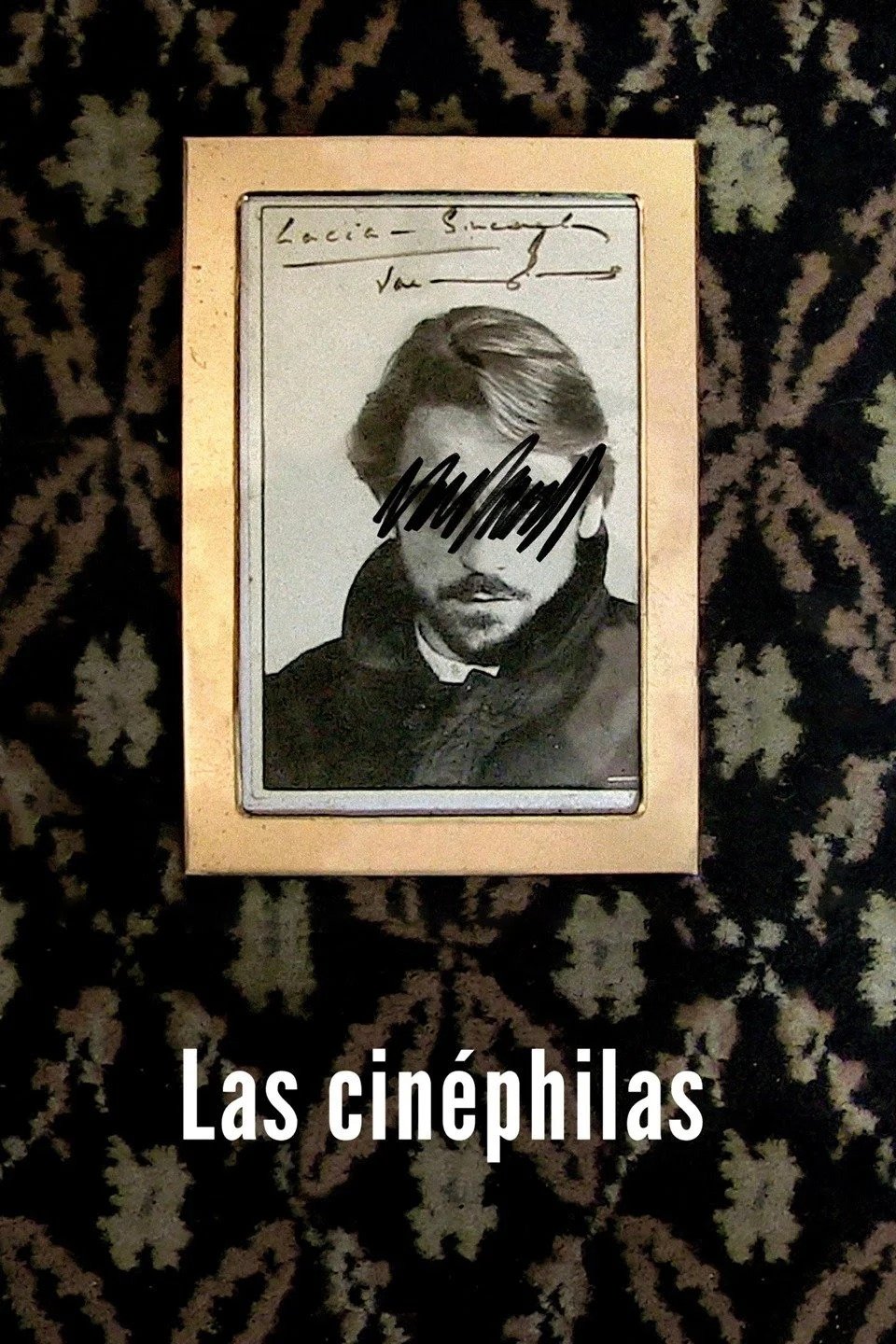
Six elderly retired women, two from Buenos Aires, Argentina; two from Montevideo, Uruguay; and two from Madrid, Spain, have something in common, despite their different interests and lives: they go to the movies almost every day.
An experiment and a dialogue about recording, the act of filming and the colors available to whoever points the camera somewhere.
Dinosaurs Vs. Apes: DINOSAUR MOVIES and HOLLYWOOD GOES APE! have been hailed as the definitive documentaries on the prehistoric and anthropoid creatures that have appeared on the silver screen. Filled with rare movie clips, behind-the-scenes footage and interviews.
Hawaii, May 1977. After the success of Star Wars, George Lucas and Steven Spielberg meet to find a new project to work on together, the former as producer, the latter as director. The story of how the charismatic archaeologist Indiana Jones was born and how his first adventure, released in 1981, triumphed at box offices around the world.
Delves into the history of the most extreme and shocking films that have ever been made. chronicles the timeline of Red Films: those films that are too extreme for the mainstream and historically have been circulated via the bootleg circuit.
Film historians, a costumer, and three of the actors relate what it was like to work with John Wayne on True Grit (1969).
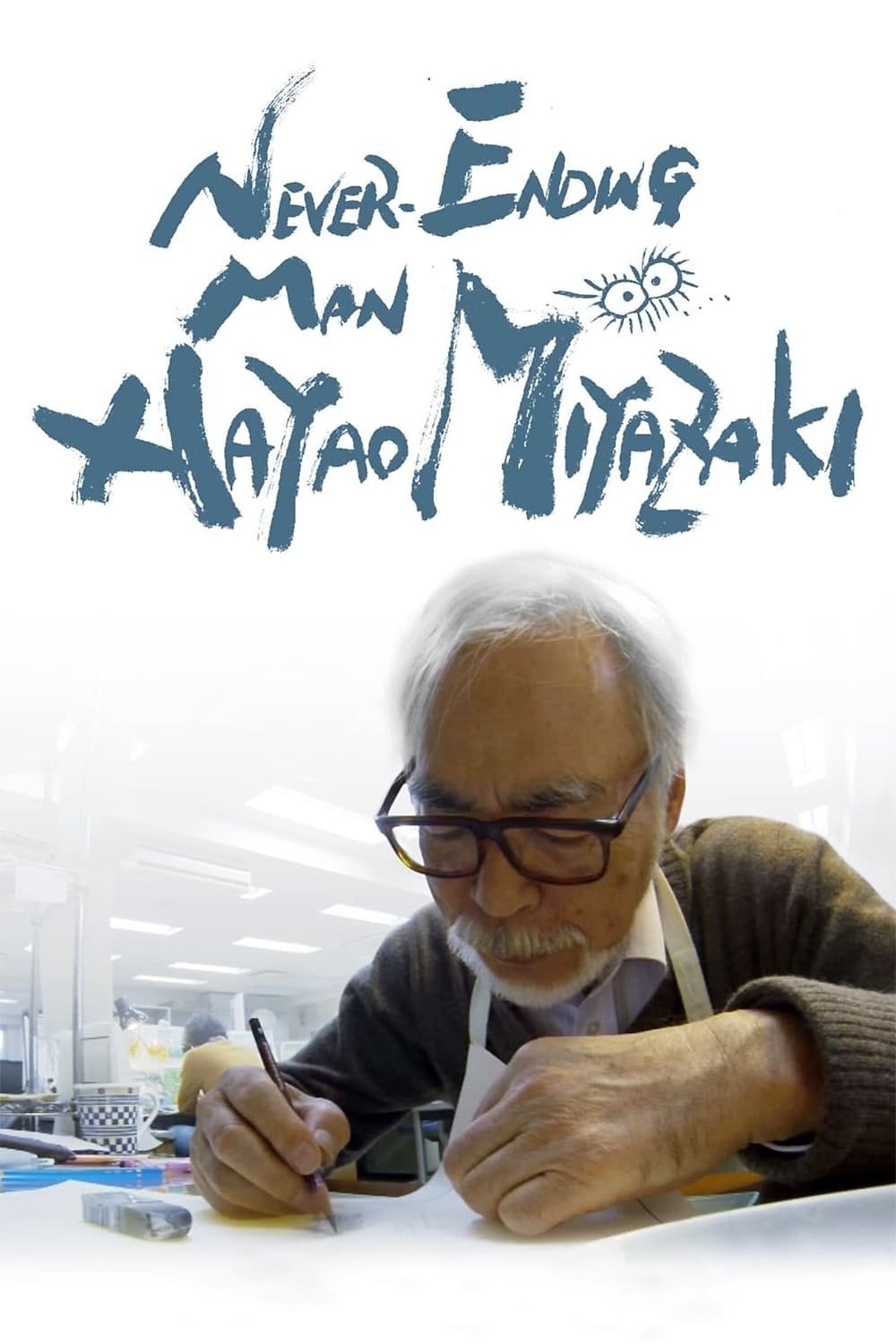
A look at legendary Japanese animator Hayao Miyazaki following his retirement in 2013.
An in-depth documentary on the behind-the-scenes of the 1990 Canuck cult classic The Final Sacrifice.
Japan, 1954. A legend emerges from the ashes of Hiroshima and Nagasaki, devastated by atomic bombs in 1945. The creature's name is Godzilla. The film that tells its story is the first of kaiju eiga, the giant monster movies.
Filmed mostly on a Mini DV camera Gavin has thought of a quick way to become successful and be the master of the world but he has to wait for it all to fall into place… he has to wait for the postman to start production documenting the process of being master of the world.
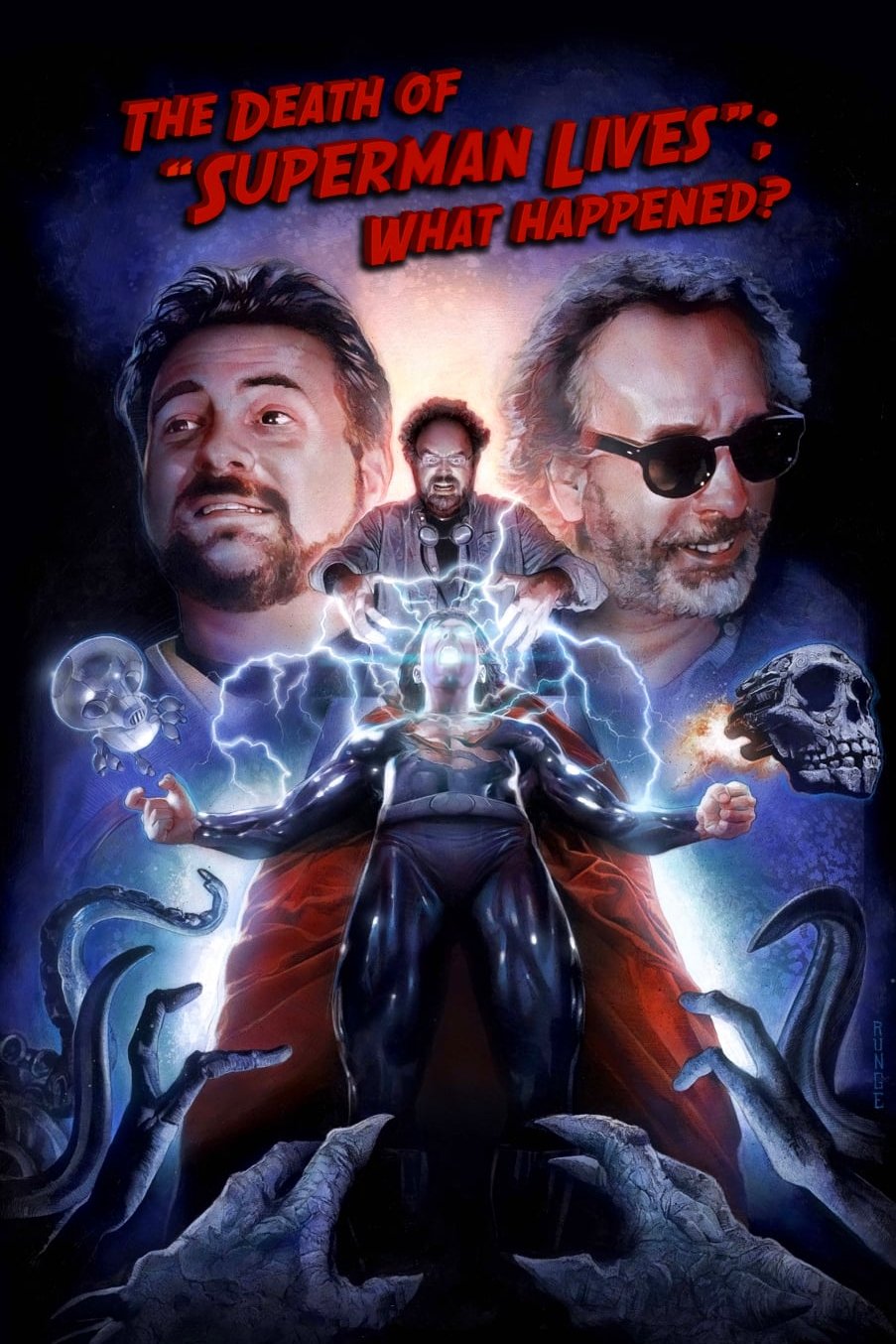
The Death of 'Superman Lives': What Happened? feature film documents the process of development of the ill fated "Superman Lives" movie, that was to be directed by Tim Burton and star Nicolas Cage as the man of steel himself, Superman. The project went through years of development before the plug was pulled, and this documentary interviews the major filmmakers: Kevin Smith, Tim Burton, Jon Peters, Dan Gilroy, Colleen Atwood, Lorenzo di Bonaventura and many many more.
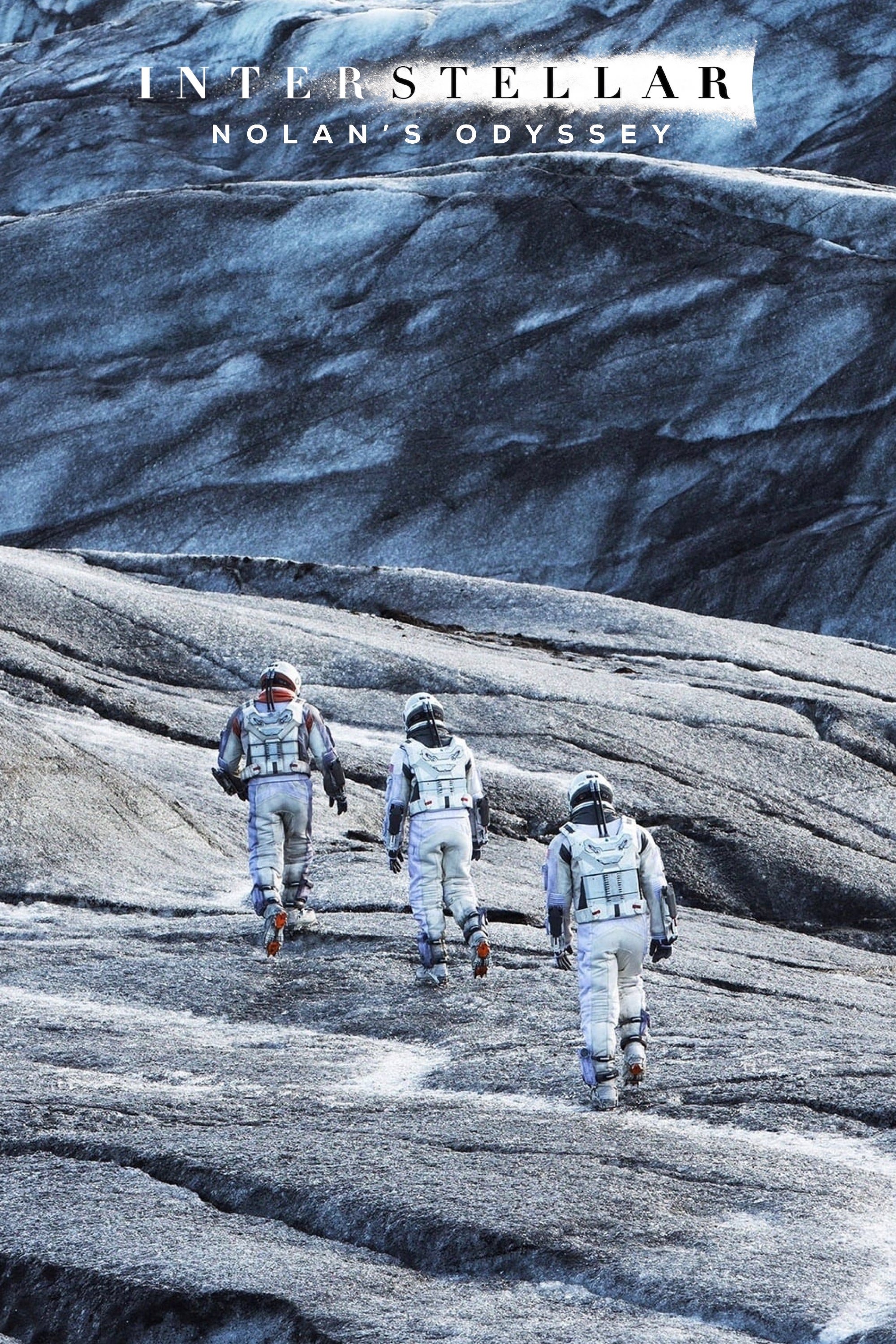
A look behind the lens of Christopher Nolan's space epic.
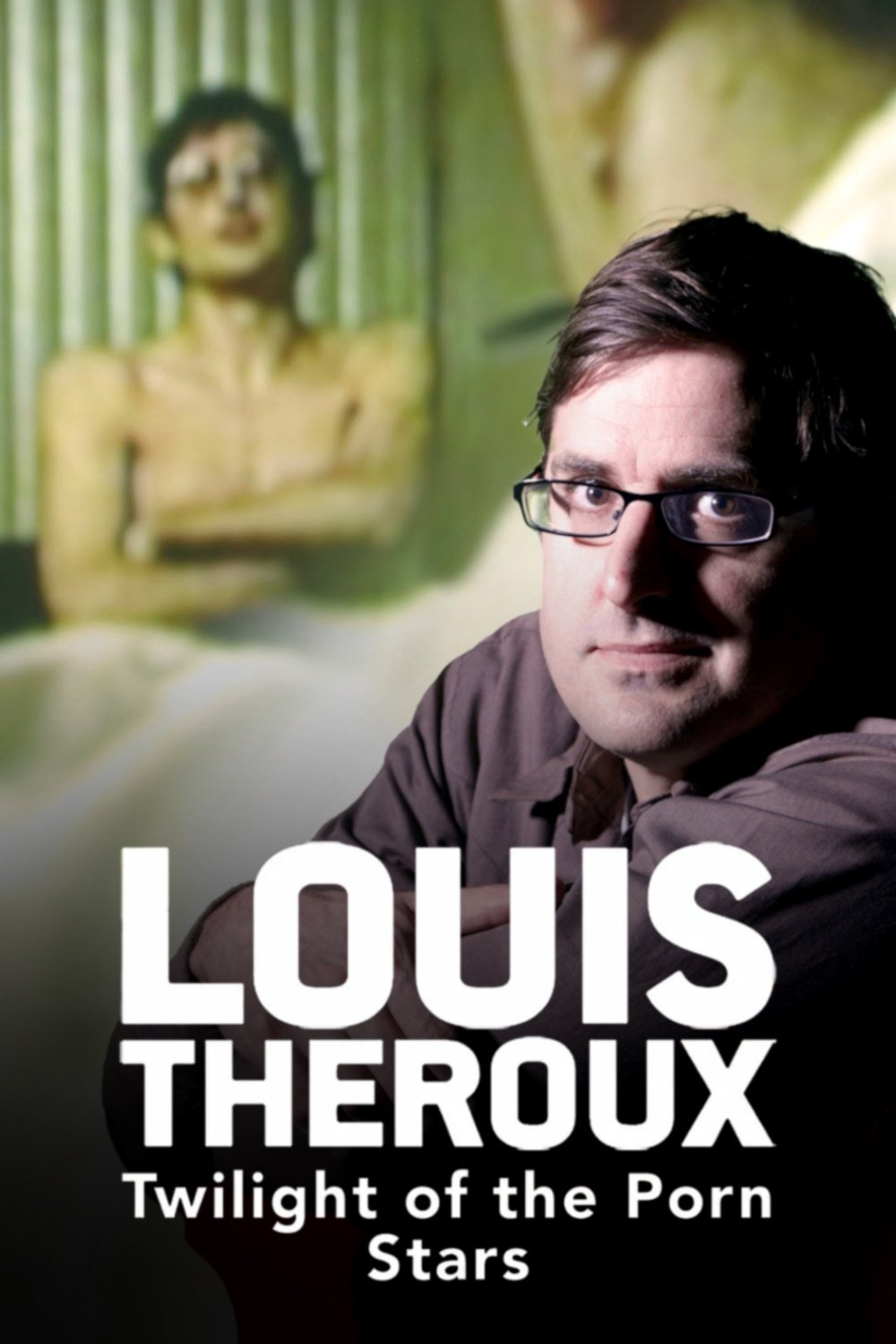
In 1997, Louis Theroux made a documentary about the world of male porn performers in Los Angeles. 15 years later, he returns to find a business struggling with the deluge of free porn on the internet. Louis revisits some of the original programme's contributors as well as meeting the latest crop of porn performers dreaming of porn stardom.
The history of cinematic sound, told by legendary sound designers and visionary filmmakers.
The story lives forever in this feature-length documentary that charts the making of Star Wars: The Rise of Skywalker.
This revealing documentary honors the legendary Sidney Poitier—iconic actor, filmmaker, and civil rights activist. Featuring interviews with Denzel Washington, Spike Lee, Halle Berry, and more.
This special explores the return of Obi-Wan Kenobi and Anakin Skywalker to the screen, as well as Ewan McGregor and Hayden Christensen to their classic roles. Director Deborah Chow leads the cast and crew as they create new heroes and villains that live alongside new incarnations of beloved Star Wars characters, and an epic story that dramatically bridges the saga films.
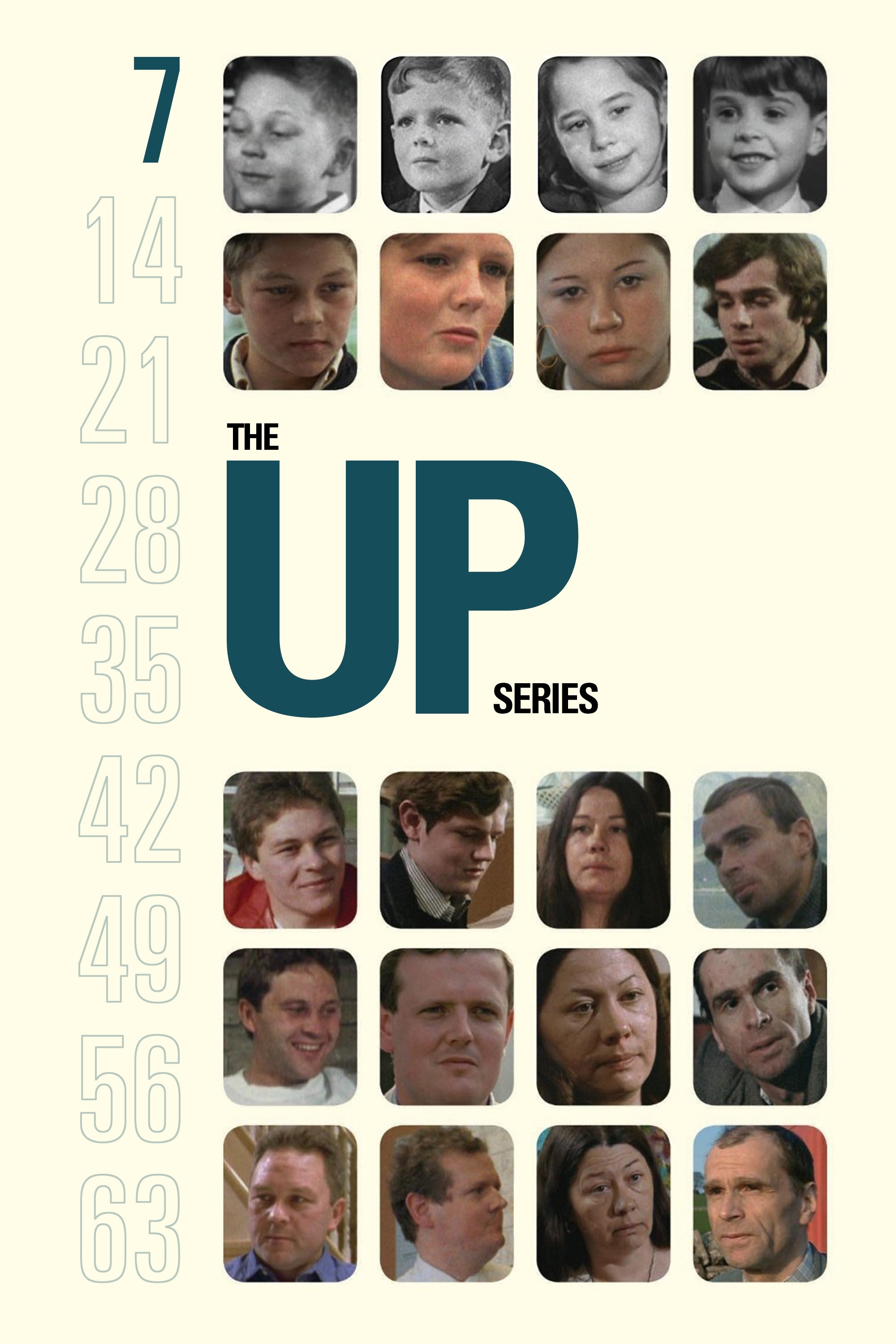
A group of British children aged 7 from widely ranging backgrounds are interviewed about a range of subjects. The filmmakers plan to re-interview them at 7 year intervals to track how their lives and attitudes change as they age.
After years in the limelight, Selena Gomez achieves unimaginable stardom. But just as she reaches a new peak, an unexpected turn pulls her into darkness. This uniquely raw and intimate documentary spans her six-year journey into a new light.
Journey into the extraordinary world of "The Witcher" — from casting the roles to Jaskier's catchy song — in this behind-the-scenes look at the series.
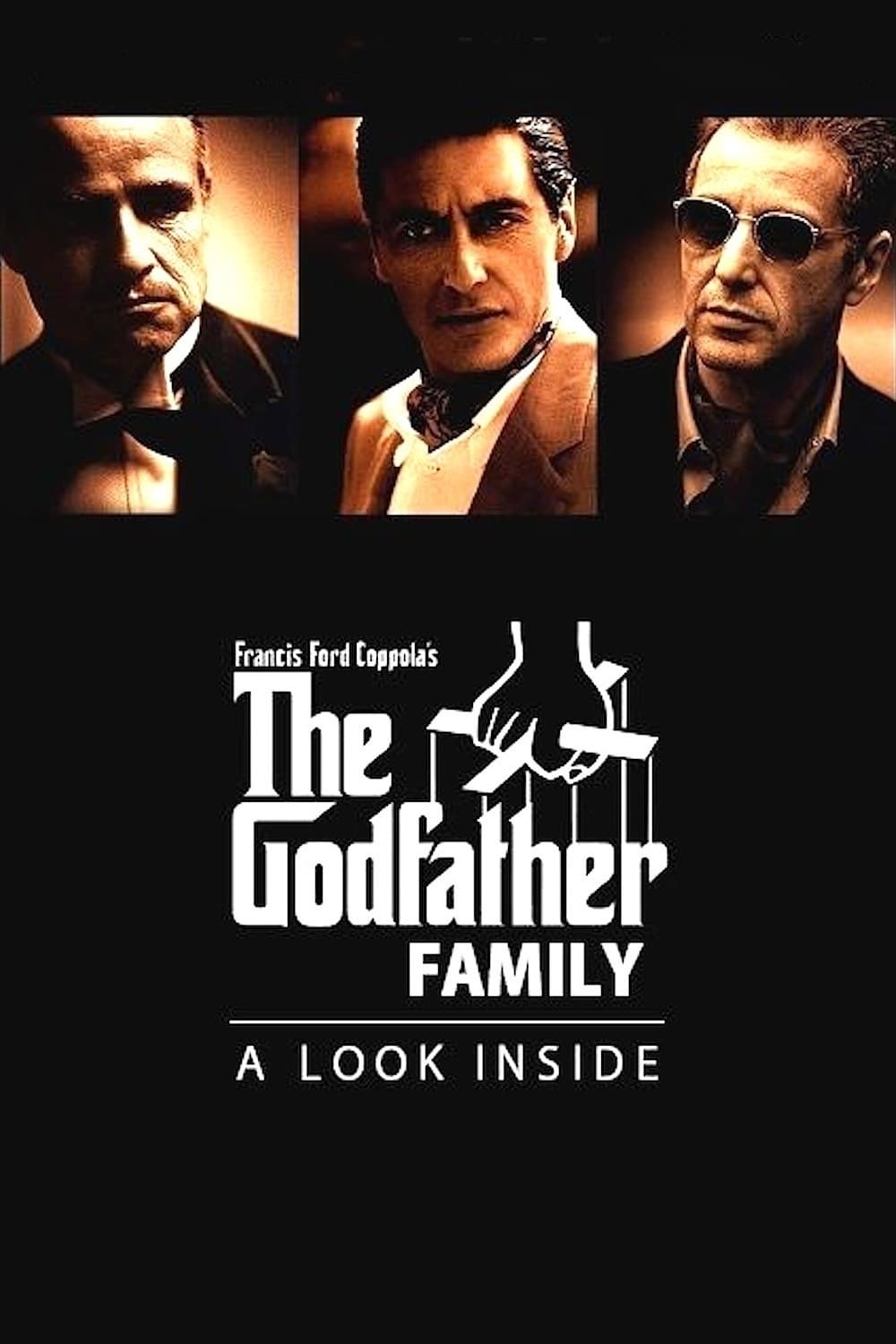
A documentary on the making of the three Godfather films, with interviews and recollections from the film makers and cast. This feature also includes the original screen tests of some of the actors for "The Godfather" film, and some candid moments on the set of "The Godfather: Part III."
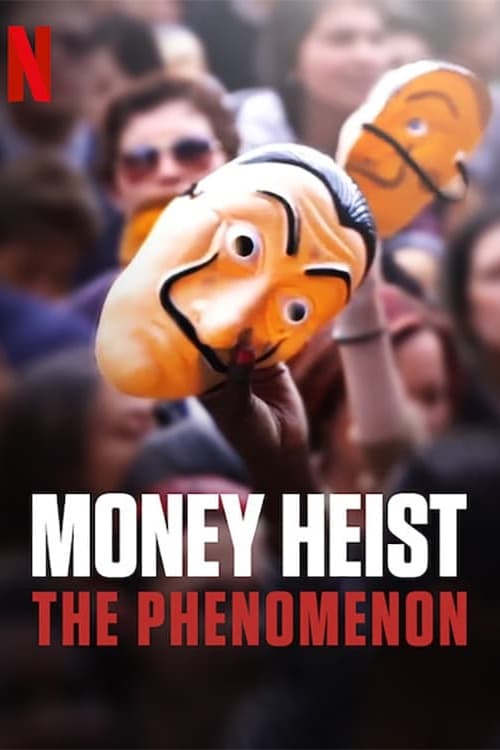
A documentary on why 'Money Heist' sparked a wave of enthusiasm around the world for a lovable group of thieves and their professor.
SEDUCED AND ABANDONED combines acting legend Alec Baldwin with director James Toback as they lead us on a troublesome and often hilarious journey of raising financing for their next feature film. Moving from director to financier to star actor, the two players provide us with a unique look behind the curtain at the world's biggest and most glamourous film festival, shining a light on the bitter-sweet relationship filmmakers have with Cannes and the film business. Featuring insights from directors Martin Scorsese, 'Bernando Bertolucci' and Roman Polanski; actors Ryan Gosling and Jessica Chastain and a host of film distribution luminaries.
Alexander McQueen's rags-to-riches story is a modern-day fairy tale, laced with the gothic. Mirroring the savage beauty, boldness and vivacity of his design, this documentary is an intimate revelation of McQueen's own world, both tortured and inspired, which celebrates a radical and mesmerizing genius of profound influence.
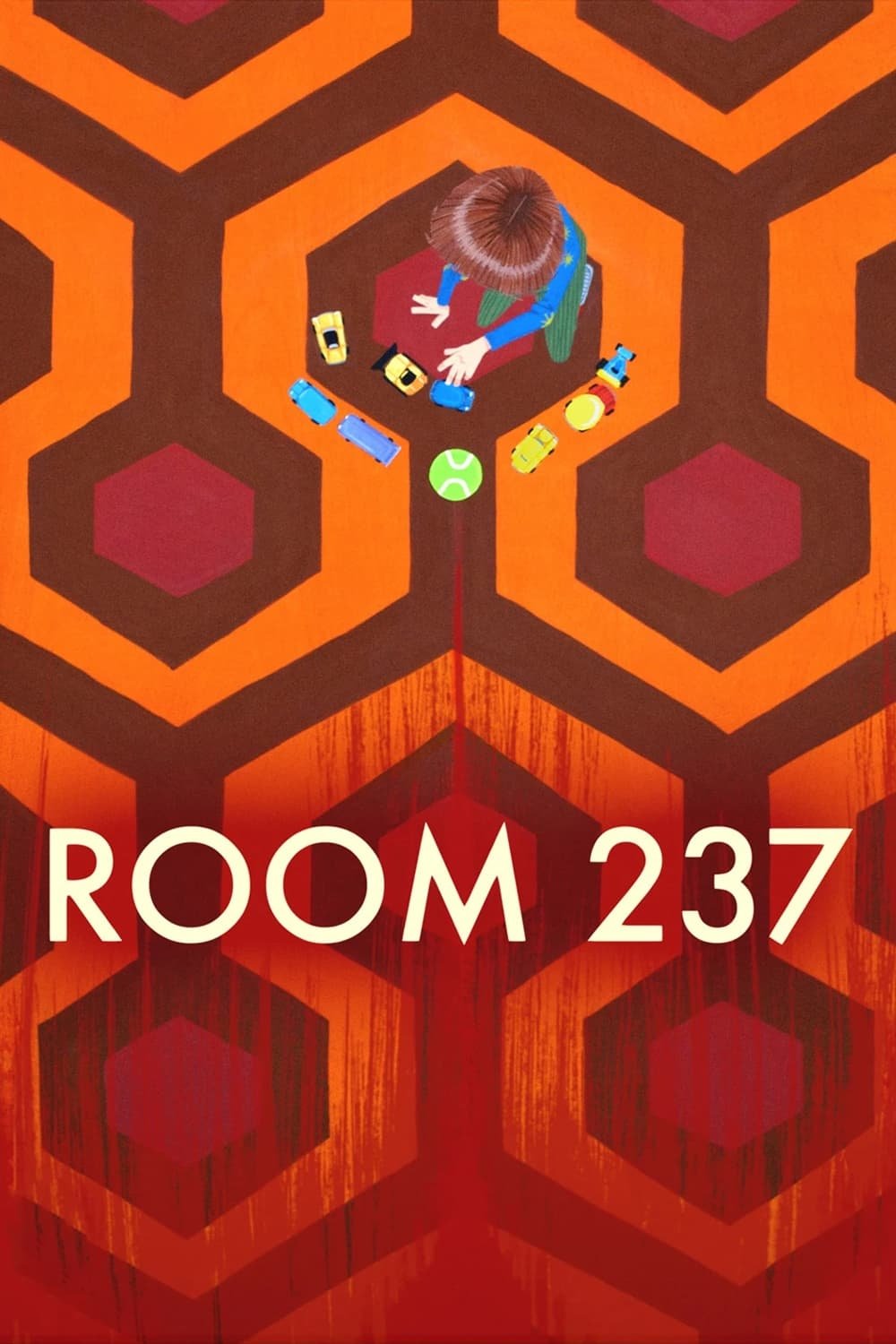
A subjective documentary that explores various theories about hidden meanings in Stanley Kubrick's classic film The Shining. Five very different points of view are illuminated through voice over, film clips, animation and dramatic reenactments.
Director Michael Apted revisits the same group of British-born adults after a 7 year wait. The subjects are interviewed as to the changes that have occurred in their lives during the last seven years.
An exploration —manipulated and staged— of life in Las Hurdes, in the province of Cáceres, in Extremadura, Spain, as it was in 1932. Insalubrity, misery and lack of opportunities provoke the emigration of young people and the solitude of those who remain in the desolation of one of the poorest and least developed Spanish regions at that time.
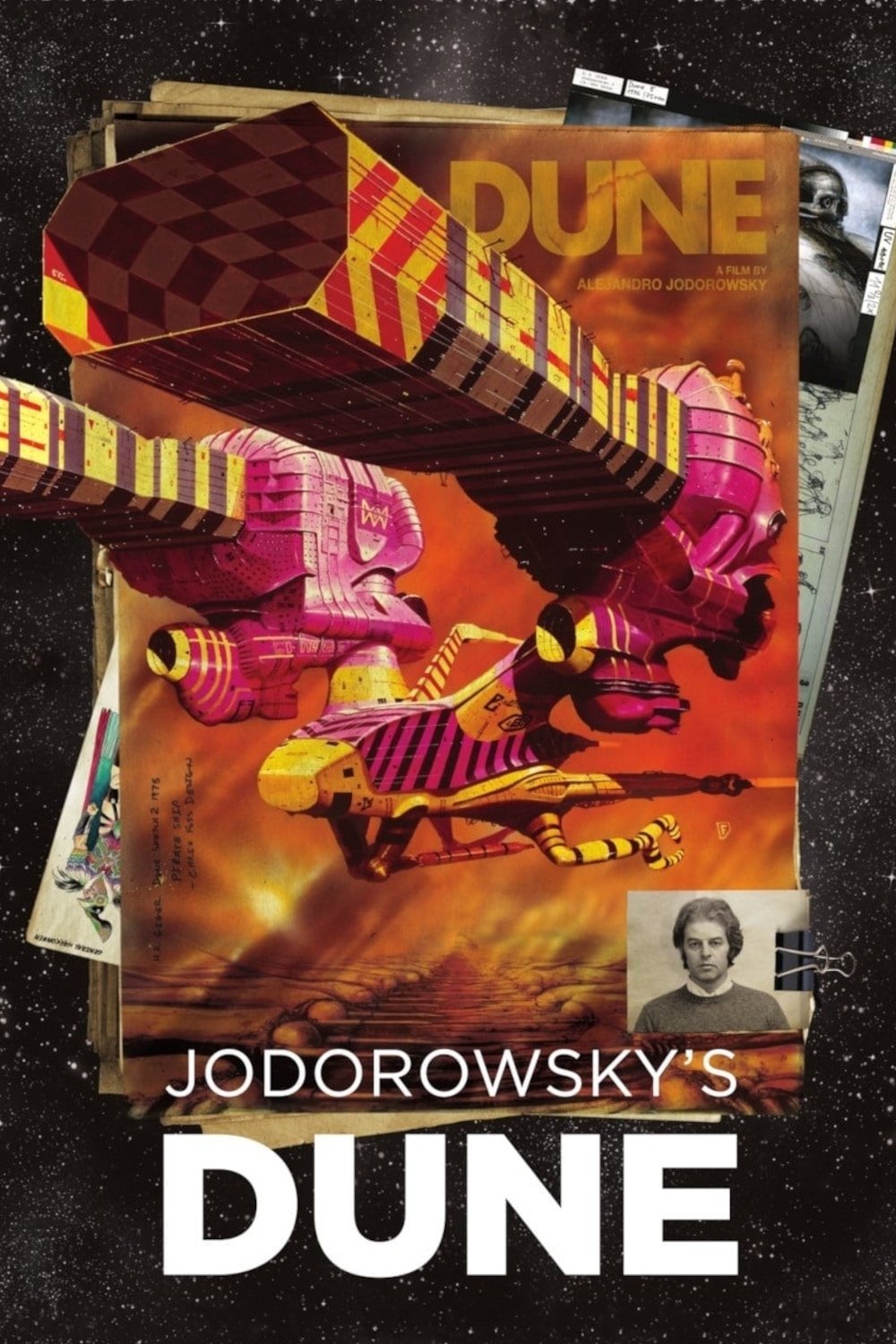
In 1974, Chilean-French director Alejandro Jodorowsky embarked on the quixotic project of adapting Frank Herbert's influential novel Dune (1969) for the big screen. After investing two years, and millions of dollars, the gigantic project ended in failure; but the artists Jodorowsky brought together to carry it out continued to work together, and ended up laying the foundations for modern science fiction cinema.
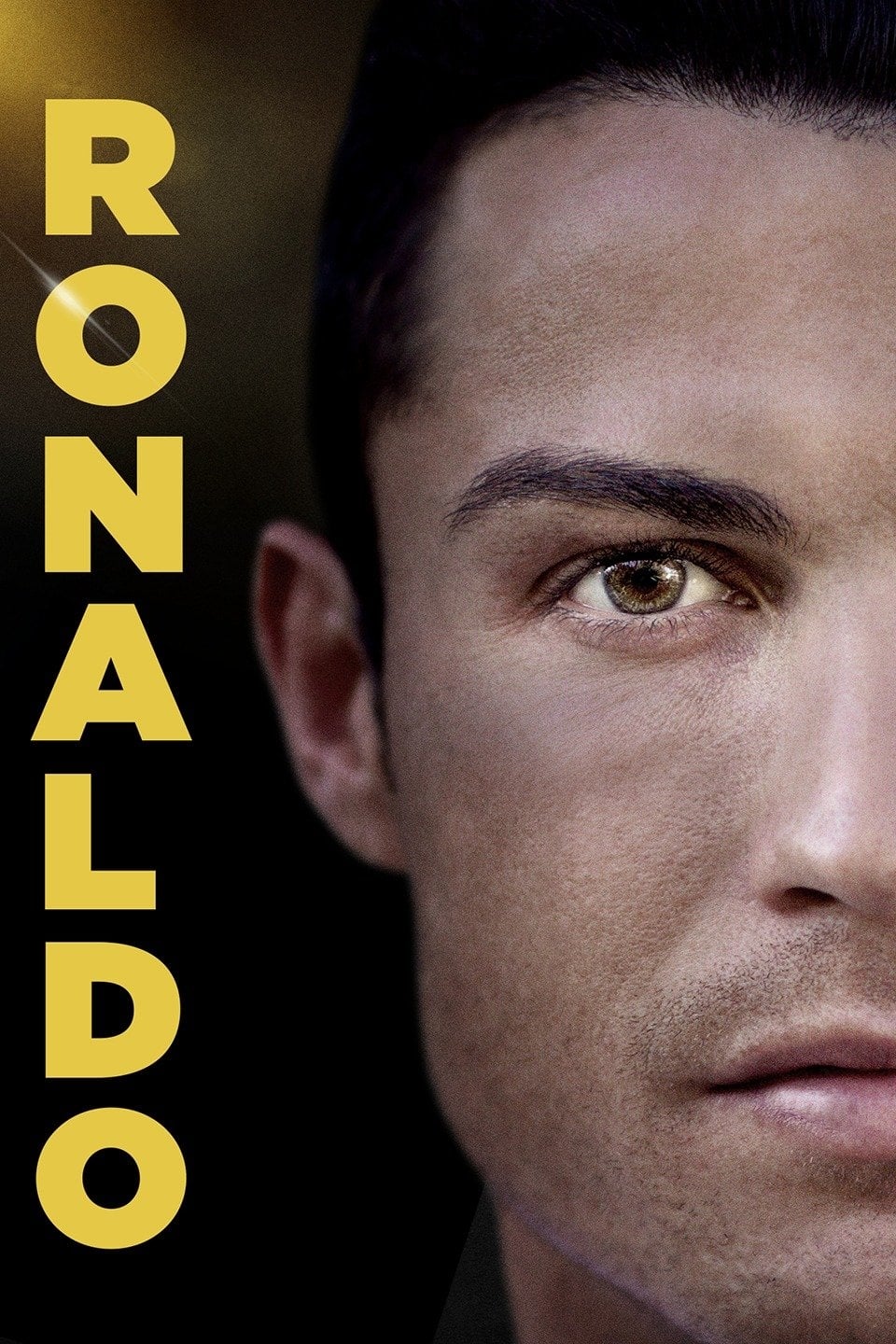
Filmed over 14 months with unprecedented access into the inner circle of the man and the sport, this is the first official and fully authorised film of one of the most celebrated figures in football. For the first time ever, the world gets vividly candid and un-paralleled, behind-closed-doors access to the footballer, father, family-man and friend in this moving & fascinating documentary. Through in-depth conversations, state of the art football footage and never before seen archival footage, the film gives an astonishing insight into the sporting and personal life of triple Ballon D'Or winner Cristiano Ronaldo at the peak of his career. From the makers of ‘Senna’ and ‘Amy’, Ronaldo takes audiences on an intimate and revealing journey of what it’s like to live as an iconic athlete in the eye of the storm.
A feature length documentary about the all-women team at the helm of Pixar's original feature, Turning Red. With unprecedented behind-the-scenes access to Director Domee Shi and her core leadership crew, this story shines a light on the powerful professional and personal journeys that brought this incredibly comical, utterly relatable, and deeply heartfelt story to the screen.
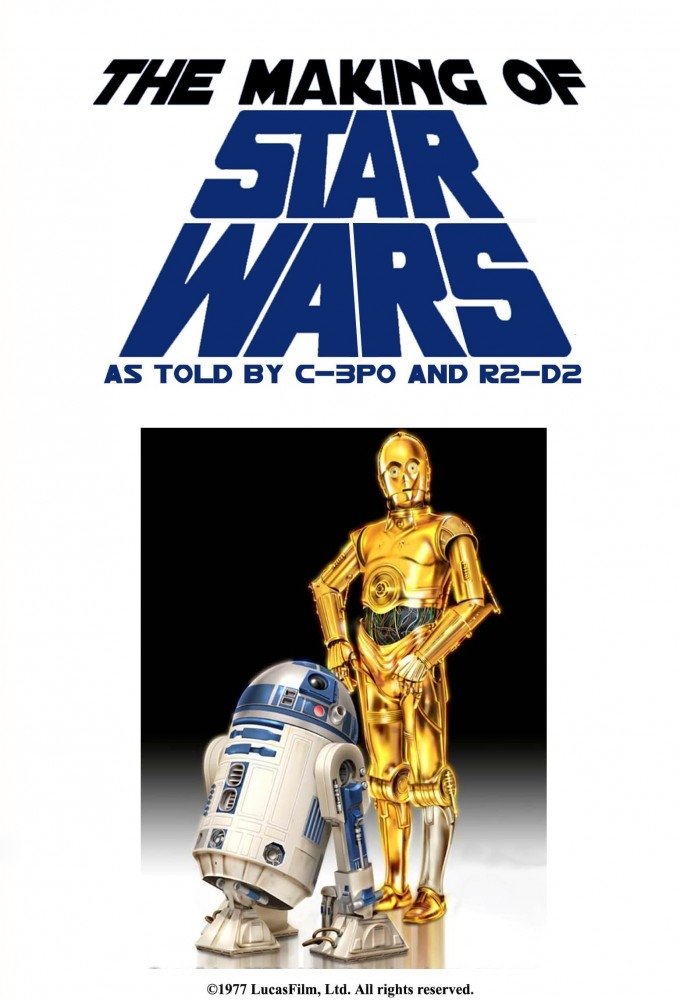
Learn the incredible behind-the-scenes story of how the original Star Wars movie was brought to the big screen in this fascinating documentary hosted by C-3PO and R2-D2 which includes interviews with George Lucas and appearances by Mark Hamill, Harrison Ford and Carrie Fisher.