Social & External
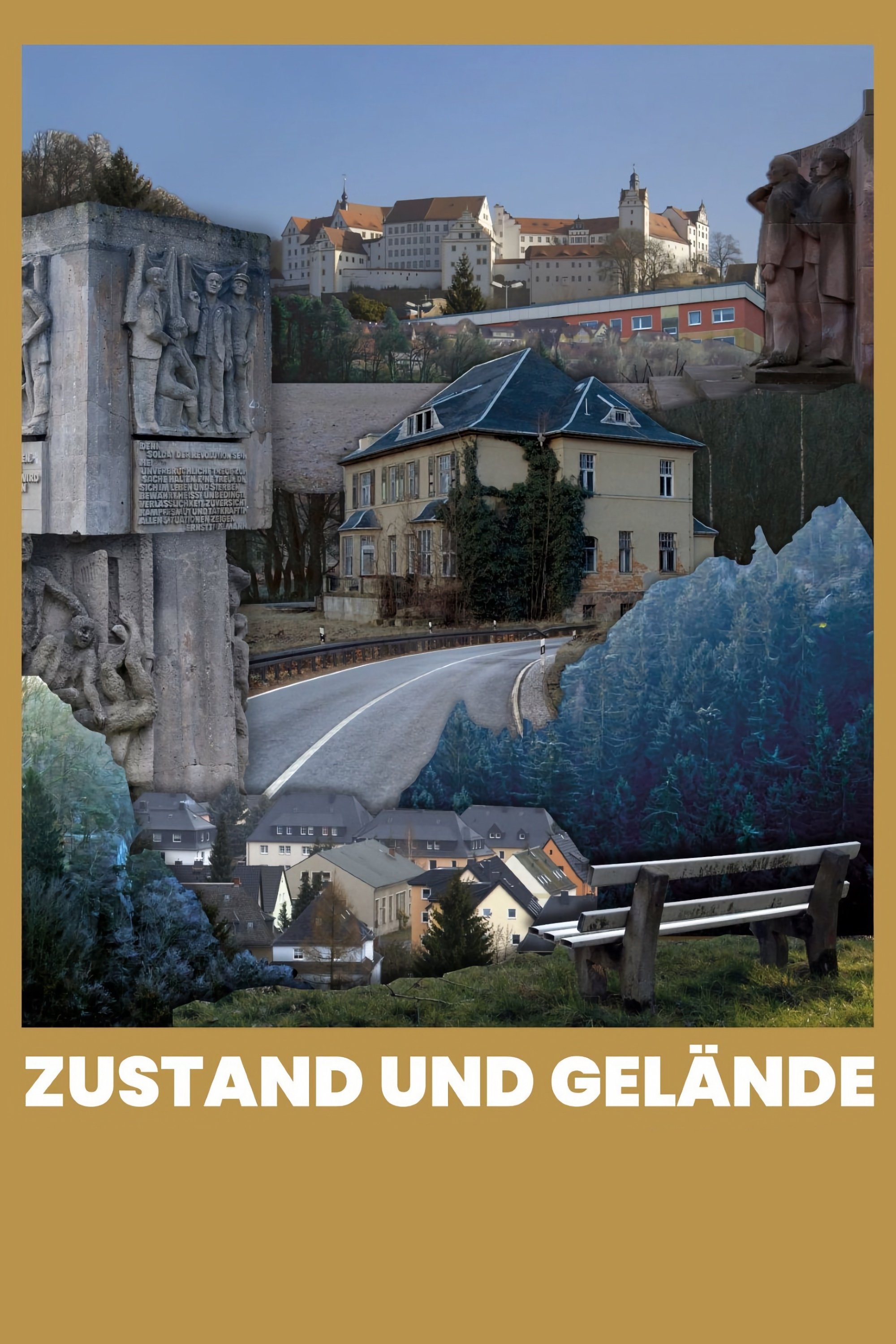
Exploring the mechanisms of the Nazi seizure of power and focusing on forgotten sites in Saxony and Thuringia, the film investigates early "wild" concentration camps established after 1933 for the suppression of political opponents.
A television documentary directed by Marcel Ophüls examining the Munich Conference of September 28, 1938, when European leaders met to avert the outbreak of war. Through archival documents and interviews, the film reconstructs the political atmosphere surrounding negotiations between Britain and France on one side and Nazi Germany and Fascist Italy on the other, situating the agreement within the broader context of European appeasement in the face of fascism.
The trembling starts in his neck when Markus gets closer to the images that have chased him for 49 years. Now he steers his motor home south, as far away from his past as possible.
Filmmaker Alain Resnais documents the atrocities behind the walls of Hitler's concentration camps.
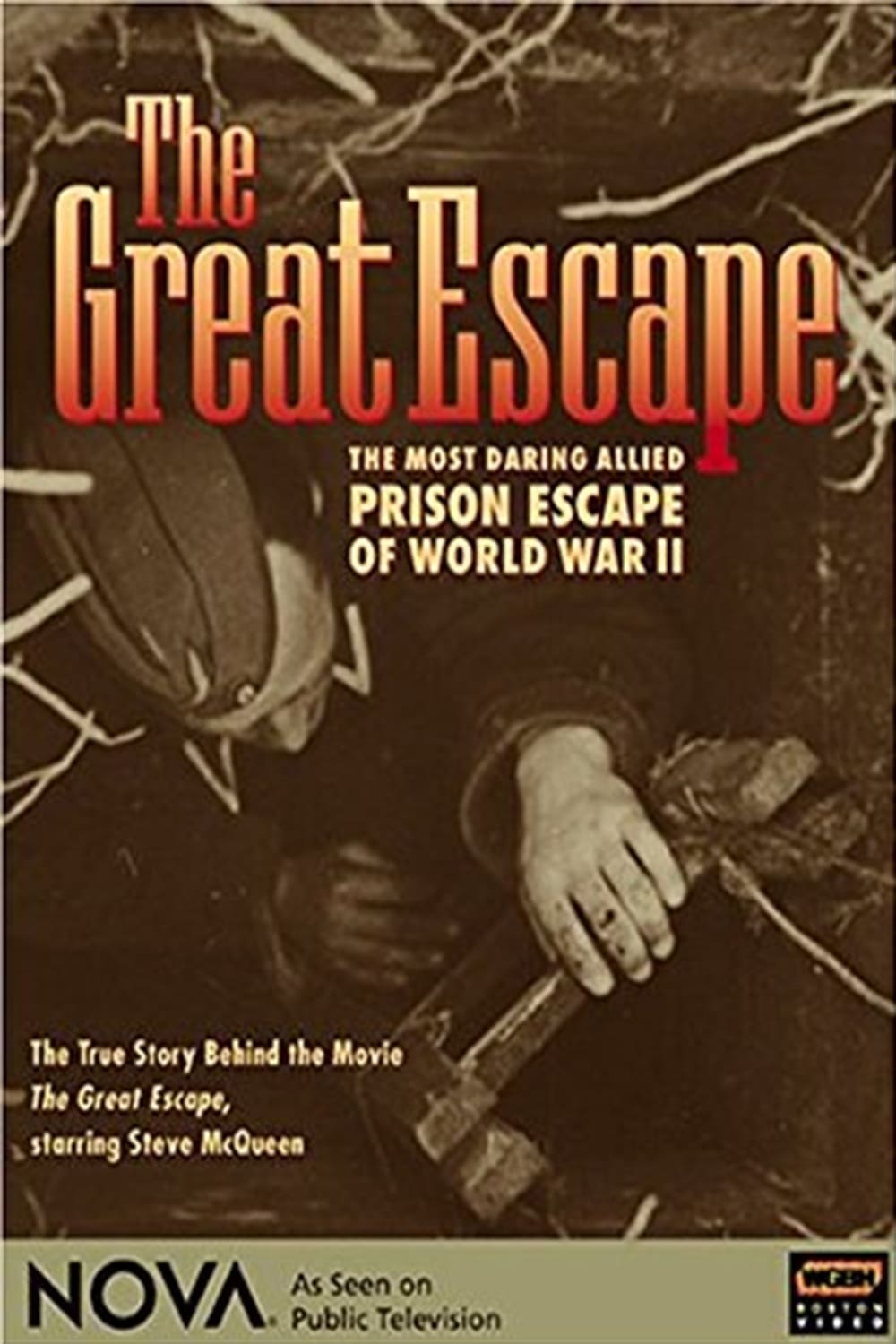
The real Great Escape didn't feature Steve McQueen racing through the Third Reich on a motorcycle like in the 1963 movie, but the big breakout was still thrilling in every way. This program sheds new light on the audacious escape of 76 Allied airmen from a Nazi POW camp during World War II.
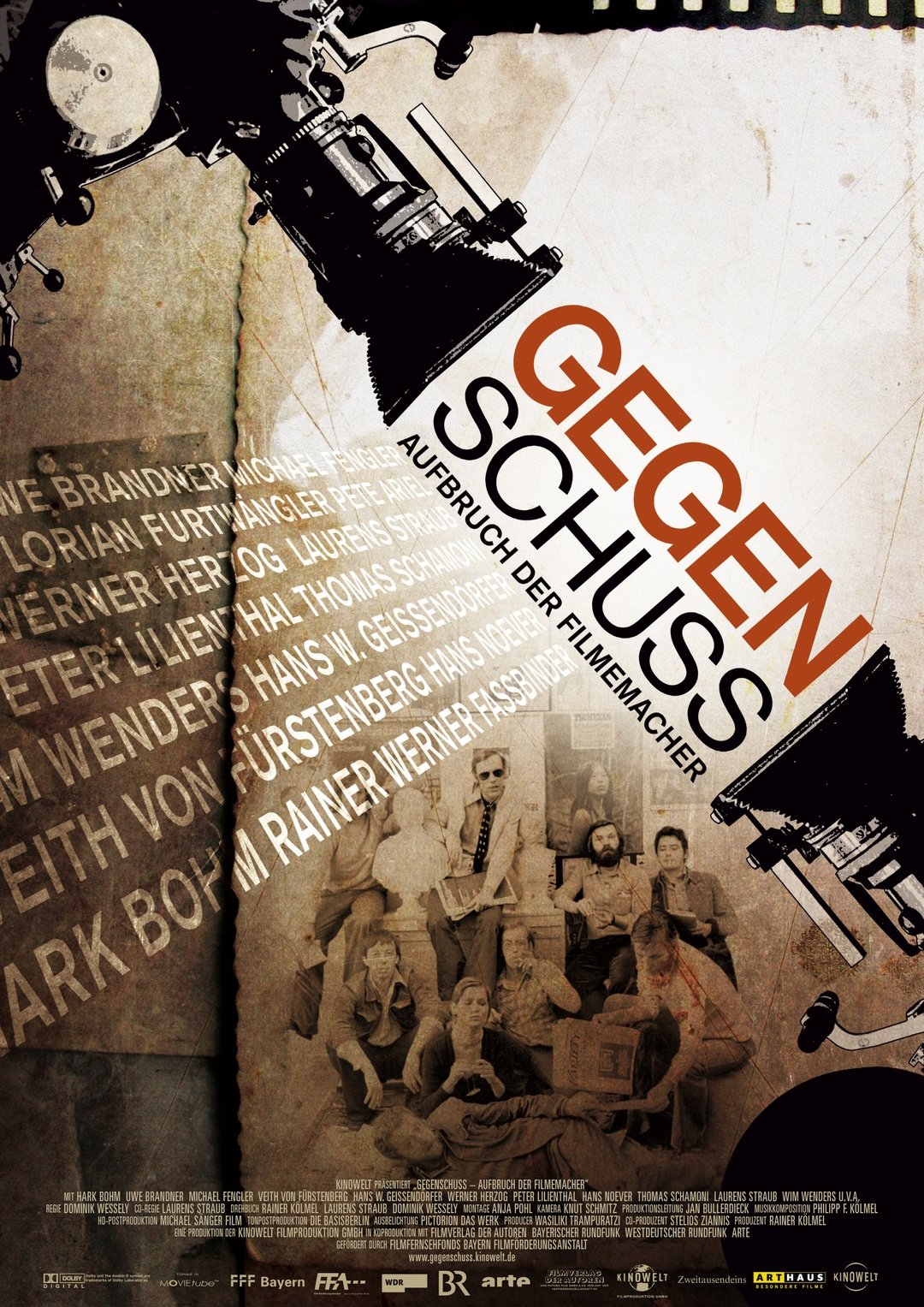
Documentary about filmmakers of the New German Cinema who were members of the legendary Filmverlag für Autoren (Film Publishing House for Authors). Among them are Werner Herzog, Rainer Werner Fassbinder, and Wim Wenders.
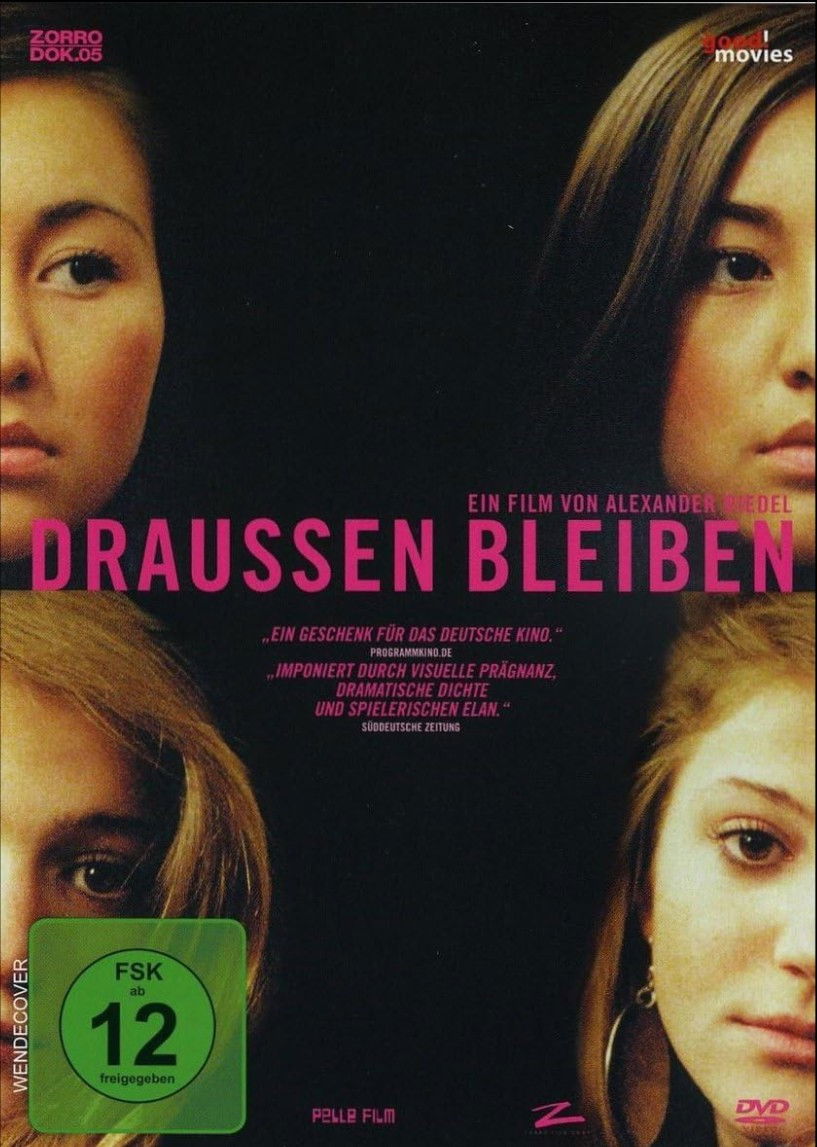
Documentary about women without papers, living in Germany and working as maids.
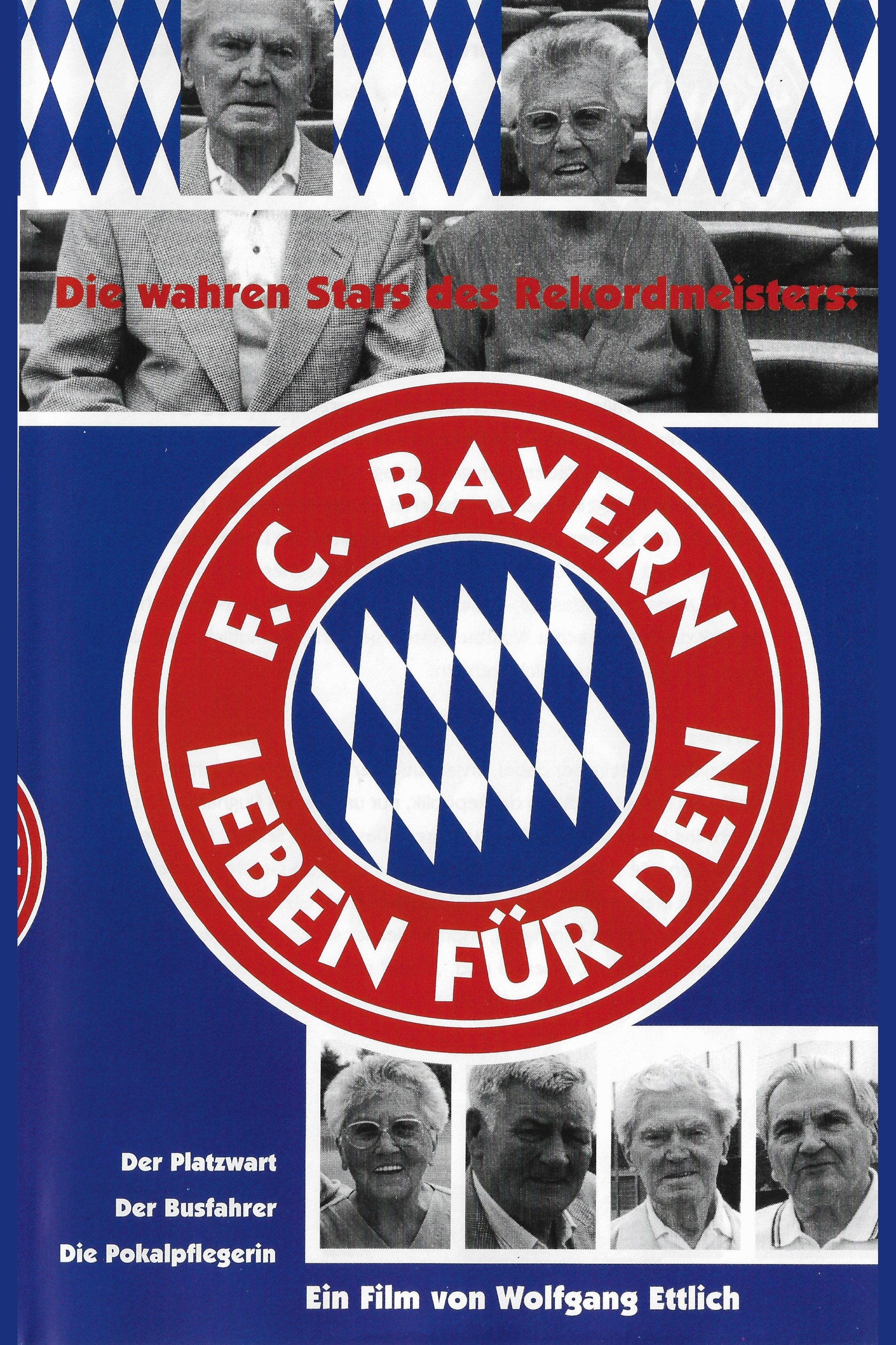
They do not earn millions, yet they are happy nonetheless: Maria Meissner (87), Josef “Sepp” Schmid (74), and Rudi Egerer (65) have spent most of their lives working for FC Bayern. Maria still cleanses the trophies nowadays, Sepp still washes and prepares the jerseys of the players in the basement, and Rudi is still the bus driver. They are simple people who may have access to the glamorous world of the big stars, but who never wanted to adapt to the ‘modern times’ unconditionally. They have remained side characters and experience their club from a special angle: Being witnesses of the development from a people’s sport to star cult and commercialisation.
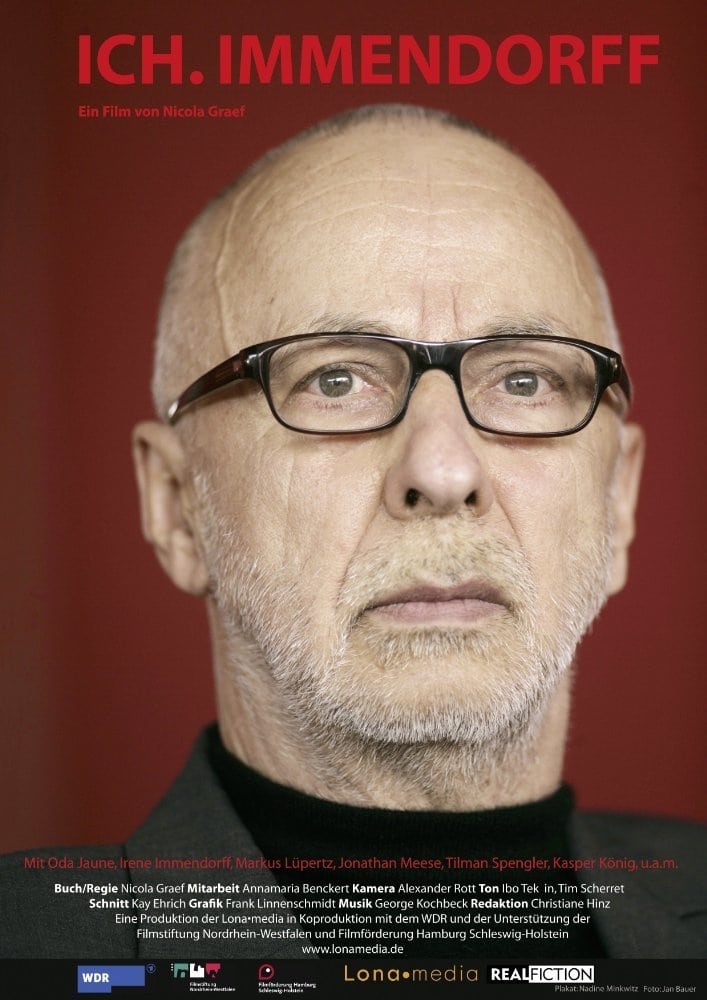
Documentary film about the painter and sculptor Jörg Immendorff who ranks among the most important German artists. The filmmakers accompanied Immendorff over a period of two years – until his death in May 2007. The artist had been living for nine years knowing that he was terminally ill with ALS. The film shows how Immendorff continued to work with unabated energy and how he tried not to let himself be restrained by his deteriorating health.
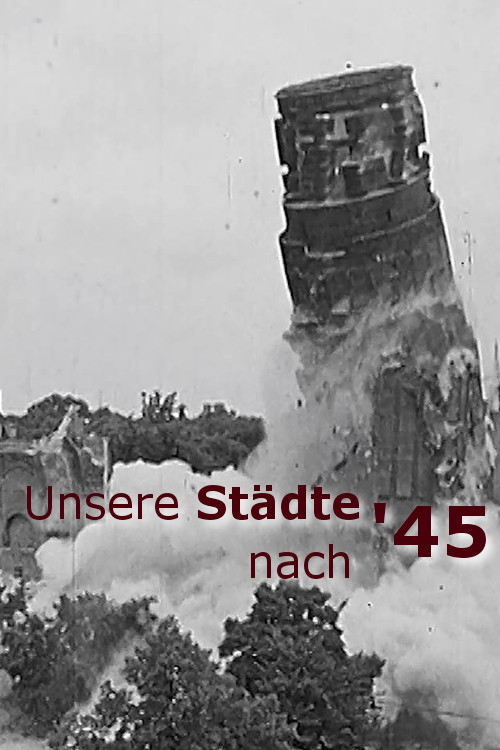
A documentation about the reconstruction and destruction of german cities after the 2nd World War.
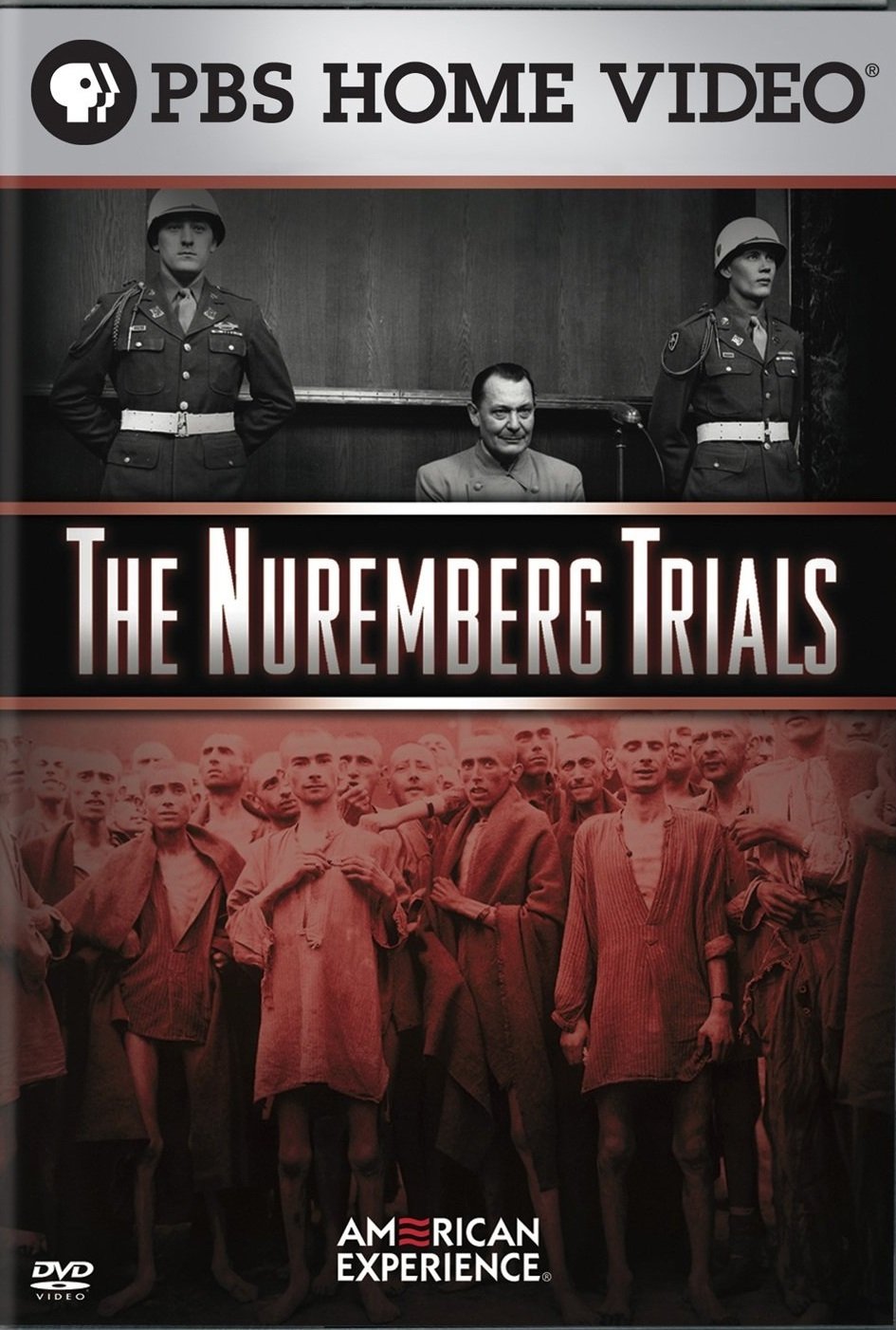
One journalist described it as a chance "to see justice catch up with evil." On November 20, 1945, the twenty-two surviving representatives of the Nazi elite stood before an international military tribunal at the Palace of Justice in Nuremberg, Germany; they were charged with the systematic murder of millions of people. The ensuing trial pitted U.S. chief prosecutor and Supreme Court judge Robert Jackson against Hermann Göring, the former head of the Nazi air force, whom Adolf Hitler had once named to be his successor. Jackson hoped that the trial would make a statement that crimes against humanity would never again go unpunished. Proving the guilt of the defendants, however, was more difficult than Jackson anticipated. This American Experience production draws upon rare archival material and eyewitness accounts to recreate the dramatic tribunal that defines trial procedure for state criminals to this day.
This documentary explores the creation of the Holocaust Memorial in Berlin as designed by architect Peter Eisenman. Reaction of the German public to the completed memorial is also shown.
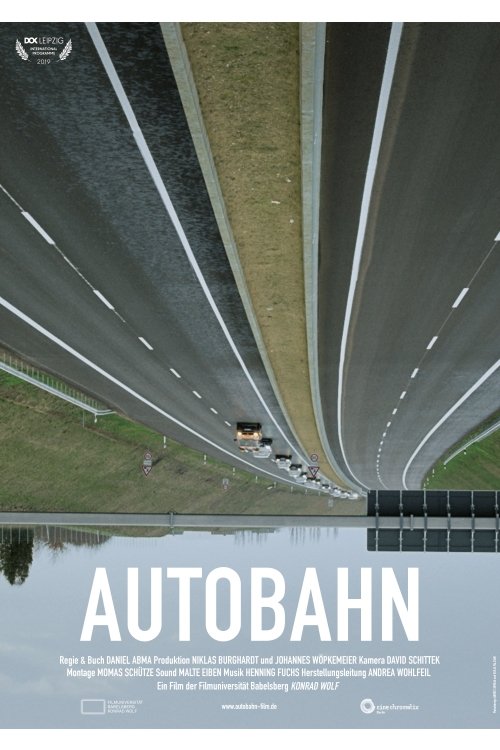
Traffic on the B61 road, which connects Rotterdam to Warsaw and cuts through the German spa town of Bad Oeynhausen, is permanently gridlocked. The promised cure is a bypass whose construction is documented for a period of eight years: the efforts of the mayor, police, fire brigade and construction companies, the delays in the construction of the northern bypass and above all the reactions of the affected residents.
Short film about the GDR (DDR) and the FRG (BRD)
A documentary of the German national soccer team’s 2006 World Cup experience that changed the face of modern Germany.
A young girl is cured of her epilepsy just as summer vacation is about to begin. During her last days with her classmates, she’ll come to experience life in a new way. Arranged as a series of elliptical tableaux, this haunting narrative from Luise Donschen (Casanova Gene) captures a simultaneous sense of discovery and disorientation as it proceeds from the confines of the classroom to a wider world of adolescent anxieties.
The film tells the story of the Rote Zora, a militant women’s group in the FRG, which in the 1970s and 1980s carried out actions against various facets of patriarchal power relations. Narrations by various contemporary witnesses, interviews with a historian and former Zoras bring the history of the Rote Zora and the women’s movement of the time back to life. The film shows that many of the Rote Zora’s themes are highly topical and offers exciting material for discussion on how to deal with this history today.
Those who knew iconic funnyman John Candy best share his story, in their own words, through never-before-seen archival footage, imagery, and interviews.
An inside look at one of the most anticipated movie sequels ever with James Cameron and cast.
A string of threatening emails escalates into a revenge plot involving a newly married US marshal and his ex-girlfriend.
The life and career of one of comedy's most inimitable modern voices, Mr. Gilbert Gottfried.
This revealing documentary honors the legendary Sidney Poitier—iconic actor, filmmaker, and civil rights activist. Featuring interviews with Denzel Washington, Spike Lee, Halle Berry, and more.
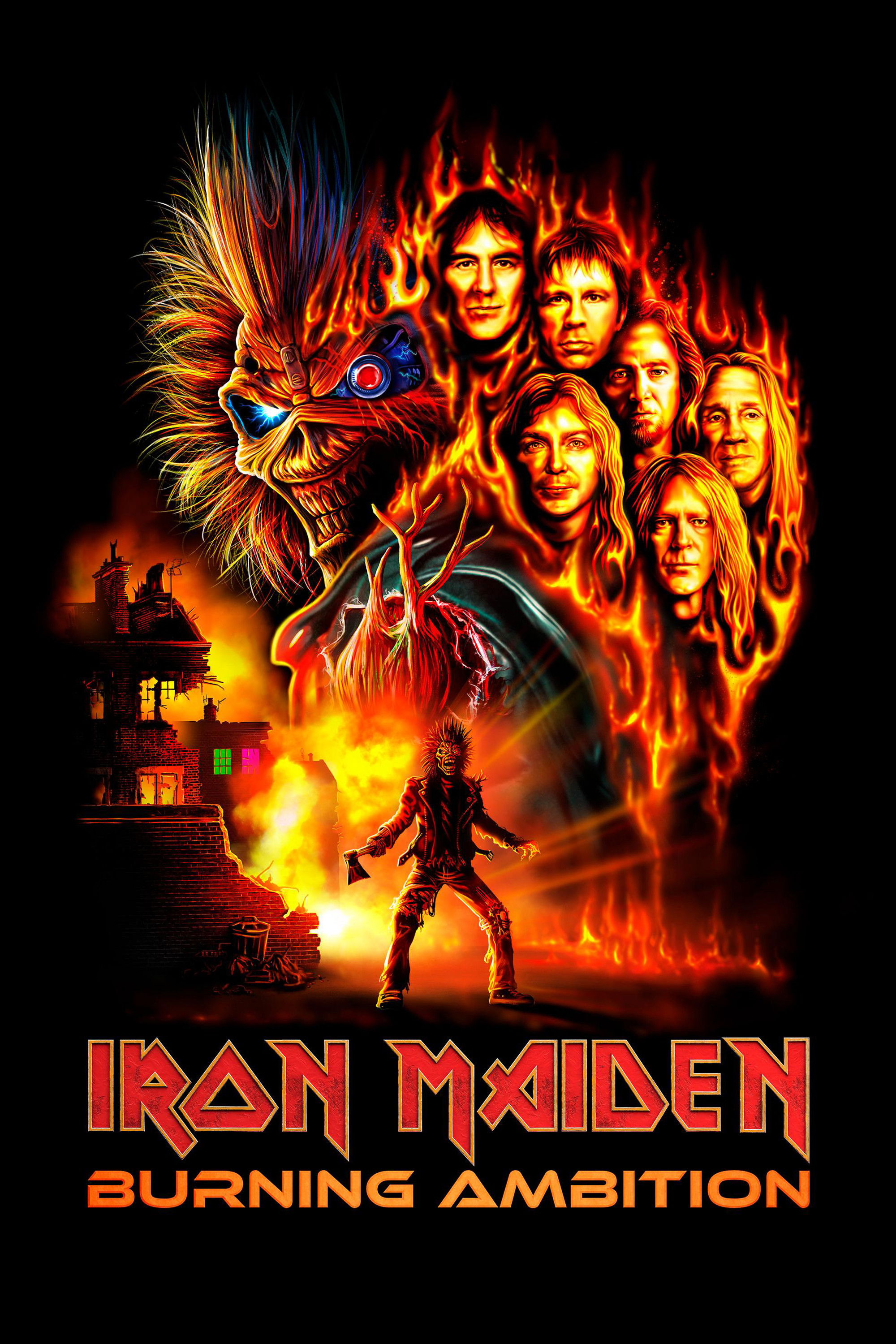
With unprecedented access to the official archives and intimate recollections from the band, both current and past, Iron Maiden: Burning Ambition invites fans to experience one of the most iconic journeys in music history. Spanning five decades, this electrifying documentary charts the band’s rise from the pubs of East London to the world’s biggest stadiums. Featuring exclusive interviews with band members and contributors such as Javier Bardem, Lars Ulrich and Chuck D, as well as all-new animated sequences of the band's legendary mascot, Eddie, the film offers a rare and intimate look at Iron Maiden’s uncompromising vision and unwavering connection with their truly global army of fans.
The life and career of an actor, artist, and icon. His own journey through his own camera.
Daniel Craig candidly reflects on his 15 year adventure as James Bond. Including never-before-seen archival footage from Casino Royale to the upcoming 25th film No Time To Die, Craig shares his personal memories in conversation with 007 producers, Michael G Wilson and Barbara Broccoli.
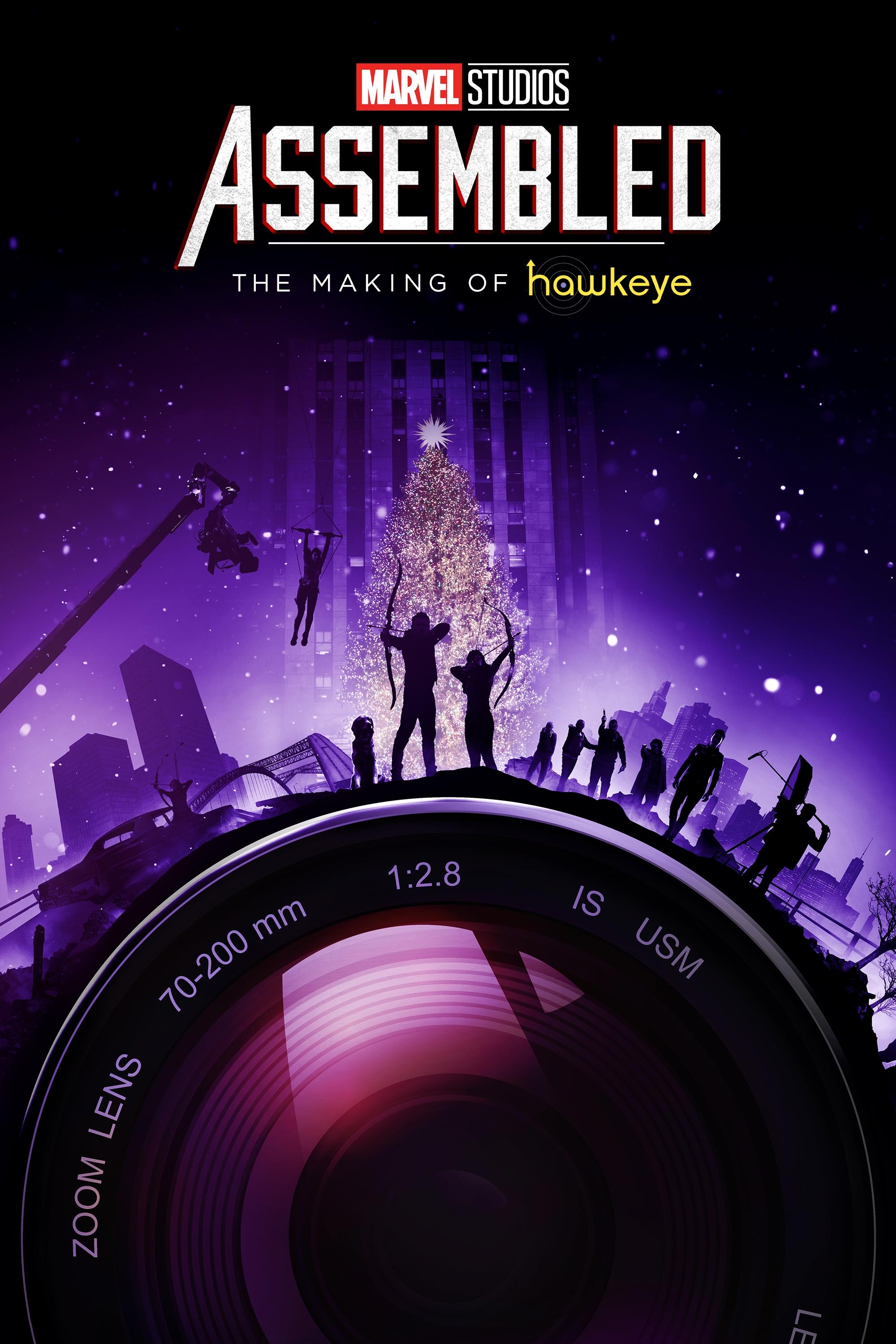
Join the likes of Jeremy Renner, Hailee Steinfeld, Florence Pugh, and Vincent D’Onofrio as they reveal how Marvel Studios’ “Hawkeye” was conceived and created. Witness firsthand what it took to pull off the show’s pulse-pounding action set pieces, and discover how iconic characters from the pages of Marvel Comics such as Kate Bishop were adapted and brought to life for the six-episode series.
Through deeply personal interviews with her siblings and an examination of the photographs, letters, and belongings left behind, Mariska assembles a new portrait of her mother Jayne Mansfield, an extraordinary and complex woman.
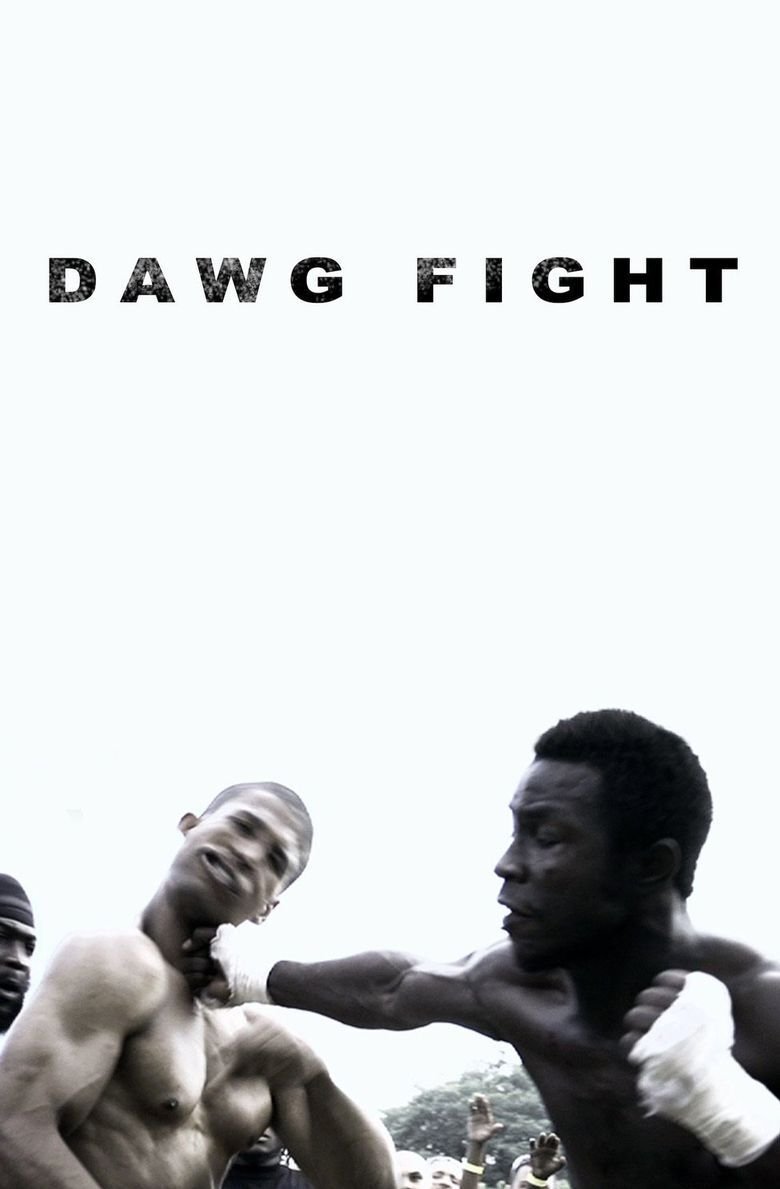
In a crime-plagued neighborhood near Miami, brutal, bare-knuckled backyard fights give young men a chance to earn money -- and self-respect.
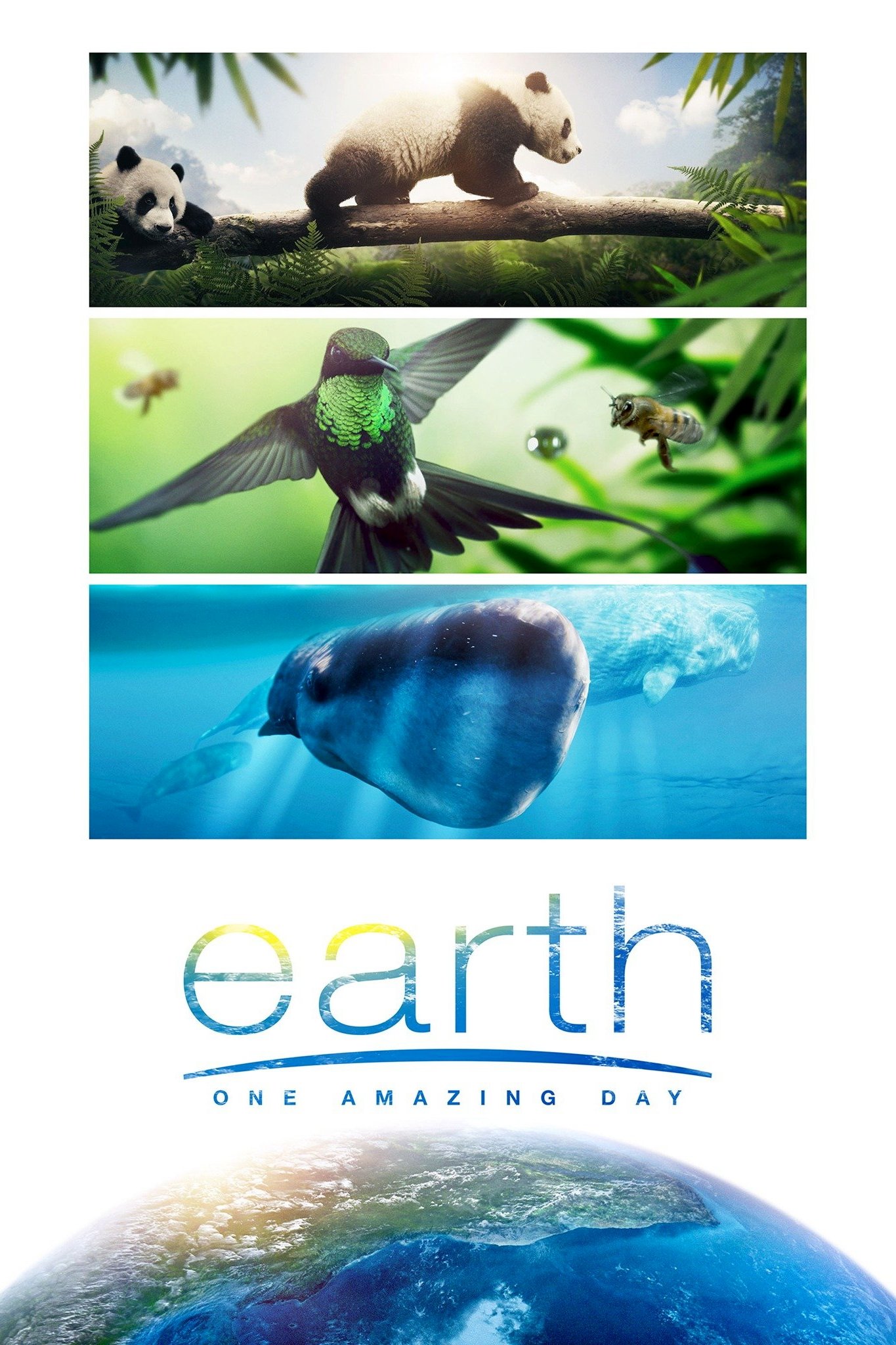
An astonishing journey revealing the awesome power of the natural world. Over the course of one single day, we track the sun from the highest mountains to the remotest islands to exotic jungles.
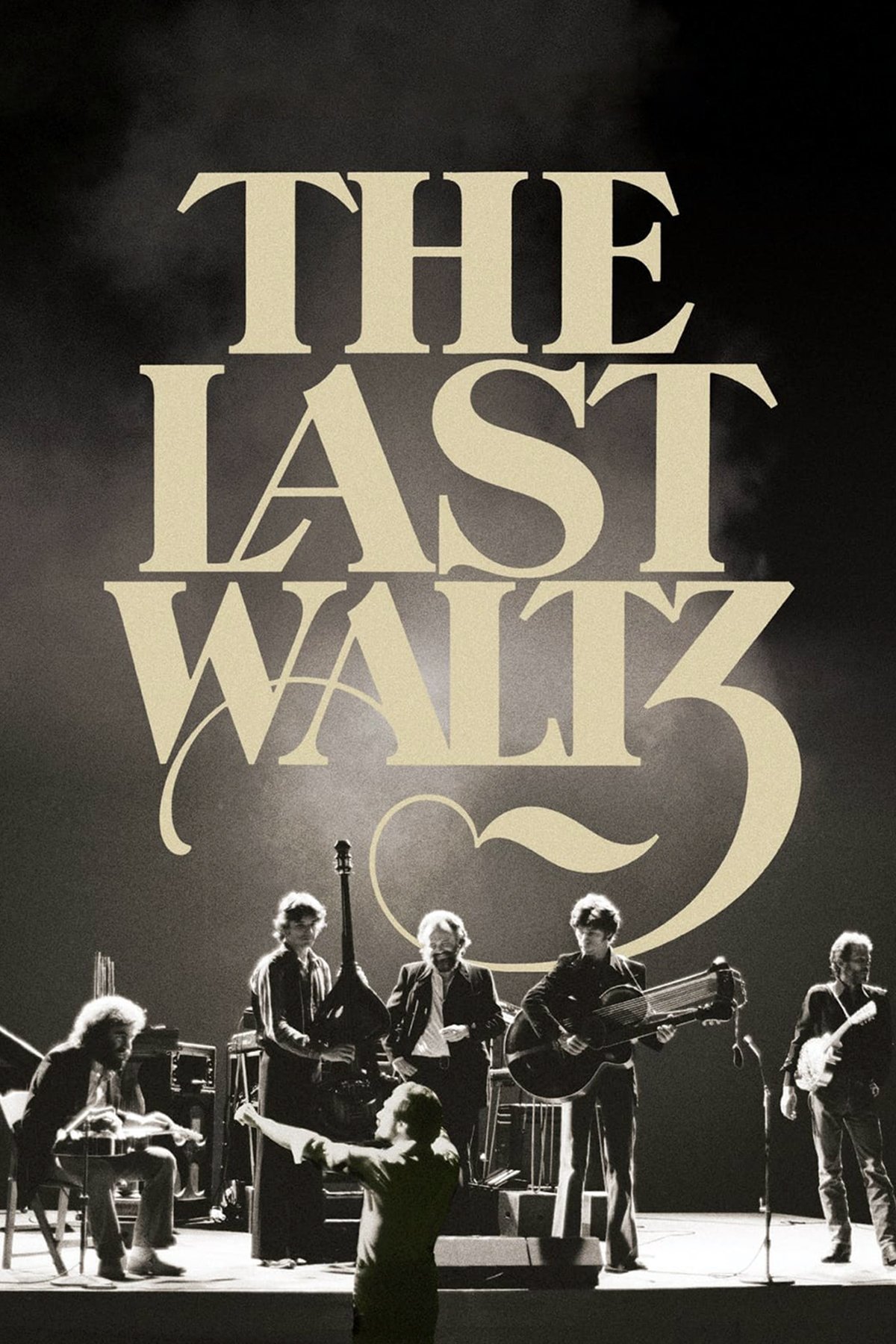
Martin Scorsese's documentary intertwines footage from The Band's incredible farewell tour with probing backstage interviews and featured performances by Eric Clapton, Bob Dylan, Joni Mitchell, Van Morrison, and other rock legends.
In the Realms of the Unreal is a documentary about the reclusive Chicago-based artist Henry Darger. Henry Darger was so reclusive that when he died his neighbors were surprised to find a 15,145-page manuscript along with hundreds of paintings depicting The Story of the Vivian Girls, in What is Known as the Realms of the Unreal, of the Glodeco-Angelinnian War Storm, Cased by the Child Slave Rebellion.
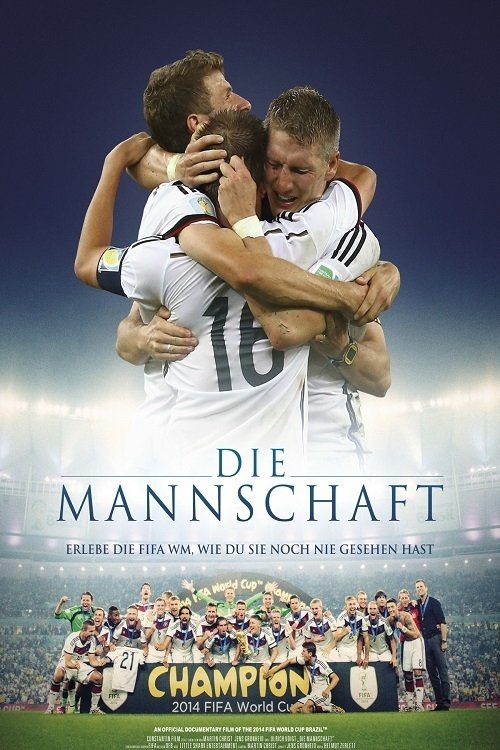
Documentary about the victorious German national football team - called "Die Mannschaft" - and their journey to the 2014 FIFA World Cup in Brazil.
A night of drunken chaos rocks a quiet Dutch town in this shocking documentary about a teen's birthday invite that accidentally went viral on Facebook.
Alexander McQueen's rags-to-riches story is a modern-day fairy tale, laced with the gothic. Mirroring the savage beauty, boldness and vivacity of his design, this documentary is an intimate revelation of McQueen's own world, both tortured and inspired, which celebrates a radical and mesmerizing genius of profound influence.
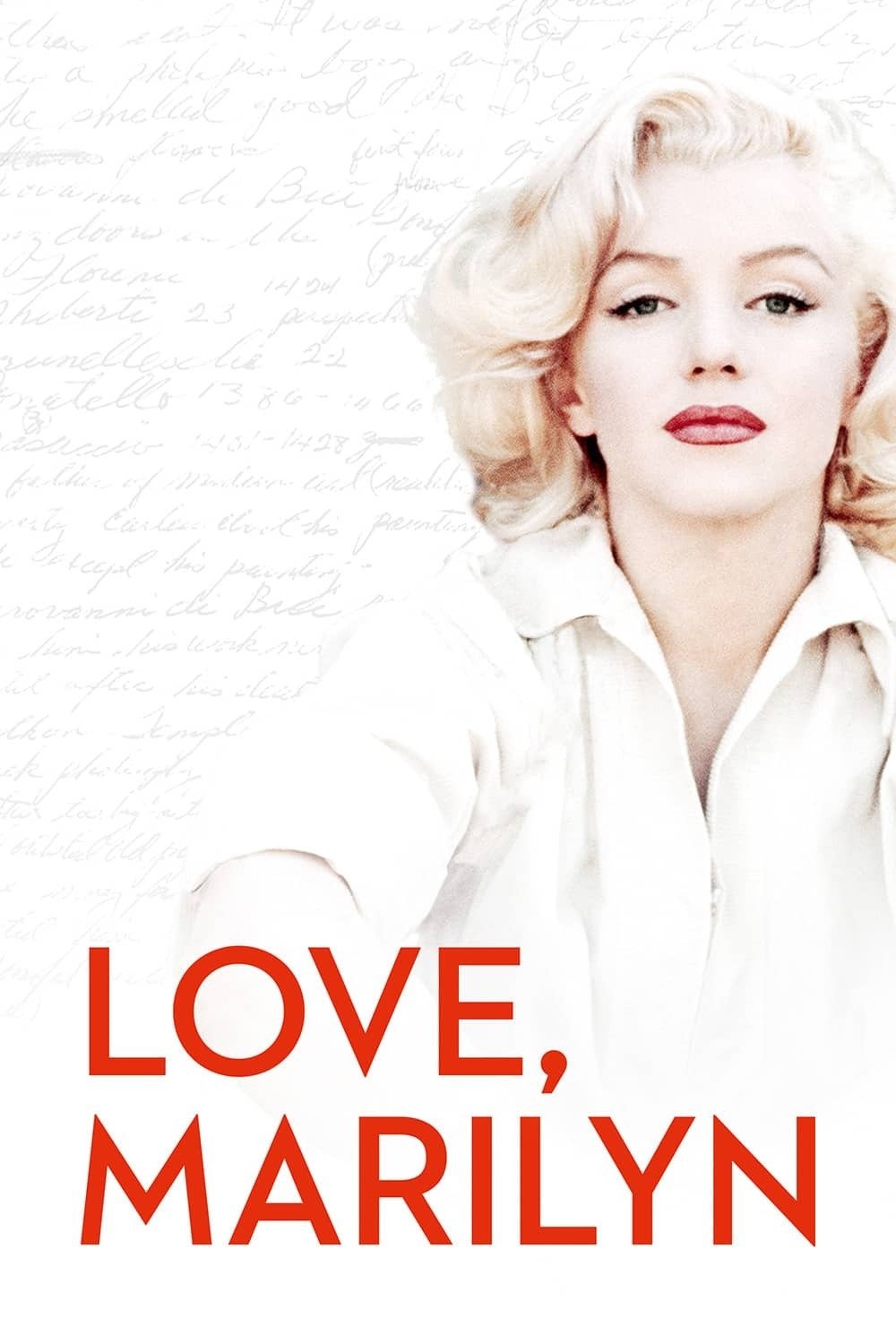
Using the book 'Fragments', which collects Marilyn Monroe's poems, notes and letters, and with participation from the Arthur Miller and Truman Capote estates who have contributed more material, each of the actresses will embody the legend at various stages in her life.
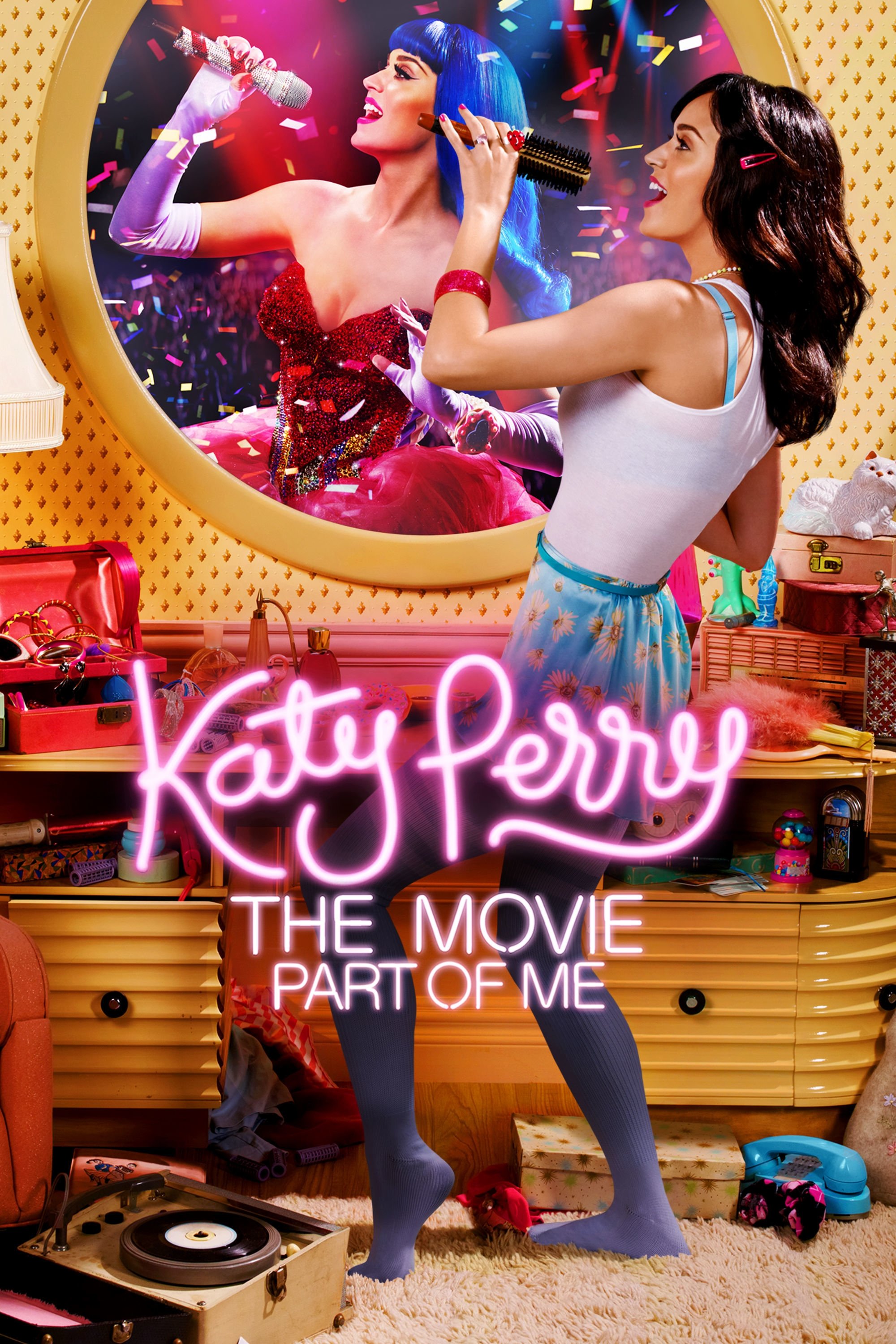
Giving fans unprecedented access to the real life of the music sensation, Katy Perry: Part of Me exposes the hard work, dedication and phenomenal talent of a girl who remained true to herself and her vision in order to achieve her dreams. Featuring rare behind-the-scenes interviews, personal moments between Katy and her friends, and all-access footage of rehearsals, choreography, Katy’s signature style and more, Katy Perry: Part of Me reveals the singer’s unwavering belief that if you can be yourself, then you can be anything.
Journey into the extraordinary world of "The Witcher" — from casting the roles to Jaskier's catchy song — in this behind-the-scenes look at the series.