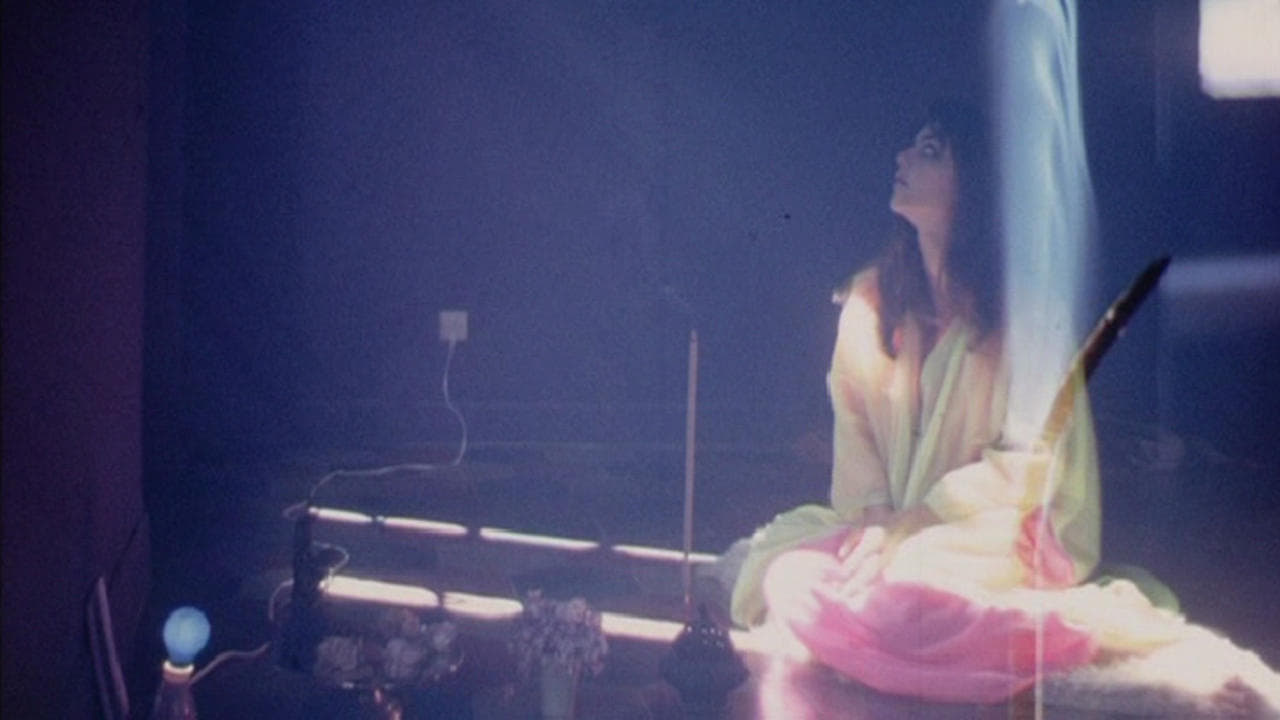
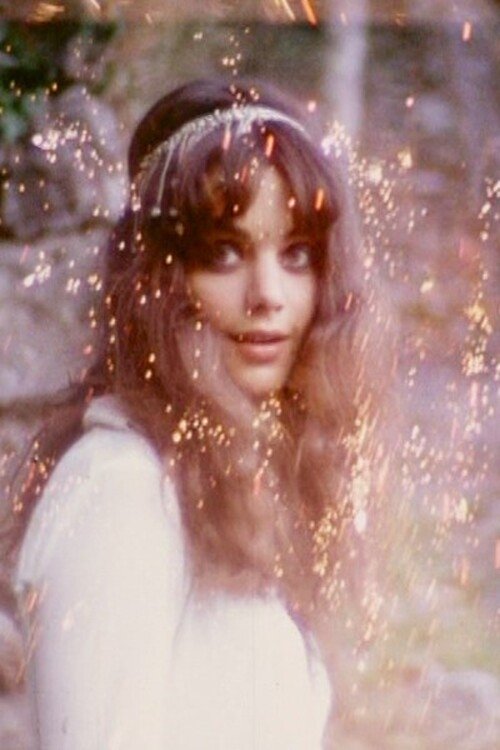
An experimental and poetic portrait of a woman.
Social & External
The people behind it
Tina Aumont
Self
Pierre-Richard Bré
Pierre Clémenti
Philippe Garrel
Jean-Pierre Kalfon
Babette Lamy
Zouzou
About processes in the living cell, photosynthesis. The study of biophysical aspects of photobiological processes is the central section of quantum biophysics.
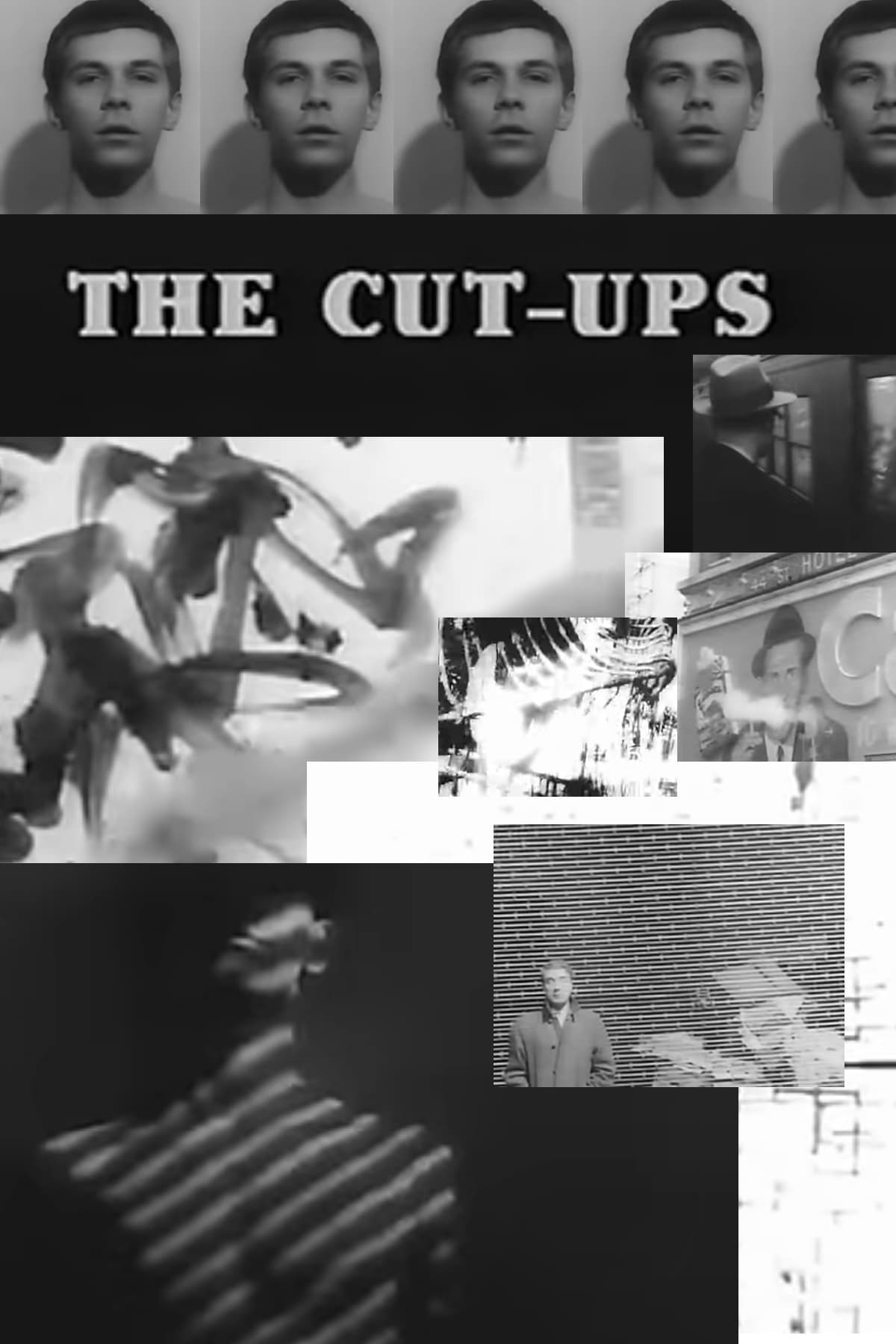
Essentially a dizzying montage of quirky shots of legendary Beat Generation writer William S. Burroughs and noted surrealist artist Brion Gysin, this nearly 20 minute avant-garde short features repeated articulations of such random things as "Hello," "Where are we now?," and "Look at that picture" instead of music or standard dialogue. The narrative is decidedly nonlinear and perplexing, with no discernible plot whatsoever as we see images of Gysin working on his paintings and calligraphic designs and Burroughs rummaging through draws, packing a suitcase, giving a young man a physical, making a call in a phone booth, and waiting on a platform for a subway train.
An experimental film of the group Throbbing Gristle in concert.
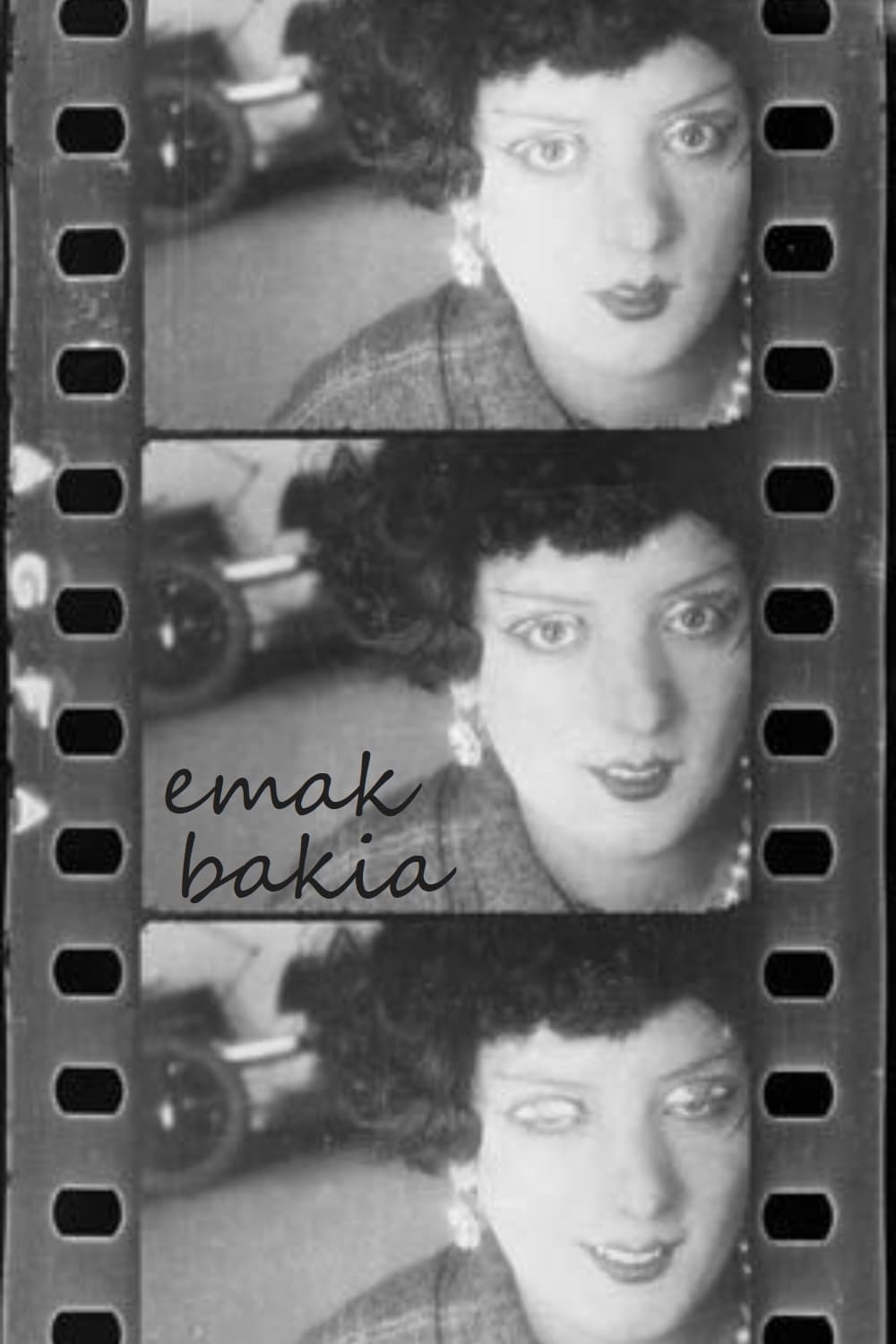
Emak-Bakia (Basque for Leave me alone) is a 1926 film directed by Man Ray. Subtitled as a cinépoéme, it features many techniques Man Ray used in his still photography (for which he is better known), including Rayographs, double exposure, soft focus and ambiguous features. The film features sculptures by Pablo Picasso, and some of Man Ray's mathematical objects both still and animated using a stop motion technique.
16mm film by Paul Clipson, and music by Sarah Davachi. Filmed in New York, Los Angeles, Hong Kong, Brisbane, Krakow, Sidney, Portland, Napa, Oakland and San Francisco.
Köner uses sequences of images from webcams as raw material. People and their vehicles appear acoustically, but not visually. The shift from day to night and the influence of the weather gives motion to the segments. He condenses a total of 3,000 individual web images taken from the Internet into one scene. Despite the cinematic motion of the image, it seems like a still photo.
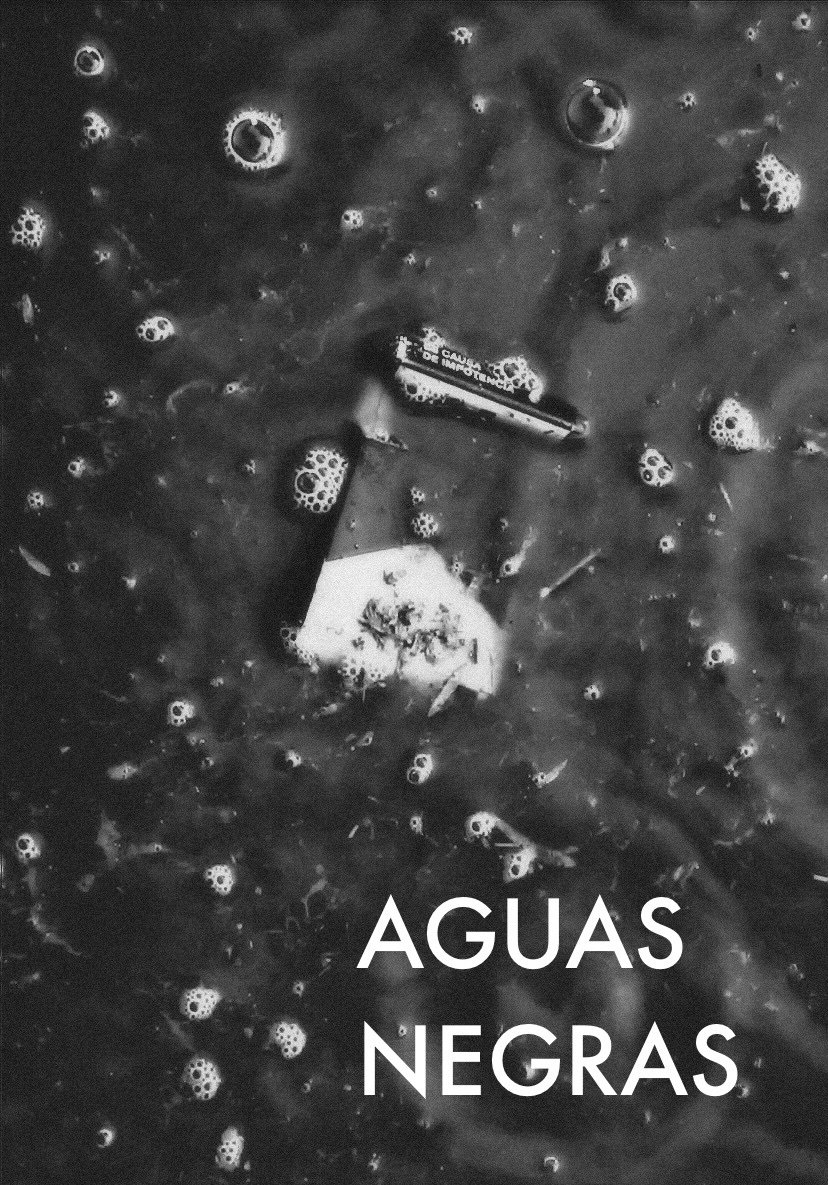
“Aguas Negras” is an experimental documentary about the Cuautitlán River. The film examines the passage of time and the pollution of the river by focusing on conversations with multiple generations of women in the filmmaker's family that have grown up by the river in a municipality identified as having the highest perception of insecurity in the State of Mexico.
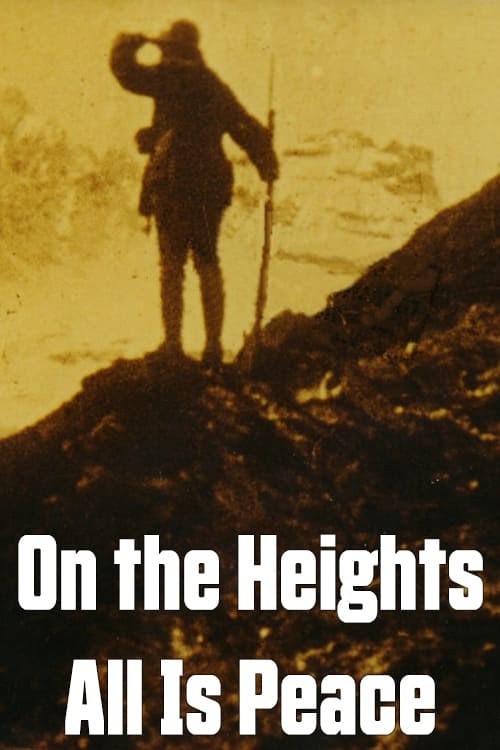
Found footage anti-war film comprising film documents of the Austro-Hungarian and Italian army on the Alpine front, and from first generation picture material by war-film pioneer Luca Comerio.
This documentary aims to register this unknown side of James Joyce: His Greek Notebooks. Trieste. Bloomsday, 2013. Dance in slow motion, accompanied by text. By deconstructing the body, we turn it into a memory: of the body, of life, of texts. The biographical references to Joyce and Mando Aravantinou, combined with the diagonal slicing of the image, cancel the realism of the landscape, including that of the Narrator’s space/study. As a culmination, Joyce’s letter “A request for a loan in Greek” functions as a timely denunciation. Various routes through cities, such as Trieste, London, New York, and Athens; languages such as Greek and English. In addition to the primal myth of Ulysses, there is another issue: Greek is “the language of the subject of Ulysses”
Time to Remove Superman It is fragmentarily a story of death and it can also be connected to the opposite - birth. When I did research for this work, what was really interesting was an article read that 'We came from dirt and we go back to dirt' is everywhere in all religions and philosophies of all cultures. And I found that sentence and thought over different things and I reached it was meant to be only that way. Regardless of primitive or modern society, religions or philosophies couldn't help but think human body is rotten away and it is cremated and made dirt. We know the process but we haven't seen that. I thought it would be meaningful if I made that out to show. We've watched a mummy disappearing in a movie using CG but I thought I could visually display a message that things we cherished or in which knowledge was contained were made dirt or on the other way, they had been dirt before they came to us.
Jean-Claude Rousseau's Jeune femme à sa fenêtre lisant une lettre is not only his first medium-length film, but a chance to discover this filmmaker whom Jean-Marie Straub has called, along with Frans Van de Staak and Peter Nestler, the greatest working in Europe. With this newly restored print there is also a possibility to discover the relationship between Rousseau's art of filming and Jan Vermeer's famous painting. As Prosper Hillairet wrote in 1988, four years after Rousseau had finished Jeune femme ... (for the first time as we know today): «Without adopting the usual systematic spirit and form of cinéma structurel, Rousseau presents us with simple images and leaves it at that. Keeps the image in hand. A minimalist and ascetic expression of cinema: a shot that lasts.»
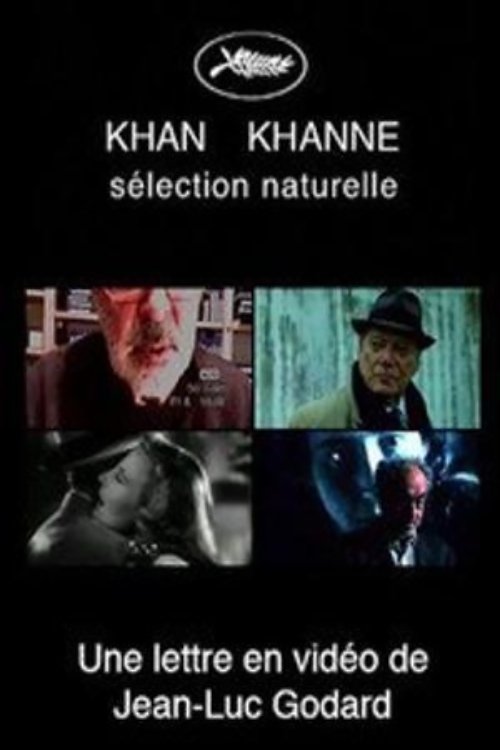
Rather than writing a simple letter to explain his absence from the press conference for his latest Cannes entry, "Goodbye to Language," at the Cannes Film Festival, instead, legendary filmmaker Jean-Luc Godard created a video "Letter in motion to (Cannes president) Gilles Jacob and (artistic director) Thierry Fremaux." The video intercuts from Godard speaking cryptically about his "path" to key scenes from Godard classics such as "Alphaville" and "King Lear" with Burgess Meredith and Molly Ringwald, and quotes poet Jacques Prevert and philosopher Hannah Arendt.
Ostensibly searching for an emotional connection with her aging father, the woman contemplates her own inherited culture and familial touchstones. Her North American pop culture sensibility fuses with a distorted Japanese perspective to create a surreal interpretation of a “Japan of the imagination.” This fictional landscape is peppered with invented Japanese myths, ruminations on memory loss, the temporal space of digital photography and the ghosts of inherited imagination.
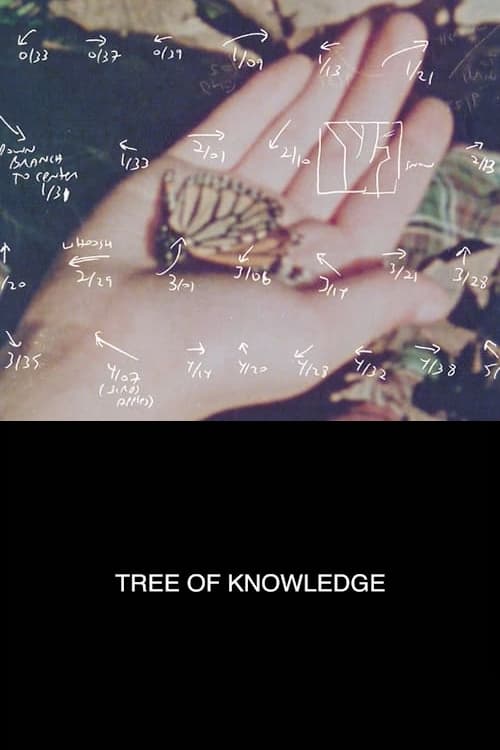
It started with filming the tree. Something was released in that manner of filming seemingly farthest removed from the procedure of the early films. I first thought a simple ordering of this rich material might be enough, something related to BARN RUSHES [...] But the film only came into its form-life with the idea of linking this deep-rooted and far-outreaching tree material with that film on paranoia that had fascinated me for many years. –L. G.
"With characteristic wit and rigor, experimental filmmaker Larry Gottheim here applies his impressionistic editing style to footage collected during his travels in the Dominican Republic. Gottheim’s formal emphasis on repetition and fissures between sound and image resonates here as a mode of sociological reflection (with the fragmentary montage mirroring elements of ritual while also destabilizing the ethnographic gaze). A largely overlooked antecedent to the contemporary blending of avant-garde and ethnographic filmmaking, MACHETTE GILLETTE… MAMA still poses a potent challenge to documentary convention." - Max Goldberg
Butterfly as verb. The monarch migration and an unearthed cassette tape correspondence form a storm speaking towards motherhood, loss, expectation, care and legacy. An elegy. An ode to uncertainty. A cry for radical optimism and a reordering of splendor.
In an abandoned shopping center outside of Cleveland, the story of the last remaining grocery store is told through recent google reviews.
Set in Charlottesville during the early 1990s, "Pride" follows an aspiring writer as she finalises stories for the latest issue of "Pride", a student run newspaper at the University of Virginia. Over a hectic two-day period, she puts the finishing touches on the upcoming issue. Despite the looming deadline, she moves with a calm confidence.
A tale of 2 passages within the Spirit house. This is the first in a series that looks at the places we find our spiritual presence augmented, inflamed, or simply acknowledged.
Mostly dark, rejecting images which are repeated. A stone wall, the chamber of a revolver which is, at first not recognizable, a close-up of a cactus. The duration of the takes emphasises the photographic character of the pictures, simultaneously with a crackling, brutal sound. (Hans Scheugl)
Through deeply personal interviews with her siblings and an examination of the photographs, letters, and belongings left behind, Mariska assembles a new portrait of her mother Jayne Mansfield, an extraordinary and complex woman.
In an intimate and joyful story of love in the face of loss, celebrated poets Andrea Gibson and Megan Falley find strength—and unexpected hilarity—in what might be their final year together.
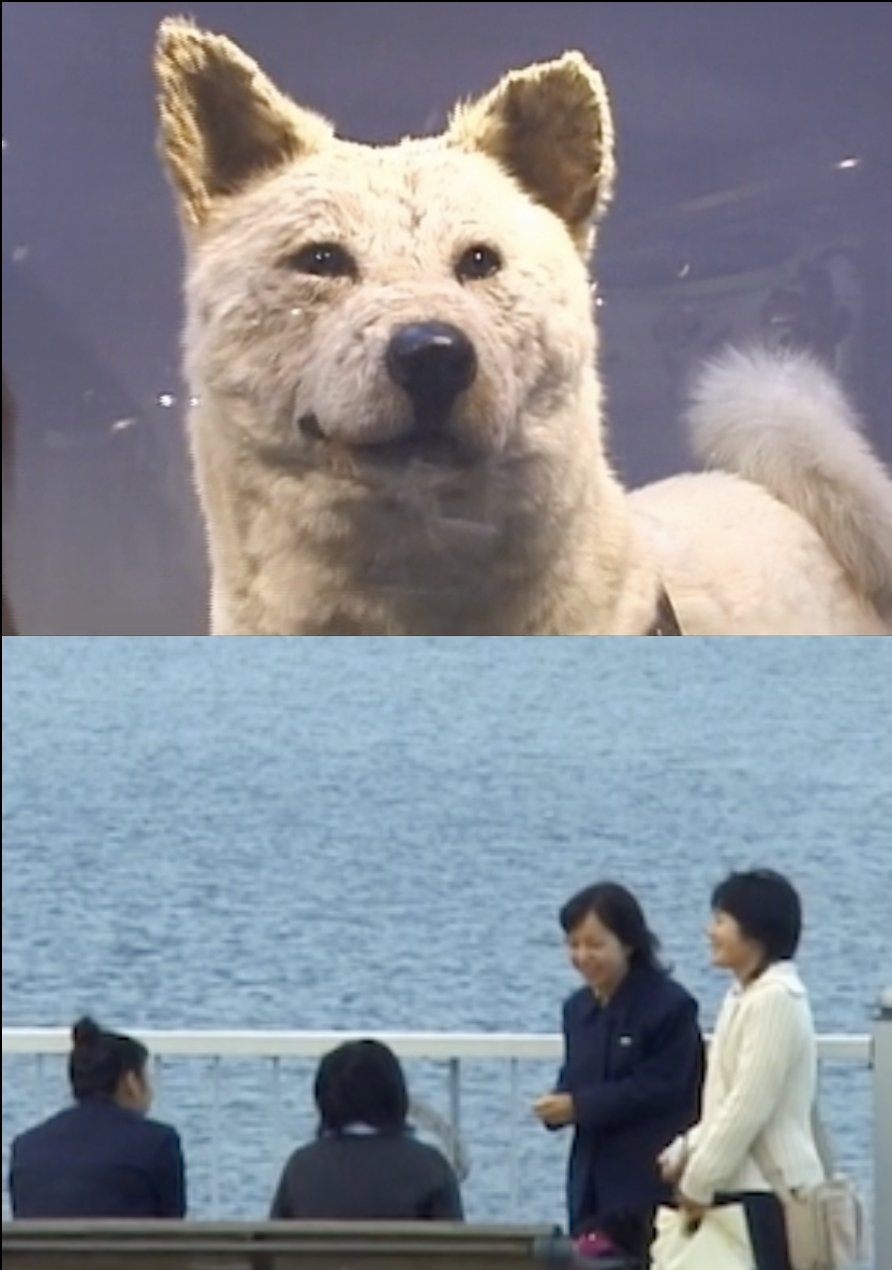
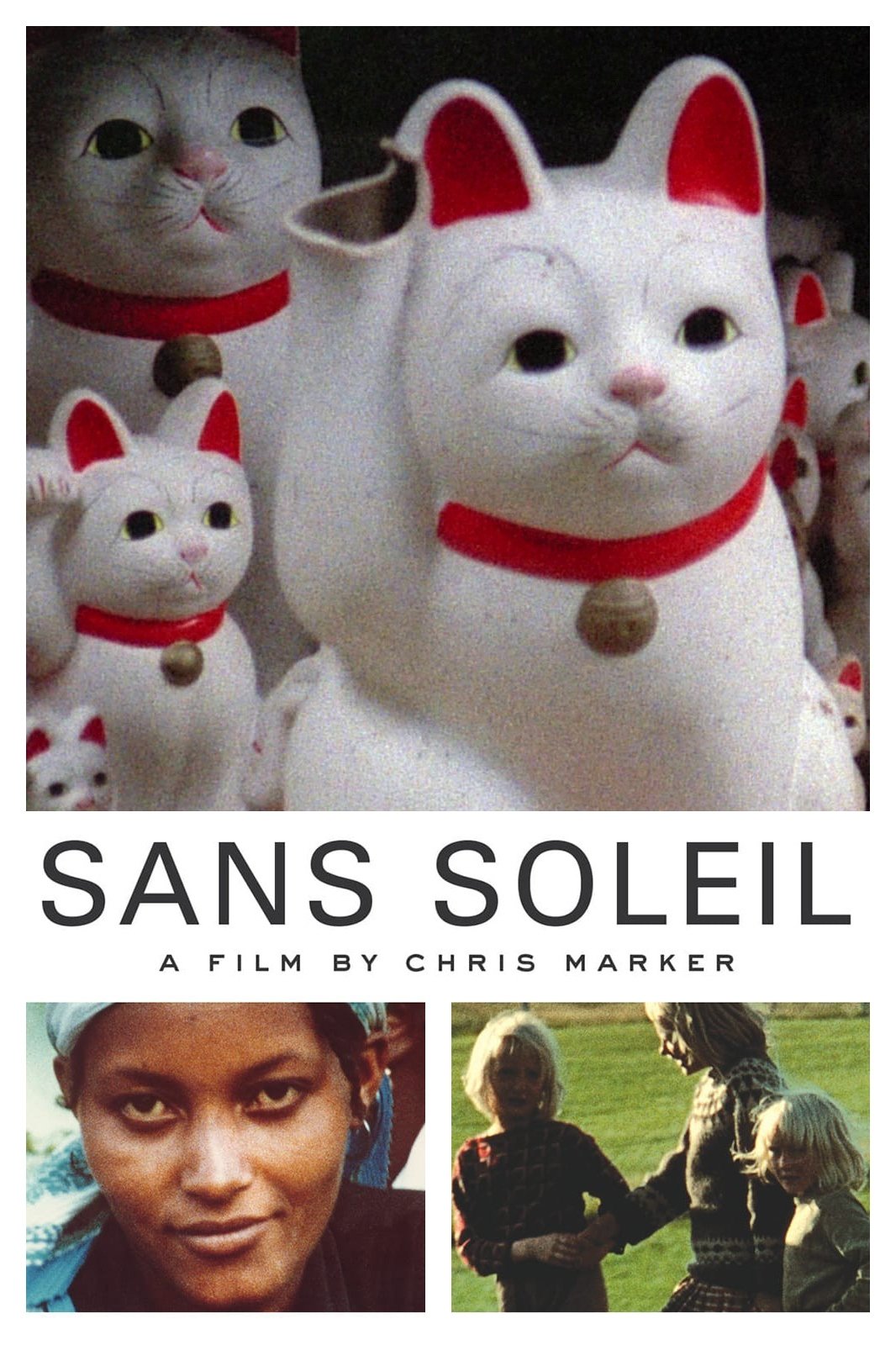
A woman narrates the thoughts of a world traveler, meditations on time and memory expressed in words and images from places as far-flung as Japan, Guinea-Bissau, Iceland, and San Francisco.
Alexander McQueen's rags-to-riches story is a modern-day fairy tale, laced with the gothic. Mirroring the savage beauty, boldness and vivacity of his design, this documentary is an intimate revelation of McQueen's own world, both tortured and inspired, which celebrates a radical and mesmerizing genius of profound influence.
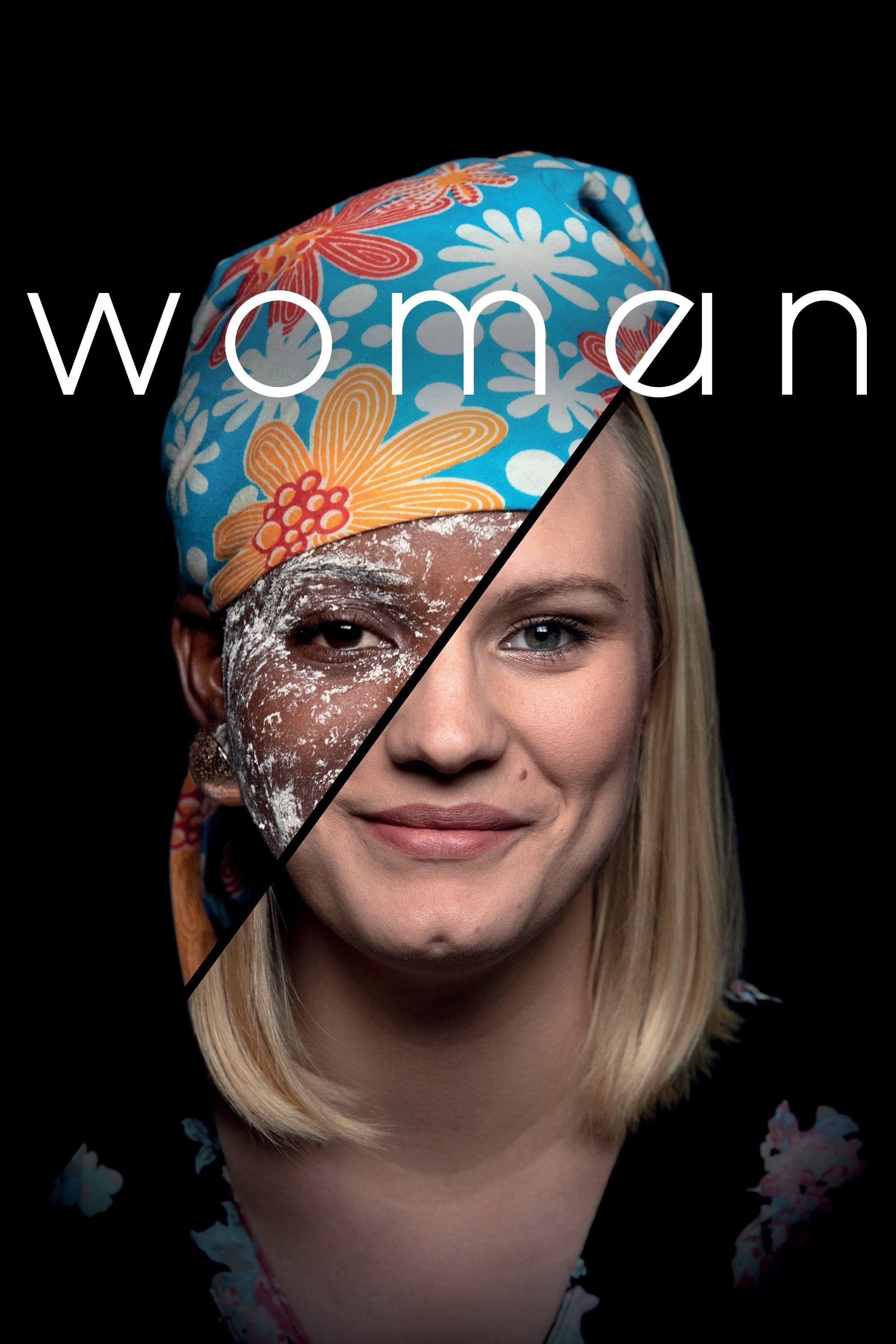
The film is based on interviews with 2,000 women from 50 countries, and covers the status of women all over the world. The topics covered include forced marriages, sexual assault, female genital mutilation, acid attacks, motherhood, sexuality, menstruation, education and the professional success of women.
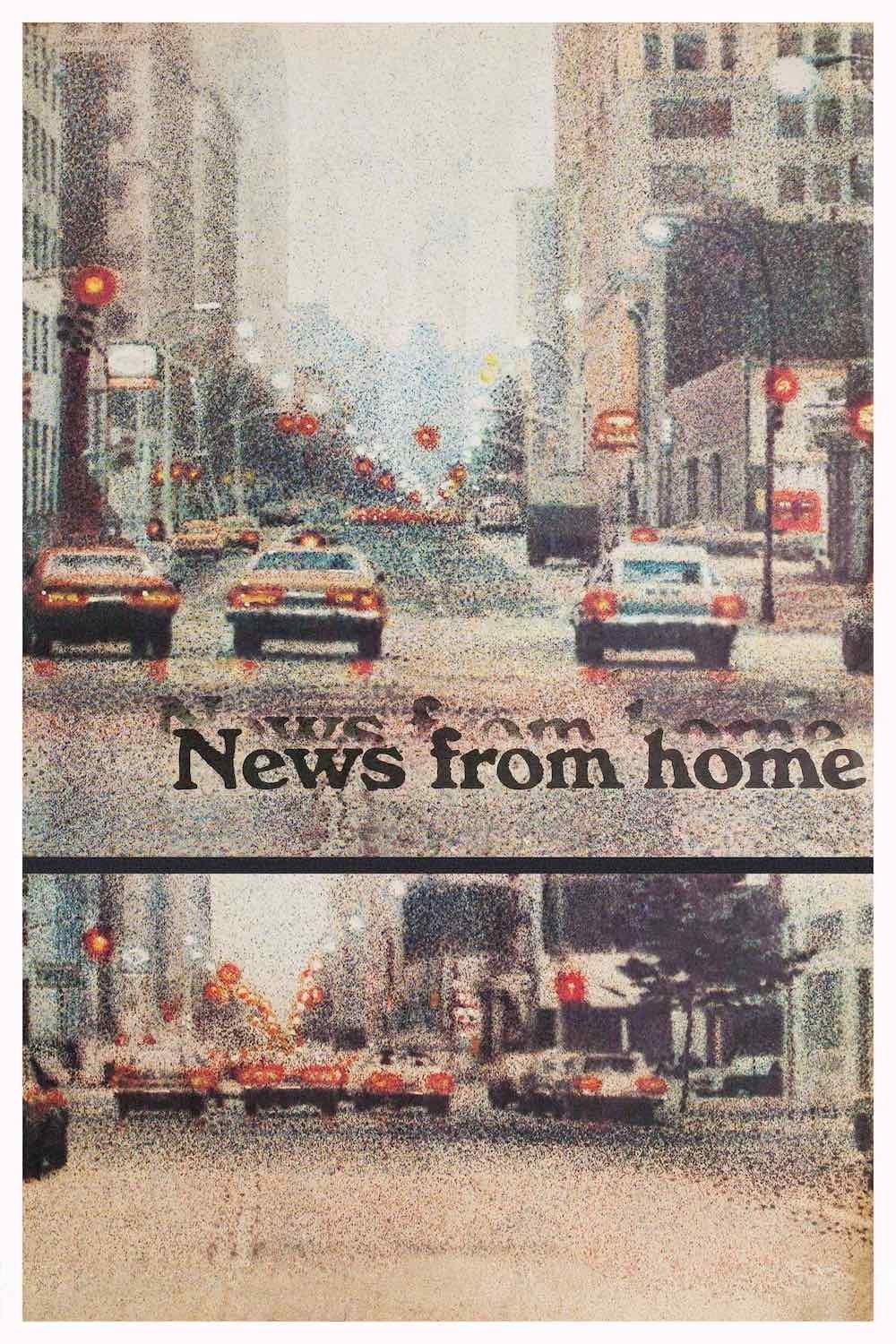
Impersonal and beautiful images of Akerman's life in New York are combined with letters from her loving but manipulative mother, read by Akerman herself.
Those who knew iconic funnyman John Candy best share his story, in their own words, through never-before-seen archival footage, imagery, and interviews.
A string of threatening emails escalates into a revenge plot involving a newly married US marshal and his ex-girlfriend.
The life and career of one of comedy's most inimitable modern voices, Mr. Gilbert Gottfried.
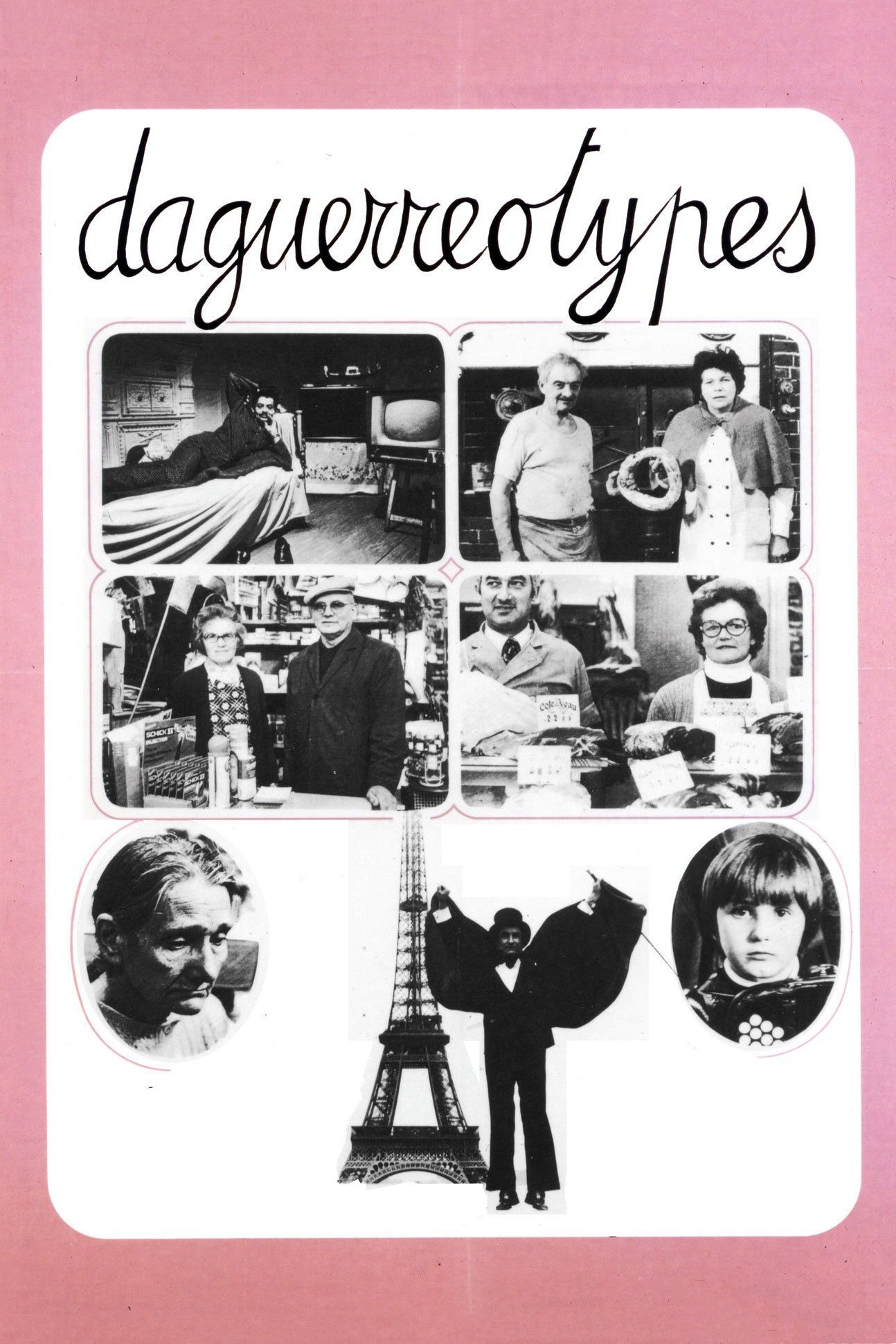
An intimate portrait of the small shops and shopkeepers of the Rue Daguerre in Paris, a picturesque street that has been the filmmaker’s home for more than 50 years.
Alex Gibney explores the charged issue of pedophilia in the Catholic Church, following a trail from the first known protest against clerical sexual abuse in the United States and all way to the Vatican.
Filmmaking icon Agnès Varda, the award-winning director regarded by many as the grandmother of the French new wave, turns the camera on herself with this unique autobiographical documentary. Composed of film excerpts and elaborate dramatic re-creations, Varda's self-portrait recounts the highs and lows of her professional career, the many friendships that affected her life and her longtime marriage to cinematic giant Jacques Demy.
Brilliant, long in-the-works story of the life and art of the world's greatest comedian and the cinema's first genius, Charlie Chaplin. Produced, written and directed by renowned film critic Richard Schickel.
Artists in LA discover the work of forgotten Polish sculptor Stanislav Szukalski, a mad genius whose true story unfolds chapter by astounding chapter.
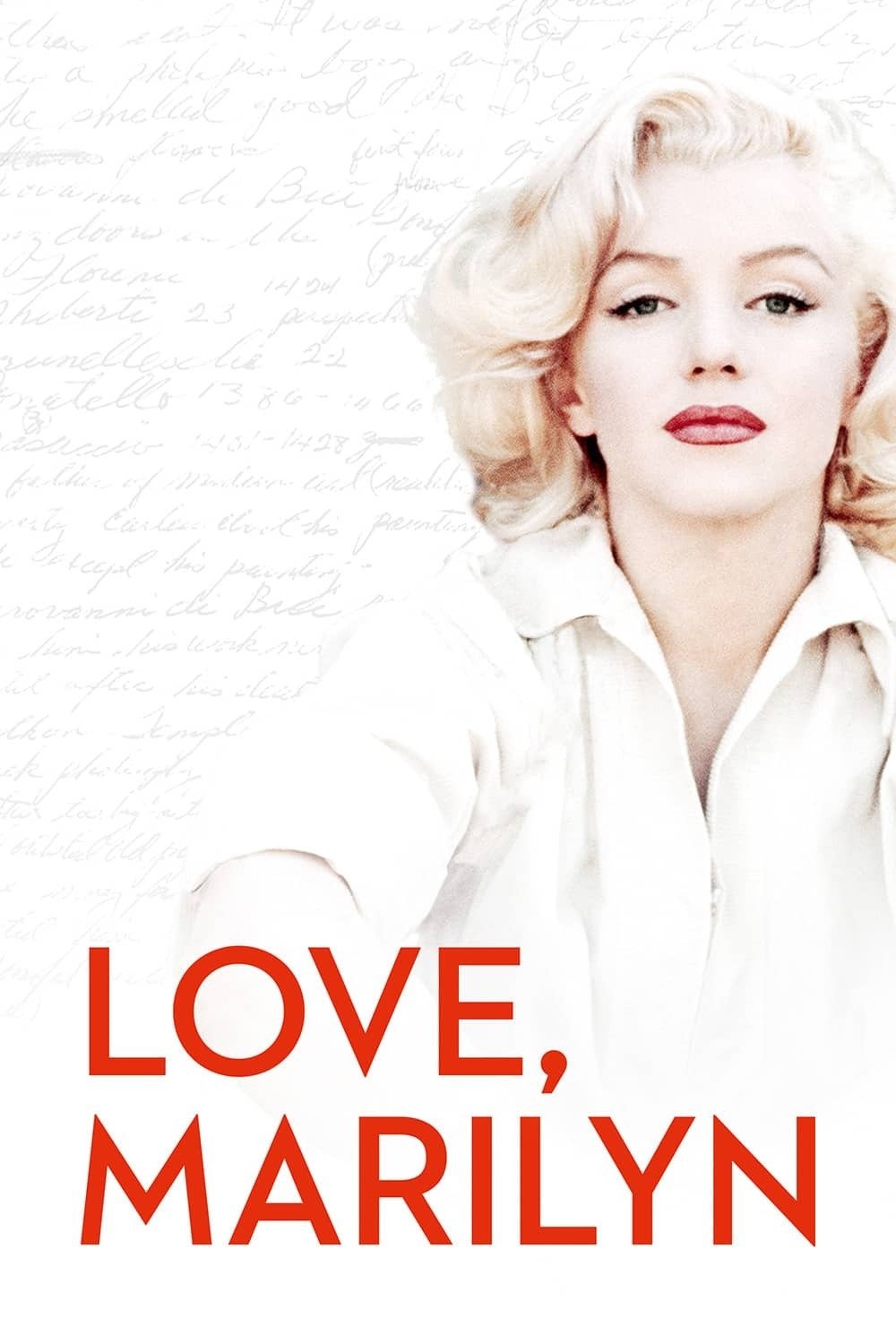
Using the book 'Fragments', which collects Marilyn Monroe's poems, notes and letters, and with participation from the Arthur Miller and Truman Capote estates who have contributed more material, each of the actresses will embody the legend at various stages in her life.
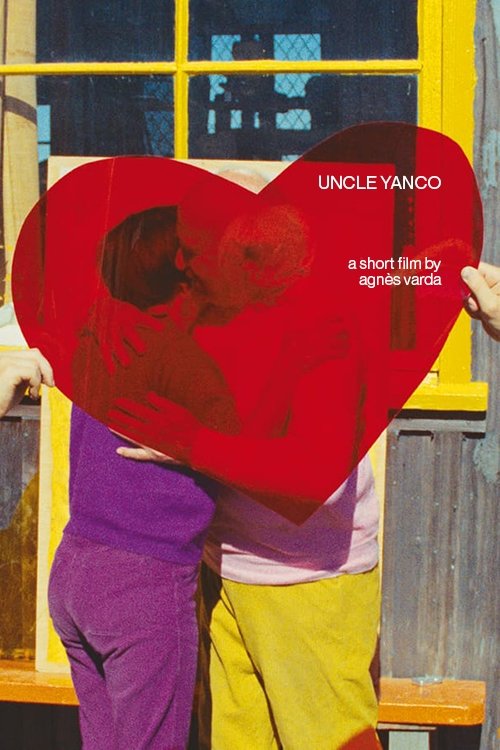
While in San Francisco for the promotion of her last film in October 1967, Agnès Varda, tipped by her friend Tom Luddy, gets to know a relative she had never heard of before, Jean Varda, nicknamed "Yanco". This hitherto unknown uncle lives on a boat in Sausalito, is a painter, has adopted a hippie lifestyle and loves life. The meeting is a very happy one.
The life and career of an actor, artist, and icon. His own journey through his own camera.
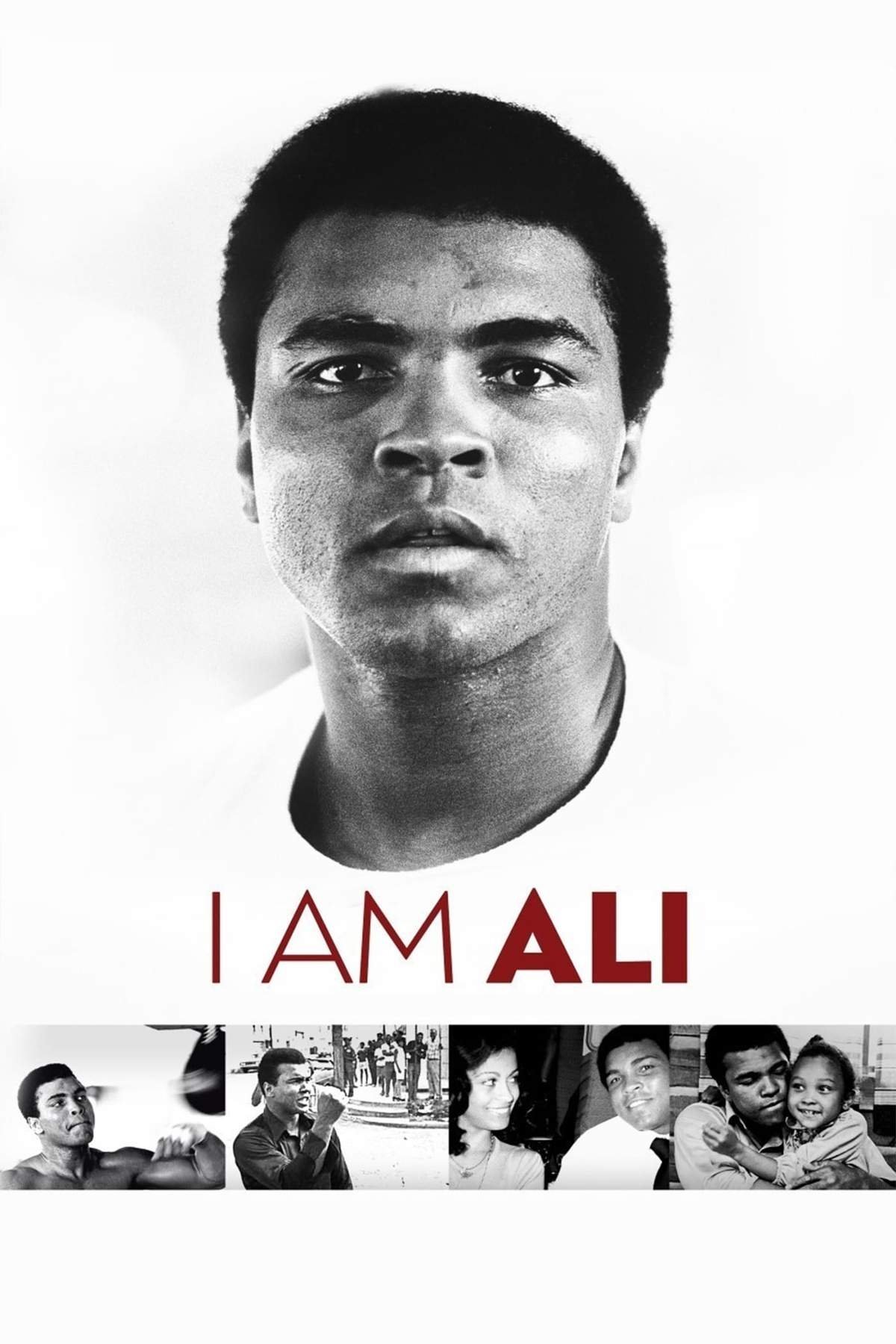
Unprecedented access to Muhammad Ali's personal archive of "audio journals" as well as interviews and testimonials from his inner circle of family and friends are used to tell the legend's life story.
A new documentary by filmmaker-photographer Raymond Depardon – where justice and psychiatry meet.
A documentary about the life and films of director John Ford.