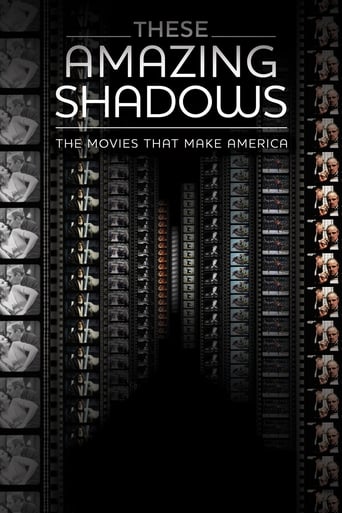
A dream walk through the United States of America; a meditation on the thoughts and ideals of its inhabitants, as they are exposed in their silent but eloquent home movies.
Social & External
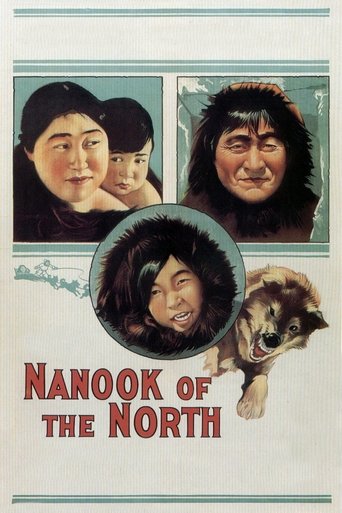
This pioneering documentary film depicts the lives of the indigenous Inuit people of Canada's northern Quebec region. Although the production contains some fictional elements, it vividly shows how its resourceful subjects survive in such a harsh climate, revealing how they construct their igloo homes and find food by hunting and fishing. The film also captures the beautiful, if unforgiving, frozen landscape of the Great White North, far removed from conventional civilization.
President Kennedy's birthday celebration was held at the third Madison Square Garden on May 19, 1962, and more than 15,000 people attended, including numerous celebrities. The event was a fundraising gala for the Democratic Party. Features Marilyn Monroe singing to JFK.
Tour of the White House with Mrs. John F. Kennedy was a television special featuring the First Lady of the United States, Jacqueline Kennedy on a tour of the recently renovated White House. It was broadcast on Valentine's Day, February 14, 1962, on both CBS and NBC, and broadcast four days later on ABC. The program was the first ever First Lady televised tour of the White House, and has since been considered the first prime-time documentary specifically designed to appeal to a female audience.
Iggy Pop reads and recites Michel Houellebecq’s manifesto. The documentary features real people from Houellebecq’s life with the text based on their life stories.
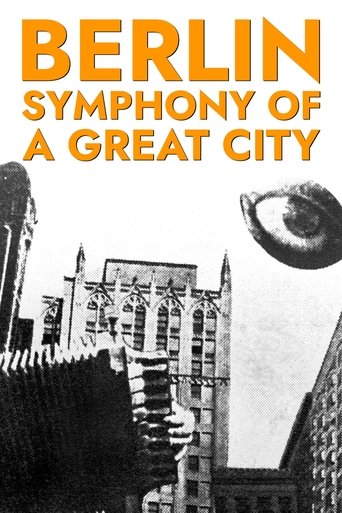
A day in the city of Berlin, which experienced an industrial boom in the 1920s, and still provides an insight into the living and working conditions at that time. Germany had just recovered a little from the worst consequences of the First World War, the great economic crisis was still a few years away and Hitler was not yet an issue at the time.
A multimedia short created for the U.S. millennium celebrations, The Unfinished Journey reflects on America’s history and spirit through six chapters—immigration, war, culture, civil rights, and innovation. Commissioned by President Bill Clinton and premiered at the Lincoln Memorial on New Year’s Eve 1999, the film features an original orchestral score by John Williams titled American Journey.
The enigma of the personality cult is revealed in the grand spectacle of Stalin’s funeral. The film is based on unique archive footage, shot in the USSR on March 5 - 9, 1953, when the country mourned and buried Joseph Stalin.
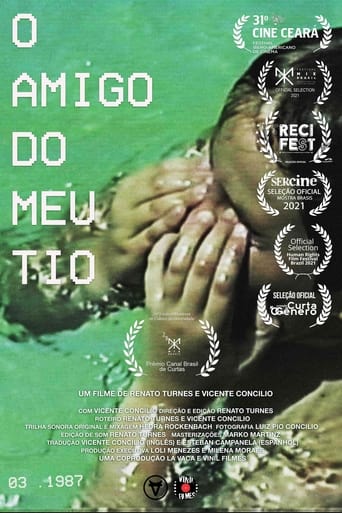
Recalling his childhood and relationship with his mother, a film student tries to understand the origin of his love for cinema and tragedies.
A love letter to Mar del Plata made of images, times and a road trip. "The Happy Ones" is an experimental short documentary composed of past and present family footage. It portrays a place in the summer, the city of Mar del Plata, with a span of 20 years between past and present images (January 2000 and 2020). Despite the time that passed by, it's beaches, essence and people remain, always willing to keep dancing.
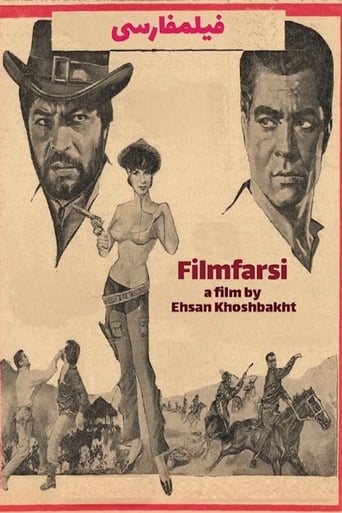
A found-footage essay, Filmfarsi salvages low budget thrillers and melodramas suppressed following the 1979 Islamic revolution.
Born June 8, 1964, Frank Matter films four "twins", born the same day as him, but in other latitudes. Interweaving their life stories with rich archival material, the filmmaker links these Parallel Lives with elements from his own biography, to compose a fascinating fresco where intimate trajectories are part of the advent of the global village.
The cooking show is as old as television itself. But why do we like watching the making of a meal that most of us will never cook, let alone eat? Dirty Furniture’s jam-packed video essay is a rollercoaster ride through the history of the genre, at once a staple of television viewing and a hotpot of shifting perspectives and sociocultural values.
From the behavior, discourse, and appearance of individual actors, Vachek composes, in the form of a mosaic, a broad and many-layered film-argument about Czechoslovak democracy in the period of its rebirth, all administered with the director’s inimitable point of view.
Swimming, Dancing examines audiovisual representations of the Yangtze (1934–present), from silent film to video art to the contemporary vlog. Inspired by the city symphonies of the 1920s, Swimming, Dancing pieces together a “river symphony”, evoking the images, sounds and contradictions that make up the river’s turbulent history.
Madrid, Spain, 1949. The Circo Americano arrives in the city. While the big top is pitched in a vacant lot, the troupe parades through the grand avenues: the band, a witty impersonator, the Balodys, acrobats, jugglers, acrobatic skaters, clowns and… Buffallo Bill.
African-American gravesites and burial grounds for enslaved persons have been lost or are disappearing throughout the South, through neglect and nature reclaiming the solemn tombstones and markers. Restoration and preservation of these forgotten sites by those with a personal connection or appreciation of their historical significance is on the rise, but much work remains to be done.
The Water Map is an essayistic journey through the ethnography and landscapes of the Region of Murcia. These places are in the process of disappearing due to the increasing and abundant agricultural exploitation. Water has marked the territory and the culture of the area, and with its disappearance, the memories of four characters fade away.
An investigation of how Hollywood's fabled stories have deeply influenced how Americans feel about transgender people, and how transgender people have been taught to feel about themselves.
Between June 1940 and March 1943, the 1,200 kilometer long demarcation line broke France in two. For almost three years she controlled the daily newspaper of 40 million French people. In the north the zone occupied by Hitler's soldiers, in the south the zone administered by Marshal Pétain's Vichy regime. This film lifts the veil in this theater on the shameful mistakes of the collaboration, but also on the most courageous and noble deeds. Archive images and film recordings at places where the border used to be crossed are alternated with interviews with the last witnesses of this time.
This film records the vast public response to the early death of Vera Kholodnaya, the first star of Russian cinema.
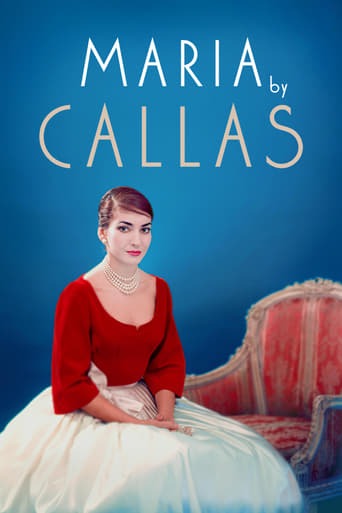
Told through performances, TV interviews, home movies, family photographs, private letters and unpublished memoirs, the film reveals the essence of an extraordinary woman who rose from humble beginnings in New York City to become a glamorous international superstar and one of the greatest artists of all time.
A compilation of over 30 years of private home movie footage shot by Lithuanian-American avant-garde director Jonas Mekas, assembled by Mekas "purely by chance", without concern for chronological order.
Lyrical and powerfully personal essay film that reflects on the deaths of her husband Lou Reed, her mother, her beloved dog, and such diverse subjects as family memories, surveillance, and Buddhist teachings.
American filmmaker Stanley Kubrick (1928–1999), one of the greatest in history, but also one of the most reserved, gave few interviews throughout his long career, and none of them were filmed. A first-person journey through his life and work, based on a recorded conversation with French film critic Michel Climent.
The definitive documentary on the history of nudity in feature films from the early silent days to the present, studying the changes in morality that led to the use of nudity in films while emphasizing the political, sociological and artistic changes that shaped that history. Skin will also study the gender inequality in presenting nude images in motion pictures and will follow the revolution that has created nude gender equality in feature films today.
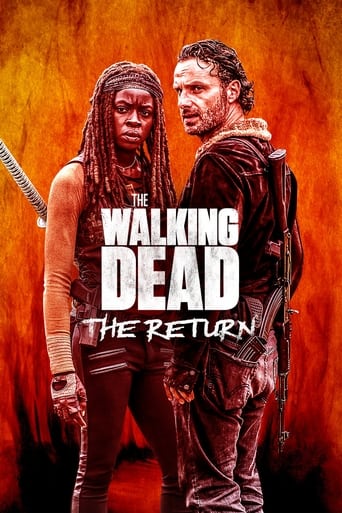
Stars of "The Walking Dead," Andrew Lincoln and Danai Gurira, walk down memory lane and visit iconic locations where pivotal moments between their characters, Rick and Michonne, were filmed.
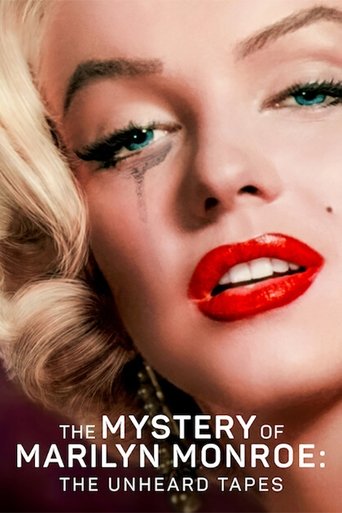
This documentary explores the mystery surrounding the death of movie icon Marilyn Monroe through previously unheard interviews with her inner circle.
An intimate documentary delving into Rian Johnson's process as he comes in as a director new to the Star Wars universe.
The history of cinematic sound, told by legendary sound designers and visionary filmmakers.
A documentary on the making of the three Godfather films, with interviews and recollections from the film makers and cast. This feature also includes the original screen tests of some of the actors for "The Godfather" film, and some candid moments on the set of "The Godfather: Part III."
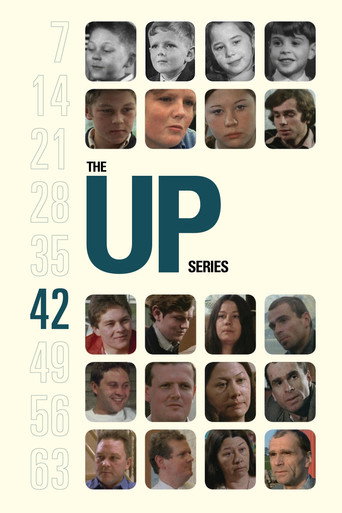
Director Michael Apted revisits the same group of British-born adults after a 7 year wait. The subjects are interviewed as to the changes that have occurred in their lives during the last seven years.
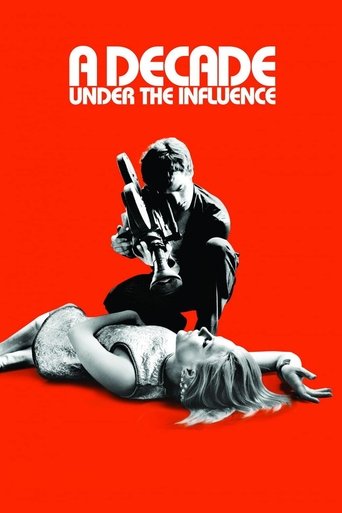
A documentary examining the decade of the 1970s as a turning point in American cinema. Some of today's best filmmakers interview the influential directors of that time.
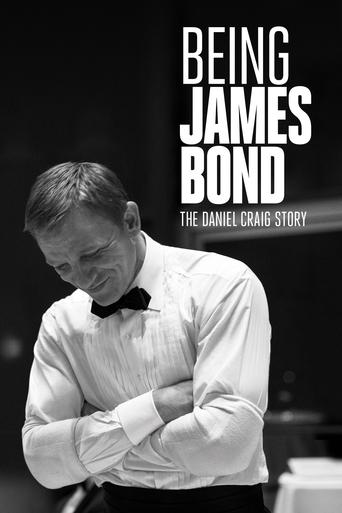
Daniel Craig candidly reflects on his 15 year adventure as James Bond. Including never-before-seen archival footage from Casino Royale to the upcoming 25th film No Time To Die, Craig shares his personal memories in conversation with 007 producers, Michael G Wilson and Barbara Broccoli.
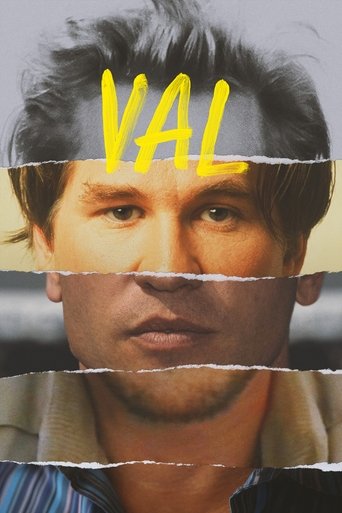
For over 40 years Val Kilmer, one of Hollywood’s most mercurial and/or misunderstood actors has been documenting his own life and craft through film and video. He has amassed thousands of hours of footage, from 16mm home movies made with his brothers, to time spent in iconic roles for blockbuster movies like Top Gun, The Doors, Tombstone, and Batman Forever. This raw, wildly original and unflinching documentary reveals a life lived to extremes and a heart-filled, sometimes hilarious look at what it means to be an artist and a complex man.
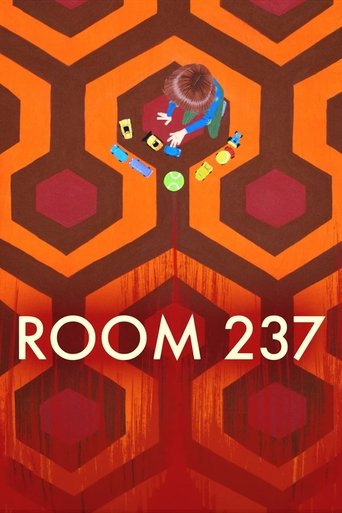
A subjective documentary that explores various theories about hidden meanings in Stanley Kubrick's classic film The Shining. Five very different points of view are illuminated through voice over, film clips, animation and dramatic reenactments.
In 1972, a seemingly typical shoestring budget pornographic film was made in a Florida hotel: "Deep Throat," starring Linda Lovelace. This film would surpass the wildest expectation of everyone involved to become one of the most successful independent films of all time. It caught the public imagination which met the spirit of the times, even as the self-appointed guardians of public morality struggled to suppress it, and created, for a brief moment, a possible future where sexuality in film had a bold artistic potential. This film covers the story of the making of this controversial film, its stunning success, its hysterical opposition along with its dark side of mob influence and allegations of the on set mistreatment of the film's star.
Tells the history and importance of The National Film Registry, a roll call of American cinema treasures that reflects the diversity of film, and indeed the American experience itself.
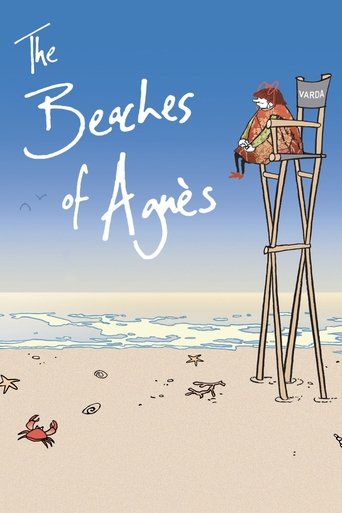
Filmmaking icon Agnès Varda, the award-winning director regarded by many as the grandmother of the French new wave, turns the camera on herself with this unique autobiographical documentary. Composed of film excerpts and elaborate dramatic re-creations, Varda's self-portrait recounts the highs and lows of her professional career, the many friendships that affected her life and her longtime marriage to cinematic giant Jacques Demy.
A collection of restored prints from the Lumière Brothers.
The life and career of an actor, artist, and icon. His own journey through his own camera.