The climactic scene of John Huston's Key Largo is fused with John Cage's 4'33", all dialogue is stripped away to reveal a cinema of movement, glances and inadvertent comedy.
Social & External
A pre-internet mash-up that mixes “Peanuts” and David Lynch’s “Blue Velvet.”
A dance of eclectic objects. A play of demented dolls, wheels, and geriatric clocks.
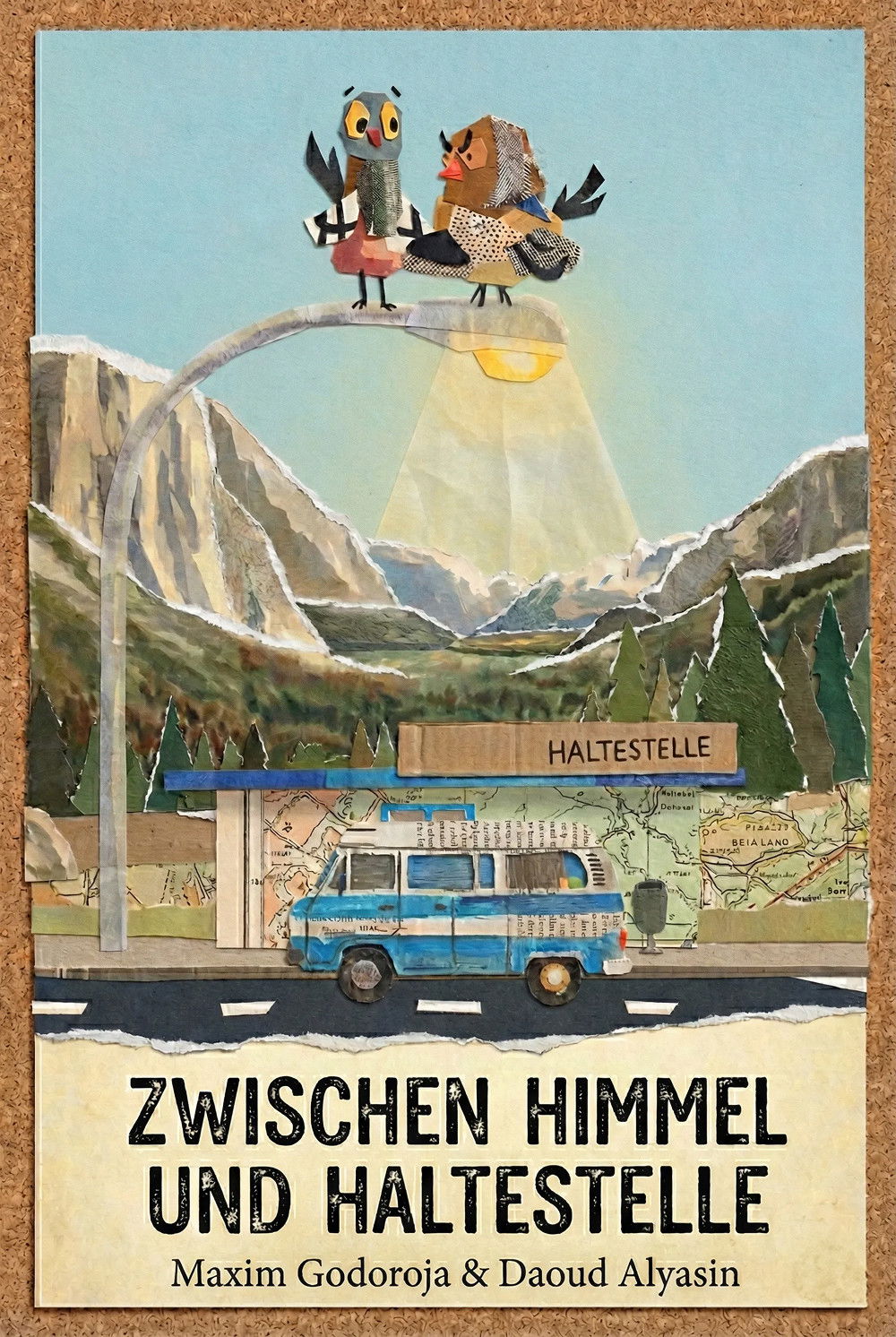
For this behemoth, Bressane took his opera omnia and edited it in an order that first adheres to historical chronology but soon starts to move backwards and forward. The various pasts – the 60s, the 80s, the 2000s – comment on each other in a way that sheds light on Bressane’s themes and obsessions, which become increasingly apparent and finally, a whole idea of cinema reveals itself to the curious and patient viewer. Will Bressane, from now on, rework The Long Voyage of the Yellow Bus when he makes another film? Is this his latest beginning? Why not, for the eternally young master maverick seems to embark on a maiden voyage with each and every new film!
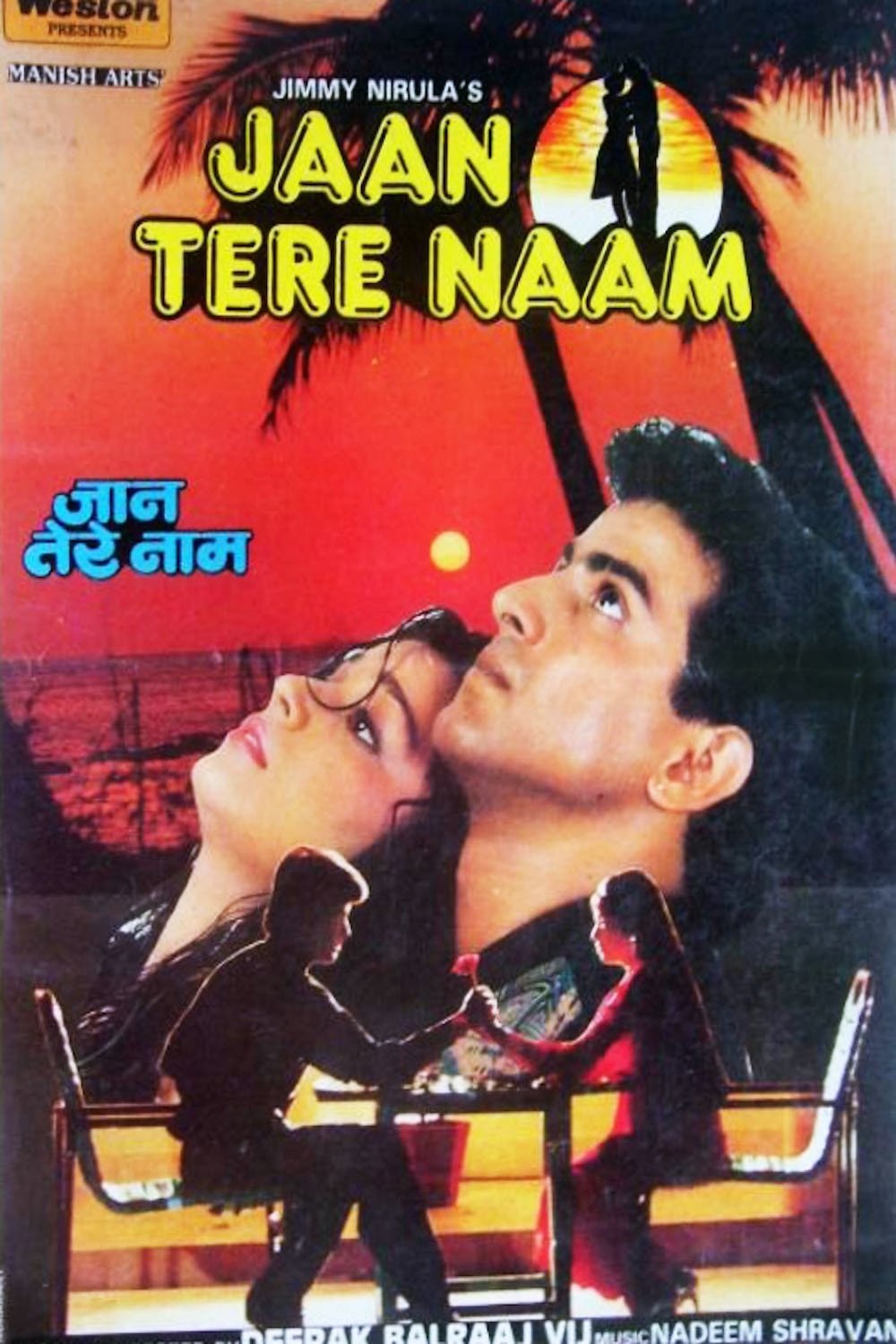
Lovely Pinky Malhotra is a heart-breaker in the college where she studies, and has a number of young men who would lay down their lives for her. Amongst them are Sunil and Vicky. She is attracted to Sunil, and both carry on a romantic relationship, hoping to get married after finishing college. Before that could happen, Pinky finds out that Sunil has been two-timing her as he is already dating another young collegian. Angered and hurt at this, she decides she will have nothing to do with him, and starts her romance with Vicky. Sunil, who does not know what has transpired, wants to talk to Pinky with a view of rekindling their romance, but Pinky refuses to speak with him. The question remains is Sunil really in love with another girl, and if so, why did he take the trouble to woo Pinky?
We are first presented a cobweb castle, filled with the haunting doubts of the young protagonist. Spirits appear on the screen and are heard on the soundtrack. Gradually a female guide emerges and escorts the young man into an antechamber to another (and possibly higher) world.
Baldwin’s “pseudo-pseudo-documentary” presents a factual chronicle of US intervention in Latin America in the form of the ultimate conspiracy theory, combining covert action, environmental catastrophe, space aliens, cattle mutilations, killer bees, religious prophecy, doomsday diatribes, and just about every other crackpot theory broadcast through the dentures of the modern paranoiac.
This short, animated piece of agitprop fiercely expresses the hopes of the Chilean people.
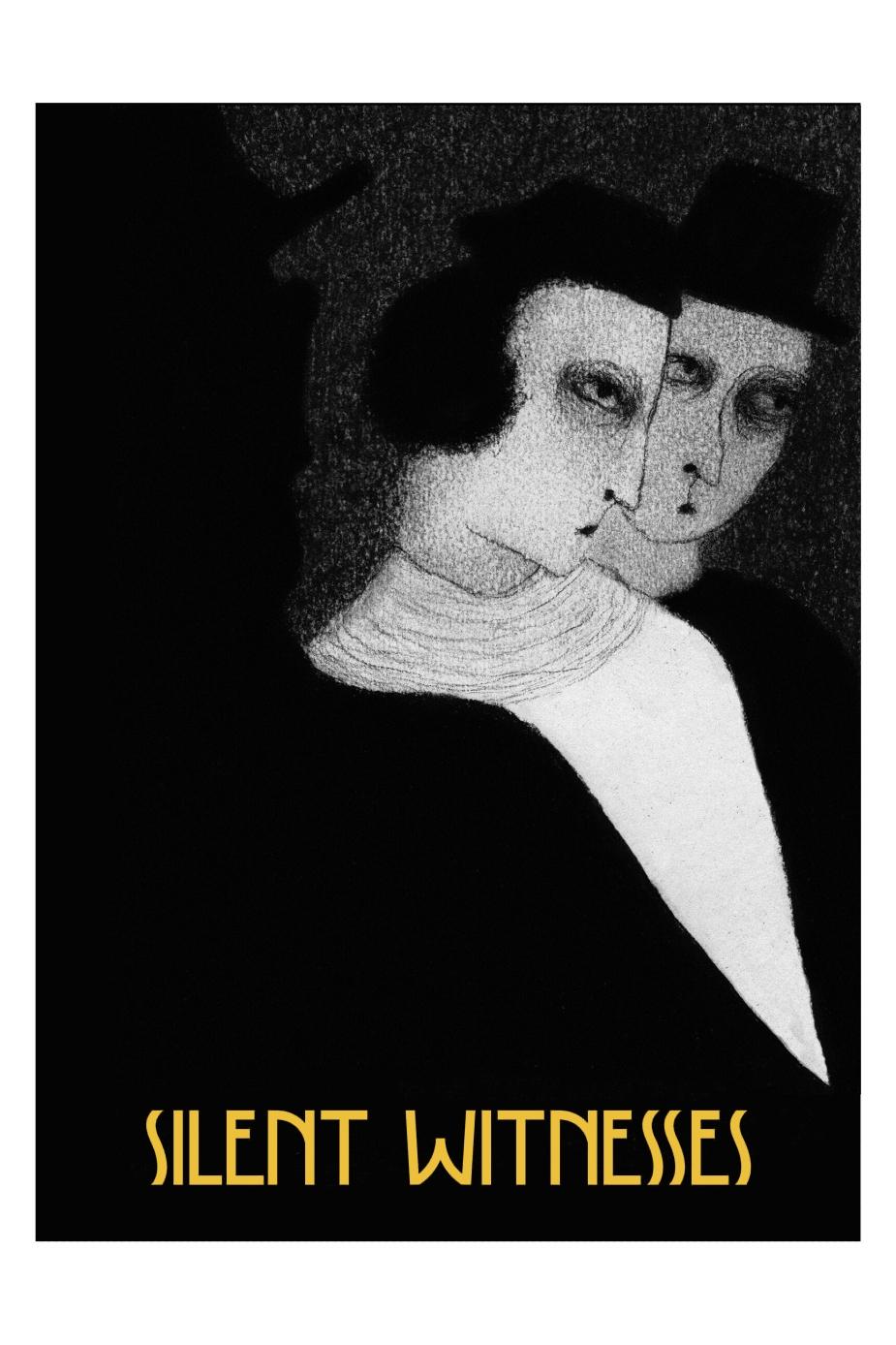
Mudos testigos is a cinematographic collage made from all the surviving material of Colombian silent films, re-editing the images in such a way as to create a single imaginary film: the impossible love story of Efraín and Alicia that traces the convulsive first half of the twentieth century in Colombia. Compiled by the late Luis Ospina and finished posthumously by Jeronimo Atehortúa.
Timo Novotny labels his new project an experimental music documentary film, in a remix of the celebrated film Megacities (1997), a visually refined essay on the hidden faces of several world "megacities" by leading Austrian documentarist Michael Glawogger. Novotny complements 30 % of material taken straight from the film (and re-edited) with 70 % as yet unseen footage in which he blends original shots unused by Glawogger with his own sequences (shot by Megacities cameraman Wolfgang Thaler) from Tokyo. Alongside the Japanese metropolis, Life in Loops takes us right into the atmosphere of Mexico City, New York, Moscow and Bombay. This electrifying combination of fascinating film images and an equally compelling soundtrack from Sofa Surfers sets us off on a stunning audiovisual adventure across the continents. The film also makes an original contribution to the discussion on new trends in documentary filmmaking.
Life for a struggling college student changes in an instant when he meets the owner of a male strip club who convinces him to give amateur night a whirl.
Two teenage girls embark on a series of destructive pranks in which they consume and destroy the world around them.
EMPATHY (a digital love letter) is a short essay documentary, a heartbreaking comedy about a break-up, an attempt to concretize emotion and evoke empathy from a writer’s approach. After getting her heart crushed in a relationship, a woman writes a letter to the man she loves for a simple reason—to evoke his empathy towards her. Knowing the premise of human emotions, the woman starts her letter with her own life stories, follows with a blunt confession of affection, and ends with a cursing when she can’t handle the emotions anymore.
A critique of marketing speak in the commercial cartoon industry.
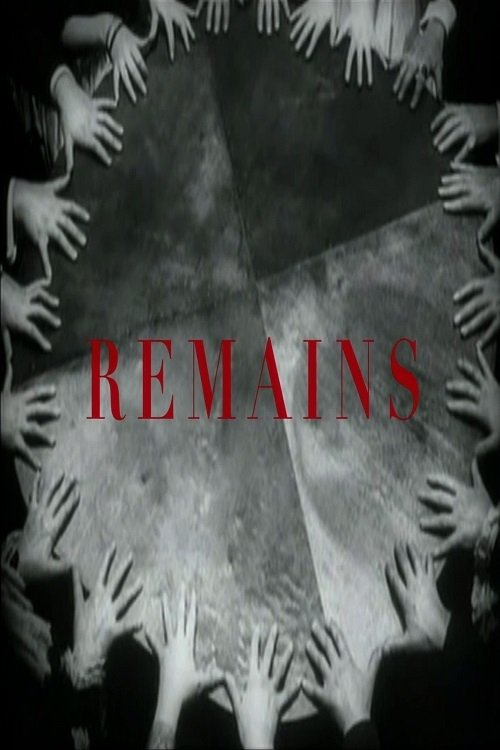
Something takes us underground, where gods and monsters are active, amid the ruins of a world they move around with their innumerable hands. Inspired by Fritz Lang and Richard Wagner, Remains is a daydream.
A cinematic time capsule with over 1,400 hours of submitted material from all regions of Switzerland gives unknown insights about the life of Swiss people in the politically and socially turbulent summer of 2019.
Made using footage from USA Olympics in Los Angeles 1984 and snippets of Alistair Cooke's America: A Personal History of the United States. The footage was combined at Goldsmith's Art Department using an unusual Grass Valley mixer that had oscillating wipes which created the signature colours and wiggly lines. (Modern Art Oxford) Barber was always the most polished of the Scratch video artists, and Tilt shows his ability to make seductive, easy-viewing pieces, while maintaining a subversive undercurrent.
RiP!: A Remix Manifesto is a 2008 open source documentary film about the "the changing concept of copyright" directed by Brett Gaylor.
In 1914, the Czech architect Jan Letzel designed in the Japanese city of Hiroshima Center for the World Expo, which has turned into ruins after the atomic bombing in August 1945. “Atomic Dome” – all that remains of the destroyed palace of the exhibition – has become part of the Hiroshima memorial. In 2007, French sculptor, painter and film director Jean-Gabriel Périot assembled this cinematic collage from hundreds of multi-format, color and black and white photographs of different years’ of “Genbaku Dome”.
A ritual in the form of a film essay that explores, through collage, the sense of exile experienced during early childhood migration. It examines the primal configuration of detachment from one’s homeland, family environment, and body, and the reclamation of origins as a symbolic center.