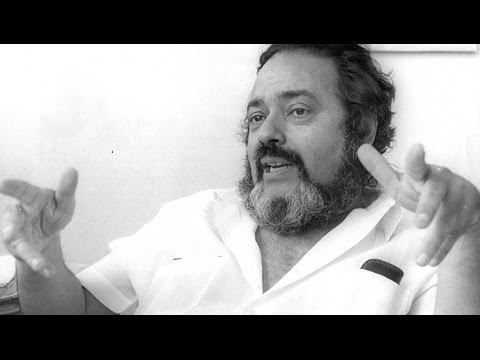
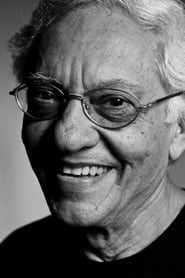
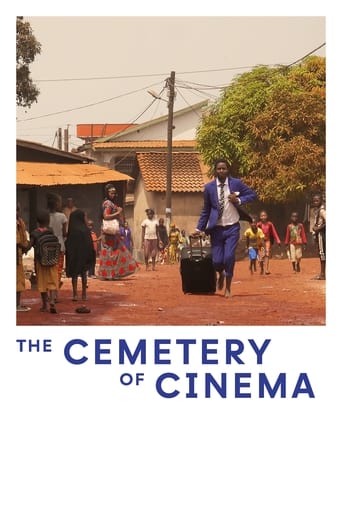
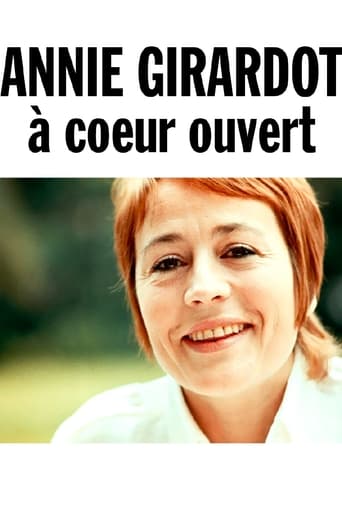
A documentary on Cosme Alves Netto (1937-1996), former head of the Cinematheque of the Museum of Modern Arts at Rio de Janeiro.
Social & External
Self (archive footage)
Self
Six elderly retired women, two from Buenos Aires, Argentina; two from Montevideo, Uruguay; and two from Madrid, Spain, have something in common, despite their different interests and lives: they go to the movies almost every day.
Argentinian film historians find a complete print of Fritz Lang's “Metropolis” (1927) at Buenos Aires Film Museum and take it to Germany for its restoration.
A comprehensive and fascinating behind-the-scenes look at the restoration process of restoring 3-strip Cinerama for the 1962 film "The Wonderful World of the Brothers Grimm".
Why are we still able, today, to view images that were captured over 125 years ago? As we enter the digital age, audiovisual heritage seems to be a sure and obvious fact. However, much of cinema and our filmed history has been lost forever. Archivists, technicians and filmmakers from different parts of the world explain what audiovisual preservation is and why it is necessary. The documentary is a tribute to all these professionals and their important work.
Among the pieces featured in Fragments are the final reel of John Ford's The Village Blacksmith (1922) and a glimpse at Emil Jannings in The Way of All Flesh (1927), the only Oscar®-winning performance in a lost film. Fragments also features clips from such lost films as Cleopatra (1917), starring Theda Bara; The Miracle Man (1919), with Lon Chaney; He Comes Up Smiling (1918), starring Douglas Fairbanks; an early lost sound film, Gold Diggers of Broadway (1929), filmed in early Technicolor, and the only color footage of silent star Clara Bow, Red Hair (1928). The program is rounded out with interviews of film preservationists involved in identifying and restoring these films. Also featured is a new interview with Diana Serra Cary, best known as "Baby Peggy", one of the major American child stars of the silent era, who discusses one of the featured fragments, Darling of New York (1923).
This documentary about the culture of intense cinephilia in New York City reveals the impassioned world of five obsessed movie buffs. These human encyclopedias of cinema see two to five films a day, and from 600 to 2,000 films per year. This is the story of their lives, their memories, their unbending habits and the films they love.
40 international directors were asked to make a short film using the original Cinematographe invented by the Lumière Brothers, working under conditions similar to those of 1895. There were three rules: (1) The film could be no longer than 52 seconds, (2) no synchronized sound was permitted, and (3) no more than three takes.
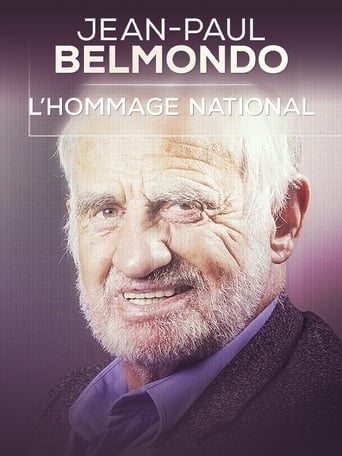
A ceremony celebrated in the courtyard of the Invalides, in the presence of the President of the Republic Emmanuel Macron, members of the Government, the actor's family and many personalities from entertainment and sport.
Tells the history and importance of The National Film Registry, a roll call of American cinema treasures that reflects the diversity of film, and indeed the American experience itself.
A forgotten history of Northern Ireland is unveiled through a journey into Ulster Television’s archives, and the rediscovery of the first locally-produced network drama, Boatman Do Not Tarry.
A 3 Part Collection of More Than 75 Early Films by Alice Guy, Louis Feuillade and Léonce Perret. The invention of cinema—and its growth into a sophisticated art form—are vividly brought to life in this massive collection of films from the early years of the influential Gaumont Film Company. Each disc is devoted to one of Gaumont’s artistic directors, who oversaw all film production at the studio, and profoundly influenced not only the identity of the studio but also the evolution of the cinema itself.
On the first hot day of summer, an old farmer goes fishing just as he has done for many years on the West Branch of the Delaware River. A young boy, his frequent fishing companion, eagerly takes him to see the first giant bulldozers, which are to begin construction on the Cannonsville Reservoir. In order to provide more water for the cities, the vast project will flood the valley. The old man goes to the general store and walks the length of the valley to talk about his concerns, but most people do not support him. The young people of the valley celebrate at a barn dance. The old man resists eviction with his unloaded flintlock. The next day, he watches as the houses and farms are burned to clear the way. His friend, the fiddler, picks him up and takes him and his few belongings away.
Japanese Masao Maruyama, co-founder of the Madhouse studio and producer of the cult films Perfect Blue and Tokyo Godfathers talks about the fantastic universe of mangaka and filmmaker Satoshi Kon (1963-2010), one of the most brilliant and fascinating authors of world animation, ten years after his death.
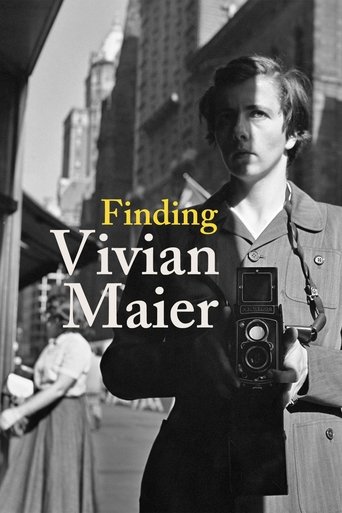
Vivian Maier's photos were seemingly destined for obscurity, lost among the clutter of the countless objects she'd collected throughout her life. Instead these images have shaken the world of street photography and irrevocably changed the life of the man who brought them to the public eye. This film brings to life the interesting turns and travails of the improbable saga of John Maloof's discovery of Vivian Maier, unravelling this mysterious tale through her documentary films, photographs, odd collections and personal accounts from the people that knew her. What started as a blog to show her work quickly became a viral sensation in the photography world. Photos destined for the trash heap now line gallery exhibitions, a forthcoming book and this documentary film.
Born in Berlin in 1896, Lotte Eisner became famous for her passionate involvement in the world of both German and French cinema. In 1936, together with Henri Langlois, she founded the Cinémathèque Française with the goal of saving from destruction films, costumes, sets, posters, and other treasures of the 7th Art. A Jew exiled in Paris, she became a pillar of the capital's cultural scene, where she promoted German cinema.
The one-night-only celebration honoring the life and legacy of the famed producer features intimate conversations, special performances and surprise reunions that pay homage to the man behind some of television’s greatest stories in celebration of his 100th birthday.
The Michael Jackson: 30th Anniversary Special was a 2001 New York City revue show by Michael Jackson. It took place on September 7, 2001 and September 10, 2001. In late November 2001, the CBS television network aired the concerts as a two-hour special in honour of Michael Jackson's thirtieth year as a solo entertainer (his first solo single, "Got to Be There", was recorded in 1971). The show was edited from footage of two separate concerts Michael had orchestrated in New York City's Madison Square Garden on September 7 and September 10 of 2001. The shows sold out in five hours. Ticket prices were pop's most expensive ever; the best seats cost $5,000 and included a dinner with Michael Jackson and a signed poster.
Indian documentary about Indian film history and P. K. Nair, the founder of the National Film Archive of India and guardian of Indian cinema. He built the archive can by can in a country where the archiving of cinema was considered unimportant.