The story of a small boy who is a magician's helper. The magician is wicked. But Tommy learns his secrets and prevents him from conquering the world. Consists of animation and live-action photography
Social & External
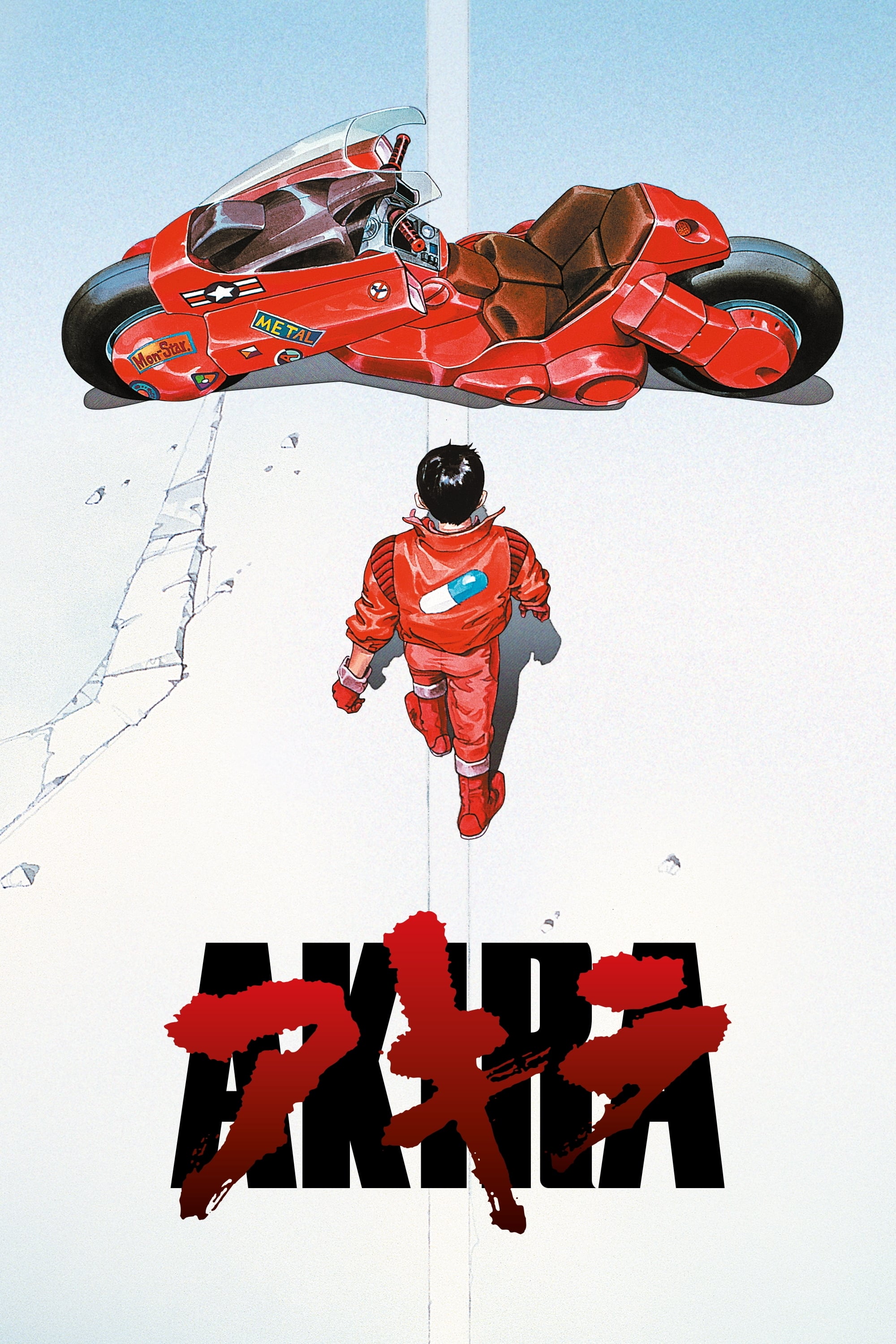
A secret military project endangers Neo-Tokyo when it turns a biker gang member into a rampaging psychic psychopath that only two teenagers and a group of psychics can stop.
A rare glimpse of early Japanese sound anime and prewar Japanese culture, The Roots of Japanese Anime features the masterworks of such pioneers of Japanese animation as Noburo Ofuji, Yasuji Murata, and Kenzo Masaoka, in addition to Mitsuyo Seo’s Momotaro’s Sea Eagle, the notorious war cartoon billed as Japan’s first feature anime. These movies represent the brilliance and variety of anime, ranging from beautiful Japanese paper animation to powerful multiplane cel cartoons. They also evoke the fascinating complexity of Japan, a nation that is then both marching towards war, enlisting kids in militarist nationalism, yet also delighting in a mixture of modern popular culture, ancient folk tales, irreverent comedy, and the everyday life of prewar Japanese children.
Peaceful citizens (one of whom resembles Felix the Cat) are dancing to music before their island is being invaded by a gigantic rodent that resembles Mickey Mouse. The islanders contact legendary folk-hero Momotaro from a giant book to battle Mickey.
The Sailor and the Seagull was released by the U.S. Navy in 1949 with a simple goal: encouraging servicemen to re-enlist. In the film, a disgruntled sailor named McGinty complains about the raw deal he believes he is receiving by serving in the Navy. As luck would have it, a seagull comes to release him from service so that he can experience the freedom of civilian life. McGinty soon learns, however, that civilian life means less freedom and less money than he had imagined and quickly jumps at the chance to re-enlist. (cont. http://blogs.archives.gov/unwritten-record/2013/09/26/sailor-and-the-seagull/)
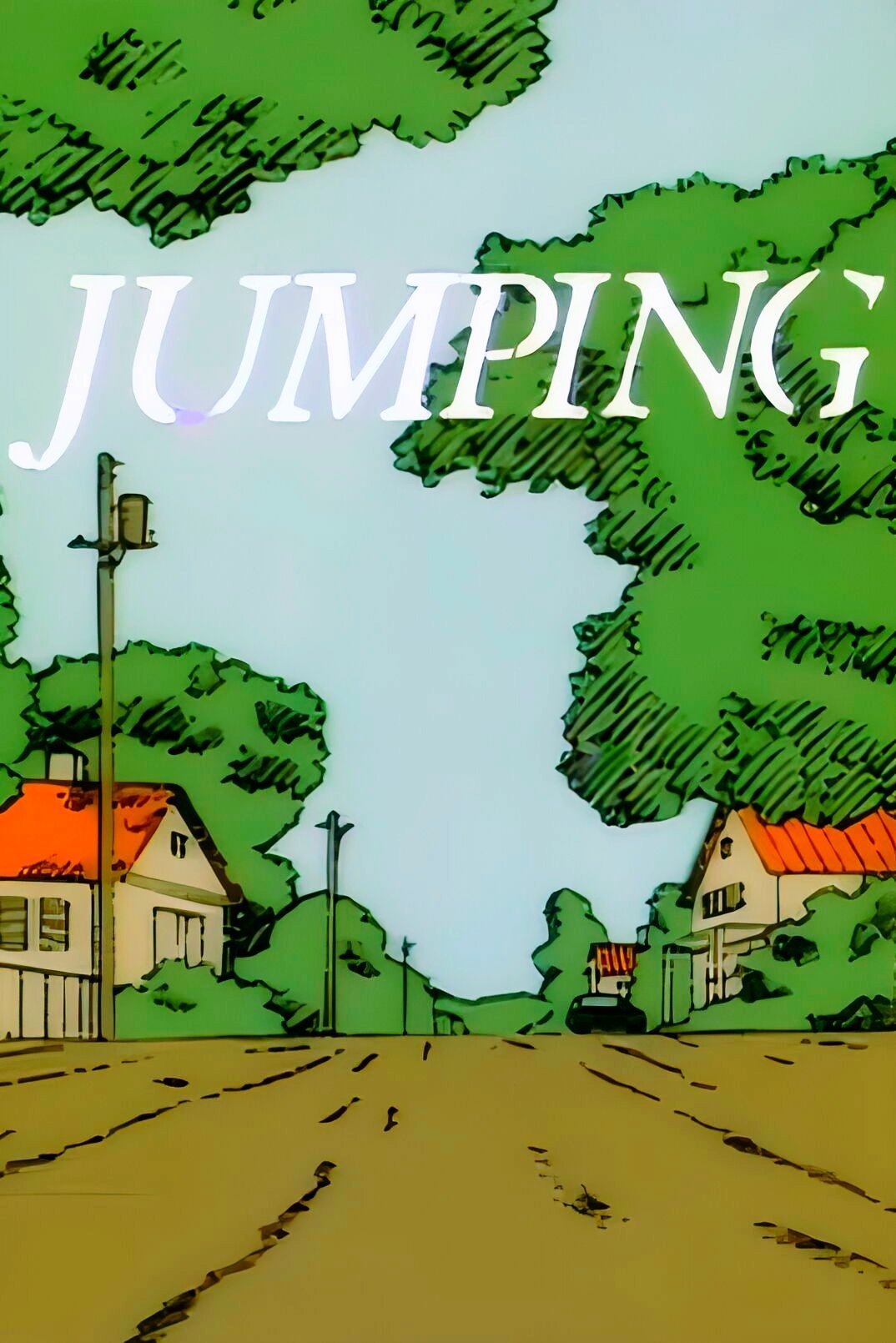
A boy walks down the street and as he goes along his strides increase. Eventually he leaps over towns, forests, and oceans, seeing many things and surprising many people along the way.
A propaganda film during World War II about a boy who grows up to become a Nazi soldier.
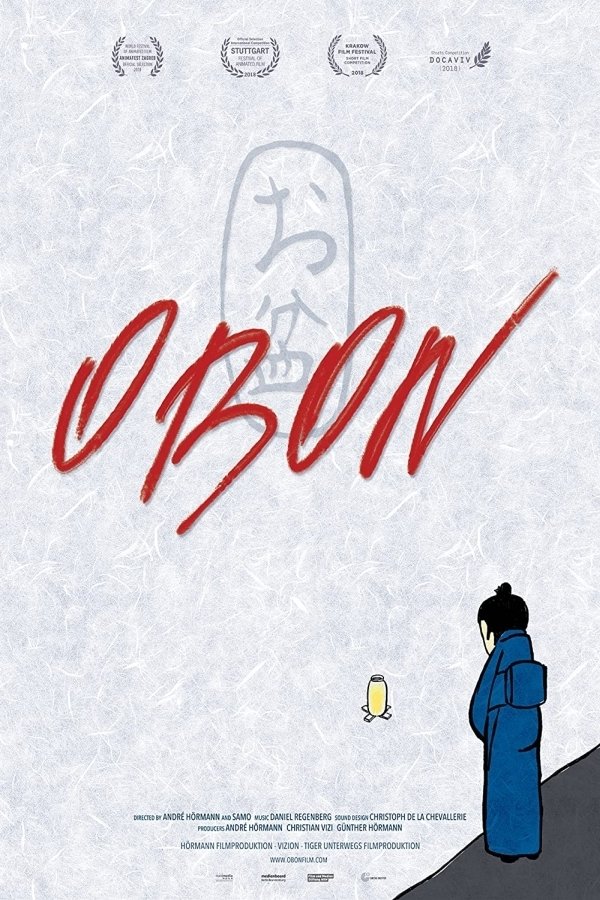
Akiko Takakura is one of the last survivors of the Hiroshima bomb. During Obon, she receives the spirits of her parents and is haunted by memories. Finally Akiko experiences paternal love in the middle of the ruins of Hiroshima.
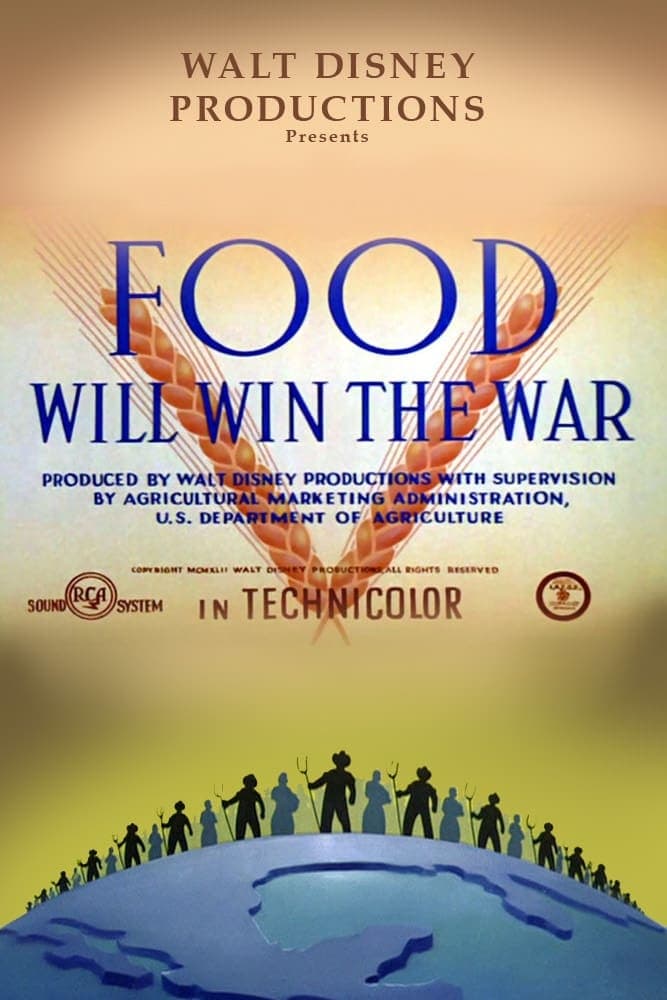
World War II propaganda film on the importance of American farming. A morale booster film stressing the abudance of American agricultural output.
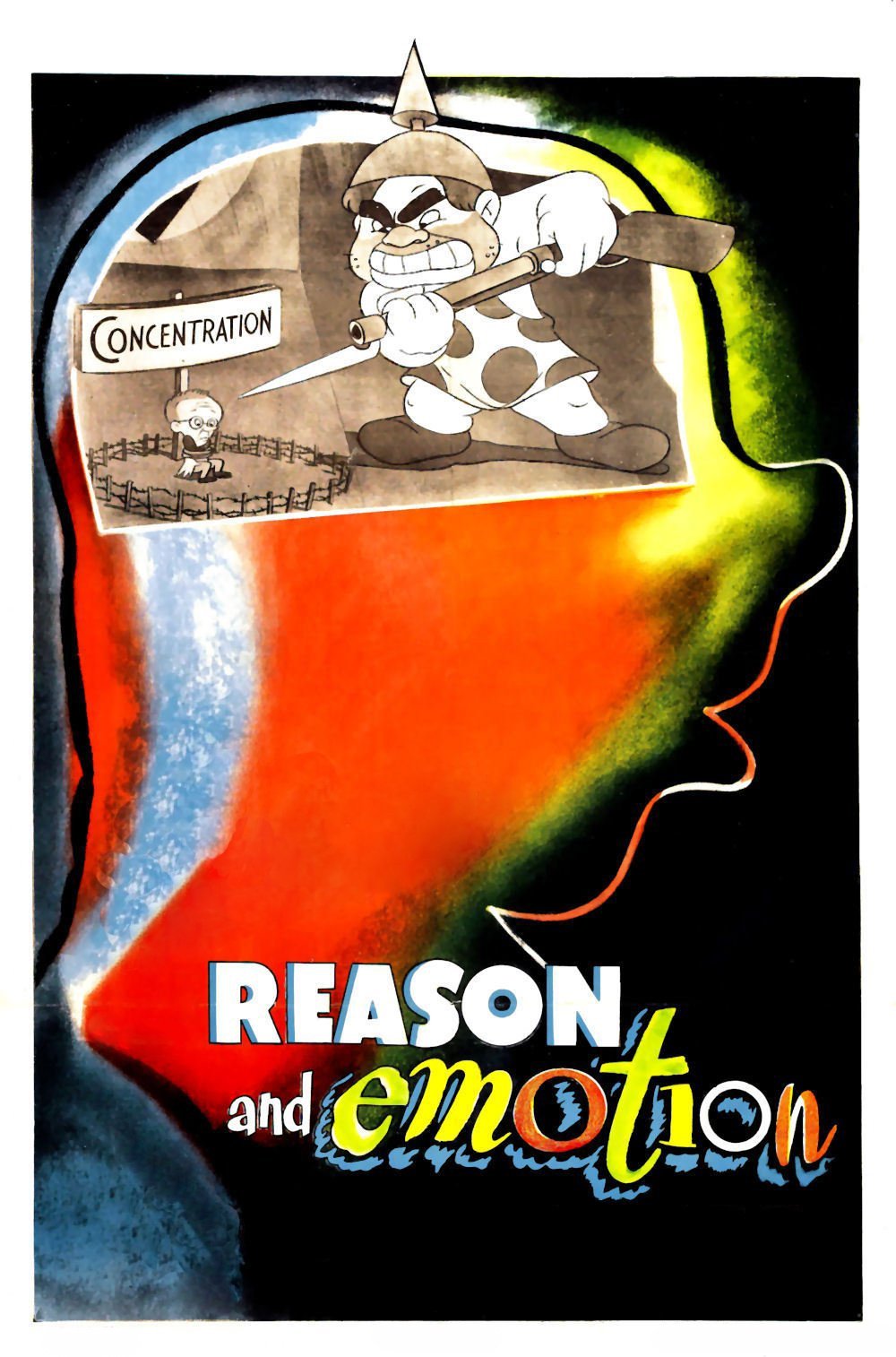
A World War II propaganda film about the need to remain calm and logical during wartime.
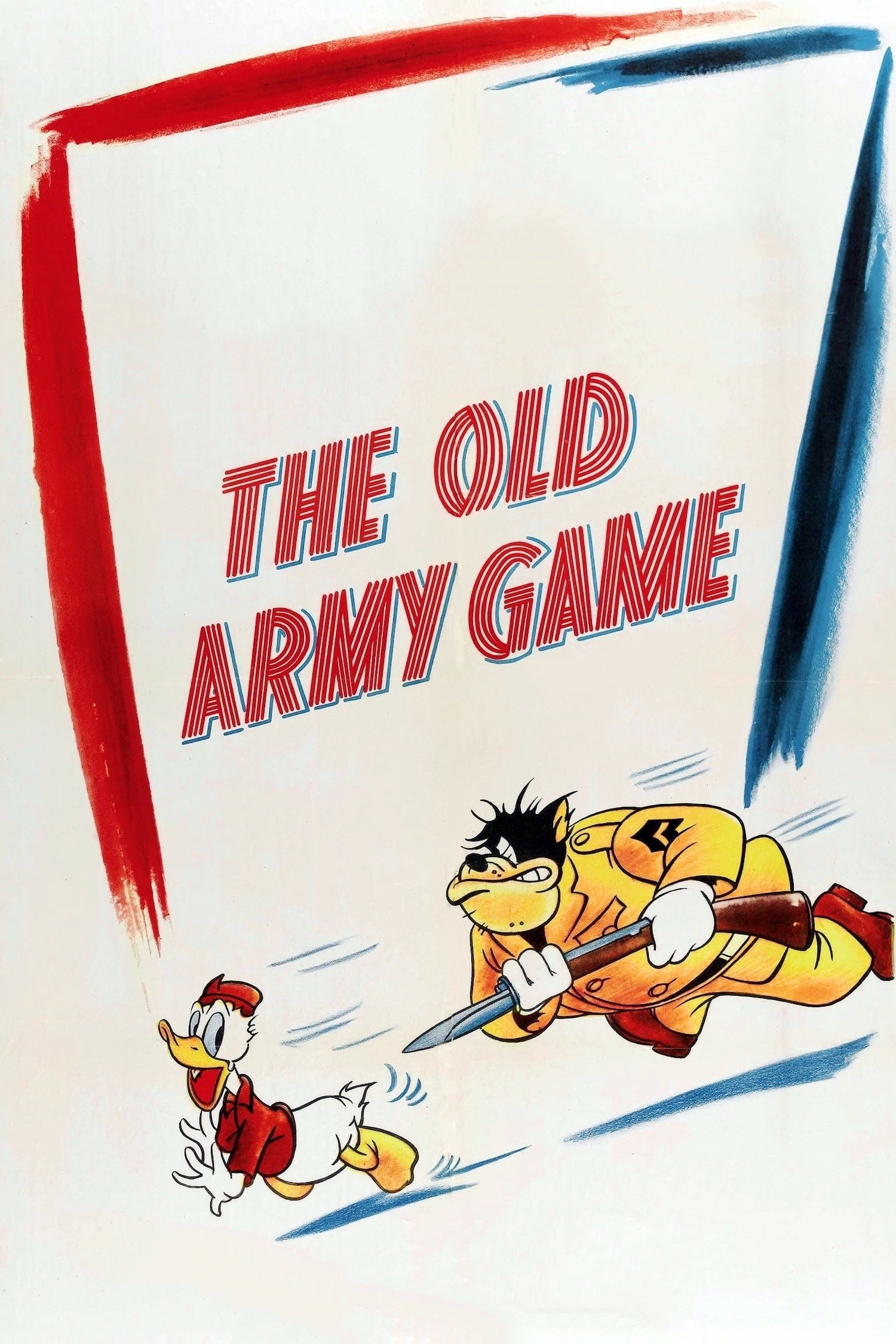
The old shell game gets a new face as Donald stays off-base past "Taps" and has to try to sneak back in with out alerting Pete.
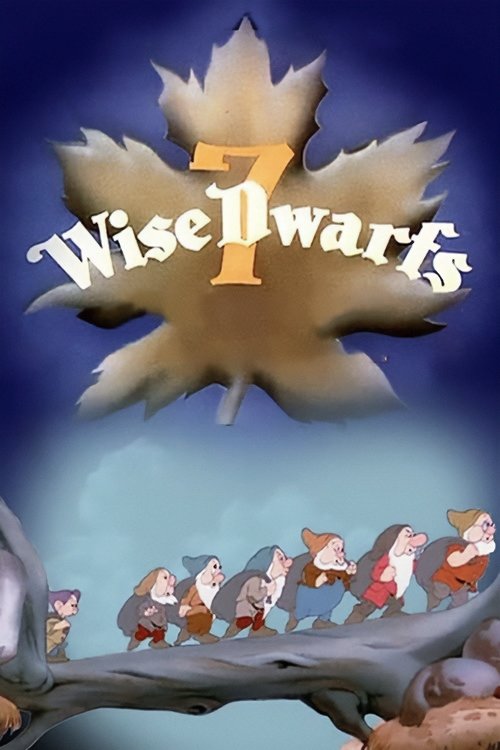
7 Wise Dwarfs is an educational short animated film commissioned by the National Film Board of Canada as a short film for educating the Canadian public about war bonds during World War II. The short features the seven dwarfs from Disney's Snow White and the Seven Dwarfs, four years after the characters made their screen debut.
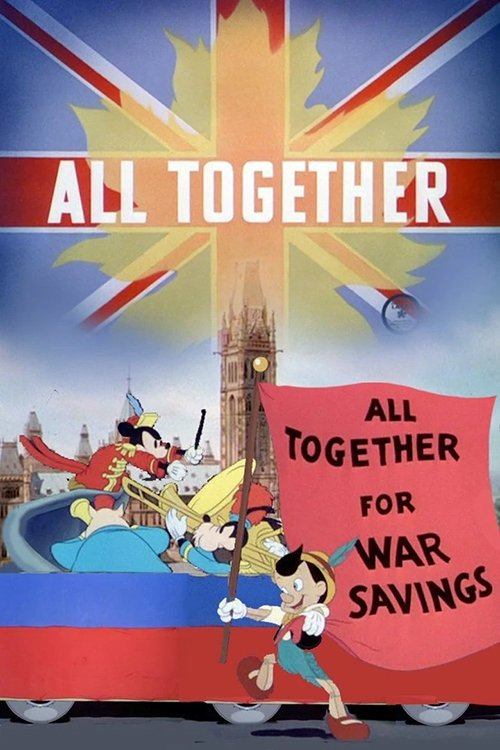
The entire Disney menagerie appears in a parade urging the purchase of war bonds.
A Jewish radio announcer broadcasts the imminent arrival in France of Allied liberators; US planes flown by Mickey Mouse, Donald Duck, and Popeye, (and defended by air gunners Goofy and Felix the Cat) receive orders to drop bombs on French civilians below.
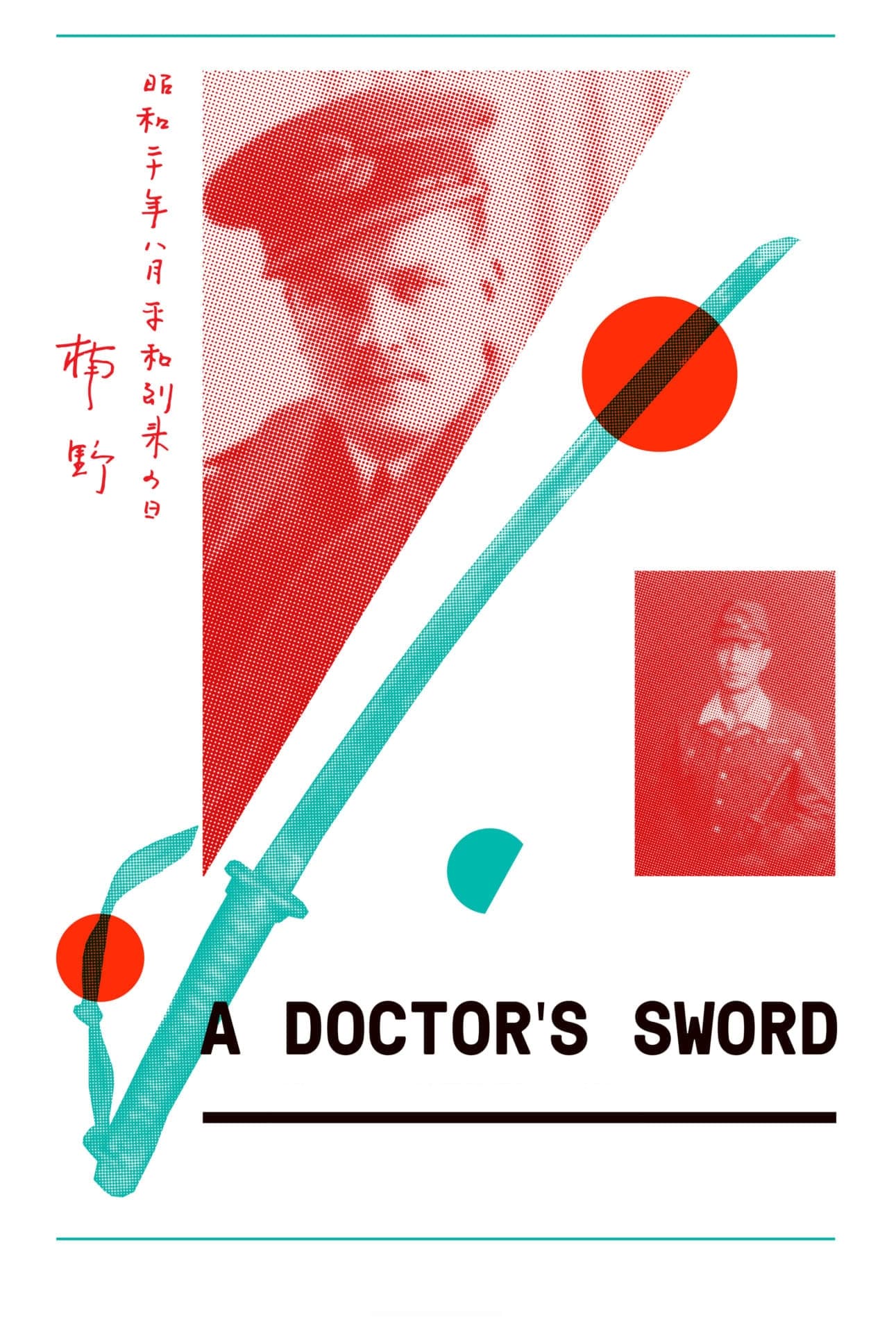
An Irish doctor survived the atomic bomb attack on Nagasaki and was given a Samurai sword for the lives he saved. 70 years later his family searches for the origin of their father's sword.
Private Snafu learns the hard way about the need for military dicipline and procedures to maintain an effective army.
Snafu inadvertantly starts a panic on his base when he begins a mistaken rumour that the base is about to be bombed.
A wartime cartoon that satirizes the Axis leaders of World War II.
Soviet propaganda cartoon from World War 2. Adolf Hitler, introduced by Charlie Chaplin's the Tramp, is ridiculed in three short skits.
Wartime Soviet propaganda cartoon. The short shows the fascist threat, symbolised by vultures, and glorifies Soviet defence, represented here by the airforce.
The doltish but self-confident and self-congratulatory Private Snafu is in possession of a military secret during World War II. Over the course of the day, spouting rhymed couplets, he divulges the secret a little at a time to listening Axis spies. He tells his mom some of the secret when he calls her from a phone booth; the rest he spills to a dolly dolly spy who plies him with liquor. Snafu's loose lips put himself at risk.